300 Watt Microinverter is a key solution in the industry, specifically within the solar energy and renewable power sectors. This article explores how https://www.tsun-ess.com supports professionals with durable, high-performance products, and explains why this product is an ideal choice for businesses in these sectors.
Table of Contents
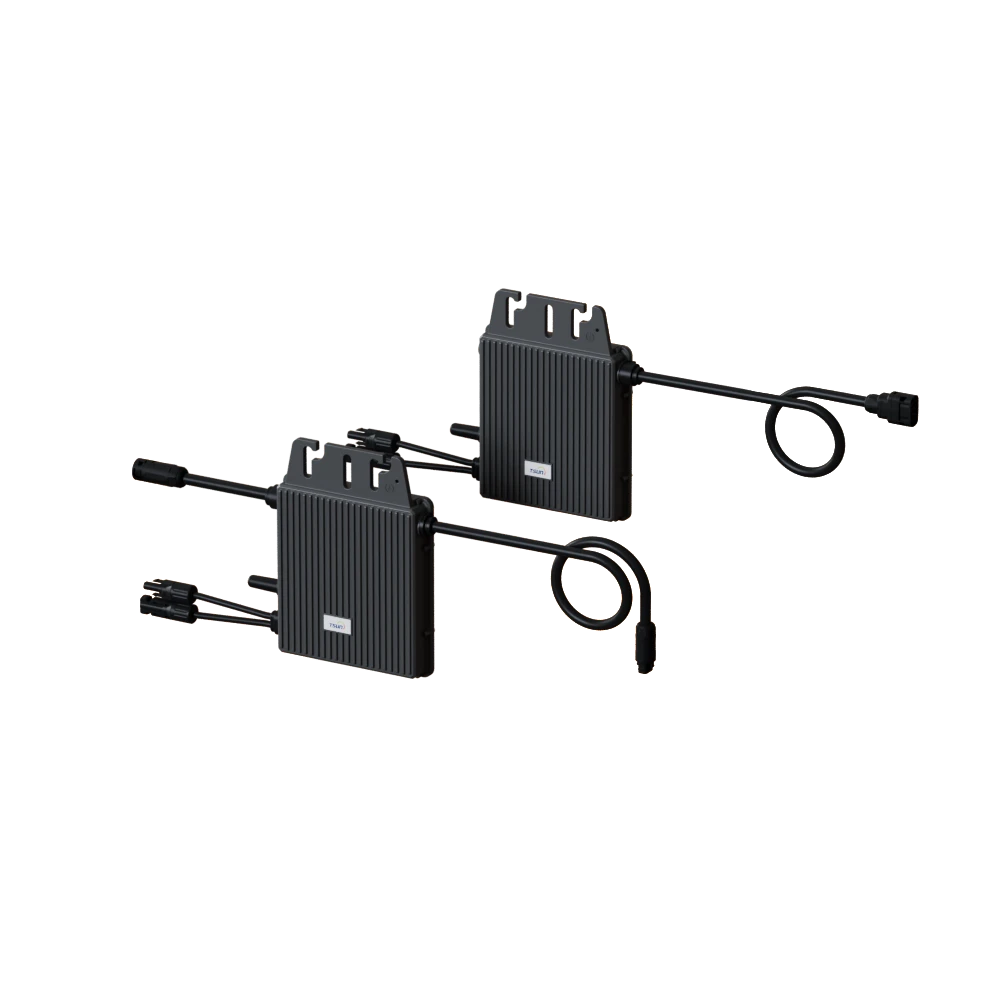
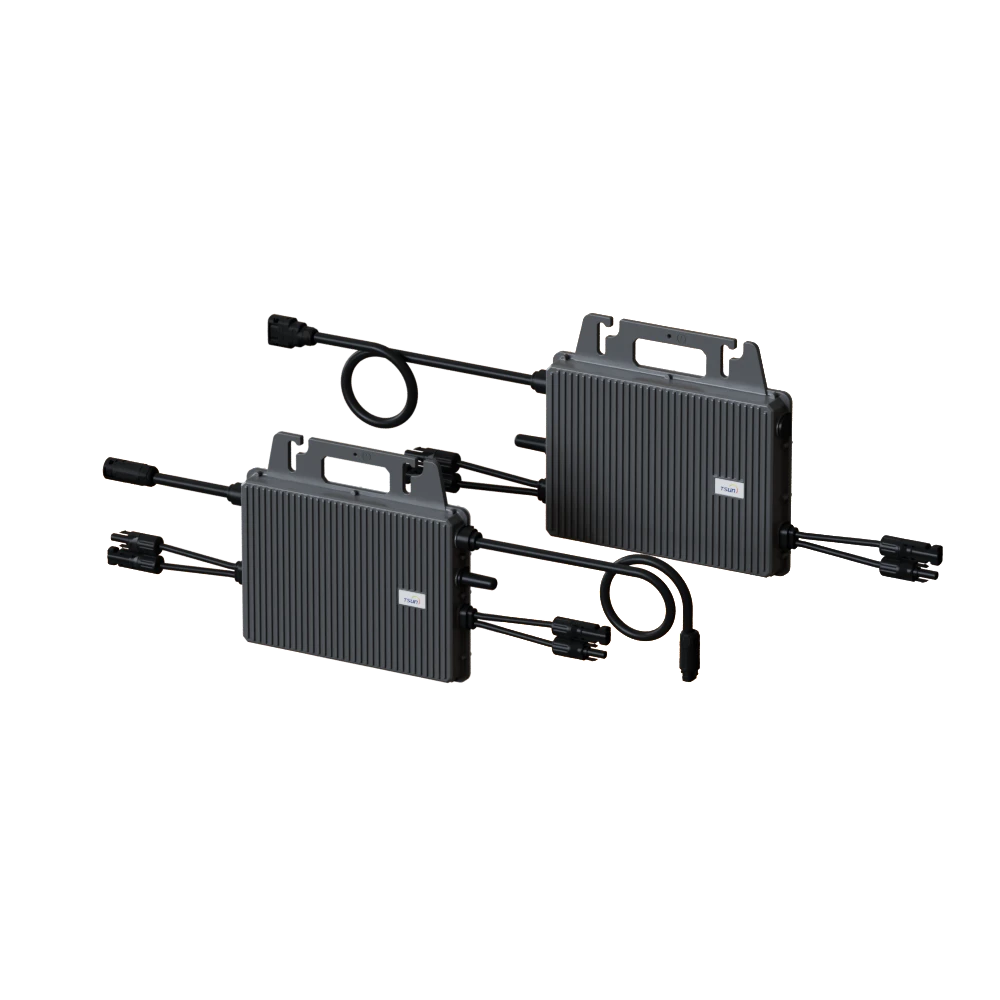
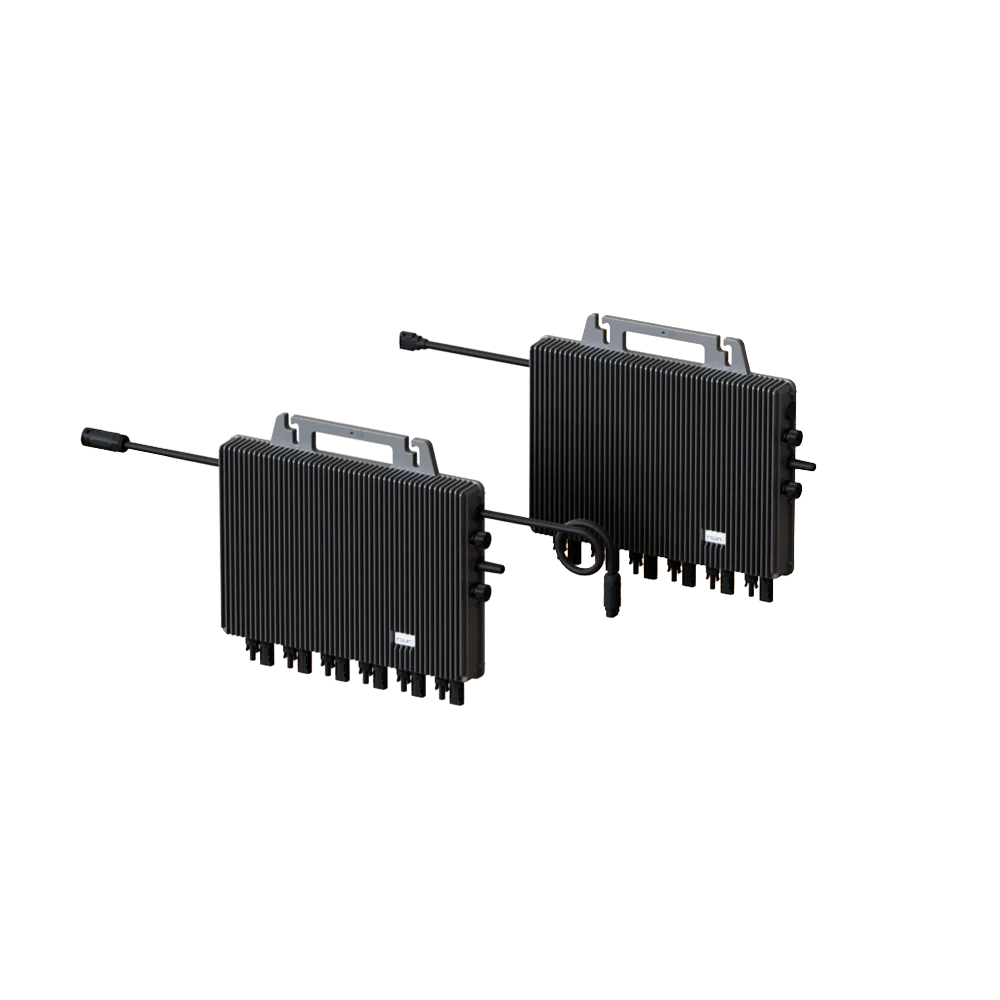
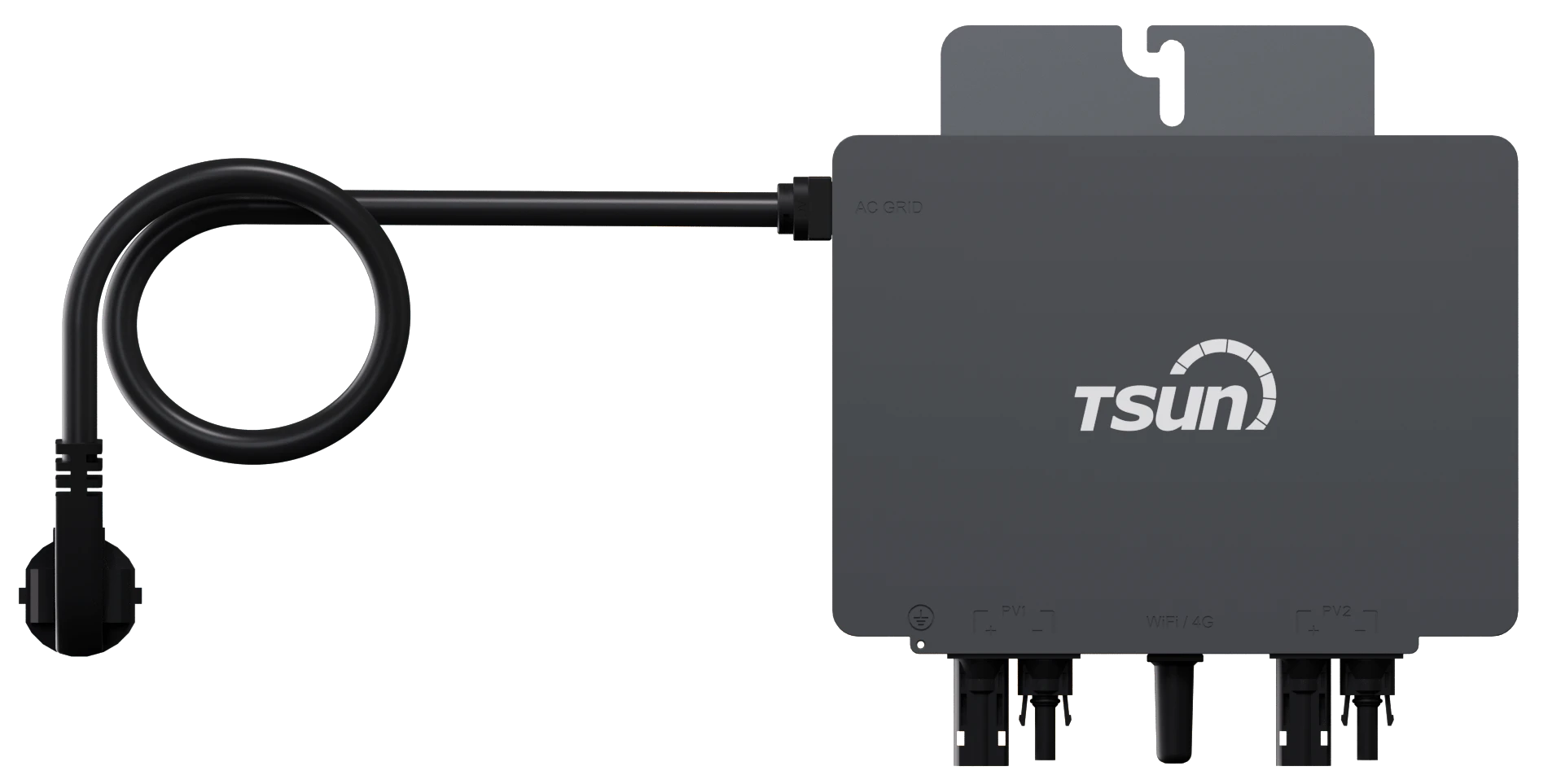
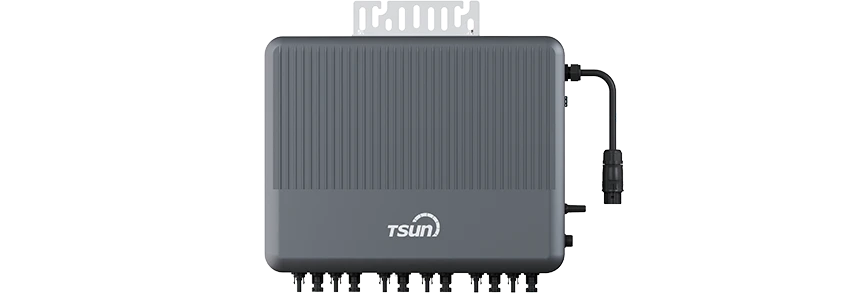
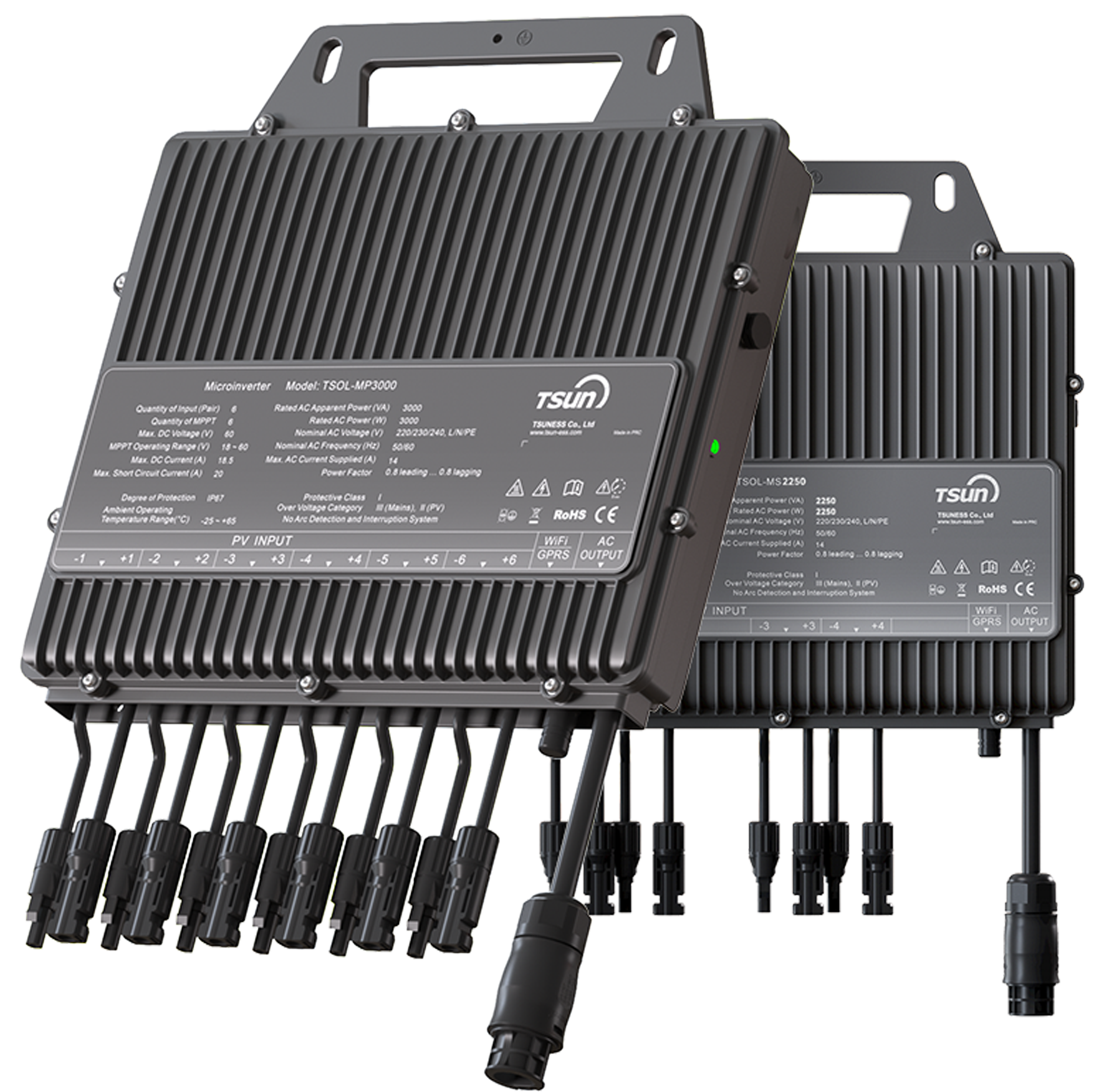
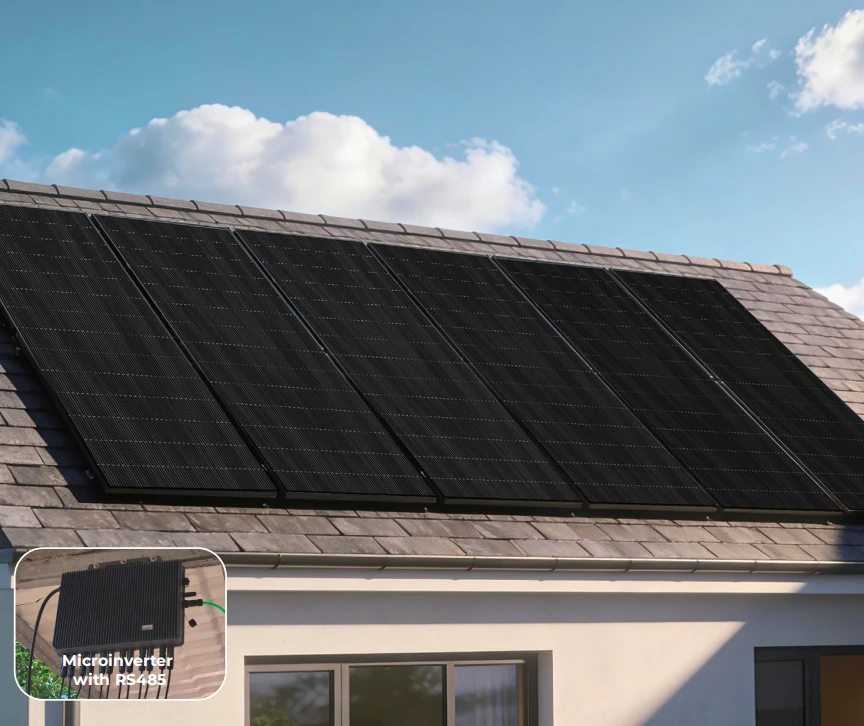
The 300 Watt Microinverter is essentially a compact power conversion device designed to convert the direct current (DC) generated from a single solar panel into usable alternating current (AC). In real terms, it’s what makes solar energy systems efficient and more flexible, because unlike traditional string inverters, microinverters operate at the panel level. This means if one panel is shaded or underperforming, it doesn’t drag down the entire system. It's quite clever engineering infused with practical benefits.
- The 300 Watt rating indicates each microinverter is optimized for panels producing roughly that wattage, ideal for residential and small commercial applications.
- Technically, these microinverters include maximum power point tracking (MPPT) per panel, boosting overall yield and system resilience.
| Specification |
Detail |
| Maximum Output Power |
300 Watts |
| Input Voltage Range |
22V - 50V DC |
| Efficiency |
>96.5% |
| Operating Temperature |
-40°C to 65°C |
| Communication Interface |
Power Line Communication |
Oddly enough, many B2B decision makers overlook microinverters when planning solar setups, but these devices play a subtle yet critical role—especially for complex installations involving partial shading or variable panel orientations. You might find them especially handy in commercial rooftops that have numerous equipotential points or in residential neighborhoods that face varying sunlight throughout the day.
- They provide module-level monitoring, so operators can easily spot performance issues without hindering the rest of the system.
- Compared to centralized inverters, they reduce system downtime and increase long-term reliability.
Vendor Comparison: 300 Watt Microinverters
| Feature |
Tsun-ESS |
Competitor A |
Competitor B |
| Max Efficiency |
>96.5% |
95.8% |
96.0% |
| Operating Temp |
-40°C to 65°C |
-30°C to 60°C |
-40°C to 60°C |
| Warranty |
25 years |
20 years |
15 years |
| Communication |
Power Line |
Wireless |
Power Line |
Cost, Maintenance & User Experience
When you first look at purchasing a 300 Watt Microinverter, the upfront cost can seem somewhat higher than traditional centralized inverter solutions. That said, the total cost of ownership often tells a different story. The individual panel-level optimization reduces the likelihood of system-wide failures. Oddly enough, many engineers say these microinverters actually lower ongoing maintenance costs by localizing issues before they escalate.
- Durability is a big factor — microinverters from https://www.tsun-ess.com are built with robust components to withstand extreme temperature swings, a must-have for outdoor setups.
- Customer feedback consistently highlights the ease of installation and the real-time panel monitoring as significant productivity boosters.
Sustainability & Market Trends
Sustainability is more than a buzzword now; it’s an industrial imperative. The use of microinverters like the 300 Watt model supports this by improving system efficiency, which in turn reduces wasted energy and CO2 emissions. Regulations in many countries are tightening around green energy standards, driving demand for smarter, cleaner technology. Companies investing in microinverters are not only future-proofing installations but positioning themselves in markets where environmental responsibility commands premiums.
- The trend towards distributed energy resources (DER) further underscores the advantage of localized power conversion solutions.
Frequently Asked Questions about 300 Watt Microinverter
- What is 300 Watt Microinverter and how does it work?
- It’s a device that converts DC electricity from a single solar panel into AC electricity usable by homes or businesses. By working panel-by-panel, it improves efficiency and helps avoid power loss due to shading or panel mismatch.
- What are the main benefits of using 300 Watt Microinverter in industrial applications?
- Durability, enhanced energy harvest, ease of monitoring, and reduced system downtime top the list, making it a cost-effective alternative to traditional inverters.
- How does 300 Watt Microinverter compare to traditional alternatives?
- Microinverters offer panel-level optimization versus centralized systems that optimize entire strings, which can lose output if one panel underperforms. This technology means better overall yield and easier troubleshooting.
- What industries can benefit most from 300 Watt Microinverter implementation?
- Solar power installers, commercial real estate developers, and renewable energy asset managers—especially those with installations in complex or shaded environments—find these microinverters highly advantageous.
Conclusion on 300 Watt Microinverter from china
In sum, the 300 Watt Microinverter emerges as a strong contender for businesses aiming to optimize solar power generation with a smart, reliable, and adaptable tool. It’s more than just a component—it's an investment in a resilient and future-ready energy infrastructure.
It’s fascinating how a small device like a microinverter can have such an outsized impact on solar energy efficiency. Industry insiders often say that adopting microinverter technology feels like unlocking hidden potential.
- EnergySage. (2023). Microinverters vs String Inverters: What’s the Difference?
- International Renewable Energy Agency (IRENA). (2022). Solar PV Module Prices and Trends.
- Testimonies from Tsun-ESS clients, 2023.



 LEARN DETAILS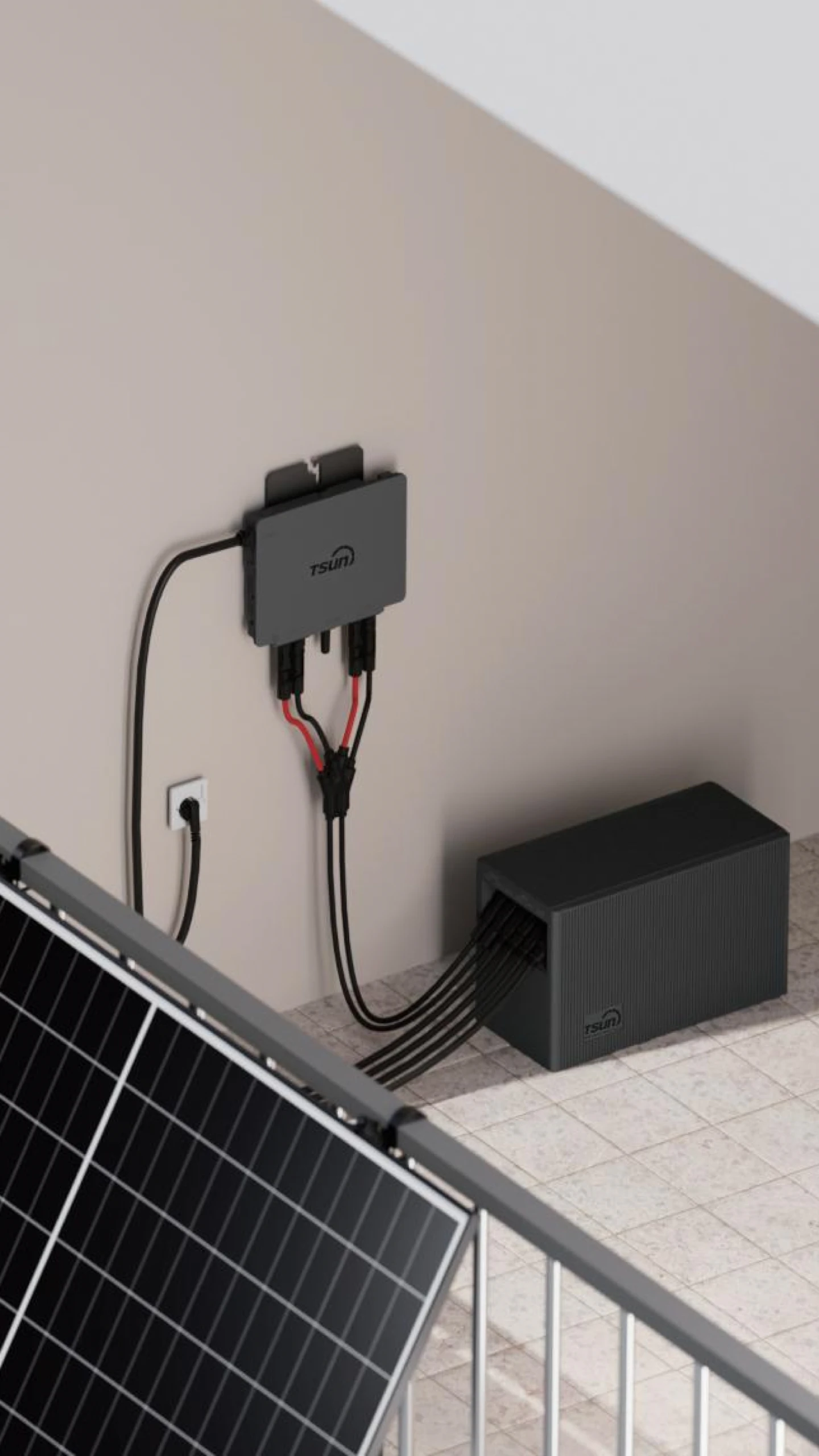
 Downloads
 Video Center
 Report Fault for Repair
 FAQS
FAQS Service Network
 Privacy Policy
 Contact Us
 Monitoring


 LEARN MORE