Understanding the 300W Microinverter: A Veteran’s Perspective
Having spent over a decade in the industrial equipment sector, I can honestly say that while many technologies come and go, certain products quietly prove their worth and stick around. Take the
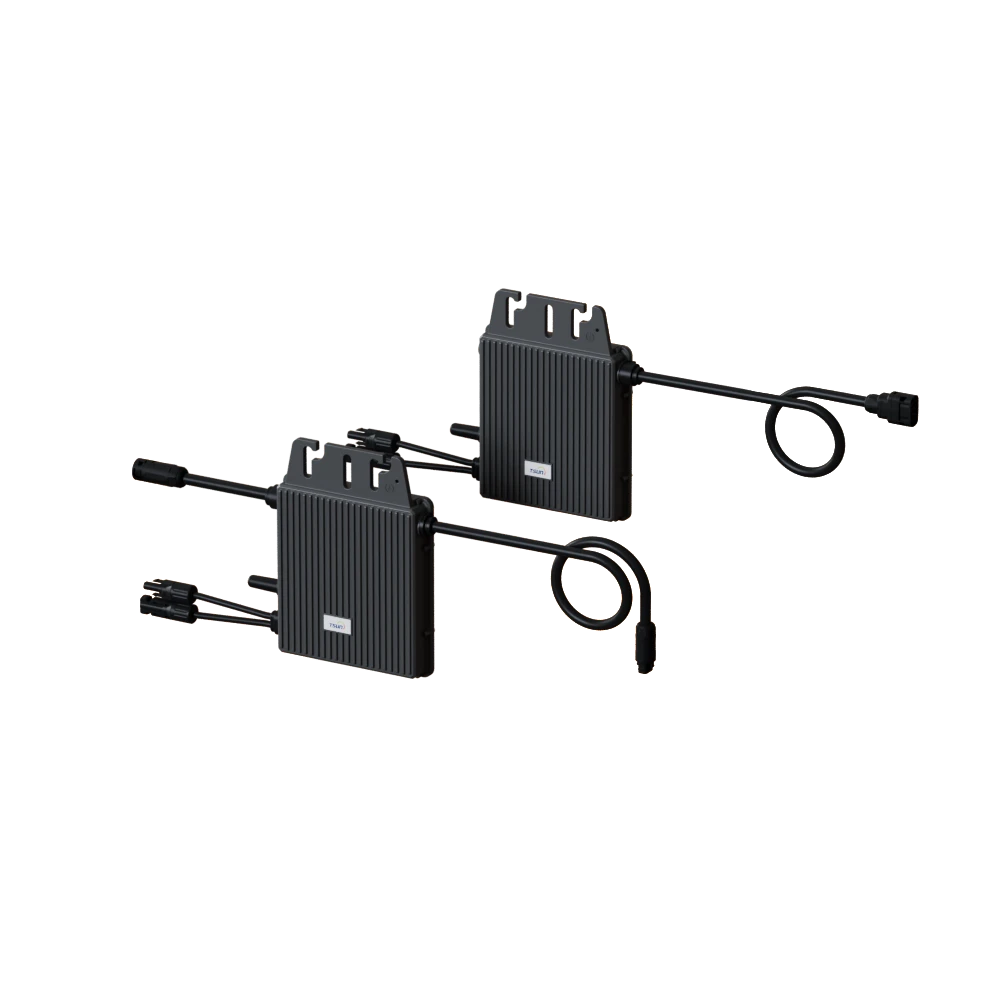
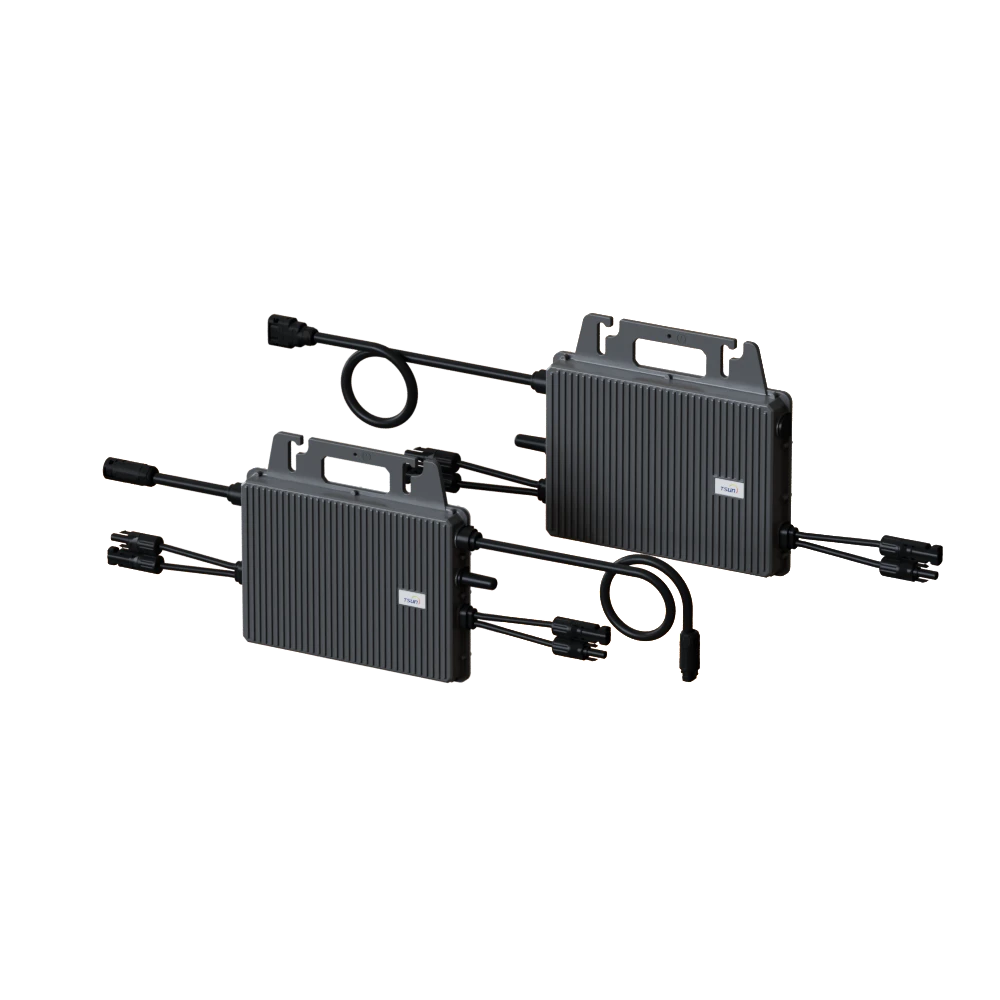
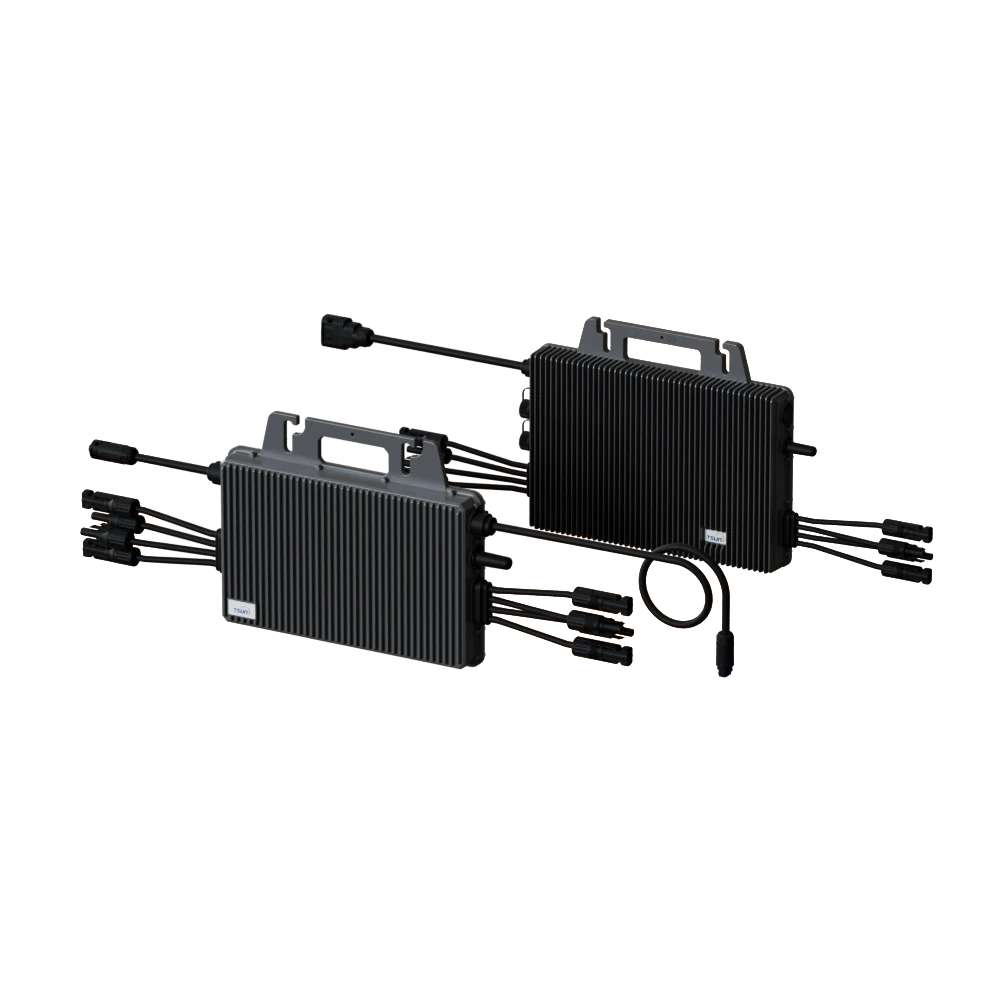
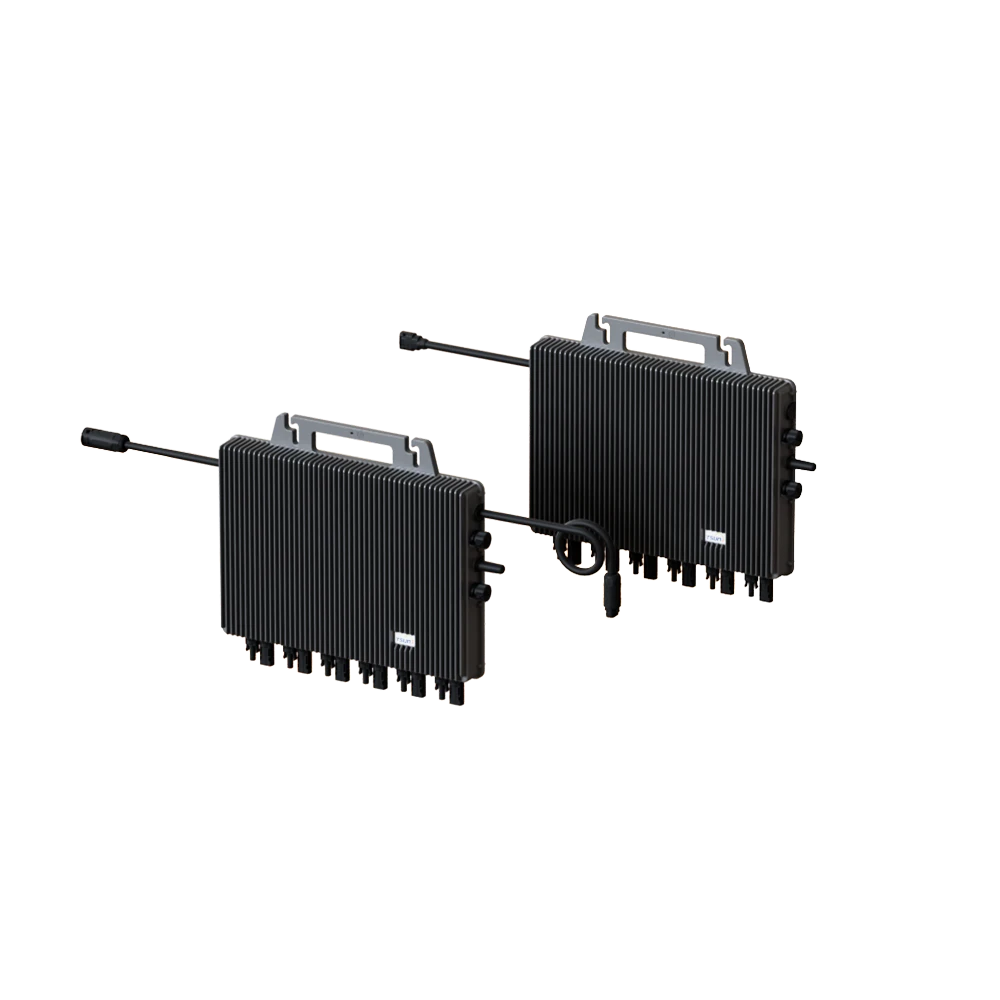
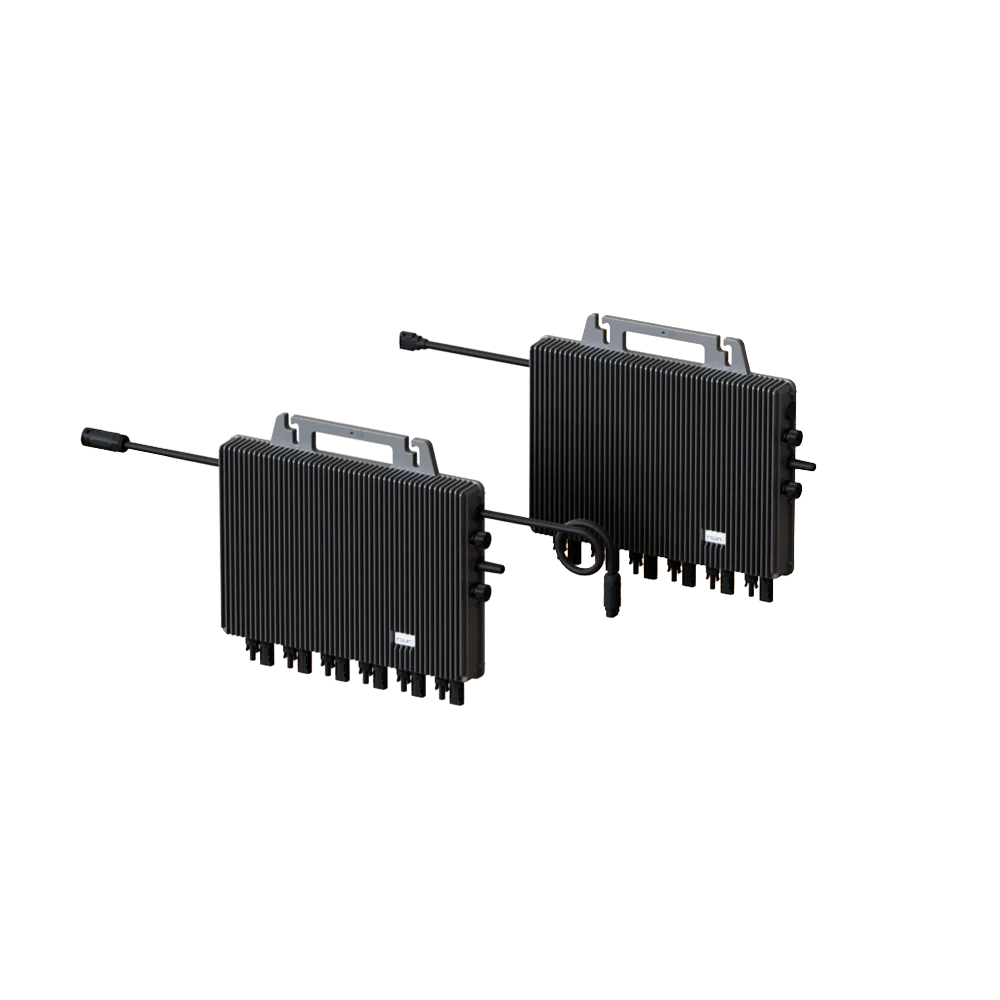
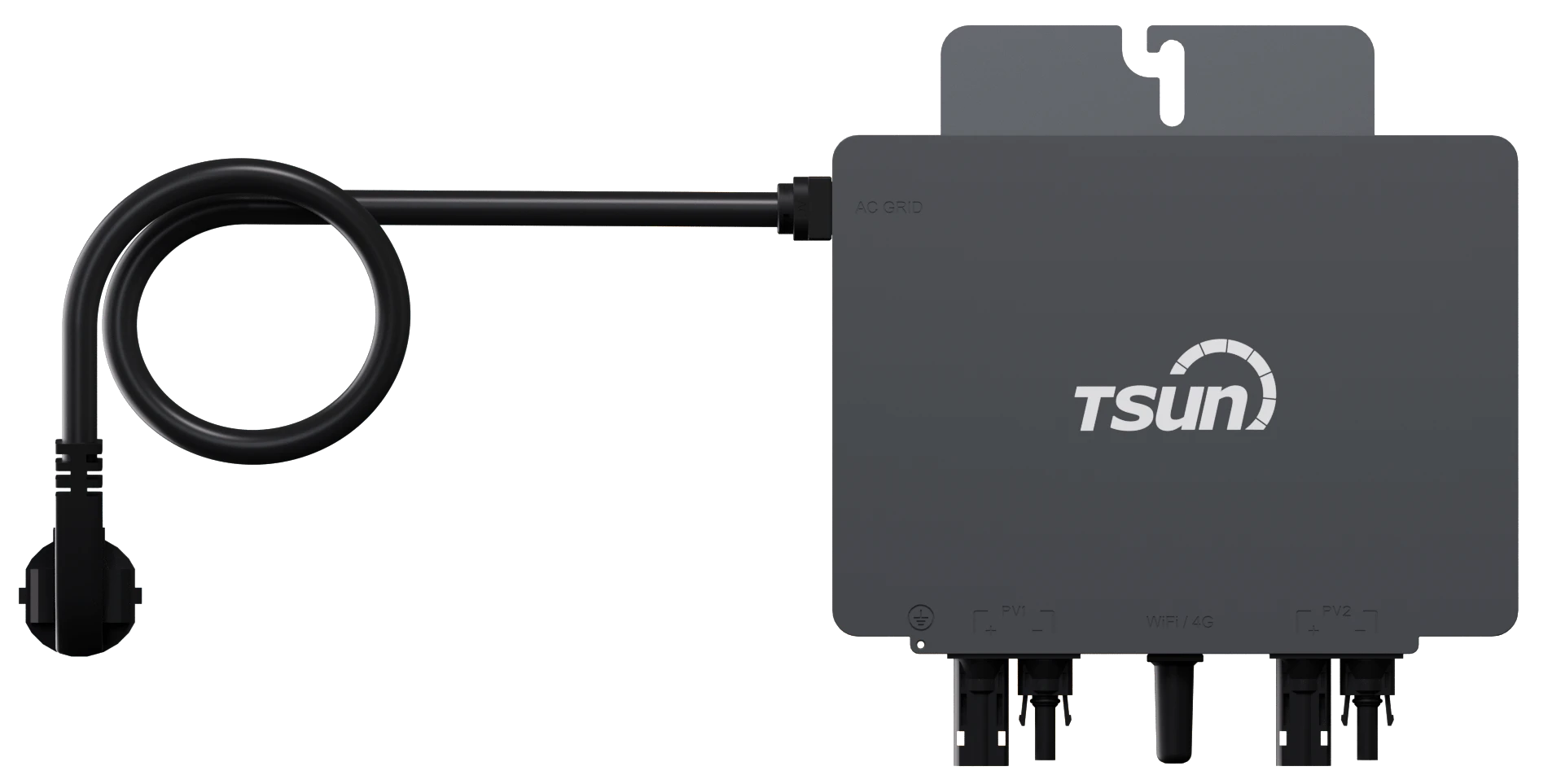
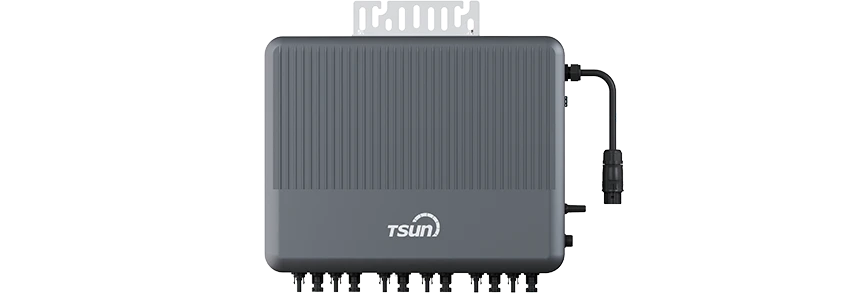
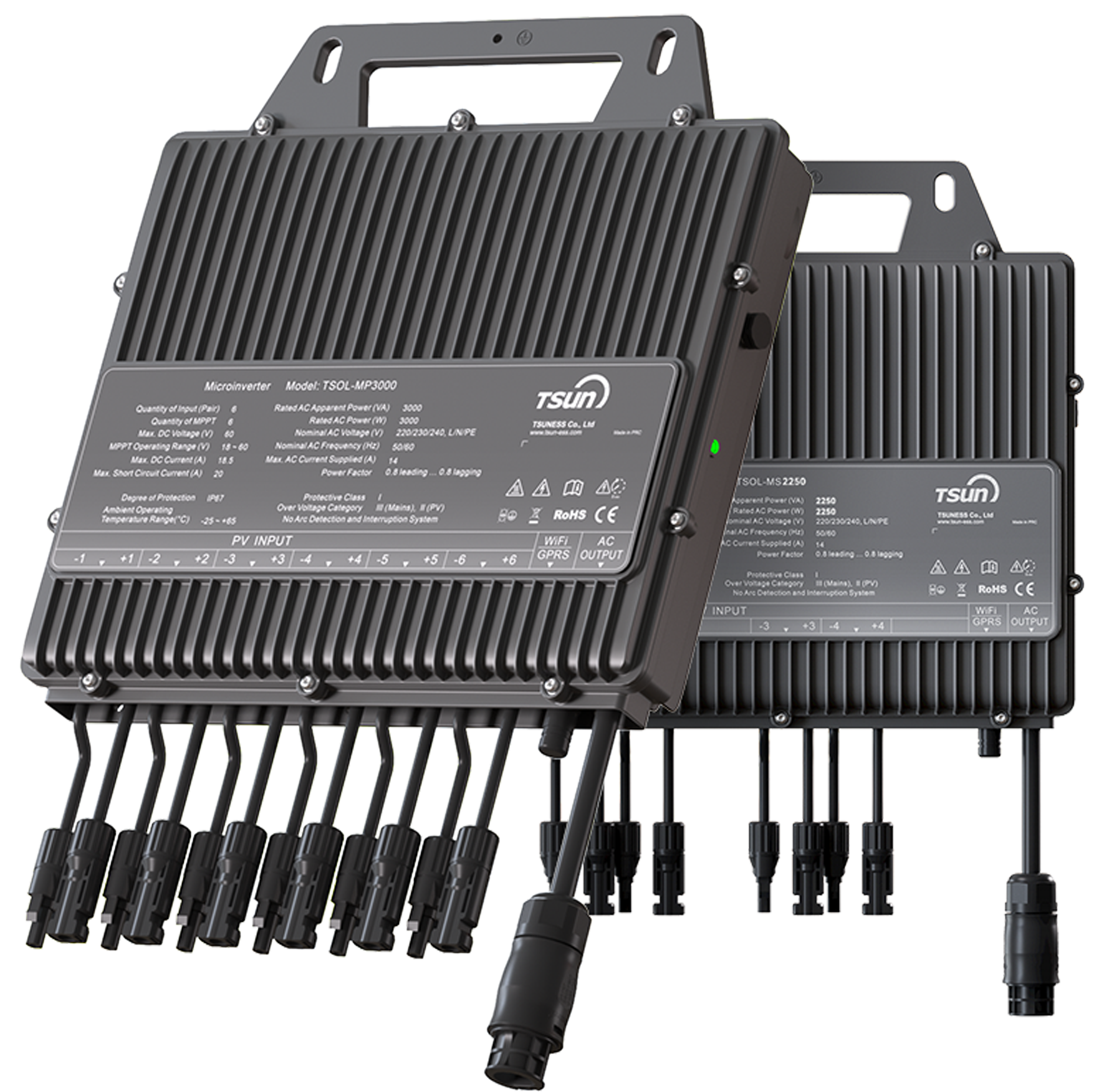
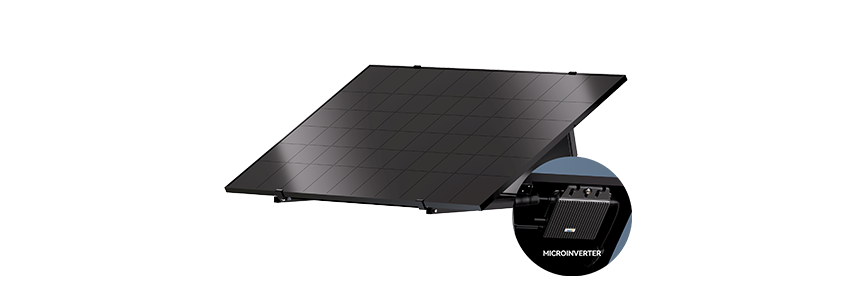
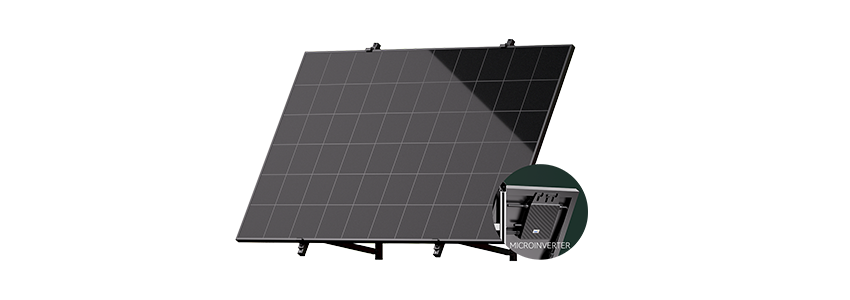
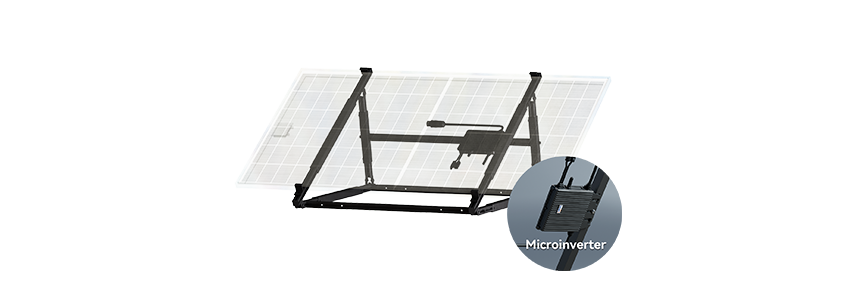
300W microinverter—a compact, yet surprisingly versatile device in the solar power world.
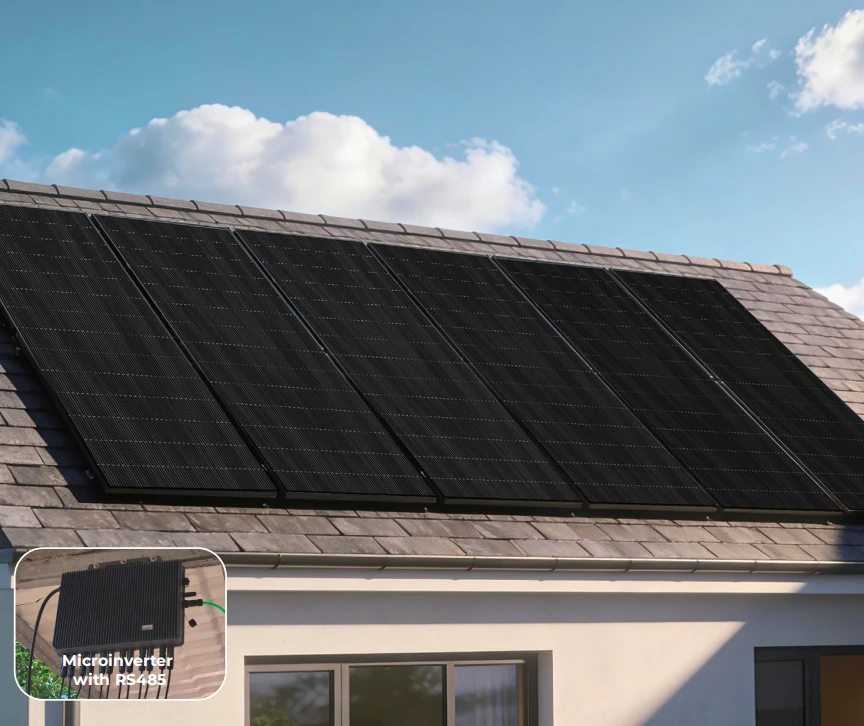
If you’re not too familiar, microinverters are those nifty gadgets that convert direct current (DC) from solar panels into usable alternating current (AC). The "300W" tag designates its power capacity, which, frankly, hits a sweet spot for residential and some commercial installations. I’ve noticed over the years that engineers and technicians often favor these punchy little units for the modularity and reliability they bring to a solar setup.
What Makes a 300W Microinverter Stand Out?
In practical terms, the microinverter’s design means each solar panel operates independently, so shading or malfunction on one doesn’t drag the entire system down. That’s huge. Plus, the integrated electronics used in these microinverters are engineered to withstand harsh environmental conditions—think dust, heat, rain. I remember a consulting gig where we put them through their paces in a tough desert climate. They passed with flying colors, no kidding.
| Specification |
Details |
| Power Output |
300 Watts |
| Efficiency |
>96% |
| Operating Voltage Range |
15V – 60V DC |
| Max Input Current |
12A |
| Communication |
PLC (Power Line Communication) |
| Dimensions |
140mm x 120mm x 30mm |
| Weight |
0.8 kg |
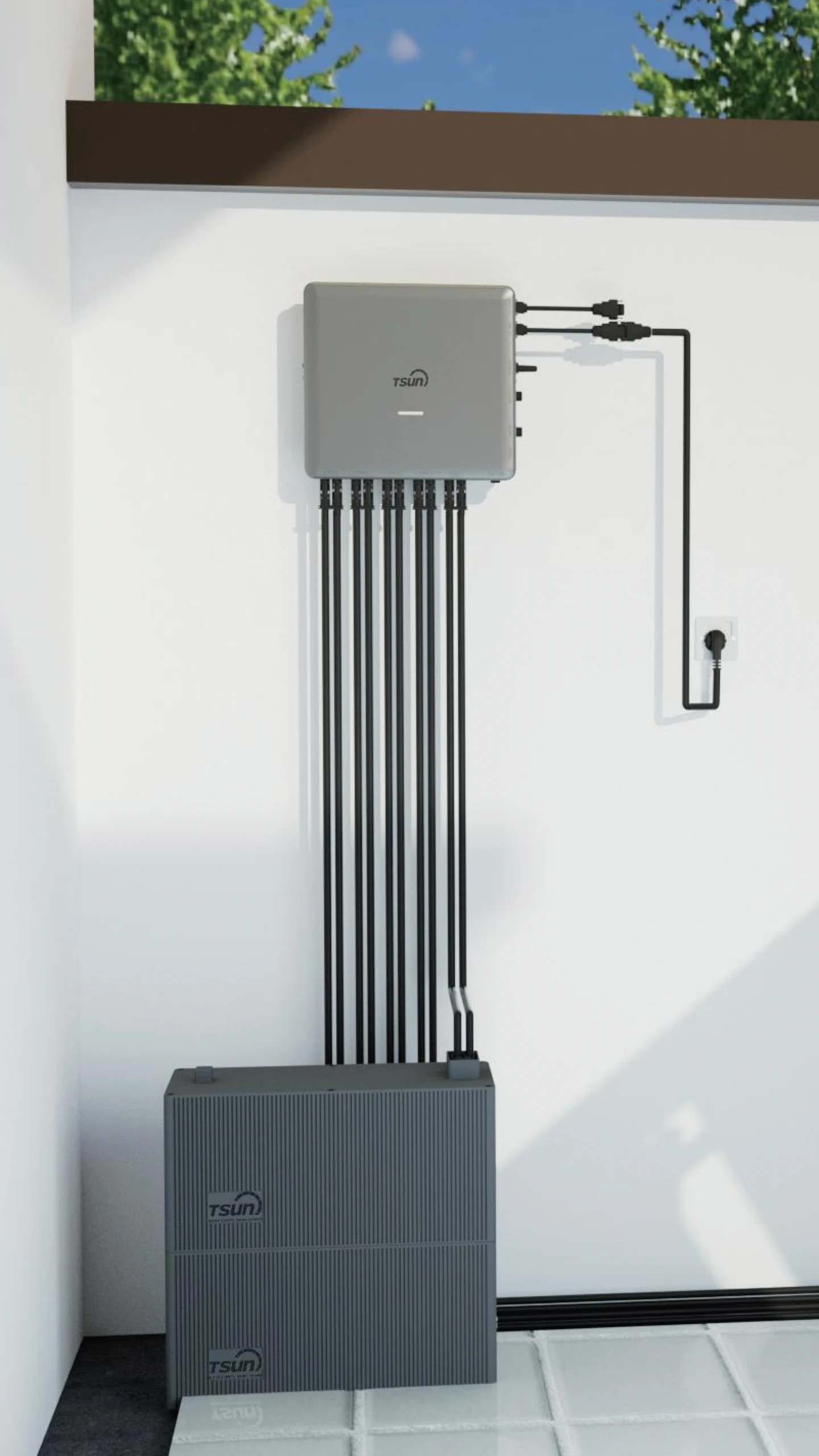
What truly caught my attention—and I admit it’s partly anecdotal—is how field teams value the ease of installation. These microinverters are fairly plug-and-play; no need for oversized junction boxes or complicated AC wiring. I recall a project where a crew managed to cut installation time nearly in half compared to traditional string inverter setups. That kind of labor saving is hard to ignore.
Comparing Popular 300W Microinverter Vendors
While researching or recommending these devices, I often weigh vendor support and warranty as much as technical specs. Here’s a side-by-side rundown of three leading vendors in this space:
| Vendor |
Warranty |
Efficiency |
Monitoring Features |
Price Range |
| Tsun ESS |
25 years |
96.5% |
Panel-level via app, real-time alerts |
Mid-range |
| Enphase |
25 years |
97% |
Advanced web & app monitoring |
Premium |
| APsystems |
10 years |
96% |
Basic panel-level monitoring |
Budget-friendly |
So, you see, choosing a 300W microinverter isn’t just about the number on the sticker. Support and monitoring really tip the scale for most end-users. In fact, I recall talking to a customer who switched from string inverters to a microinverter setup with Tsun ESS units, highlighting how their system’s reliability and ease of maintenance greatly improved.
Final Thoughts
In sum, if you’re evaluating solar options that are scalable, resilient, and designed to maximize real-world output, a
300W microinverter is definitely worth a closer look. I suppose what really sticks with me after years in the field is how this technology quietly empowers cleaner energy with no fuss — and, well, that’s something worth paying attention to.
References:
1. Tsun ESS Product Datasheets and Technical Manuals (2023)
2. Field installation reports and site evaluations (2015–2023)
3. Industry analyses from SolarPower Europe, 2022



 LEARN DETAILS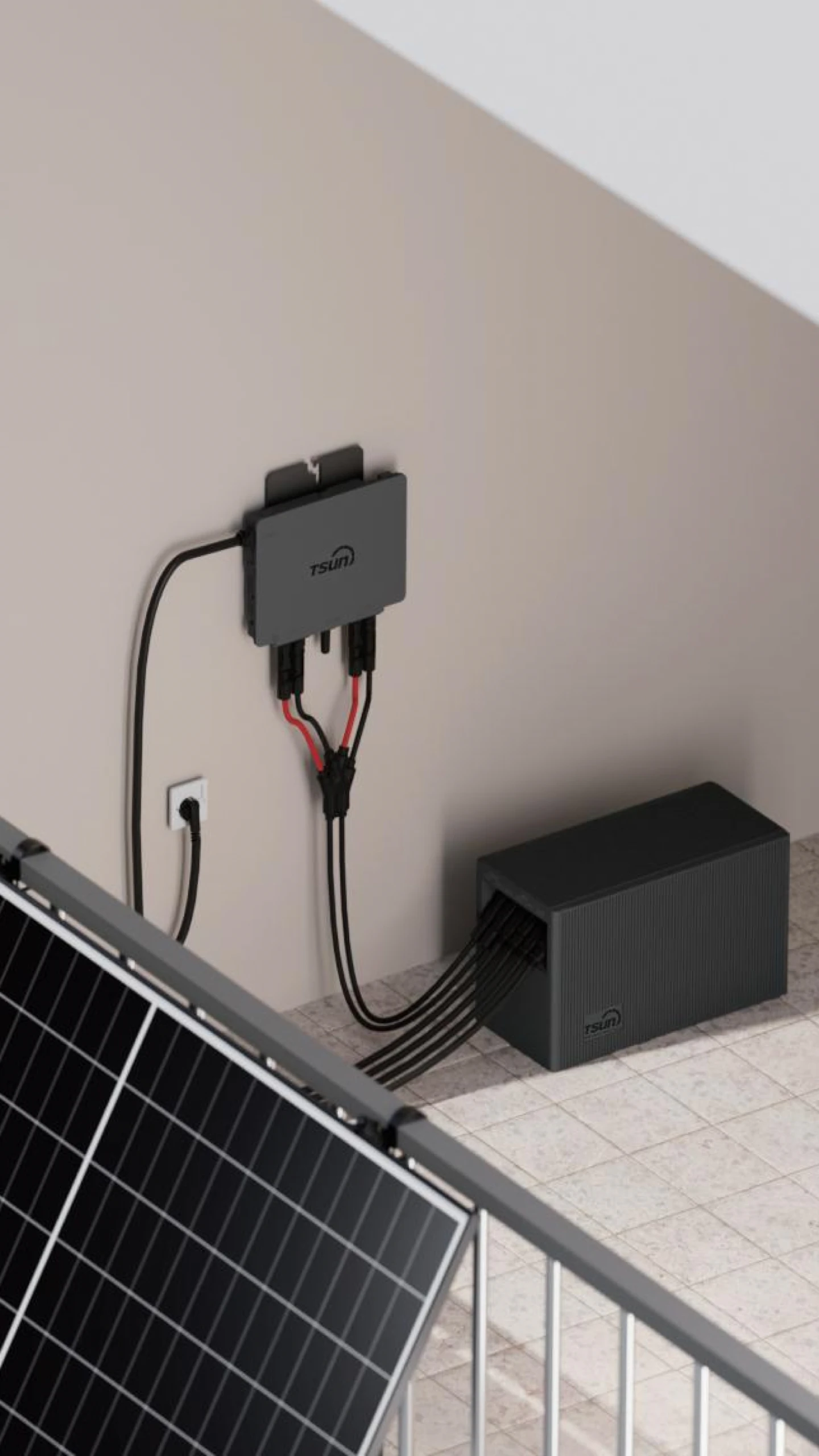
 Downloads
 Video Center
 Report Fault for Repair
 FAQS
FAQS Service Network
 Privacy Policy
 Contact Us
 Monitoring


 LEARN MORE