





 LEARN DETAILS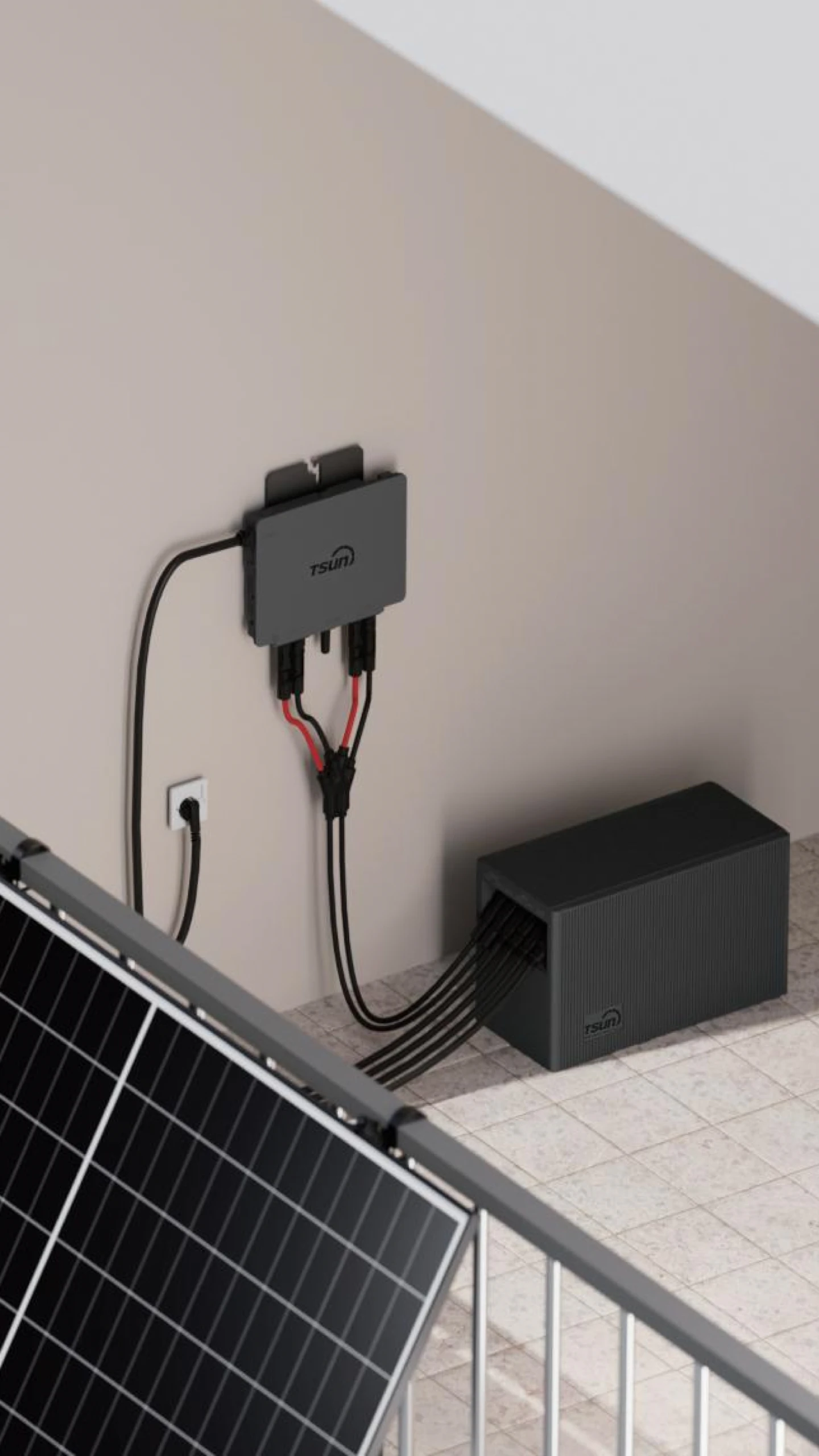
 Downloads
 Video Center
 Report Fault for Repair
 FAQS
FAQS Service Network
 Privacy Policy
 Contact Us
 Monitoring

AC-Coupled vs. DC-Coupled Micro Storage: Which is Best for Retrofitting Existing PV Systems?
⚡ Quick Summary
- Adding battery storage is now essential due to falling export tariffs and rising evening electricity rates across Europe.
- DC-coupled retrofits are expensive and complex, requiring the replacement of existing inverters and dangerous high-voltage rewiring.
- AC-coupled retrofits (like the TSUN PowerTrunk) connect directly to the home's AC grid. They allow you to keep your existing solar setup, drastically reducing labor and hardware costs.
- Modern AC systems are brand-agnostic, strictly comply with grid zero-export regulations, and support dynamic tariff arbitrage.
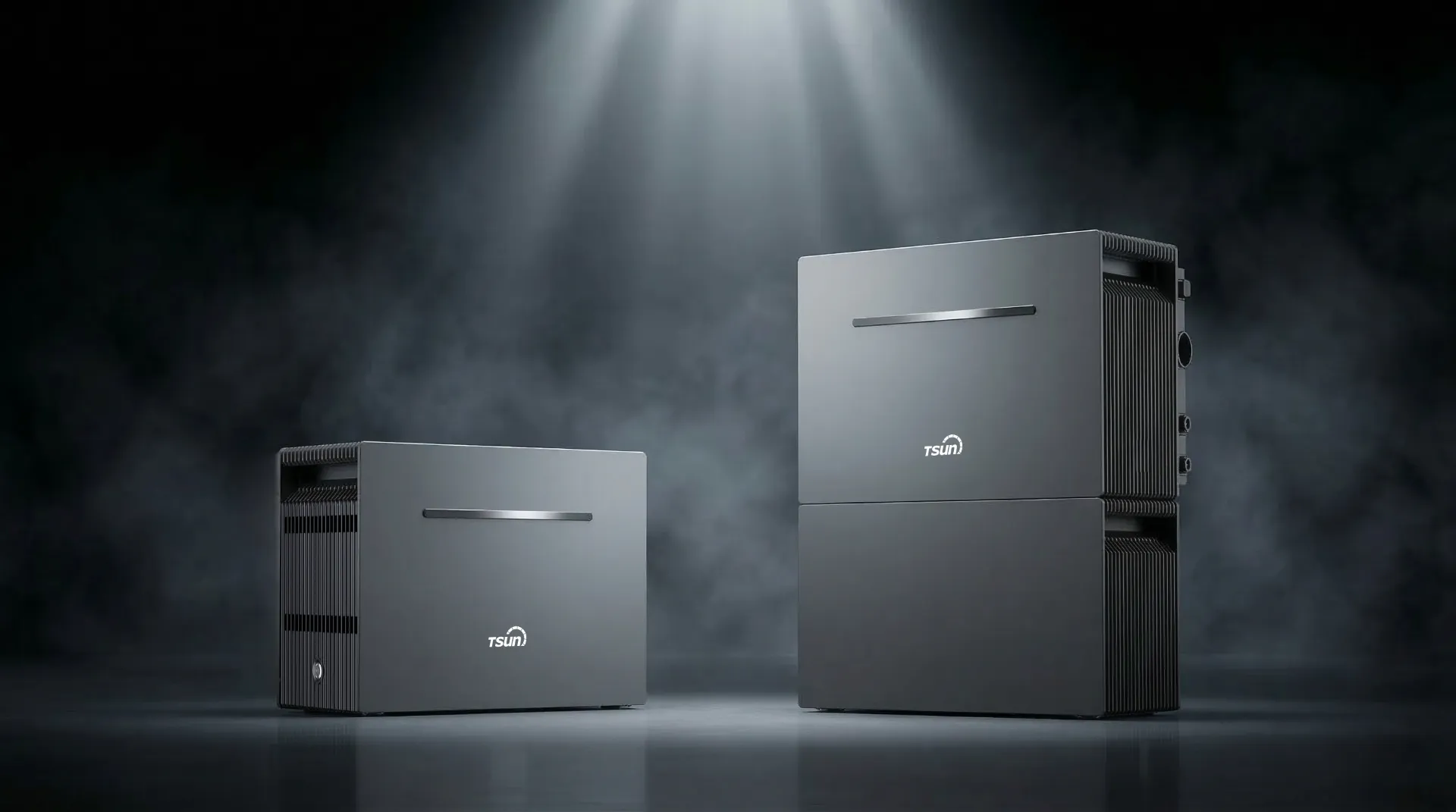
The 2026 Retrofit Boom: Why Add Storage Now?
Millions of European homeowners installed solar panels during the recent energy crisis. In the early days, the financial model was simple: generate electricity and sell the excess back to the grid for a premium via Feed-in Tariffs (FiTs).
Today, that model is obsolete. Export tariffs have plummeted to a fraction of retail electricity prices. Conversely, dynamic pricing and time-of-use (TOU) tariffs mean buying electricity from the grid during evening peak hours has never been more expensive. The only way to maximize the ROI of an existing solar system is to increase your self-consumption rate—storing daytime solar energy to power your home at night.
DC-Coupled Retrofits: The Hidden Soft Costs
If you are installing a brand-new solar system from scratch, a DC-coupled architecture (using a hybrid inverter) is highly efficient. However, attempting a DC-coupled retrofit on an existing system is a technical and financial nightmare.
- Stranded Assets: Your existing, perfectly functioning grid-tied inverter must be ripped out and replaced with a new, expensive hybrid inverter.
- High-Voltage Danger: The installer must interact with high-voltage DC lines from the roof, requiring highly certified electricians and increasing labor time.
- String Matching Issues: Older solar panels might not match the voltage windows of the new hybrid inverter, leading to MPPT clipping and efficiency drops.
The Superior Solution: AC-Coupled Storage
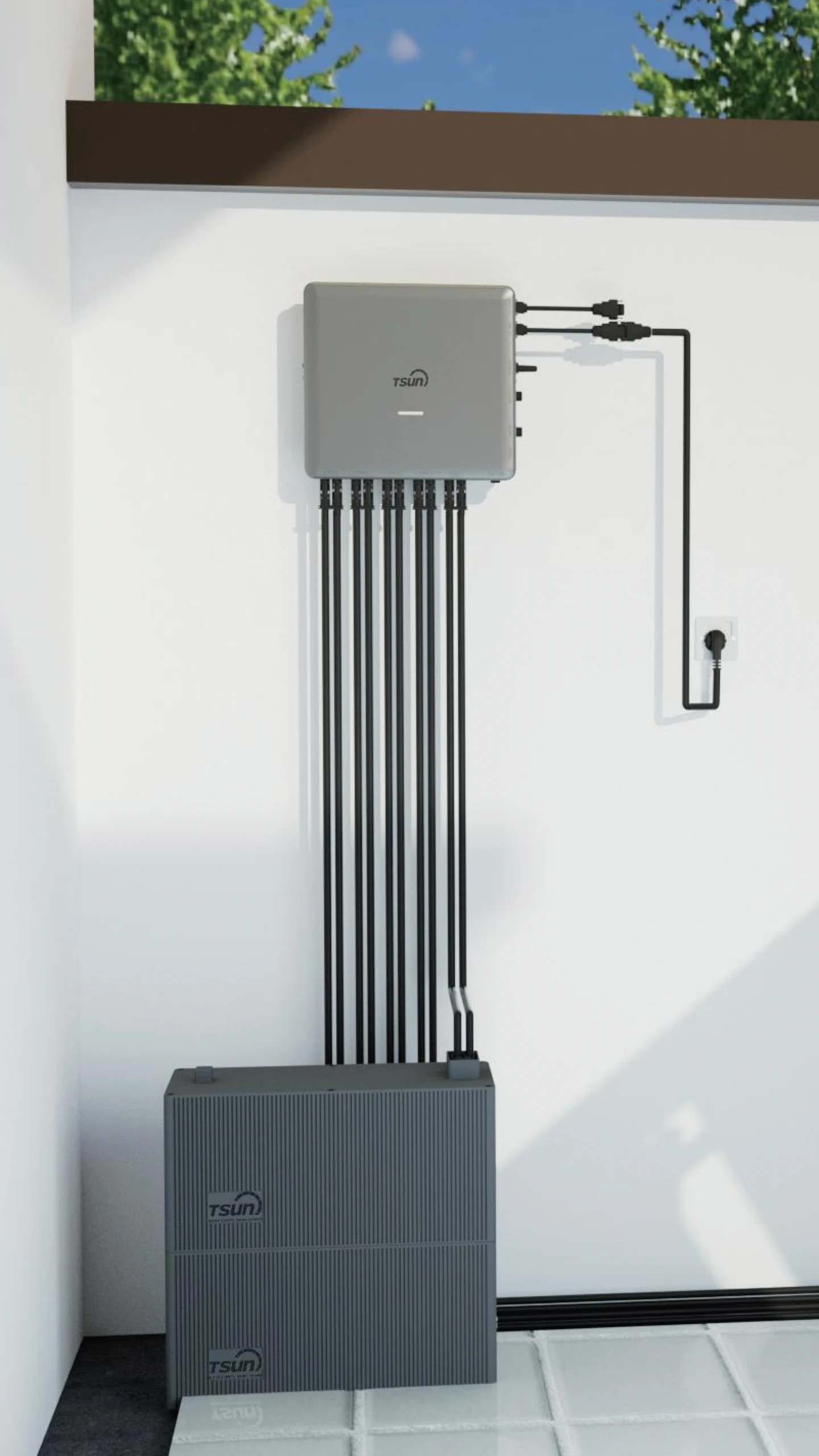
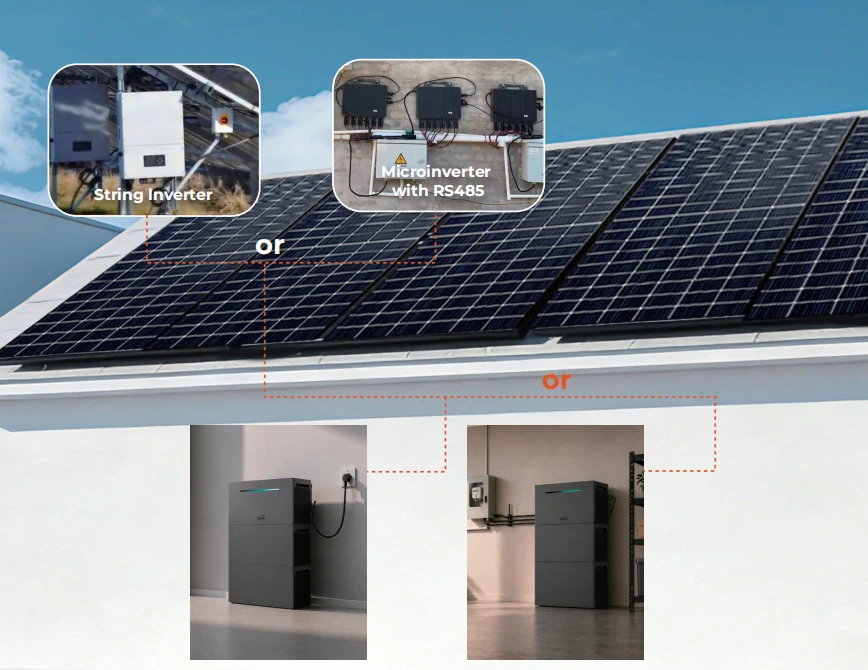
An AC-coupled storage system bypasses the roof entirely. Instead of intercepting raw DC power, the battery connects directly to your home's standard AC electrical panel via its own built-in battery inverter.
Why AC-Coupling Wins the Retrofit Market:
- Zero Wasted Hardware: You keep your original solar inverter. The battery system operates completely independently.
- Brand Agnostic (Universal Compatibility): Because the battery only interacts with the AC power in your house, it is universally compatible with any existing solar brand on your roof.
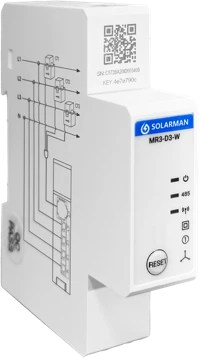
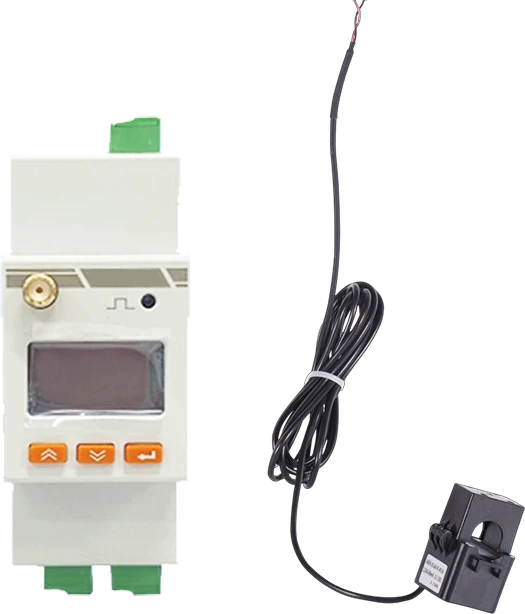
- Grid Compliance & Safety: Advanced AC systems use smart CT meters to monitor grid flow, ensuring you don't send unwanted power back to the grid. Learn more about how this architecture excels in our deep dive on achieving net-zero export.
| Feature / Metric | AC-Coupled (Best for Retrofit) | DC-Coupled (Best for New Installs) |
|---|---|---|
| Existing Inverter | Retained (Protects investment) | Must be discarded |
| Installation Labor | Fast (Standard low-voltage AC wiring) | Slow & Costly (High-voltage DC rewiring) |
| Compatibility | Universal / Any PV Brand | Strictly Brand-Locked |
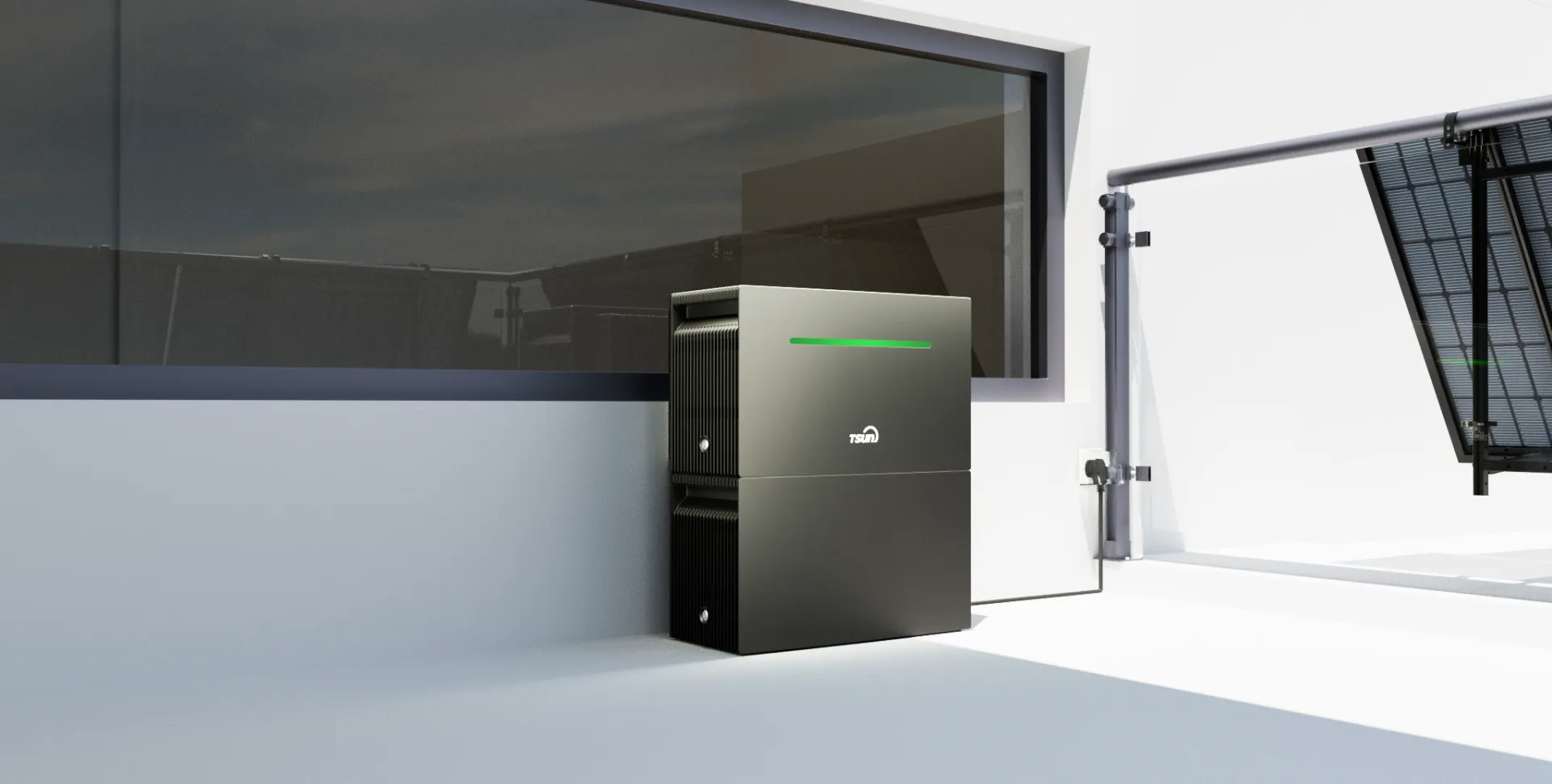
The Balcony Solar Revolution: Scaling Down AC Storage
The principles of AC-coupling and independent system architecture are not just for massive whole-home setups. This same retrofit-friendly logic is now being applied to urban apartments.
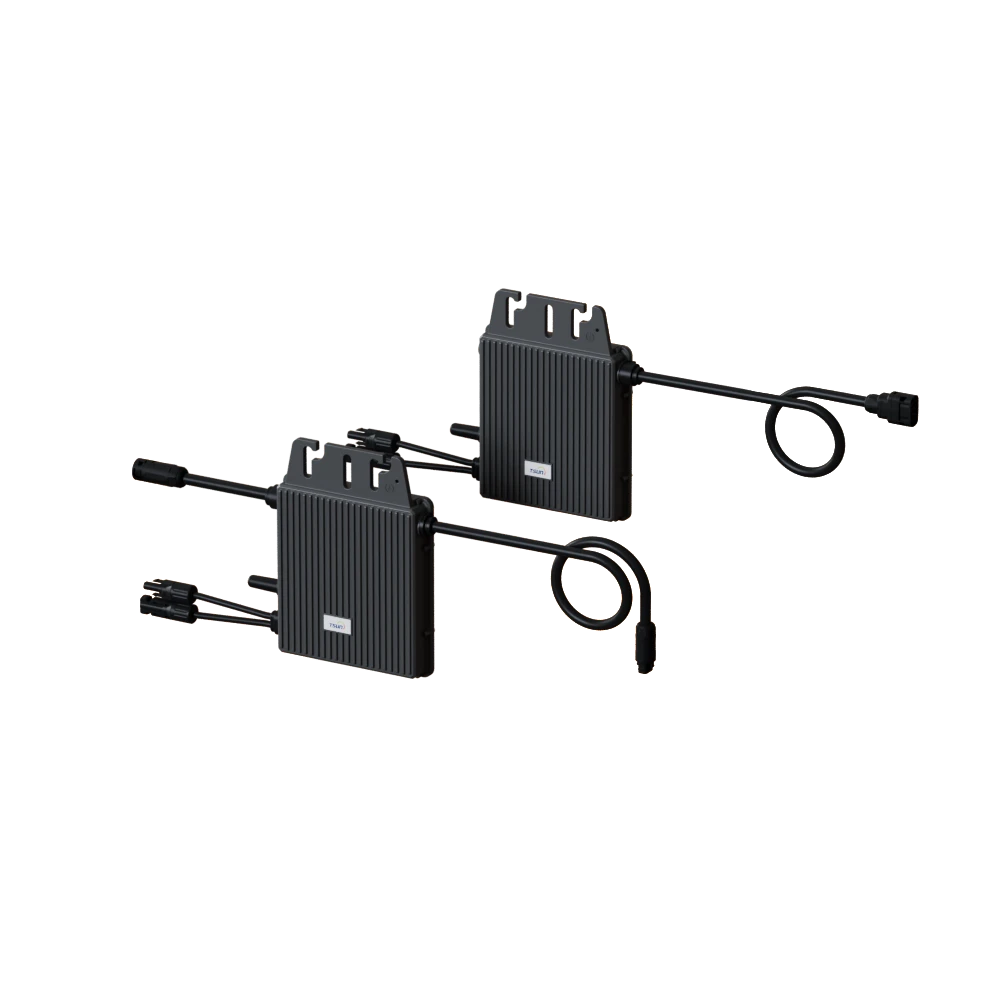
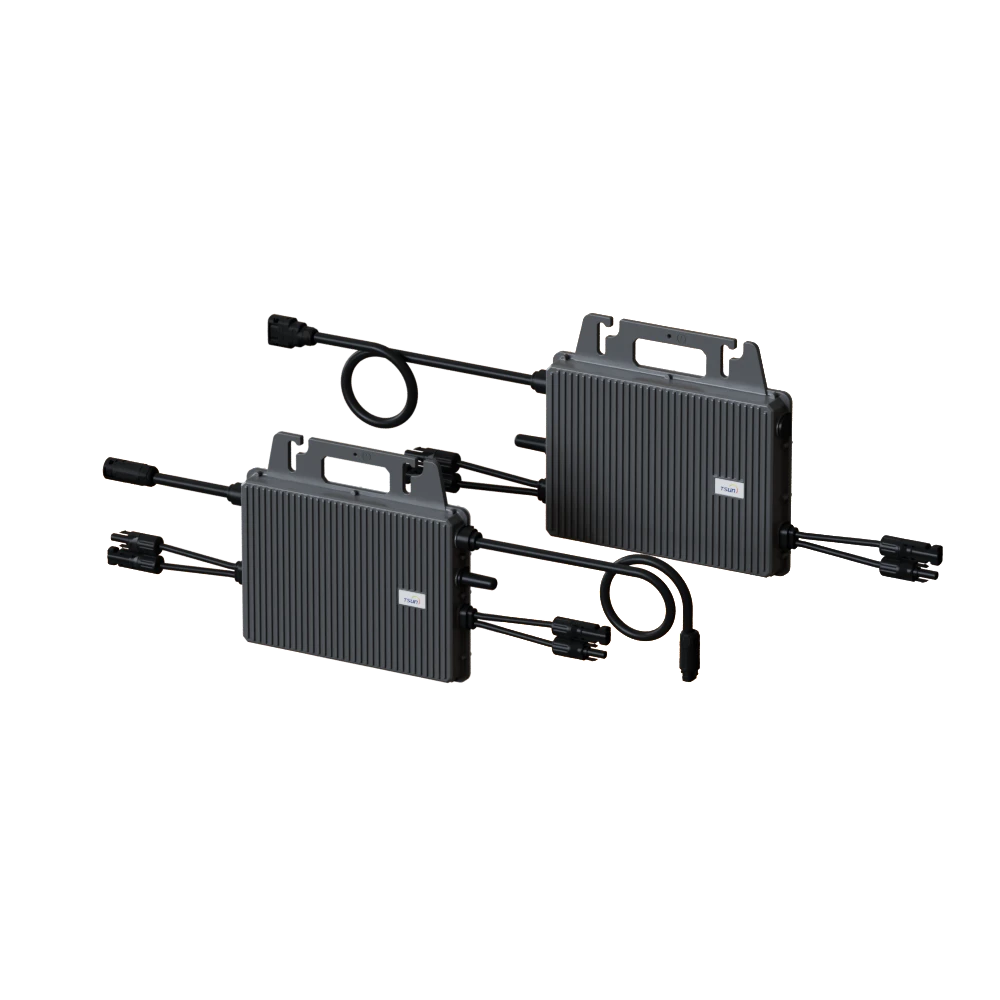
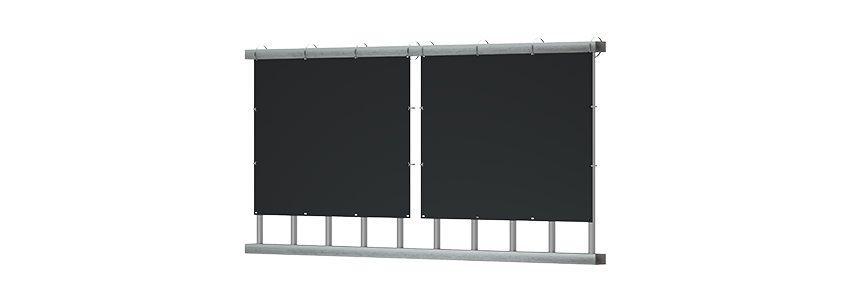
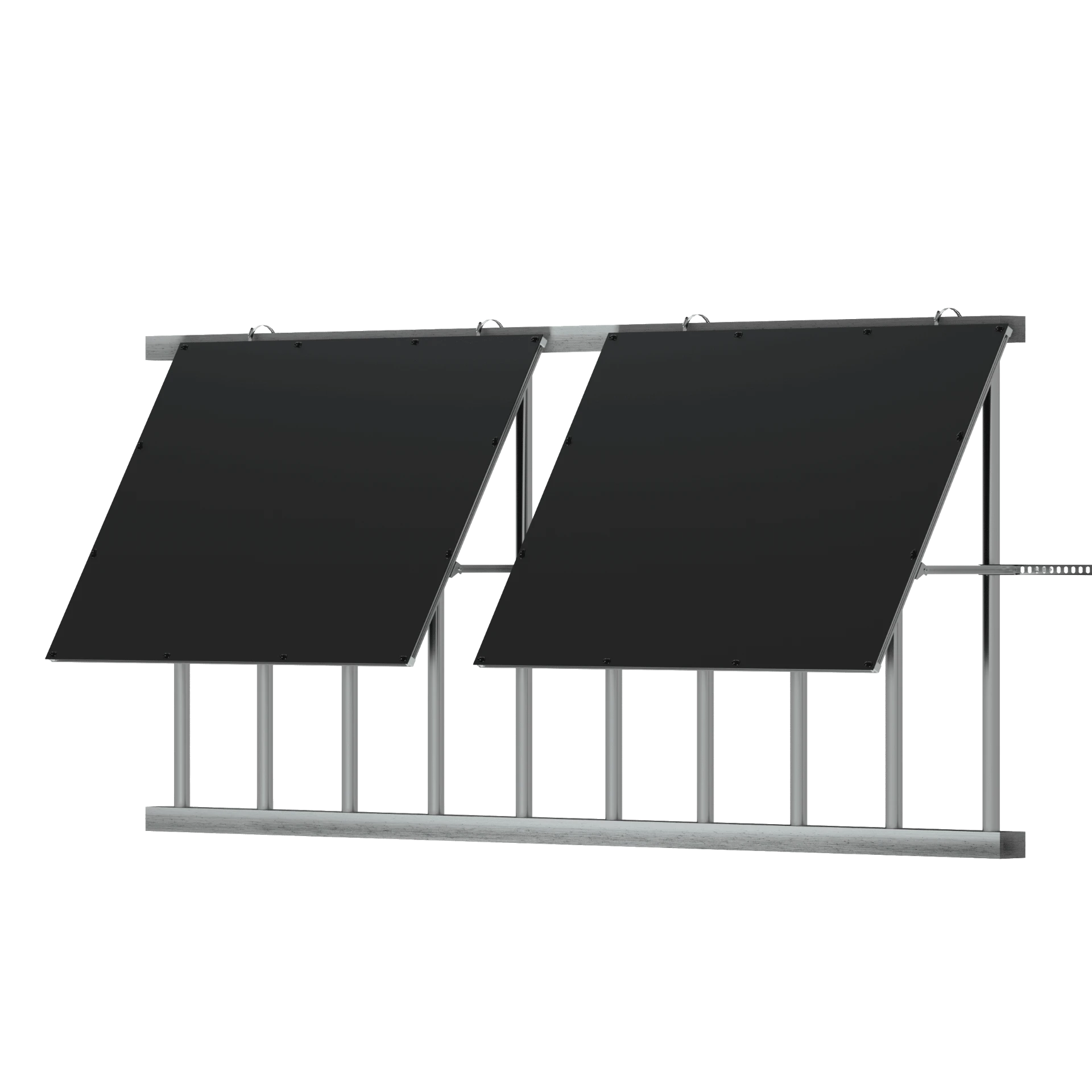
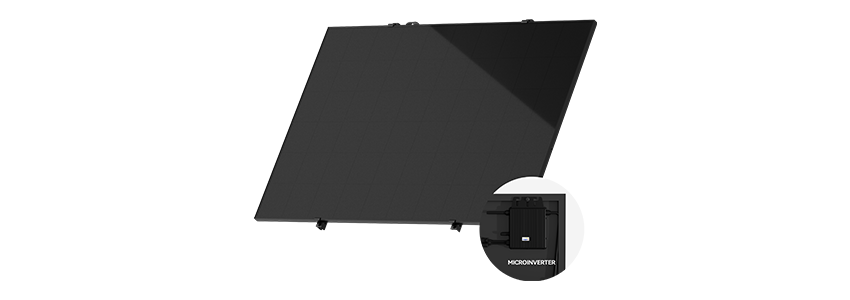
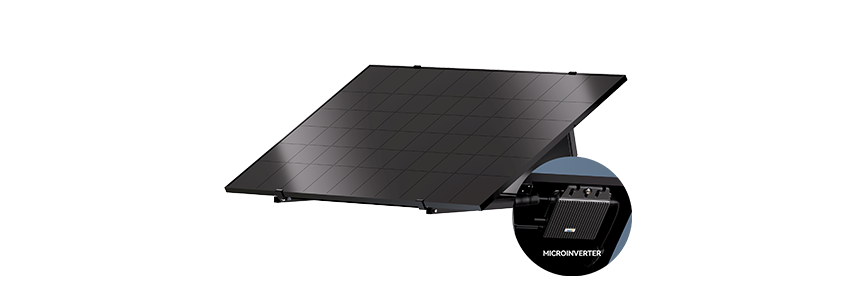
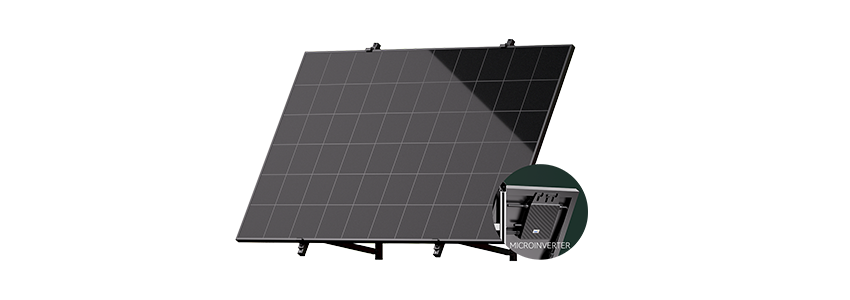
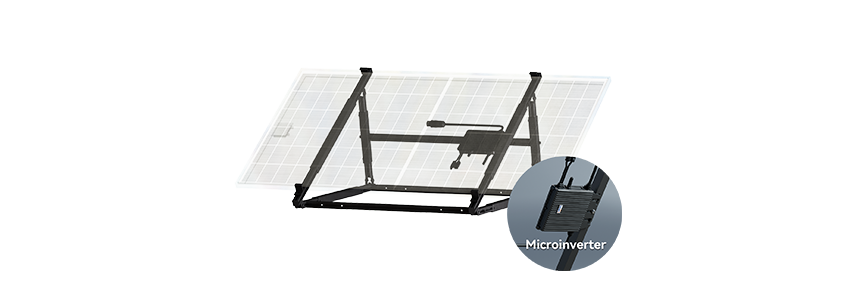
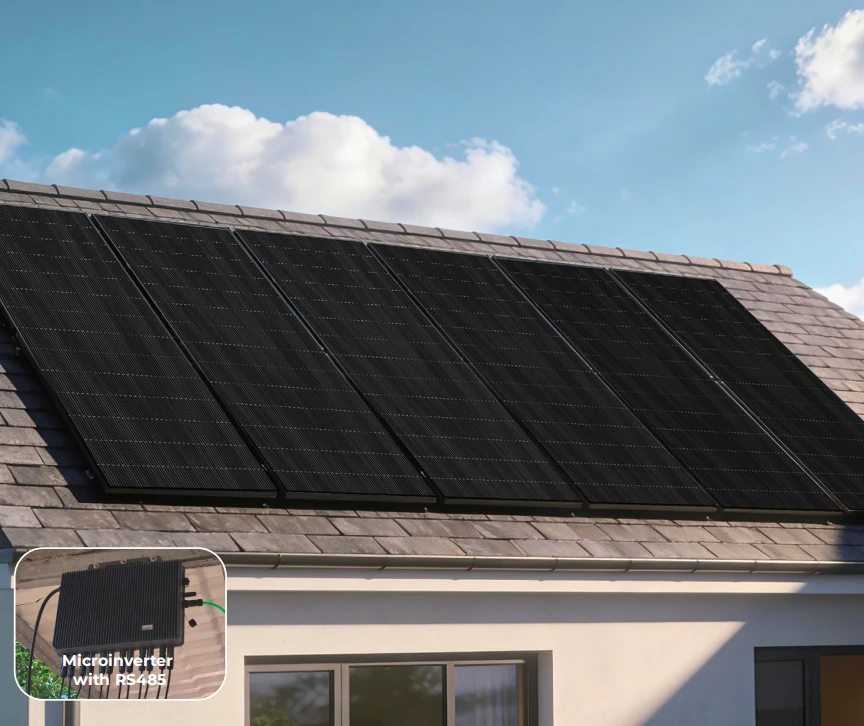
By utilizing safe integration methods, apartment owners can add modular battery packs to their existing balcony microinverters. It instantly transforms a basic plug-in solar kit into an intelligent home energy management network, maximizing the value of every ray of sunlight hitting the balcony.
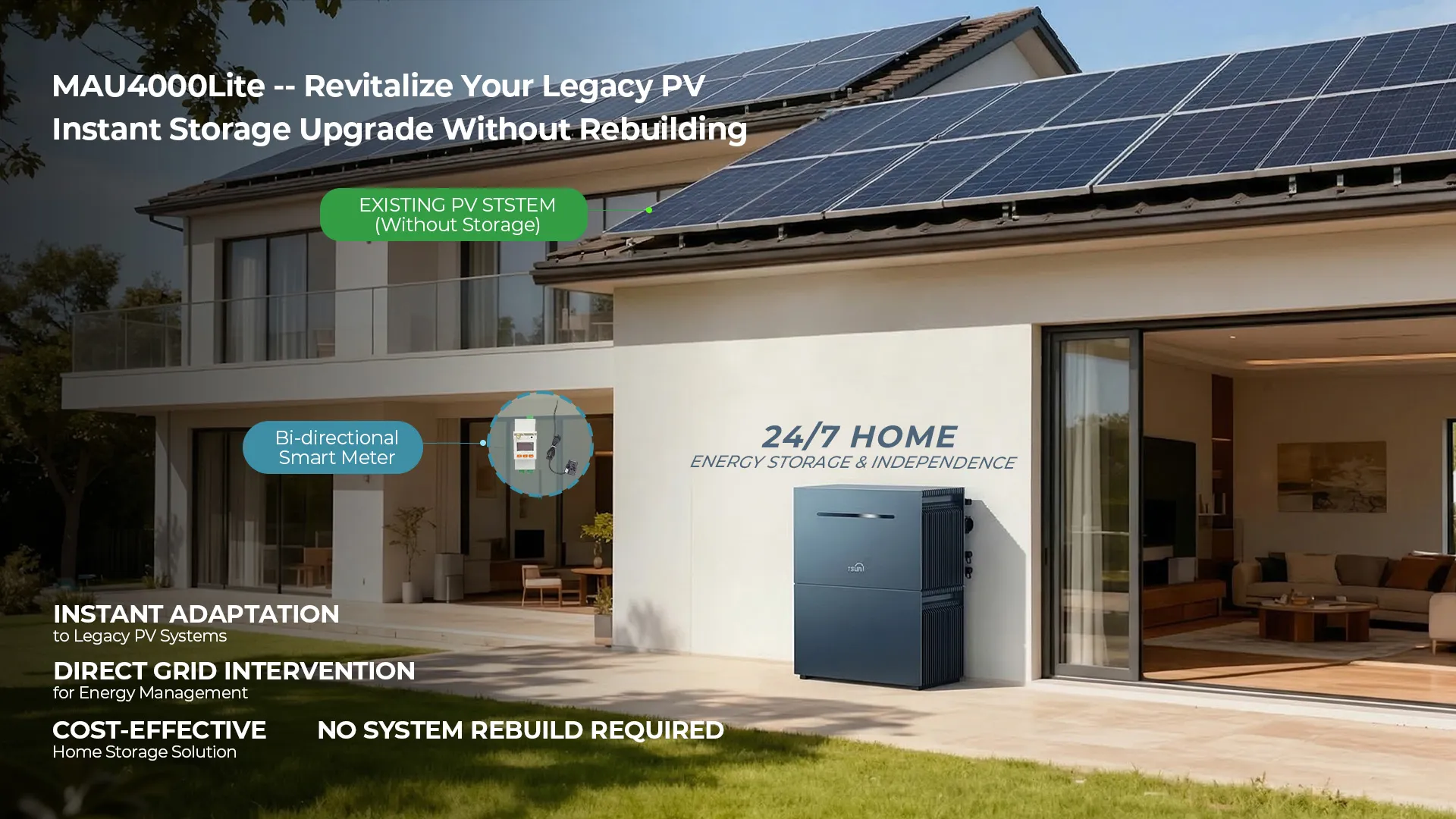
The Ultimate Retrofit: TSUN PowerTrunk Innovation
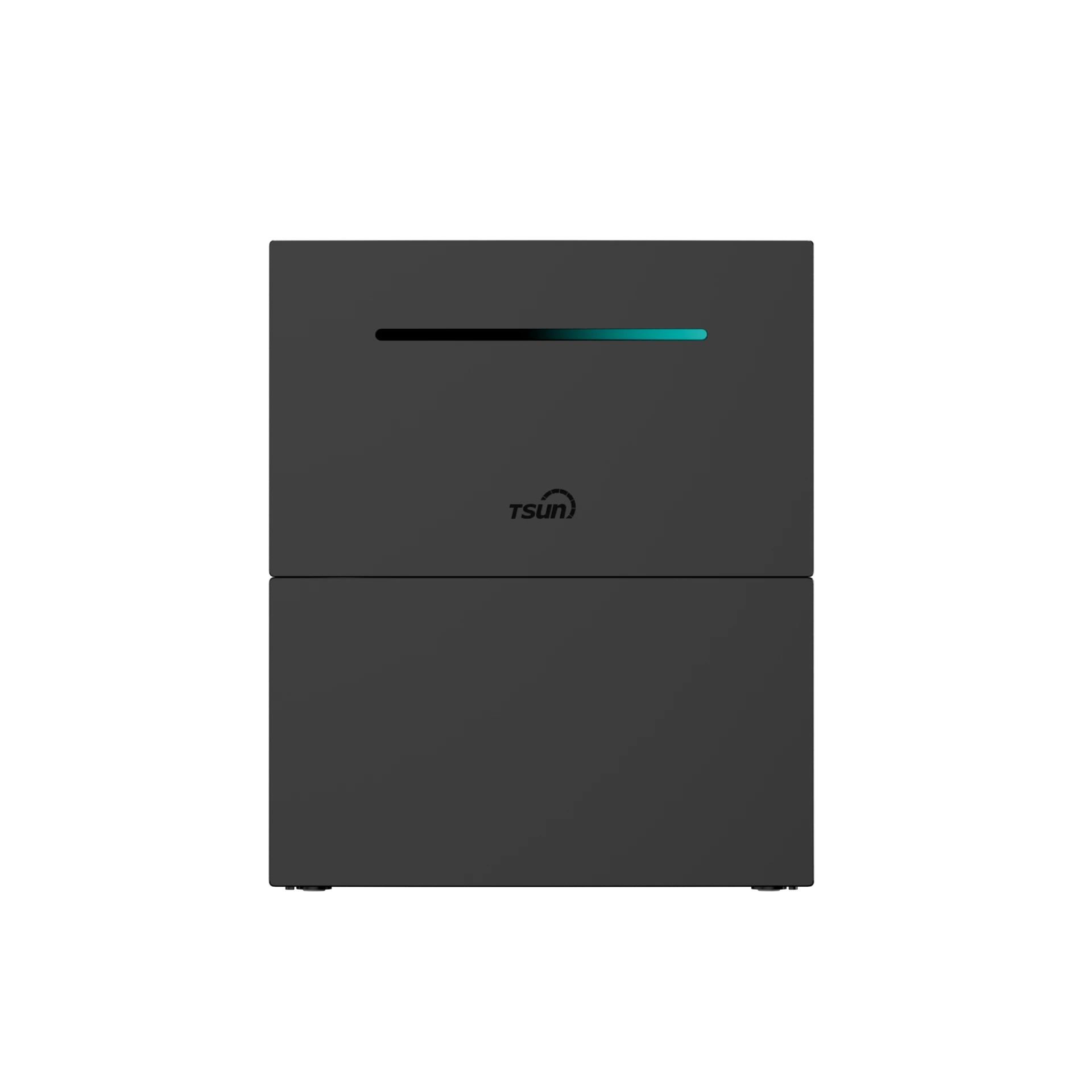
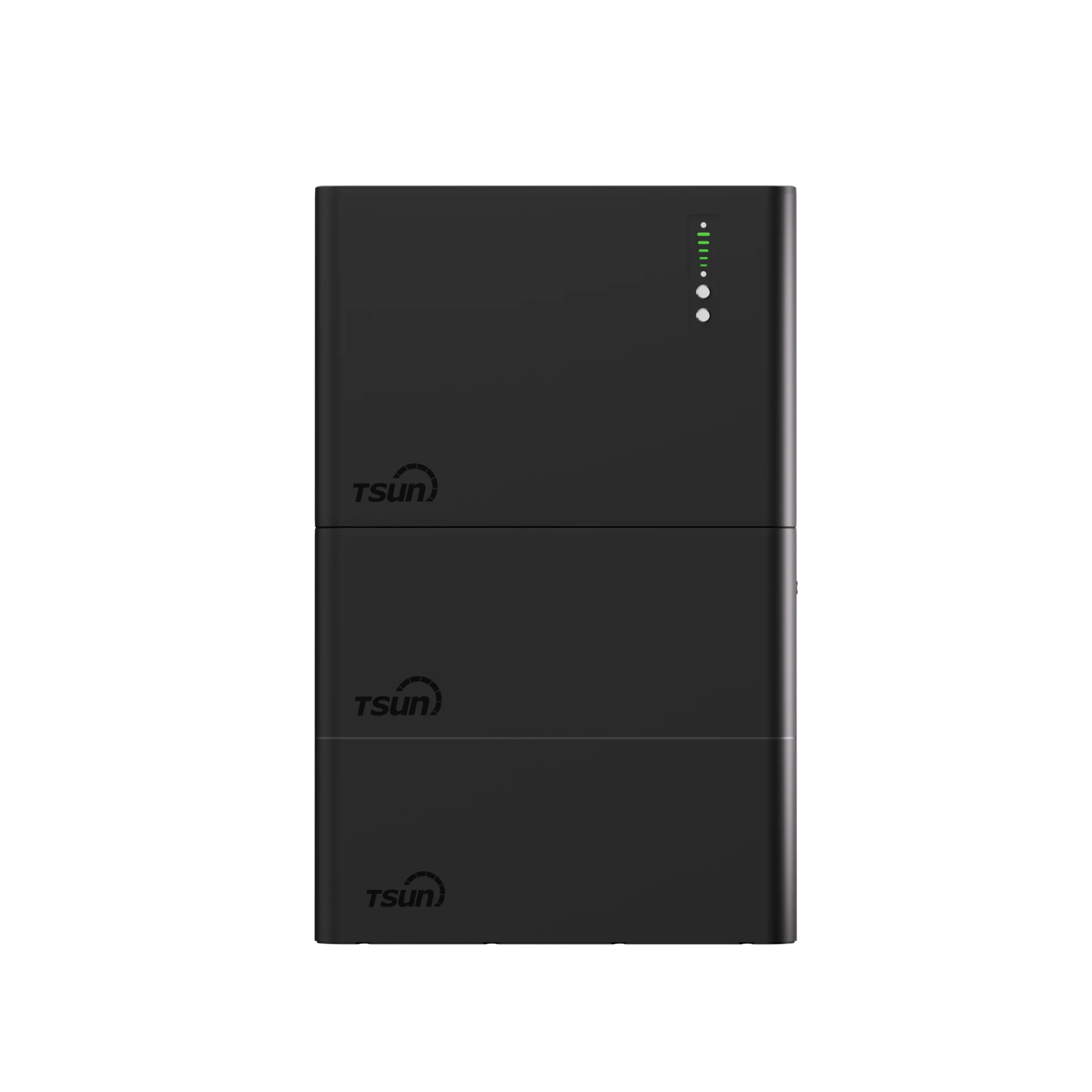
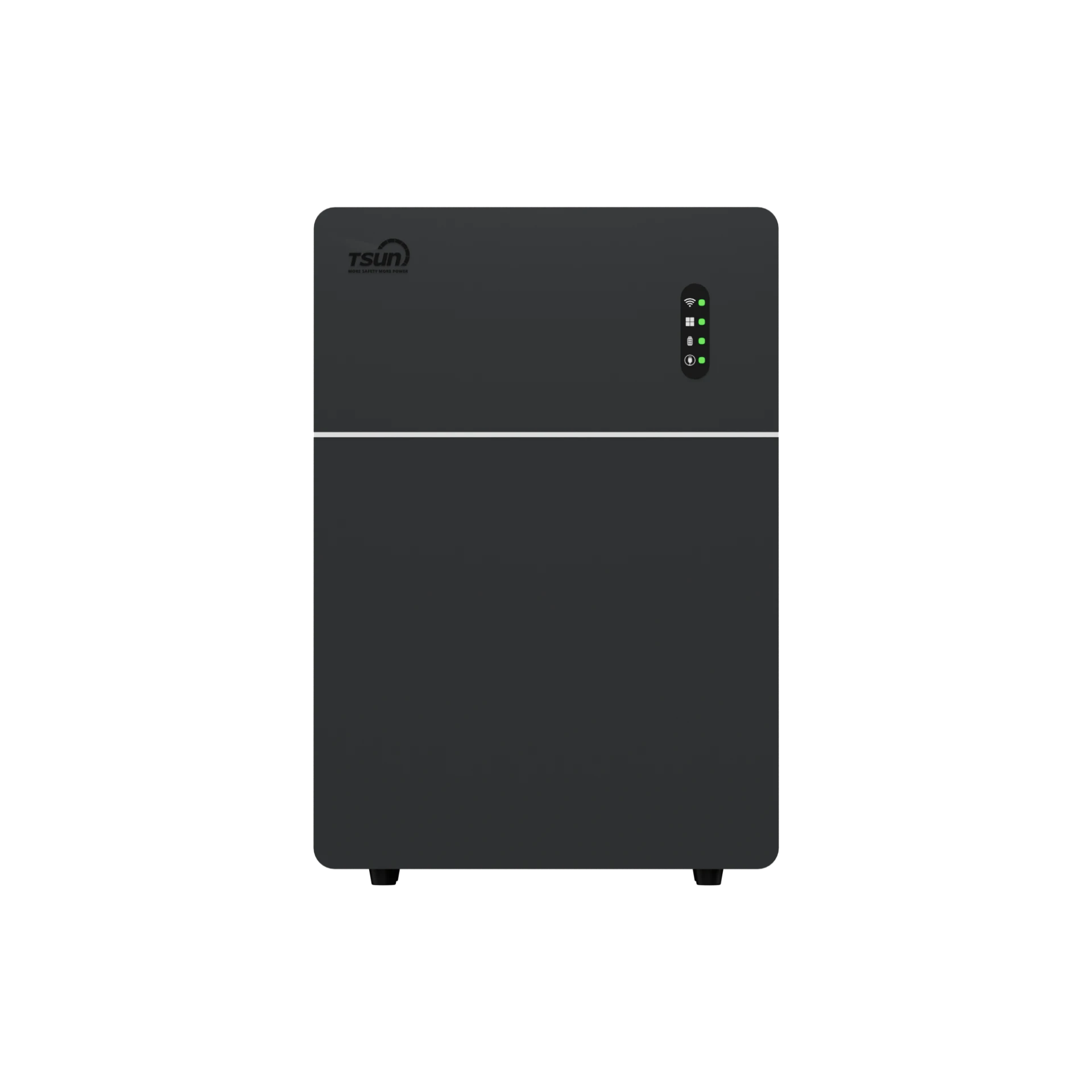
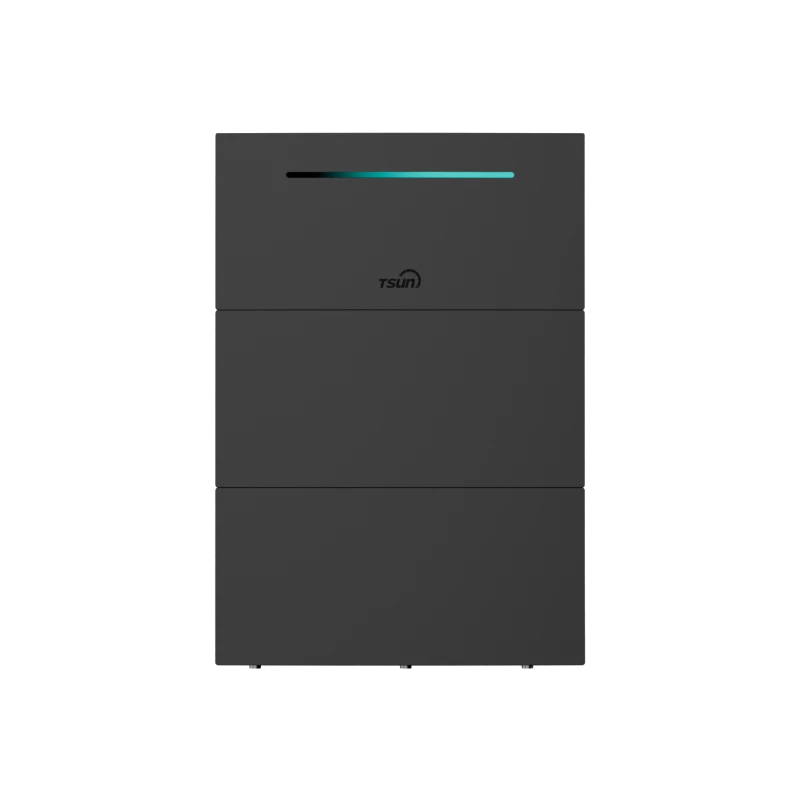
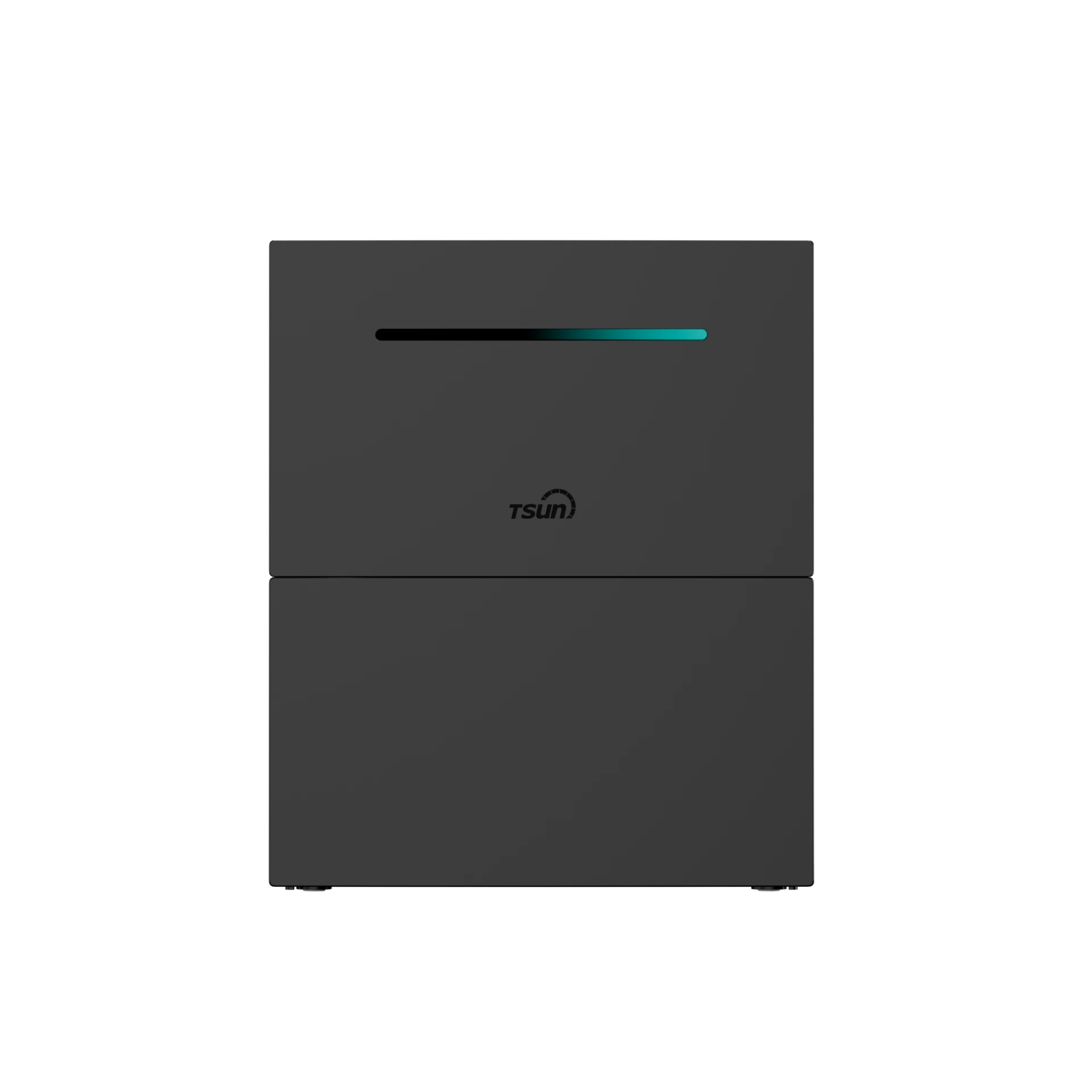
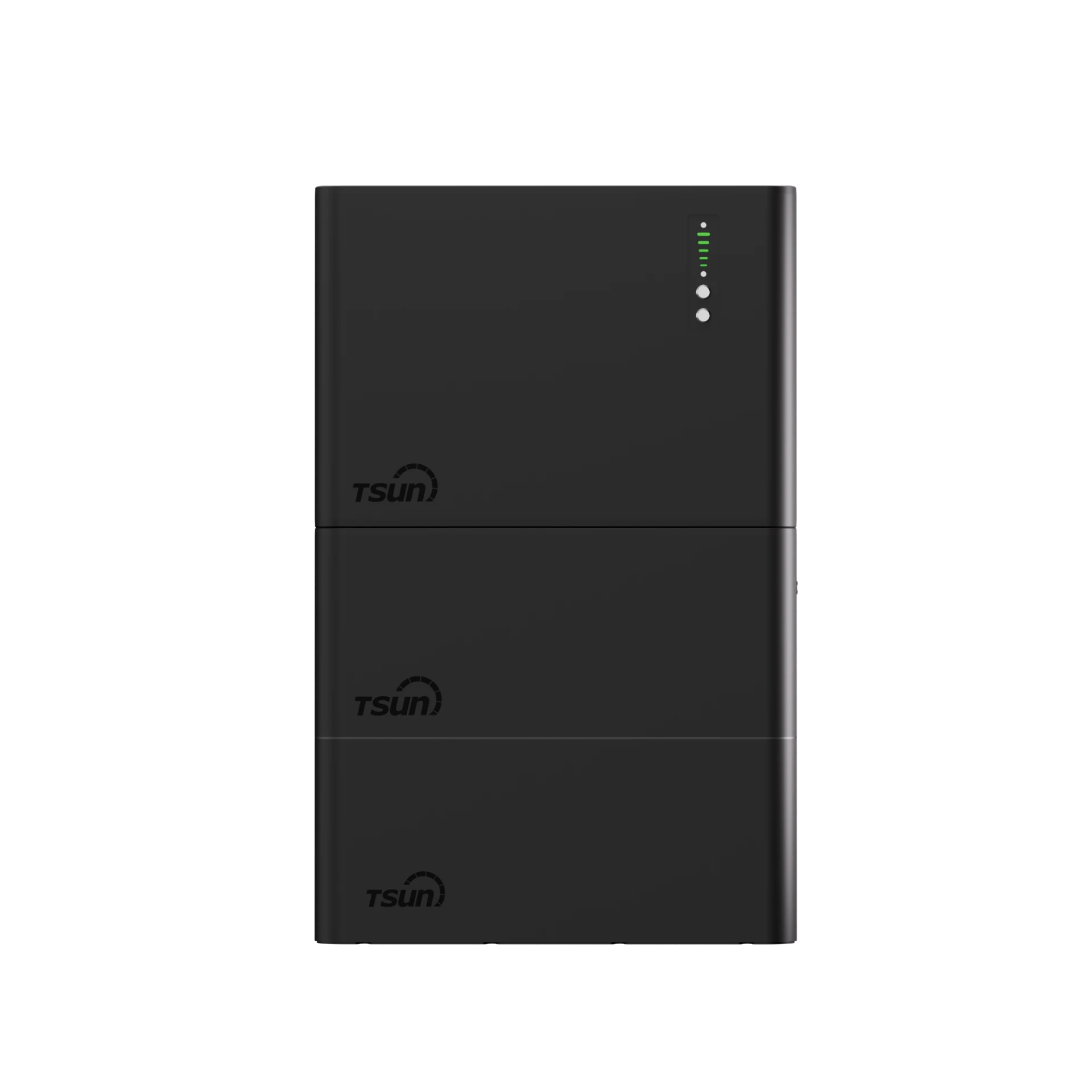
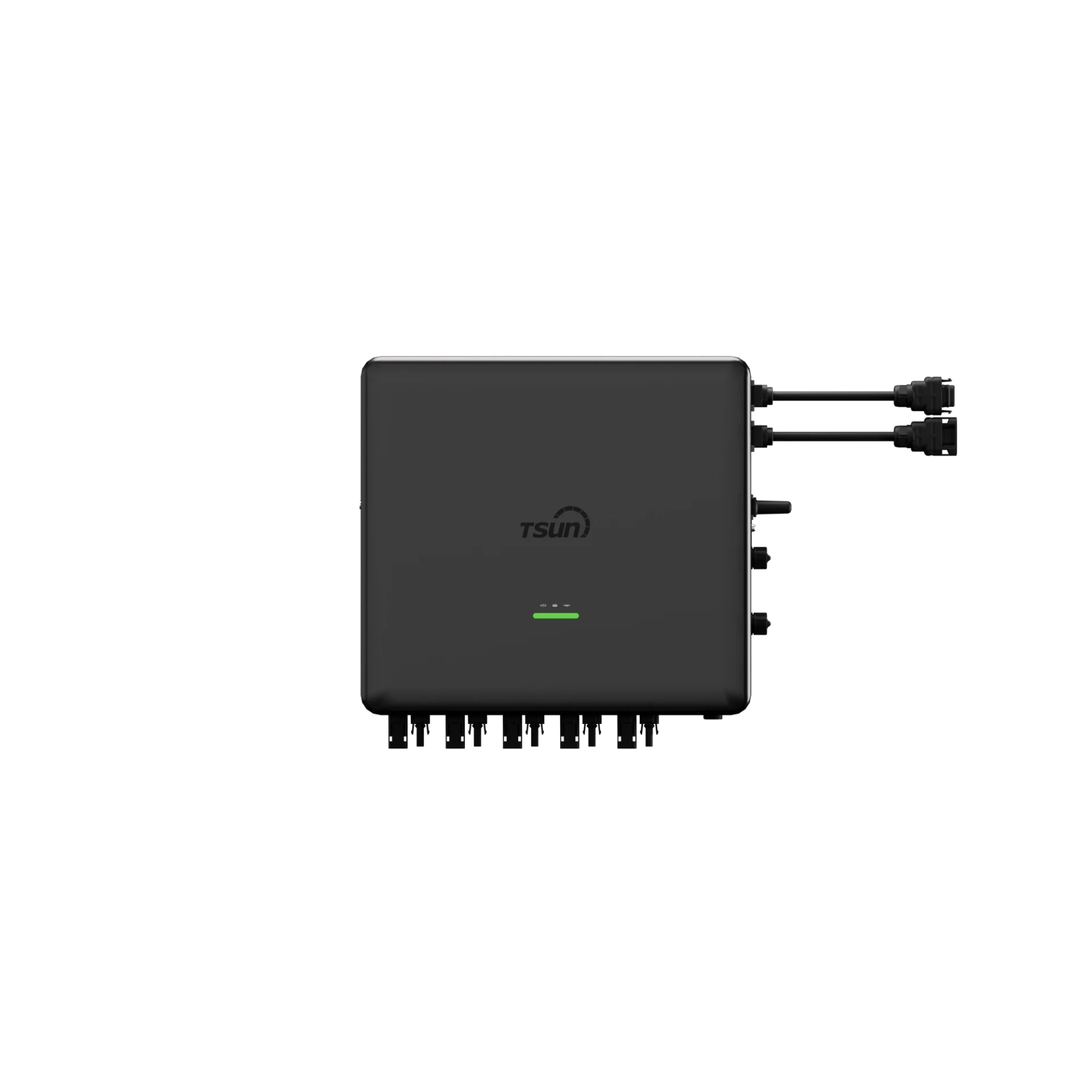
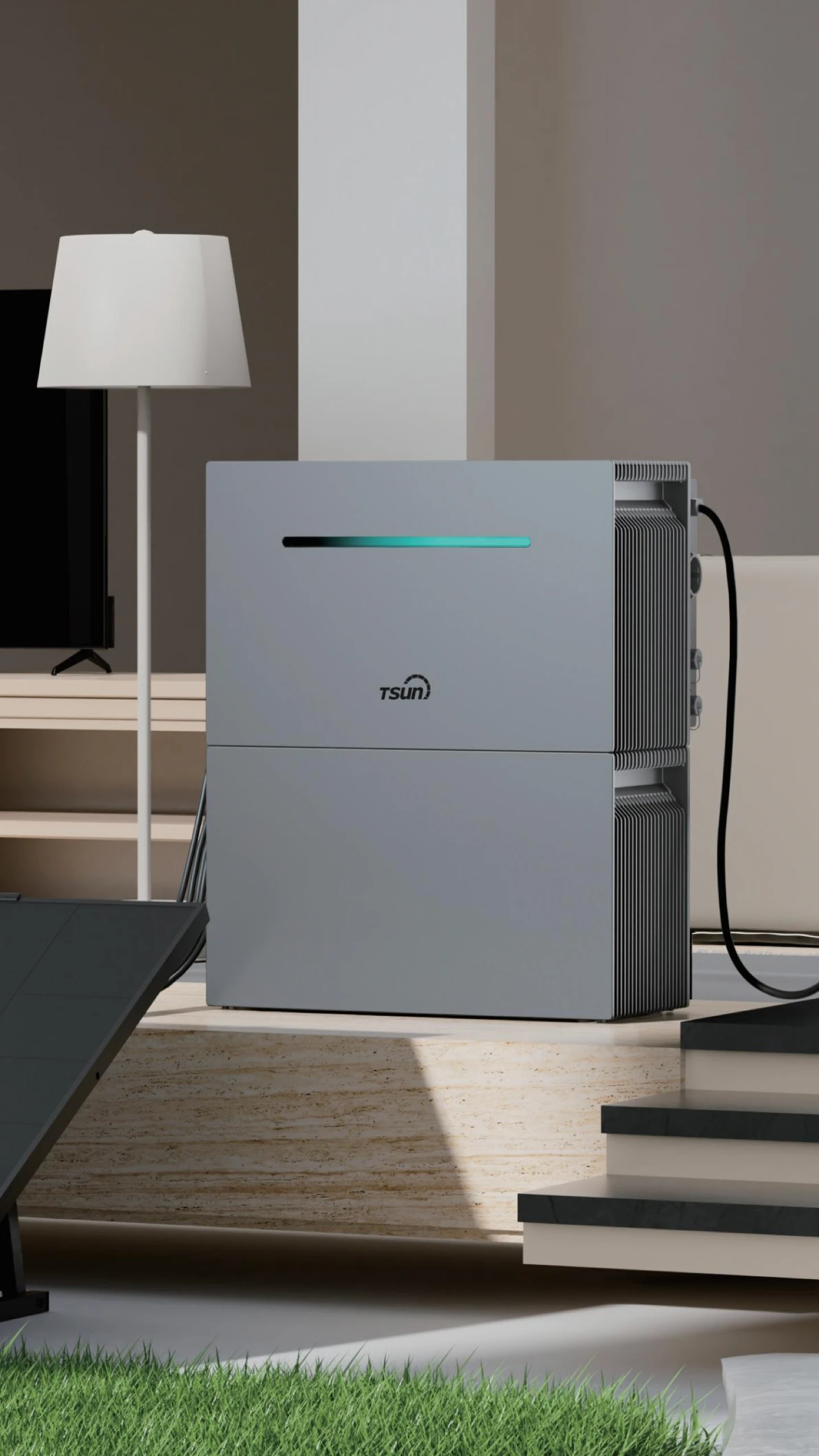
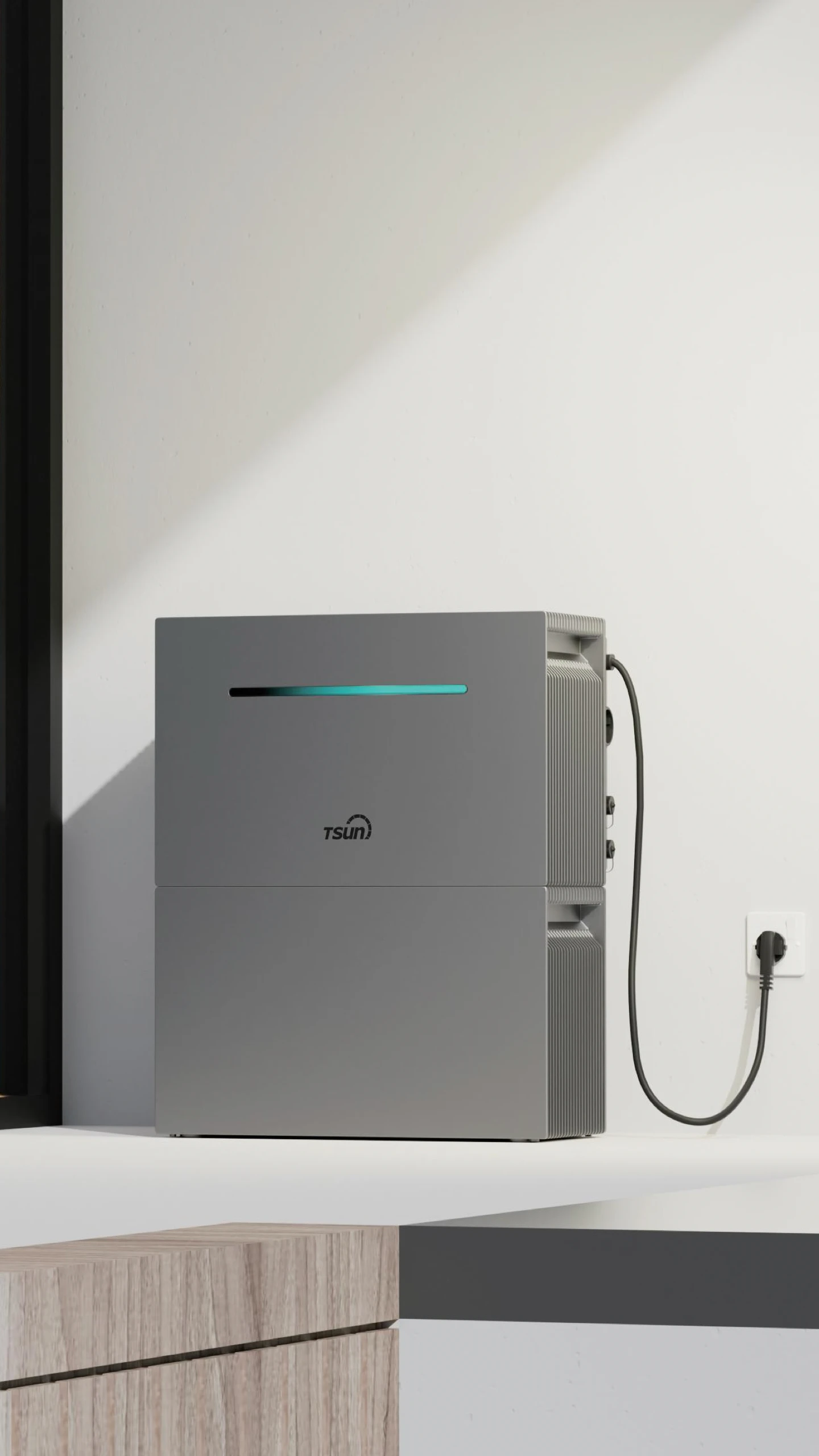
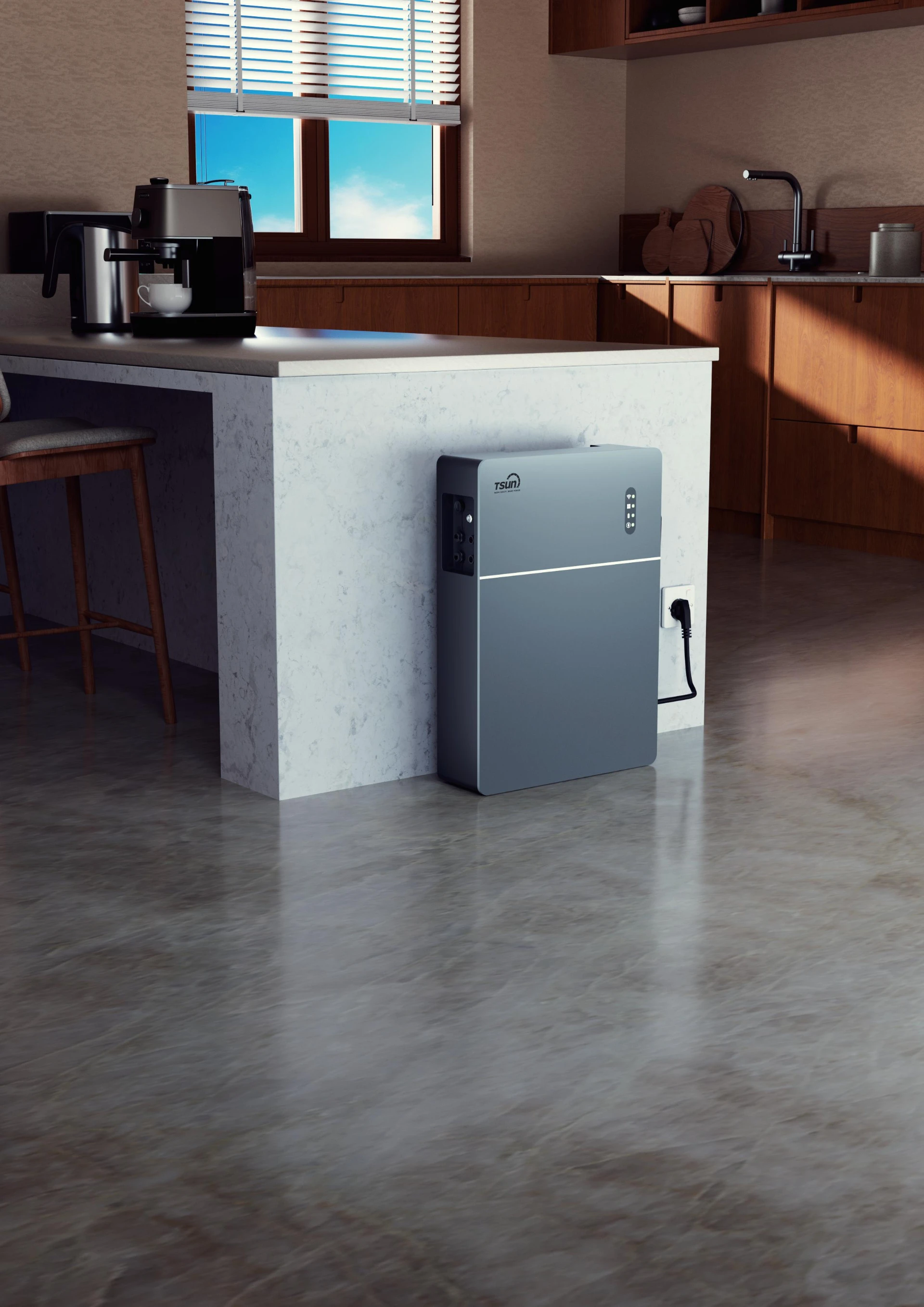
To meet the surging demand for safe, efficient retrofits, TSUN has engineered the ultimate AC-coupled solution: the PowerTrunk Micro AC Coupled Unit (TSOL-MAU4000Lite).
Designed specifically to integrate seamlessly with your legacy PV setup, the PowerTrunk redefines home energy management with hard-hitting, future-proof specs:
- Massive Scalability & Lifespan: Built with premium LiFePO4 chemistry designed for a remarkable 10,000 life cycles. Start with a 4kWh capacity and easily stack expansion modules up to a massive 20kWh system capacity.
- Dynamic Tariff Optimization: The PowerTrunk features built-in Time-of-use Control. It automatically charges from the grid when electricity prices are rock-bottom, and discharges to power your home when rates spike.
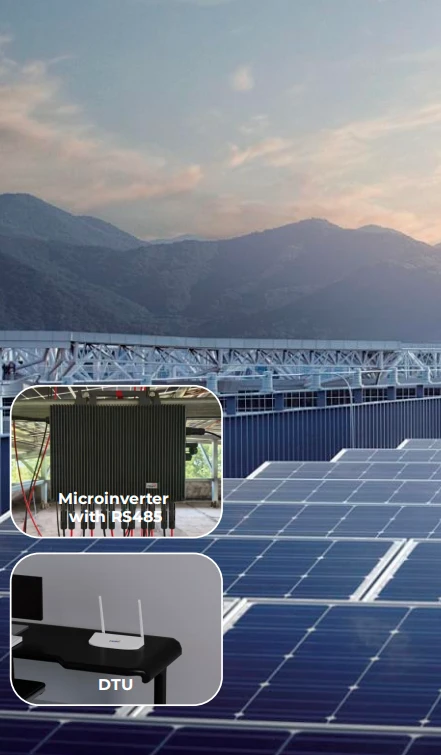
- Total Visibility: Pair the hardware with TSUN Smart Monitoring to gain real-time insights, track your savings, and manage energy flows remotely from your smartphone.
- Resilience Built-in: Even during grid outages, the MAU4000Lite supports Black Start via PV or Grid, ensuring your essential loads stay powered when you need them most.

 LEARN MORE