Why Anti-Backflow Control Is Now Essential for Distributed Solar Installations
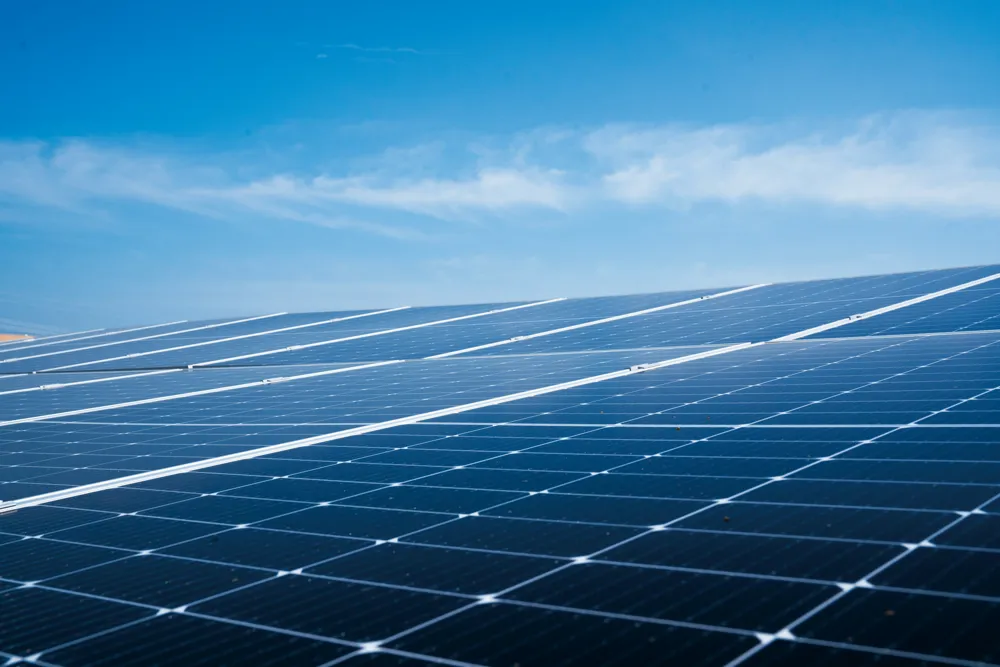
The old paradigm in rooftop solar was simple: turn up panels and send every extra kilowatt to the grid. However, high PV penetration has changed the game. Excess solar production can now push power back into the grid, reversing normal flow and raising voltages in local lines.
In response, many utilities have imposed strict “self-consumption, zero-export” rules. Blindly maximizing output is no longer viable: grids now force solar to match local load. Traditional net-metering is disappearing, and penalties can apply for unauthorized backflow.
From Maximum Generation to Precision Control
With exports capped, the priority shifts from sheer kW to smart power management. Solar installations must track on-site demand and adjust output in real time. TSUN’s inverter acts like a “Smart Traffic Controller,” micro-adjusting output every few milliseconds to balance generation against demand.
What Is Anti-Backflow Control?
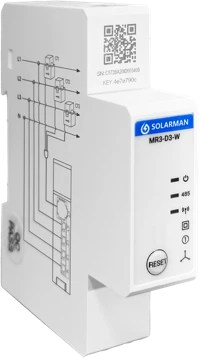
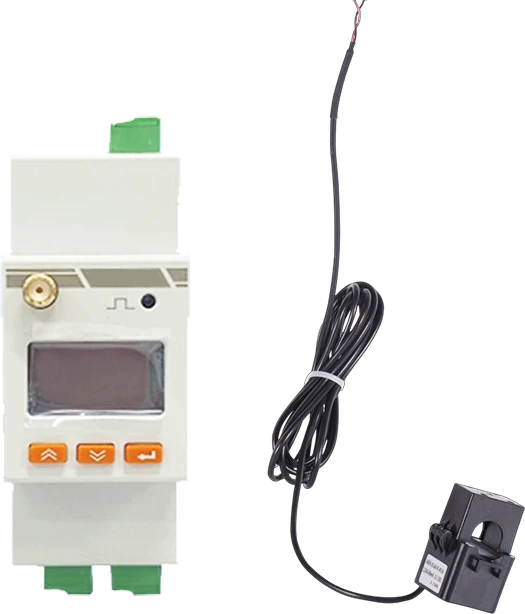
In essence, anti-backflow control is inverter logic that enforces self-consumption. It uses sensors (usually Current Transformers or CTs at the grid connection) and fast communications to detect any reverse current.
When backflow is detected, the meter signals the inverter, and the inverter responds within seconds to throttle power down to near zero export. This keeps the grid happy and the customer compliant with local feed-in rules.
Why One-Size-Fits-All Fails: Diverse Site Challenges
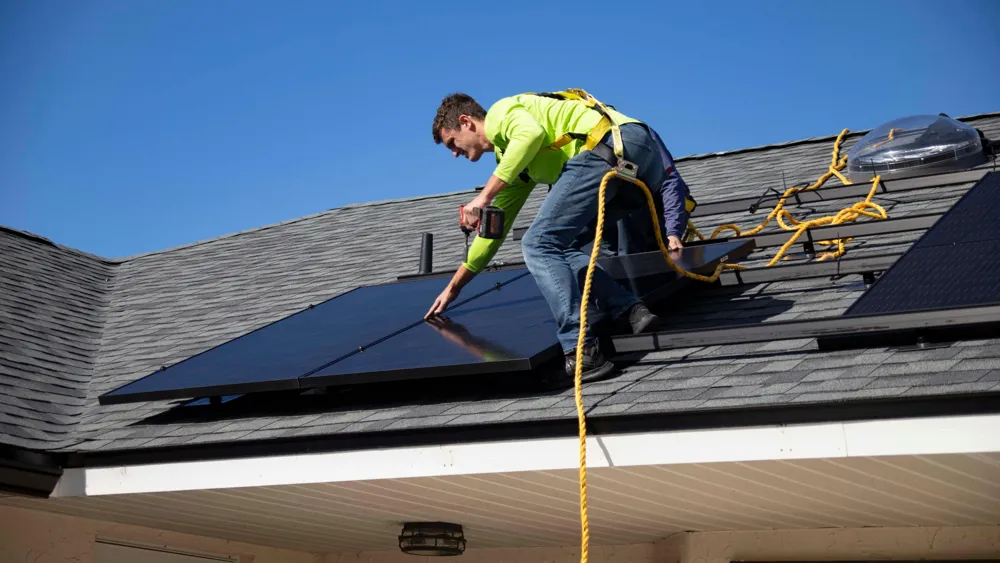
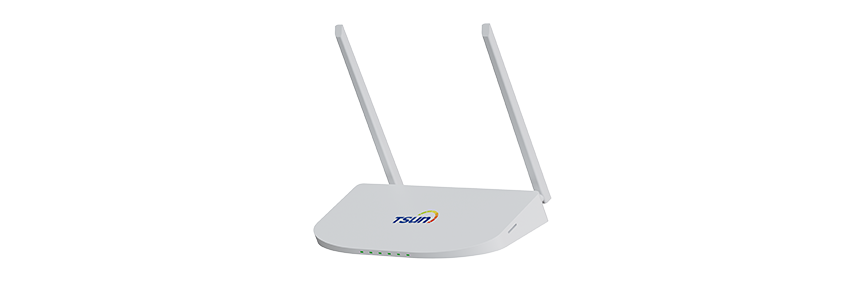
Real-world sites vary widely. TSUN developed a multi-dimensional communications architecture supporting Sub-1G long-range radio, Wi-Fi Mesh, wired RS485, and PLC (Power Line Communication). This ensures 100% adaptability regardless of site layout.
TSUN’s System-Level Anti-Backflow Approach
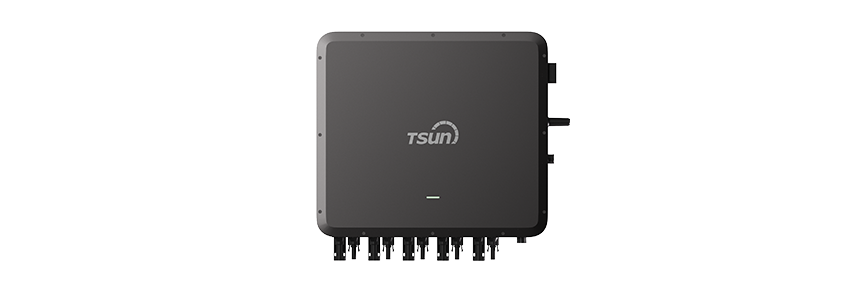
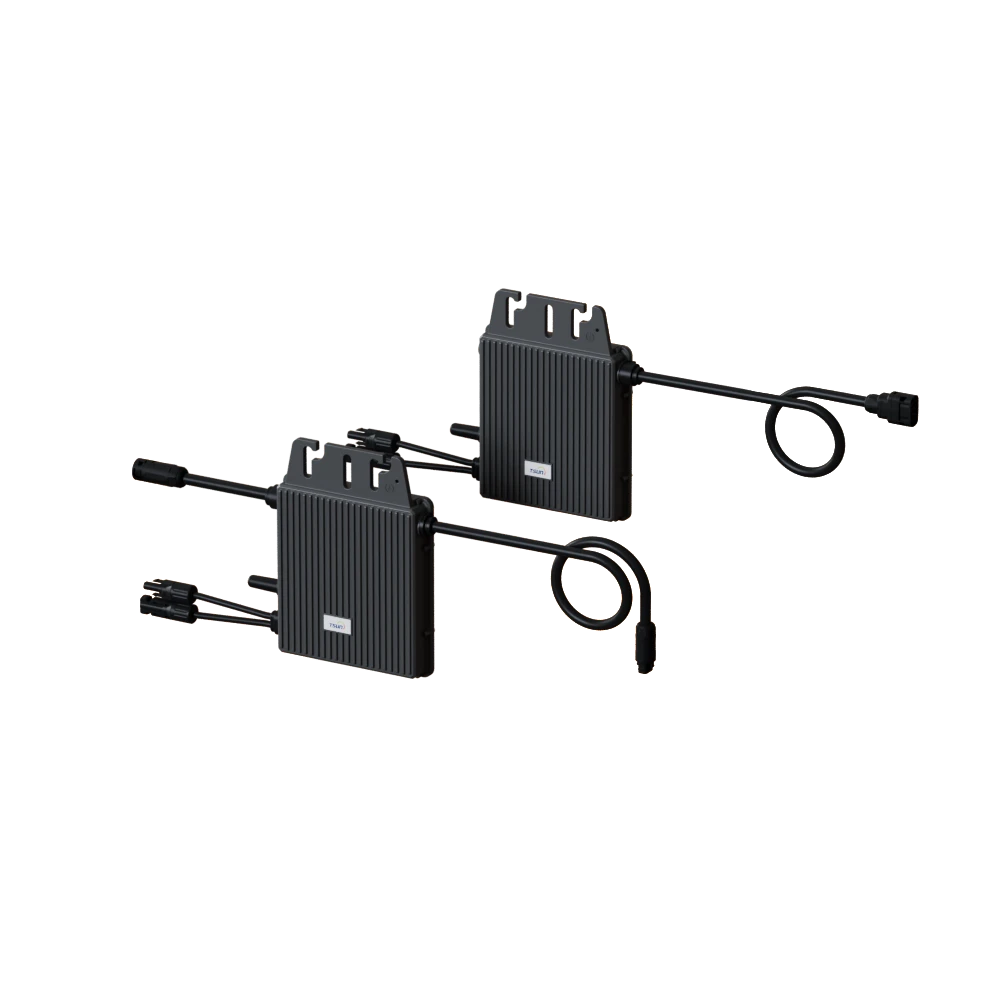
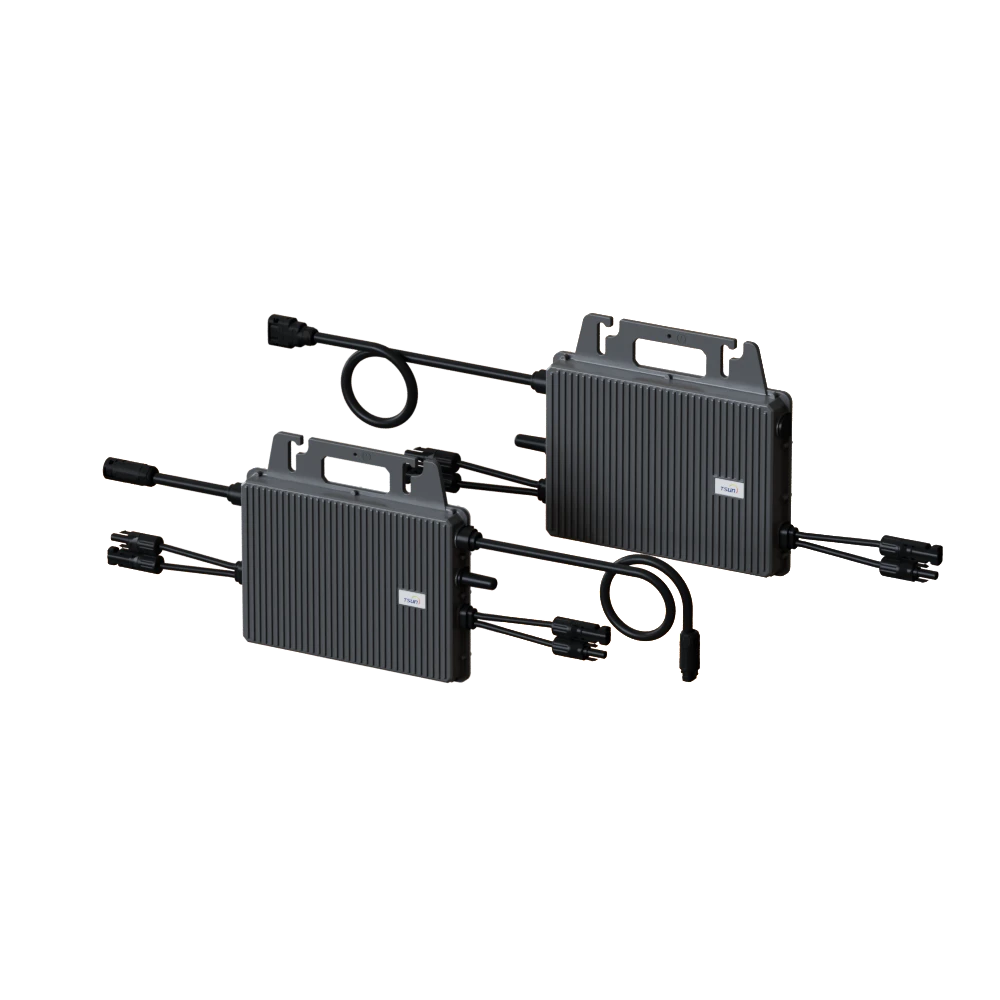
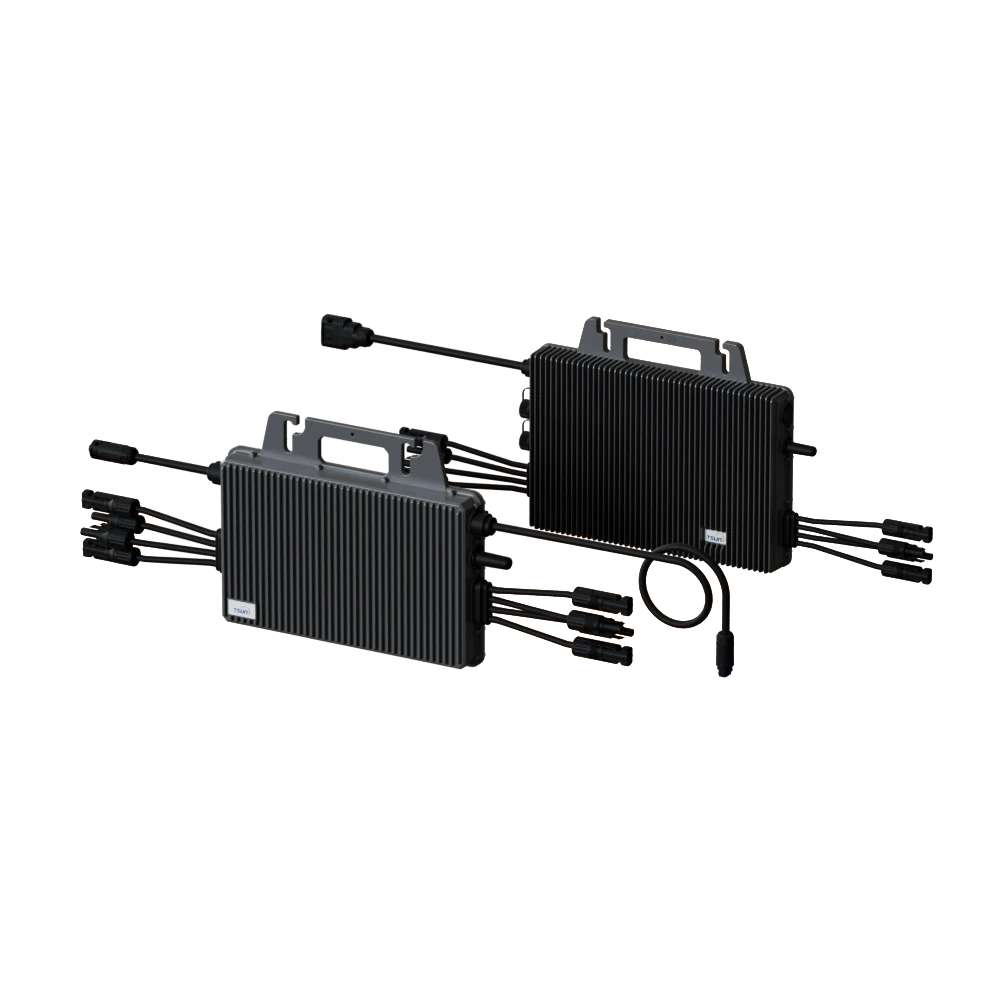
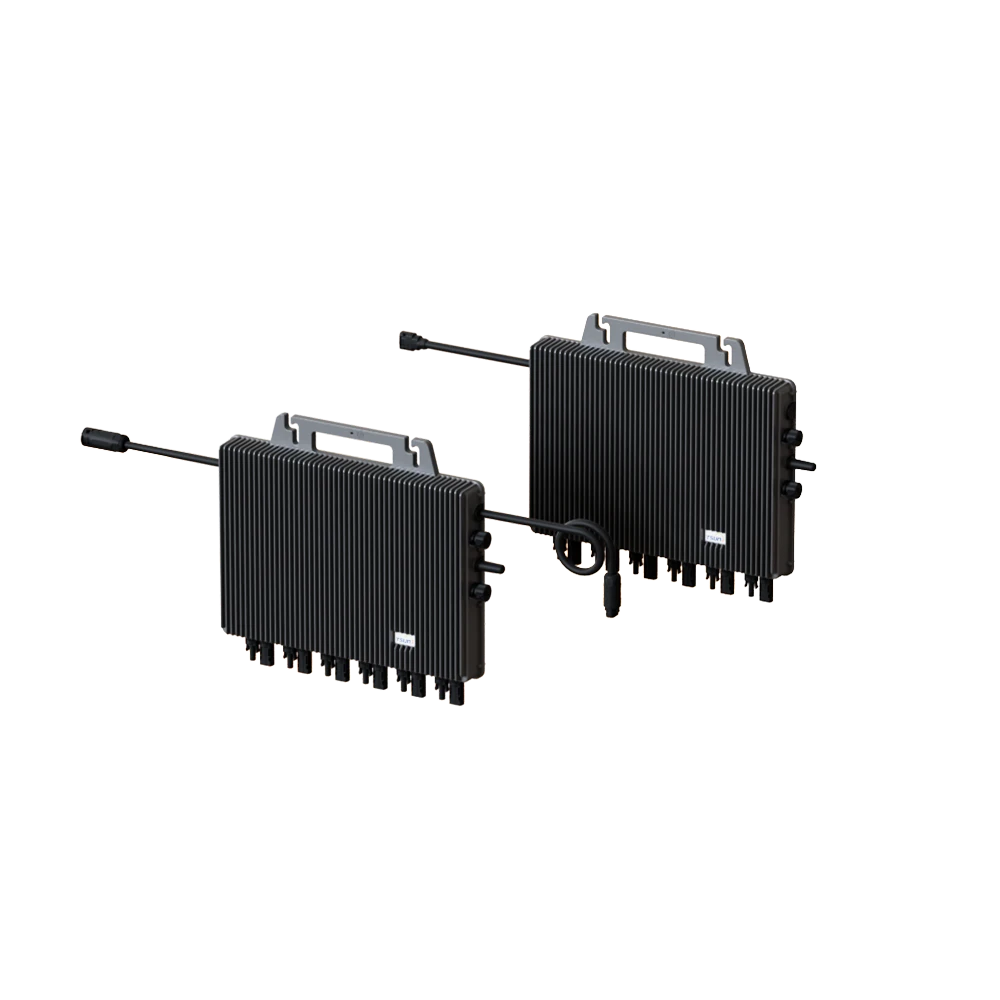
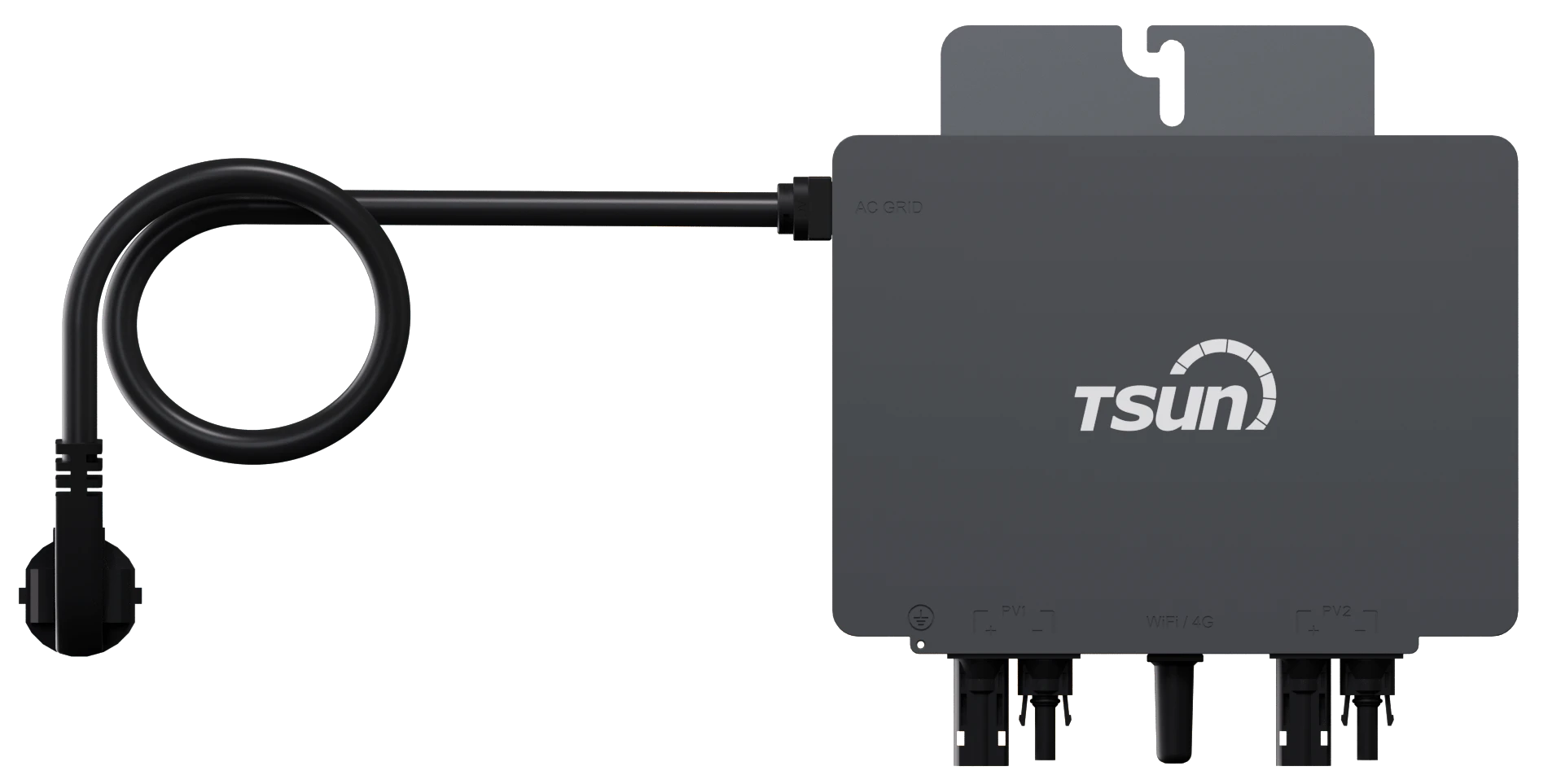
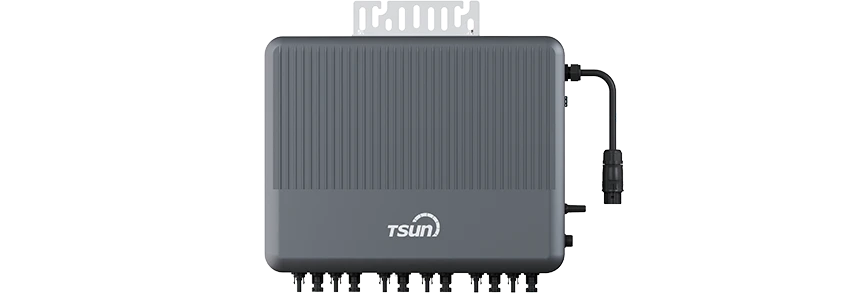
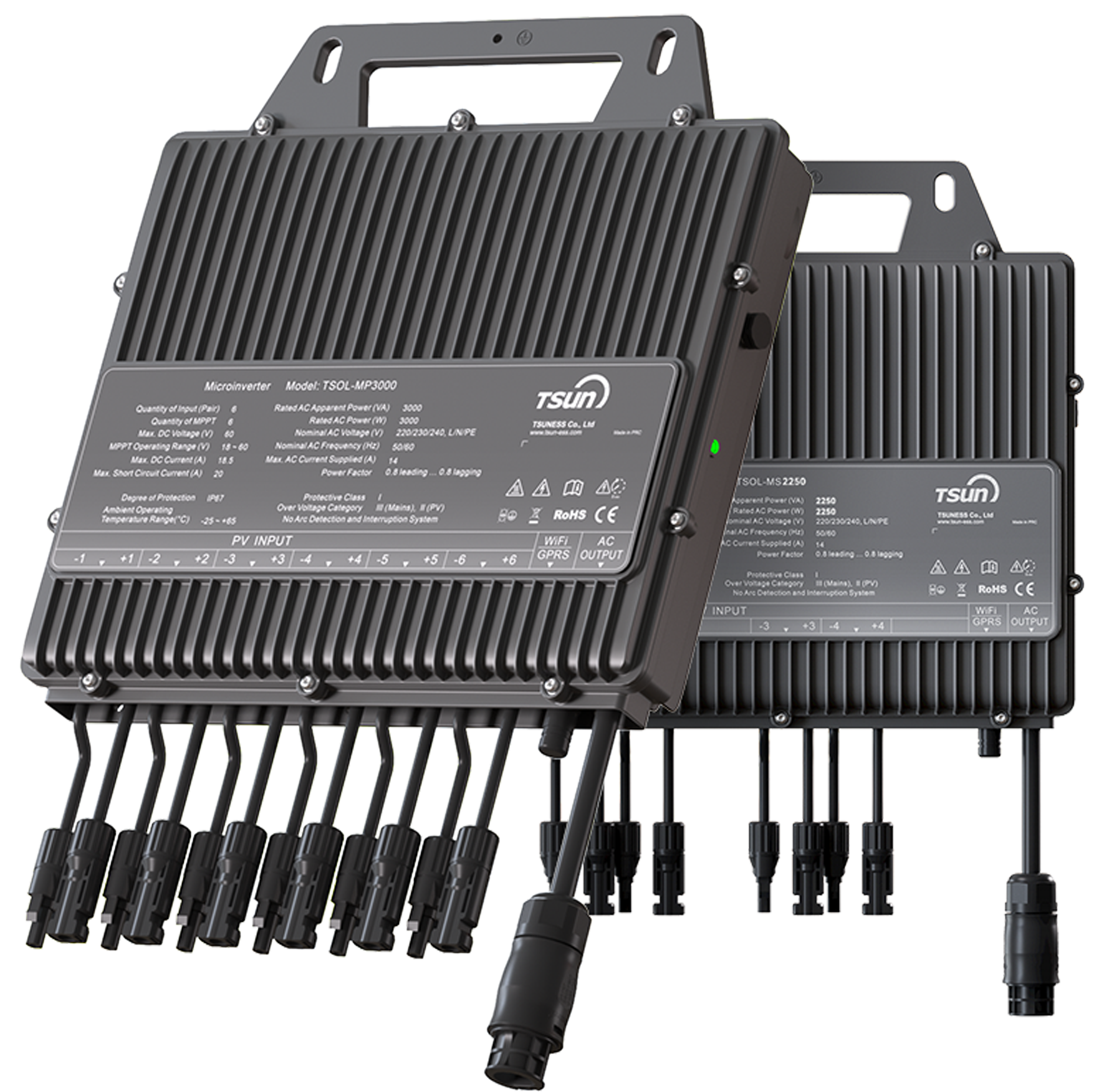
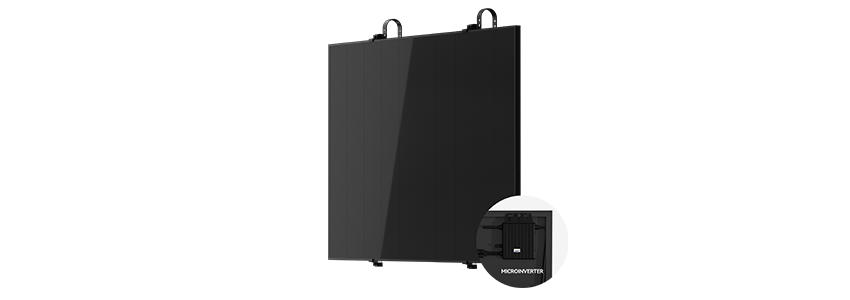
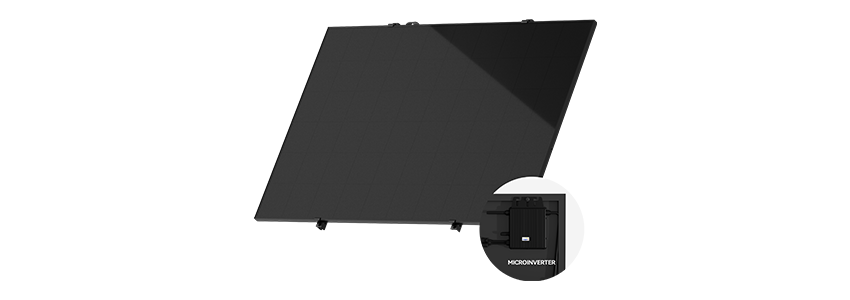
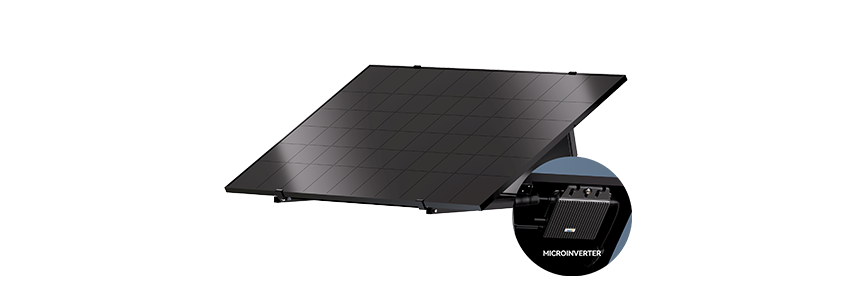
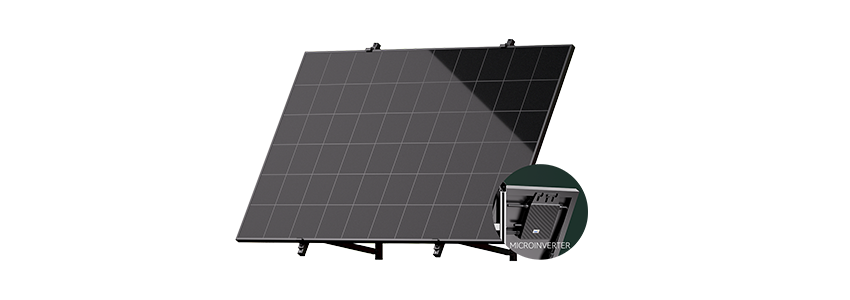
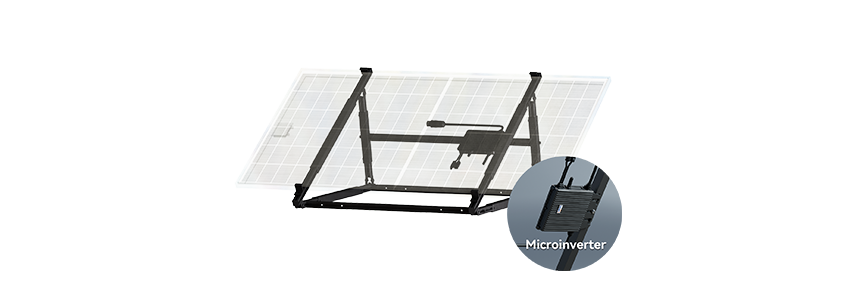
TSUN tackles anti-backflow at the system level by combining control logic with flexible communications. Their latest “dual-core” microinverters can use either wired RS485 or Wi-Fi mesh for anti-backflow signals.
Communication + Control Recommendations by Project Size
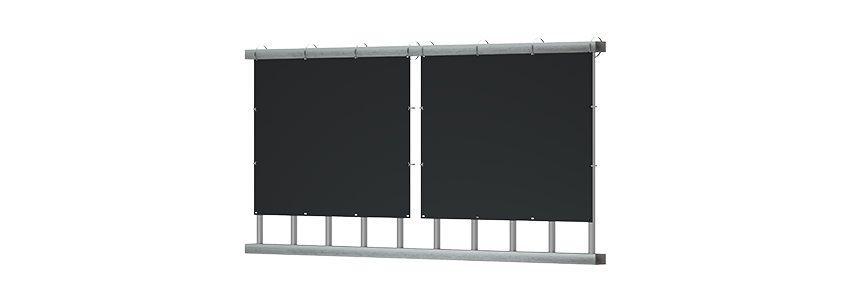
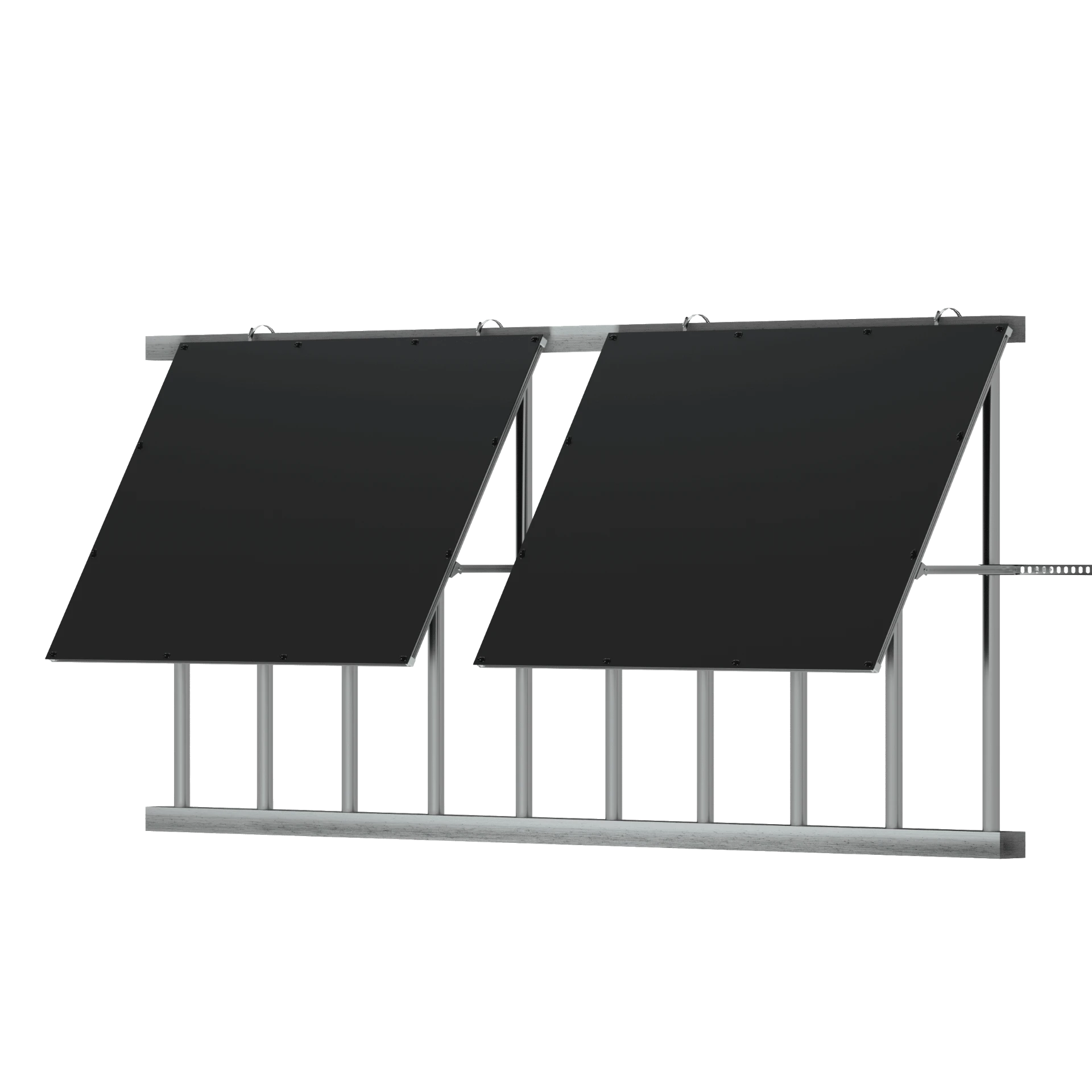
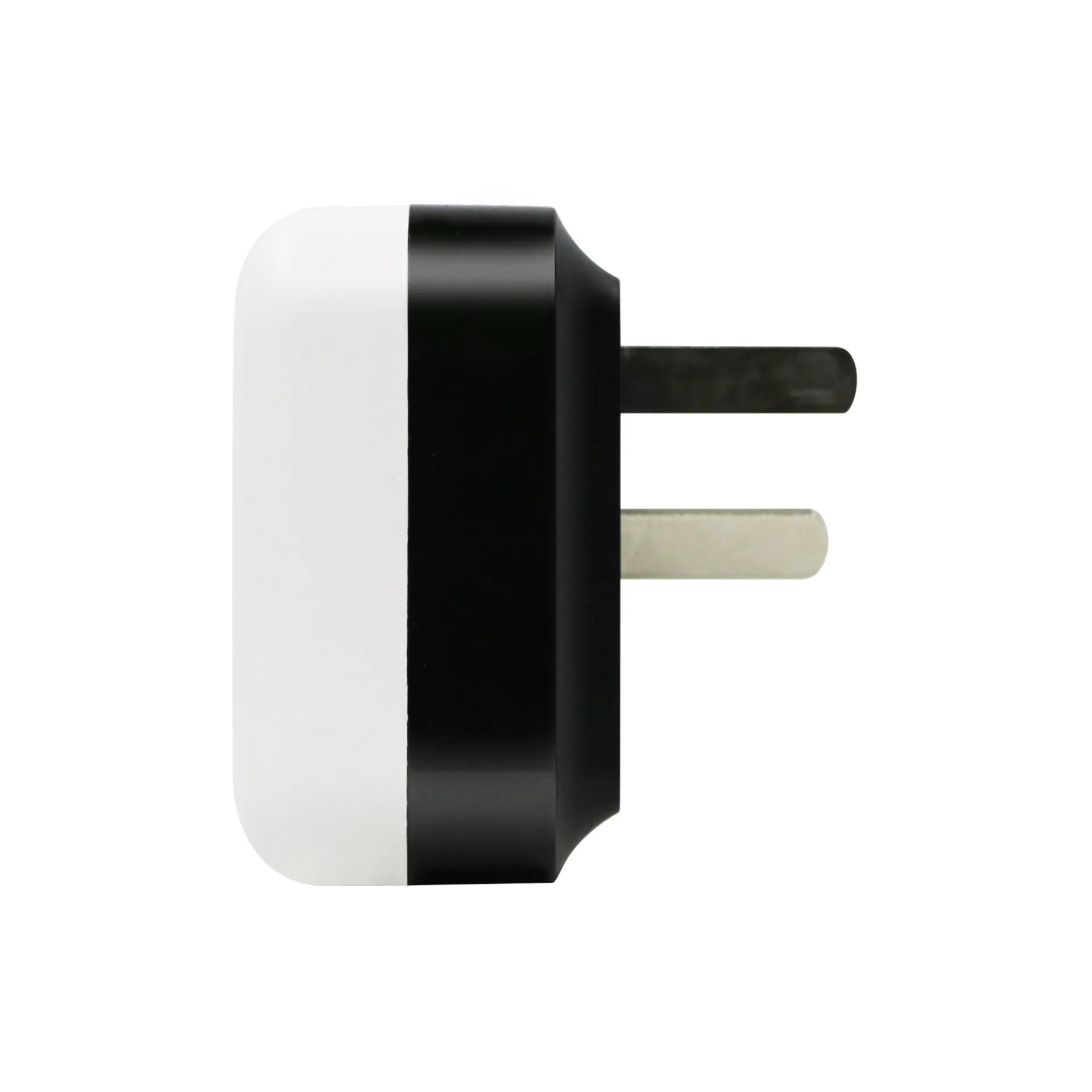
- Balcony DIY (≤3 panels): Use a Wi-Fi mesh network and smart plugs.
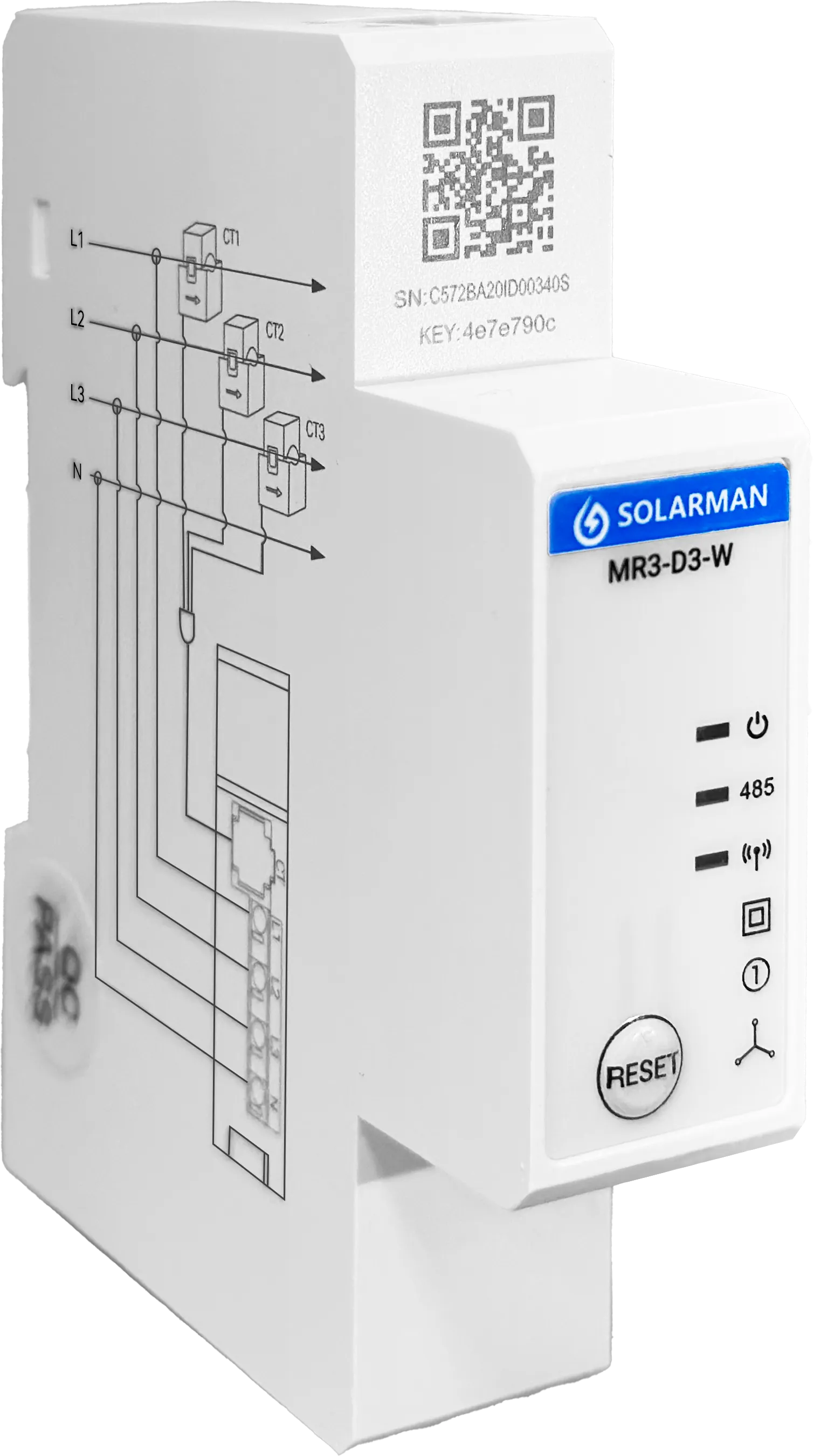
- Small Residential Roof: Add a whole-home smart meter in a WiFi-Mesh network to keep generation below consumption.
- Need Extra Stability?: Fall back to wired RS485 for a guaranteed sub-second control loop.
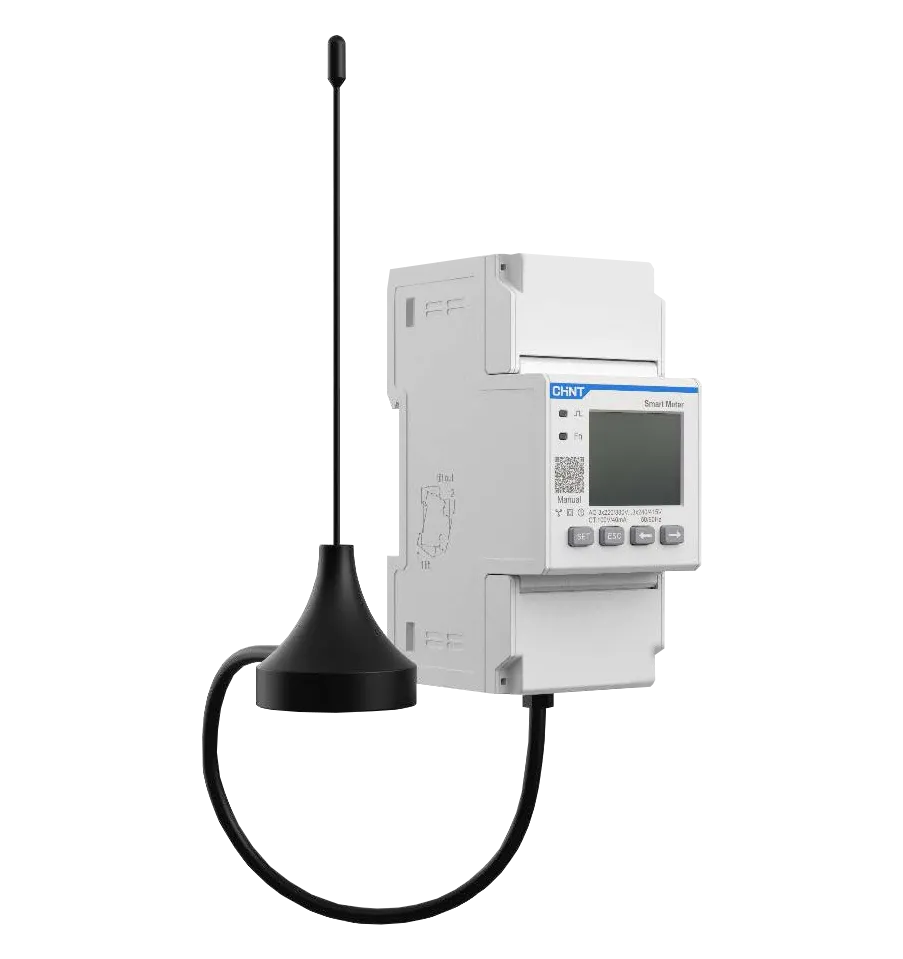
- Remote Sites: Combine cellular 4G/5G with Sub-1G radio to link meters over long distances.
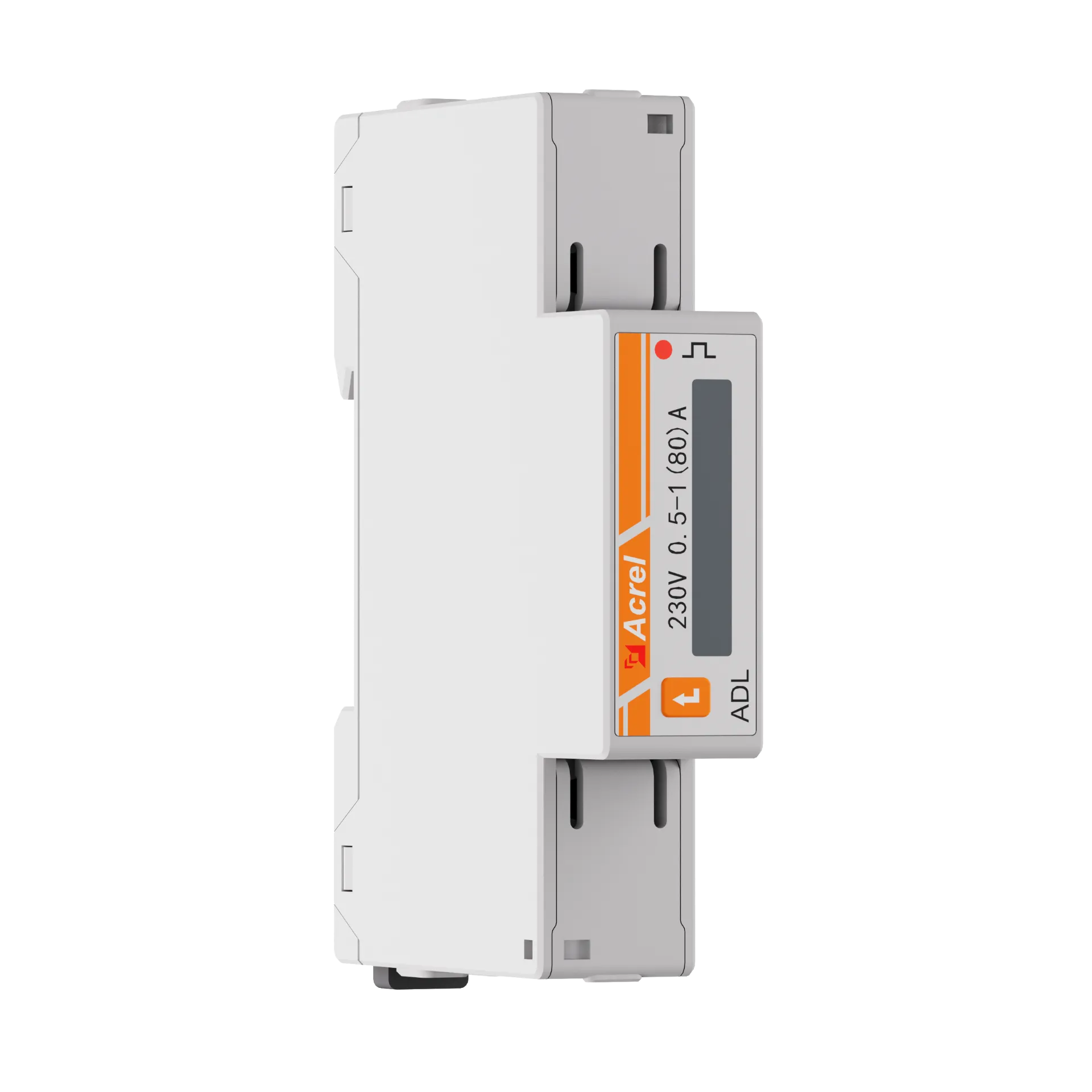
- Small Commercial (≤64 microinverters): Use a DTU + RS485 bus to manage dozens of microinverters in parallel.
Smooth Curtailment: Maximizing On-site Use
TSUN’s strategy uses “soft curtailment.” Generation is trimmed just enough to match load, rather than shut down entirely. This maximizes yield while ensuring grid stability and improving system safety.
Conclusion: The Brain of the Installation
The future of distributed PV is smarter operation. Anti-backflow is not just an add-on – it’s “the brain” of the installation. For the next chapter of solar, precise control will determine success.




 LEARN DETAILS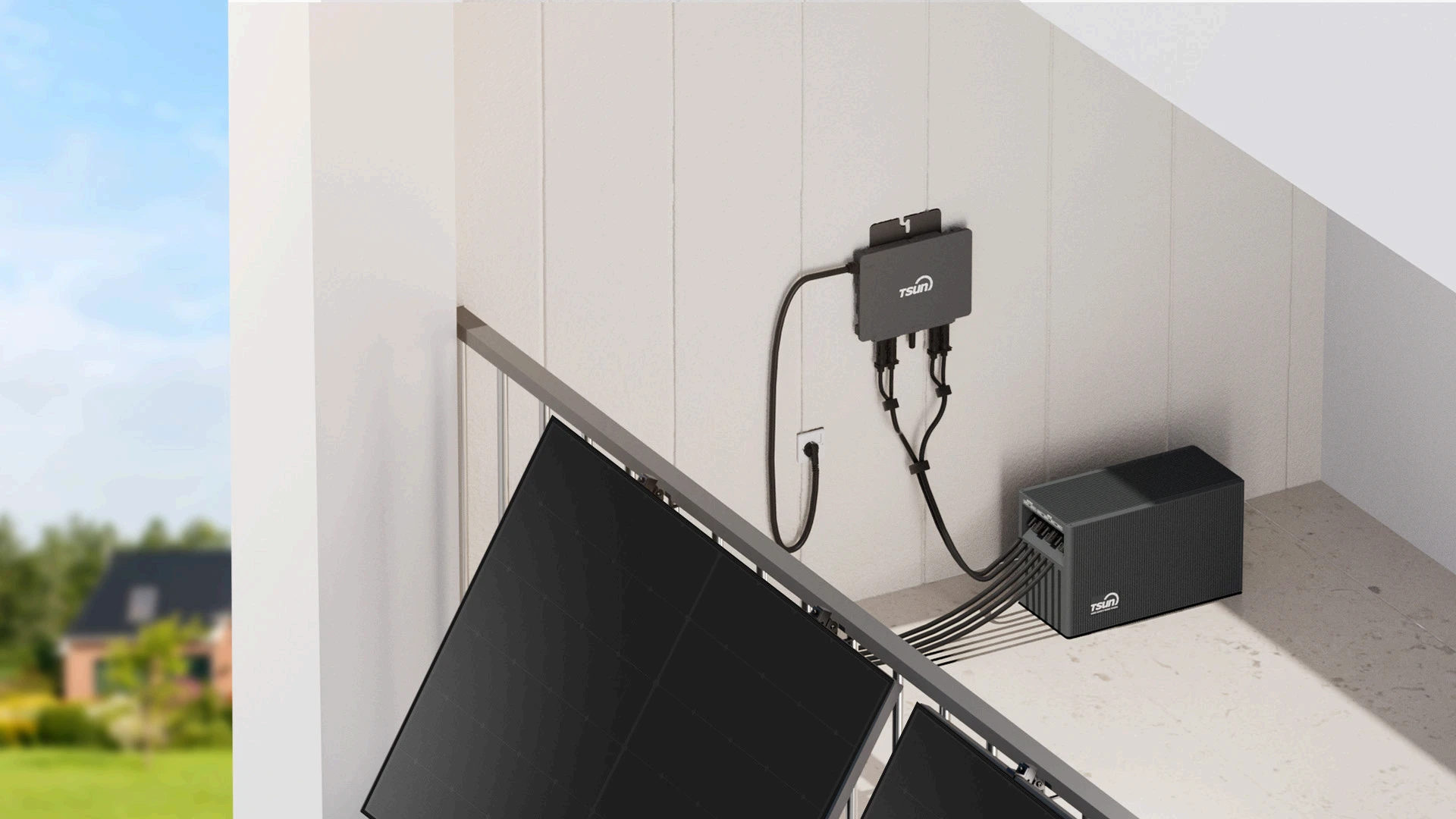


 Downloads
 Video Center
 Report Fault for Repair
 FAQS
FAQS Service Network
 Privacy Policy
 Contact Us
 Monitoring


 LEARN MORE