Backup Power Installation—Let’s Do This Right
So you’ve decided to invest in a backup power system. Smart move. But owning the equipment is only the first step—proper installation determines whether that investment keeps your family safe or creates new risks. Across the globe, improperly installed generators and backup systems cause house fires, electrical hazards, and damage to sensitive electronics every year.
The good news is that a correct installation follows clear, predictable steps. Whether you’re hiring a licensed electrician for a traditional generator or upgrading to a modern, silent Energy Storage System (ESS), understanding the process helps you ask the right questions and avoid costly mistakes. This guide walks you through preparation, the installation process itself, and what to consider if you’re looking at battery-based alternatives that simplify the equation entirely.
Prepare for Backup Power Installation
Planning comes first. A good home backup setup starts with local rules, a realistic power target, and a location that works for both safety and maintenance. The more you align the equipment, permits, and layout early, the smoother the rest of the work tends to be.
Confirm Local Code Requirements
First, check the rules that apply to your address. For a home backup installation, your city or county building department may require permits, inspections, and specific setups. Electrical and building codes shape grounding, transfer switch placement, and wiring methods. Licensed electricians usually handle the paperwork, but knowing what the permit covers prevents delays and fines.
- Ask your local building department about permit requirements before work begins.
- Confirm whether pre- and post-install inspections are part of the process.
- Check rules for grounding, panel connections, and approved installation distances.
- Keep copies of permits and inspection records with your home documents.
Choose the Right Type of Backup System
Next, match the system to your household needs. Do you want a noisy gas generator, or a silent, solar-compatible battery system that saves you money every day? Panel capacity, dedicated circuits, and integration compatibility matter for safe use.
- Traditional standby generators suit homes that want automatic transfer but don't mind noise and fossil fuels.
- Modern Energy Storage Systems (ESS) are silent, run on clean energy, and can reduce your daily electricity bills through solar integration and Time-of-Use shifting.
- Match the system to your panel size (usually 100 to 200 amps) and the appliances you want to run.
Find a Good Place for Your System
Location affects safety, cost, and maintenance. Whether it's a concrete pad for a gas generator or a wall-mounted setup for a battery system, you need a stable area. For battery systems, proximity to the main breaker panel or solar inverter can significantly reduce installation costs.
- Choose level ground or a structurally sound wall.
- Leave enough room for maintenance and inspection access.
- Follow local clearance rules and manufacturer guidance for spacing.
How to Install a Backup System: Key Steps
The process is easier when treated as a sequence: mount the unit, connect the transfer/inverter equipment, link the power system, and test everything under load. Because the safety stakes are high, licensed electricians are strictly required at the wiring and inspection stages.
- Position the Unit: Start by placing or mounting the unit where the permit and manufacturer allow. The system must sit firmly, stay dry enough to function well, and remain reachable for service.
- Install the Transfer/Inverter Equipment: This is a critical safety component. It isolates the backup power from utility lines to prevent dangerous backfeed. This must match your home's wiring setup perfectly.
- Connect to the Electrical Panel: The next step is to wire the system into the circuits that will receive backup power. The electrician will ensure clean, code-compliant wiring that supports your load without overtaxing the home’s electrical system.
- Start, Test, and Inspect: Installers will simulate a grid outage before completing the job. They will perform startup checks, load testing, and inspect voltage and battery/fuel conditions.
Pro Tip: Always have your installer run a simulated power outage to ensure the system handles the handover seamlessly without tripping your main breakers.
TSUN Energy Storage Systems: The Future of Home Backup
Why install a loud, high-maintenance generator that only works during an outage? TSUN Energy Storage Systems provide seamless backup power while actively reducing your electricity bills every single day.
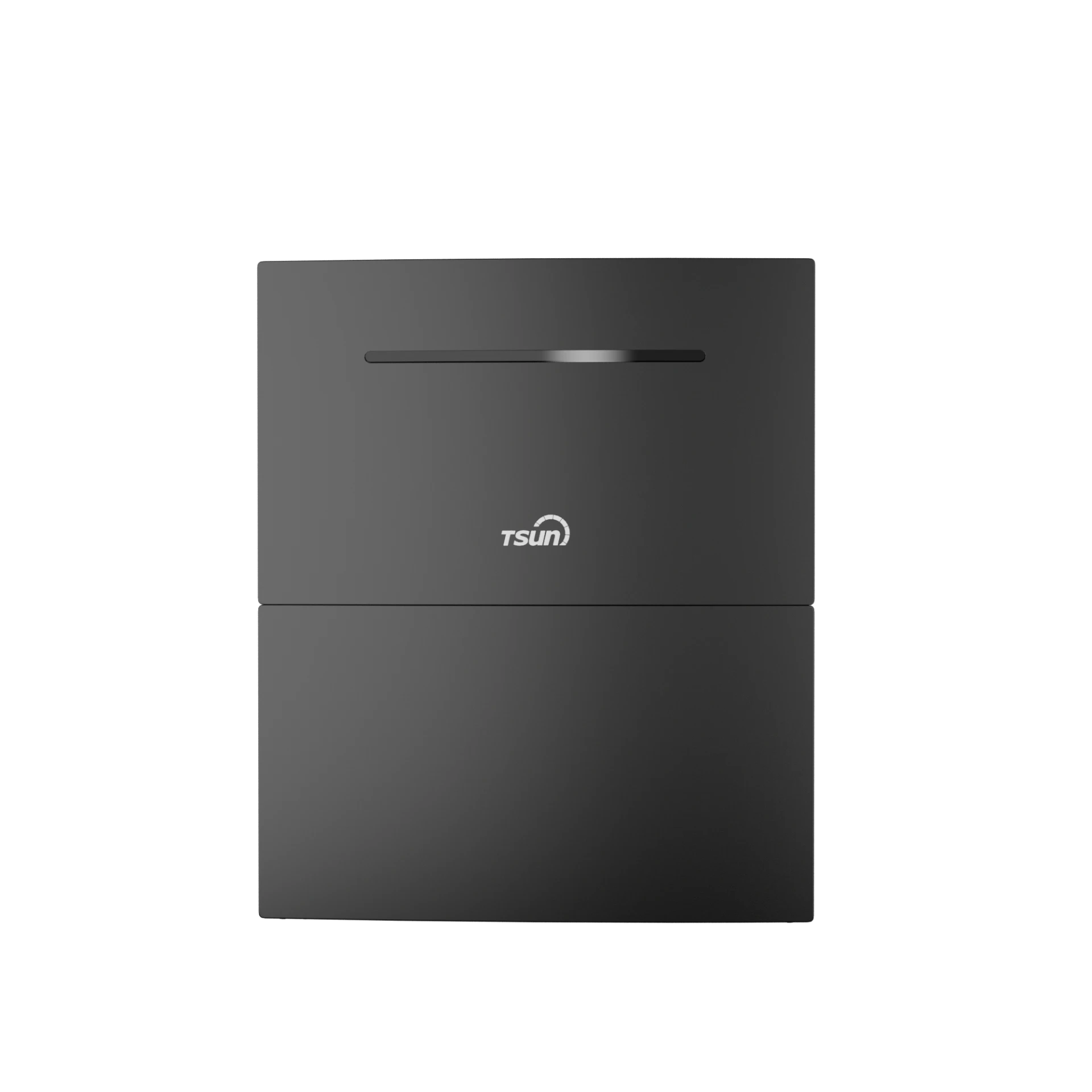
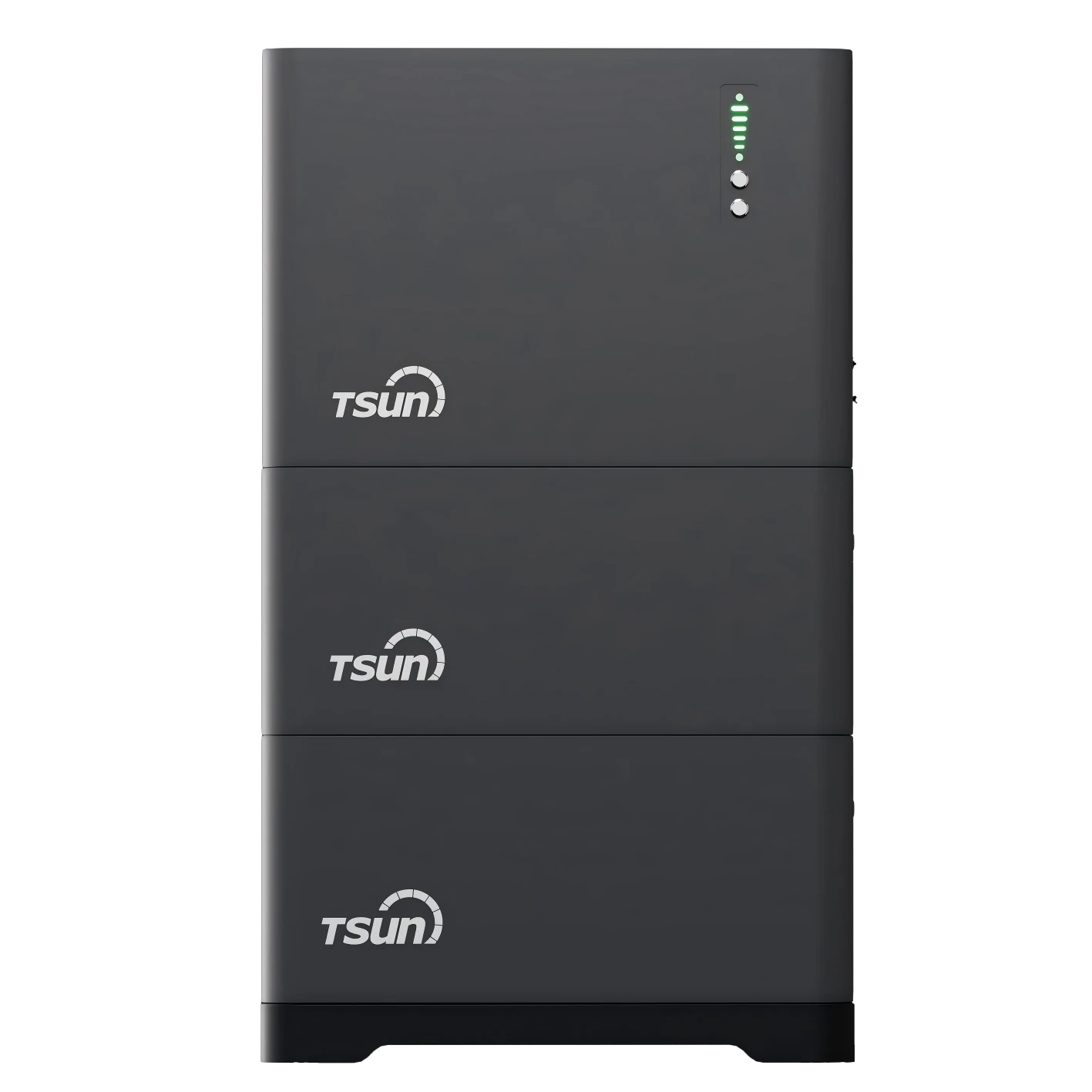
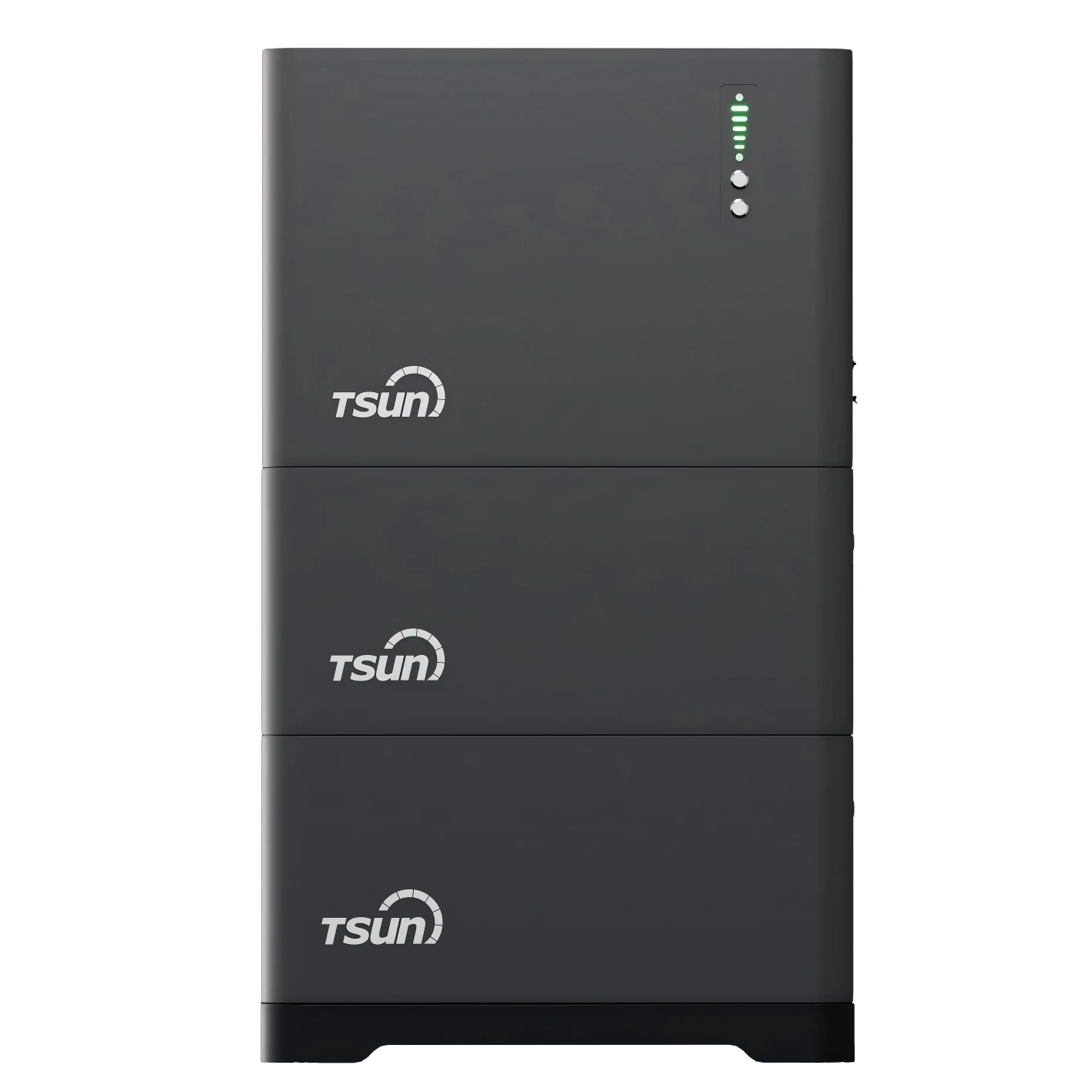
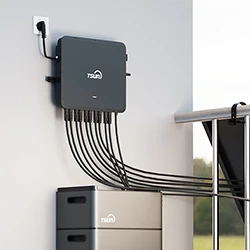
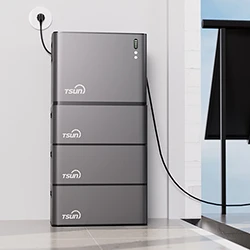
TSUN PowerTrunk (Micro AC Coupled Unit)
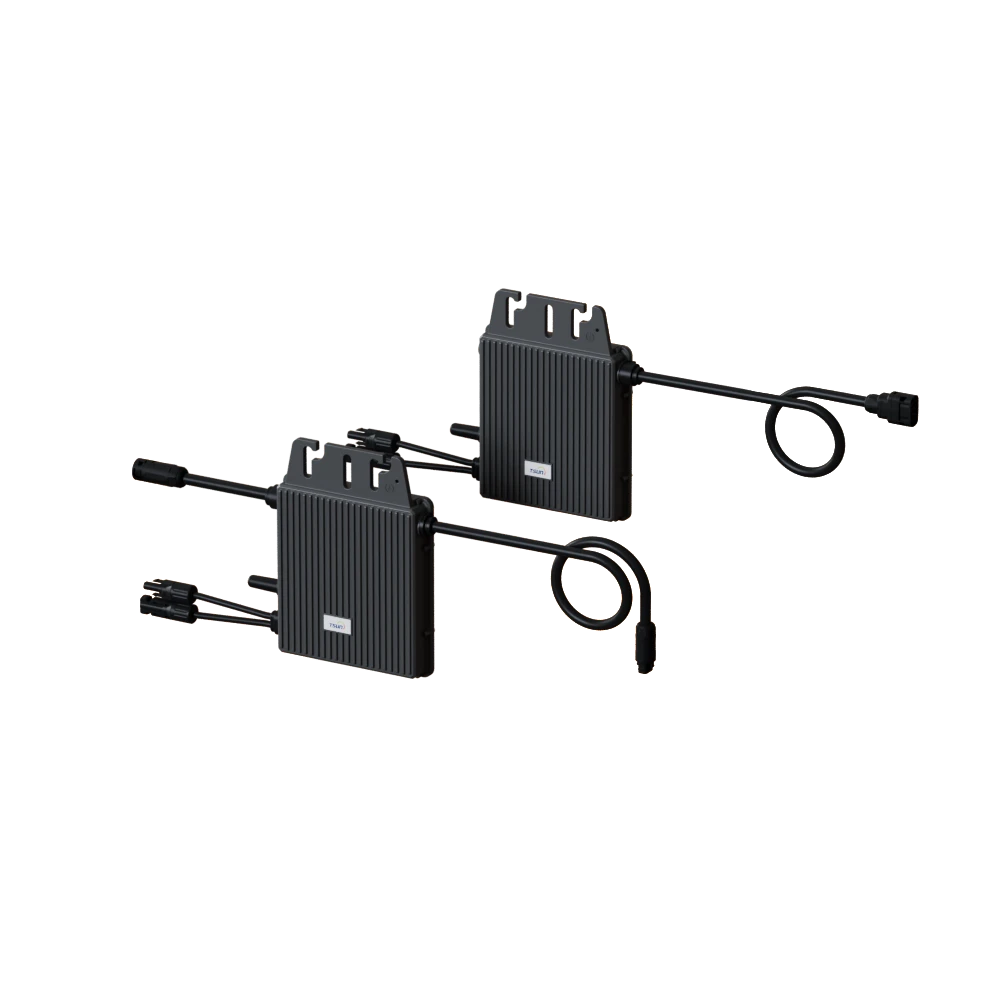
Perfect for retrofitting. If you already have a grid-tied solar setup or microinverters, the MAU4000Lite (4-20 kWh) is your ideal AC-coupled energy storage system.
- Slash Electricity Bills: Maximizes your solar self-consumption and intelligently shifts energy use during expensive high-tariff periods.
- Proprietary Battery Optimizer: Mix existing and new battery modules over time without any performance loss or traditional matching issues.
- Flexible Expansion: Supports scalable parallel expansion for both single-phase and three-phase residential systems using durable 314Ah high-cycle cells.
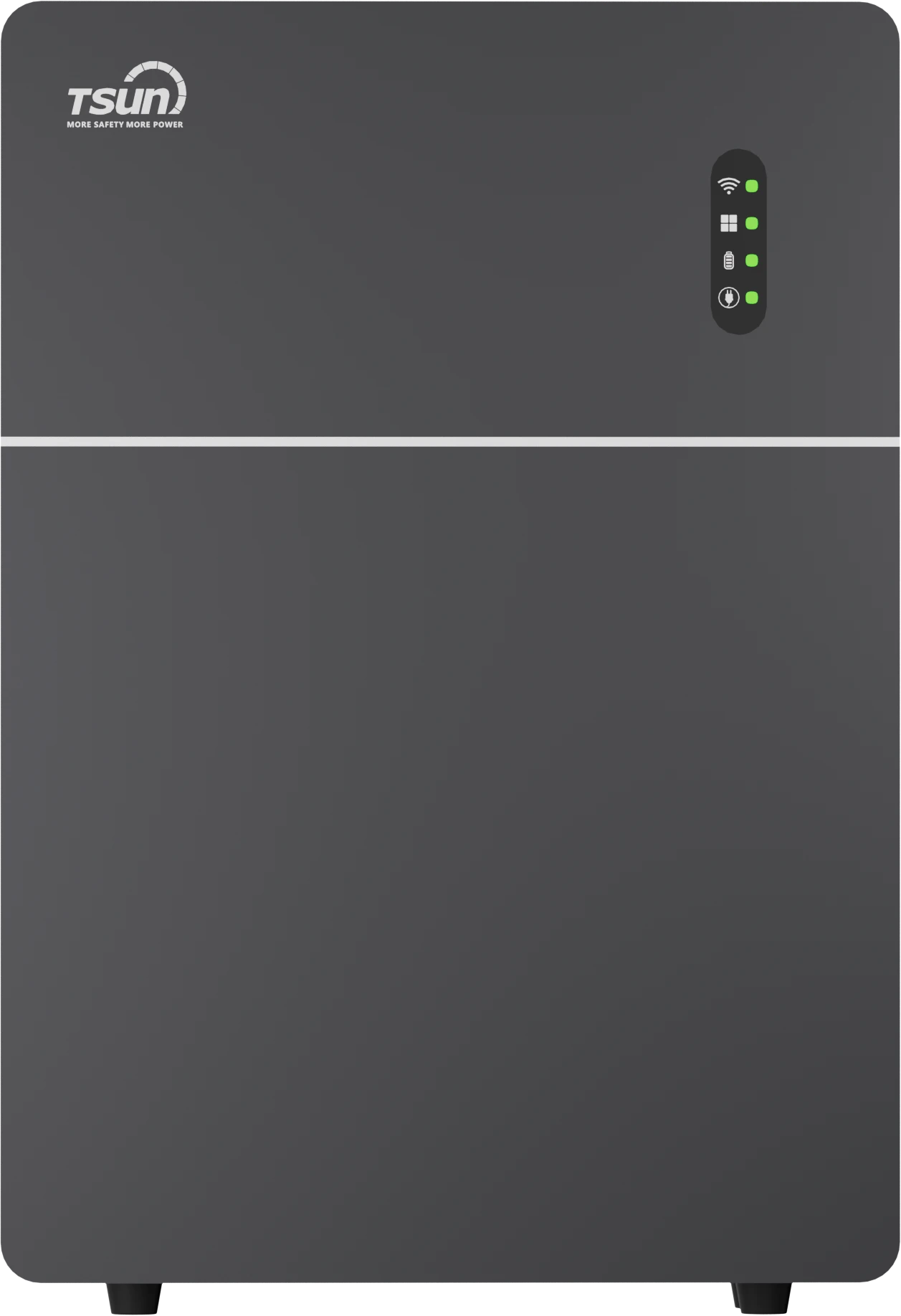
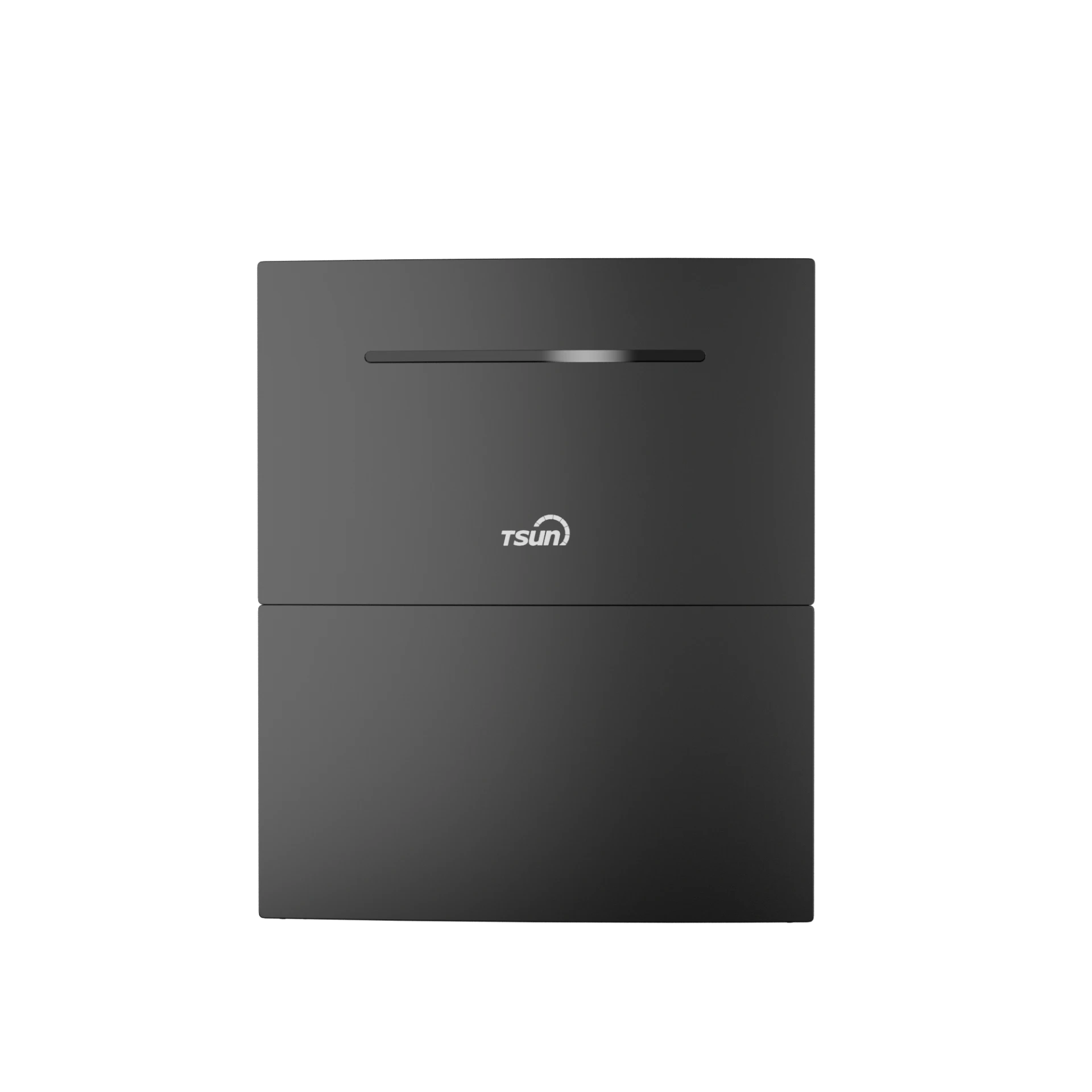
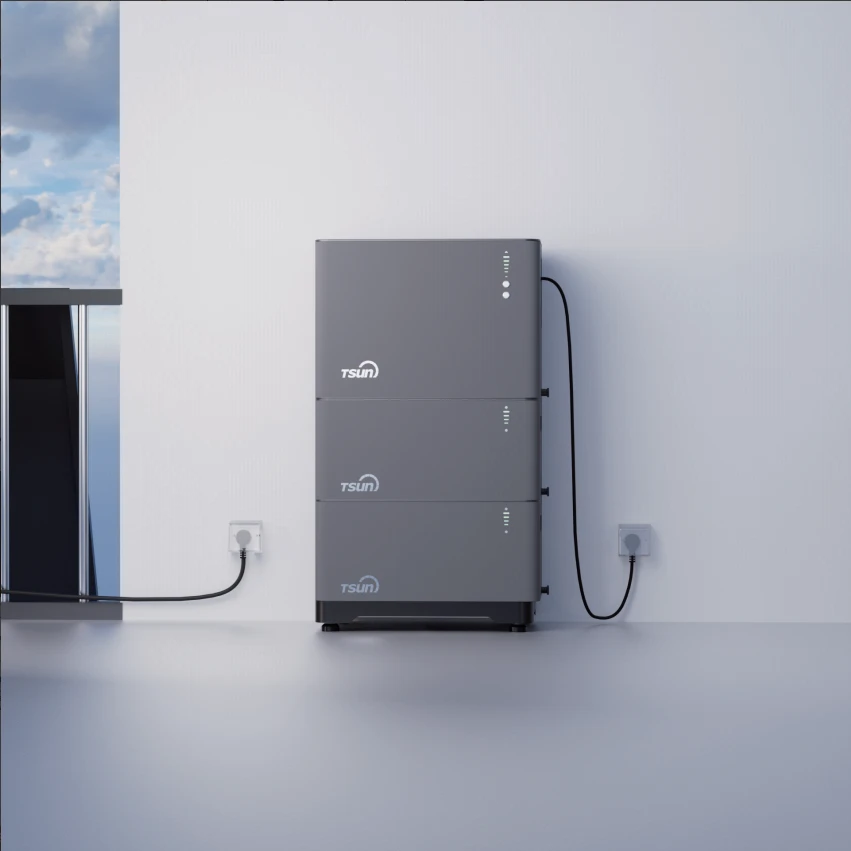
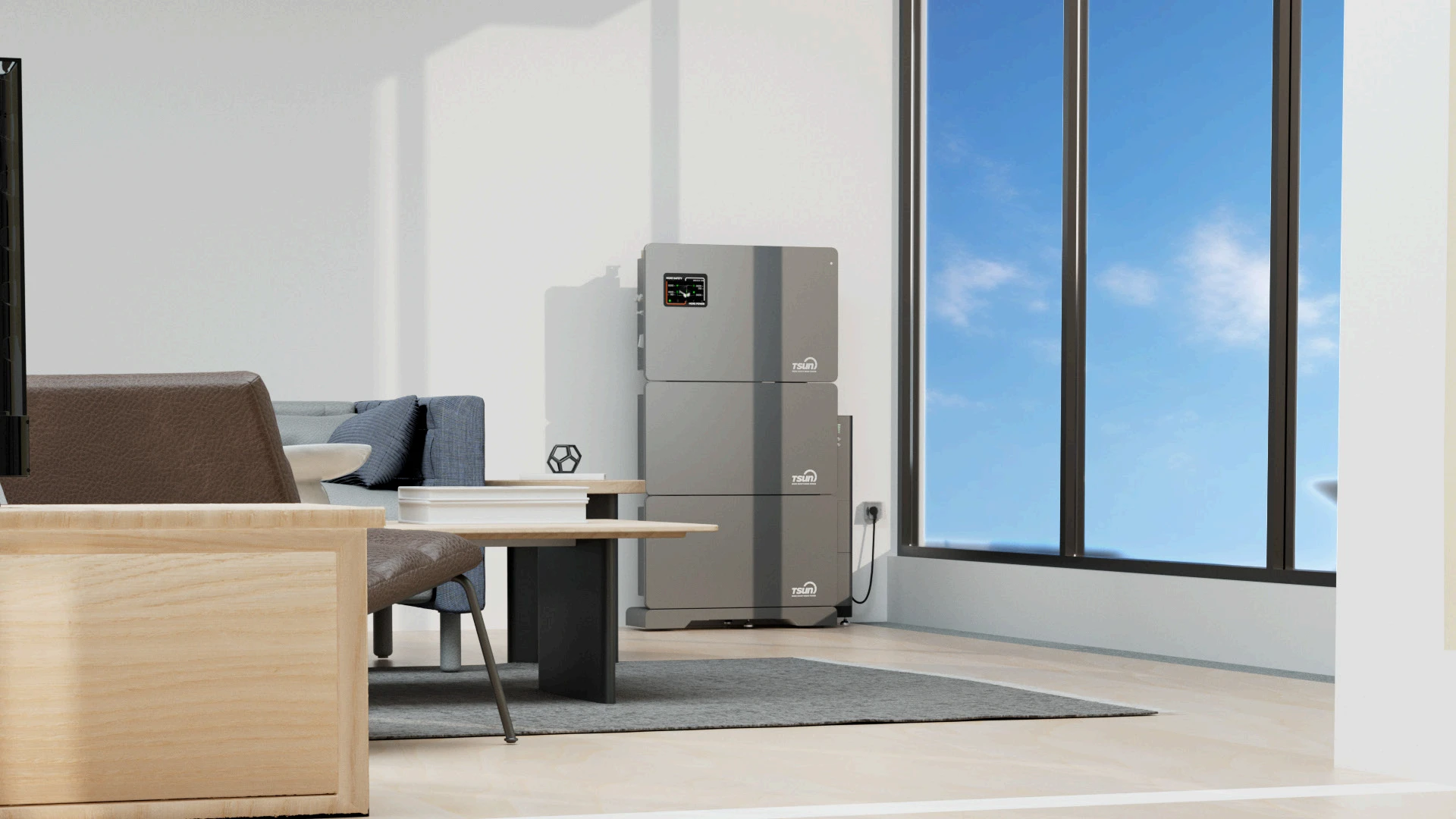
Explore the PowerTrunkTSUN SolarTrunk (Micro Hybrid Storage Unit)
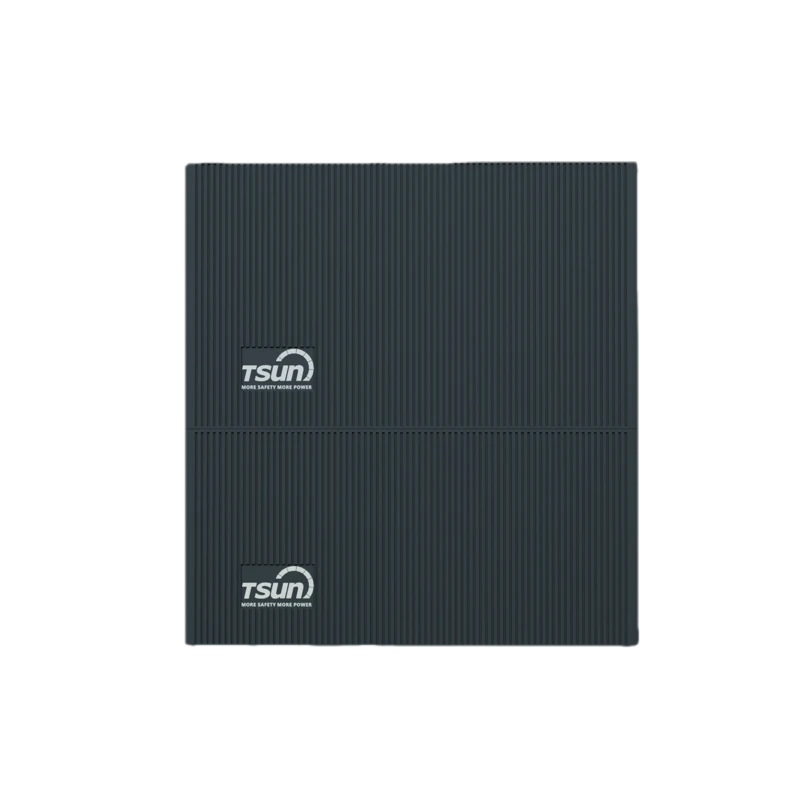
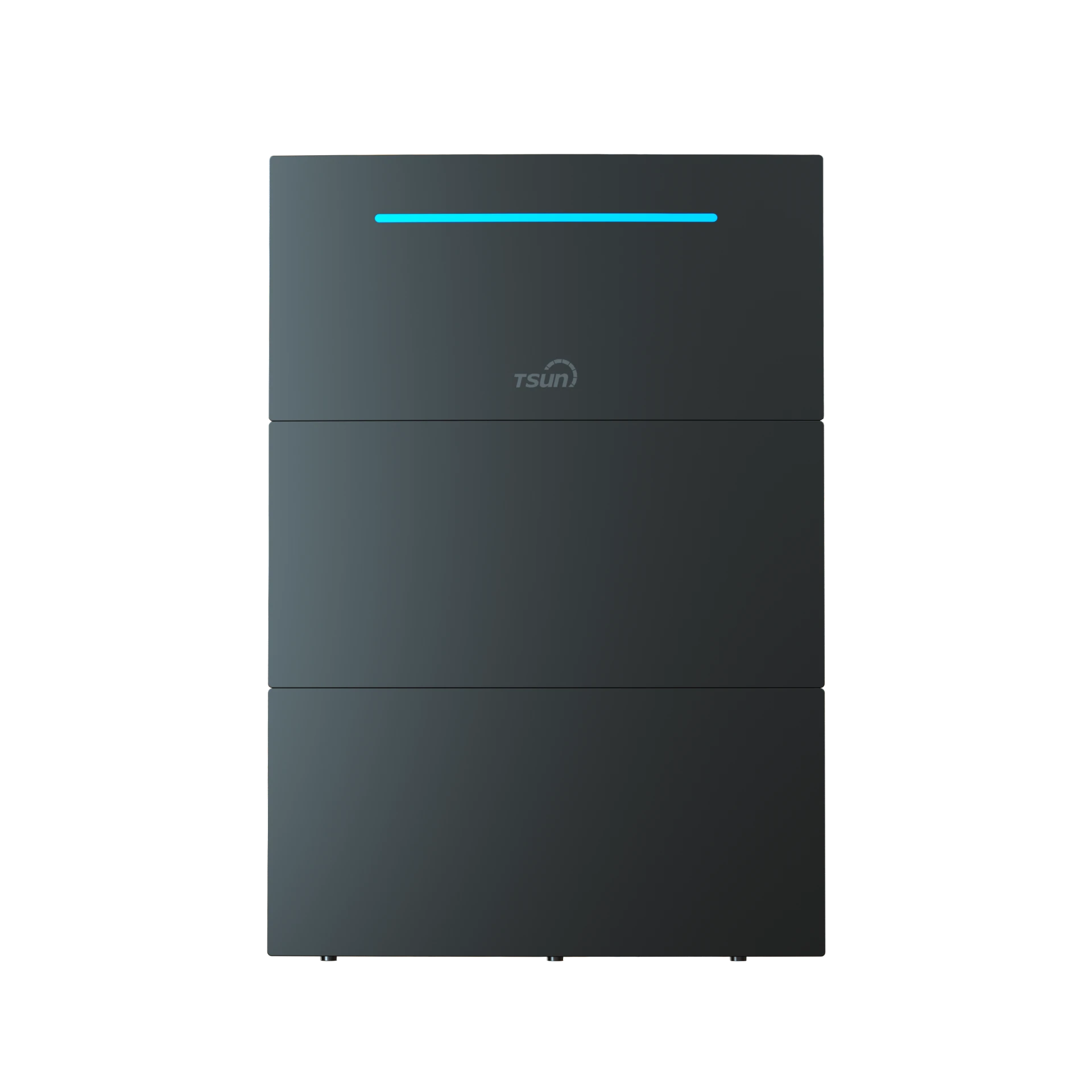
The ultimate choice for new solar installations. The MSU4000Lite (4-20 kWh) is a hybrid system that seamlessly integrates solar generation and battery storage in one smart unit.
- Maximize Energy Independence: Built-in Time-of-Use (TOU) shifting and dynamic tariff optimization ensure you always use the cheapest power.
- Scale with Your Needs: Multiple units can operate in parallel to scale capacity up to 20 kWh for larger applications.
- Unmatched Longevity: Powered by 314Ah high-cycle cells and TSUN’s Battery Optimizer technology, ensuring long-term safety and peak efficiency.
Explore the SolarTrunkConclusion
A proper backup installation transforms a piece of equipment into a reliable home protection system. Whatever path you choose, investing time in a code-compliant installation ensures that when the next outage hits, your power works exactly as intended. By choosing modern solutions like the TSUN PowerTrunk or SolarTrunk, you not only protect your home during emergencies but also unlock daily energy savings and true energy independence.
FAQs
How much does a backup system installation cost?Installation costs vary widely. A whole-home standby generator can cost between $7,000 and $15,000 to install. Modern Energy Storage Systems (ESS) represent a similar or slightly higher initial investment but offer a massive advantage: they provide a daily return on investment by lowering your power bills, and often qualify for substantial tax credits and rebates.
How long does it take to install backup power?The on-site physical installation usually takes one to two days. However, the full process—from consultation, designing the system, and securing local permits, to the final utility inspection—can take 4 to 8 weeks.
How do I choose the right system size?To size your system correctly, add up the running watts and starting (surge) watts of the essential appliances you want to run simultaneously. For battery systems, you also need to consider capacity (kWh)—how long you want those appliances to run without grid power or solar recharge. Systems like the TSUN SolarTrunk are modular, allowing you to expand from 4 kWh up to 20 kWh as your needs grow.
Do I need a permit to install a backup system?Yes. In almost all jurisdictions, installing a permanent generator, transfer switch, or battery energy storage system requires building and electrical permits. Inspections confirm everything is safe, compliant, and will not endanger utility workers.
Do I need an electrician to install it?Absolutely. A licensed electrician must handle the installation of permanent backup systems. They ensure safe wiring, proper panel integration, and compliance with strict electrical codes to avoid risks like grid backfeed, electrical shock, or fire hazards.







 LEARN DETAILS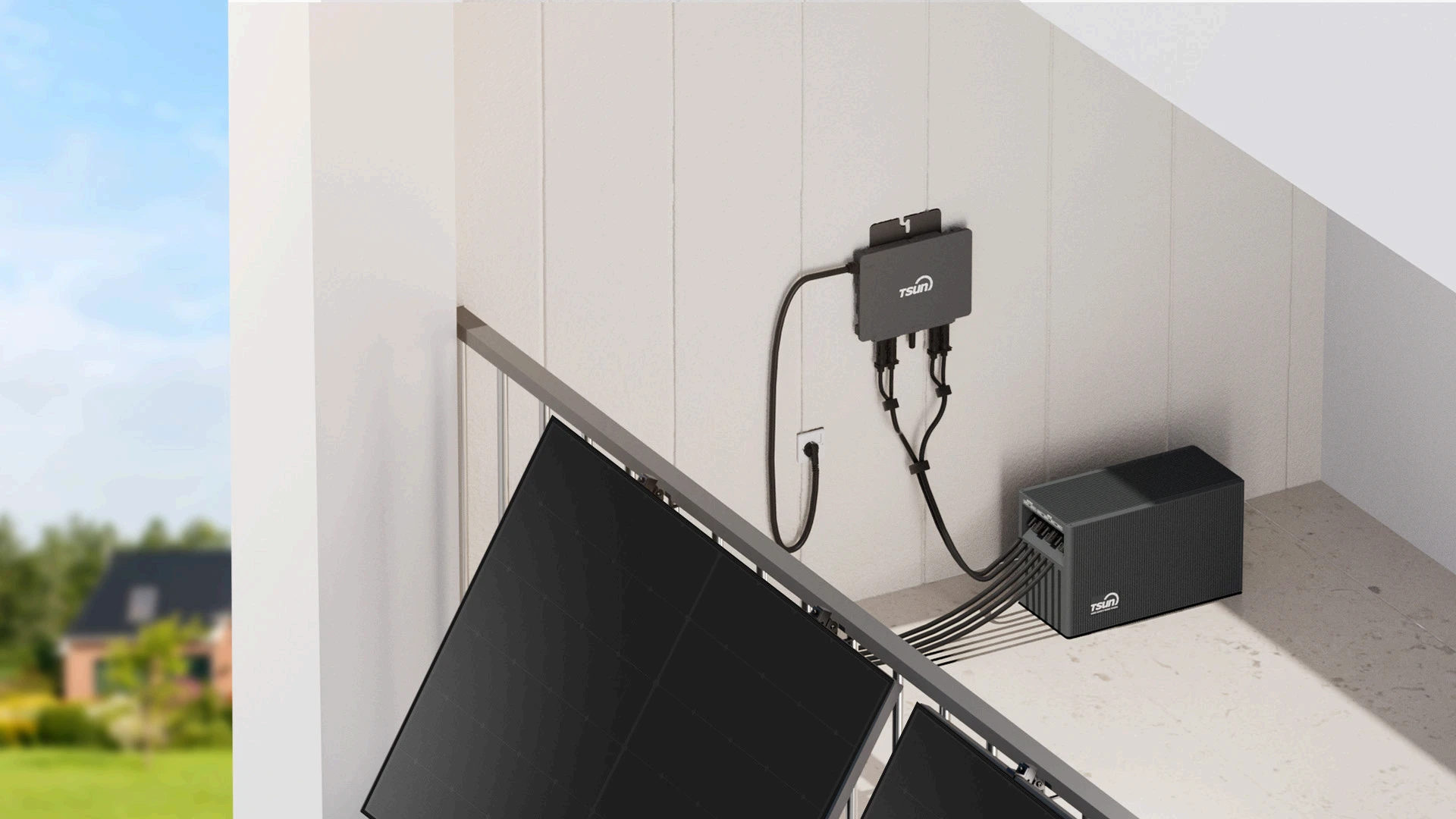
 Downloads
 Video Center
 Report Fault for Repair
 FAQS
FAQS Service Network
 Privacy Policy
 Contact Us
 Monitoring


 LEARN MORE