How Do You Connect a Generator to Your Home Safely?
When the power goes out, backup power can transform a stressful situation into a manageable one. But owning a backup source is only half the solution—knowing how to connect it to your home safely makes the difference between keeping the lights on and creating a serious hazard. Every year, improper generator connections cause house fires, damage appliances, and send utility workers to the hospital due to dangerous backfeed situations.
The good news? Doing it right isn’t complicated. You have several safe, code-compliant options available, and the best choice depends on your budget, your home’s electrical setup, and how much of your house you want to power. This guide walks you through the safe methods for traditional generators, the equipment you’ll need, and how modern Energy Storage Systems (ESS) are changing the game.
Safe Ways to Connect a Generator to Your Home
Think about backup power as a safety system, not just a power source. The safest connection method depends on how much of the house you want to run and how much control you need over the circuits. The three common options below range from the most reliable to the most flexible.
Use a Transfer Switch (Recommended)
A transfer switch is the most structured option for a residential setup and is often the safest method. It lets you move selected home circuits from utility power to generator power in a controlled way, reducing the risk of backfeeding into the grid.
- Isolates the generator from the utility line to protect grid workers.
- Allows you to choose essential circuits instead of trying to power the whole home at once.
- Typically requires a licensed electrician to ensure the installation follows local codes.
Choose an Interlock Kit
An interlock kit is a practical middle ground for many homes with portable generators. It is a mechanical device mounted on your breaker panel that prevents the main breaker and generator breaker from being turned on at the same time.
- Gives you whole-panel access, allowing you to manually manage which loads to run.
- Requires an exact kit match to your panel's brand and model.
- Needs proper permits and careful installation since it involves your home’s main electrical system.
⚠️ Safety Warning: Never use extension cords to plug a generator directly into a wall outlet. This creates a lethal backfeeding risk.
What You Need to Prepare
Before you begin hooking up a generator, gather the right parts, check the unit's output, and confirm what your panel can support.
- A generator with enough wattage for your essential appliances.
- A transfer switch, interlock kit, or inlet box.
- Heavy-duty generator cords rated for outdoor use.
- The correct breakers, wire gauge, and conduit for the panel connection.
- A permit and inspection plan if required by local authorities.
- A safe outdoor location with ample clearance from windows, doors, and vents to prevent carbon monoxide buildup.
Conclusion
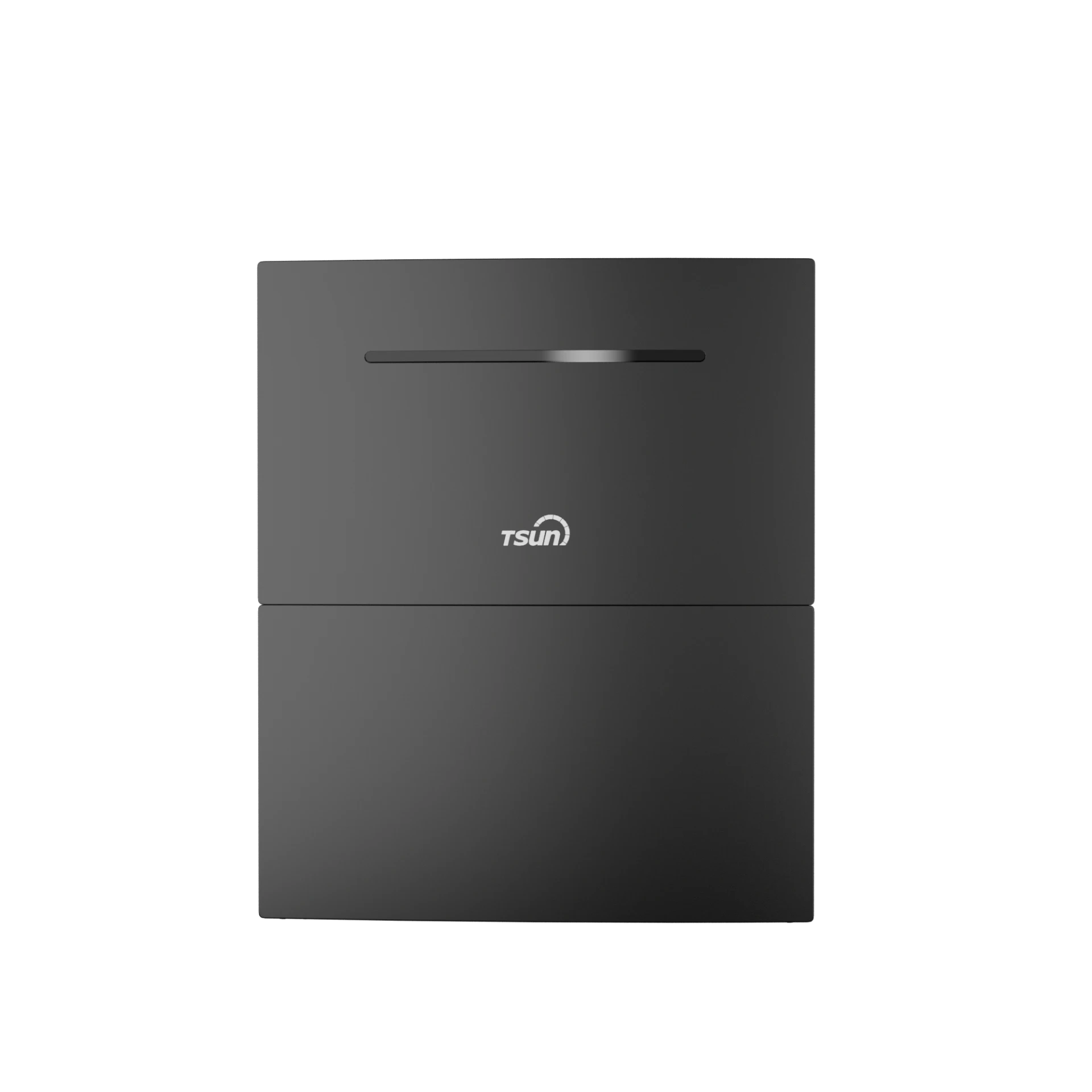
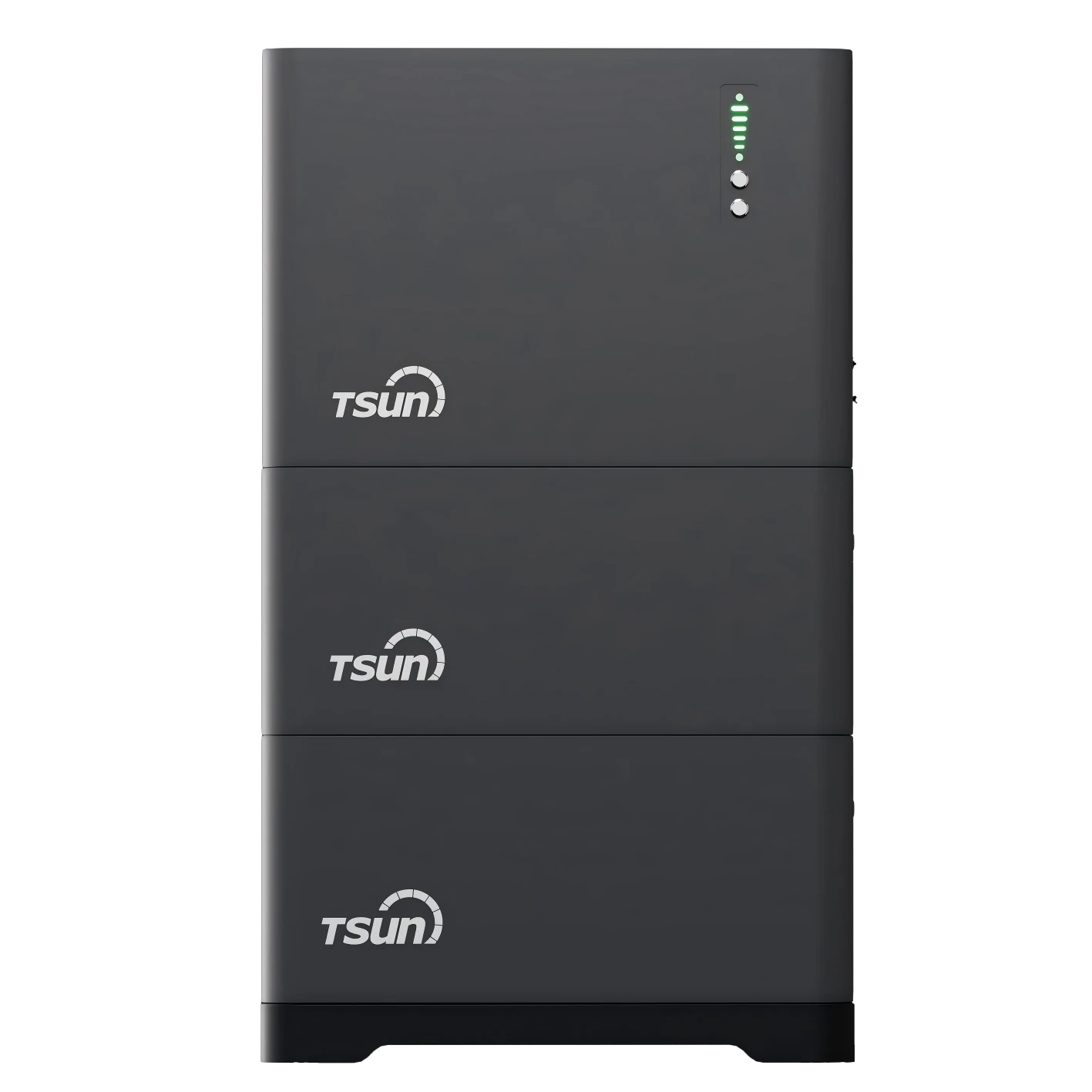
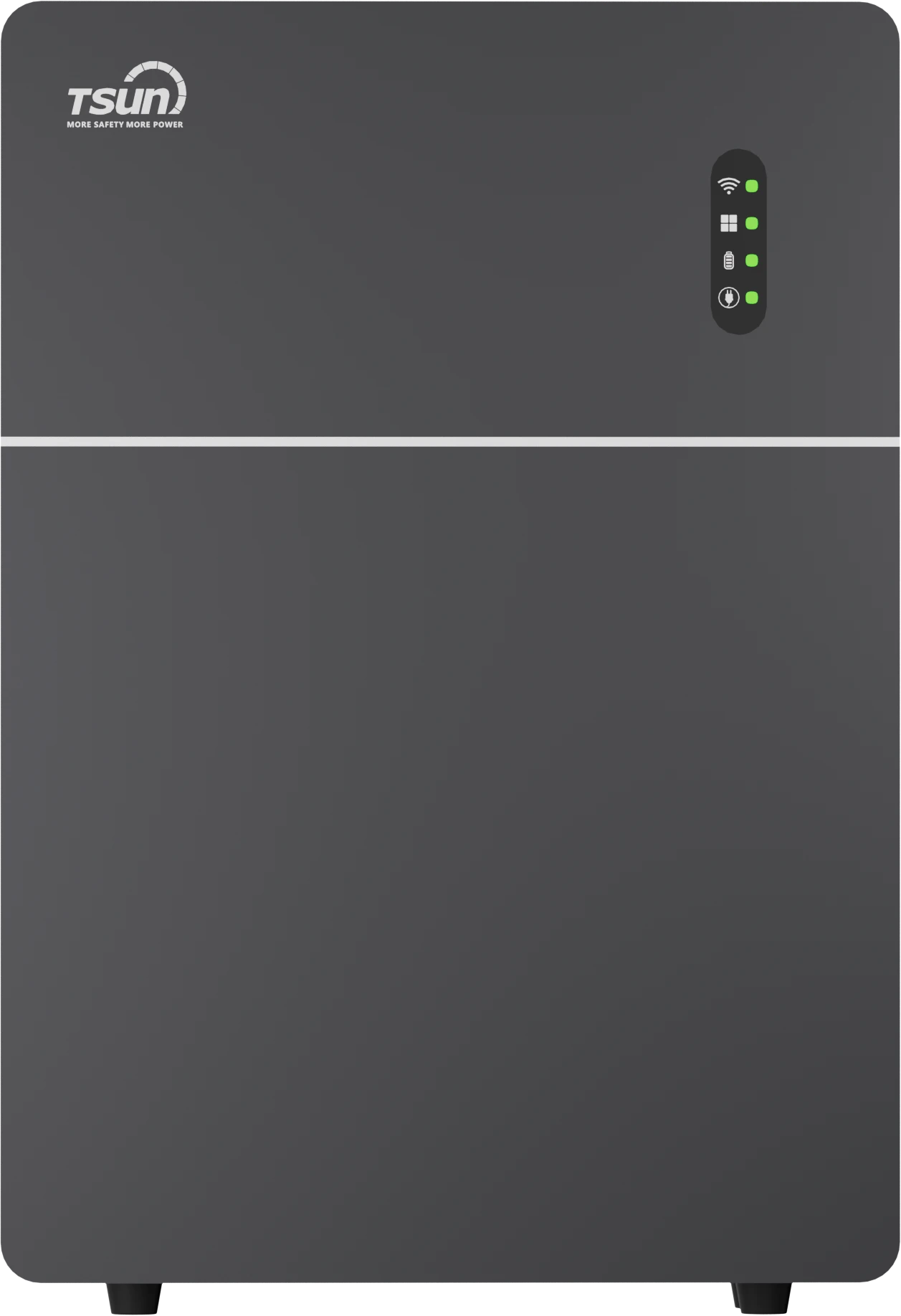
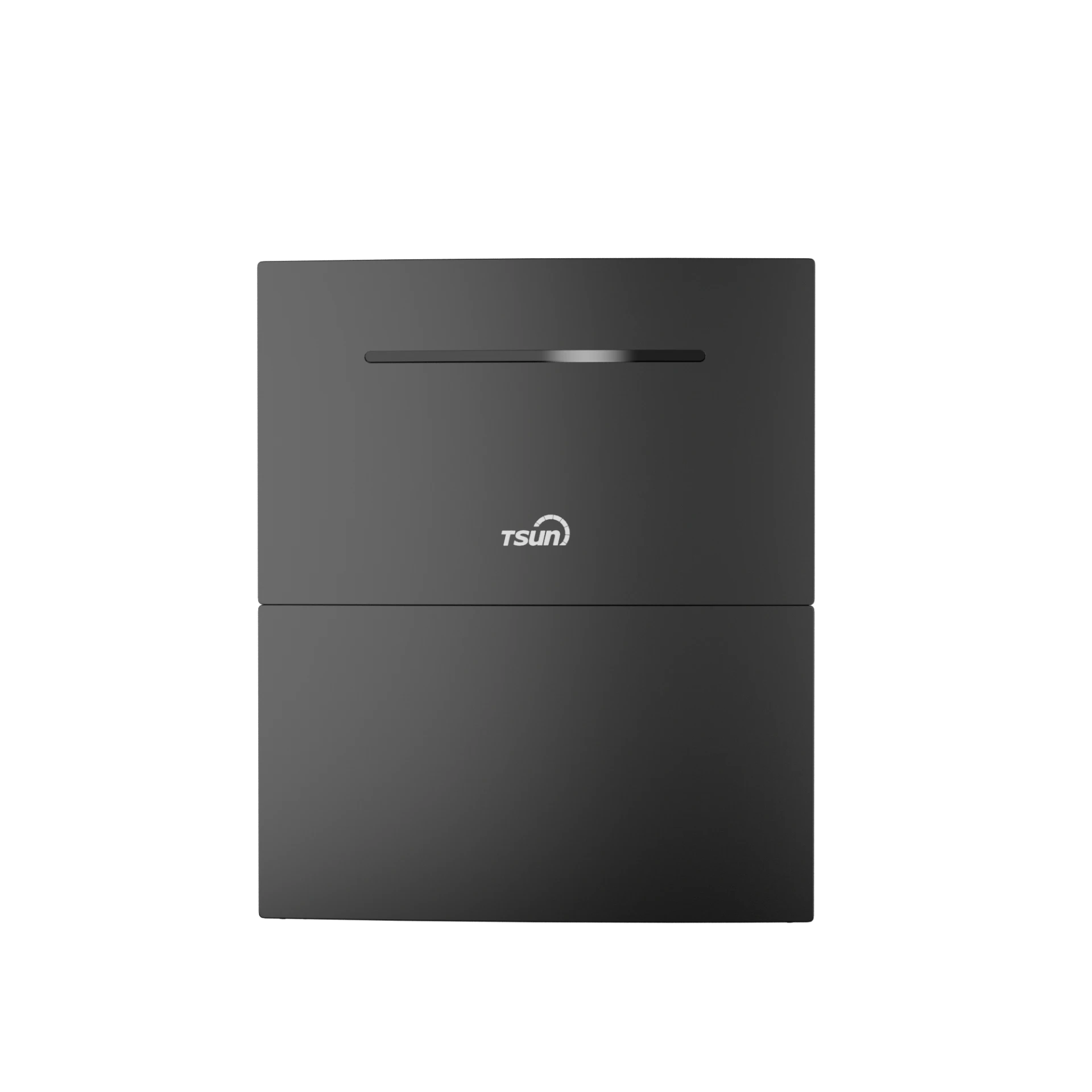
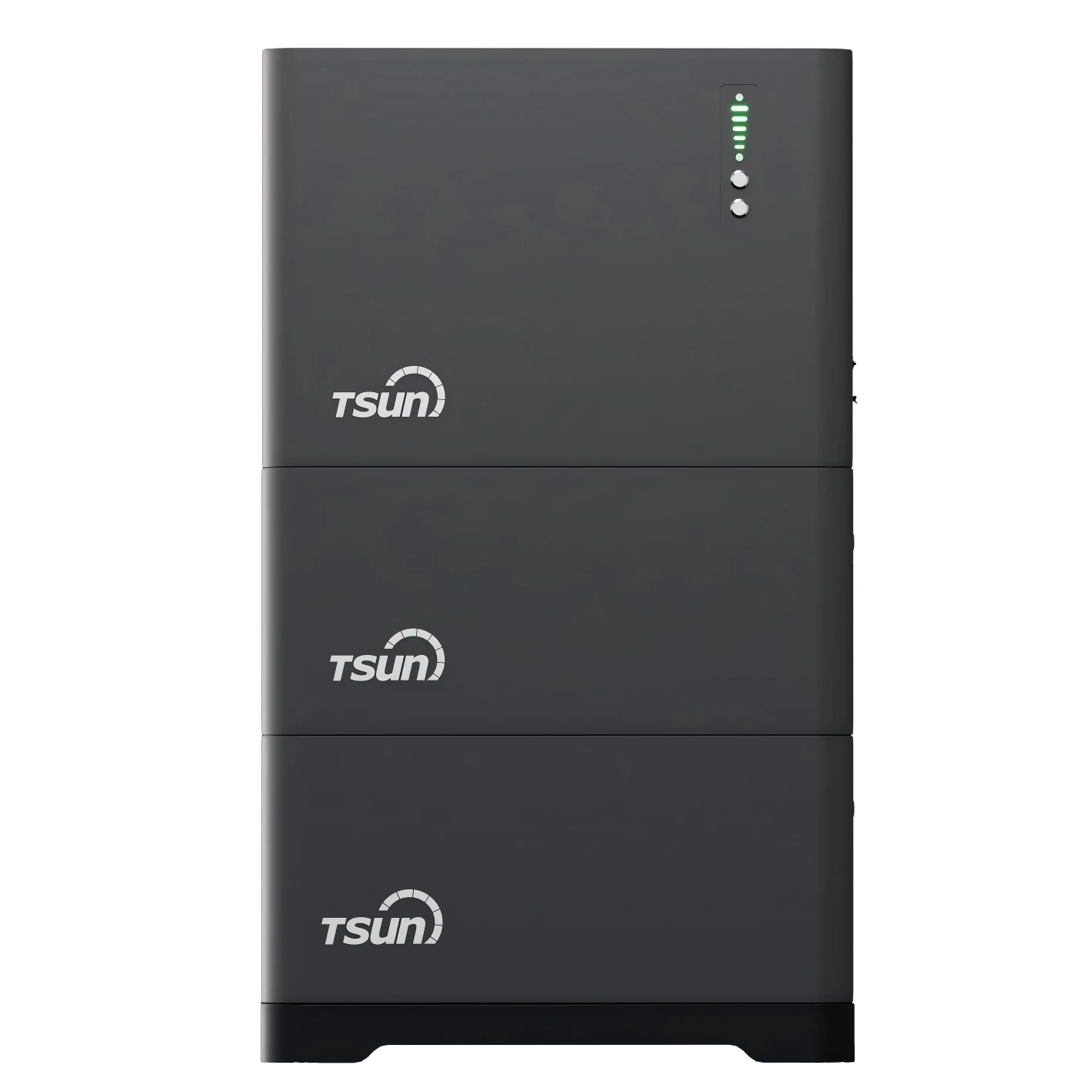
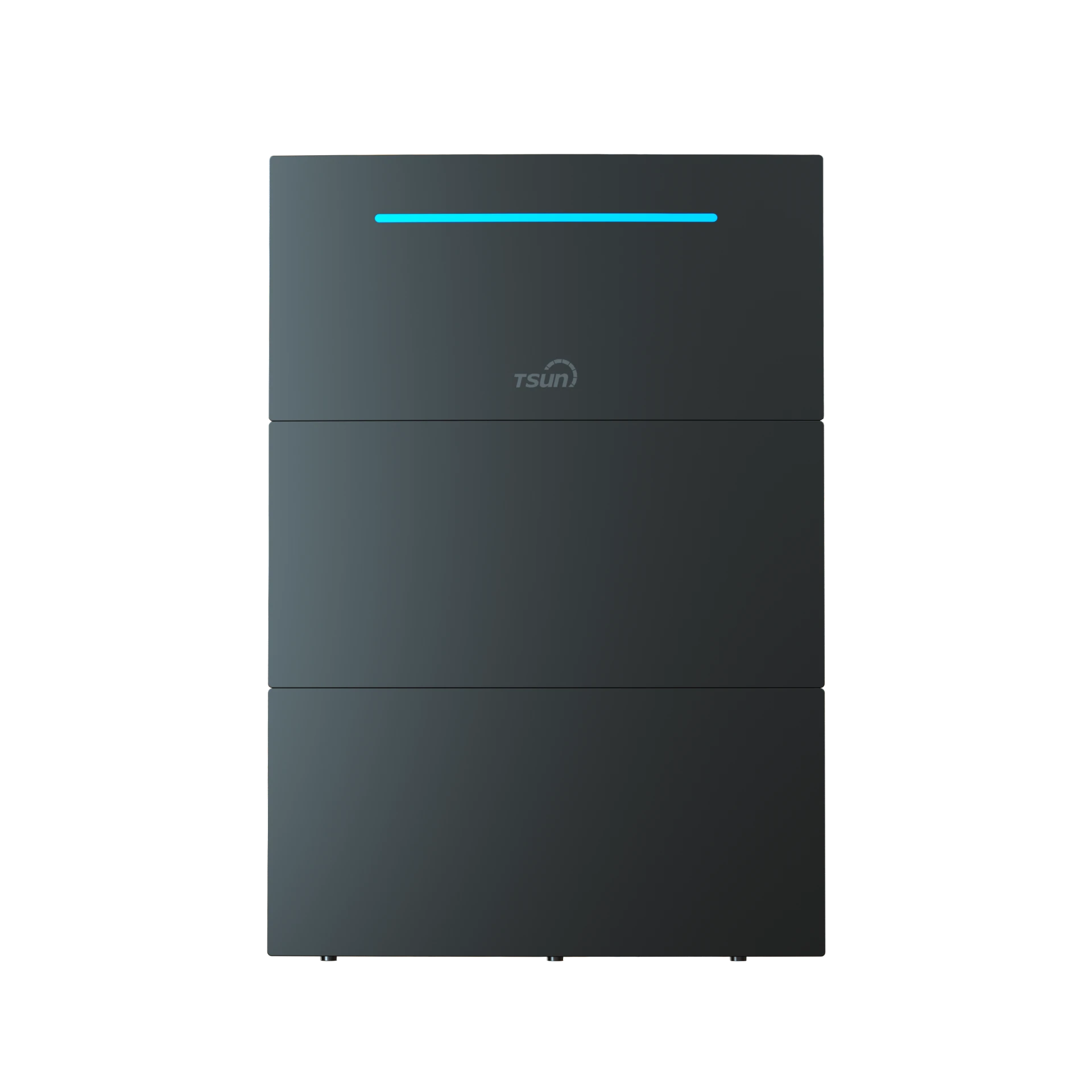
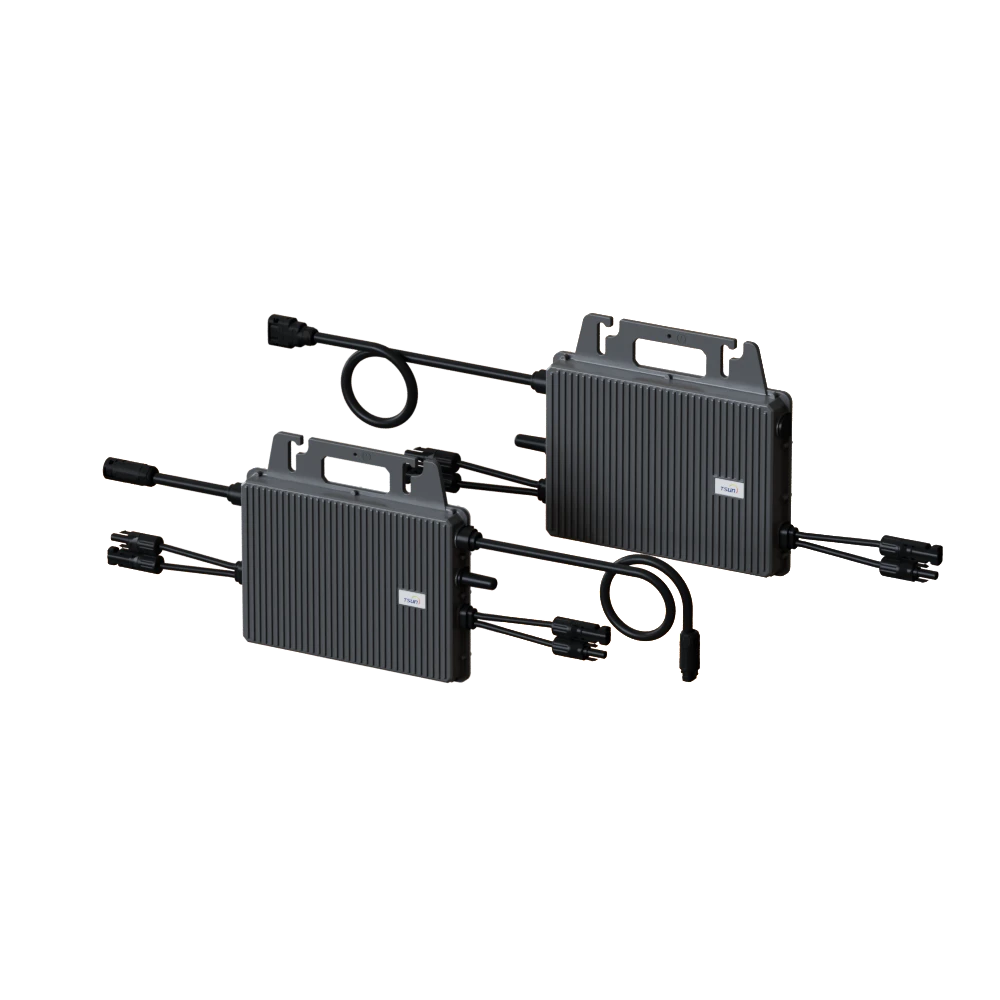
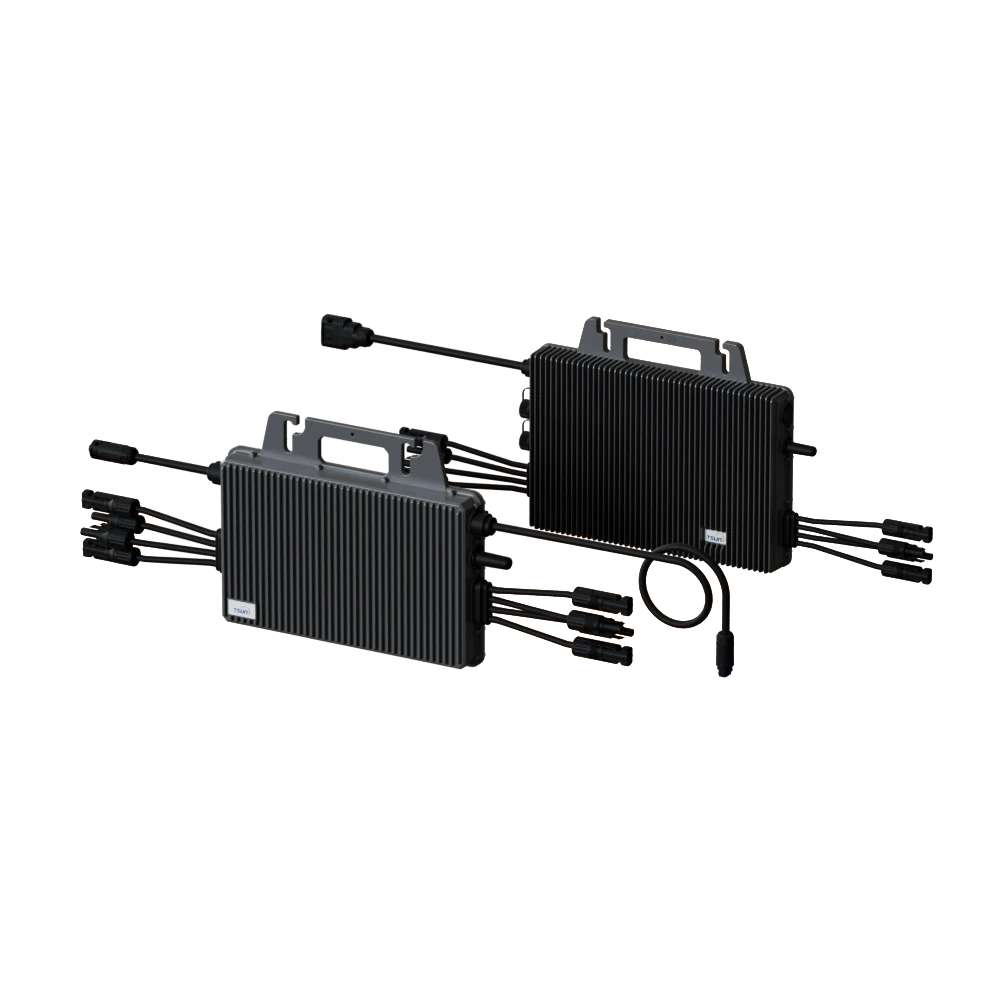
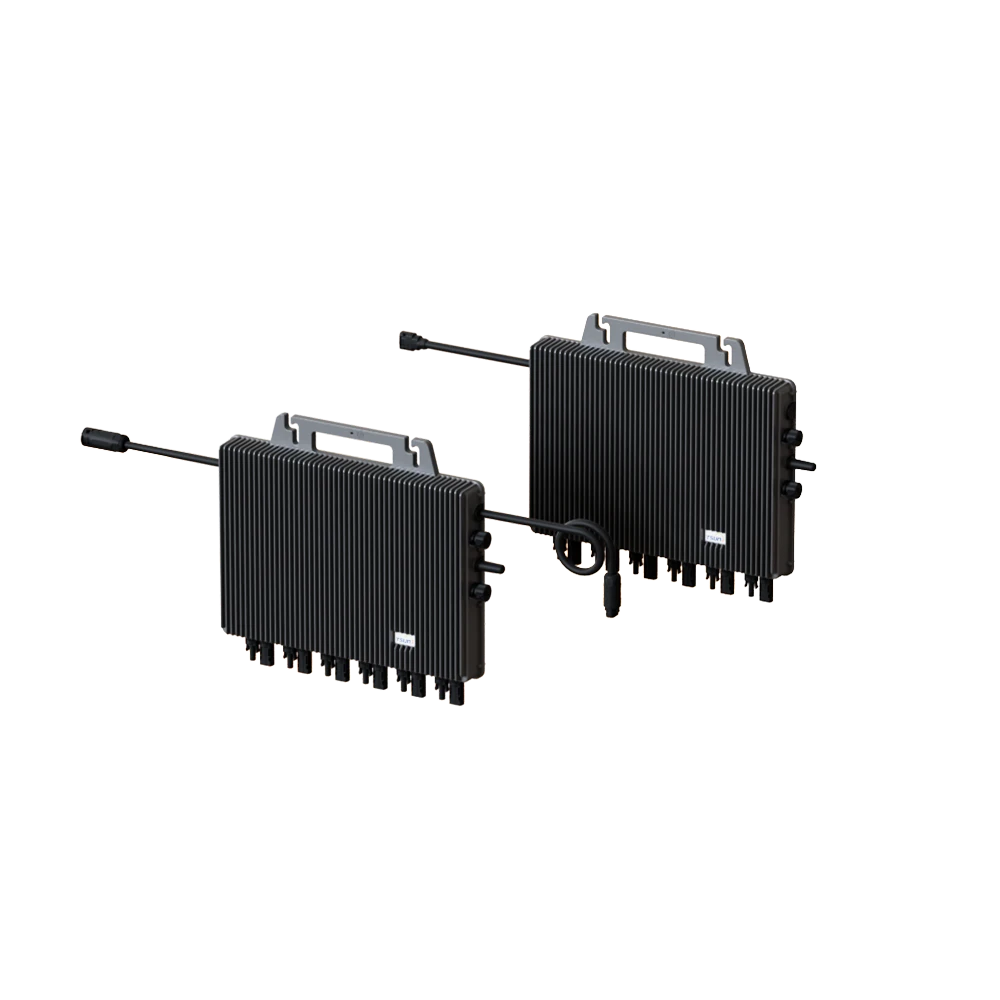
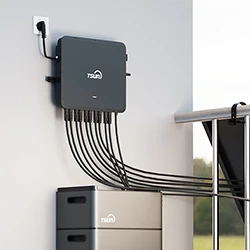
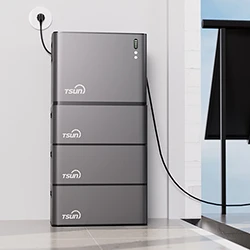
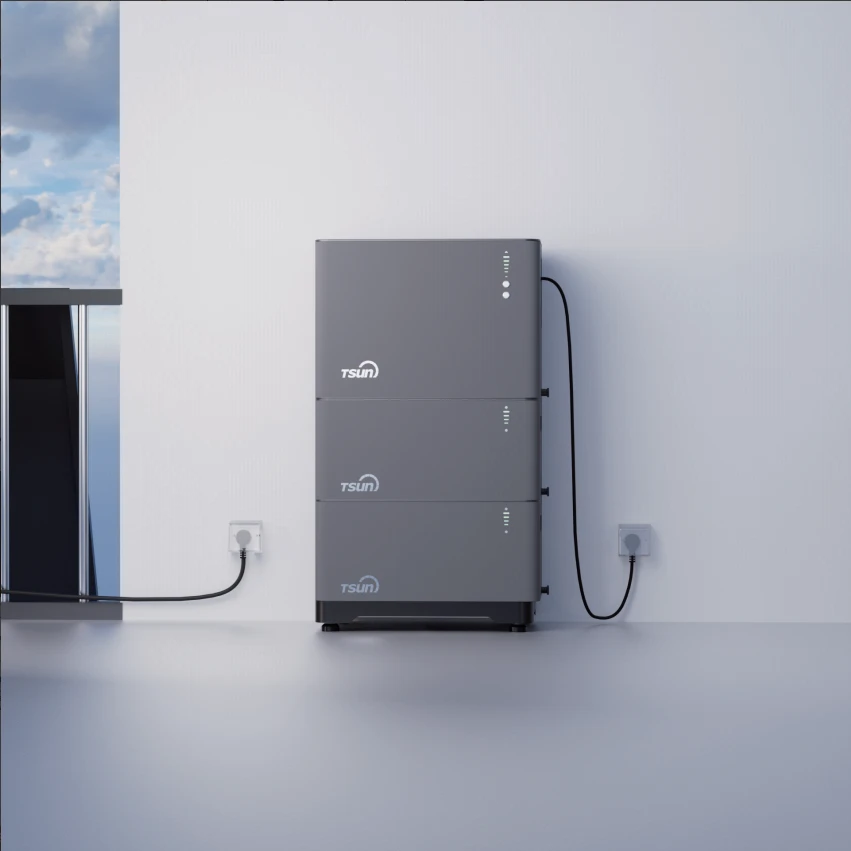
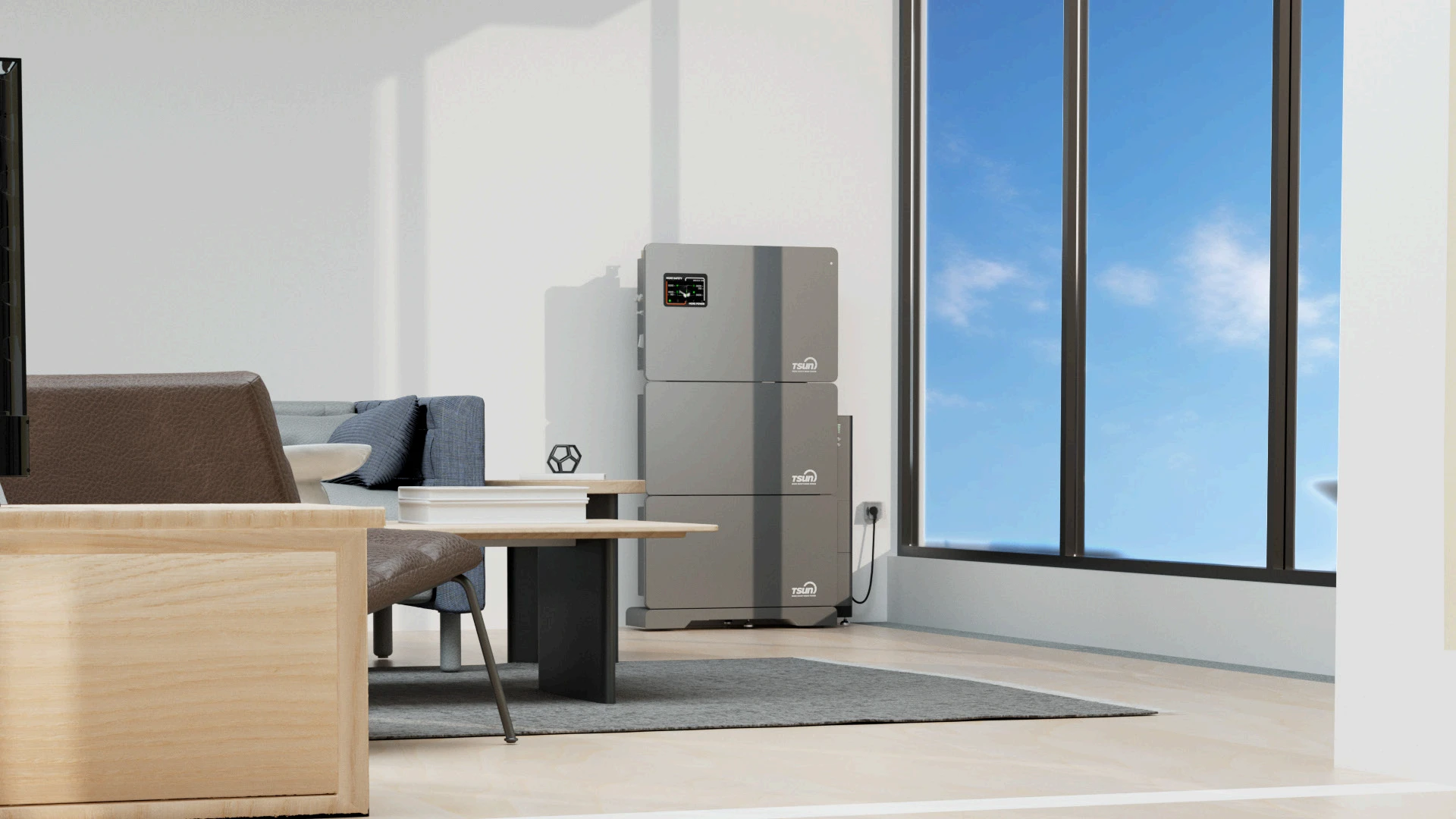
Knowing how to connect backup power safely comes down to choosing the right method for your home and following strict electrical codes. While a traditional generator with a proper transfer switch gets the job done during an outage, upgrading to a smart, battery-based system like the TSUN PowerTrunk or SolarTrunk offers the ultimate peace of mind. You get safe, instant backup power during emergencies, plus everyday savings on your energy bill.
FAQs
Can you plug a generator directly into your house?No, plugging a generator directly into a wall outlet (known as "suicide cords") is illegal and incredibly dangerous. It causes backfeeding, which pushes deadly electricity back into the power lines, endangering utility workers.
What size generator or battery do you need to power a house?For basic essentials (lights, fridge, Wi-Fi), a 5,000–7,500W generator or a 5–10 kWh battery system is usually sufficient. To run a whole house including HVAC, you will likely need a 15–22 kW standby generator or an expanded 20 kWh battery system.
Do I need an electrician to connect a backup system to my house?Yes. If you are integrating a generator via a transfer switch/interlock, or if you are installing an AC-coupled or Hybrid battery system, a licensed electrician is required to ensure your system is safe and code-compliant.







 LEARN DETAILS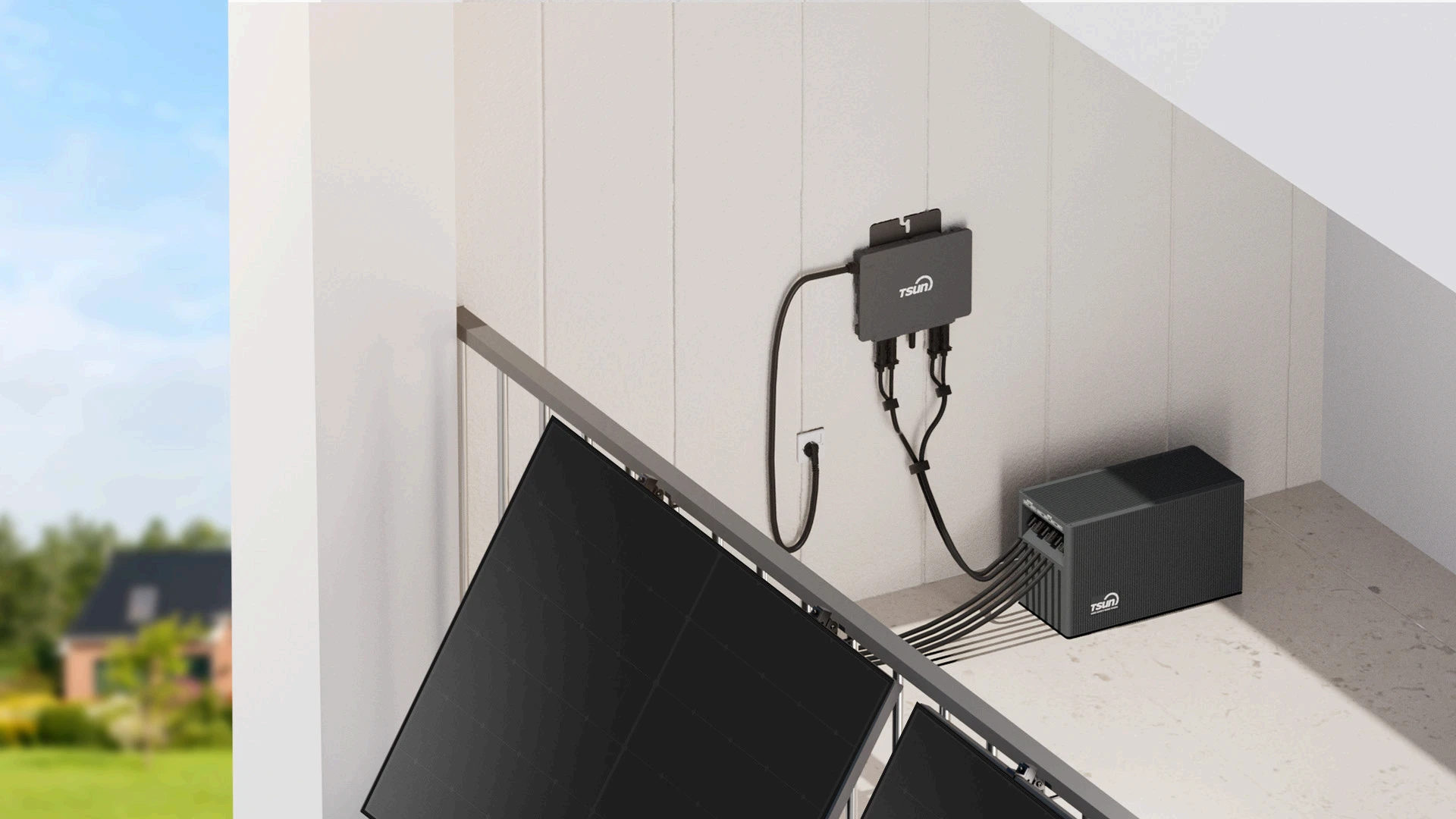

 Downloads
 Video Center
 Report Fault for Repair
 FAQS
FAQS Service Network
 Privacy Policy
 Contact Us
 Monitoring


 LEARN MORE