






 LEARN DETAILS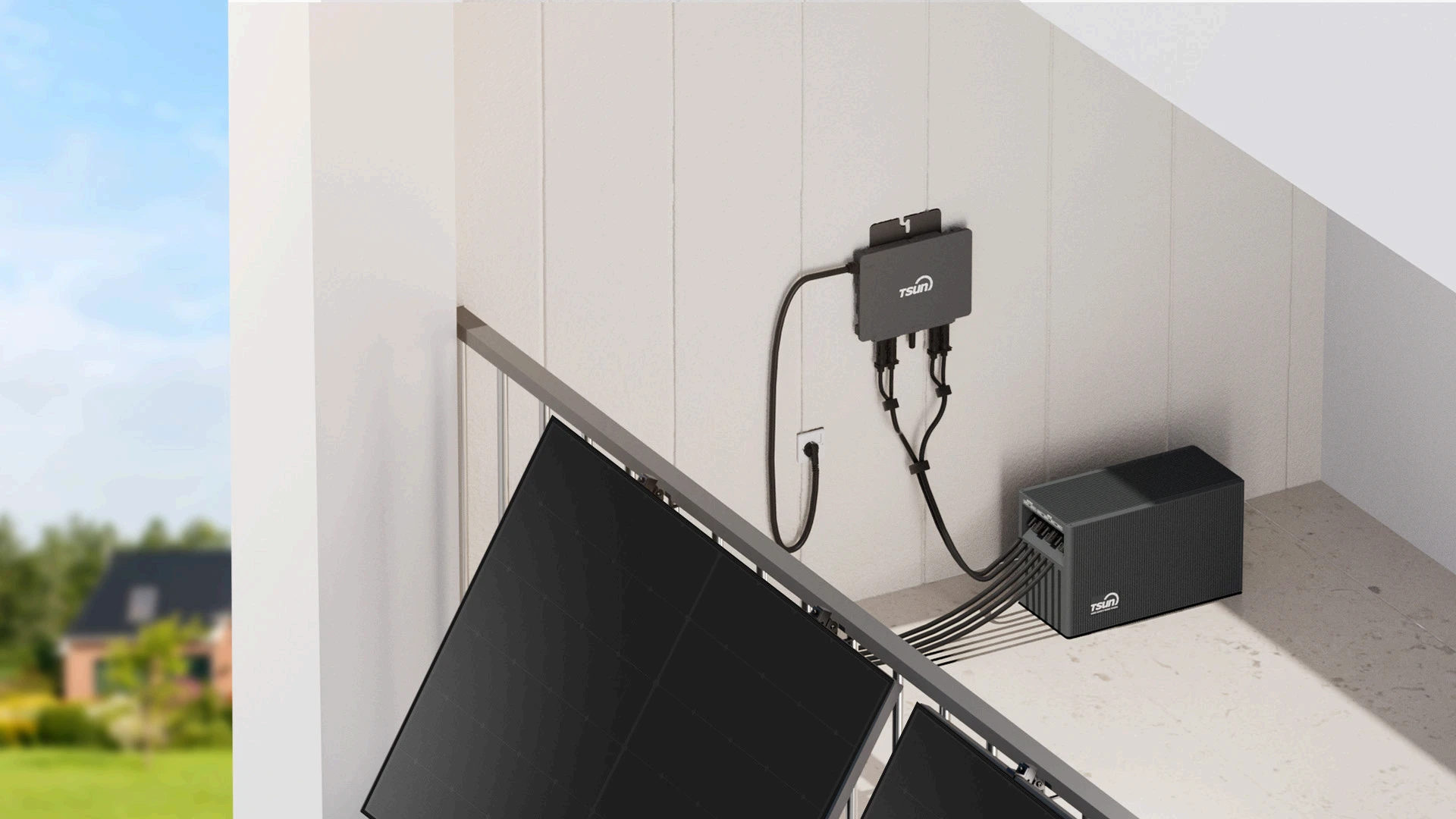
 Downloads
 Video Center
 Report Fault for Repair
 FAQS
FAQS Service Network
 Privacy Policy
 Contact Us
 Monitoring

Published: | By: TSUN
Your electric bill seems to climb a little higher every single month. Then, an unpredictable summer storm hits. The grid suddenly fails, leaving your refrigerator warm and your family in the dark. Meanwhile, your expensive solar panels are bleeding free, excess power back to the utility company for mere pennies. It is time to stop fighting this frustrating battle.
Batteries for energy storage are quietly revolutionizing how we power our lives. Think of them as high-tech water towers for your electricity. As the global stationary battery storage market skyrockets toward a projected USD 146 billion by 2030, the shift to home storage makes perfect financial and practical sense. Let's explore how these systems keep your lights on and your bills down.
What are Batteries for Energy Storage?
Batteries for energy storage are heavy-duty, intelligent power reservoirs installed in your home or garage. Instead of charging a tiny cell phone, they store enough electricity to run your entire house.
You fill this "smart tank" when power is dirt cheap—or entirely free from your solar panels. Later, when the city grid crashes or peak utility rates spike in the evening, you seamlessly draw that stored power back out.
While the basic science is similar to a car battery, these massive modern setups are entirely different beasts. They easily muscle through heavy jobs, like running central air conditioners and major kitchen appliances for days at a time. Unlike a roaring gas generator, they work in total silence and never produce smelly exhaust. Ultimately, a battery energy storage system acts as your invisible financial partner, working behind the scenes to save you serious cash all day long.
Battery Energy Storage System Explained
You will often hear the phrase battery energy storage system (BESS) used in complicated engineering terms. Simply put, it is a three-part team working together to manage your power:
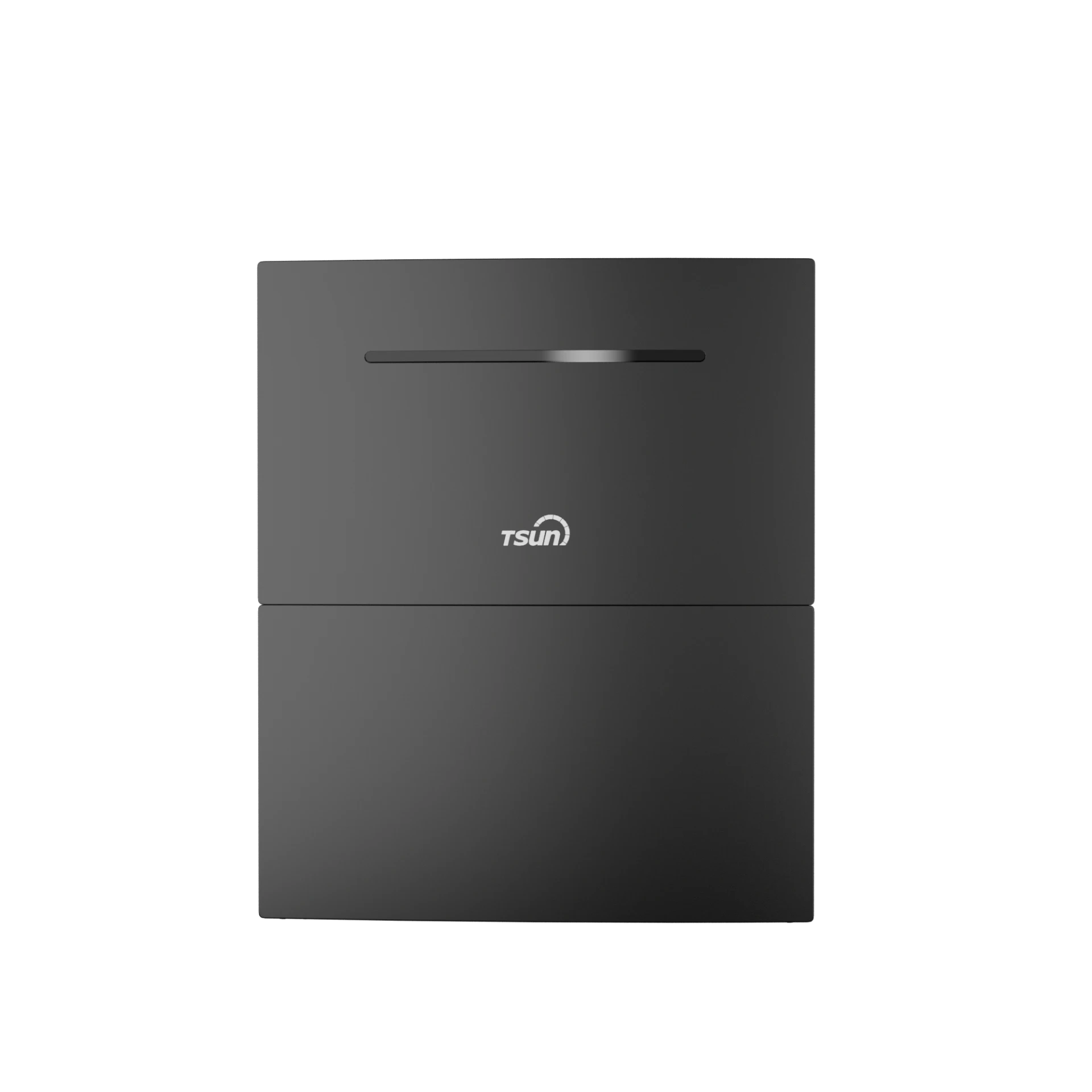
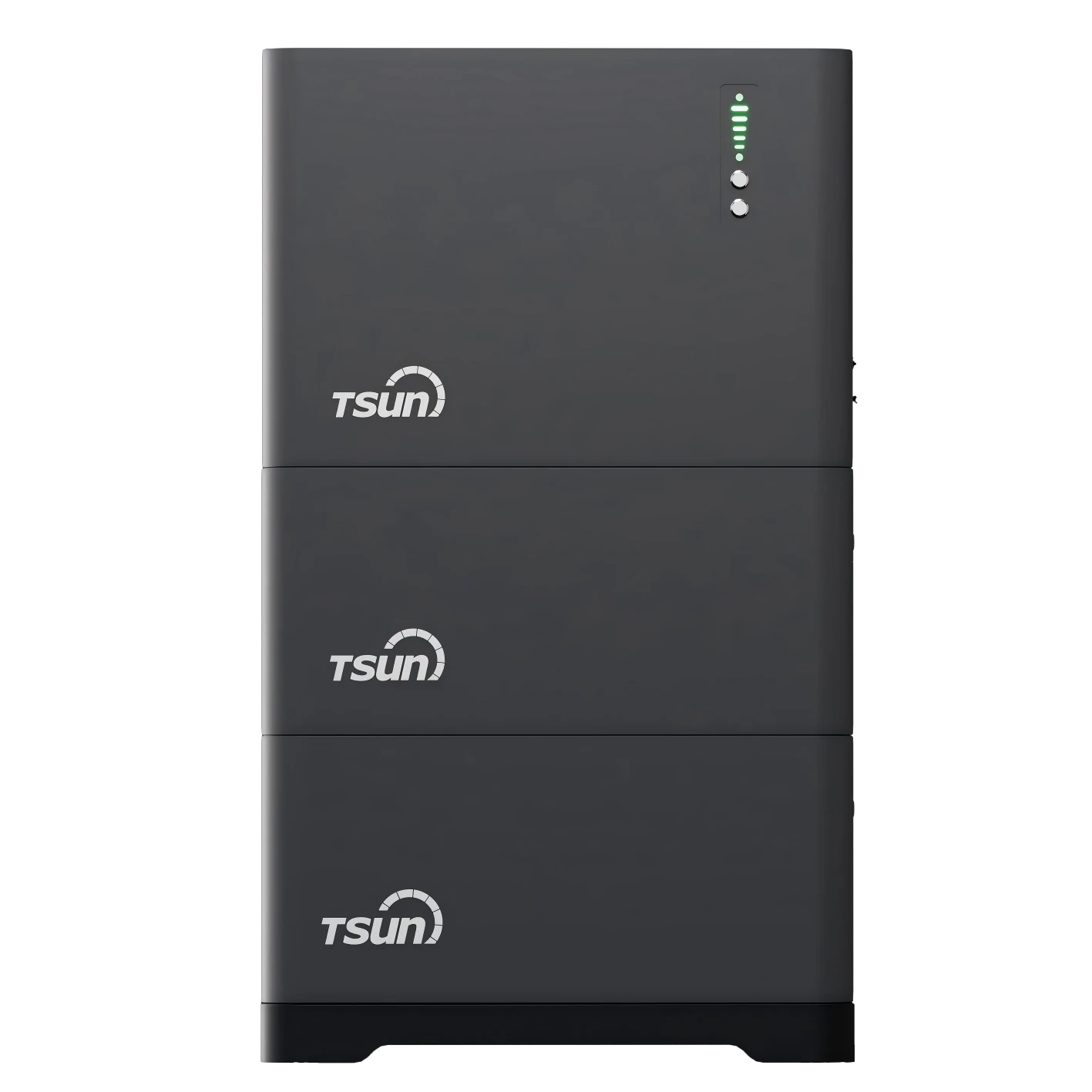
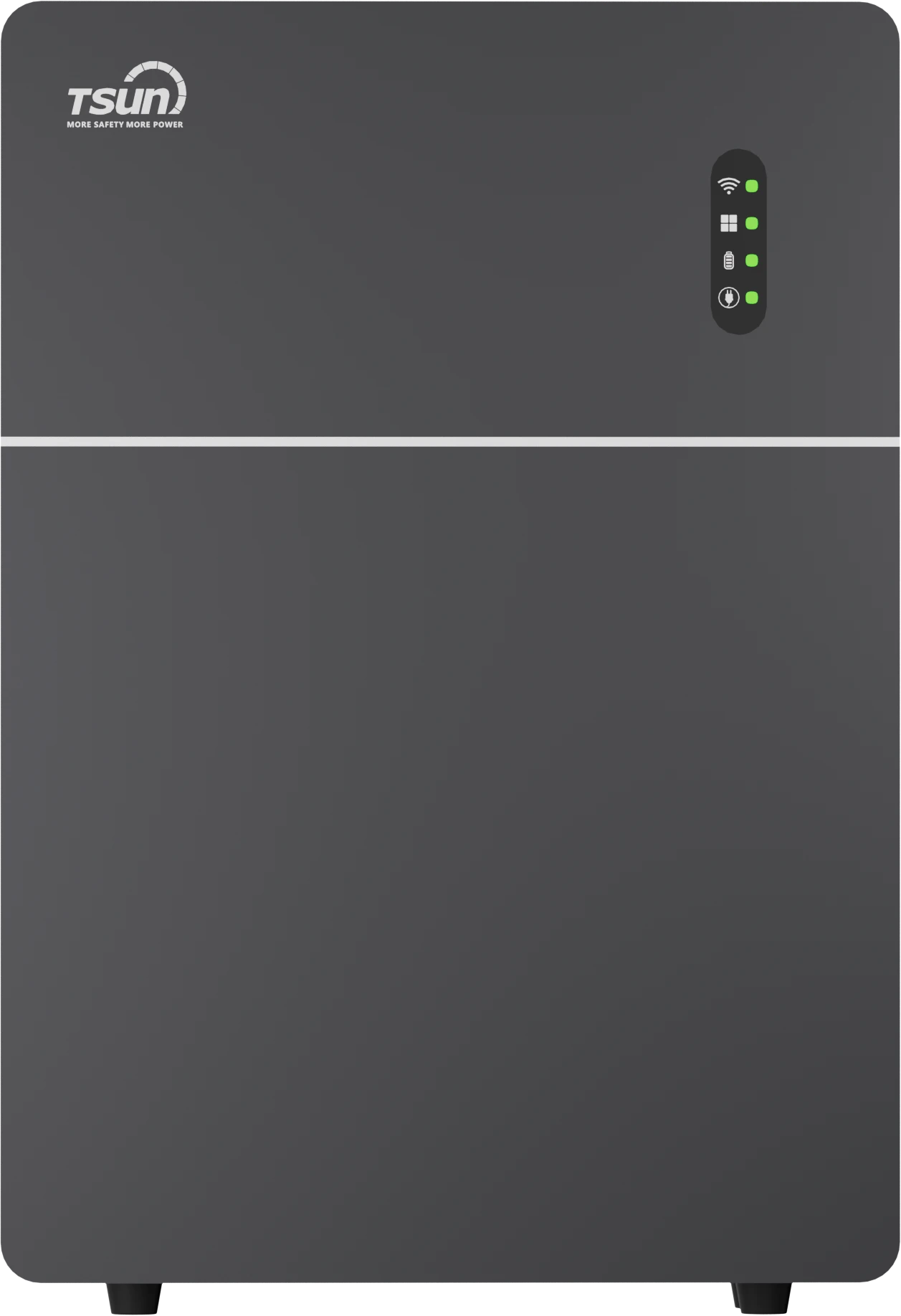
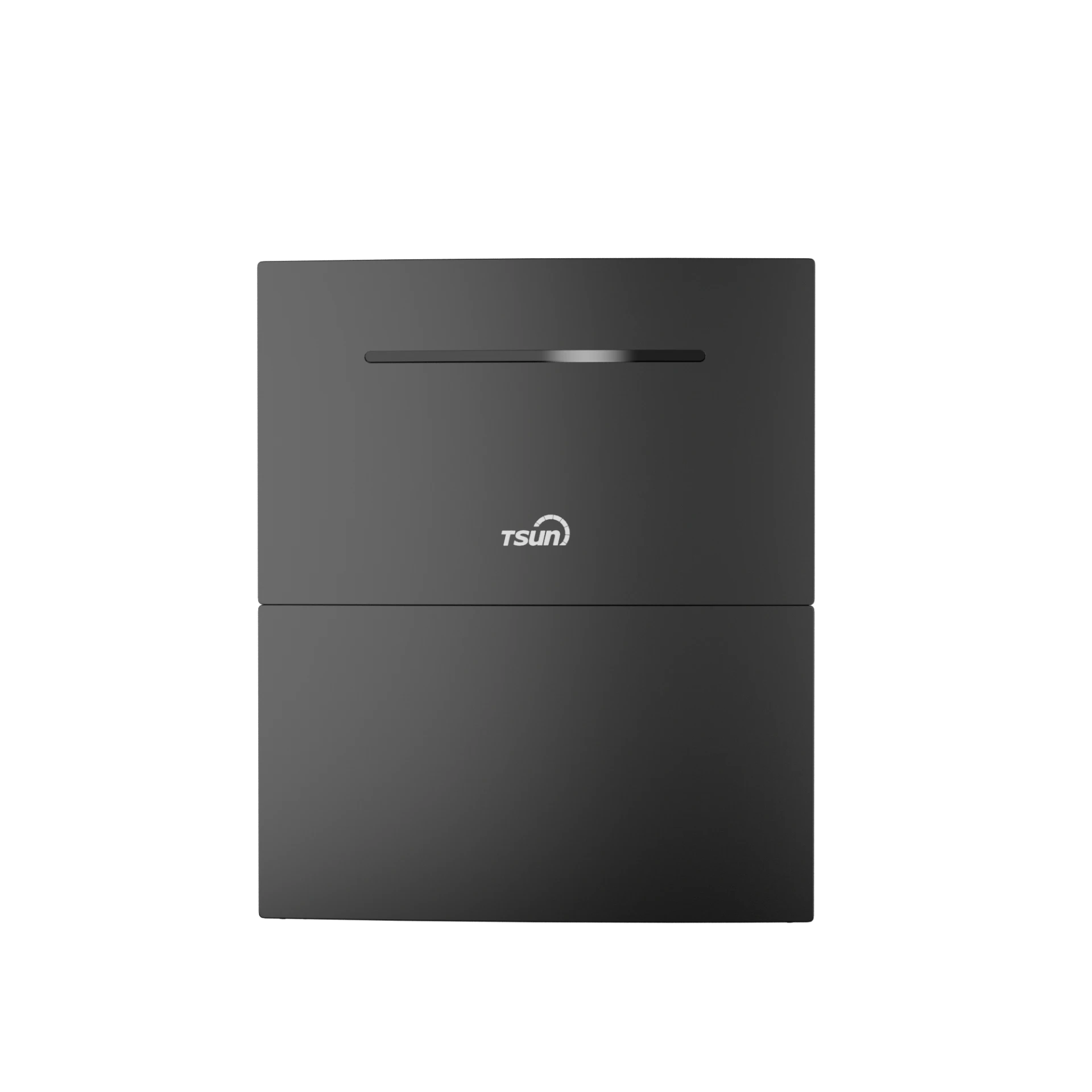
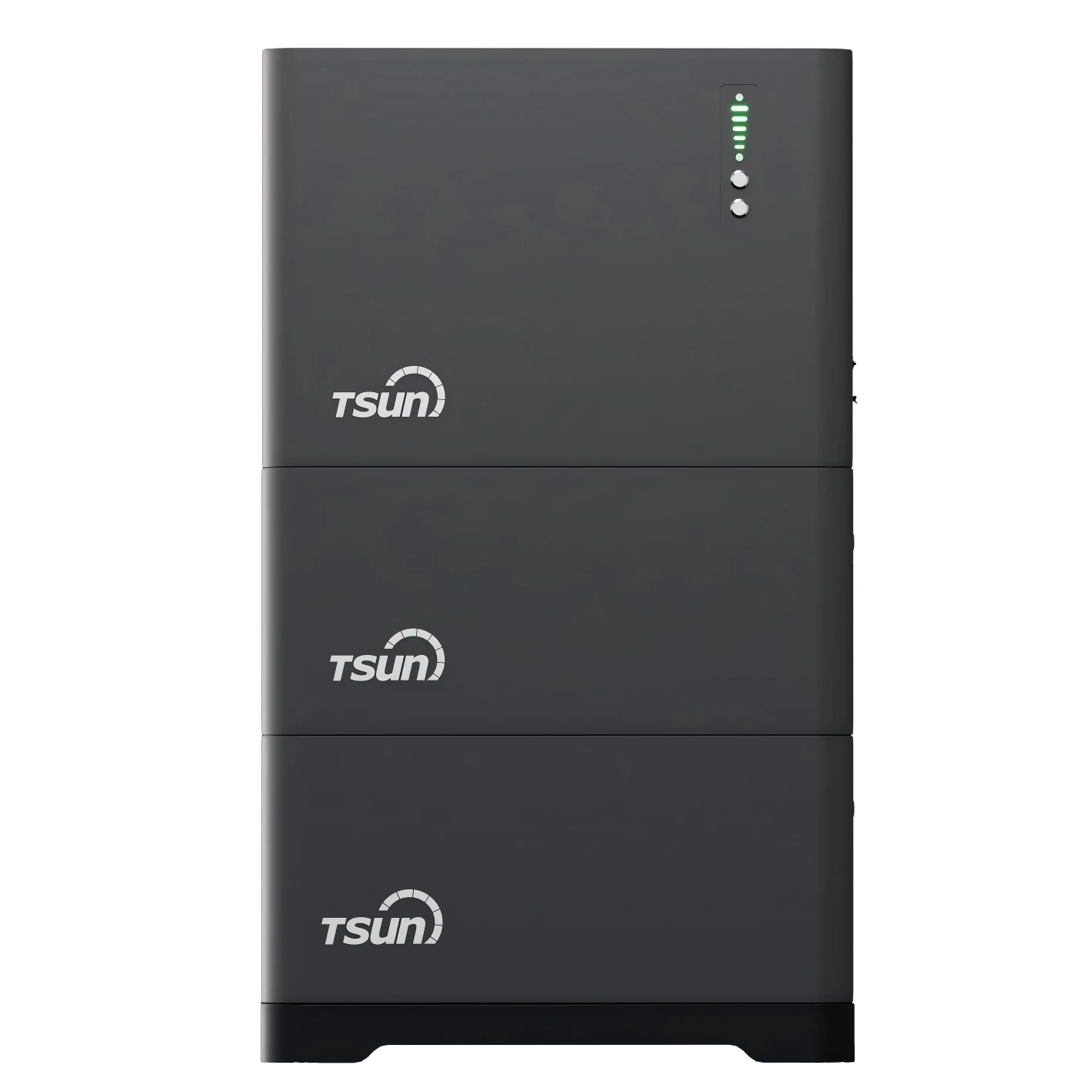
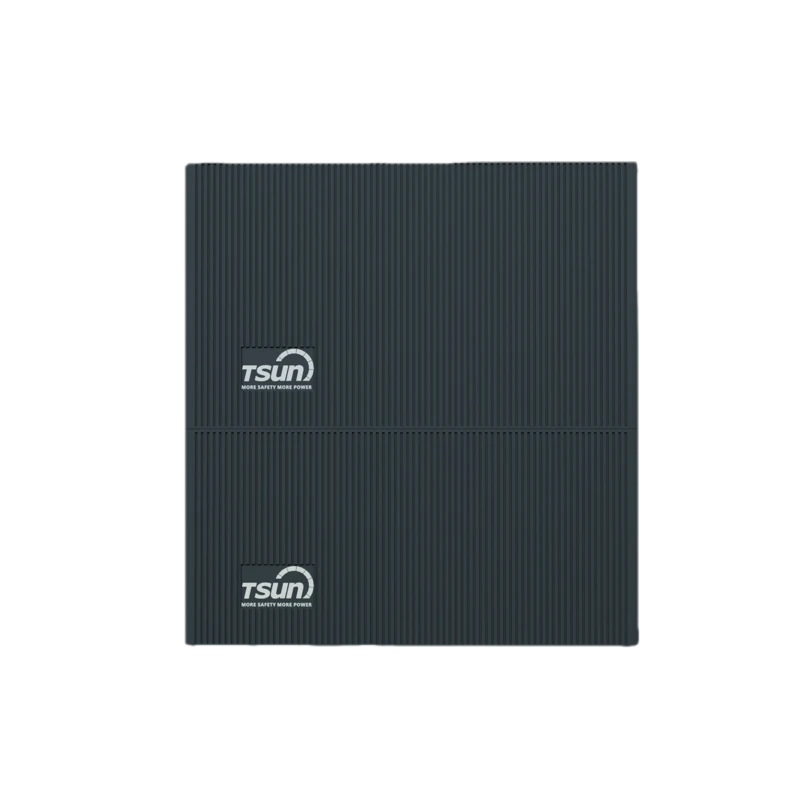
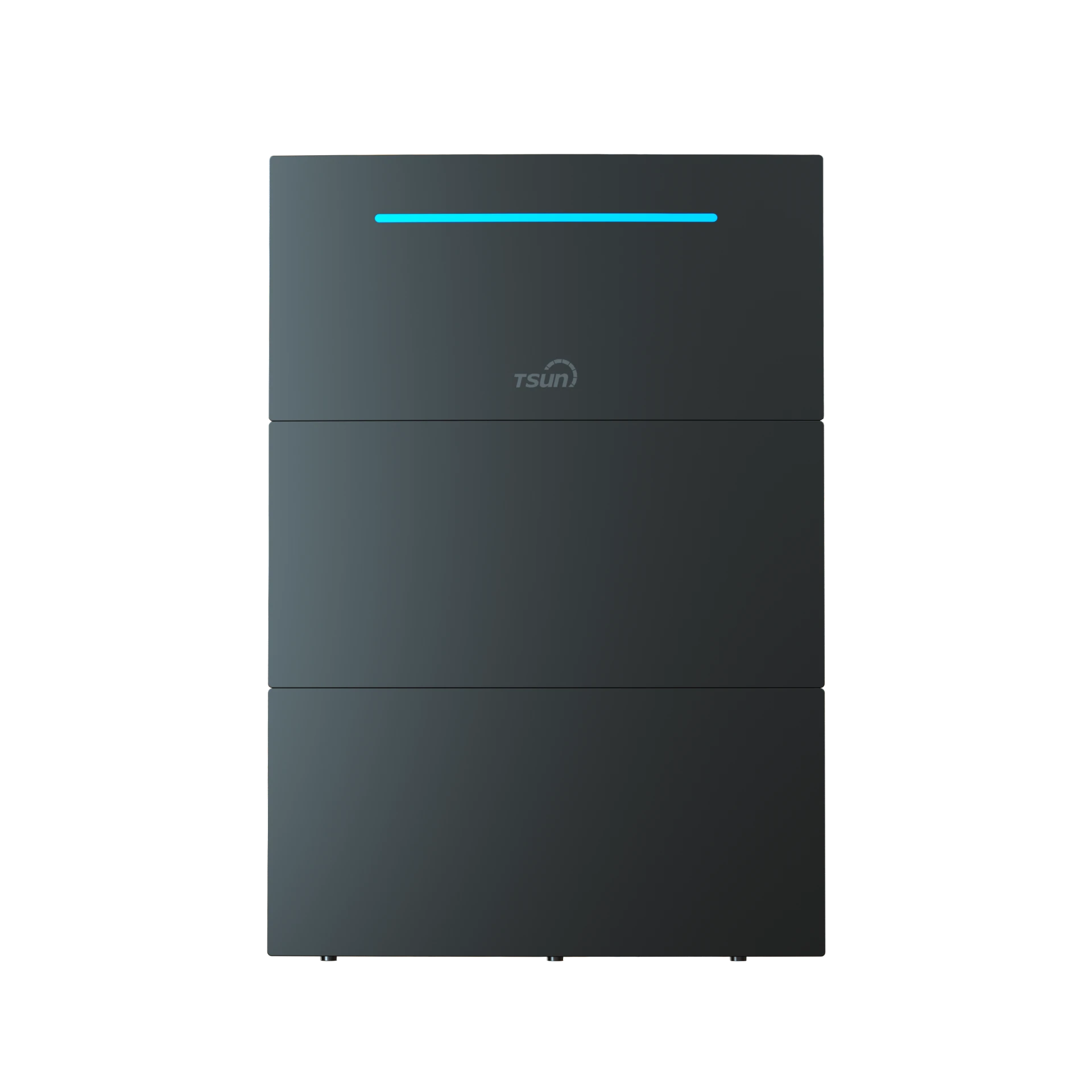
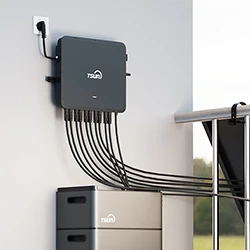
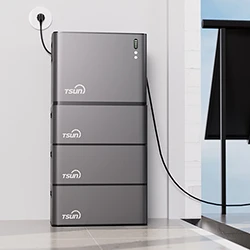
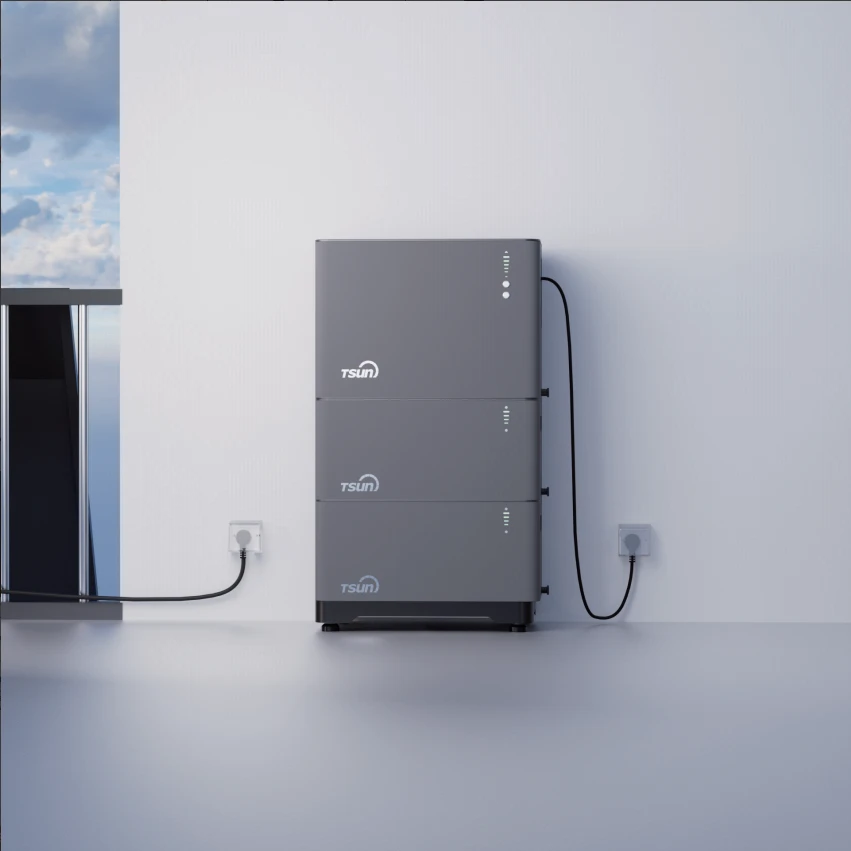
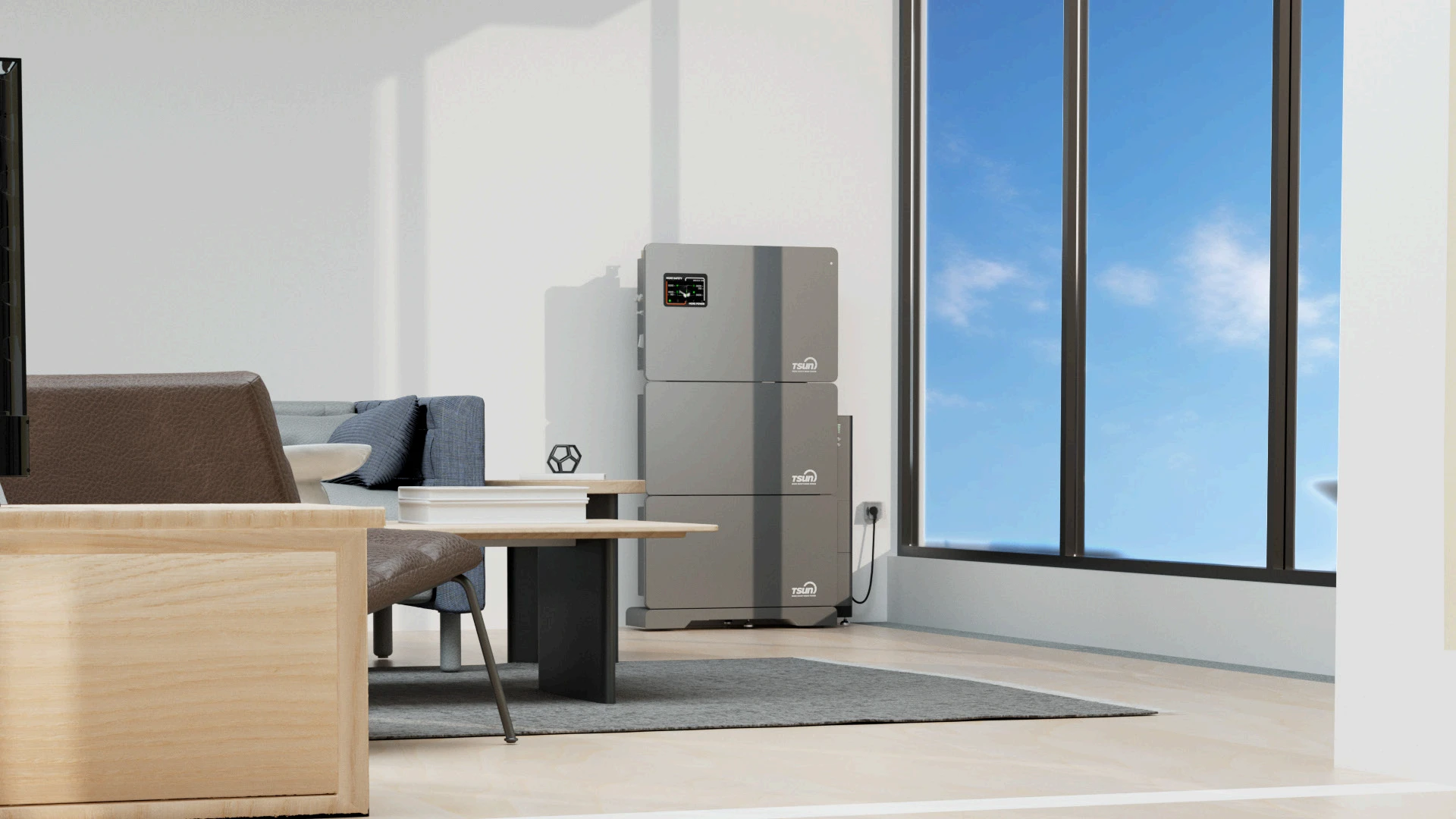
- The Battery Bank: This is the physical storage unit that securely traps chemical energy. Premium brands like TSUN use modular, stackable blocks. You can start with a base capacity today and easily snap on more modules next year as your energy needs grow.
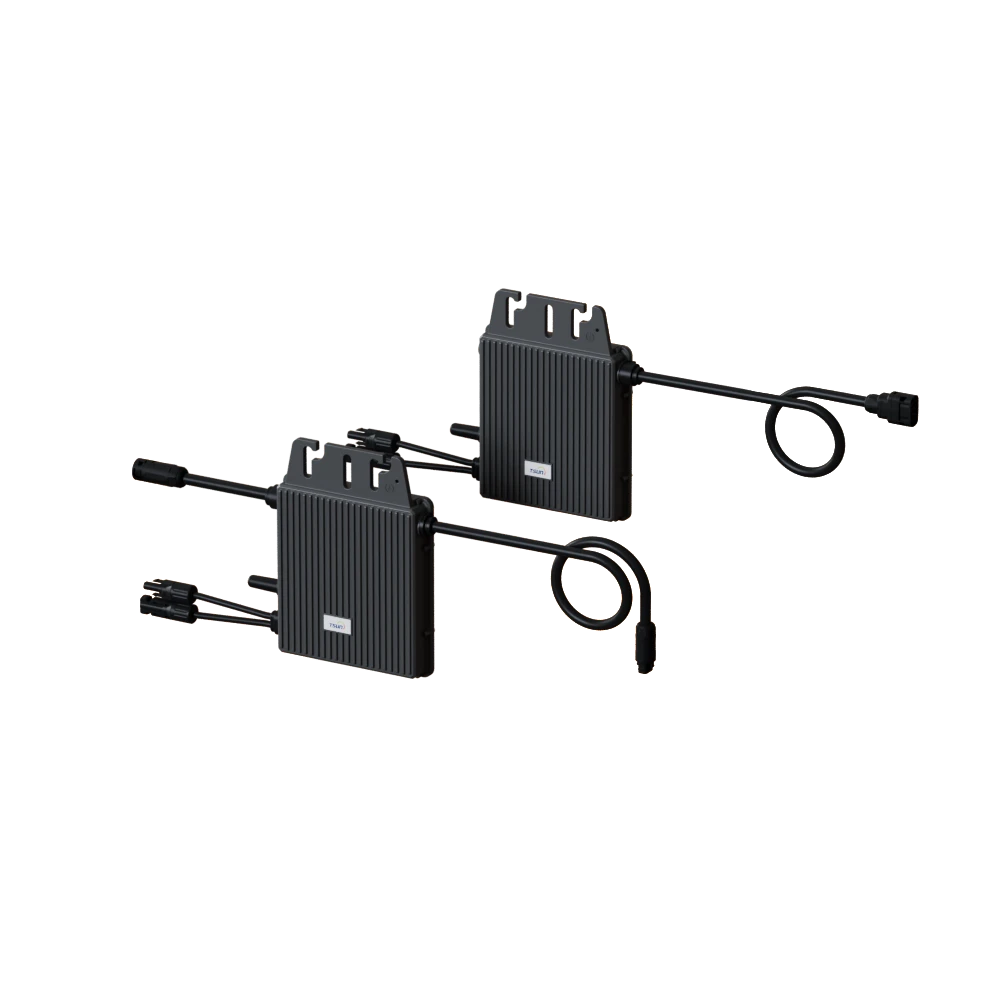
- The Hybrid Inverter: Your battery stores power in Direct Current (DC), but your home appliances use Alternating Current (AC). The inverter sits in the middle, smoothly translating the power so your electronics work flawlessly.
- The Smart Controller: This is the brain of the operation. It tracks energy usage, checks peak electricity prices, and monitors your solar generation. It automatically decides exactly when to charge up or discharge power for maximum efficiency.
You never have to flip a switch. This clever system silently guards and optimizes your home around the clock.
Types of Batteries for Energy Storage
When shopping for batteries and energy storage, you will encounter different chemical compositions. Here is a simple breakdown of what is actually on the market:
- Lithium Iron Phosphate (LiFePO4 / LFP): This is the gold standard for home storage, and the chemistry TSUN exclusively utilizes. It runs cool, boasts immense thermal stability (virtually eliminating fire risks), and can be cycled thousands of times with minimal degradation. It delivers decades of safe, quiet power.
- Standard Lithium-Ion (NMC): Commonly found in electric cars and laptops. While they are energy-dense, they run much hotter and degrade faster over time than LFP batteries, making them less ideal for stationary home storage.
- Lead-Acid: These heavy, clunky boxes are the grandpas of the battery world. They are cheap but require strict maintenance and die quickly if deeply discharged.
- Flow & Solid-State: Flow batteries are massive liquid tanks meant for industrial sites. Solid-state is an exciting future technology, but not yet commercially viable for home installations.
The verdict: Stick with LFP chemistry. It provides the toughest, safest, and most cost-effective armor for your daily life.
Advantages of Batteries for Energy Storage
Integrating batteries for energy storage into your home pays off almost immediately. Here are the massive daily wins you get to enjoy:
- Beating the Blackout: When a storm takes out a neighborhood power line, your TSUN system flips on in under 20 milliseconds. Your kitchen lights won't even blink, your fridge stays icy cold, and your home office stays connected.
- Crushing Peak Rates: Utility companies love to overcharge during peak evening hours. Your clever battery outsmarts them by storing cheap grid power overnight (or free solar power during the day) and powering your house with it when afternoon prices skyrocket.
- Trapping the Sun: Without a solar battery, excess solar energy is sent back to the grid for a fraction of what you pay to buy it back. With a battery, you trap every drop of daytime sunshine to run your home for free all night long.
Main Applications of Batteries for Energy Storage
How are batteries for energy storage used in the real world? While they all share the goal of keeping the lights on, the applications scale dramatically:
- At Your House: Pairing roof panels with a home battery creates a personal energy island, dodging high utility bills and protecting your family from grid instability.
- For Businesses: Commercial facilities utilize mid-sized energy storage to avoid astronomical peak-demand charges and keep critical operations humming during outages without busting their budgets.
- For the Power Grid: Utility companies build field-sized battery farms next to wind and solar plants to stabilize the grid when the wind dies or the sun sets.
For the average consumer, building a "mini power plant" via a home ESS is the ultimate way to stop relying on aging public infrastructure.
How to Choose the Right Battery for Energy Storage
Picking out a battery system for your home can feel overwhelming. It comes down to basic math and looking for a few key features:
- Count Your Lifelines: Make a list of what you must run during an outage: a fridge, Wi-Fi, medical devices, and lights. While an average home burns 30 kWh a day, emergency survival mode usually requires just 5 to 10 kWh of dedicated backup.
- Demand LFP Chemistry: If a high-capacity battery is living in your home, safety is paramount. Lithium Iron Phosphate (LiFePO4) runs cool and resists thermal runaway. Treat this as a hard rule.
- Think in Blocks: Your family's needs will change—you might add an electric vehicle or an addition to your home next year. Look for a modular, stackable system like TSUN's Energy Storage Solutions, which allows you to easily slide in extra capacity later without replacing the whole setup.
- Know Output vs. Capacity: Storage capacity (kWh) is the size of your water tank; power output (kW) is the size of the plumbing. A massive tank trickling through a tiny pipe can't start a heavy air compressor. Ensure your inverter has the surge power to handle heavy-duty appliances.
- Grab the Incentives: Depending on your region, massive tax credits and rebates are available for battery installations. In the US, for example, the Residential Clean Energy Credit can slice 30% off your total installation cost.
Are you still considering a loud gas generator? They burn expensive fuel, require messy oil changes, and sound like lawnmowers. A smart energy storage system sits silently in the corner, requires zero maintenance, and actively saves you money every single day.
Conclusion
Batteries for energy storage are no longer a luxury for off-grid enthusiasts; they are a modern necessity. They shield your family when the neighborhood goes dark, squeeze every drop of value out of your solar panels, and slash your daily bills without you lifting a finger.
Whether you are seeking total energy independence or just reliable backup power, now is the time to make the switch. By choosing a robust, scalable system from TSUN, you can finally build the bulletproof, intelligent home your family deserves.

 LEARN MORE