The transition toward decentralized energy is accelerating globally, and the microinverter tsun stands at the forefront of this revolution. By converting power at the individual panel level, these devices eliminate the single point of failure common in traditional string inverters, ensuring that your solar harvest is maximized regardless of shading or panel misalignment.
For modern homeowners and industrial operators, the adoption of a microinverter tsun means more than just technical efficiency; it represents a shift toward energy independence and systemic reliability. As the world moves toward "Easy Solar Kits" and DIY-friendly installations, the need for intelligent, scalable, and safe power conversion has never been more critical.
Understanding the mechanics and advantages of the microinverter tsun allows users to optimize their Return on Investment (ROI) while contributing to a greener planet. Whether it is for a balcony setup or a full-scale residential storage system, this technology simplifies the complex physics of photovoltaic energy into a plug-and-play reality.
Global Relevance of Microinverter Tsun Technology
On a global scale, the push for carbon neutrality has placed immense pressure on residential and commercial power grids. According to recent energy trends aligned with ISO standards, the decentralization of power production is the only viable path to reducing transmission losses. The microinverter tsun addresses this by allowing power to be converted exactly where it is generated, drastically reducing the reliance on massive, centralized inverter stations.
In regions with inconsistent sunlight or complex architectural shading, traditional systems often suffer a "Christmas light effect," where one shaded panel drops the output of the entire string. The microinverter tsun solves this critical failure, enabling individual panel optimization and ensuring that global energy goals are met with practical, high-yield hardware.
Defining the Microinverter Tsun Ecosystem
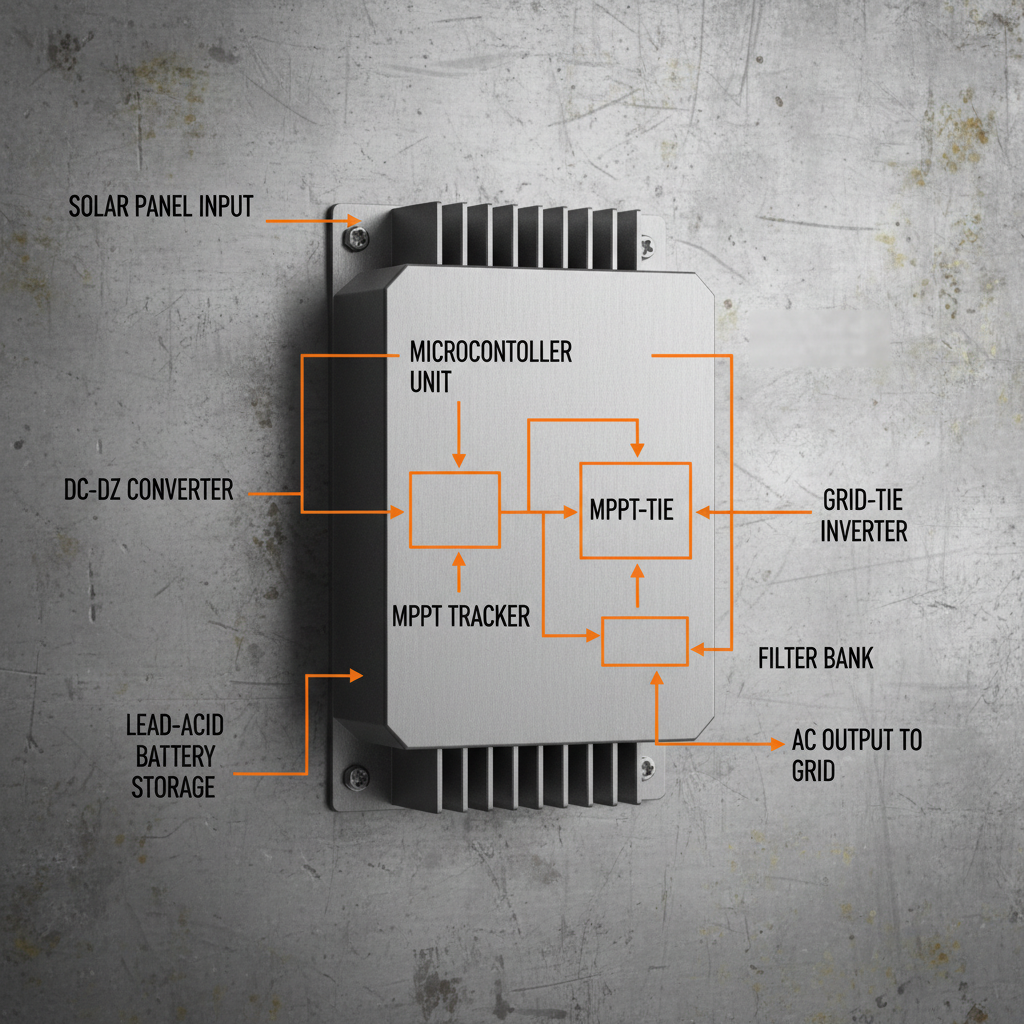
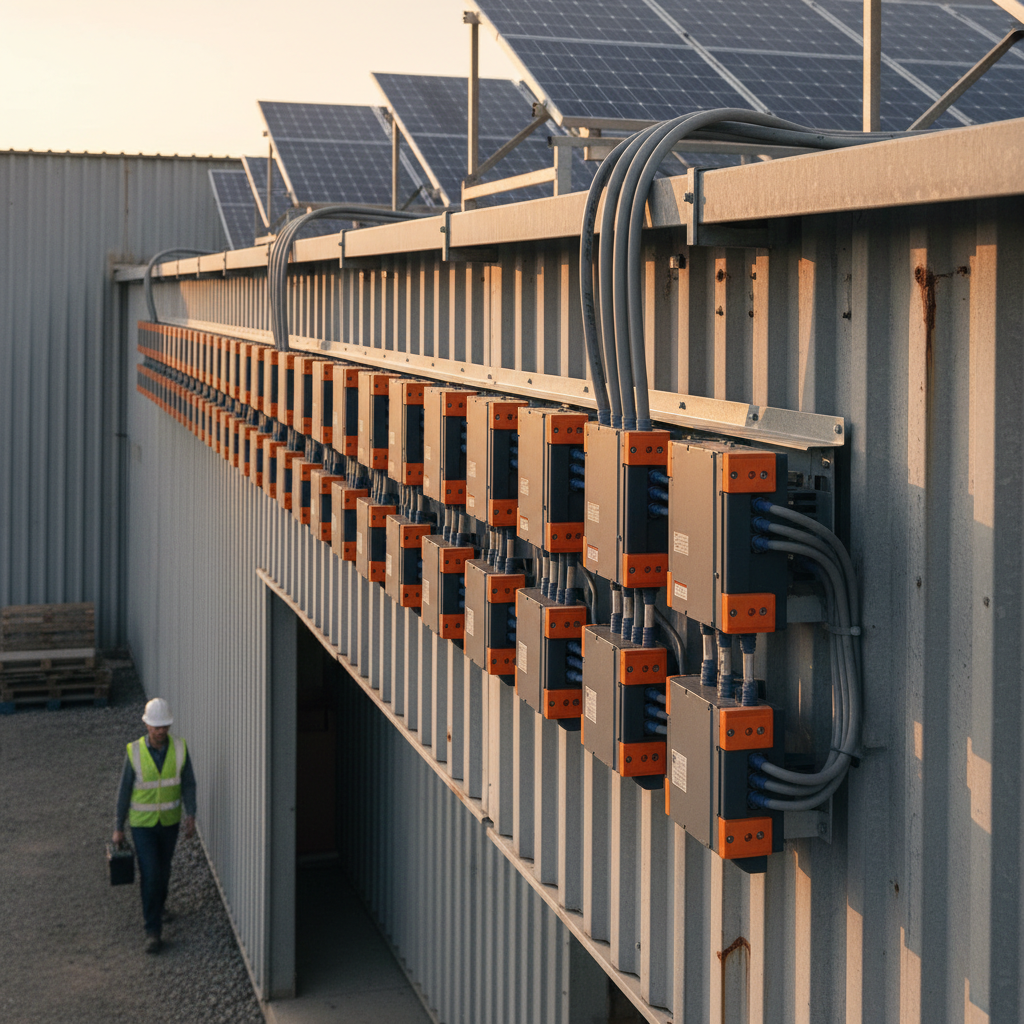
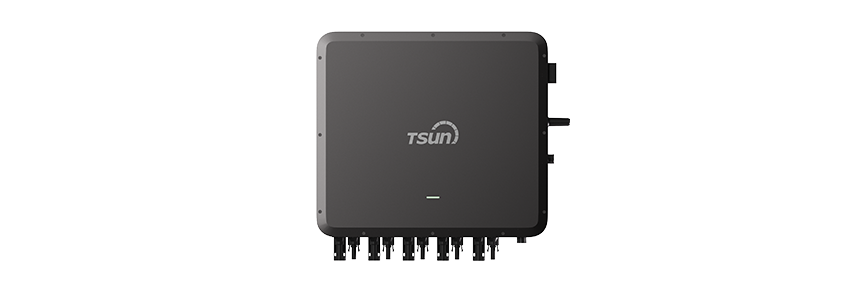
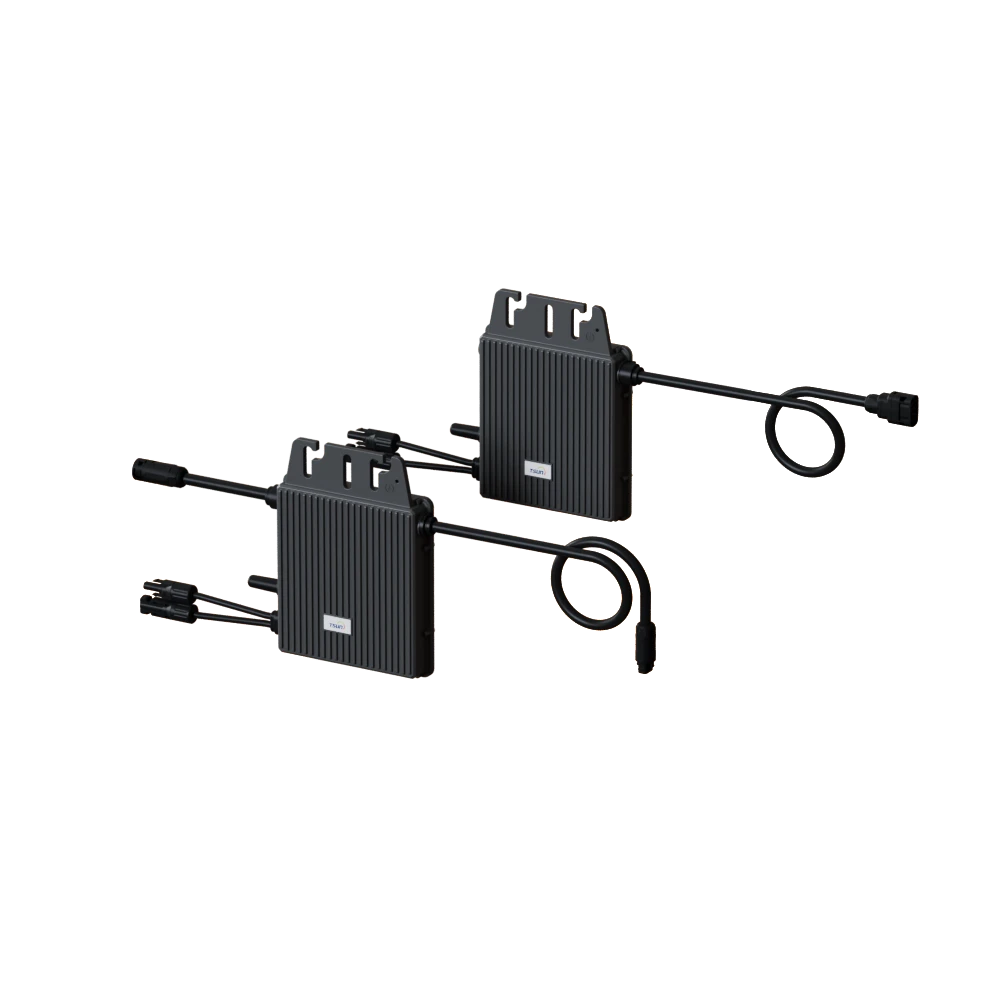
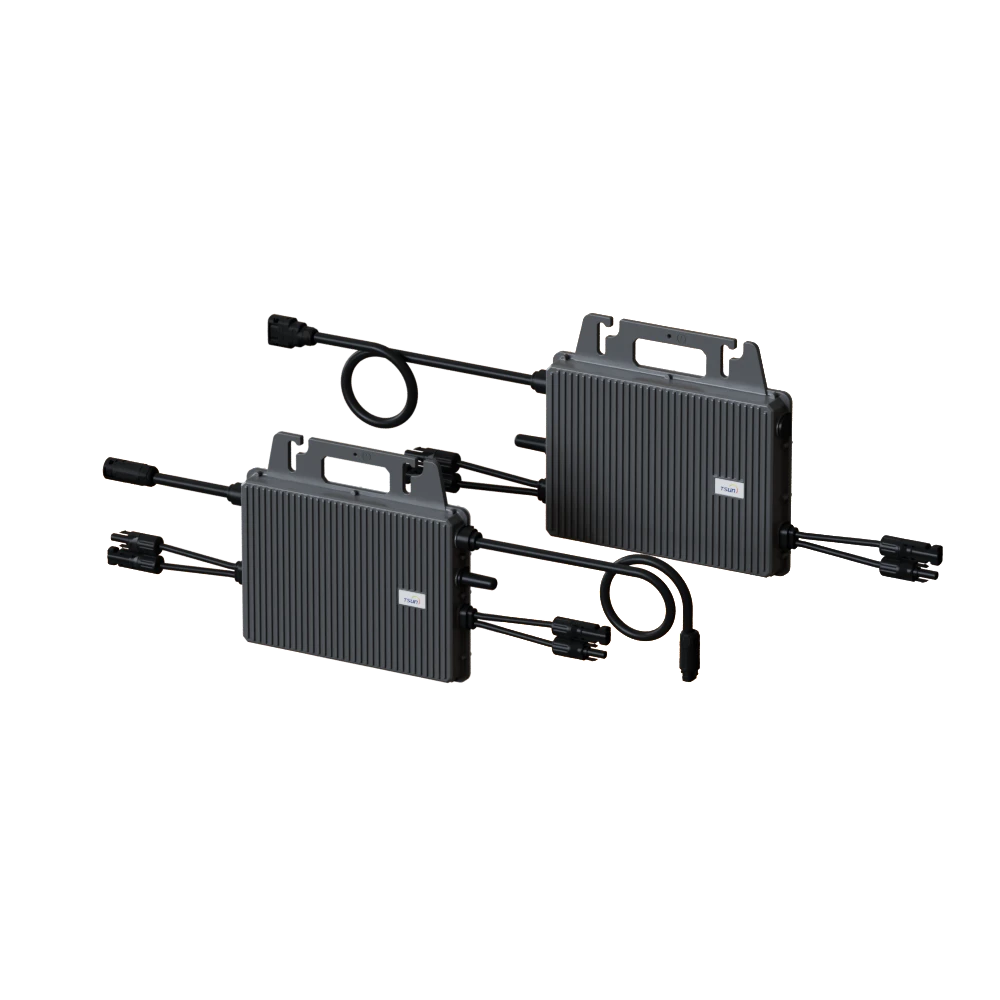
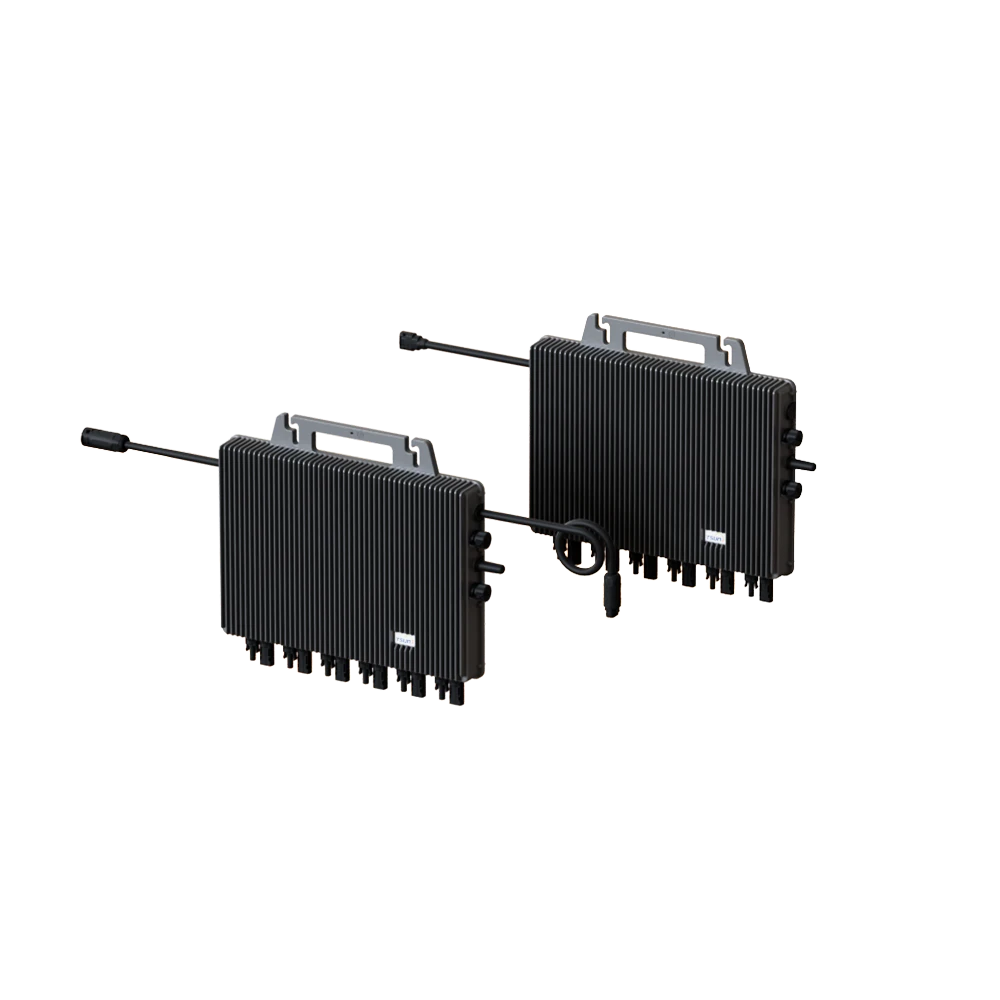
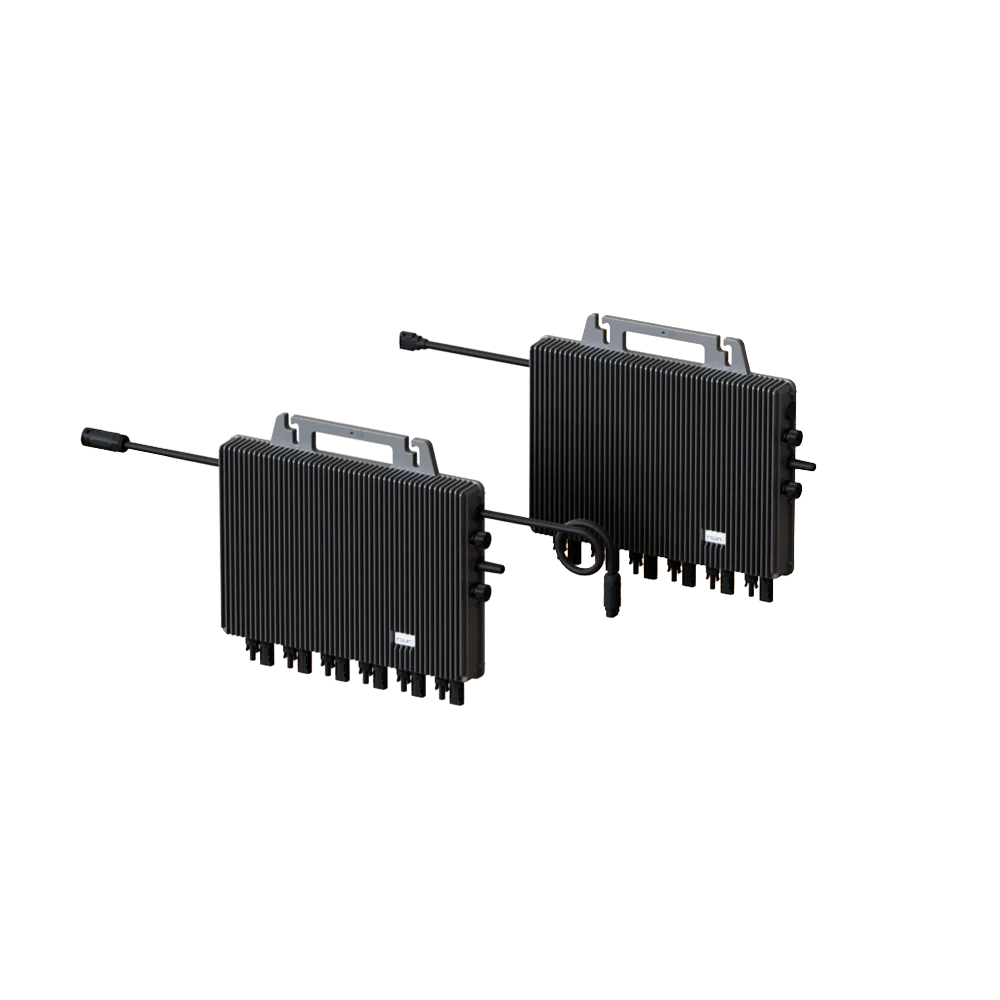
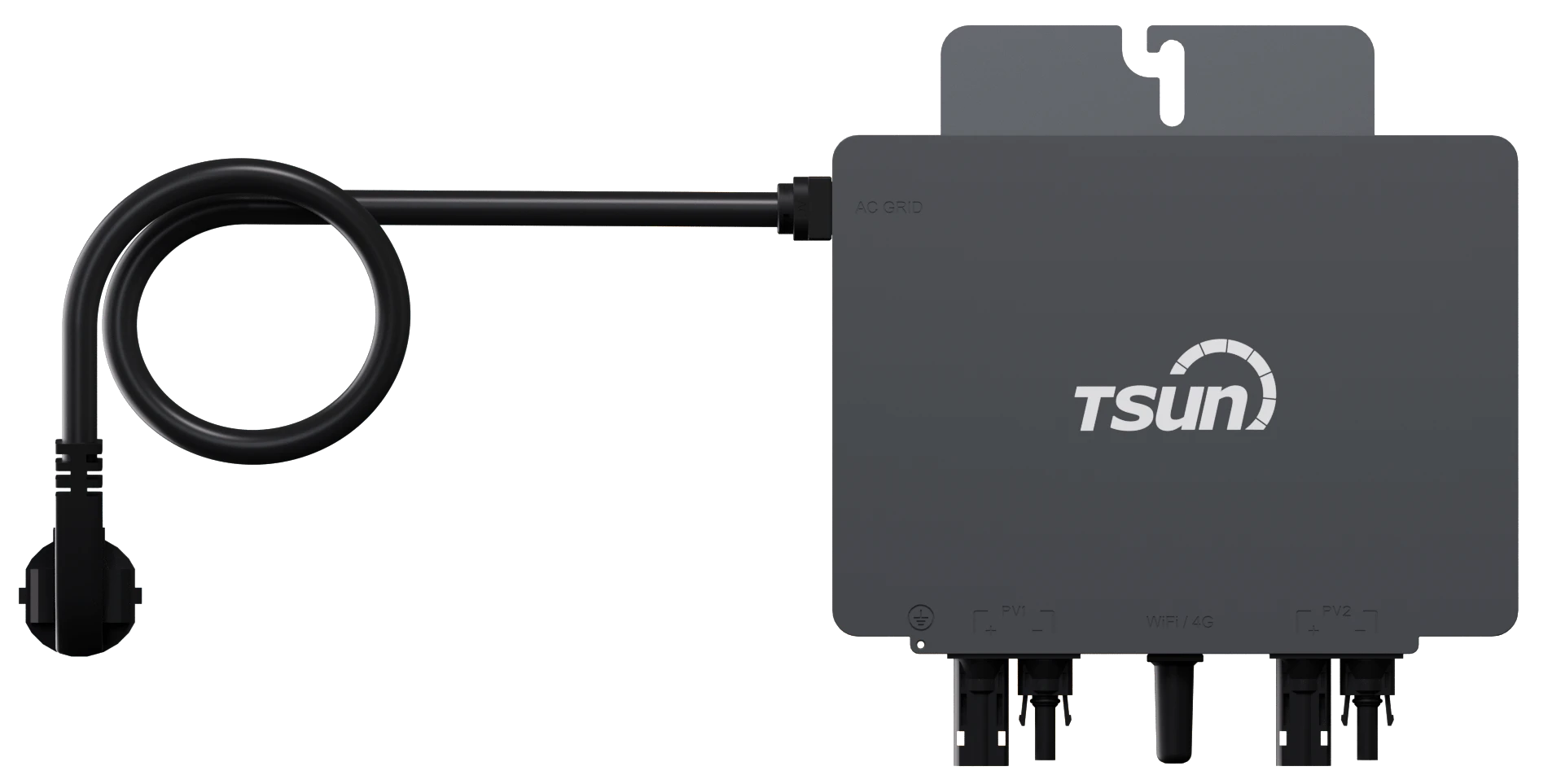
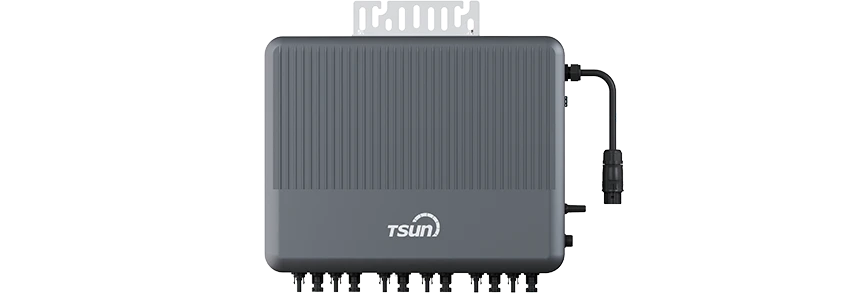
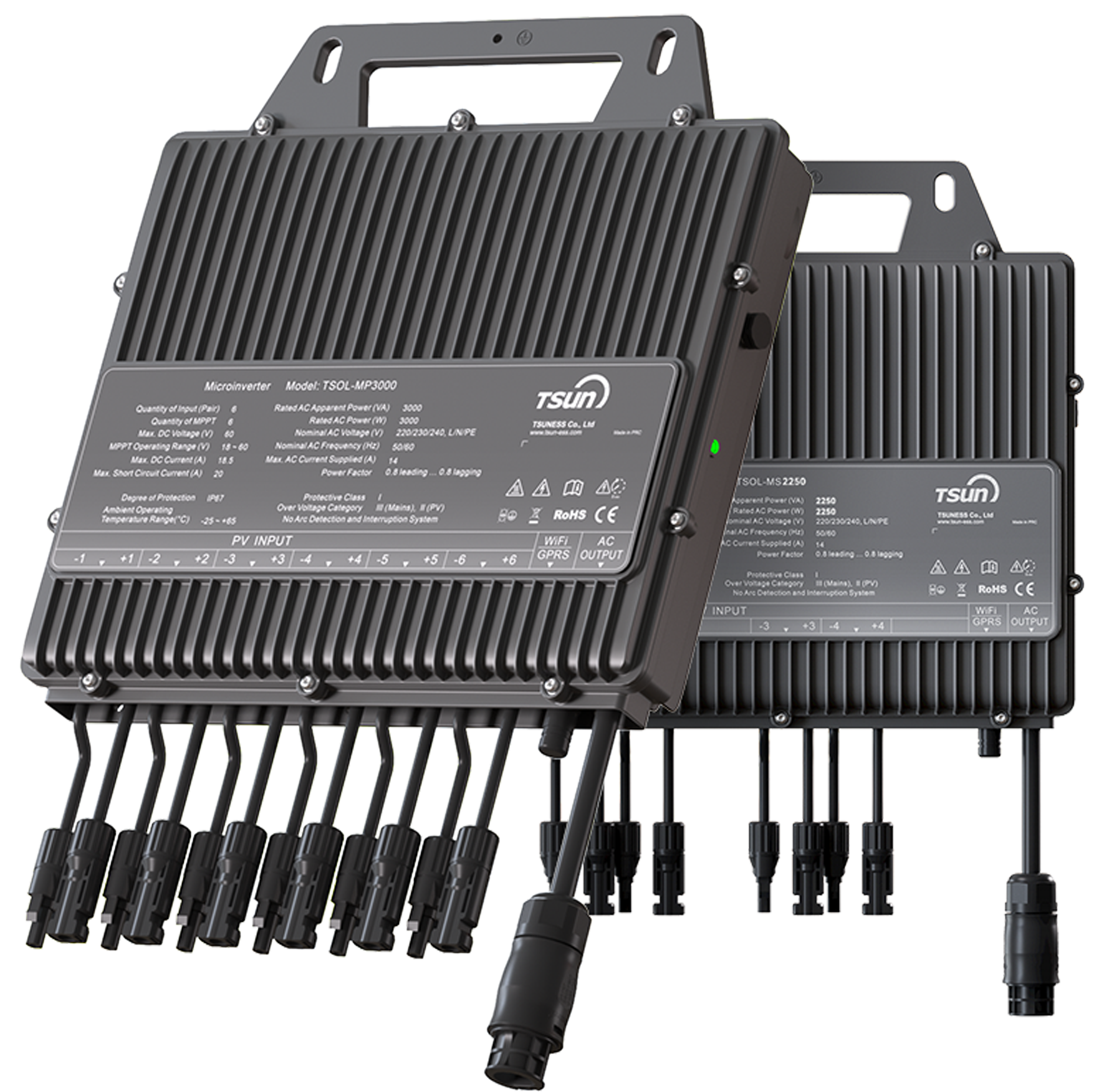
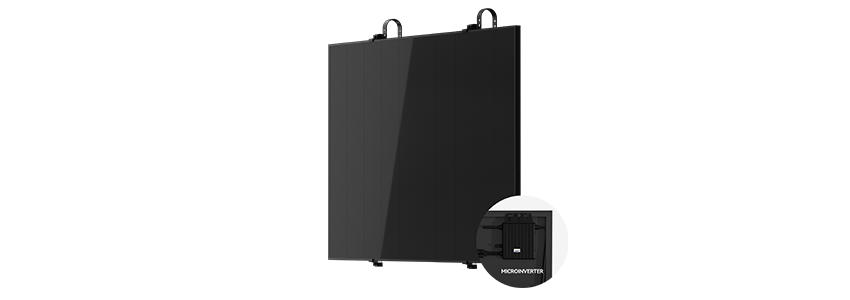
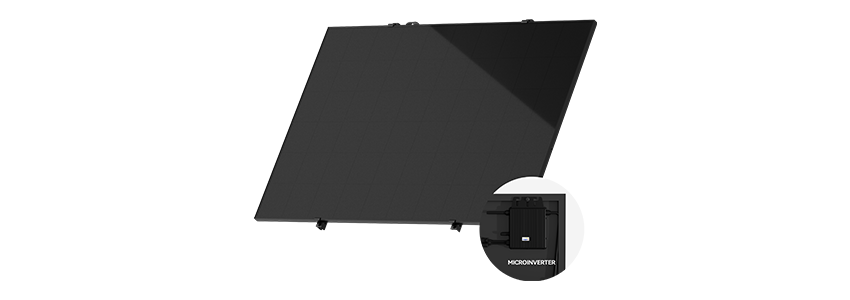
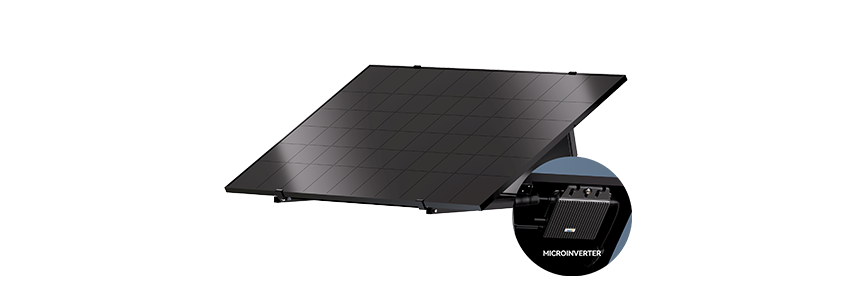
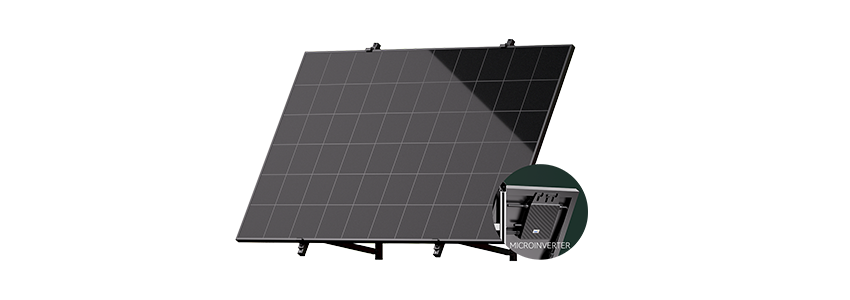
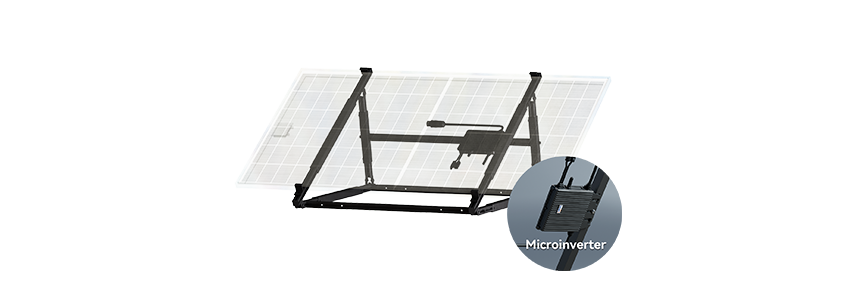
In simple terms, a microinverter tsun is a miniature power converter installed on the back of each solar panel. Unlike a central inverter that manages a whole array, the microinverter handles the conversion of Direct Current (DC) to Alternating Current (AC) at the source. This architectural shift transforms a solar array from a rigid chain into a flexible network of independent power producers.
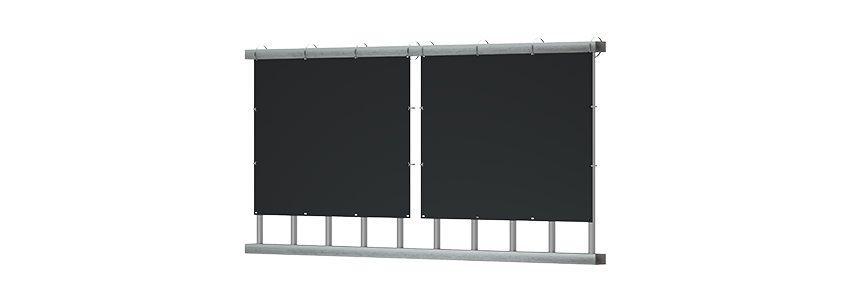
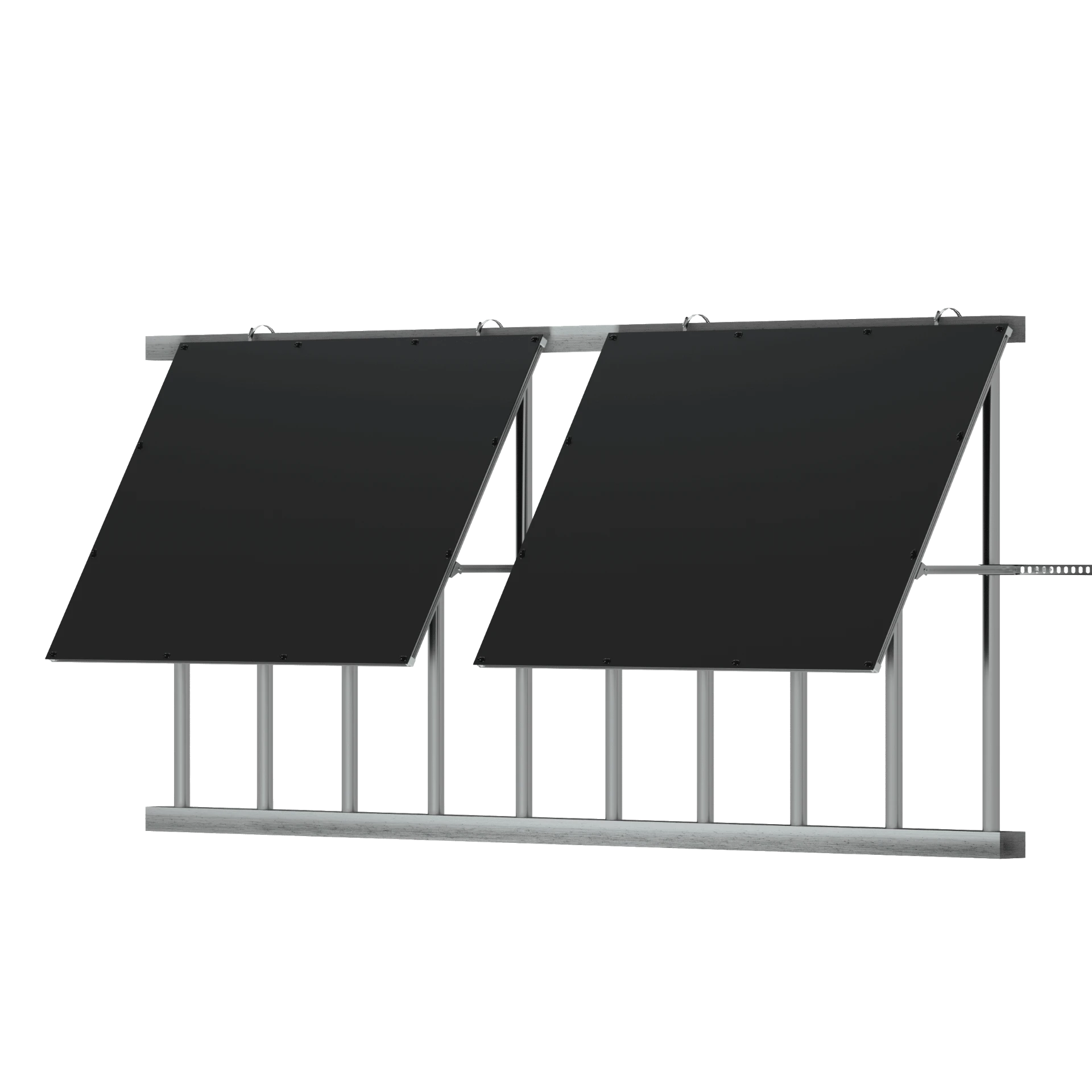
This ecosystem is deeply connected to the humanitarian need for accessible energy. By facilitating "Hang on Balcony" DIY kits and "Easy Solar Kits," microinverter tsun technology democratizes electricity. It allows renters and people in urban environments to generate their own power without needing extensive roof modifications or professional industrial electrical overhauls.
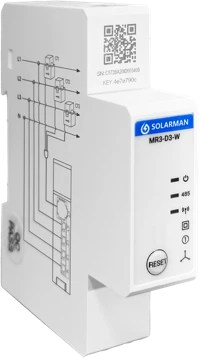
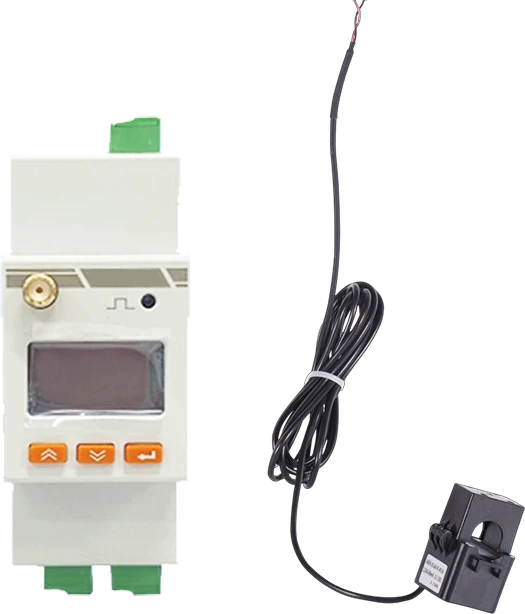
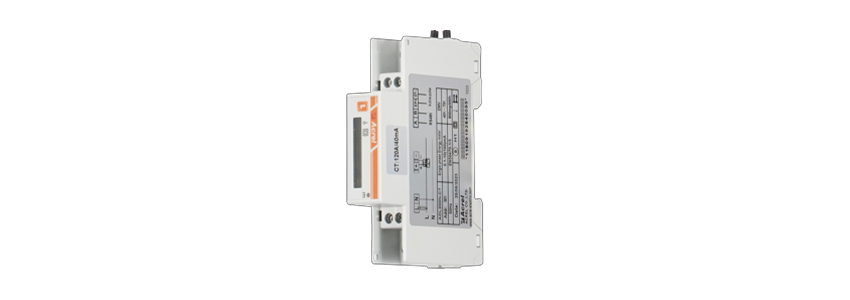
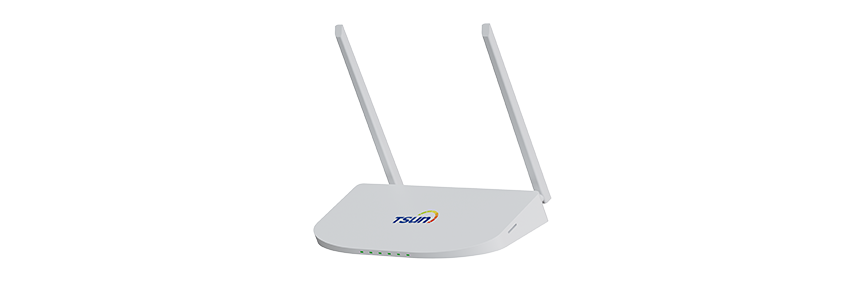
Furthermore, the integration of the microinverter tsun with modern monitoring accessories creates a transparent energy loop. Users can see exactly how much energy each specific panel is producing in real-time, turning a "black box" electrical system into an educational tool for energy conservation and smart home management.
Core Components of Microinverter Tsun Efficiency
The first pillar of microinverter tsun efficiency is Scalability. Because each panel operates independently, users can start with a single panel and a single microinverter, expanding their system over time as their budget or energy needs grow, without needing to replace the central inverter.
Safety and Reliability are paramount in the microinverter tsun design. By converting power to AC immediately, the system avoids the high-voltage DC arcs that are common in string systems, significantly reducing the risk of fire and increasing the overall lifespan of the installation.
Finally, the Cost Efficiency of the microinverter tsun is realized through higher energy yields. Maximum Power Point Tracking (MPPT) at the module level ensures that every single watt is captured, meaning the system pays for itself faster than traditional alternatives through increased kWh production.
Practical Applications of Microinverter Tsun
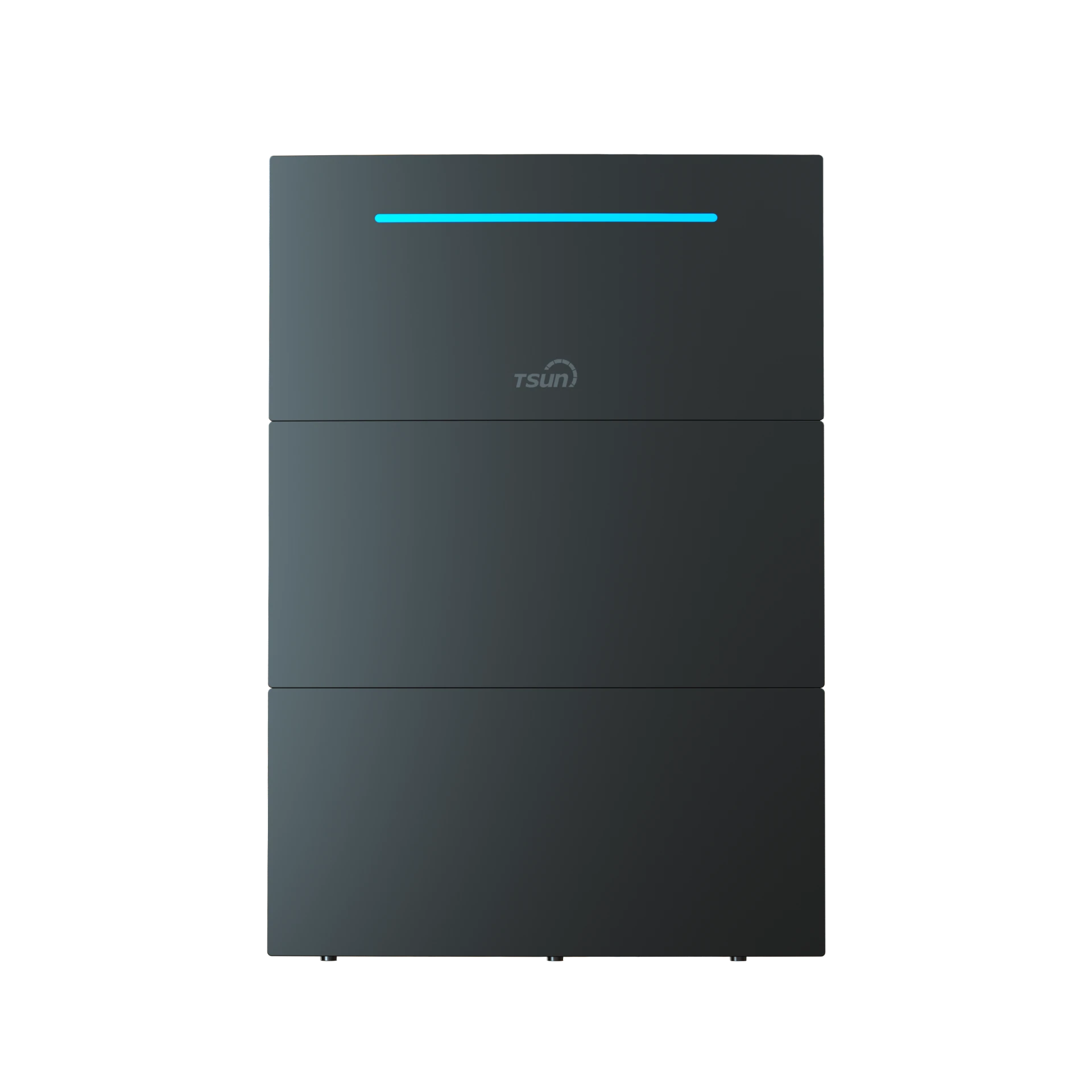
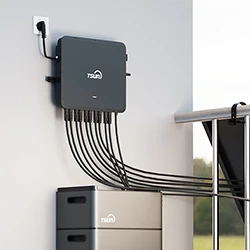
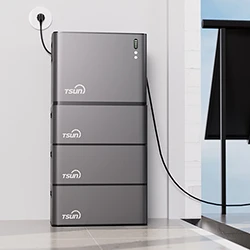
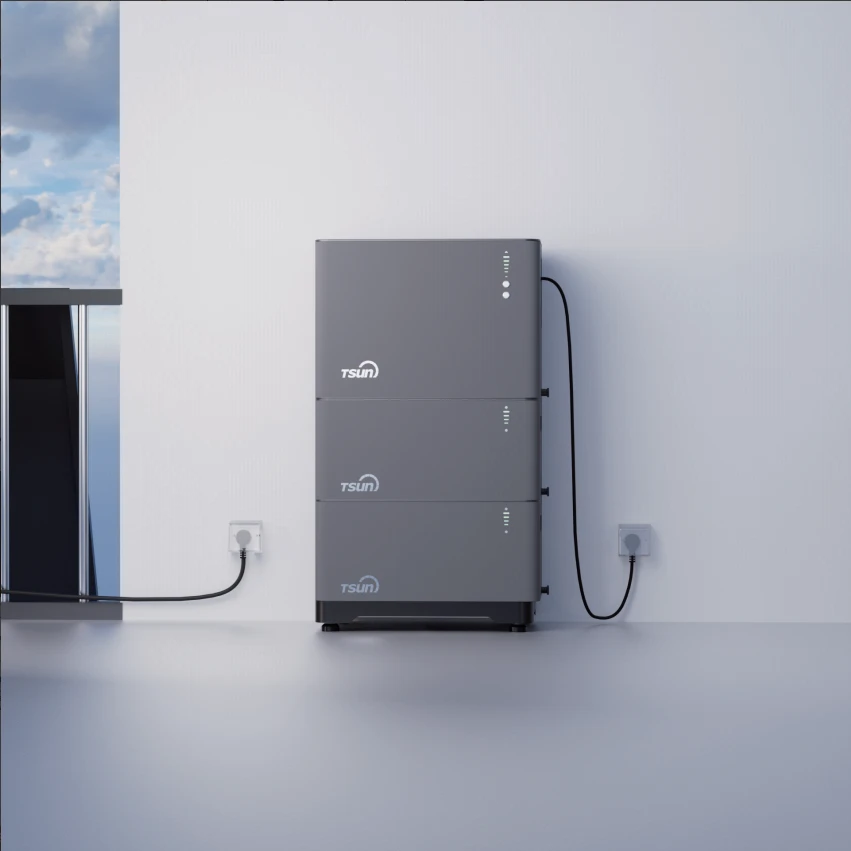
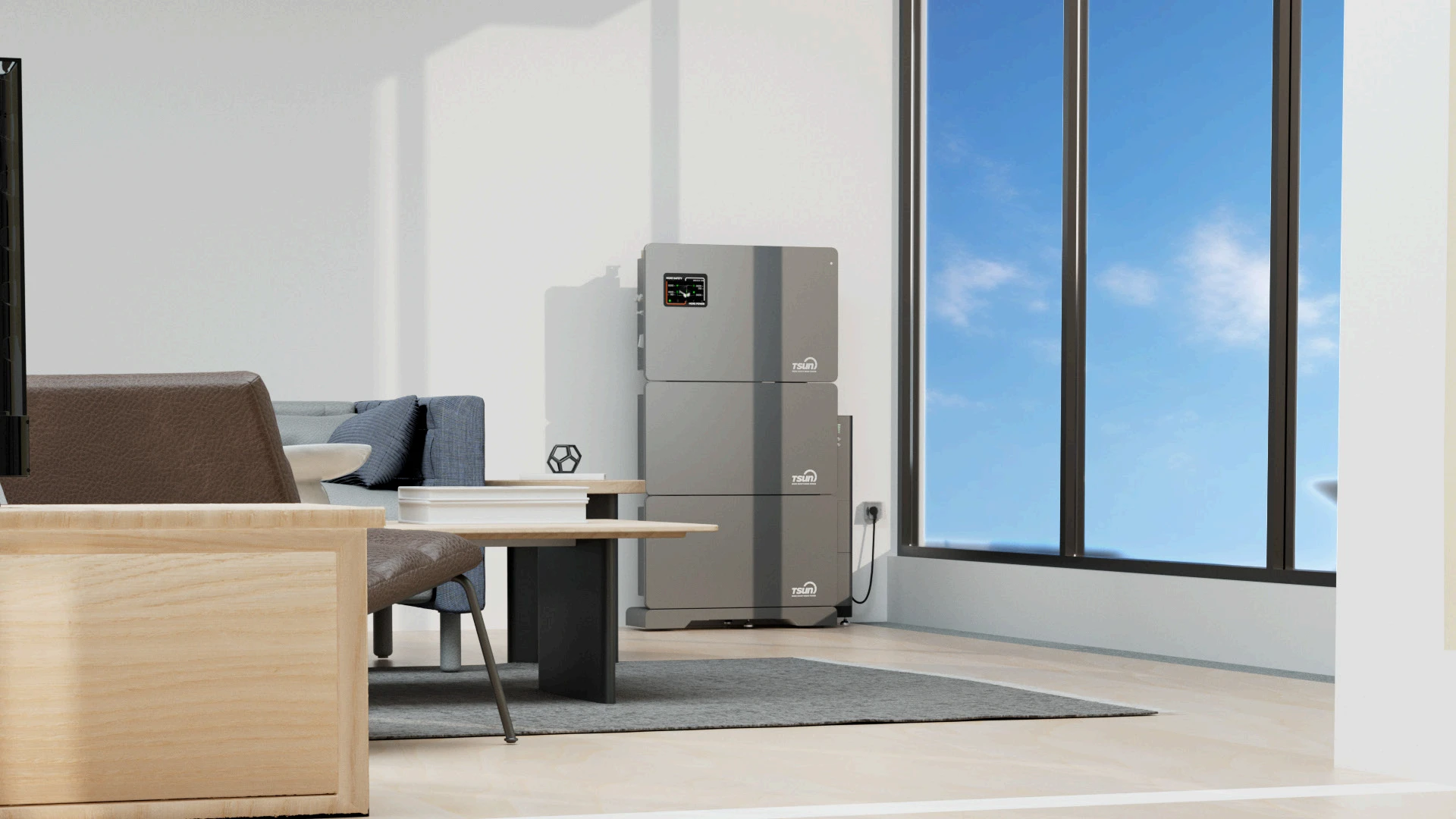
The versatility of the microinverter tsun makes it ideal for diverse environments. In urban settings, "Hang on Balcony" setups allow city dwellers to offset their electricity bills with minimal effort. In remote industrial zones or off-grid locations, pairing these microinverters with a "Residential Storage System" ensures a steady power supply even when the main grid is unavailable.
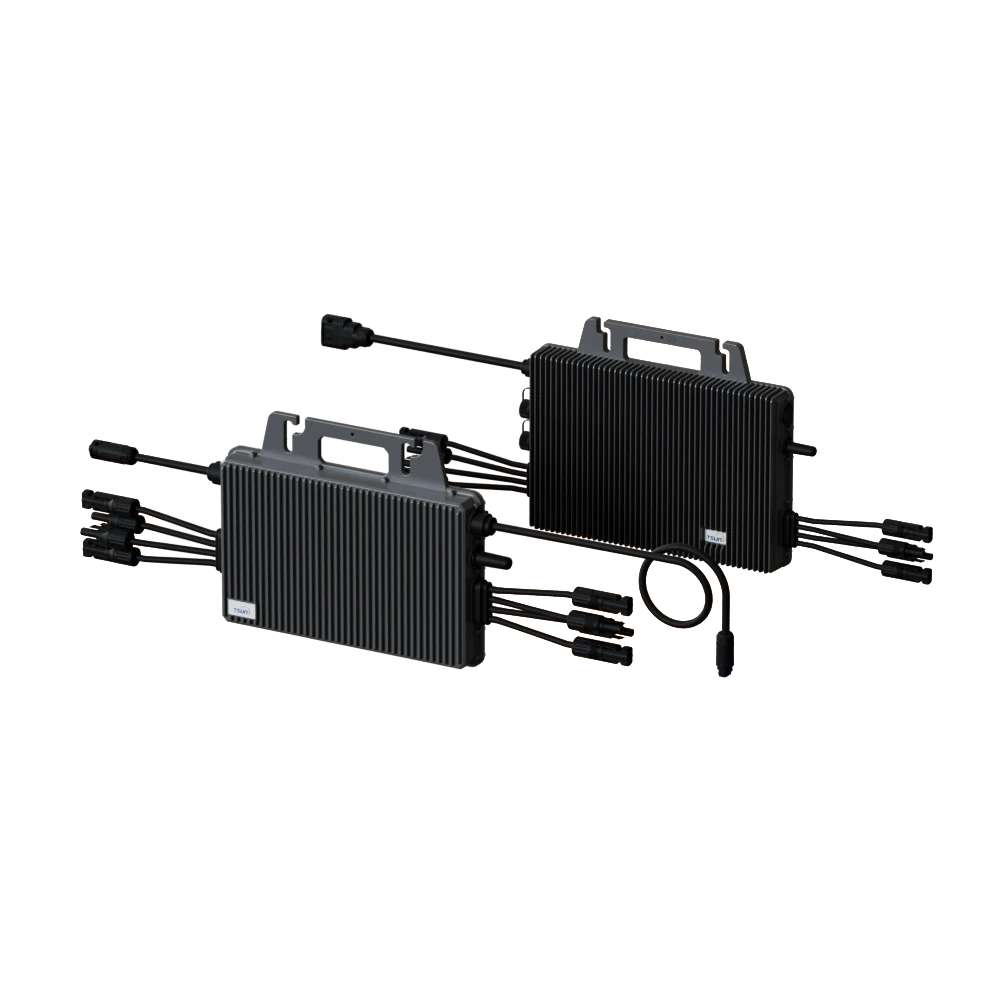
From DIY enthusiasts using the "Easy Solar Kit" to professional installers deploying "TITAN Microinverters" for large-scale residential projects, the application is seamless. These systems are particularly effective in post-disaster relief operations where rapid deployment of power is required; a few panels and a microinverter tsun can provide immediate lighting and communication power without complex wiring.
Comparative Performance of Microinverter Tsun Configurations
Long-Term Value and Sustainability Benefits
Investing in a microinverter tsun provides tangible long-term financial gains. By reducing energy waste from shading and increasing the overall lifespan of the panels through better voltage management, the system maximizes the total energy produced over 20-25 years. This logical approach to energy procurement reduces the total cost of ownership compared to string systems that require expensive central inverter replacements every 10 years.
Beyond the numbers, there is a powerful emotional and social impact. The microinverter tsun grants homeowners a sense of dignity and autonomy. Knowing that your home is powered by a safe, innovative, and sustainable system creates a culture of trust in green technology, encouraging communities to transition away from fossil fuels collectively.
Future Innovations in Microinverter Tsun Design
The future of the microinverter tsun is inextricably linked to the digital transformation of the energy grid. We are moving toward "Smart Micro-Grids" where each microinverter tsun can communicate with other devices in the home via AI, automatically shifting power to the "Micro Storage System" during peak price hours and selling excess back to the grid during surpluses.
Materials science is also playing a role, with new wide-bandgap semiconductors like Gallium Nitride (GaN) allowing microinverter tsun units to become even smaller, more efficient, and better at dissipating heat. This means higher power density in a smaller footprint, making solar viable for even the smallest urban spaces.
Moreover, the integration of automation in installation will further lower the barrier to entry. Future iterations of the microinverter tsun will likely feature "Zero-Touch" commissioning, where the device automatically configures itself to the local grid requirements the moment it is plugged in, making solar truly universal.
Overcoming Challenges in Microinverter Tsun Deployment
Despite the advantages, some users express concerns regarding the initial upfront cost compared to string inverters. However, the expert insight is to look at the "Levelized Cost of Energy" (LCOE). When you factor in the increased yield and the lack of a costly central inverter replacement, the microinverter tsun actually offers a superior financial trajectory.
Another common challenge is the perception of complexity in monitoring multiple units. The solution lies in the advanced "Monitoring & Accessory" software provided by TSUN, which aggregates data from all microinverters into a single, intuitive dashboard. This turns a complex network of devices into a simple, manageable asset for the user.
Lastly, ensuring compatibility with various panel brands can be a hurdle. The microinverter tsun addresses this through wide-input voltage ranges and standardized connectors, ensuring that whether you use high-efficiency monocrystalline or budget-friendly polycrystalline panels, the system performs optimally.
Core Analysis of Microinverter Tsun Deployment Strategies
| Deployment Scenario |
Hardware Choice |
Installation Complexity |
Energy Yield Score (1-10) |
| Urban Balcony |
Easy Solar Kit |
Very Low |
7 |
| Modern Villa |
TITAN Microinverter |
Medium |
10 |
| Off-Grid Cabin |
Storage System + Micro |
High |
9 |
| Rental Apartment |
Hang on Balcony Kit |
Very Low |
6 |
| Small Business |
GEN3 Microinverter |
Medium |
9 |
| Ground Array |
On the Ground Ready-Use |
Low |
8 |
FAQS
The primary advantage is the elimination of the "single point of failure." In a string system, if one panel is shaded or fails, the entire string's output drops. A microinverter tsun operates at the module level, meaning each panel works independently. This leads to significantly higher energy yields in real-world conditions and improved safety by avoiding high-voltage DC electricity on your roof.
Yes, absolutely. One of the core strengths of the microinverter tsun is its inherent scalability. Unlike central inverters that have a fixed capacity, you can add a new panel and a corresponding microinverter at any time. This makes it the perfect choice for users who want to expand their solar investment incrementally as their budget allows.
Yes, because the microinverter tsun converts power to AC immediately, it is much safer than DC-based systems. These kits are designed for easy installation and removal without permanently modifying the building structure, making them an ideal, non-invasive solution for renters looking to reduce their carbon footprint and energy costs.
By using the dedicated Monitoring & Accessory suite provided with the microinverter tsun, you can access a real-time dashboard via your smartphone or computer. This software tracks the output of every individual microinverter, allowing you to identify if a specific panel is underperforming due to dirt or shading, which is impossible with traditional string inverters.
The microinverter tsun is engineered for durability across extreme temperature ranges. Since they are installed on the exterior of the panels, they feature robust weatherproofing and advanced heat dissipation designs. This ensures consistent performance whether you are in a tropical environment or a freezing northern climate.
While the microinverter tsun is designed for DIY simplicity, we always recommend consulting a local certified electrician to ensure your home's wiring is compatible and that you are adhering to local electrical codes. The "plug-and-play" nature of the kit reduces the need for complex wiring, but safety and legal compliance remain a priority.
Conclusion
The adoption of the microinverter tsun represents a critical step toward a more resilient and democratic energy future. By combining modular scalability, enhanced safety, and module-level optimization, this technology removes the traditional barriers to solar adoption—be it technical complexity, architectural limitations, or high upfront costs. The shift from centralized conversion to a distributed micro-network ensures that every single photon of sunlight is utilized to its fullest potential.
As we look forward, the integration of AI-driven monitoring and high-capacity storage will make the microinverter tsun the heartbeat of the smart home. We encourage homeowners and businesses to move beyond the limitations of the past and embrace a system that grows with them. To start your journey toward energy independence today, visit our website: www.tsun-ess.com.



 LEARN DETAILS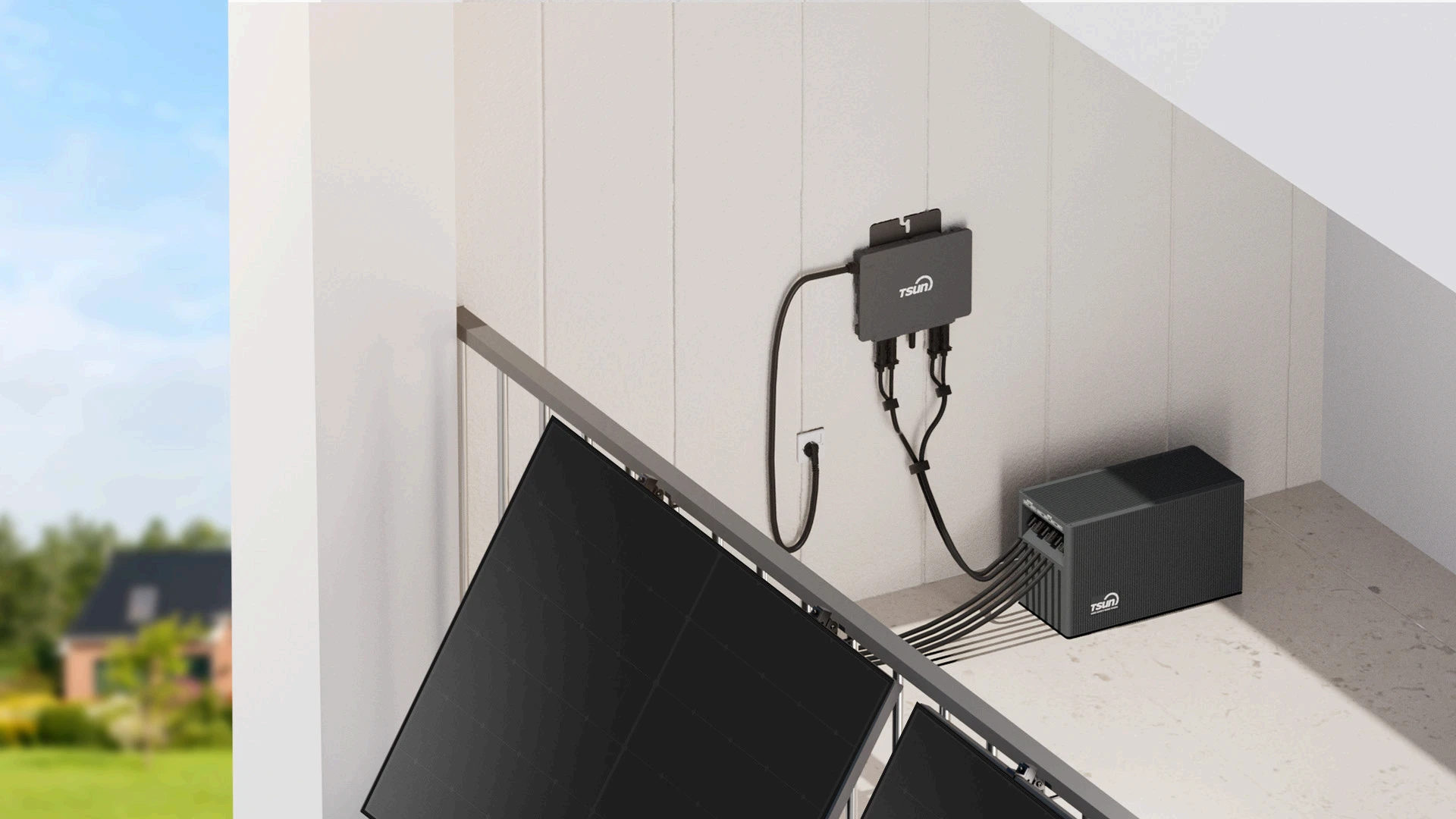
 Downloads
 Video Center
 Report Fault for Repair
 FAQS
FAQS Service Network
 Privacy Policy
 Contact Us
 Monitoring