Microinverters for Sale: What You Should Know Before Buying
Having spent over a decade in the industrial equipment sector, I’ve seen my fair share of innovations that quietly revolutionize how products perform on the field. Microinverters for sale are one of those smart technologies that often get overlooked unless you’re knee-deep in solar setups or energy storage solutions. But frankly, they pack more punch than most people realize. So, I thought I’d share some insights from the trenches—what to look for, what to expect, and why they might just be the upgrade you never knew your solar system needed.
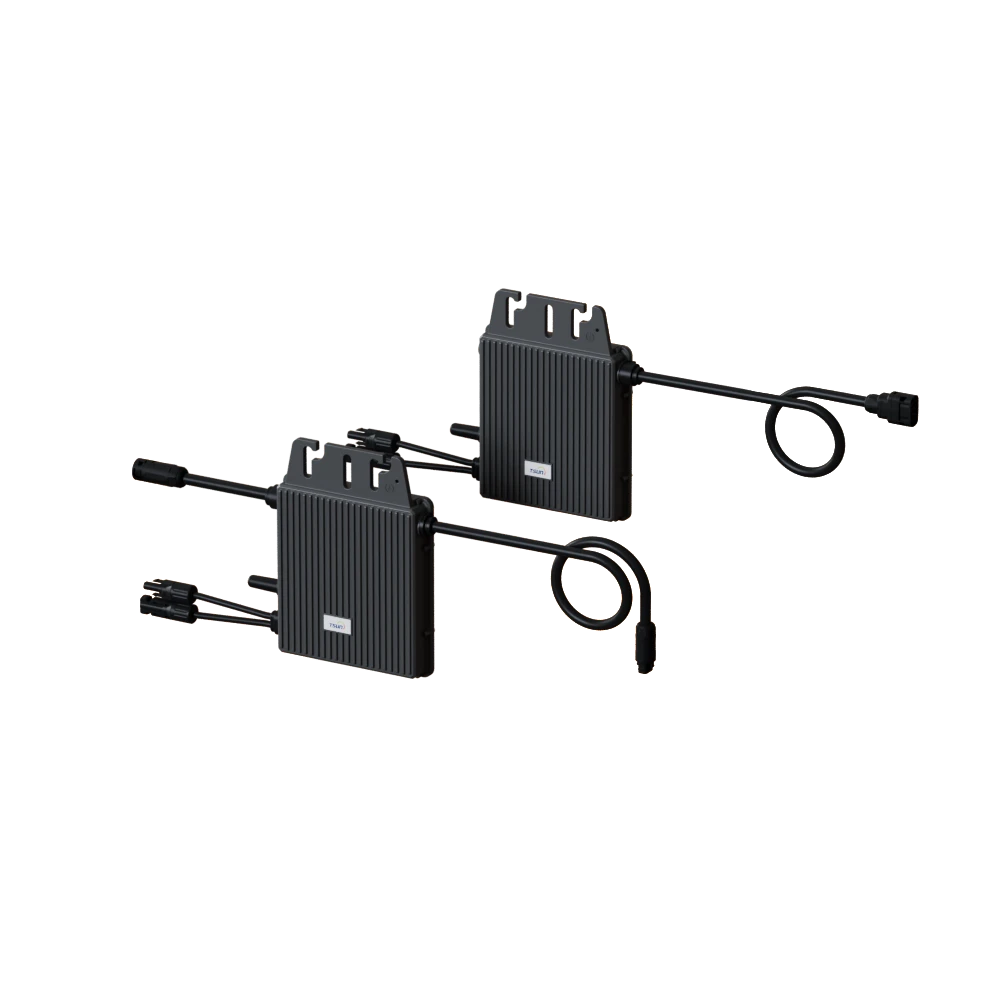
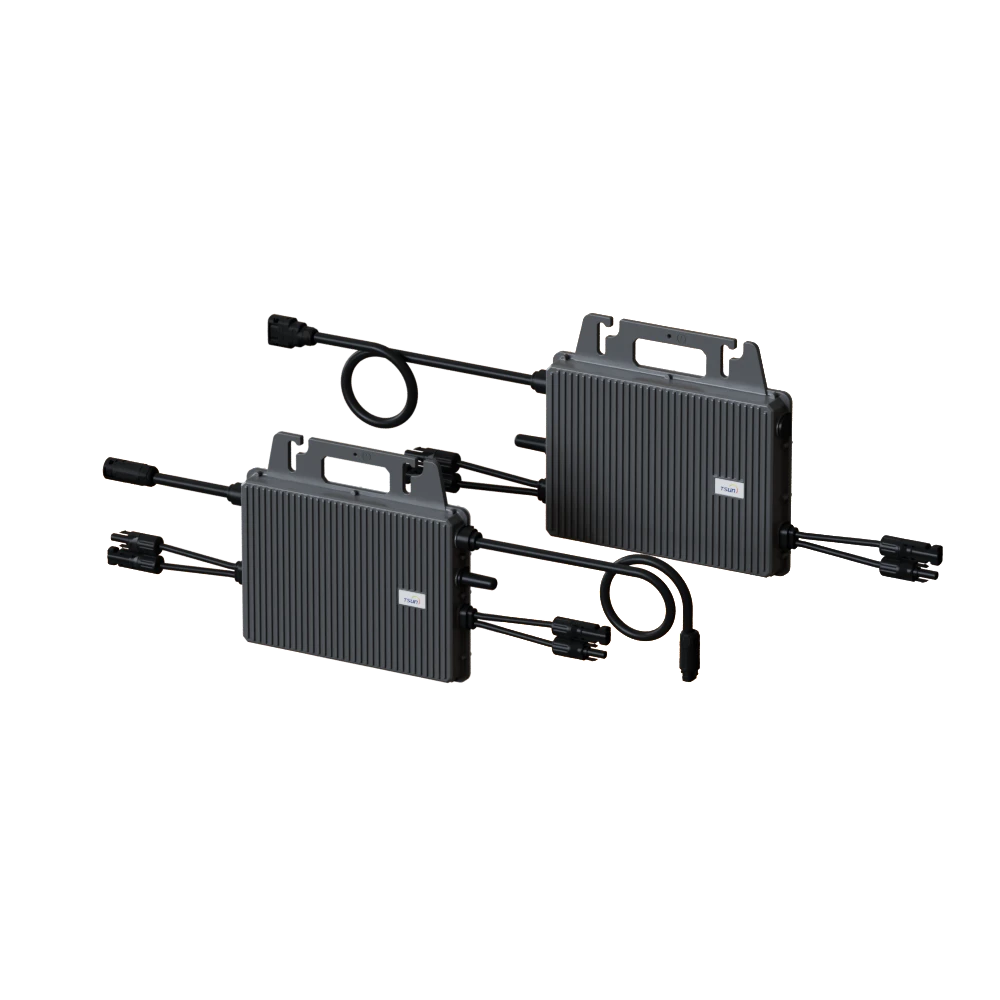
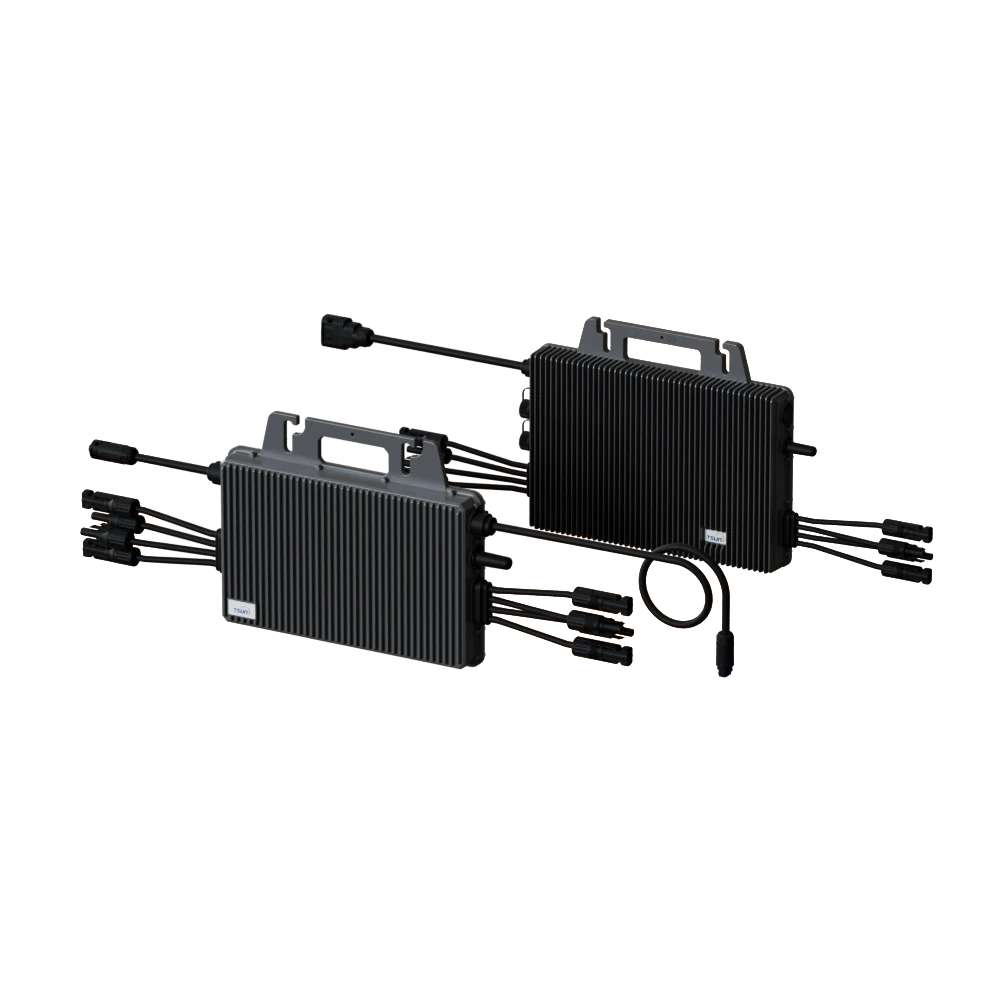
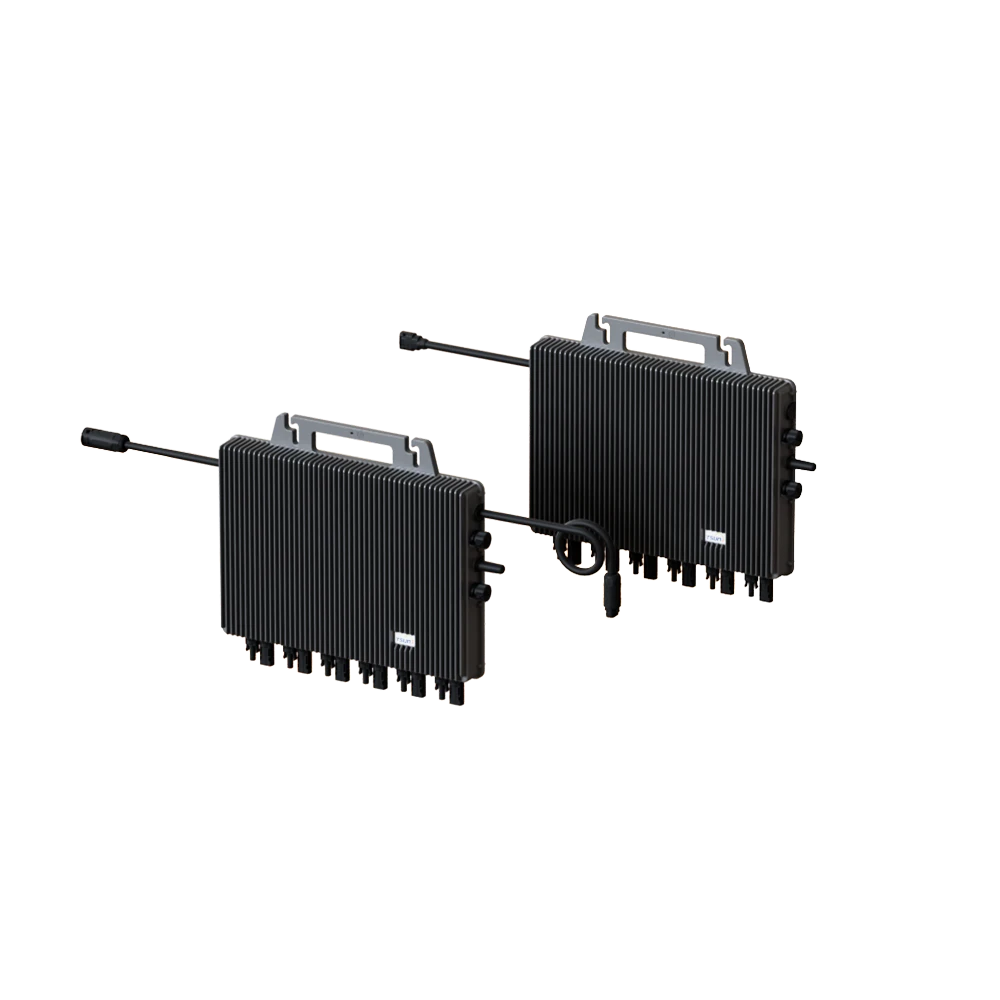
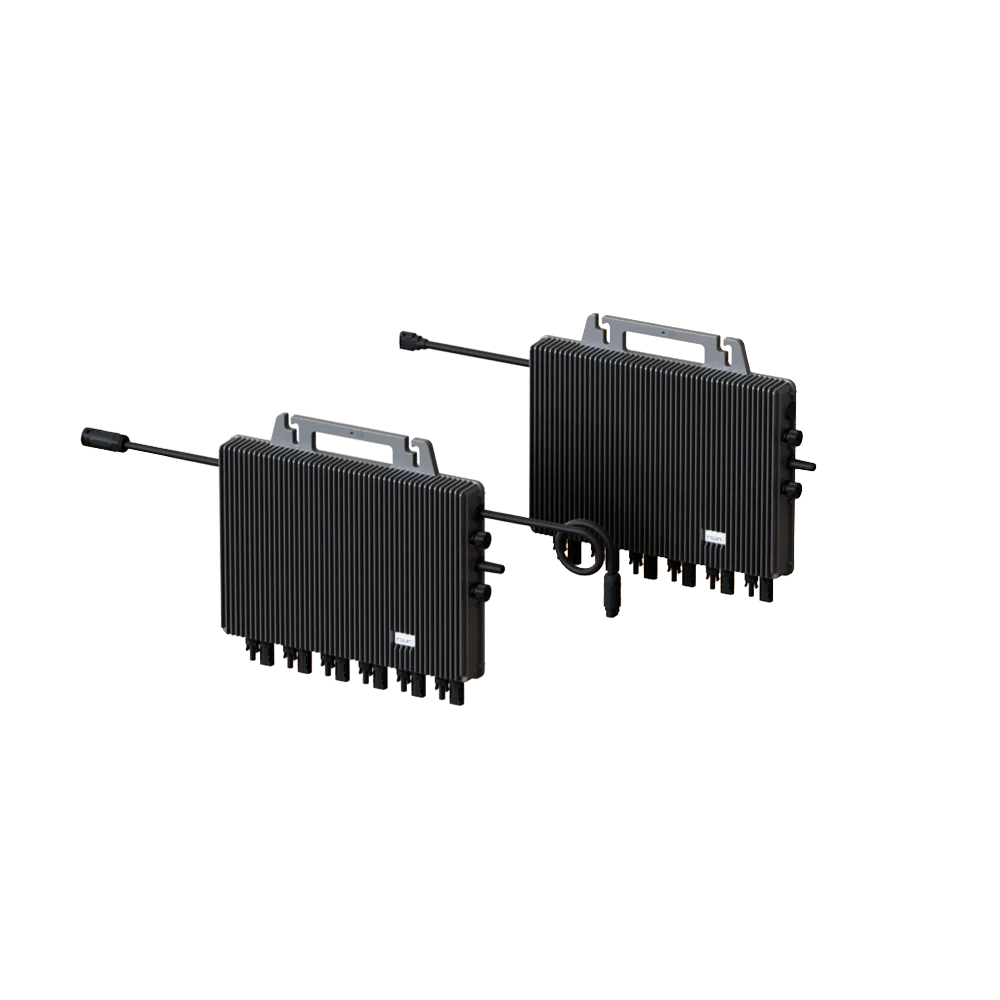
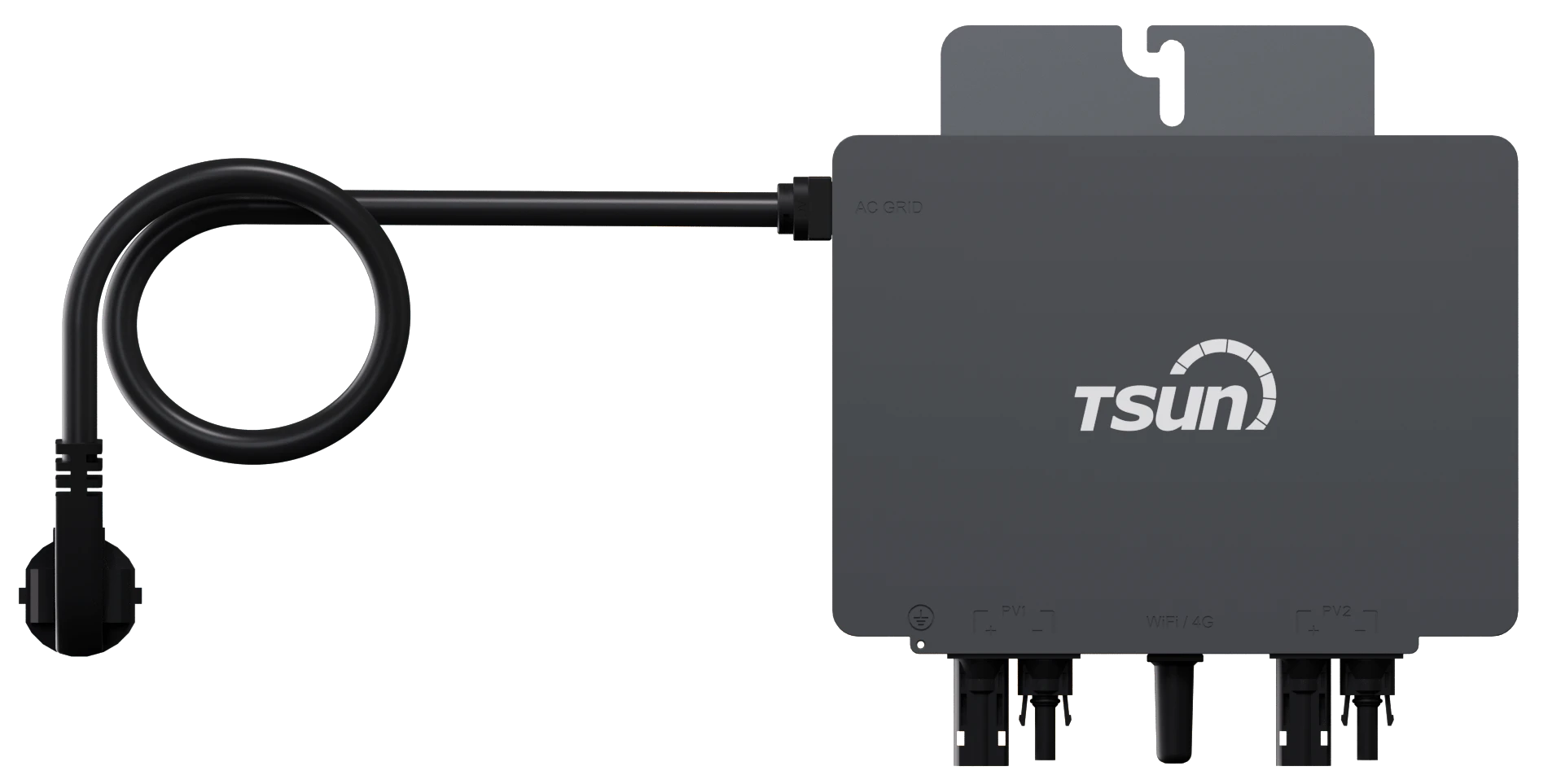
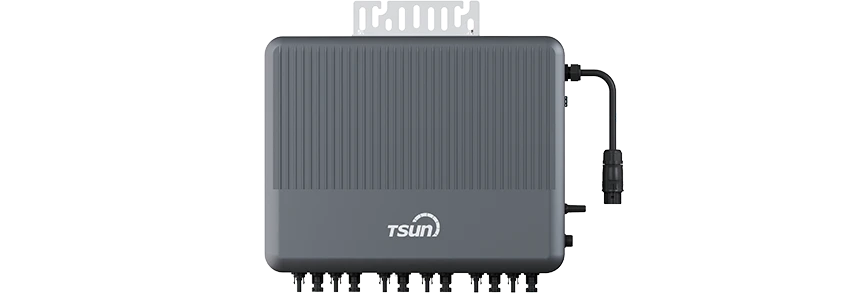
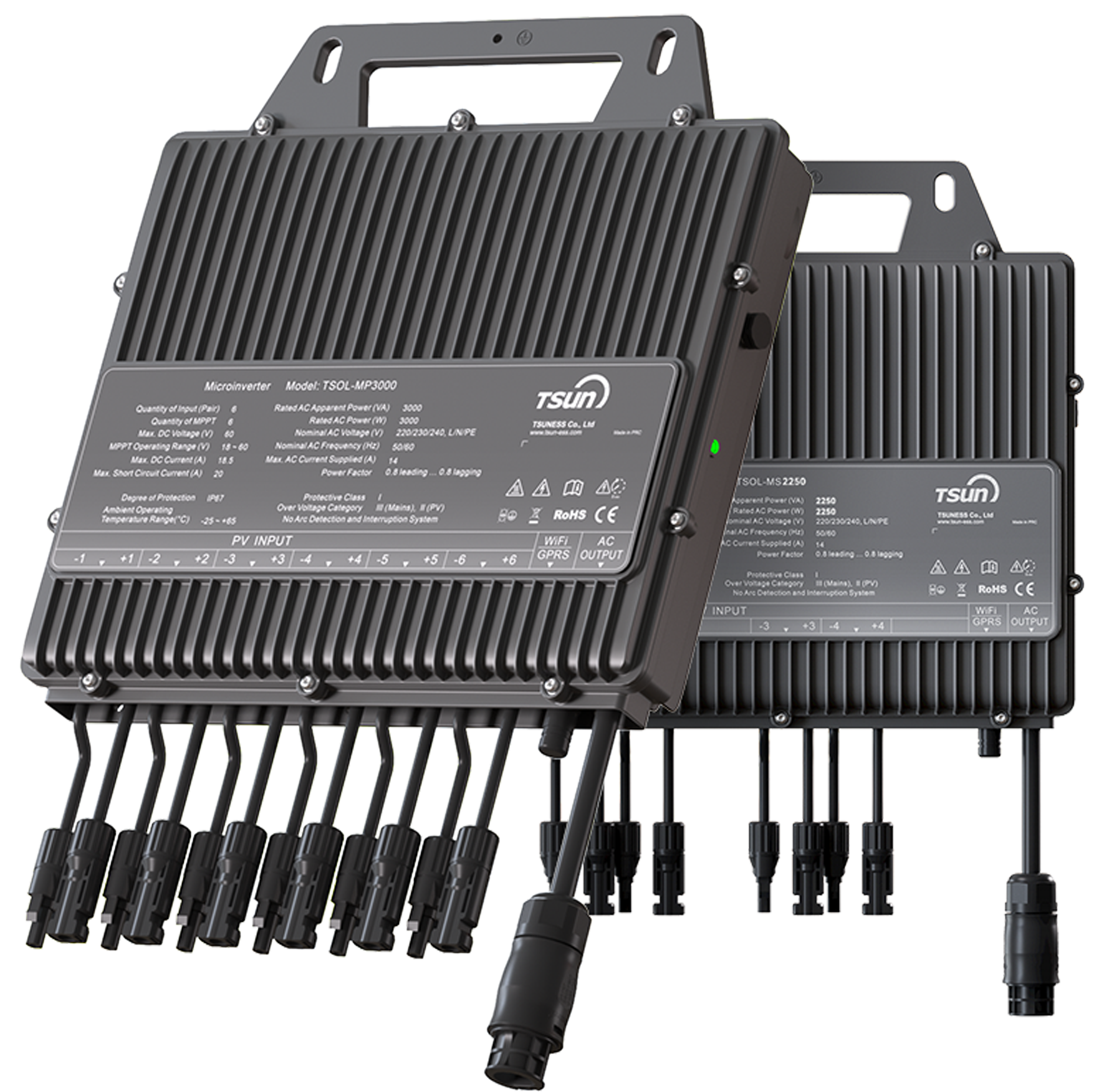
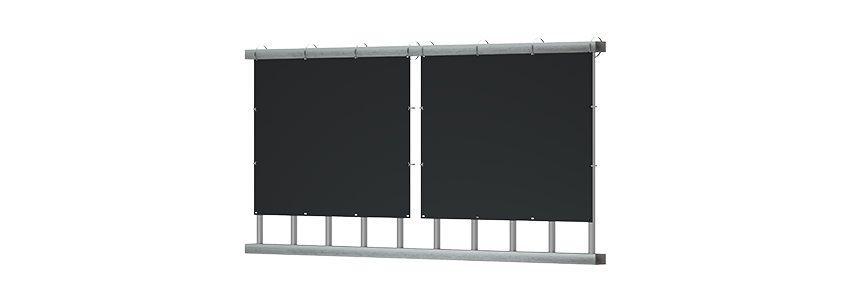
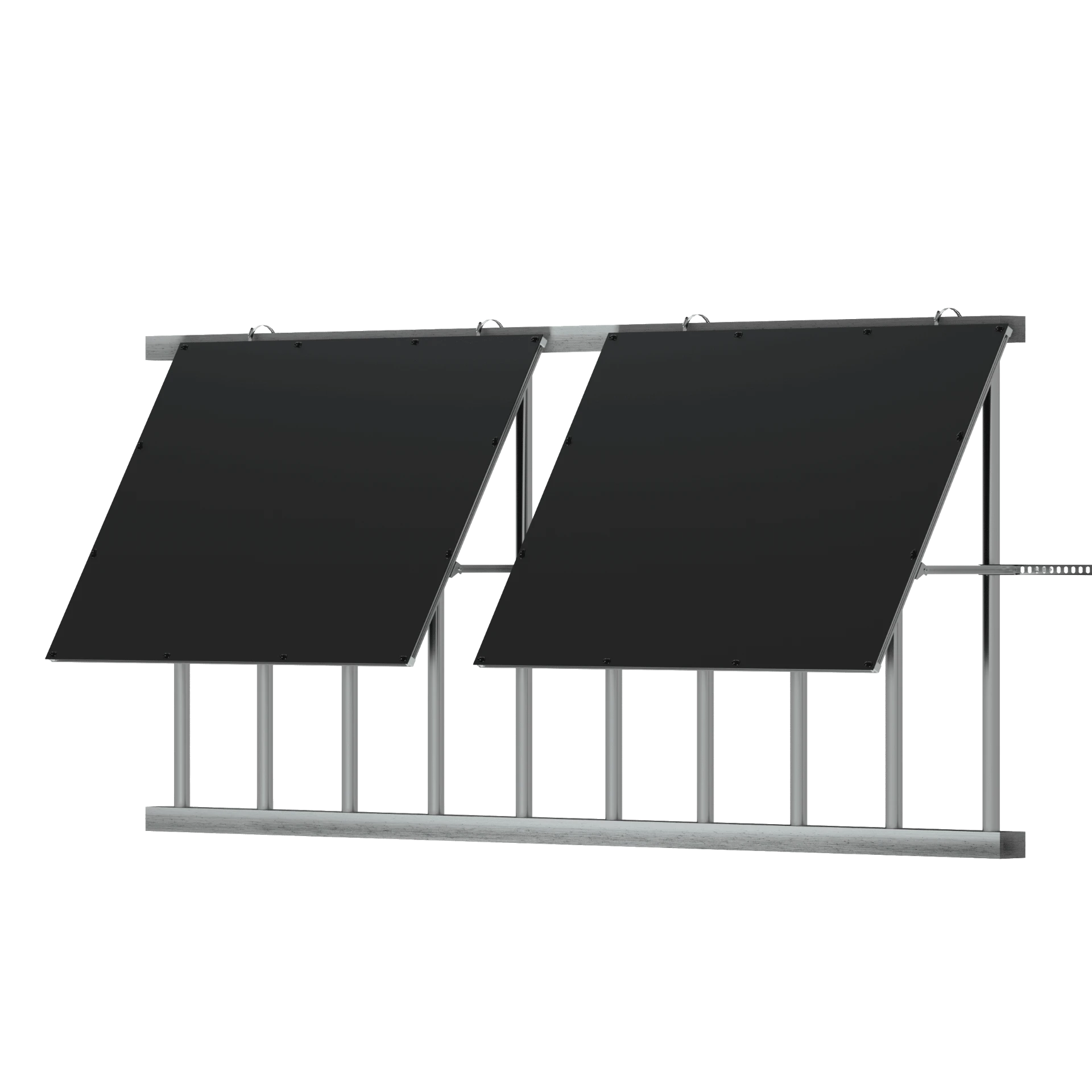
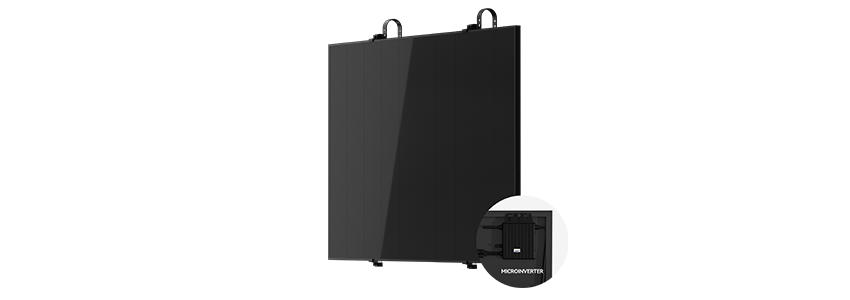
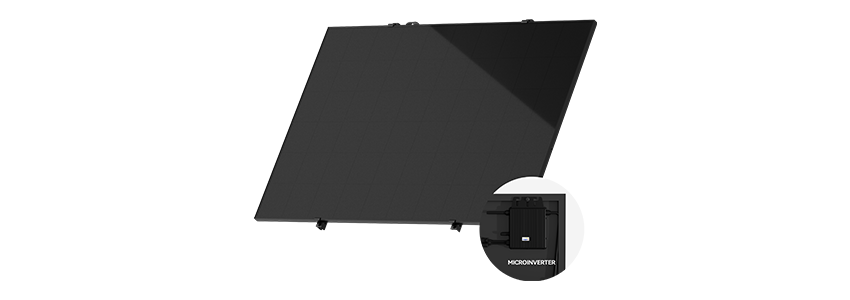
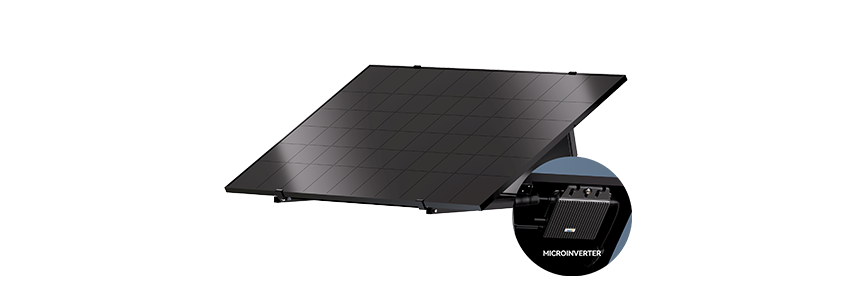
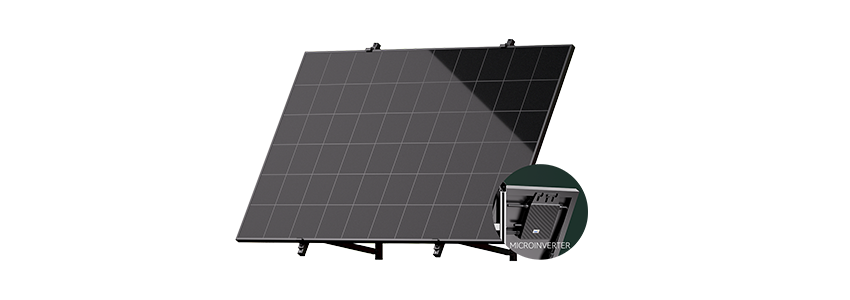
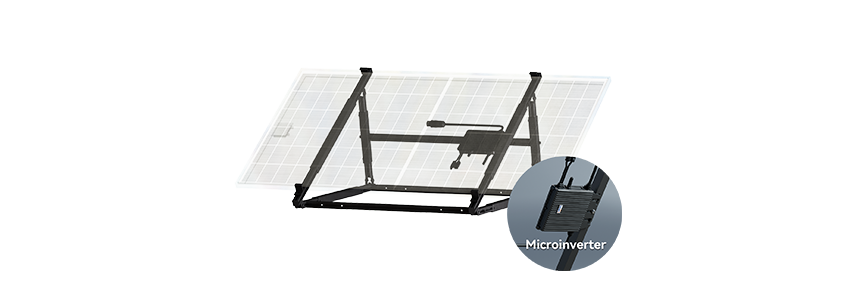
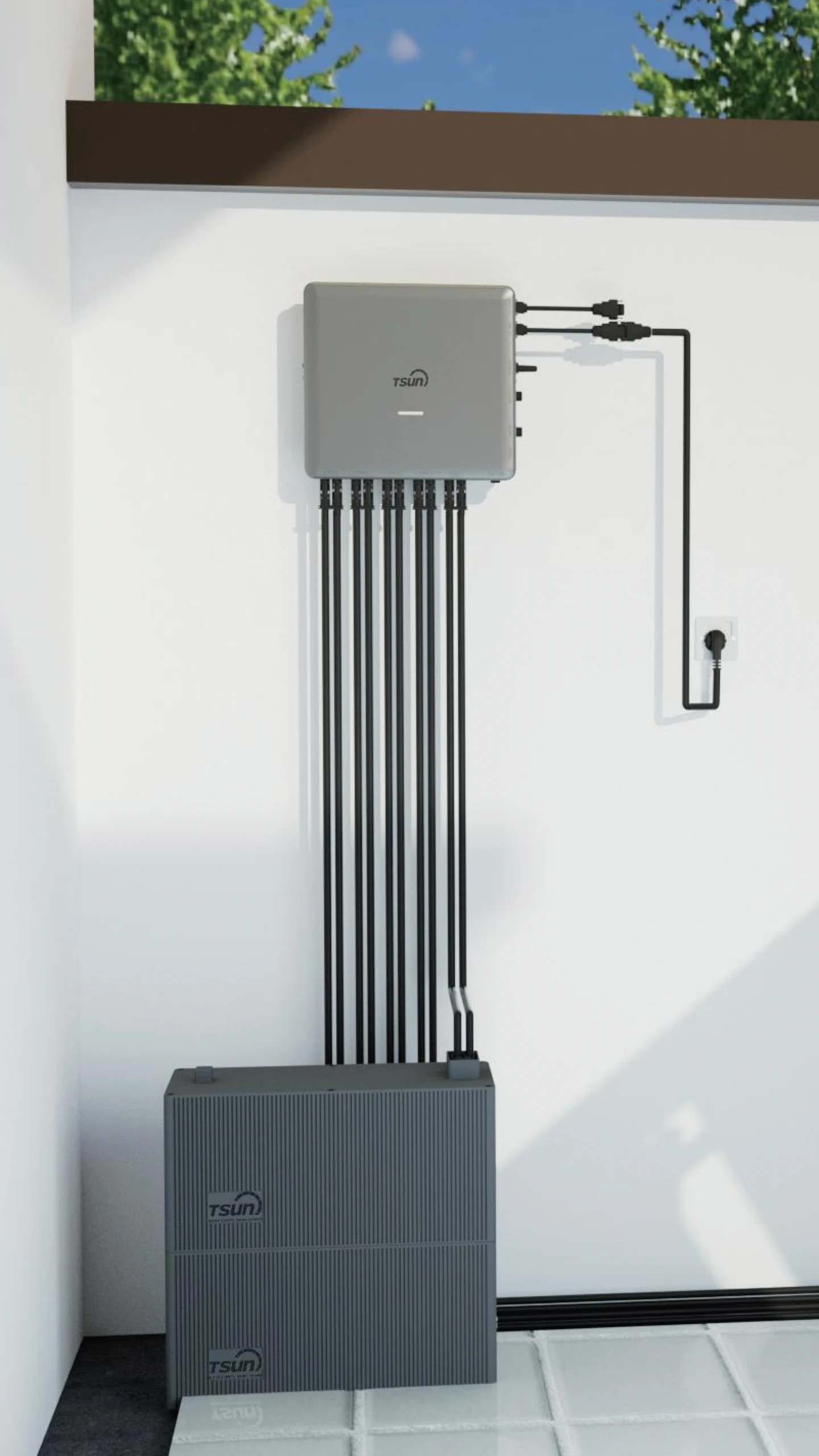
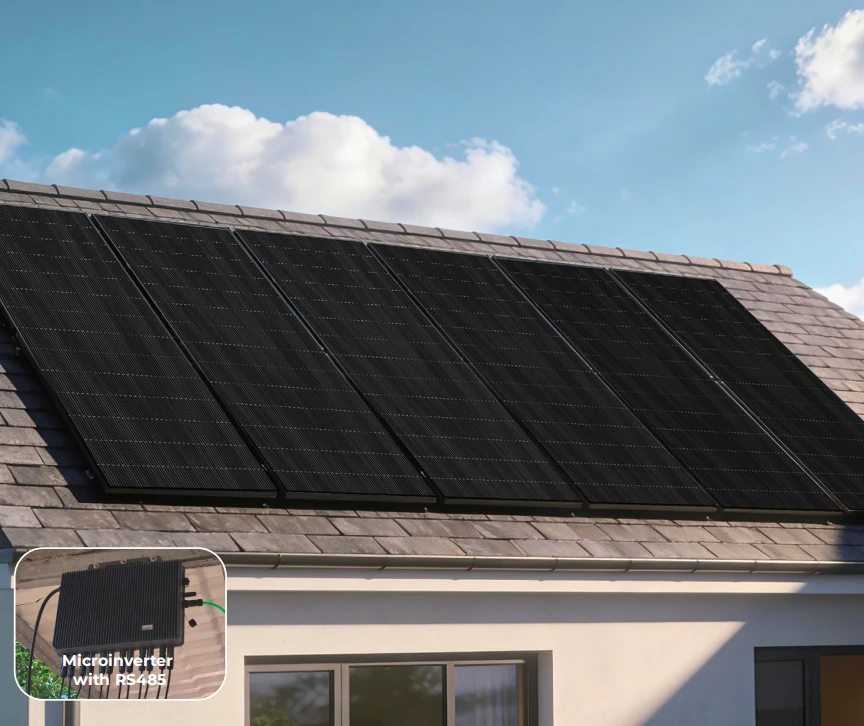
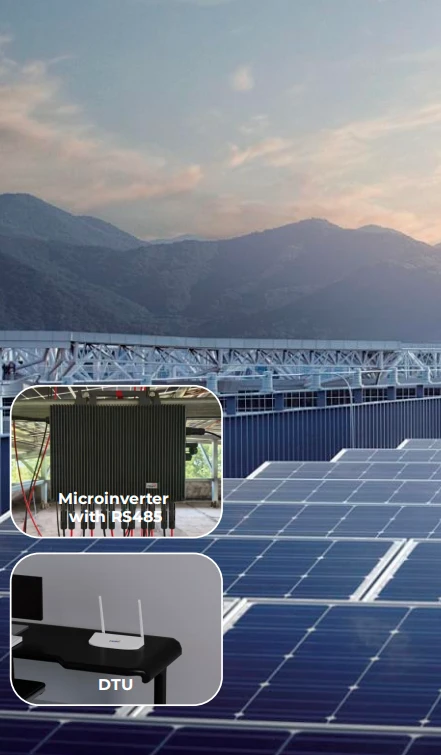
Microinverters, as you might know, are small devices attached to individual solar panels. Instead of sending direct current (DC) to a central inverter, they convert it to alternating current (AC) right there at the panel. This has some practical implications: improved efficiency, easier troubleshooting, and even enhanced safety measures. Oddly enough, though, not all microinverters are cut from the same cloth—quality varies widely, and it’s worth digging into specs and vendor reputations before making a purchase.
Speaking of specifications, here’s a rundown based on a solid product line I’ve handled a few times in my career:
| Specification |
Typical Value |
| Nominal Power Output |
250 – 350 W |
| Input Voltage Range |
22 V – 45 V DC |
| Max Efficiency |
96.5% – 97.5% |
| Operating Temperature |
-40°C to +65°C |
| Communication Protocol |
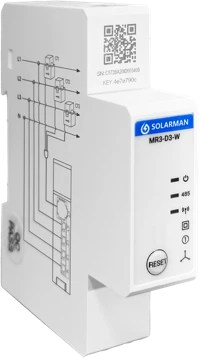
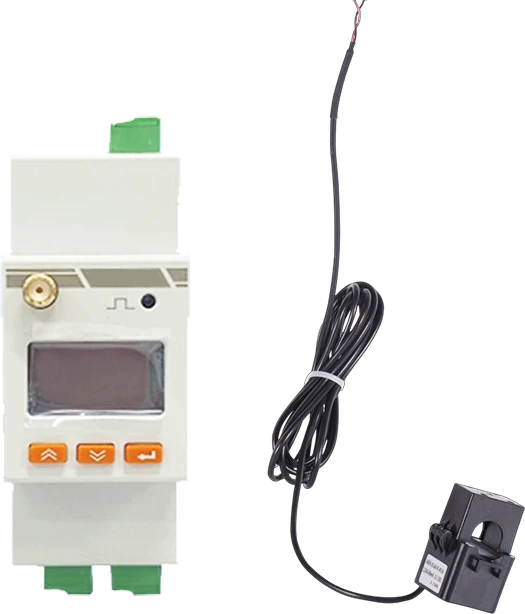
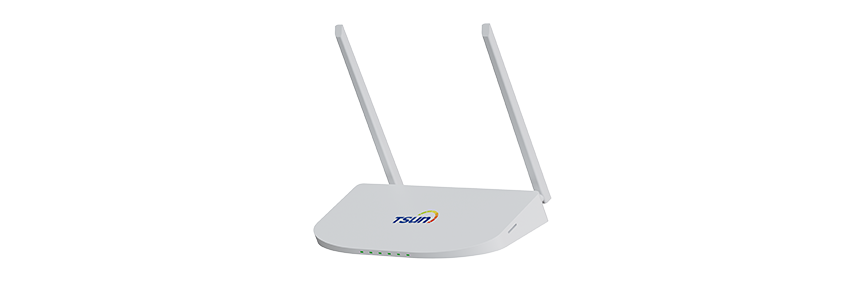
RS485 / WiFi (optional) |
| Warranty |
10 years standard |
One thing I’ve always considered critical is the testing procedures a product undergoes before shipment. The best microinverters go through rigorous thermal cycling and surge protection tests to confirm durability under harsh conditions. In cold snaps and scorching heat alike, you want equipment that won’t just survive, but perform consistently. Many engineers I spoke with emphasize how important this reliability is—no one wants to chase down intermittent failures across panels.
Of course, buying microinverters isn't just about specs. Vendor credibility also counts quite a bit, especially for long-term support and firmware upgrades. Here’s a quick head-to-head comparison among a few players I’ve researched or worked with:
| Vendor |
Warranty |
Max Efficiency |
Monitoring Options |
Price Range |
| Tsun ESS |
10 Years |
97.3% |
WiFi & RS485 |
$$$ (Mid) |
| Enphase |
25 Years |
97.0% |
Cloud Monitoring |
$$$$ (High) |
| APsystems |
10 Years |
96.7% |
WiFi |
$$ (Low) |
So, what’s my takeaway? If you’re planning on outfitting a solar system — residential or industrial — microinverters are worth considering for the flexibility and resilience they offer. I recently helped a small manufacturing facility switch to a microinverter setup after years of central inverter headaches. They told me it feels like the system finally “breathes” on its own, with less downtime and easier maintenance — that’s the kind of real-world improvement that specs alone can’t capture.
Keep in mind, though, that the best choice often depends on your unique scenario, like panel layout, shading, and budget constraints. Frankly, there’s no one-size-fits-all answer, but hopefully this gives you a firmer footing to explore microinverters for sale without getting overwhelmed.
If you’re interested, check out vendors who provide clear specs, robust warranties, and real monitoring options — those factors day-to-day make a huge difference.
Until next time, stay wired but grounded.
References:
1. “Microinverter Technology Basics,” National Renewable Energy Laboratory.
2. Corporate warranty and specification disclosures from Tsun ESS, Enphase, APsystems.
3. Personal communications with solar installation engineers, 2015–2023.




 LEARN DETAILS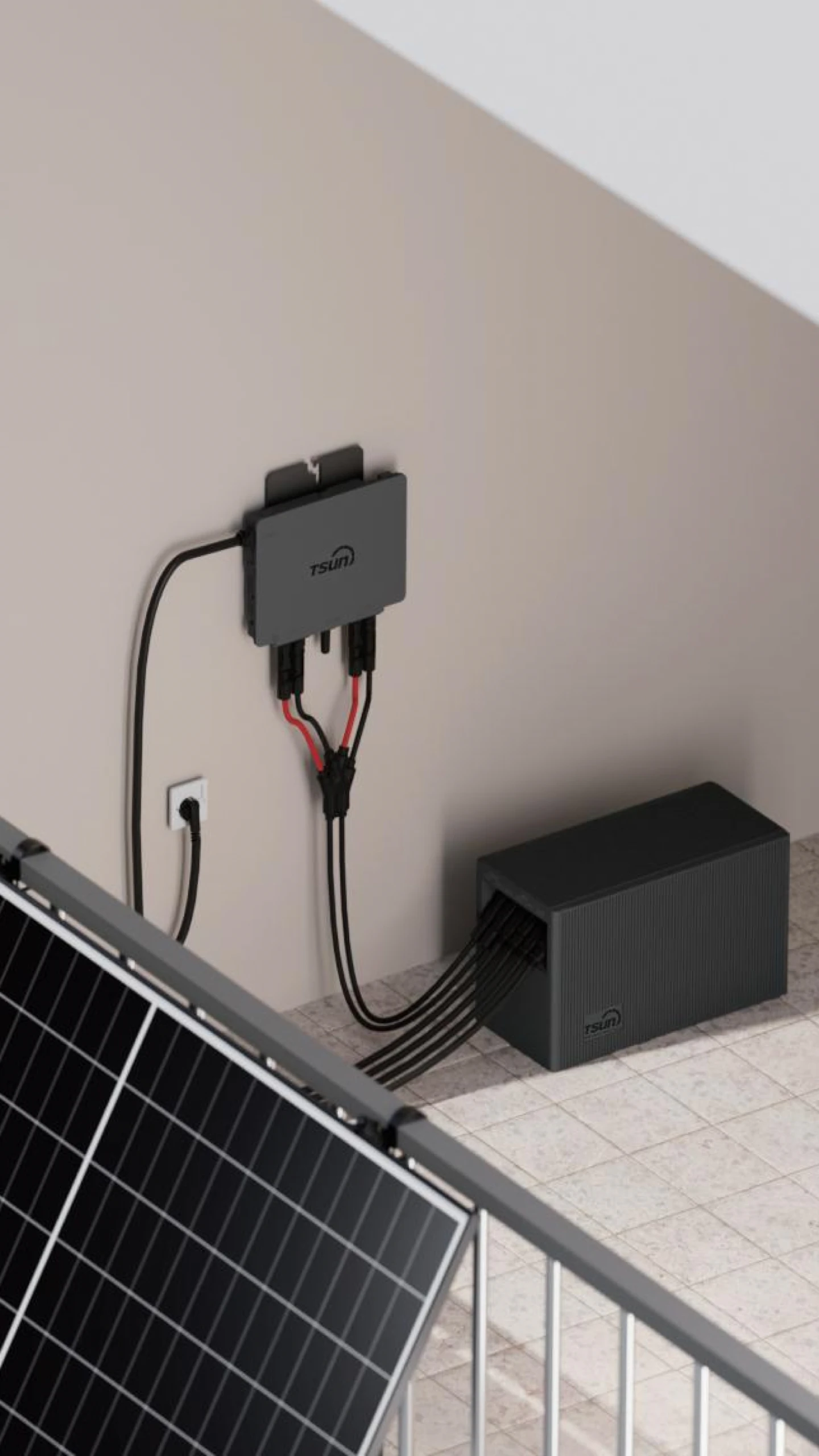
 Downloads
 Video Center
 Report Fault for Repair
 FAQS
FAQS Service Network
 Privacy Policy
 Contact Us
 Monitoring


 LEARN MORE