Photovoltaic Grid Connected Microinverter: A Veteran’s Perspective
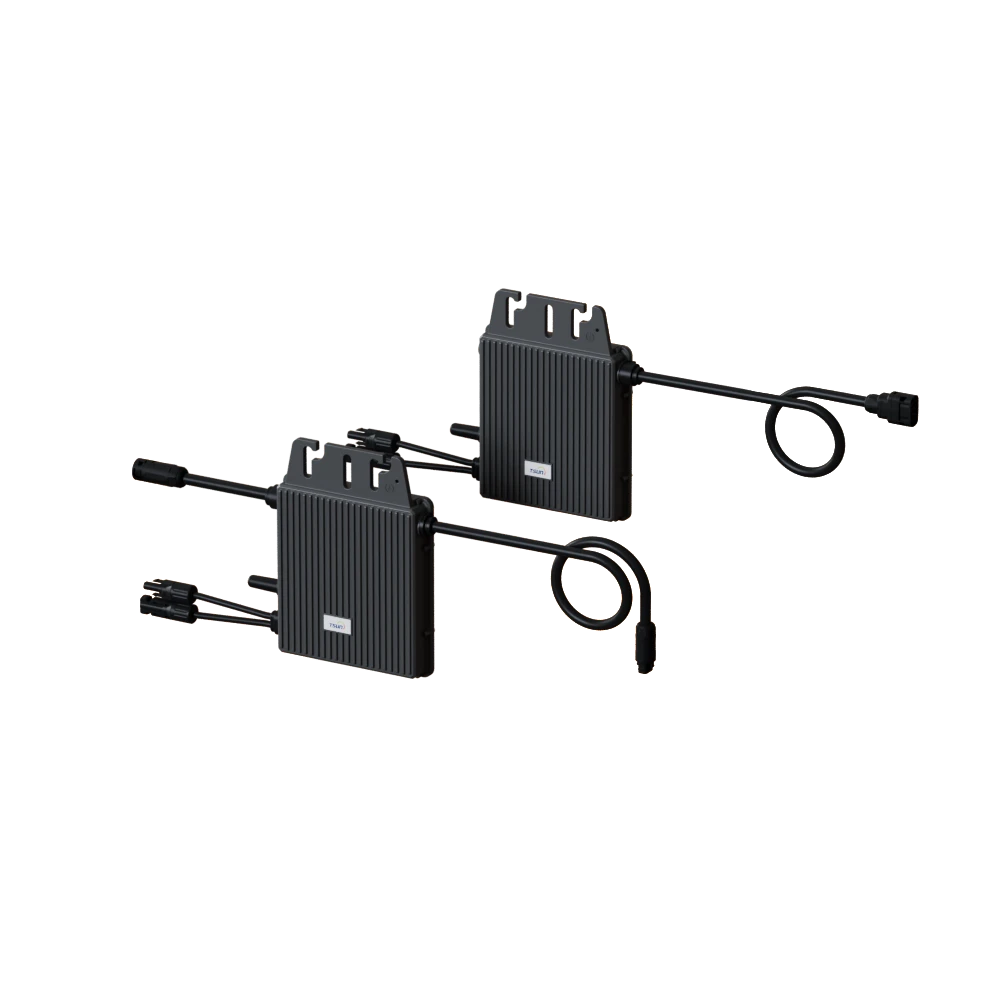
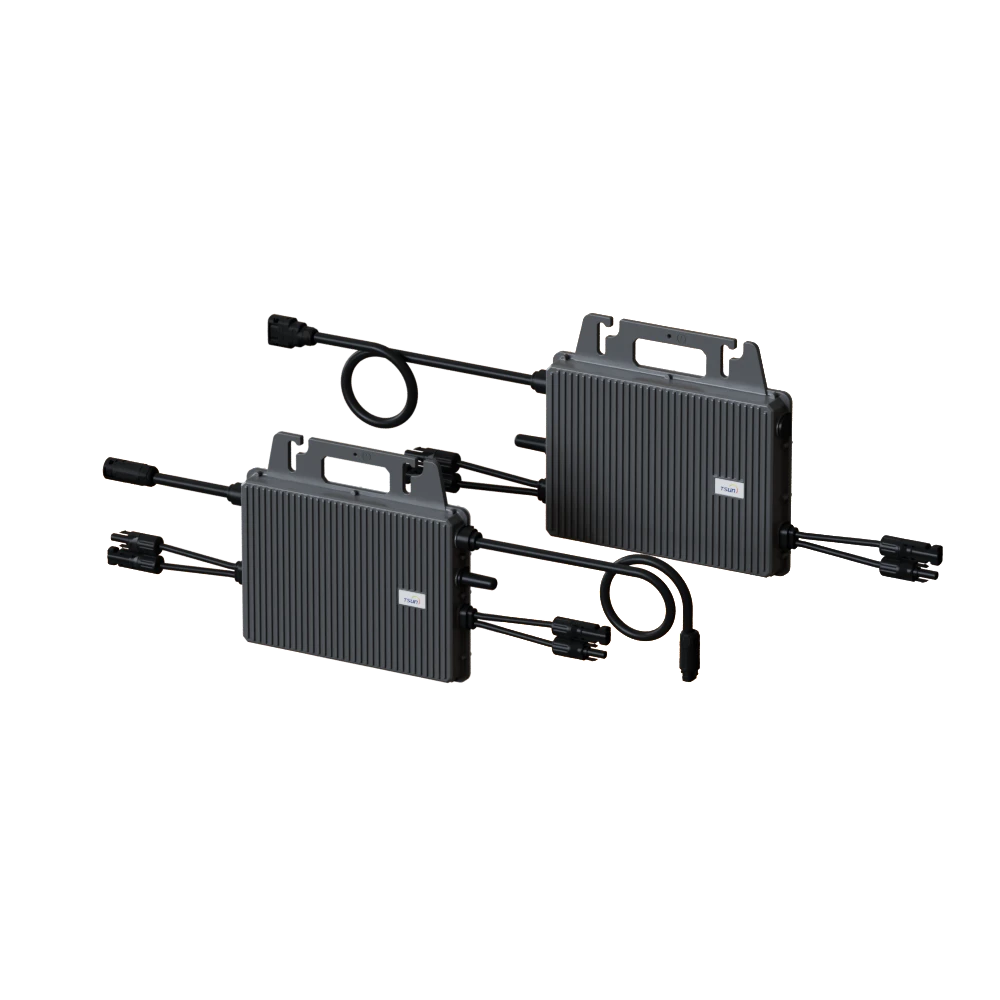
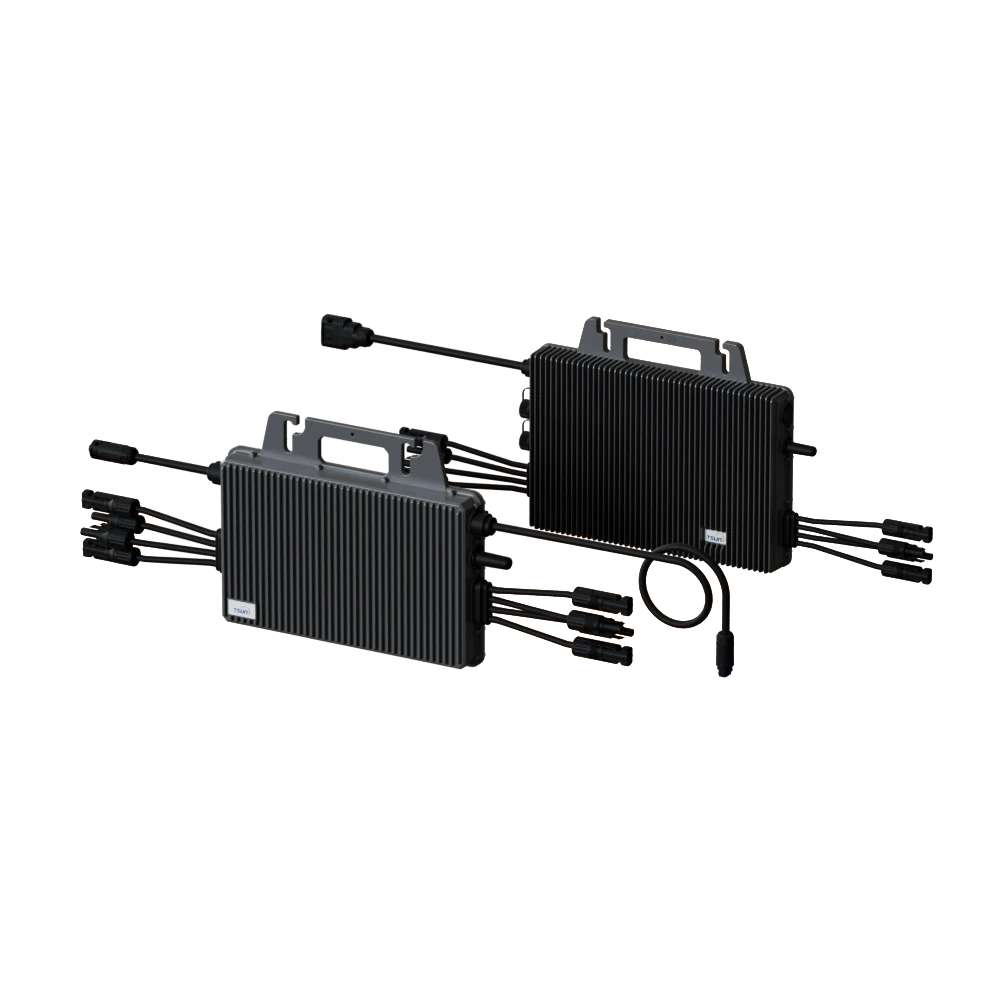
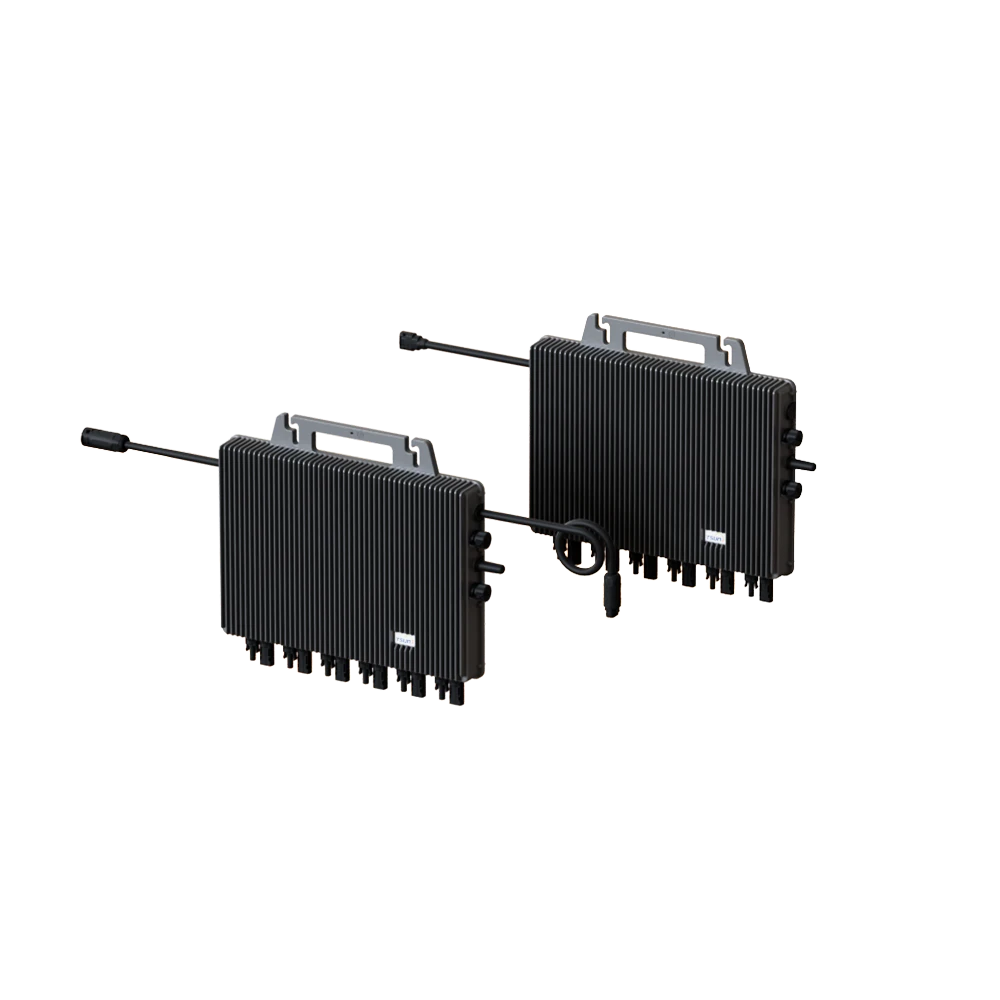
If you’ve spent even a modicum of time in the industrial equipment and renewable energy space, you probably know that photovoltaic (PV) technology keeps evolving in leaps and bounds. But the photovoltaic grid connected microinverter is one component that quietly transformed solar setups without much fanfare—yet it’s arguably one of the most critical upgrades for residential and commercial systems.
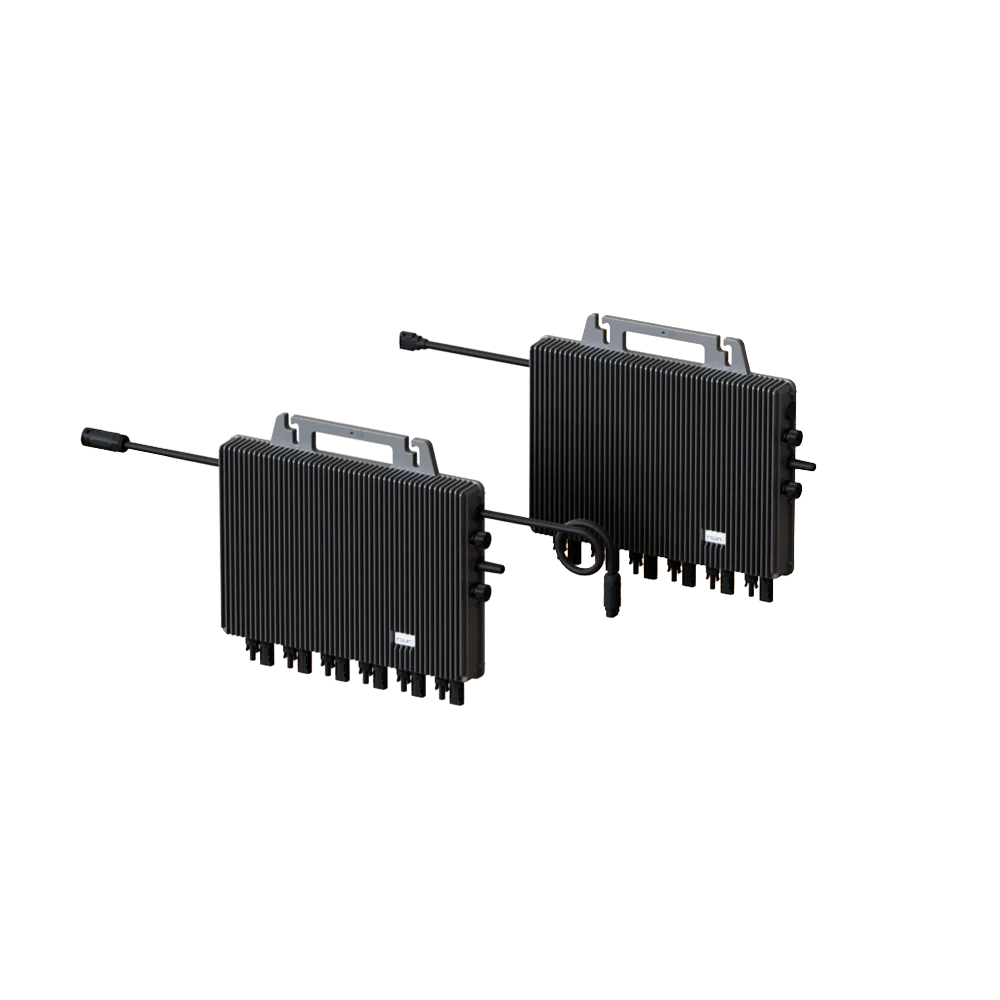
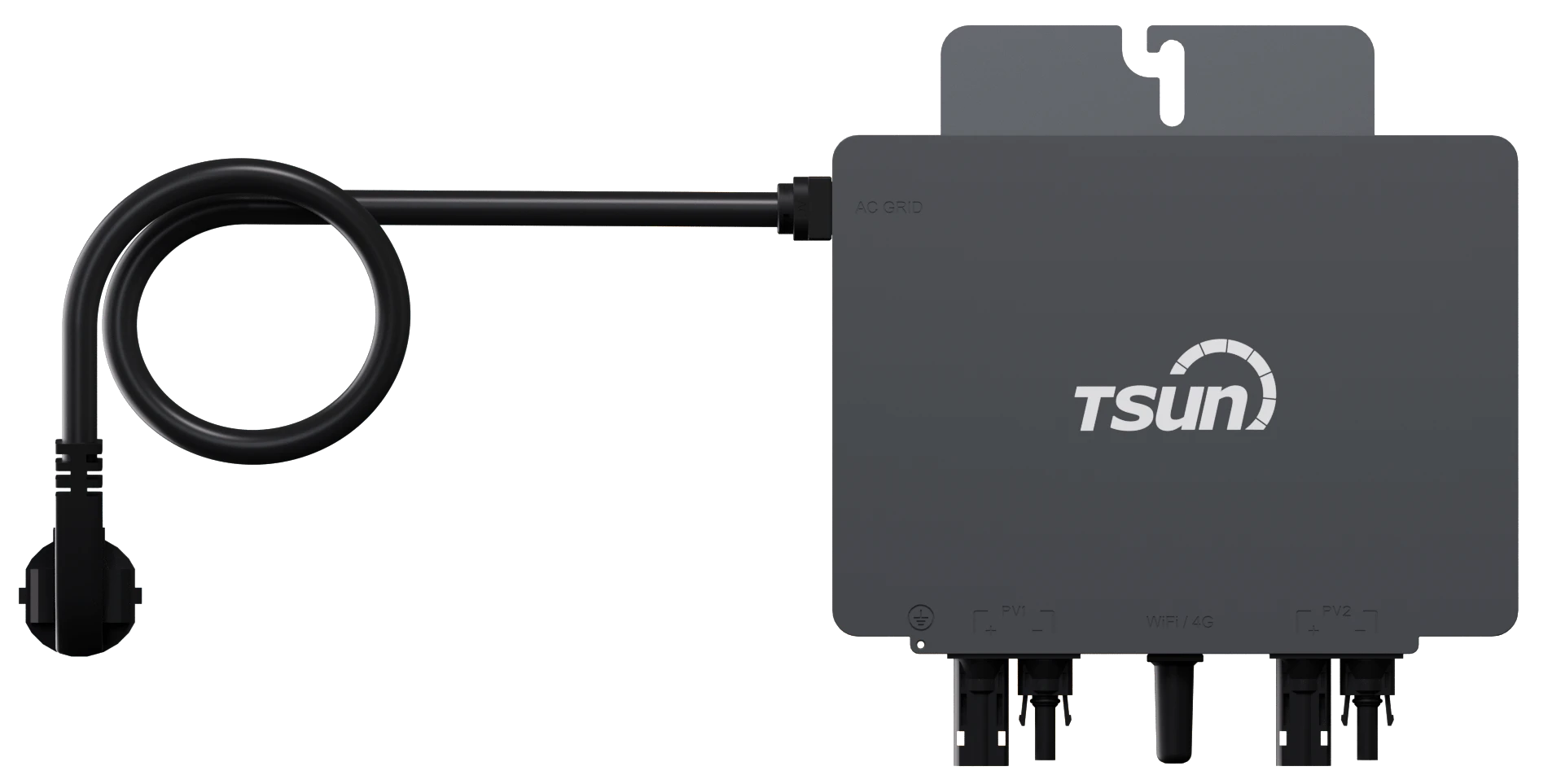
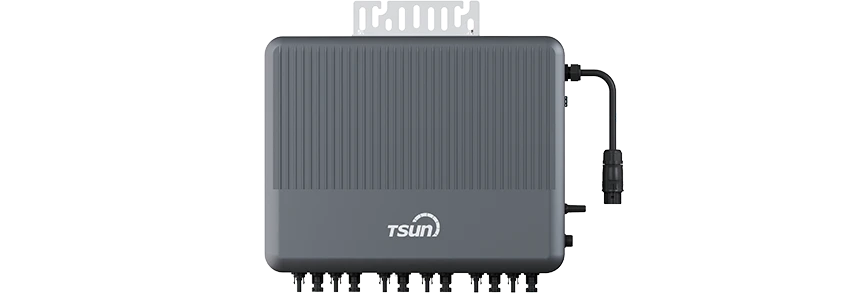
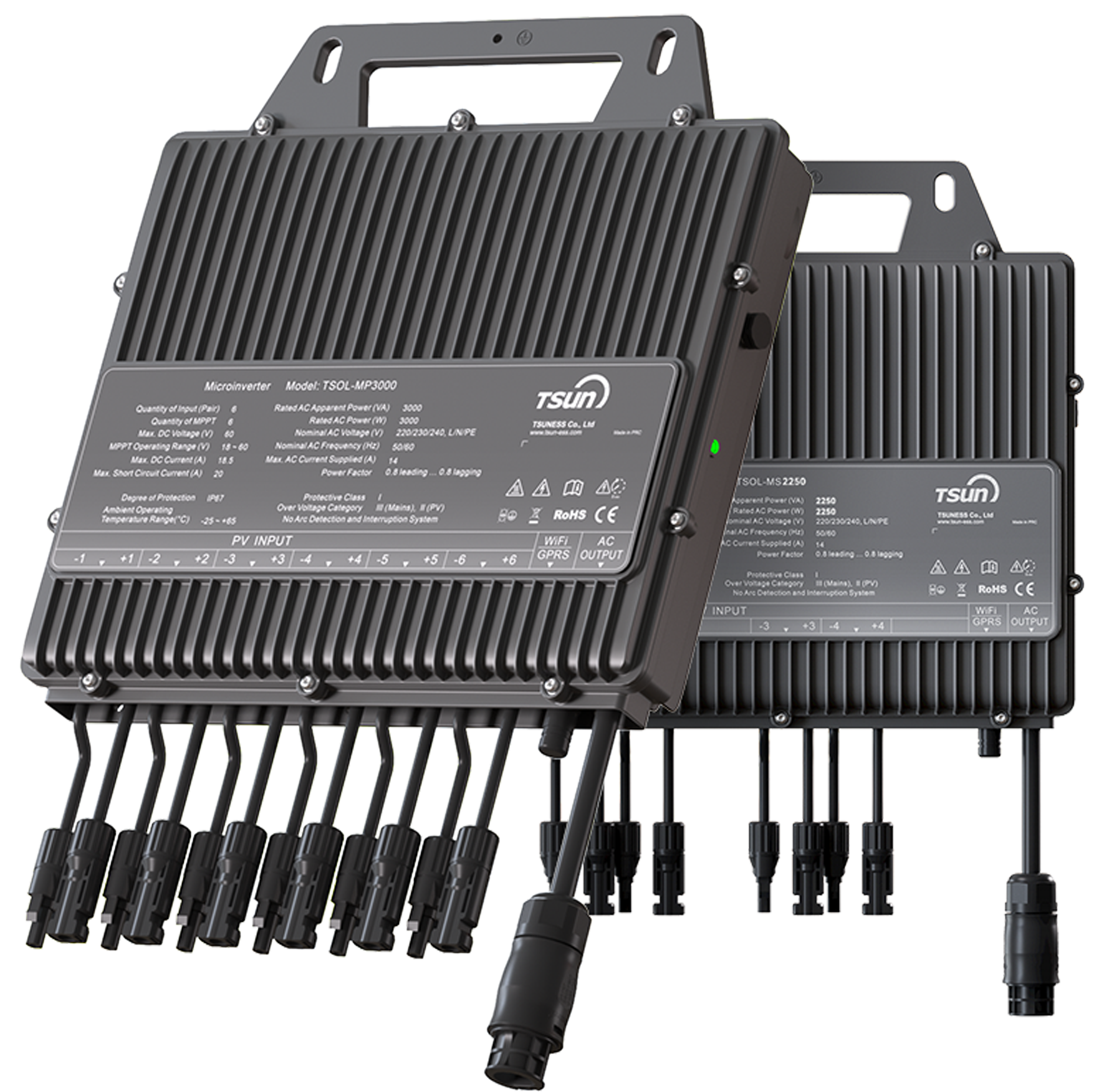
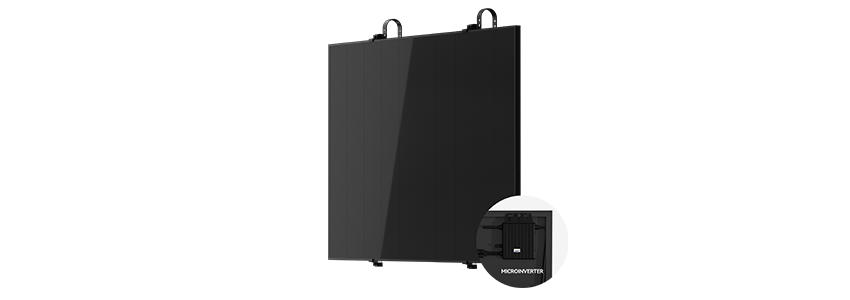
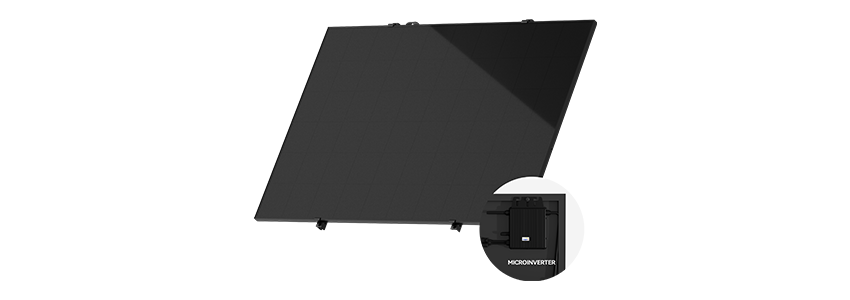
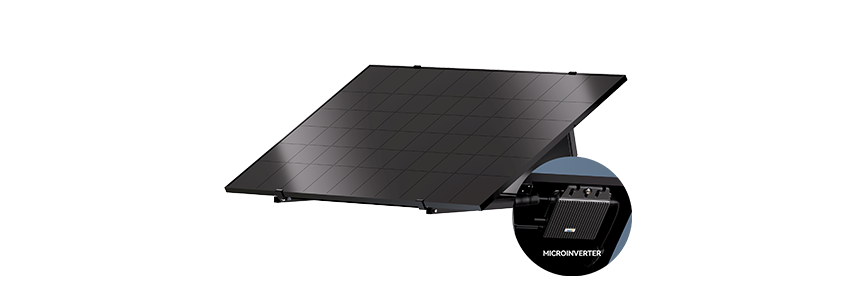
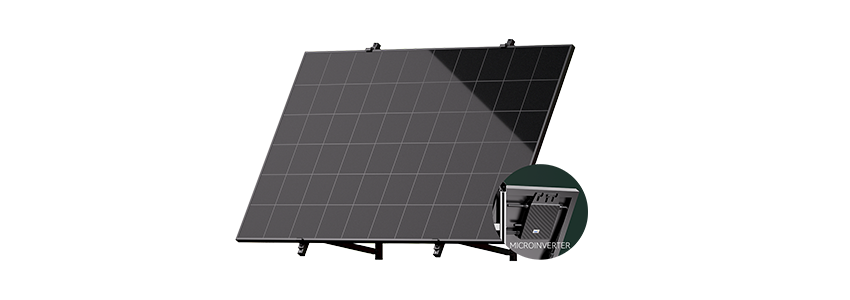
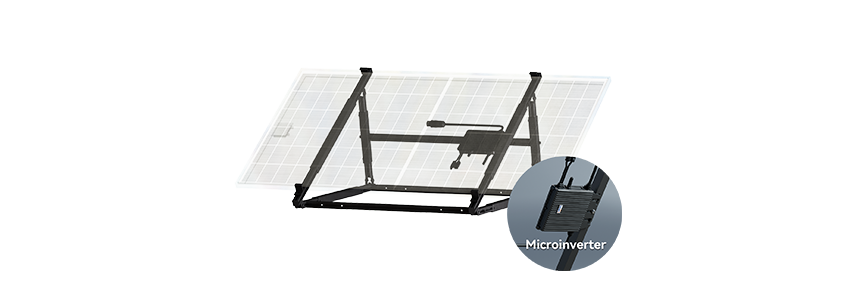
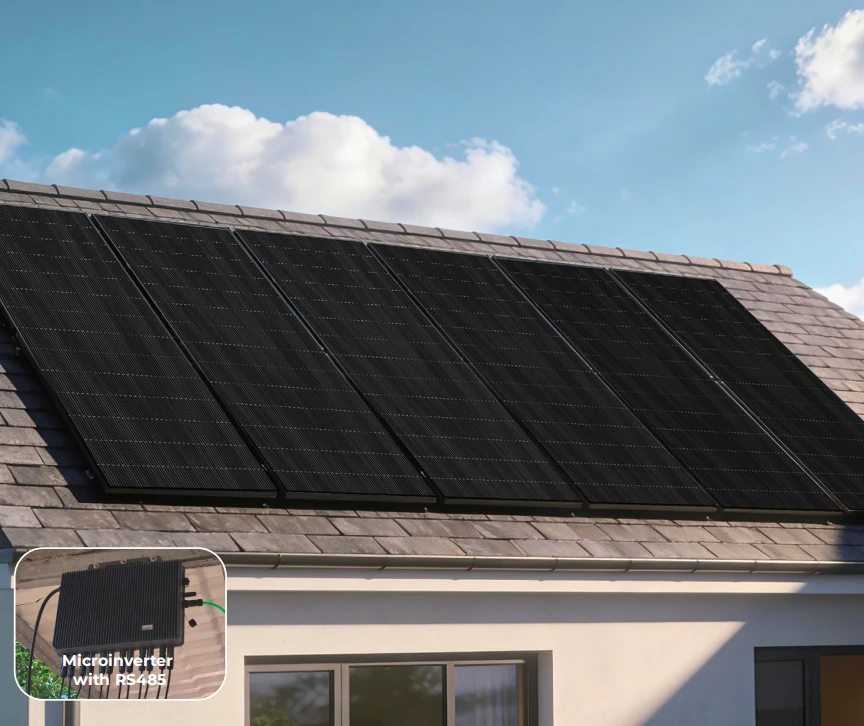
Having worked alongside engineers and installers for over a decade, I can attest that microinverters have made the micro-scale solar projects far more reliable and flexible. Back in the day, central or string inverters dominated, but they came with their own headaches: shading, mismatch losses, and complex troubleshooting. Microinverters, placed directly behind each solar panel, tackle those issues head-on. It feels like a small shift, but in real terms, it changes maintenance and monitoring dynamically.
One of my first encounters with grid connected microinverters was on a rooftop retrofit project in California. Our team was struggling to optimize power output amid partial shading. The tech initially seemed delicate—lightweight, compact, encased in anodized aluminum, which you’d think wouldn’t last the harsh outdoor environment. Oddly enough, these things are robust. After rigorous IEC tests for temperature swings and humidity, they survived blistering heat and coastal salt air with barely a hiccup.
Typical Photovoltaic Grid Connected Microinverter Specs
| Parameter |
Value |
| Max AC Output Power |
300 W – 350 W |
| Nominal AC Voltage |
208 / 240 VAC |
| Efficiency (EURO/CEC) |
95–97% |
| Operating Temperature |
-40° C to +65° C |
| Communication Interface |
Powerline or ZigBee |
| Warranty |
10 – 15 years |
From a materials standpoint, these inverters use highly durable encapsulation techniques—sometimes with weather-resistant polymer coatings and aerospace-grade thermal management. The “tiny transformerless” design reduces weight but improves heat dissipation. Honestly, it feels kind of futuristic compared to the clunky boxes we installed a decade ago.
Now, customization is fascinating here. Many vendors provide scalable solutions that engineers can tailor per project. This means you can mix and match microinverters with different modules, adapt communication protocols, and even analyze performance remotely, panel by panel. If you ask me, it's a game-changer for maintenance teams who want to nip issues before they turn into outages.
Speaking of vendors, here’s a straightforward comparison for some of the industry’s leading microinverter brands:
Vendor Comparison of Photovoltaic Grid Connected Microinverters
| Vendor |
Max Power (W) |
Efficiency (%) |
Warranty (Years) |
Communication |
| Tsun ESS |
350 |
97 |
15 |
Powerline |
| Enphase |
320 |
96.5 |
10 |
ZigBee |
| APSystems |
300 |
95.8 |
10 |
Powerline |
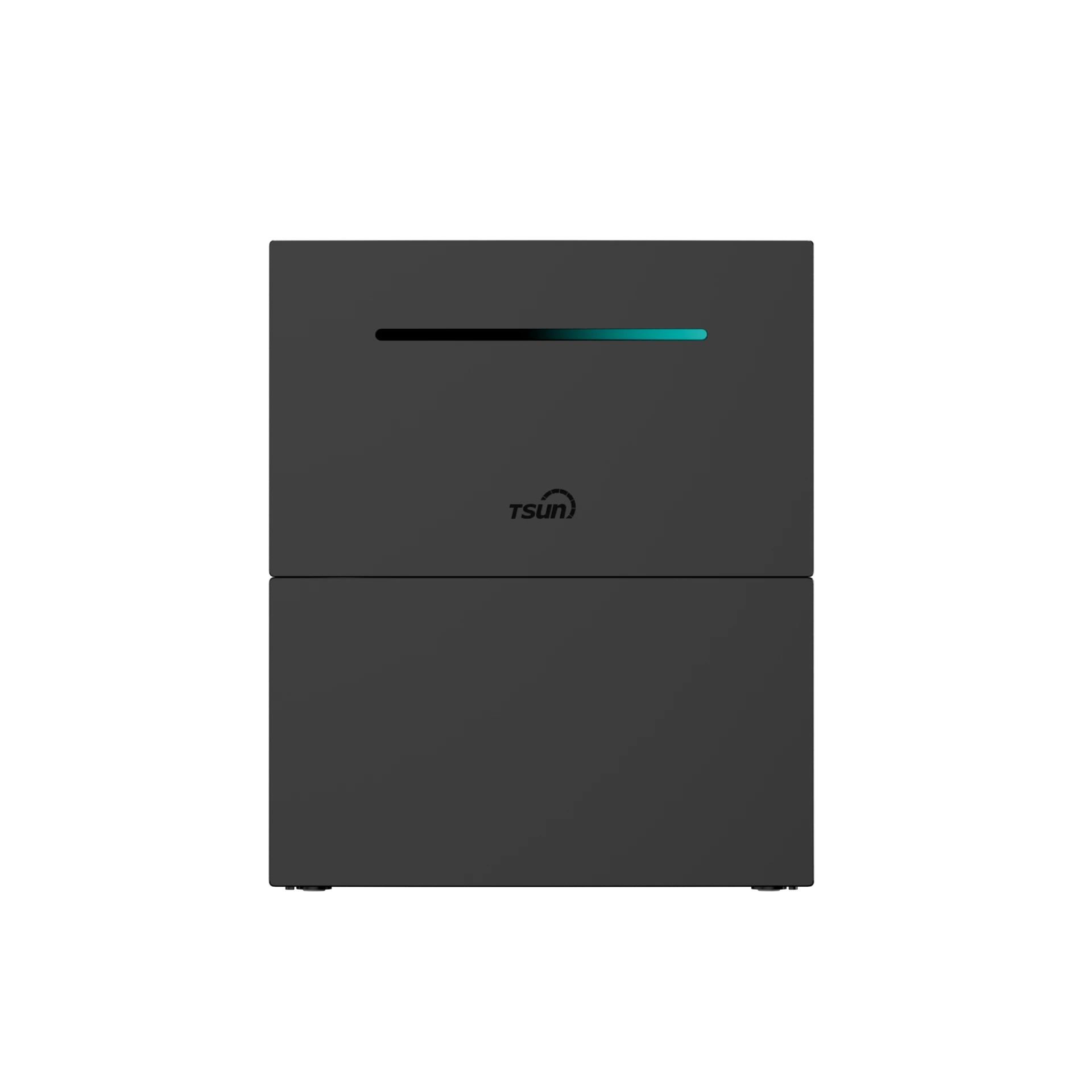
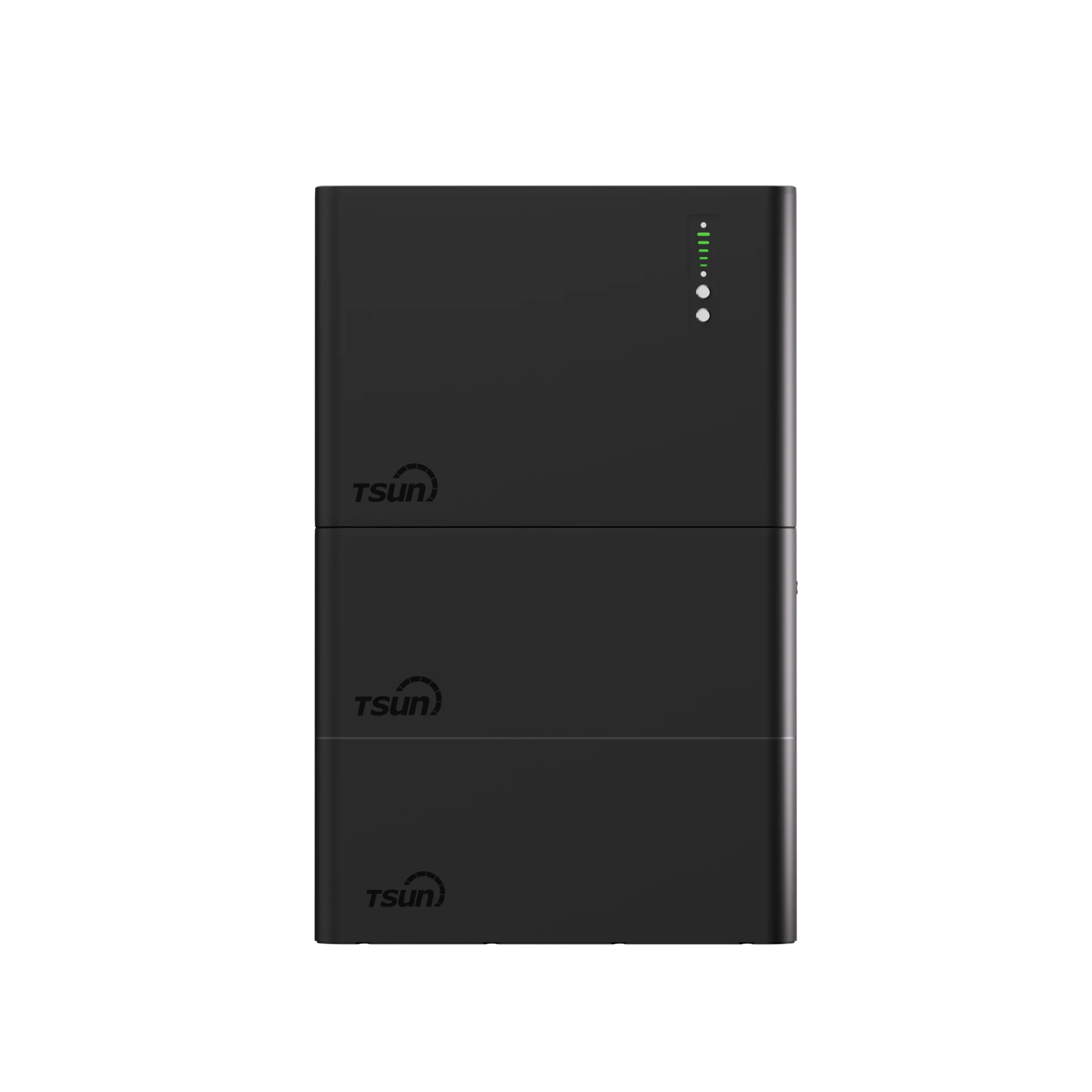
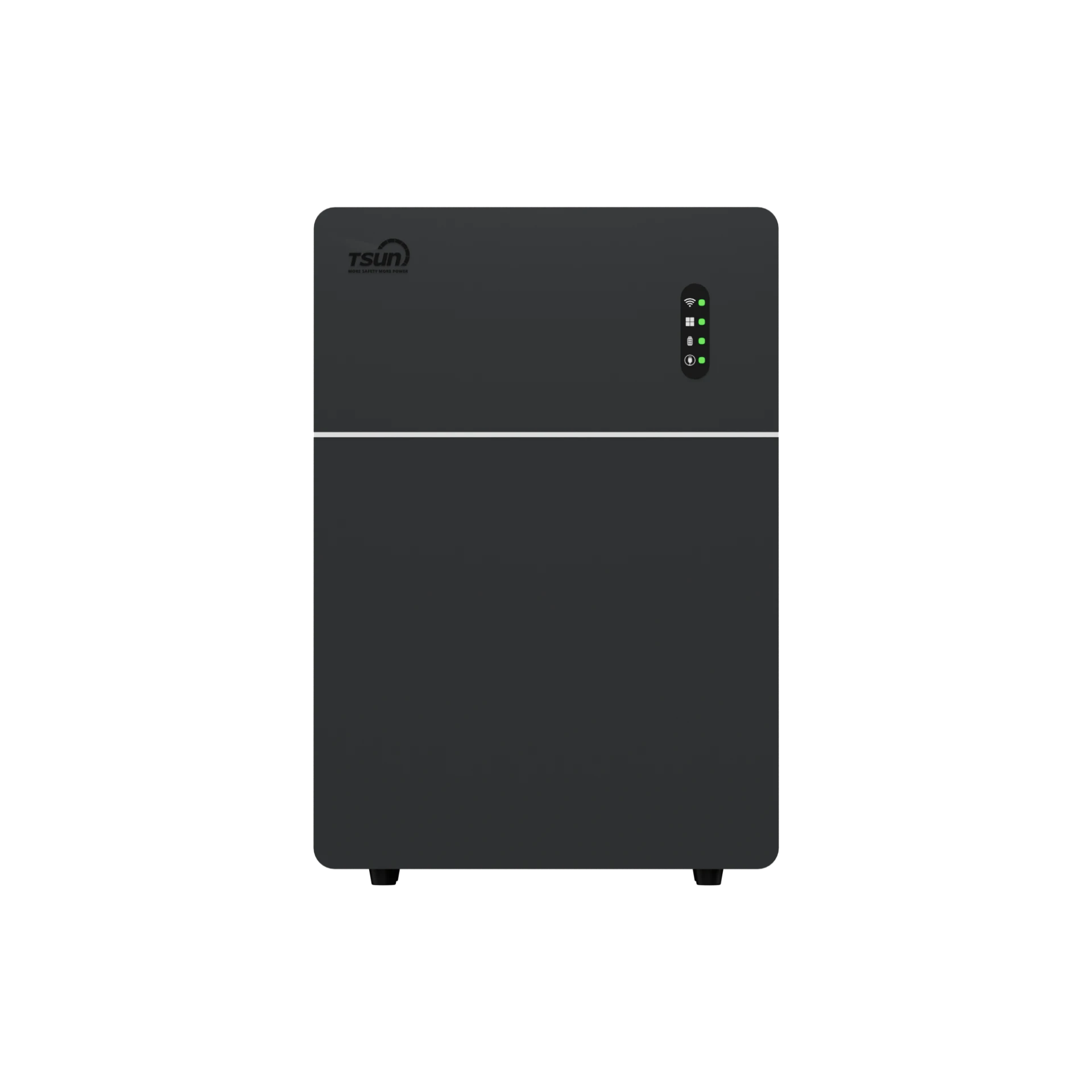
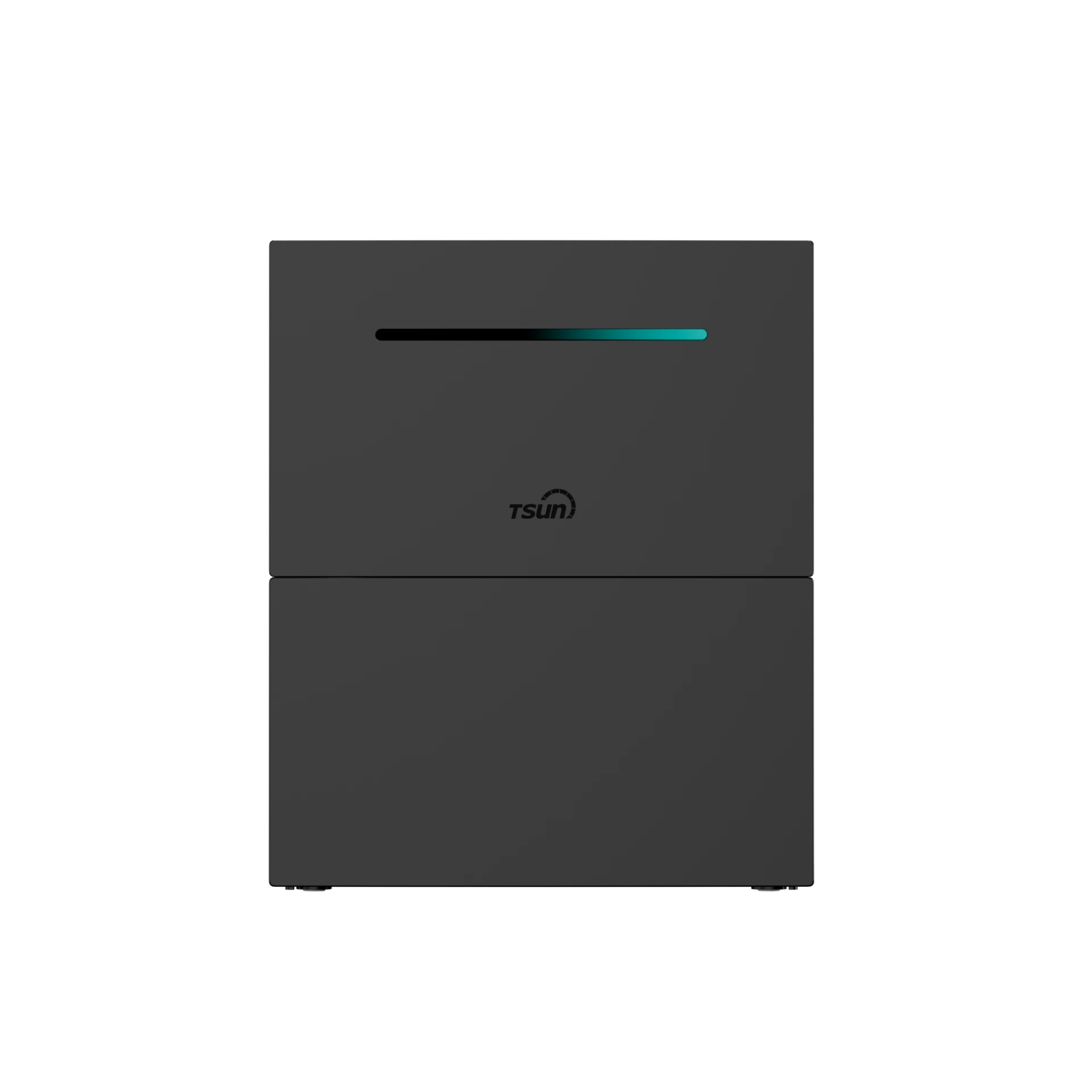
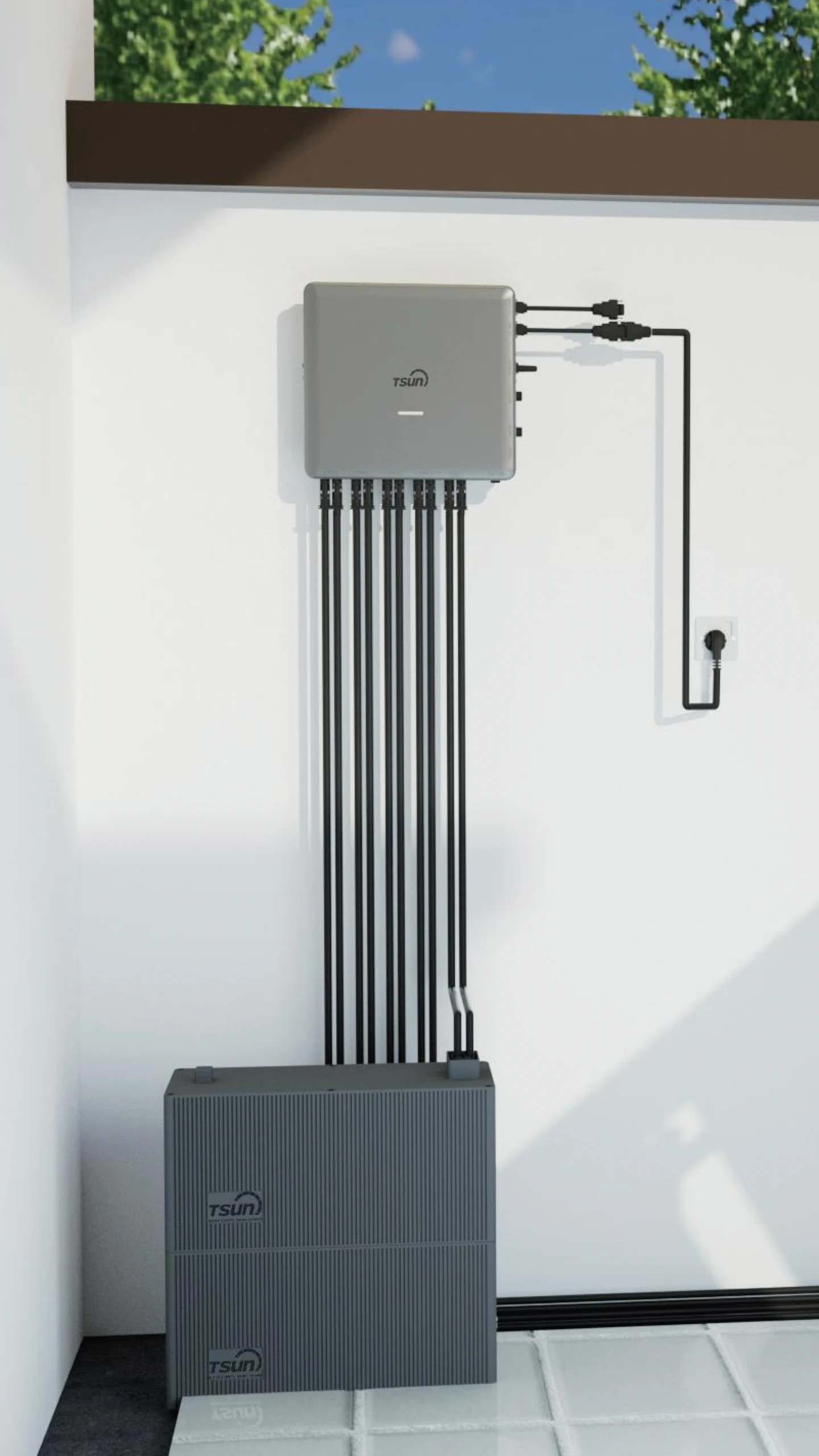
From what I've seen, Tsun ESS's microinverters pack the punch of high efficiency and long warranty, which frankly makes a big difference in an industry where downtime costs money. Not to mention, their powerline communication technology simplifies networking over older, more complicated wireless protocols.
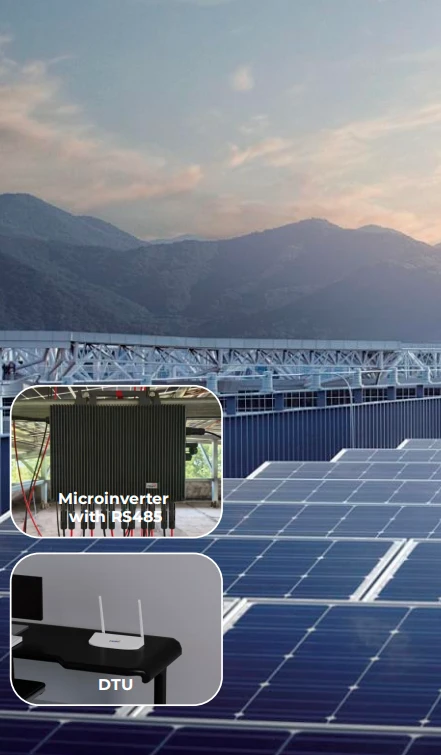
One project I recall involved retrofitting a commercial rooftop array where shading from HVAC units was inevitable. Switching to microinverters cleared up a 15% power loss issue and simplified monitoring tremendously. The client noted fewer maintenance visits and better energy yield over the year.
Summing it up, the photovoltaic grid connected microinverter feels like a subtle but vital evolution in solar tech. It embodies modular reliability, user-friendly monitoring, and the durability demanded by industry pros. While not a flashy topic at conferences, it’s the sort of tech that quietly earns respect in the field.
So next time you hear "microinverter," remember it’s more than just an electrical box—it's one piece in the big puzzle of sustainable power that works smarter at the panel level.
— From a solar installer who’s seen the grid connected microinverter grow from niche to norm over the years.
References:
1. IEC 61000 Testing Standards for Microinverters
2. “Microinverter advantages in PV systems,” Renewable Energy Journal, 2022
3. Tsun ESS Product Brochure, 2024





 LEARN DETAILS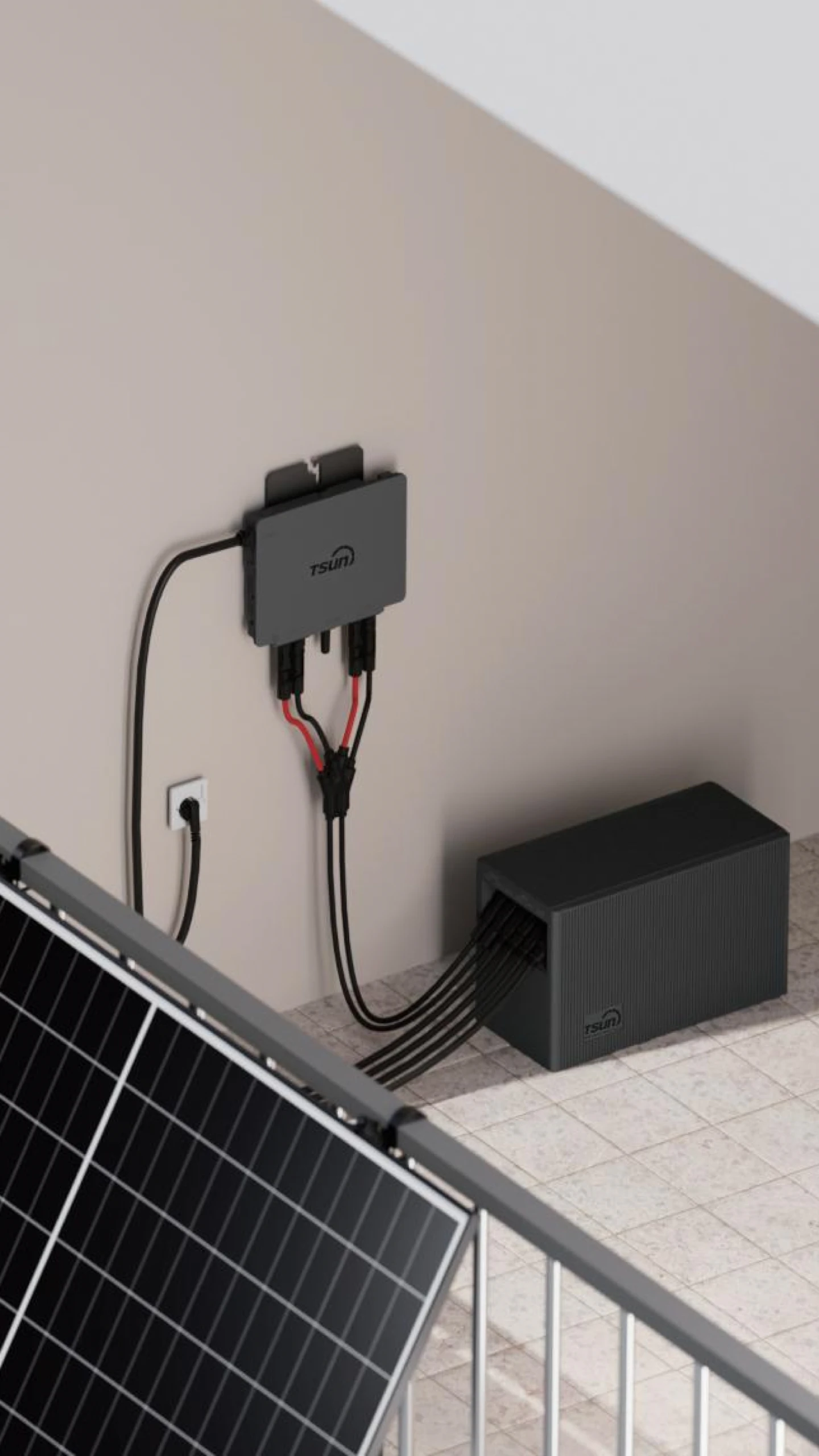
 Downloads
 Video Center
 Report Fault for Repair
 FAQS
FAQS Service Network
 Privacy Policy
 Contact Us
 Monitoring


 LEARN MORE