The Rising Importance of the 400w Solar Panel with Microinverter
In today’s fast-evolving energy landscape, the 400w solar panel with microinverter has become a quiet game-changer. If you’ve dabbled even a bit into solar tech, you know the puzzle pieces: solar panels, inverters, and the sheer need for efficient, reliable renewable energy worldwide. What this combination promises—especially with the 400-watt class—feels almost like a sweet spot between performance, affordability, and ease of use.
But why is this pairing crucial beyond just counting kilowatts? Well, the world is scrambling to hit ambitious climate goals, many backed by the United Nations and global climate accords. With remote communities, disaster relief efforts, and industries eyeing sustainable power solutions, understanding these technologies is more than nerd talk—it’s about sustainable progress on a global scale.
Global Perspectives: Why 400w Solar Panels with Microinverters Matter
According to the UN, renewable energy investment surpassed USD 500 billion in recent years, largely fueled by solar power. Yet, solar’s effectiveness often hinges on optimizing every watt and minimizing losses. Here is where microinverters step in. A traditional solar setup uses a single inverter to process the output of a whole array, which can lead to “weakest link” issues—shading on one panel can drag down the entire string’s performance.
That’s a problem when you’re talking about regions with inconsistent sunlight or urban environments cluttered with obstacles. Enter the microinverter paired one-to-one with solar panels—each panel operates independently, reducing energy loss and improving resilience. The 400w panels are hefty enough to deliver meaningful power, yet manageable for scaling solar systems in homes, businesses, or remote setups.
What Exactly Is a 400w Solar Panel with Microinverter?
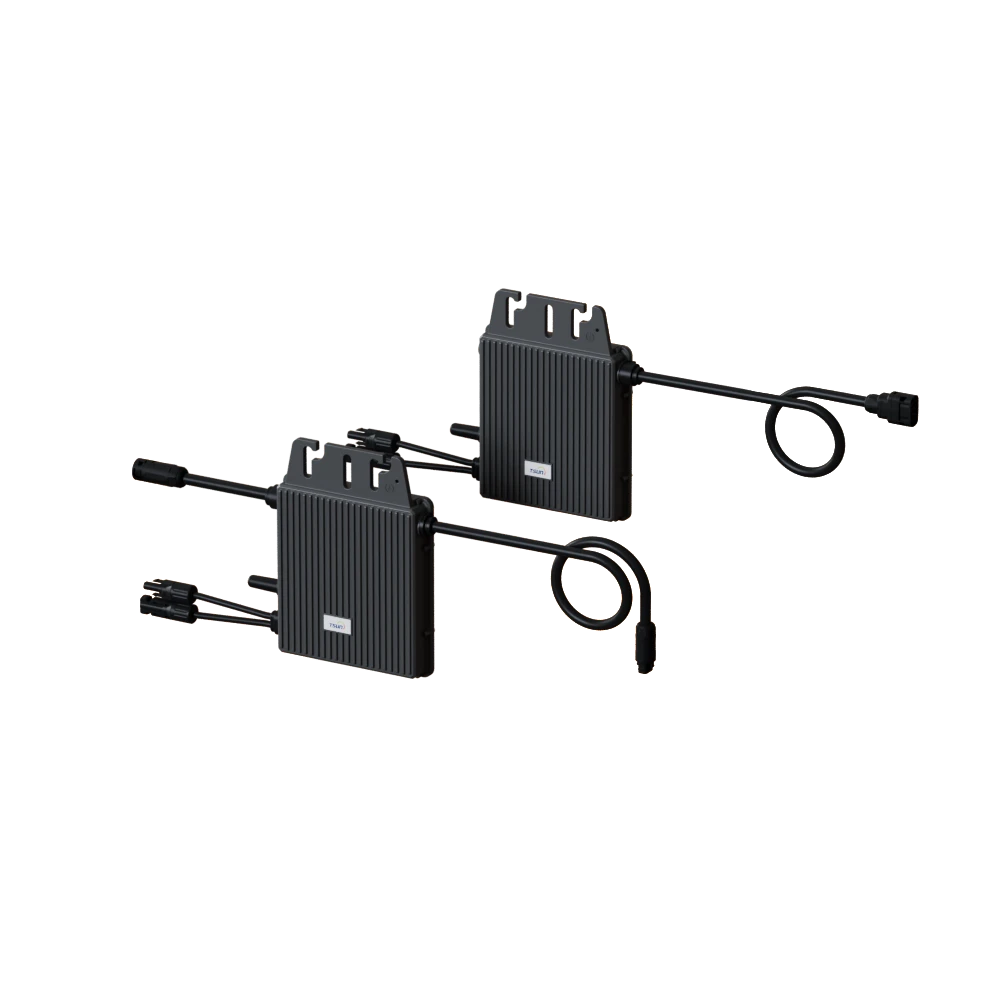
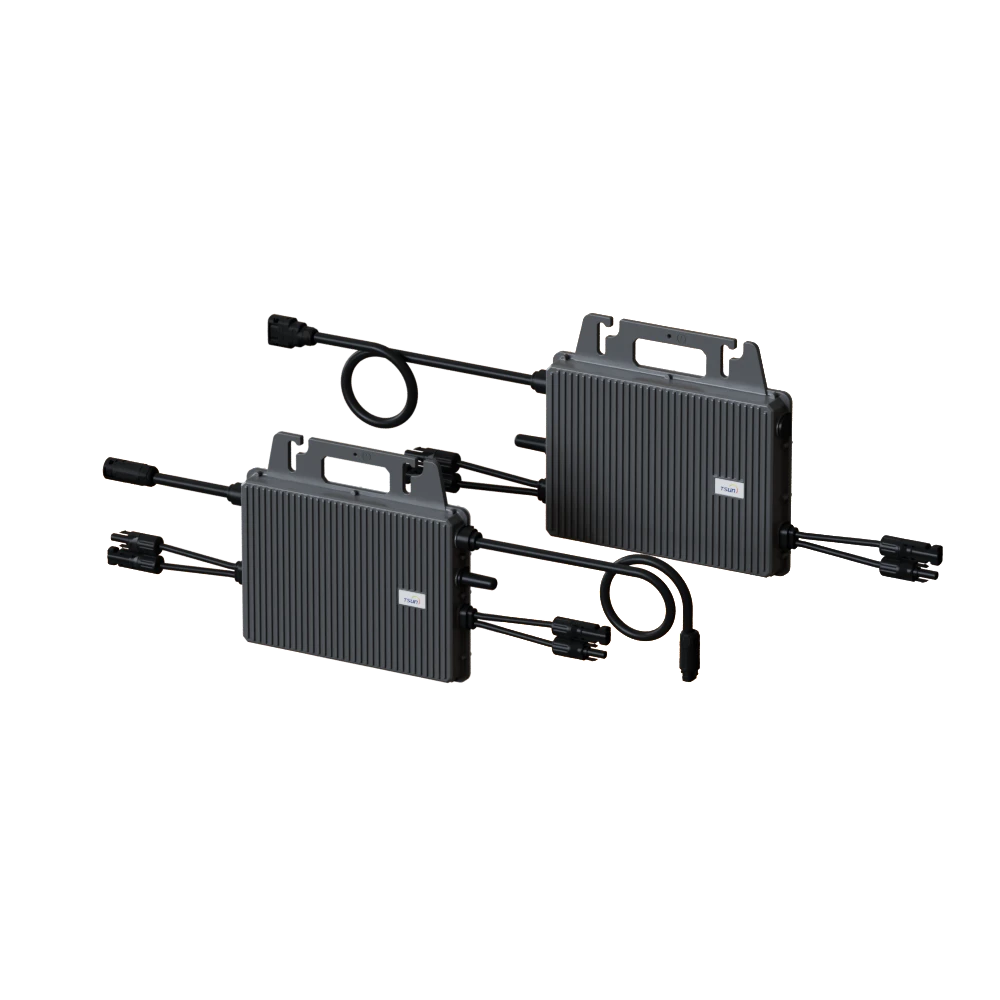
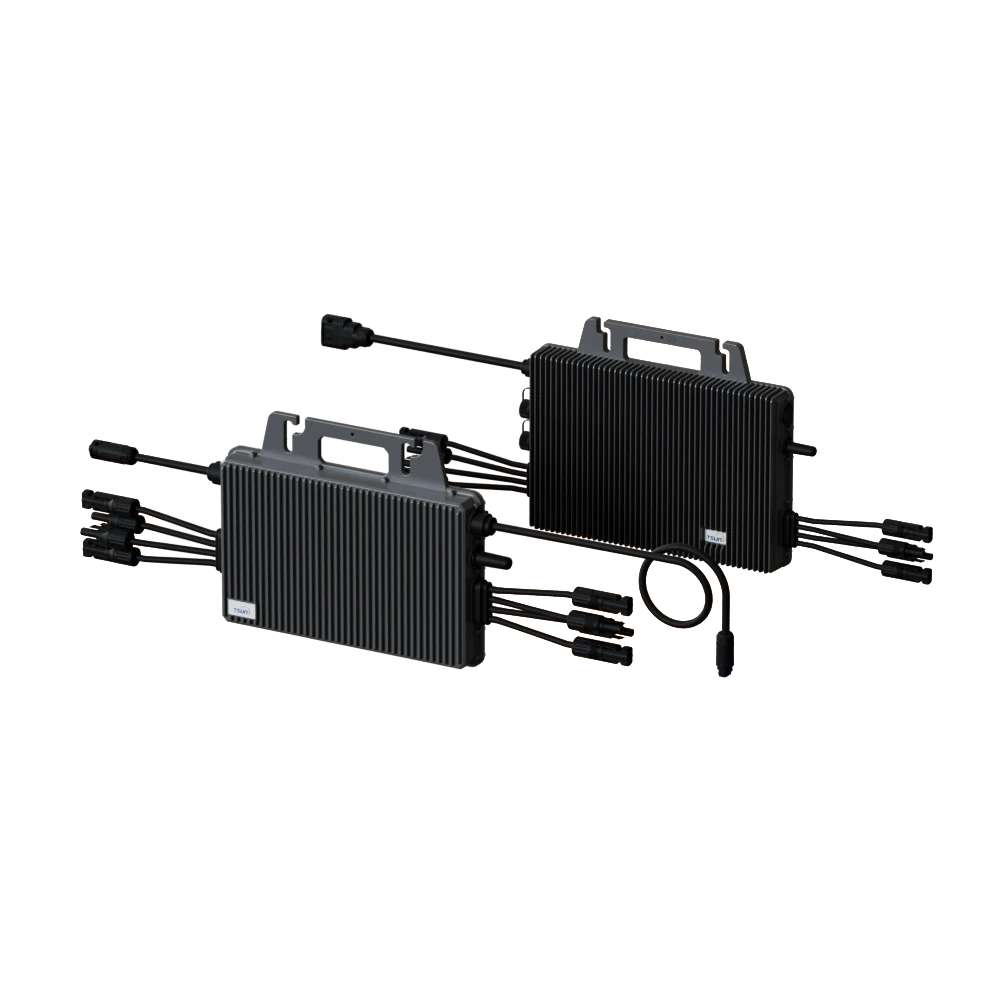
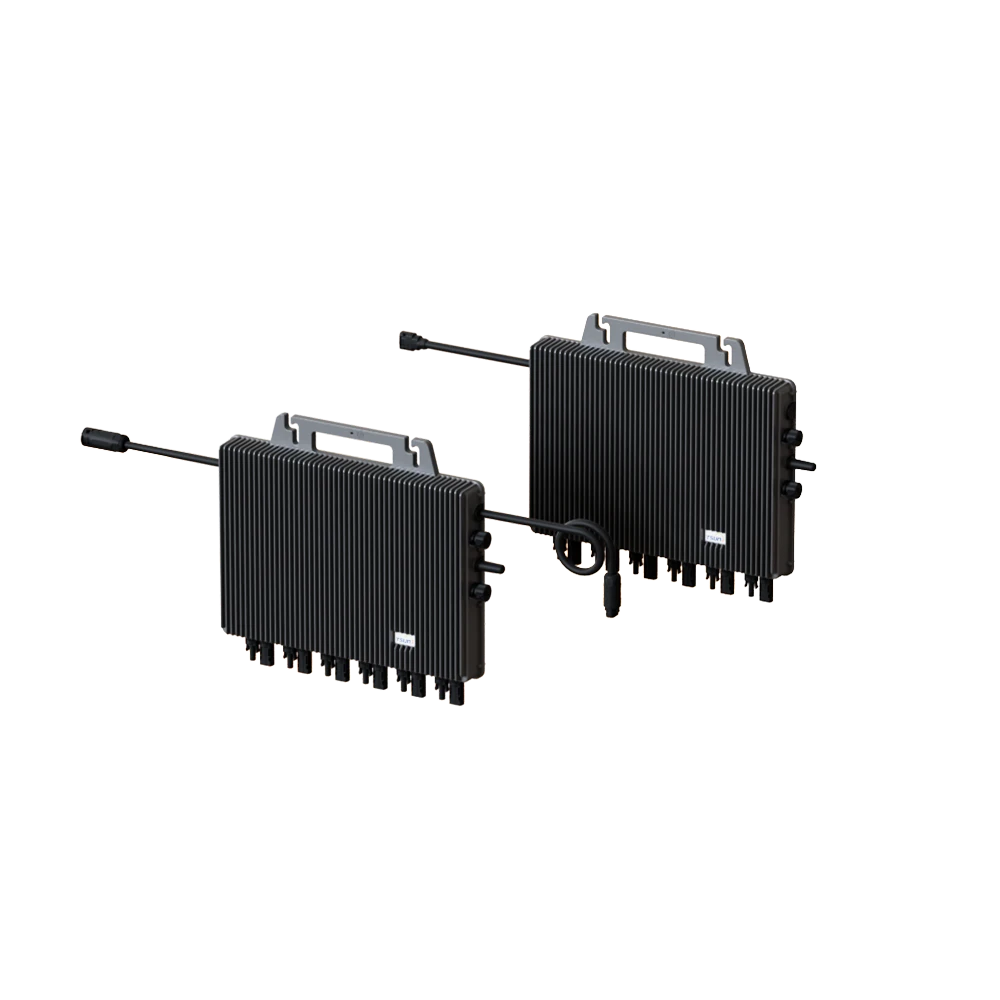
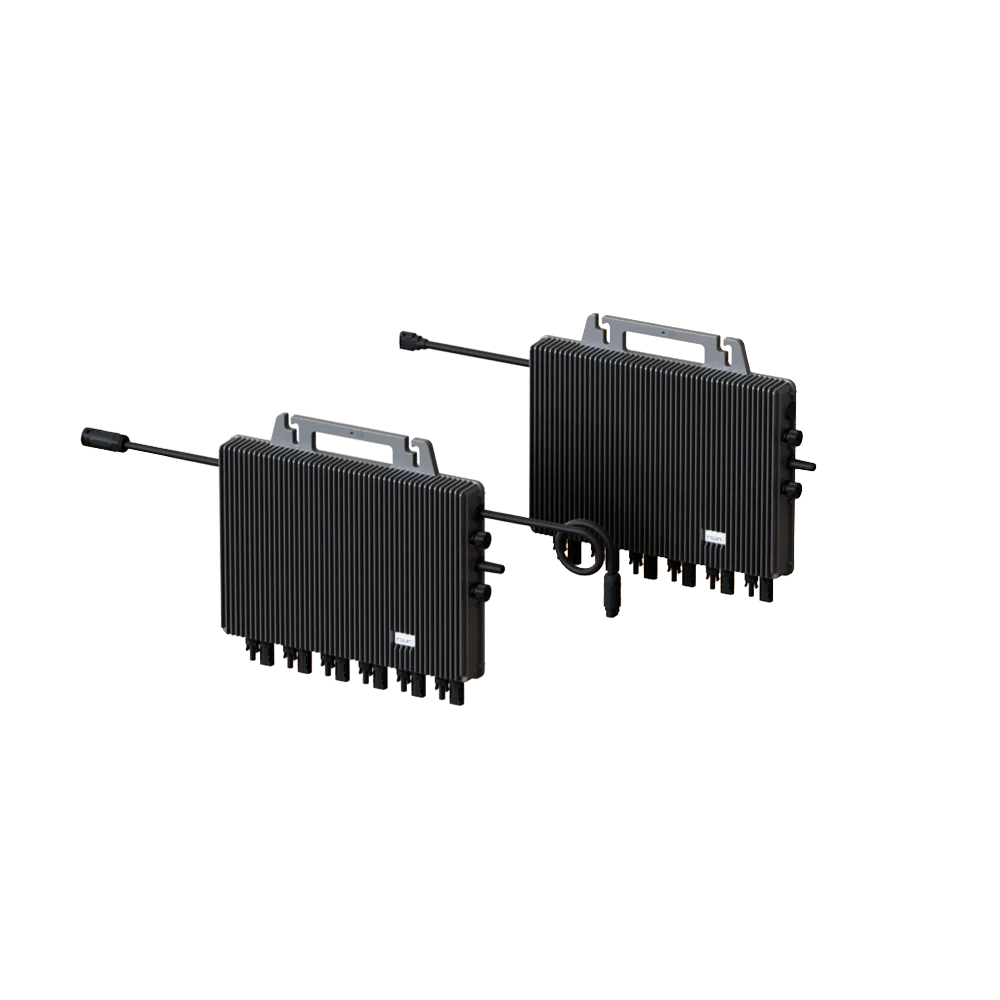
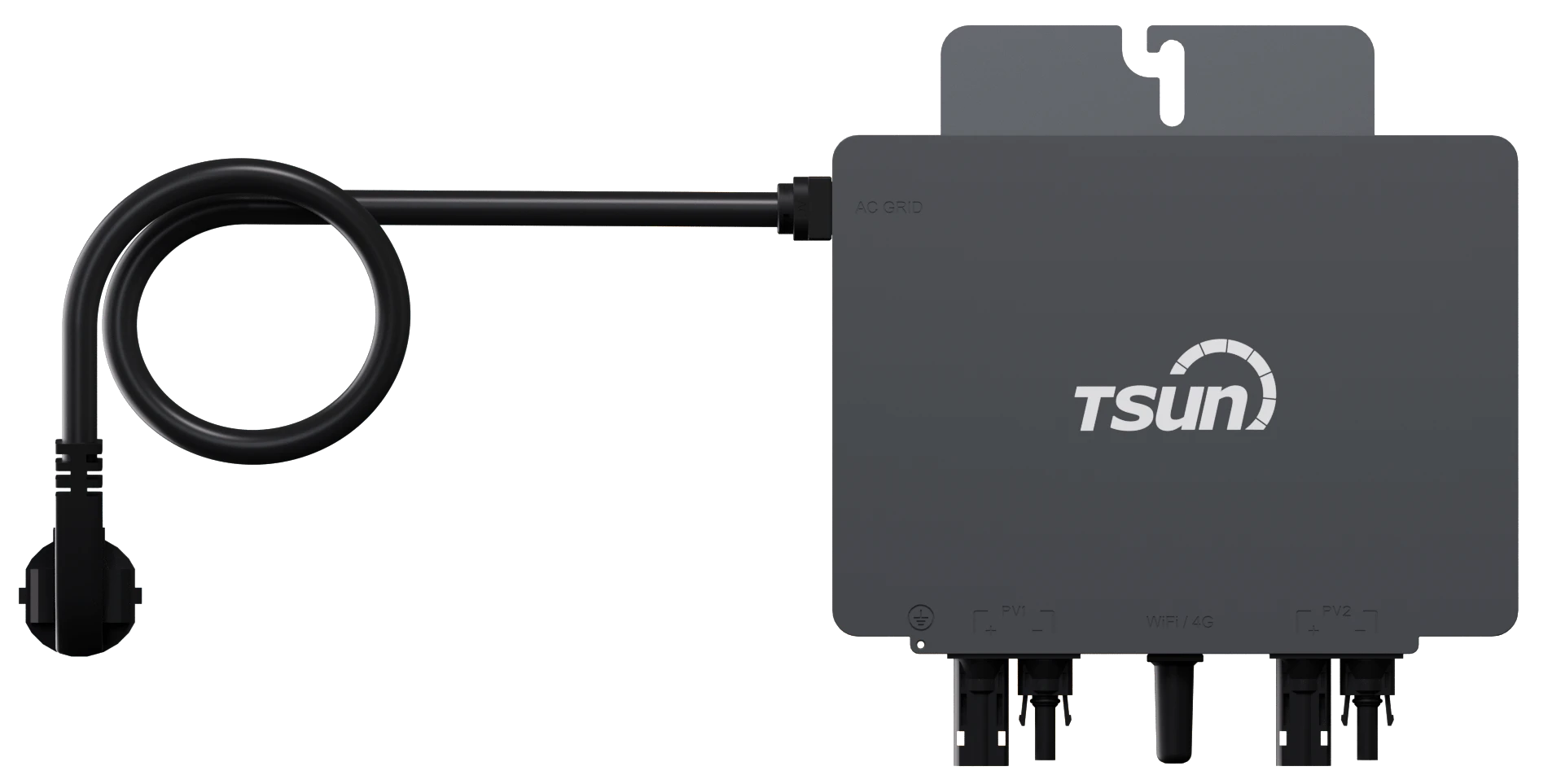
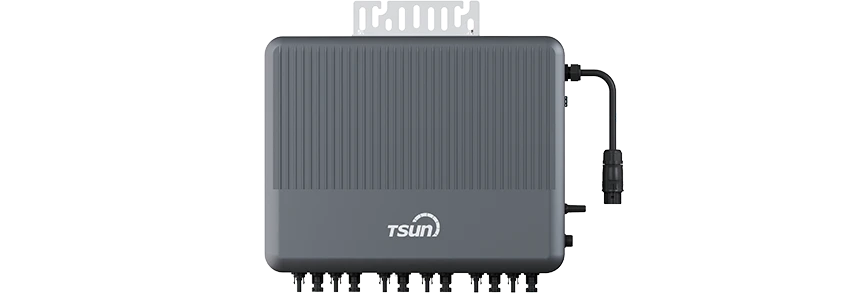
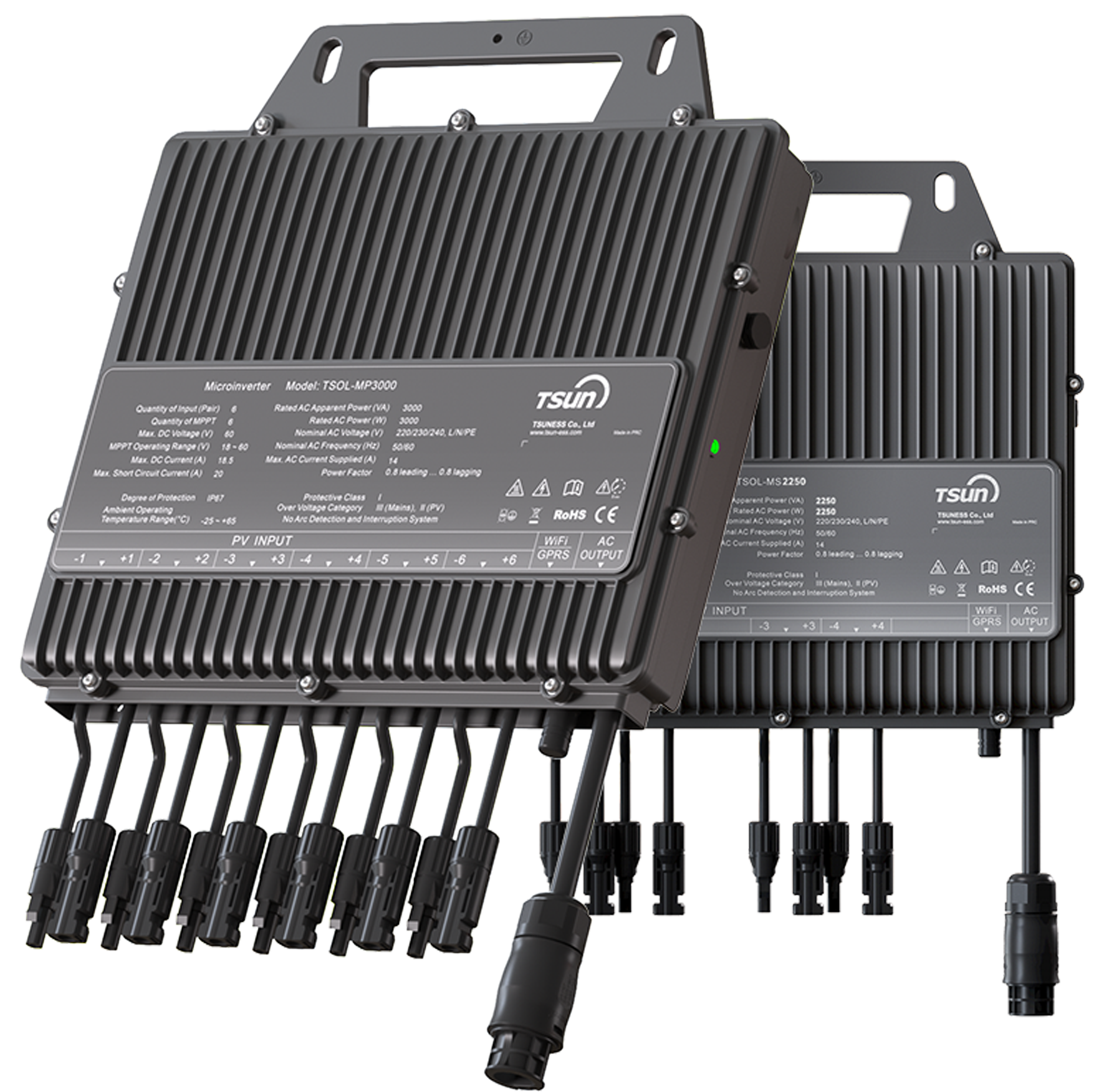
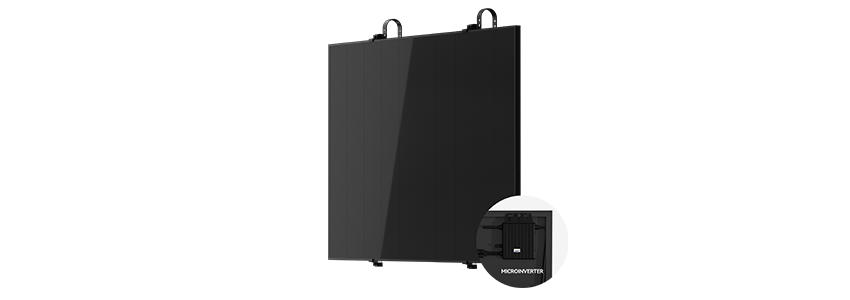
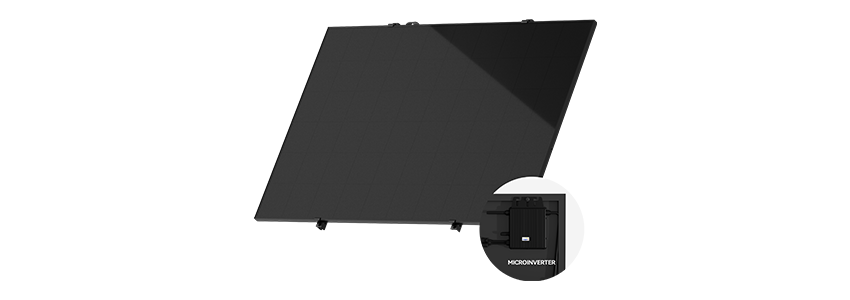
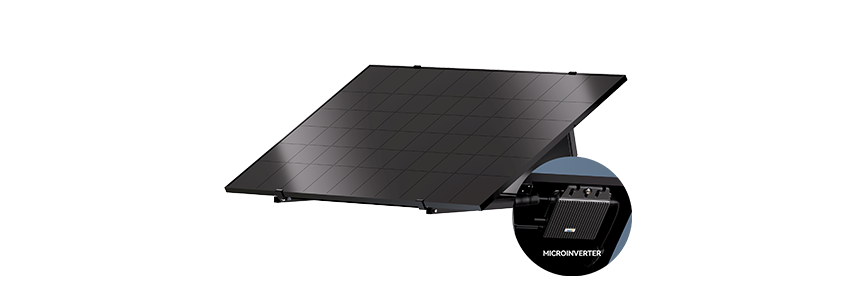
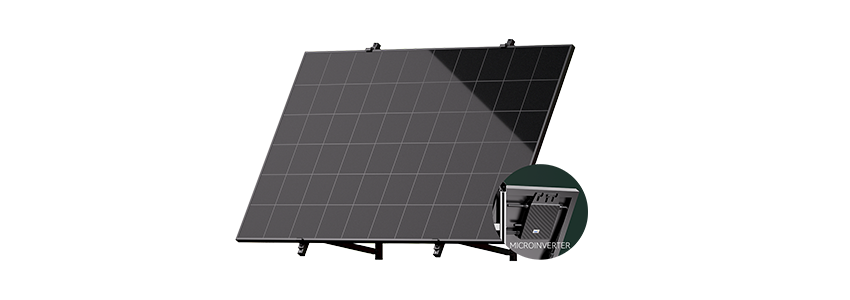
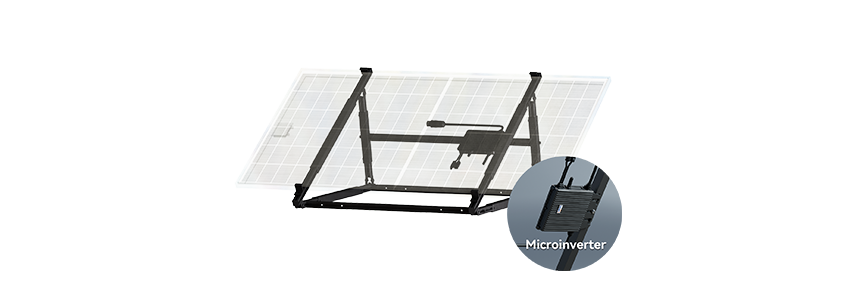
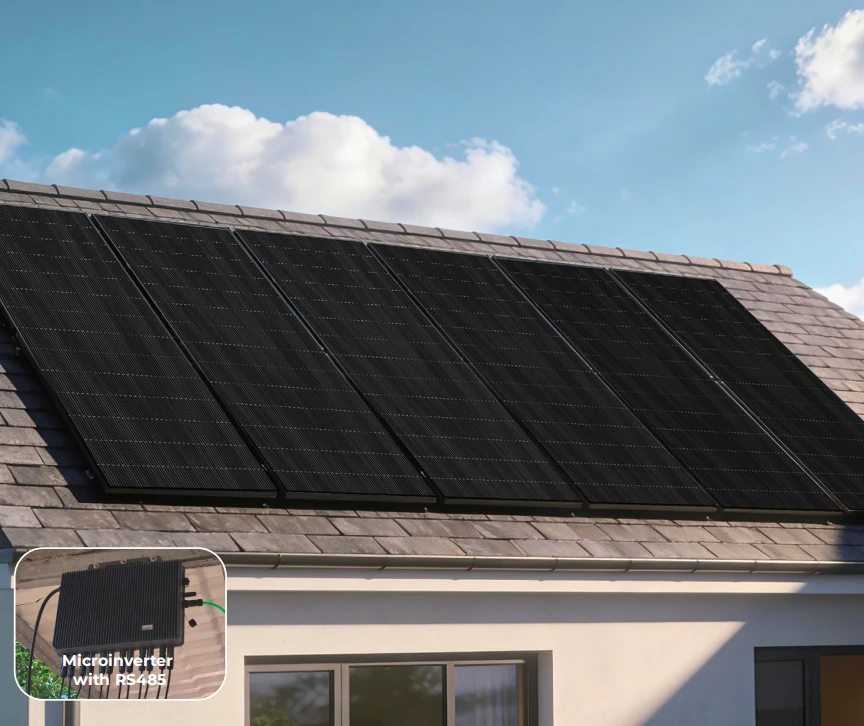
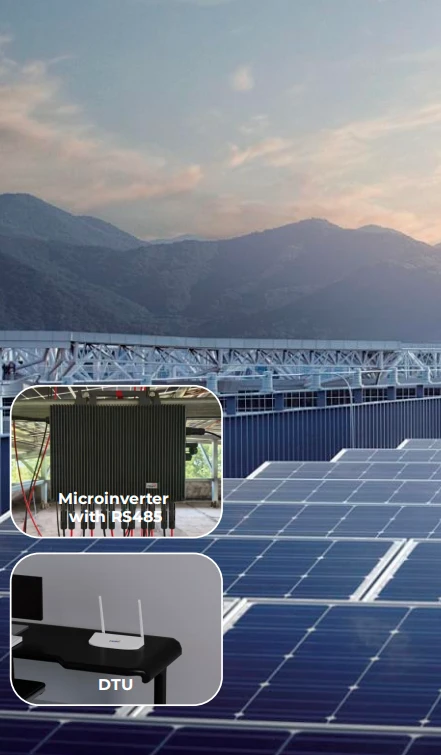
If we strip it down, a 400w solar panel with microinverter is simply a solar photovoltaic (PV) panel that generates around 400 watts under ideal conditions, combined with a small inverter mounted at the panel level. The microinverter’s job is to convert direct current (DC) from the panel into alternating current (AC), which your appliances or the grid use.
It’s the modern answer to some older inefficiencies—each microinverter lets its panel “talk” directly to the system, maximizing energy harvest and optimizing performance monitoring. For growing renewable markets or humanitarian projects, this setup offers modularity and reliability that traditional central inverters sometimes struggle to provide.
Mini takeaway:
In simple terms, these aren’t just panels putting out juice—they’re part of smart, adaptable power ecosystems.
Core Components of the 400w Solar Panel with Microinverter System
Durability
Solar panels marketed with 400 watts today almost always have tempered glass, robust aluminum frames, and often come with IP65 or higher-rated microinverters. I’ve noticed that manufacturers are increasingly designing them to withstand hail, high winds, and corrosion. After all, a panel worthless after a season defeats the whole purpose.
Scalability & Modularity
The modular nature is honestly what sells it for so many installers and end users. Want to add more power later? Slap on another panel with its own microinverter, no rewiring the entire system. This kind of scalability is a game changer in community solar projects or expanding industrial plants.
Cost Efficiency & ROI
While microinverters generally push initial costs slightly higher, the improved performance and reduced maintenance often clinch better long-term returns compared to string inverter systems. Plus, many suggest microinverter systems provide a longer lifespan—think 25+ years.
Monitoring & Safety
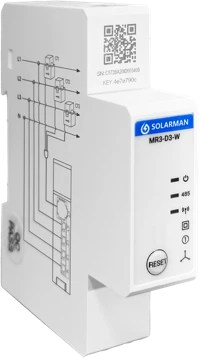
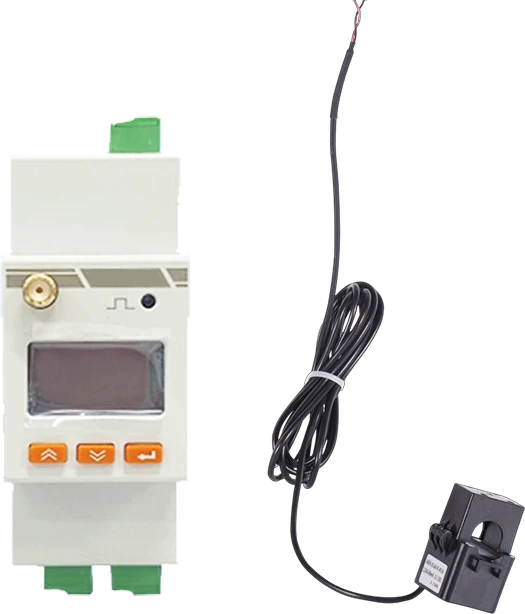
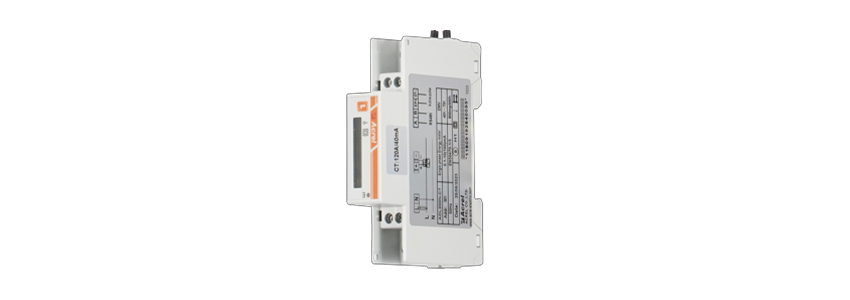
One microinverter per panel means you can pinpoint underperforming units easily, without sifting through string-level averages. Plus, the AC output at each panel mitigates high-voltage DC hazards—a nice plus for rooftop maintenance.
Typical Specification — 400w Solar Panel & Microinverter System
| Feature |
Specification |
| Solar Panel Output Power |
400 Wp (Watts peak) |
| Panel Type |
Monocrystalline Silicon |
| Microinverter Output Power |
Up to 300-350 W AC (depends on model) |
| Efficiency (Panel) |
20-22% |
| Microinverter Efficiency |
>95% |
| Warranty |
Panel: 25 years, Microinverter: 10-15 years |
Where Can You Use a 400w Solar Panel with Microinverter?
The flexibility of this system means applications are quite broad. For example:
- Remote Industrial Zones: Mining camps or remote facilities where reliable and decentralized power is critical.
- Post-Disaster Relief Operations: Deploying resilient, rapid-to-install power for temporary shelters, medical clinics, or water purification units.
- Urban Residential Systems: Homeowners seeking upgradeable solar arrays with easy monitoring and safer installation.
- Off-grid Agricultural Sites: Powering irrigation pumps or cold storage barns far from centralized grids.
Oddly enough, many NGOs and community projects swear by microinverter-based 400 watt panel setups for their simplicity and robustness. I remember reading a case study where a relief mission in Southeast Asia deployed such systems to restore power within days post-typhoon.
Mini takeaway:
The 400w panel with microinverter setup fits well wherever adaptability and reliability matter most.
Advantages and Long-Term Value of 400w Solar Panels with Microinverters
At their core, these systems combine practicality with promise. They reduce downtime, cut losses from shading or damage, and let you watch real-time data down to the panel level. That kind of insight might seem small, but for asset managers or homeowners, it builds trust in system performance.
From a sustainability angle, their modular, scalable design encourages spreading adoption—even in places where infrastructure is fragile or inconsistent. The safety improvements also mean fewer risks during installation and maintenance operations.
I’ve chatted with installers who say these systems are the easiest to troubleshoot, often leading to cost savings over years that overshadow the slightly higher upfront price. And frankly, knowing your power setup won’t fail at the first shadow is a little peace of mind money can’t fully buy.
Looking Ahead: Future Trends in 400w Solar Panel and Microinverter Technologies
The solar industry never sits still. Trends on the horizon include:
- Bifacial Panels: Panels capturing sunlight from both sides, enhancing power output—potentially raising the wattage without changing panel size.
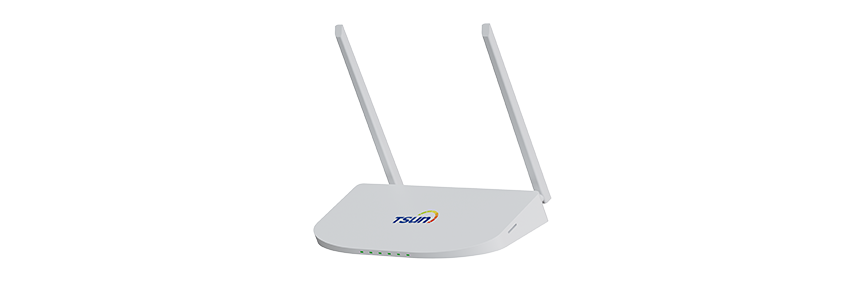
- Smart Microinverters: Advanced microinverters with IoT connectivity for enhanced remote control and predictive maintenance.
- Lighter, Flexible Panels: New materials reducing weight and installation complexity.
- Enhanced Energy Storage Integration: Seamless pairing with home batteries and grid services for greater energy independence.
Plus, as governments implement more stringent sustainability policies (like ISO standards for renewable systems), the quality and performance bar continues climbing. It’s a fascinating dance of technology, policy, and market demand.
Common Challenges and How They’re Being Addressed
Of course, no tech is without its quirks. Microinverters, while great, sometimes struggle with slightly higher initial costs and can require more complex wiring setups. The challenge is balancing system simplicity with enhanced capability.
However, manufacturers have started integrating plug-and-play connectors that speed up installs and reduce wiring errors. Also, advances in microinverter durability and warranties provide users with more confidence for long-term investments.
Mini takeaway:
The industry is actively ironing out bumps, pushing toward hassle-free, cost-effective solar solutions.
Comparing Popular Vendors of 400w Solar Panels with Microinverters
| Vendor |
Panel Efficiency |
Microinverter Warranty |
Integrated Monitoring |
Price Range (per panel + inverter) |
| SolarTech Co. |
21.5% |
15 years |
Yes (Cloud-based) |
$450 - $550 |
| GreenLine Energy |
20.8% |
10 years |
No |
$400 - $480 |
| EcoPower Systems |
22.0% |
12 years |
Yes (App-based) |
$470 - $530 |
FAQs: What You’re Usually Asking About 400w Solar Panels with Microinverters
Q1: How does a microinverter improve the performance compared to a string inverter?
Microinverters optimize each solar panel independently, so shading or damage to one panel doesn’t drag down the whole system’s output. String inverters treat all panels as one, so if one falters, the total output drops. Microinverters can therefore boost energy harvest by up to 10-20%.
Q2: What’s the typical lifespan of these systems, and does the microinverter need replacement earlier than the panel?
Panels usually last 25 years or more. Microinverters have warranties between 10-15 years and might require replacement or servicing earlier. Newer models, however, are pushing durability upwards, making replacements less frequent.
Q3: Are 400w solar panels with microinverters suitable for off-grid applications?
Absolutely. Their modularity and independent operation make them ideal for off-grid use, especially paired with batteries. They allow adding capacity in increments without overhauling the system.
Q4: Can I monitor solar panel output in real time with a microinverter system?
Many microinverter-equipped systems include monitoring platforms accessible via app or web, enabling panel-level data tracking. This helps in diagnostics and optimizing maintenance schedules.
Q5: How do installation costs compare between microinverter systems and traditional solar installations?
Initial installation cost is often slightly higher due to more components and wiring complexity. However, lower maintenance costs and better performance can make the lifetime cost comparable or even favorable.
Wrapping Up: Why the 400w Solar Panel with Microinverter Is Worth Your Attention
Whether for a homeowner seeking efficient energy independence or a relief organization restoring power in difficult conditions, the 400w solar panel with microinverter strikes a compelling balance. Modular, reliable, and forward-compatible, it’s the kind of solution that feels like it’s built not just for now, but for the sustainable grid of tomorrow.
If you’re ready to explore energy solutions that combine smart tech with lasting value, visit our website to learn more.
References & Further Reading
- United Nations Sustainable Development Goals (UN SDG – Energy)
- Solar Panel – Wikipedia
- ISO 50001 Energy Management Systems



 LEARN DETAILS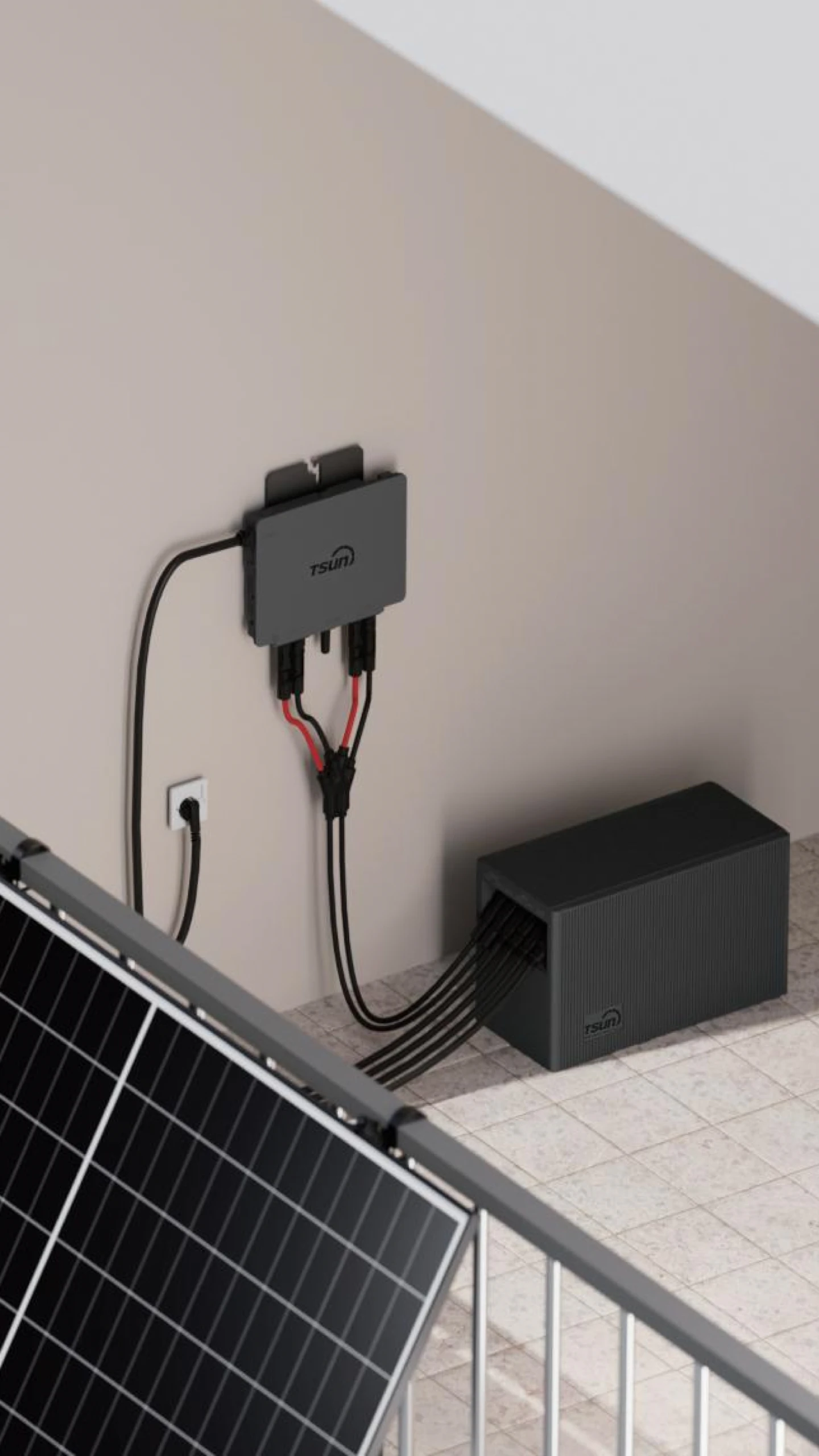
 Downloads
 Video Center
 Report Fault for Repair
 FAQS
FAQS Service Network
 Privacy Policy
 Contact Us
 Monitoring


 LEARN MORE