Understanding Energy Storage Systems: A Comprehensive Guide
In today’s rapidly evolving energy landscape, energy storage systems (ESS) are becoming increasingly vital. From grid stabilization to renewable energy integration and even powering your home, ESS solutions offer a pathway to a more sustainable and reliable energy future. This article will explore the core components of an energy storage system, its various applications, benefits, different types, and what to consider when choosing the right system for your needs. Investing in an ESS isn't just about embracing new technology; it's about empowering yourself with energy independence and contributing to a greener planet.
What is an Energy Storage System?
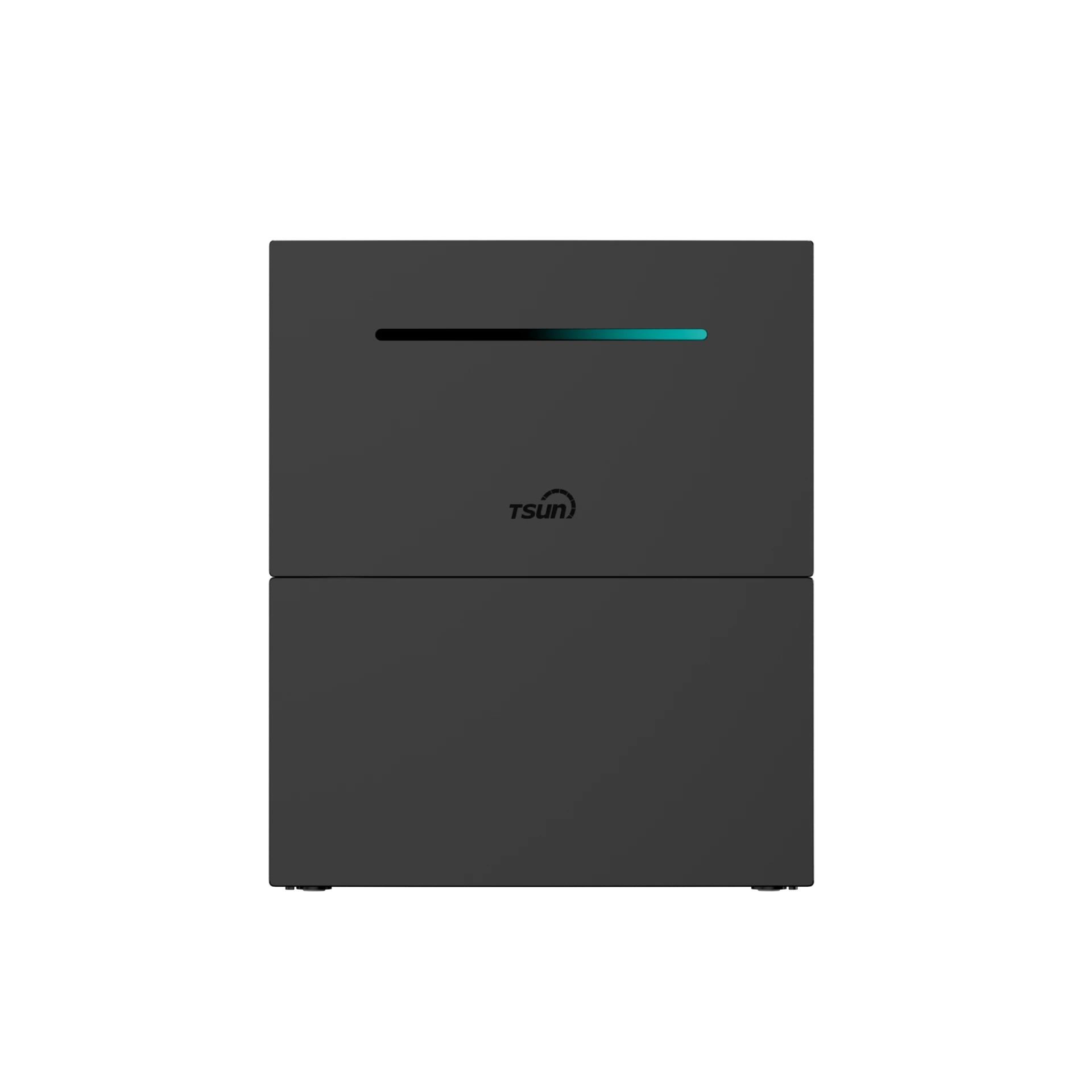
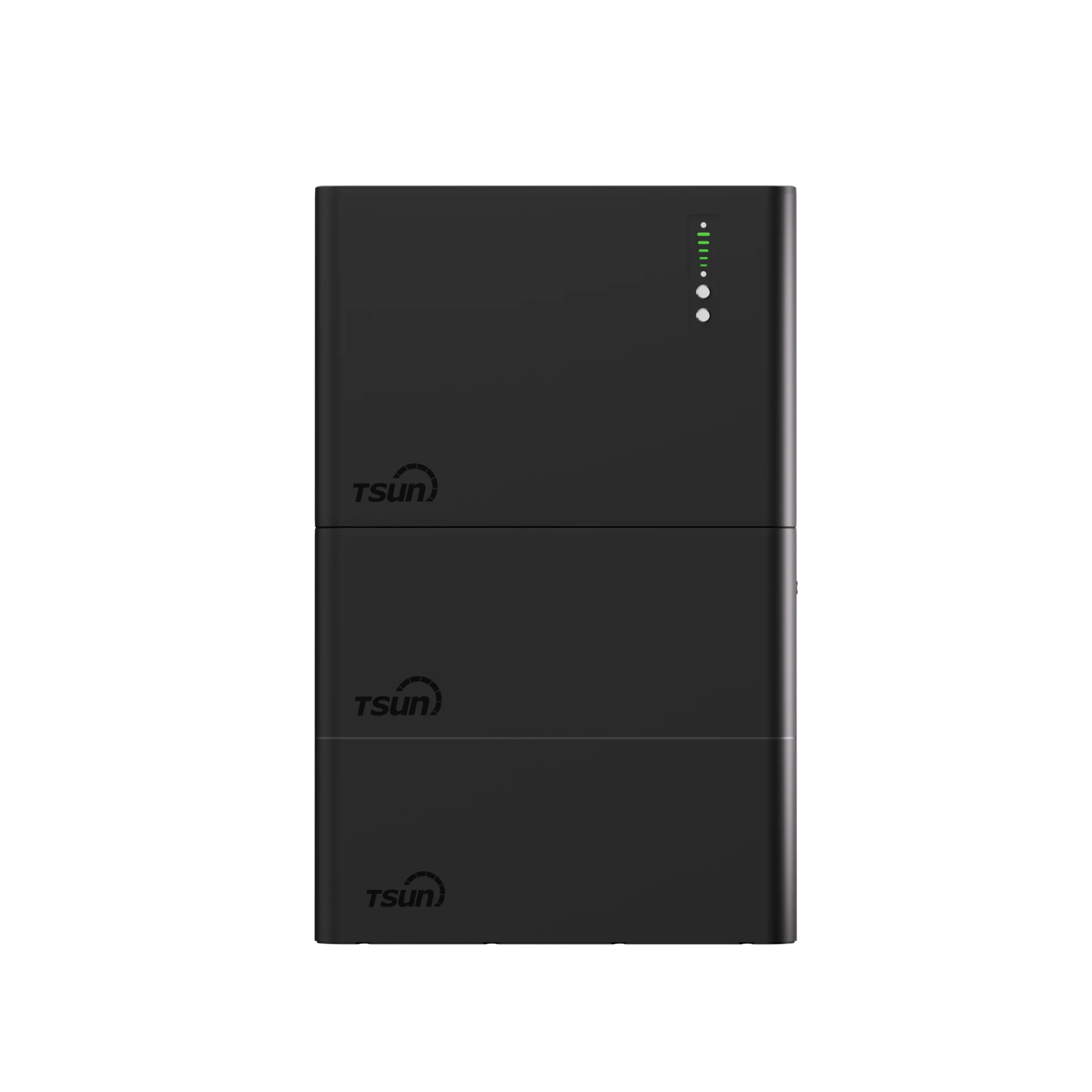
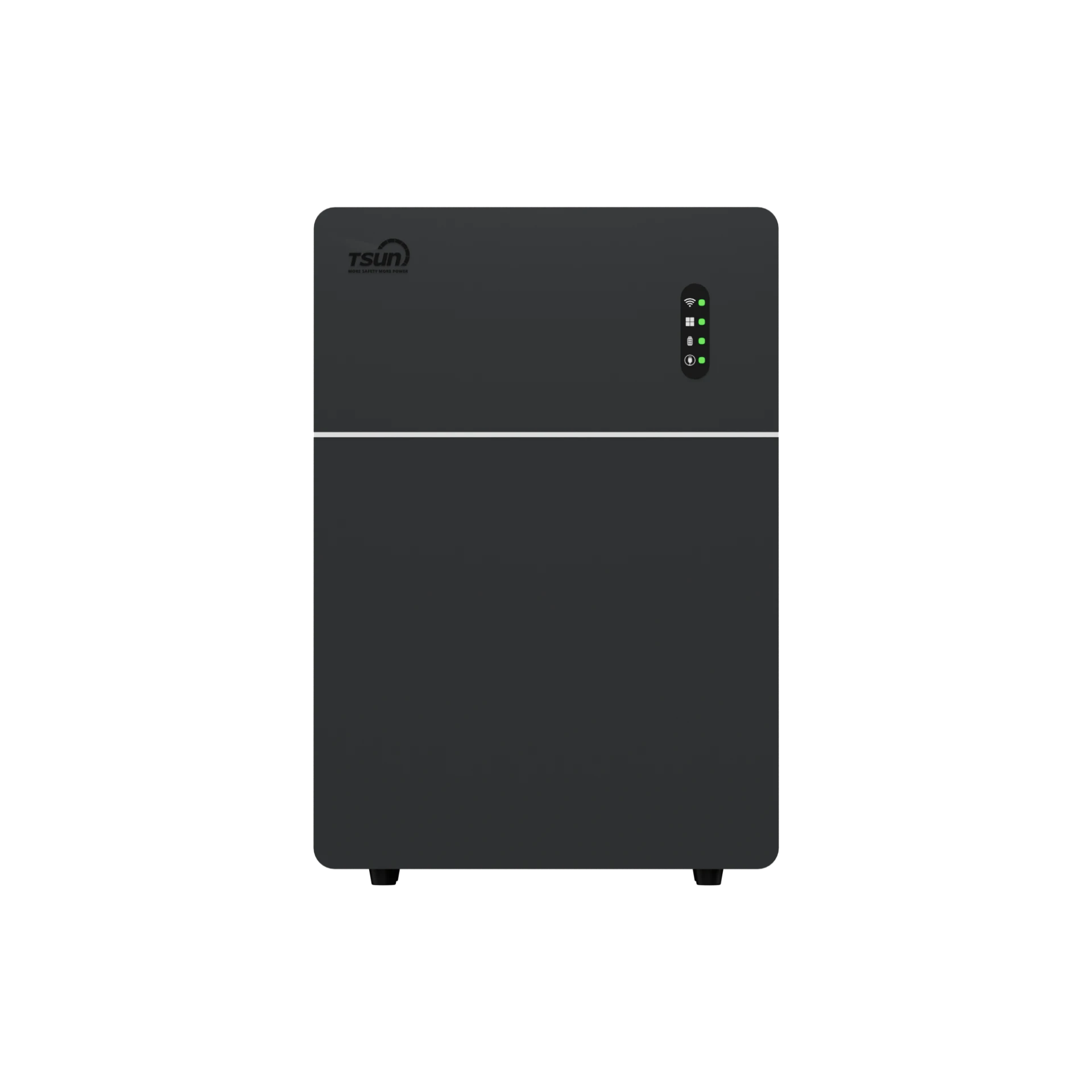
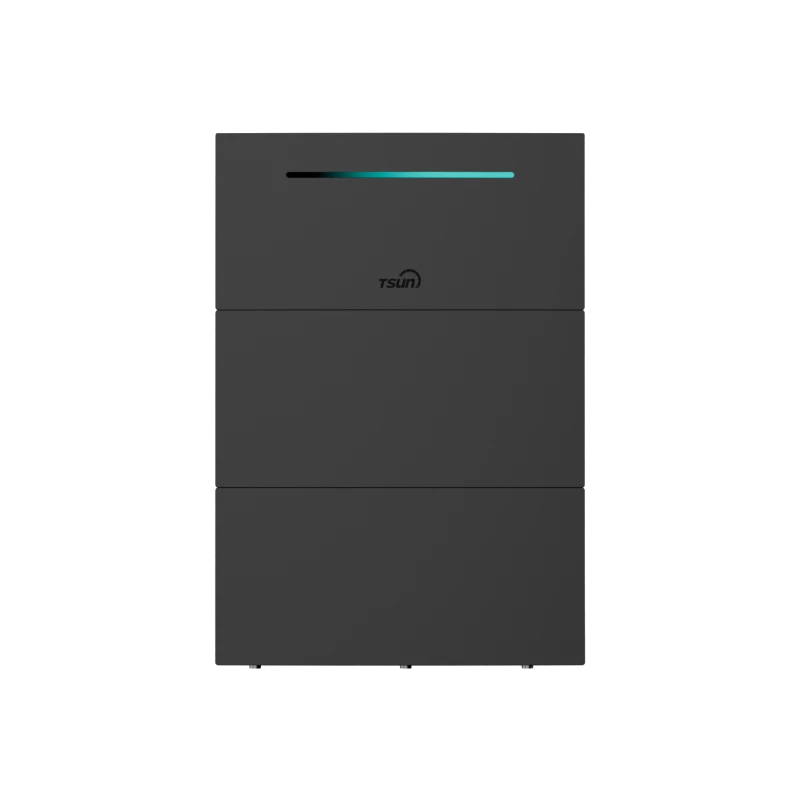
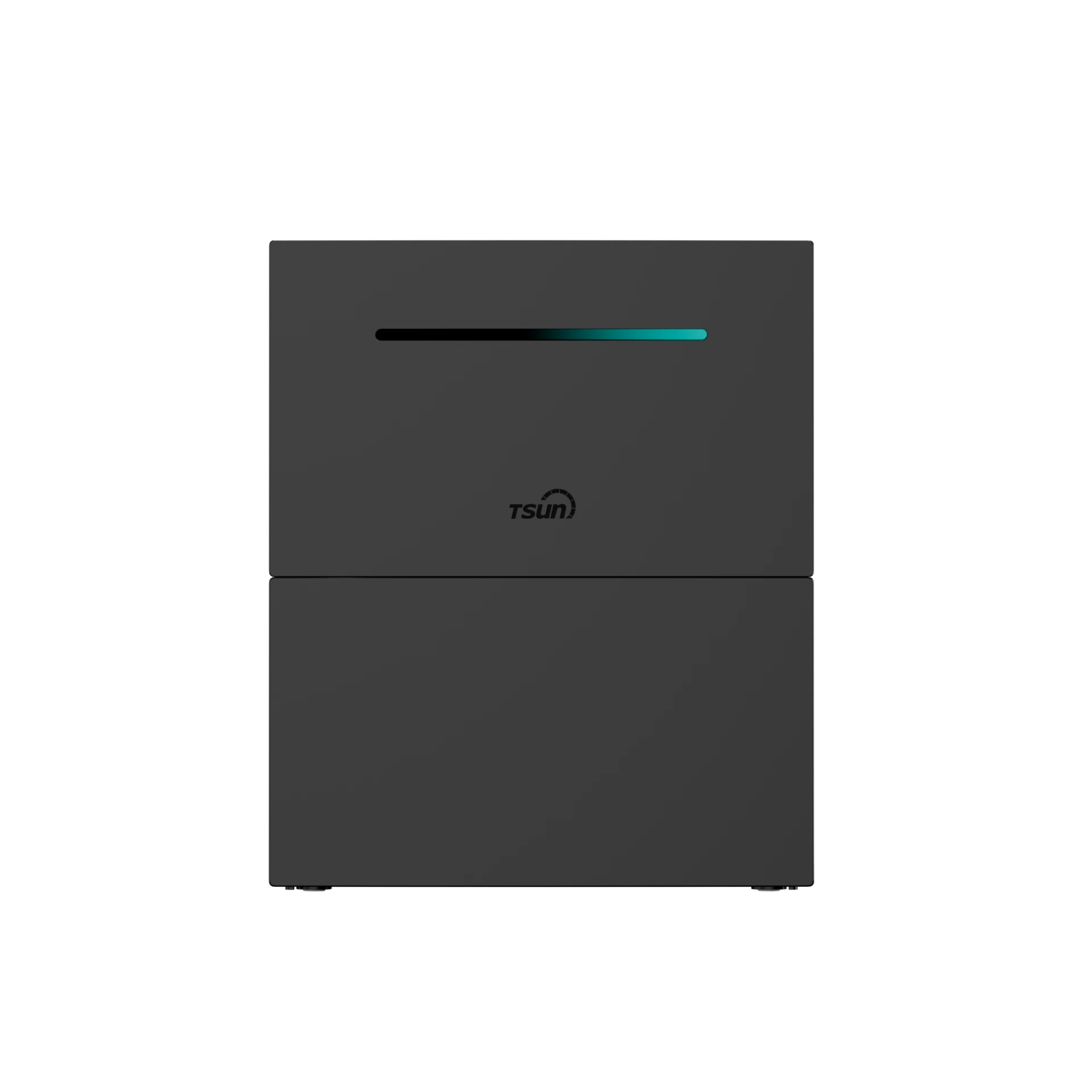
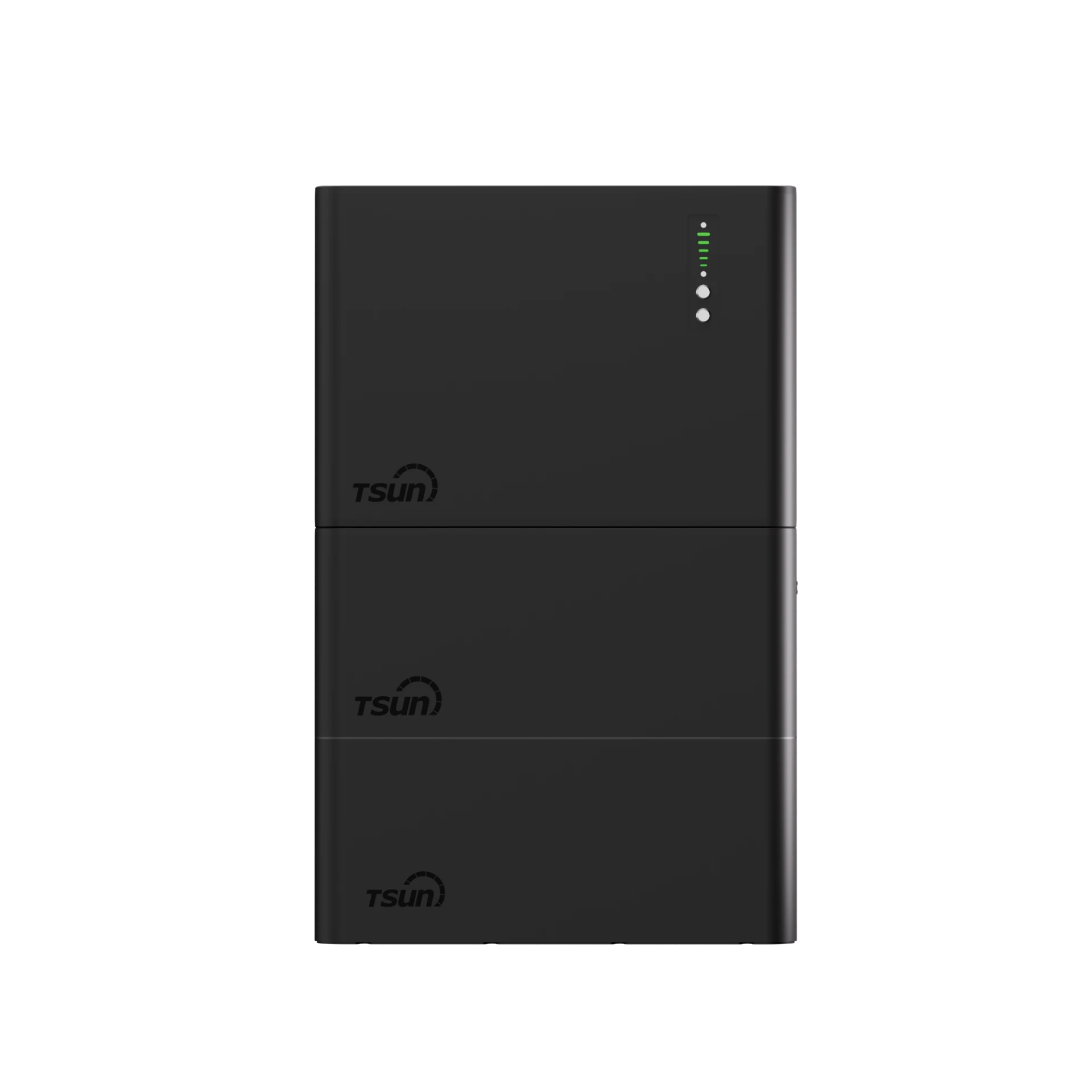
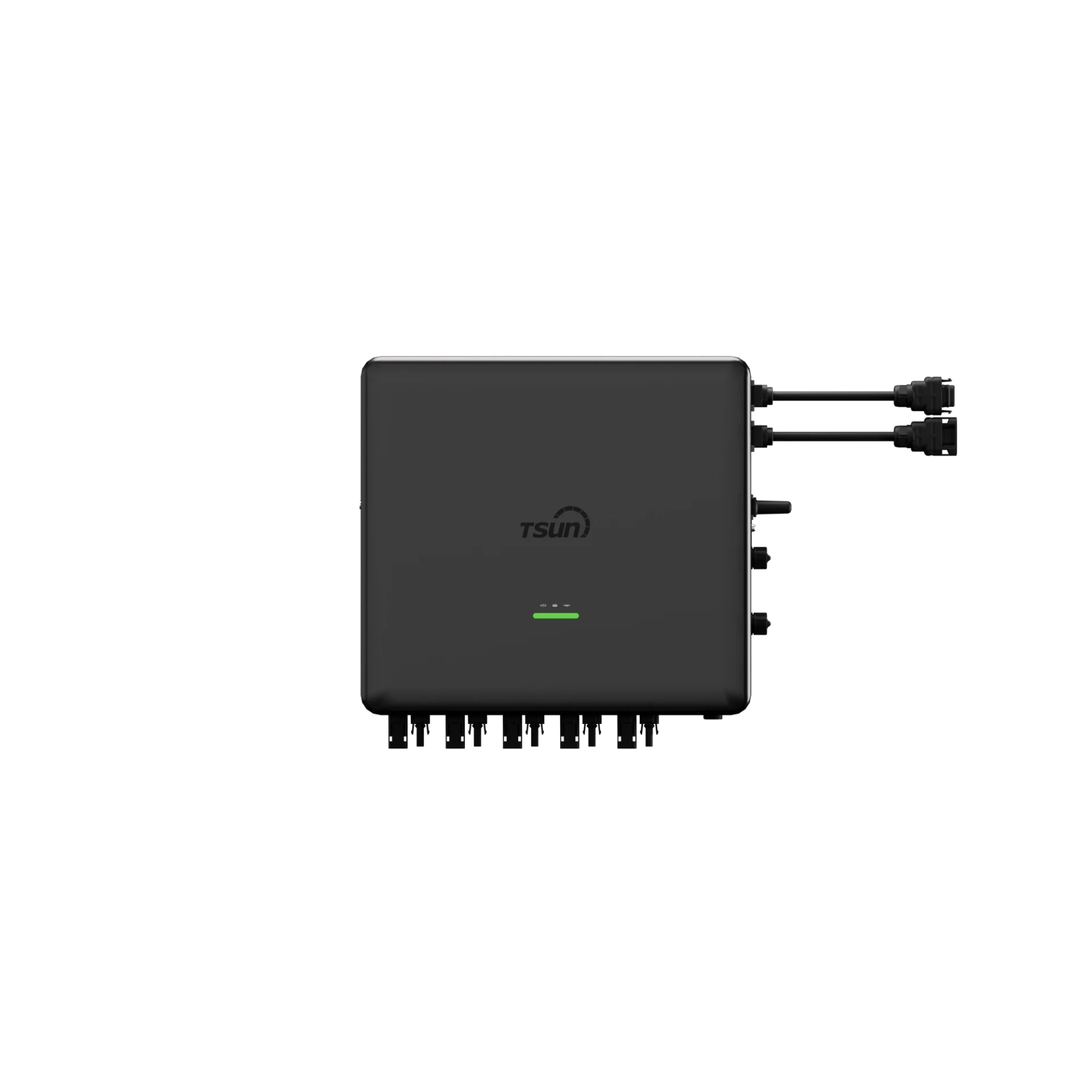
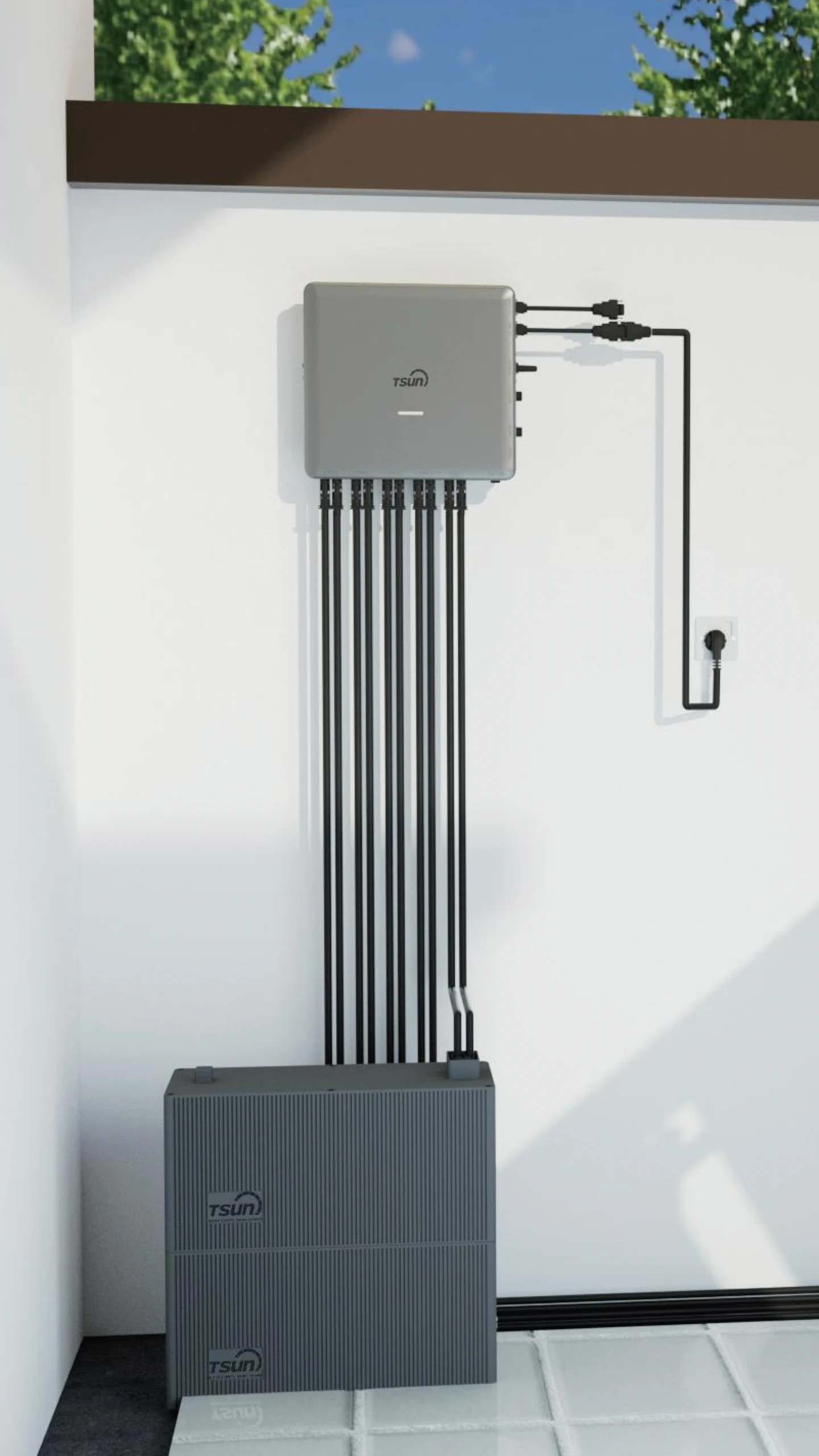
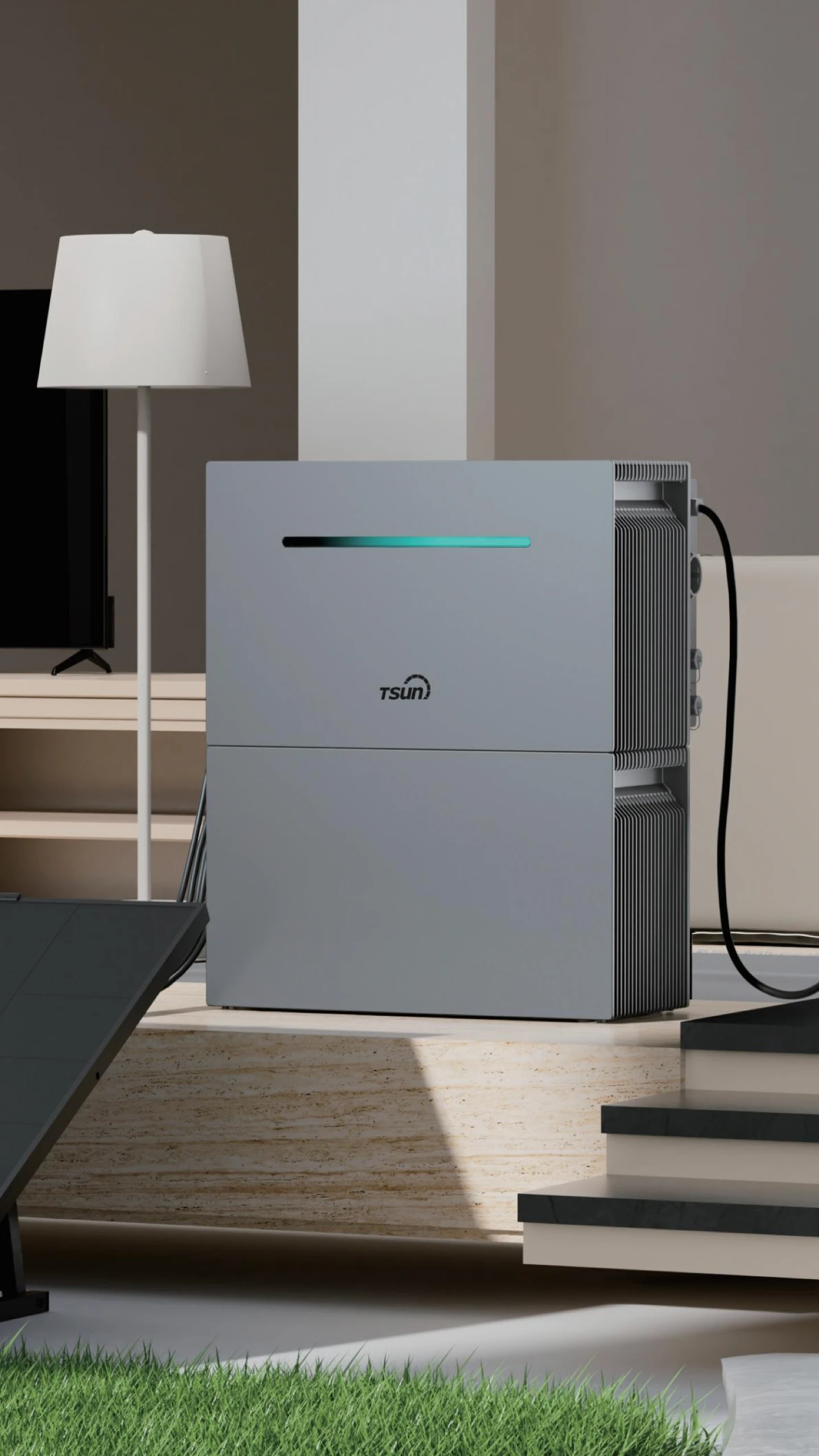
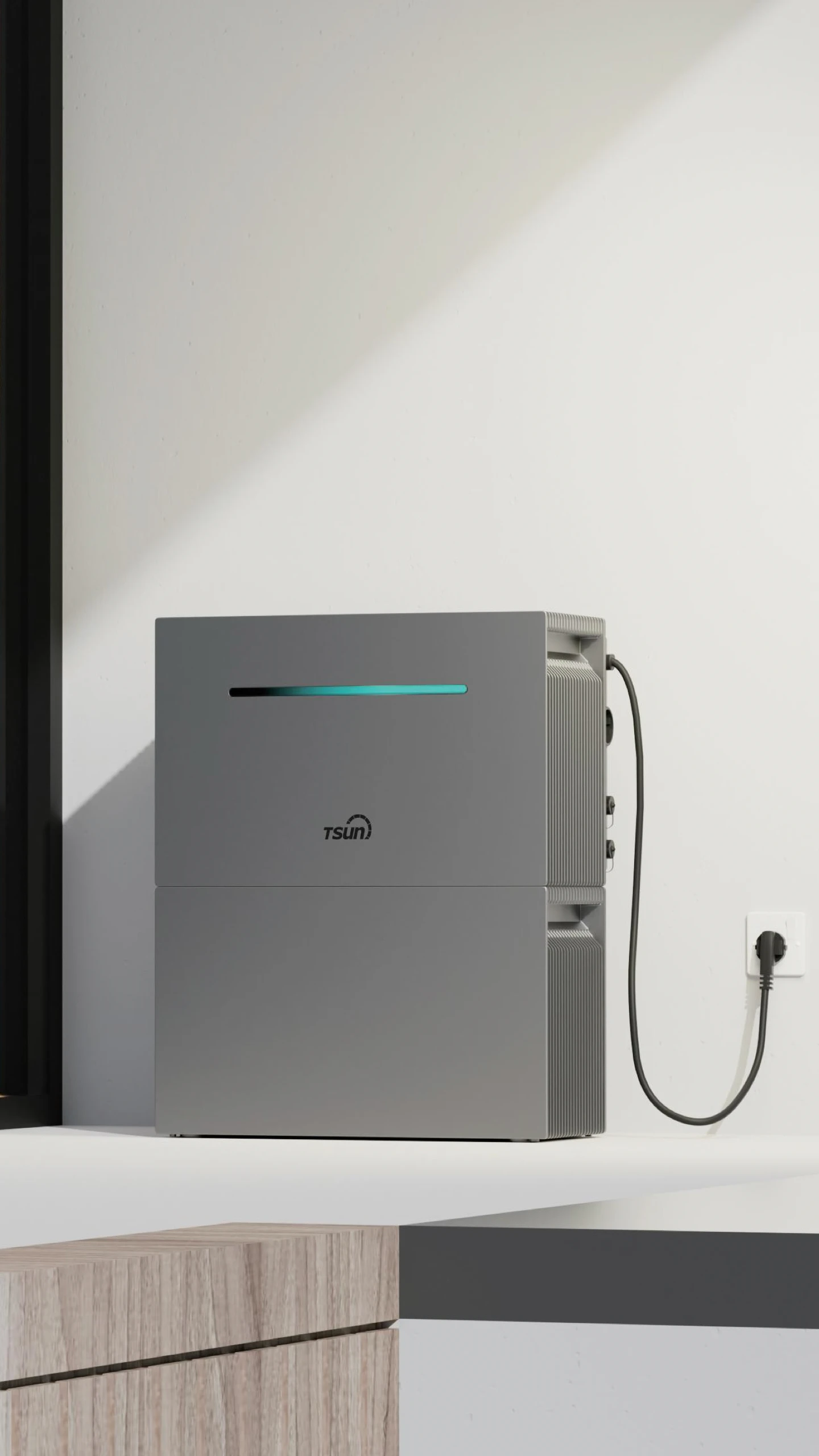
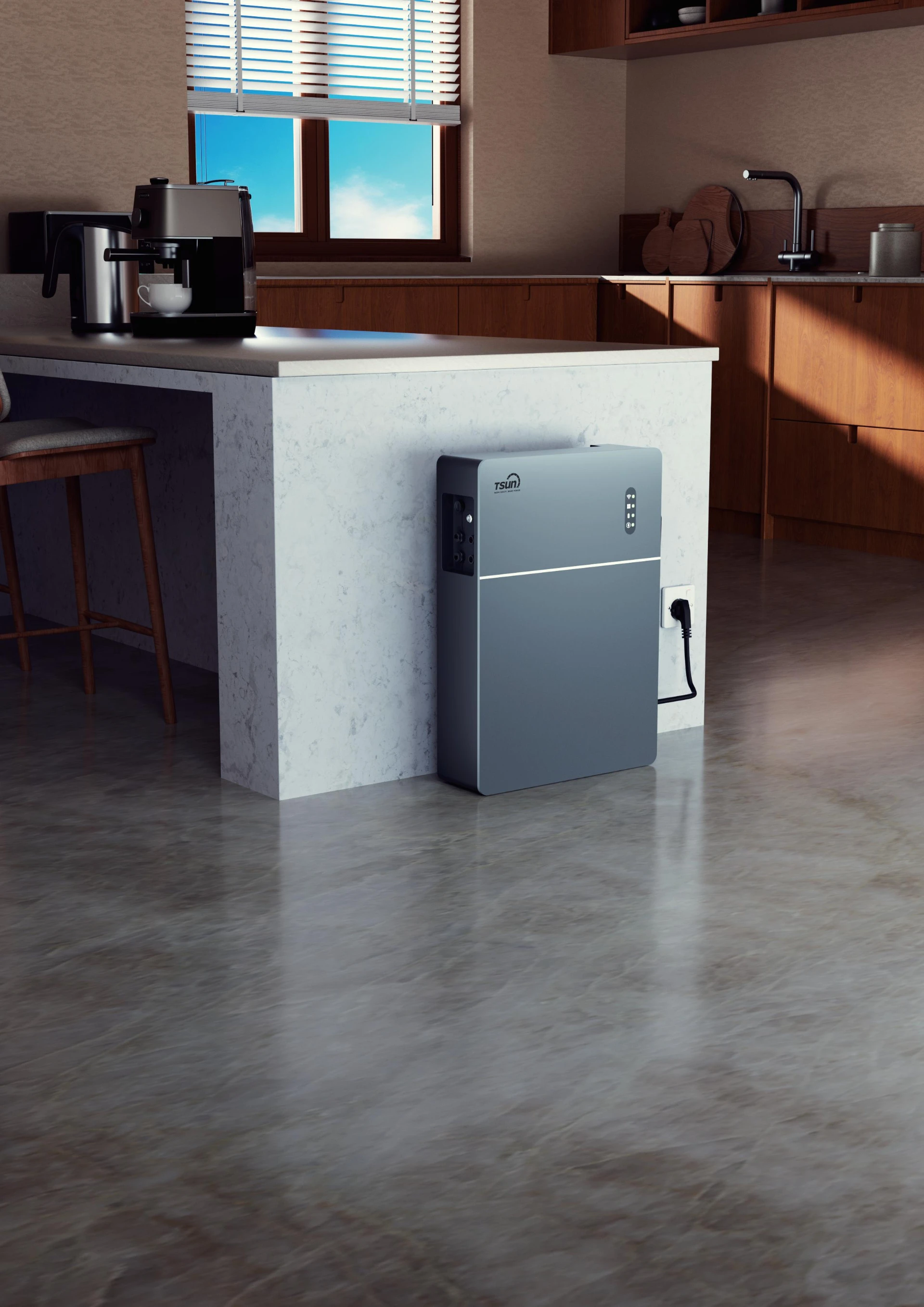
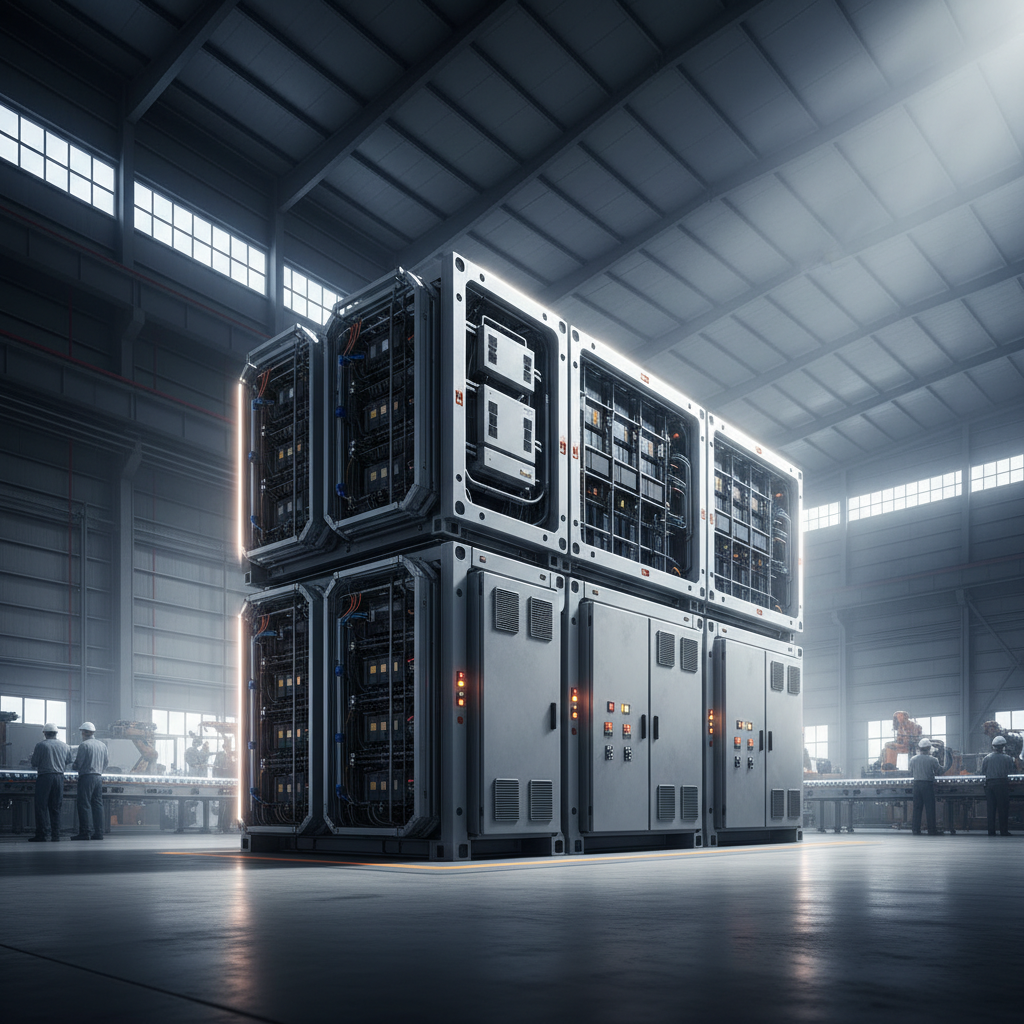
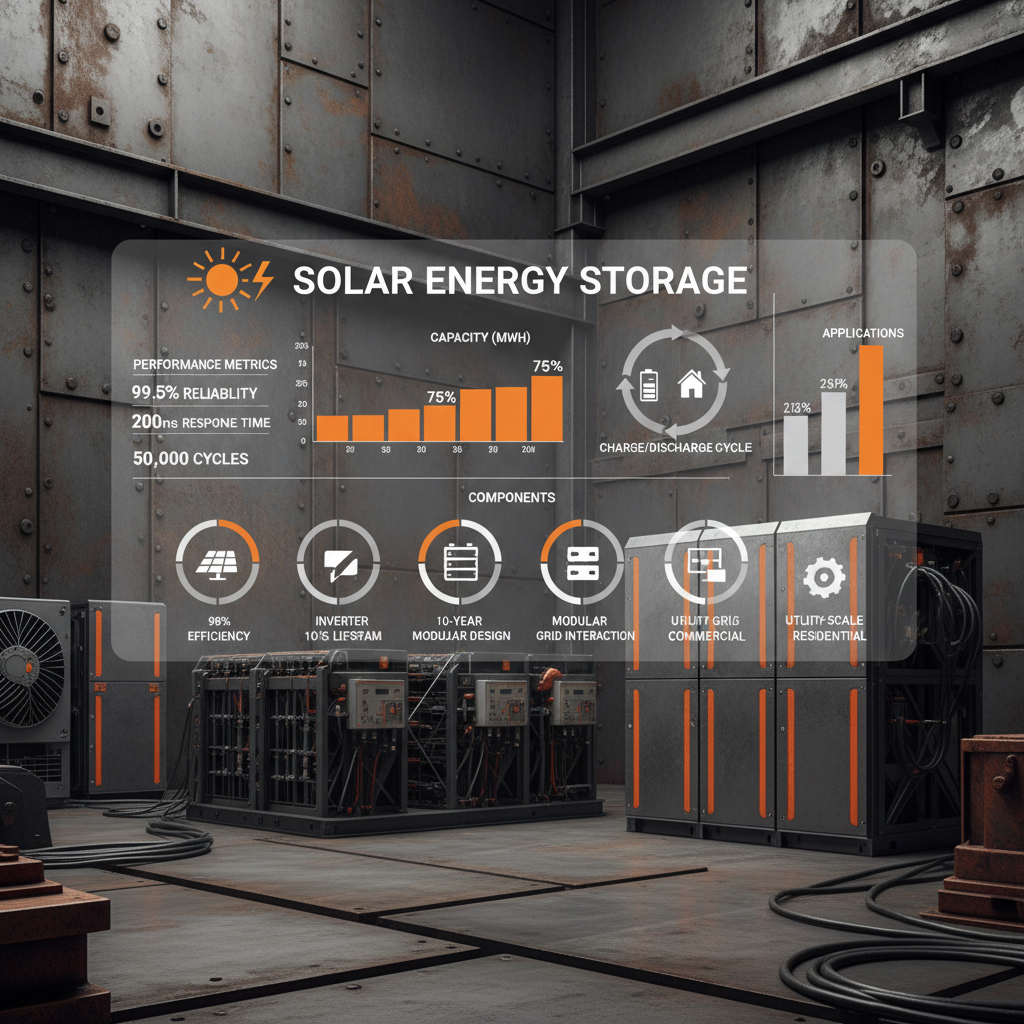
An energy storage system, at its core, captures energy produced at one time for use at a later time. While traditional energy sources like fossil fuels provide energy on demand, renewable sources like solar and wind are intermittent. ESS bridges this gap by storing excess energy when it's available and releasing it when it’s needed. A typical ESS consists of several key components: batteries (the storage medium), a power conversion system (PCS) which manages the flow of energy, a thermal management system to maintain optimal battery temperature, and a monitoring and control system to oversee the entire process. TSUN ESS provides comprehensive ESS solutions, tailoring systems to diverse energy needs.
Key Components: Batteries, Power Conversion System (PCS), Thermal Management System, Monitoring and Control System.
Types of Energy Storage Systems
Various technologies fall under the umbrella of energy storage. The most common include:
- Lithium-ion batteries: Widely used due to their high energy density, long lifespan, and decreasing costs.
- Lead-acid batteries: A mature technology, but heavier and with a shorter lifespan compared to lithium-ion.
- Flow batteries: Offer scalability and long cycle life, suitable for grid-scale applications.
- Solid-state batteries: An emerging technology promising higher energy density and improved safety.
The best type of ESS depends on the application. For residential use, lithium-ion batteries are often preferred. For large-scale grid storage, flow batteries are gaining traction.
Key Battery Technologies:
• Lithium-ion: High energy density, long lifespan.
• Lead-acid: Mature technology, cost-effective.
• Flow batteries: Scalable, long cycle life.
• Solid-state: Emerging, higher density, improved safety.
Applications of Energy Storage Systems
The applications of ESS are diverse and expanding. Some key areas include:
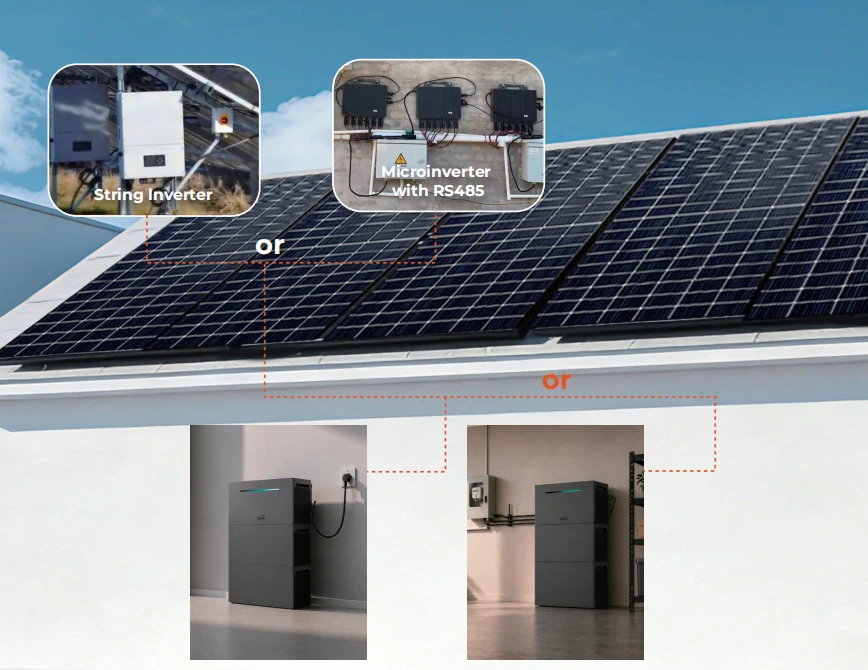
- Residential: Storing solar energy for self-consumption, providing backup power during outages, and reducing electricity bills.
- Commercial & Industrial: Peak shaving to reduce demand charges, improving power quality, and enhancing grid resilience.
- Grid-Scale: Stabilizing the grid, integrating renewable energy sources, and providing ancillary services.
- Electric Vehicles: Powering electric vehicles and enabling vehicle-to-grid (V2G) technology.
TSUN ESS provides solutions for each of these areas, tailored to specific customer requirements.
Benefits of Implementing an Energy Storage System
Implementing an ESS offers numerous benefits:
| Benefit |
Description |
| Cost Savings |
Reduced electricity bills through peak shaving and self-consumption of renewable energy. |
| Increased Reliability |
Backup power during grid outages, ensuring uninterrupted operations. |
| Grid Support |
Stabilizing the grid and enabling greater integration of renewable energy. |
| Sustainability |
Reducing carbon footprint by maximizing the use of clean energy sources. |
Factors to Consider When Choosing an Energy Storage System
Selecting the right ESS requires careful consideration. Key factors include your energy needs, the type of renewable energy sources you have (if any), your budget, and the available space. System size (measured in kilowatt-hours or kWh) is crucial – it determines how much energy can be stored. Scalability is also important, allowing you to expand your system as your needs grow. TSUN ESS offers expert consultation to help you navigate these complexities.
Conclusion: Powering a Sustainable Future with Energy Storage
Energy storage systems are no longer a futuristic concept – they are a practical and essential component of a modern, sustainable energy infrastructure. By embracing ESS technology, individuals, businesses, and utilities can unlock a world of benefits, from cost savings and increased reliability to a reduced carbon footprint. Invest in an ESS today and become part of the energy revolution.
Frequently Asked Questions (FAQs)
What is the typical lifespan of a lithium-ion battery in an ESS?
The lifespan of a lithium-ion battery in an ESS is typically between 10-15 years, or around 3,000-5,000 cycles. A cycle represents a full charge and discharge of the battery. However, the actual lifespan can vary depending on factors such as usage patterns, temperature, and depth of discharge. Proper thermal management and adherence to manufacturer recommendations are crucial for maximizing battery life. TSUN ESS utilizes high-quality batteries with advanced battery management systems (BMS) to ensure long-term performance and reliability.
How does an ESS contribute to grid stability?
Energy storage systems enhance grid stability by providing several key services. They can respond rapidly to fluctuations in supply and demand, helping to regulate frequency and voltage. ESS can also provide ancillary services such as frequency regulation and spinning reserves, which are essential for maintaining a reliable power grid. By smoothing out the intermittent nature of renewable energy sources, ESS enables a higher penetration of clean energy into the grid, making it more resilient and sustainable.
Is an energy storage system a good investment for a home with solar panels?
Absolutely. Pairing an ESS with solar panels significantly increases the benefits of solar energy. Without storage, excess solar energy generated during the day is often exported to the grid at a lower rate. With an ESS, this excess energy can be stored and used during peak hours or at night, reducing your reliance on the grid and lowering your electricity bills. It also provides backup power during outages, enhancing your energy independence and security. The return on investment can be substantial, depending on your electricity rates and solar energy production.
What safety features are incorporated into modern energy storage systems?
Modern ESS are designed with multiple layers of safety features. These include battery management systems (BMS) that monitor battery voltage, current, and temperature to prevent overcharging, over-discharging, and thermal runaway. Fire suppression systems and robust enclosures further enhance safety. Reputable manufacturers like TSUN ESS adhere to stringent safety standards and conduct rigorous testing to ensure the reliability and safety of their systems.






 LEARN DETAILS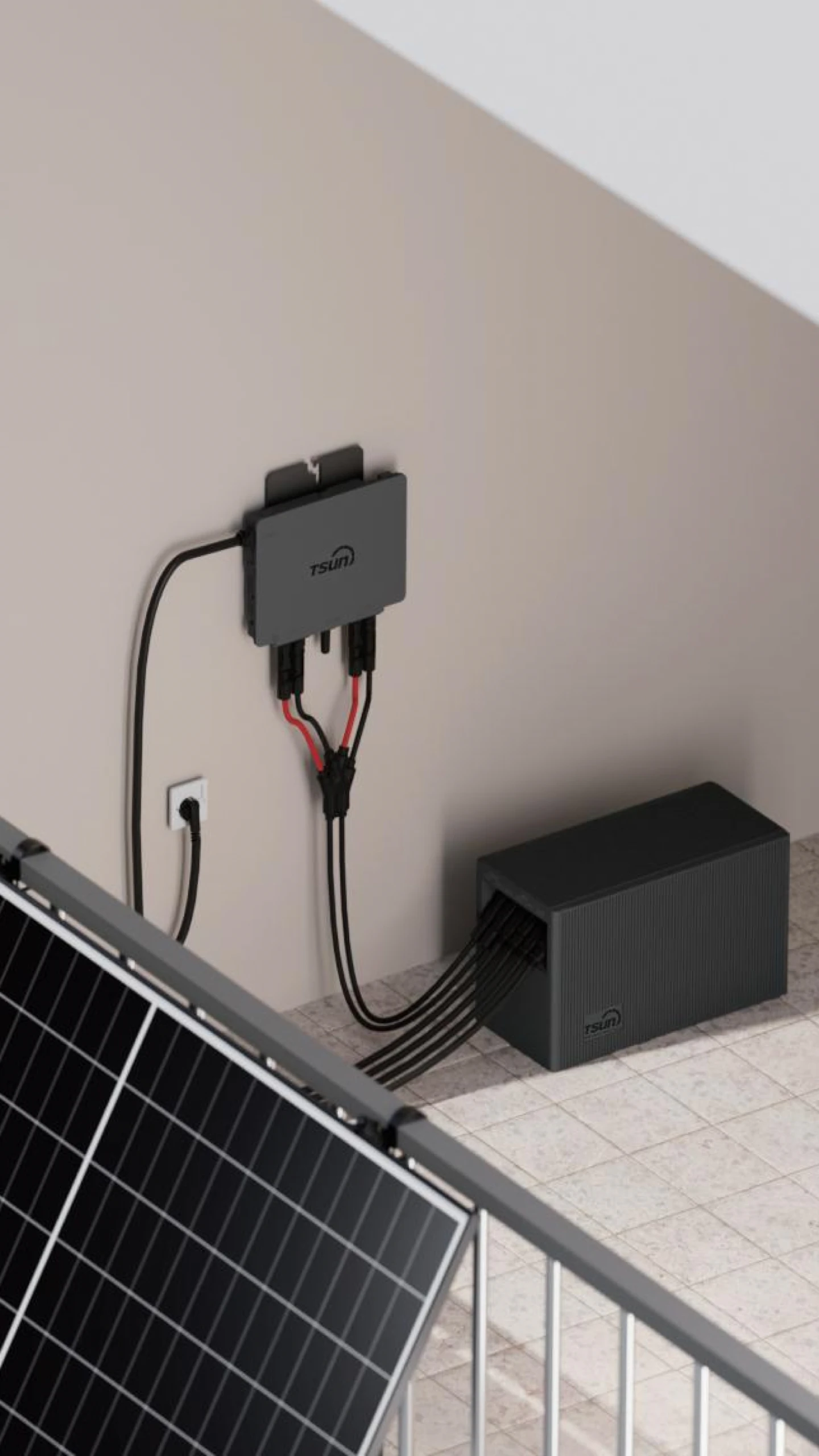
 Downloads
 Video Center
 Report Fault for Repair
 FAQS
FAQS Service Network
 Privacy Policy
 Contact Us
 Monitoring


 LEARN MORE