Residential Energy Storage: Powering Your Future
As homeowners increasingly seek energy independence and sustainability, residential energy storage systems are becoming essential. These systems, typically utilizing lithium-ion batteries, allow you to store excess solar energy, provide backup power during outages, and even reduce your reliance on the grid. This article will explore the benefits, types, key considerations, and the role of Tsun-ESS in delivering advanced residential energy storage solutions. Investing in energy storage can translate to significant long-term savings and a greener lifestyle.
Understanding the Benefits of Residential Energy Storage
The advantages of adopting a residential energy storage system are numerous. Primarily, these systems maximize self-consumption of solar power, reducing your electricity bills. During peak demand, stored energy can be used instead of drawing from the grid, often at higher rates. Furthermore, these systems provide uninterrupted power during grid outages, ensuring essential appliances remain operational. Beyond the financial and convenience aspects, energy storage contributes to a more sustainable energy ecosystem by reducing reliance on fossil fuels and supporting grid stability. The ability to participate in grid services programs, like demand response, can even generate additional revenue.
Key Advantages: Reduced electricity bills, backup power during outages, increased self-consumption of solar energy, enhanced grid stability, and potential revenue generation.
Types of Residential Energy Storage Systems
Several types of energy storage technologies are available for residential use. Lithium-ion batteries are currently the most prevalent due to their high energy density, efficiency, and relatively long lifespan. Lead-acid batteries, while less expensive upfront, have a shorter lifespan and lower energy density. Flow batteries are an emerging technology offering potentially longer lifespan and improved safety, but they are generally more expensive. Finally, thermal energy storage (TES) systems are used for heating and cooling applications. The choice of technology depends on your specific energy needs, budget, and space constraints. Tsun-ESS specializes in high-performance lithium-ion battery systems.
Residential Energy Storage Technologies:
• Lithium-ion Batteries: High density, efficient, long lifespan.
• Lead-acid Batteries: Lower cost, shorter lifespan.
• Flow Batteries: Long lifespan, improved safety, higher cost.
• Thermal Energy Storage: Heating/Cooling applications.
Choosing the Right Residential Energy Storage System
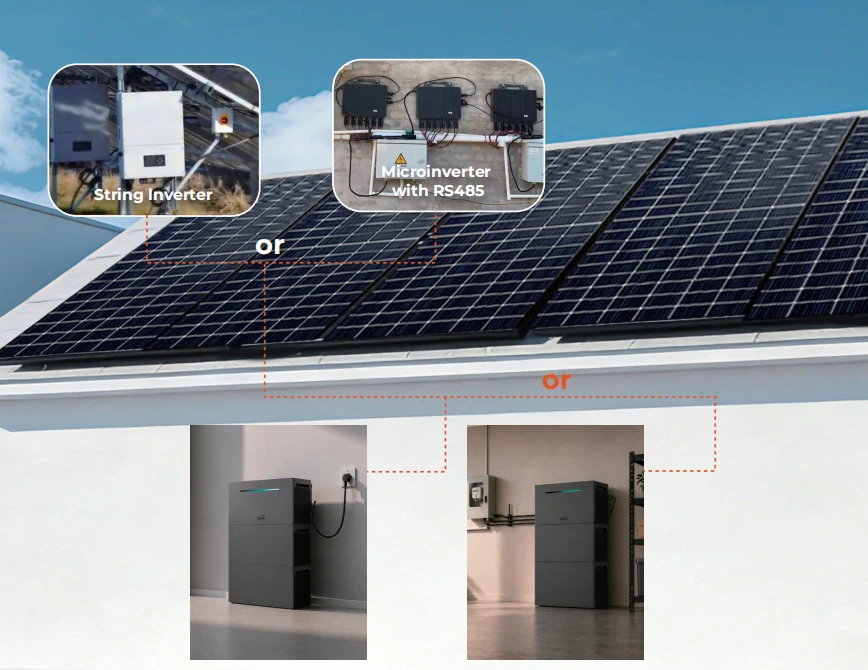
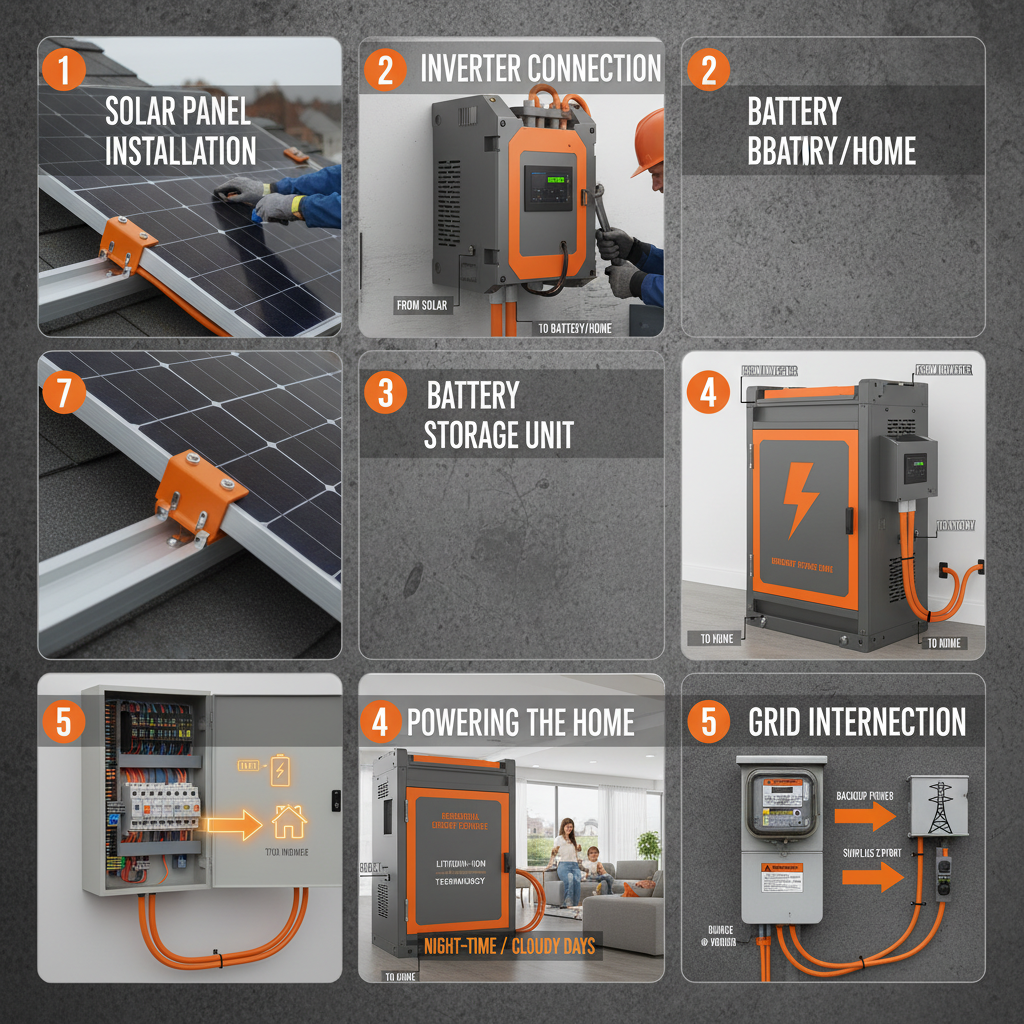
Selecting the appropriate residential energy storage system requires careful consideration of several factors. Your energy consumption patterns, solar panel array size, and budget are all crucial. The battery capacity (measured in kWh) determines how much energy you can store, while the power output (measured in kW) determines how quickly you can discharge the energy. Consider future energy needs – will you be adding an electric vehicle? Ensure the system is compatible with your existing solar inverter and complies with local regulations. Proper installation and maintenance are also vital for optimal performance and longevity. Working with a qualified installer, like those partnered with Tsun-ESS, is highly recommended.
| Factor |
Consideration |
| Battery Capacity (kWh) |
Amount of energy stored; based on daily consumption. |
| Power Output (kW) |
Rate at which energy can be discharged. |
| Compatibility |
Ensuring compatibility with solar inverter & grid. |
| Budget |
Balancing cost with performance and features. |
Tsun-ESS: Powering a Sustainable Future with Innovative Solutions
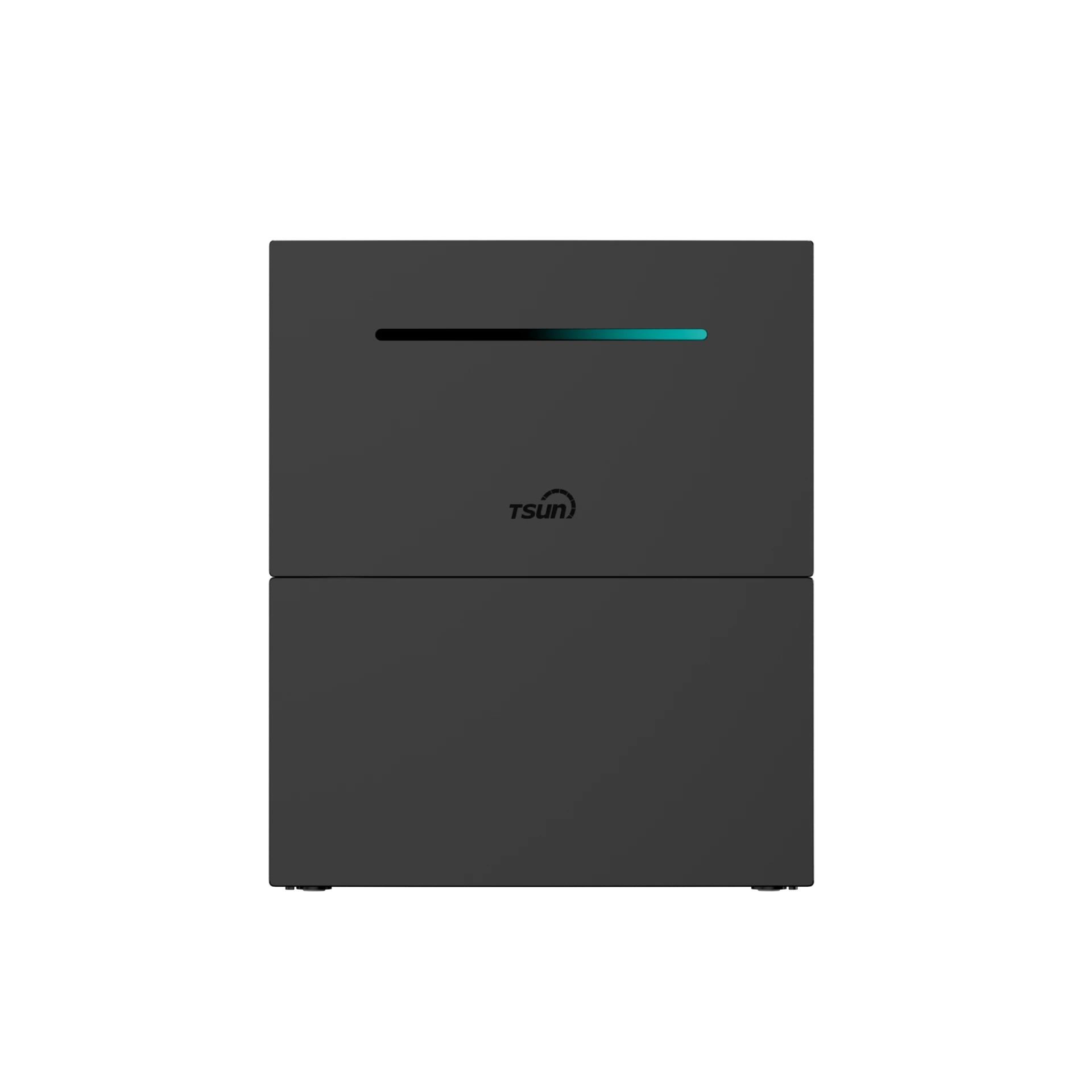
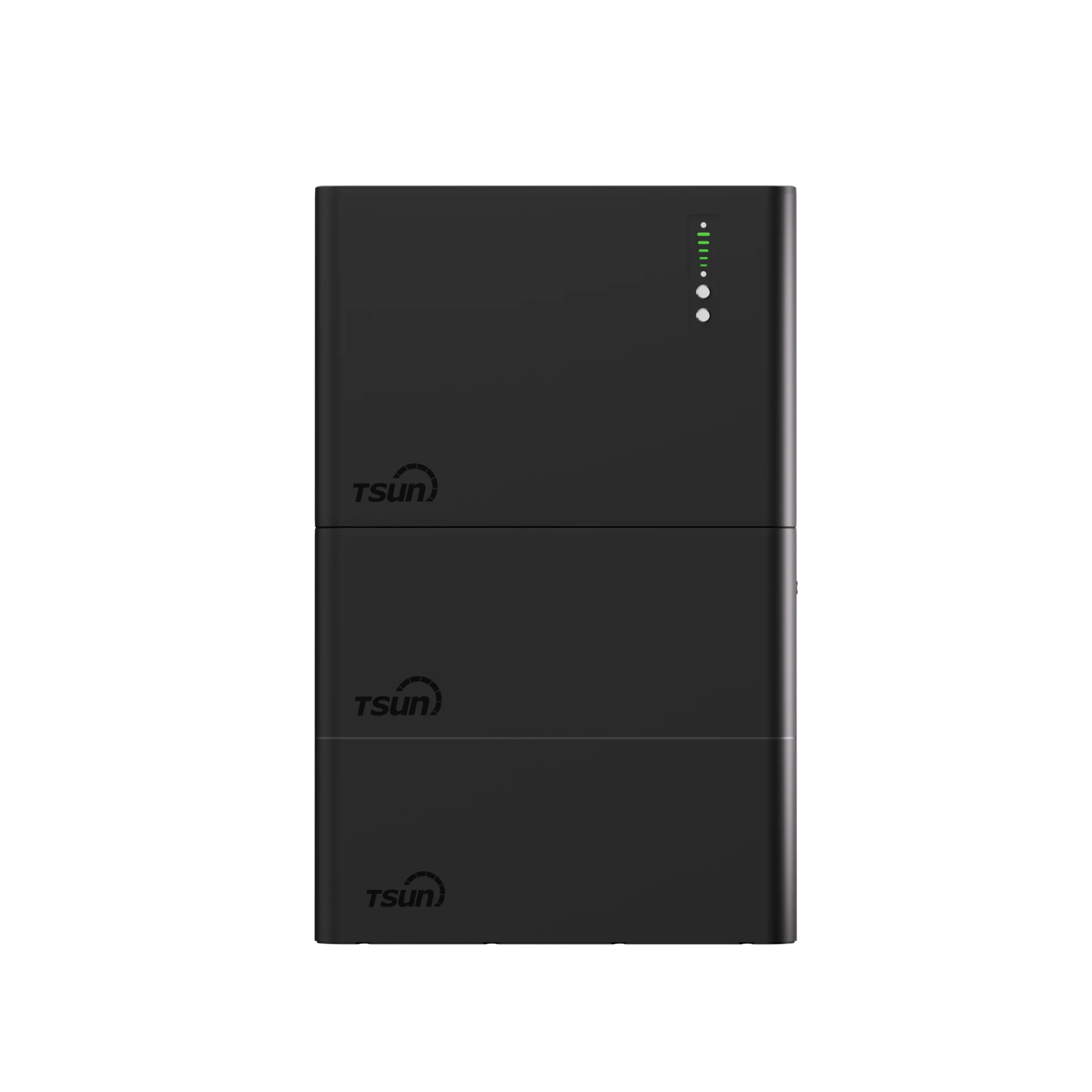
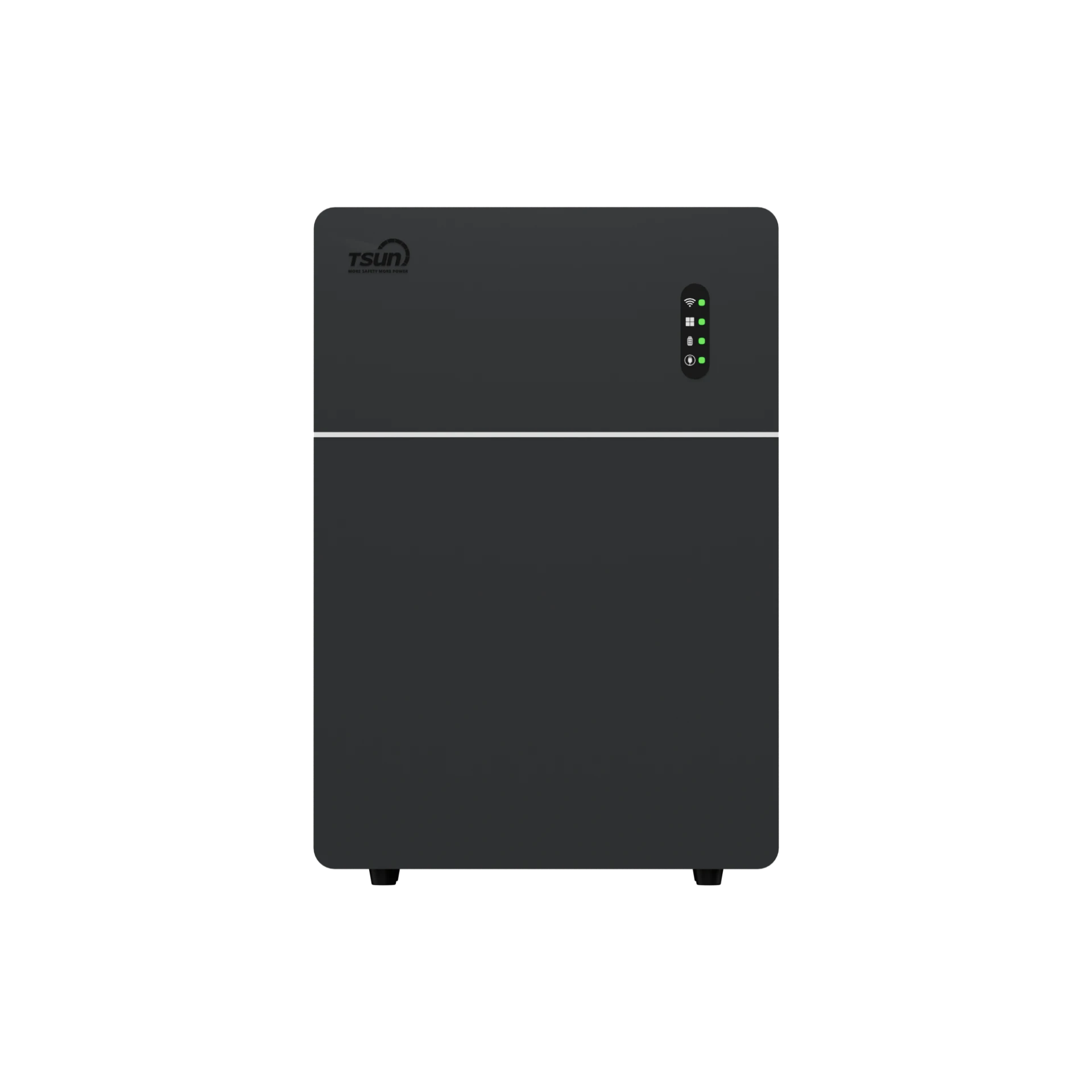
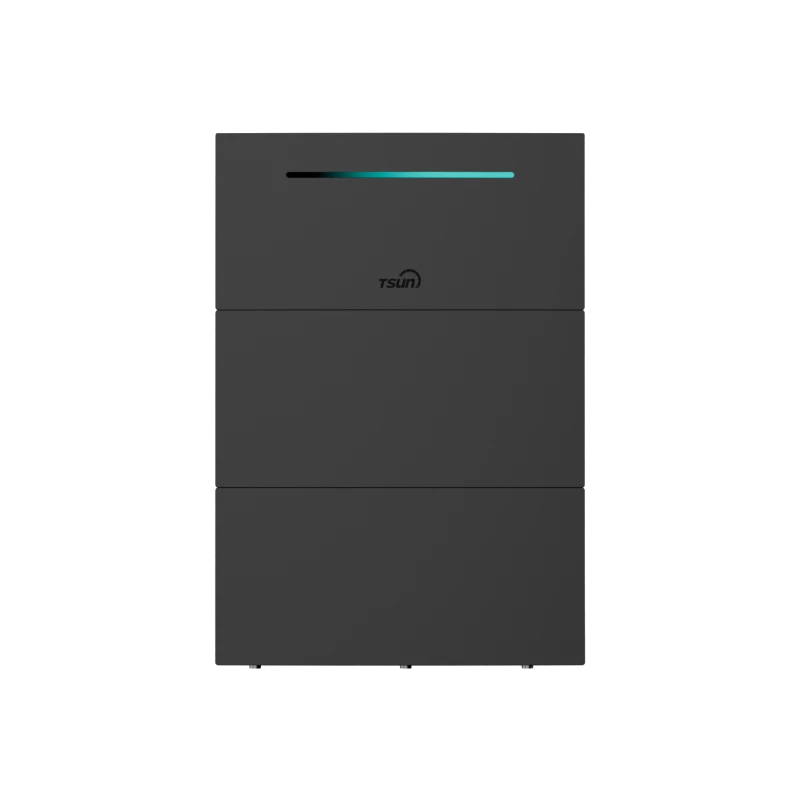
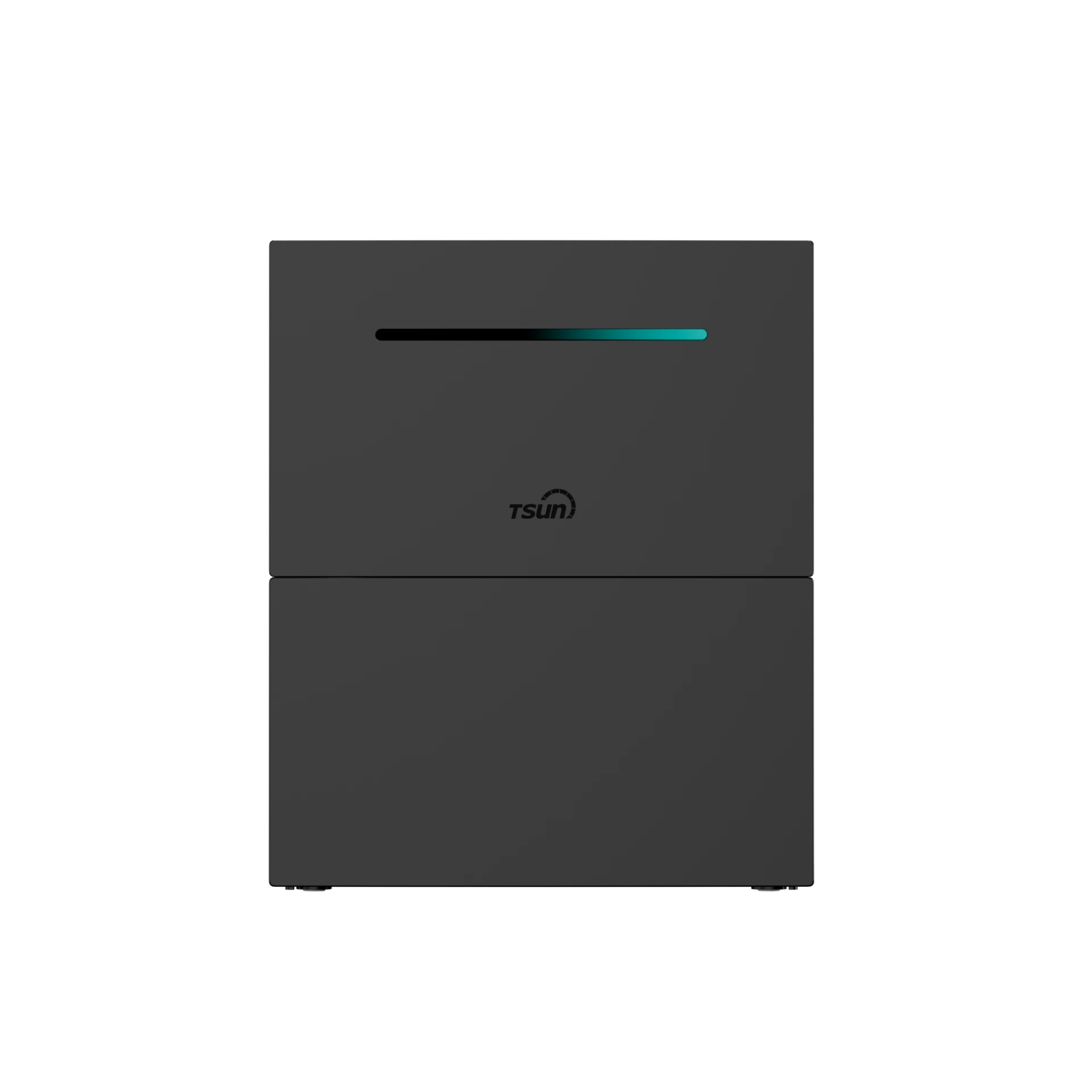
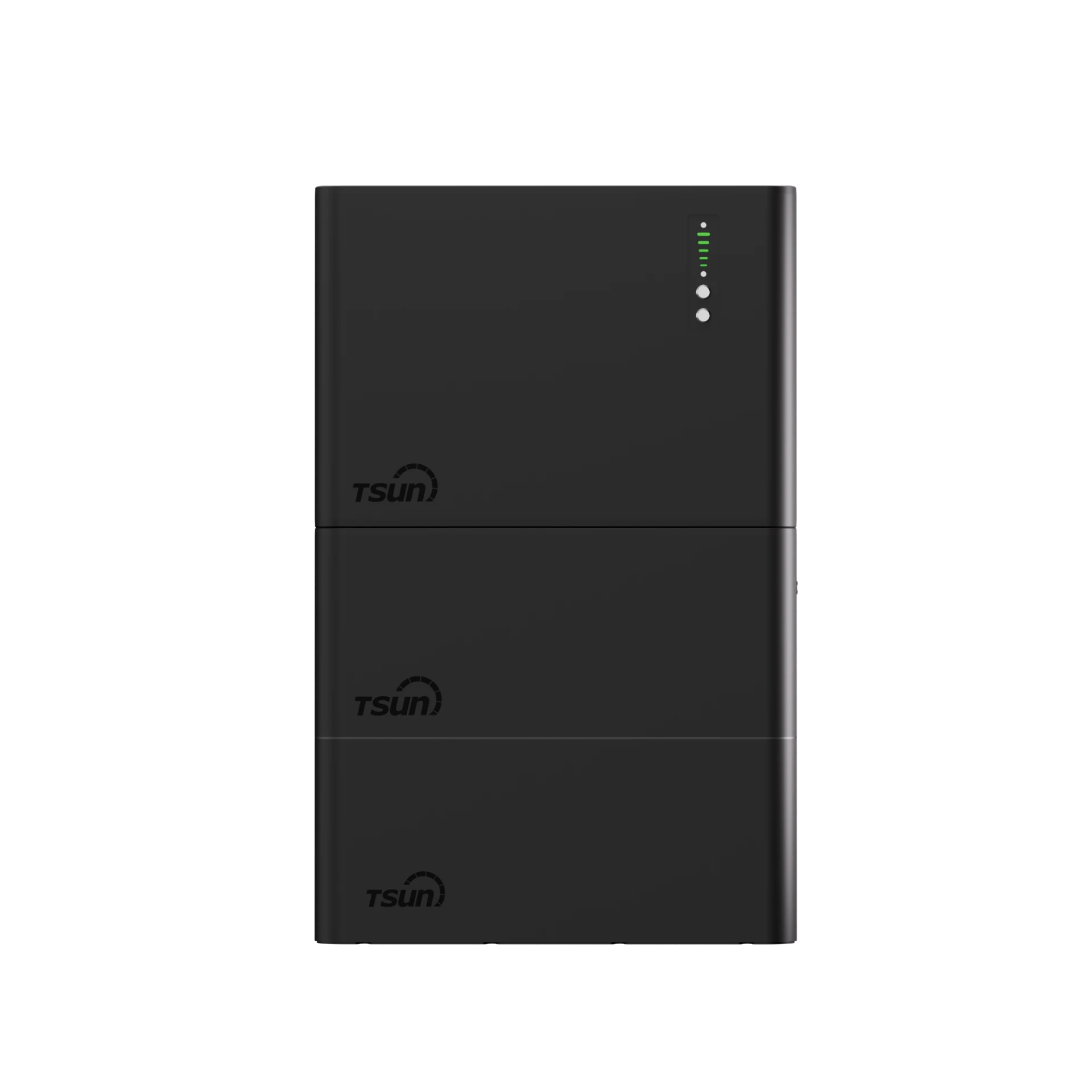
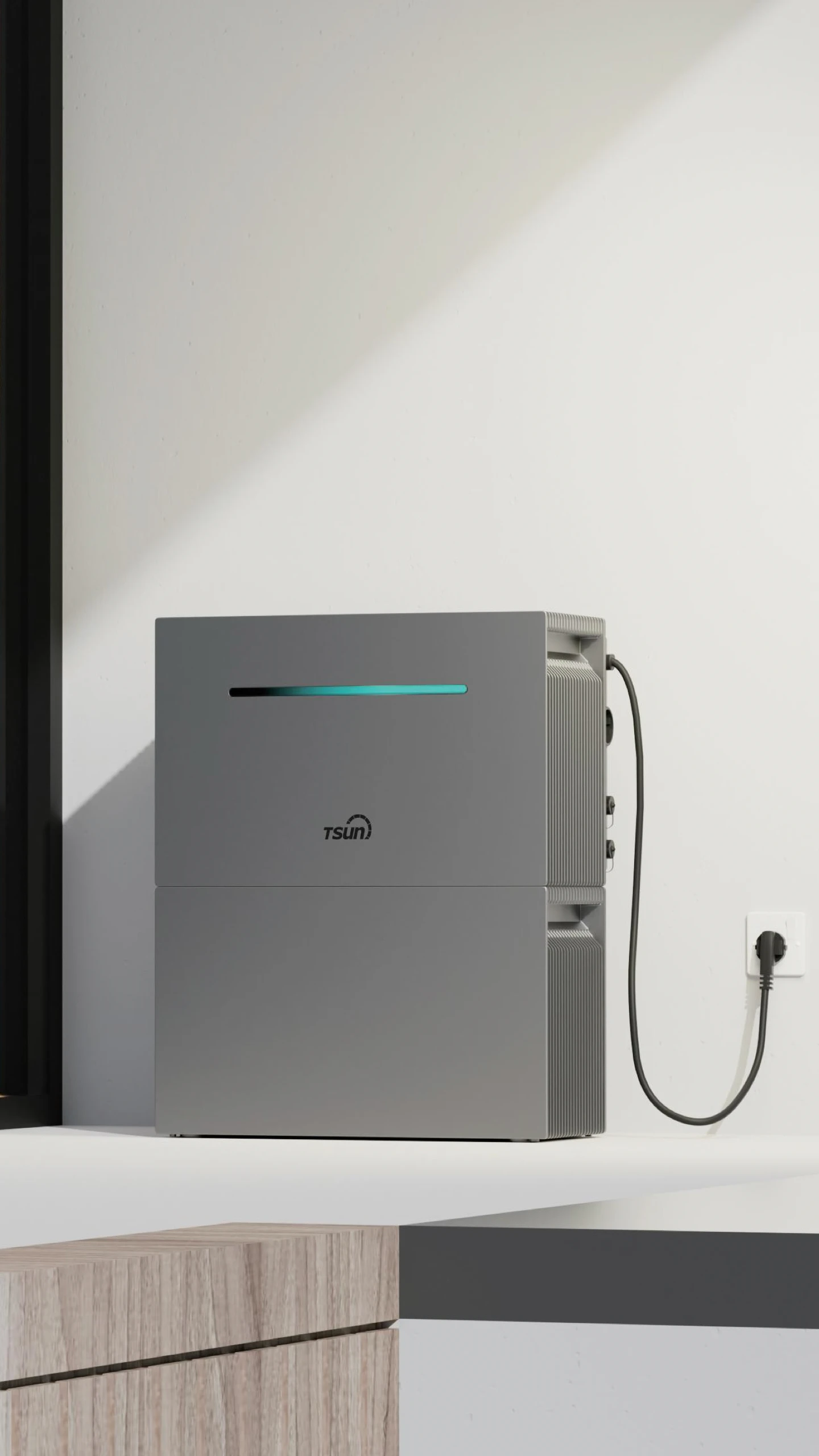
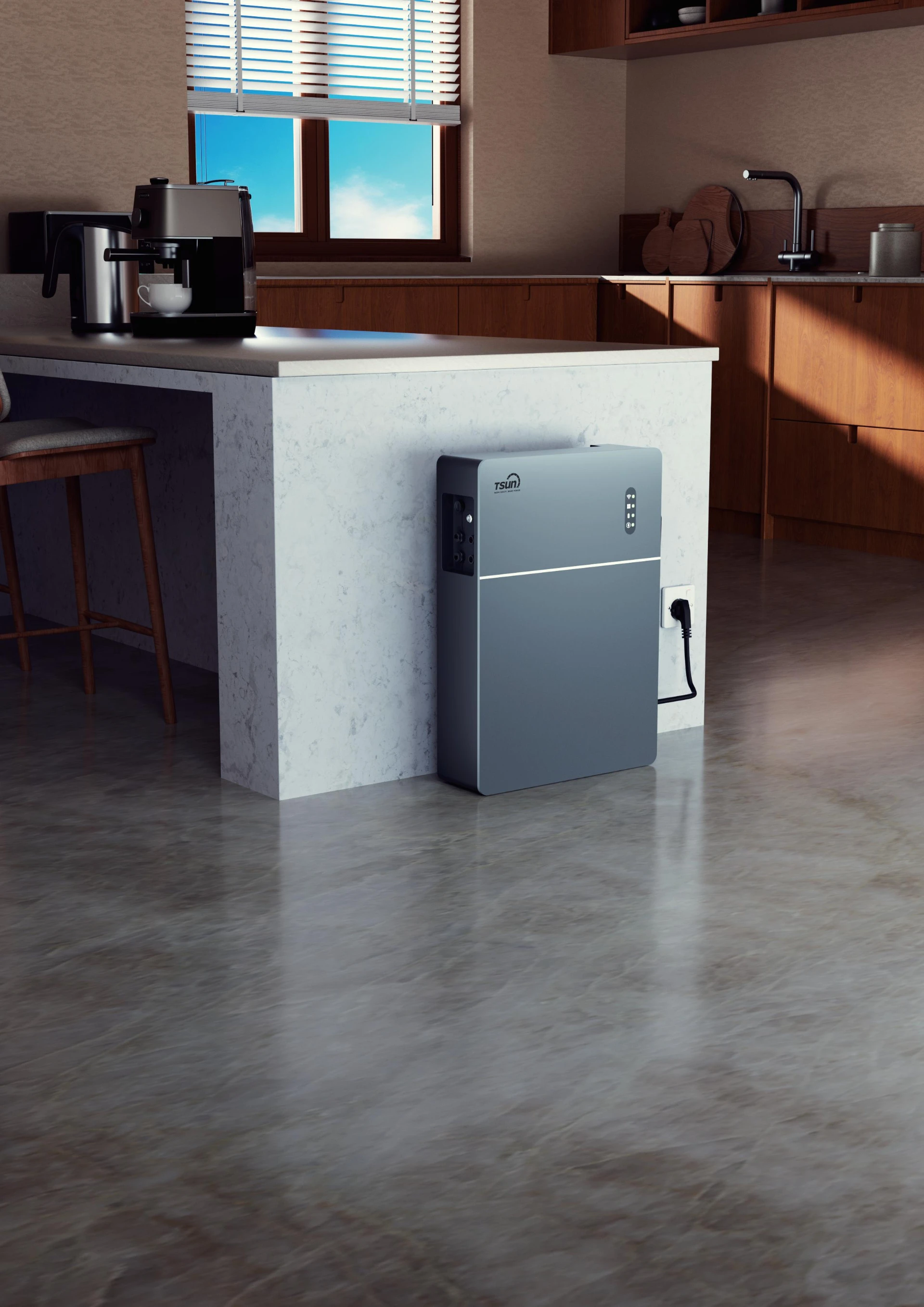
Tsun-ESS is a leading provider of advanced residential energy storage systems. We offer a range of lithium-ion battery solutions designed for reliability, performance, and scalability. Our systems are known for their high efficiency, long lifespan, and comprehensive safety features. We prioritize customer satisfaction through expert support, streamlined installation processes, and ongoing monitoring capabilities. Our commitment extends beyond simply providing products; we aim to empower homeowners with energy independence and contribute to a cleaner, more sustainable world.
Residential Energy Storage System Specifications
Here's a look at some typical specifications for a Tsun-ESS residential energy storage system:
| Specification |
Detail |
| Usable Capacity |
5 kWh - 10 kWh |
| Continuous Power |
3kW - 5kW |
| Cycle Life |
6000+ cycles |
| Operating Temperature |
-20°C to 60°C |
Conclusion: Embrace Energy Independence with Tsun-ESS
Investing in residential energy storage is a smart move toward energy independence, cost savings, and a sustainable future. Tsun-ESS provides reliable, efficient, and scalable solutions to meet your specific needs. Contact us today to learn how we can help you power your future.
Frequently Asked Questions (FAQs)
How long do residential energy storage systems typically last?
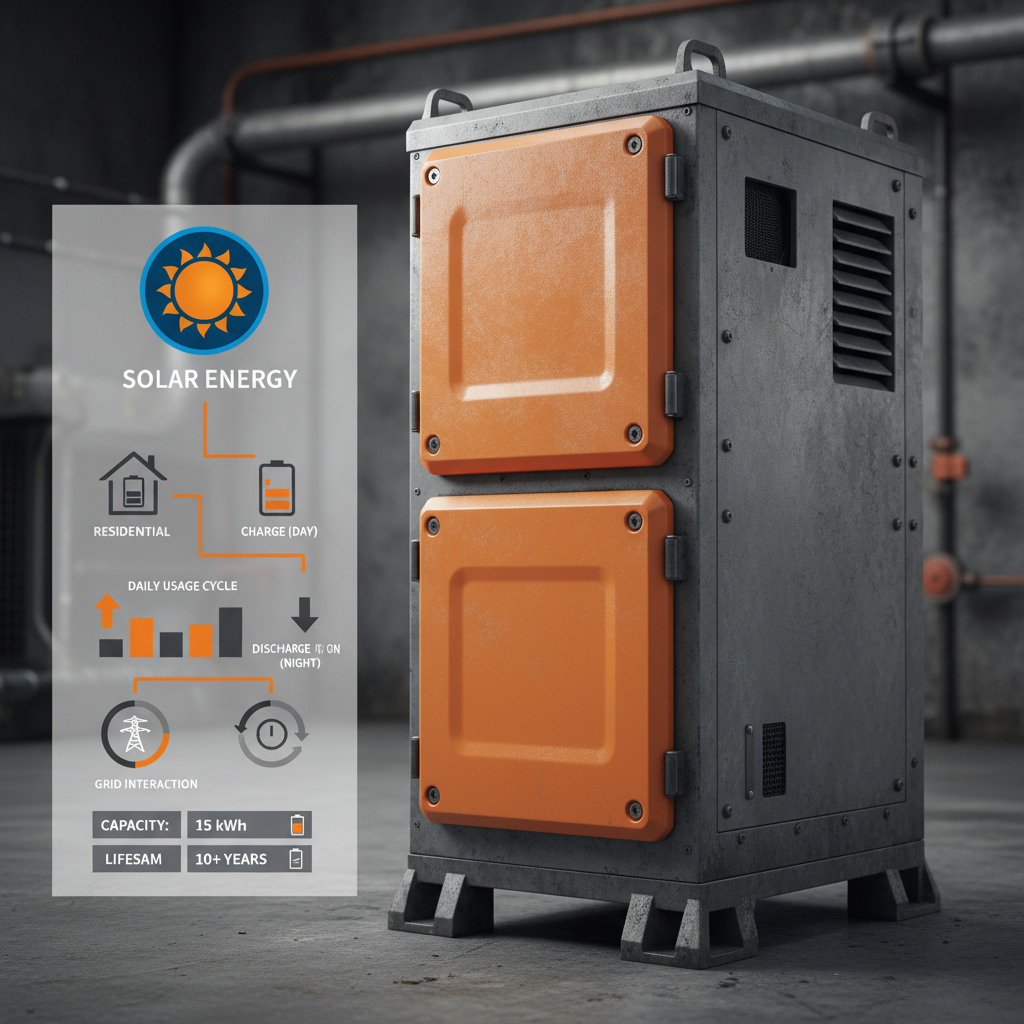
The lifespan of a residential energy storage system, particularly lithium-ion batteries, generally ranges from 10 to 15 years. However, this can vary depending on usage patterns, operating temperatures, and the quality of the battery. Factors like frequent deep discharges (fully draining the battery) can shorten the lifespan. Most manufacturers, including Tsun-ESS, offer warranties covering a specific period or a certain number of charge/discharge cycles. Regular maintenance and monitoring can also help prolong the system’s life. The degradation of battery capacity over time is a natural process, but well-maintained systems can retain a significant portion of their original capacity for many years.
Are there any incentives or rebates available for residential energy storage?
Yes, many government and utility programs offer incentives and rebates for installing residential energy storage systems. These incentives can significantly reduce the upfront cost of the system. The availability and amount of incentives vary depending on your location. Federal tax credits are often available, and many states offer additional rebates or tax incentives. Utility companies may also provide incentives for participating in demand response programs or for reducing grid load during peak hours. It's crucial to research the incentives available in your area before making a purchase. Tsun-ESS can help you navigate available incentives.
Can I use a residential energy storage system with an existing solar panel system?
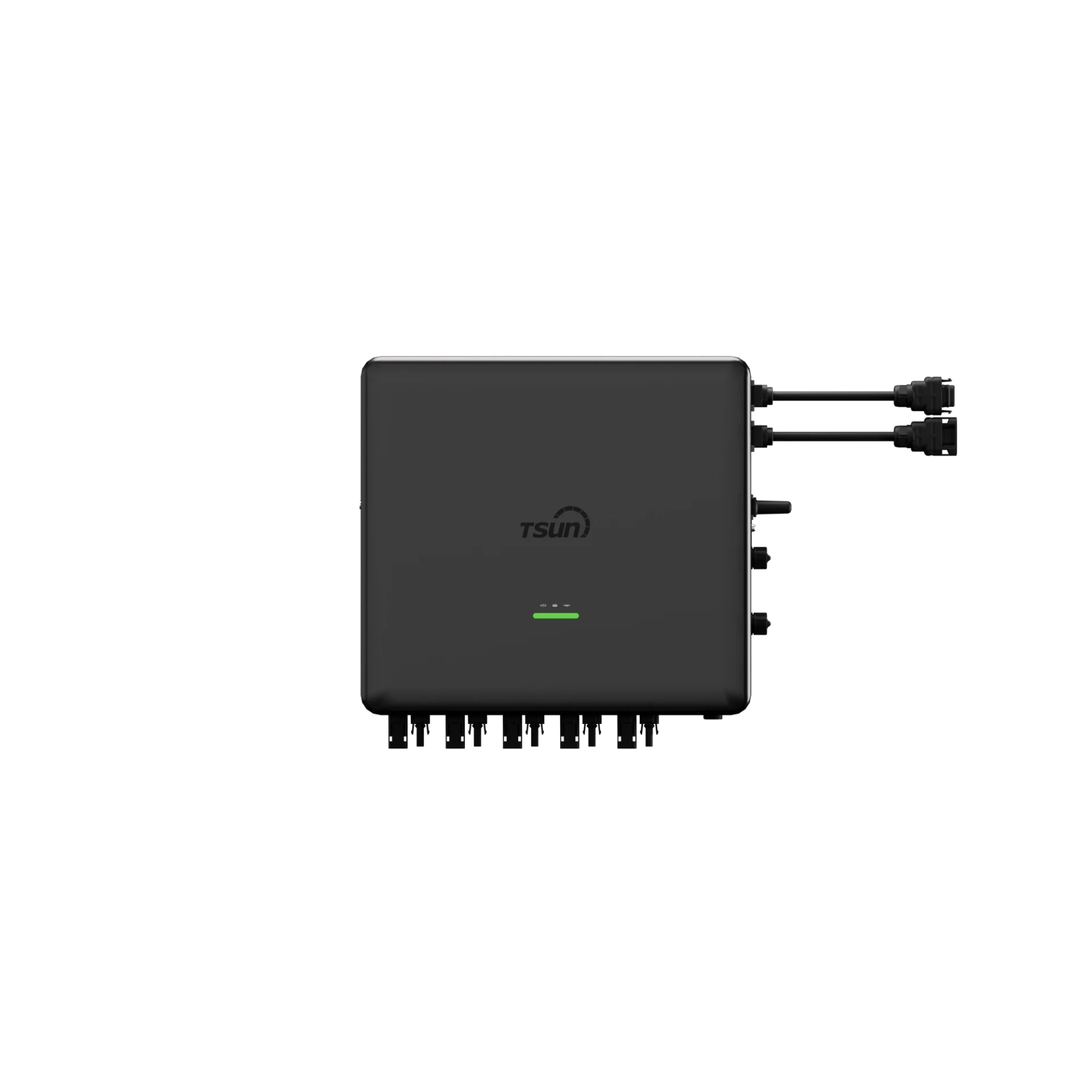
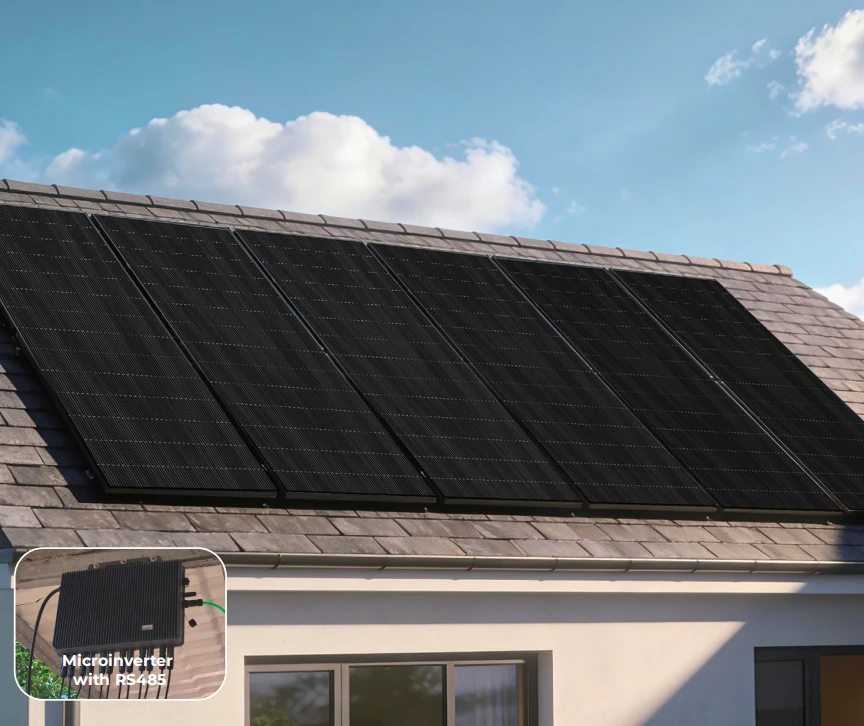
Yes, absolutely. In fact, combining energy storage with a solar panel system is the most common and effective way to maximize the benefits of both technologies. The energy storage system stores the excess solar energy generated during the day for use at night or during periods of low sunlight. This allows you to reduce your reliance on the grid and increase your self-consumption of renewable energy. Compatibility between the solar inverter and the energy storage system is crucial, so it's important to work with a qualified installer to ensure a seamless integration. Tsun-ESS systems are designed to integrate seamlessly with a wide range of solar inverters.
What safety features are included in Tsun-ESS energy storage systems?
Safety is a top priority for Tsun-ESS. Our energy storage systems incorporate multiple layers of protection, including battery management systems (BMS) that monitor cell voltage, temperature, and current to prevent overcharging, over-discharging, and overheating. The systems also include thermal runaway protection, short-circuit protection, and fire suppression features. They are rigorously tested to meet industry safety standards and certifications. We prioritize using high-quality components and implementing robust safety protocols to ensure the reliable and safe operation of our systems.





 LEARN DETAILS
 Downloads
 Video Center
 Report Fault for Repair
 FAQS
FAQS Service Network
 Privacy Policy
 Contact Us
 Monitoring


 LEARN MORE