Understanding Off Grid Solar Microinverters: A Key to Sustainable Energy Independence
When we talk about renewable energy, the term off grid solar microinverter might not roll off the tongue easily, but its importance is hard to overstate. These compact devices play a pivotal role in turning sunlight into usable electricity, especially for places or situations where access to the main power grid is unreliable or nonexistent. Globally, as millions seek sustainable and independent energy solutions, understanding these microinverters becomes more than just technical jargon — it’s about empowering communities, industries, and remote operations with reliable, clean power.
Quick takeaway: Off grid solar microinverters facilitate direct solar power conversion and grid independence, crucial in energy-stressed regions worldwide.
Introduction: The Global Context of Off Grid Solar Microinverters
Did you know that according to the International Renewable Energy Agency (IRENA), nearly 770 million people lack access to electricity as of 2023? The UN’s Sustainable Development Goal 7 focuses on ensuring access to affordable, reliable, sustainable, and modern energy for all — but current infrastructure gaps and climate challenges are massive hurdles.
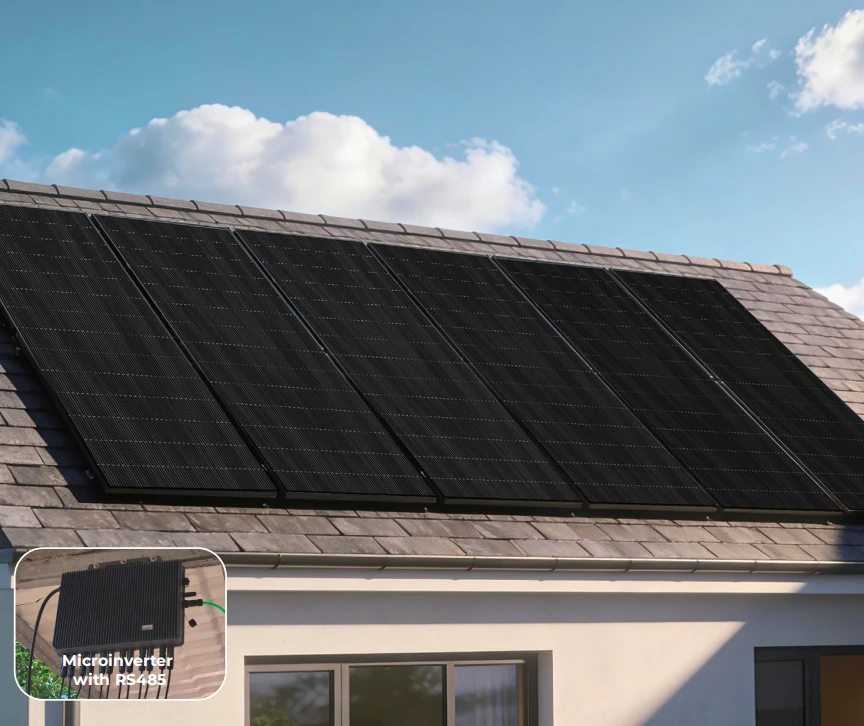
Off grid solar systems—systems operating independently of the centralized power grid—offer a lifeline here. Yet, the stability, efficiency, and reliability of such setups hinge on smart components like microinverters. Unlike traditional centralized inverters, microinverters convert DC power from individual solar panels into usable AC power directly at the panel site, optimizing energy harvest and system resilience.
In real terms, this means better uptime during outages, easier system scaling, and safer operation. That’s why industries, humanitarian organizations, and remote communities are increasingly deploying these devices to solve critical energy problems.
What Is an Off Grid Solar Microinverter?
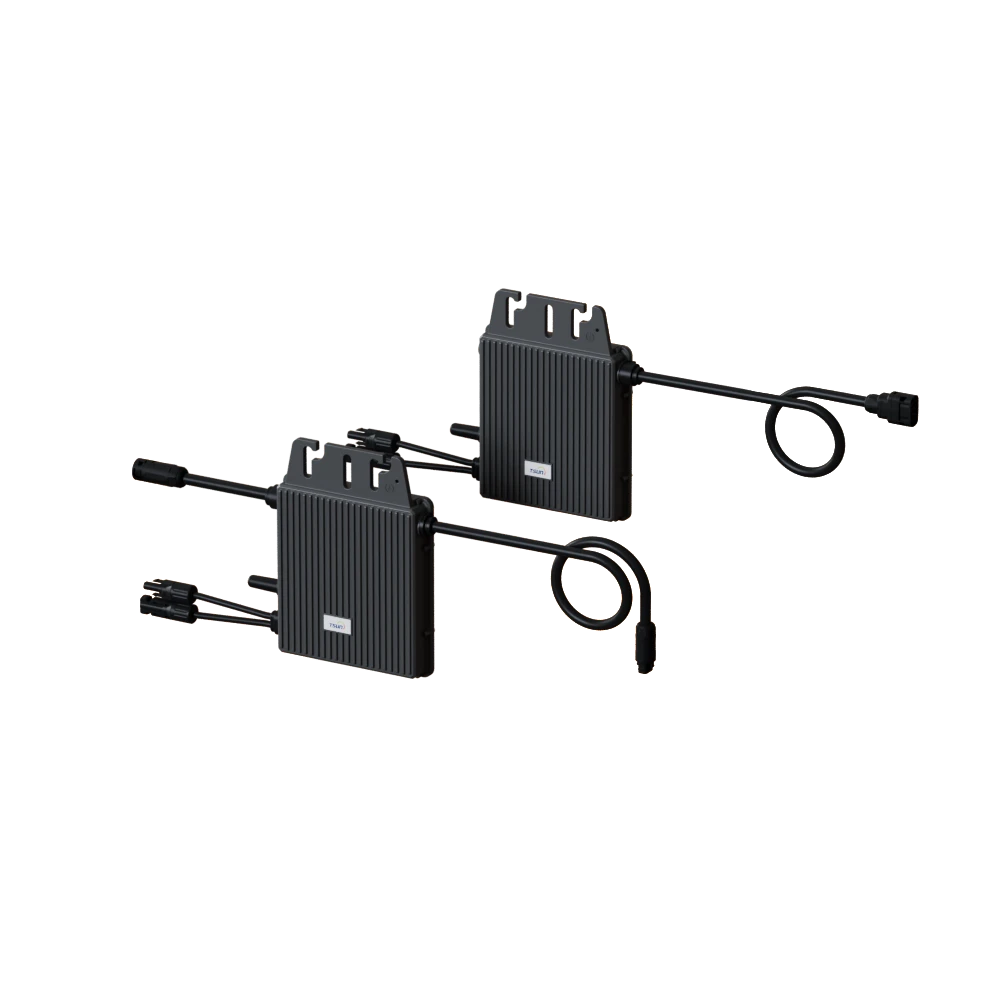
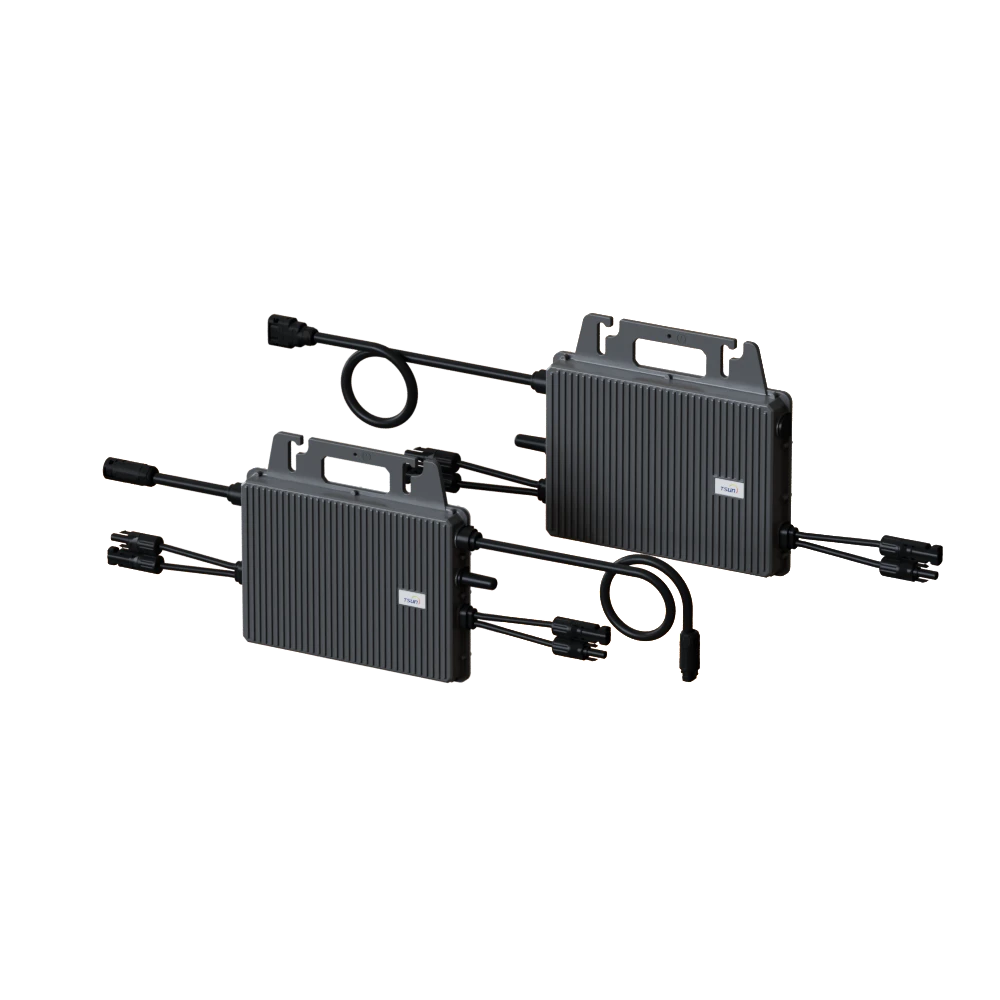
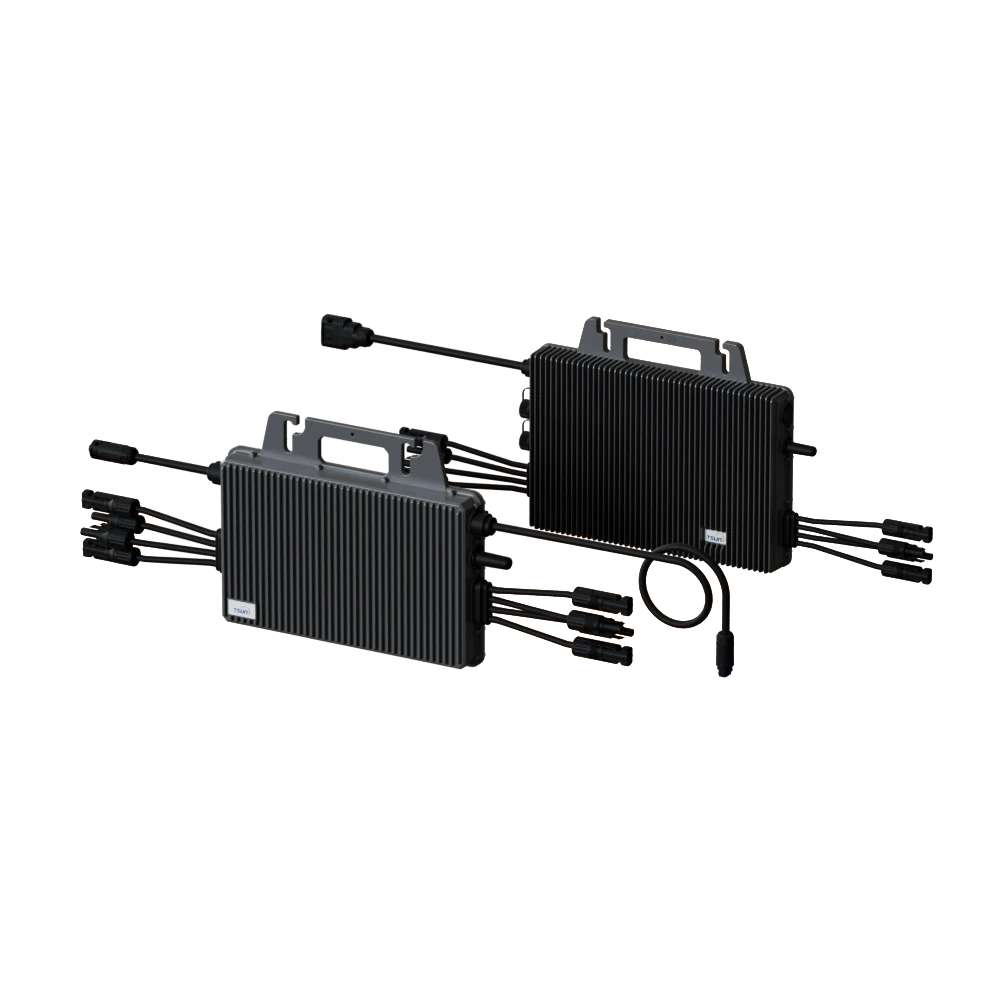
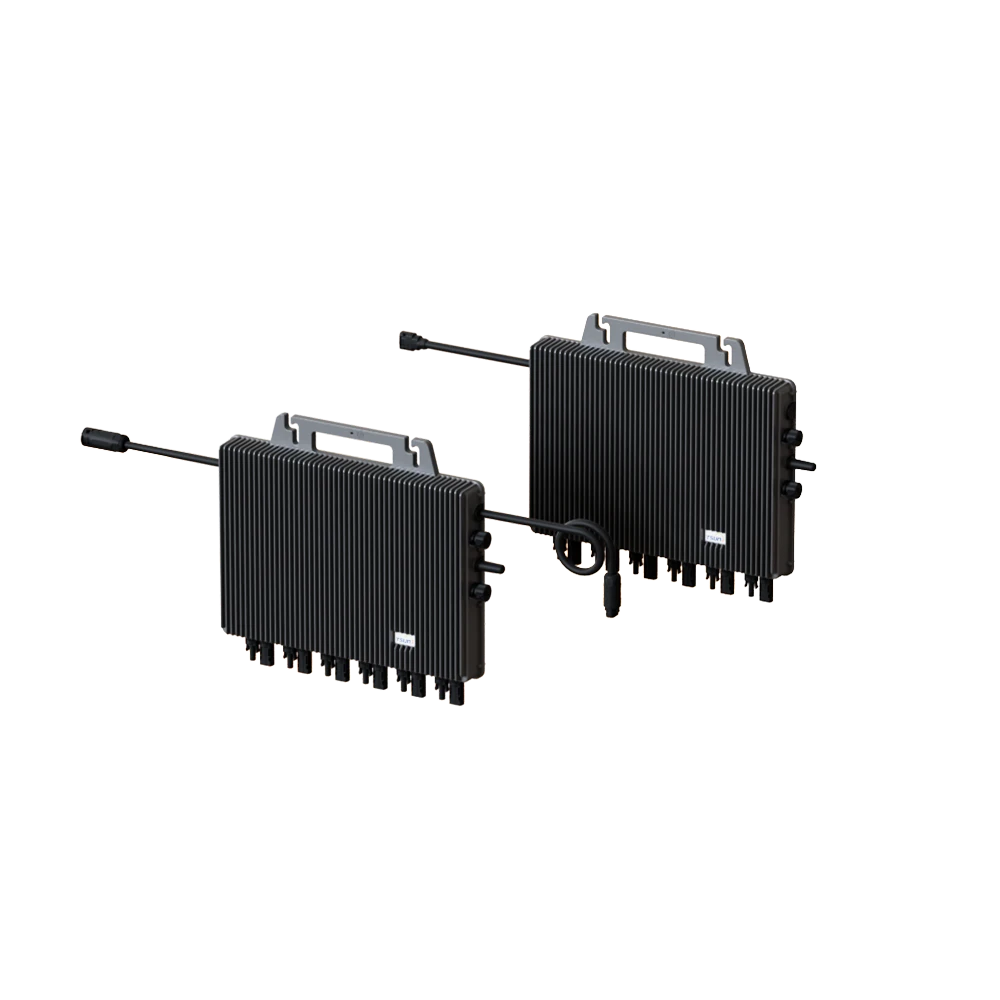
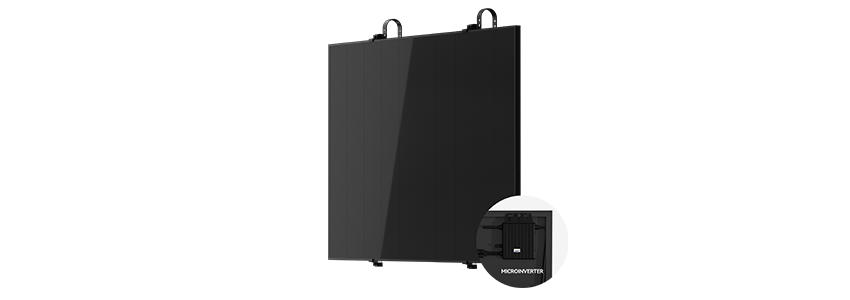
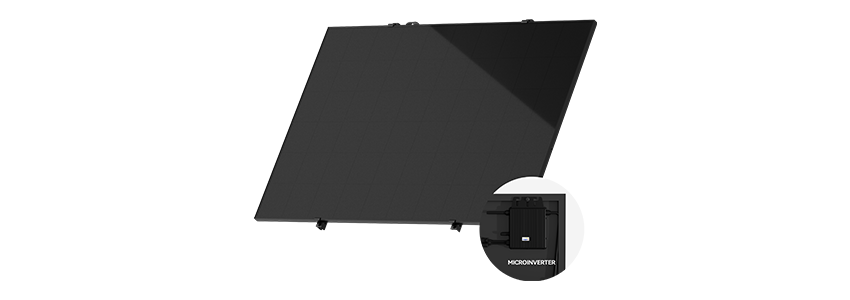
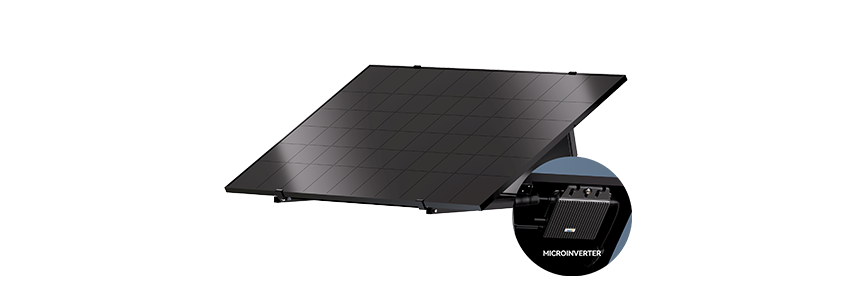
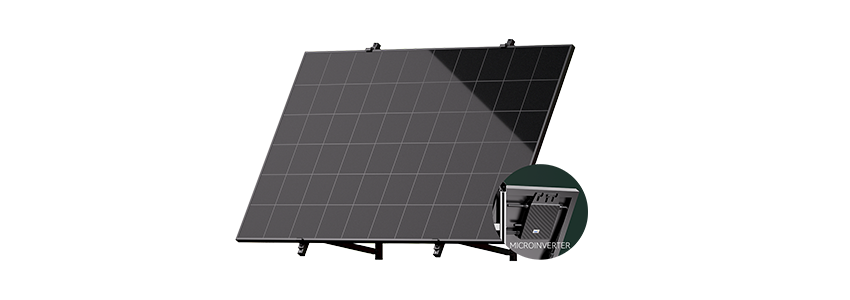
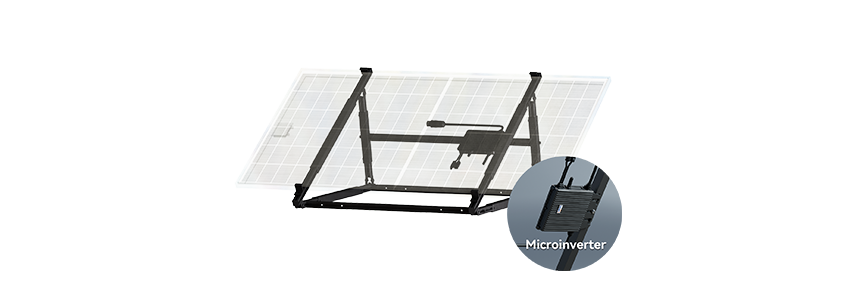
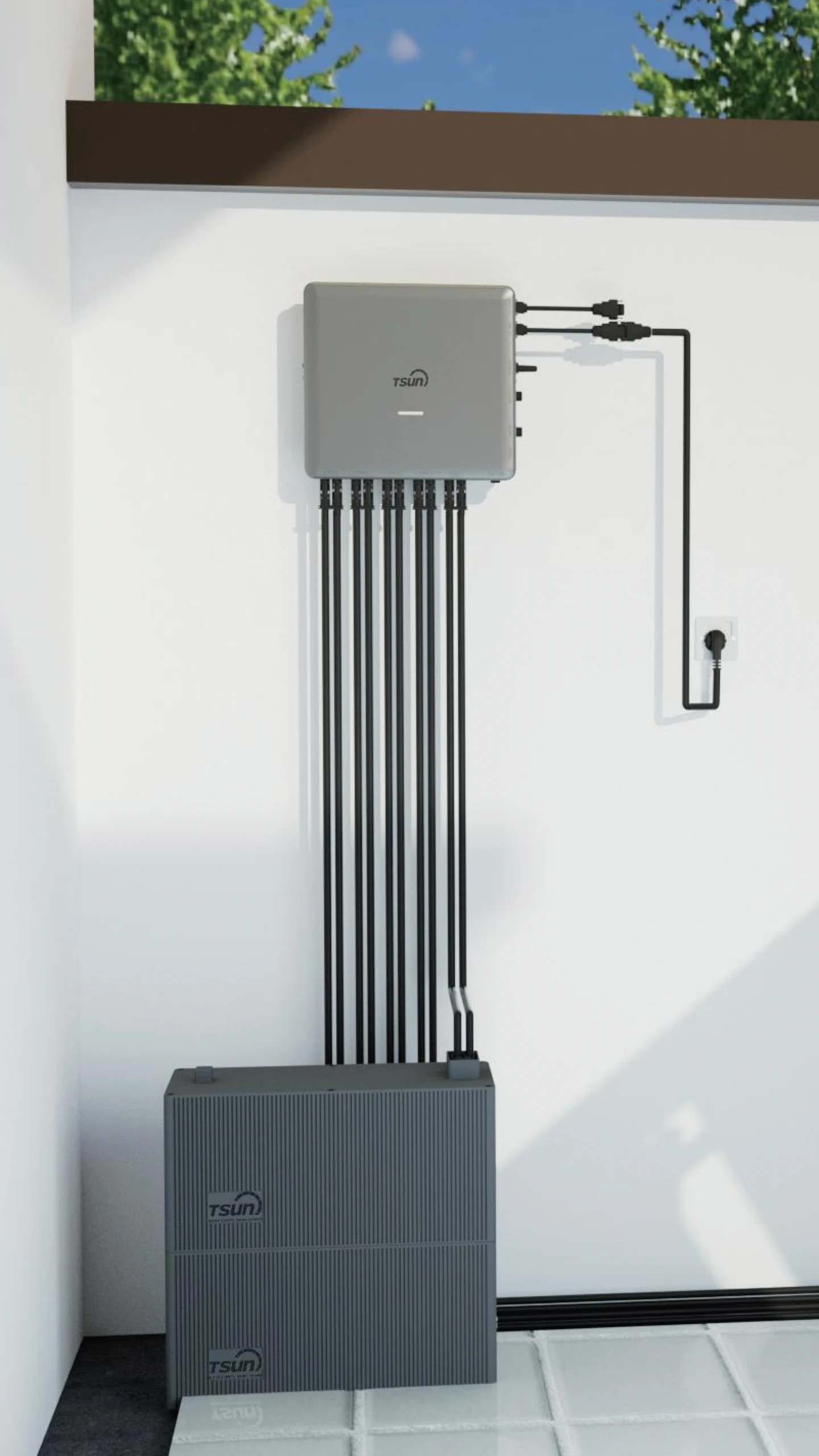
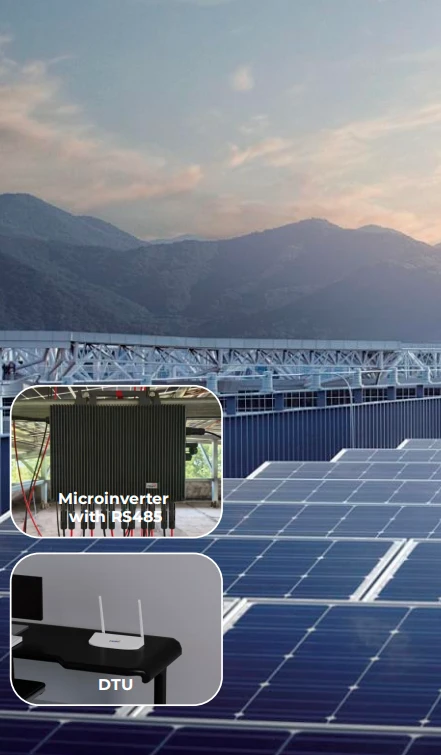
Simply put, an off grid solar microinverter is a small electronic device attached directly to a solar panel that converts the direct current (DC) the panel produces into alternating current (AC) that runs most electrical devices. The “off grid” aspect means the system is independent from any public power network, relying entirely on solar panels paired with batteries or other storage to ensure energy availability at night or during poor sunlight.
These microinverters are essential for modern off grid applications because they improve efficiency by maximizing each panel’s performance individually and reduce the impact if one panel is shaded or malfunctioning. This modularity also makes the technology easier to install and maintain — qualities that matter especially in sectors like remote agriculture, disaster relief camps, and isolated research stations.
Key Factors of Off Grid Solar Microinverters
1. Durability & Weather Resistance
Because these devices are often installed outdoors, exposure to dust, rain, extreme temperatures, and UV rays is a given. Microinverters designed with weatherproof casings and robust electronics support long-term operation without costly downtime or repairs.
2. Scalability
Adding new solar panels and microinverters is straightforward, making future expansions less complex. Whether you’re powering a remote school or a mining outpost, this flexibility is a solid advantage.
3. Cost Efficiency over Time
While microinverters can be pricier upfront compared to string inverters, their superior performance in varying light conditions often means more energy harvested and thus better return on investment.
4. Safety Features
Microinverters reduce high-voltage DC wiring, lowering fire risks — a non-trivial consideration especially in dry, remote regions.
5. Integration with Battery Storage
For true off grid setups, microinverters work closely with battery management systems to ensure seamless energy availability 24/7.
Typical Off Grid Solar Microinverter Specifications
| Feature |
Typical Value |
| Power Output |
250 - 300 Watts |
| Efficiency |
95-98% |
| Operating Temperature |
-40°C to +85°C |
| Connectivity |
Wi-Fi / Zigbee / Proprietary |
| Warranty |
10 years standard |
Global Applications & Use Cases
Off grid solar microinverters find applications all over the world — from small-scale residential systems in rural Africa to industrial and emergency deployments.
- Remote Villages and Off Grid Homes: Where traditional grid expansion is economically or geographically impractical, microinverter-based solar arrays provide sustainable power, improving health and education outcomes.
- Disaster Relief and Humanitarian Aid: In post-disaster scenarios, mobile solar units equipped with microinverters supply immediate, safe electricity for communications and medical devices.
- Isolated Industrial Zones: Mining, agriculture, and communication towers in remote locations rely on these systems for uninterrupted power, reducing fuel dependency and emissions.
- Research Stations: Polar or desert research facilities utilize microinverters to maintain power with minimal footprint.
Advantages & Long-Term Value
The benefits are not just about energy. Off grid solar microinverters bring resilience—freedom from a failing or distant grid. They foster economic development by providing power where it’s needed most. Environmentally, solar energy with microinverter technology reduces carbon footprints and mitigates pollution.
On a human level, there’s something reassuring about owning your energy source. It imparts dignity, promotes innovation in lifestyle and work, and builds trust in technology over time.
Future Trends & Innovations in Off Grid Solar Microinverters
Exciting developments are on the horizon. Integration with smart energy management systems will allow users to optimize power usage based on demand and weather forecasts. Emerging materials like perovskite solar panels paired with next-gen microinverters promise improved energy conversion efficiency.
Also, policy incentives worldwide are encouraging adoption, and improved battery technologies (e.g., solid-state batteries) will enhance off grid storage, further stabilizing these systems.
Challenges & Solutions
Of course, no technology is without hurdles. High initial costs and technical maintenance can be barriers. Plus, variability in solar exposure requires intelligent controls and reliable batteries.
To tackle these, companies are innovating with modular designs, predictive maintenance using IoT sensors, and financing models that lower upfront pain points. Training local technicians is another effective approach to bolster system longevity and community trust.
Vendor Comparison: Leading Off Grid Solar Microinverter Providers
| Vendor |
Power Range (W) |
Warranty |
Notable Features |
Price Per Unit (USD) |
| SunMicroTech |
250-300 |
12 years |
Wi-Fi enabled, compact size |
$280 |
| EcoGrid Solutions |
200-350 |
10 years |
Rugged for harsh environments |
$260 |
| SolarMicro Plus |
275-320 |
15 years |
Advanced diagnostics, auto-shutdown |
$310 |
FAQ: Frequently Asked Questions About Off Grid Solar Microinverters
- What distinguishes a microinverter from a traditional inverter in off grid solar systems?
- Microinverters operate at the level of individual panels, converting DC to AC directly on the panel, increasing efficiency and reliability. Traditional string inverters handle multiple panels together, which can reduce performance if one panel underperforms. Microinverters are preferred for variable or shaded environments common off grid.
- How long does an off grid solar microinverter typically last?
- Most come with warranties of 10–15 years and, with proper installation and maintenance, can last well beyond that. Environmental factors and quality of the device are crucial — higher IP ratings and good thermal management extend lifespan.
- Are microinverters easy to install for non-technical users?
- Installation is generally simpler than string inverters since each unit is lightweight and plug-and-play with solar panels. However, professional installation is recommended to ensure safety and optimal system configuration, especially for integrating battery storage.
- Can off grid solar microinverters work with battery storage?
- Yes, they are designed to integrate seamlessly with battery systems. The microinverter manages the AC conversion while the battery inverter or charge controller handles storage, ensuring continuous power supply regardless of sunlight conditions.
- What maintenance is needed for off grid solar microinverter systems?
- Regular visual checks for physical damage, cleaning panels to maintain output, and monitoring performance through connected apps are usually sufficient. Any abnormal energy drops could signal a need for professional inspection.
Conclusion
To sum it all up, off grid solar microinverters represent a sophisticated yet accessible technology that’s shaping how we capture and use solar energy independently of traditional grids. They bring reliability, safety, and scalability to off grid systems worldwide, supporting sustainability goals and improving lives. Whether you’re a remote community leader, an industrial operator, or simply curious about powering your home off the grid, these microinverters are well worth the attention.
If you want to dive deeper, check out our detailed resources or product lines at off grid solar microinverter. The future of independent, clean energy awaits you.
Feel free to reach out for personalized guidance — sustainable energy isn’t just a trend, it’s a responsibility that we all share.
References
- International Renewable Energy Agency (IRENA)
- United Nations Sustainable Development Goal 7
- Solar Inverter - Wikipedia



 LEARN DETAILS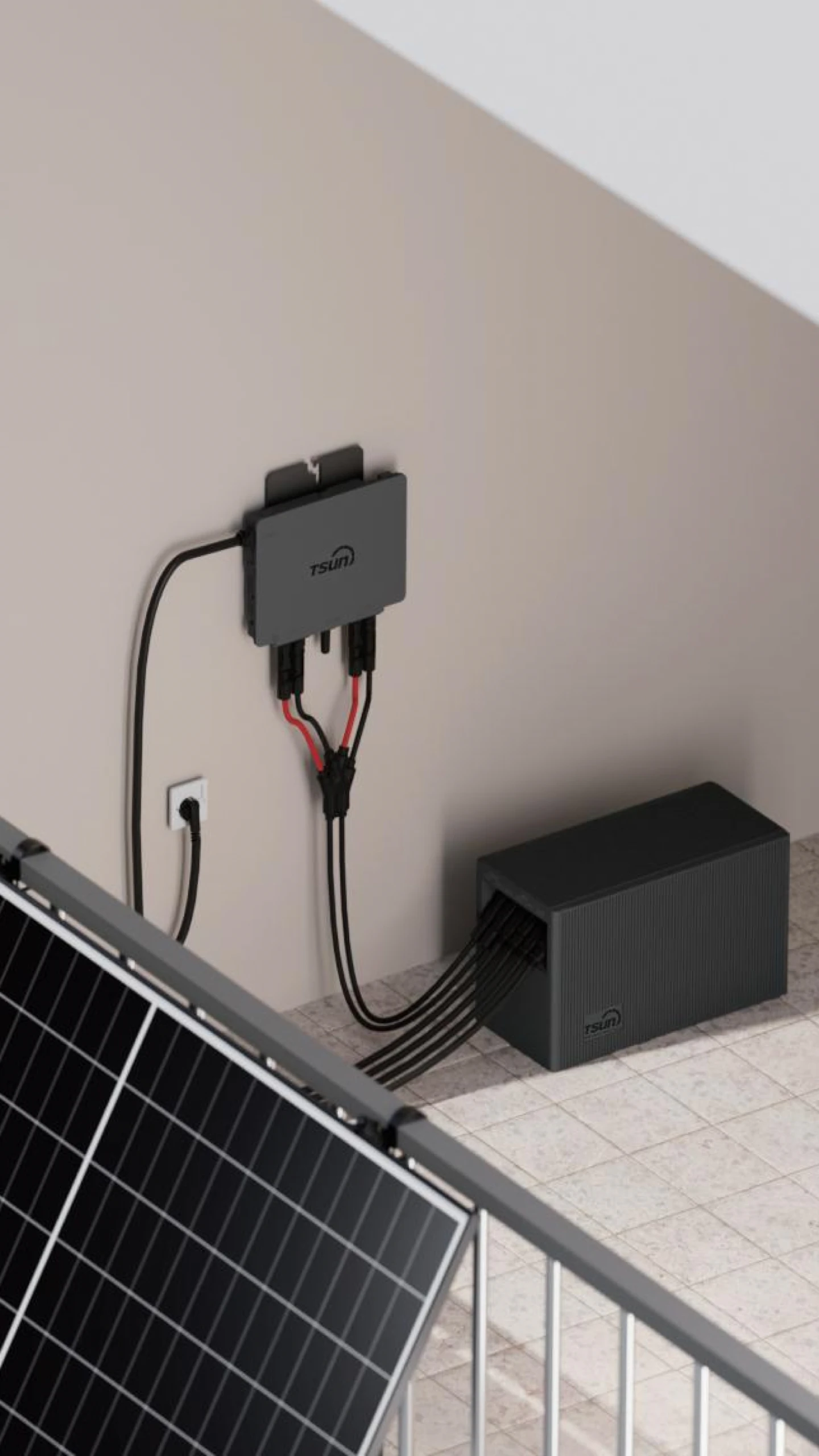
 Downloads
 Video Center
 Report Fault for Repair
 FAQS
FAQS Service Network
 Privacy Policy
 Contact Us
 Monitoring


 LEARN MORE