Understanding Solar & Storage: Why It Matters More Than Ever
Solar & storage might sound like a straightforward combo — you capture energy from the sun and stash it away for later, right? But beneath that simplicity lies a revolution shifting how societies, industries, and even humanitarian groups power their operations globally. This isn’t just about cutting bills or flaunting eco-friendliness; it’s about energy independence, resilience in crises, and offering power access where the grid simply doesn’t reach.
Around the world, we're seeing an accelerating push toward solar energy paired with storage systems—especially as the UN Sustainable Development Goals stress affordable, clean energy for all. In real terms? Over 800 million people still lack reliable electricity (World Bank, 2022), and solar & storage systems are often the fastest and most scalable fix. Whether it’s powering remote clinics in sub-Saharan Africa or stabilizing city grids in Europe, these solutions empower progress, not just survival.
Mini takeaway: Solar & storage isn’t a niche tech — it’s a global energy lifeline and a key to sustainable futures.
Solar & Storage in the Global Context: Shaping Tomorrow’s Energy Landscape
To grasp why solar & storage matters globally, consider this: solar installations skyrocketed by 23% worldwide in just one year (IEA, 2023). Despite this, intermittent generation — the fact that the sun doesn’t always shine — creates challenges for energy reliability. This is where storage systems come in, buffering fluctuations, and bringing stability.
Countries from sunny Spain to cloudy Germany innovate in solar storage, while disaster-prone regions like the Philippines or California rely on these setups to keep power flowing even during crises. As climate change intensifies unpredictable weather, the combination of solar & storage offers resilience that traditional grids struggle to provide.
But it’s not without hurdles. The upfront costs, integration complexity, and materials sourcing remain thorny issues. However, advances in battery tech and smart energy management demonstrate growing optimism from engineers and policymakers alike.
Mini takeaway: Solar & storage addresses the puzzle of clean, reliable energy amidst climate and infrastructure uncertainties worldwide.
What Exactly Is Solar & Storage?
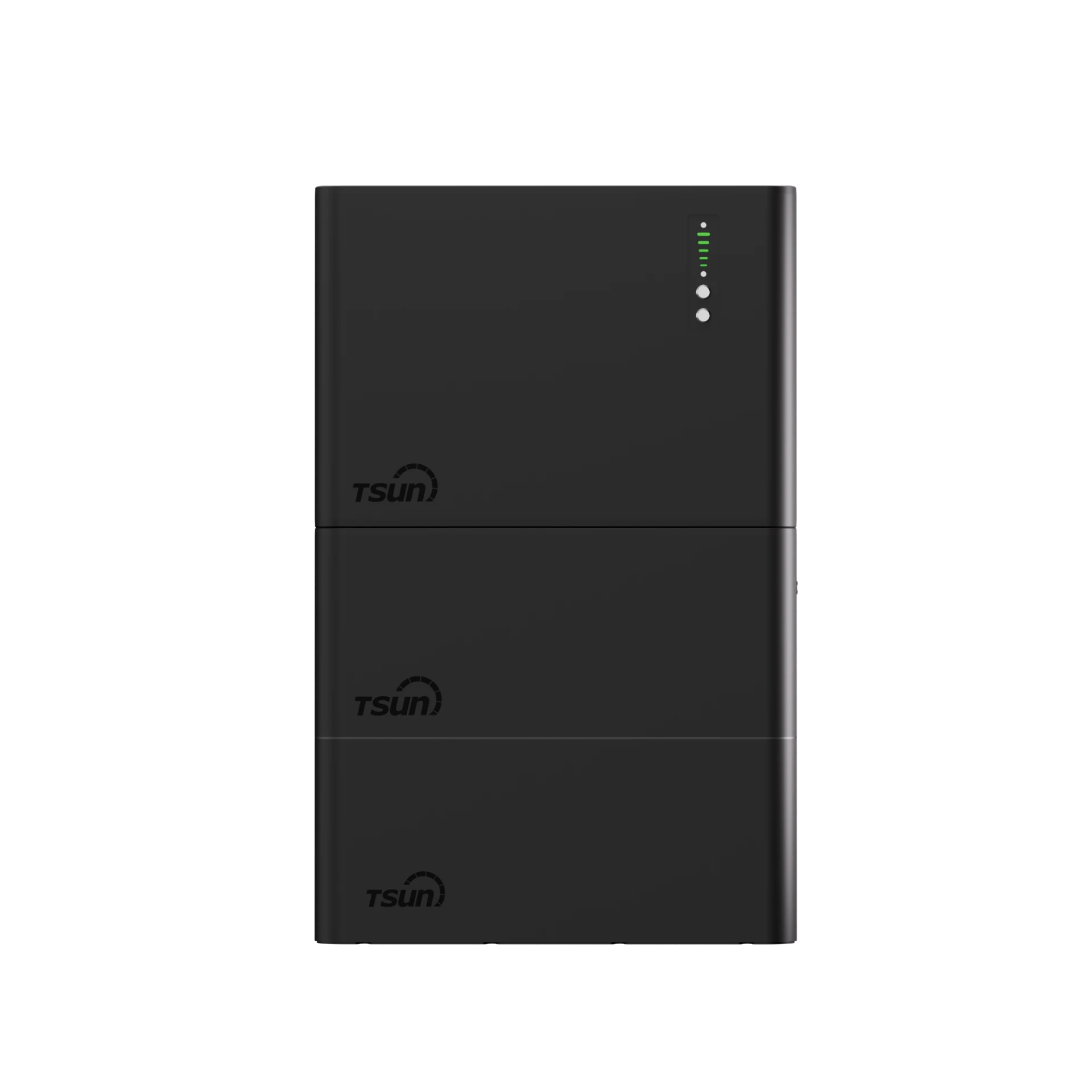
Put simply, solar & storage means capturing sunlight using photovoltaic panels, then saving the electrical energy in batteries or other mediums for later use. The storage component can be battery banks, pumped hydro systems, or newer tech like thermal energy storage.
Why is this so pivotal now? Because delivering power in the moment of sunlight isn’t enough if you want consistent, 24/7 use. Storage lets households run lights at night, hospitals maintain critical equipment, and factories keep humming regardless of cloud cover or grid failures.
Beyond homes and factories, solar & storage plays into industries like agriculture, telecommunications, and emergency relief. You might see it powering irrigation pumps in India, remote telecom towers in Africa, or relief camps after natural disasters — basically anywhere reliable, clean power matters.
Key Components That Make Solar & Storage Tick
1. Durability
Solar panels and batteries need to be tough — outdoor exposure means rain, heat, dust, sometimes salt spray near coasts. Manufacturers now use reinforced glass, corrosion-resistant alloys, and sealed battery cells to extend lifespan to 20+ years.
2. Scalability
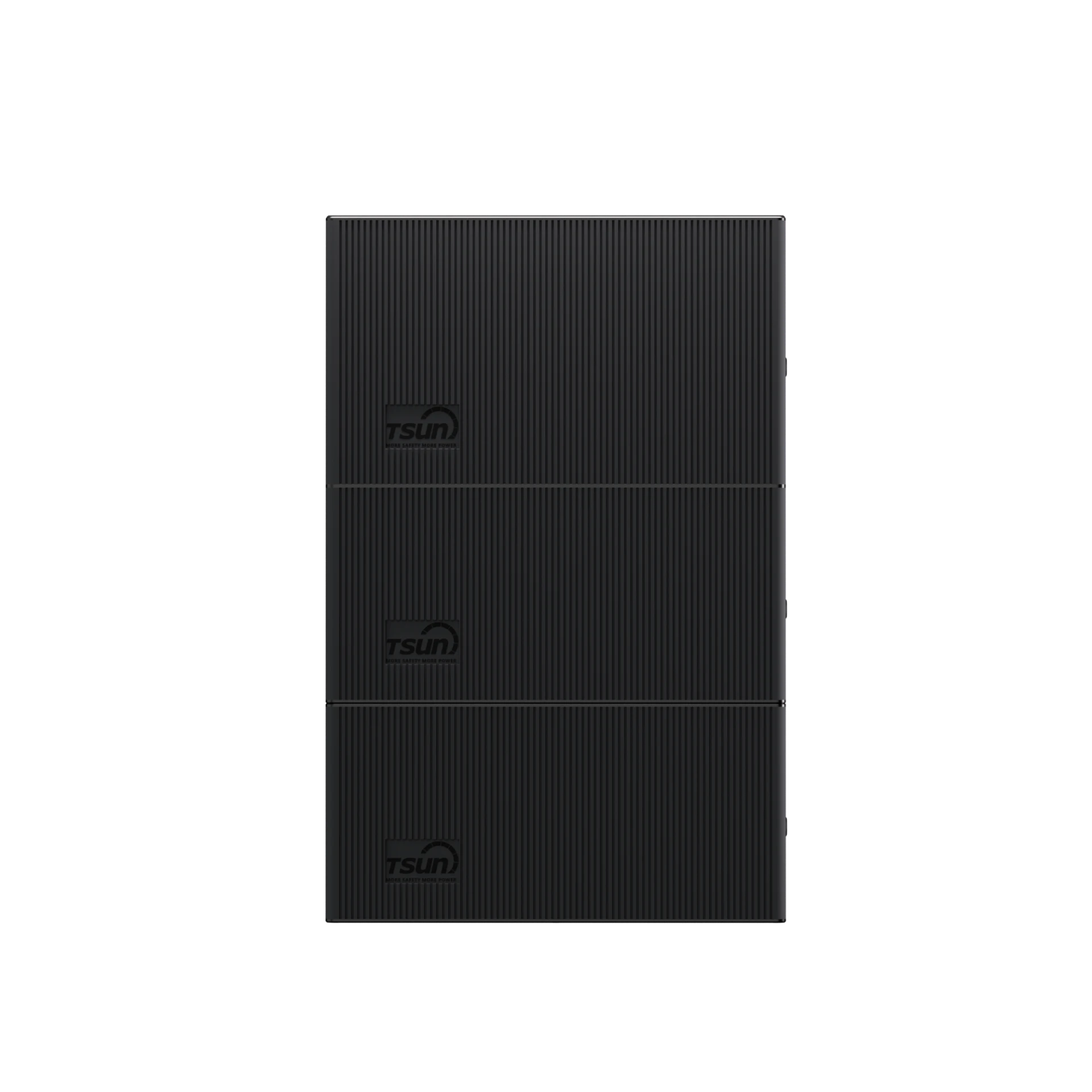
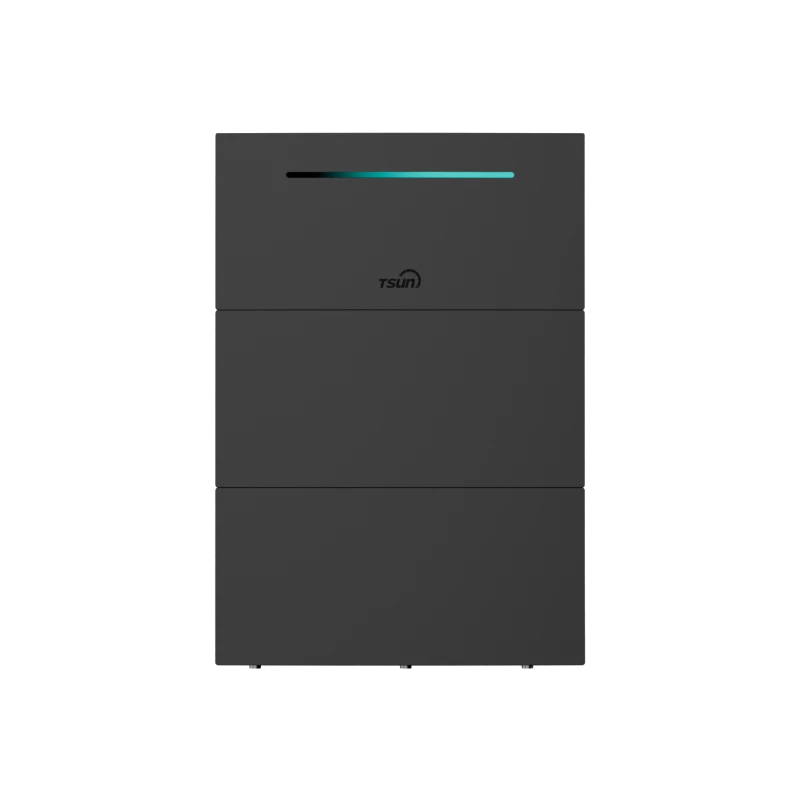
One size does not fit all. Modular panels and stackable battery units allow small homes and sprawling industrial fields alike to tailor systems. This customizability leads to wider adoption since clients buy exactly what they need, nothing excessive or underpowered.
3. Cost Efficiency
It’s a balancing act — cheaper panels might lack durability or efficiency, while premium brands can be expensive upfront. But battery prices dropped nearly 80% in the past decade (Bloomberg NEF), making whole solar & storage setups a smarter investment over time.
4. Integration & Management
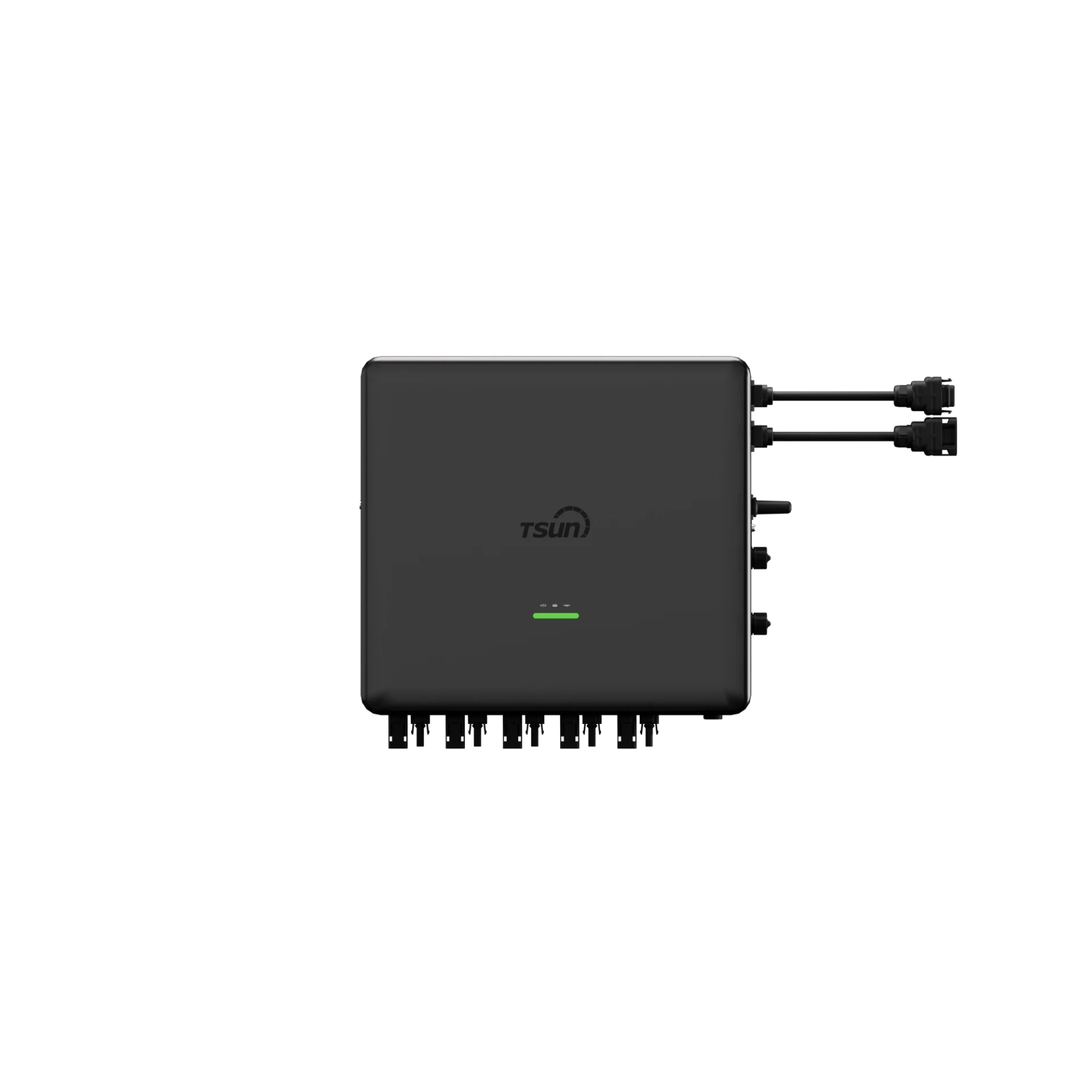
Smart inverters and software optimize when to use solar power, when to tap stored energy, and even sell back excess to the grid. These energy management systems smooth out unpredictability and improve ROI.
5. Environmental Impact
Good systems include recycling plans and use materials with lower ecological footprints. It feels strange sometimes, storing energy with lithium batteries that rely on mining, but ongoing research into alternatives like sodium-ion or flow batteries show promise.
Mini takeaway: A successful solar & storage setup is durable, scalable, affordable, smart to run, and designed with the planet in mind.
Product Specification Snapshot: Typical Residential Solar & Storage System
| Feature |
Specification |
Notes |
| Solar Panel Capacity |
5 kW peak |
Sufficient for average family home |
| Battery Storage |
10 kWh Li-ion |
Supports 1-2 days autonomy |
| Inverter Efficiency |
>95% |
Converts DC to AC power |
| Expected Lifespan |
20-25 years (panel), 10 years (battery) |
Battery replacement needed mid-term |
| Installation Time |
1-3 days |
Varies by system size |
Who’s Doing It Best? Comparing Top Solar & Storage Providers
| Vendor |
Battery Tech |
System Capacity |
Smart Features |
Typical Market |
| Tesla Powerwall |
Lithium-ion NCA |
13.5 kWh per unit |
Advanced app, grid export control |
Residential & small commercial |
| LG Chem RESU |
Lithium-ion NMC |
9.8 kWh max |
Modular design, compatible with multiple inverters |
Residential |
| Sonnen Eco |
Lithium Iron Phosphate (LiFePO4) |
4 to 16 kWh scalable |
Energy sharing communities |
Residential & community projects |
Solar & Storage Around the World: Real-World Applications
Solar & storage solutions aren’t just abstract concepts; they’re quietly transforming real lives and business sectors globally. In parts of sub-Saharan Africa where centralized grids never expanded, mini solar-storage microgrids supply schools and clinics with clean, continuous power — a literal game-changer for education and healthcare.
Post-disaster recovery zones in places like Puerto Rico or Indonesia turn to portable solar & storage units to restore communications and emergency operations swiftly. It’s oddly satisfying how some relief NGOs swear by these systems, noting the time saved over fuel-dependent generators.
Agriculture, surprisingly, benefits heavily too: solar-powered irrigation managed via storage batteries offers farmers predictable water access, often reducing costs and boosting yields. And on the industrial front, mining and telecom companies employ these hybrids to power remote operations where diesel costs and emissions are issues.
Mini takeaway: From schools to mines, solar & storage spans continents and industries — enabling smarter, greener, more dependable energy access.
Benefits That Matter: Why Invest in Solar & Storage?
Aside from the obvious, the advantages range from financial to emotional:
- Cost Savings & Independence: Reduce costly grid reliance and avoid unpredictable utility hikes.
- Sustainability: Slash carbon footprints, aligning with global climate mandates (ISO 14001 standards emphasize this).
- Reliability: Avoid blackouts with stored energy ready at a moment’s notice.
- Social Impact: Empower remote or underserved communities — it’s about dignity and opportunity, not just amps and volts.
- Innovation Edge: Employ cutting-edge tech that’s improving every year, making early adopters feel like energy pioneers.
Frankly, knowing your lights won't flicker off during a storm has a quiet reassurance — you sleep better.
Future Trends: What’s Next for Solar & Storage?
Looking ahead, the fusion of solar & storage with digital tech (smart grids, AI-based energy management) will accelerate. Expect increasingly automated and predictive systems that optimize energy usage dynamically through machine learning.
Emerging battery chemistries such as solid-state and sodium-ion promise safer, cheaper storage without heavy reliance on lithium. Circular economy models focused on battery recycling and second-life applications aim to reduce waste.
Policy frameworks globally are tilting toward incentivizing solar & storage installation, from feed-in tariffs to green bonds — they’re serious about making this tech mainstream.
One thing’s clear: this energy marriage is only going to get tighter and more sophisticated, which is quite exciting if you like the idea of a cleaner, smarter planet.
Challenges in Solar & Storage — And How to Overcome Them
No tech is perfect, right? Solar & storage comes with hiccups:
- High Initial Costs: Though dropping, still a barrier for many.
- Battery Lifespan and Waste: Managing replacement and disposal responsibly is tricky.
- Integration Complexities: Matching system components for seamless operation needs expertise.
- Resource Sourcing: Ethical mining for lithium and rare metals raises concerns.
Experts recommend a few routes forward: embracing modular and scalable systems, investing in training installers, supporting battery recycling initiatives, and encouraging transparent supply chains.
With time, collaboration between governments, vendors, and users can iron out these wrinkles.
FAQ: Your Solar & Storage Questions Answered
Q1: How long does a typical solar & storage system last?
A1: Solar panels often come with 20-25 year warranties, while lithium batteries tend to last around 10 years before capacity drops. System lifespan depends on installation quality, environment, and usage patterns.
Q2: Can solar & storage systems be deployed in remote or disaster-prone areas?
A2: Absolutely. Portable or modular solutions are designed for fast deployment and reliability, making them ideal for remote locations or emergency response.
Q3: How cost-effective is solar & storage compared to diesel generators?
A3: While upfront costs for solar & storage may be higher, operational expenses are much lower (no fuel needed). Over time, savings and environmental benefits outweigh initial investments.
Q4: Are there financing options to make solar & storage more accessible?
A4: Many regions offer subsidies, leases, or loan programs to ease upfront costs. Additionally, some companies provide pay-as-you-go or community ownership models.
Wrapping Up: The Long Game of Solar & Storage
In sum, solar & storage is more than just an eco-friendly buzz phrase. It’s a catalyst for energy equity, resilience, and sustainable development worldwide. The technology’s trajectory—from durable panels and smart batteries to integrated AI management—signals a future where energy is cleaner, smarter, and more accessible to all.
If you’re curious to explore how solar & storage solutions might enhance your home, business, or humanitarian mission, take a deeper look at
solar & storage offerings that fit your needs.
---
References
- International Energy Agency: Solar PV Report, 2023
- World Bank: Energy Access Data
- ISO 14001: Environmental Management









 LEARN DETAILS

 Downloads
 Video Center
 Report Fault for Repair
 FAQS
FAQS Service Network
 Privacy Policy
 Contact Us
 Monitoring


 LEARN MORE