





 LEARN DETAILS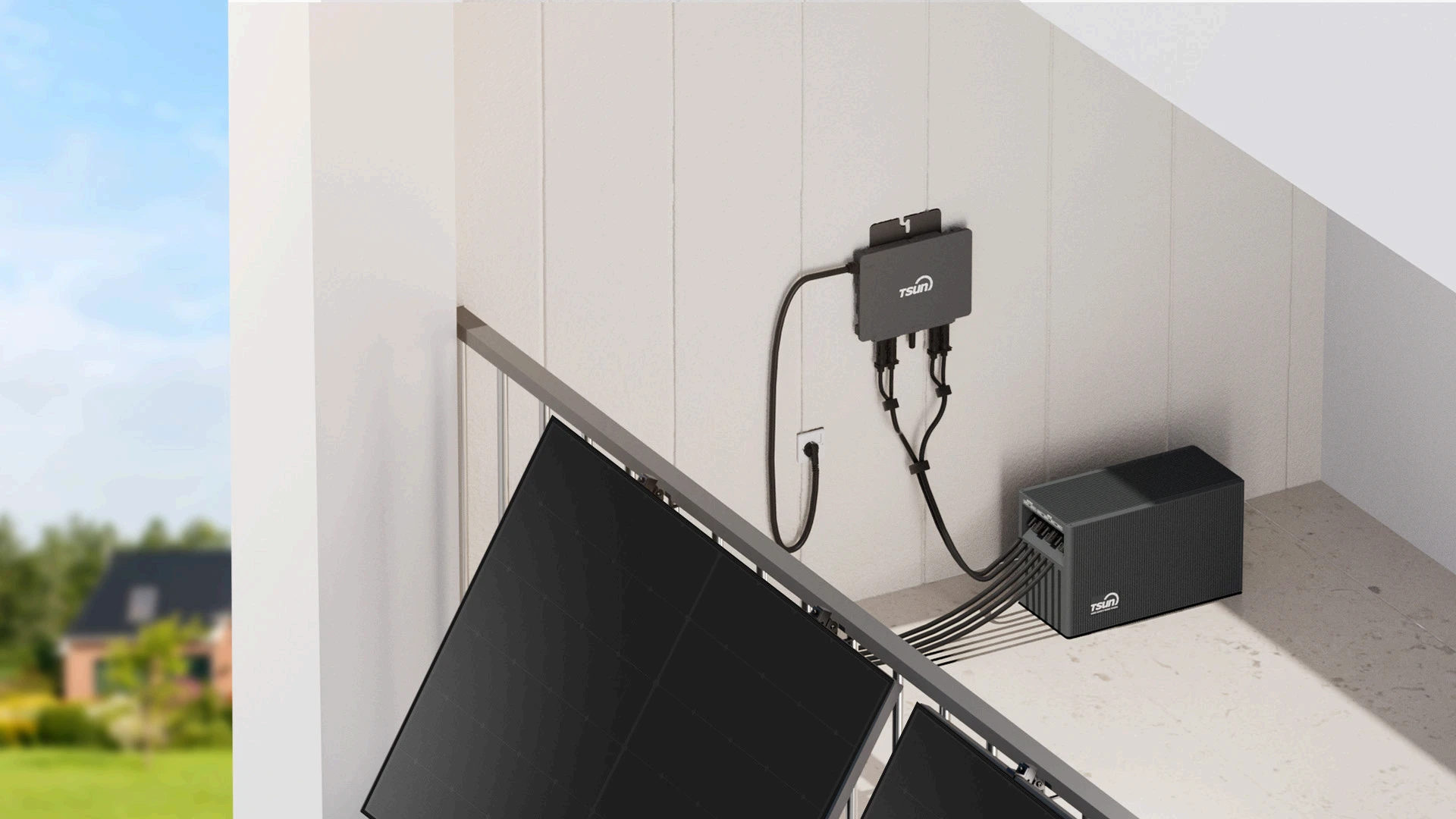
 Downloads
 Video Center
 Report Fault for Repair
 FAQS
FAQS Service Network
 Privacy Policy
 Contact Us
 Monitoring

European Storm Names: Where Do They Come From? (2026/2027 Winter Survival Guide)
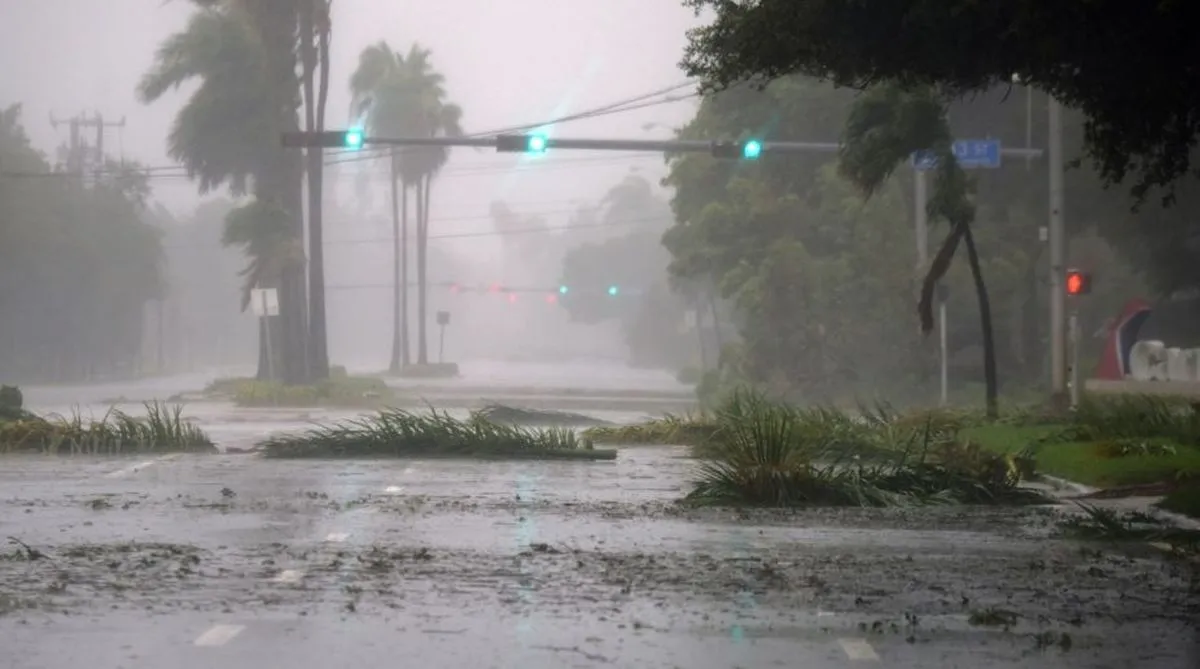
When dark winter clouds roll in from the North Atlantic or a fierce gale sweeps across the Mediterranean, it brings a lot of questions. Chief among them: European storm names, where do they come from? The answer isn't a random lottery. It is a deliberate system designed to cut through the noise of complex weather forecasts. Think of it as trying to get someone's attention in a crowded room. Shouting a specific human name—like Storm Ciarán or Storm Eunice—turns heads immediately.
With local grid failures happening more often across the UK, France, and Germany due to severe winter weather and aging infrastructure, recognizing the threat is just step one. You still have to survive the blackout without freezing. That harsh reality is pushing European homeowners toward reliable solar and energy storage solutions. This guide will walk you through the fascinating history behind European storm naming, how the system works, and exactly how to keep your heating and lights running with TSUN when the grid goes dark.
What are Storm Names in Europe?
Staring at a crowded radar screen or isobar map is overwhelming. How do you spot the real threat to your region? You give it a tag.
The moment a severe weather system is forecast to cause "medium" or "high" impacts (usually strong winds, heavy rain, or snow), it earns a human name. This takes a vague weather pattern and slaps a definitive label on it. Instead of guessing which specific low-pressure system the local news means, everyone shares the exact same vocabulary.
This shared system crosses borders. When a named storm hits, the confusion fades. You stop guessing, listen to the warning, and quietly prepare your home for potential power cuts.
How European Storm Names Are Chosen
Unlike the US, where a single agency names hurricanes, Europe handles weather differently. To manage the vast continent, European national meteorological services (under EUMETNET) teamed up and divided the map into specific groups:
- The Western Group: UK, Ireland, and the Netherlands.
- The South-Western Group: France, Spain, Portugal, and Belgium.
- The Central/DACH Group: Germany, Austria, Switzerland, etc.
If a storm first hits Ireland, the UK Met Office group names it. If it hits Spain first, the South-Western group uses their pre-published alphabetical list. Once a storm is named by one group, the rest of Europe uses that exact same name to avoid confusion.
Where Do They Come From Originally?
Pinning a label on a storm is like tagging a wild bear—it lets you track it. But where did this start in Europe?
The history is actually deeply rooted in Germany. Since 1954, the Free University of Berlin has been assigning names to all high and low-pressure systems. In 2002, they even started the "Adopt-a-Vortex" program, allowing the public to buy the naming rights for weather systems to fund meteorology students.
However, to streamline public safety warnings across different languages, the official cross-border naming system we use today (alternating male and female names alphabetically) was launched by the UK and Ireland around 2015, quickly inspiring the rest of Europe to follow suit.
Why Do We Name Winter Storms?
Why give a swirling mass of cold air a human name? It isn't for TV ratings. It is a proven survival tactic.
- Instant recognition: A simple title cuts through static. You know exactly which threat is brewing over the Atlantic.
- Quicker reflexes: Vague "yellow warnings" get ignored. Hearing "Storm Babet is heading your way" flips a switch in your brain. You take action.
- Cross-Border Tracking: A storm might start in the Bay of Biscay and end up in Germany. A single name ensures all European nations are tracking the same threat.
The Best Time to Prepare for a Grid Failure
Waiting for the trees to bend outside your window is a terrible time to test your flashlights. In Europe, the real threat of a winter storm isn't just the wind—it is the long, freezing blackout that follows. Power poles snap under heavy snow. Suddenly, the heating stops, the fridge warms up, and the Wi-Fi dies.
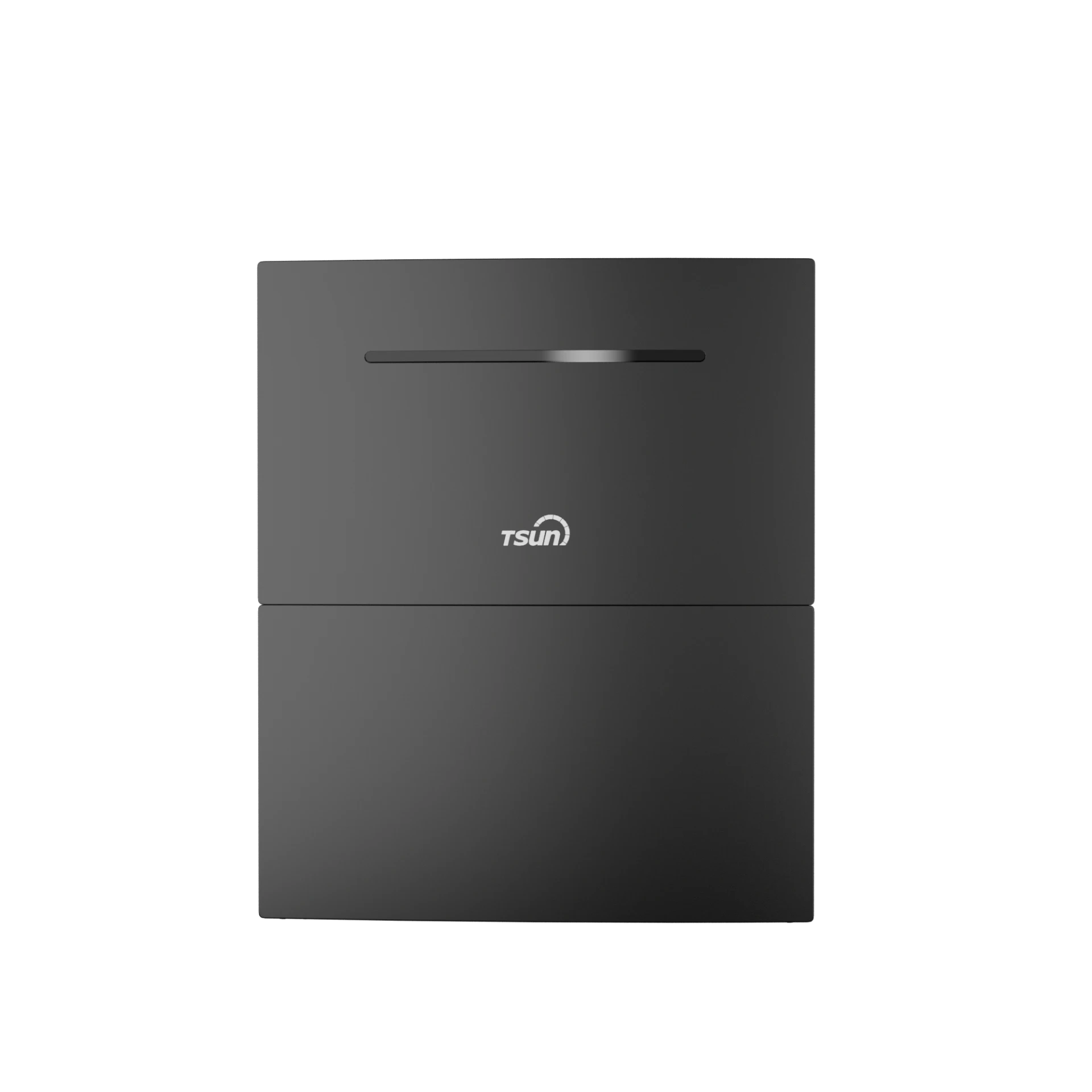
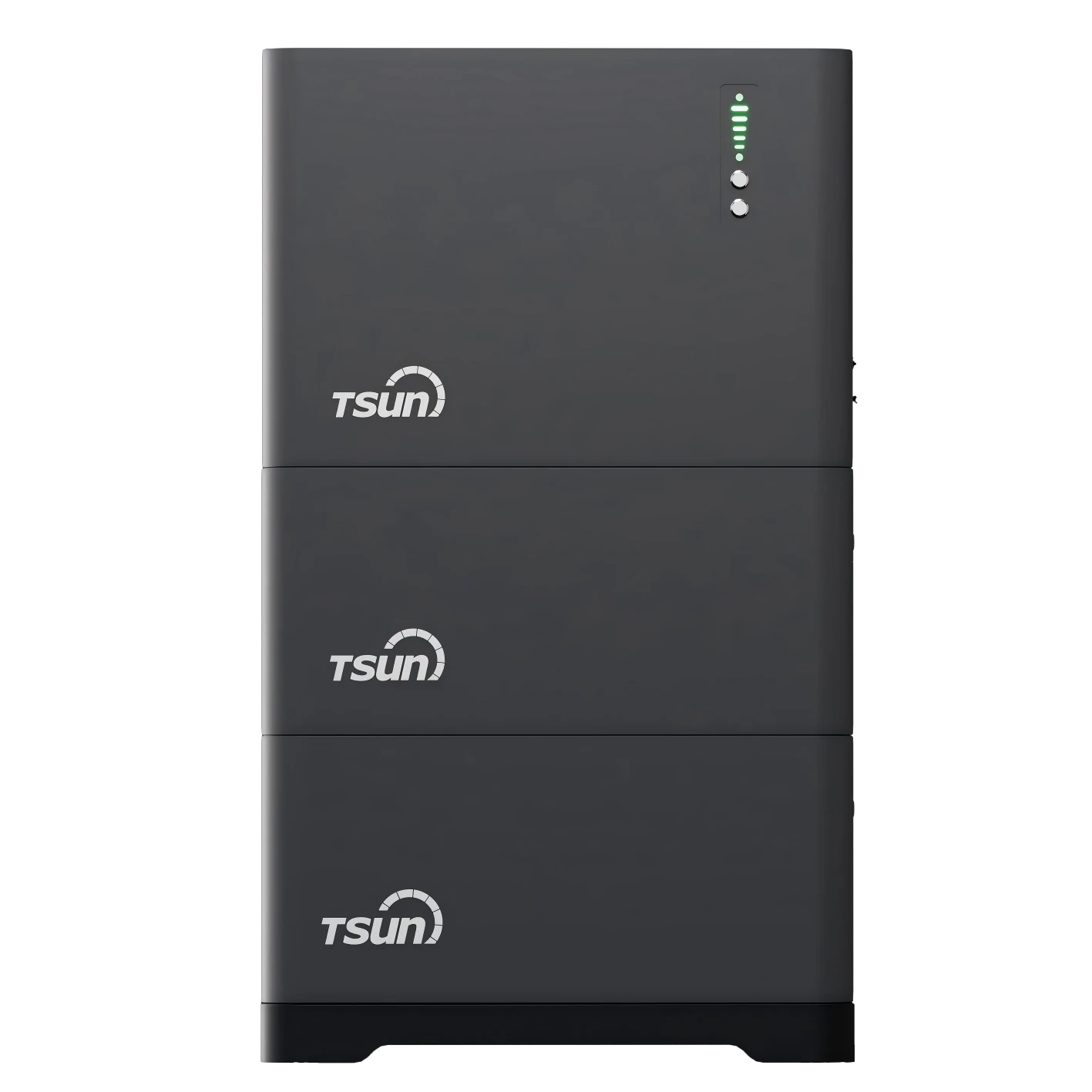
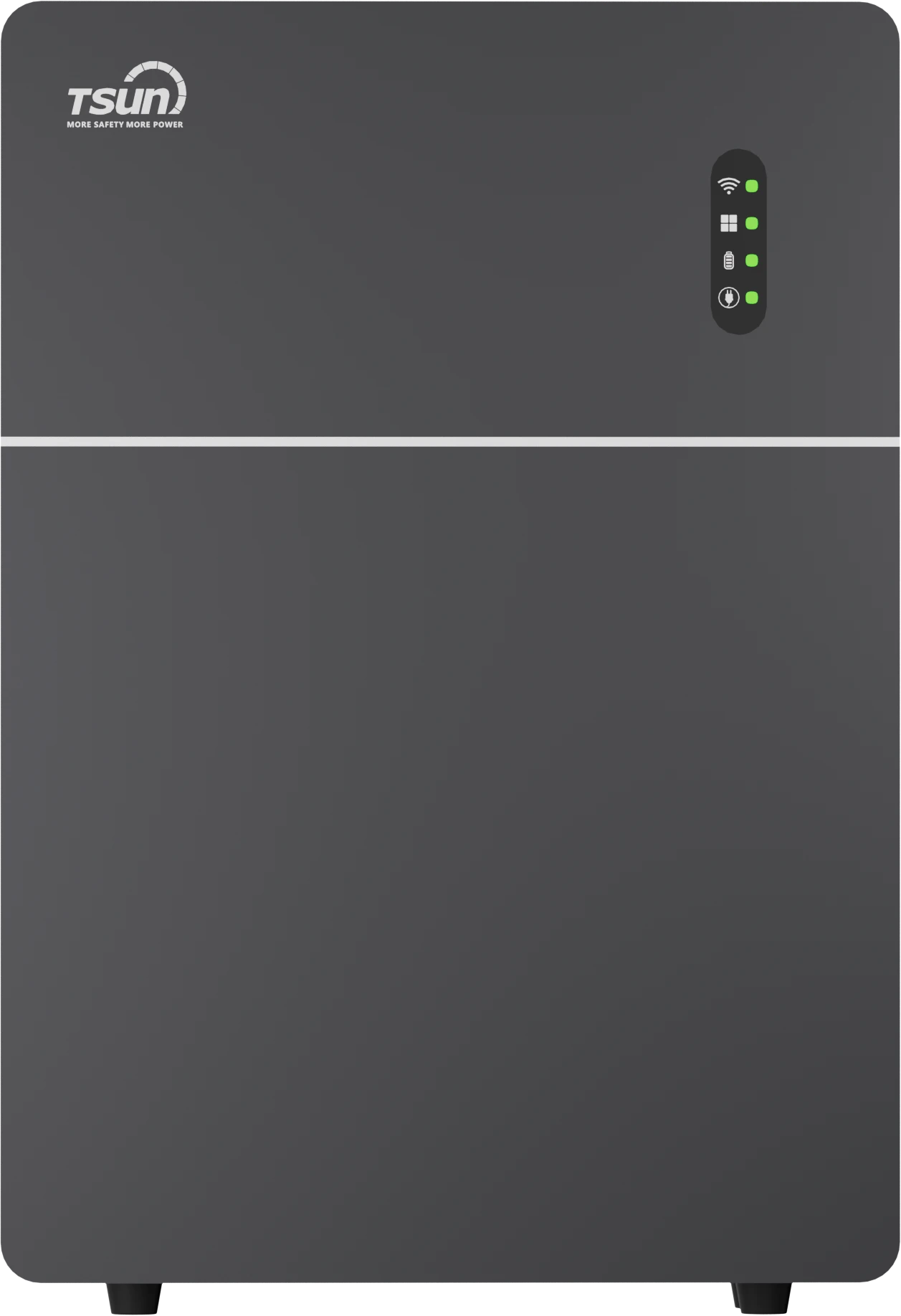
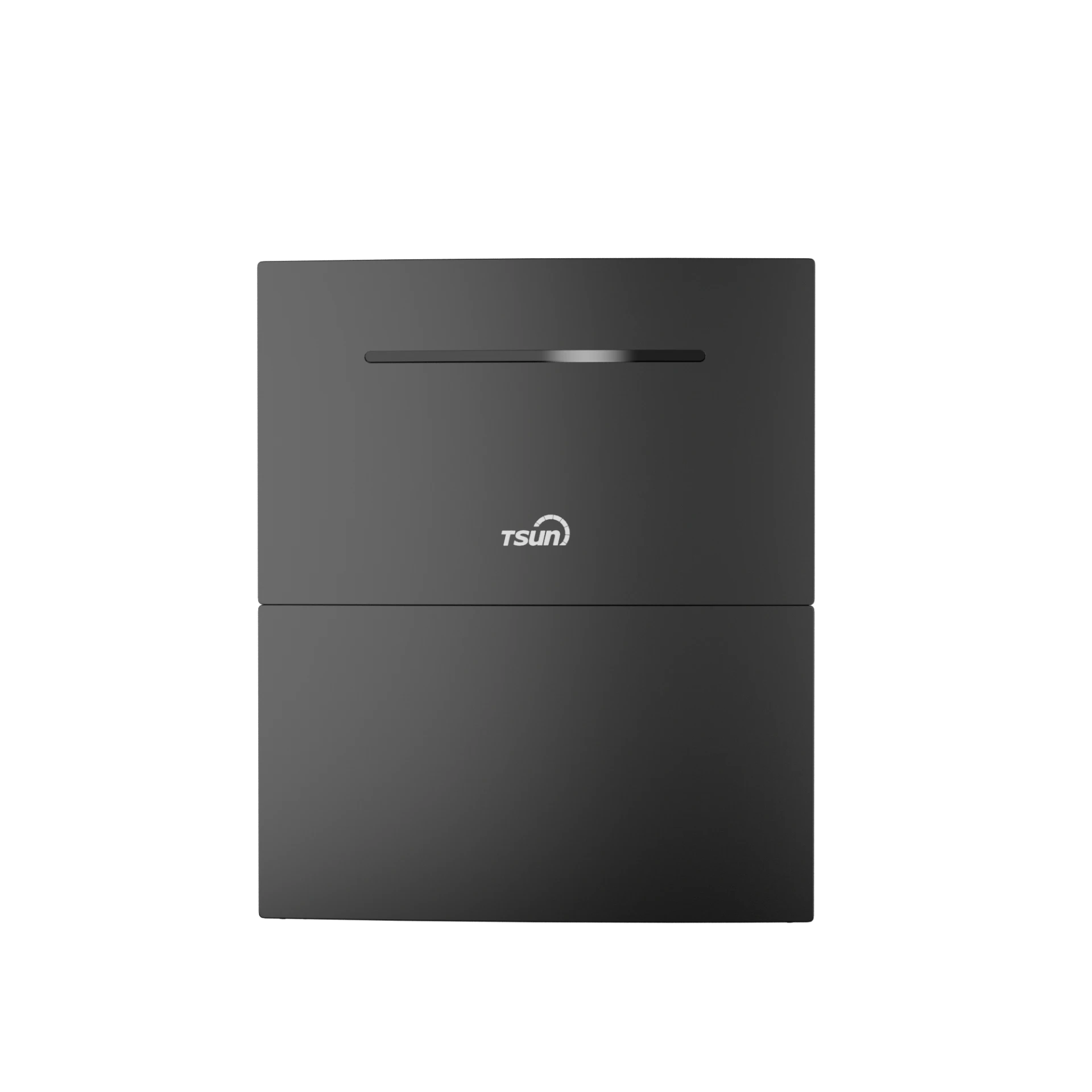
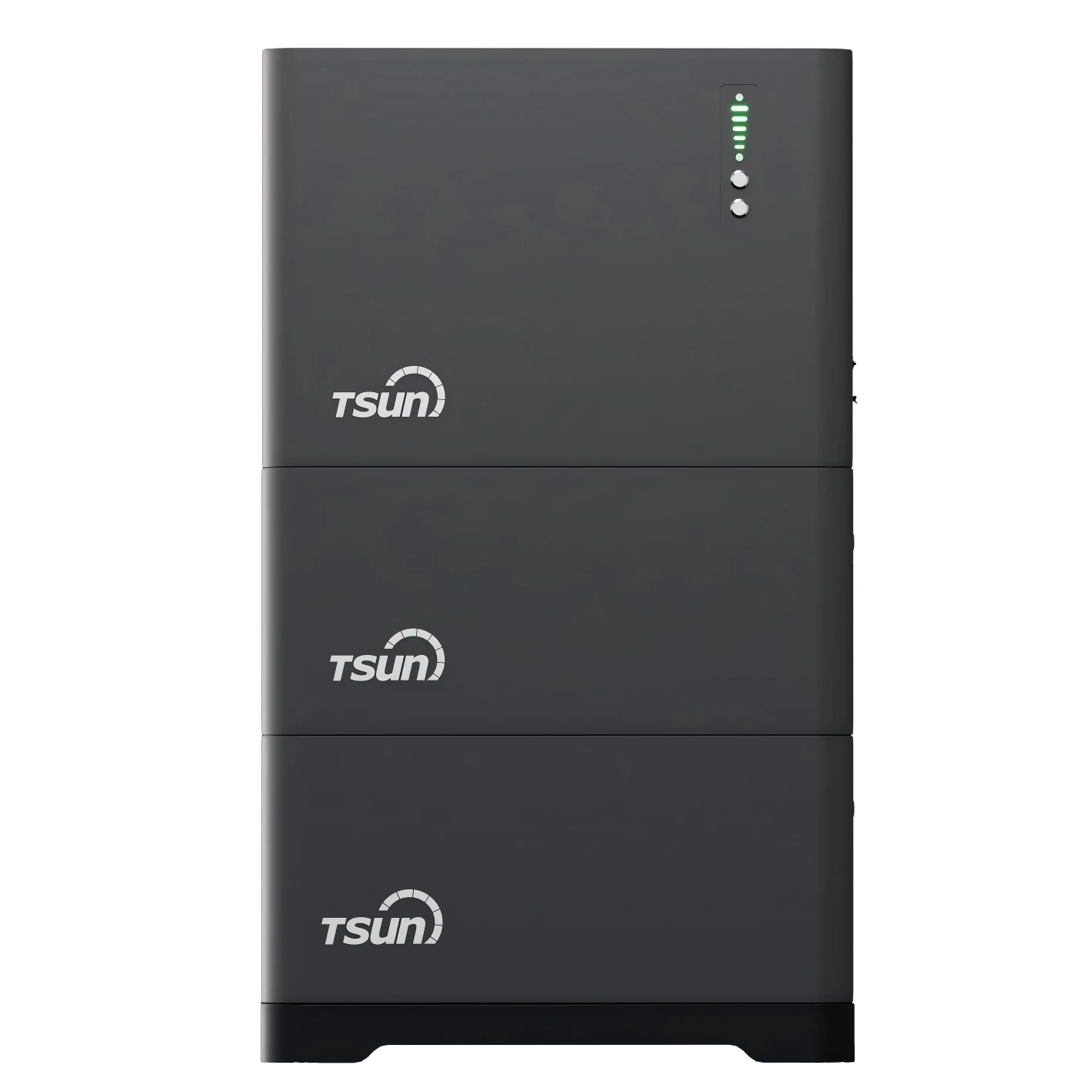
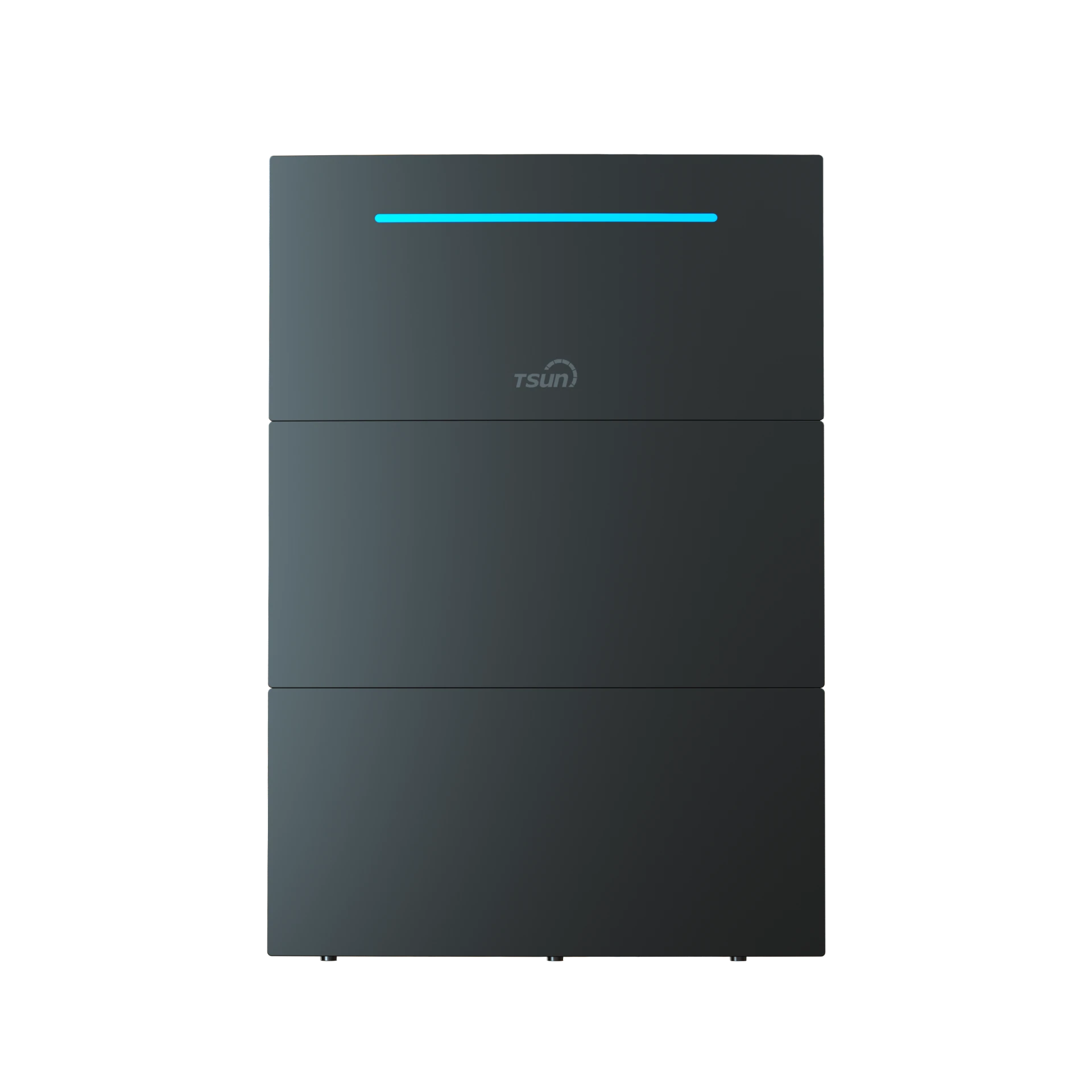
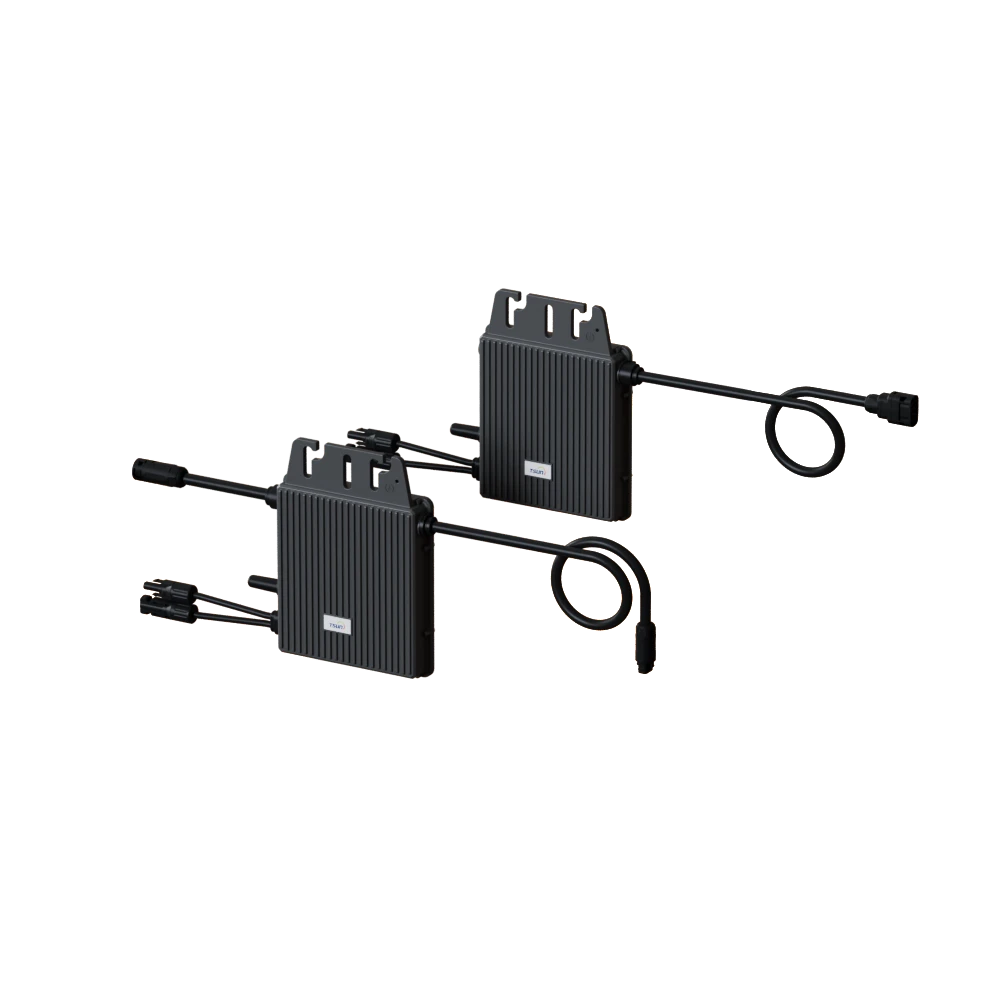
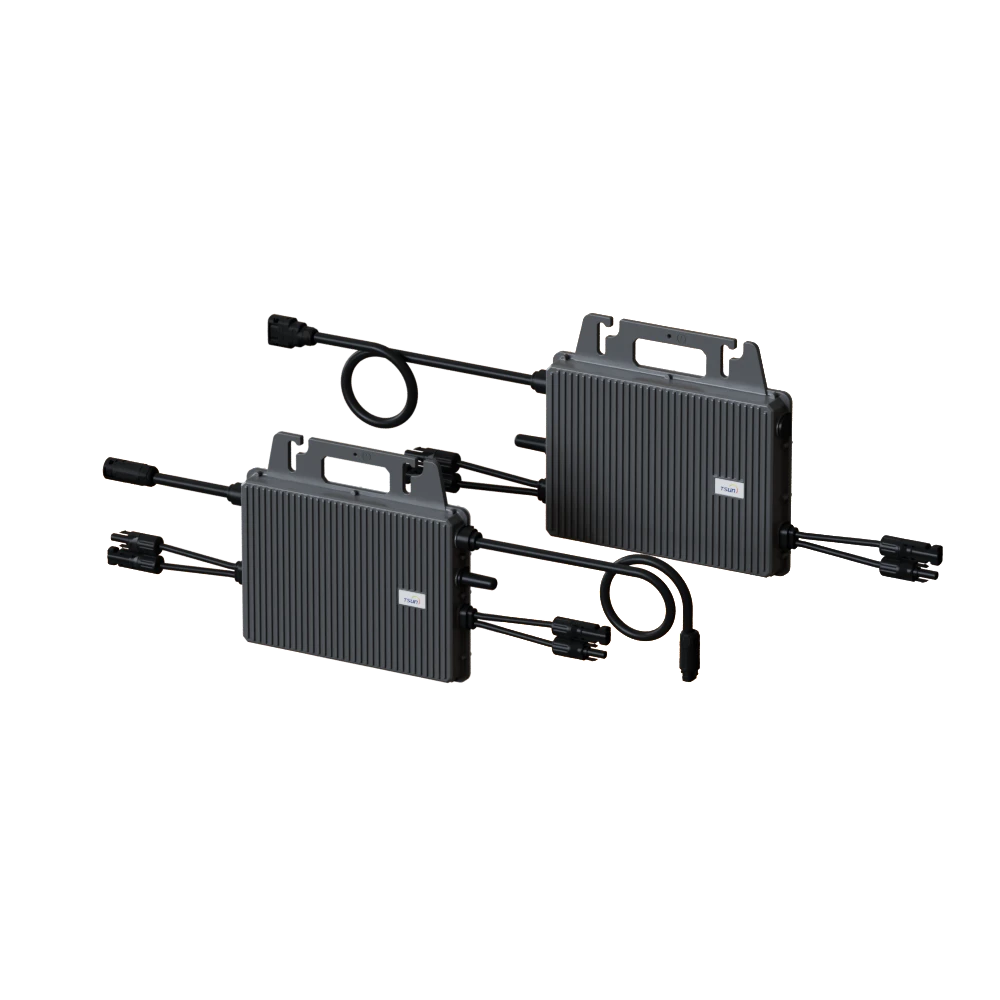
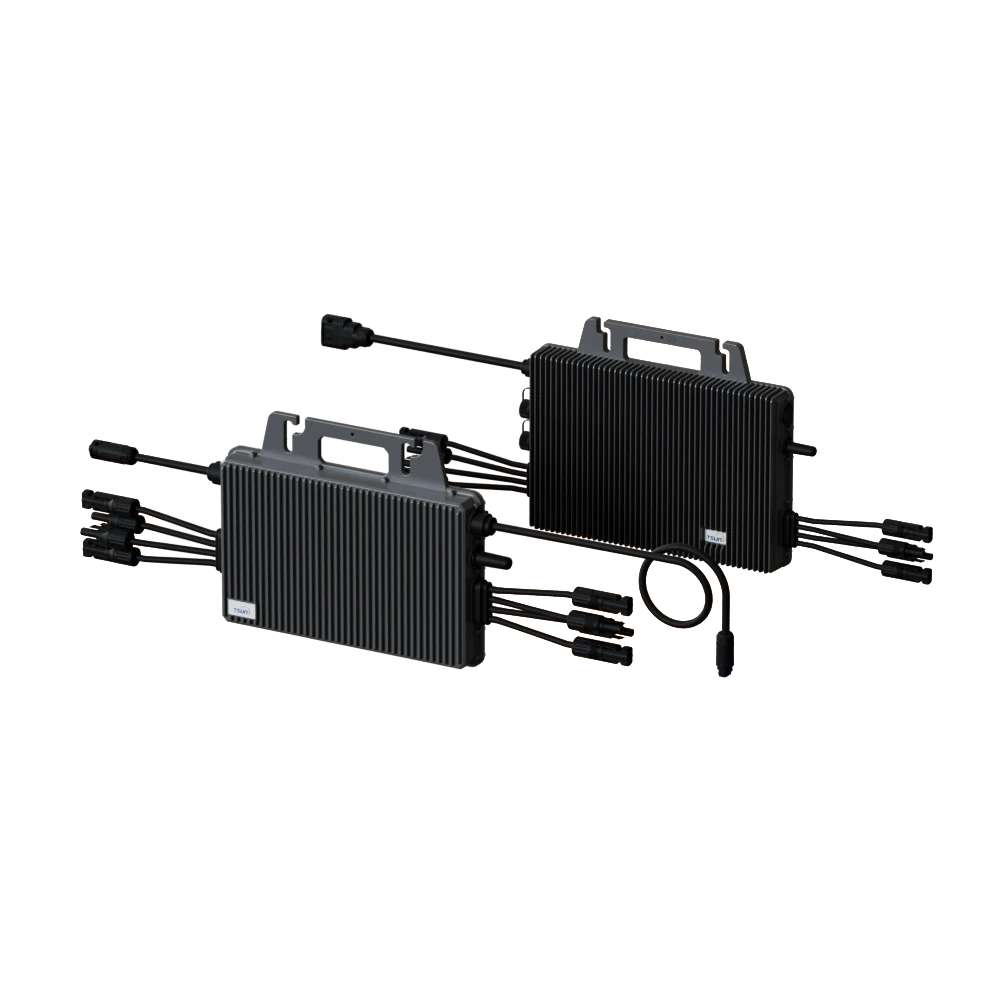
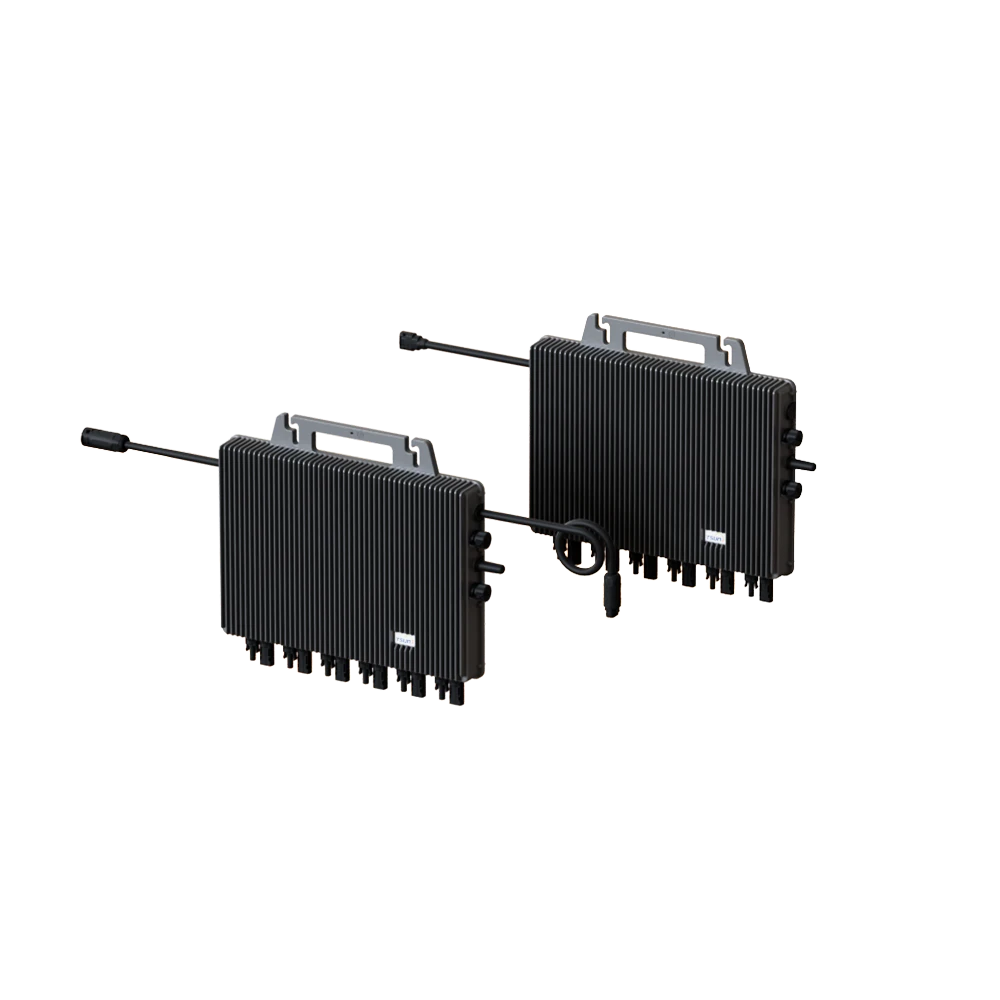
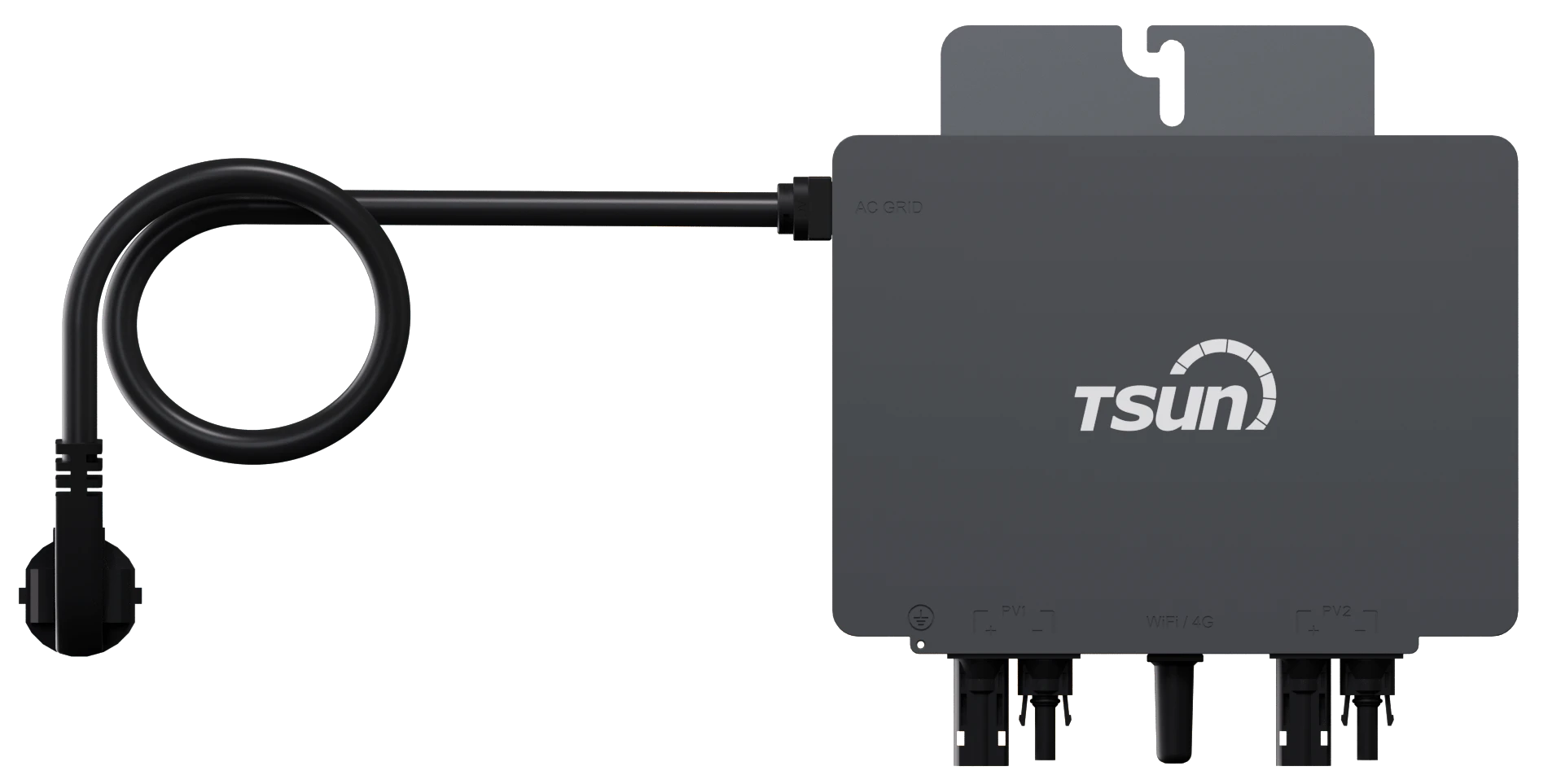
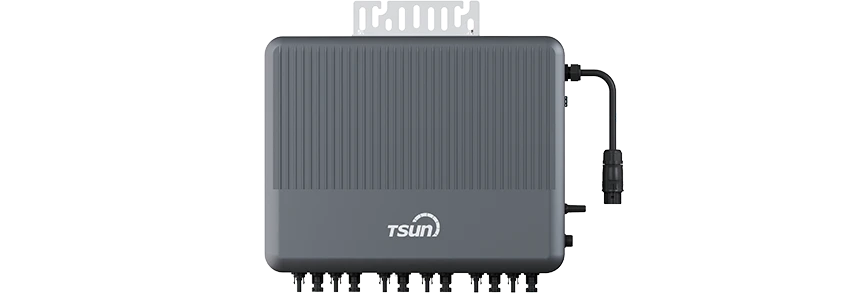
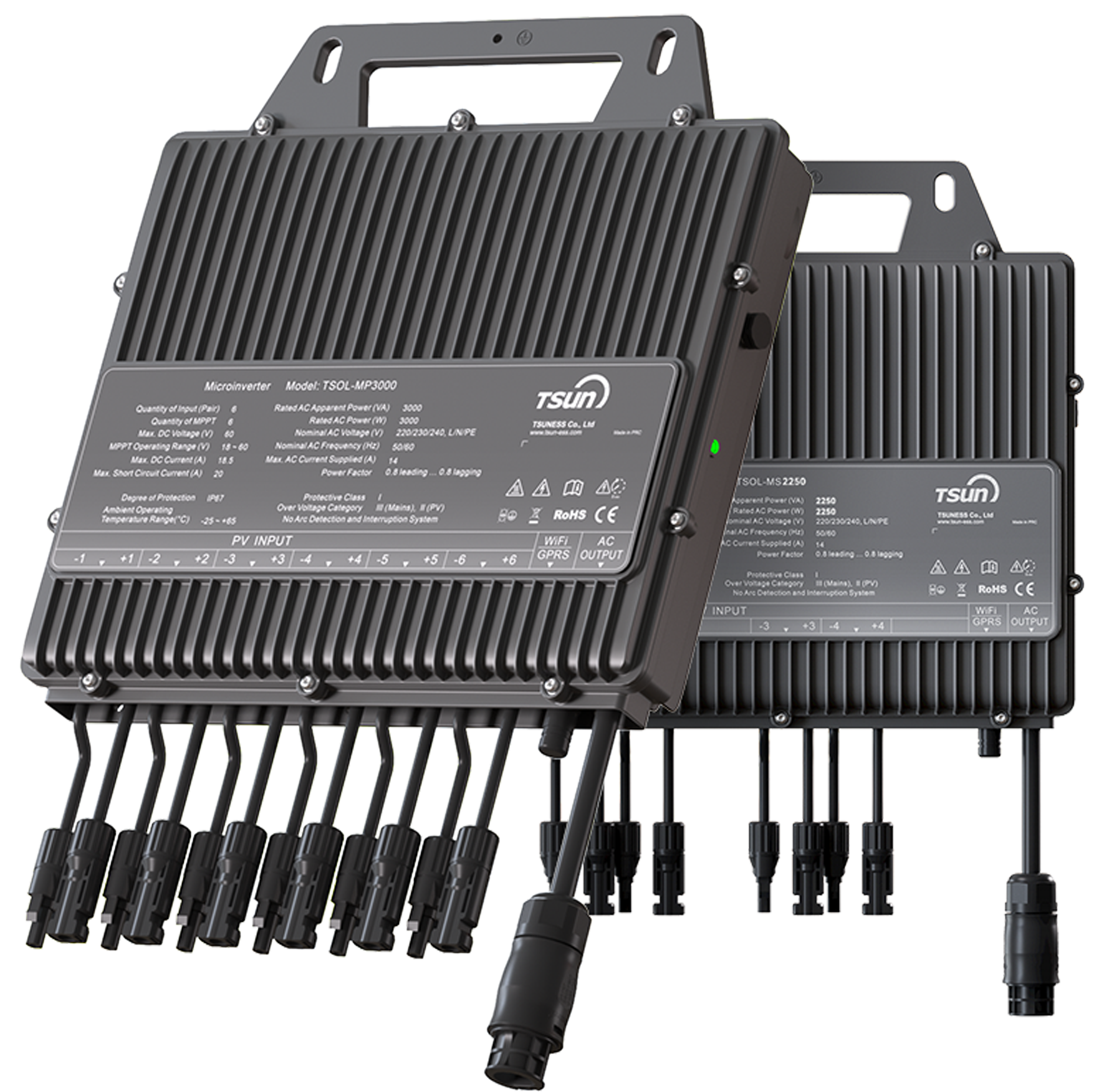
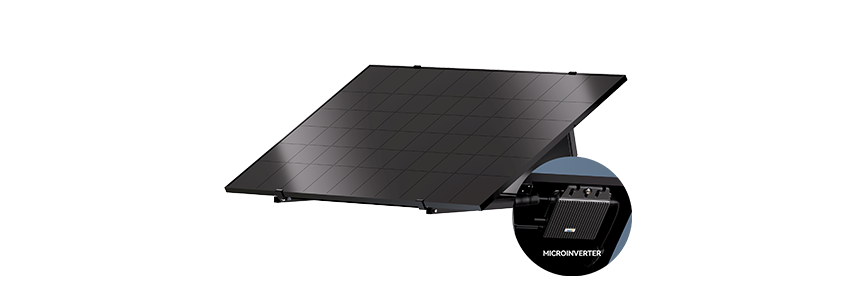
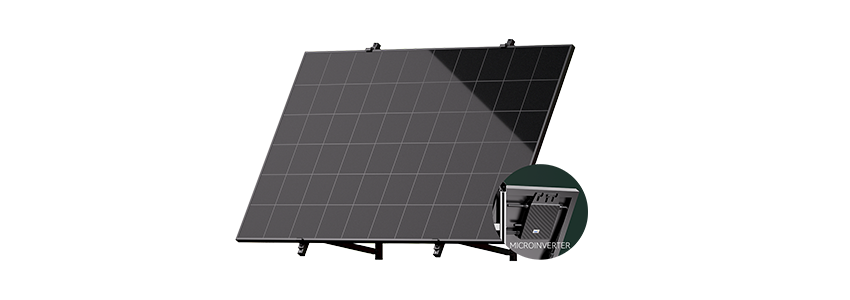
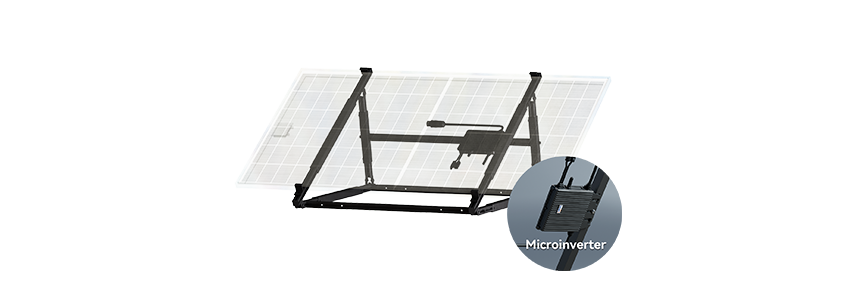
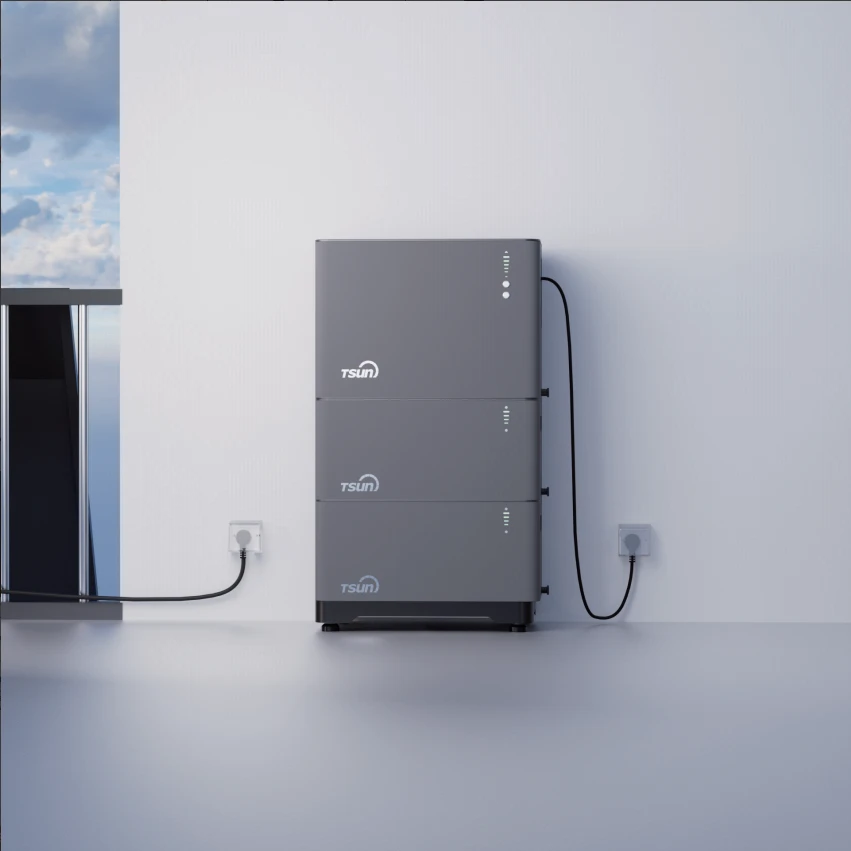
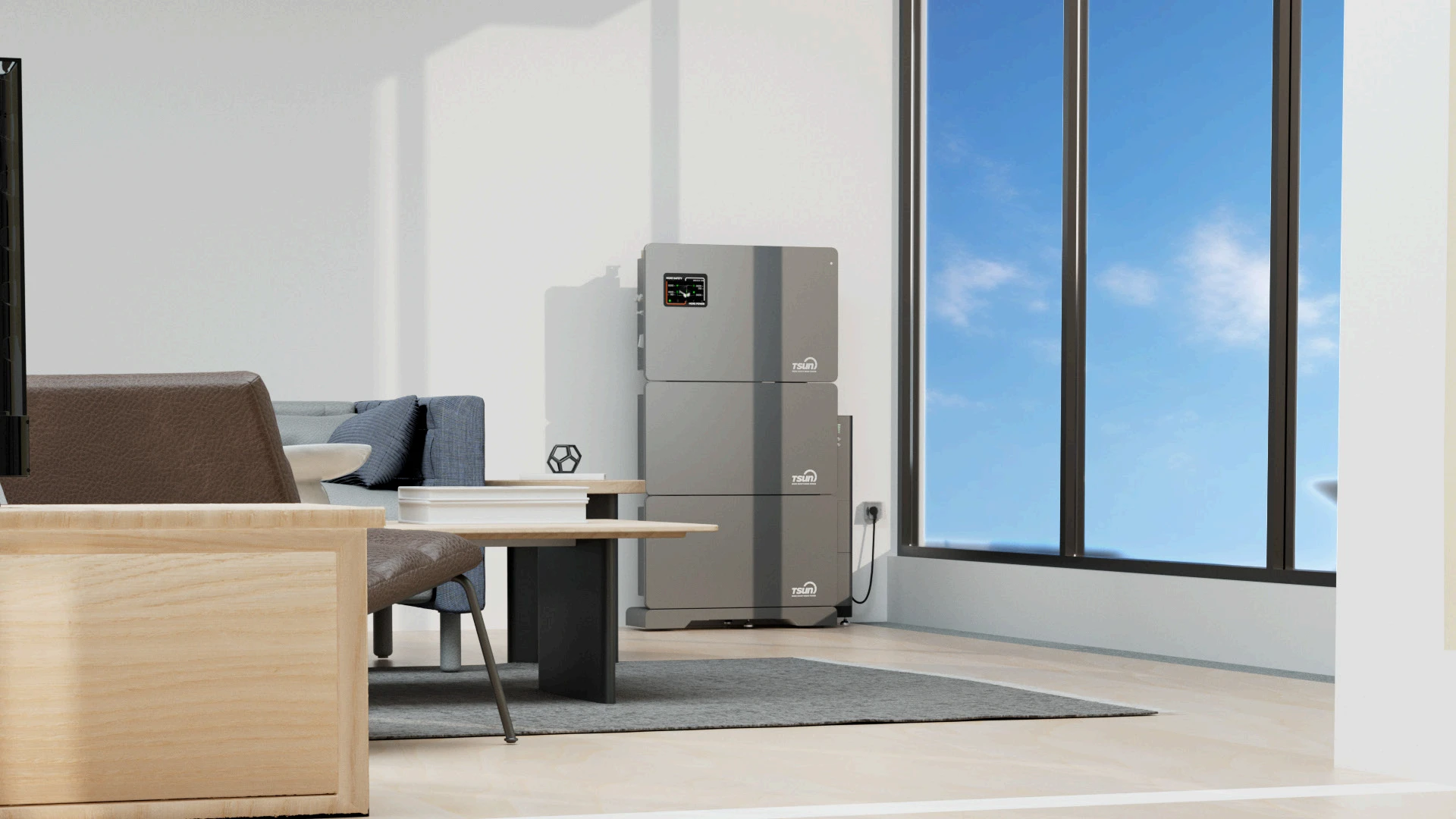
That creeping darkness is why outfitting your house early matters. A comprehensive solar setup featuring TSUN Microinverters paired with a TSUN Energy Storage System (ESS) acts as a quiet, unbreakable anchor for your home.
- Instant Power for Heating: The TSUN ESS takes over in milliseconds when the local grid fails. Your essential appliances—including your heating systems and communication devices—stay online.
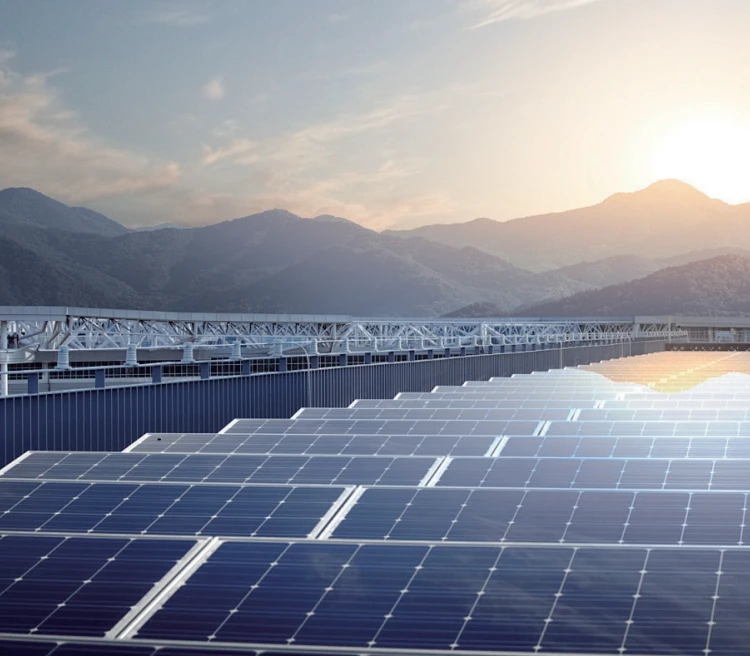
- Maximum Winter Solar Harvest: European winters have low sunlight. TSUN's industry-leading microinverters ensure your panels extract every drop of available winter sun, overcoming shading from snow or clouds.
- VDE Certified Reliability: Built with rigorous German engineering DNA, TSUN systems are fully VDE certified, ensuring they withstand the toughest European grid conditions without interfering with your home appliances.
- Total Intrinsic Safety: Unlike traditional high-voltage string inverters, TSUN's microinverters clamp DC voltage strictly under 60V. Even if a storm damages your roof, the risk of electrical fire is reduced to zero.
Unlike loud, smelly, and carbon-heavy gas generators, TSUN's system runs in total silence using clean energy. Do not wait for a named storm to ruin your winter. Secure your peace of mind and energy independence with TSUN today!
Conclusion
You hear a weather alert on the news and wonder: "European storm names, where do they come from?" The answer stretches from German university traditions to highly organized modern meteorological networks across Europe. Pinning a human title on a massive winter gale cuts through panic and forces us to pay attention.
As the new storm season approaches, remember that a catchy name won't keep your house warm when the regional power grid snaps. That takes real preparation. A quiet, reliable solar and storage system from TSUN anchors your home, holding the dark and cold at bay no matter what the Atlantic throws your way.

 LEARN MORE