Grid Tie Solar Kit with Microinverter: A Field Veteran’s Take
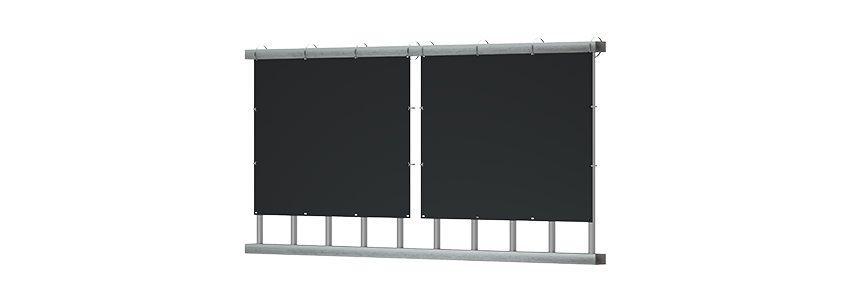
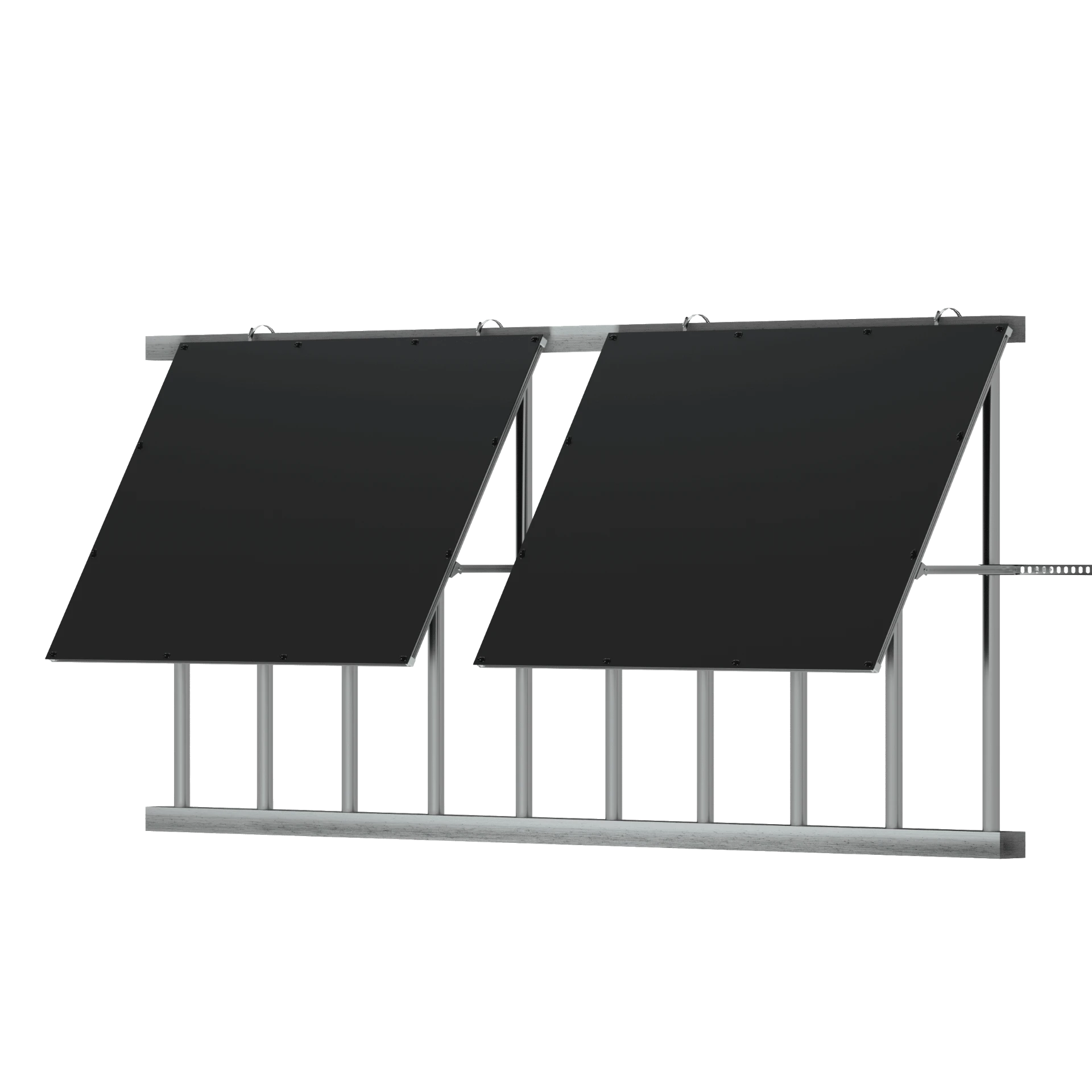
After nearly two decades working hands-on with industrial power setups, I’ve seen a lot of solar tech come and go — some promising, others overhyped. But the grid tie solar kit with microinverter deserves a solid nod for combining real-world efficiency with flexibility. It’s become a go-to solution for both residential and commercial solar installations that need a reliable, scalable setup.
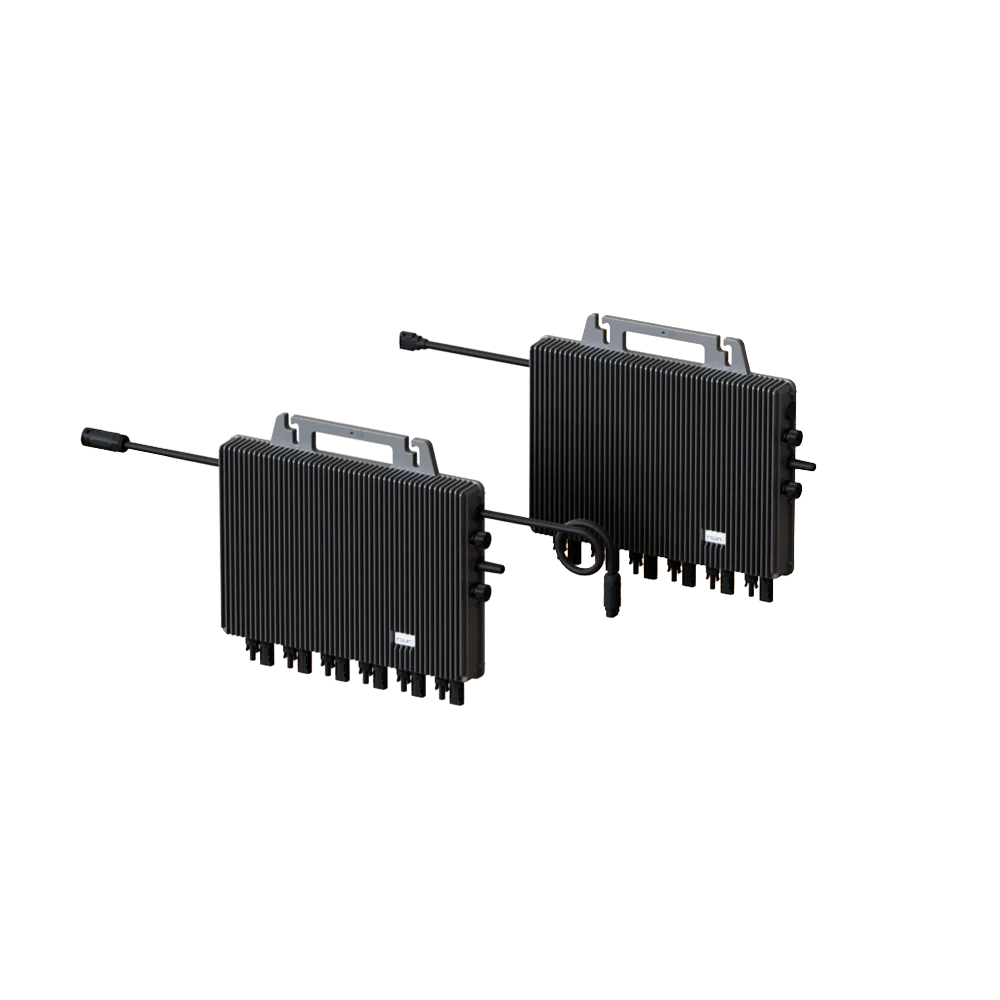
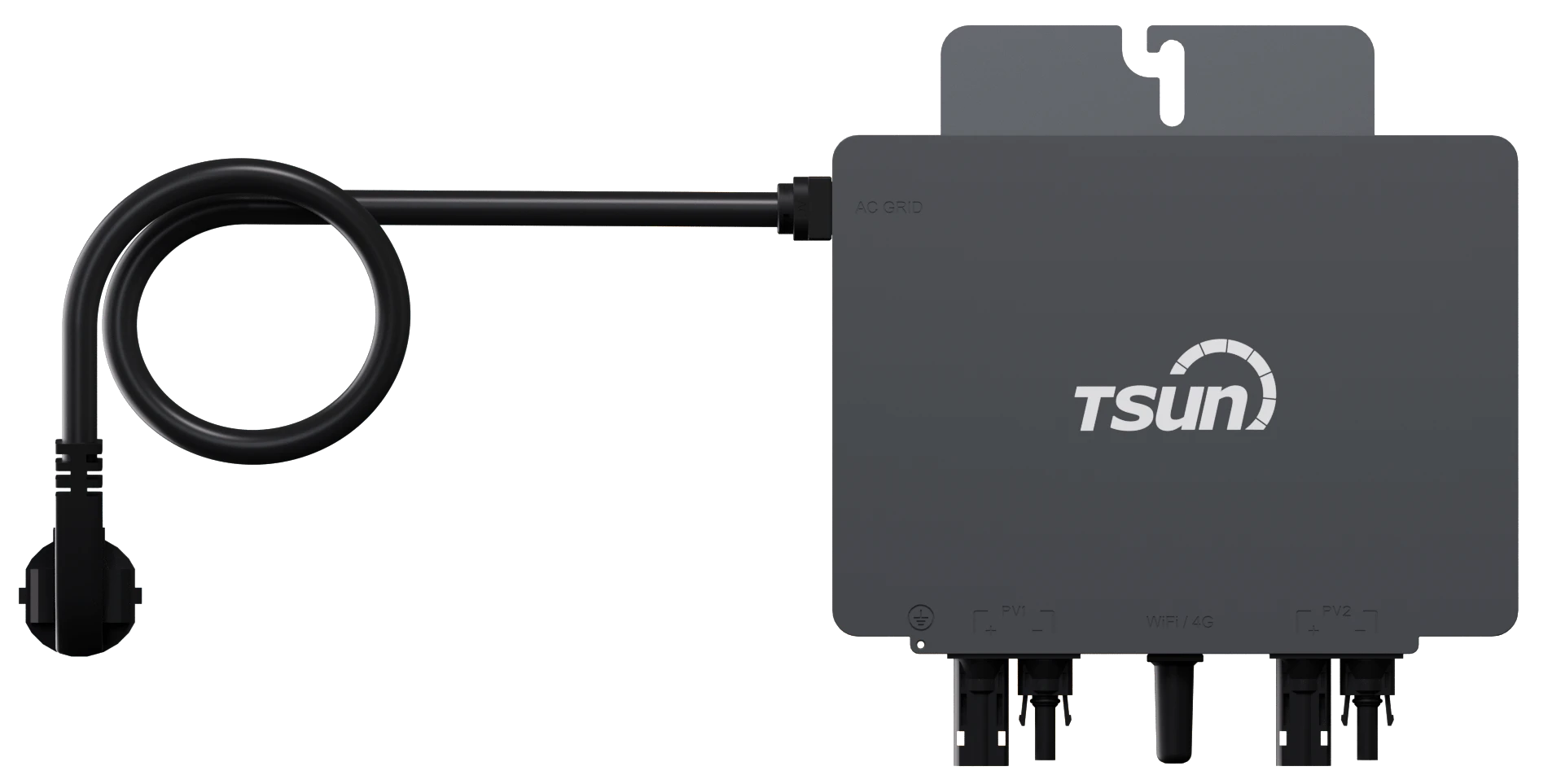
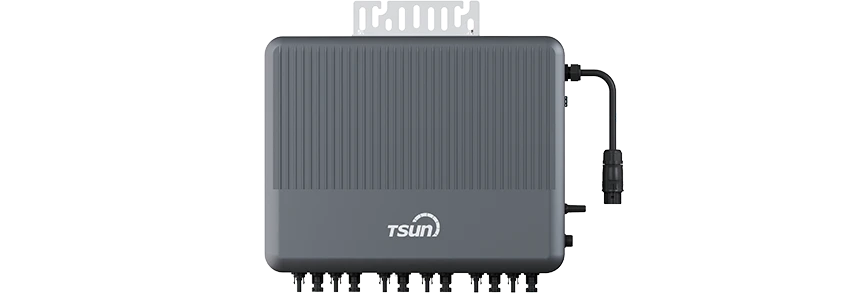
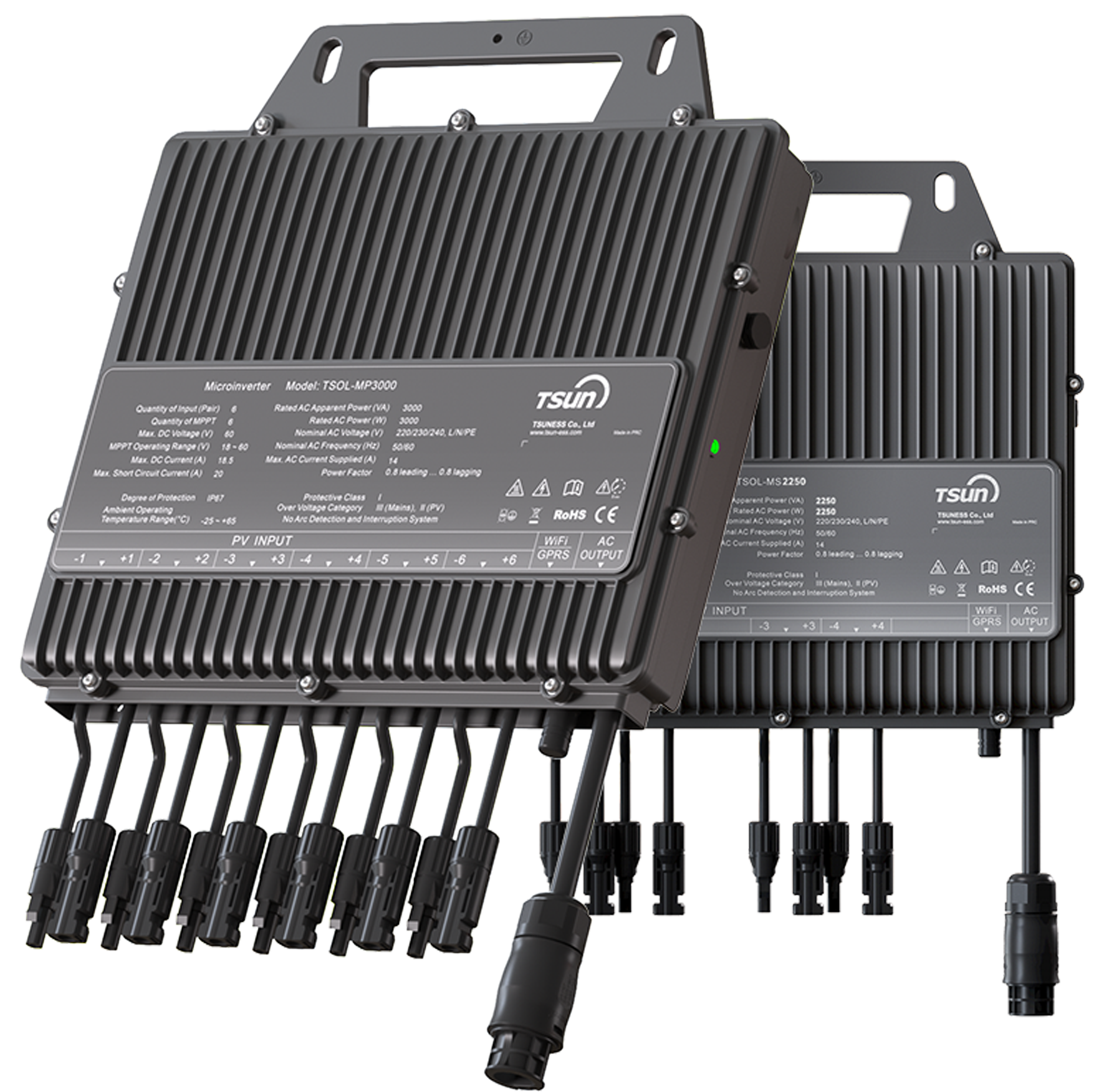
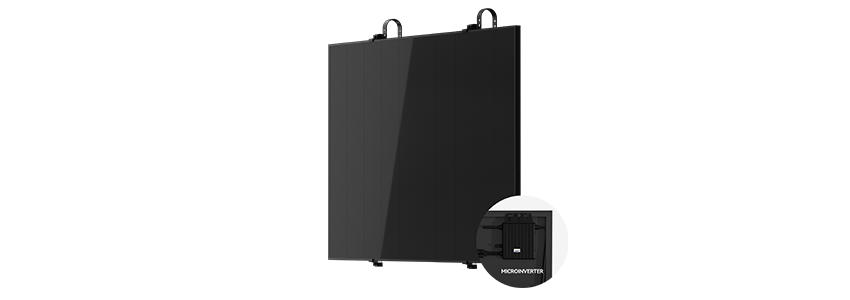
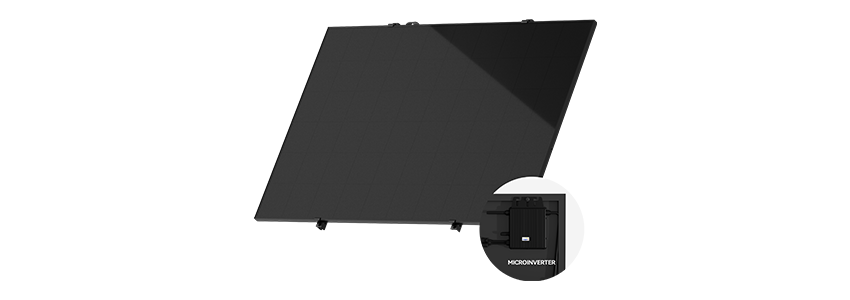
What I find interesting about these kits is how the microinverter tech fundamentally changes the game. Unlike traditional string inverters that depend on a whole string of panels performing well, microinverters handle each panel individually. In real terms, that means shading issues or panel failures on one unit won't drag down the entire string’s output — a kind of resilience that I rarely saw with older setups.
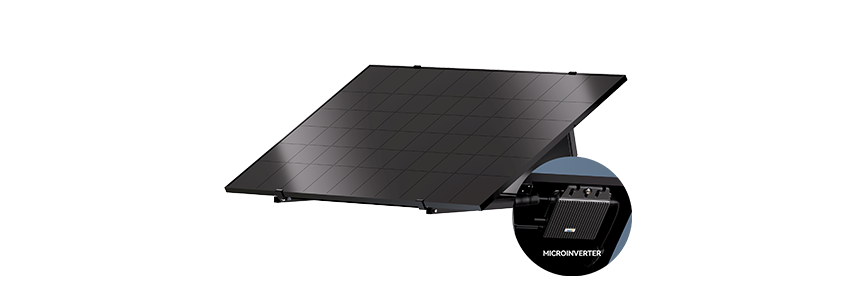
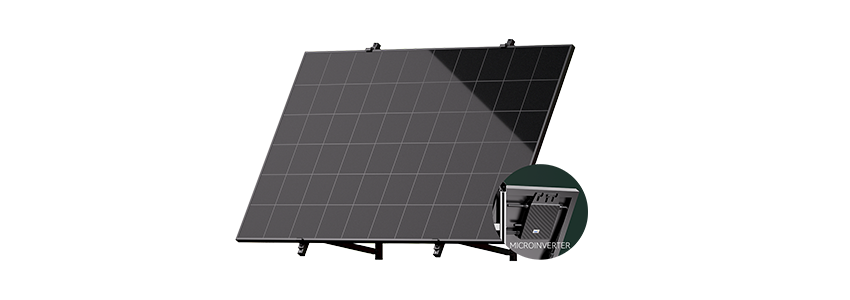
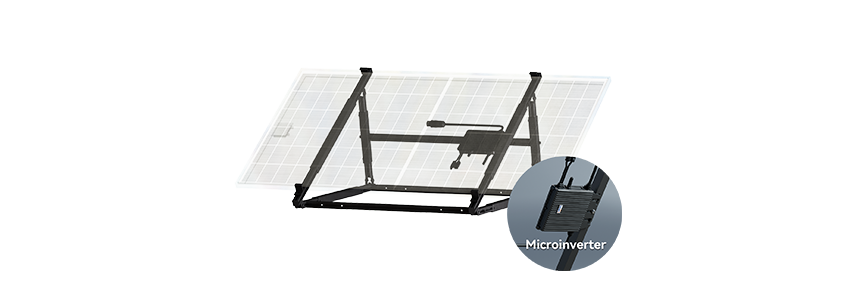
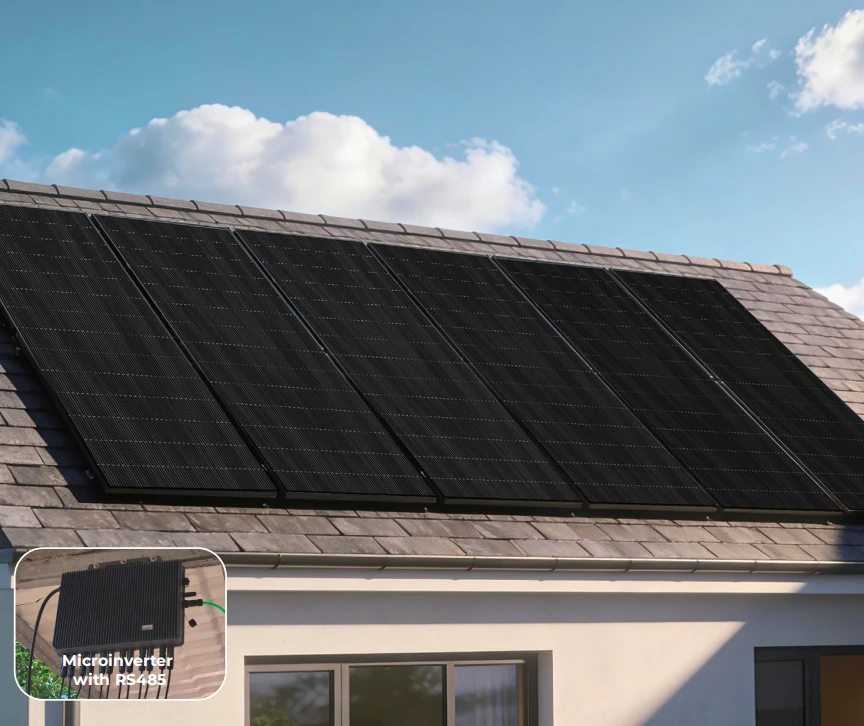
Back when I first installed my own system — yes, I like to tinker a bit after hours — I noticed how easy the wiring and commissioning was. The microinverters plug directly on the panel and connect to the grid with minimal fuss. This simplicity speeds up installation, which customers appreciate because time literally translates to saved labor costs. And frankly, that ease of setup has lowered the barrier for many small businesses and homeowners considering solar.
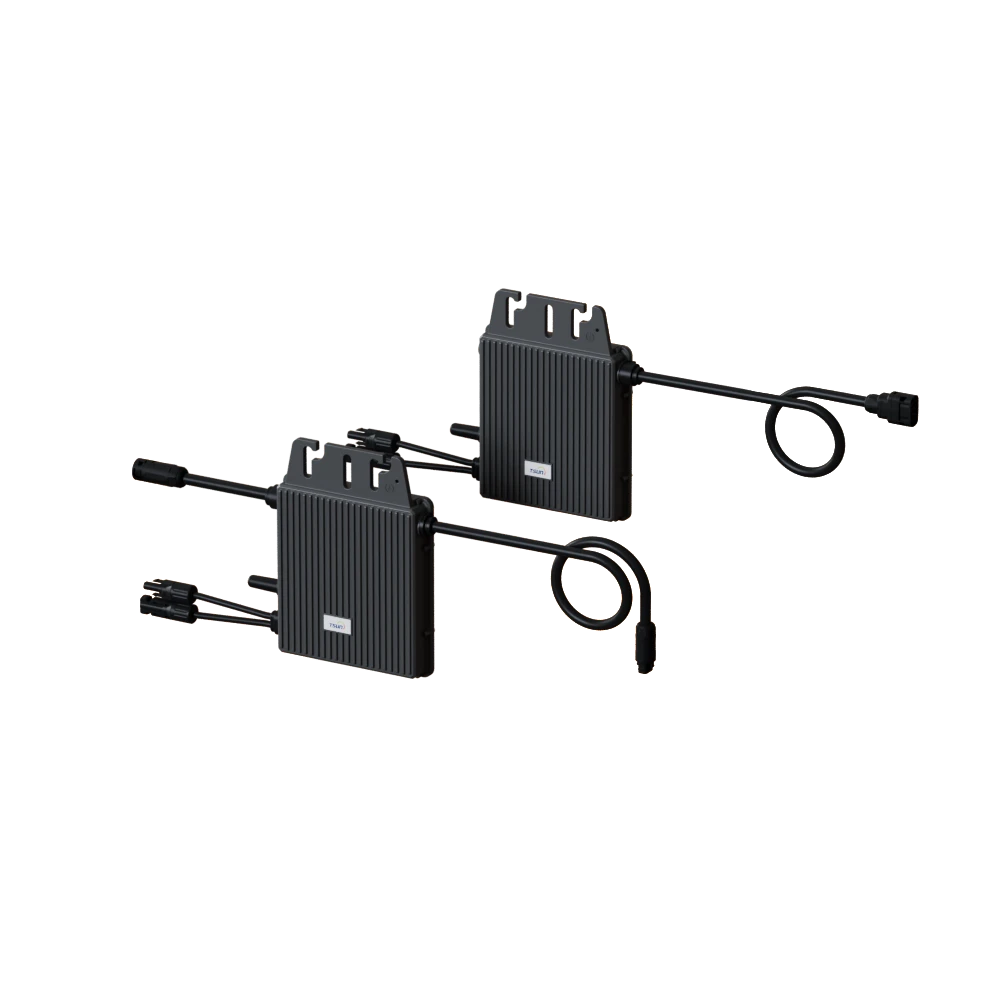
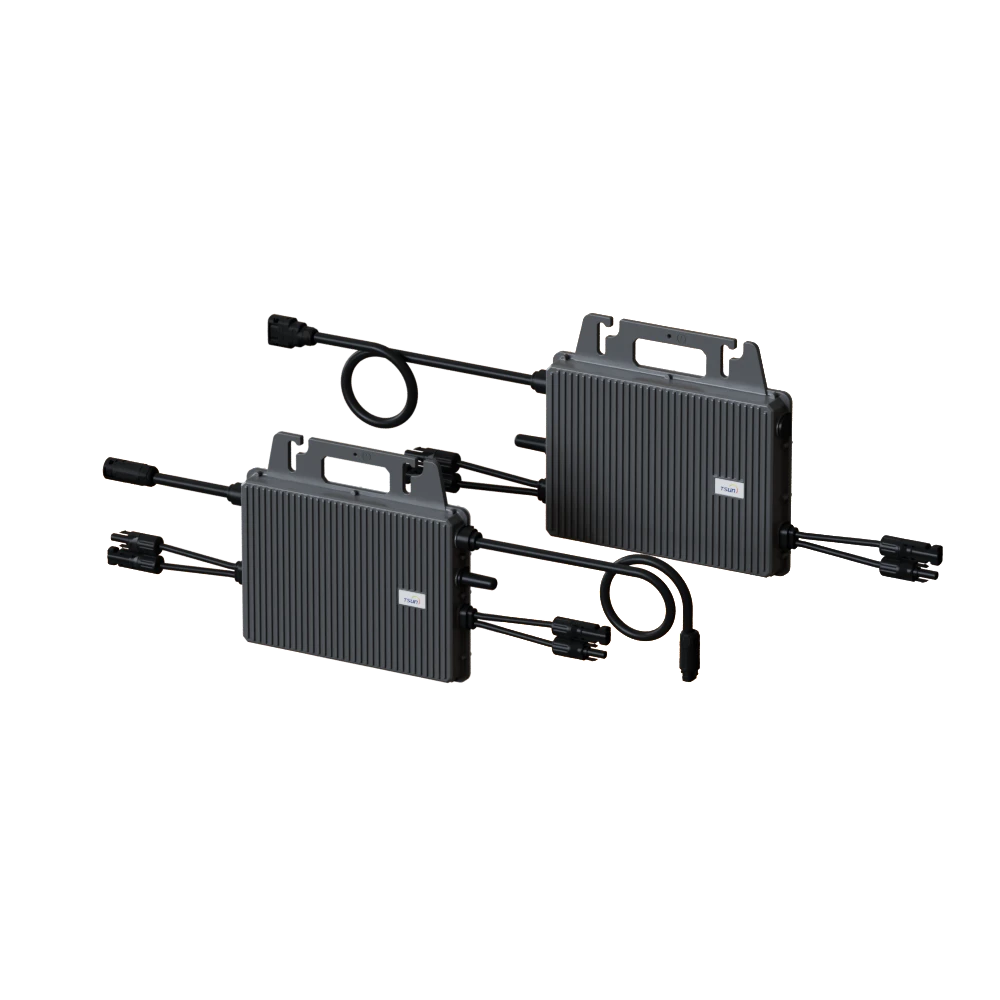
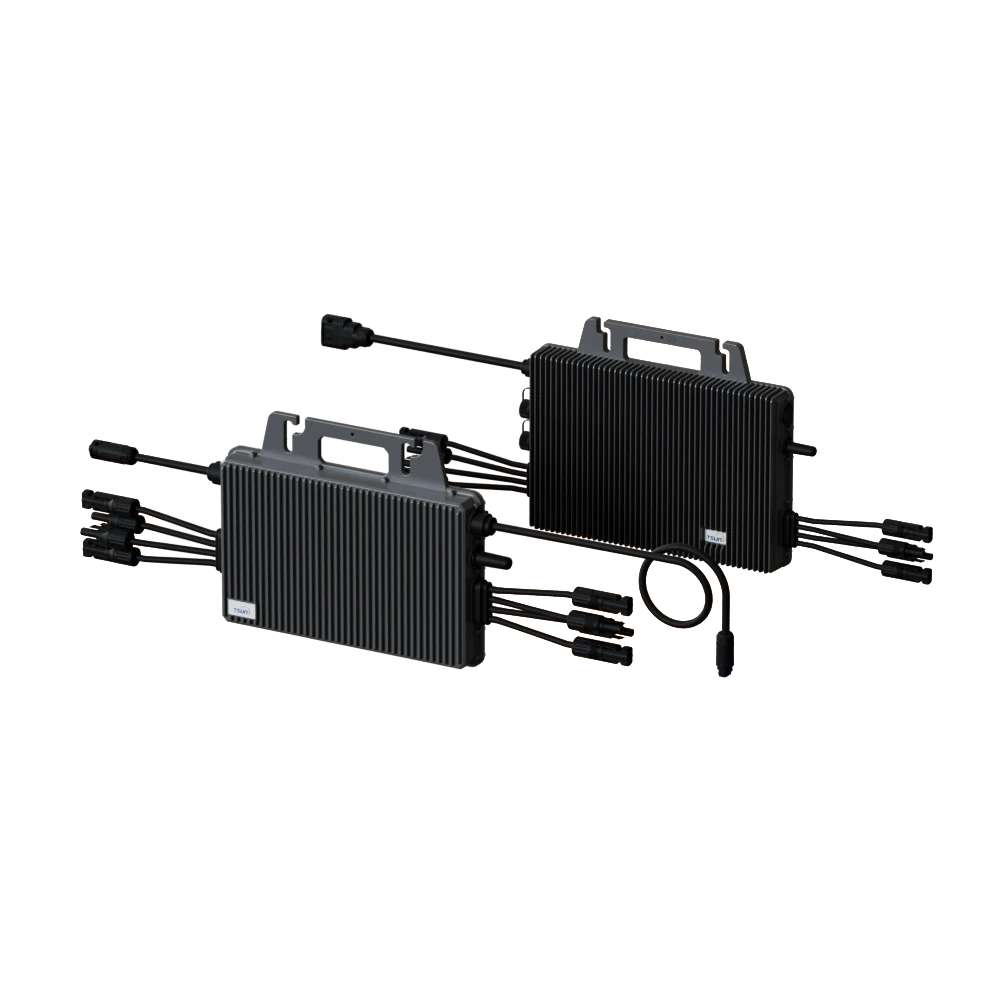
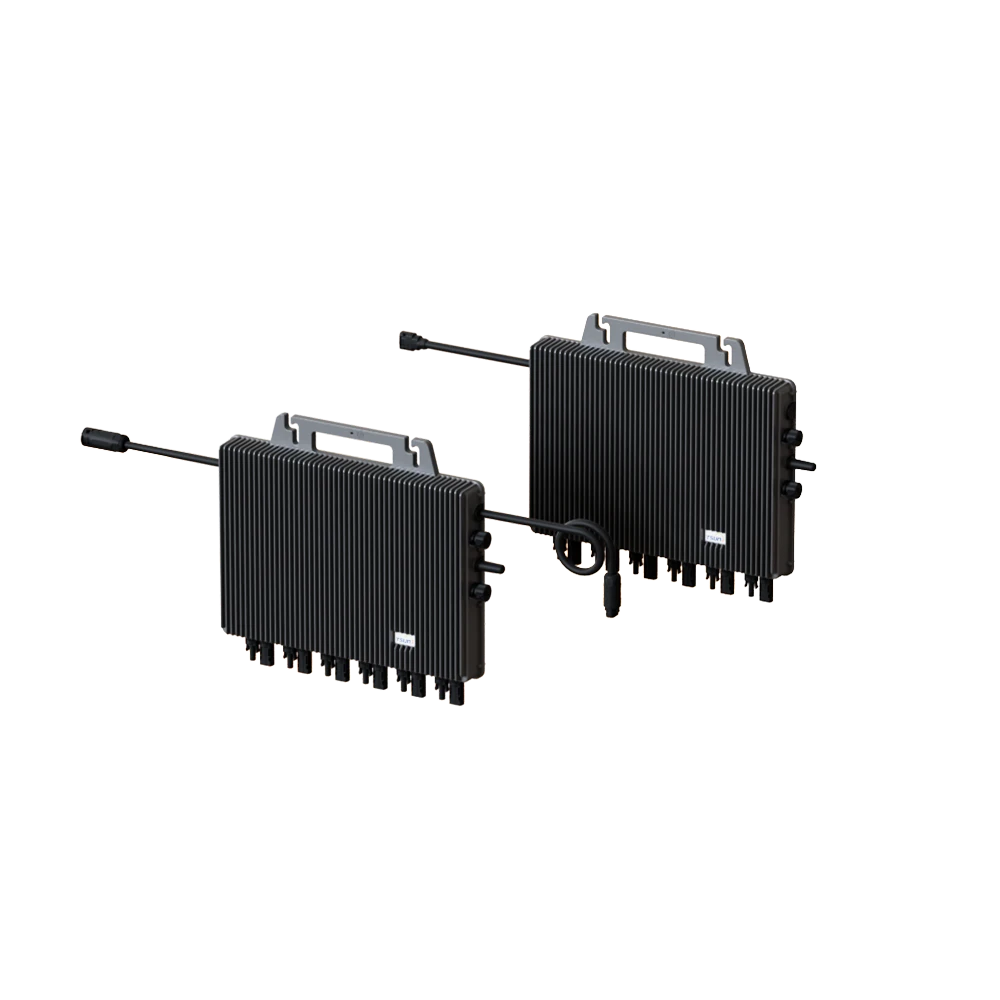
Of course, any solar setup is only as good as its specs—it’s not just about shiny promises. Here’s the typical specification snapshot of a popular grid tie solar kit with microinverter I’ve worked with:
| Specification |
Detail |
| Type |
Grid Tie Solar Kit with Microinverter |
| Microinverter Model |
TS-MI-300 (Typical) |
| Panel Capacity |
320 W Monocrystalline |
| Max Output Power |
300 W AC per panel (microinverter rated) |
| Efficiency |
> 96% Peak |
| Communication |
Power Line Communication (PLC) |
| Installation |
Plug-and-Play, no DC string wiring |
Now, vendors differ quite a bit, and choosing the right provider can be confusing if you’re not used to sorting through specs and support systems. Having dealt with several products, here’s a quick side-by-side to help clarify (note: values simplified from my experience and public info):
| Vendor |
Warranty |
Panel Type |
Microinverter Model |
Support |
| Tsun ESS |
25 years (panel), 15 years (inverter) |
Monocrystalline |
TS-MI-300 |
24/7 Online + Phone |
| NanoSun Co. |
20 years (panel), 10 years (inverter) |
Polycrystalline |
NS-MIC-280 |
Business Hours Email |
| SolarFlex |
25 years (panel), 12 years (inverter) |
Monocrystalline |
SF-MI-320 |
Phone + Limited Chat |
In my experience, I’ve learned that warranties and ongoing support matter as much as the panel or inverter quality—especially if you’re a business planning to run solar for decades. One of my clients in the Midwest recently switched to a microinverter-based grid tie kit after frustrated outages with string inverter units. The difference? A 5% boost in energy harvest now that individual panels aren’t bottlenecked anymore, plus less downtime during maintenance. Customers remember that kind of reliability.
Oddly enough, installation teams often tell me microinverters reduce safety risks too, because the system operates at lower voltages on the DC side. No more bulky string combiner boxes with high-voltage DC lines stretched across rooftops—a nice relief from an installer’s perspective. I suppose it’s one of those subtle benefits that doesn’t always get highlighted but makes on-site work less stressful.
To sum it all up, if you’re considering a grid tie solar kit with microinverter, look beyond just initial cost. Think about durability, panel quality, warranty terms, and especially support networks. Picking a vendor like Tsun ESS, who backs their gear with solid guarantees and reliable communication, can make all the difference years down the line.
At the end of the day, solar is still an upfront investment, but systems like these are proving that flexibility and modularity pay off — both in electricity and peace of mind.
Reflection: In industrial equipment, I realized early on that what looks good on paper doesn’t always hold up in the field. That’s why I always lean towards tested solutions with strong vendor support. With grid tie solar kits and microinverters, you get both technical performance and sensible long-term reliability — and frankly, that’s what keeps me recommending them.
References:
- Industry Solar Reports & Case Studies, 2022–23
- Microinverter Technology Reviews, IEEE Journals, 2021
- Tsun ESS Official Product Manuals and User Guides





 LEARN DETAILS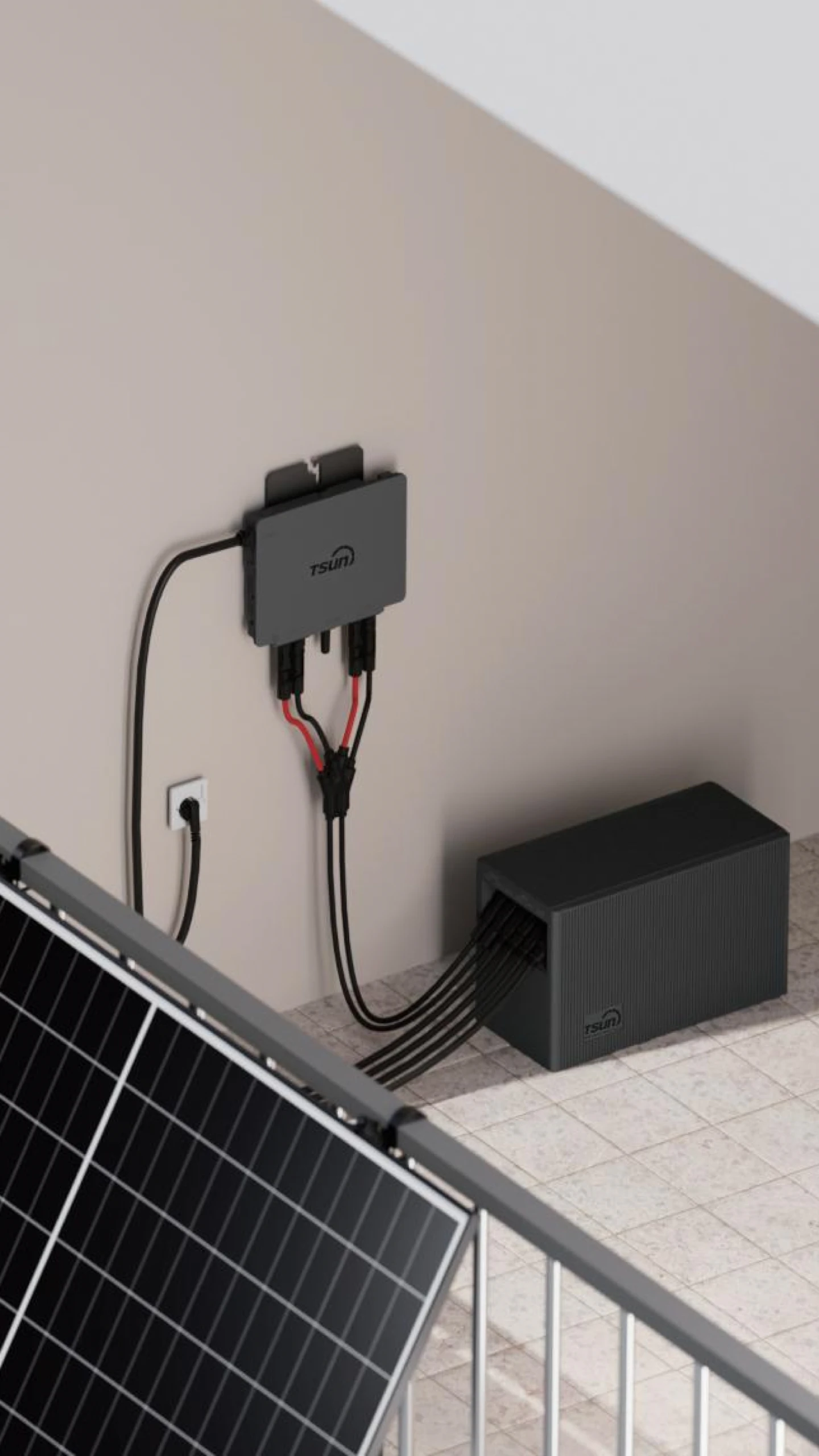
 Downloads
 Video Center
 Report Fault for Repair
 FAQS
FAQS Service Network
 Privacy Policy
 Contact Us
 Monitoring


 LEARN MORE