Microinverter Solar System Price is a key solution in the industry, specifically within energy management and solar power generation sectors. This article explores how
TSUN ESS supports professionals with durable, high-performance products, and explains why this product is an ideal choice for businesses in these sectors.
Table of Contents
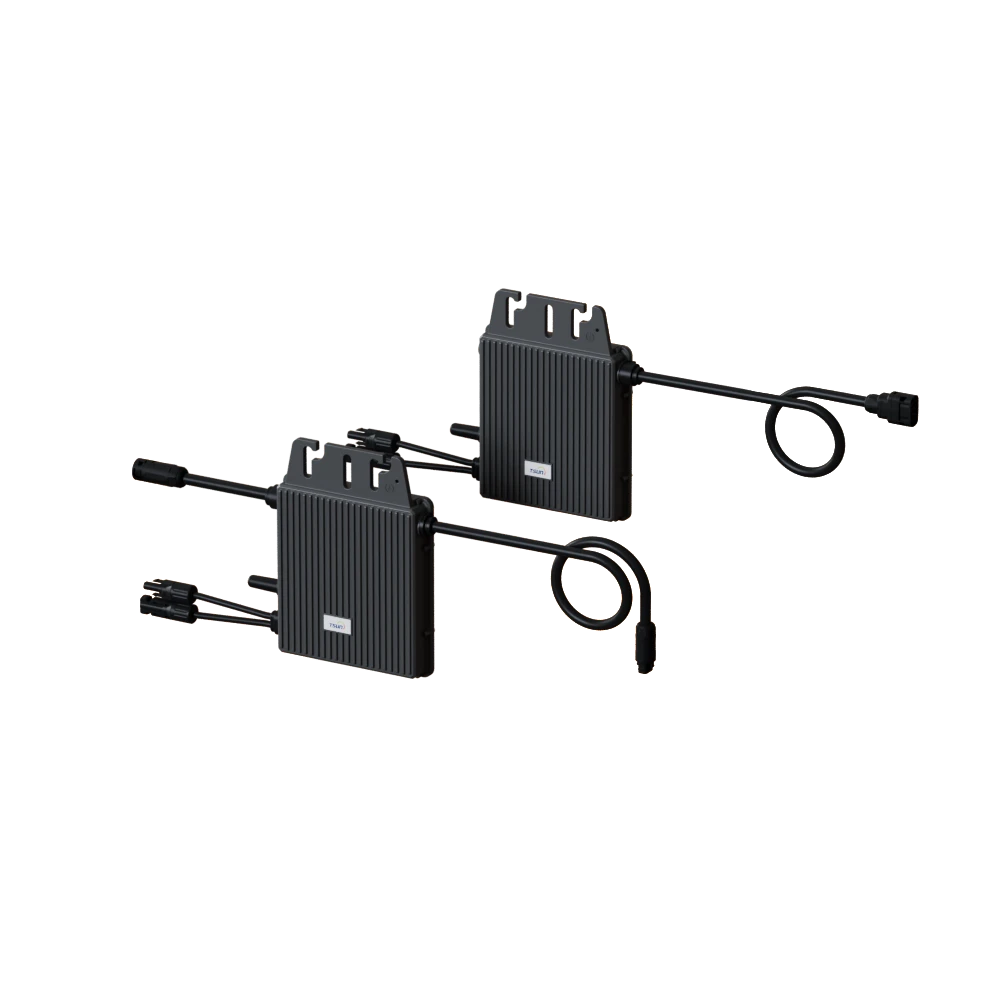
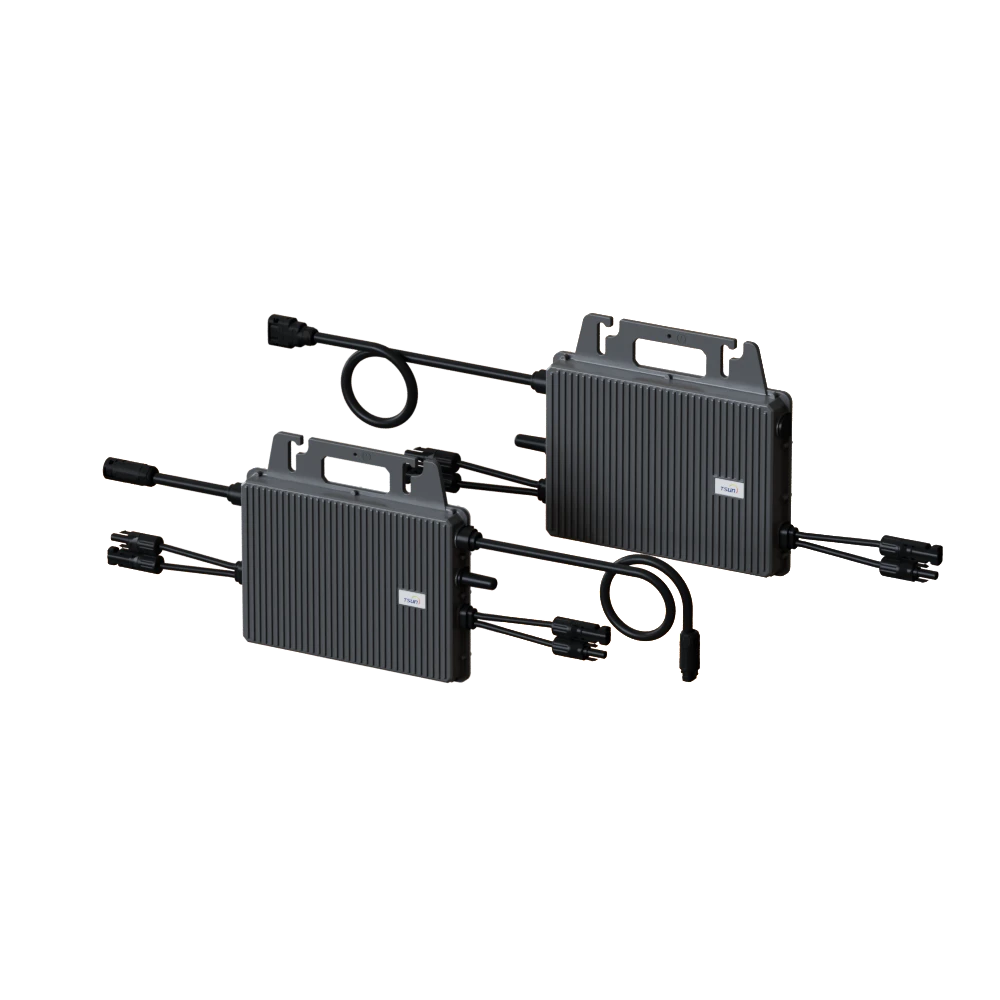
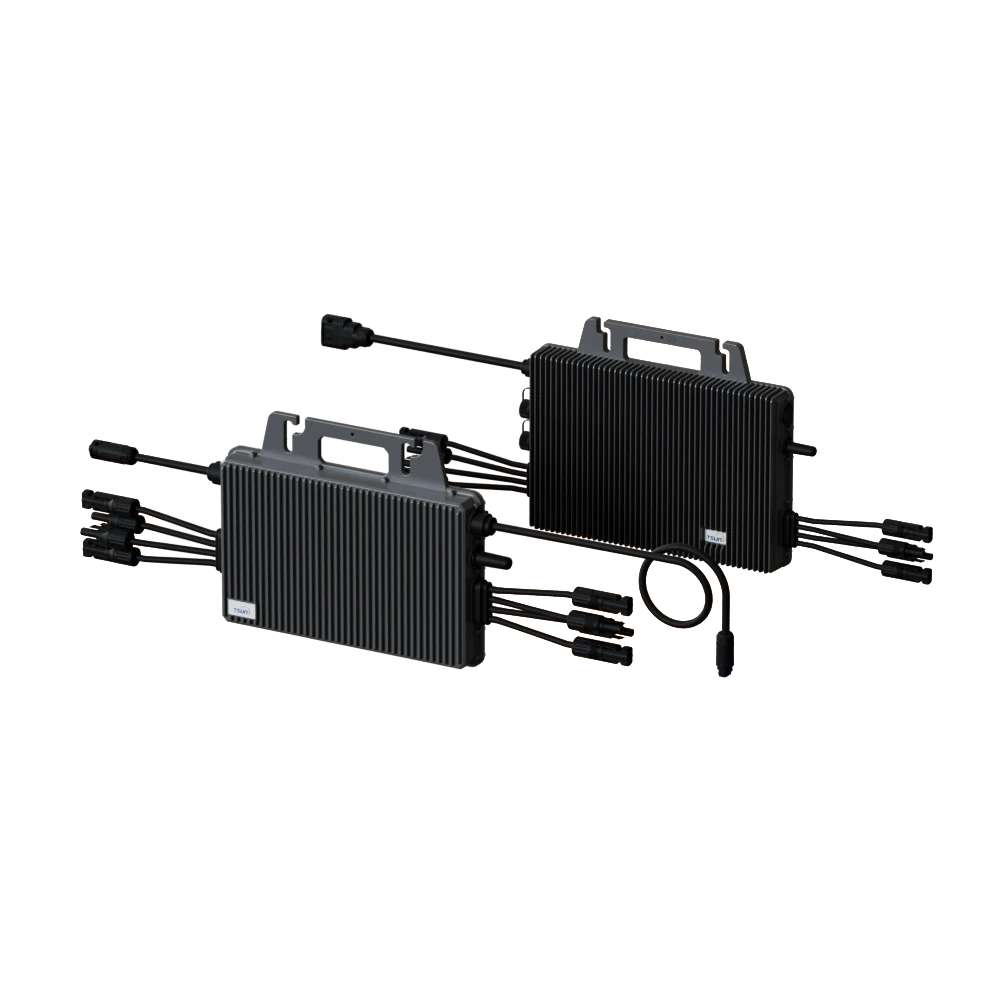
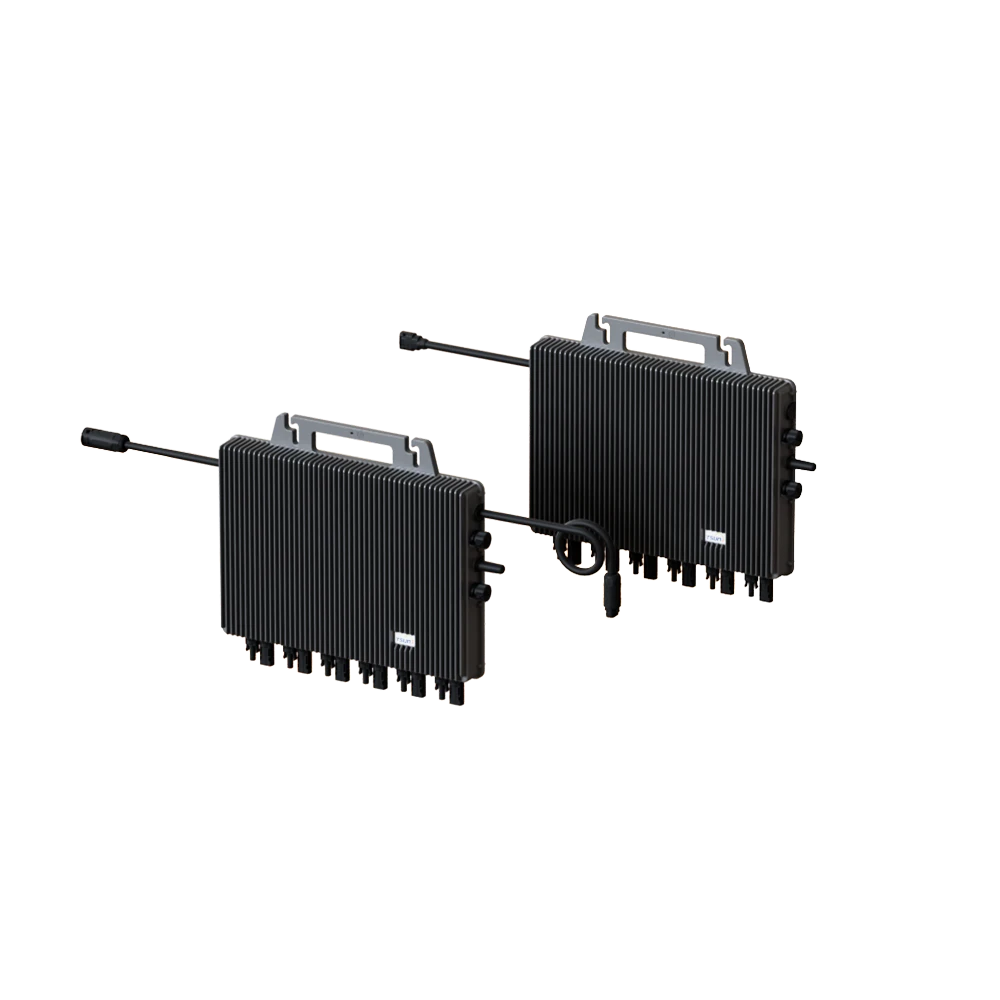
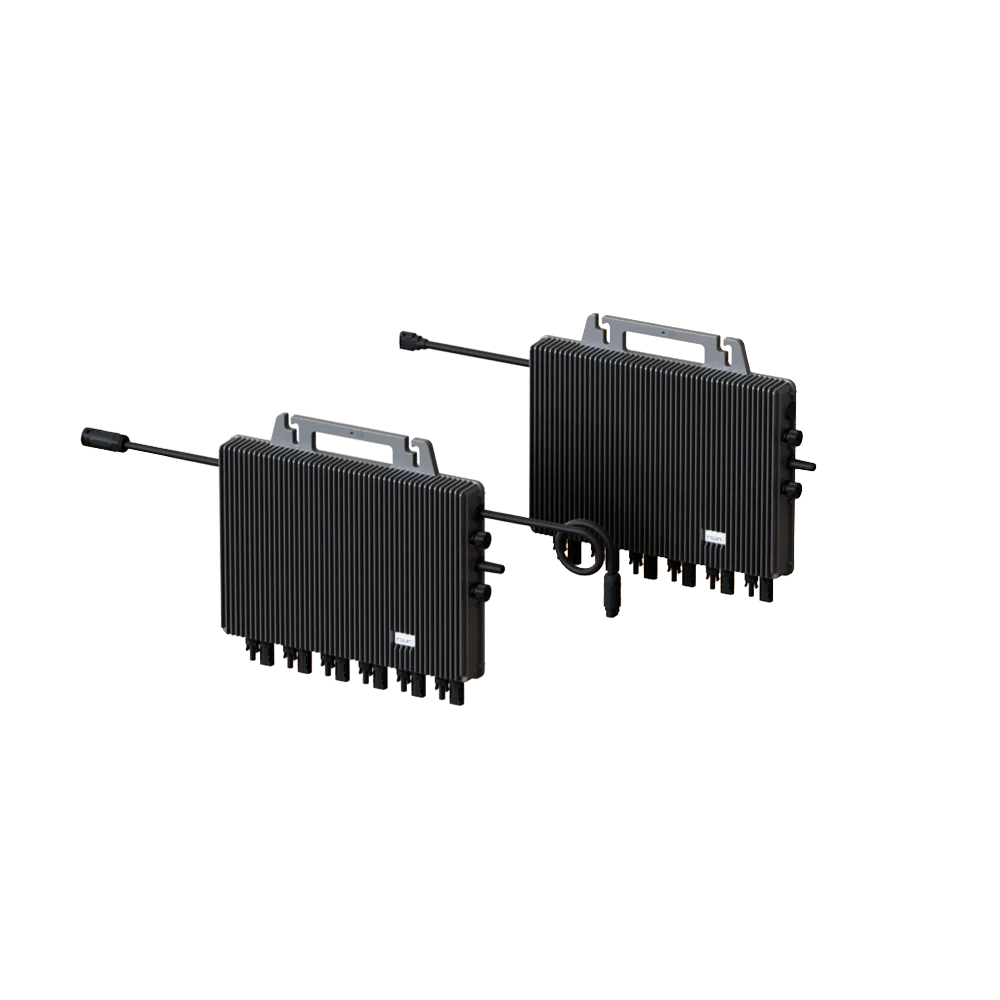
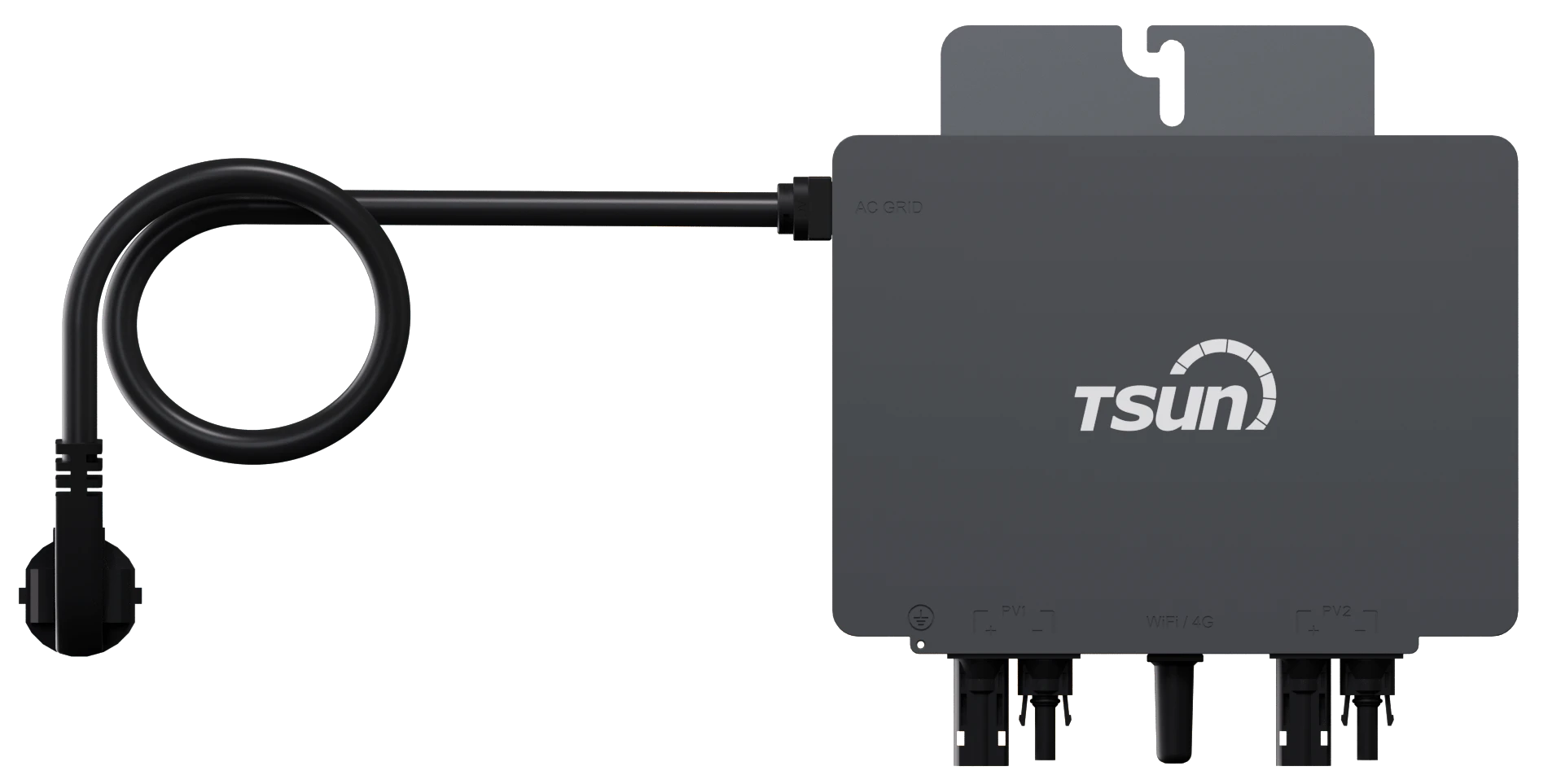
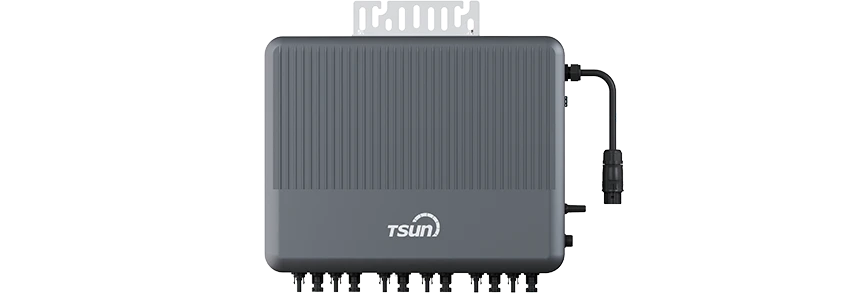
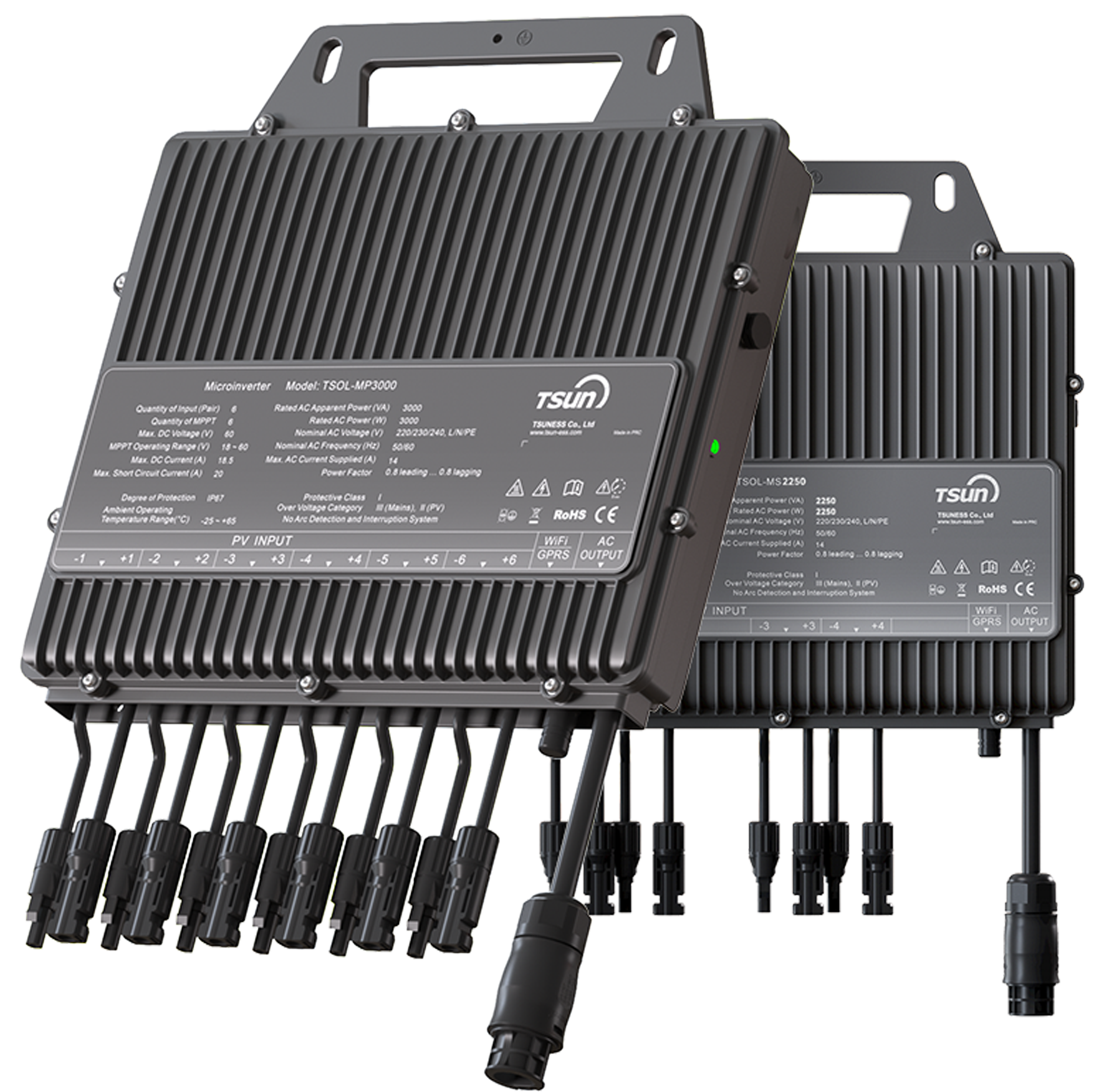
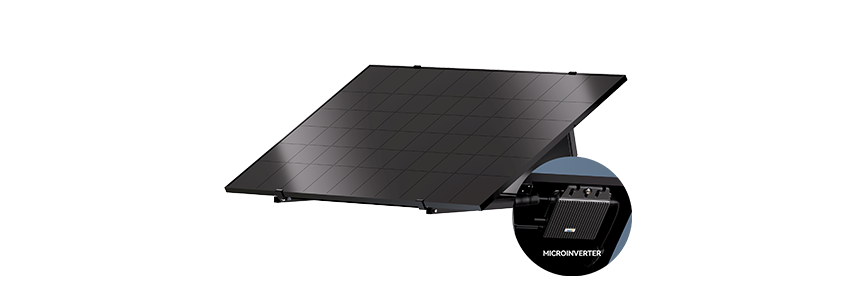
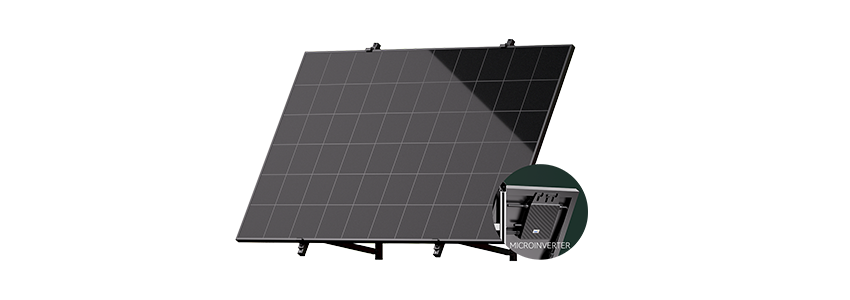
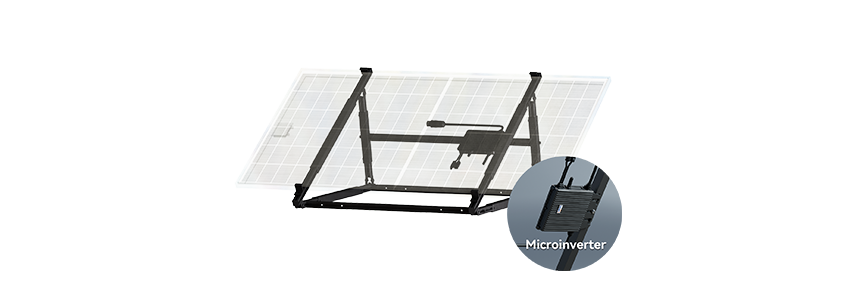
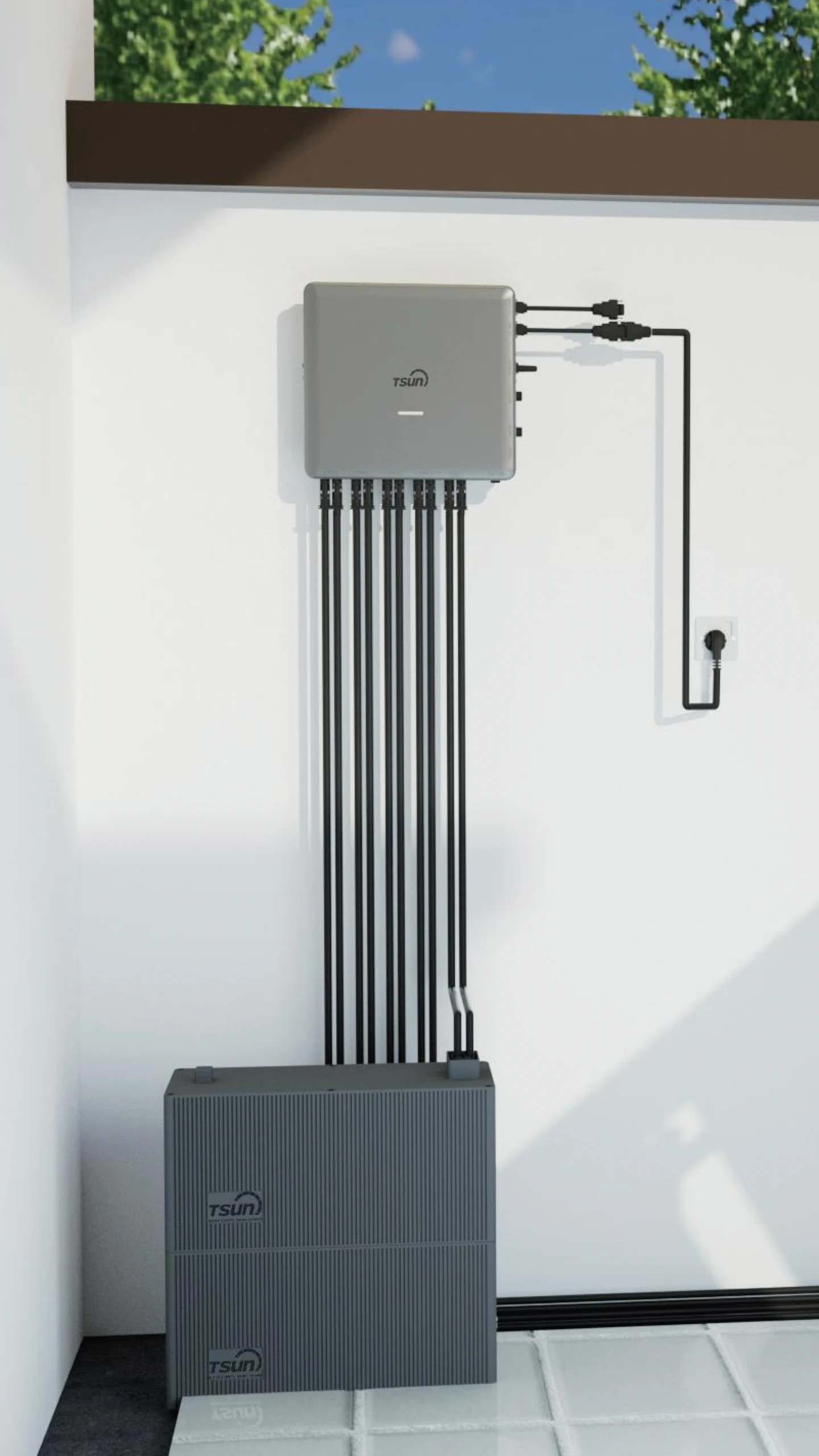
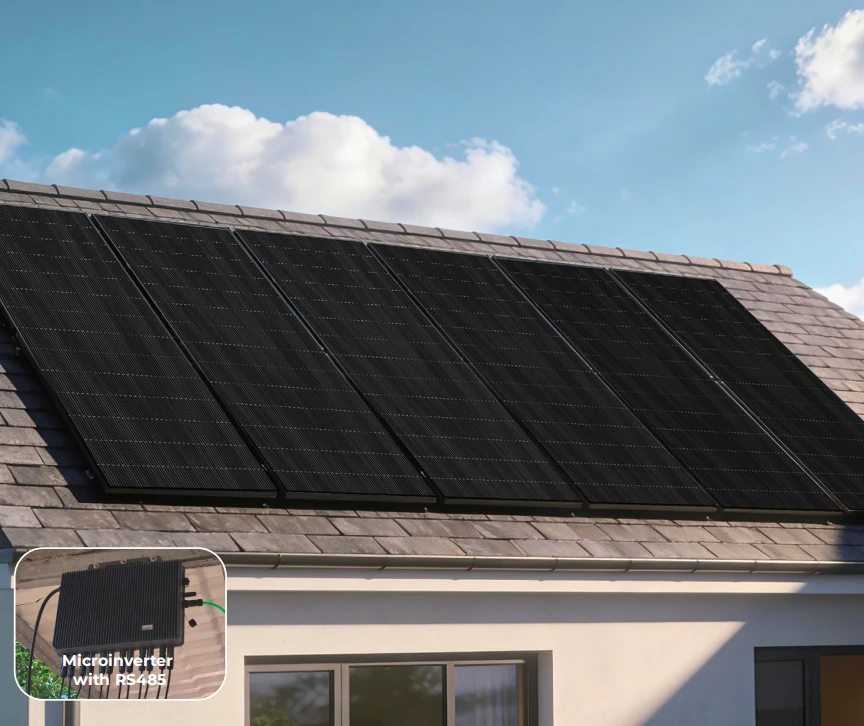
When businesses talk about a Microinverter Solar System Price, they’re referring to the investment involved in solar systems equipped with microinverters—tiny devices installed on each solar panel to convert direct current (DC) to alternating current (AC) right on the spot. This decentralized approach contrasts with traditional string inverters, and it introduces a lot of flexibility and efficiency benefits that frankly, can make a big difference on a project’s return.
- Microinverters essentially allow for individual panel-level optimization, which means shading or panel failure on one unit has a minimal knock-on effect on the rest of the array.
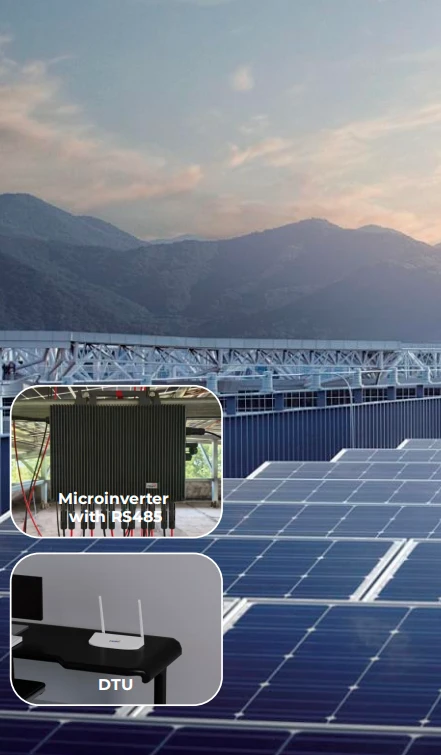
- In practical terms, TSUN provides microinverters designed with industry-standard specs like 300W to 400W per unit capacity, integrated monitoring capabilities, and a solid warranty — all of which bolster confidence among B2B buyers who need reliability above all.
| Specification |
TSUN Microinverter Model |
Details |
| Power Capacity |
T-MI-400 |
400W peak output per microinverter |
| Efficiency |
- |
Up to 96.5% conversion efficiency |
| Connectivity |
Ethernet & Wi-Fi |
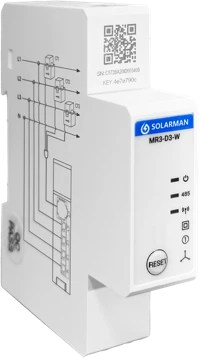
Real-time panel monitoring and remote diagnostics |
| Warranty |
10 Years |
Industry standard with optional extension plans |
You might wonder why businesses keep returning to microinverters. Oddly enough, their modular nature suits complex rooftops with shading issues or irregular layouts, typical in commercial buildings or warehouses. Rather than the whole system’s performance tanking because one section is shaded, only the affected microinverter’s output suffers.
- Industrial clients appreciate TSUN’s microinverters for their scalability—the ability to add or replace panels without large-scale system rewiring.
- Compared to string inverters, microinverters handle issues like panel mismatch more gracefully, which can lead to up to 20% higher energy yield in real-world scenarios.
Cost, Maintenance & User Experience
The cost is, of course, a major consideration. Microinverters typically come at a higher upfront price than string inverters. But the total cost of ownership—think maintenance, system uptime, and energy yield—often balances that out. TSUN’s product portfolio reflects this with competitive pricing and durable designs built for rooftop endurance. Anecdotally, customers report fewer service calls and smoother operational experiences after switching to microinverters.
- Durability is a cornerstone here; TSUN tests their microinverters under harsh conditions like extreme temperatures and humidity, giving buyers confidence their investment will last.
- User interfaces with integrated monitoring reduce unexpected downtime. One client in industrial manufacturing said it felt like moving from “fishing with a net to fishing with a spear” in terms of pinpointing issues.
| Vendor |
Price Range (USD) |
Warranty |
Key Feature |
| TSUN ESS |
$180–$220 per microinverter |
10 years (standard) |
High efficiency & integrated monitoring |
| Competitor A |
$200–$240 |
10 years |
Robust design, lacks Wi-Fi |
| Competitor B |
$150–$210 |
5 years |
Lower upfront cost, less monitoring |
Sustainability & Market Trends
The drive toward renewable energy means microinverter solar systems are no longer niche but are increasingly seen as the standard, especially in commercial and industrial settings. The market’s growth reflects stricter regulations, incentives for clean energy adoption, and business commitments to sustainability goals. Interestingly, microinverters lend themselves well to circular economy principles because they allow partial system upgrades instead of full replacements, reducing waste. TSUN keeps pace by offering products designed with recyclable materials and energy-efficient manufacturing practices, which adds a meaningful layer for B2B buyers looking beyond simple price tags.
- Many industries prioritize carbon footprint reductions, and microinverters help achieve higher efficiency and longer system life, furthering those goals.
Frequently Asked Questions about Microinverter Solar System Price
- What is Microinverter Solar System Price and how does it work?
-
The Microinverter Solar System Price refers to the overall cost involved in purchasing and installing solar panel systems equipped with microinverters. These devices convert DC electricity to AC at each panel individually, enhancing efficiency especially in complicated installations.
- What are the main benefits of using Microinverter Solar System Price in industrial applications?
-
The key benefits include improved energy harvest, panel-level monitoring, enhanced safety, and easier system scalability. These features reduce downtime and maintenance costs, making the investment worthwhile.
- How does Microinverter Solar System Price compare to traditional alternatives?
-
Unlike centralized string inverters, microinverters give more granular control and reduce the negative impact of shading or panel failure. Though sometimes pricier upfront, they often yield better long-term ROI.
- What industries can benefit most from Microinverter Solar System Price implementation?
-
Commercial rooftops, warehouses, manufacturing, and sectors with complex roof designs or frequent shading problems find microinverters very beneficial. TSUN's customers in these sectors report solid performance gains.
Conclusion on Microinverter Solar System Price from china
All in all, microinverter solar systems represent a smart, future-ready choice for businesses looking to maximize their solar ROI while navigating complex environments. TSUN ESS offers a compelling blend of technology, durability, and cost-effectiveness that makes the Microinverter Solar System Price worth considering seriously. For those decision makers balancing cost with performance, it’s an option that deserves a good look.
Reflecting on this, it’s clear that even within the technical world of solar power, making informed, nuanced choices around components like microinverters can unlock both sustainability and financial wins. And that, frankly, is the kind of balance we all want in business.



 LEARN DETAILS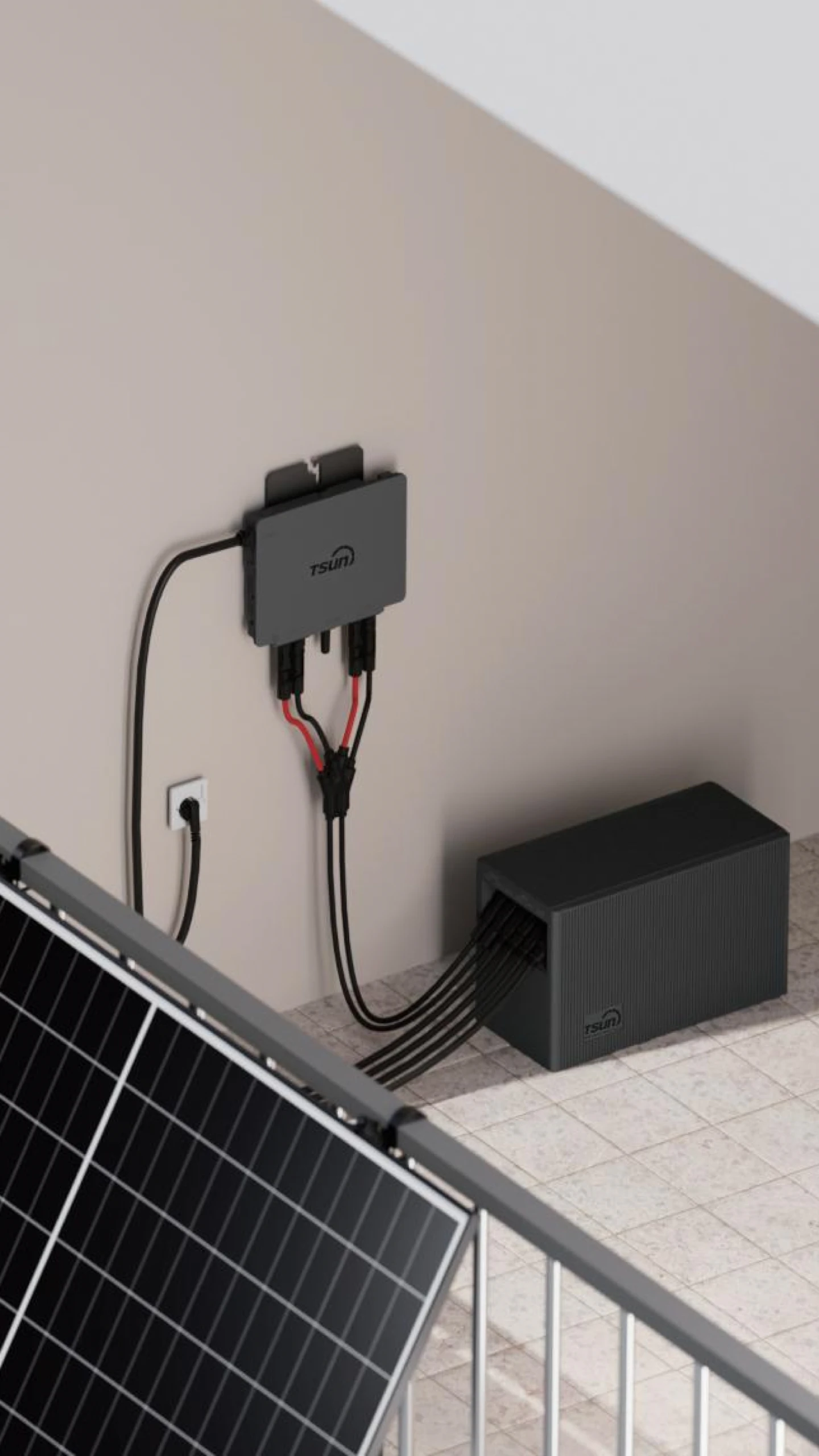
 Downloads
 Video Center
 Report Fault for Repair
 FAQS
FAQS Service Network
 Privacy Policy
 Contact Us
 Monitoring


 LEARN MORE