




 LEARN DETAILS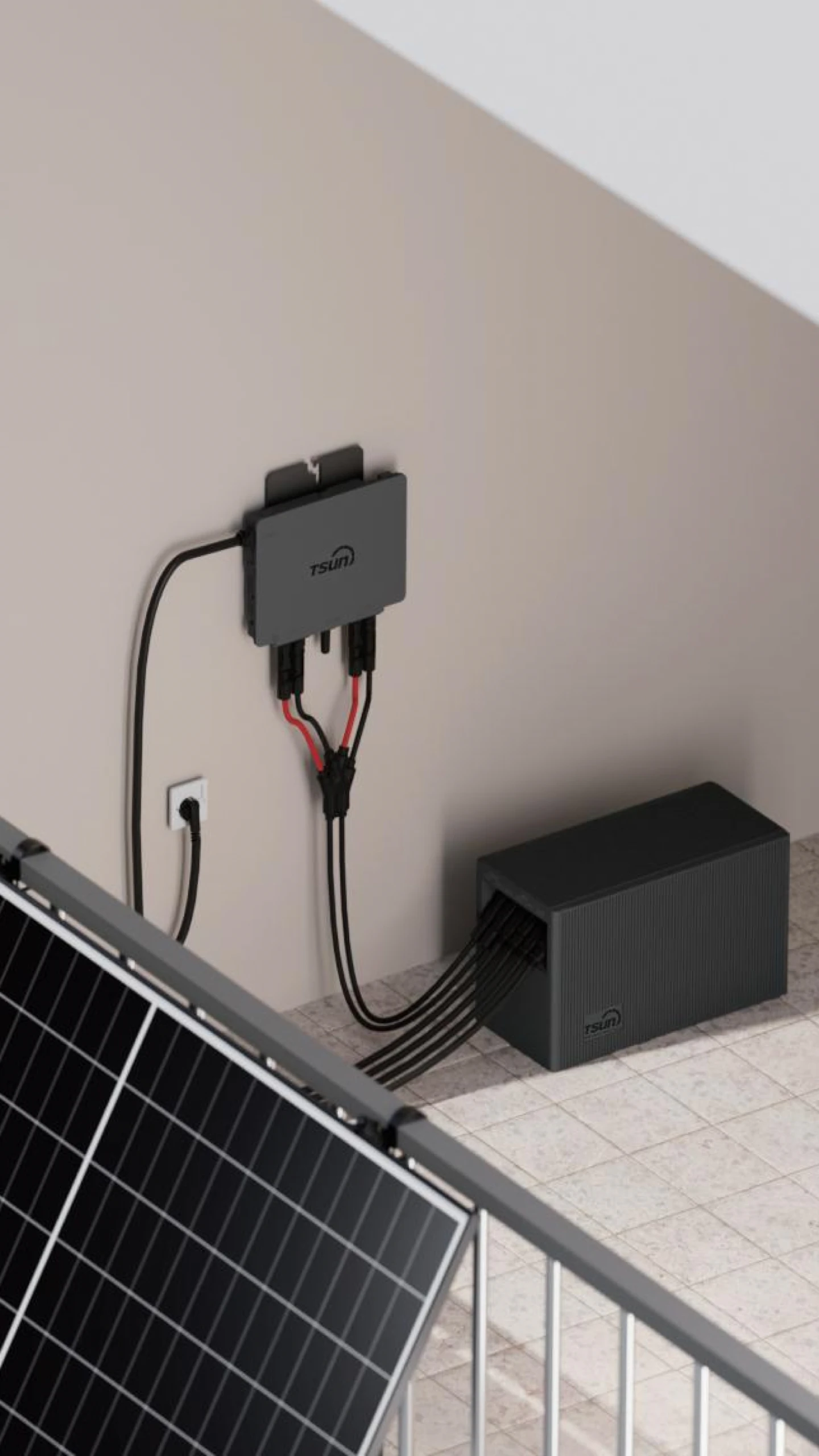
 Downloads
 Video Center
 Report Fault for Repair
 FAQS
FAQS Service Network
 Privacy Policy
 Contact Us
 Monitoring

Are you thinking of escaping the hustle and bustle of city life and retreating to a quiet cabin nestled in nature? Whether you're looking for a permanent lifestyle change or just a peaceful weekend getaway, building and living in an off grid cabin offers an incredible opportunity to reconnect with the environment while becoming self-sufficient.
But how do you go about it? And more importantly, how do you ensure that this dream is sustainable in the long run? Read on as we walk you through everything you need to build, power, and thrive in your own off-grid retreat!
What Is an Off-Grid Cabin?
An off-grid cabin is a type of home or getaway built to operate independently from traditional utilities like electricity, water, and sewage systems. In other words, it's a cabin designed for self-sufficiency. Instead of relying on city power, you'll use renewable energy sources like solar panels or wind turbines. For water, you might collect rainwater, use a nearby well, or have a natural water source.
Living in an off-grid cabin doesn't mean you have to give up modern comforts completely—it just means finding alternative ways to meet your needs without being hooked into the grid. Whether you're looking for a quiet place to escape for the weekend or you're ready to fully commit to an off-grid lifestyle, an off-grid cabin offers a way to reconnect with nature and live more sustainably.
Benefits of Living Off the Grid
Living off the grid comes with a wide range of benefits that appeal to anyone looking for more independence and a deeper connection to nature.
One of the biggest perks is self-sufficiency. By generating your own power, collecting your own water, and managing your resources, you’re no longer reliant on public utilities or affected by utility price hikes or outages. This not only saves money in the long run but also gives you more control over your lifestyle.
Another major benefit is environmental impact. Off-grid living encourages sustainable practices, such as using renewable energy like solar or wind power, reducing waste, and conserving resources. This eco-friendly approach can significantly reduce your carbon footprint and help preserve natural ecosystems.
On top of that, living off the grid offers a simpler, more peaceful lifestyle. Away from the distractions of modern life, you can enjoy the beauty of nature, have more privacy, and experience a sense of freedom that's hard to find in densely populated areas. Whether you're seeking a full-time lifestyle change or just a quiet retreat, the benefits of off-grid living can enhance your well-being in countless ways.
How to Build an Off Grid Cabin?
As we've seen, living in an off-grid cabin is a rewarding experience that allows you to create a personal haven away from the hustle and bustle of modern life while being self-sufficient. So, how exactly can you build one? Here's a step-by-step guide to help you get started:
- Choose the Right Location and Land: The first and most crucial step is finding the perfect spot for your off-grid cabin. Look for land that has access to natural resources, like a water source and enough sunlight for solar power. Additionally, check local regulations and zoning laws to ensure that you can legally live off the grid in your chosen area.
- Design Your Cabin: Once you have your location, it's time to design your cabin. Decide how big you want your cabin to be and sketch out a floor plan. Think about the number of rooms, storage space, and how you'll use each area. Choose sustainable and durable building materials.
- Build the Structure: According to your cabin's design and the land, lay a solid foundation and erect the walls and roof framework. Install a durable roof to protect against the elements. Metal roofing is long-lasting and good for collecting rainwater.
- Source Your Water: An off-grid cabin will need a reliable water source. You can collect rainwater, drill a well, or use a nearby stream or lake (where legally permitted). Make sure to include a water filtration system to ensure your water is safe to drink.
- Install Waste Systems: Managing waste is essential for off-grid living. Composting toilets are a popular option for cabins, as they turn human waste into compost that can be safely disposed of. You'll also need a greywater system to handle water from sinks and showers in an environmentally friendly way.
- Prepare for Heating and Cooling: Depending on your climate, heating and cooling are important factors. Many off-grid cabins use wood-burning stoves for heat, as wood is a renewable resource. You can also design your cabin to take advantage of natural ventilation and passive solar heating to regulate the temperature.
How Do You Power Off Grid Cabin?
Now that you have the structure built and basic water and waste systems in place, let's talk about power.
Powering your off-grid cabin sustainably requires thoughtful consideration of renewable energy solutions. The most popular method is solar power, but wind and hydropower can also be options depending on your location.
Solar Power
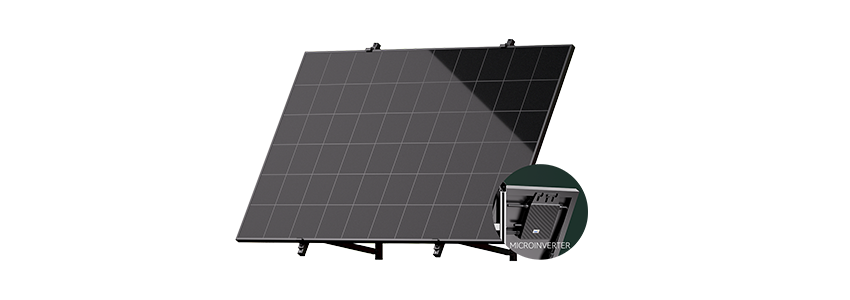
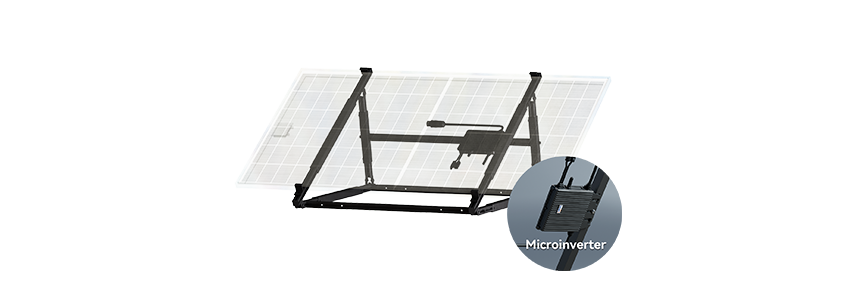
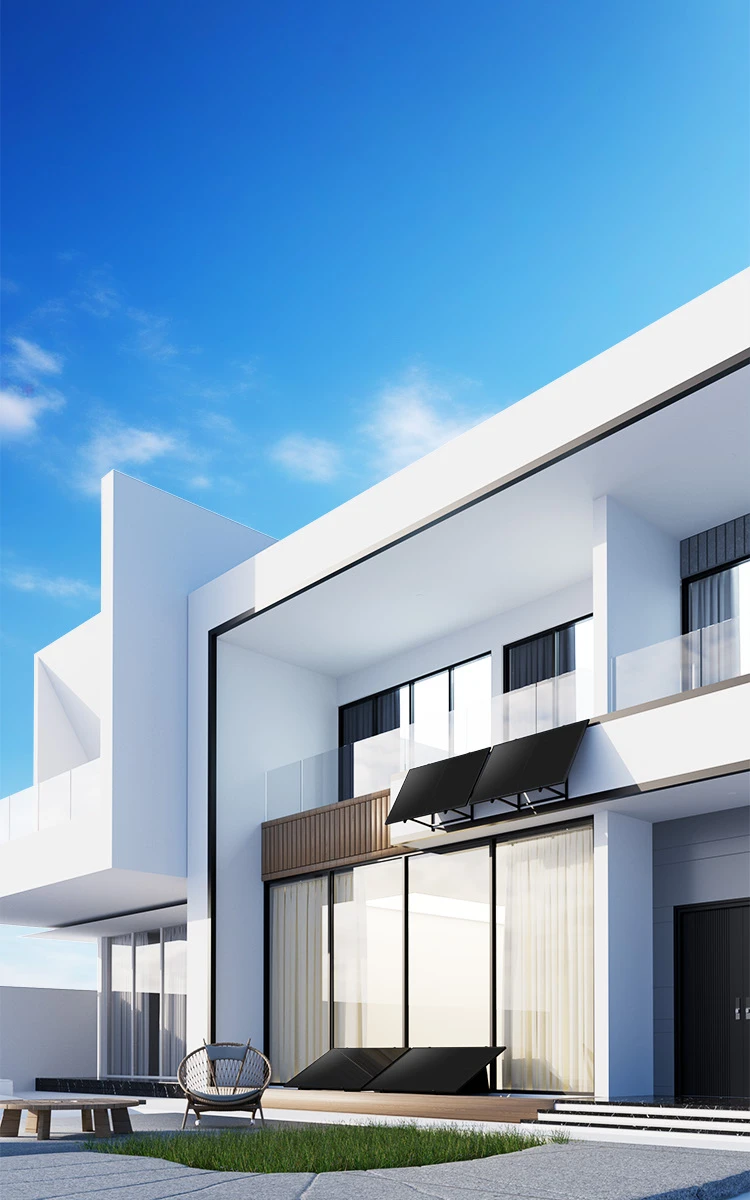
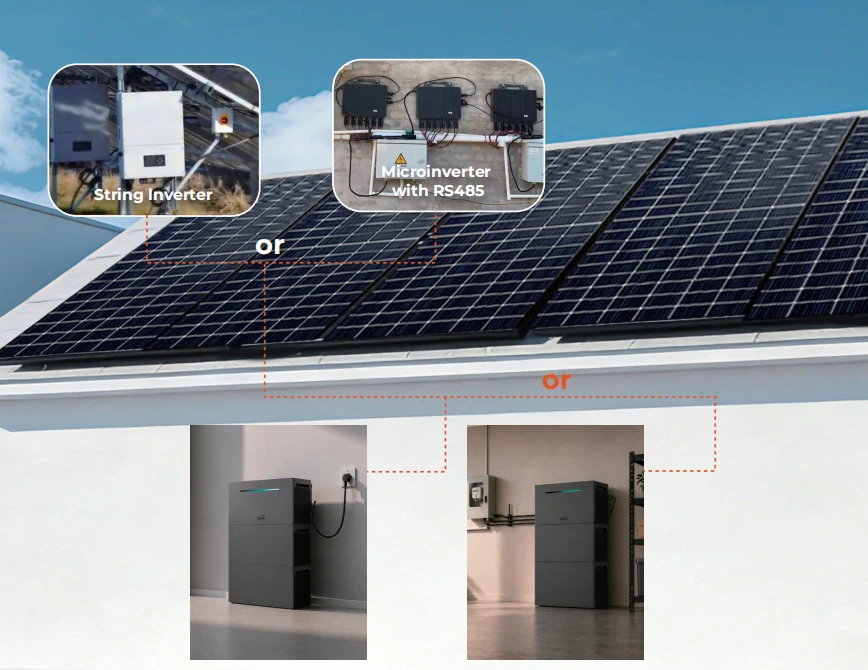
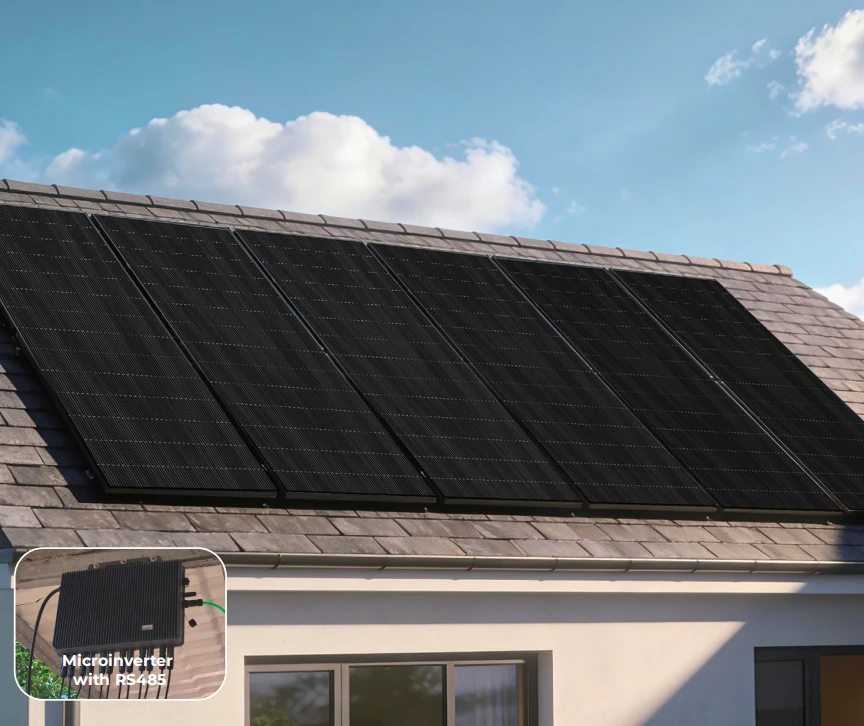
Solar energy is by far the most accessible and reliable power source for off-grid cabins. By installing a solar panel system, you can harness sunlight to generate electricity for your cabin. You'll also need an efficient power management and storage system to ensure you have electricity during the nighttime or cloudy days.
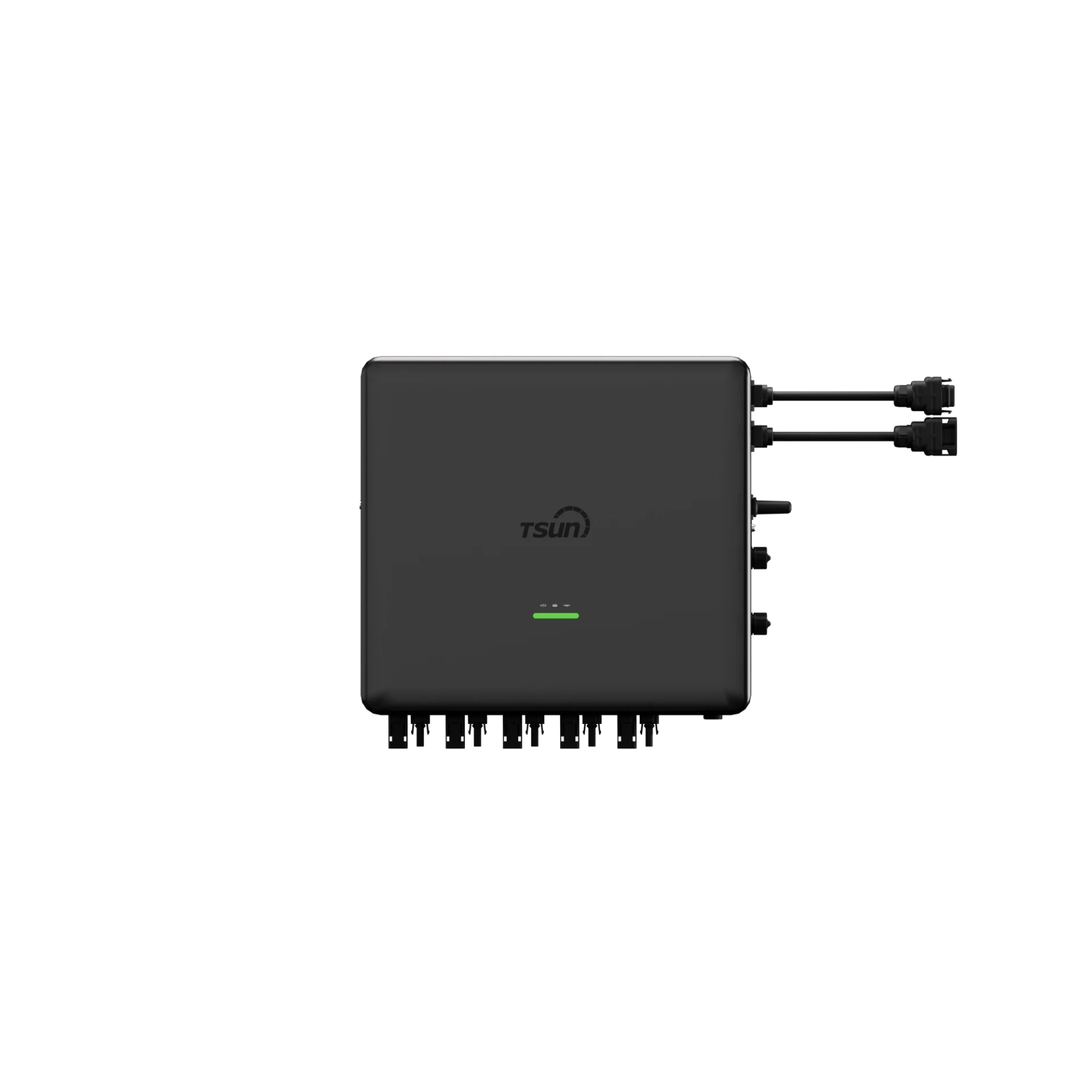
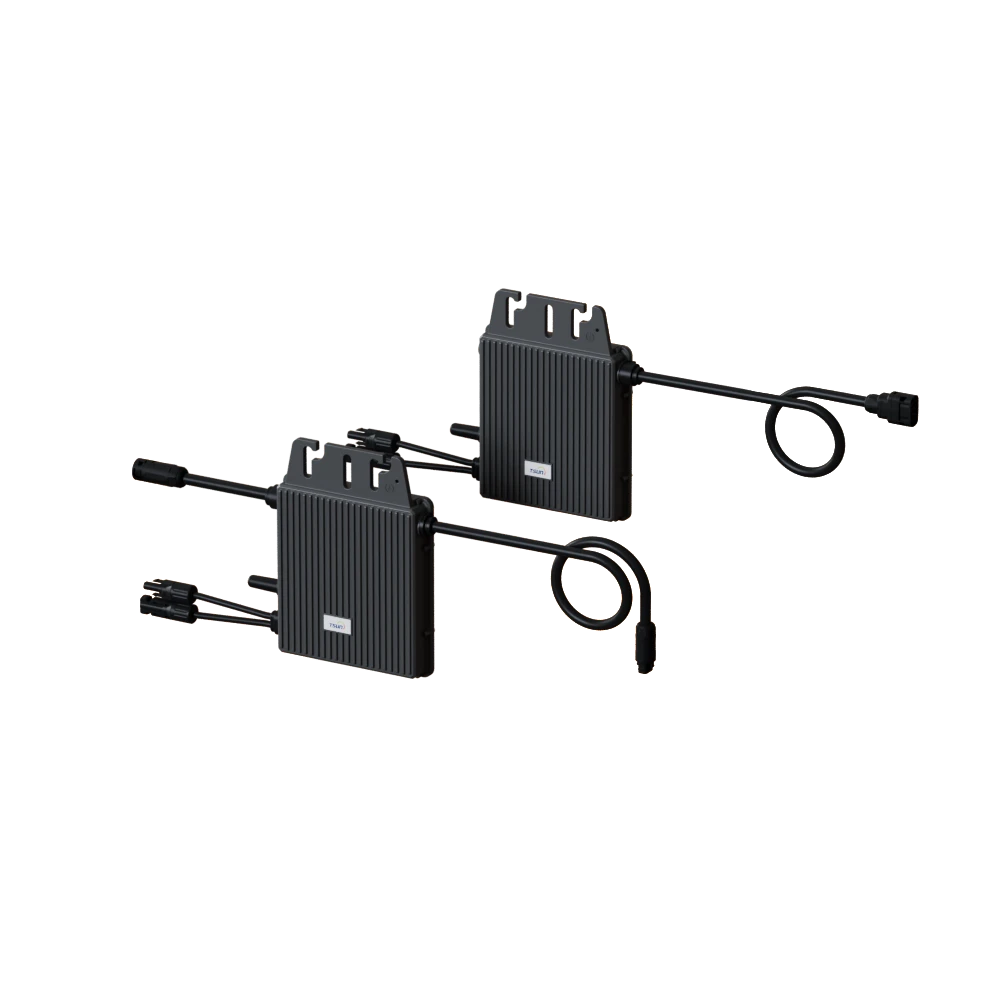
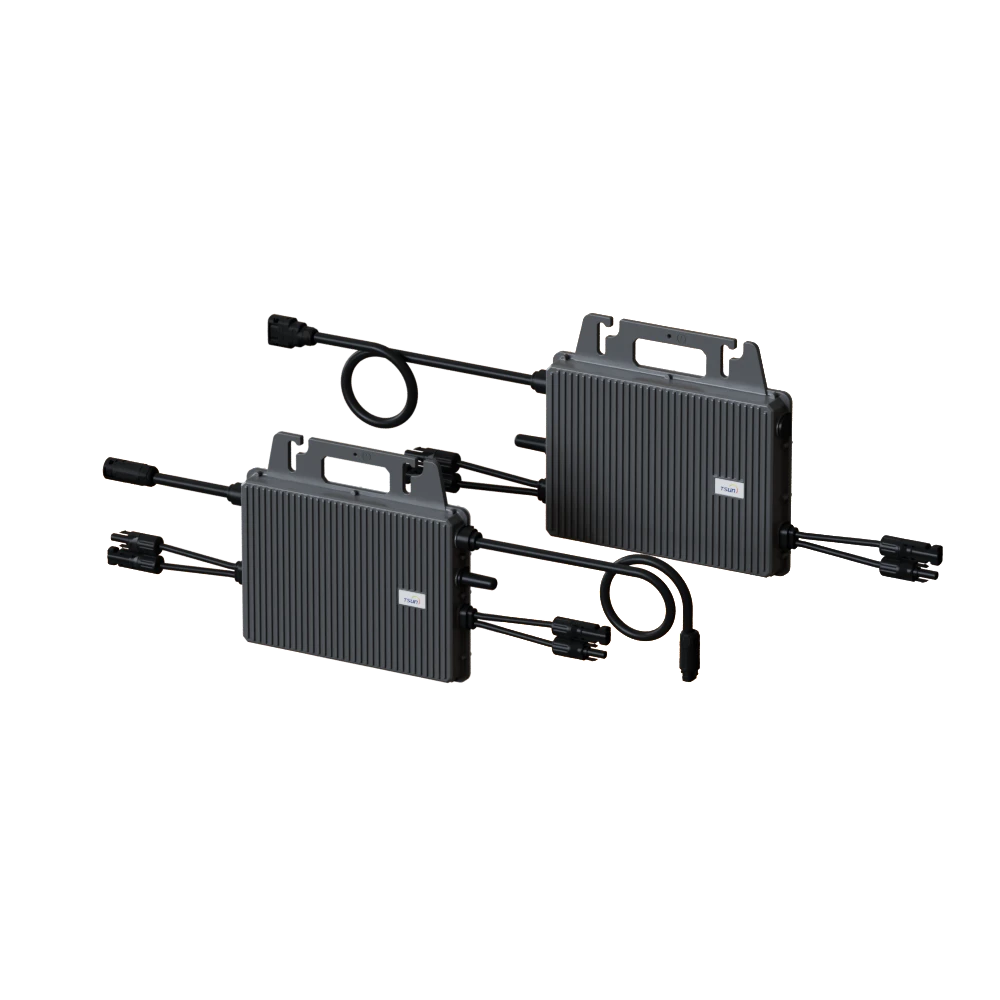
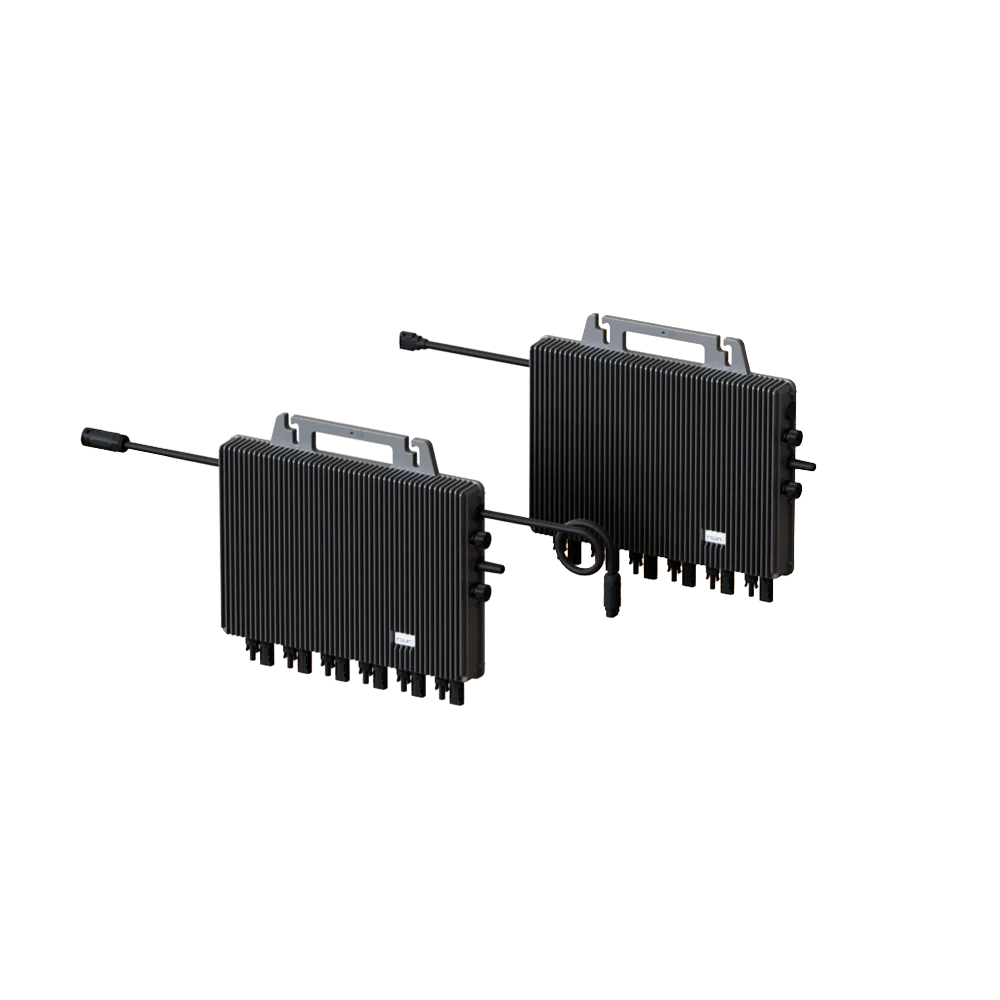
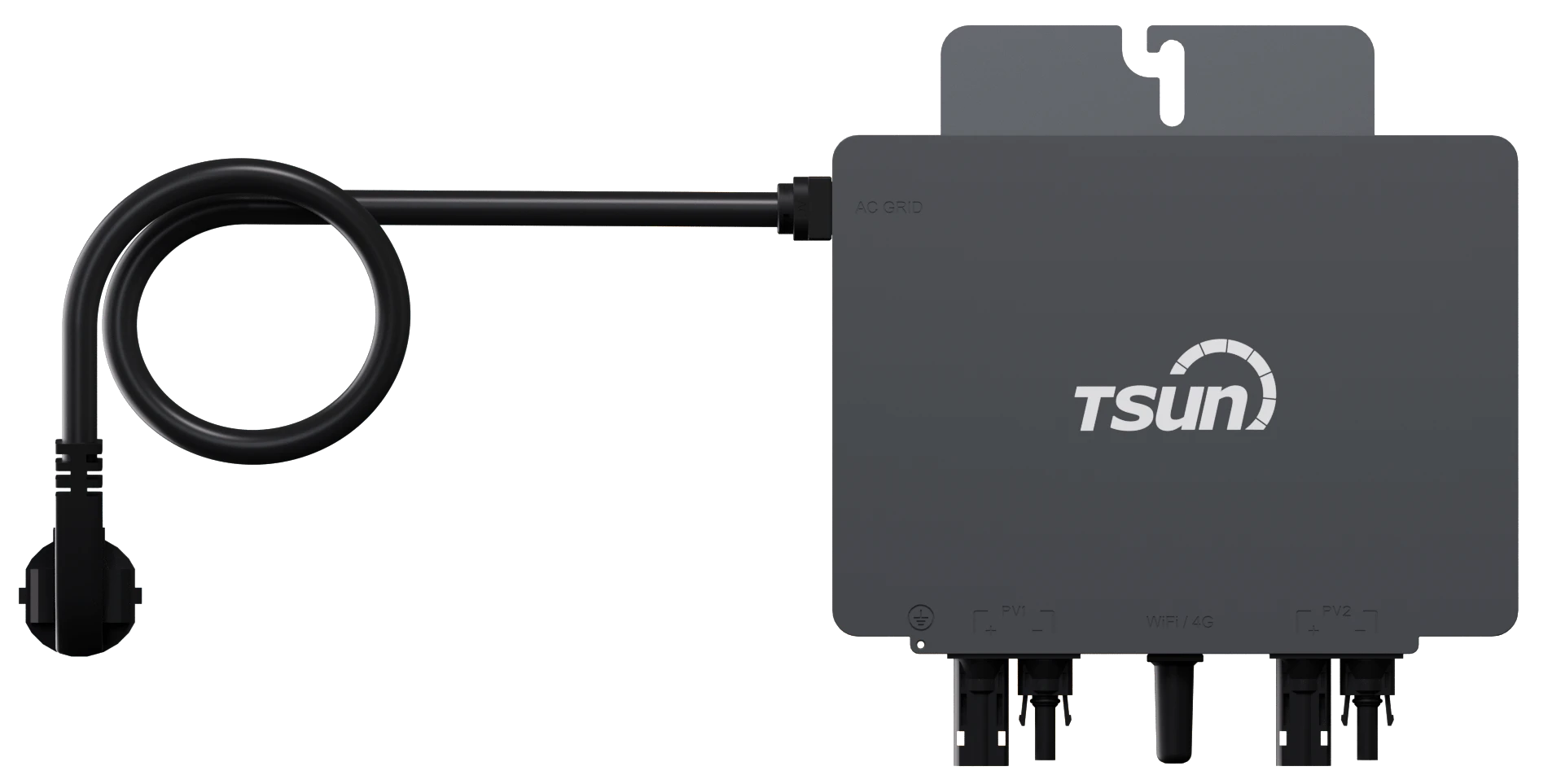
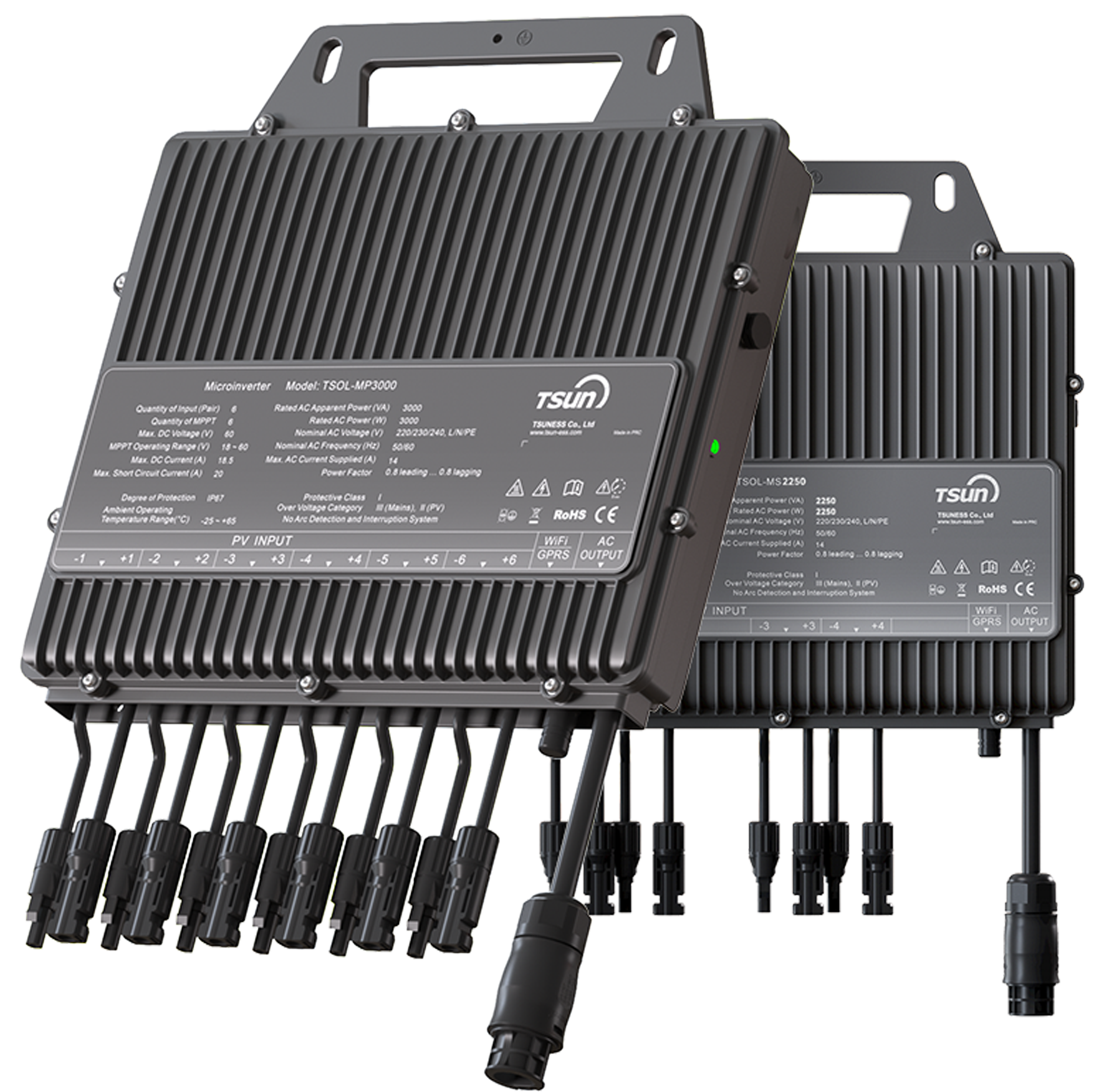
Instead of piecing together complex traditional off-grid solar setups, modern Micro AC Coupled Units make integration simple, safe, and highly efficient. These solutions bridge the gap between your solar panels and your cabin's electrical needs seamlessly.
Here are some of the best energy management units for an off grid cabin you should consider:
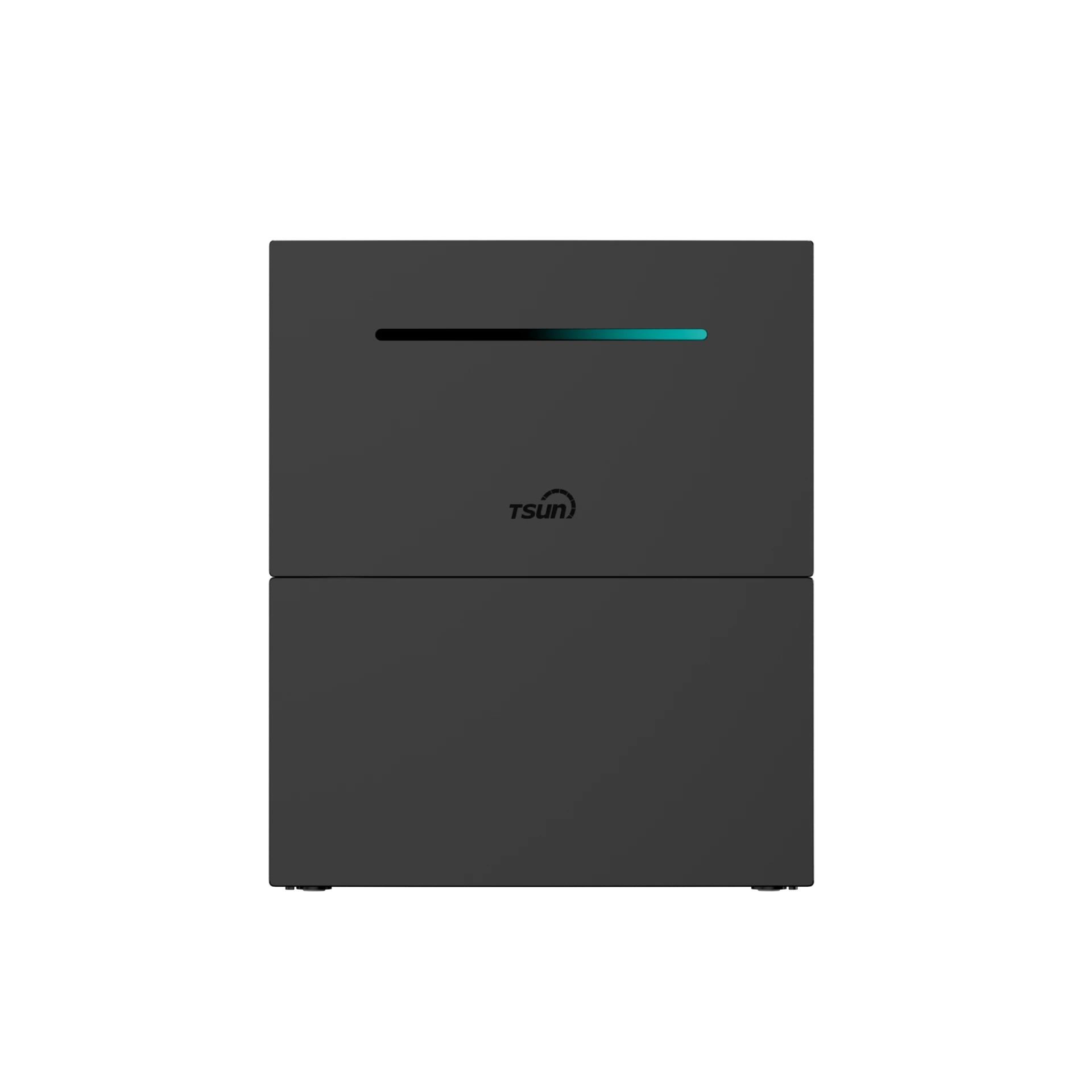
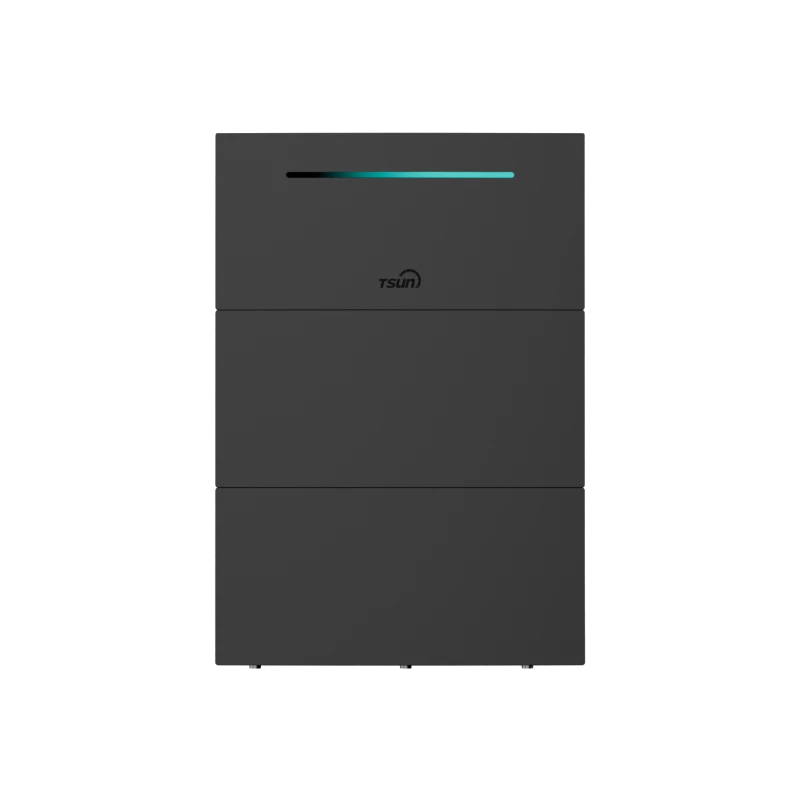
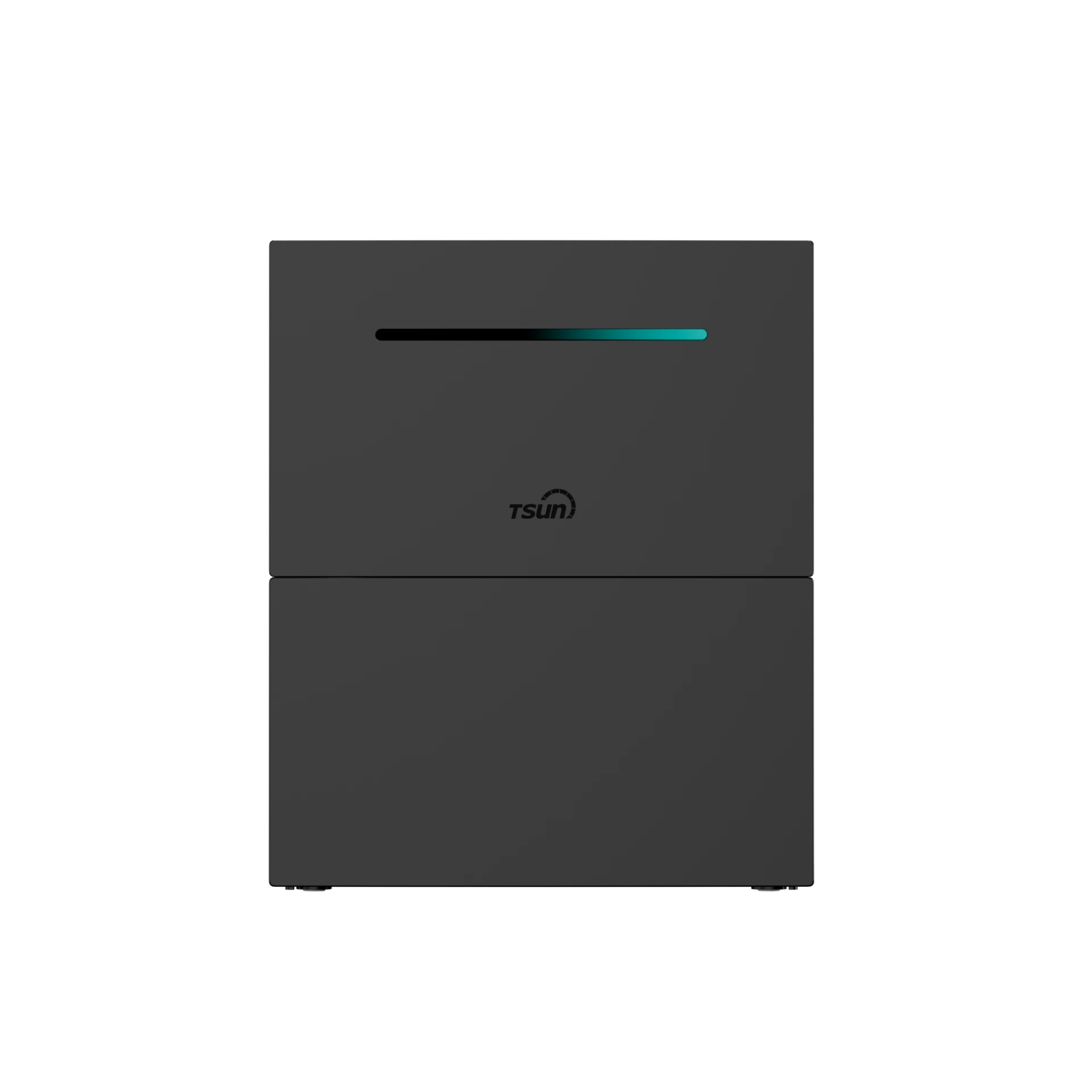
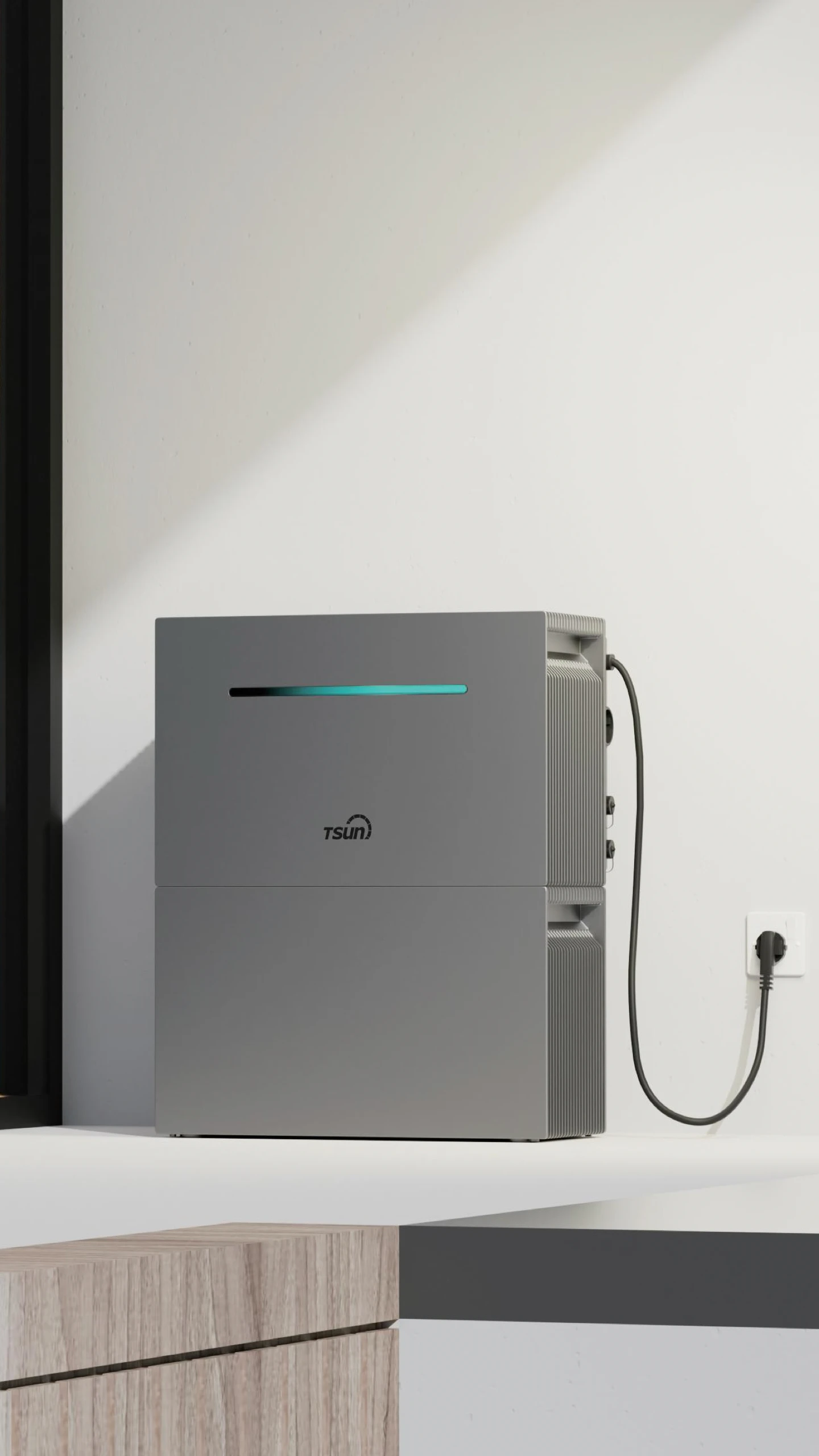
TSUN MSU4000 Elite Solar Trunk Micro AC Coupled Unit
Perfect for streamlined off-grid setups, the TSUN MSU4000 Elite is designed to seamlessly integrate with your solar arrays to safely convert and manage your energy. This highly efficient AC coupled unit simplifies the connection between your solar generation and energy storage. With its plug-and-play design, it reduces installation time and complexity, making it a reliable, high-performance solution to ensure your cabin captures every ounce of sunlight efficiently. It's an ideal core component for managing your daily off-grid energy intake.
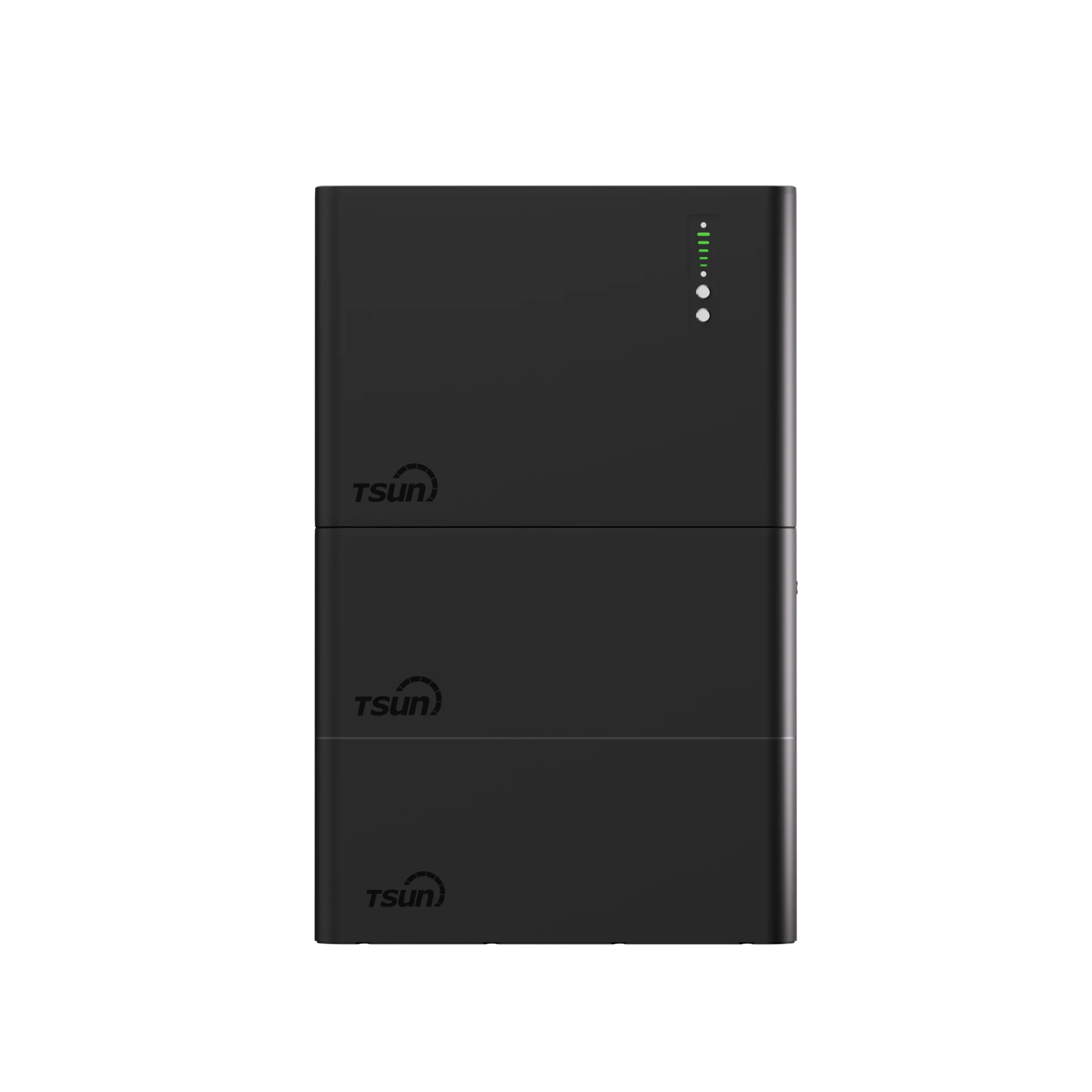
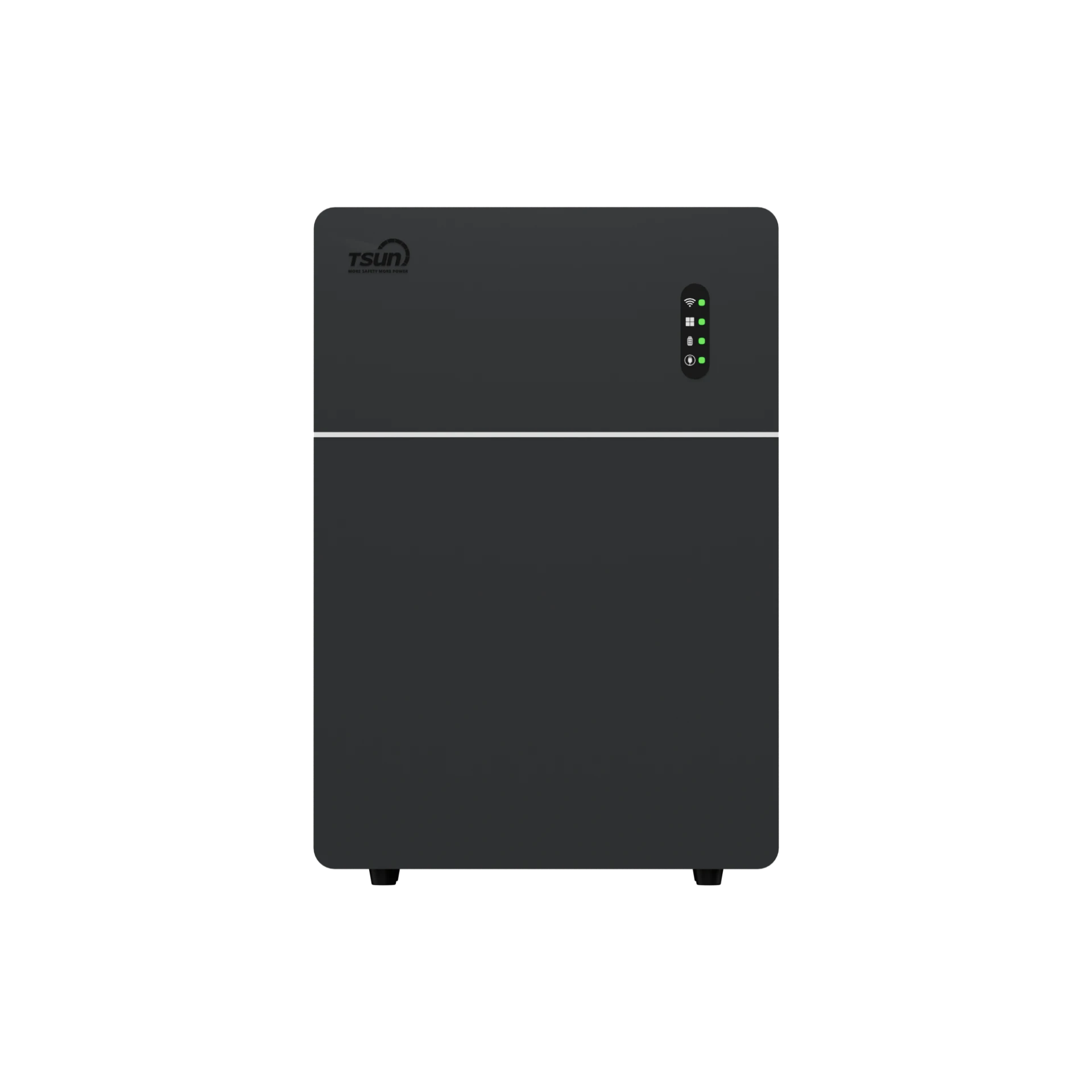
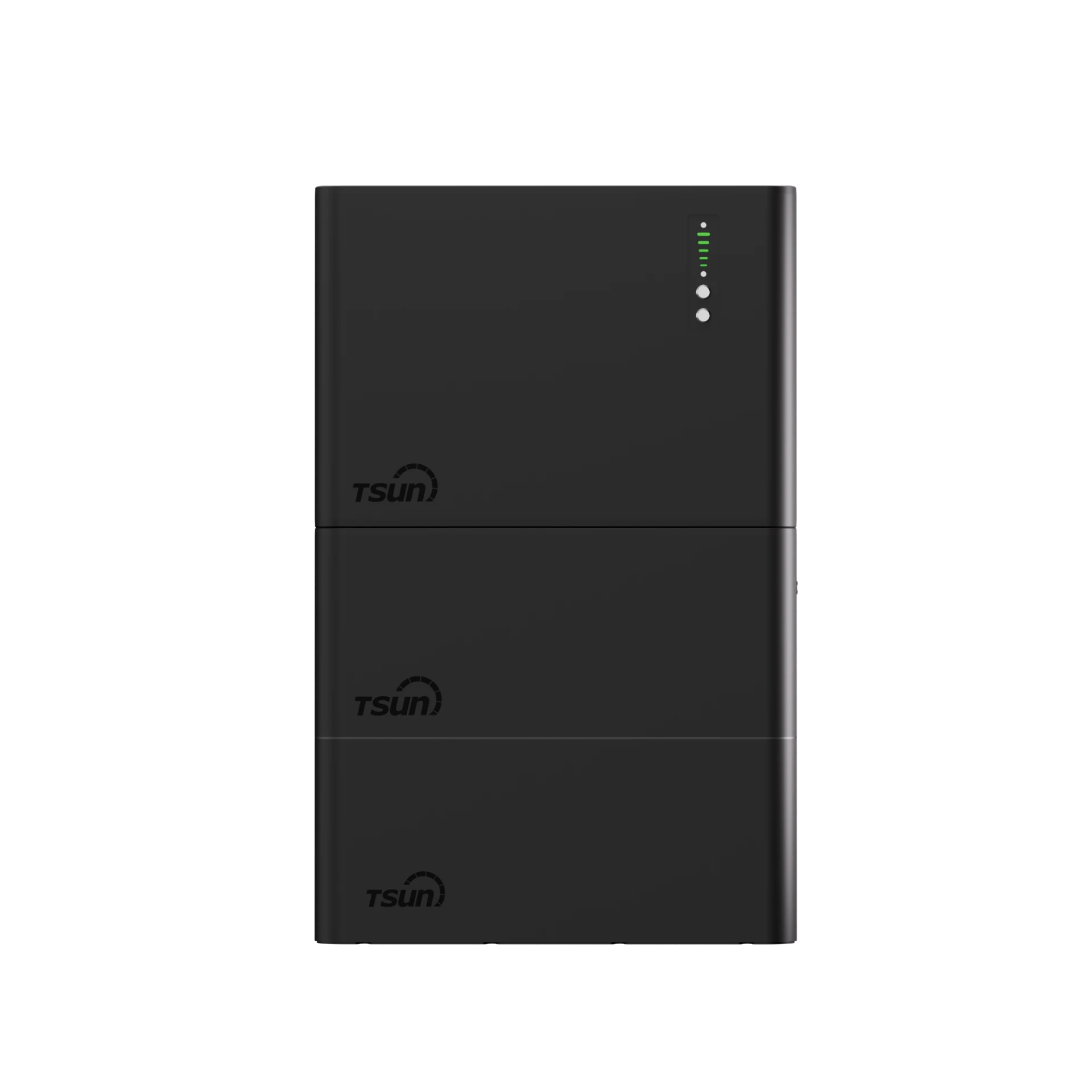
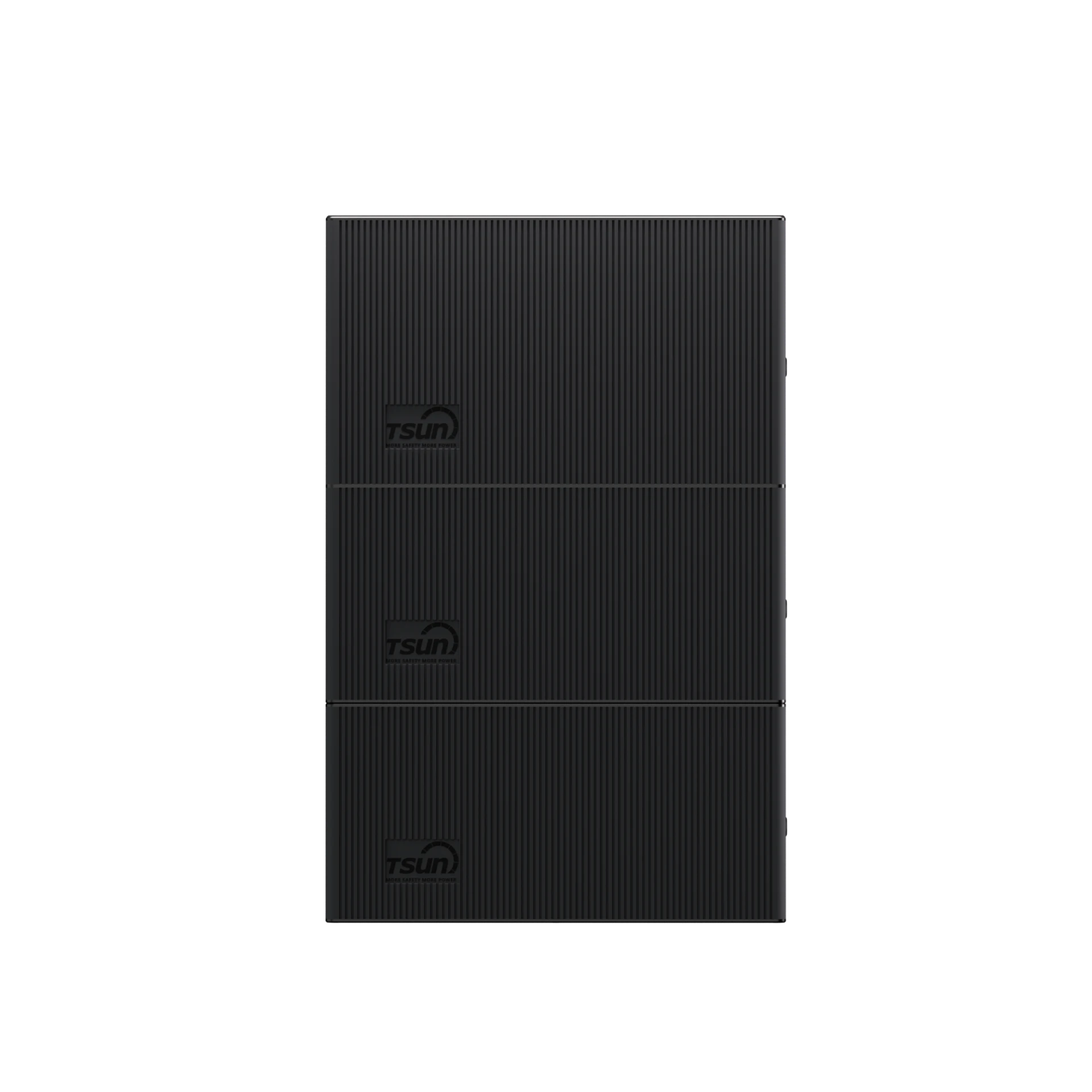
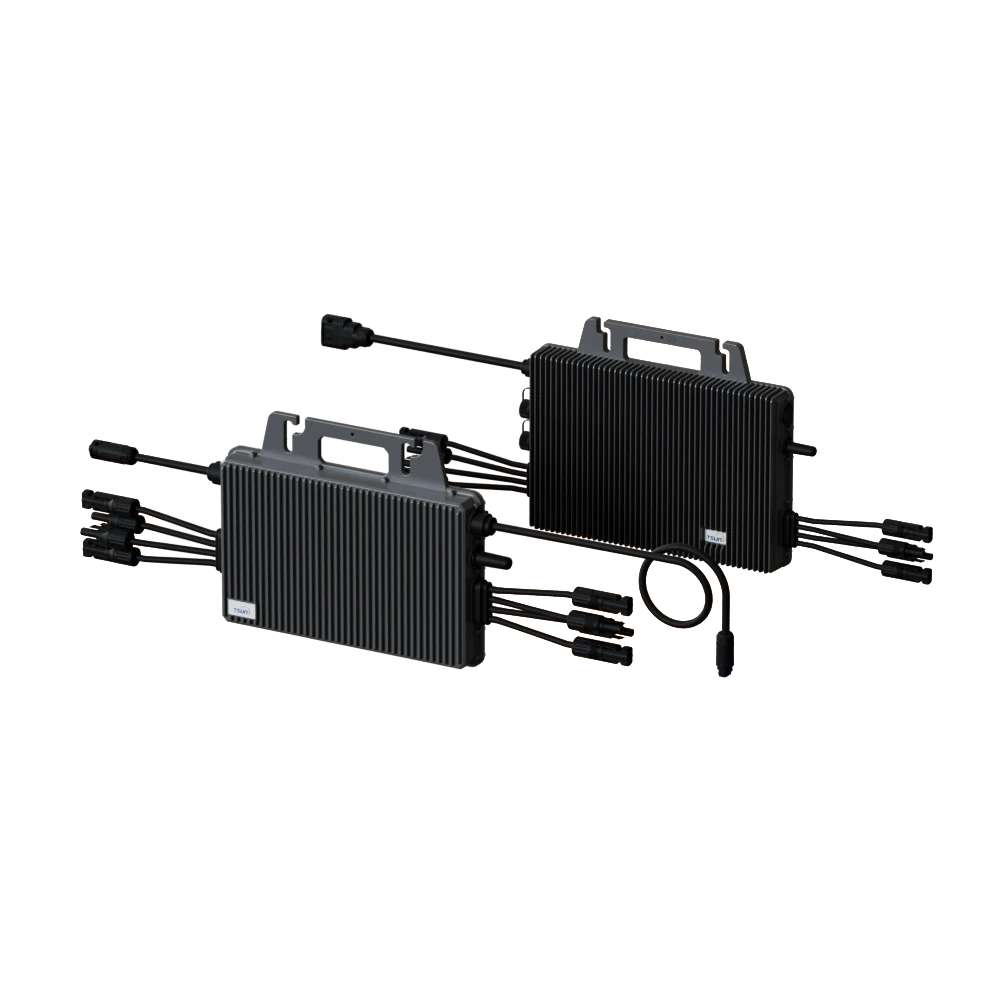
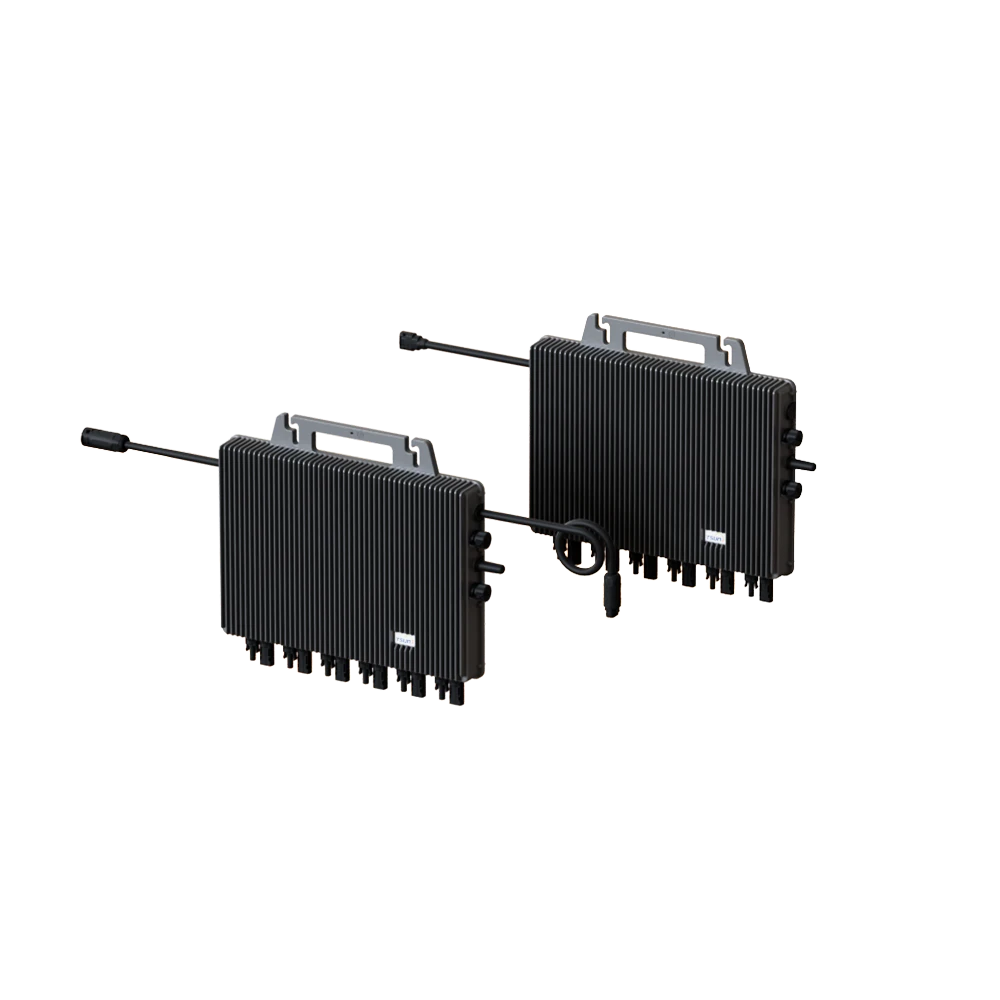
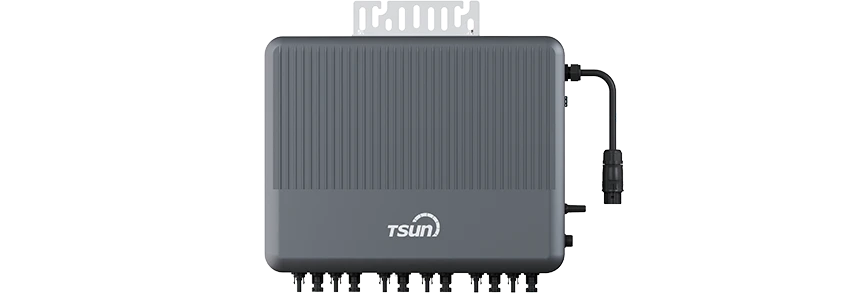
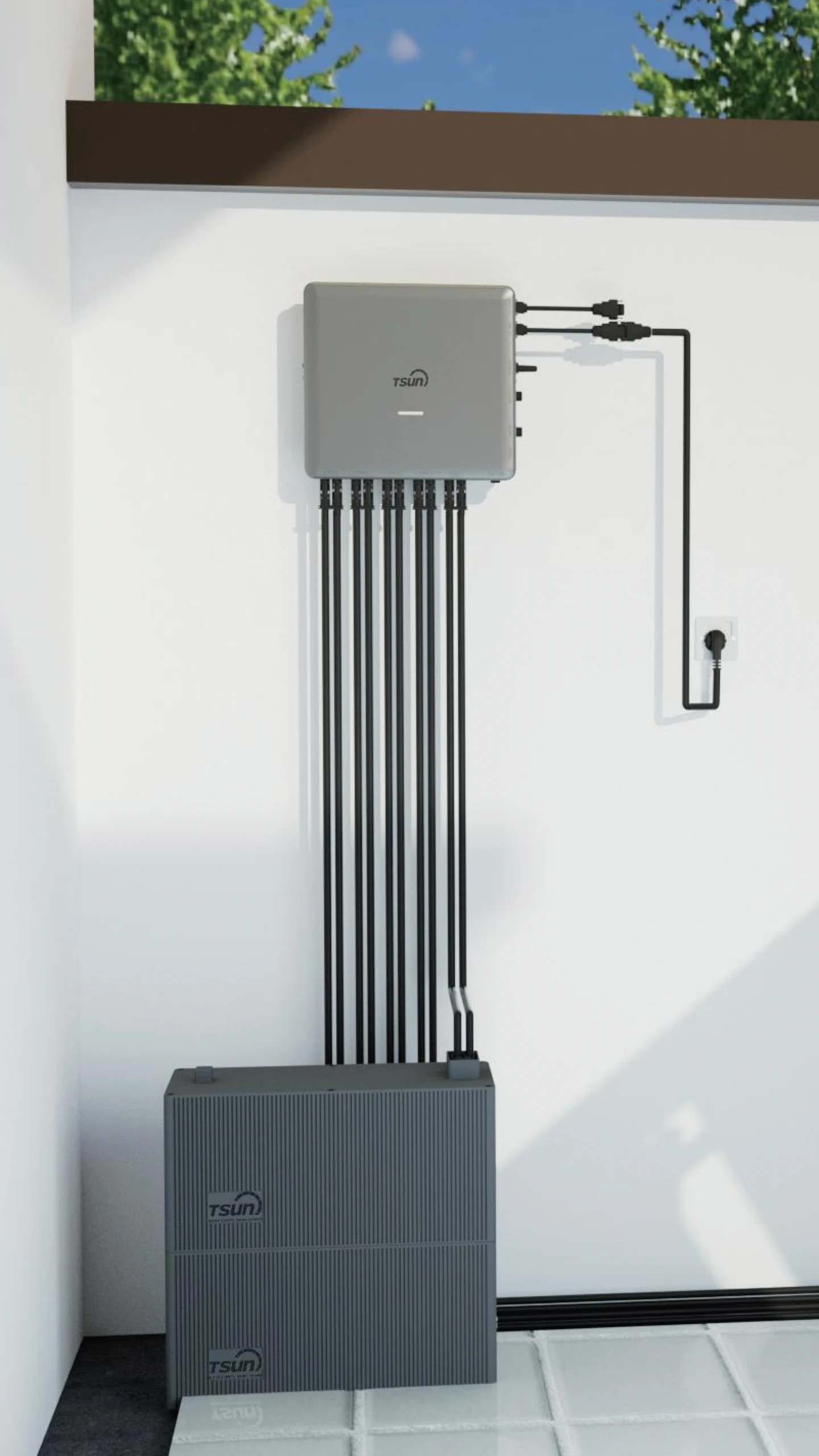
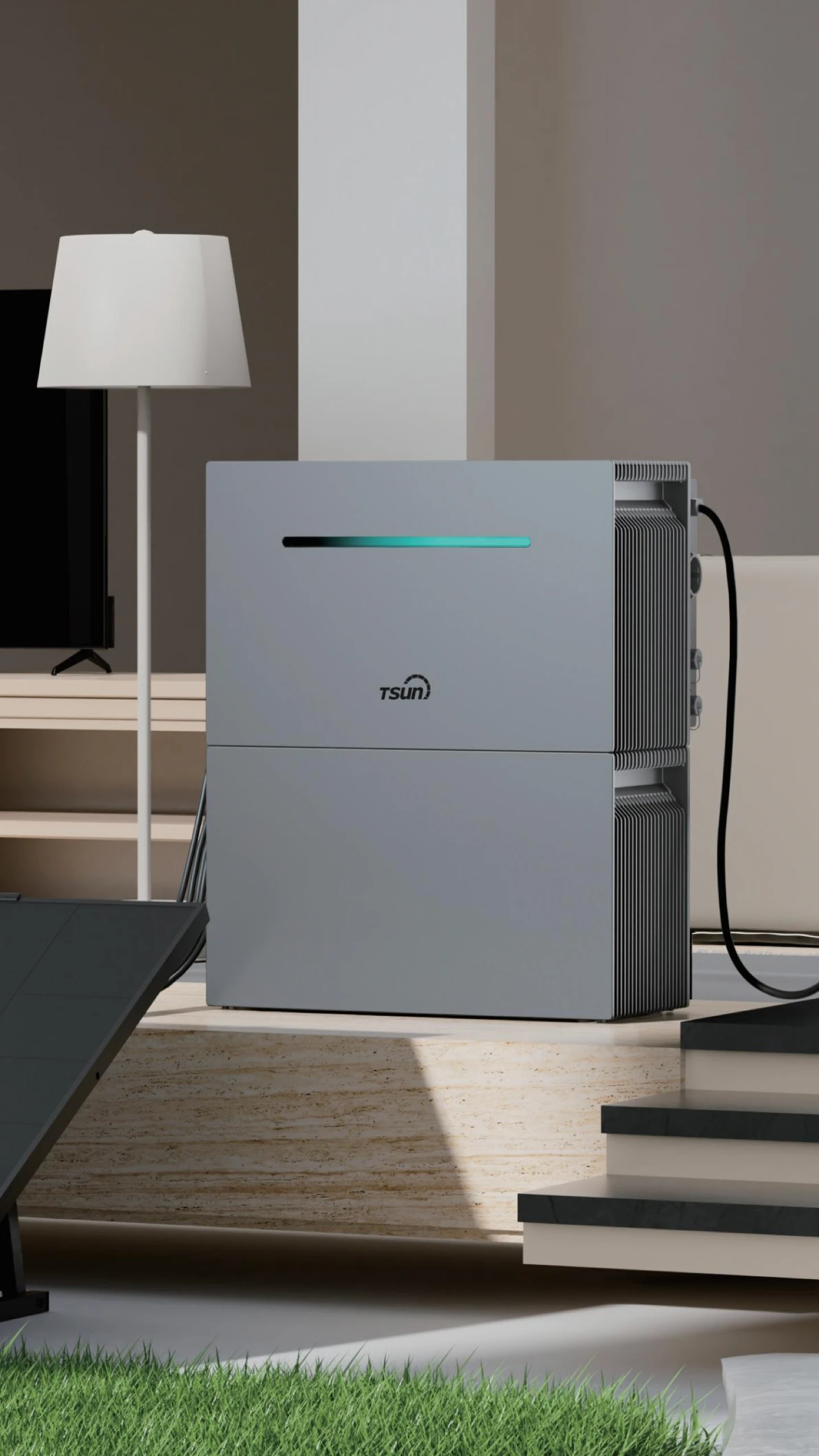
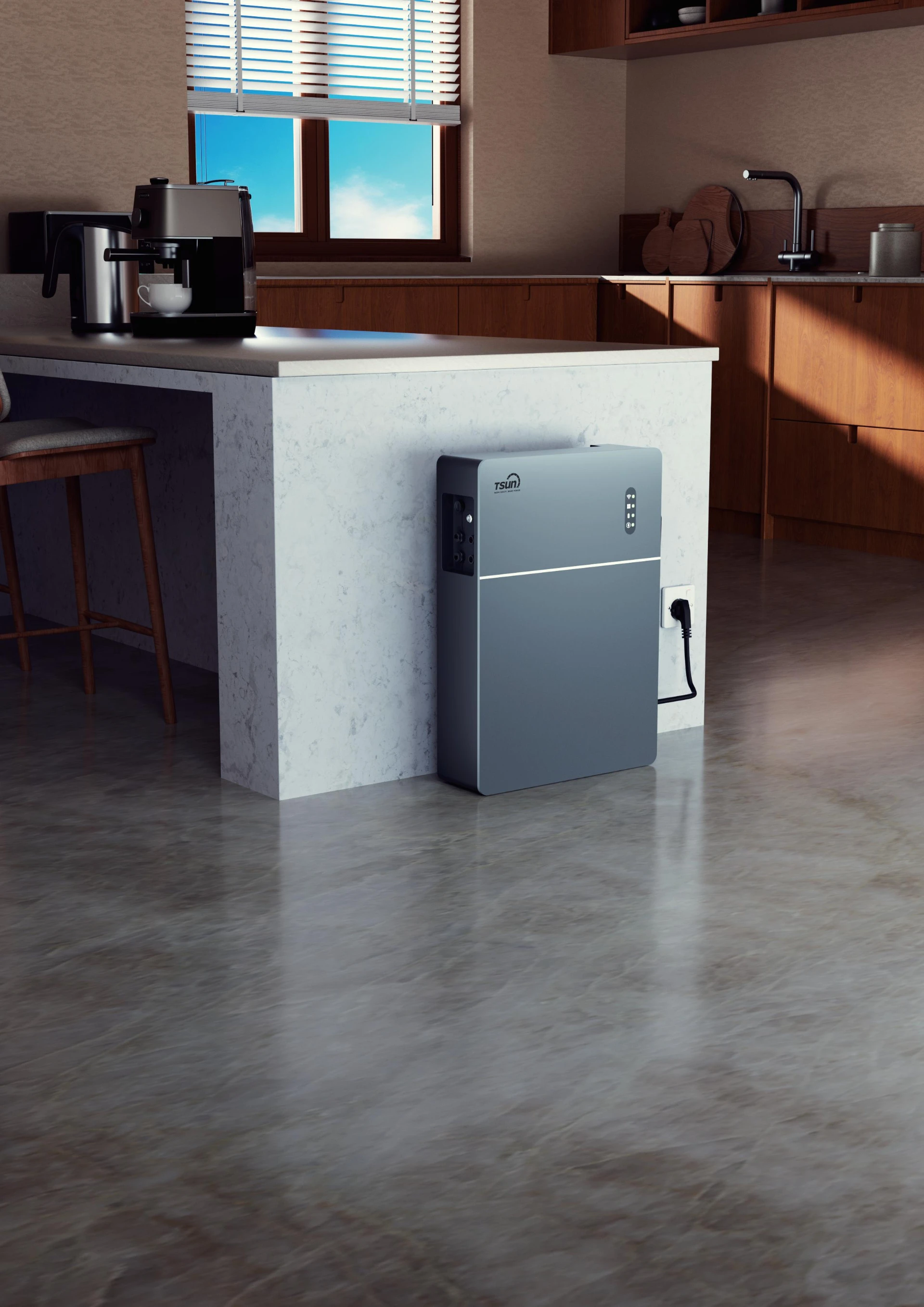
TSUN MAU5000 Power Trunk Micro AC Coupled Unit
For larger or permanent off-grid living, the TSUN MAU5000 provides the heavy-duty, robust power management required for whole-cabin backup. Built to handle higher capacities and scale with your energy storage needs, this unit ensures that major appliances and essential systems run smoothly for days. It features advanced micro AC-coupled technology to maximize safety, improve conversion efficiency, and provide smart, long-term power stability. If you require dependable, commercial-grade energy management for your ultimate off-grid independence, the MAU5000 is a formidable choice.
Wind and Micro-Hydro Power
If your cabin is located in an area with consistent wind, you can consider installing a small wind turbine to complement your solar power. For cabins near flowing water, micro-hydro generators can provide a continuous and steady power source, though these systems tend to be more complex to install.
What Are the Must-Haves for Living Off the Grid?
Beyond these off-grid utilities like power and water, there are other life essentials that are just as crucial for a comfortable and sustainable lifestyle. Here are some must-haves to help you thrive:
- Food Storage and Preservation: Invest in methods like canning, dehydrating, or fermenting to store your harvests for the long term, as you won't have easy access to grocery stores.
- Lighting and Essential Gear: Solar-powered lanterns, LED lights, and candles can provide the light you need after sunset. Keep a headlamp or flashlight handy.
- Communication and Navigation: A satellite phone, CB radio, or a solar-powered communication device can keep you connected in emergencies.
- Self-Sufficiency Skills: Skills like gardening, foraging, hunting, basic DIY, and repair skills will ensure you have a steady supply of food and a well-maintained cabin.
- Health and First Aid Supplies: A fully stocked first aid kit is vital. It should include bandages, antiseptics, pain relievers, and any personal medications.
Conclusion
Living in an off grid cabin provides a unique opportunity to embrace sustainability, independence, and a deeper connection with nature. From the initial steps of building your cabin to finding efficient ways to power and sustain it, going off the grid allows for a return to simpler, more intentional living. Plus, with advancements in solar technology, like the TSUN Micro AC Coupled units we've explored, managing and powering your off-grid cabin with green energy is easier and more efficient than ever. With careful planning and the right tools, you'll enjoy the freedom and self-reliance that off-grid living provides.
FAQs
How much would it cost to build an off-grid cabin?
The cost of building an off-grid cabin can vary depending on the size, location, materials, and off-grid systems like solar power, water collection, and waste management. On average, a basic off-grid cabin can cost between $20,000 to $50,000. However, more advanced setups with high-end materials or complex energy systems can cost upwards of $100,000 or more.
What is the difference between homesteading and off grid living?
While both lifestyles emphasize self-sufficiency, homesteading often focuses on farming and food production, whereas off-grid living primarily involves generating your own utilities and reducing reliance on external resources.
Do people who live off-grid pay taxes?
Yes, off-grid residents are still required to pay property taxes, and depending on local laws, they may also need to pay income taxes. The independence of off-grid living does not exempt you from taxation.

 LEARN MORE