





 LEARN DETAILS

 Downloads
 Video Center
 Report Fault for Repair
 FAQS
FAQS Service Network
 Privacy Policy
 Contact Us
 Monitoring

Maximizing Solar Efficiency: The Power of Module-Level MPPT in Microinverters
In the rapidly evolving photovoltaic (PV) power generation industry, the integration of Module-Level MPPT (Maximum Power Point Tracking) within parallel microinverter architectures is a topic that demands attention. This technology is fundamentally changing how solar arrays handle shading and complex roof layouts.
1. An Overview of Module-Level MPPT
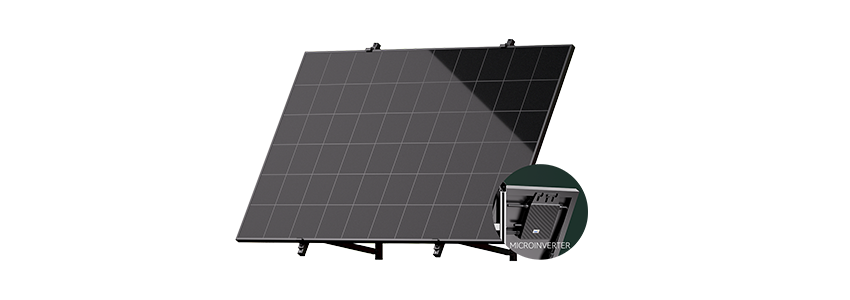
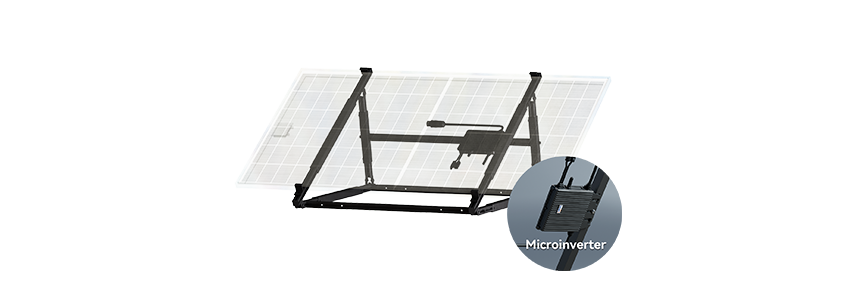
MPPT is the smart navigator of a PV power generation system. It adjusts the working state of the solar modules in real-time to ensure they always operate at their maximum power output point. By designing the system with an independent or parallel input structure at the module level, microinverters achieve highly efficient power tracking.
This technology plays a core role in solar power optimization. It can quickly and accurately locate the maximum power point of individual modules based on fluctuations in light intensity, temperature, and other environmental factors. This precision is crucial for improving the energy output and overall economic return of the entire PV system.

2. Advantages of Parallel Microinverters with MPPT
A. Independent Module Operation for Zero Interference
In a microinverter-based system featuring module-level MPPT, the microinverter tracks the maximum power point of each individual panel independently. This means that if one module is shaded by a tree, covered in dirt, or experiencing a performance drop, the other modules continue to operate at peak capacity. This independence guarantees the stability and reliability of the entire array, completely avoiding the traditional bottleneck where one underperforming panel drags down the entire system's efficiency.
B. Eliminating Generation Loss on Multi-Directional Roofs
In real-world residential and commercial projects, solar panels are frequently installed facing different orientations to match complex roof structures. In a traditional string inverter system, this multi-directional setup causes severe current mismatch between modules, drastically reducing energy yields. Parallel microinverters effectively eliminate this issue. Each unit tracks the maximum power point based solely on the actual lighting conditions of its dedicated panel, reducing generation loss to near zero.
3. Solving the Multi-Directional Roof Challenge
The "Mismatch Effect" of Complex Roofs
The limitation of traditional string inverters: Traditional string inverters connect multiple PV modules in series before connecting them to a central inverter. When modules face different directions, the intensity and duration of sunlight they receive vary wildly. Because a string inverter can only track a single maximum power point for the entire string, it cannot optimize for individual panels. This current mismatch forces the system to operate at the level of the lowest-performing panel.
The microinverter solution: Microinverter-based MPPT completely bypasses this limitation. Because each microinverter independently tracks the MPP of a single module, orientation ceases to be a limiting factor. Every panel outputs its maximum possible power based on its specific solar irradiance, solving the mismatch effect entirely.
Experimental and Real-World Case Analysis
PVsyst simulation results: Simulation experiments conducted using PVsyst software consistently show that in multi-directional roof environments, the power generation efficiency of a microinverter system is significantly higher than that of a traditional string system. This advantage remains prominent across different lighting conditions and seasonal changes.
Real-world verification: An analysis of live PV projects confirms these simulations. When comparing sites with similar multi-directional roofs, the systems utilizing microinverters with module-level MPPT consistently yielded an annual power generation increase of 5% to 25% over their traditional string inverter counterparts.
4. High Efficiency with Minimal Line Loss
Component-Level Precision
The component-level MPPT function ensures that every module is pushed to its absolute maximum power point at all times. This pinpoint accuracy surpasses traditional inverters, allowing the system to respond instantly to rapid weather changes, such as passing clouds, ensuring continuous, highly efficient operation.
Parallel Connections Reduce Line Loss
The parallel architecture of microinverter systems also actively reduces DC transmission losses. In traditional string systems, high-voltage DC current must travel over long distances to reach the central inverter, resulting in inevitable line loss. Microinverters convert DC to AC directly at the panel, keeping the DC transmission distance incredibly short and noticeably improving overall system efficiency.
5. Conclusion
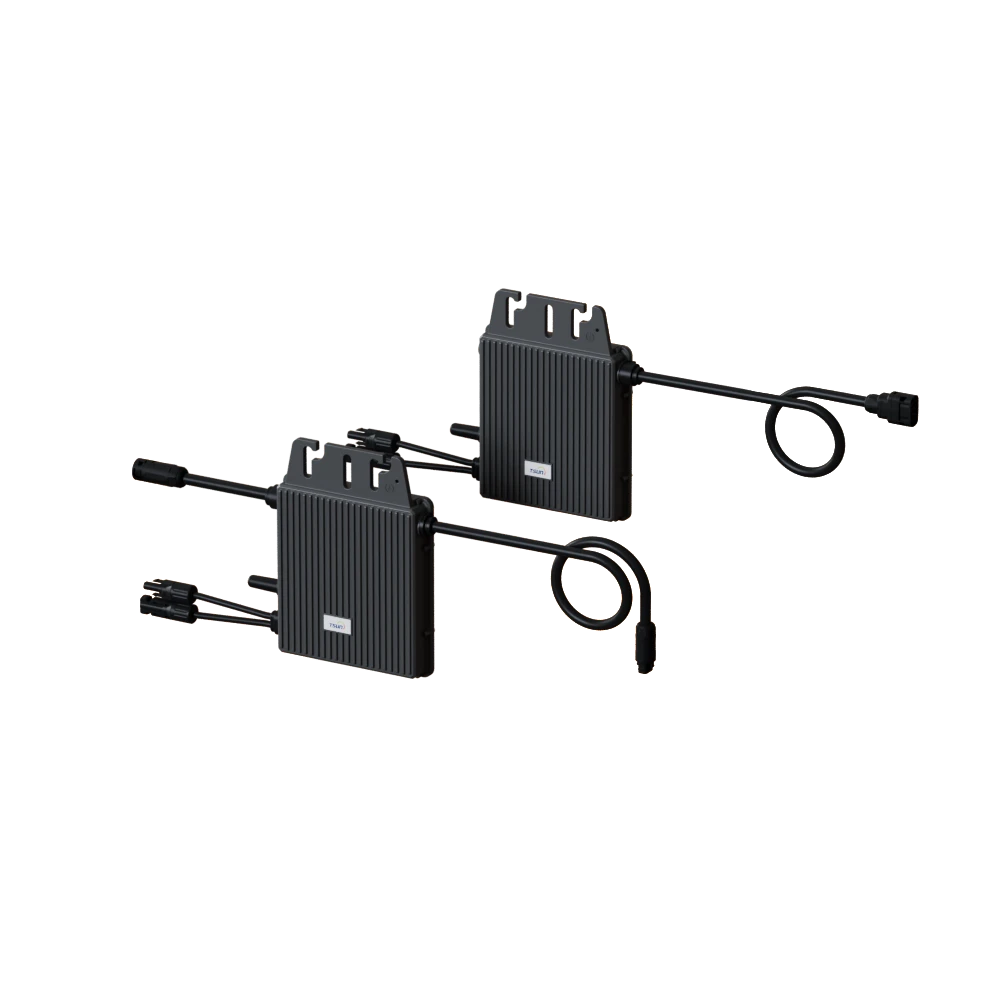
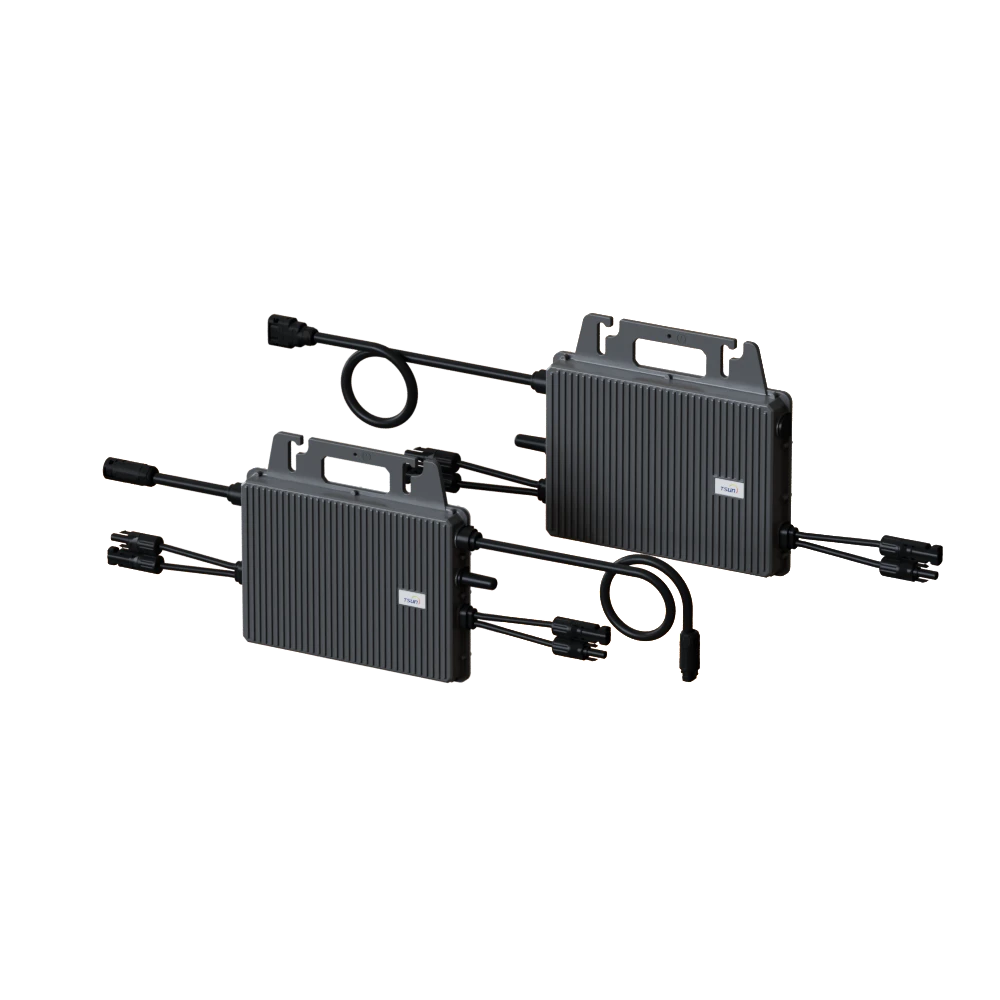
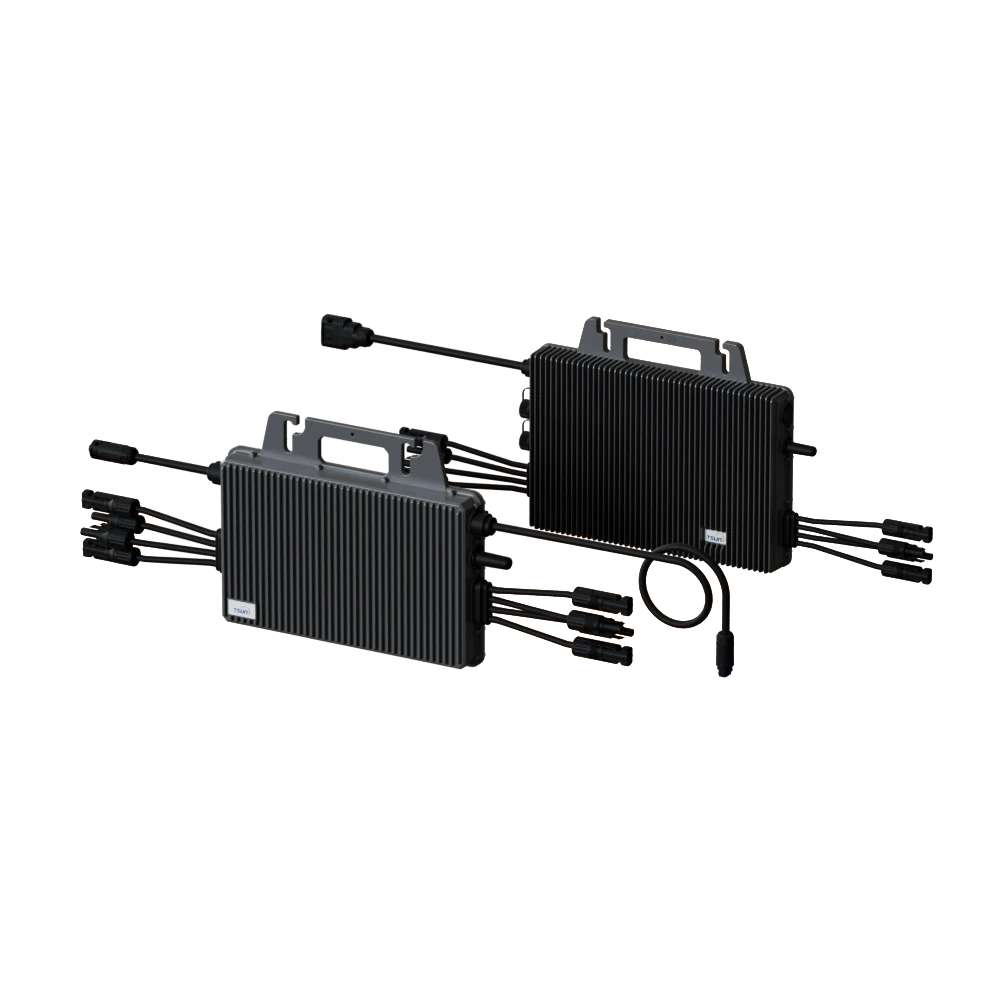
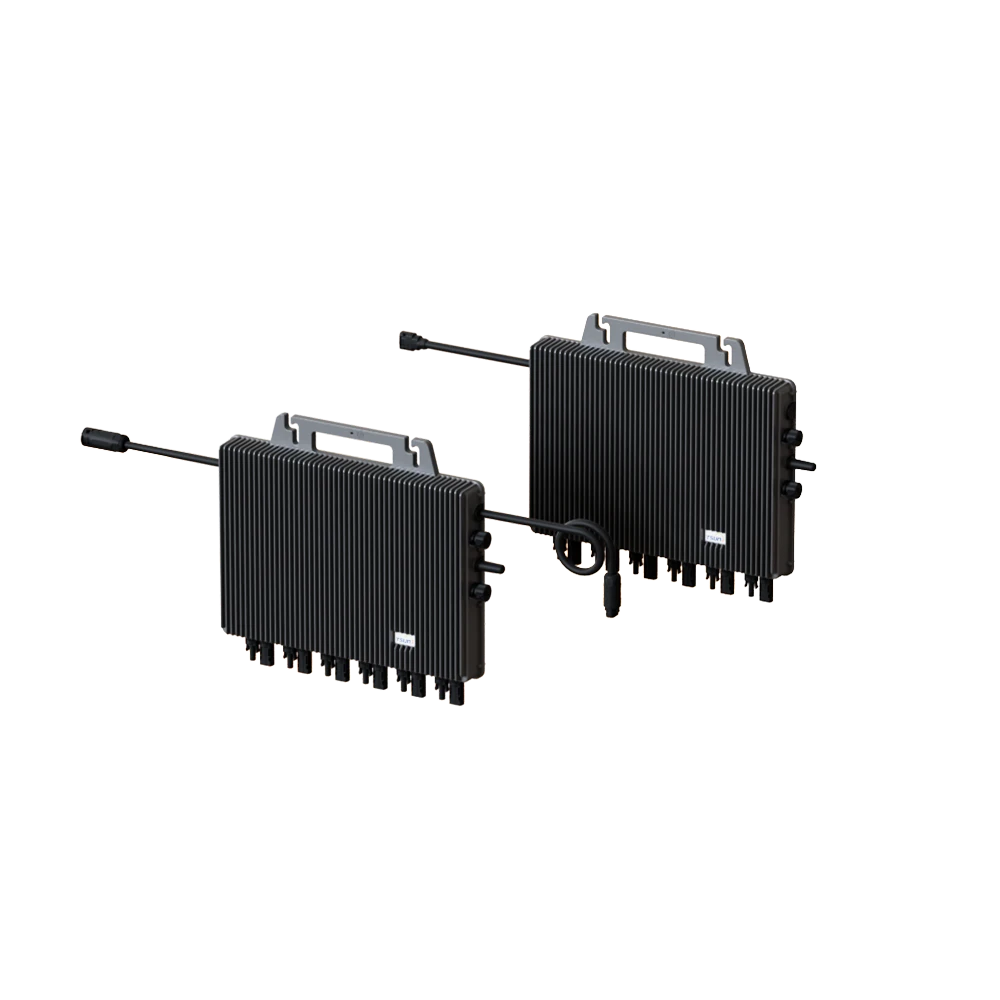
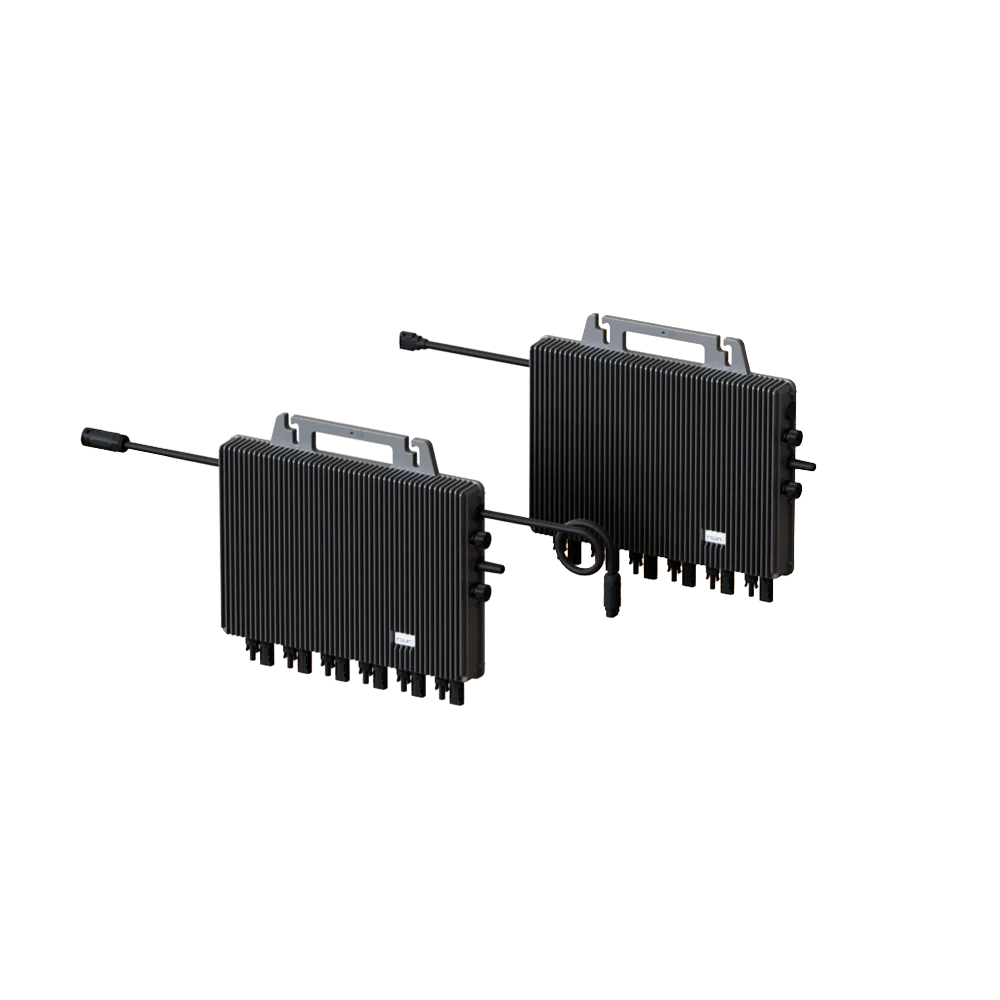
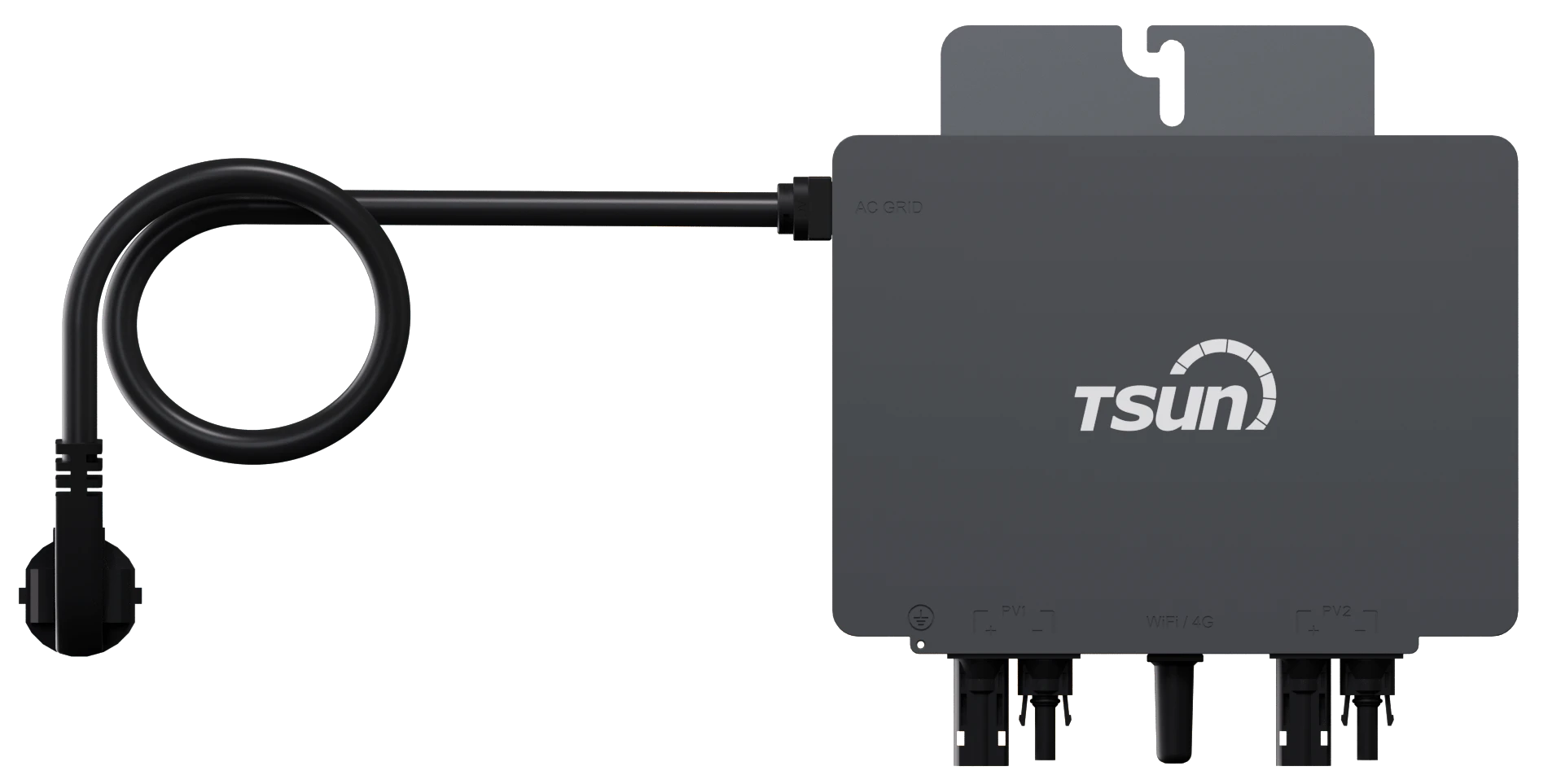
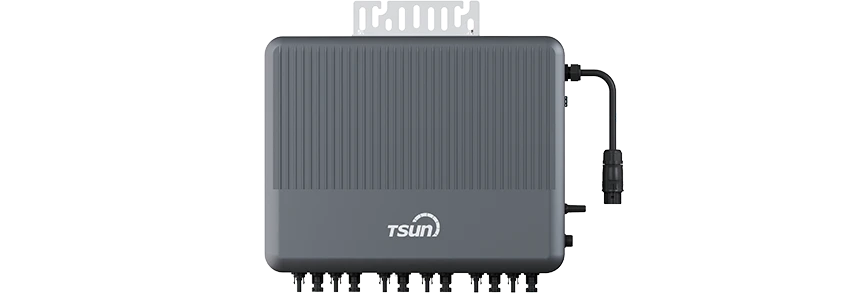
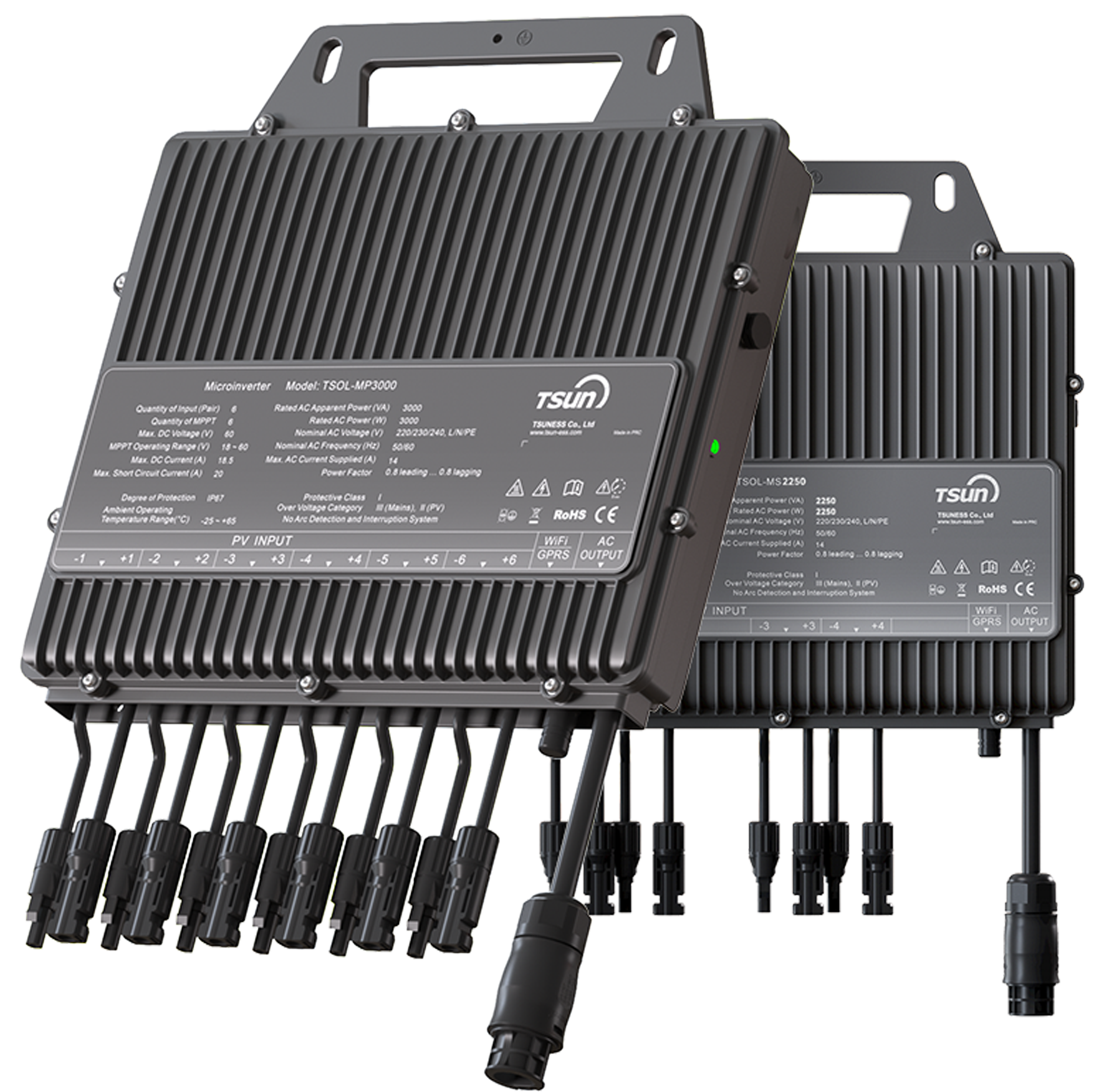
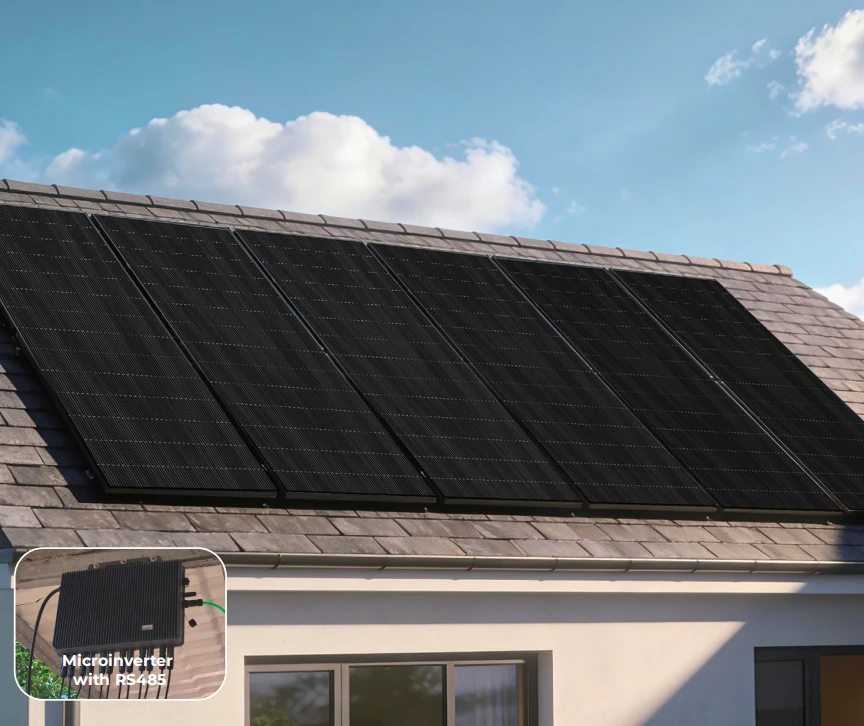
TSUN has been deeply involved in the development of microinverters for many years, offering solutions across all power segments that support module-level MPPT for parallel connections. This technology has proven its immense value in the PV field. It not only eliminates the energy losses associated with multi-directional roofs and shading but also optimizes the fundamental efficiency of the system. Through independent power tracking and parallel architecture, TSUN provides users with highly efficient, stable, and reliable solar energy solutions.
As solar technology continues to innovate, module-level MPPT is expected to become the gold standard across even more applications. Whether deployed on residential rooftops, complex commercial buildings, or large-scale solar stations, it is poised to make a massive contribution to achieving our global sustainable energy goals.

 LEARN MORE