Understanding Hybrid Inverter vs Micro Inverter: What’s the Buzz About?
If you’ve ever been curious about solar energy systems or the latest trend in renewable tech, chances are you've bumped into terms like hybrid inverter and micro inverter. At first glance, they sound close cousins, but each plays a distinct role in managing solar power effectively. Knowing the difference isn’t just tech jargon — it’s crucial for anyone looking to install solar panels, reduce energy bills, or push for greener solutions globally.
Why does this matter? The world is racing towards sustainable energy, with solar installations doubling almost every few years (some reports say a whopping 20% growth annually per the International Renewable Energy Agency - IRENA). But how you convert and manage that sunlight’s electricity could make all the difference to your efficiency, cost, and adaptability — that’s where choosing between hybrid and micro inverters comes in. So, think of this as your handy guide to unlock better energy solutions, both for homes and sprawling solar farms.
Mini takeaway: Hybrid and micro inverters convert solar energy differently — and knowing which suits your project can improve performance and costs, big time.
The Global Context: Why Comparing Hybrid Inverter vs Micro Inverter Matters Today
Rapid urbanization, climate change, and the push for decentralization in power grids shape how we think about solar energy systems worldwide. According to the United Nations, over 770 million people still lack access to electricity globally, many in remote or disaster-prone regions where reliable grid connection is a challenge. Hybrid and micro inverters are key players in addressing these gaps.
In countries expanding renewable capacity — from Germany’s robust solar policies to India’s rural electrification campaigns — hybrid and micro inverter technologies emerge as solutions that balance cost, resilience, and power quality. The hybrid inverter vs micro inverter debate isn't academic; it impacts real projects that can power schools, hospitals, or emergency centers.
Mini takeaway: The choice between hybrid and micro inverter technology impacts sustainability goals and energy access worldwide.
What Exactly Is a Hybrid Inverter vs Micro Inverter?
Let’s break it down simply:
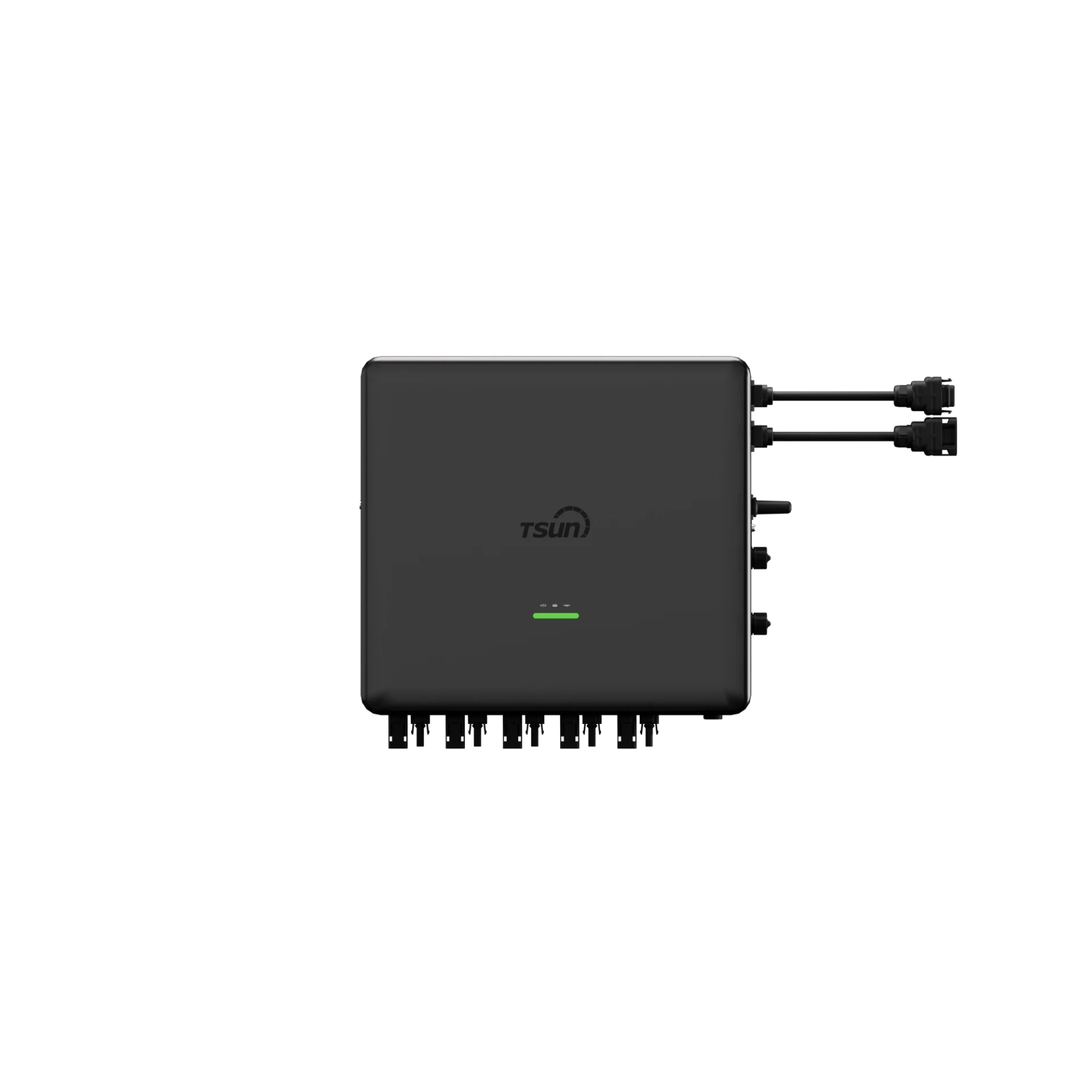
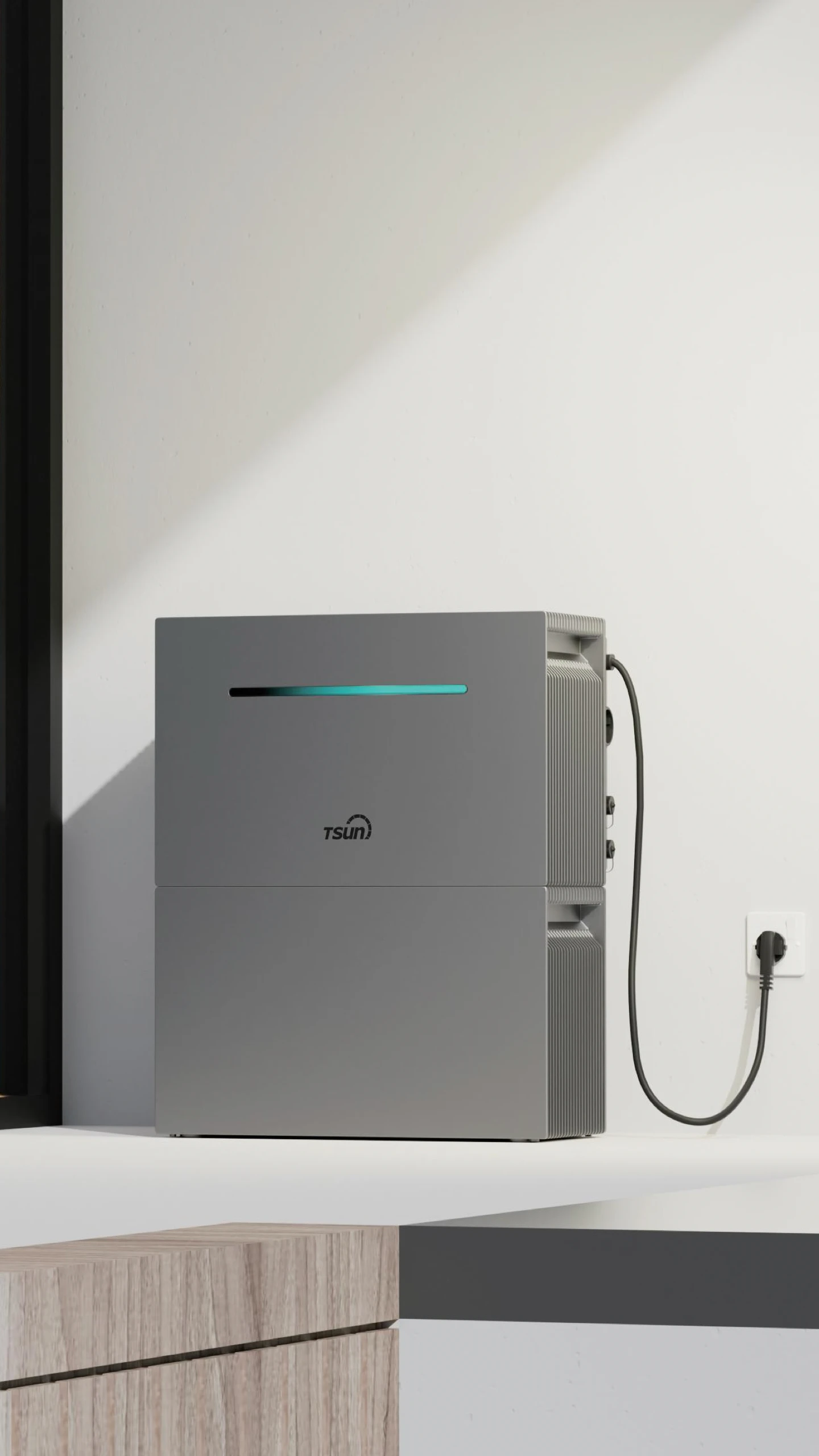
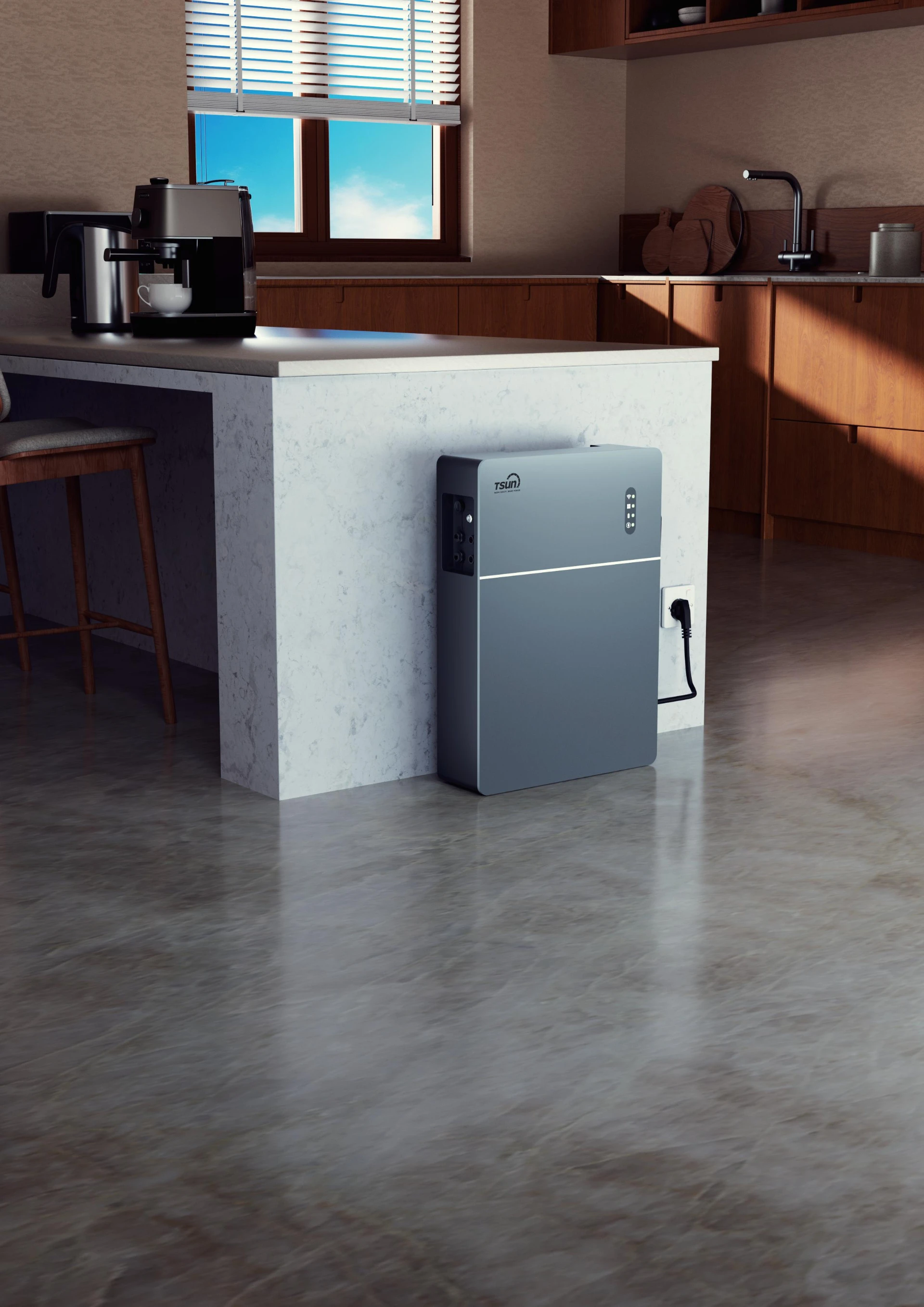
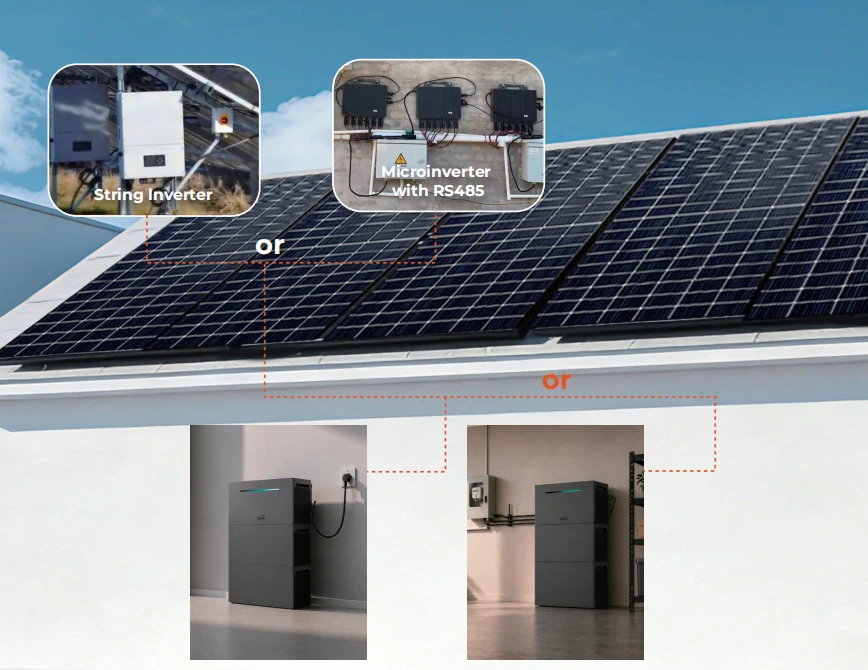
- Hybrid Inverter: This device manages input from both solar panels and battery storage. It switches seamlessly between solar, battery, and grid electricity, offering flexibility and backup power — great for places with unreliable grids or users wanting energy independence.
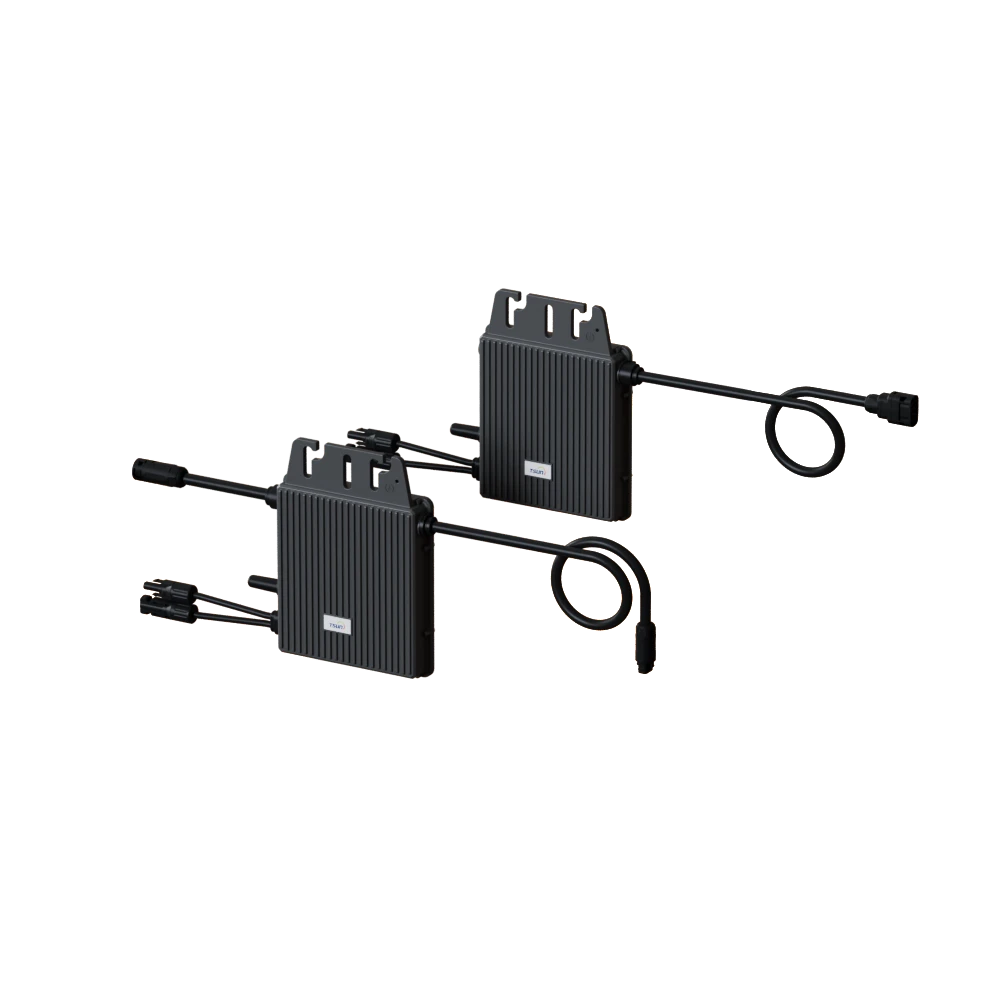
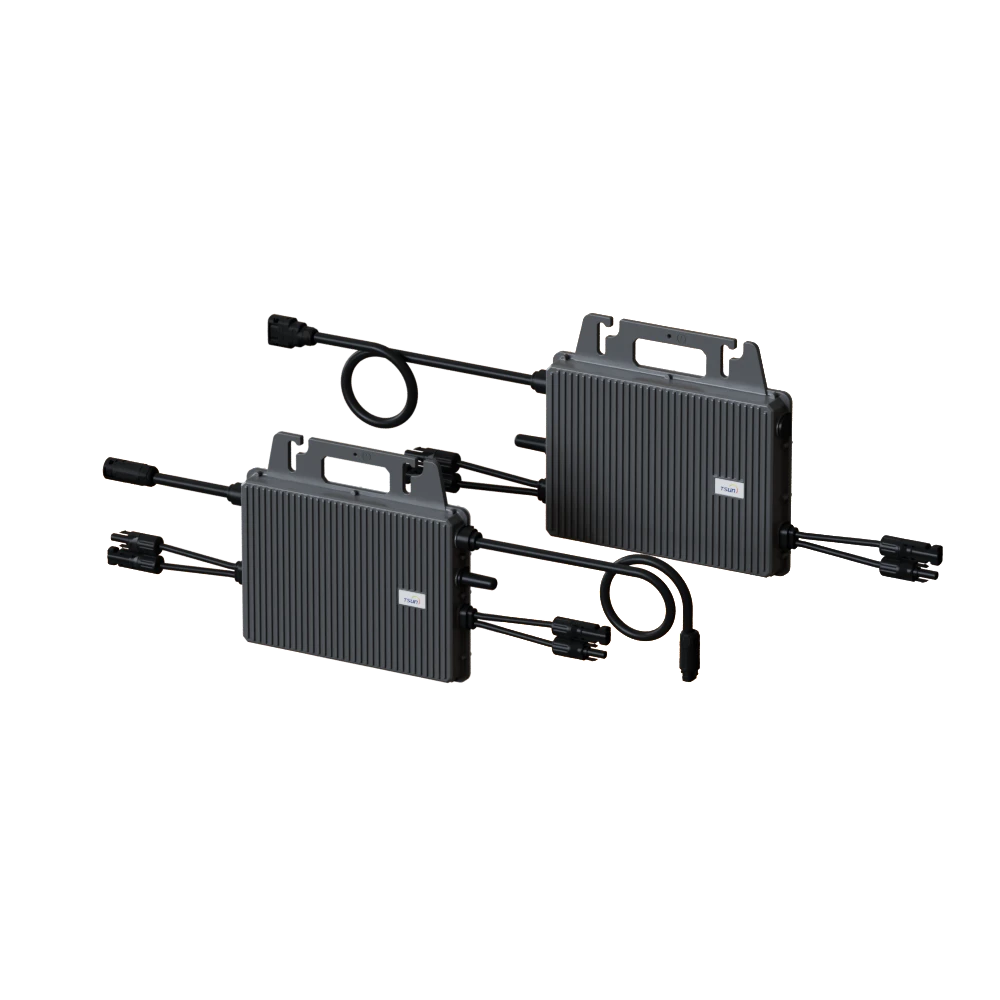
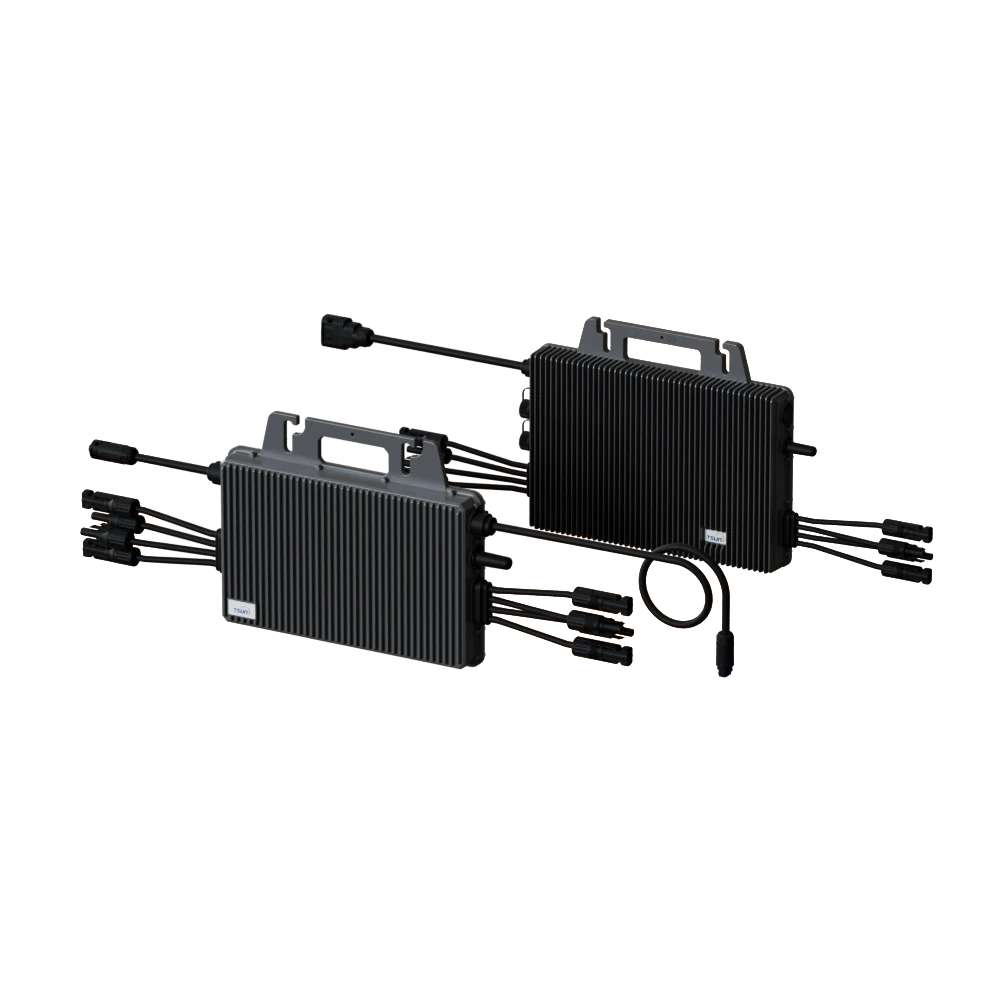
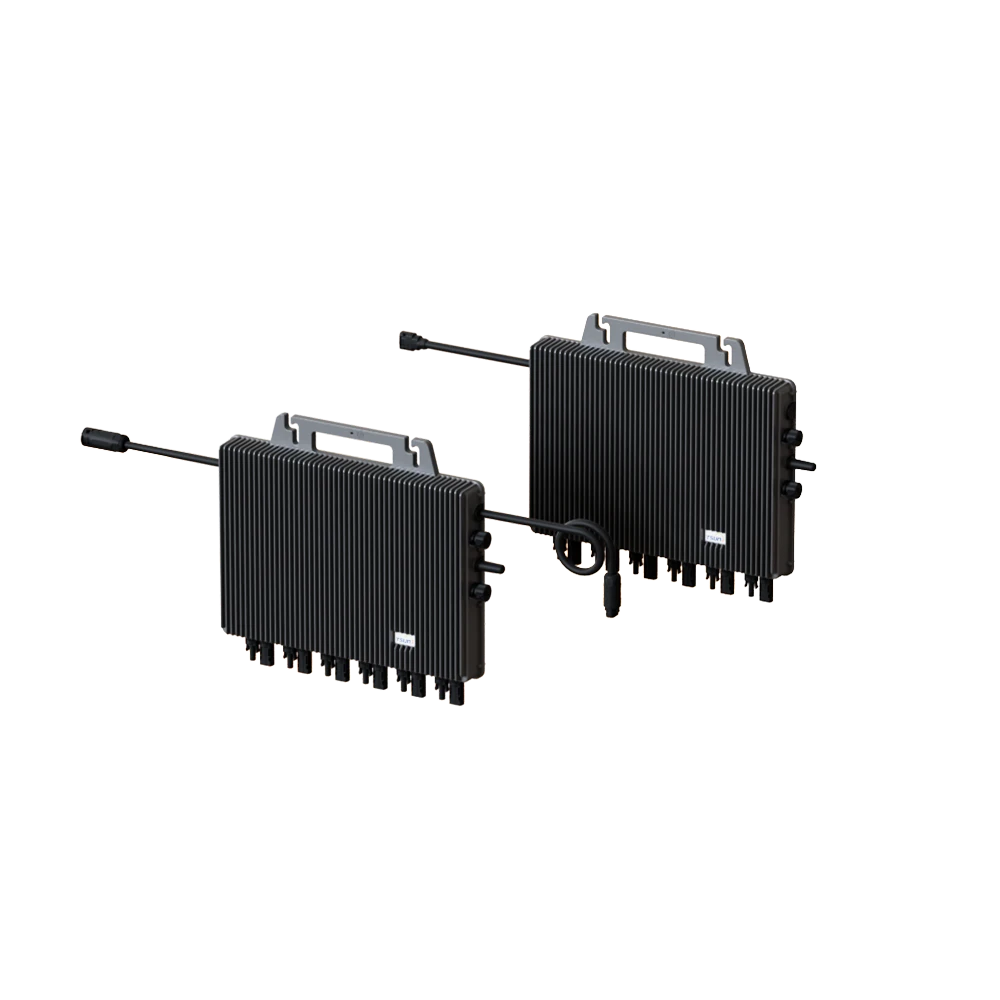
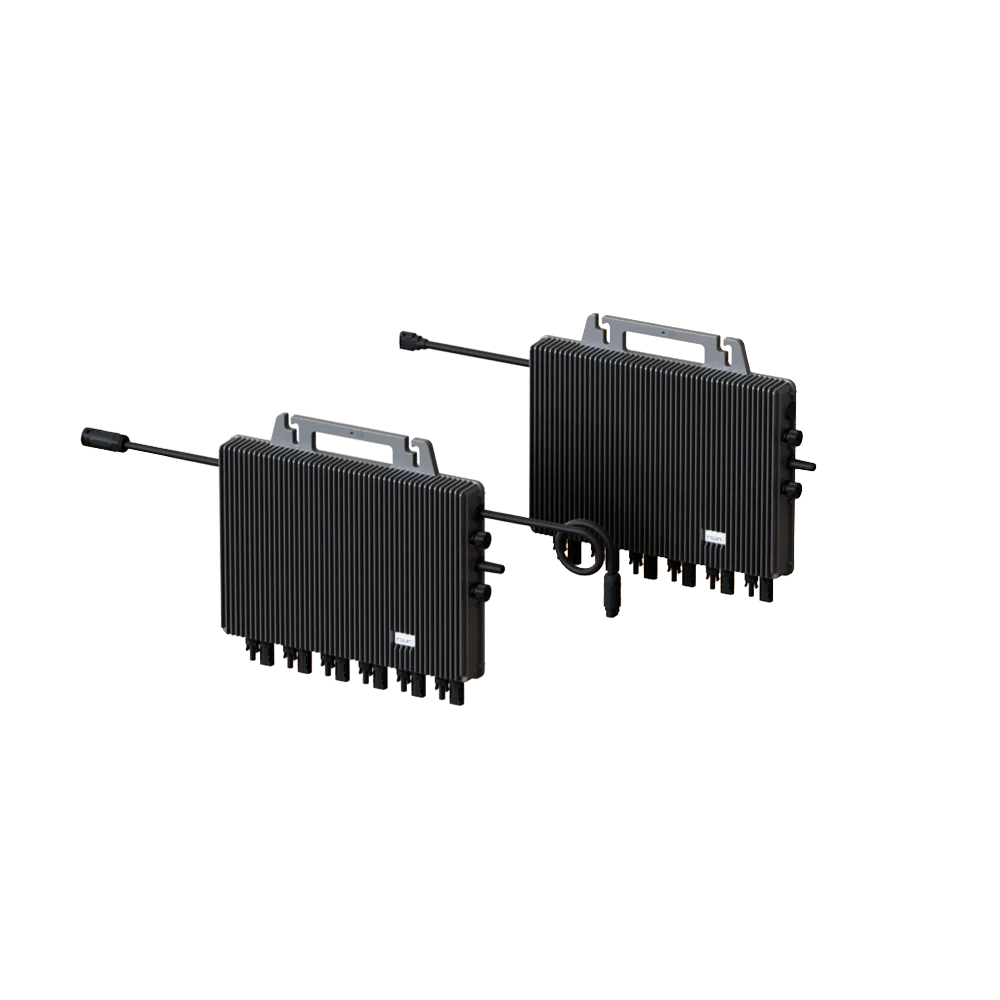
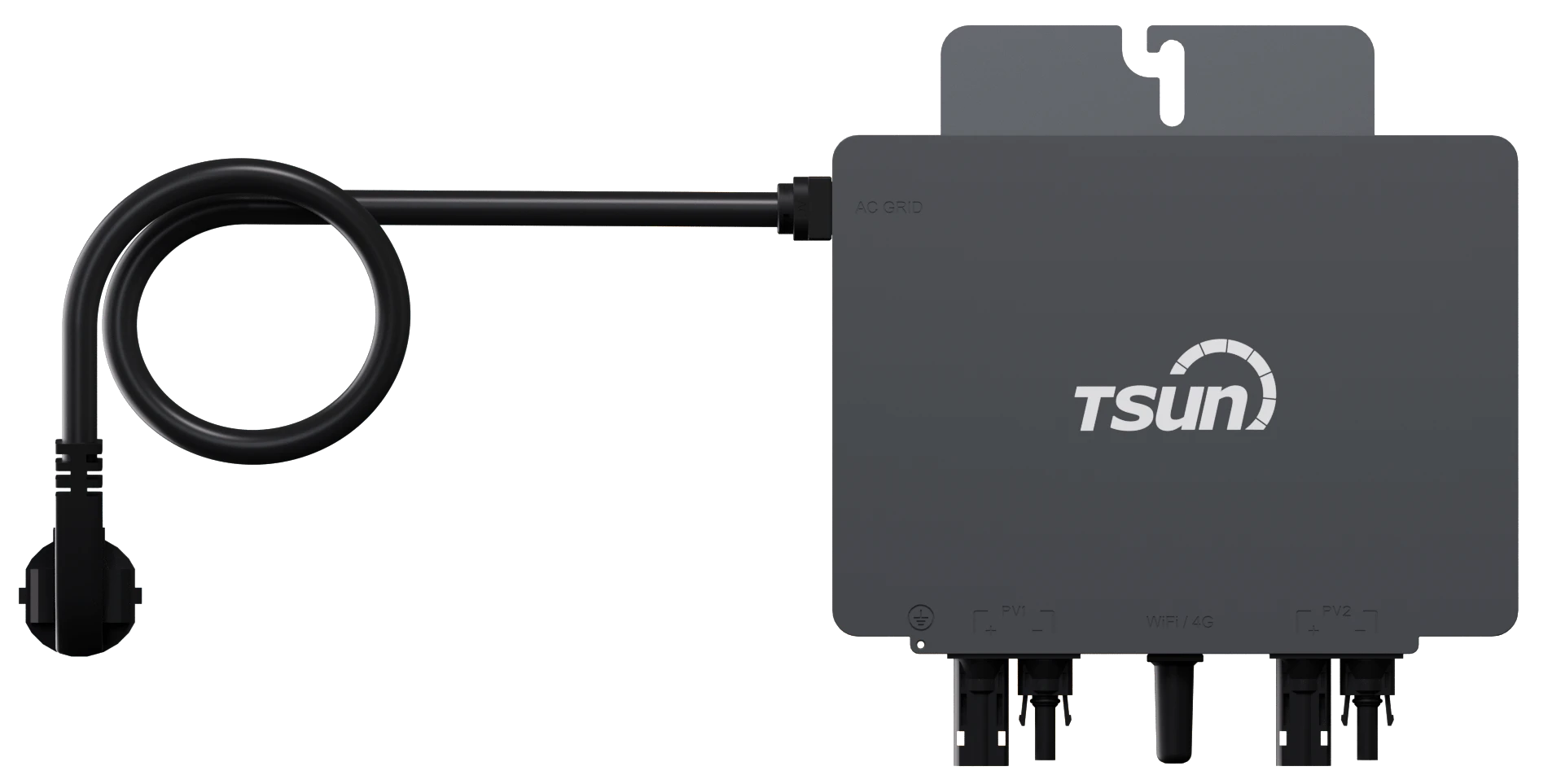
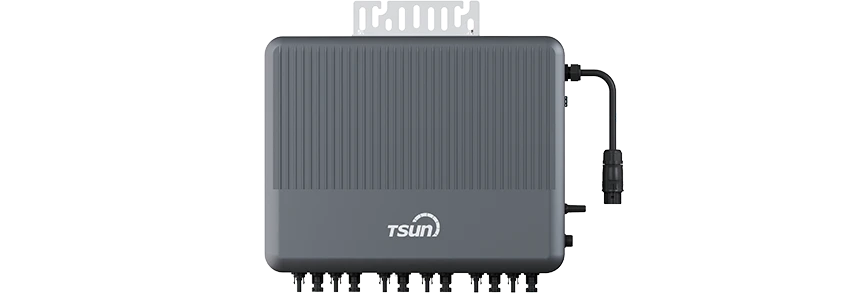
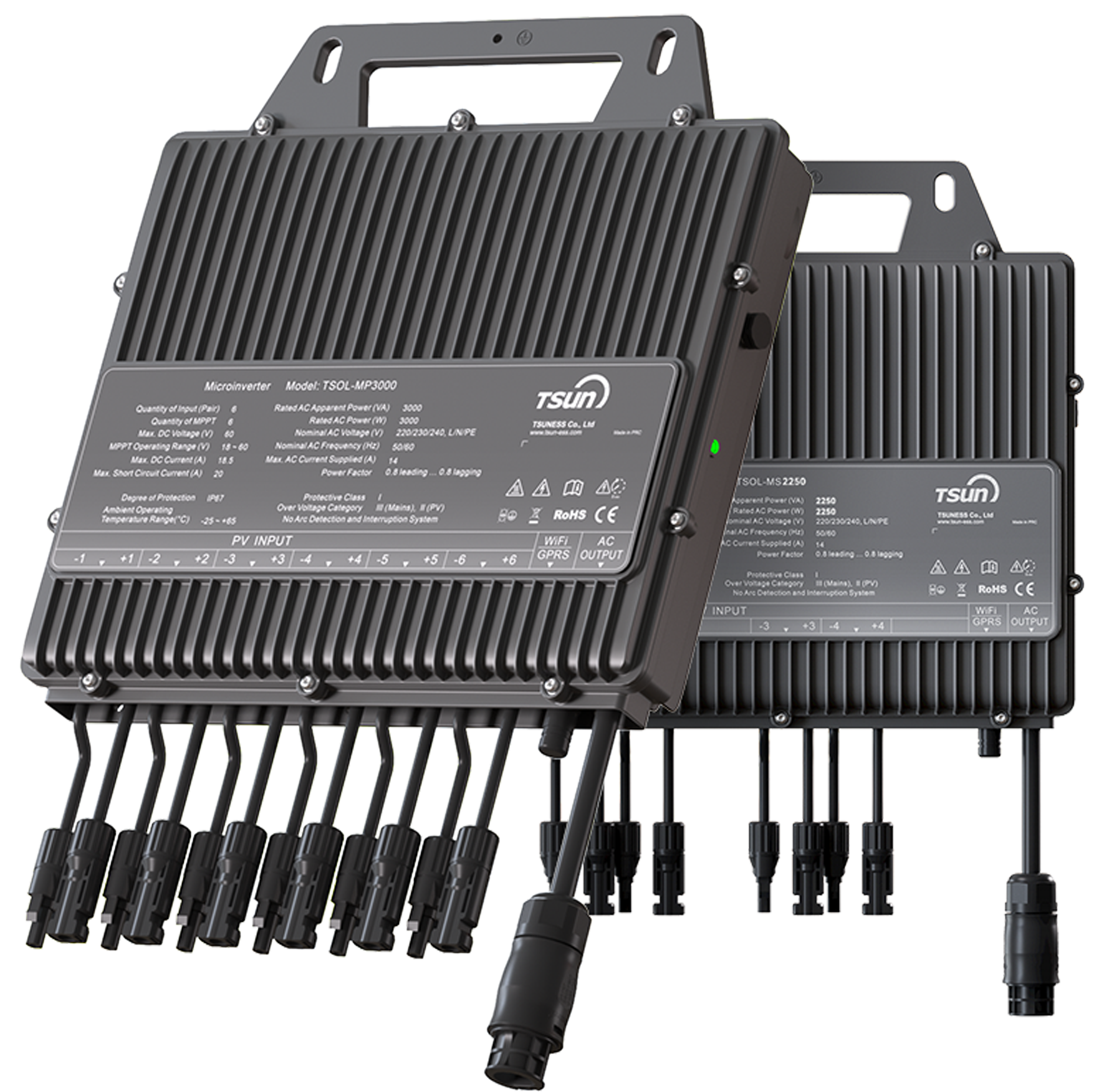
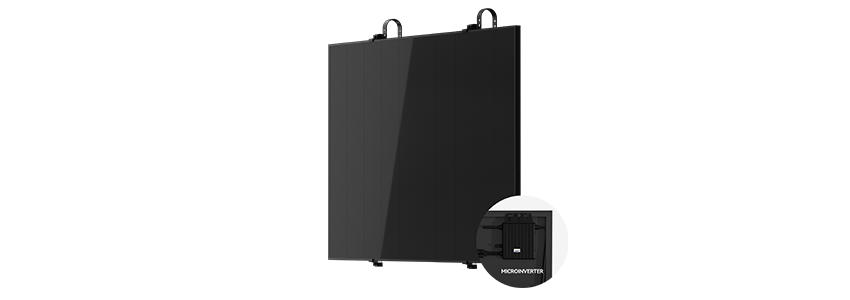
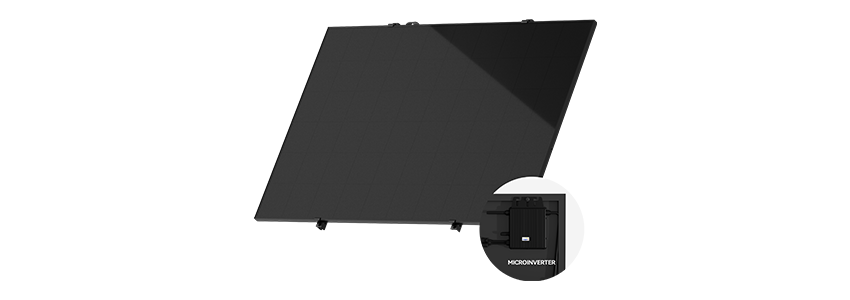
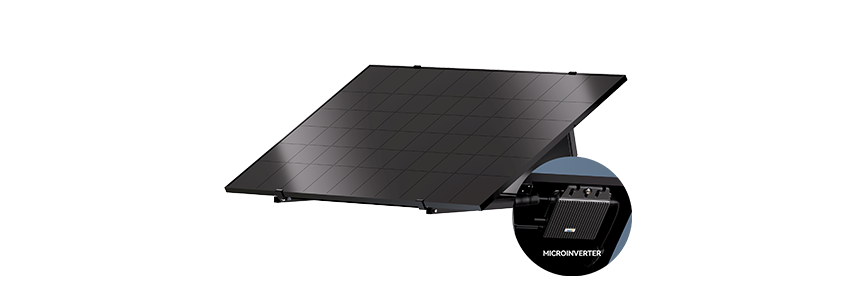
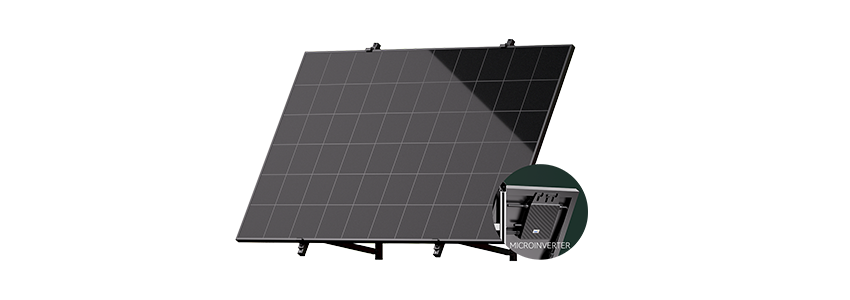
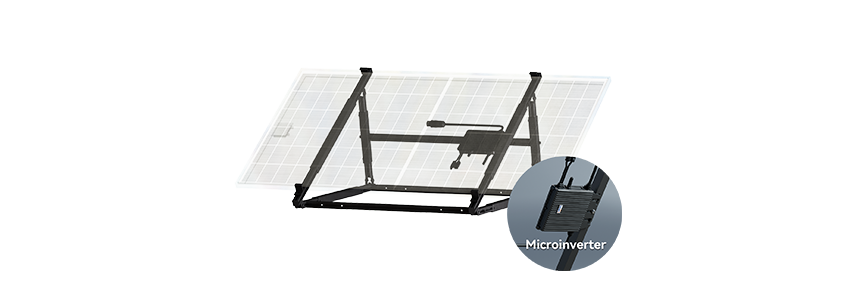
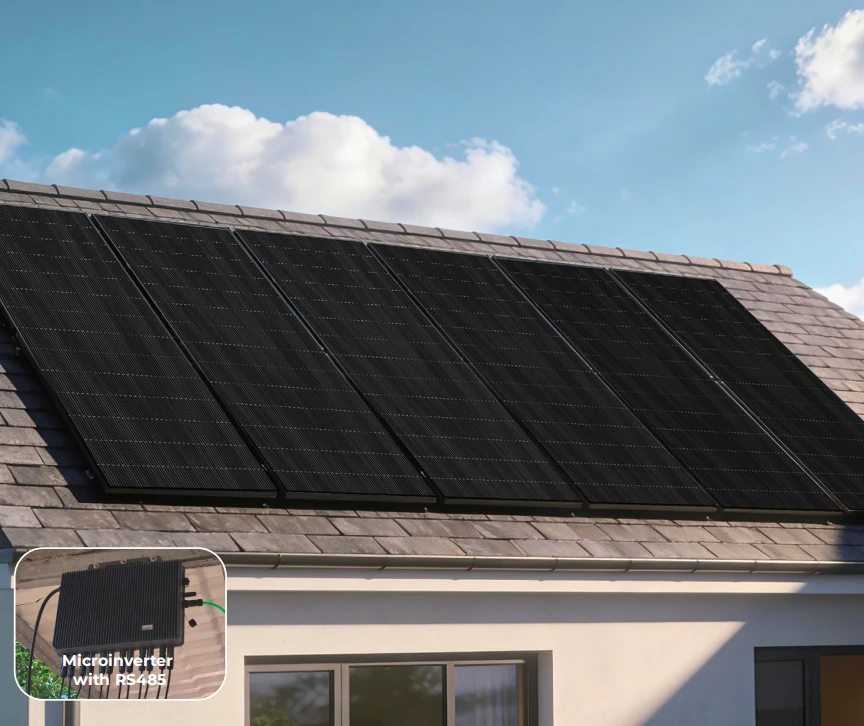
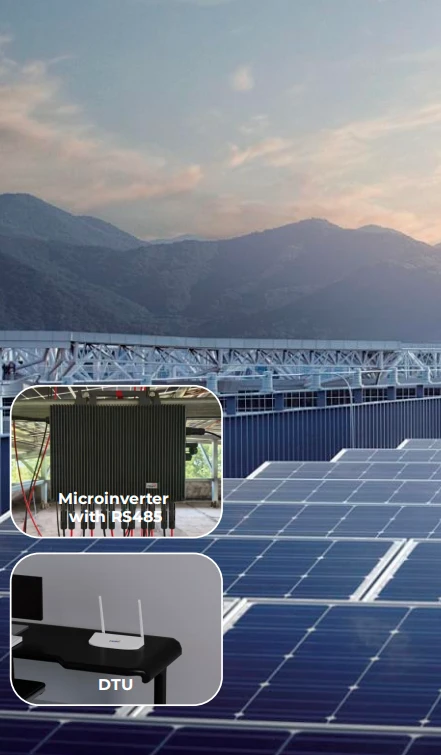
- Micro Inverter: Installed on each solar panel individually, micro inverters convert DC to AC right where the sun hits the panel. This maximizes energy harvest per panel and mitigates shading or panel-specific failures.
In essence, hybrid inverters function as a central energy coordinator with storage capabilities, while micro inverters decentralize power conversion to optimize panel-level performance.
Mini takeaway: Hybrid inverters prioritize integrated energy management including storage; micro inverters specialize in maximizing output panel by panel.
Key Factors to Consider When Choosing Inverter Types
1. System Size and Scalability
Hybrid inverters usually suit larger, integrated systems involving batteries, making them scalable for residential or commercial setups. Micro inverters shine in smaller, complex layouts where shading or panel orientation varies a lot — they keep the system nimble and adaptive.
2. Energy Efficiency and Performance
Because micro inverters operate on a per-panel basis, if one panel dips in efficiency due to shade or damage, only that section is affected. Hybrid inverters, however, manage the whole system’s flow, which might reduce efficiency slightly if shading occurs but benefit from seamless energy storage integration.
3. Cost Considerations
Hybrid inverters tend to be cost-effective on a system-wide basis, especially when coupled with batteries. Micro inverters often have higher upfront costs since each panel needs its own unit, but they can prevent energy loss that might offset that in the long run.
4. Durability and Maintenance
Micro inverters are exposed on the roof, subject to weather and heat, so quality varies widely. Hybrid inverters are usually installed indoors or sheltered, potentially lowering maintenance complexity but with a single point of failure risk.
5. Compatibility and Installation Complexity
Hybrid inverters sometimes require more sophisticated wiring and planning, especially for battery integration. Micro inverters offer plug-and-play ease panel by panel and might fit retrofit projects better.
Real-world Applications: Who Uses Which and Why?
Solar farms investing in maximum yield across sprawling landscapes might lean towards micro inverters to fine-tune output and isolate shading issues. In contrast, homes in areas with unstable grids find hybrid inverters valuable for their battery backup — keeping the lights on even during outages.
Post-natural disaster zones benefit from hybrid inverter systems that can handle solar-plus-storage setups, supporting temporary or permanent off-grid solutions. Remote mining operations or agricultural sites often rely on these for reliable, cost-effective power with energy autonomy. At the same time, urban apartments with space constraints might prefer micro inverters to optimize limited panel setups on tricky rooftops.
Mini takeaway: The best inverter choice depends on location, system complexity, and energy needs — no one-size-fits-all here.
Comparing Specifications: Hybrid Inverters vs Micro Inverters
| Feature |
Hybrid Inverter |
Micro Inverter |
| Conversion Type |
Central inverter with battery integration |
Single-panel DC to AC converter |
| Battery Storage |
Supports & manages battery storage natively |
No built-in battery management |
| Max System Size |
Up to several kilowatts to megawatts |
Typically smaller residential/commercial arrays |
| Installation Complexity |
Moderate - requires battery setup |
Lower - plug & play for each panel |
| Cost |
Generally lower upfront per system |
Higher per-panel cost |
Vendor Comparison: Hybrid vs Micro Inverter Leaders
| Brand |
Product Focus |
Key Feature |
Price Range |
Warranty |
| SMA Solar |
Hybrid Inverters |
Integrated battery and grid backup |
$$ - Mid range |
10 years |
| Enphase Energy |
Micro Inverters |
Panel-level optimization & monitoring |
$$$ - Higher upfront |
25 years |
| SolarEdge |
Hybrid & Power Optimizers |
Optimized hybrid systems with battery options |
$$$ |
12 years |
| Huawei |
Hybrid Inverters |
Smart energy management & AI integration |
$$ |
10 years |
Advantages and Long-Term Value of Each Technology
Hybrid inverters offer peace of mind with their battery backup and grid flexibility, which means you're not at the mercy of power cuts — highly valuable in less stable grids. They also enable cost savings over time by maximizing self-consumption of solar energy.
Micro inverters, by contrast, appeal to those prioritizing optimal performance and easy expansion. Because they bypass single points of failure and adjust for shading or dirt on individual panels, they often yield more kWh/installed watt than string or hybrid inverter systems — in real terms, that’s money saved.
Emotionally, it feels reassuring to know each panel carries its own converter, and if a panel underperforms, the rest keep humming along. On the other hand, hybrid inverters evoke a sense of independence and sustainability, especially when paired with battery arrays, contributing to lowering carbon footprints significantly.
Future Trends: What’s Next in Hybrid and Micro Inverter Tech?
The solar tech landscape keeps evolving at an eye-watering pace. Hybrid inverters are becoming smarter, integrating AI-driven energy management to balance demands with weather forecasts and electricity tariffs automatically. We’re also seeing enhanced interoperability with smart home systems and vehicle-to-grid tech, which could redefine how we consume and store energy.
Micro inverter innovations focus on miniaturization, lower costs, and broader compatibility. Plus, advances in materials and thermal management aim to increase their lifespan even under harsh rooftop conditions. And oddly enough, with rooftop solar booming in urban centers, the micro inverter market looks ready for a surge, especially in retrofit projects.
Challenges Still on the Table — and How Experts Are Tackling Them
Hybrid inverter systems sometimes face complexity in installation and higher initial setup, particularly with battery integration. Battery costs, although declining, remain a significant hurdle for many users. Experts suggest modular battery packs and better plug-and-play designs to simplify deployment.
Micro inverters face heat dissipation challenges and potential early failure due to rooftop exposure. Vendors are experimenting with new cooling materials and protective coatings, plus enhanced diagnostics to predict issues before they happen.
In both systems, regulatory frameworks and grid standards vary regionally — creating a barrier for widespread adoption. Industry groups and ISO committees are pushing for harmonized standards to make these technologies more accessible globally.
FAQ: Common Questions about Hybrid Inverter vs Micro Inverter
- Q1: Which inverter type is better for home solar systems with battery storage?
- A: Hybrid inverters are generally the best choice for home solar systems incorporating battery storage because they manage energy flows between solar panels, batteries, and the grid seamlessly.
- Q2: Can micro inverters be used with battery backup?
- A: Micro inverters themselves don’t manage battery storage, but they can be part of systems with battery inverters separately handling storage and backup functions.
- Q3: Are micro inverters more expensive in the long run?
- A: Though more expensive upfront, micro inverters’ panel-level optimization can reduce energy losses, often compensating for costs over time.
- Q4: How do hybrid inverters handle power outages?
- A: Hybrid inverters can switch to battery power during outages, ensuring uninterrupted electricity supply when configured properly.
- Q5: Is the installation of micro inverters more complex?
- A: Micro inverters simplify wiring for each panel but require installing multiple units, which can add time; however, the overall electrical layout is often easier than multi-string hybrid inverter systems.
Wrapping Up and Next Steps
At the end of the day, the debate around hybrid inverter vs micro inverter boils down to your specific power needs, budget, and environment. Hybrid inverters shine with integrated storage and backup capabilities, ensuring you stay powered even when the grid goes down. Micro inverters deliver panel-level precision and adaptability for tricky layouts or shading conditions.
If you’re in the market for upgrading or starting a solar project, understanding these nuances helps you make savvy, future-proof decisions — and, frankly, not getting caught off guard by unexpected energy shortfall or costs. Stay curious, weigh your options carefully, and explore expert advice before you buy.
Want to learn more or get tailored recommendations? Visit our website: https://www.tsun-ess.com where solar pros are ready to help you power a cleaner, brighter future.
References
- IRENA – Renewable Energy Statistics
- United Nations Environment Statistics
- Wikipedia: Electrical Inverter





 LEARN DETAILS
 Downloads
 Video Center
 Report Fault for Repair
 FAQS
FAQS Service Network
 Privacy Policy
 Contact Us
 Monitoring


 LEARN MORE