Insights from a Real-World Comparison of Microinverters and String Inverters
Release time2026 - 03 - 10
Share:
Project-Level Comparison: TSUN Microinverters vs. String Inverters in Thailand
In solar, system performance is ultimately measured not by specifications on paper, but by the energy delivered in the field. A recent project-level comparison conducted by one of TSUN’s clients in Thailand offered a valuable opportunity to observe this principle in practice.
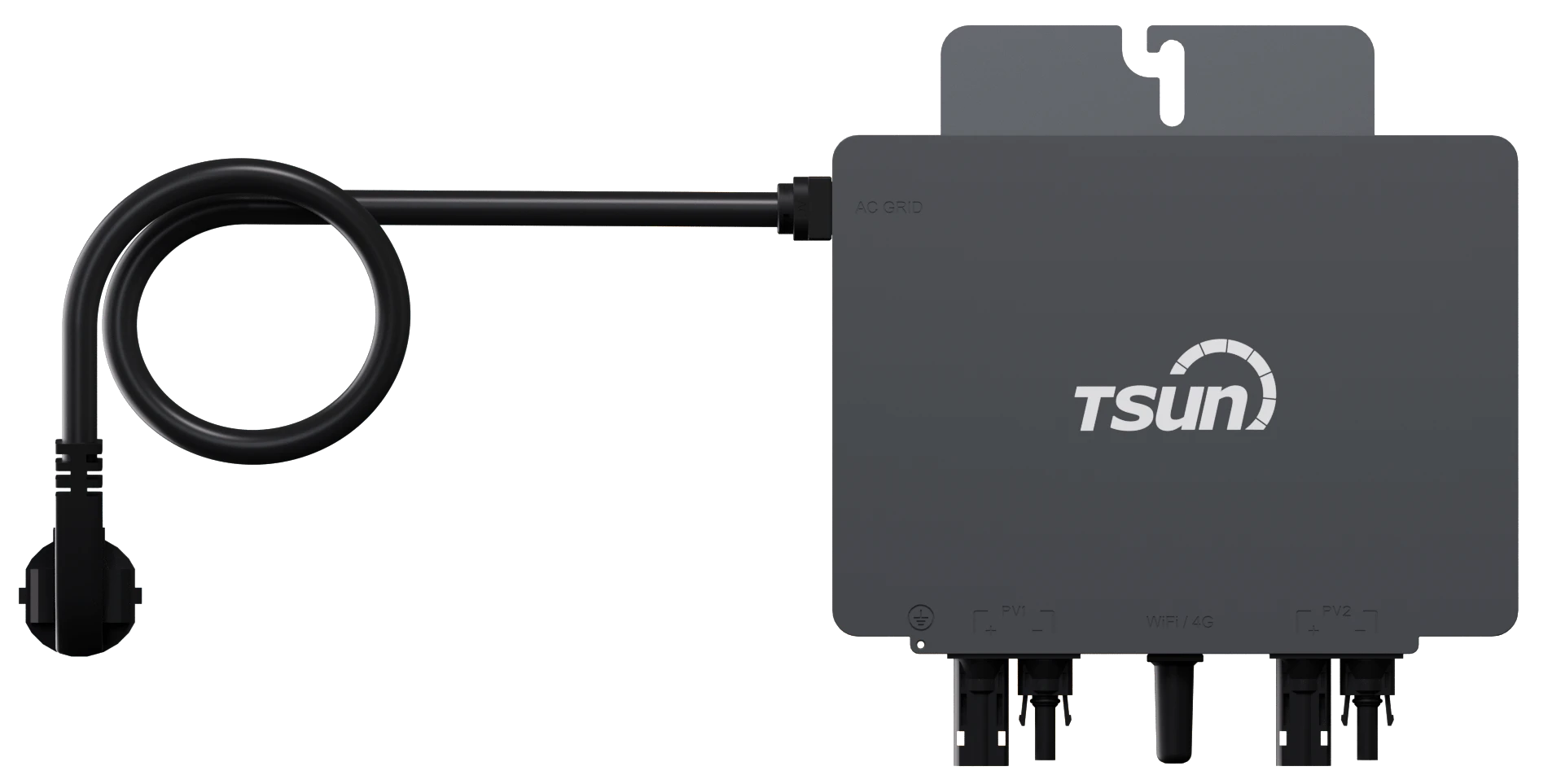
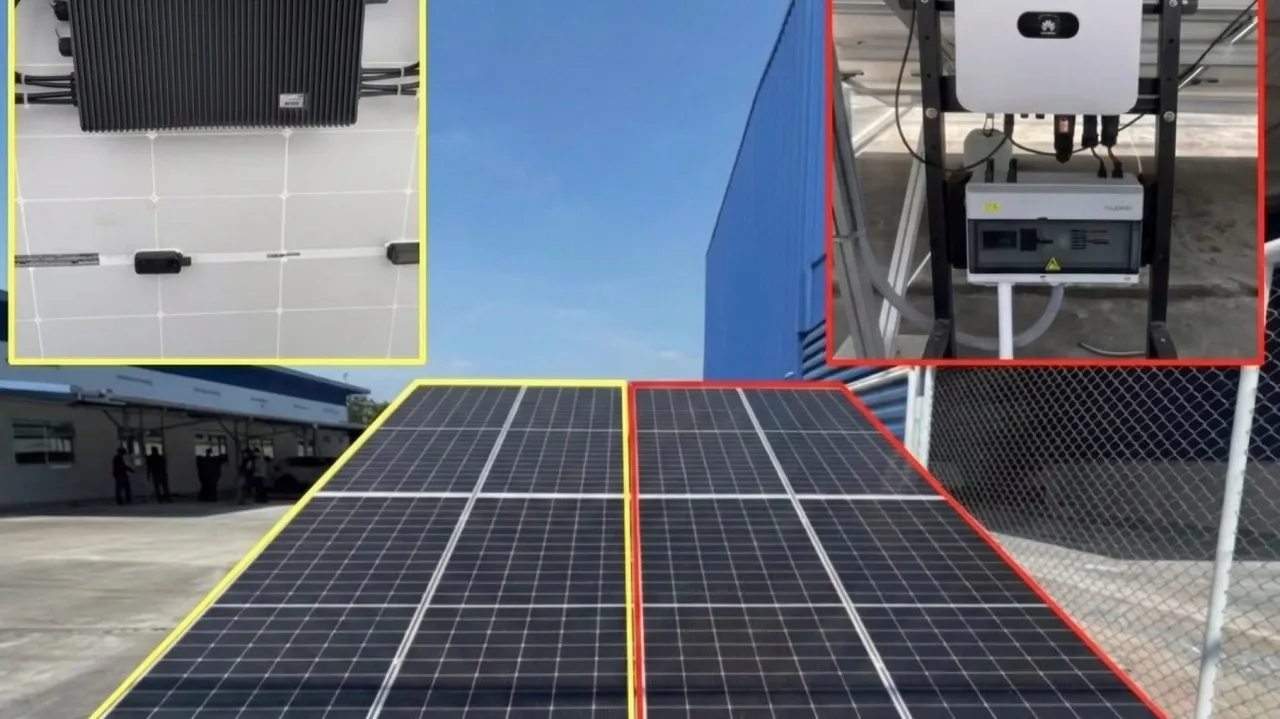
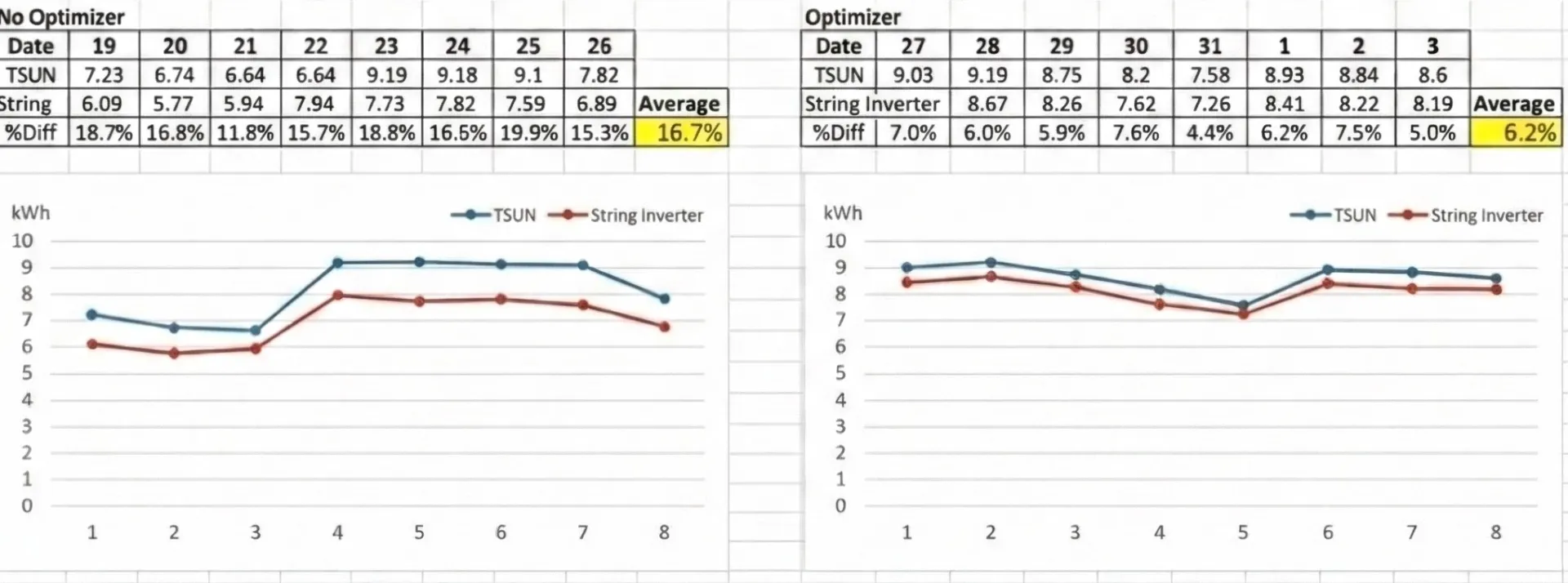
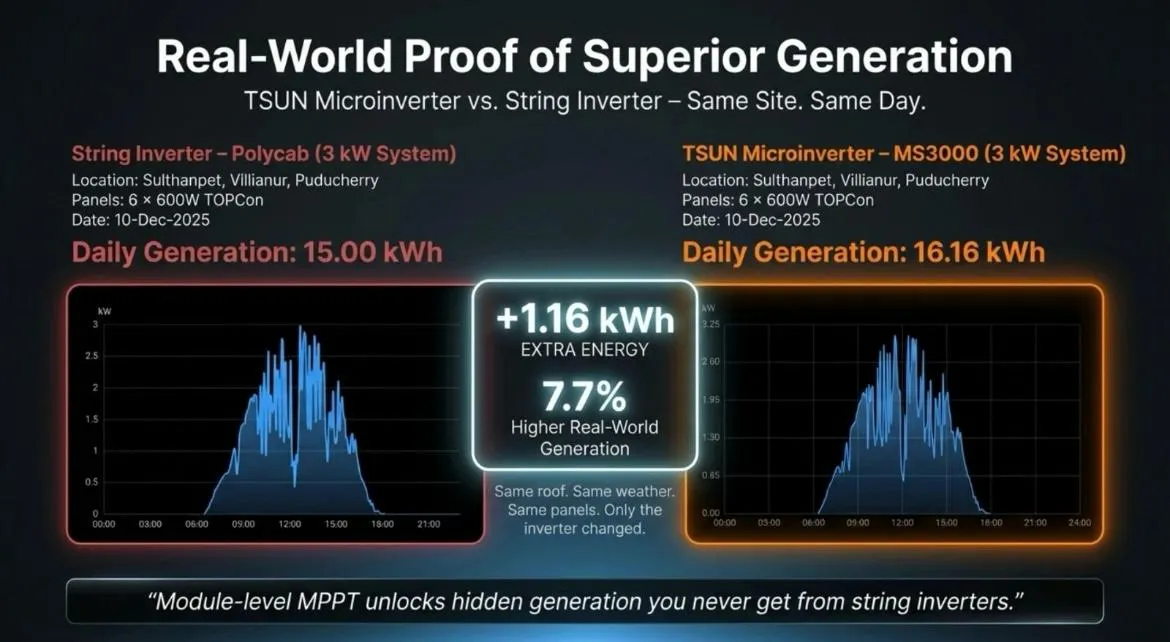
Under the same site conditions, the client compared a 2 kW TSUN microinverter system with a standard string inverter system. The goal was to understand how different inverter architectures perform in a real operating environment. The results were clear:
vs. Standard String Inverter: The TSUN microinverter system achieved a 16.7% higher energy yield.
vs. String Inverter with Optimizers: The TSUN microinverter system still delivered a 6.2% higher energy yield.
The Microinverter Advantage in Real-World Conditions
This result reflects a core characteristic of microinverter architecture. In distributed solar applications, rooftops often face partial shading, module mismatch, uneven soiling, varying orientations, and temperature differences. In string-based systems, these factors can reduce the output of multiple modules within the same string.
With microinverters, each module operates independently, improving module-level optimization and increasing total energy harvest. This makes microinverters especially valuable in rooftop applications where real operating conditions are rarely uniform. For installers, EPCs, and system owners, the key metric is not only inverter price, but how much electricity the system can generate over time.
Balancing Upfront Cost with Lifetime Yield
Cost remains a major consideration in inverter selection. String inverter systems continue to offer strong advantages in large-scale and cost-sensitive projects. At the same time, microinverters are becoming more competitive on a per-watt basis as module power rises and inverter platforms move into higher power classes.
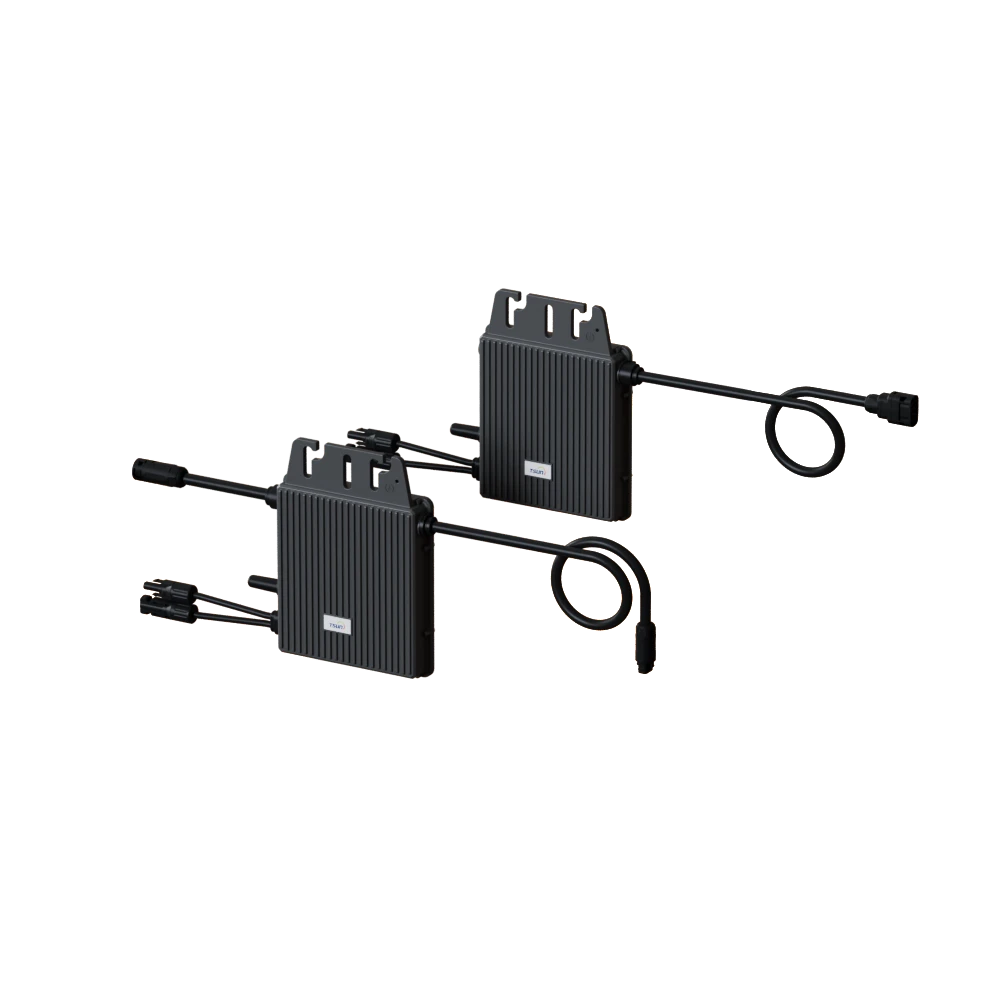
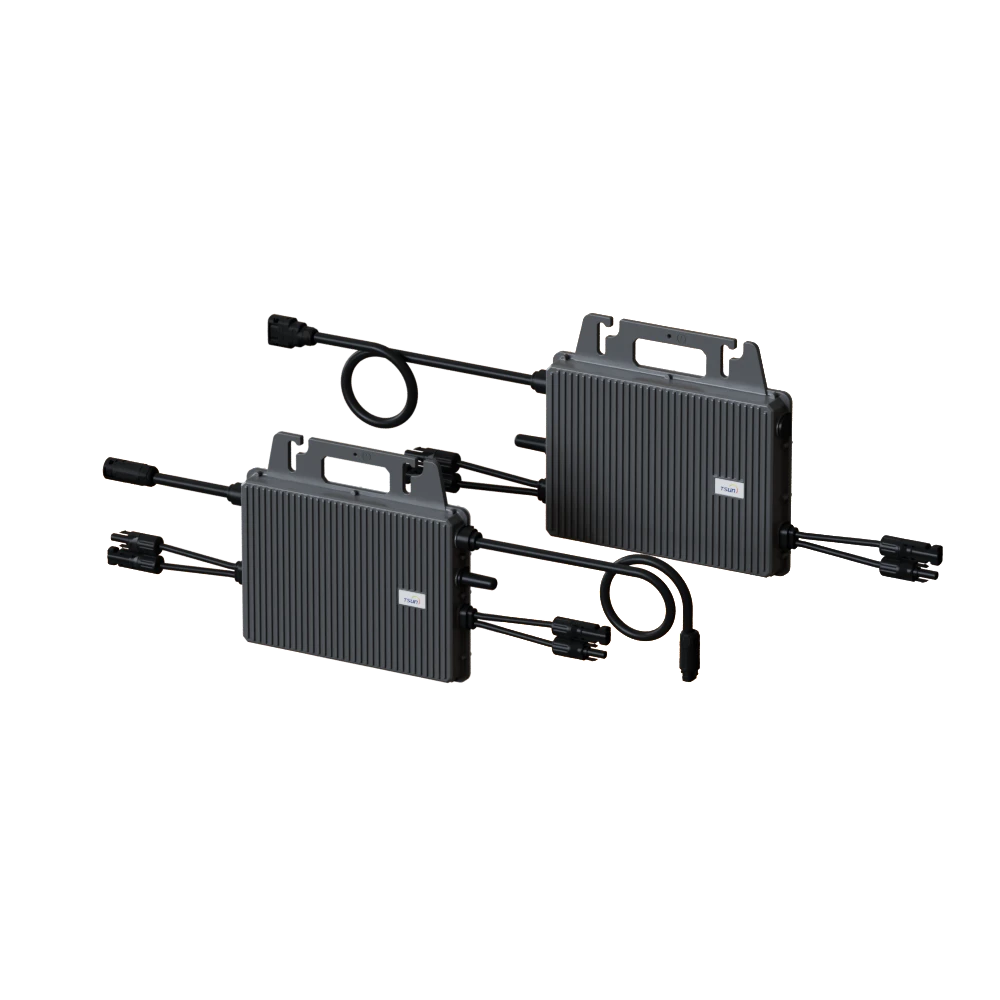
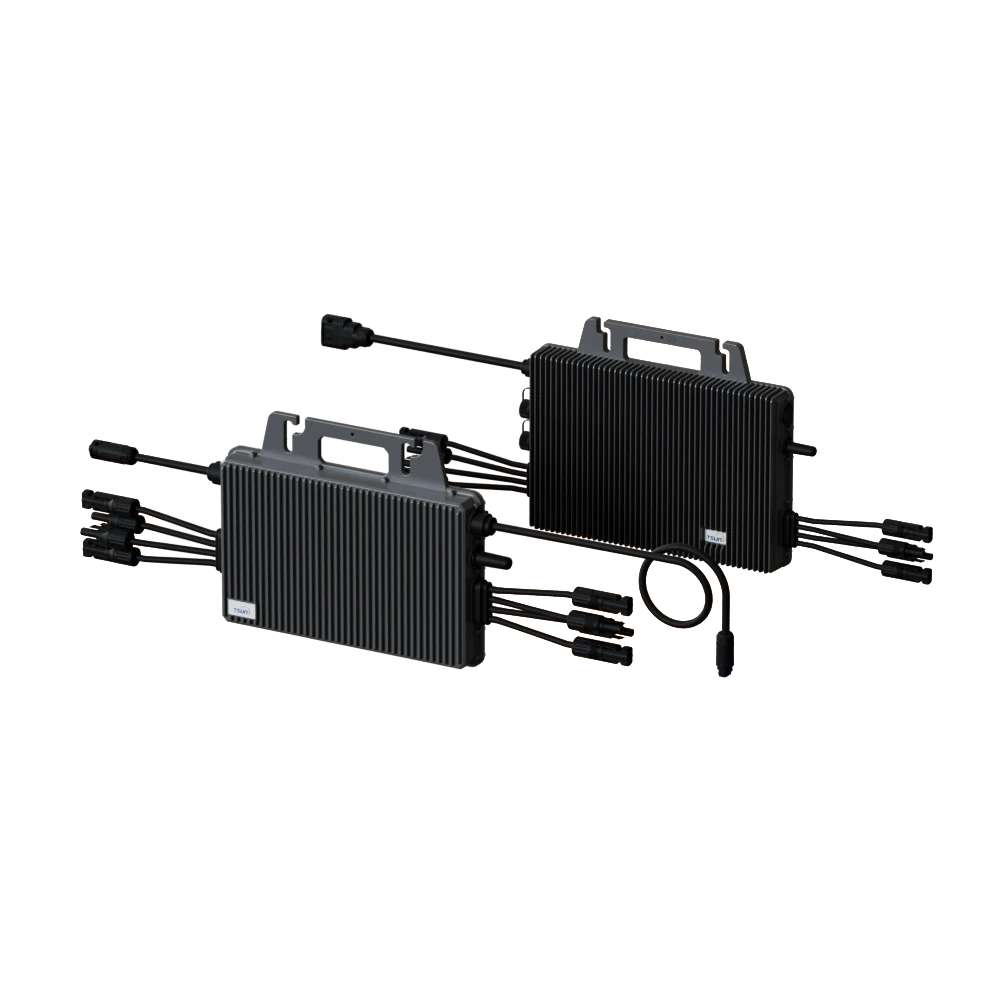
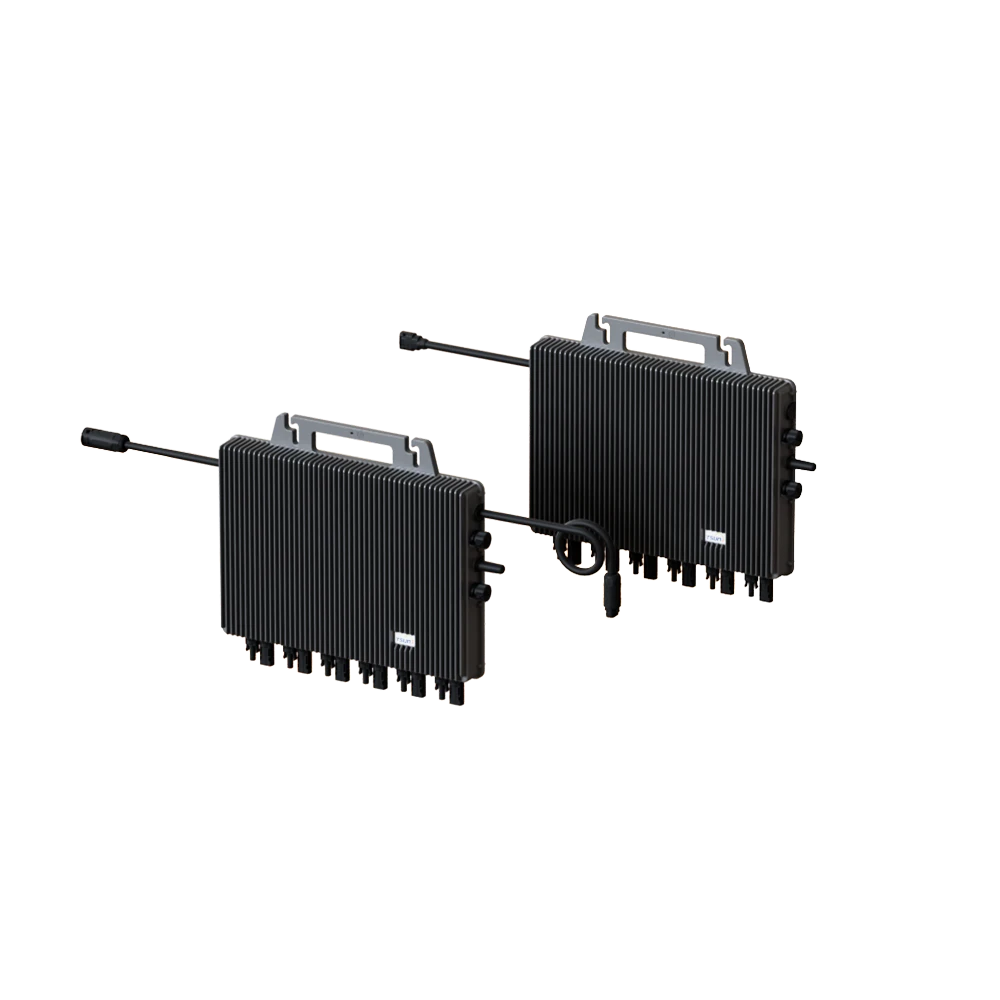
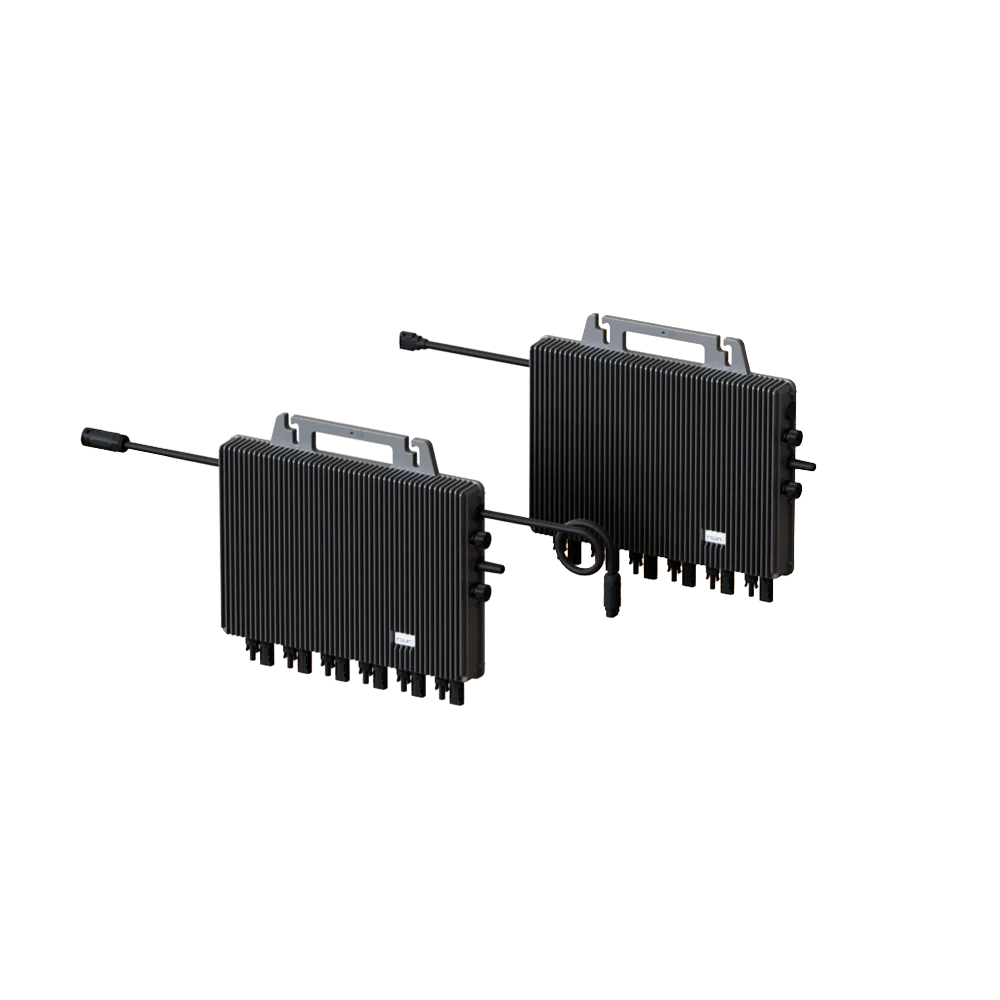
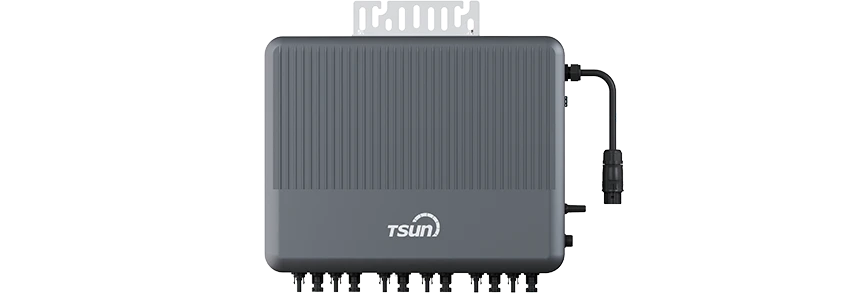
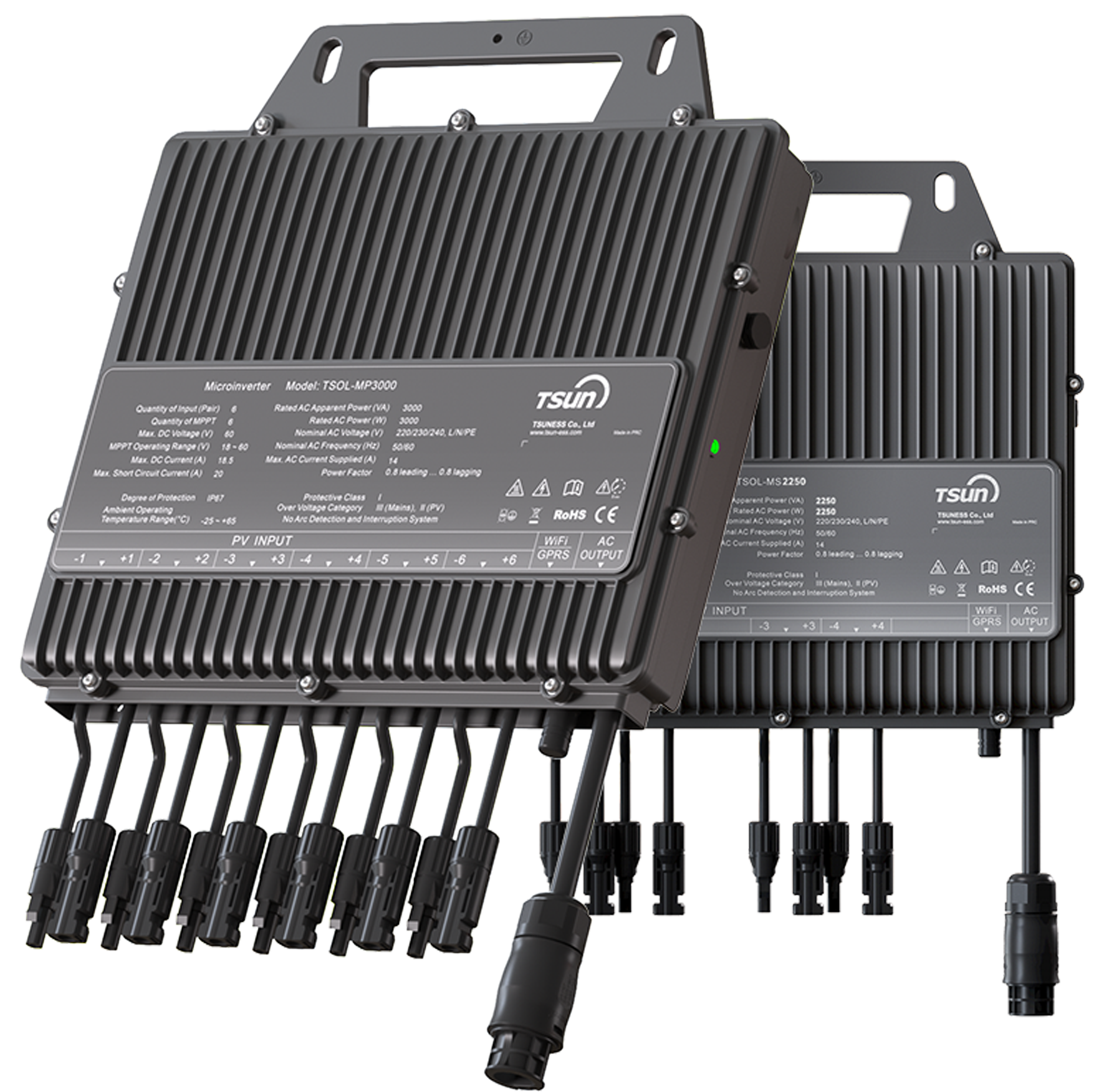
Higher output per unit improves cost efficiency while maintaining the benefits of module-level optimization and stronger real-world performance. This shift is becoming more visible with high-power microinverters such as TSUN’s 3300 W single-phase microinverter, one of the highest-power products in its category. Higher power expands application flexibility, lowers cost per watt, and strengthens the economic case for microinverters across a broader range of distributed PV scenarios.
The Long-Term View
While microinverters typically require a higher upfront investment, their value becomes more compelling over the long term. With a design life of up to 25 years, the conversation is shifting from initial cost alone to lifetime energy yield, system reliability, and long-term return. As the distributed solar market matures, this long-view approach is expected to drive wider adoption of microinverters across more applications.
Most websites use cookies. A cookie is a small text file placed on a device to store data for future use
by a web server. We and our third-party partners use cookies to remember your preferences and settings,
help you log in, and analyze the health of our website.
Essential
We use necessary cookies to perform important website functions. For example: used to maintain sessions,
improve performance, route traffic between web servers, detect screen size, determine page loading time,
improve user experience, and conduct audience data statistics. These cookies are essential for the
operation of our website.
Analysis
We allow third parties to use analysis cookies to understand how you use our website, so that we can
improve it. Third parties can also use this information for product development and improvement, and
they may use these products on websites that do not belong to our operations. For example, they can be
used to collect information about the pages you visit and the number of clicks you need to complete a
task. We will use some analysis cookies to optimize content display and enhance user experience.



 LEARN DETAILS

 Downloads
 Video Center
 Report Fault for Repair
 FAQS
FAQS Service Network
 Privacy Policy
 Contact Us
 Monitoring


 LEARN MORE