Smart Energy Management: Powering a Sustainable Future
In today’s world, efficient smart energy management is no longer a luxury, but a necessity. Rising energy costs, growing environmental concerns, and the increasing demand for reliable power are driving the adoption of innovative solutions. This article will explore the benefits of smart energy management, the technologies involved, and how businesses and homeowners can leverage these systems for a more sustainable and cost-effective future. Understanding and implementing effective energy management strategies is vital for both economic and environmental wellbeing.
Understanding the Core Principles of Smart Energy Management
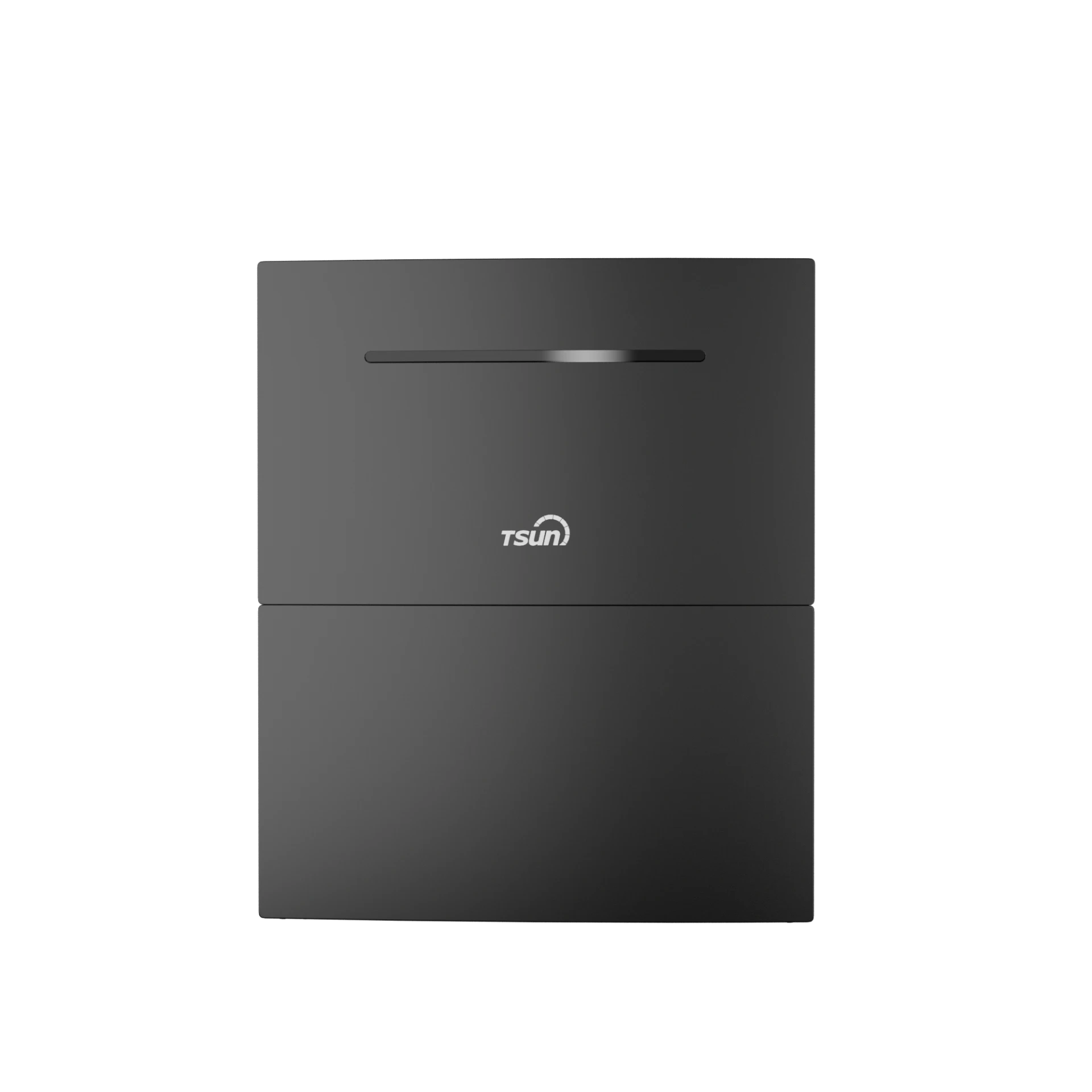
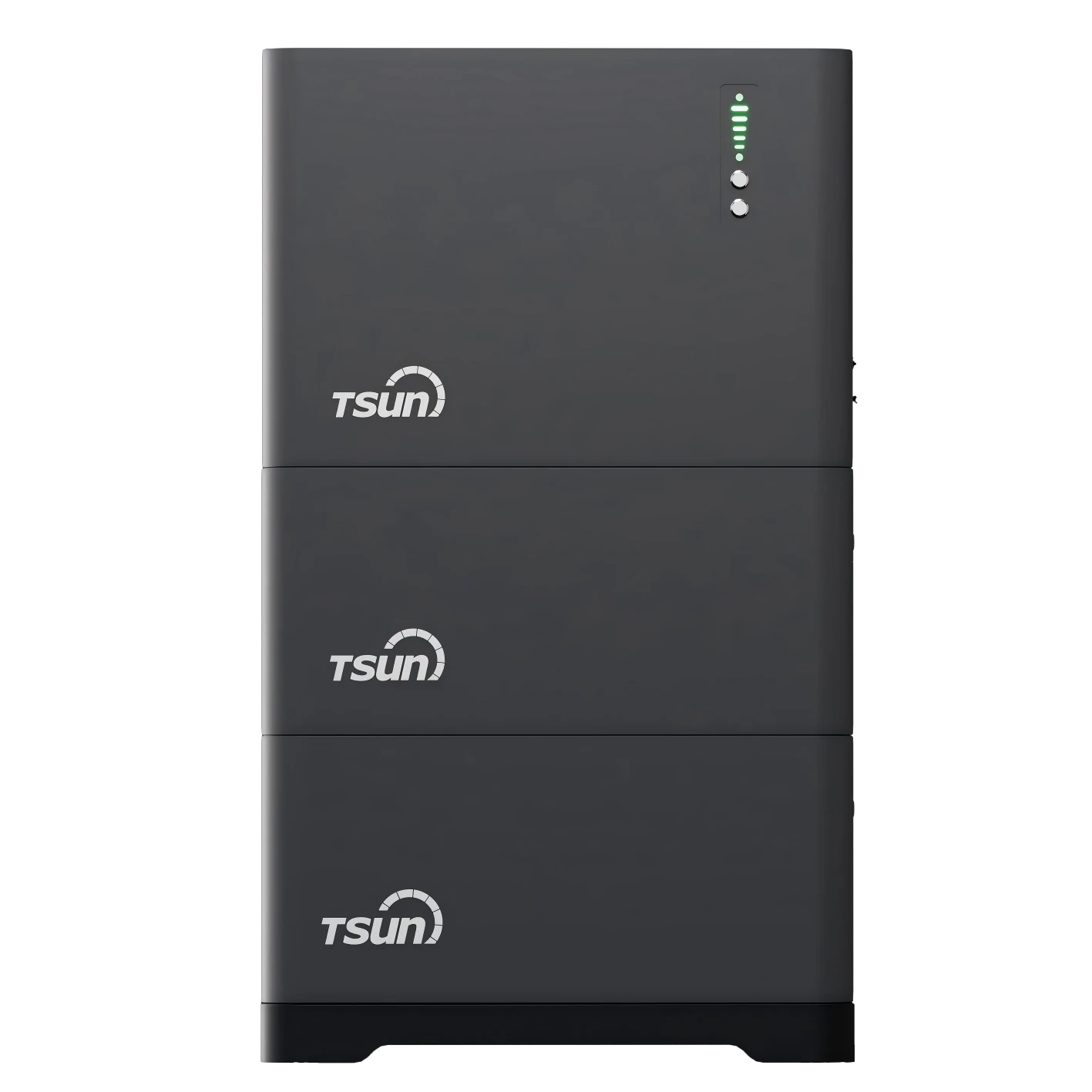
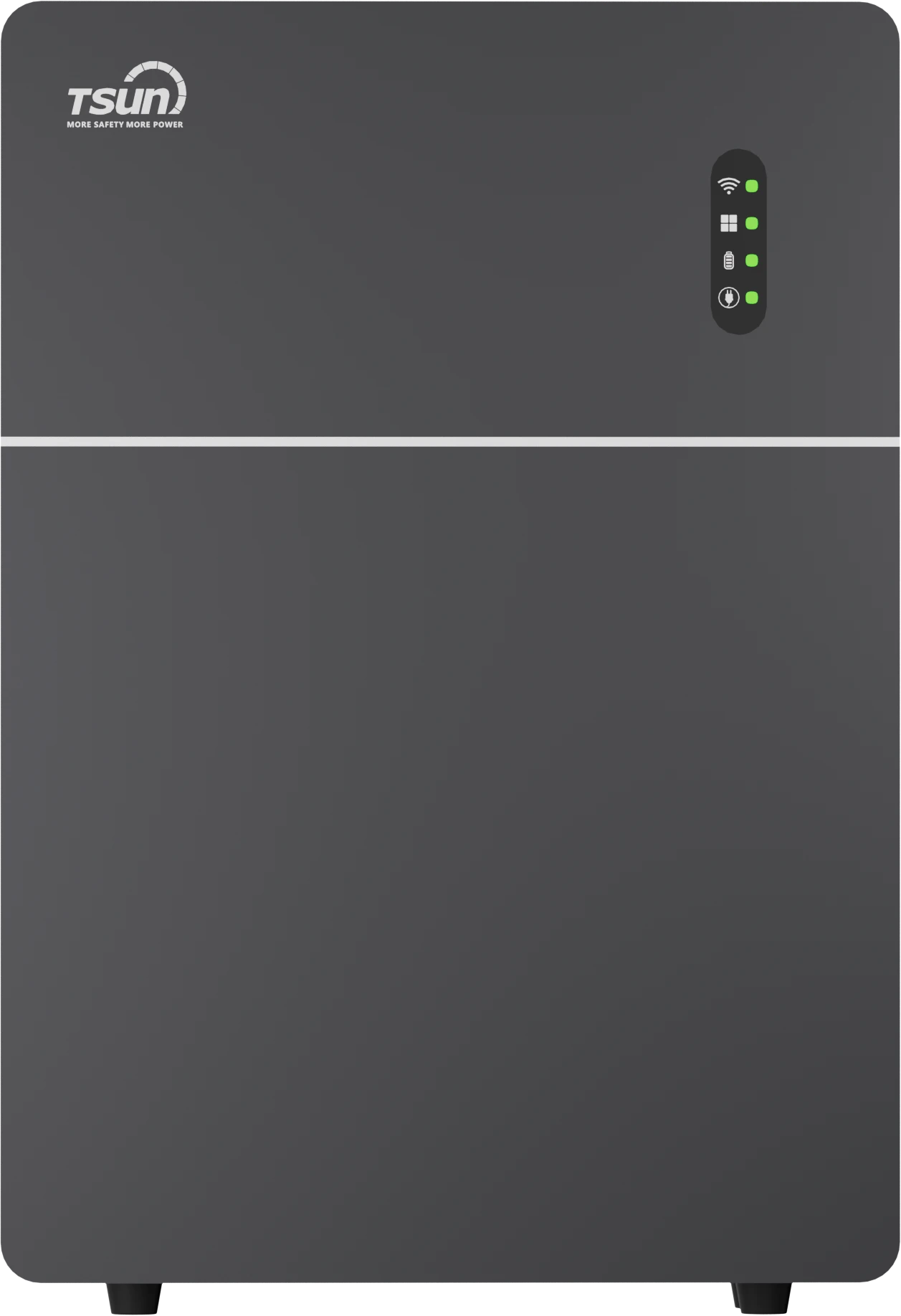
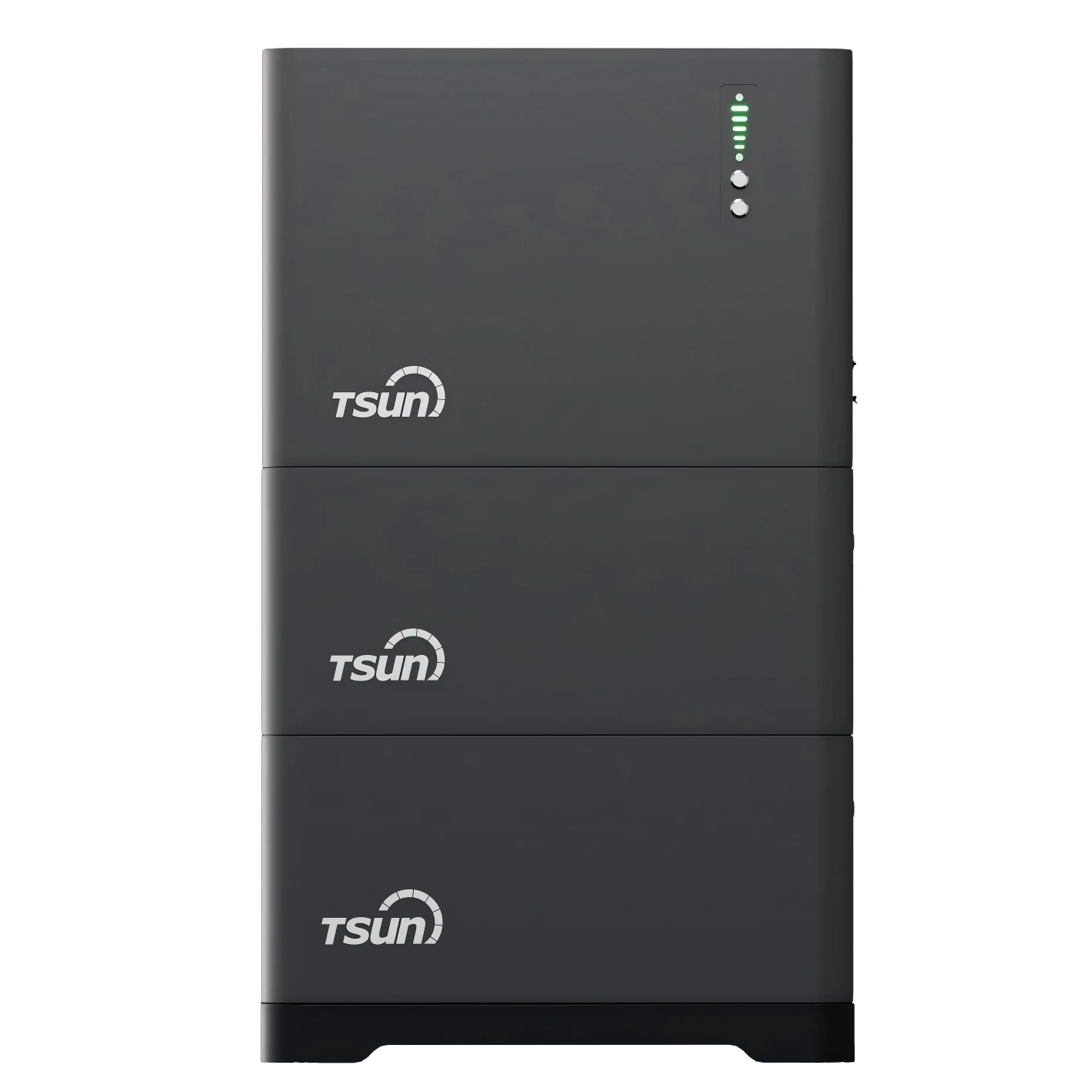
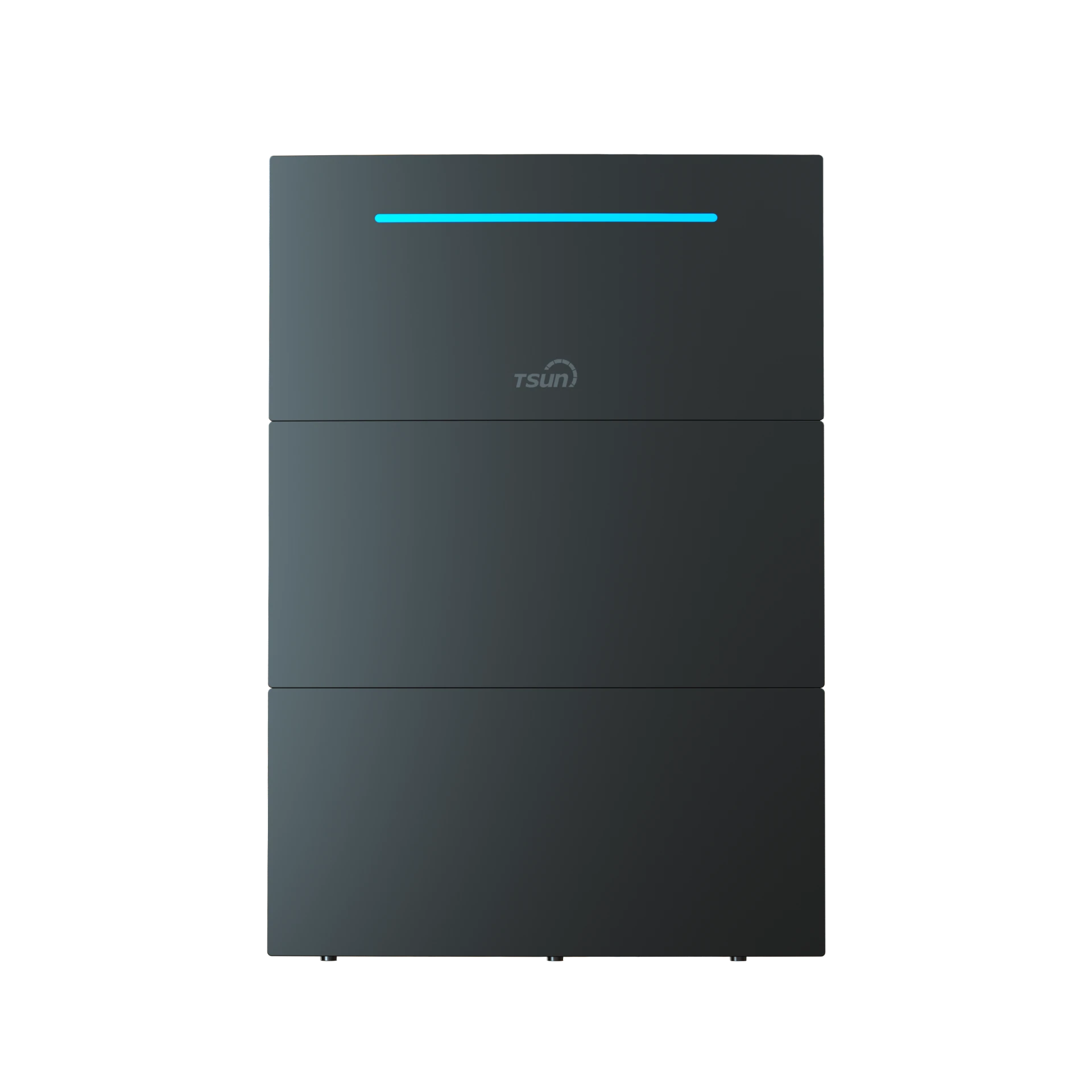
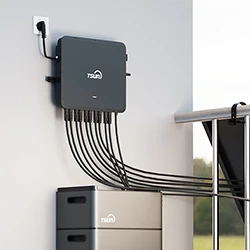
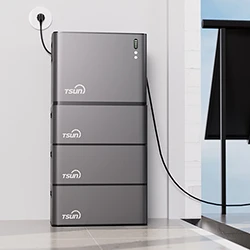
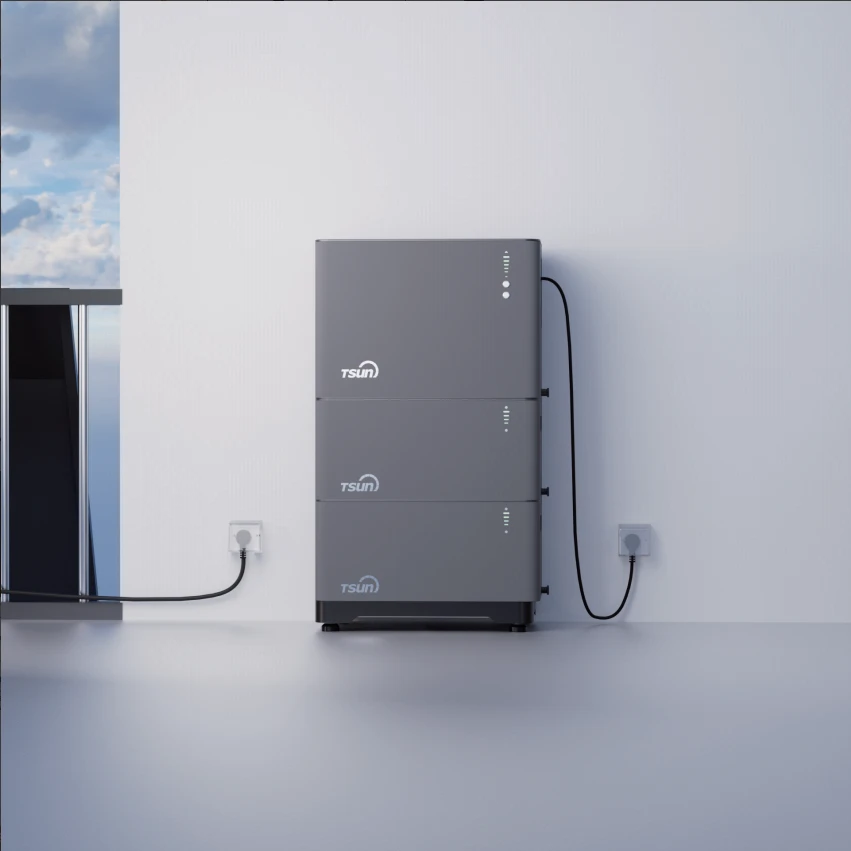
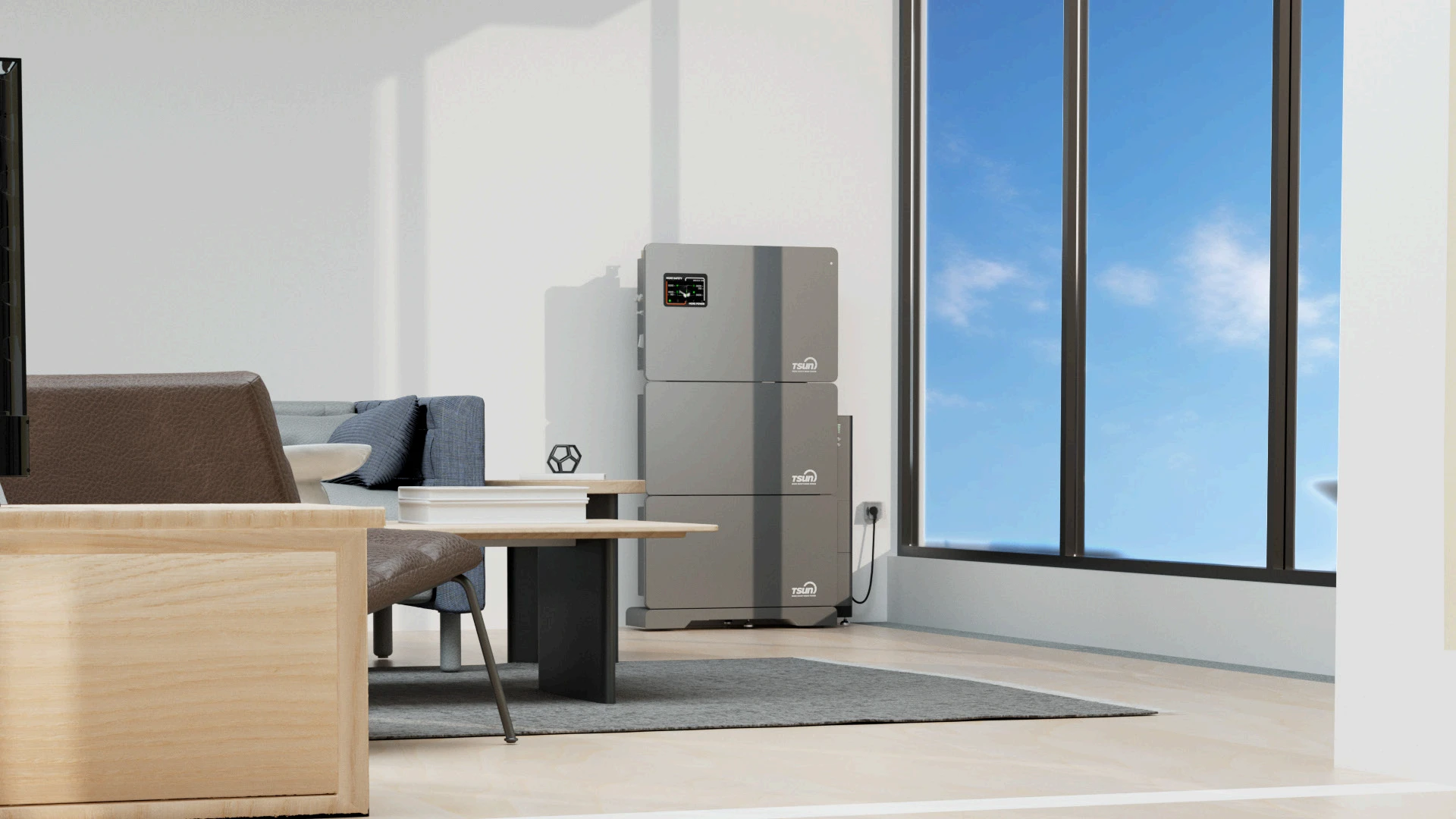
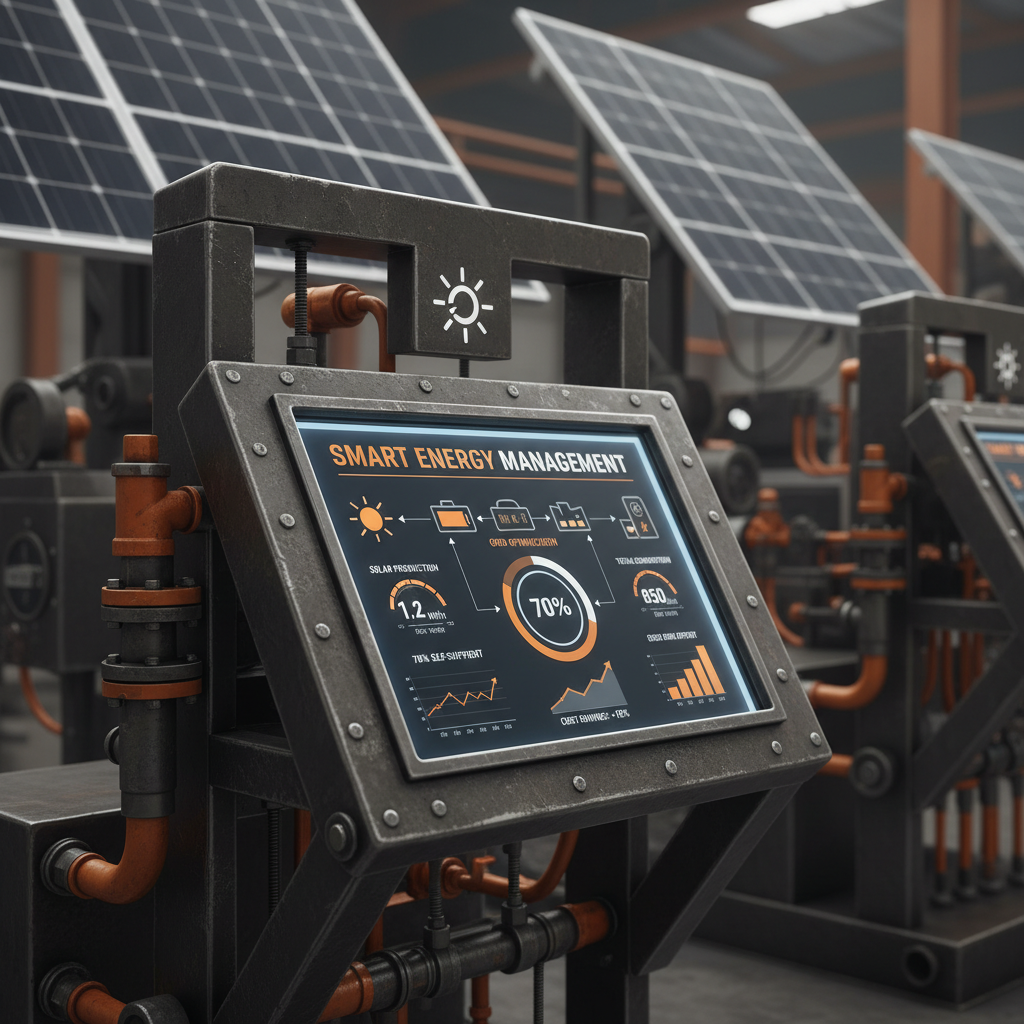
Smart energy management goes beyond simply reducing energy consumption. It’s a holistic approach that involves monitoring, controlling, and optimizing energy usage in real-time. This is achieved through a combination of advanced technologies, including smart meters, sensors, data analytics, and automated control systems. The goal is to identify inefficiencies, reduce waste, and optimize energy performance. Crucially, TSUN Energy Storage Systems play a key role in this process, allowing for the storage of renewable energy and providing a reliable backup power source.
Key Benefits: Reduced energy costs, minimized environmental impact, enhanced grid stability, improved operational efficiency, and increased energy independence.
Key Technologies Driving Smart Energy Management
Several technologies are at the forefront of the smart energy management revolution. Smart meters provide detailed data on energy consumption, allowing users to understand their usage patterns. Sensors monitor environmental factors like temperature and lighting, adjusting systems automatically to optimize energy efficiency. Data analytics platforms process this information to identify trends, predict future demand, and optimize energy distribution. Furthermore, energy storage solutions, like those offered by TSUN, are becoming increasingly crucial for integrating renewable energy sources and ensuring grid stability.
Essential Technologies:
• Smart Meters: Real-time energy consumption data.
• Sensors: Environmental monitoring and automated adjustments.
• Data Analytics: Trend identification and demand forecasting.
• Energy Storage: Integration of renewable energy and grid stabilization.
Smart Energy Management Systems: A Comparative Look
Different smart energy management systems cater to diverse needs. Residential systems focus on optimizing household energy usage, while commercial and industrial systems address more complex energy demands. Let's compare a few common approaches:
| System Type |
Key Features |
Typical Application |
| Home Automation Systems |
Smart thermostats, lighting control, appliance monitoring. |
Residential homes. |
| Building Management Systems (BMS) |
HVAC control, lighting automation, energy reporting. |
Commercial buildings, offices. |
| Industrial Energy Management Systems |
Process optimization, power quality monitoring, predictive maintenance. |
Manufacturing plants, industrial facilities. |
The Role of Energy Storage in Smart Energy Management
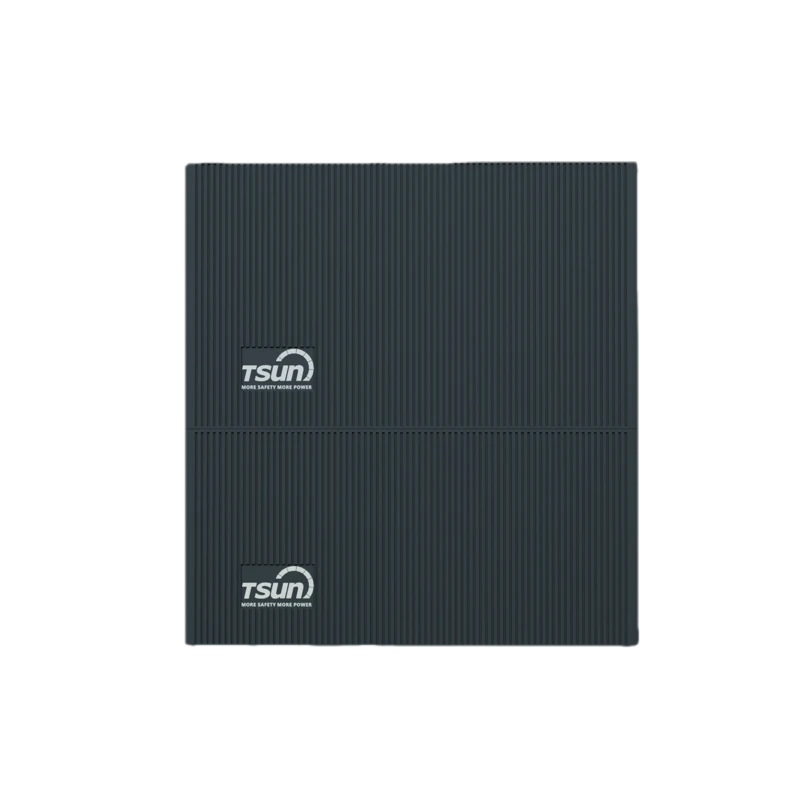
Energy storage is a pivotal component of modern smart energy management. It allows for the capture and storage of excess energy generated from renewable sources like solar and wind. This stored energy can then be used during peak demand periods, reducing reliance on the grid and lowering energy costs. Furthermore, energy storage systems like TSUN’s ESS solutions provide a reliable backup power source during outages, enhancing energy resilience.
Implementing Smart Energy Management: A Step-by-Step Approach
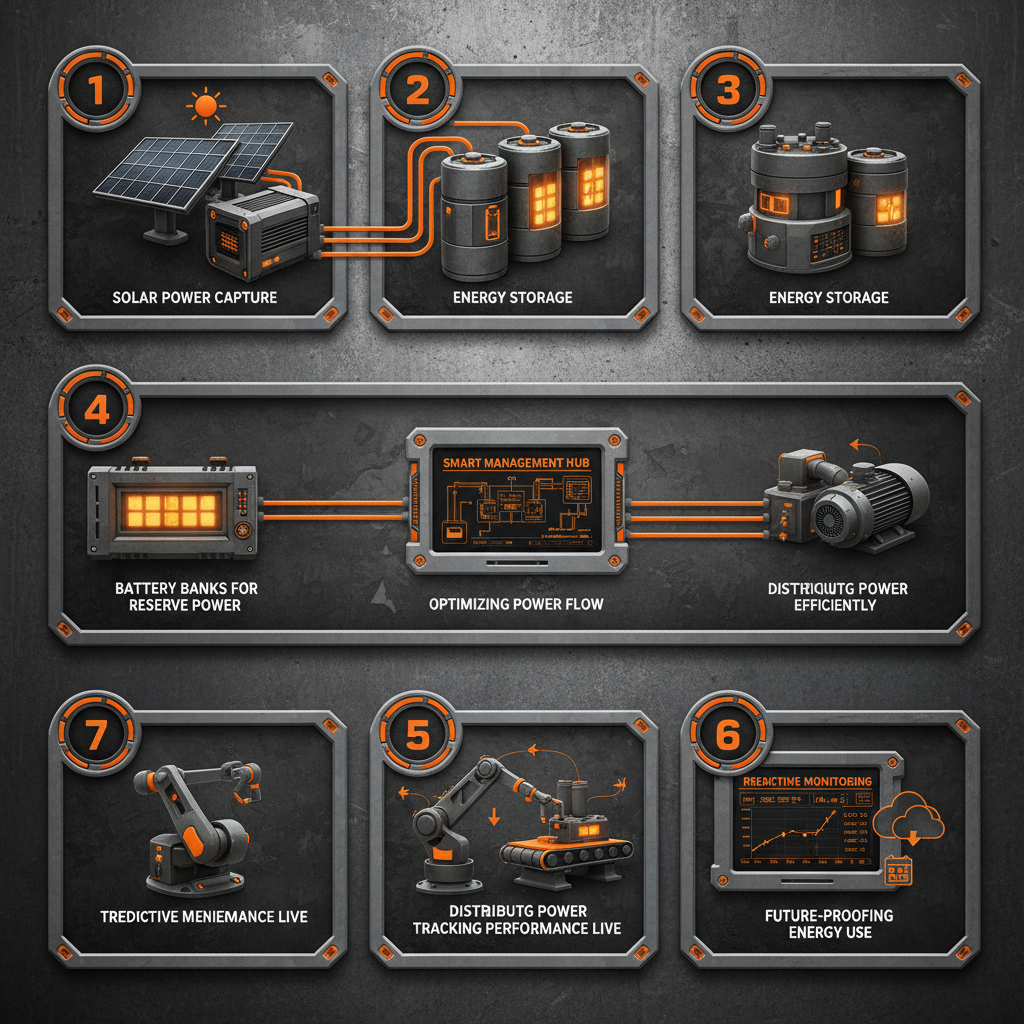
Implementing a successful smart energy management strategy requires a phased approach. First, conduct an energy audit to identify areas of inefficiency. Next, select and install appropriate technologies, such as smart meters and sensors. Then, integrate these technologies with a data analytics platform to monitor and optimize energy usage. Finally, consider incorporating energy storage solutions for increased resilience and cost savings. TSUN Energy provides comprehensive solutions and expertise to guide you through this process.
Conclusion: Embracing a Smarter Energy Future
Smart energy management is more than just a trend; it’s a fundamental shift in how we generate, distribute, and consume energy. By embracing these technologies and strategies, we can create a more sustainable, resilient, and cost-effective energy future. TSUN Energy is committed to providing innovative energy storage solutions that empower businesses and homeowners to take control of their energy consumption and contribute to a greener planet.
Frequently Asked Questions (FAQs)
What is the typical ROI for implementing a smart energy management system?
The return on investment (ROI) for a smart energy management system varies depending on the scale of implementation and specific energy usage patterns. However, many businesses and homeowners experience significant cost savings within 2-5 years. These savings are achieved through reduced energy consumption, lower peak demand charges, and increased energy efficiency. The incorporation of energy storage, like TSUN’s energy storage systems, can further accelerate ROI by enabling self-consumption of renewable energy and reducing reliance on the grid. A comprehensive energy audit is essential to determine the potential ROI for your specific situation.
How does smart energy management contribute to sustainability?
Smart energy management plays a crucial role in promoting sustainability by reducing energy waste and facilitating the integration of renewable energy sources. By optimizing energy consumption and minimizing reliance on fossil fuels, it lowers carbon emissions and mitigates climate change. Energy storage systems enable the use of intermittent renewable sources like solar and wind, ensuring a reliable and sustainable energy supply. Ultimately, smart energy management empowers individuals and organizations to reduce their environmental footprint and contribute to a more sustainable future.
Is smart energy management suitable for all types of buildings?
Yes, smart energy management can be tailored to suit buildings of all types and sizes, from residential homes to large commercial and industrial facilities. The specific technologies and strategies implemented will vary depending on the building’s energy profile, occupancy patterns, and operational requirements. Even small-scale implementations, such as smart thermostats and lighting controls, can yield significant energy savings. For larger buildings, a comprehensive Building Management System (BMS) can provide centralized control and optimization of all energy-consuming systems.



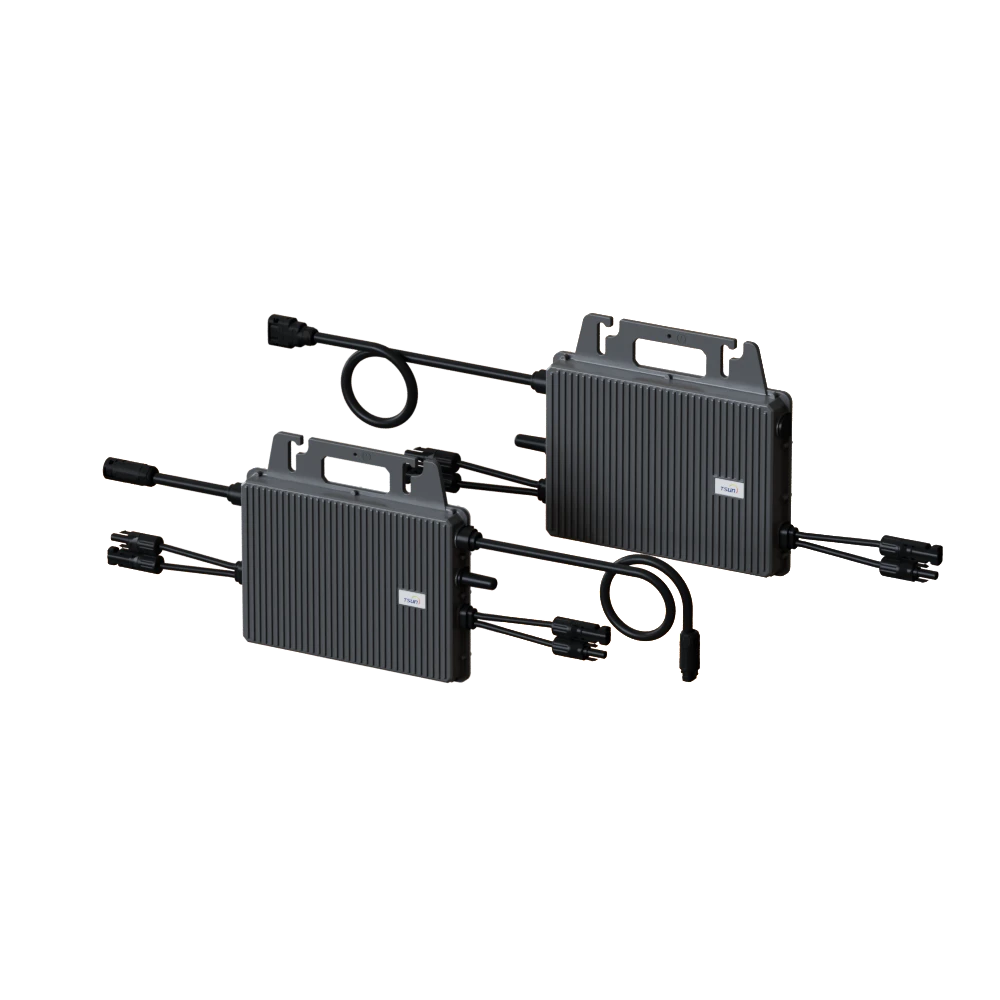
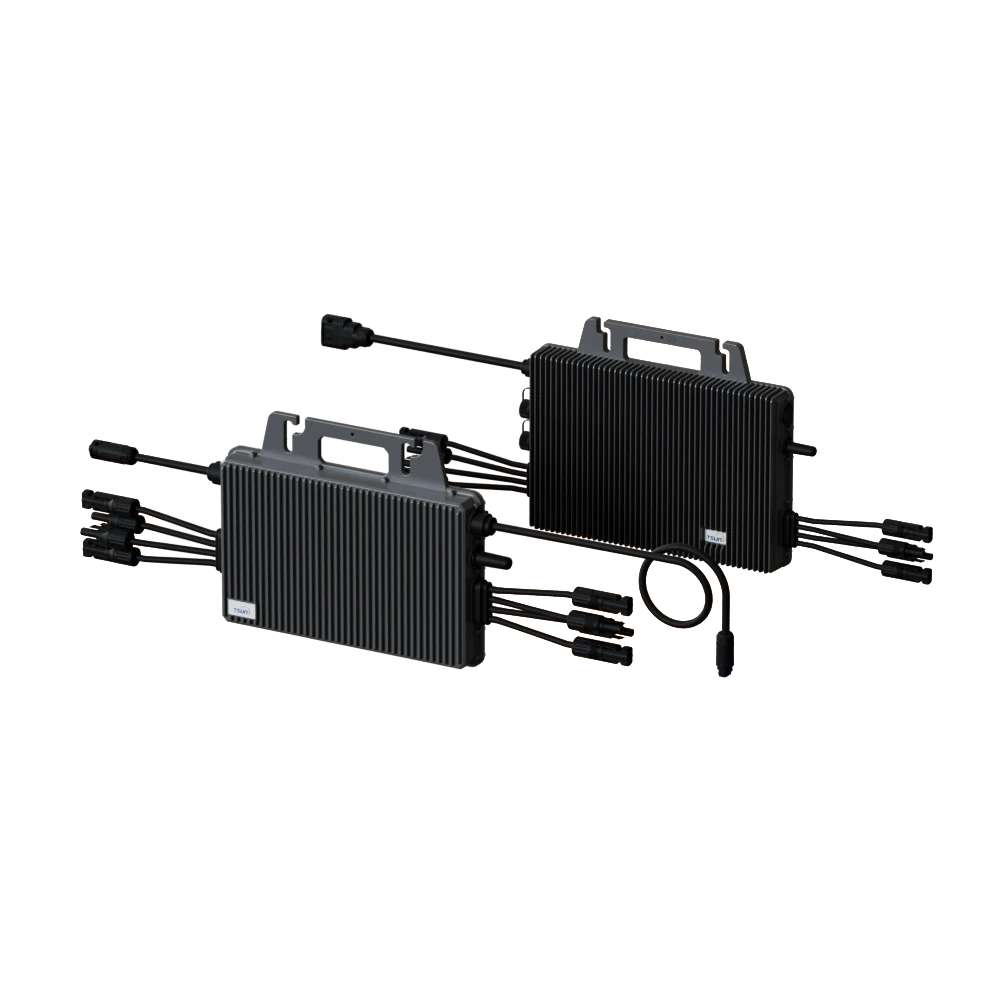
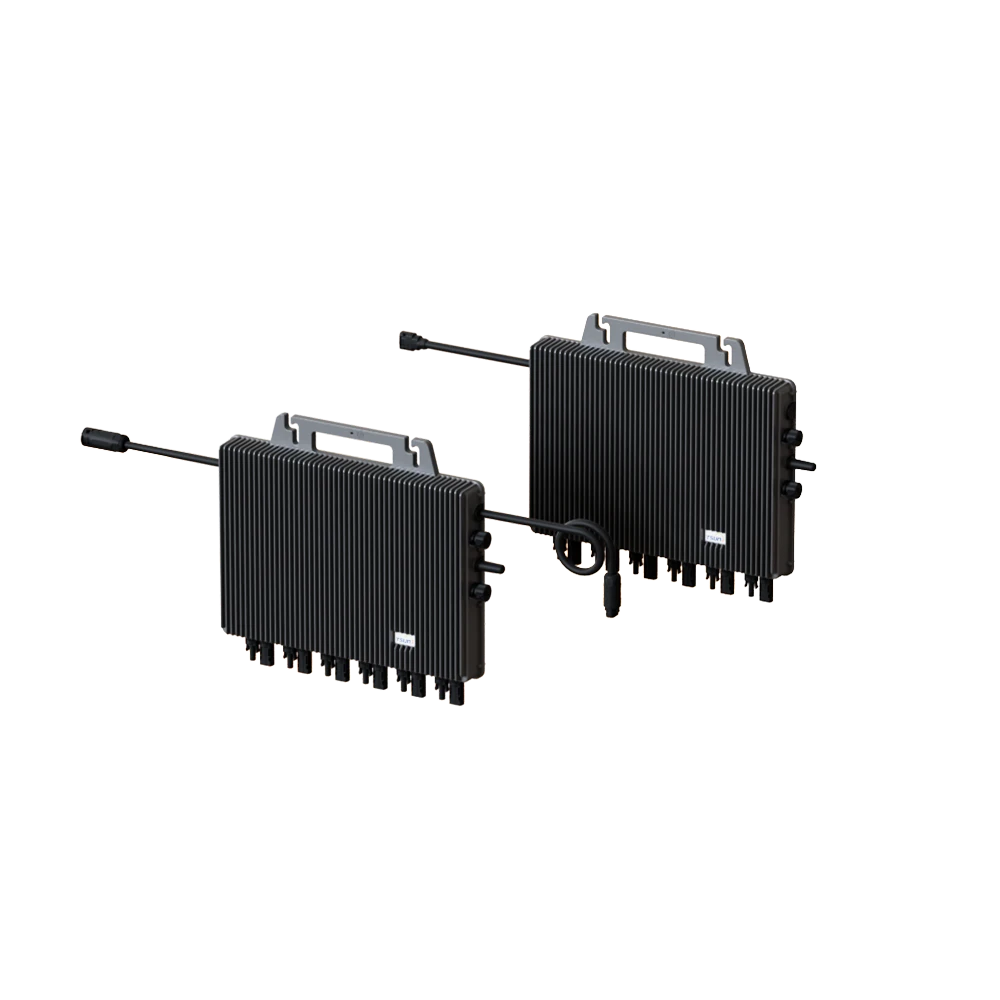




 LEARN DETAILS
 Downloads
 Video Center
 Report Fault for Repair
 FAQS
FAQS Service Network
 Privacy Policy
 Contact Us
 Monitoring


 LEARN MORE