





 LEARN DETAILS
 Downloads
 Video Center
 Report Fault for Repair
 FAQS
FAQS Service Network
 Privacy Policy
 Contact Us
 Monitoring

If you've ever looked at your monthly electric bill, reviewed a quote for a home solar system, or checked the spec sheet for a microinverter, you've definitely seen the terms kW and kWh. They look almost identical, but mixing them up is the most common mistake homeowners make when planning their energy setups.
Understanding the difference between kW and kWh is crucial. It helps you estimate your electricity costs, correctly size your balcony solar system, and choose the right home battery storage. In simple terms: kW tells you how much power is flowing at a single moment, while kWh tells you the total amount of energy consumed (or generated) over time.
The Quick Answer: Power vs. Energy
The main difference is that kW measures power, while kWh measures energy. A kilowatt (kW) shows how fast electricity is being used or produced *right now*. A kilowatt-hour (kWh) shows the total amount of electricity that has been consumed or generated over a specific period. For example, a 1kW solar panel array running in perfect sunlight for one hour generates exactly 1kWh of energy.
💧 The Water Analogy: The Easiest Way to Remember
Imagine a hose filling up a bucket with water.
- kW (Power) is the water pressure: It’s how fast the water is flowing out of the hose at any given second.
- kWh (Energy) is the water in the bucket: It’s the total volume of water you have collected after leaving the hose running for a while.
A high-pressure hose (high kW) can fill a bucket (kWh) very quickly. A low-pressure hose (low kW) will take much longer to fill the same bucket.
What Is kW (Kilowatt)?
kW stands for kilowatt, and one kilowatt equals 1,000 watts. It measures the rate of power consumption or output at a specific, frozen moment in time.
For instance, if your electric oven is rated at 2.5kW, it requires 2.5 kilowatts of power to run. On the generation side, if a microinverter has a 4kW output rating, it is capable of pushing up to 4 kilowatts of solar power into your home's grid simultaneously.
You'll often see kW used for:
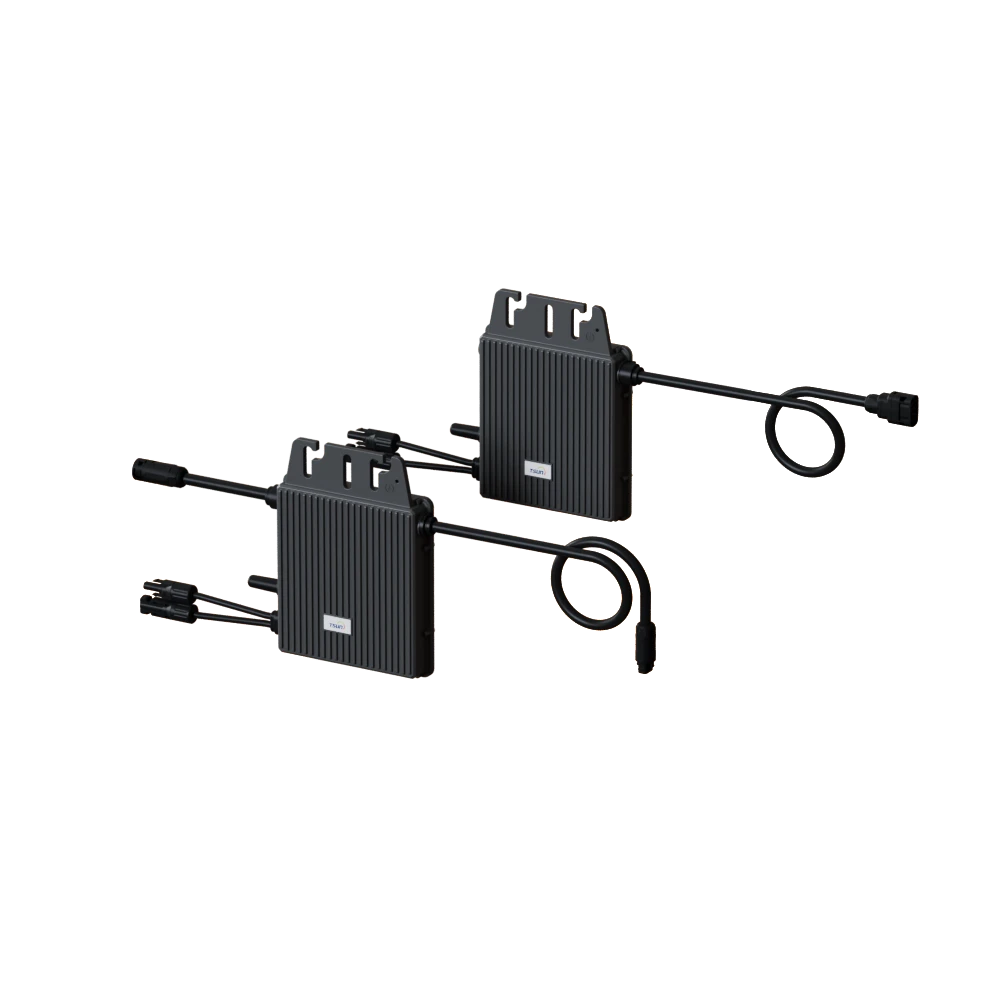
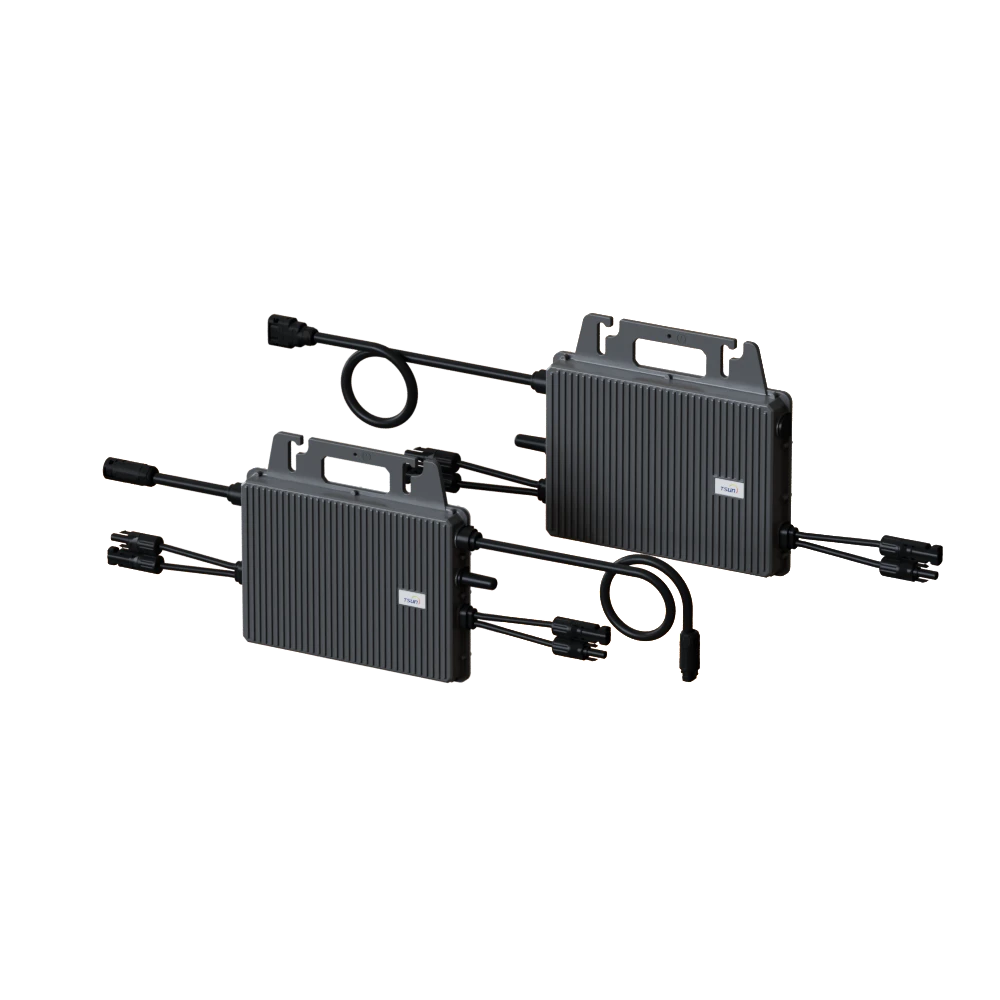
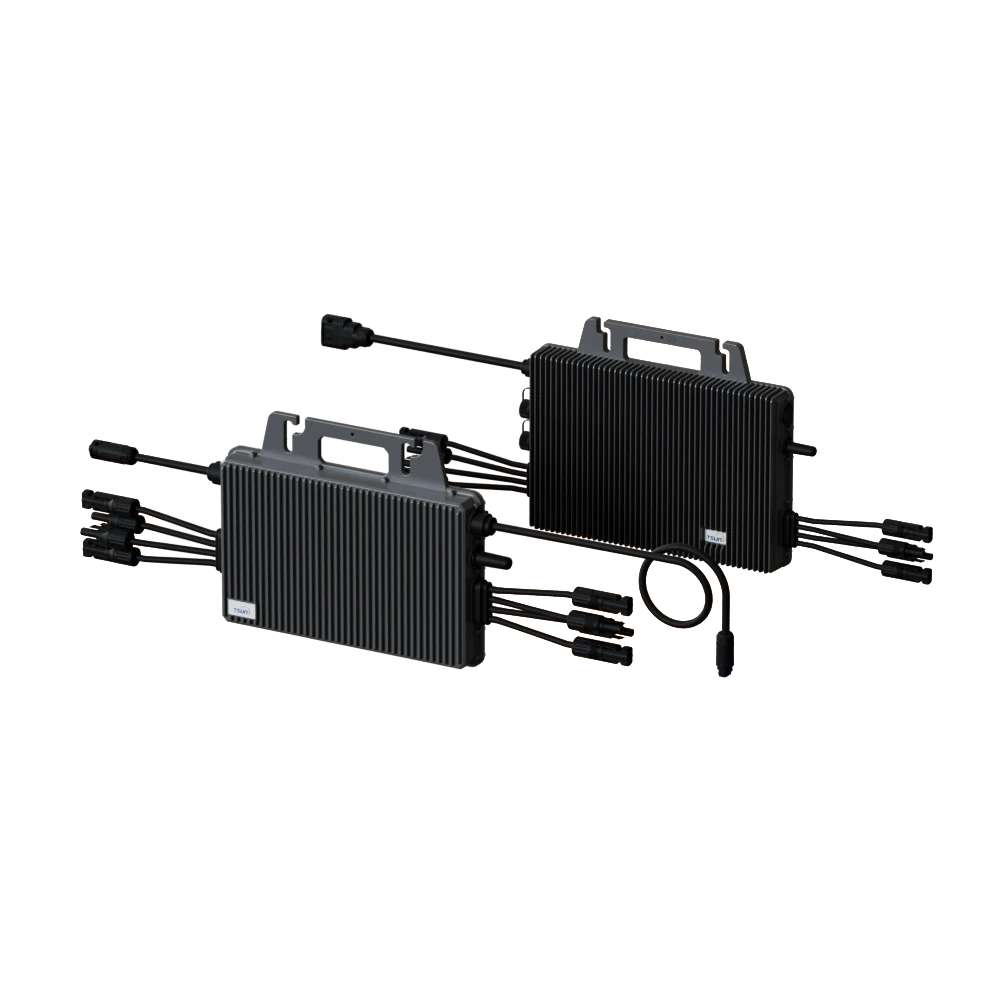
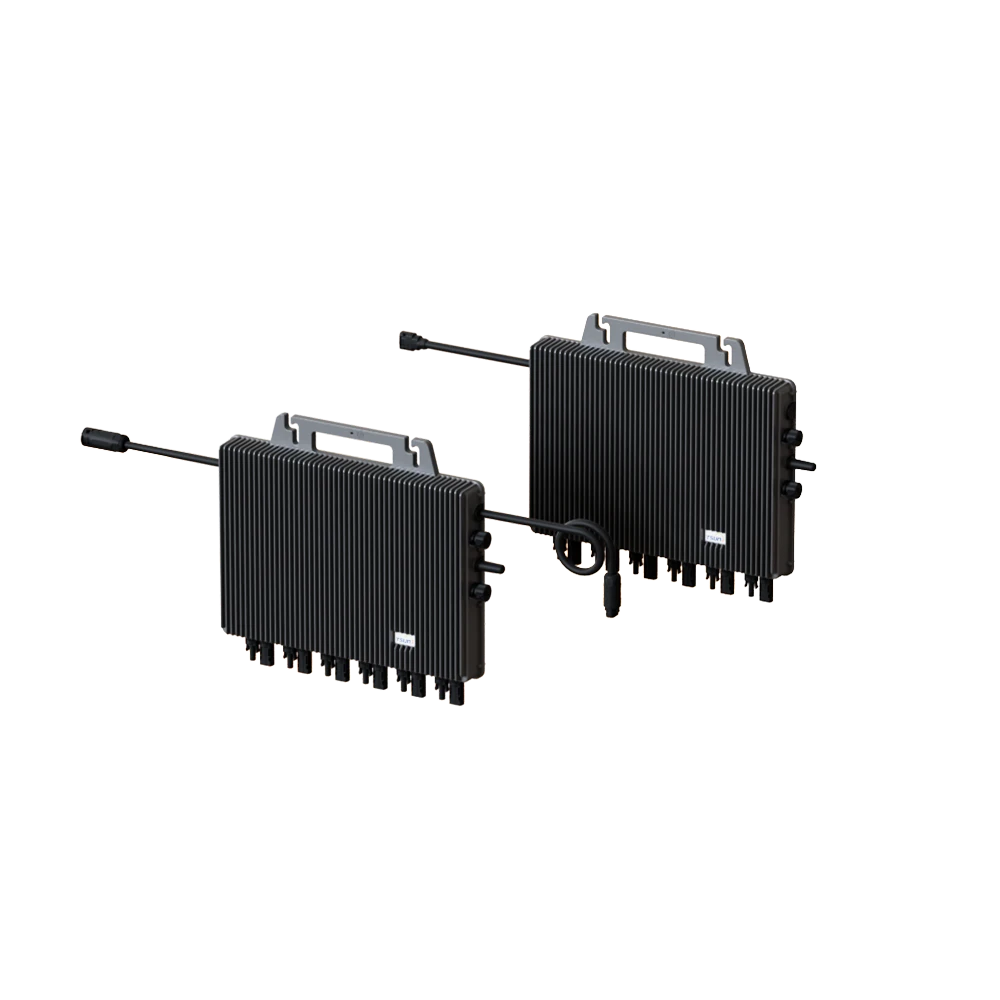
- Microinverter Output: The maximum AC power a microinverter can deliver to your home.
- Solar Panel Capacity: The peak power a panel can generate under ideal conditions (e.g., a 400W or 0.4kW panel).
- Appliance Ratings: The power required to turn on heavy loads like AC units, heaters, and EVs.
In short, kW answers the question: How much power is moving right now?
What Is kWh (Kilowatt-Hour)?
kWh stands for kilowatt-hour. It measures the total energy used (or generated) over time, and it is the exact metric you see on your utility bill.
If your electric bill says you used 450kWh in a month, your utility company will multiply that 450 by your electricity rate (e.g., €0.30 per kWh) to calculate your final charge.
A kWh combines power (kW) and time (hours). A high-power appliance might not consume much total energy if it only runs for two minutes (like a toaster). Conversely, a lower-power device can use a massive amount of total energy if left on 24/7 (like a refrigerator or an old desktop computer).
Ultimately, kWh answers the question: How much total electricity was used or generated?
How to Calculate and Convert kW and kWh
The basic formula to link these two metrics is incredibly simple:
kWh = kW × Hours
Simply multiply the power rating of the device by the amount of time it runs. For example, if a 1.5kW space heater runs for 4 hours:
1.5kW × 4 hours = 6kWh
Calculating Solar Generation:
You can use the exact same math for your solar setup. If your balcony solar system has a microinverter consistently outputting 0.8kW (800W) on a sunny day, and it runs at that peak for 5 hours:
0.8kW × 5 hours = 4kWh of free energy generated!
Why kW and kWh Matter for Solar & Storage
When you are investing in home energy, you must evaluate both metrics to avoid bottlenecking your system. They tell you two completely different things about your equipment.
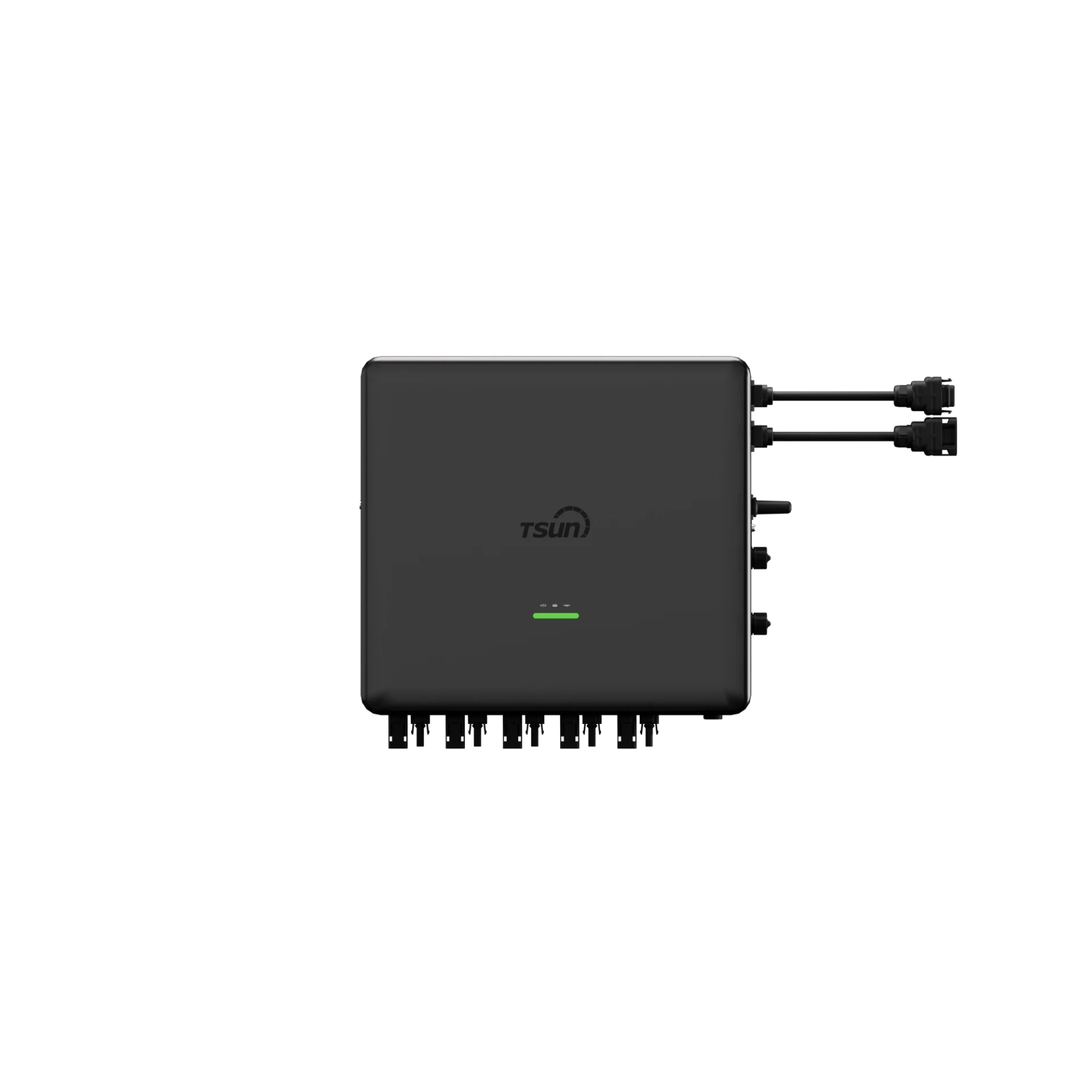
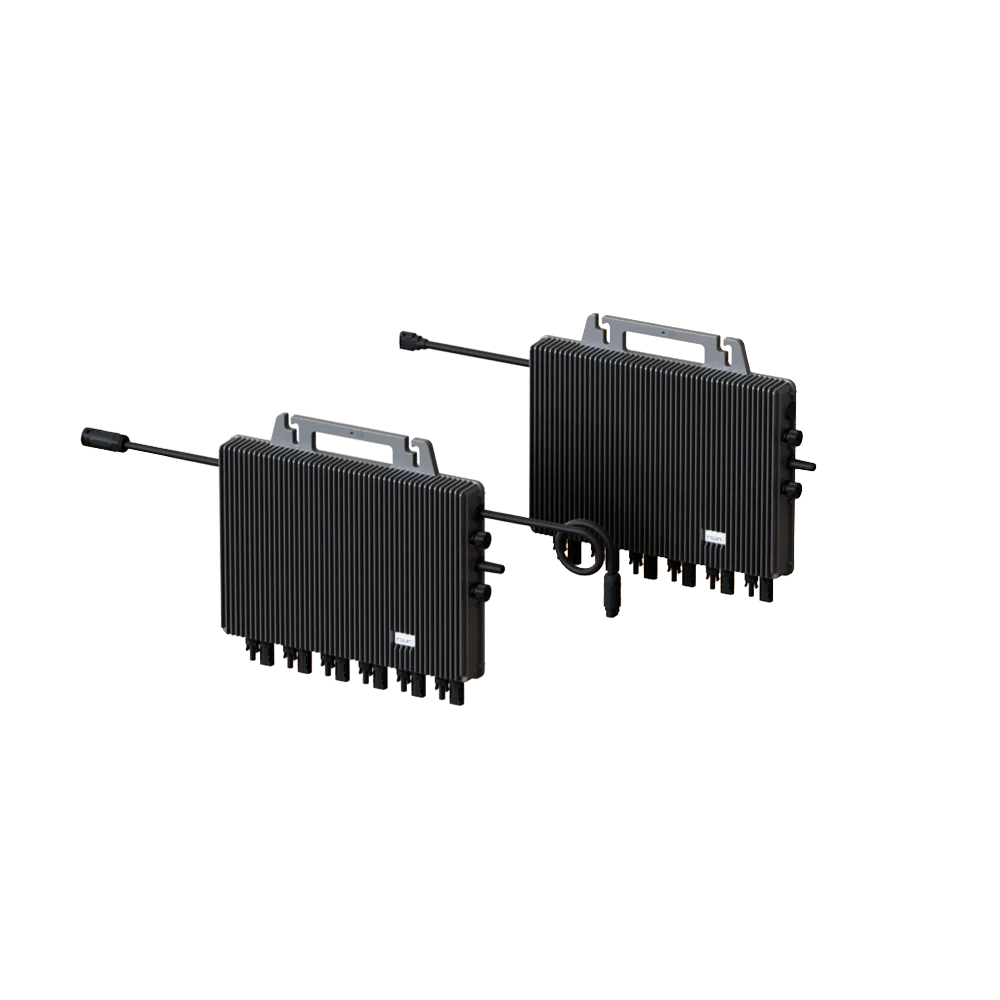
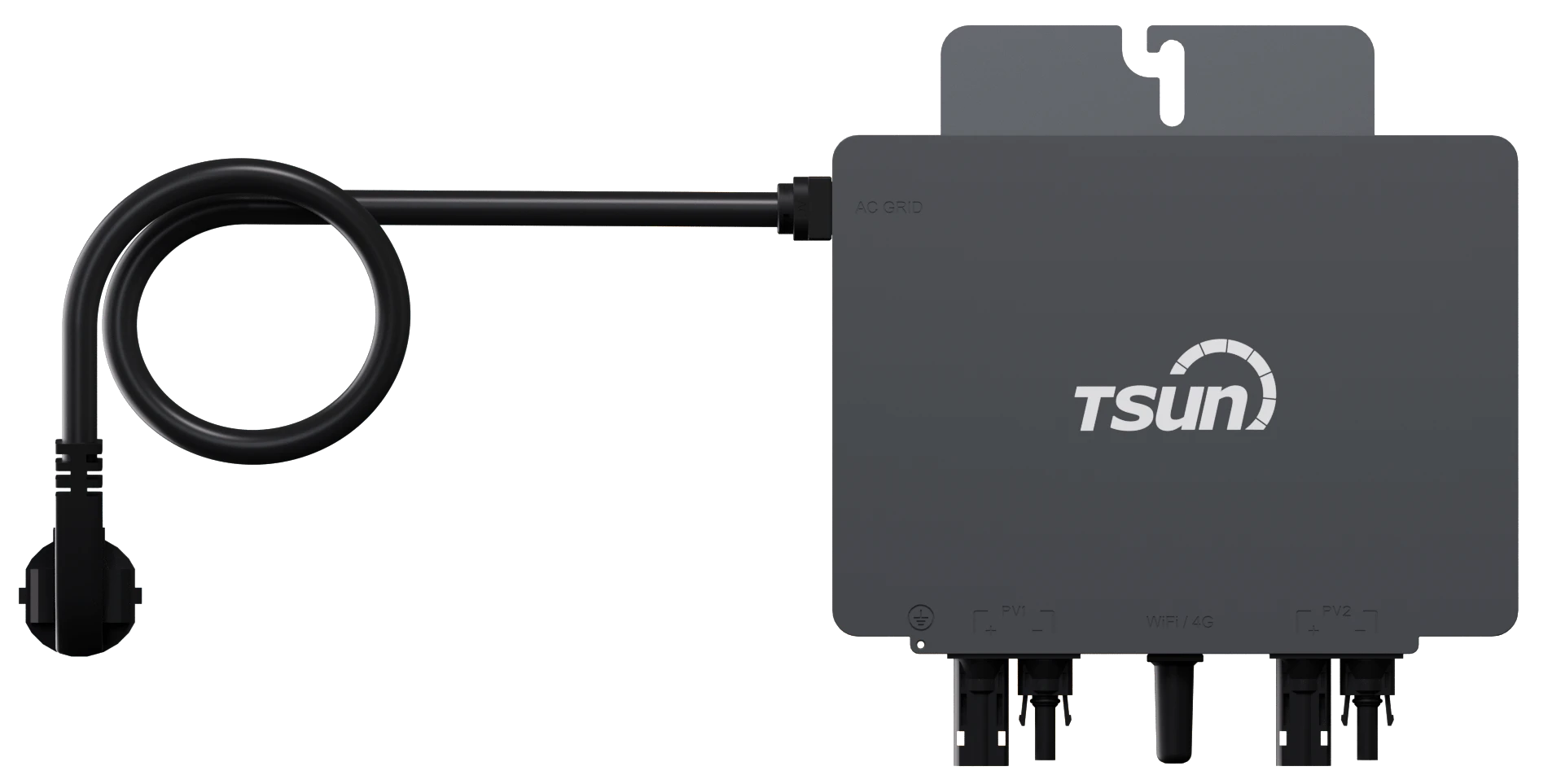
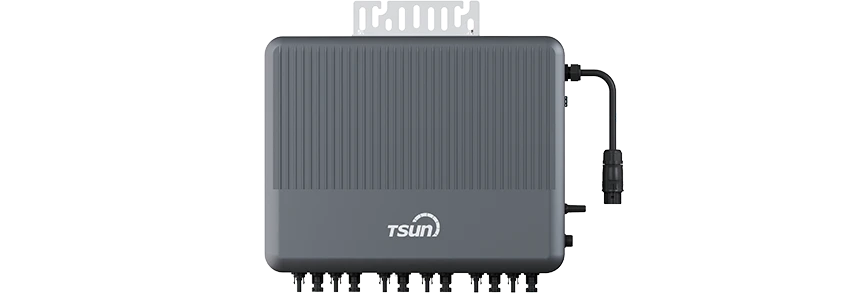
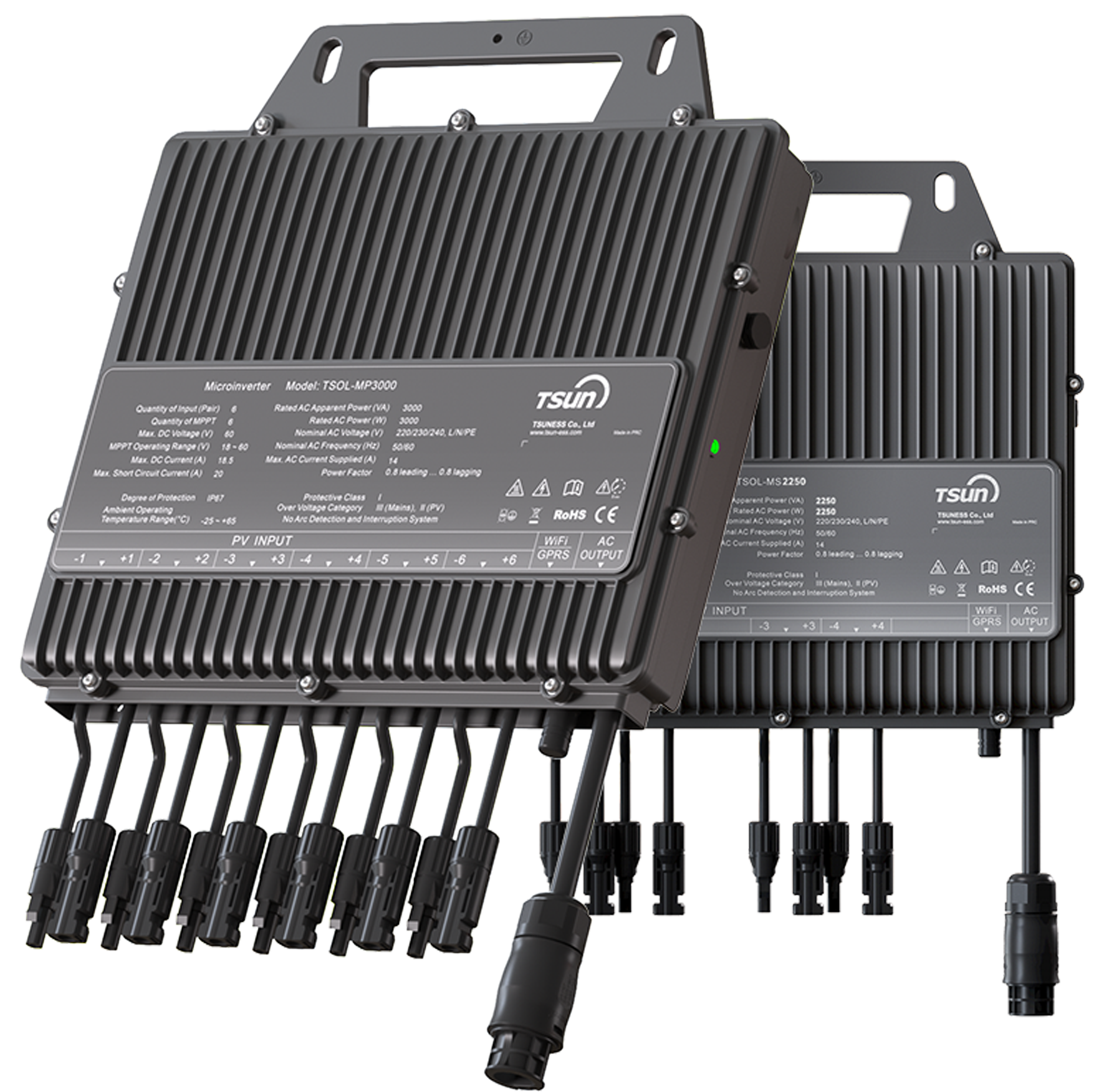
Microinverters (The kW Engine): When you buy a microinverter, you are buying Power (kW). If you have four 500W solar panels (2000W total), you need a microinverter with a high enough kW rating to handle that energy without heavily clipping it.
Home Batteries (The kWh Bucket): When you buy an energy storage unit, you are buying Capacity (kWh). A higher kWh rating means the battery can store more of your excess daytime solar energy to power your home through the night.
Top TSUN Solution: Mastering Capacity
Understanding kW and kWh makes comparing solar and storage options simple. A reliable home energy ecosystem needs enough kW output to handle your solar harvest, and enough kWh capacity to store it for when electricity rates spike. Here is a highly recommended TSUN solution to help you master your energy storage.
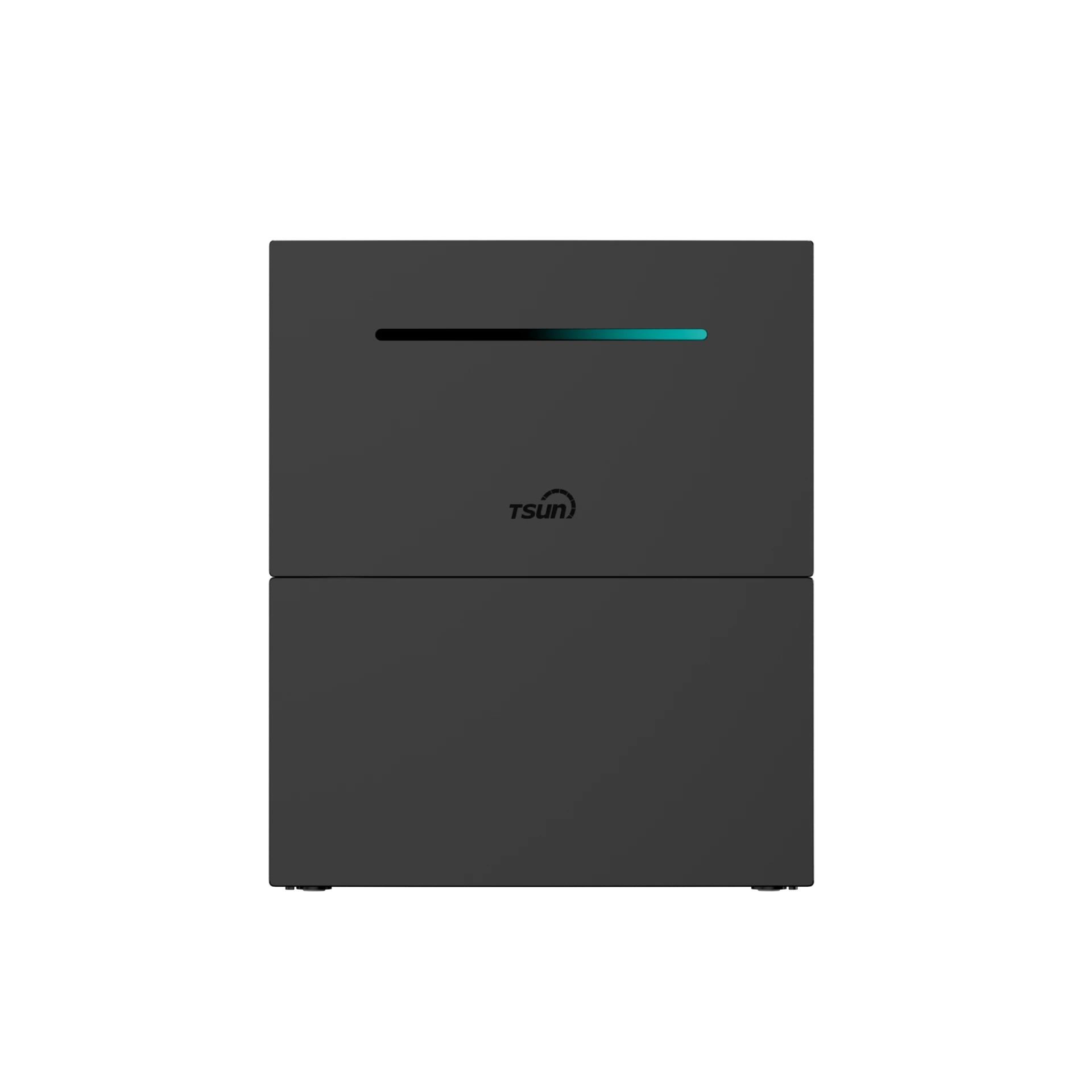
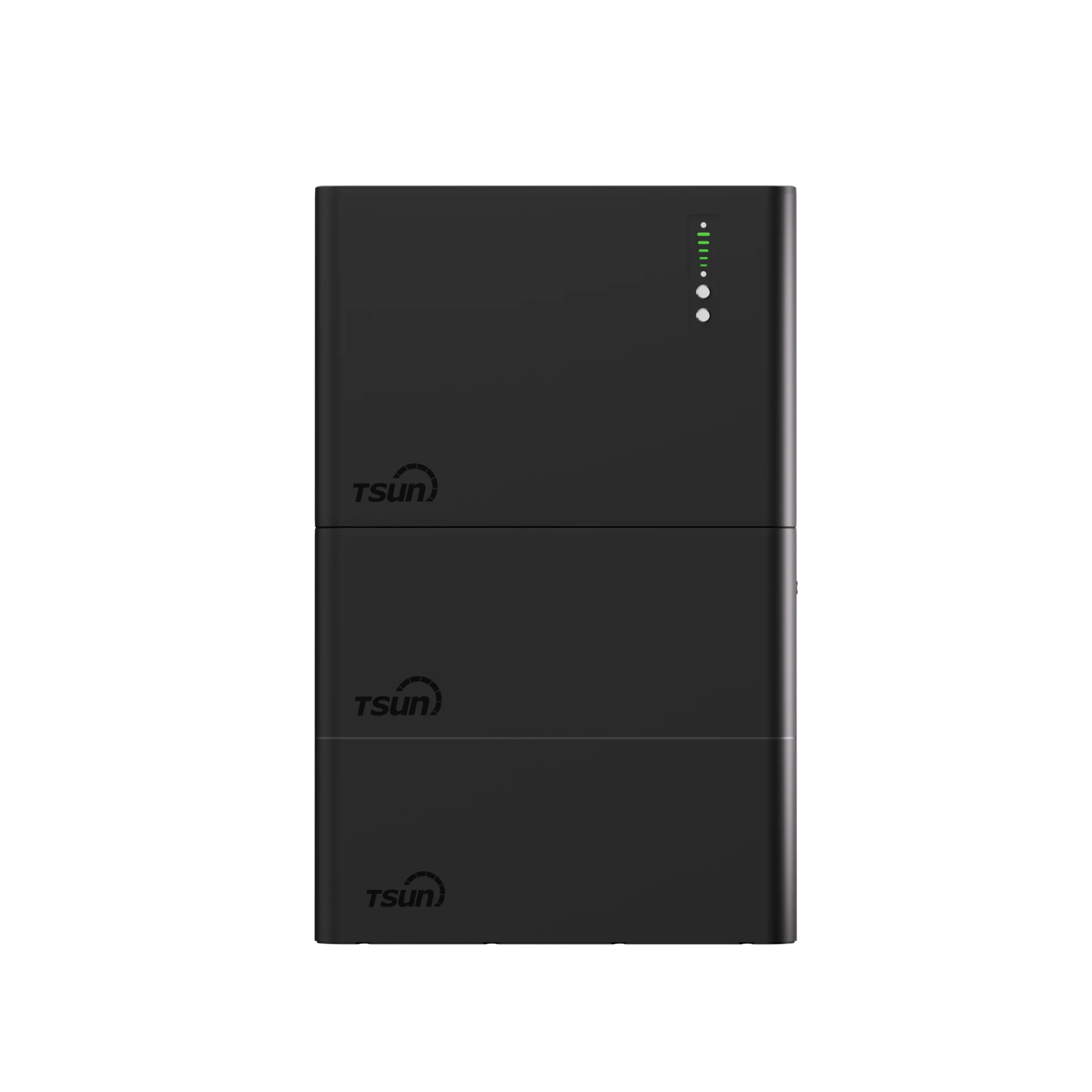
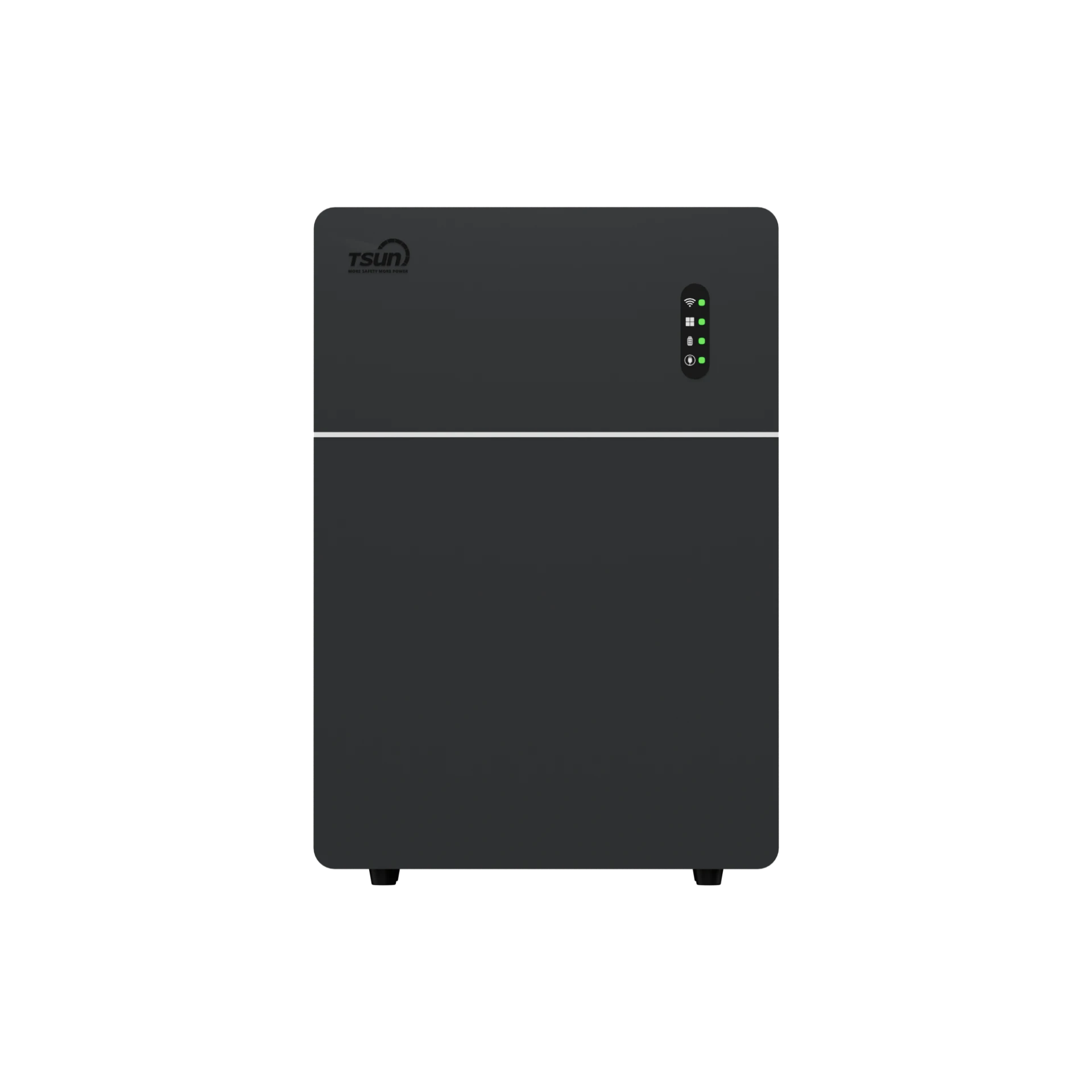
TSUN PowerTrunk (Smart kWh Storage)
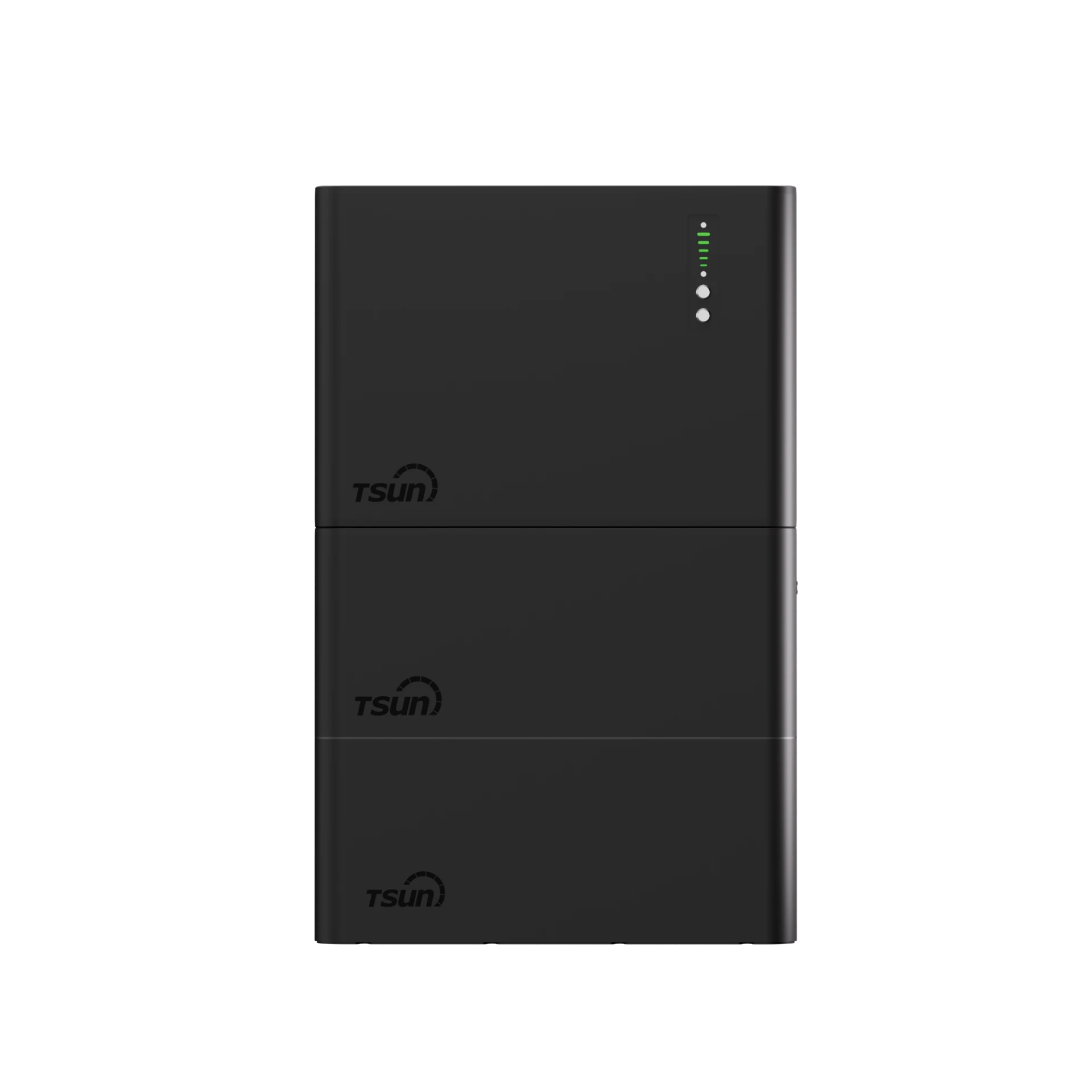
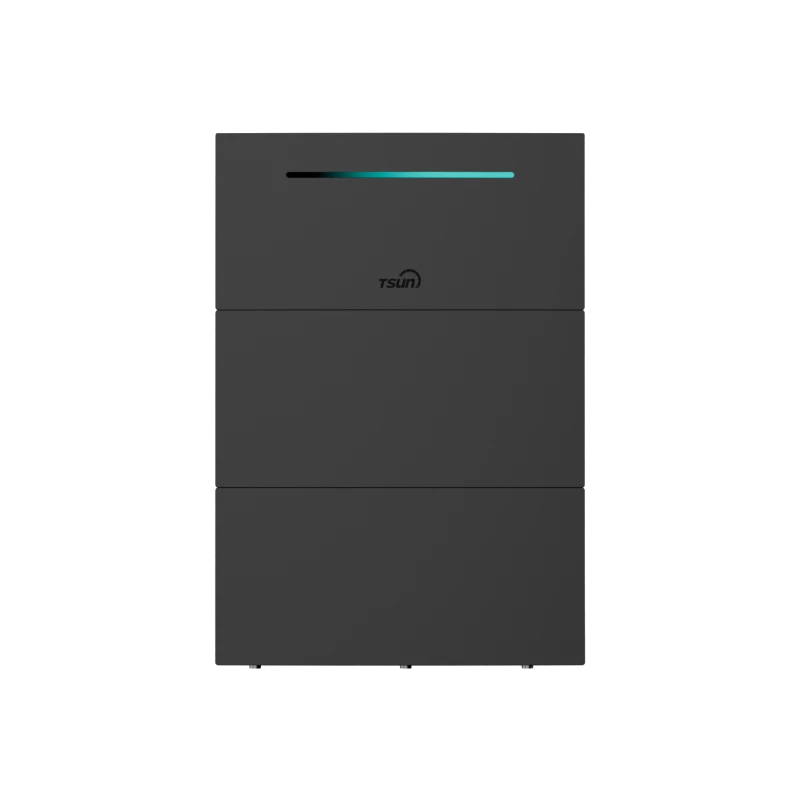
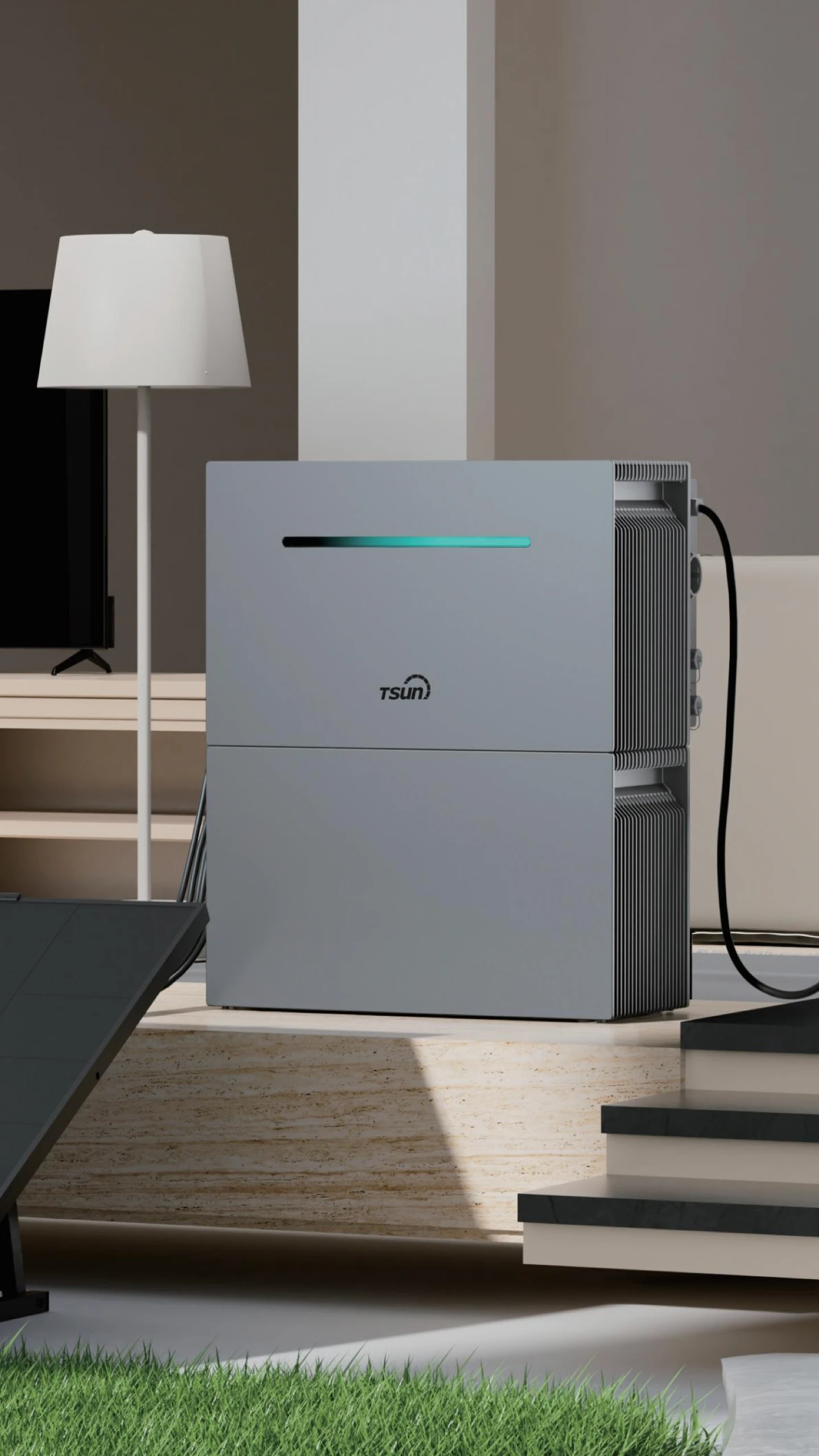
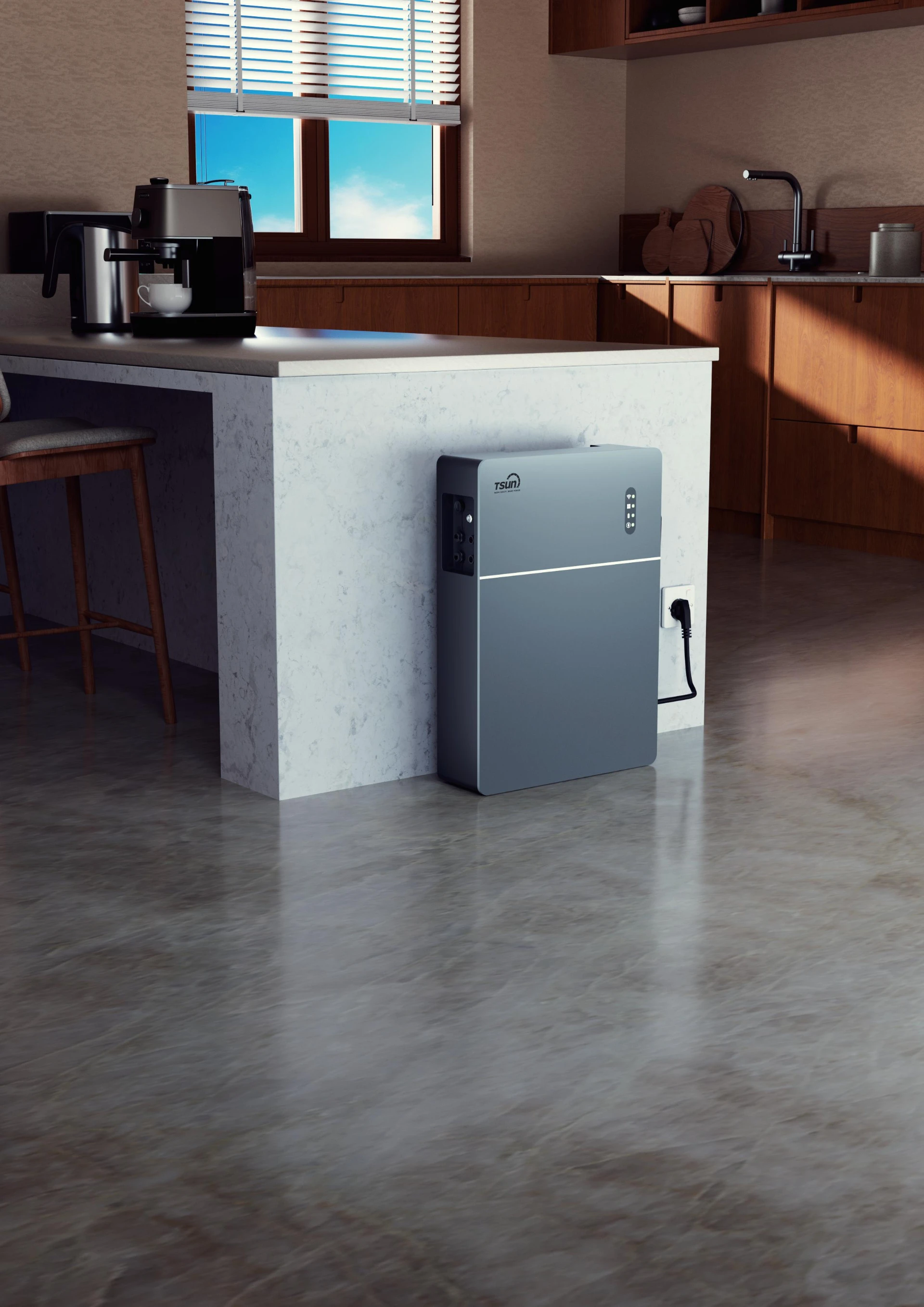
Generating power is great, but storing it changes everything. The TSUN PowerTrunk is a Micro AC-Coupled Unit that acts as your energy "bucket." It captures the excess kWh your panels generate during the day and stores it. Featuring an elegant plug-and-play design, it feeds that stored energy back into your home at night, maximizing your self-consumption and shrinking your utility bill.
Discover the PowerTrunk
 LEARN MORE