





 LEARN DETAILS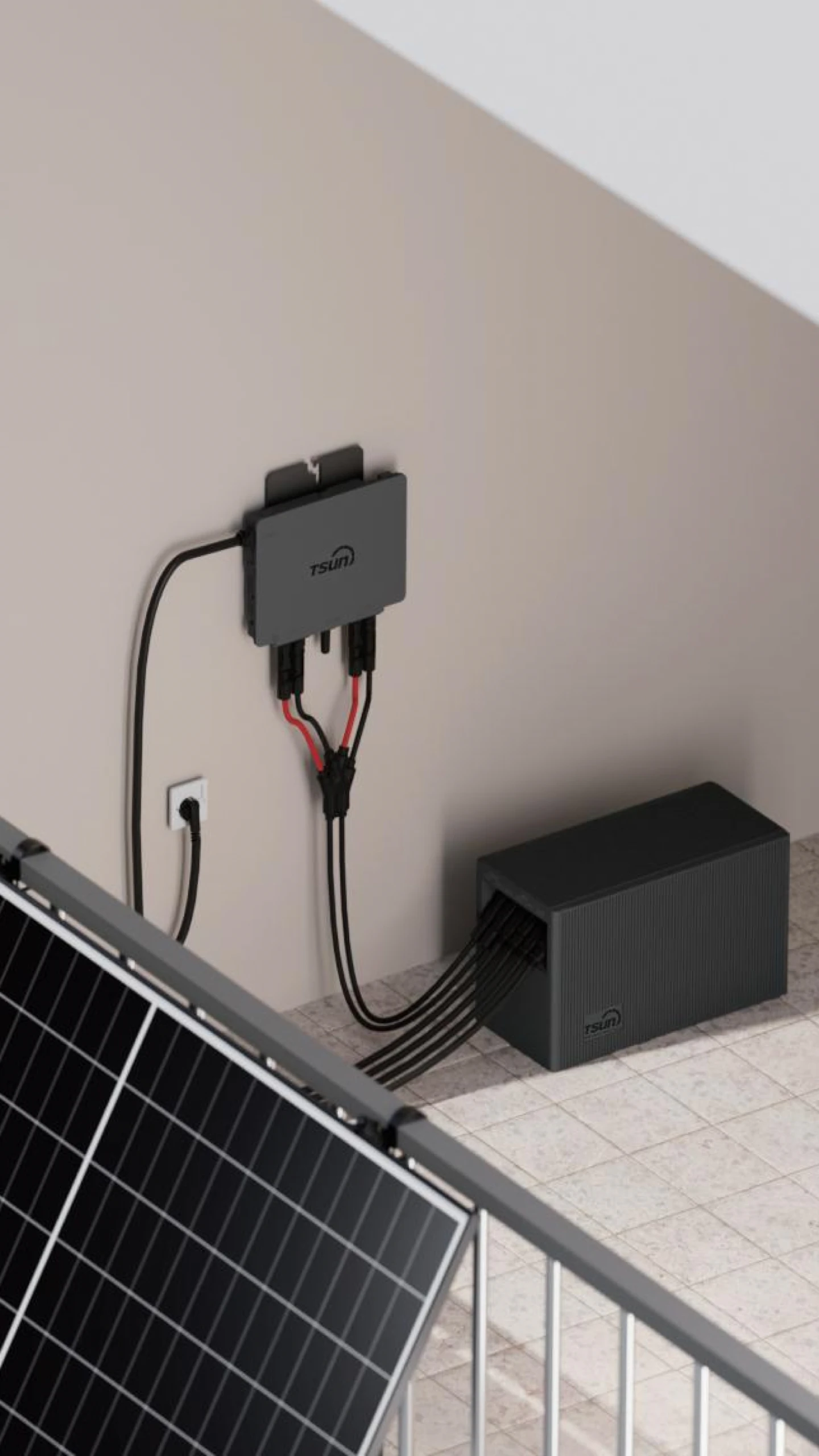
 Downloads
 Video Center
 Report Fault for Repair
 FAQS
FAQS Service Network
 Privacy Policy
 Contact Us
 Monitoring

A high-quality microinverter and energy storage system are the most important parts of any modern home solar build. They might not get as much aesthetic attention as sleek solar panels, but they directly impact energy yield, safety, grid compliance, and long-term system stability. If your energy conversion unit is low-quality or underpowered, even the most expensive photovoltaic (PV) panels will behave unpredictably.
This home energy power supply guide explains what microinverters and AC-coupled units do, how to estimate your wattage requirements, which grid connection features matter, and what technology is actually worth your investment. Whether you're building a budget balcony solar rig, upgrading a rooftop array, or adding energy storage to an aging setup, knowing how to choose the right power system can save you money on electricity bills and prevent future headaches.
What Is a Microinverter & AC-Coupled Unit, and Why Do They Matter?
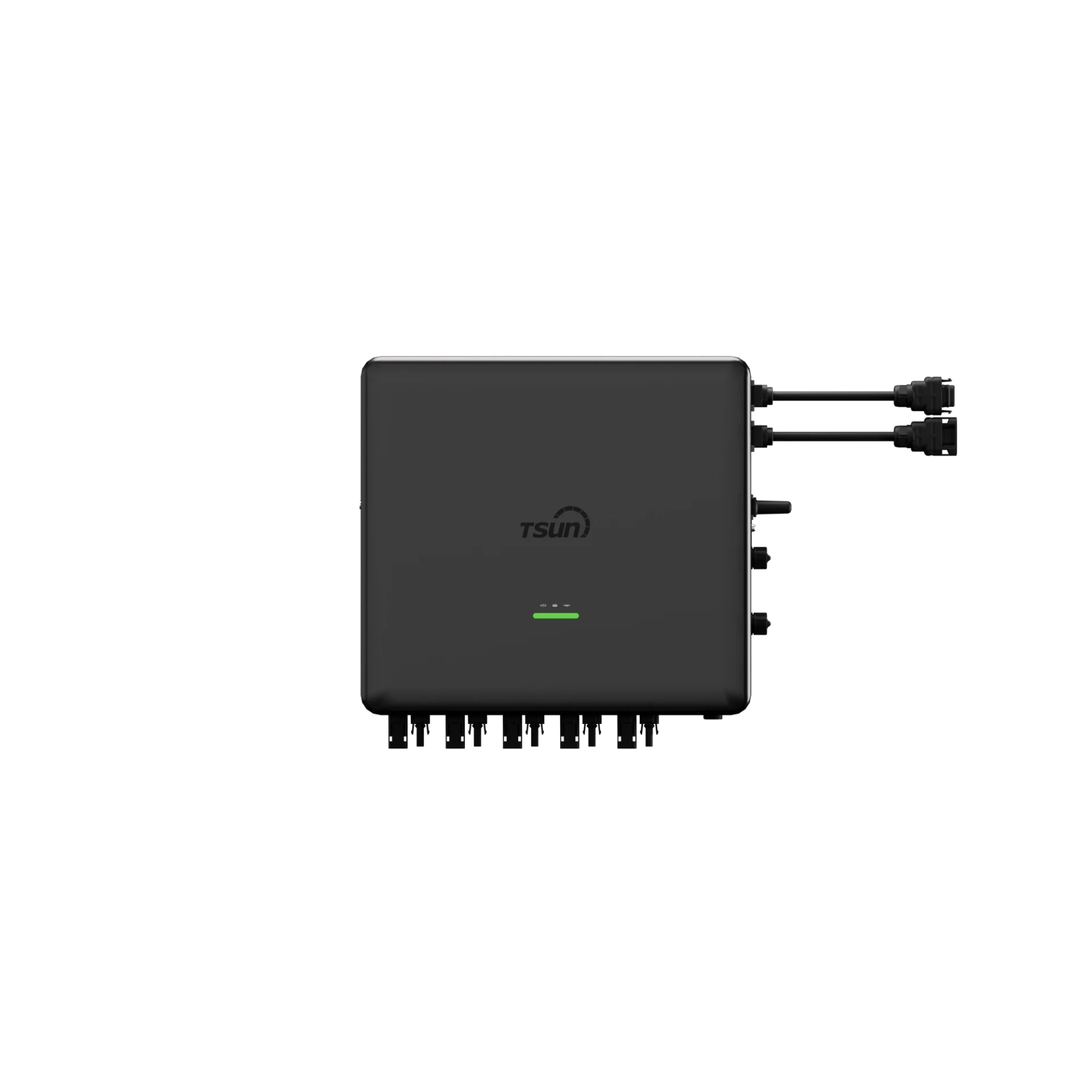
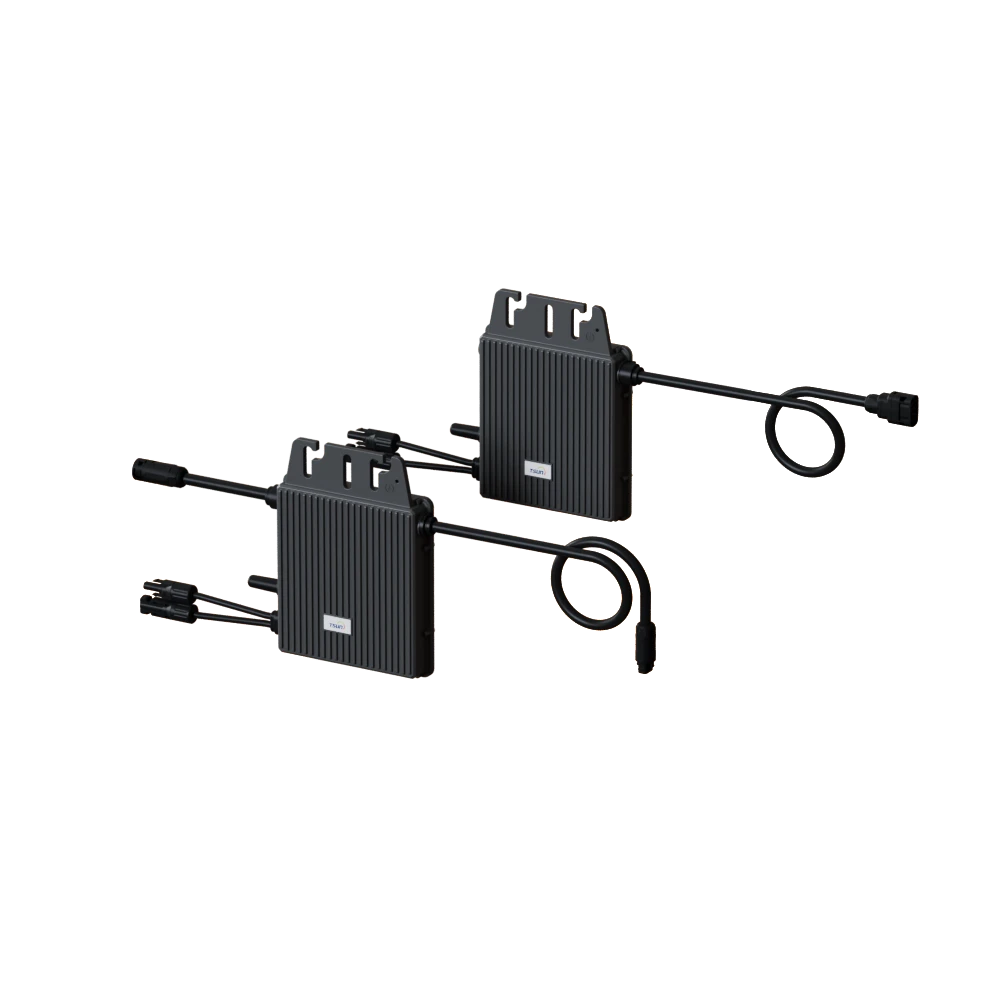
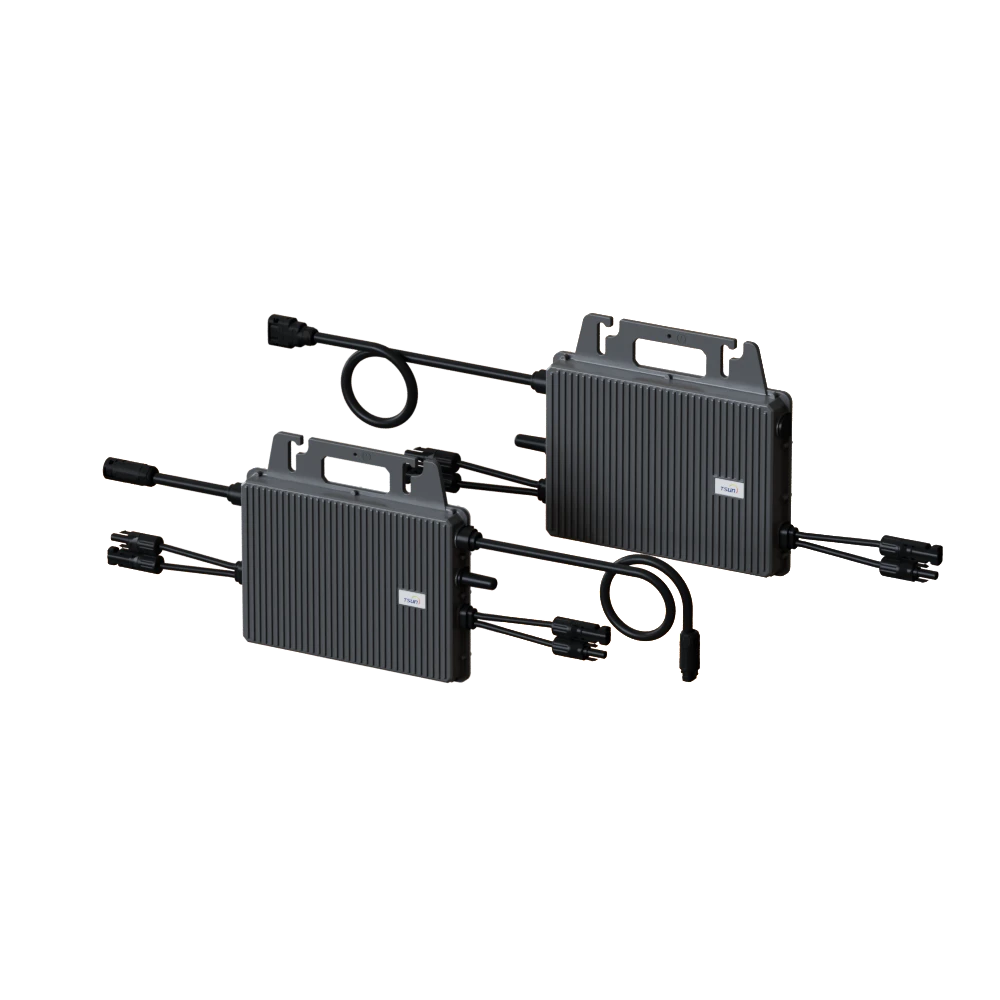
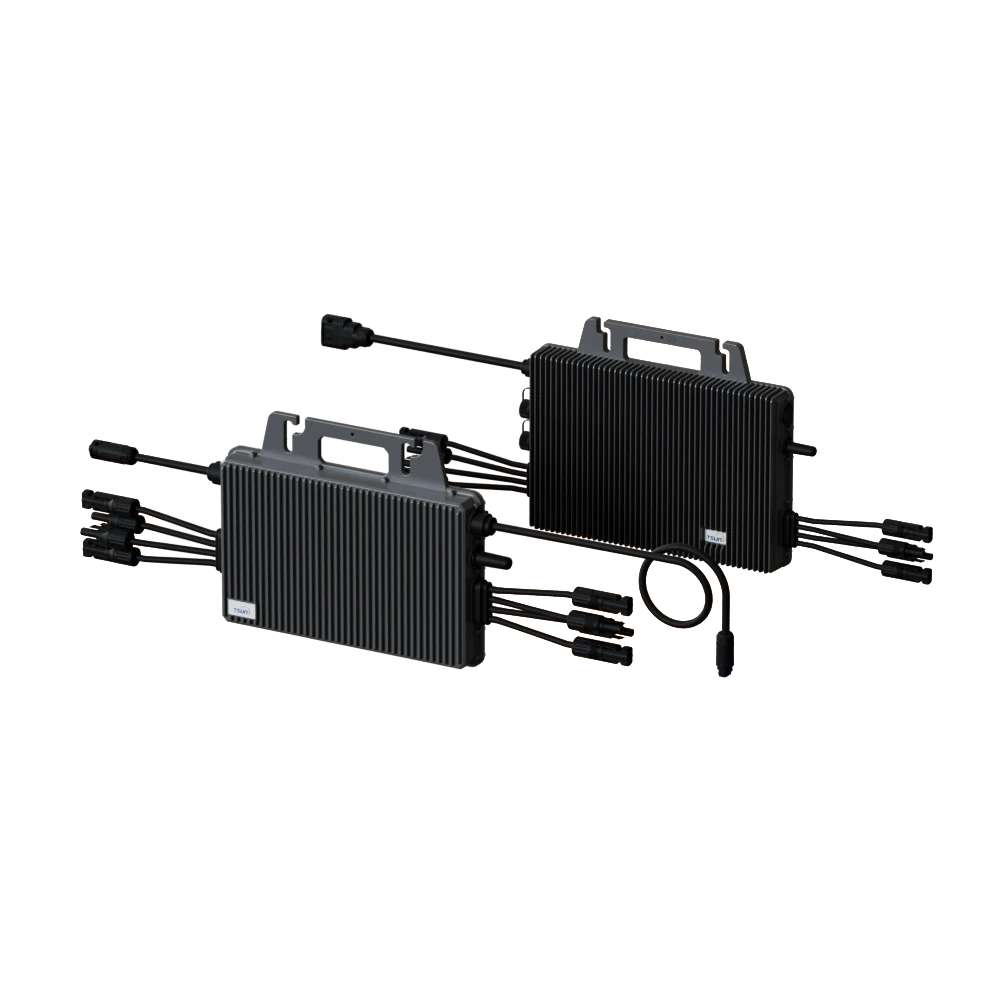
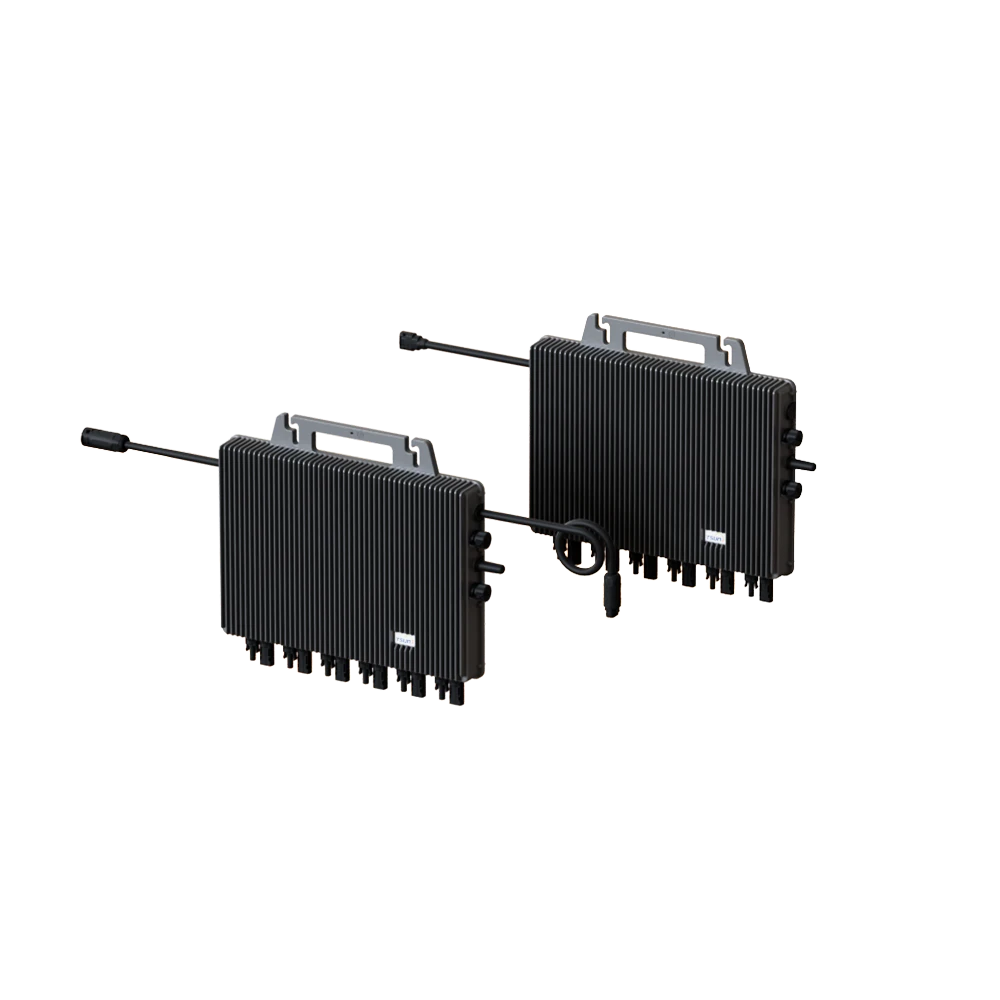
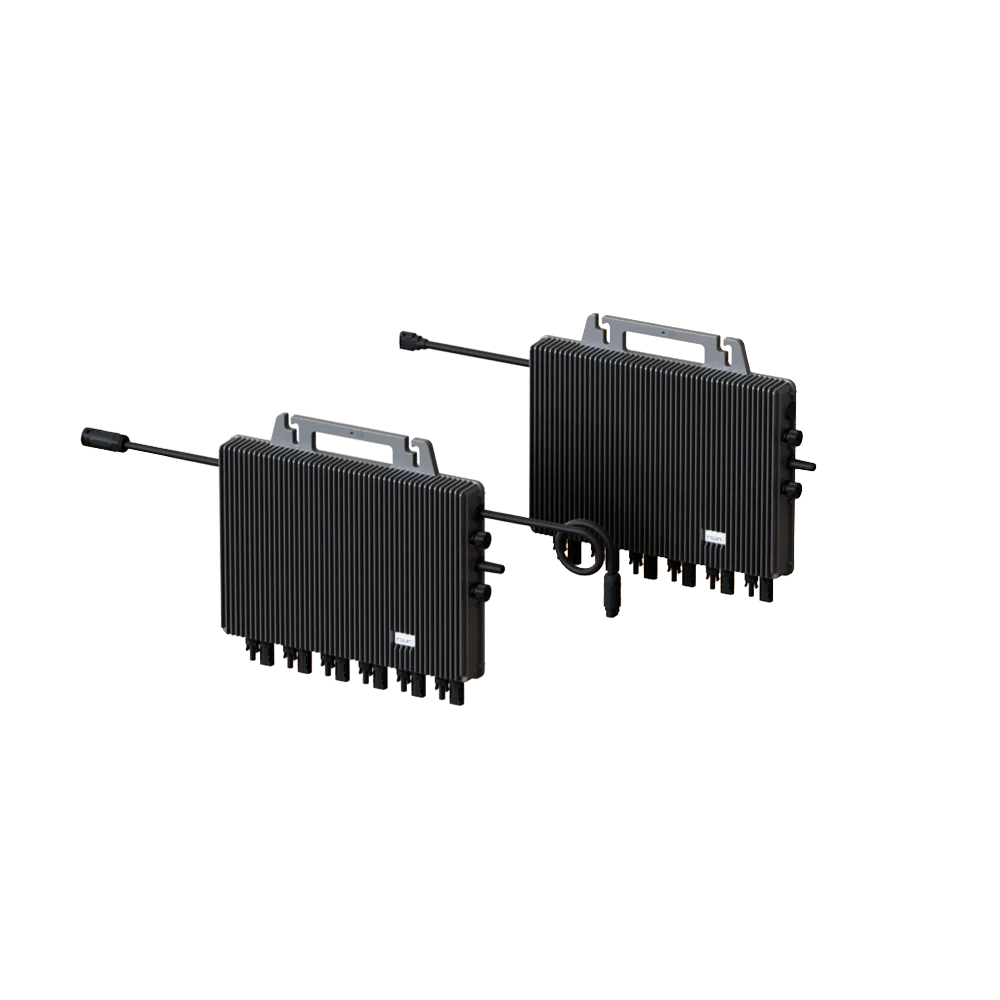
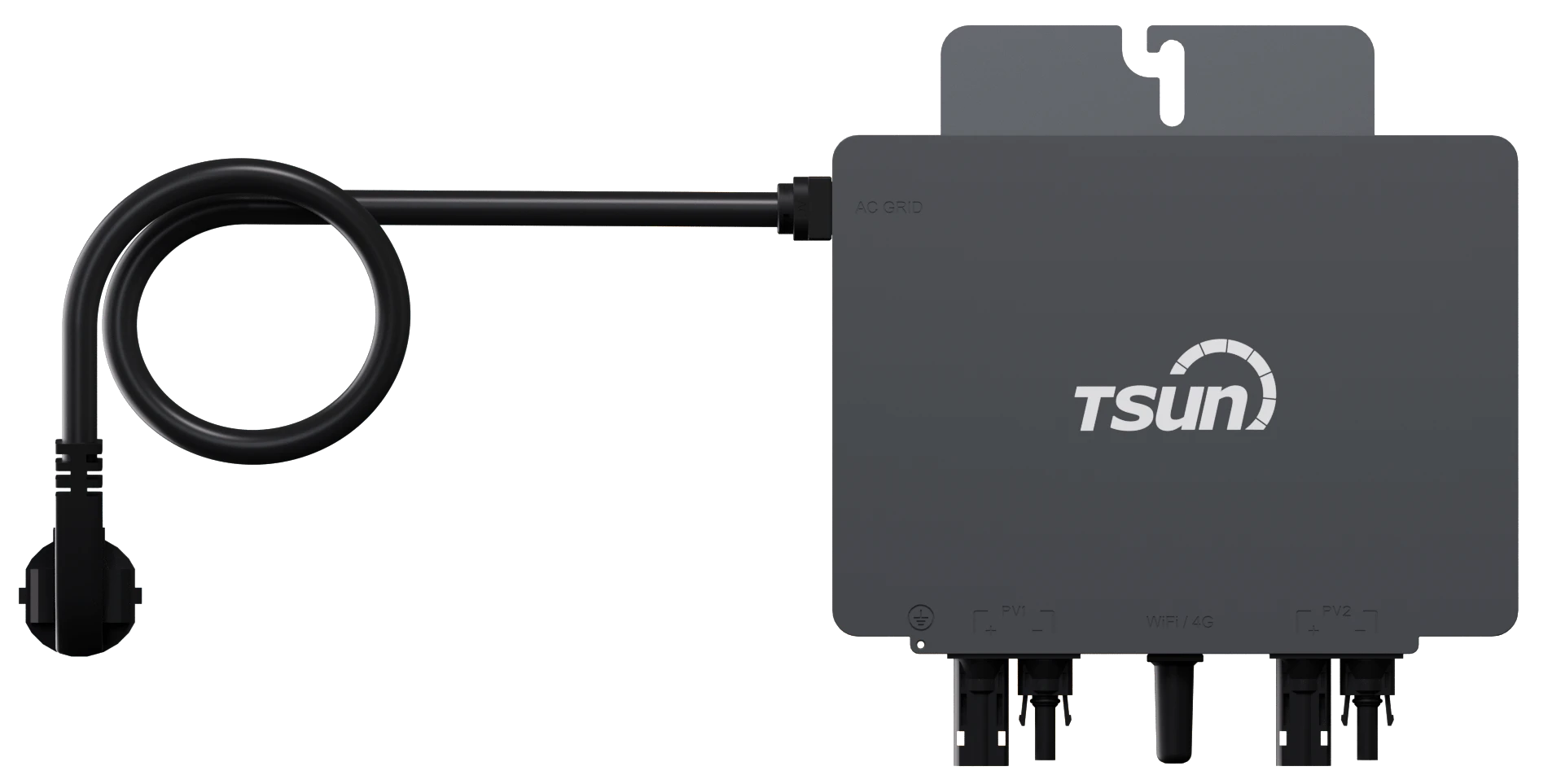
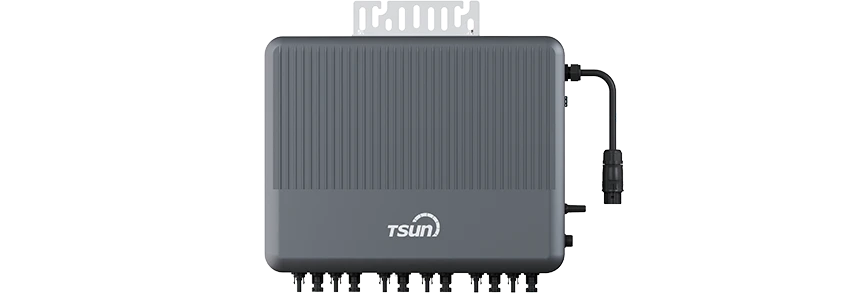
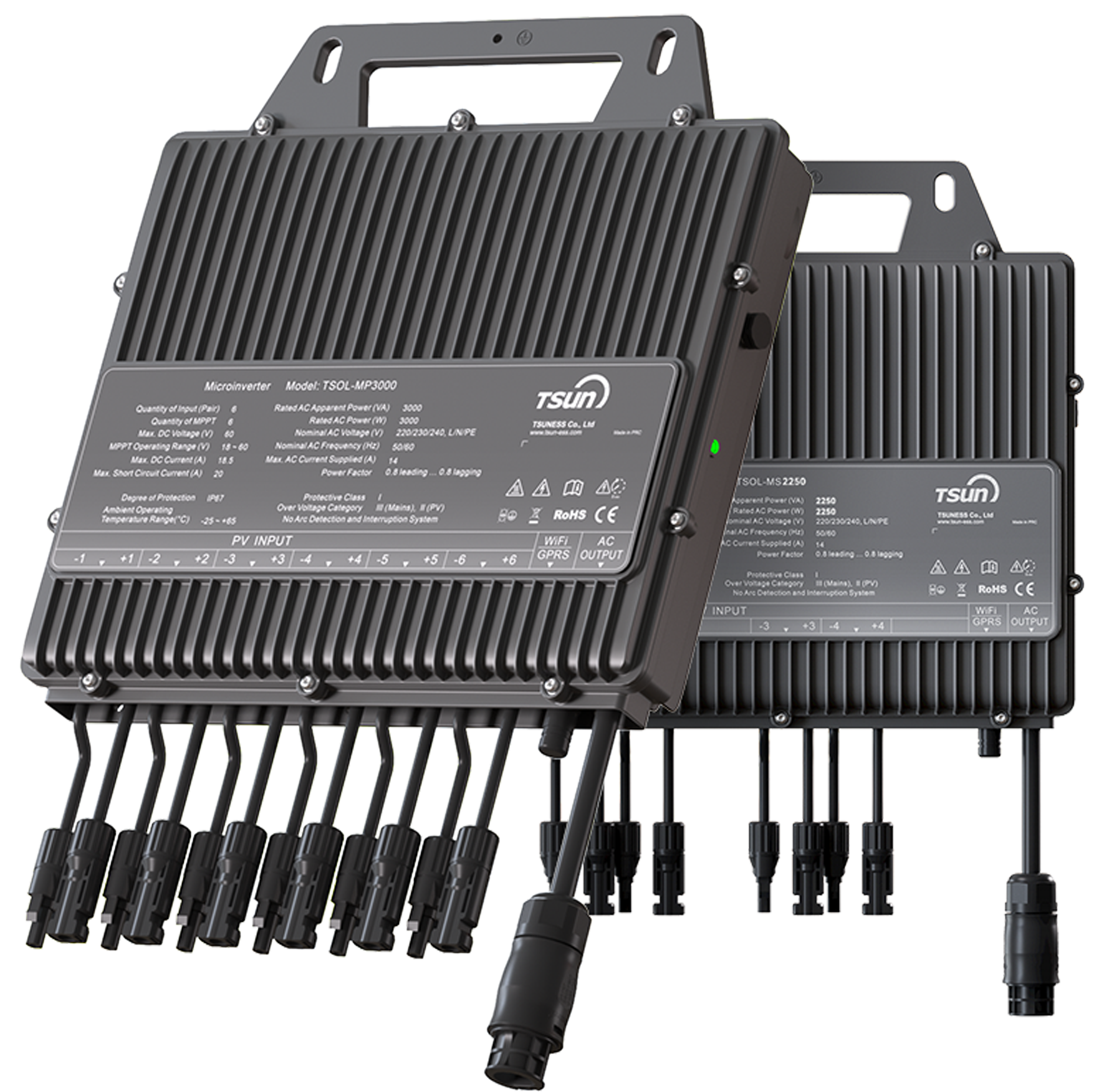
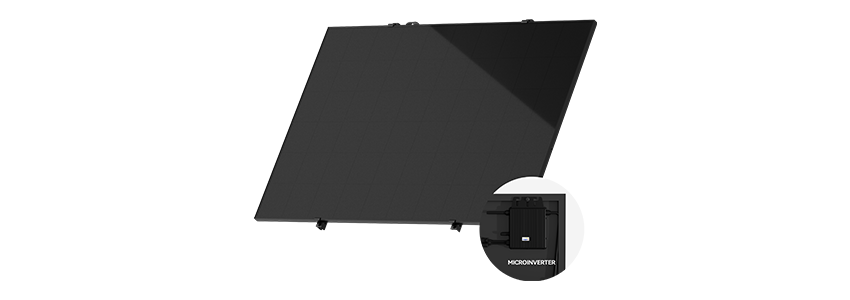
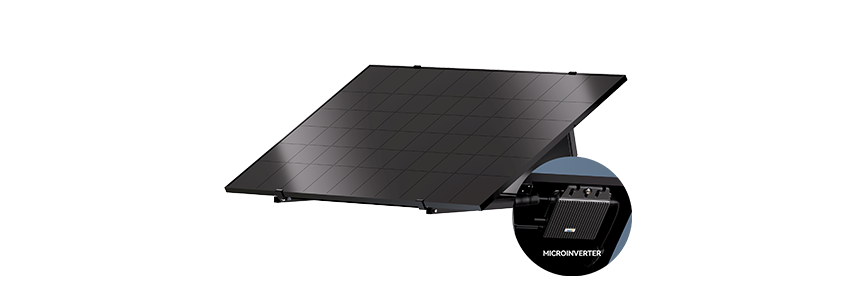
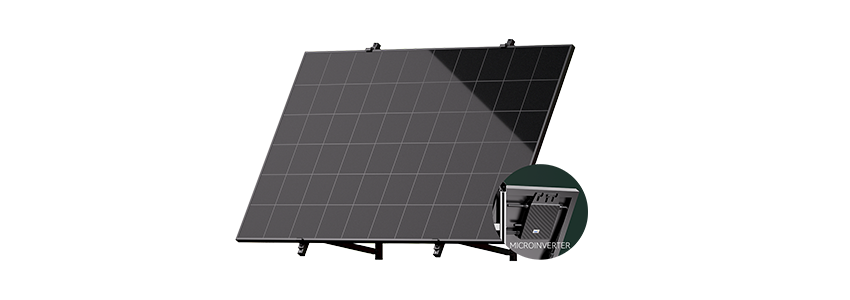
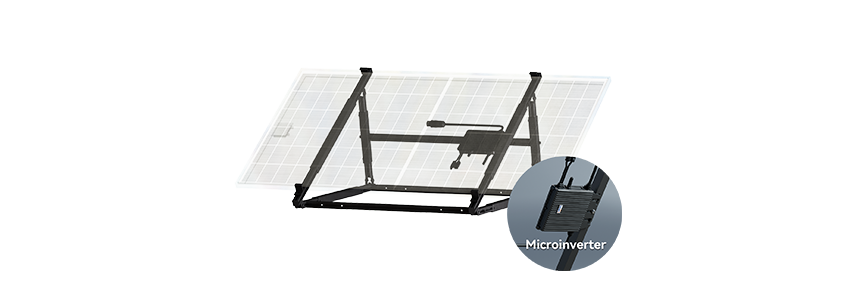
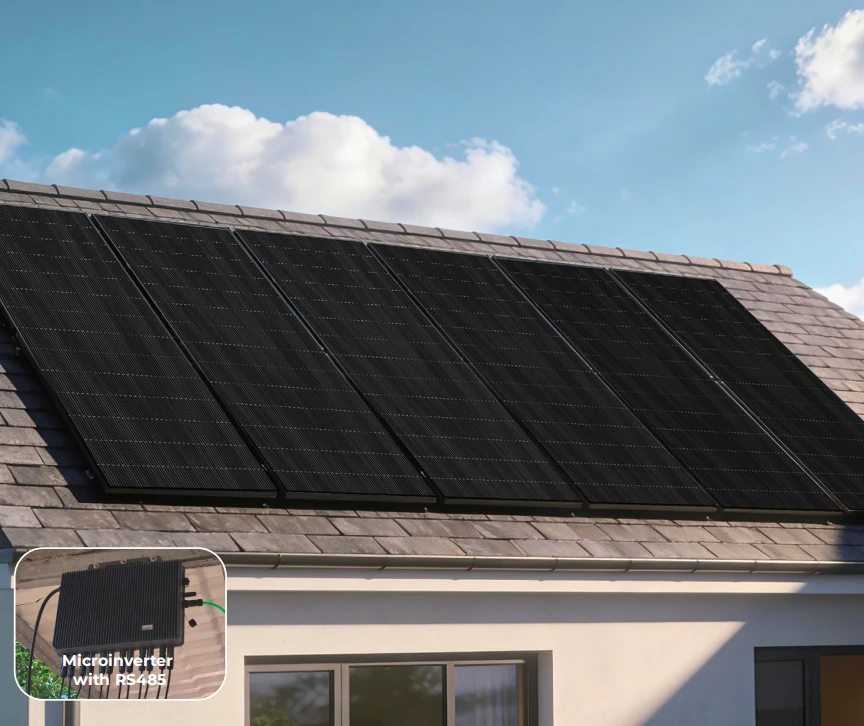
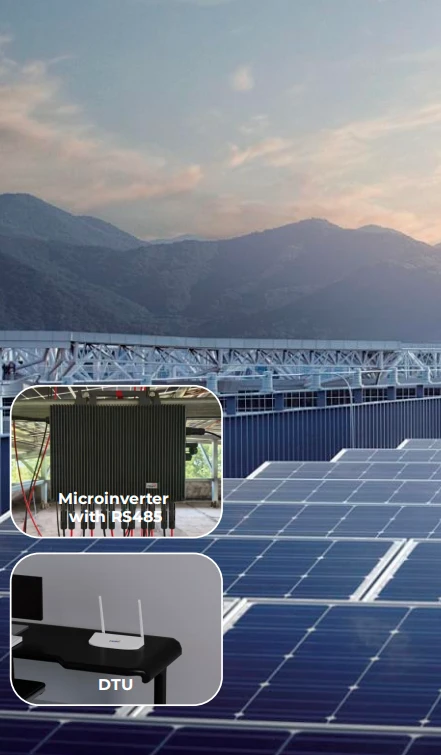
A microinverter converts the direct current (DC) generated by your solar panels into stable, usable alternating current (AC) for your home's electrical grid. It ensures smooth operation by tracking the maximum power point (MPPT) of each individual panel, maximizing energy harvest even when parts of your system are shaded.
An AC-Coupled Energy Storage Unit takes this a step further. Instead of letting excess daytime solar energy flow back into the grid for pennies, it stores that power in a battery. It then delivers clean, stable AC power back into your home when electricity rates peak in the evening. A reliable power and storage ecosystem minimizes grid reliance, lowers your utility bills, and maximizes the lifespan of your PV investment.
When Should You Upgrade Your Home Solar Power System?
A weak or outdated string inverter can quietly bottleneck an otherwise capable solar array. Upgrading your energy system isn't just a reactive fix—it's a proactive measure for energy independence.
Signs of a Failing or Outdated Unit
Common warning signs include unexplained drops in daily energy yield, Wi-Fi disconnection issues, frequent grid-fault errors, or clipping during peak sunlight hours. If your home's energy offset is drastically lower than what your panels are rated for, the microinverter is the first component you should check.
When an Upgrade Is Necessary for Modern Needs
An upgrade is often required when your old inverter lacks adequate wattage to support newer, high-power 500W+ panels, lacks modern safety protections (like rapid shutdown), or fails to comply with newer European grid standards (like VDE AR-N 4105). Furthermore, if you want to capture excess energy, retrofitting your system with a plug-and-play AC-coupled battery is the smartest upgrade path.
Core Features That Affect Solar Buying Decisions
Before making a choice, it helps to understand the features that actually impact daily energy generation. Some ensure maximum output, while others matter most when your system faces grid fluctuations or when you are ready to expand.
- Individual MPPT vs. String Tracking: Modern microinverters use multiple Maximum Power Point Trackers (MPPT). This means if one panel is shaded by a tree, the others continue operating at 100% efficiency. String inverters pull the entire system down to the lowest performing panel's level.
- Protection Features: Built-in protections safeguard your home network. Look for Over-Voltage (OVP), Islanding Protection, Over-Temperature Protection (OTP), and IP67 waterproof ratings. These fail-safes prevent catastrophic damage during storms or grid anomalies.
- Plug-and-Play Modularity: Just like modular PC setups, your balcony solar should be clean and easy to manage. Systems with intuitive MC4 connectors and straightforward AC cables make DIY installation and future capacity upgrades a breeze.
A Step-by-Step Guide to Choosing the Right Balcony Solar Setup
The smartest way to pick your home power system is to evaluate panel compatibility, wattage, physical space, and software monitoring capabilities.
- Calculate Realistic Wattage Needs: Look at your PV panels' STC (Standard Test Conditions) rating. If you have four 450W panels (1800W total), you need a microinverter that can comfortably handle high continuous output without clipping.
- Match the Output Form Factor: Always verify that the microinverter matches your regional grid requirements. Whether it's a standard Schuko plug for a German balcony or a hardwired connection for a rooftop, compliance is key.
- Assess Storage Potential: Decide if you are just offsetting idle consumption or if you want to conquer peak evening rates. If it's the latter, an AC-coupled storage system is required.
How to Choose Smart Energy Storage
As electricity prices rise, powering your home shouldn't rely solely on the traditional grid. Whether you have a compact apartment balcony or a spacious rooftop, capturing and storing your own energy is incredibly efficient. Here is a highly recommended TSUN solution to keep your home powered smartly and safely.
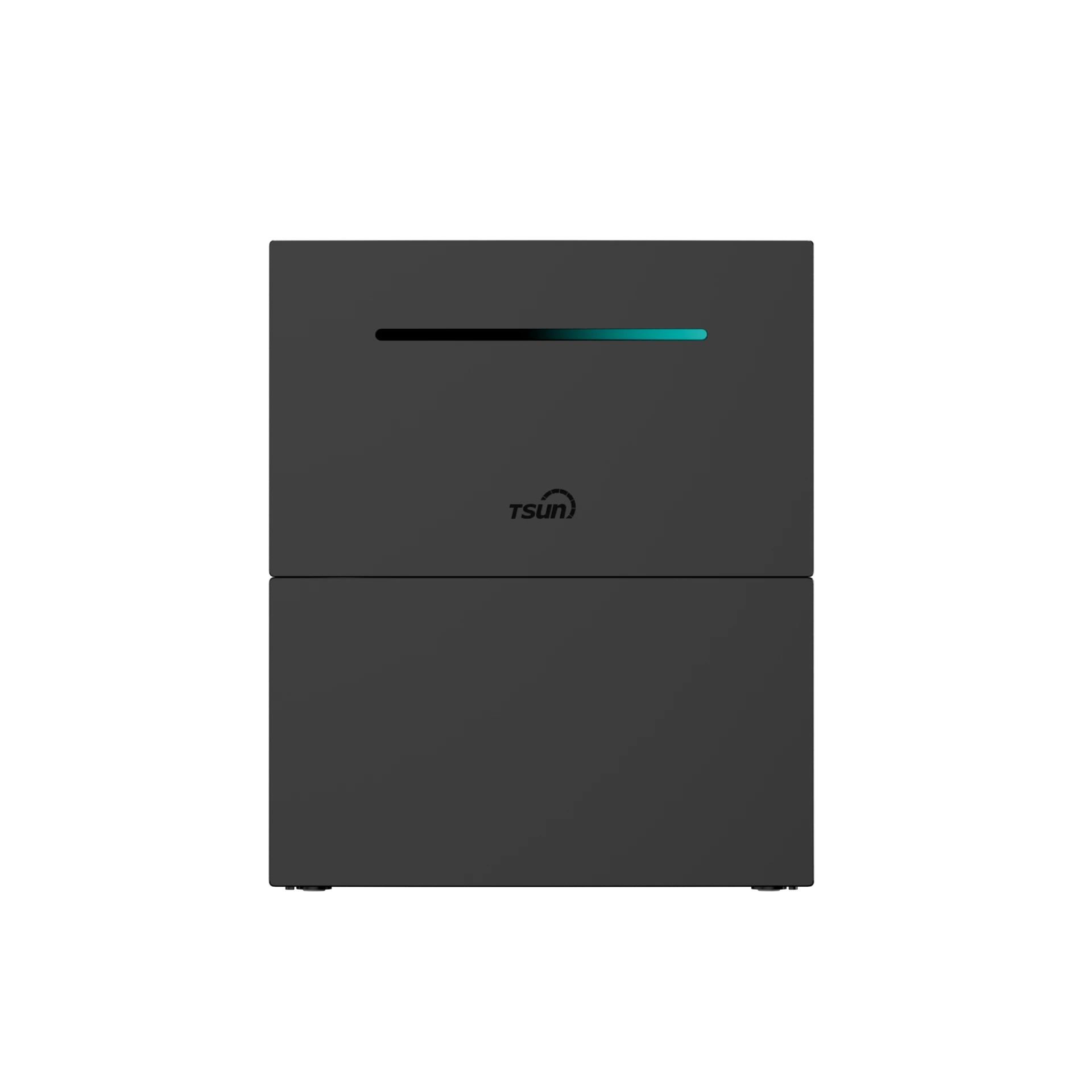
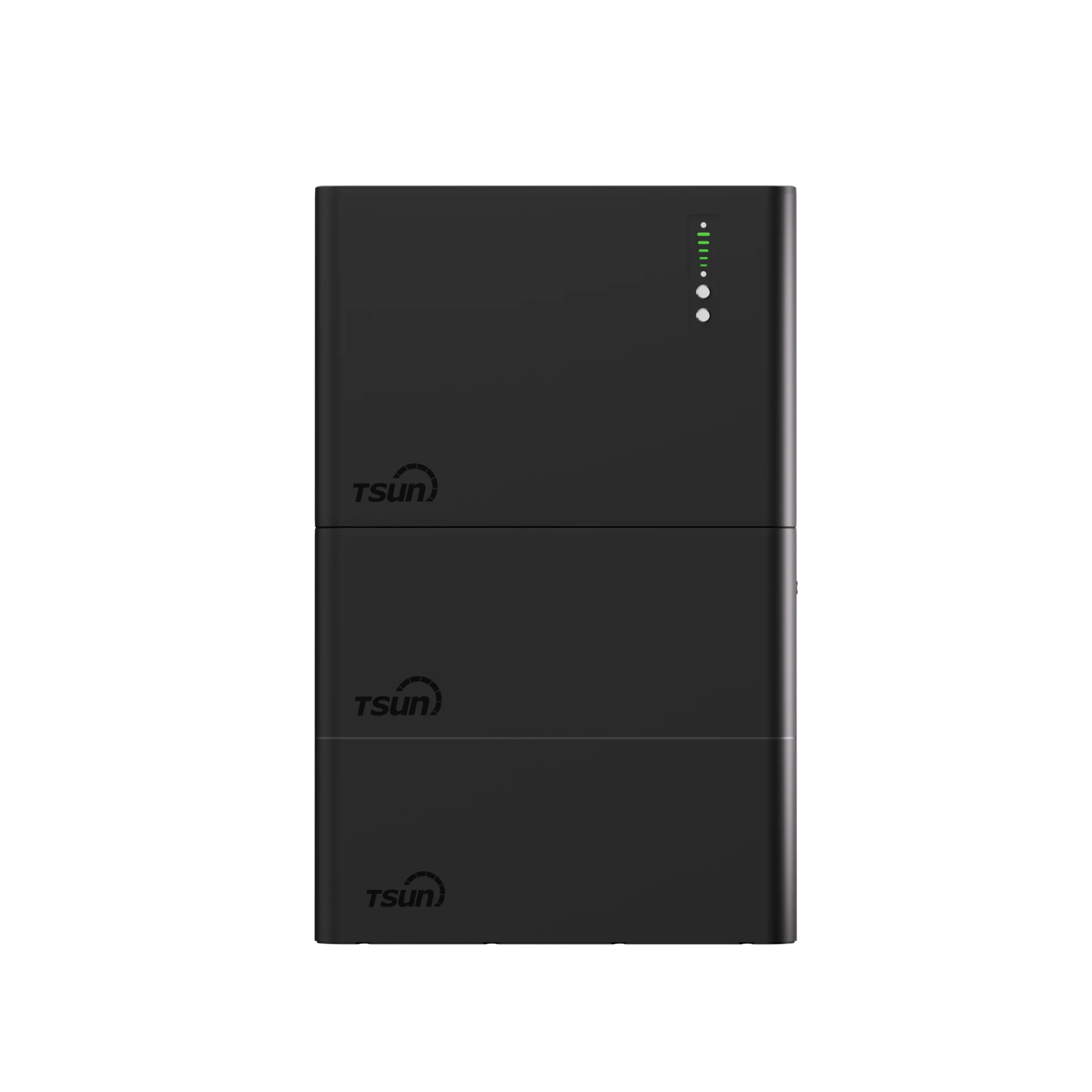
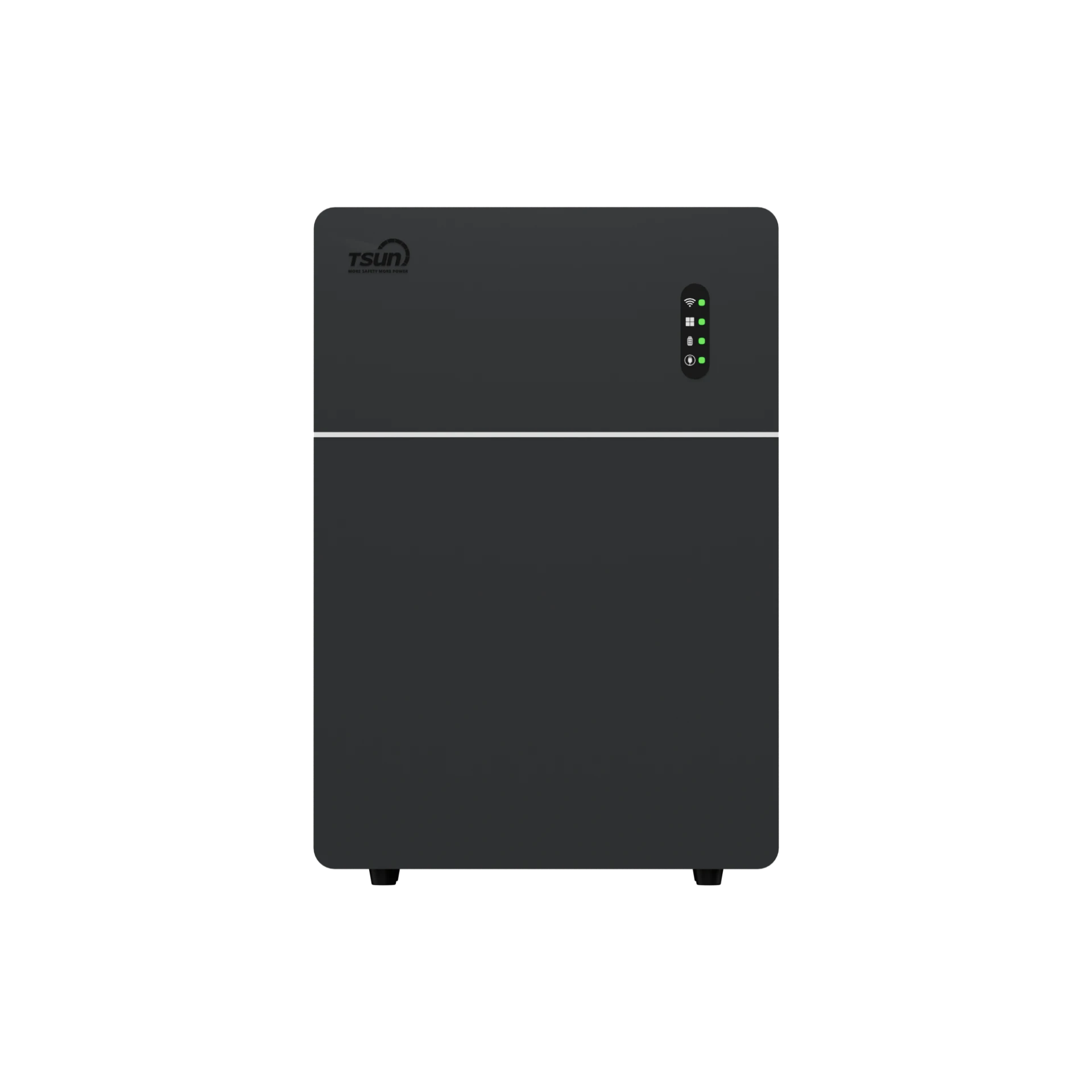
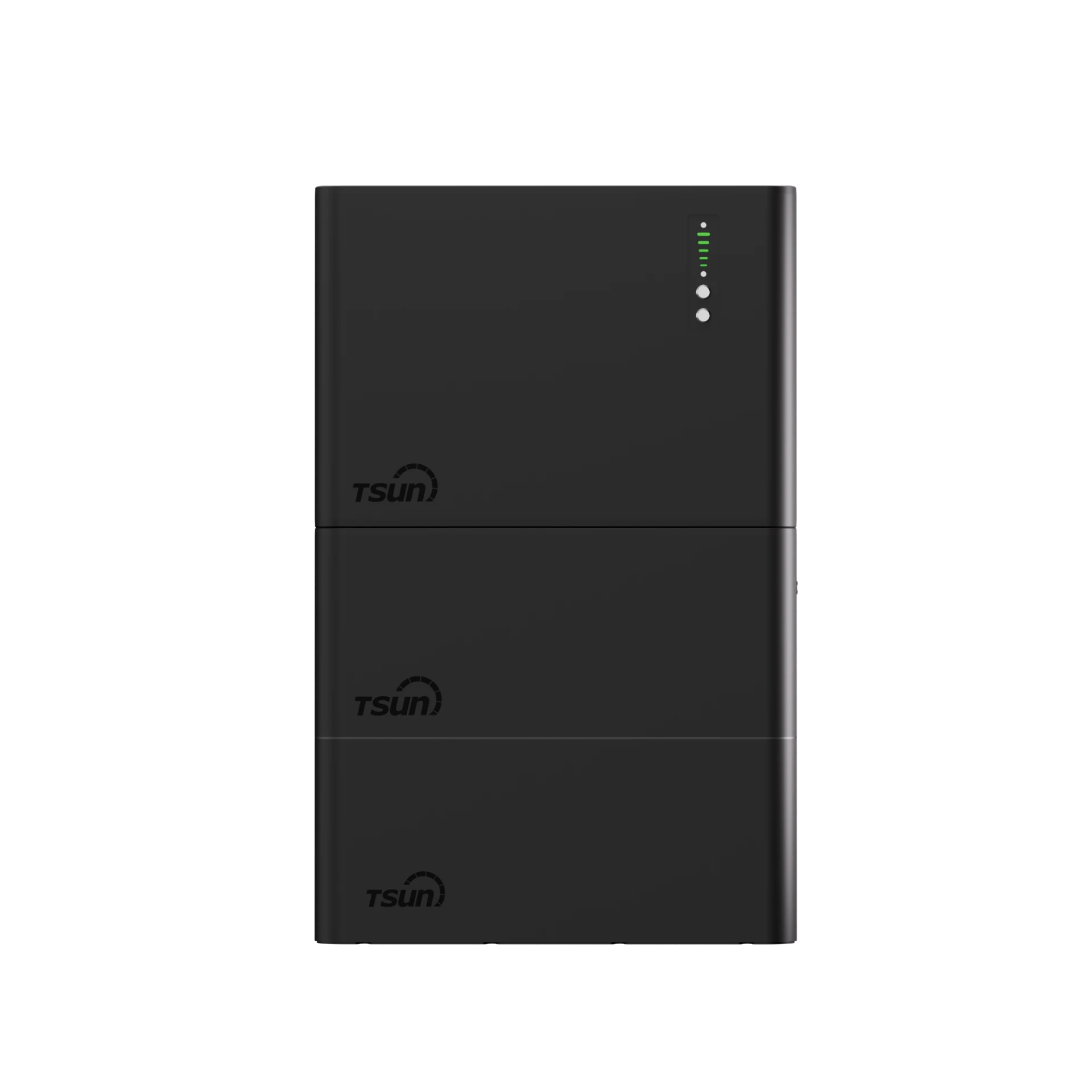
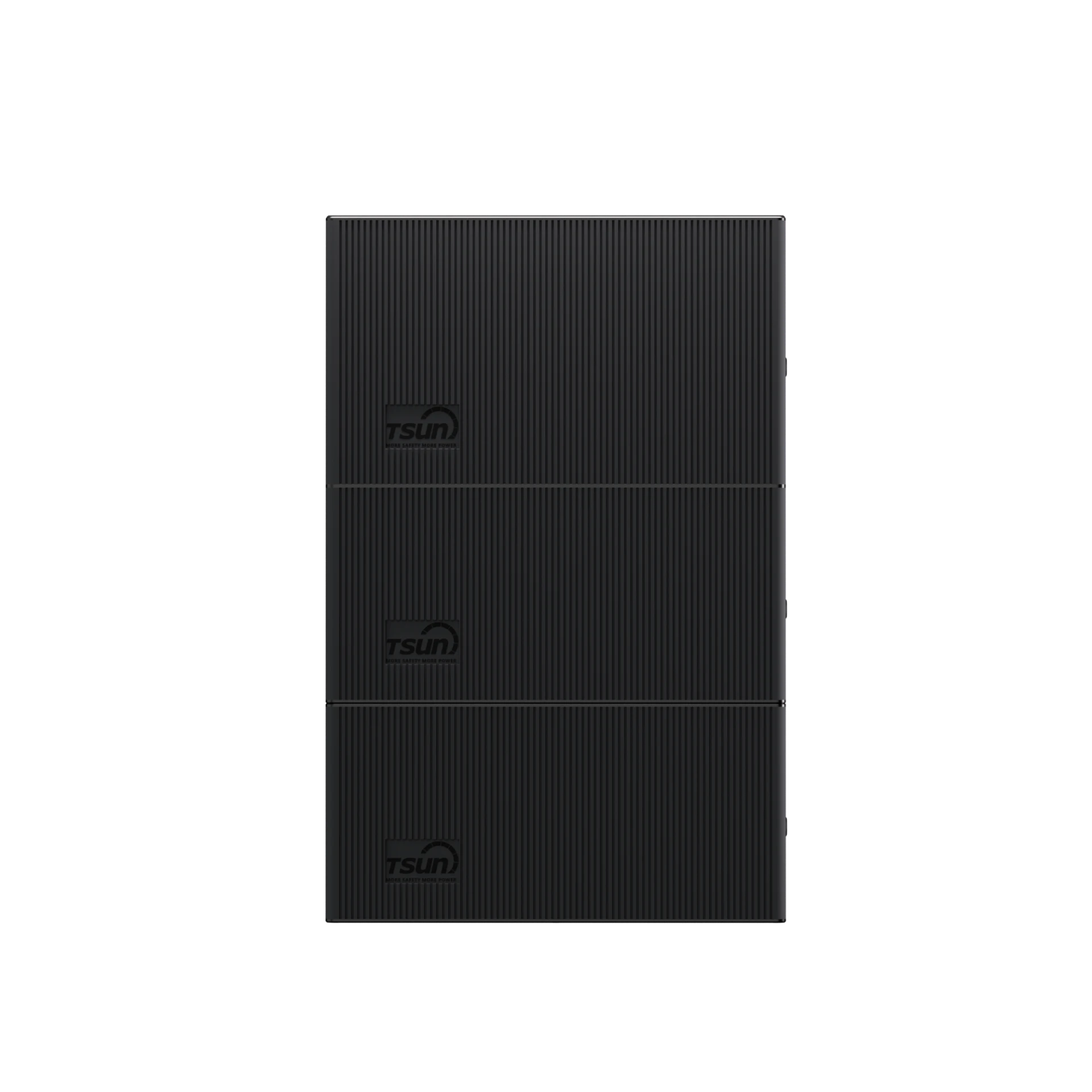
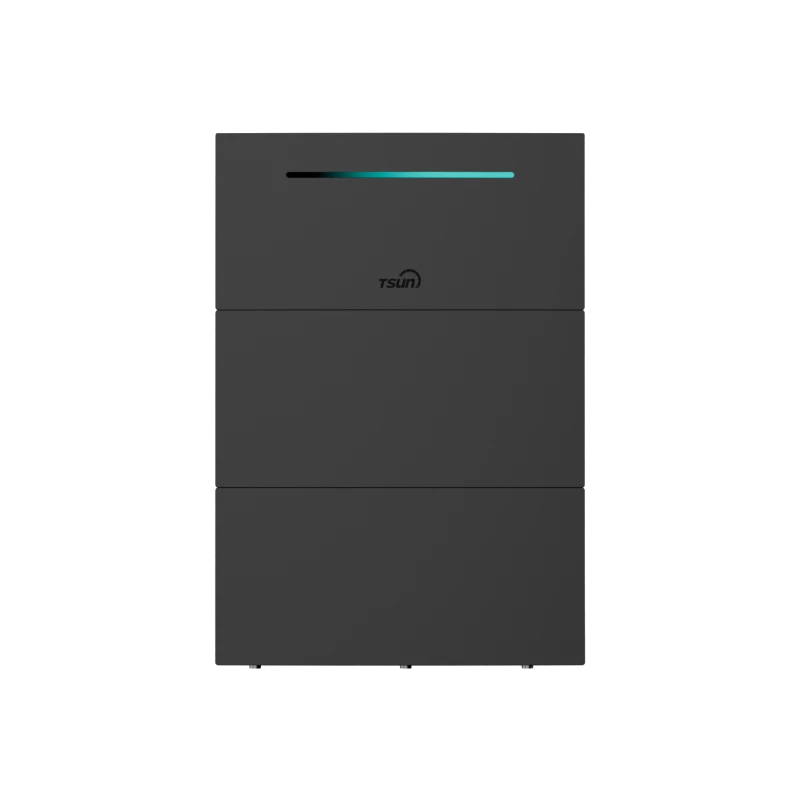
TSUN PowerTrunk (Micro AC-Coupled Unit)
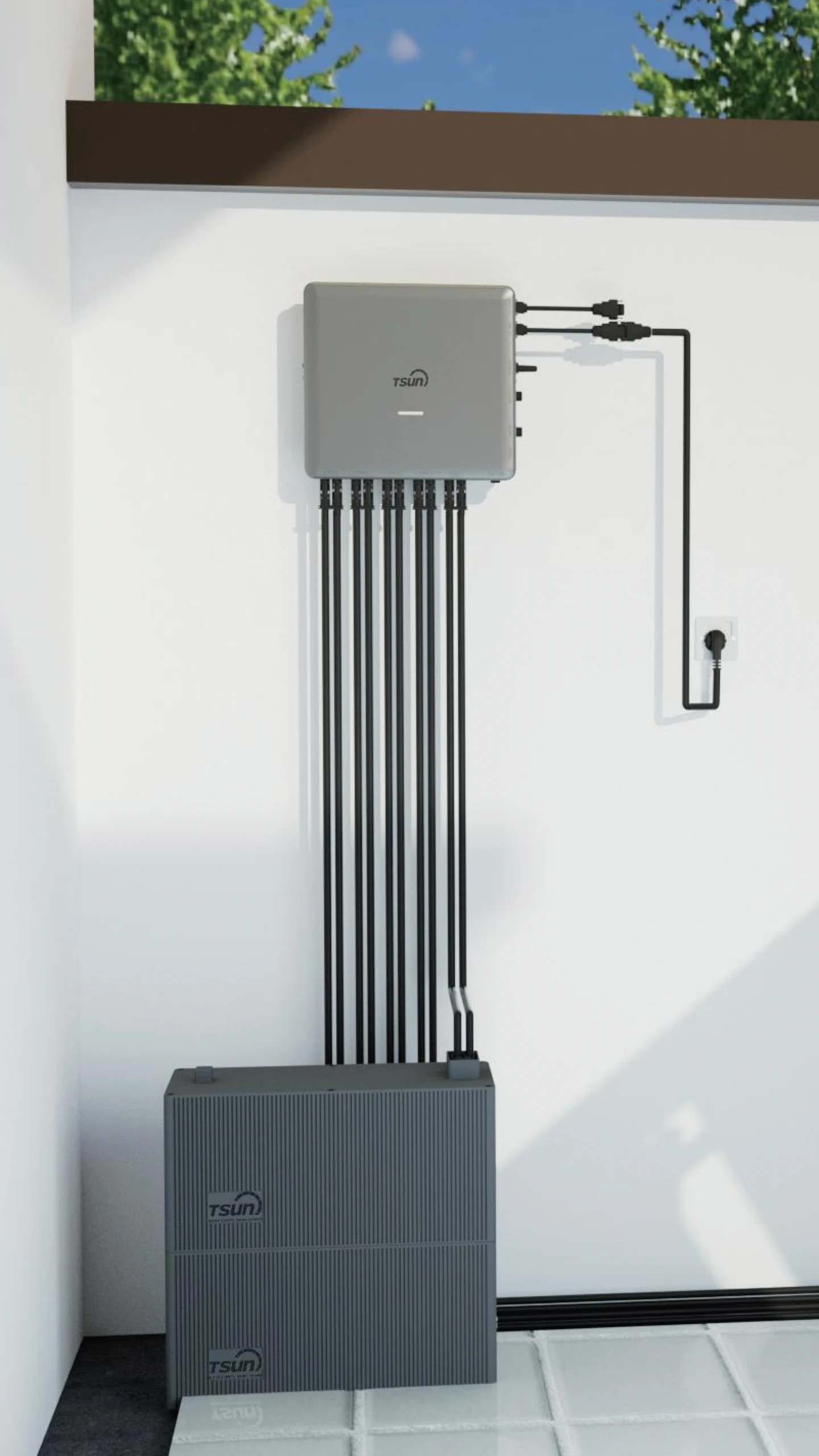
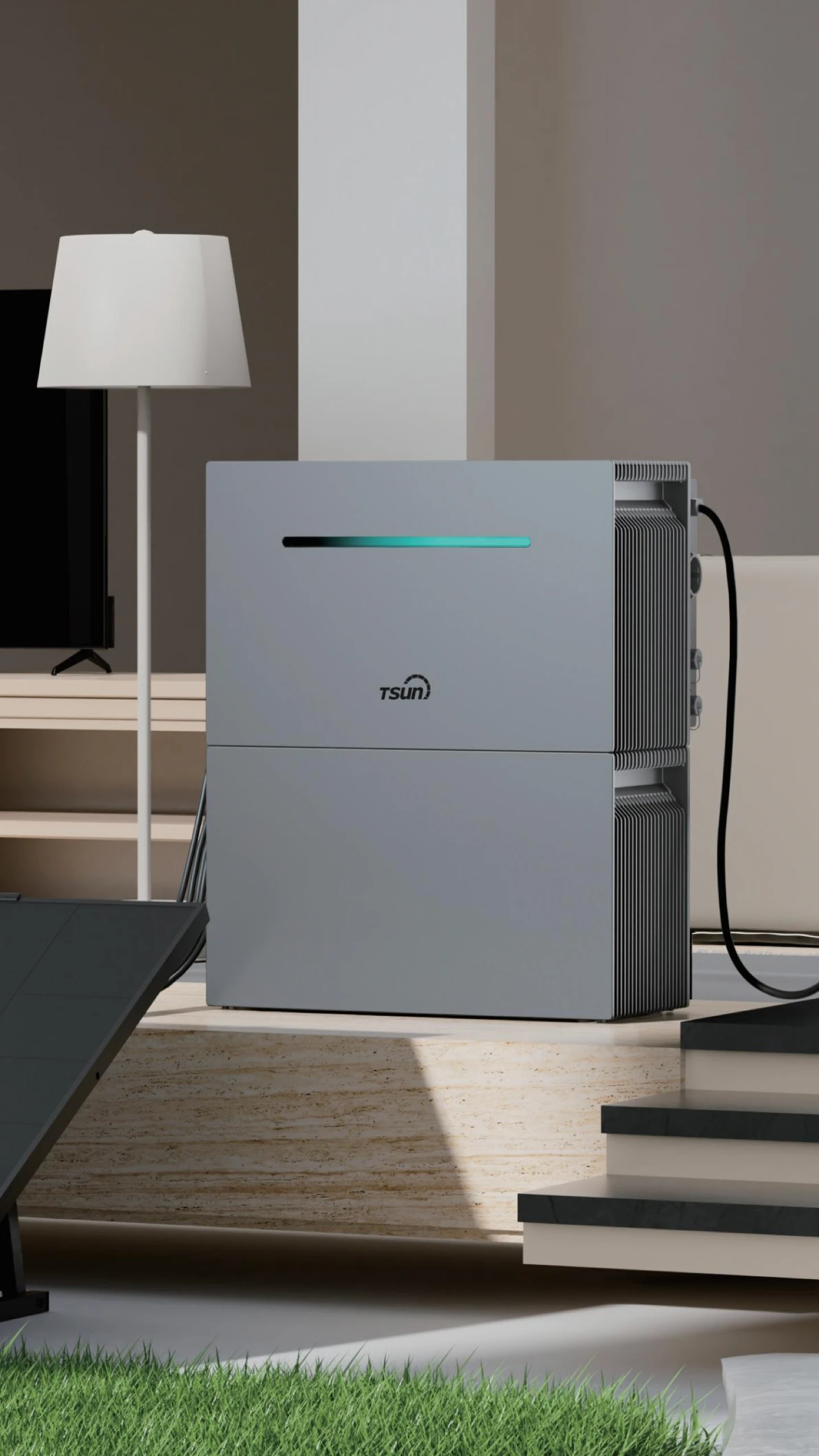
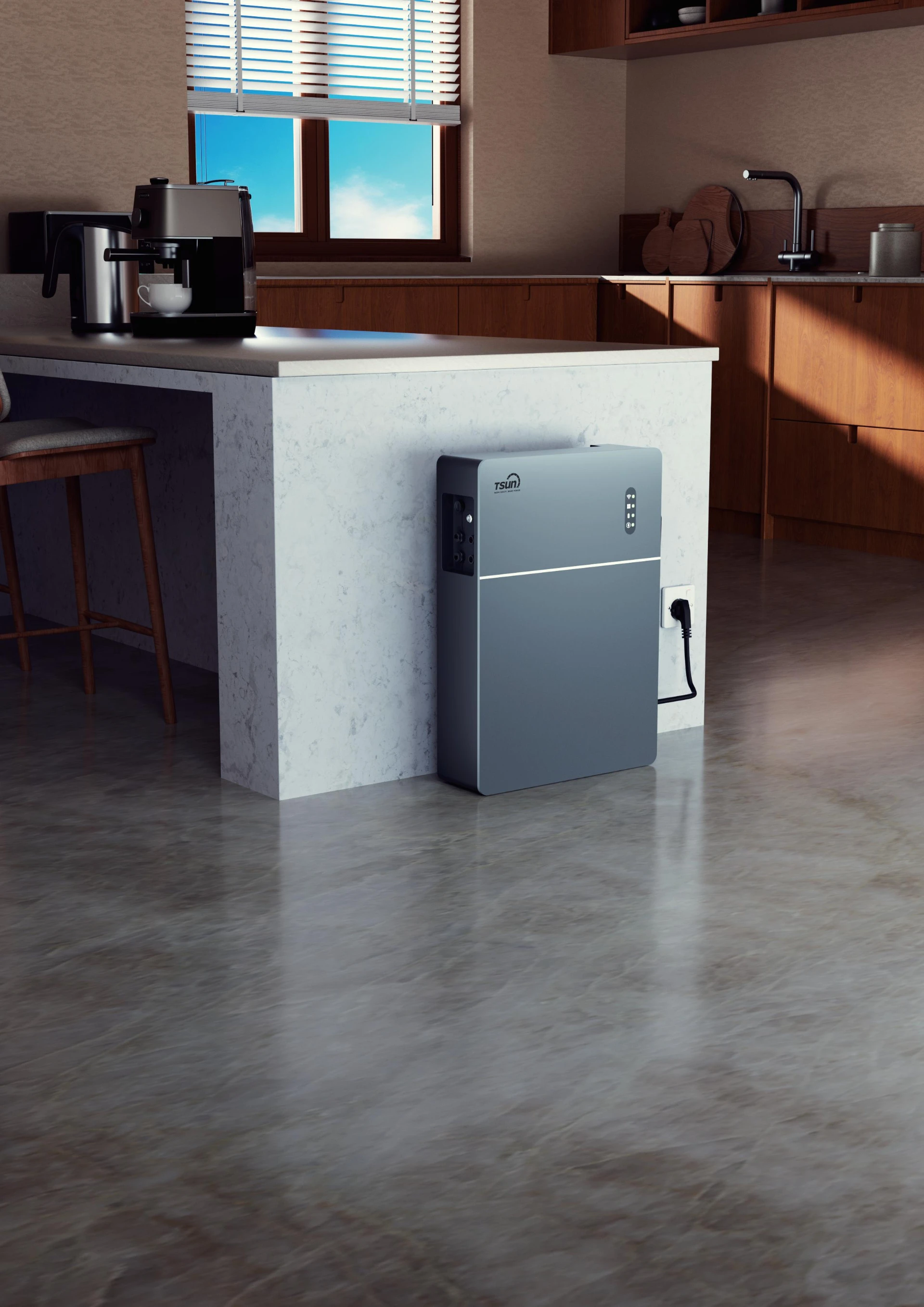
The TSUN PowerTrunk is a revolutionary Micro AC-Coupled Unit designed to seamlessly retrofit into any existing balcony solar system. It captures excess energy generated during the day and stores it for nighttime use, drastically improving your self-consumption rate. Featuring an elegant plug-and-play design, it requires no complex wiring or professional installation. Simply plug it into a standard wall outlet, and it intuitively bridges your microinverter and home grid, offering smart app monitoring and unmatched modular flexibility.
Explore the PowerTrunkConclusion
Always choose a microinverter and energy storage unit based on hardware compatibility, built-in safety relays, and actual power capacity—never just by the cheapest price tag. A premium solar power supply helps ensure stable energy yields, enhances home safety, and provides plenty of headroom for future panel upgrades. Weigh the wattage, MPPT efficiency ratings, and brand reputation carefully.
Before checking out, cross-reference your solar panels' voltage, balcony dimensions, and upgrade roadmap. Keep this guide handy to use as a checklist for finding the perfect energy solution for your smart home build.

 LEARN MORE