Solar Energy Storage System Manufacturers is a key solution in the industry, specifically within renewable energy and industrial sectors. This article explores how https://www.tsun-ess.com supports professionals with durable, high-performance products, and explains why this product is an ideal choice for businesses in these sectors.
Table of Contents
When businesses think about harnessing solar power effectively, the role of Solar Energy Storage System Manufacturers becomes quite clear. These manufacturers design and produce the essential battery storage solutions that allow solar energy to be stored and dispatched according to demand — not just when the sun shines. Practically speaking, they bridge the gap between energy production and energy use.
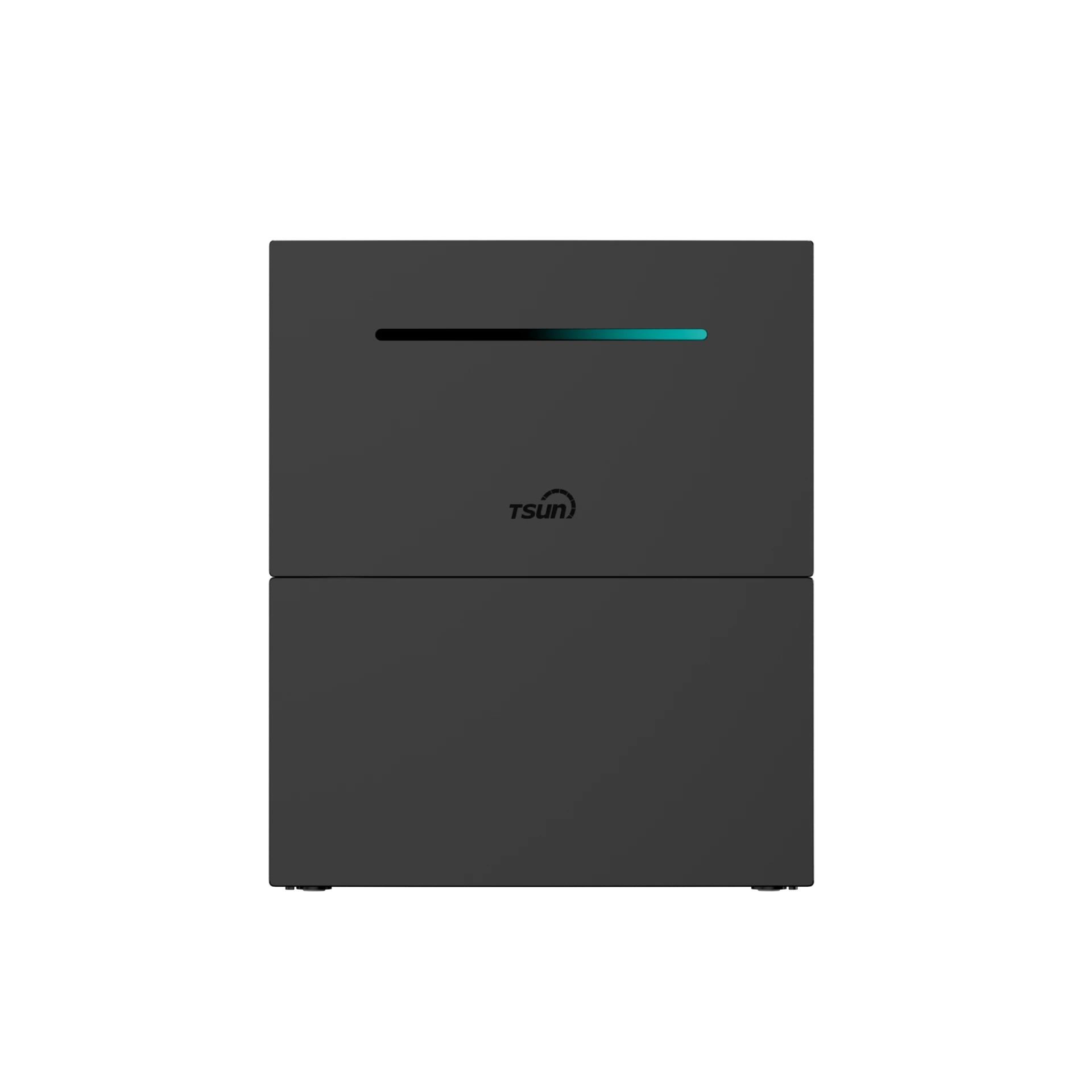
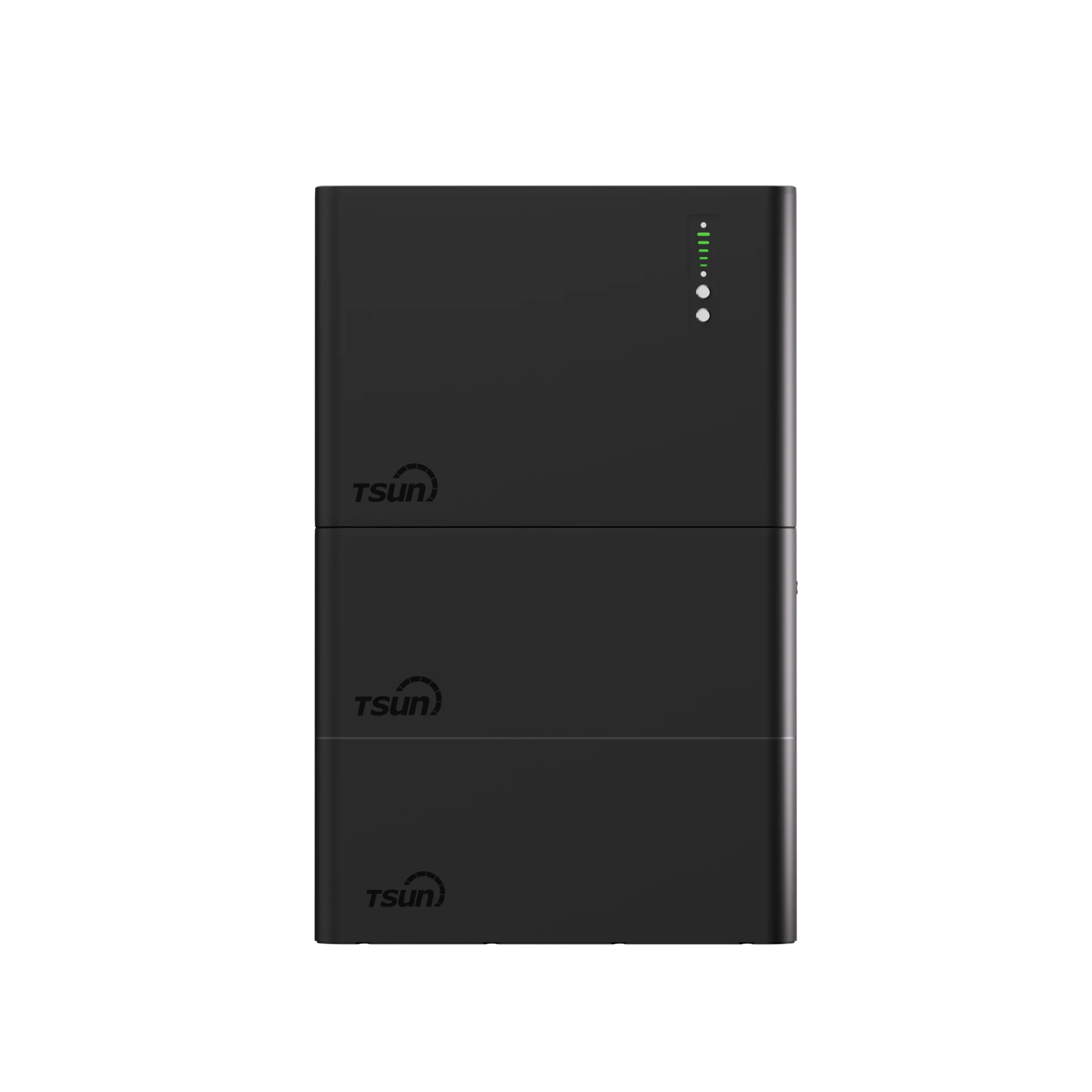
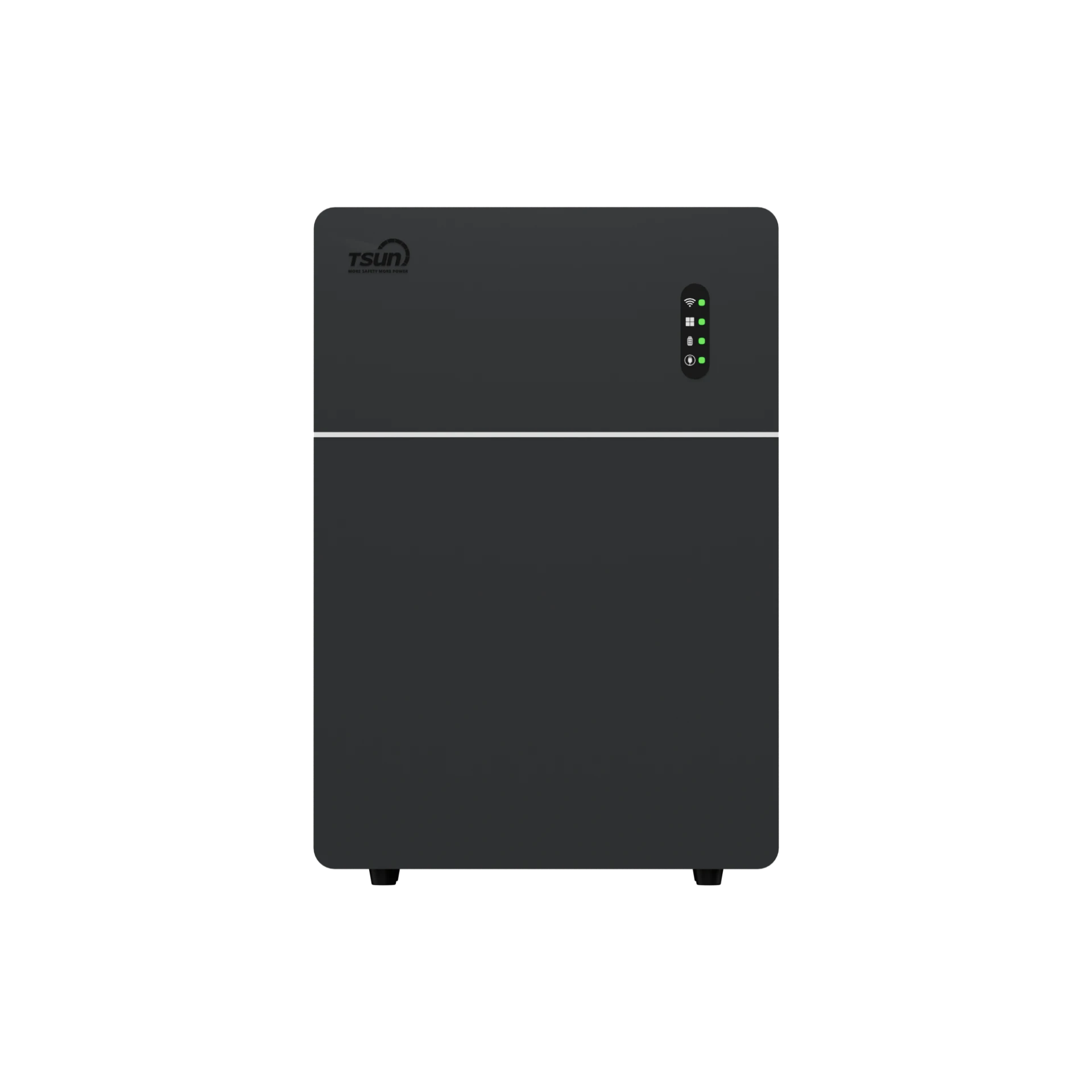
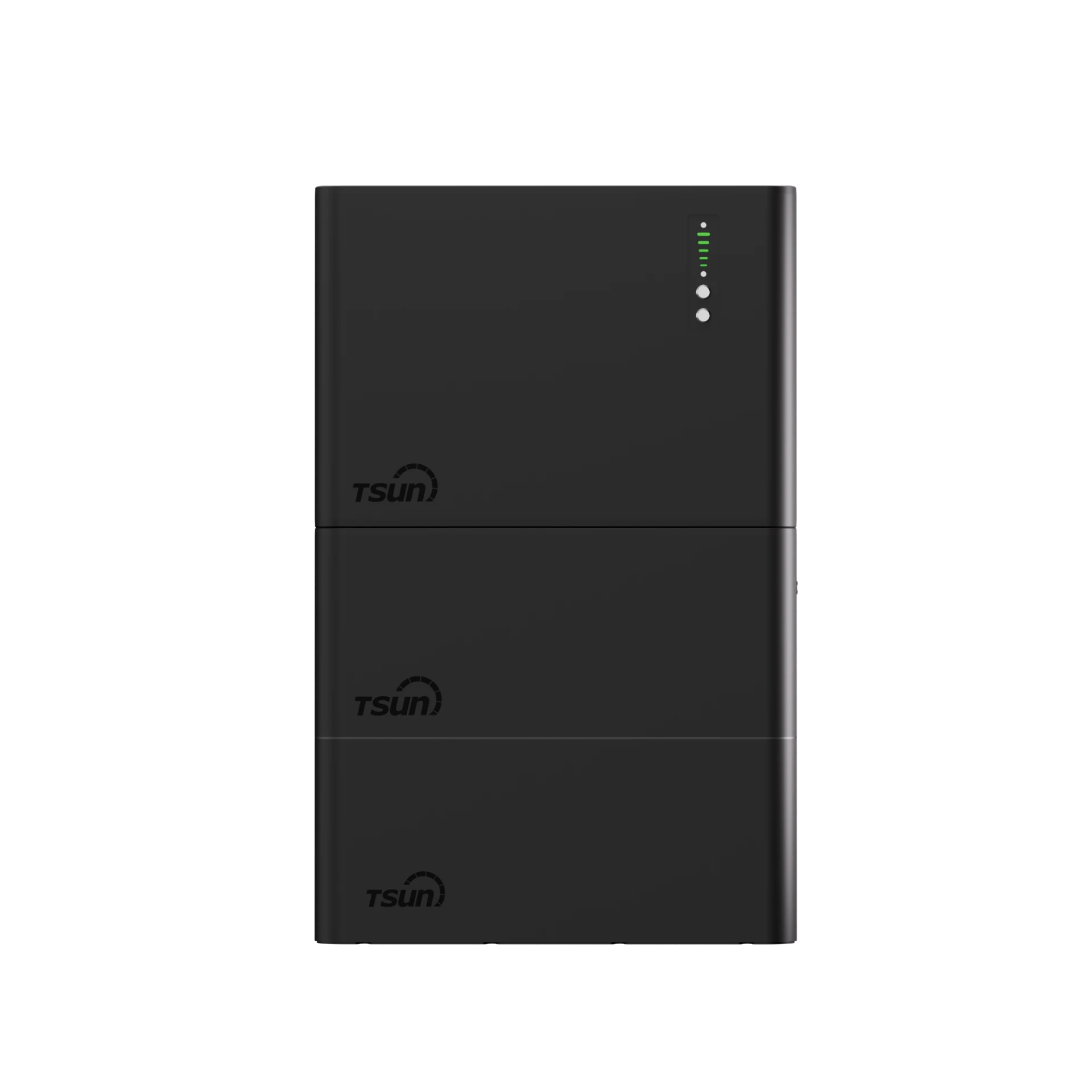
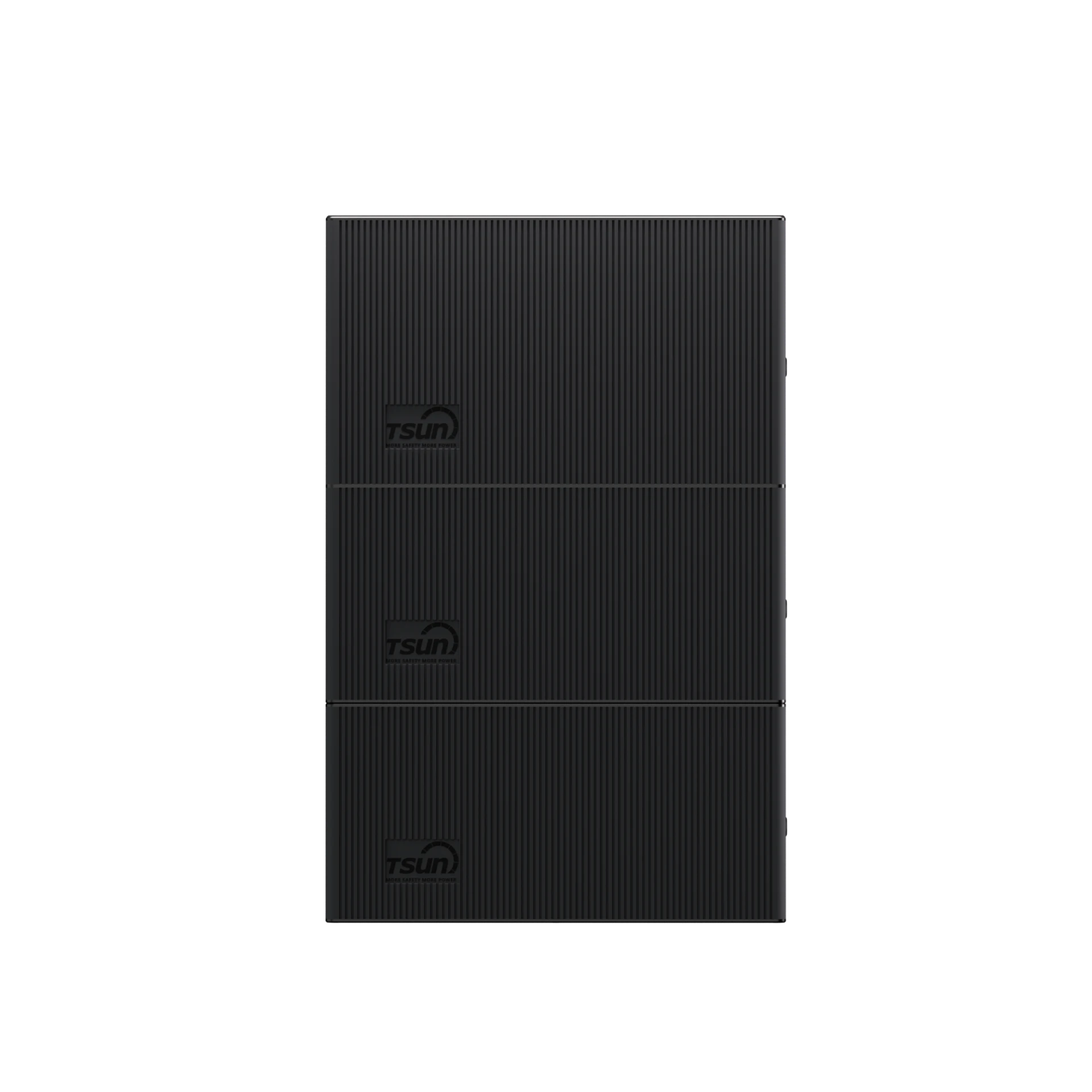
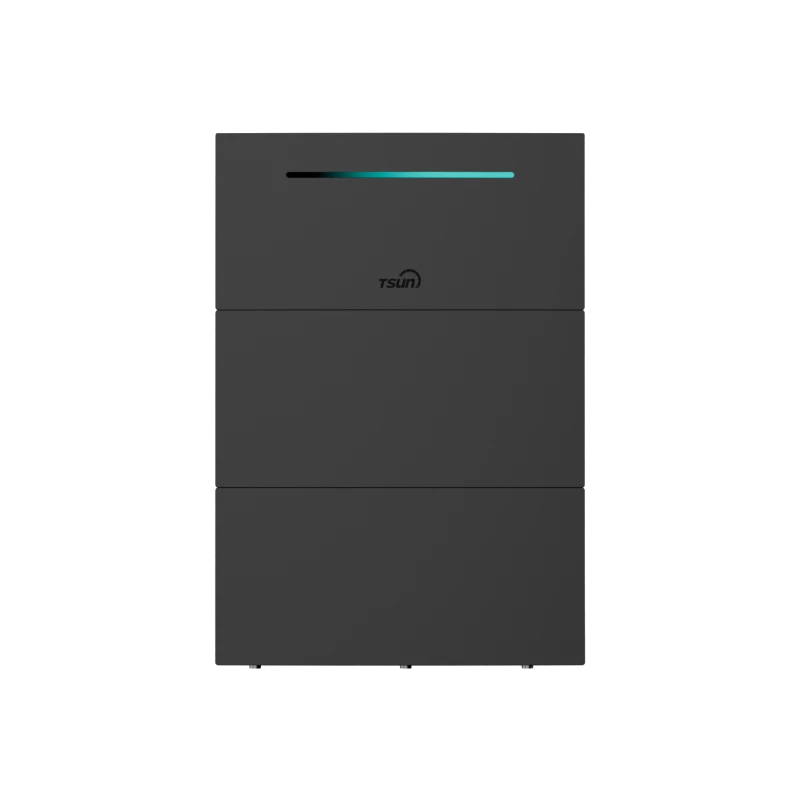
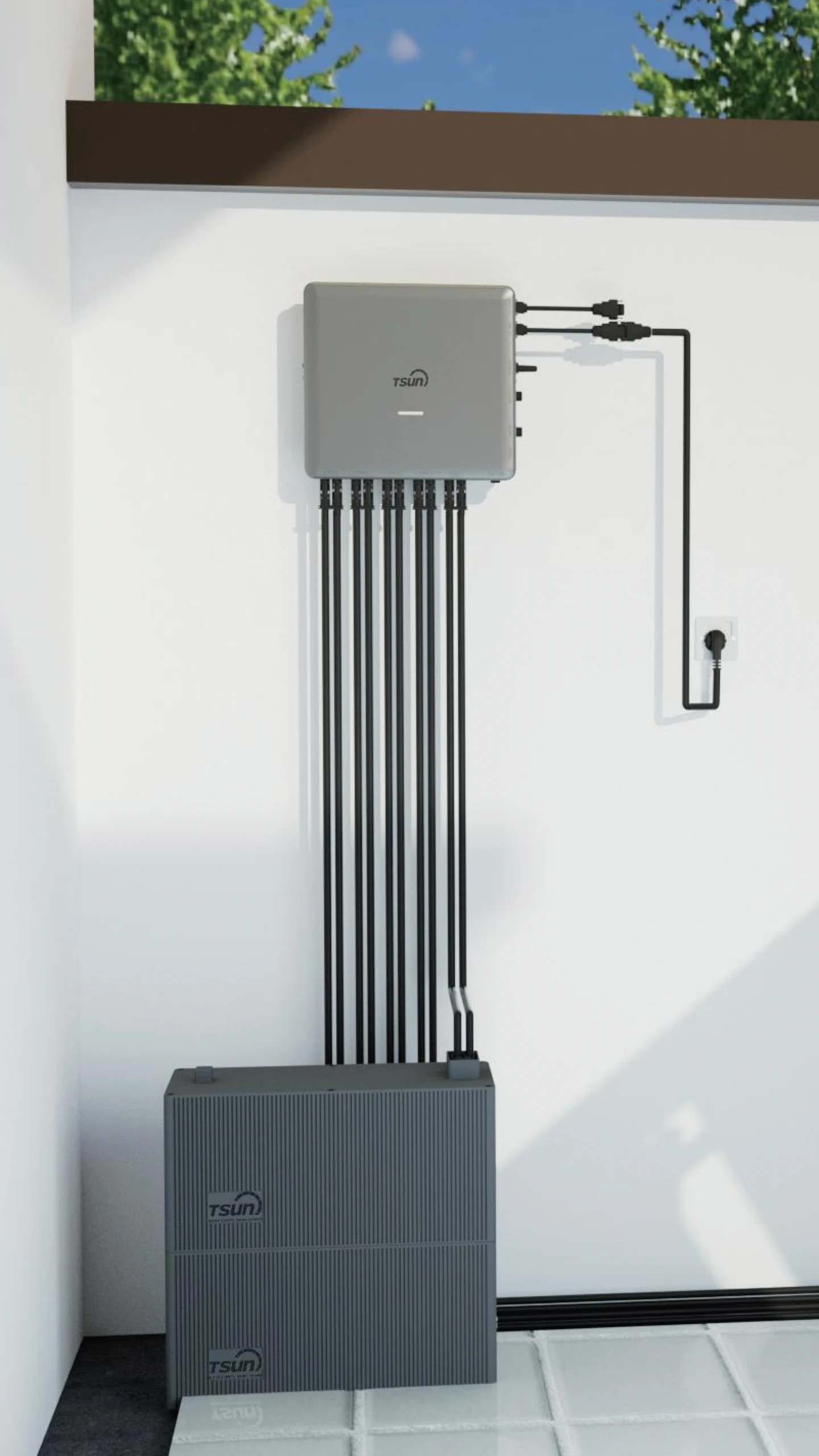
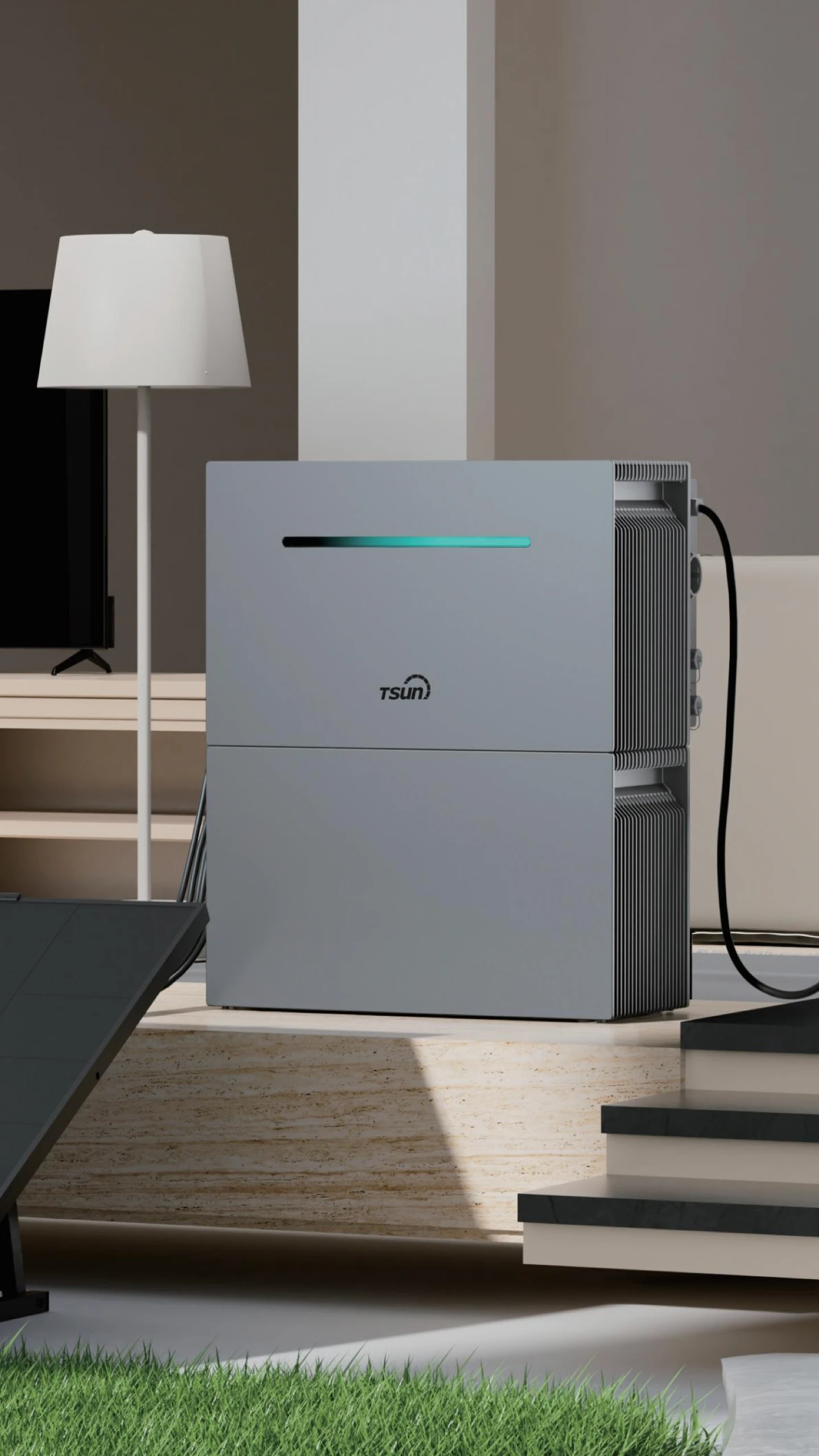
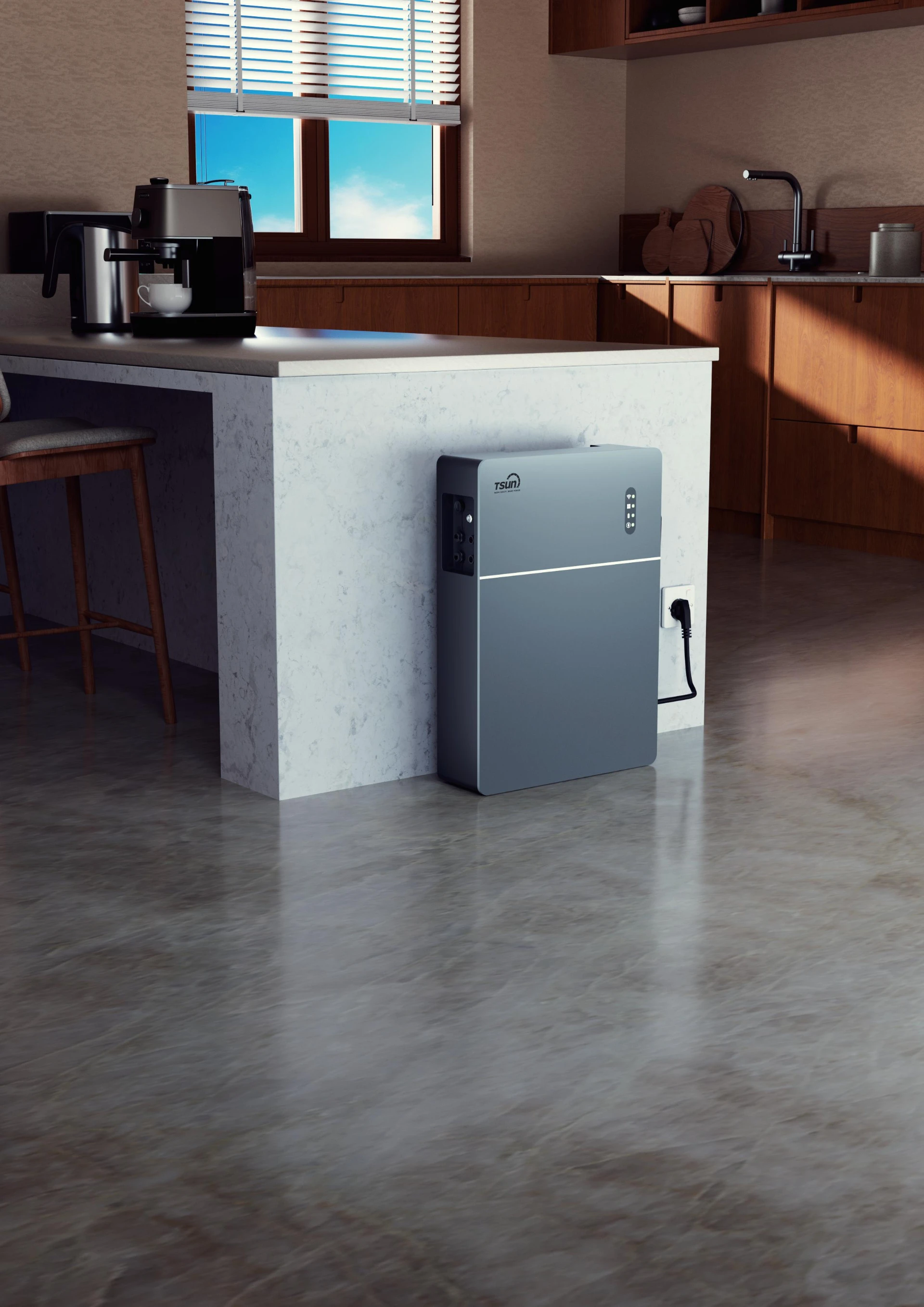
Technically, these systems largely rely on lithium-ion battery technology, which offers high energy density, good charge cycles, and rapid response times. At Tsun Energy Storage Systems, for example, products offer capacities ranging from 10kWh to over 200kWh with modular designs that scale easily for commercial or industrial use. The specs often include smart battery management systems (BMS) that monitor temperature, voltage, and cell balancing — ensuring safety and longevity.
| Model |
Capacity (kWh) |
Battery Type |
Cycle Life (cycles) |
Scalability |
| Tsun ESS-10 |
10 |
Li-ion NMC |
5000+ |
Modular |
| Tsun ESS-50 |
50 |
Li-ion LFP |
7000+ |
Modular |
| Tsun ESS-200 |
200 |
Li-ion LFP |
7000+ |
Modular |
The benefits of integrating high-quality solar energy storage systems into your operations are numerous. For starters, they significantly improve energy reliability — smoothing out those pesky mismatches between supply and demand. Imagine a commercial facility that needs consistent power even after sunset; with a quality storage system, that’s not just wishful thinking.
In real terms, Tsun’s systems have been adopted in sectors ranging from agriculture to telecommunications. For example, farms often generate surplus solar energy midday; storing this excess energy reduces grid reliance and saves costs while increasing sustainability credentials. Another feature that’s worth mentioning is Tsun’s intelligent BMS paired with remote monitoring, enabling operators to stay in the loop about system health without a constant on-site presence. Oddly enough, many engineers I've spoken to say that scalability and modularity are game-changers — you don’t have to “buy it all at once.”
Cost, Maintenance & User Experience
The total cost of ownership should always be top of mind. Sure, the initial investment might feel steep, but these systems often pay for themselves over several years through energy savings and reduced grid fees. Durability-wise, Tsun’s systems are tested under rigorous conditions — extreme temperatures, vibration tests, and long cycle life ensure reliability. You know, one customer from the telecom sector shared that after two years of continuous use, their system functioned flawlessly with minimal maintenance. That level of user satisfaction kind of speaks for itself.
Maintenance is generally limited to occasional software updates and routine inspections. The modular design also means that faulty components can be swapped without replacing entire banks, improving uptime and cutting repair costs. The feedback loop from enterprise clients highlights the intuitive interface of Tsun’s storage solutions, which frankly makes management less of a headache.
Sustainability & Market Trends
Stepping back, the broader picture of sustainability today definitely favors solar energy storage systems. With governments worldwide tightening emissions regulations and pushing renewable adoption targets, integrating storage has gone from luxury to necessity. The International Energy Agency (IEA) projects energy storage demand to grow significantly in the next decade, driven primarily by solar. Manufacturers like Tsun are positioned well within this market thanks to their emphasis on green manufacturing and recycling programs.
Industry dynamics are evolving fast; the focus now is on not only storing energy efficiently but doing so with minimal environmental impact. Lithium iron phosphate (LFP) batteries, for instance, are gaining ground due to their stability and non-toxic elements. Furthermore, having energy storage on-site empowers businesses to participate in demand response programs, potentially earning them additional revenue streams.
| Feature |
Tsun Energy Storage |
Competitor A |
Competitor B |
| Battery Chemistry |
Li-ion LFP & NMC |
Li-ion LFP |
Lead-Acid |
| Cycle Life |
7000+ cycles |
6000 cycles |
1500 cycles |
| Scalability |
Highly Modular |
Moderate |
Low |
| BMS & Remote Monitoring |
Advanced & Included |
Basic |
None |
| Warranty |
10 years |
5 years |
3 years |
Frequently Asked Questions about Solar Energy Storage System Manufacturers
- What is Solar Energy Storage System Manufacturers and how does it work?
-
Simply put, these manufacturers create systems that store leftover solar energy in batteries. This stored energy can be used later when the sun isn’t shining, making solar power more reliable and flexible for businesses.
- What are the main benefits of using Solar Energy Storage System Manufacturers in industrial applications?
-
Key advantages include improved energy independence, cost savings from peak demand reduction, enhanced grid stability, and the opportunity to boost sustainability efforts. Many users also find the systems easy to operate and maintain.
- How does Solar Energy Storage System Manufacturers compare to traditional alternatives?
-
Compared to conventional lead-acid batteries or using grid power alone, modern solar energy storage solutions are more efficient, last longer, and integrate smarter with renewable systems — reducing environmental impact and operational costs.
- What industries can benefit most from Solar Energy Storage System Manufacturers implementation?
-
Industries such as agriculture, telecom, manufacturing, and commercial real estate benefit greatly — basically anywhere consistent power is critical and solar adoption is on the rise. Several success stories, like remote telecom towers powered with Tsun ESS, highlight real-world effectiveness.
Conclusion on Solar Energy Storage System Manufacturers from China
To wrap it up, solar energy storage systems made by reputable manufacturers like Tsun bring tangible value—both in cost savings and in bolstering sustainability efforts. For businesses serious about integrating solar power at scale, these systems are a wise investment that pays dividends over time.
- They offer scalability, durability, and advanced technology monitoring that suits diverse industries.
- Visit our website: https://www.tsun-ess.com
In a nutshell, getting the right storage system feels like future-proofing your energy strategy — which is increasingly vital in today’s eco-conscious, cost-aware business climate.
References:
1. International Energy Agency – Electricity Storage Market Reports
2. Tsun Energy Storage Systems Official Product Documentation
3. Industry User Insights – Telecom and Agriculture Cases






 LEARN DETAILS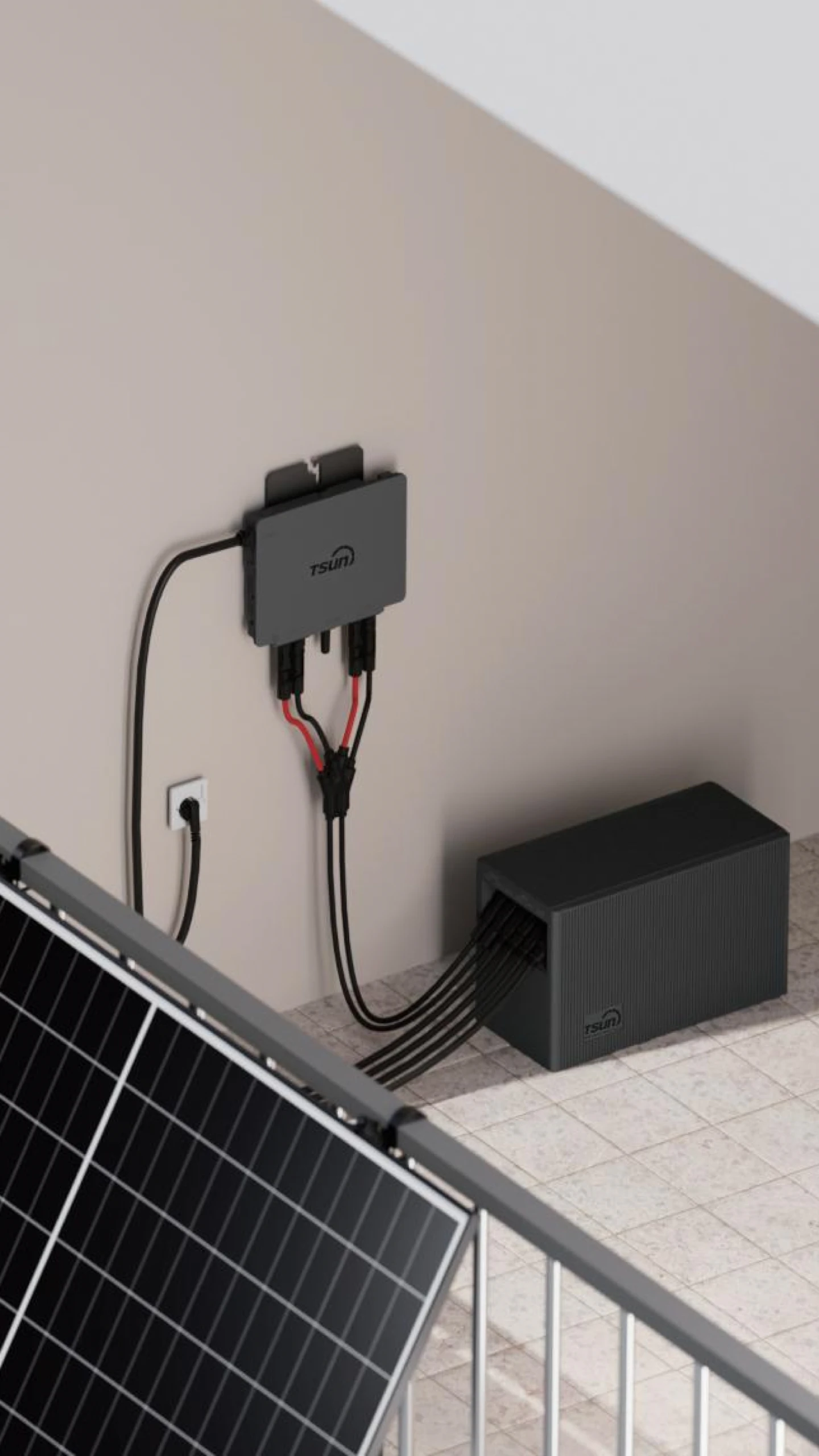
 Downloads
 Video Center
 Report Fault for Repair
 FAQS
FAQS Service Network
 Privacy Policy
 Contact Us
 Monitoring


 LEARN MORE