Choosing a Solar Energy Storage System Supplier
Having worked in industrial equipment supply for over a decade, I’ve seen solar energy evolve from a niche sustainability project to a core part of how many companies—and frankly, countries—manage power. One of the less glamorous, but absolutely critical pieces in this puzzle is the solar energy storage system supplier. Picking the right one feels a bit like choosing an anchor in a sea of options. You want reliability, yes, but you also need adaptability and some sense that the supplier understands the real-world challenges on the ground.
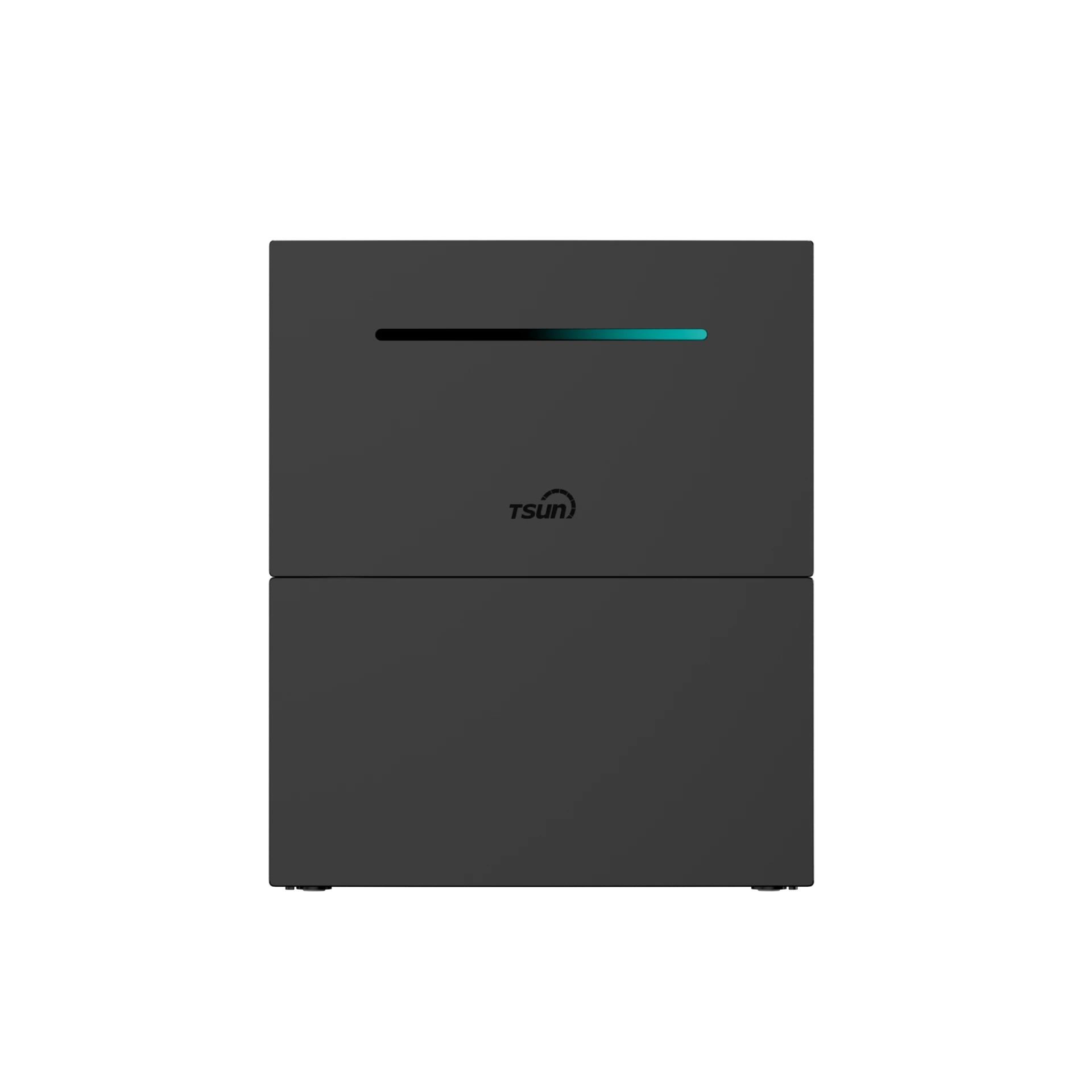
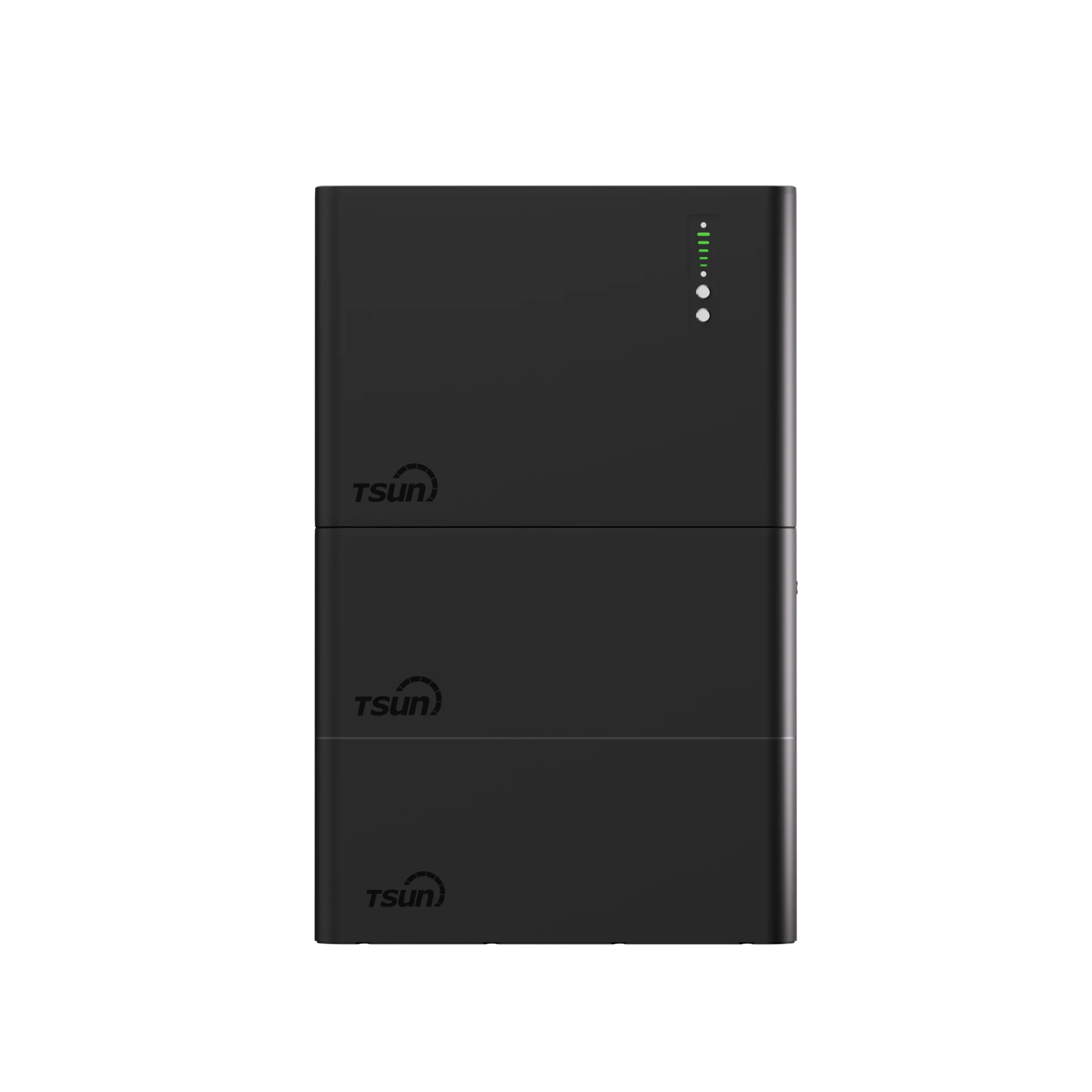
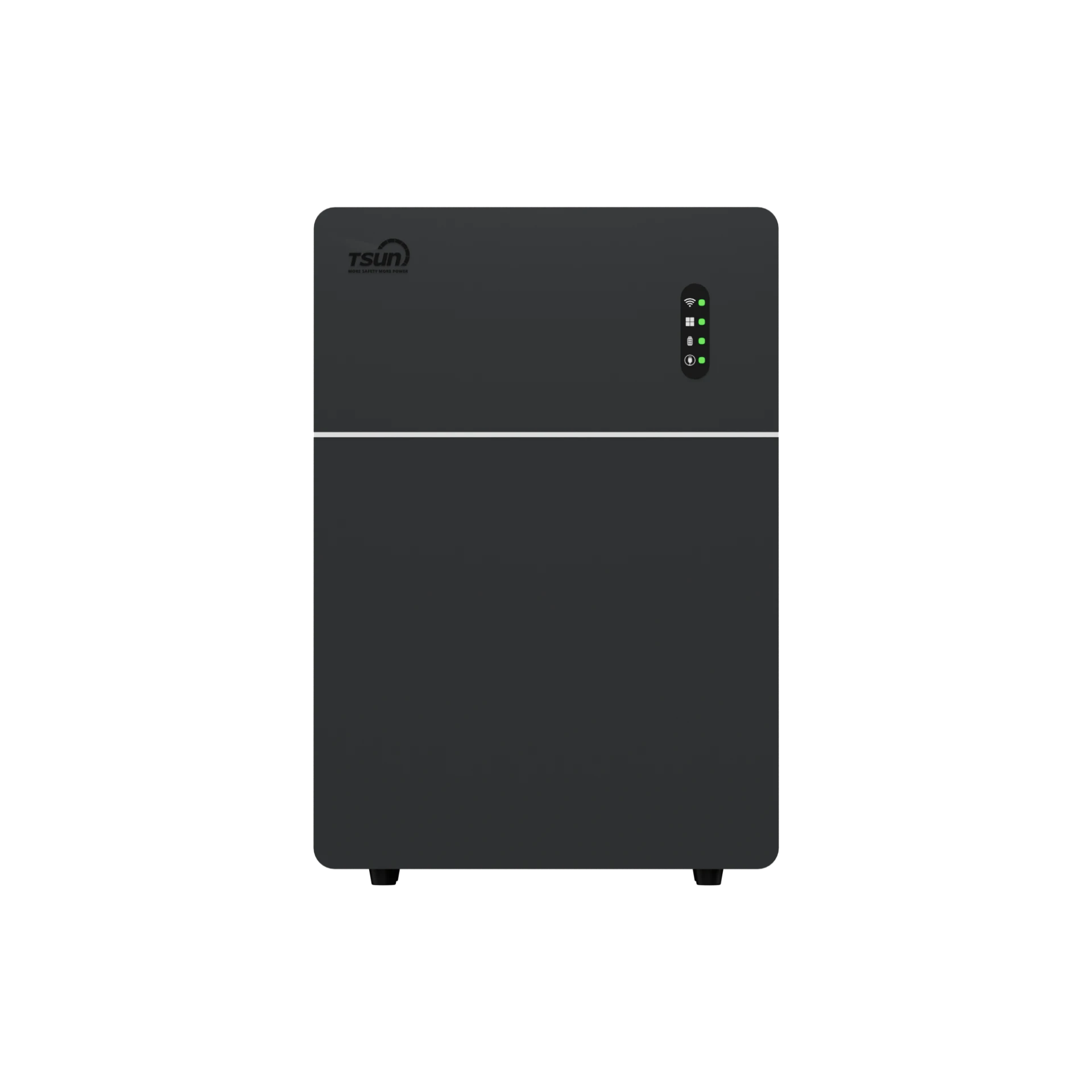
Solar storage systems have to be robust not just in theory but in practice. I remember visiting an installation site where the energy storage battery was pushed hard through multiple hot summers. The supplier’s design choices—left some room in thermal management, choice of high-grade lithium-ion cells—really made a difference. The system held up, even when the heat hit 45°C, which, odd as it sounds, is often the delicate bottleneck in tropical setups.
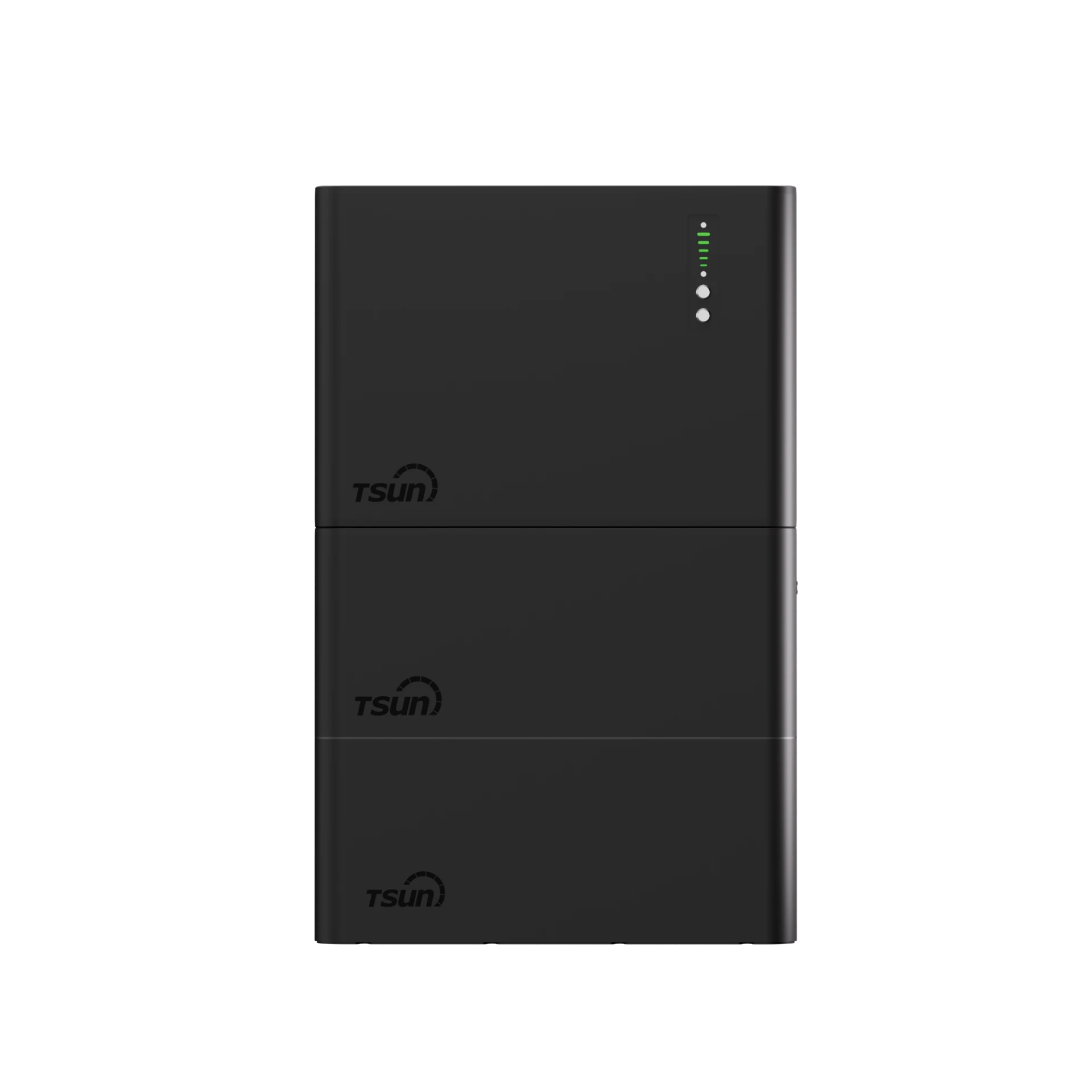
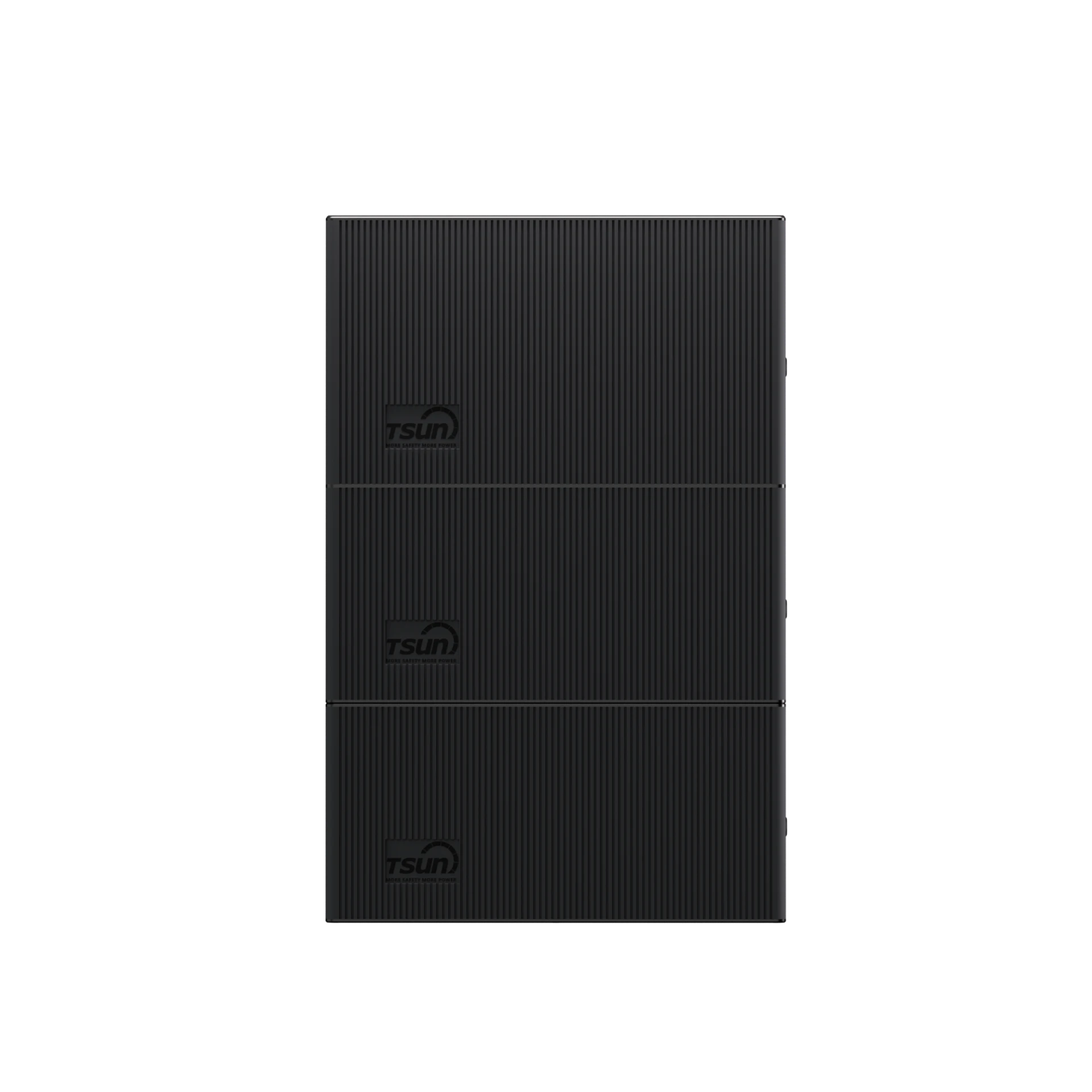
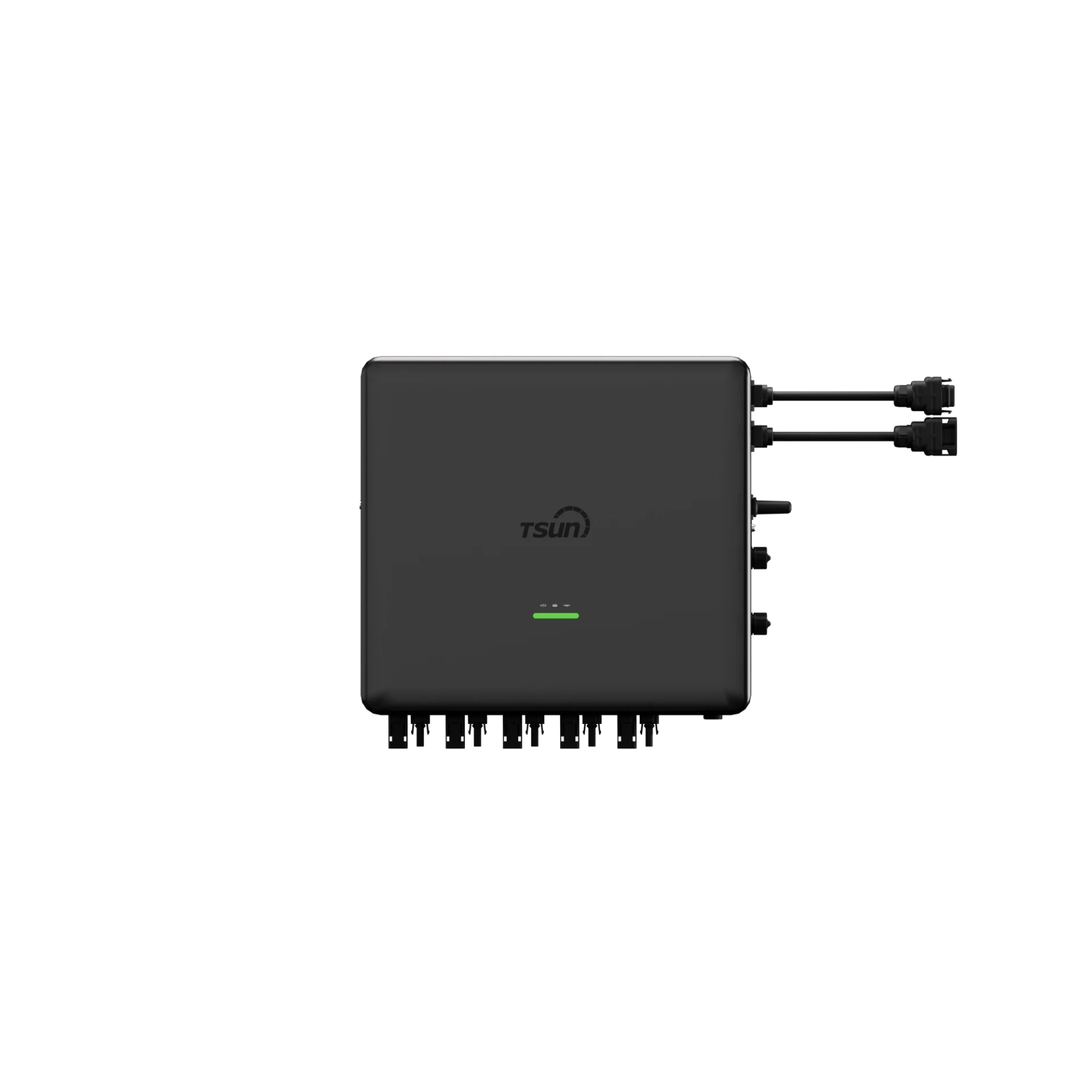
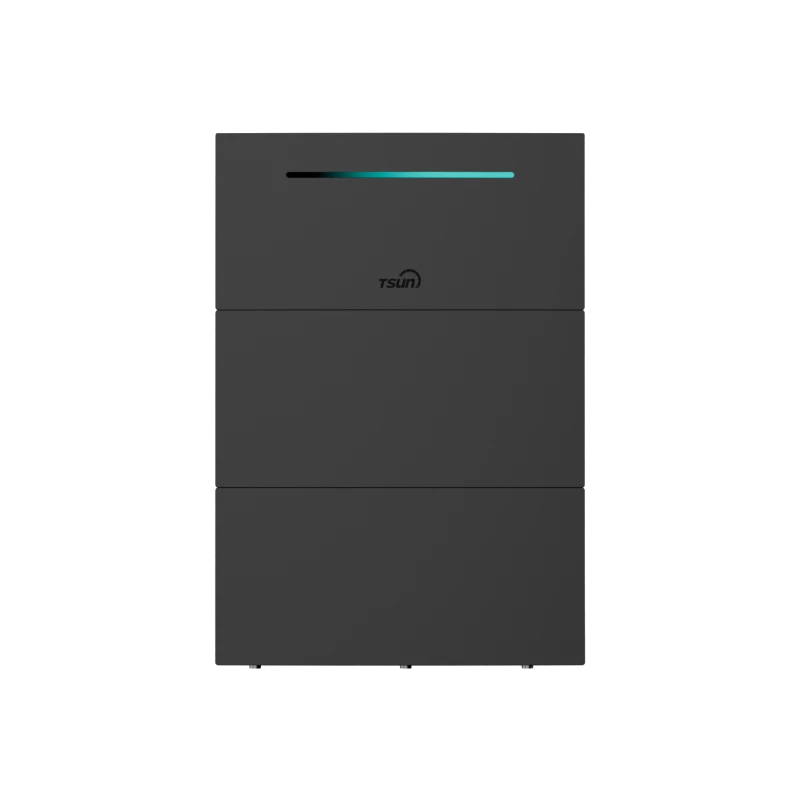
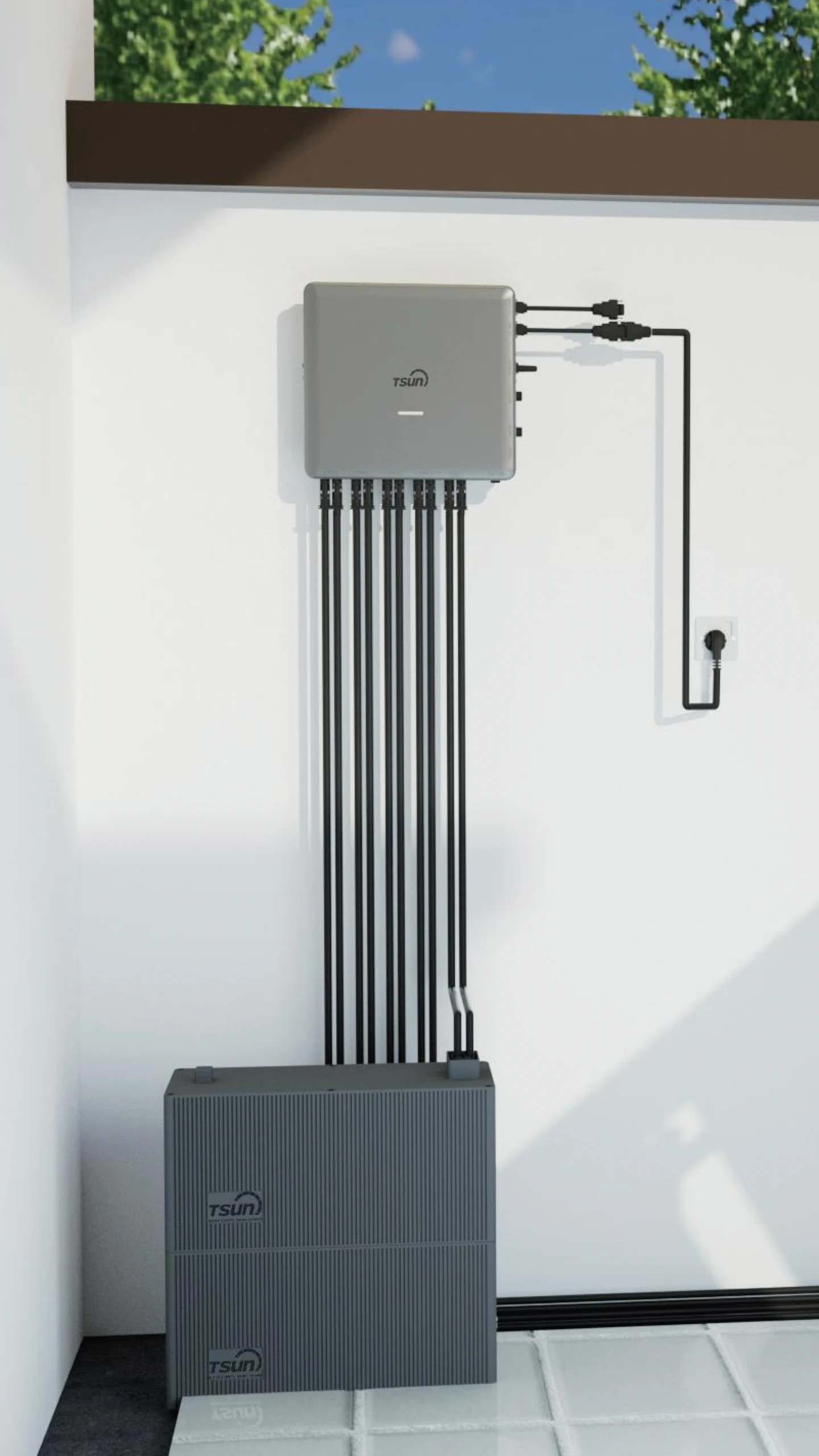
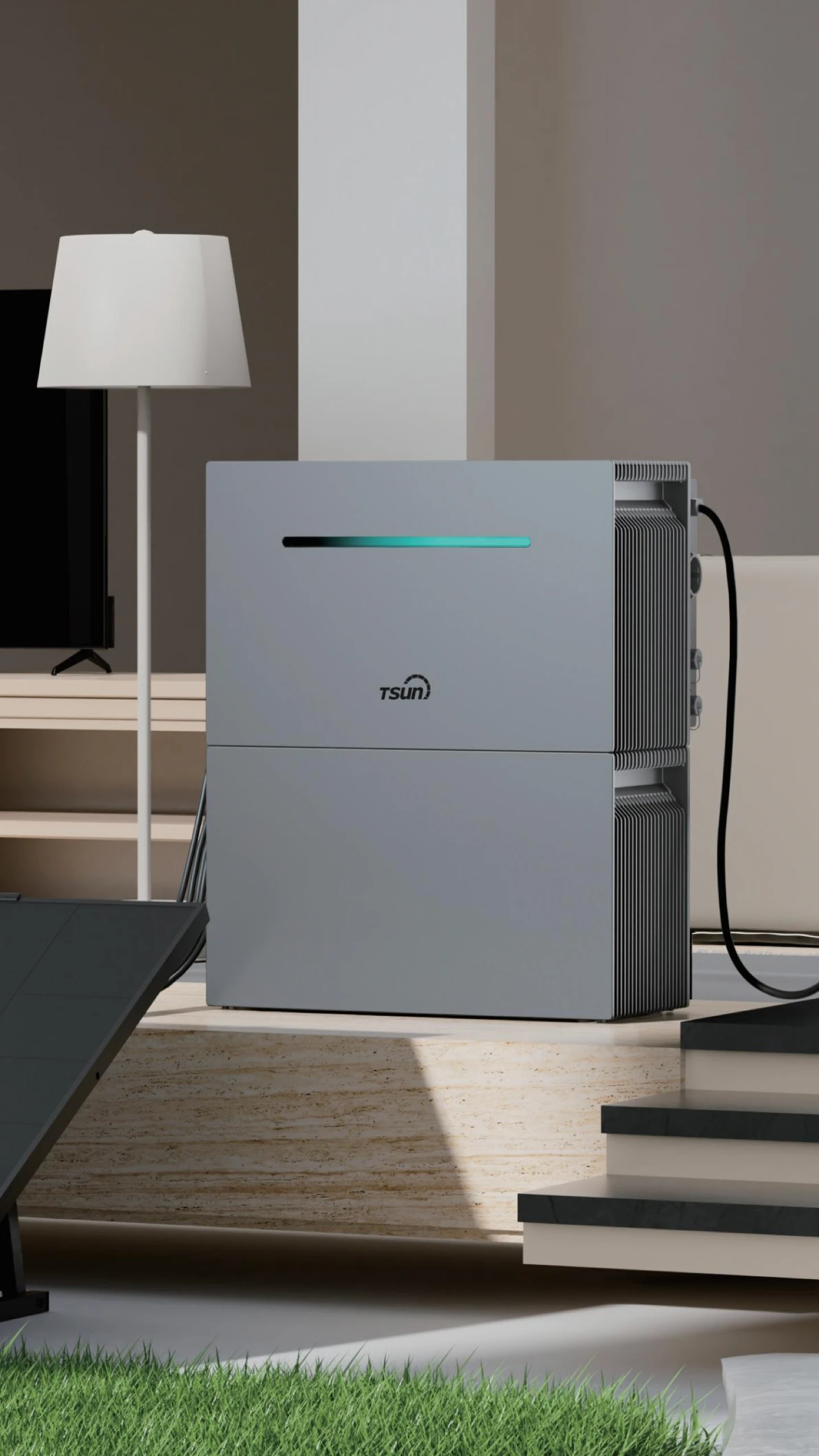
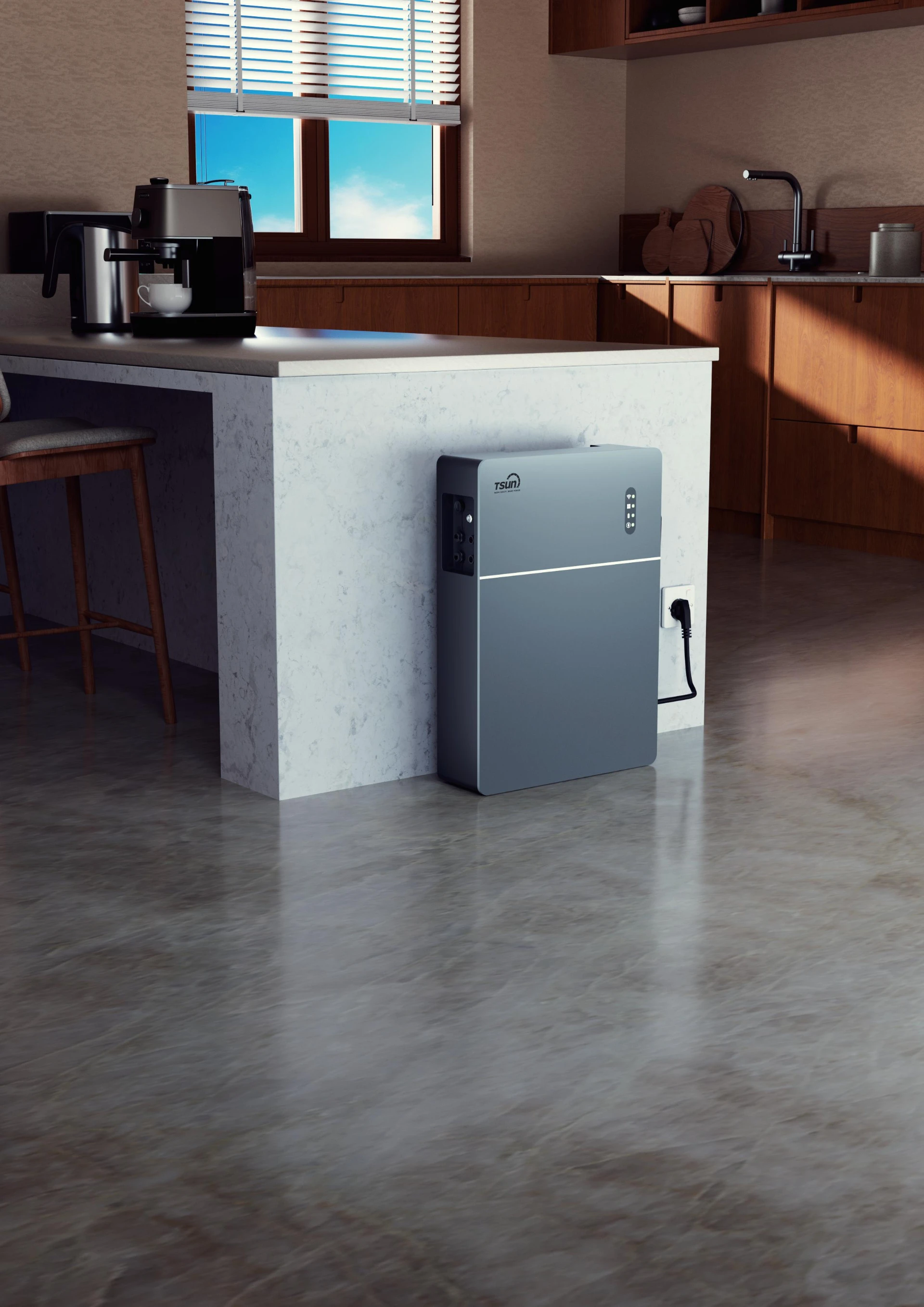
Now, if you’re wondering what to look for from a product standpoint, here’s a quick snapshot from one supplier I'm familiar with — very much reflective of what sensible industrial buyers ask for:
| Specification |
Details |
| Battery Type |
LiFePO4 (Lithium Iron Phosphate) |
| Nominal Capacity |
10 kWh – scalable modular units |
| Depth of Discharge (DoD) |
Up to 90% |
| Cycle Life |
Above 4,000 cycles at 80% DoD |
| Communication Protocol |
CAN, Modbus, and optional cloud monitoring |
| Operating Temperature Range |
-20°C to 55°C |
| Warranty |
10 years or 4,000 cycles (whichever comes first) |
What you want to keep in mind is not just specs on paper. It’s the vendor’s attitude towards support and customization. In fact, I often tell folks to make sure their supplier can tweak some parameters or system design. The industrial sector is rarely one-size-fits-all. For example, some clients needed a storage solution with tighter integration into factory automation protocols—I’ve noticed the suppliers who offer easy API support and flexible communication standards suddenly stand out.
Comparing a few well-known manufacturers, their differences lie mostly in battery chemistry quality, monitoring software, and local support networks. Here’s a quick comparison table to give you a real-world perspective:
| Supplier |
Battery Tech |
Monitoring Options |
Customization |
Support Network |
| Tsun ESS |
LiFePO4, high-grade cells |
Cloud + local DB, API access |
Flexible design, protocol options |
Global, with regional experts |
| Competitor A |
NMC (Nickel Manganese Cobalt) |
Basic app monitoring |
Limited to standard units |
Local offices in major markets only |
| Competitor B |
Lead-acid (AGM) |
No remote monitoring |
Mostly off-the-shelf |
Mostly regional |
Frankly, it feels like Tsun ESS has gotten better at balancing advanced battery tech with the nuts and bolts realities of industrial usage. I’ve heard from engineers who appreciated their transparency during testing phases and responsiveness during installation hiccups. You know how it goes—sometimes the real challenge isn’t the tech but the dialogue with your supplier.
At the end of the day, a solar energy storage system isn’t just a box of batteries sitting quietly. It’s a dynamic piece of a growing ecosystem where downtime is costly, and adaptation is key. Choosing a solar energy storage system supplier means looking beyond the shiny specs and onto how the partnership will unfold. I suppose if I could offer one tip, it’s to pick a vendor ready to listen as much as they impress on paper.
A solid, flexible energy storage partner can save you headaches—and maybe even money—down the line.
References:
1. Industry Whitepaper on LiFePO4 Battery Applications, 2023
2. User Reviews & Case Studies, Tsun ESS, 2022/2023
3. Solar Power World Magazine, “Storage Tech Trends”, 2023






 LEARN DETAILS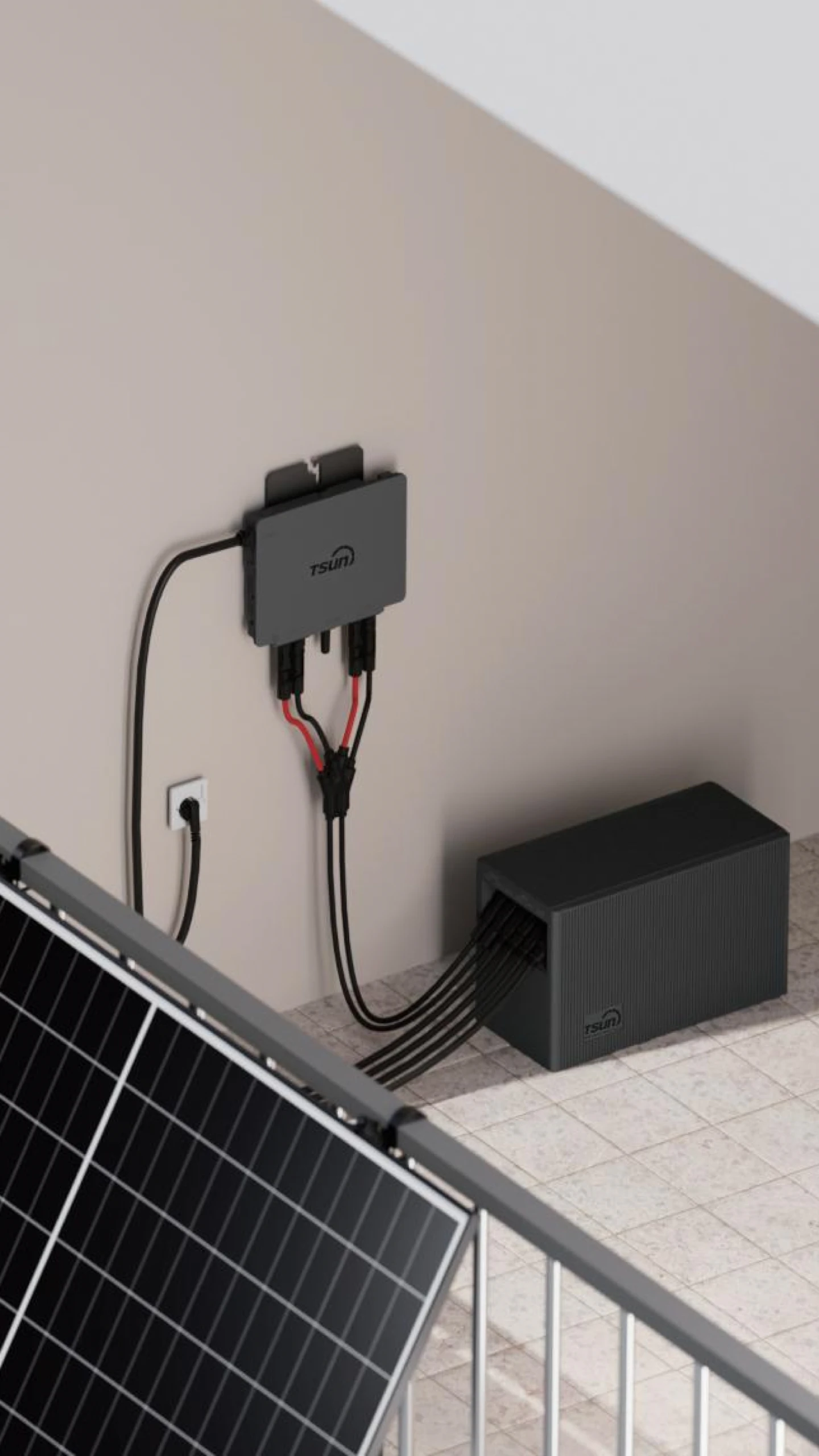
 Downloads
 Video Center
 Report Fault for Repair
 FAQS
FAQS Service Network
 Privacy Policy
 Contact Us
 Monitoring


 LEARN MORE