Investing in solar energy is a smart move for both the environment and your wallet. However, maximizing the efficiency of your solar panel system requires careful consideration of each component, especially the inverter. A solar panel microinverter kit offers significant advantages over traditional string inverters, enhancing performance and providing greater flexibility. This article will delve into the benefits, components, and considerations when selecting the right microinverter kit for your needs. Understanding these aspects is crucial for a successful and efficient solar energy setup.
What is a Solar Panel Microinverter Kit?
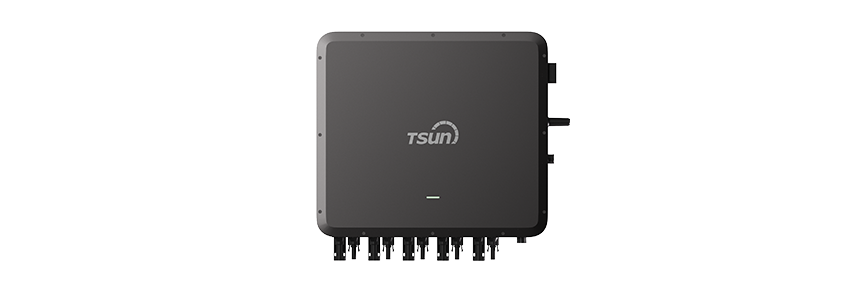
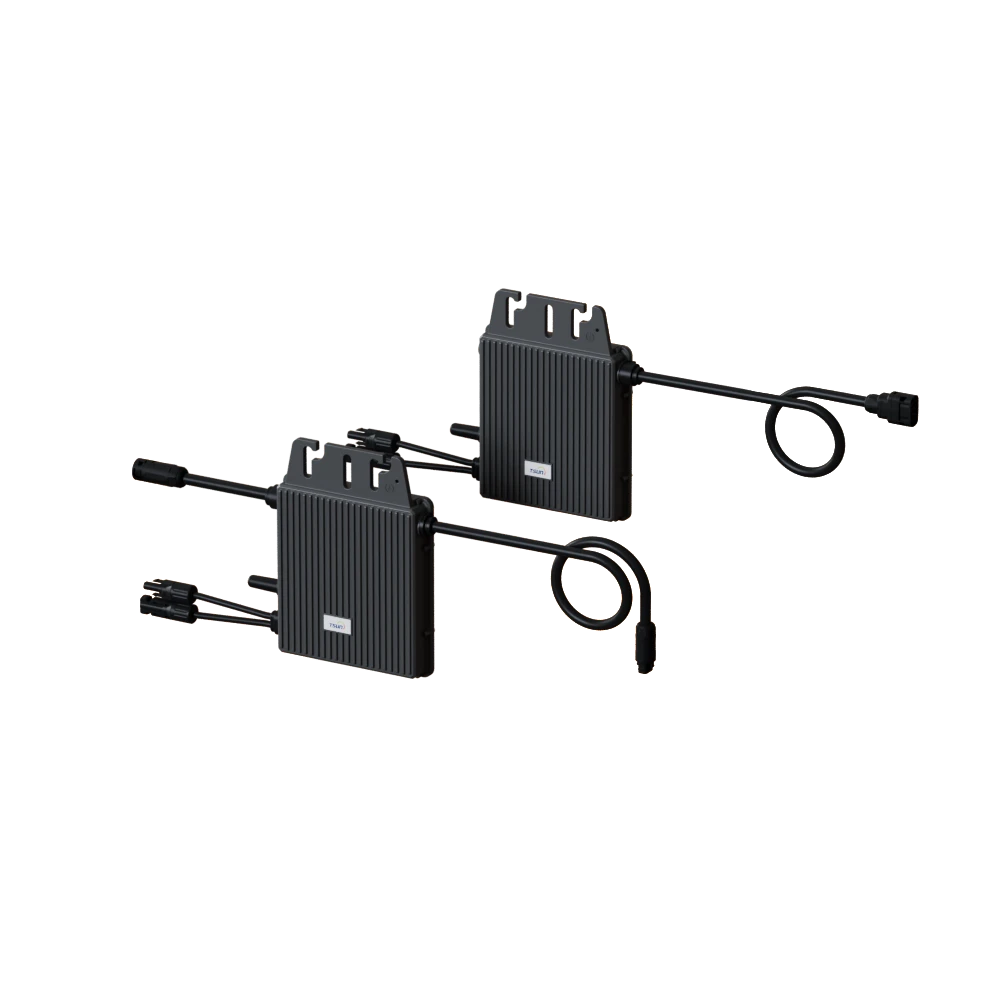
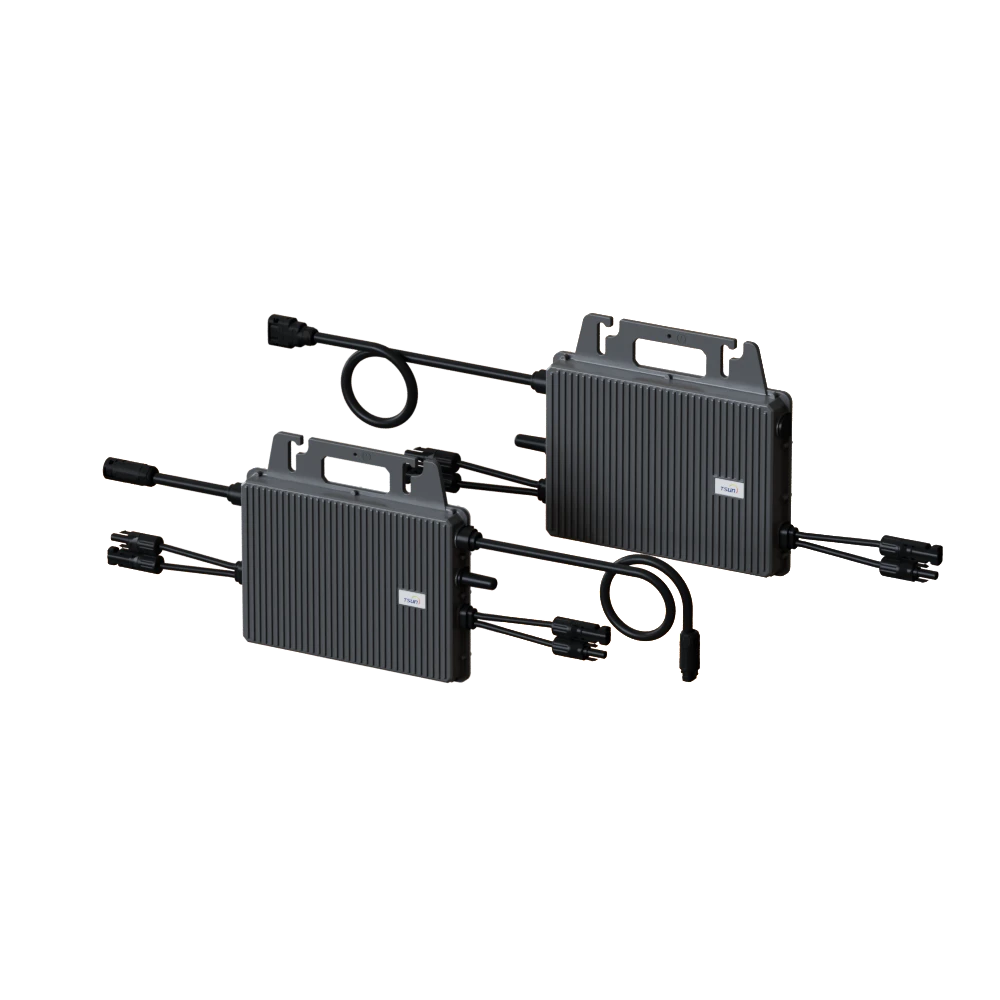
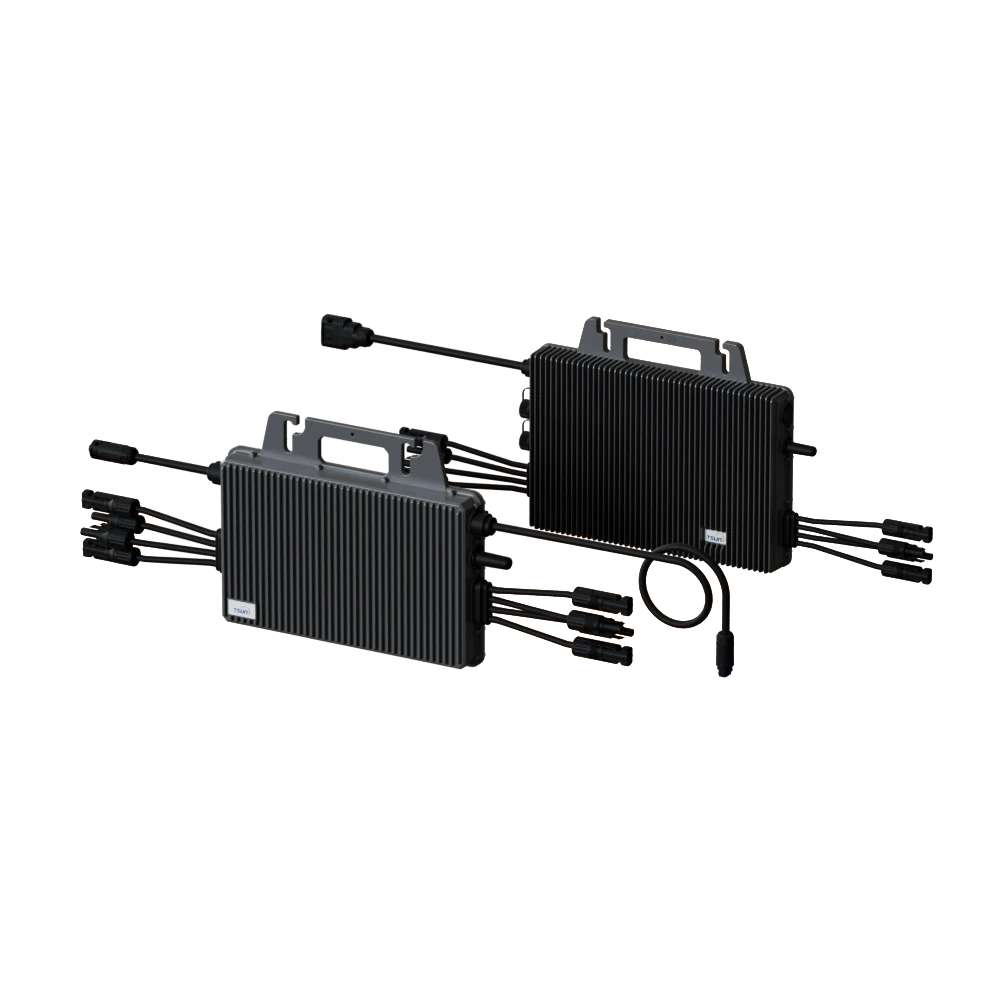
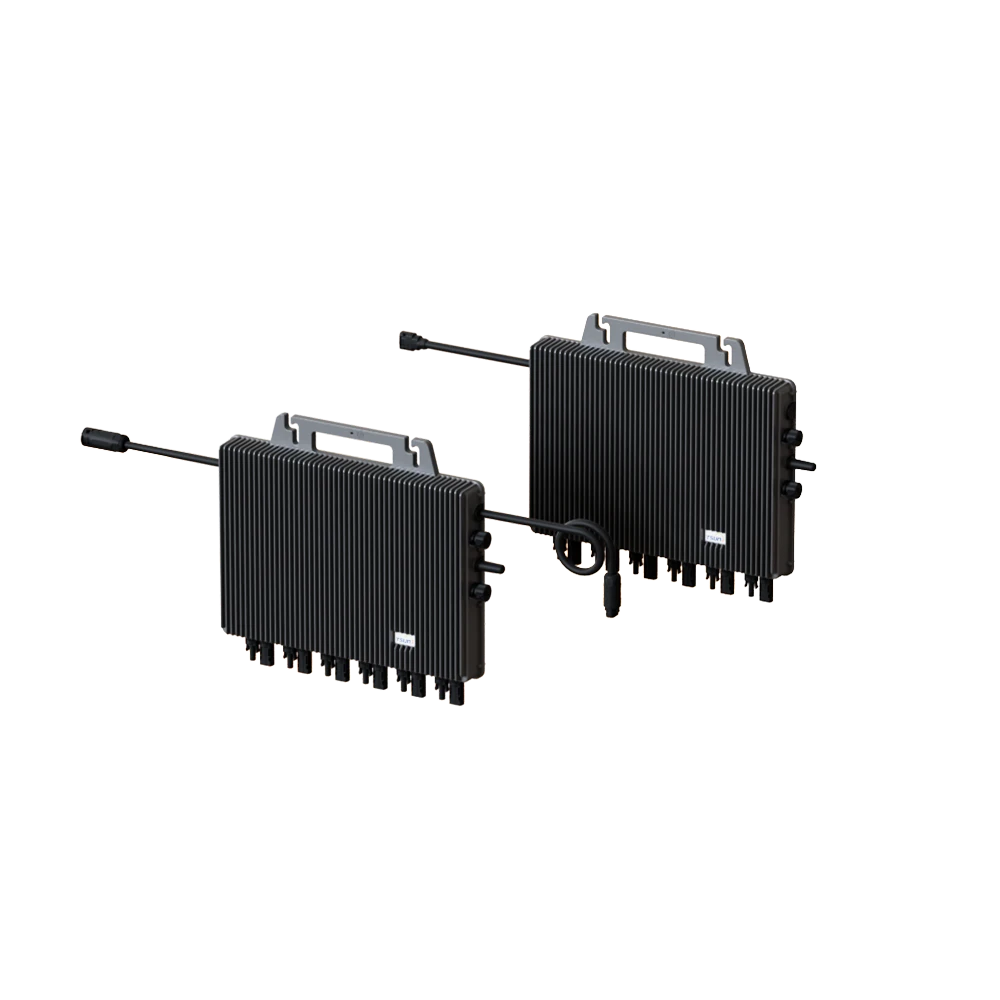
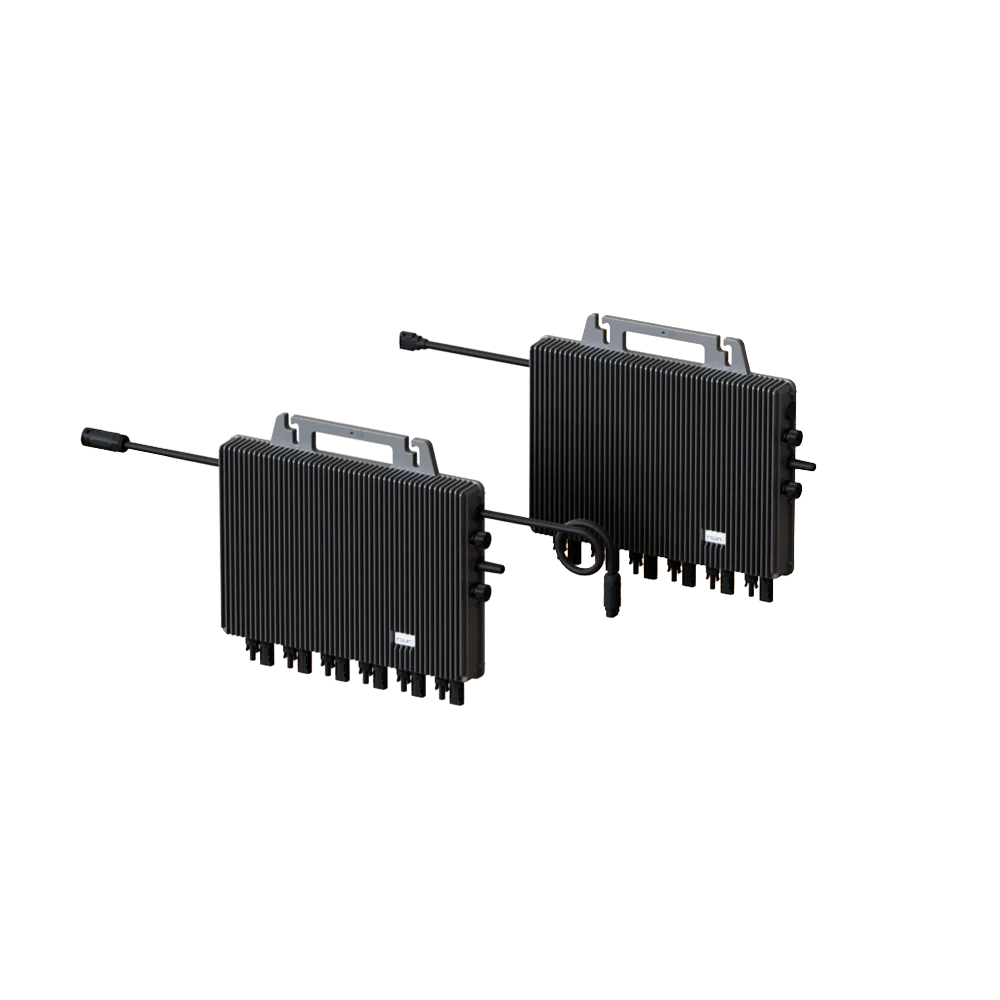
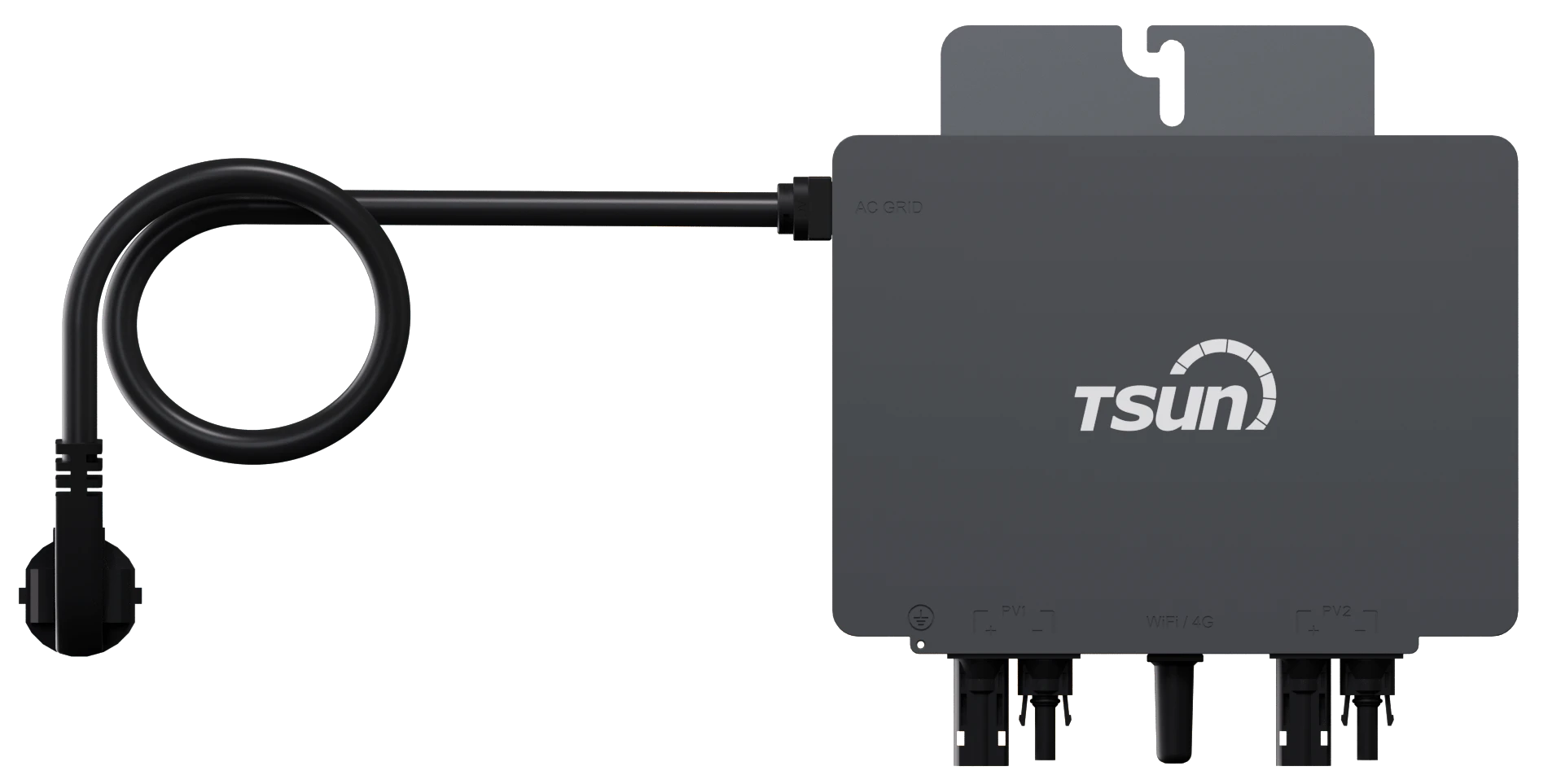
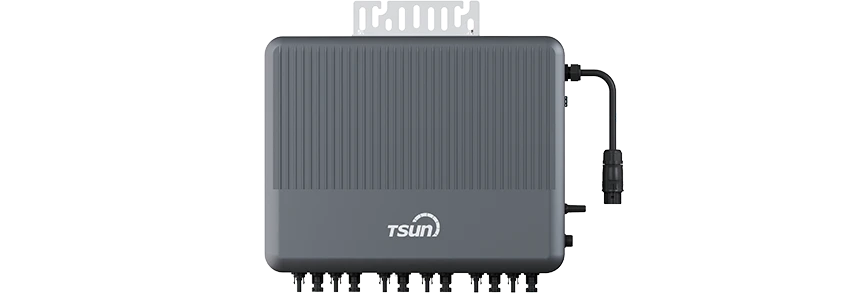
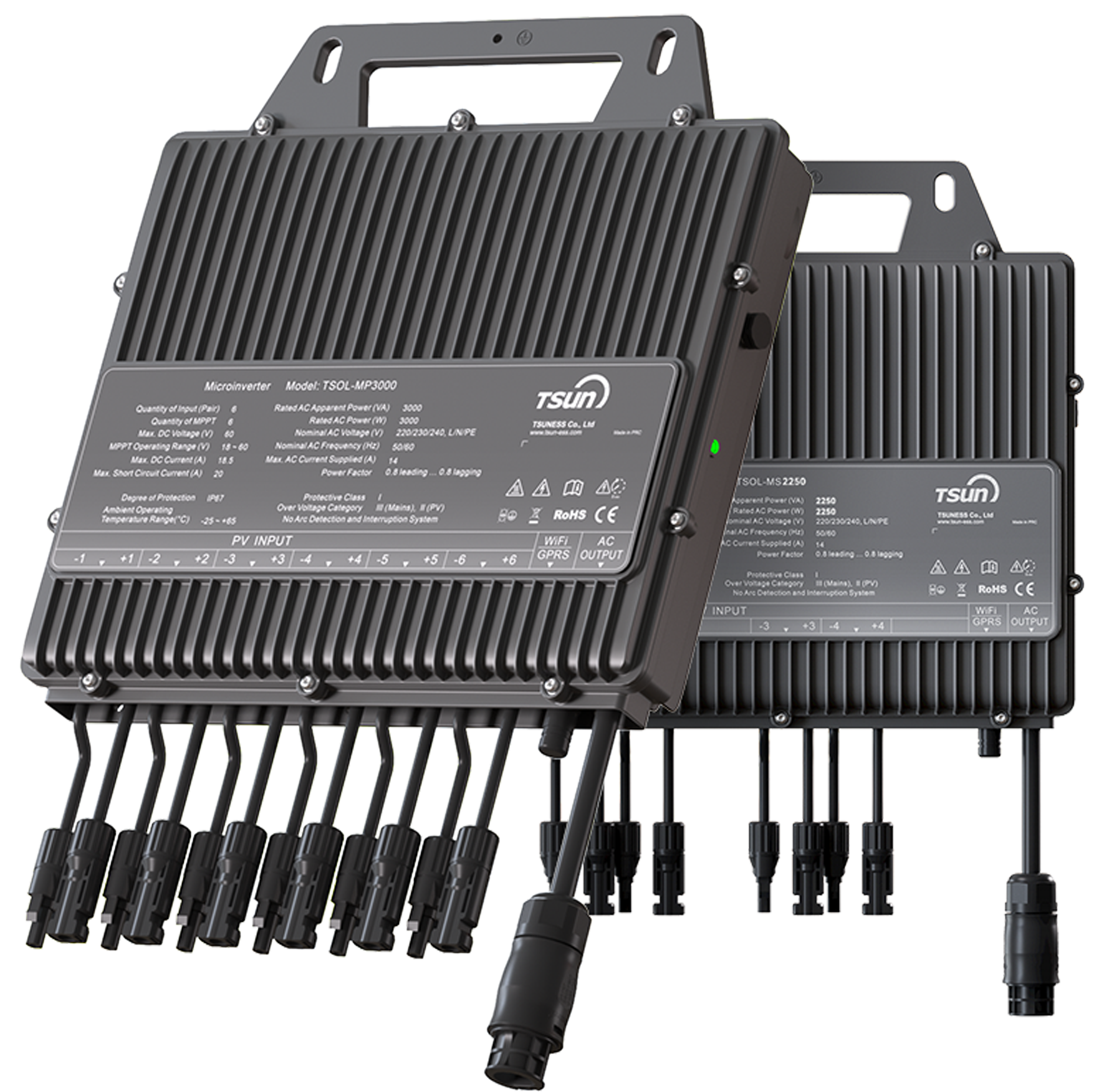
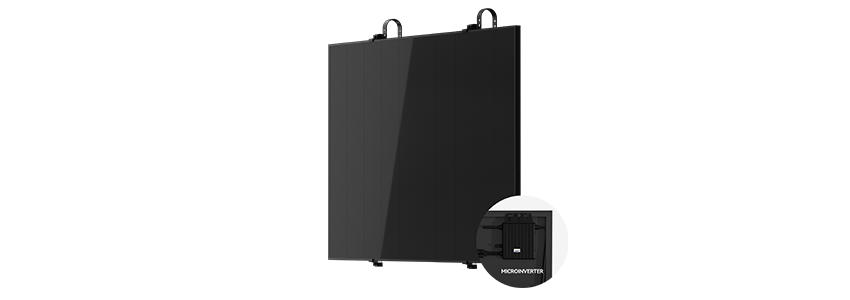
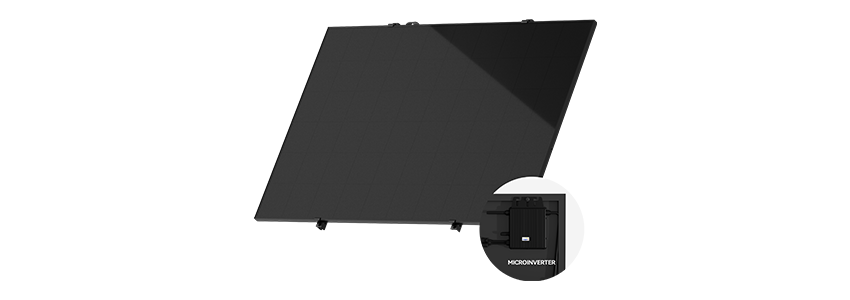
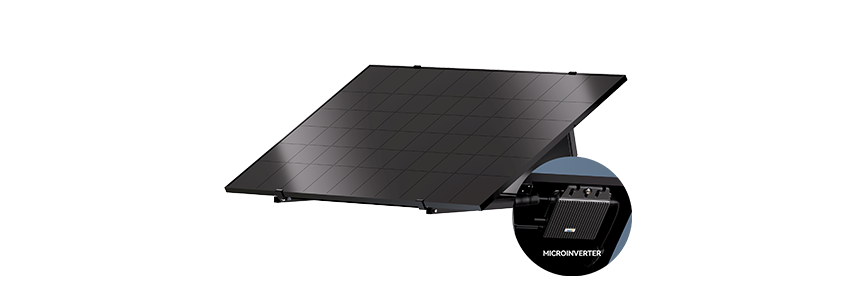
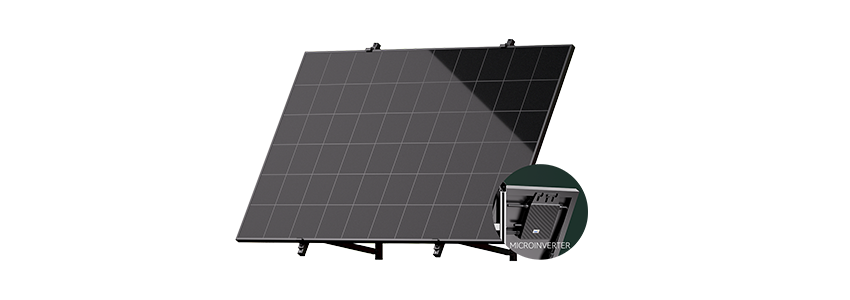
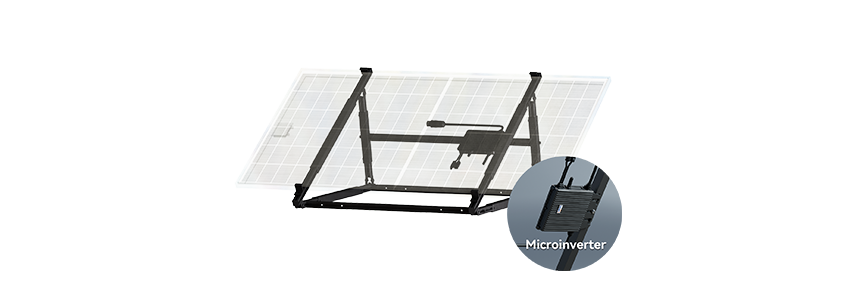
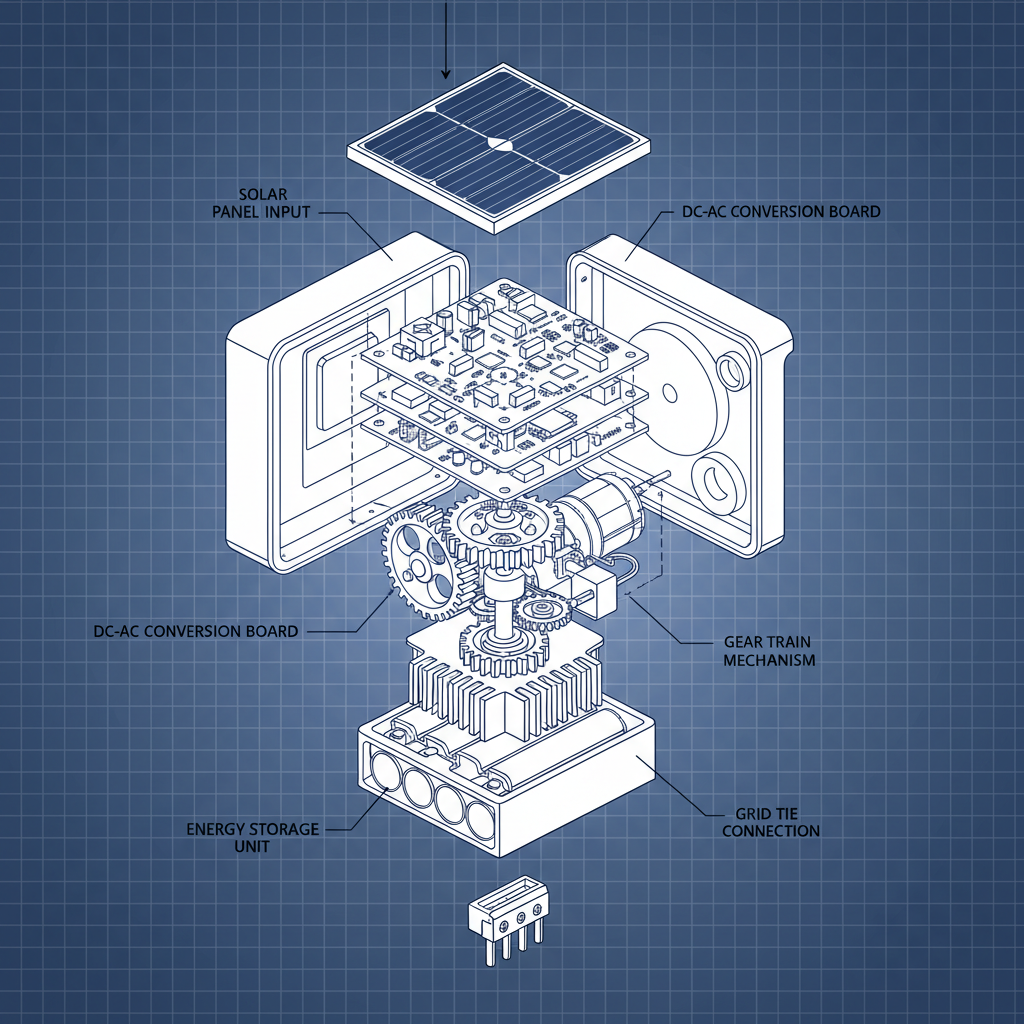
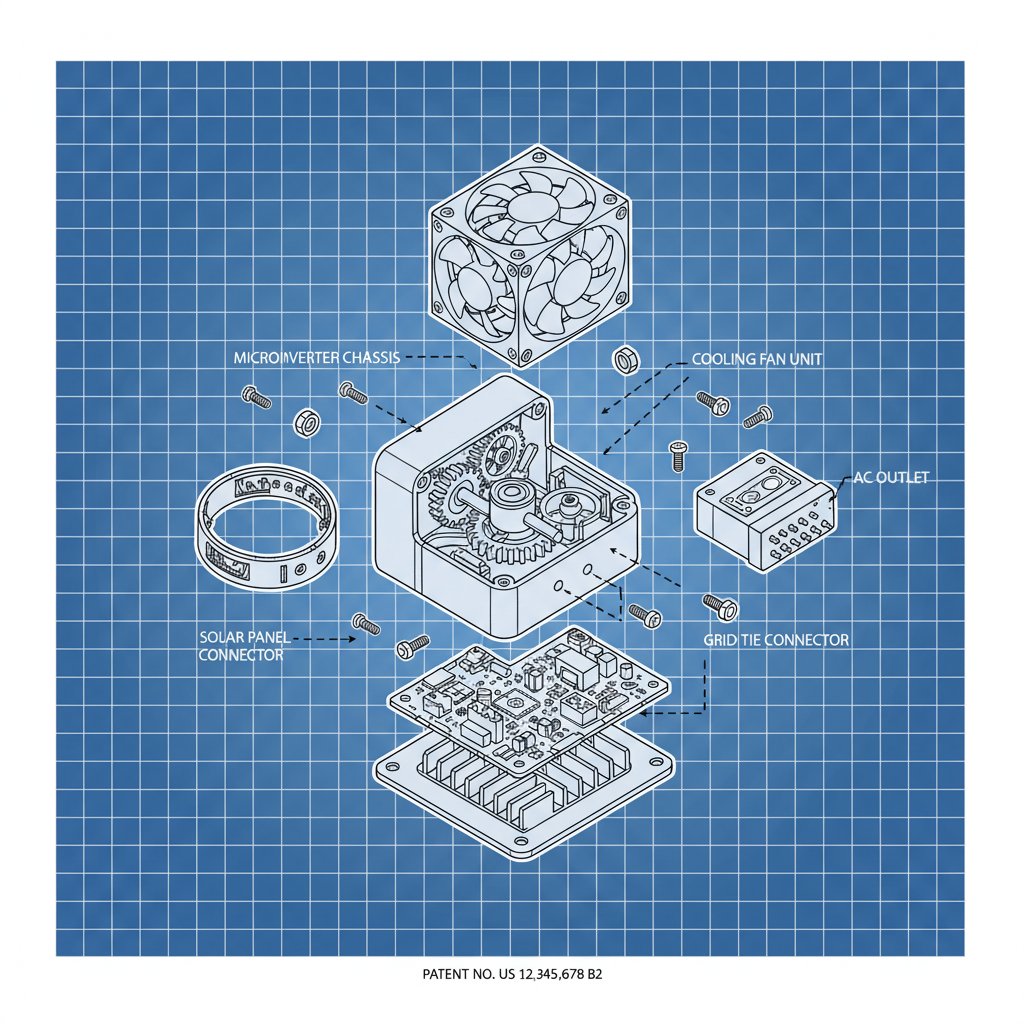
Unlike string inverters that convert DC power from multiple panels into AC power at a single point, microinverters are small inverters attached directly to the back of each individual solar panel. Each panel operates independently, optimizing energy production even in shaded conditions. A solar panel microinverter kit typically includes the microinverters themselves, monitoring hardware, and necessary cabling. This distributed architecture offers numerous advantages, including improved performance, enhanced safety, and greater system design flexibility. It’s a robust solution for residential and commercial applications alike.
Key Benefits: Improved energy harvest, panel-level monitoring, increased system safety, and design flexibility.
Microinverters vs. String Inverters: A Detailed Comparison
The choice between microinverters and string inverters is a critical one. String inverters are generally more cost-effective upfront, but microinverters offer long-term benefits that often outweigh the initial investment. Microinverters eliminate the single point of failure inherent in string inverters. If one panel is shaded or malfunctions, it won't affect the output of the entire system. This leads to higher overall energy production, particularly in complex roof layouts or areas prone to shading. Furthermore, panel-level monitoring allows for precise identification of any performance issues.
Key Differences:
• Performance: Microinverters maximize energy harvest, especially in shaded conditions.
• Reliability: Microinverters eliminate single point of failure.
• Monitoring: Panel-level monitoring for precise performance analysis.
• Cost: String inverters have lower upfront costs, but microinverters offer better long-term ROI.
Choosing the right microinverter kit requires careful assessment of your energy needs, system size, and roof conditions. Consider the wattage of your solar panels and select microinverters that are compatible. Look for kits that offer robust monitoring capabilities and reliable warranties. It's also essential to ensure the microinverters are certified to meet local safety standards. The number of microinverters needed will match the number of solar panels in your system. Prioritize reputable brands known for quality and performance.
| Factor |
Consideration |
| Panel Wattage |
Select microinverters that match or exceed panel wattage. |
| Monitoring |
Choose kits with detailed panel-level monitoring. |
| Warranty |
Look for kits with a comprehensive warranty (e.g., 25 years). |
| Certifications |
Ensure the kit meets relevant safety and performance standards. |
Benefits of Choosing Tsun-ESS Microinverter Kits
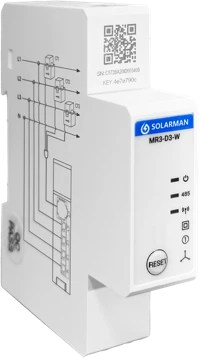
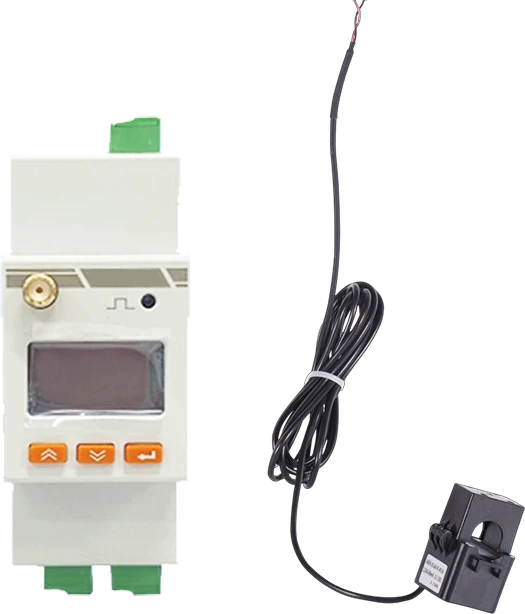
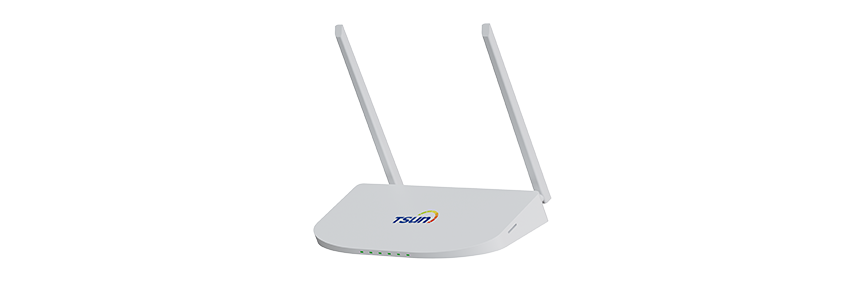
Tsun-ESS offers a range of high-performance solar panel microinverter kits designed for optimal energy production and reliability. Our kits feature advanced monitoring capabilities, allowing you to track the performance of each panel in real-time. We provide comprehensive support and a robust warranty, giving you peace of mind. Our microinverters are built to withstand harsh weather conditions and deliver consistent performance for years to come.
Installation and Maintenance Considerations
While microinverters are relatively easy to install, professional installation is recommended to ensure proper wiring and system configuration. Regular monitoring of the system is crucial to identify any performance issues. Periodic visual inspections of the microinverters and wiring can help detect potential problems before they escalate. Although microinverters have a long lifespan, it’s essential to follow the manufacturer’s maintenance guidelines to maximize their performance and longevity.
Conclusion: Maximize Your Solar Investment with Microinverters
Investing in a solar panel microinverter kit is a strategic move towards maximizing the efficiency and reliability of your solar energy system. Tsun-ESS offers high-quality kits and expert support to help you achieve your energy goals. Don't compromise on performance – choose Tsun-ESS for a brighter, more sustainable future.
Frequently Asked Questions (FAQs)
What is the typical lifespan of a microinverter?
Most reputable microinverter brands, including Tsun-ESS, offer a 25-year warranty on their products, indicating an expected lifespan of at least that long. However, the actual lifespan can be influenced by environmental factors, such as temperature and humidity. Regular monitoring and maintenance can help prolong the life of your microinverters. Choosing a high-quality kit with robust components is essential for long-term reliability.
Can I add microinverters to an existing solar panel system?
Yes, it is often possible to retrofit microinverters to an existing system, especially if it currently uses string inverters. However, a thorough assessment of your system is required to ensure compatibility and proper integration. You may need to replace the existing wiring and monitoring equipment. Consulting with a qualified solar installer is crucial to determine the feasibility and cost-effectiveness of such an upgrade.
What are the benefits of panel-level monitoring?
Panel-level monitoring provides valuable insights into the performance of each individual solar panel. This allows you to quickly identify any issues, such as shading, dirt buildup, or component failures, that may be reducing energy production. By addressing these issues promptly, you can maximize your system's efficiency and overall energy yield. It also simplifies troubleshooting and maintenance.
Are microinverters suitable for all roof types?
Microinverters are particularly well-suited for complex roof layouts with multiple orientations or areas prone to shading. They also work well on roofs with limited space or unconventional shapes. However, proper installation is crucial regardless of the roof type. A professional installer can assess your roof and recommend the best mounting solution for your microinverter kit.



 LEARN DETAILS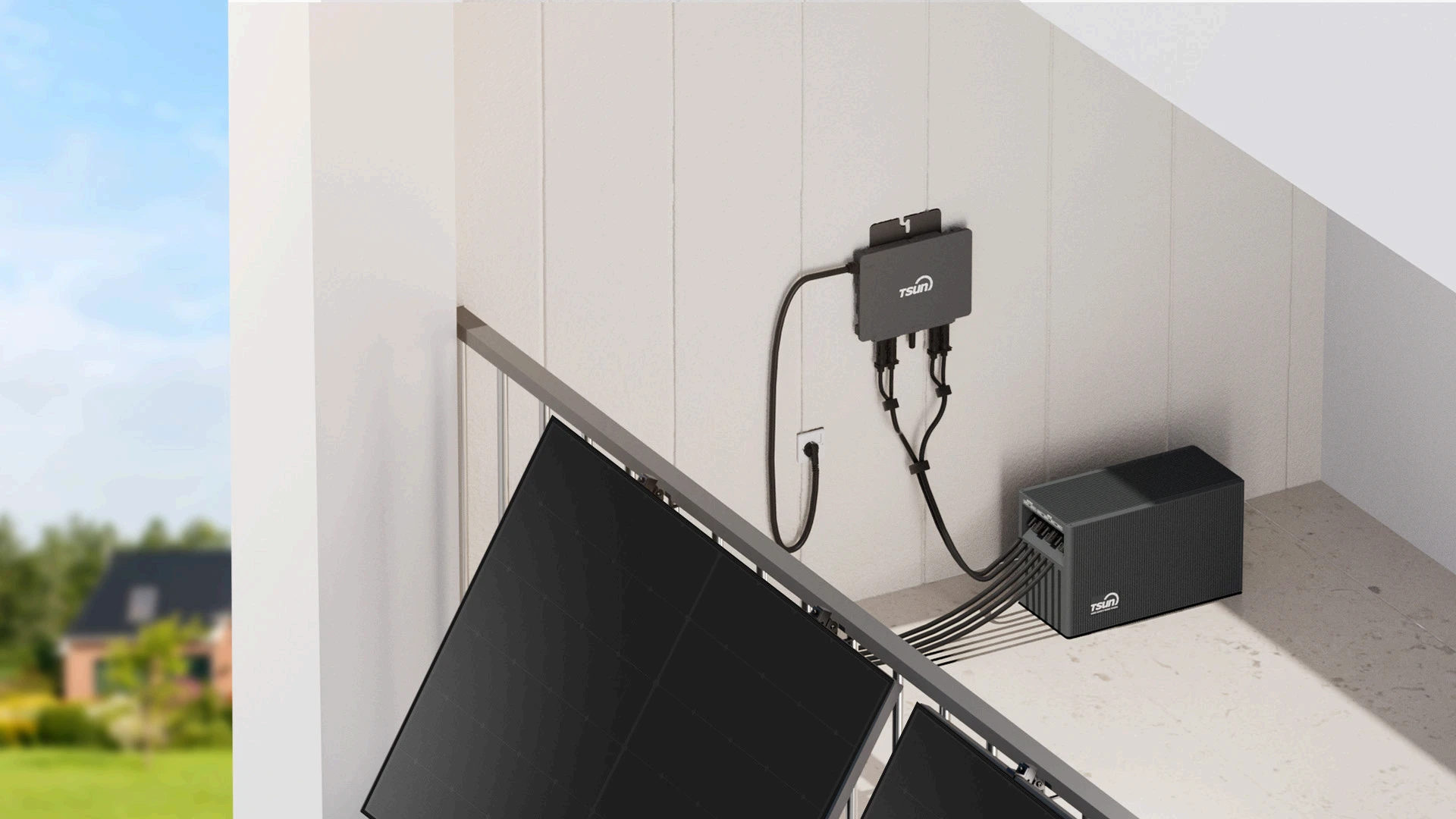
 Downloads
 Video Center
 Report Fault for Repair
 FAQS
FAQS Service Network
 Privacy Policy
 Contact Us
 Monitoring


 LEARN MORE