Why the Microinverter 350W is a Quiet Powerhouse in Solar Tech
Having spent more than a decade in the industrial equipment realm—mostly navigating solar and energy conversion hardware—I've developed a bit of a soft spot for microinverters, especially the microinverter 350w variants that seem to quietly hum away on rooftops worldwide. Oddly enough, these compact devices tend to get overlooked despite packing quite a powerful punch for their size.
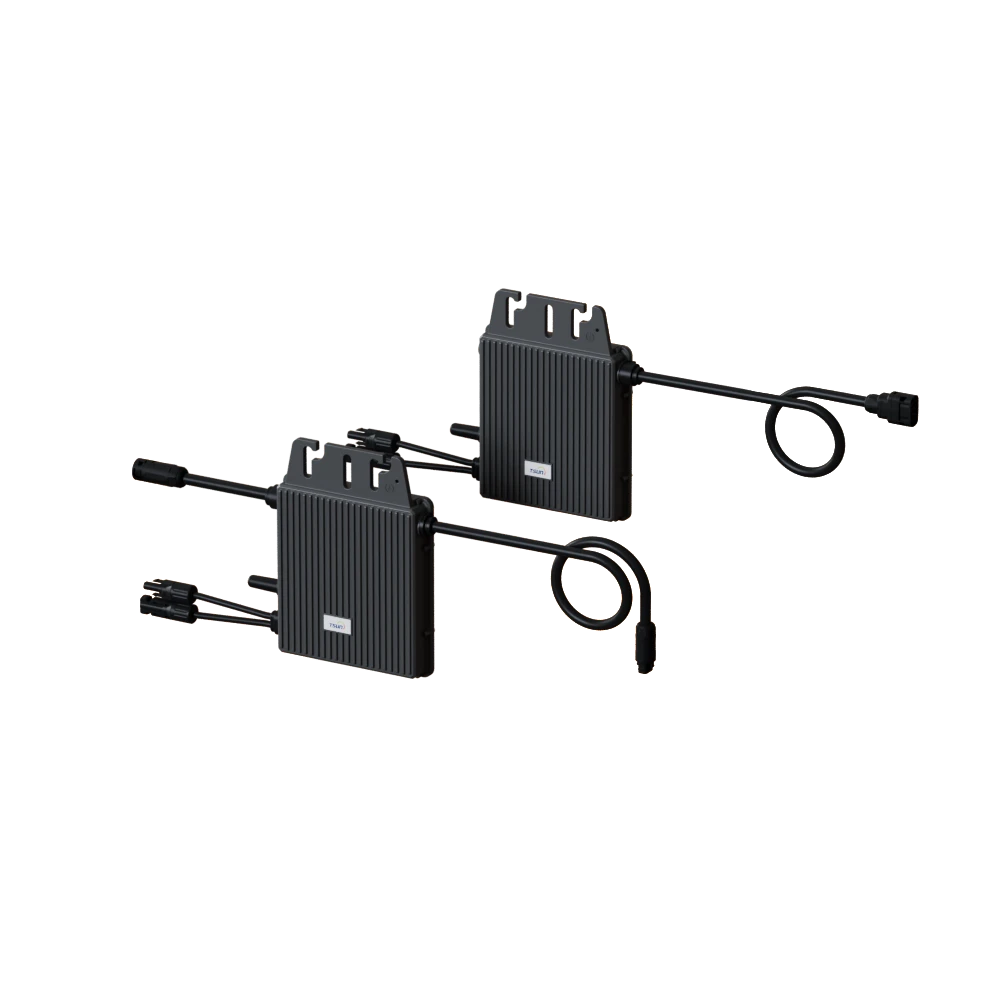
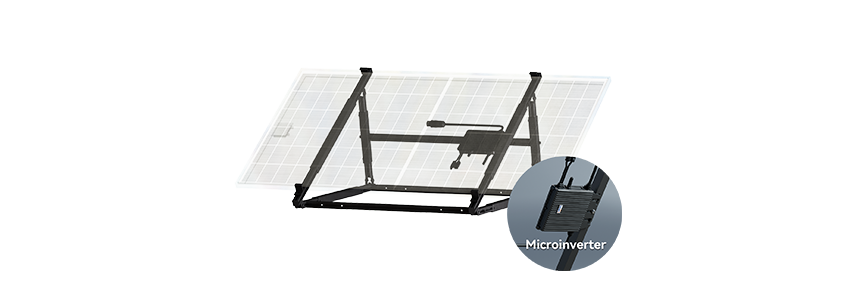
To the uninitiated, a microinverter converts direct current (DC) generated by individual solar panels into alternating current (AC) that our homes and grids can use. The 350W category often strikes a sweet balance between efficiency and adaptability, making these units popular among residential and small commercial installers.
Now, I remember a project a few years back where a client was juggling shading issues due to nearby trees. The 350W microinverters shone there because their panel-level optimization meant partial shade didn't slam the entire string’s output. With centralized inverter setups, the shade on one panel can drag down the whole chain, but not here. Honestly, for any system where panels face different directions or intermittent shading is a factor, this is a real game-changer.
Breaking Down the Specs
| Specification |
Value |
| Nominal Power Output |
350 Watts |
| Maximum DC Input Voltage |
60 V |
| MPPT Voltage Range |
22 V – 48 V |
| Maximum Efficiency |
96.5% |
| Dimensions (L×W×H) |
180mm × 145mm × 30mm |
| Operating Temperature |
-40°C to 65°C |
| Warranty |
10 years |
The specs reflect a thoughtfully engineered device. The MPPT (Maximum Power Point Tracking) range means the microinverter can fine-tune power conversion for panels operating under varying conditions—something I've seen enhance overall system yields significantly. Plus, a 10-year warranty, standard for quality microinverters, kind of shows the manufacturer’s confidence. In the field, reliability isn't just a buzzword; it's vital.
A Quick Comparison: Familiar Vendors in the 350W Microinverter Space
| Feature |
Tsun ESS |
Enphase IQ7+ |
APsystems YC600 |
| Nominal Output |
350 W |
295 W |
300 W (per channel) |
| Maximum Efficiency |
96.5% |
97% |
96.7% |
| Warranty |
10 years |
25 years |
10 years |
| Communication |
Powerline |
RF Mesh |
Powerline |
| Key Advantage |
Compact size & cost-effective |
Strong monitoring ecosystem |
Dual-module design |
If you’re deep into system design, these finer points count a lot. For instance, Enphase's longer warranty and monitoring platform make it a favorite among tech-hungry customers, but Tsun ESS’s microinverter 350w offers punchy output in a smaller, more budget-friendly package. In real terms, that means you get solid performance without necessarily paying the premium—handy for mid-size residential jobs or retrofits.
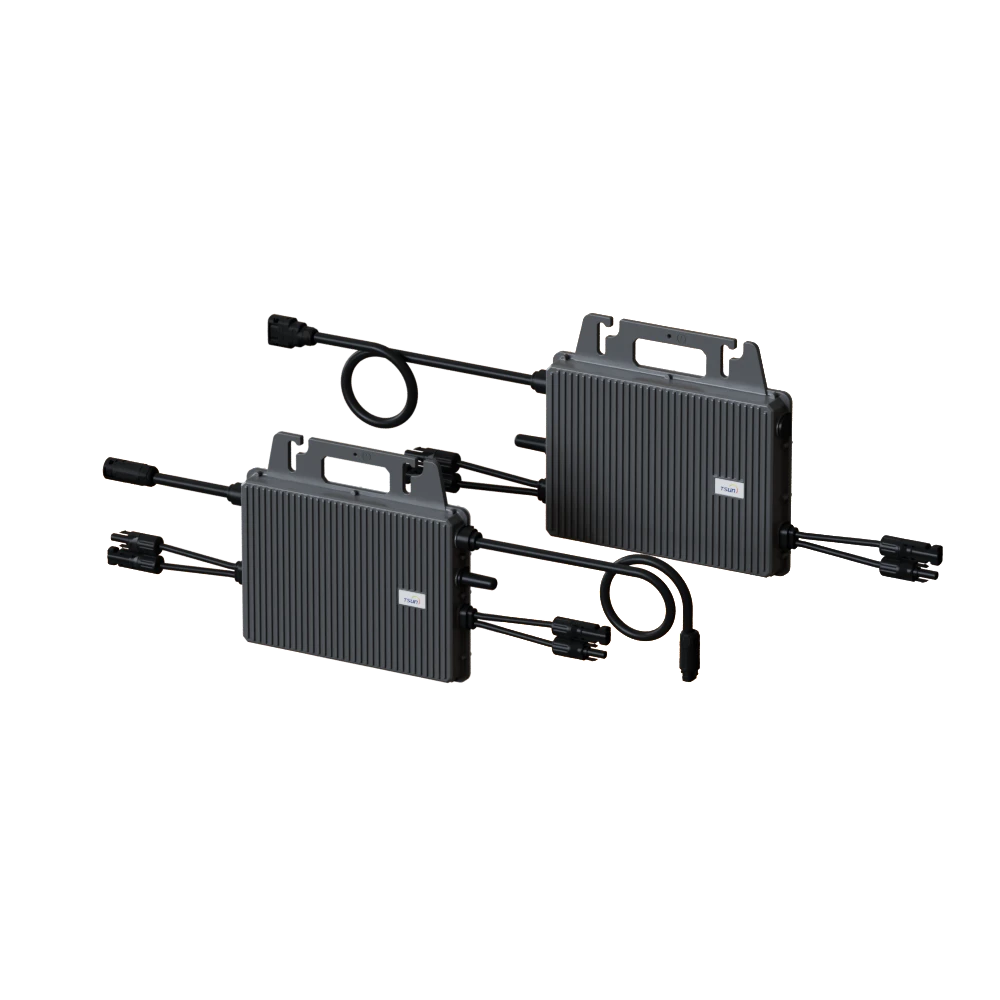
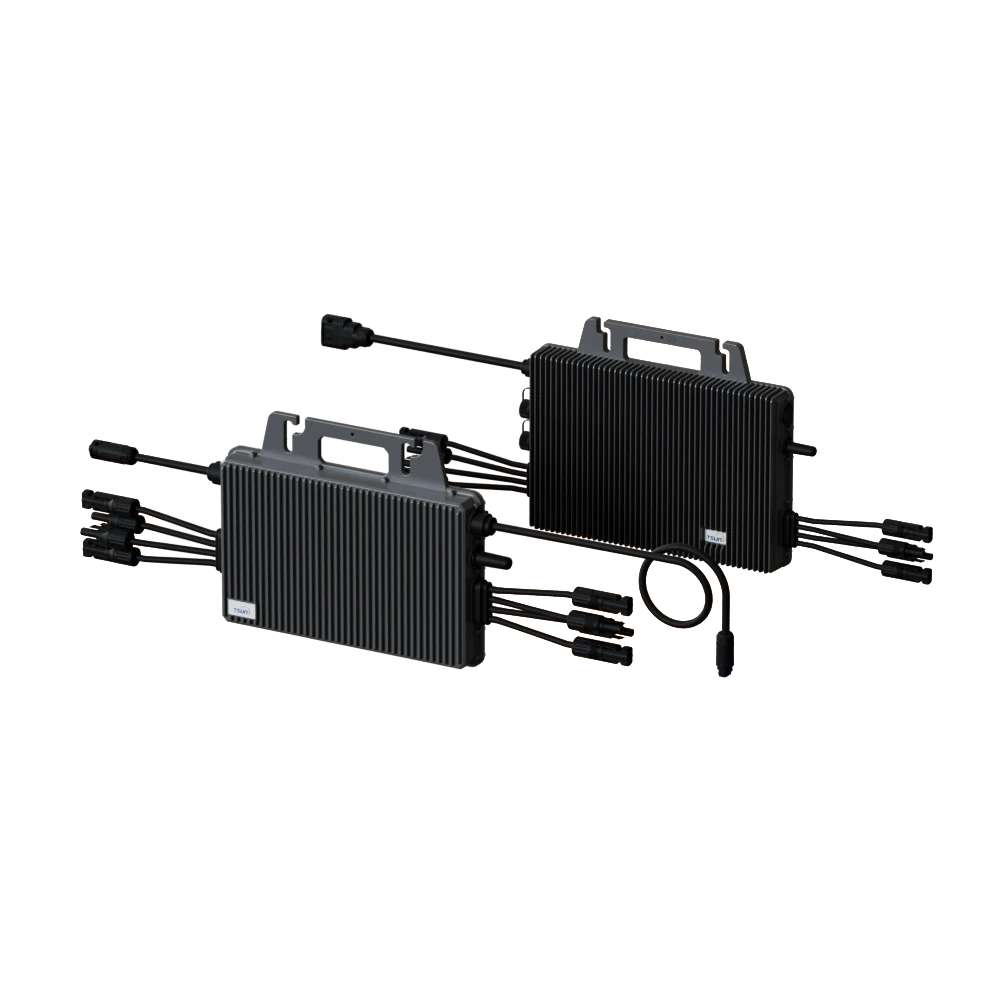
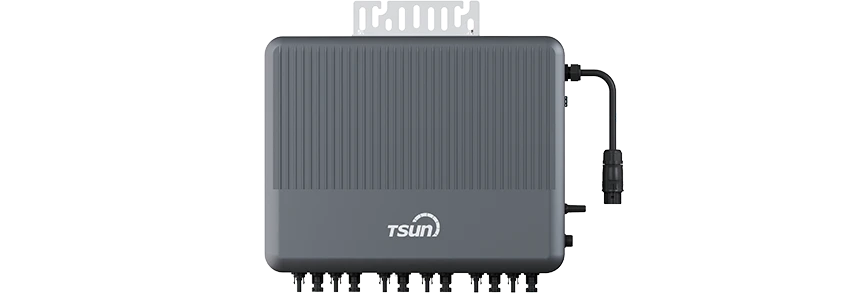
Materials and build quality also matter here. I’ve noticed Tsun ESS units tend to use zinc-aluminum alloy casings offering both heat dissipation and weather resilience. Industrial experience taught me these design elements pay off long term, reducing failure rates from thermal stress. Some cheaper microinverters skip on these details, and believe me, those mistakes show up in field failures.
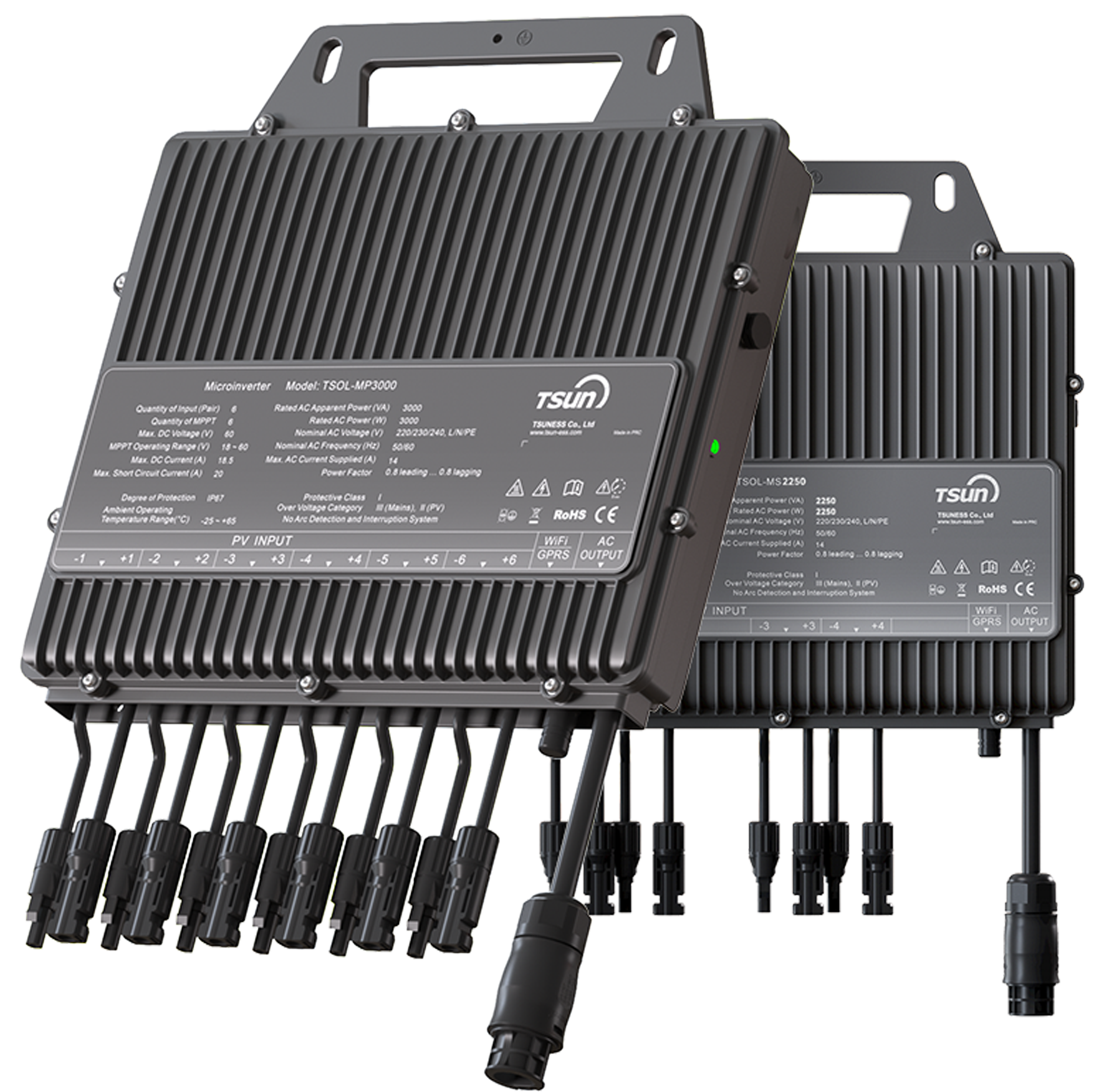
One final thing worth mentioning is customization. The modular nature of microinverters means projects can scale gracefully—adding or swapping units without overhauling an entire central inverter setup. My colleagues often mention how this flexibility reduces project risk and eases maintenance schedules. It’s practical, and frankly, something you appreciate when you’re knee-deep in service tickets.
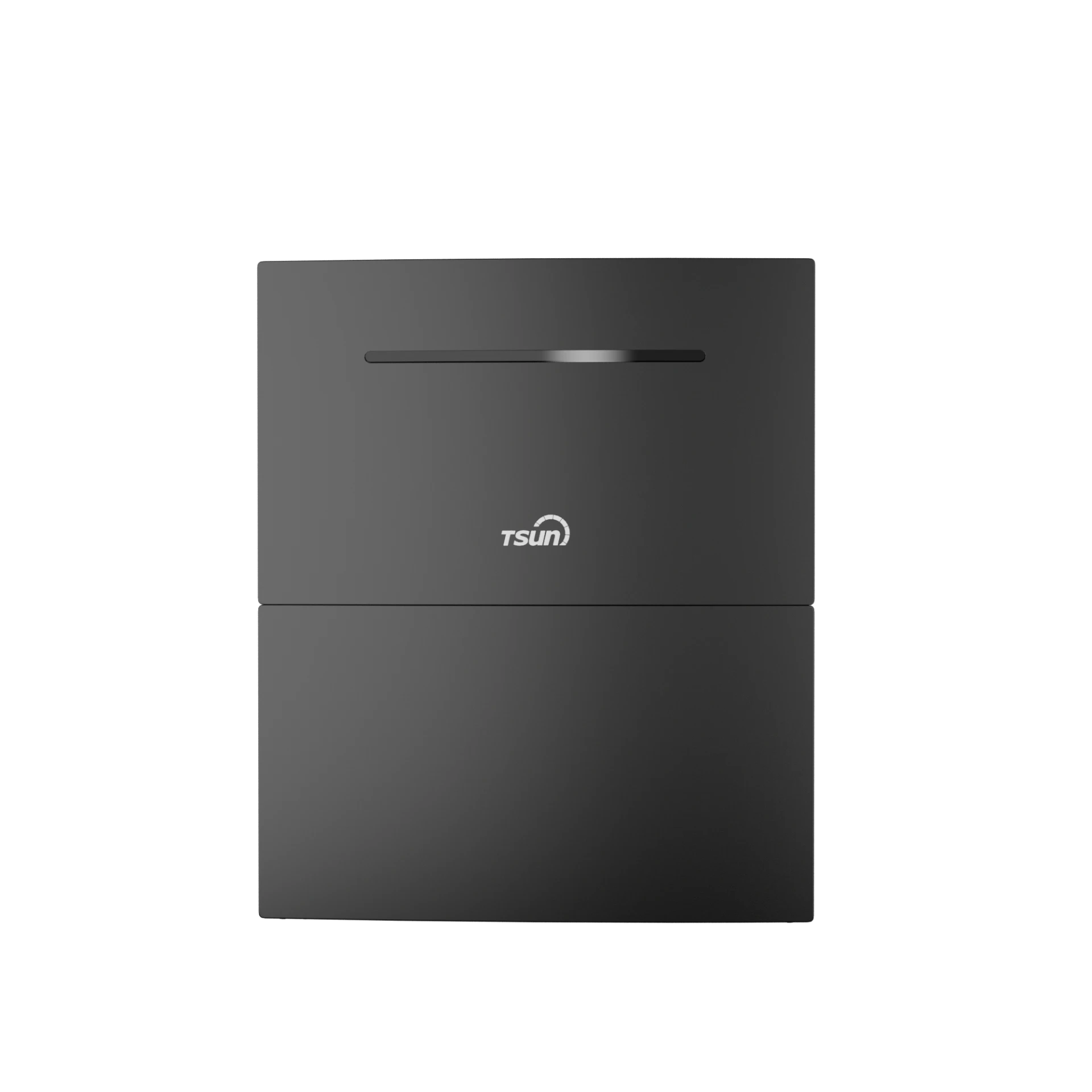
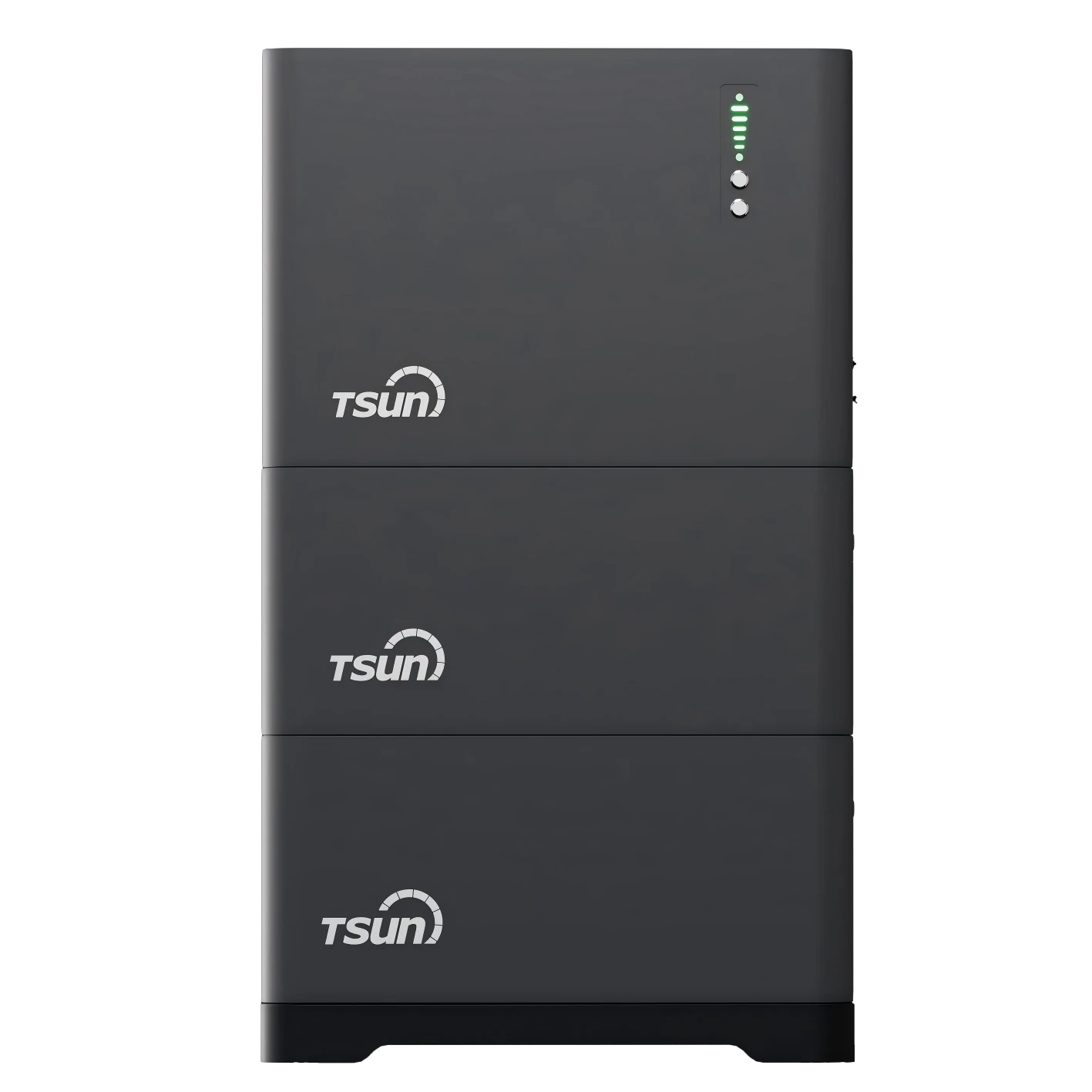
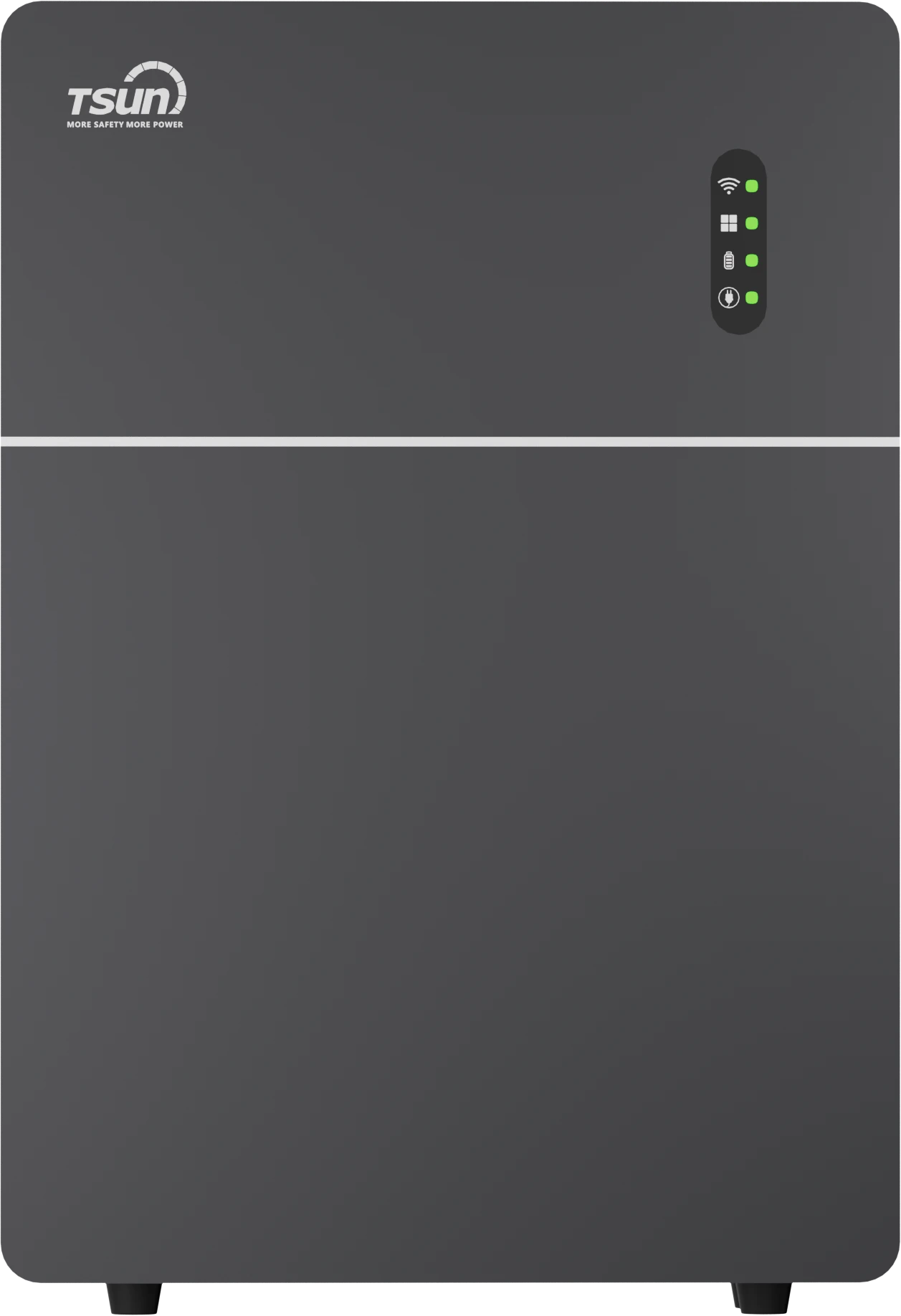
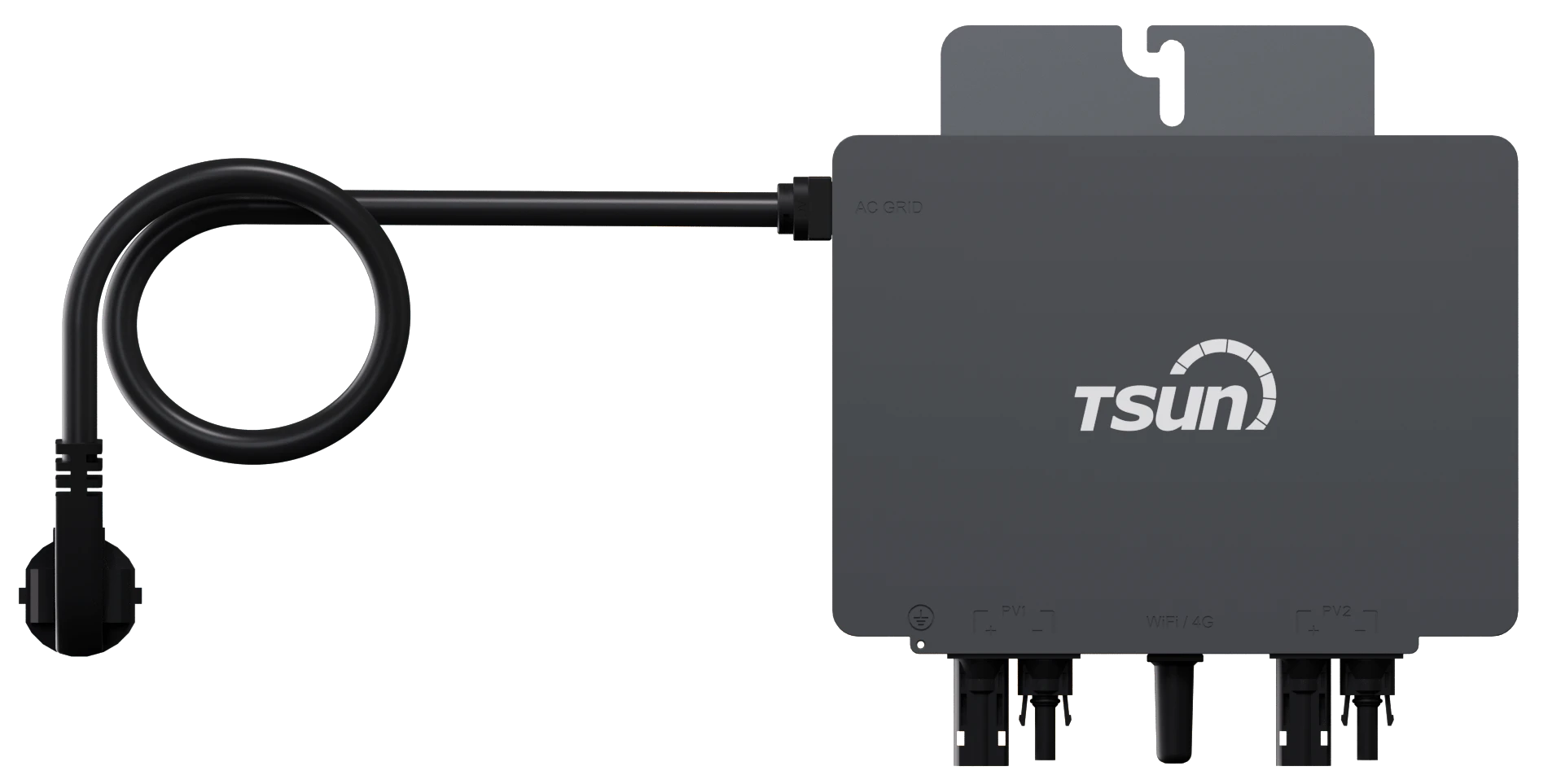
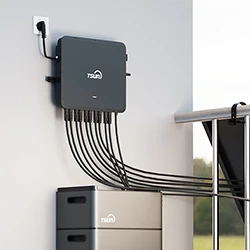
So, if you’re hunting around for a microinverter 350w that blends quality, performance, and value, Tsun ESS’s offering absolutely deserves a spot on your shortlist. It’s not just about specs in a datasheet — it’s about how it holds up after a year on a windy rooftop, or in a system with unpredictable shade. And for me, those real-world checks are what count the most.
Just my two cents after years seeing these devices in action.
References
- Industry Solar Equipment Trends Report – SolarTechInsights, 2023
- Manufacturer Specs & Warranty Documentation – Tsun ESS Official
- Field Case Studies – Residential Solar Installations 2018-2023
TL;DR – The 350W microinverter category from Tsun ESS offers a dependable, efficient, and reasonably priced solution tailored for flexible solar array layouts and shading challenges.







 LEARN DETAILS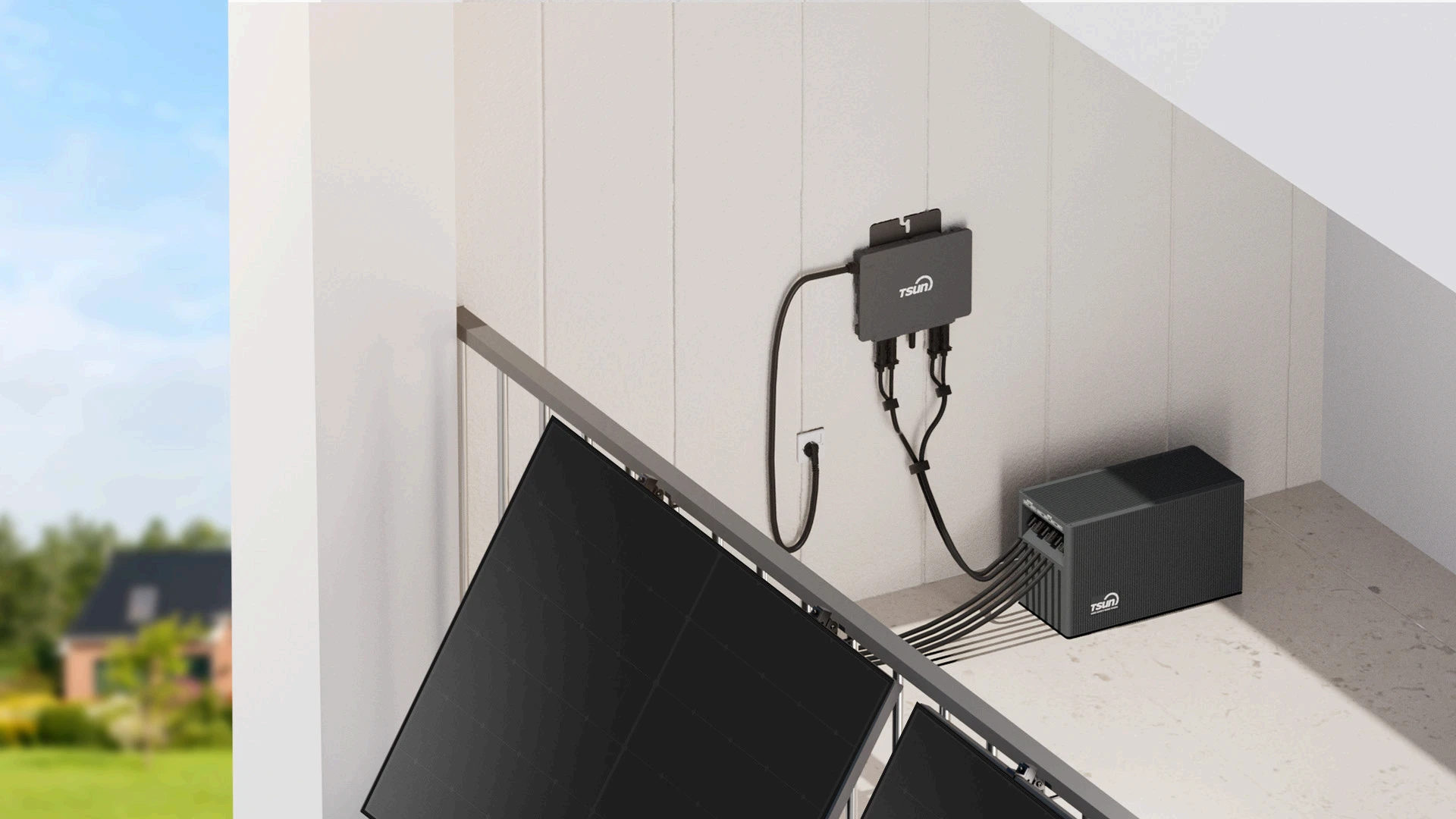

 Downloads
 Video Center
 Report Fault for Repair
 FAQS
FAQS Service Network
 Privacy Policy
 Contact Us
 Monitoring


 LEARN MORE