Microinverter 500 Watt: Powering Solar with Subtle Strength
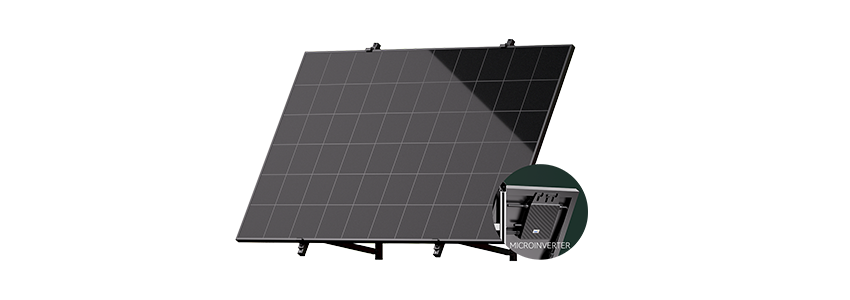
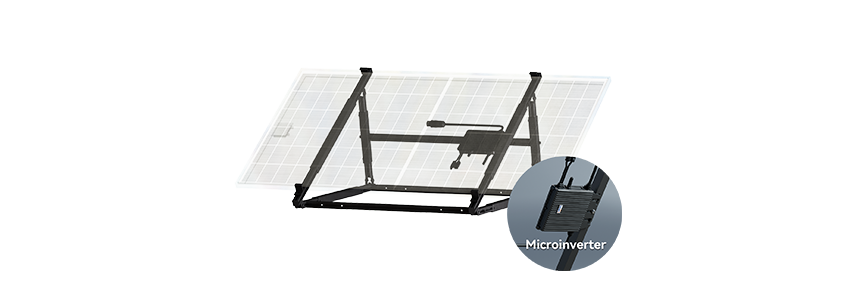
After nearly a decade working hands-on in the industrial equipment sector, I’ve seen plenty of gadgets and gizmos challenge the way we harvest and manage energy. But microinverters, especially the microinverter 500 watt models, keep standing out for their clever balance of size, power, and reliability. Oddly enough, they often fly under the radar compared to their larger cousins despite being incredibly pivotal for residential and small commercial solar arrays.
What makes this 500 watt range so noteworthy? First off, it’s about flexibility. Unlike traditional string inverters that rely on panels performing uniformly, microinverters work panel-by-panel, converting DC to AC right there on site. For rooftops with mixed shading, or odd orientations, this can really bump up efficiency. I recall a client whose sprawling home had solar panels facing both east and west — the system’s overall output jumped by nearly 15% once upgraded to microinverters.
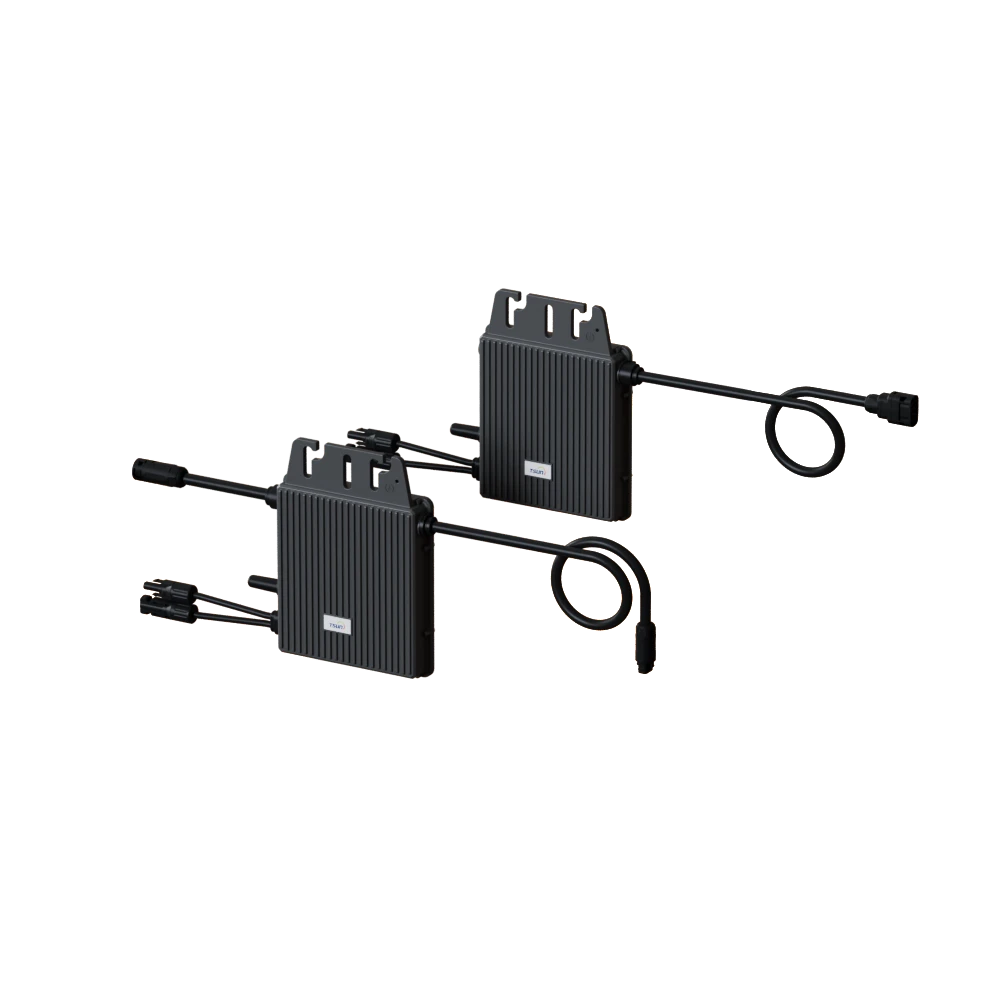
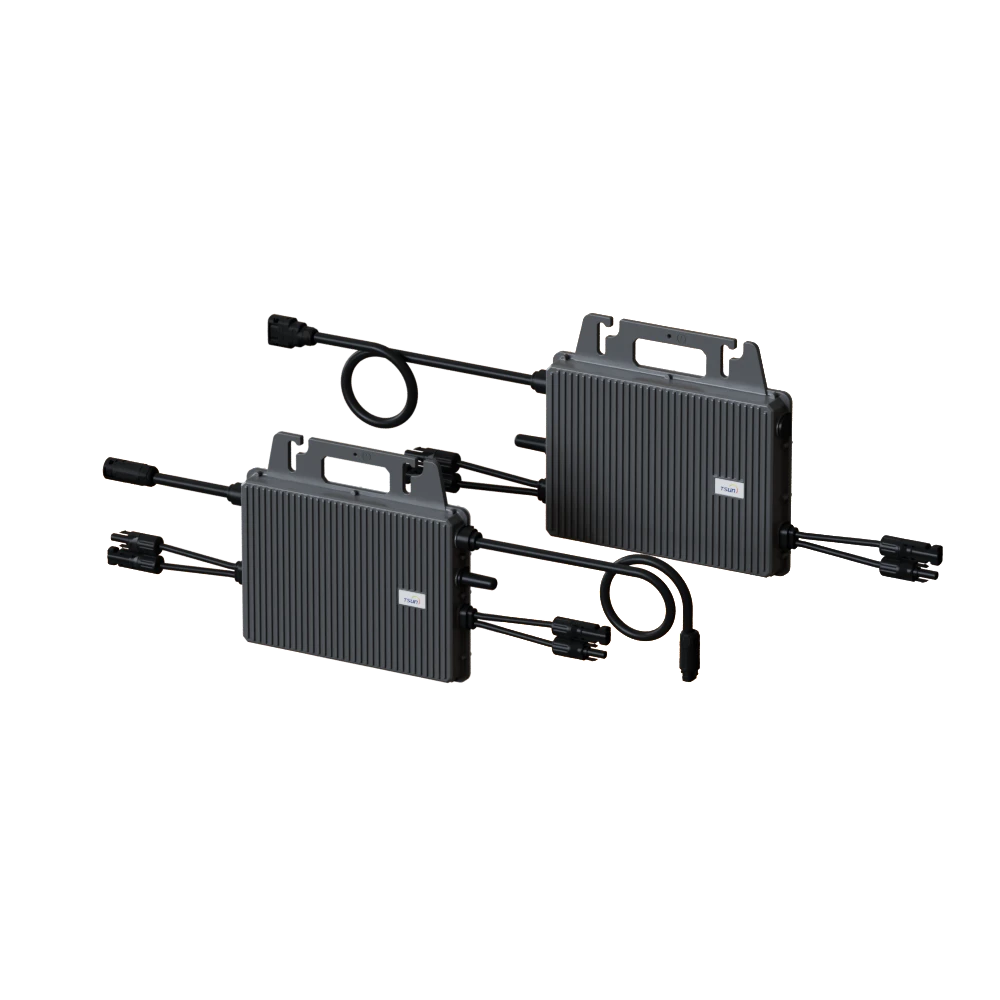
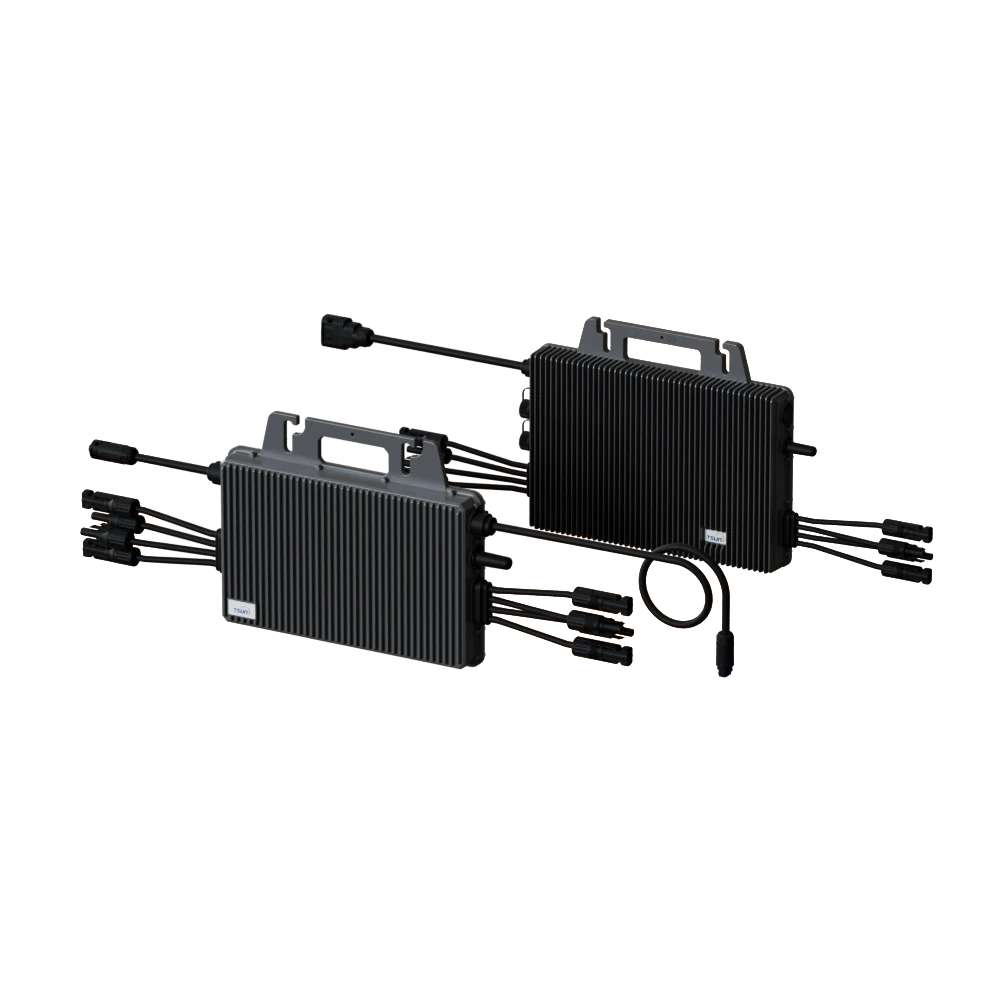
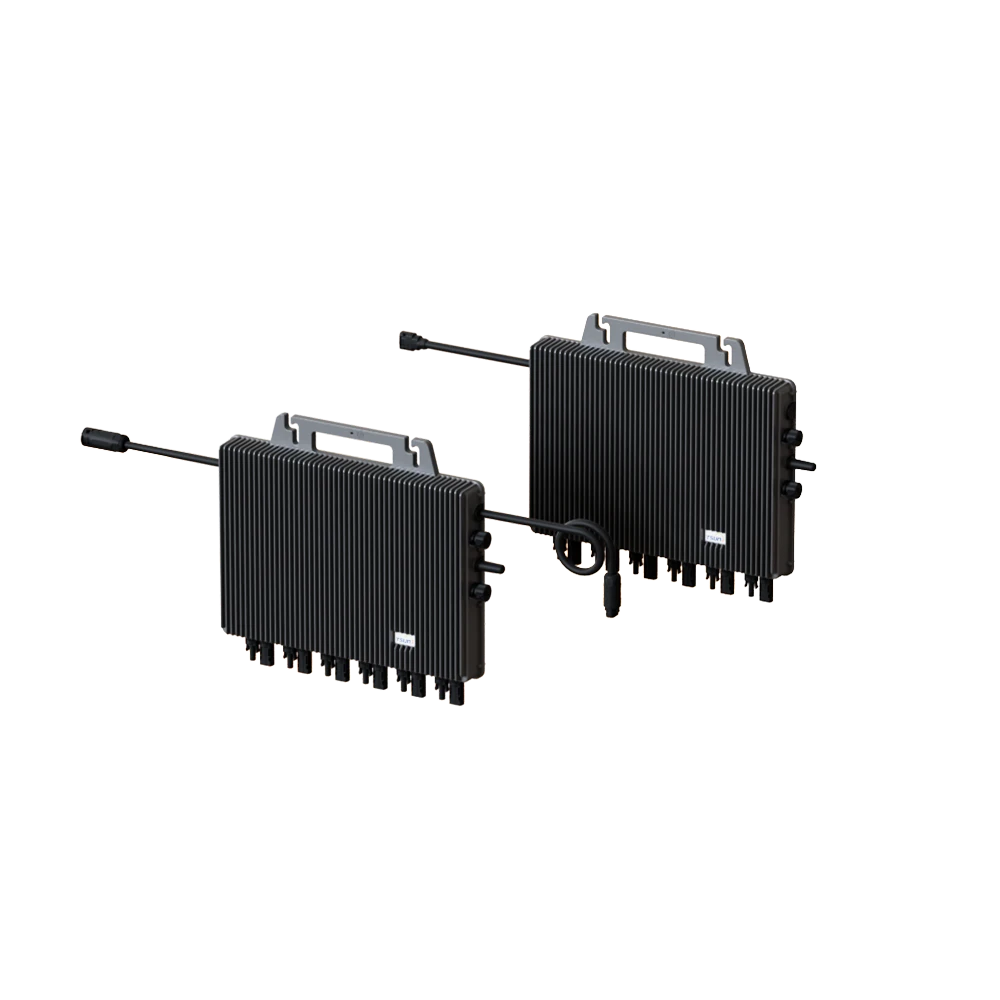
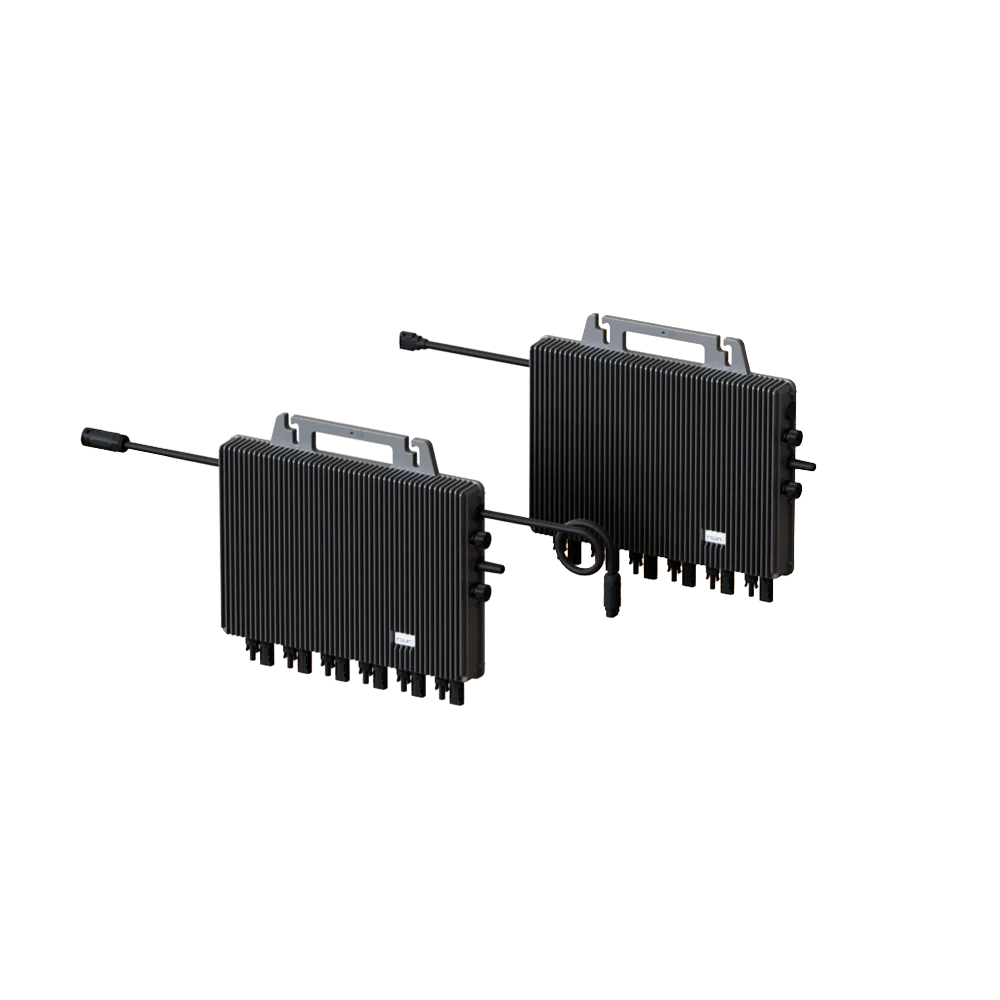
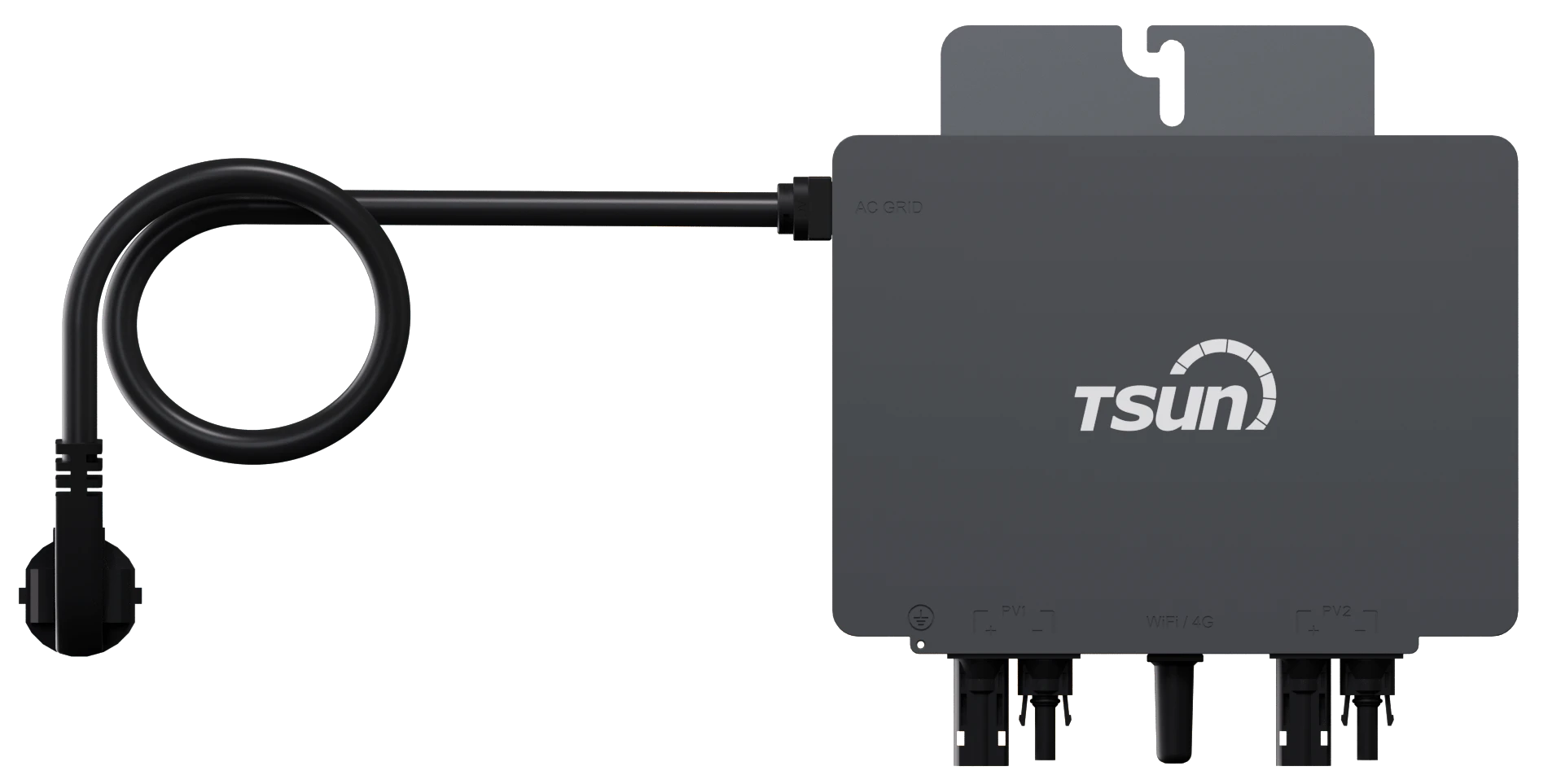
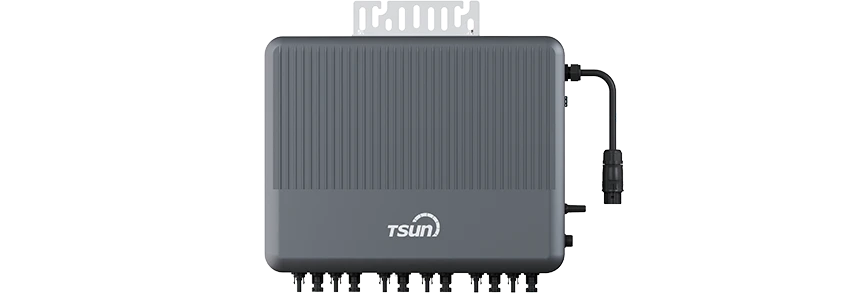
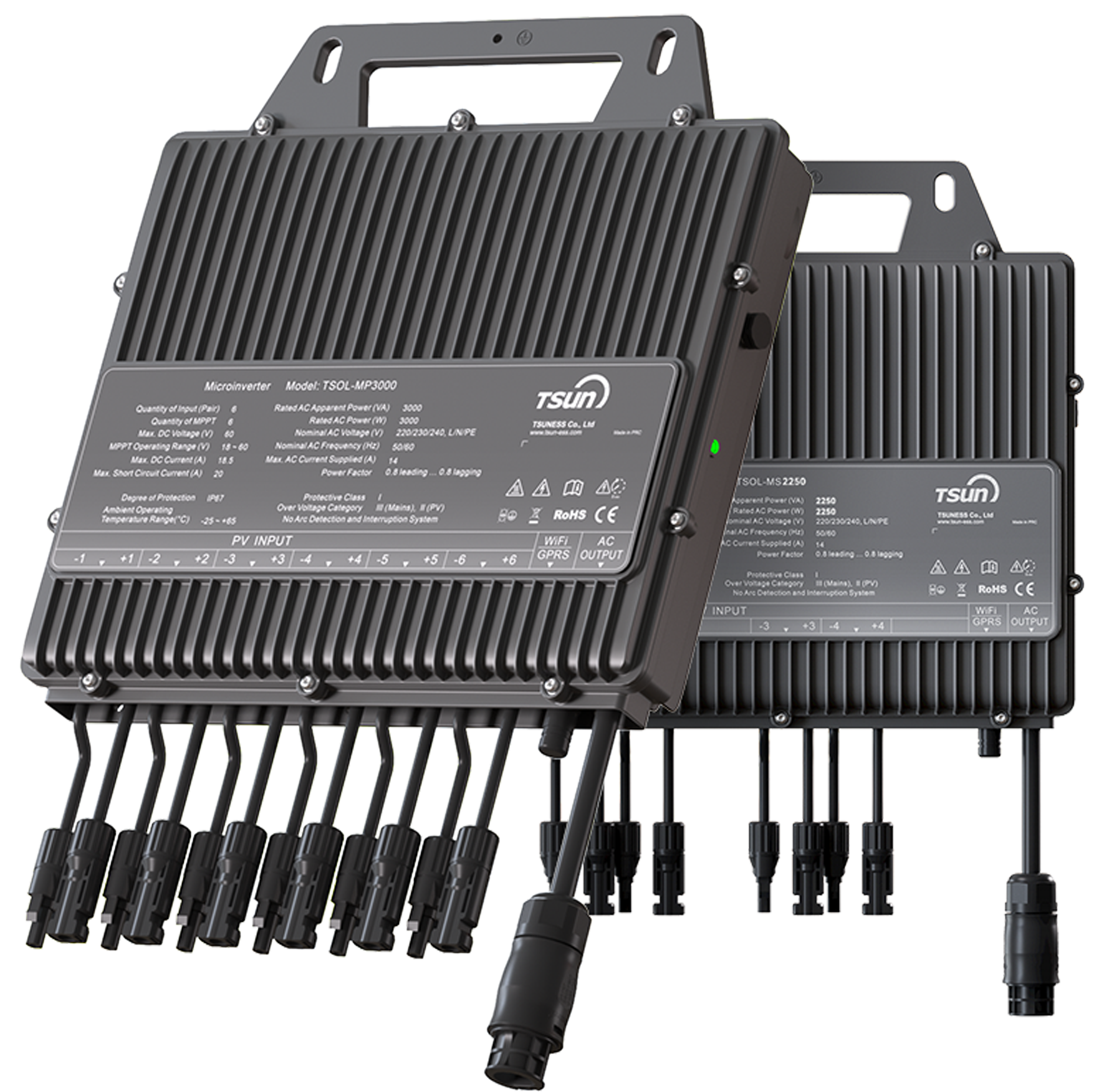
Of course, not all microinverters are cut from the same cloth. The 500 watt units strike a sweet spot between power and manageability, suitable for most 60- to 72-cell modules you see today. In real terms, installing them means less wiring fuss and a more modular system that’s easier to troubleshoot. Plus, with enhanced safety—since DC voltage is kept low to the panel level—the risk during installation and maintenance drops significantly.
Typical 500 Watt Microinverter Specifications
| Feature |
Specification |
| Rated AC Output Power |
500 W |
| Maximum DC Input Voltage |
60 V |
| Efficiency (CEC Weighted) |
96.5% |
| Input Current Range |
1.5 A – 10 A |
| Operating Temperature |
-40°C to 60°C |
| Communication Protocol |
PLC (Power Line Communication) |
| Warranty |
10 Years |
Now, it’s worth mentioning the build quality and materials here. Many engineers (including yours truly) appreciate how manufacturers improve thermal management within this compact enclosure. Aluminum alloy housings paired with smart ventilation prevent overheating — which frankly feels like an underrated feature in the industrial gear world. Microinverters work outdoors, often exposed to blistering heat or cold, and these details matter.
When choosing suppliers, I’ve noticed vendor differences aren’t just specs on paper — it’s reliability and after-sales support that often tell the full story. Take a look at this comparison I put together to help folks get a clearer picture:
Microinverter Vendor Comparison
| Feature |
Vendor A |
Vendor B |
Vendor C |
| Max AC Output Power |
500 W |
480 W |
520 W |
| Efficiency (%) |
96.5 |
95.8 |
97.0 |
| Warranty |
10 years |
7 years |
12 years |
| Communication |
PLC |
WiFi |
PLC |
| IP Rating |
IP67 |
IP65 |
IP67 |
| Average Unit Price |
$120 |
$105 |
$130 |
It’s interesting — price isn’t the only factor here. Vendor C tends to offer longer warranties and slightly better efficiency but at a steeper price. For bigger projects, the durability might justify the cost. Meanwhile, Vendor B’s WiFi communication appeals if you want direct cloud access, though I’ve noticed reliability sometimes takes a hit compared to PLC. Vendor A, in my experience, hits a balanced middle ground—solid specs, dependable build, and reasonable pricing.
In practice, we also have to consider installation environments and customer preferences. A lot of end-users tell me they appreciate the quiet operation of these units–it’s not like a noisy traditional inverter humming away in the garage. Plus, the ability to monitor panel-level performance remotely gives homeowners peace of mind they might not have had before. That anecdote about the homeowner I mentioned? He actually spotted an early panel fault the week after installation simply because the monitoring dashboard lit up red. Saved hours of guesswork.
So if you’re diving into solar design and balancing cost, efficiency, and safety, a microinverter 500 watt model is definitely worth a think. Modularity counts a lot, and frankly, these devices feel like the unsung heroes making small-scale solar truly plug-and-play.
Reflecting on this, you realize how technology quietly evolves behind the scenes, quietly making renewable energy more accessible — one small inverter at a time.
References:
- Solar Energy Industries Association (SEIA) – Microinverter Technology Overview
- National Renewable Energy Laboratory (NREL) – Testing and Performance Data
- Industrial Equipment Field Reports – Interviews with Solar Installers (2019-2023)






 LEARN DETAILS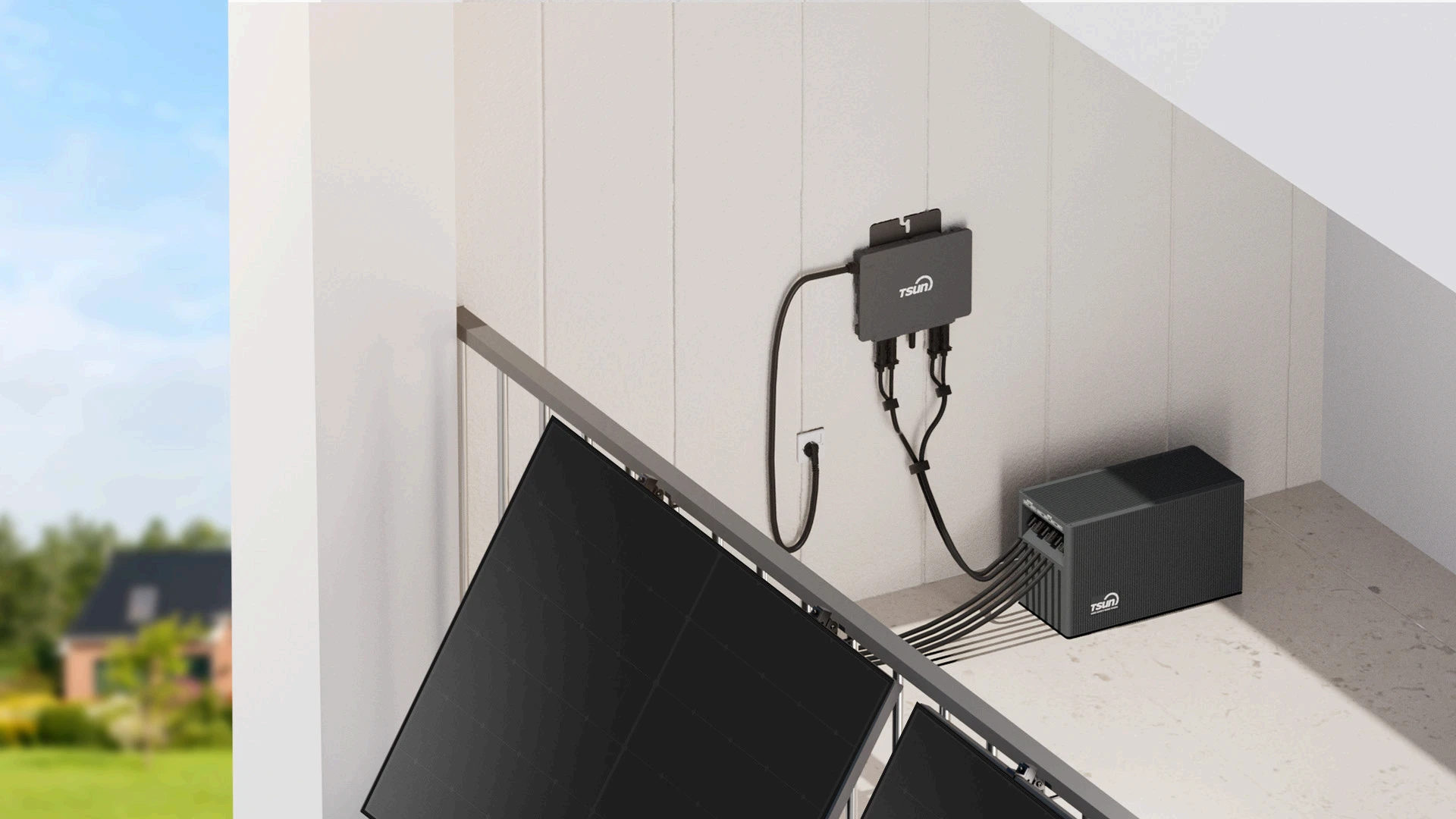


 Downloads
 Video Center
 Report Fault for Repair
 FAQS
FAQS Service Network
 Privacy Policy
 Contact Us
 Monitoring


 LEARN MORE