Understanding the Microinverter Kit: Powering the Renewable Revolution
If you’ve ever looked into solar power systems, you might’ve come across the term microinverter kit. It sounds technical, sure, but this little assembly is quietly transforming how solar energy gets converted and used—both at home and on a larger scale. Why does it matter globally? For starters, solar energy is one of the fastest-growing renewable resources, and microinverters help make solar installations more efficient, reliable, and accessible. It’s a crucial piece in the puzzle of clean power expansion, helping us move towards more sustainable energy economies worldwide.
Introduction: Why the Microinverter Kit Matters Globally
Solar energy deployment has seen exponential growth with annual global capacity additions topping 100 gigawatts in recent years (International Renewable Energy Agency, 2023). But to maximize energy yield and system reliability, the traditional string inverter setup faces challenges—especially in areas with shading, panel mismatch, or variable sunlight.
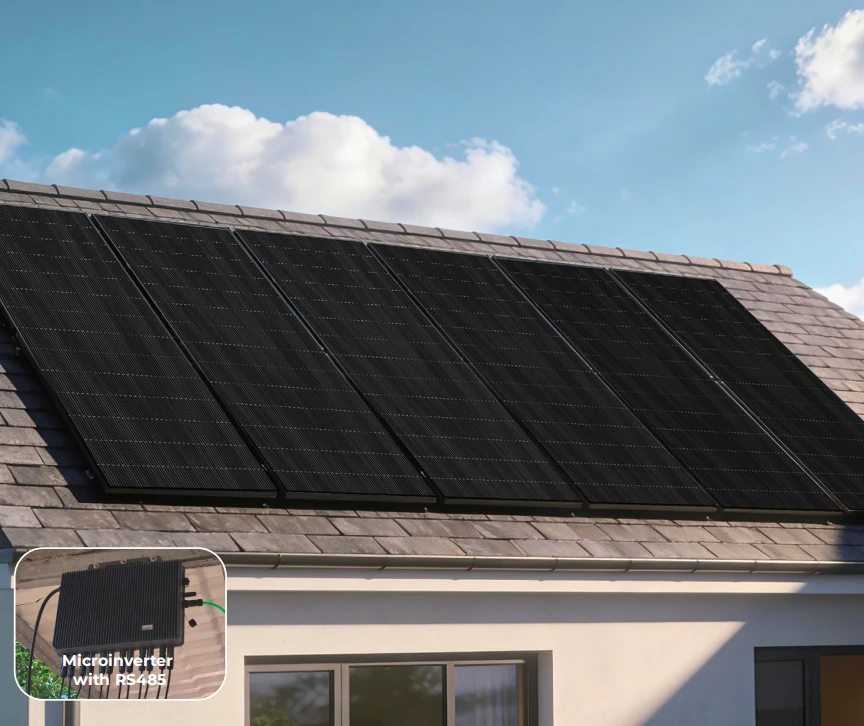
Enter the microinverter kit. These systems convert DC electricity to AC at the panel level, allowing each solar panel to operate independently. This is a big deal, especially in regions where weather fluctuations or building layouts affect panel performance unevenly. Worldwide, microinverter solutions are helping unlock solar’s potential in places ranging from urban rooftops in Europe to remote villages in South Asia.
What Is a Microinverter Kit?
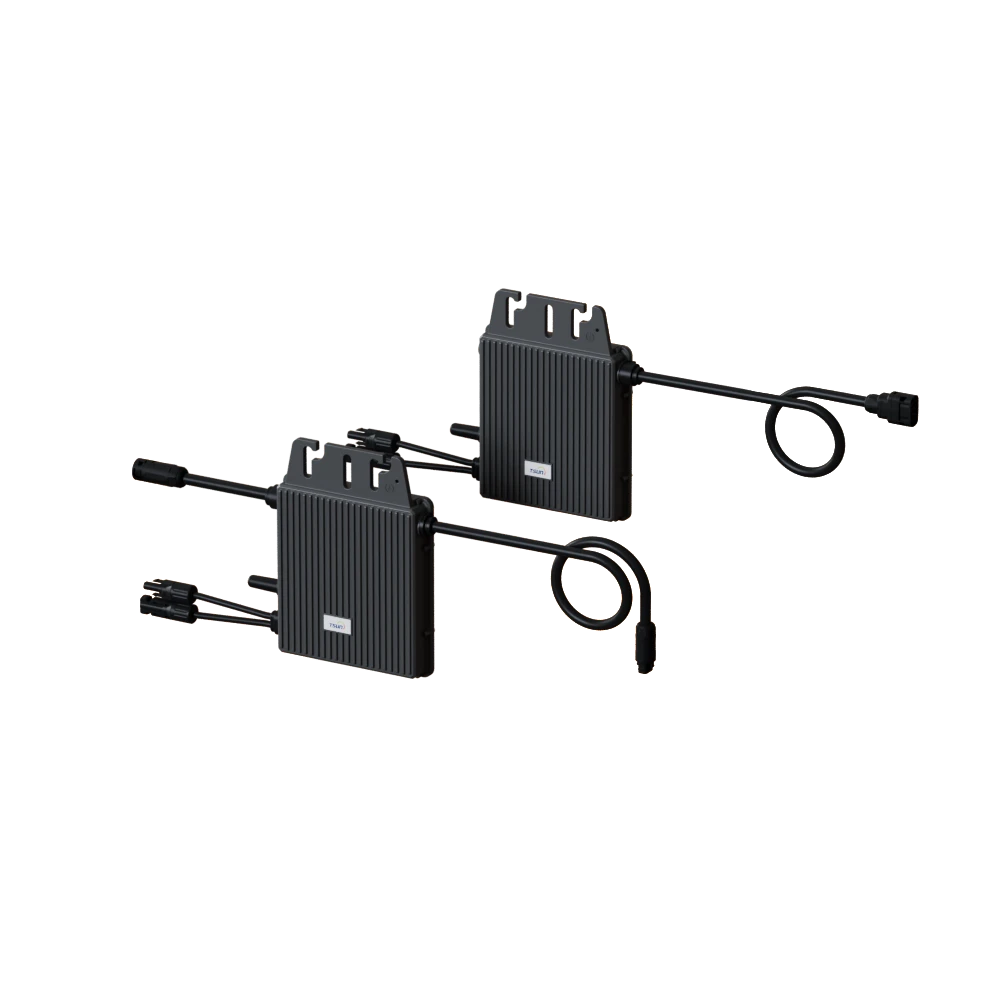
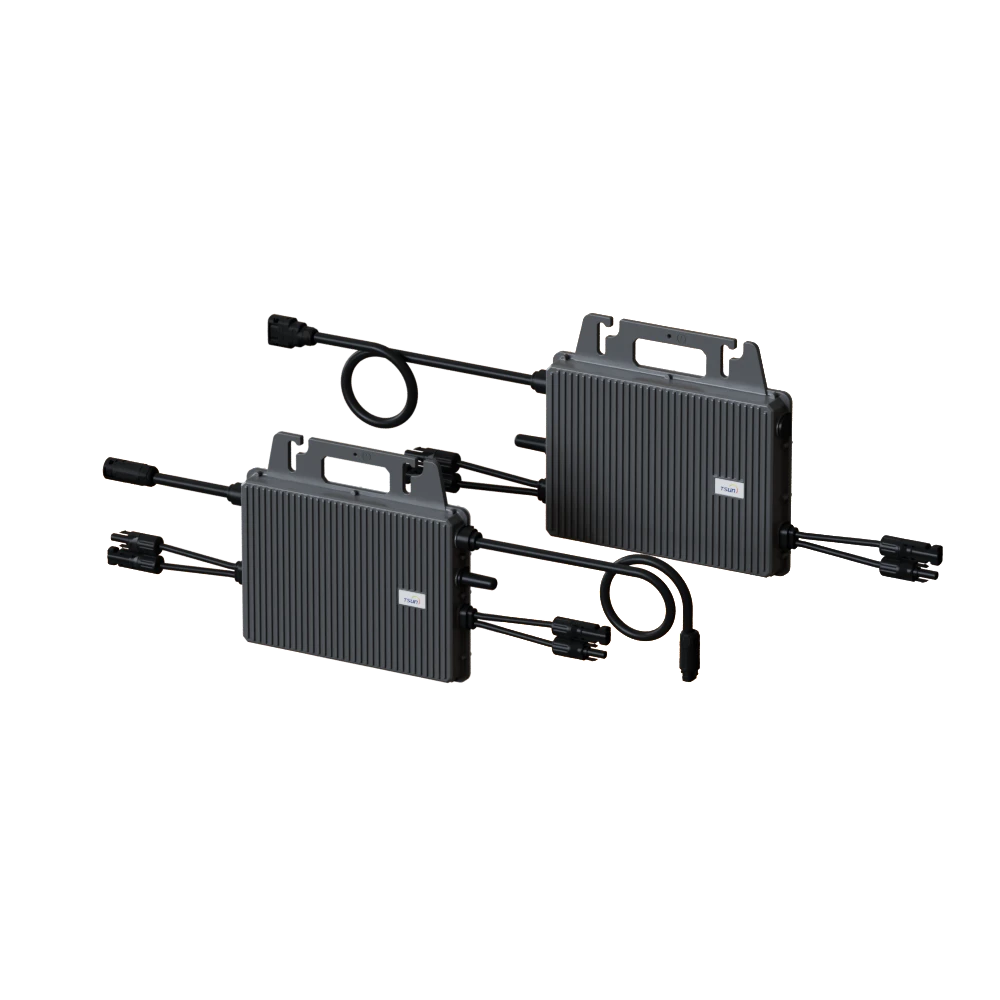
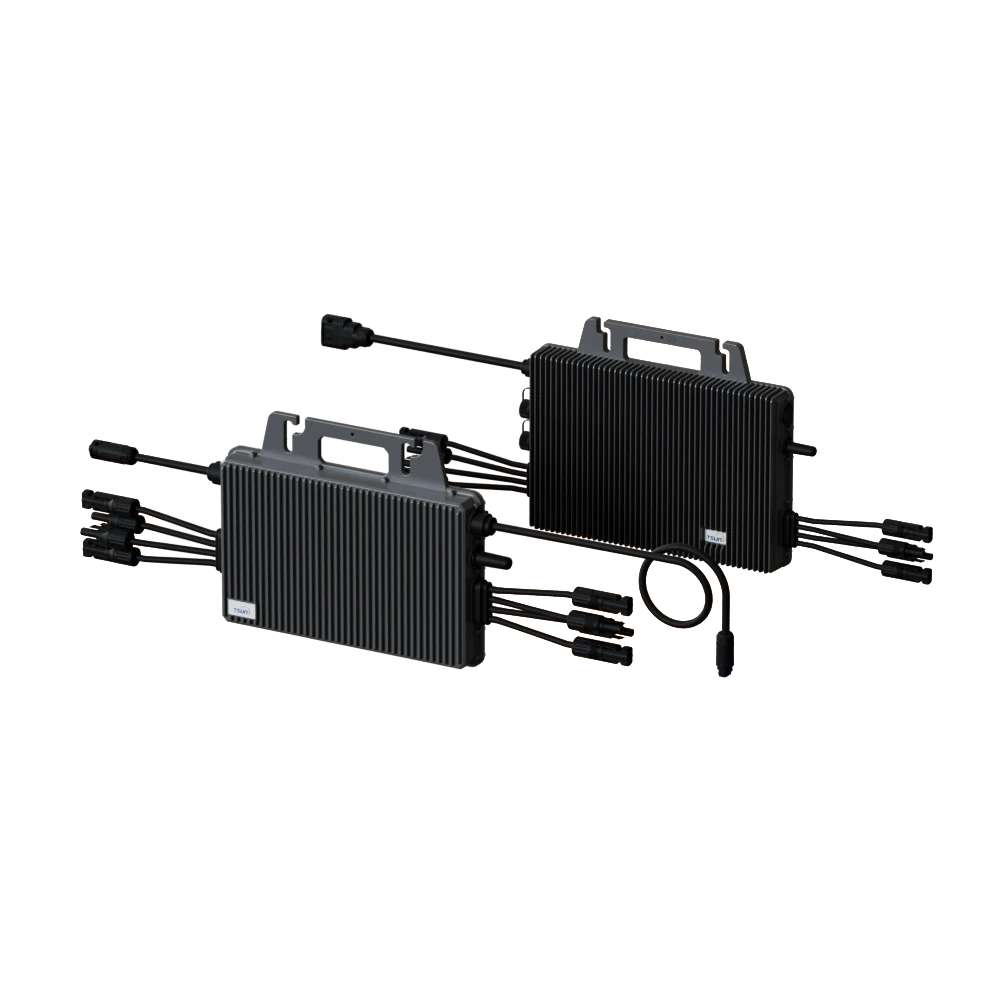
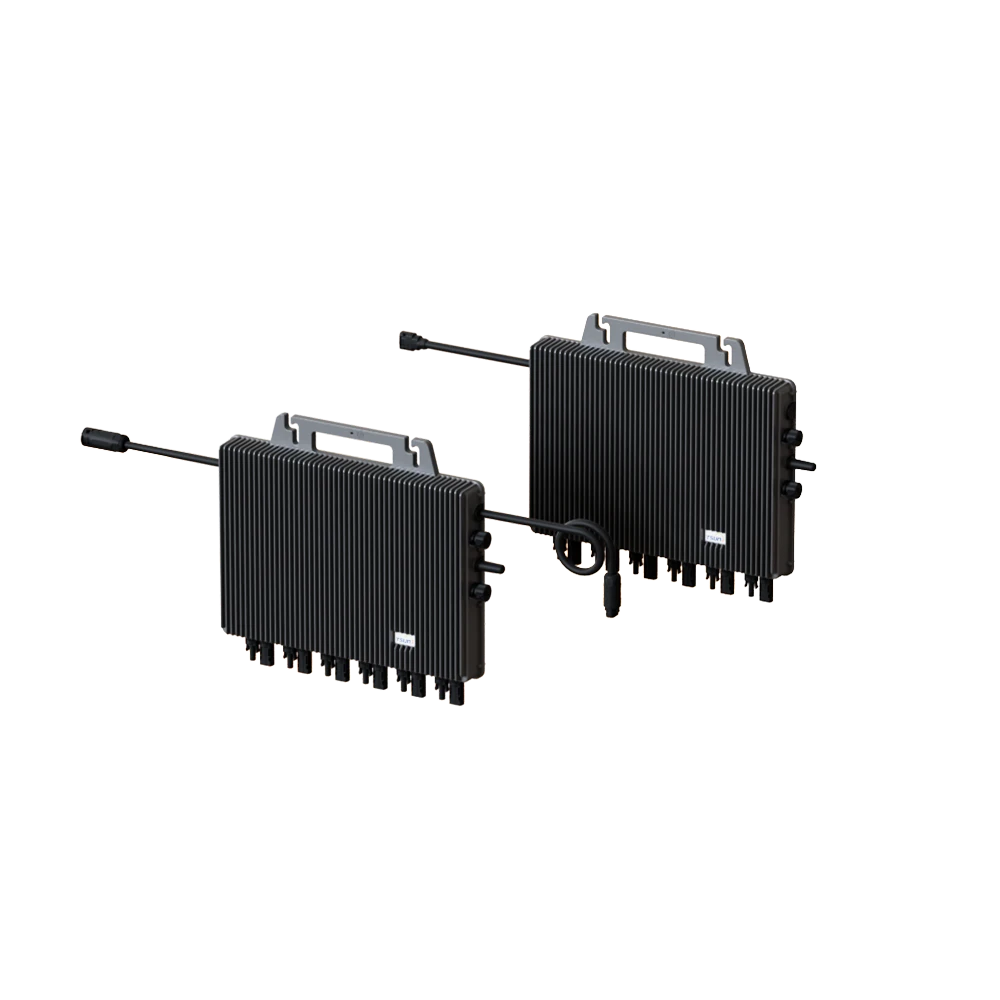
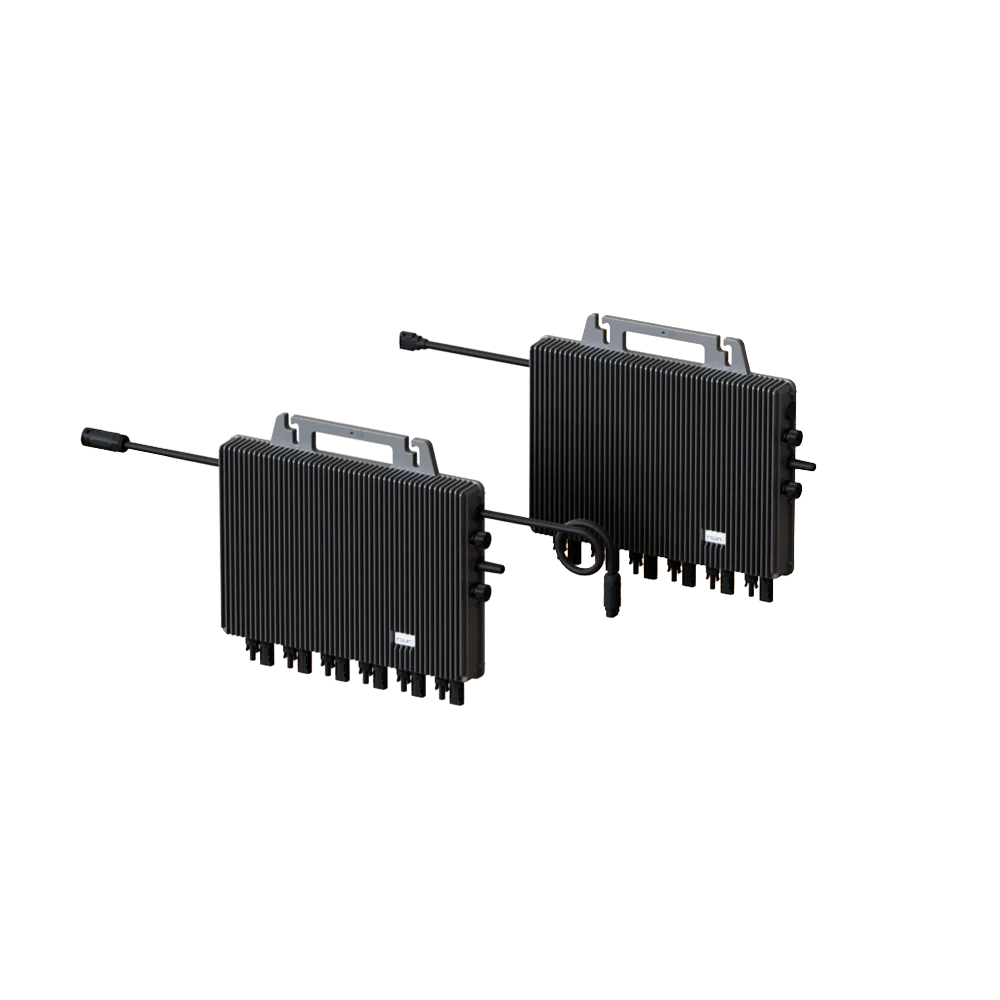
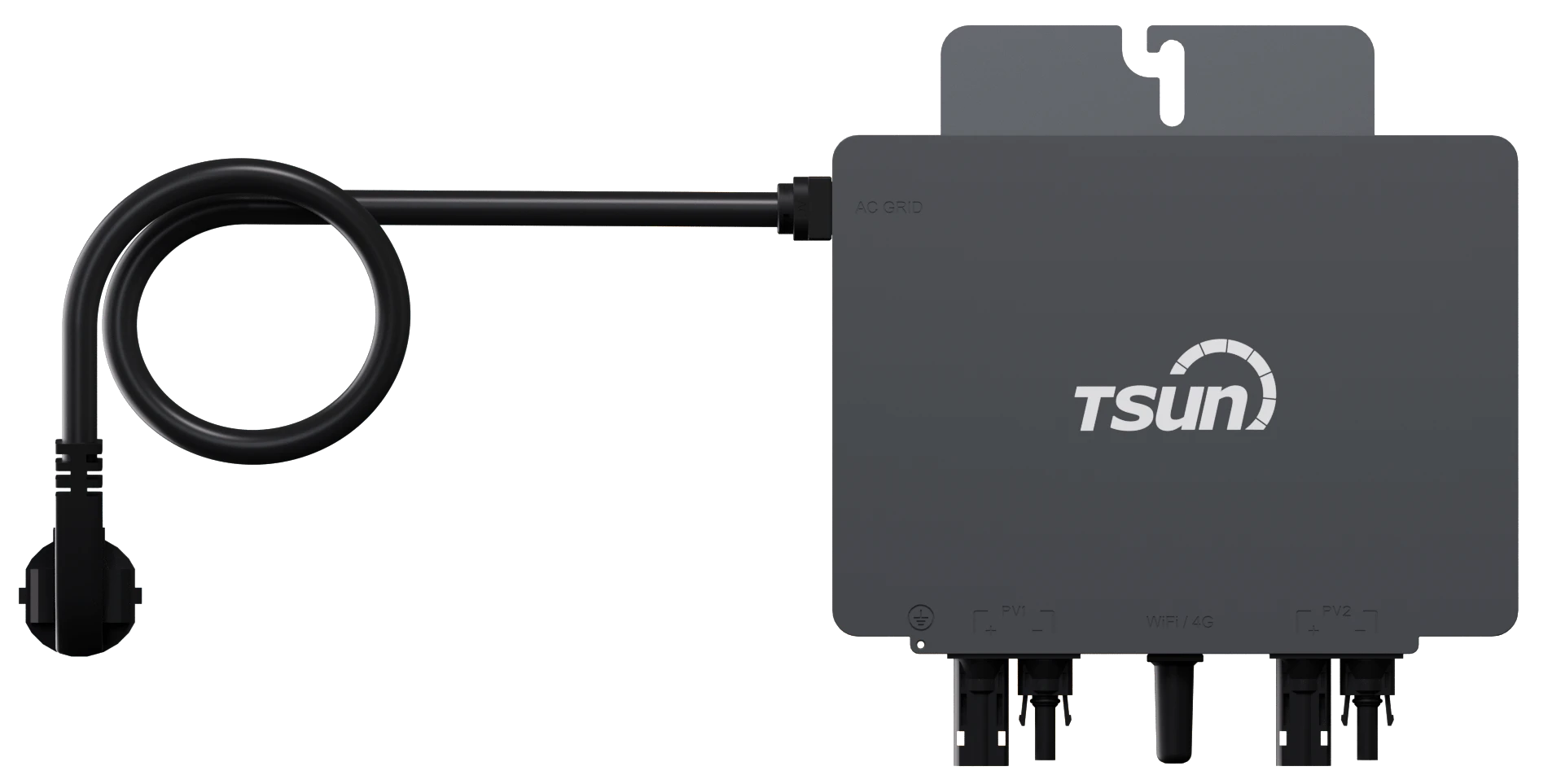
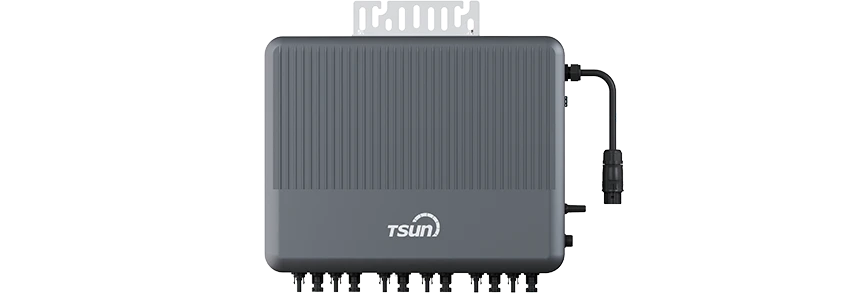
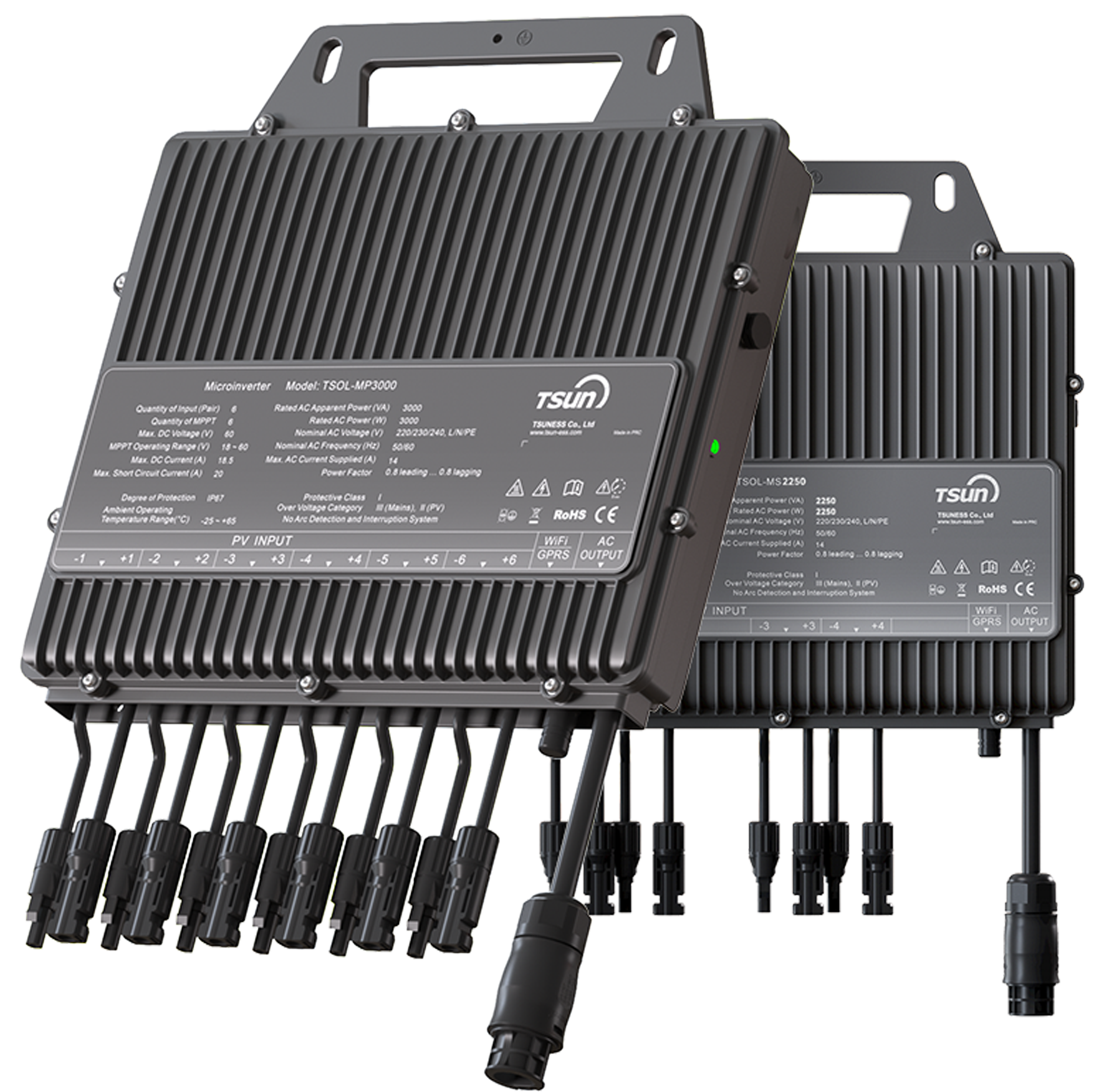
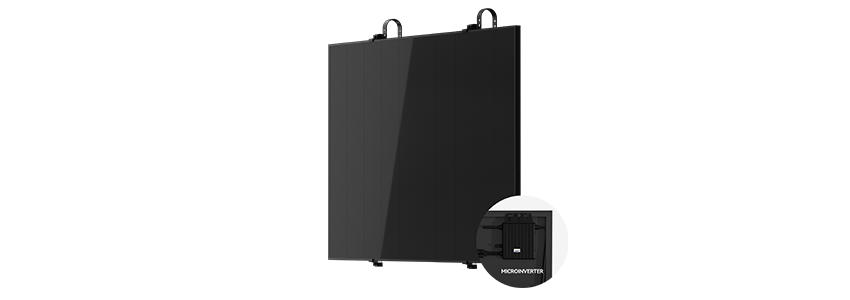
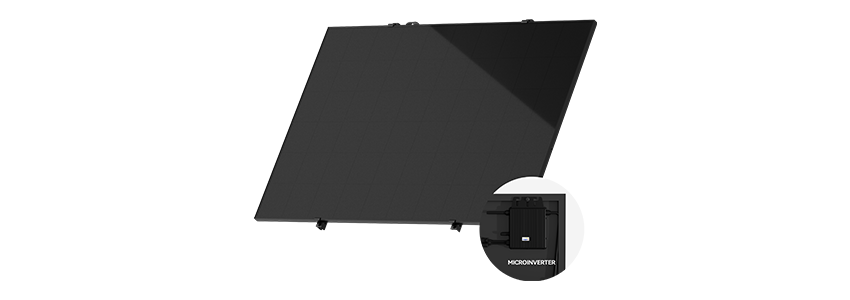
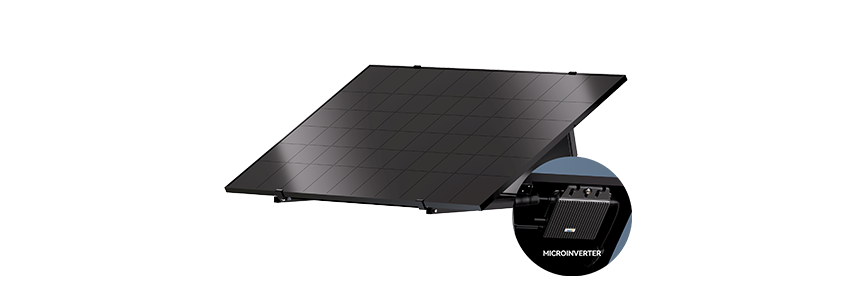
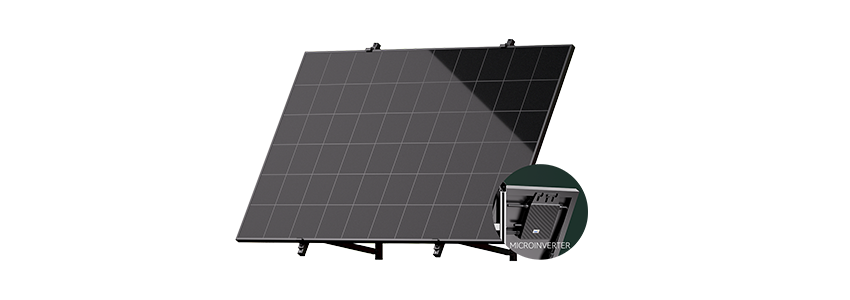
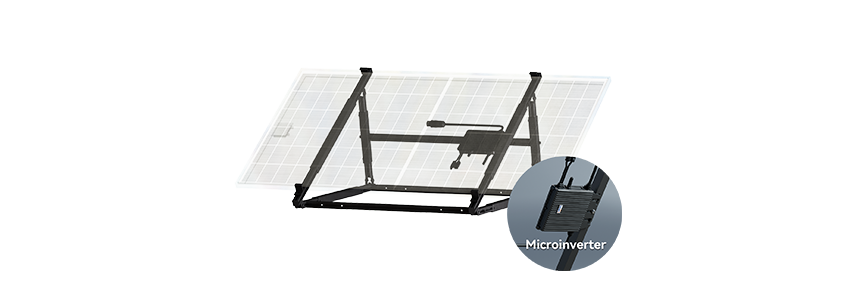
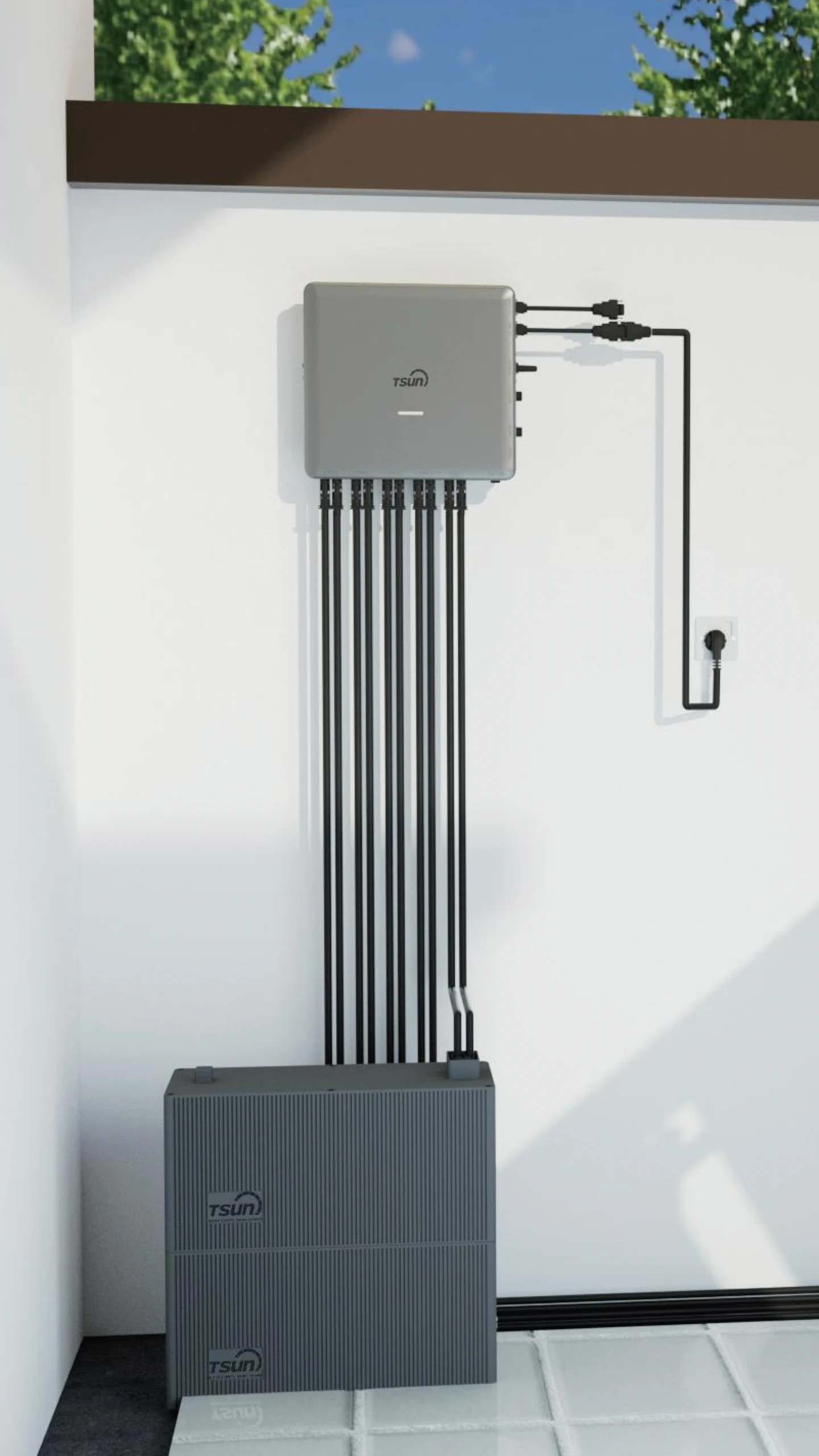
Plainly put, a microinverter kit includes small inverters that attach directly to each solar panel. Unlike central or string inverters that handle multiple panels at once, microinverters convert the power right where it’s generated. This means each panel’s output is optimized individually, reducing losses and increasing overall system efficiency.
Why is this important today? Well, globally, energy demand is rising rapidly, and communities need resilient, adaptable solutions—especially in areas prone to disruptions or uneven solar conditions. Microinverters fit naturally into that paradigm by boosting system fault tolerance and simplifying monitoring.
Key Components and Factors of a Microinverter Kit
1. Durability
Microinverters must withstand outdoor conditions year-round. Many kits boast IP67 or higher ratings, protecting against dust and water ingress. This ensures long life spans—often 25 years or more—that match the solar panels themselves.
2. Scalability
One of the perks is how microinverter kits can flexibly expand. Whether you want a 3-panel setup or a 100-panel array, you just add more microinverters without worrying about inverter capacity ratios.
3. Cost Efficiency
While initially pricier than string inverters, the value comes through increased system uptime, easier troubleshooting, and better energy harvest. Plus, advances in manufacturing are steadily lowering prices.
4. Safety Features
By reducing high-voltage DC wiring, microinverter kits enhance user safety and decrease fire risks—a particularly valuable trait in residential areas.
5. Monitoring and Control
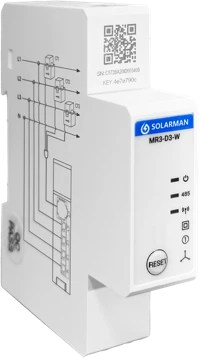
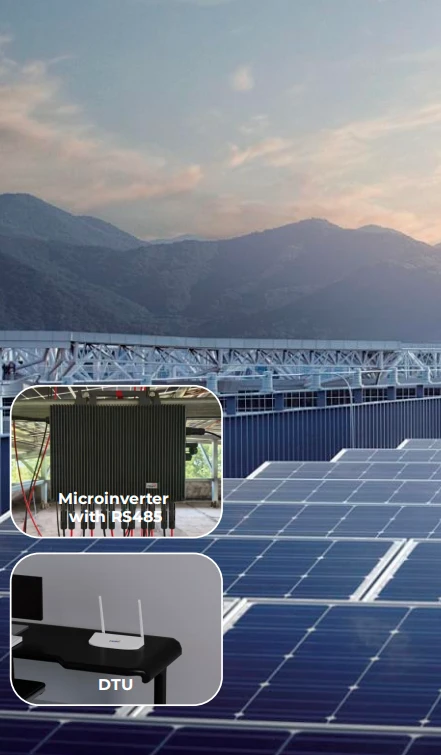
Most microinverter kits offer real-time performance data panel by panel via smartphone apps or web portals. This granular insight is a game changer in maintenance and energy optimization.
Product Specification Table for a Typical Microinverter Kit
| Specification |
Details |
| Input Voltage Range |
18 V – 48 V DC |
| Output Power |
250 – 350 W AC per microinverter |
| Efficiency |
>95% |
| Operating Temperature |
-40°C to +65°C |
| Communication Protocol |
Wireless / Power line carrier |
| Warranty |
10-25 years |
Global Applications & Use Cases
Microinverter kits are not confined to fancy urban homes—they actually shine where conditions are trickiest. In post-disaster relief operations, for example, solar deployment can be erratic due to debris and varying panel orientations. Organizations like the UN have piloted microinverter-based mini-grids to provide reliable power quickly.
Similarly, remote industrial zones in Africa and Southeast Asia benefit hugely from the independent panel operation that microinverters offer. In snowy or heavily shaded regions of Europe, these kits compensate for uneven sunlight and maintain decent output.
Even educational institutions are adopting microinverter kits for solar teaching labs, capitalizing on their monitoring capabilities.
Vendor Comparison Table: Top Microinverter Kit Providers
| Vendor |
Max Output per Microinverter |
Warranty |
Monitoring Features |
Price Range |
| APsystems |
300 W |
10 years |
App + Web portal |
$$$ |
| Enphase Energy |
350 W |
25 years |
Advanced real-time app + cloud |
$$$$ |
| Hoymiles |
300 W |
12 years |
Web dashboard |
$$ |
Advantages & Long-Term Value
The obvious benefit? Efficiency and reliability in energy conversion, which translates directly to savings. But honestly, there’s an emotional and human side here too. People feel safer knowing their systems won’t fail entirely if a single panel gets shaded or damaged. There's trust in technology that adapts rather than breaking down.
Long-term monitoring helps identify issues before they balloon into costly repairs. And the environmental benefit is no small thing—microinverter kits support clean power transitions by making solar installations more accessible everywhere.
Future Trends & Innovations
We’re heading toward microinverter kits with integrated smart-grid features, improved energy storage compatibility, and AI-driven predictive maintenance. Advances in materials promise lighter, more durable units. And oddly enough, blockchain technology is even being explored for decentralized solar energy trading, where microinverters could play a key role.
Challenges & Solutions in Microinverter Deployment
Cost remains a sticking point. Initially higher upfront investment can deter some buyers. However, leasing models and government incentives increasingly soften this. Also, installation complexity sometimes requires trained professionals. To counter this, more plug-and-play kits with simplified guides are hitting the market.
Finally, electronic noise and interference can be tricky, but manufacturers constantly refine communication protocols to ensure smooth monitoring.
Frequently Asked Questions about Microinverter Kits
- Q: How do microinverter kits compare to string inverters in cloudy conditions?
A: Microinverters excel in partial shade or cloud cover since they optimize each panel separately, resulting in higher energy yields under inconsistent sunlight.
- Q: Can I easily expand my solar system with a microinverter kit?
A: Yes! Scalability is a core advantage. You add microinverters panel-by-panel without worrying about overall inverter capacity constraints.
- Q: What maintenance does a microinverter kit require?
A: Generally minimal. Monitoring software alerts you to any underperforming panels. Physically, just keep panels clean and check connections occasionally.
- Q: Are microinverter kits safe around children and pets?
A: Absolutely. They reduce high-voltage DC wiring, minimizing electrical hazards and fire risks compared to traditional systems.
Conclusion: Empower Your Solar Solutions with a Microinverter Kit
In the grand scheme, microinverter kits represent a smart move toward efficient, resilient, and user-friendly solar power. Whether you’re a homeowner, an NGO deploying solar in hard-to-reach areas, or a business embracing sustainability, these kits deliver tangible benefits — ease of monitoring, enhanced safety, and more energy harvested. Didn’t I mention they’re also making solar more accessible to more people?
If you want to dive deeper or find the right microinverter kit, feel free to explore comprehensive options like our featured microinverter kit offerings. The future’s bright — literally.
Quick takeaway: Microinverter kits empower every solar panel to punch above its weight, making sustainable energy more reliable for all.
References
- International Renewable Energy Agency (IRENA)
- Photovoltaic system – Wikipedia
- ISO 14001 Environmental Management



 LEARN DETAILS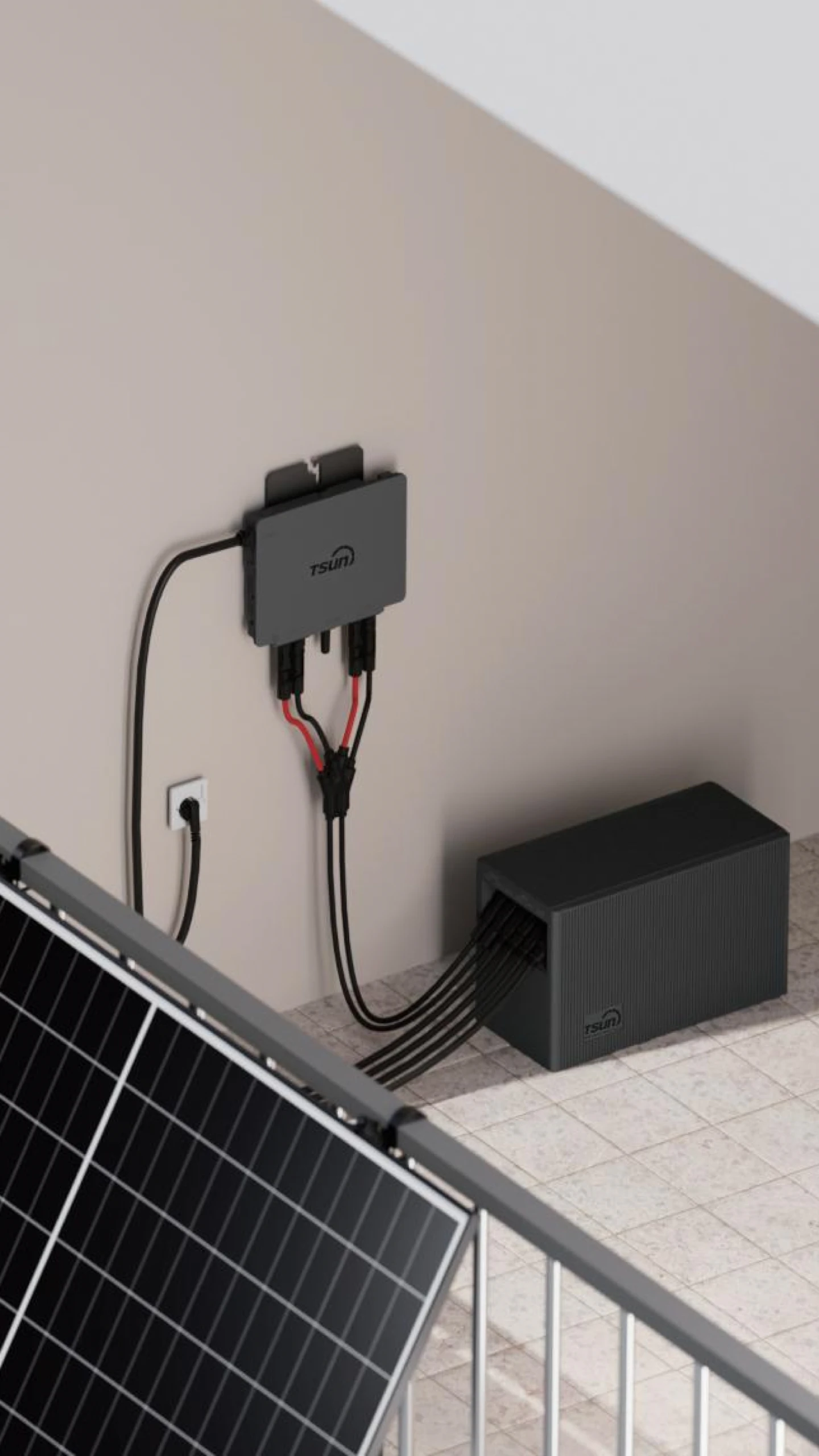

 Downloads
 Video Center
 Report Fault for Repair
 FAQS
FAQS Service Network
 Privacy Policy
 Contact Us
 Monitoring


 LEARN MORE