Off Grid Power Storage Systems are quietly revolutionizing how industries manage energy away from centralized grids. While this tech might sound a little futuristic, it’s becoming increasingly practical—and frankly essential—in sectors where reliability and independence from traditional power sources are non-negotiable. Companies like TSUN-ESS offer some of the most robust, high-performance solutions on the market, helping B2B decision makers meet demanding power needs without compromise.
Table of Contents
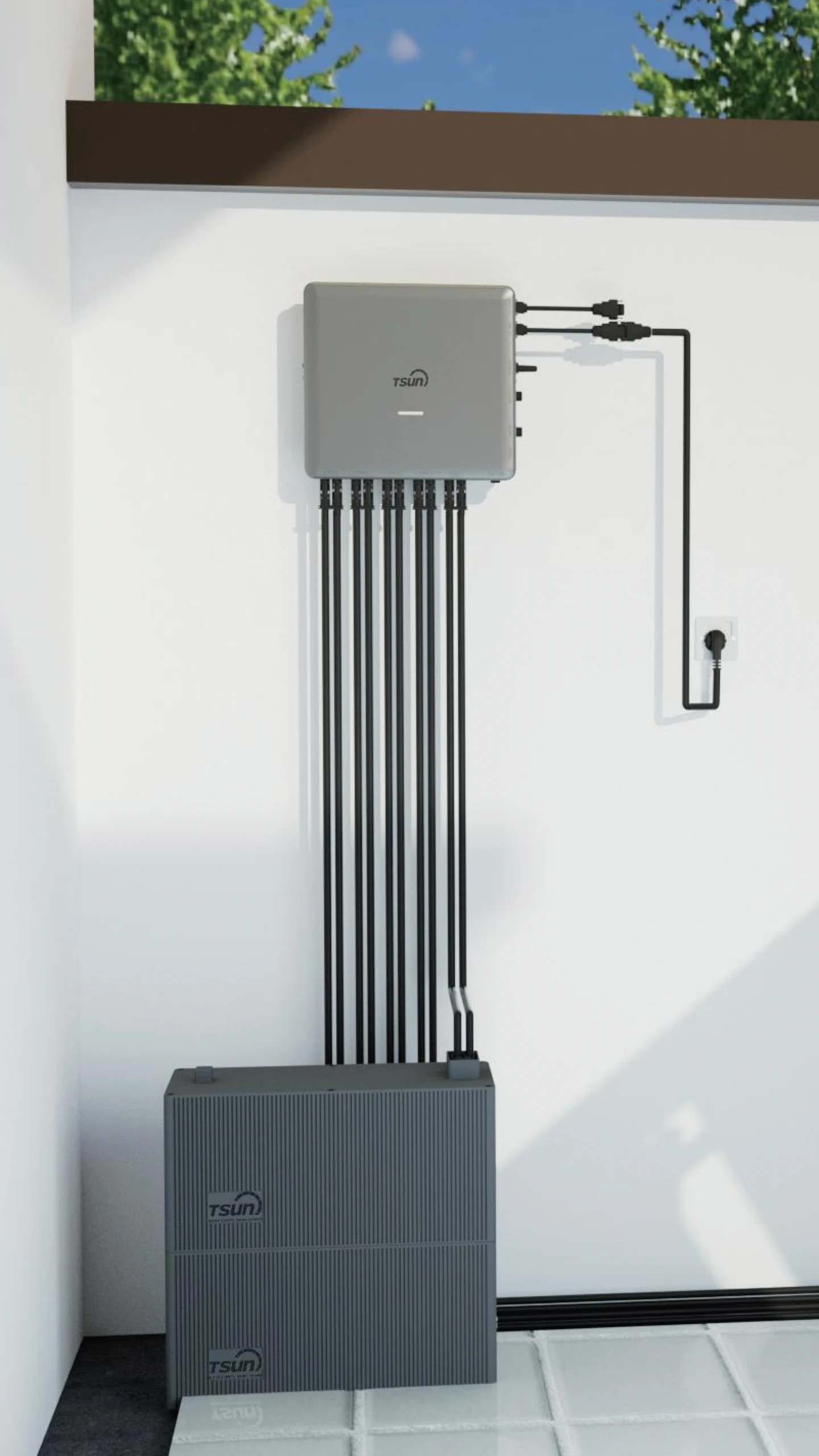
Let’s start simply: Off Grid Power Storage Systems are essentially standalone energy solutions designed to store and supply power independently from the electrical grid. This independence is increasingly vital for industrial environments where remote locations or unstable grid infrastructures put operations at risk. These systems typically combine battery units, intelligent energy management software, and sometimes integrated renewable inputs like solar.
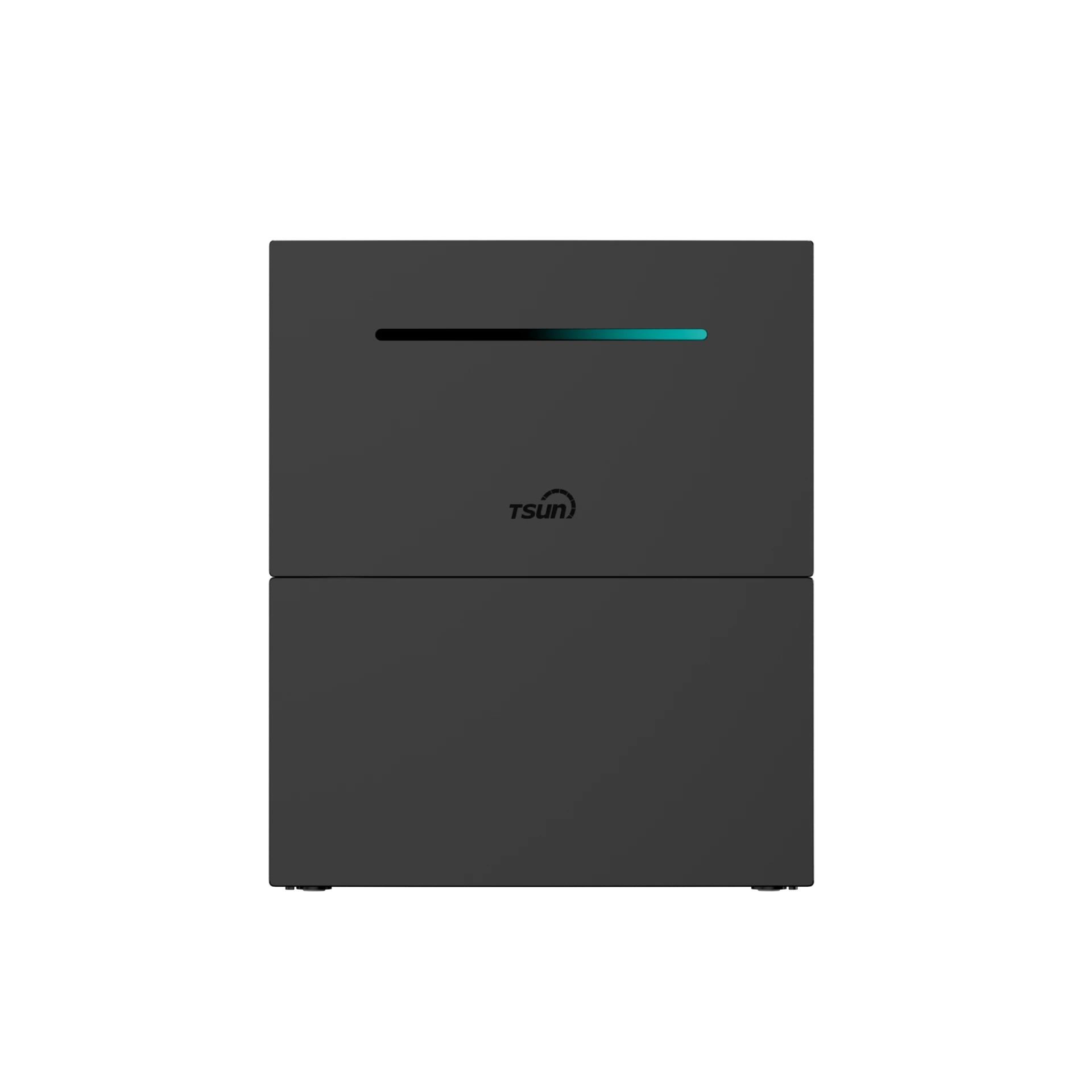
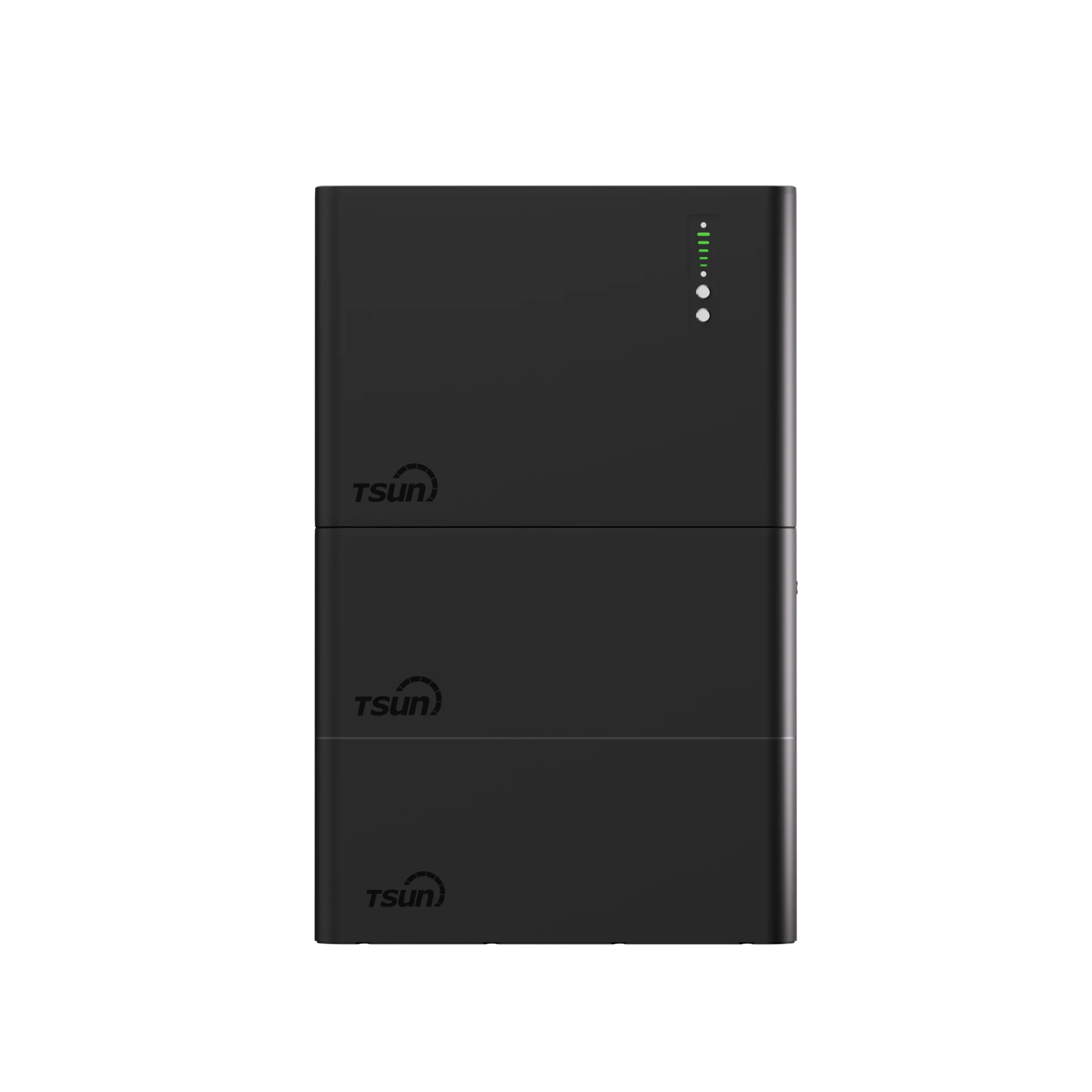
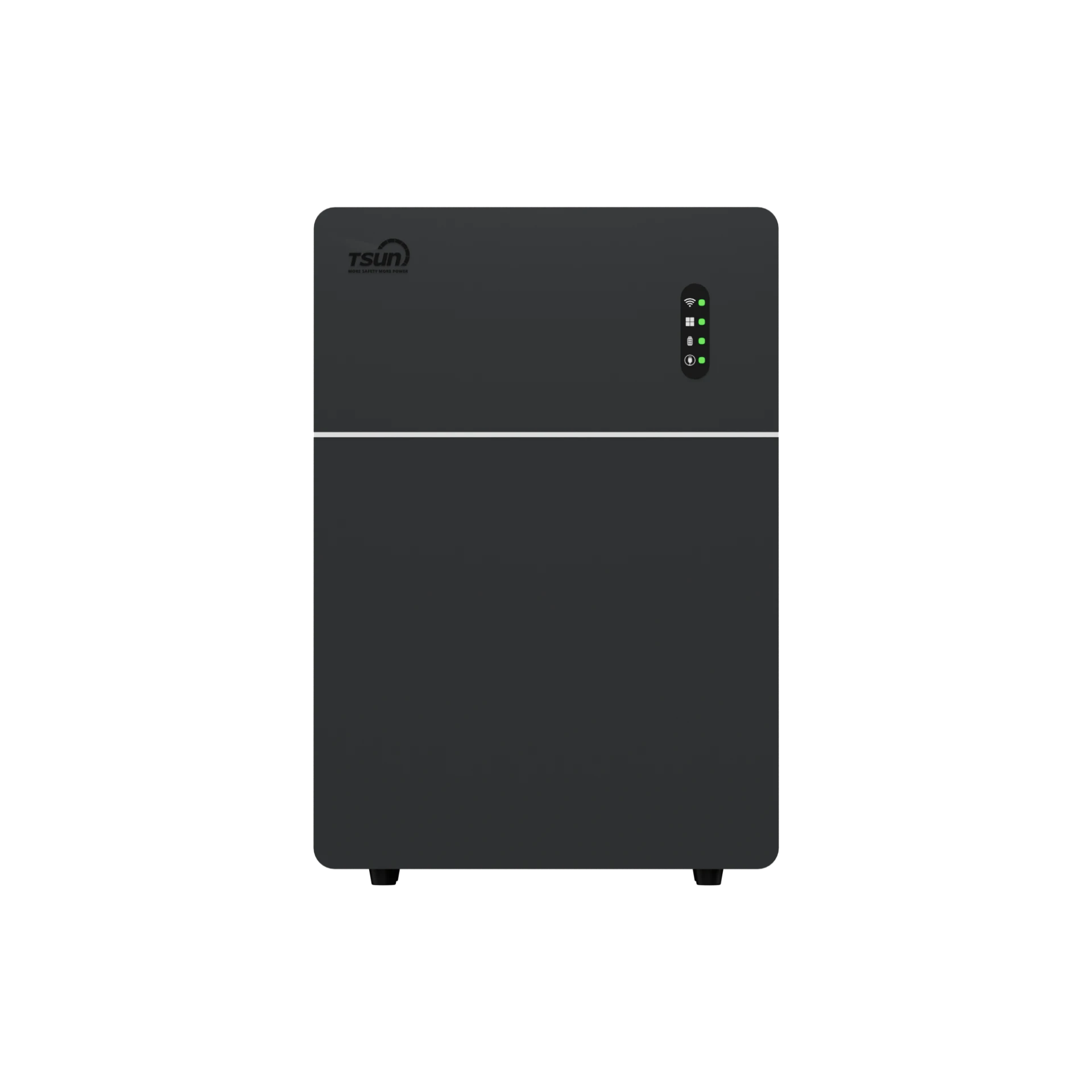
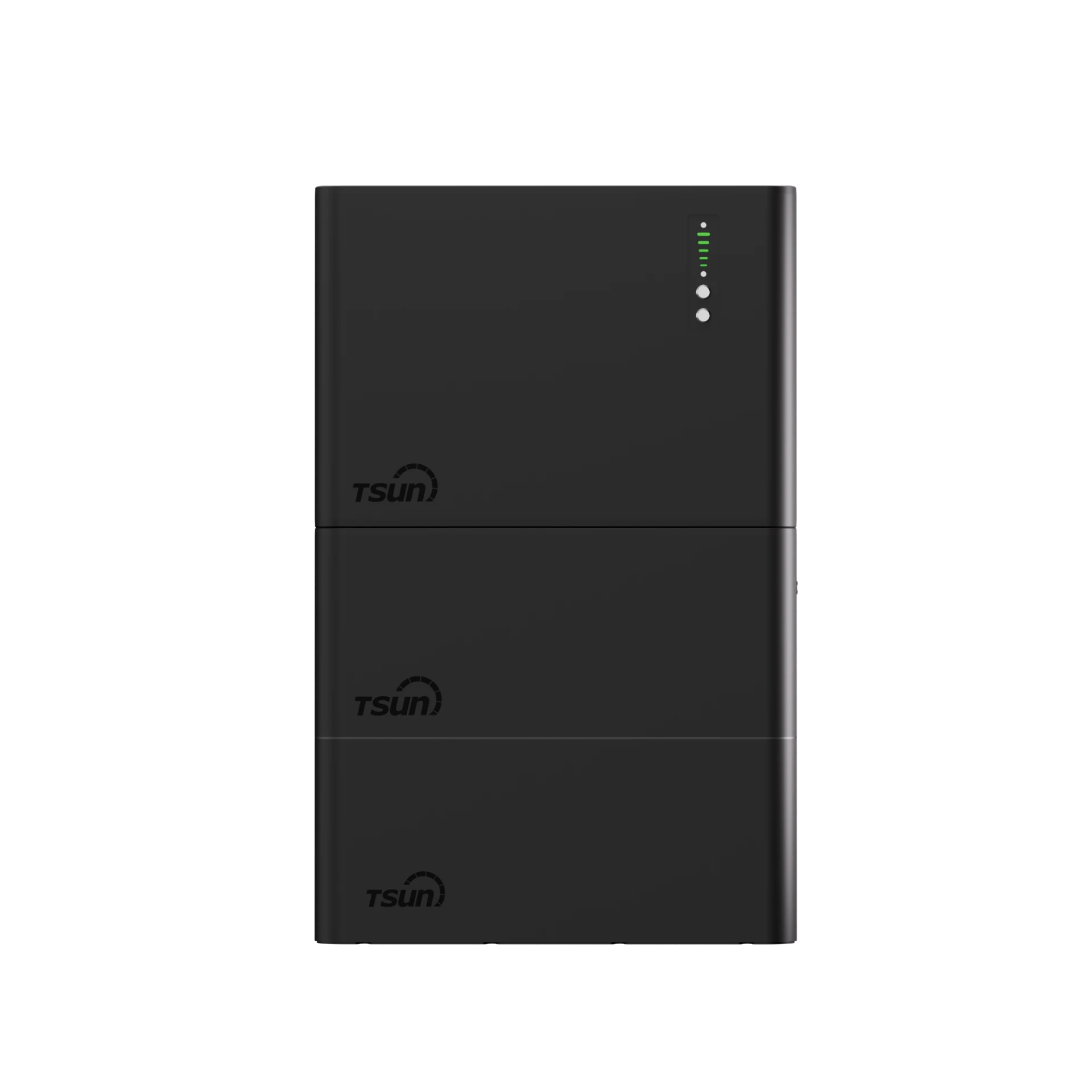
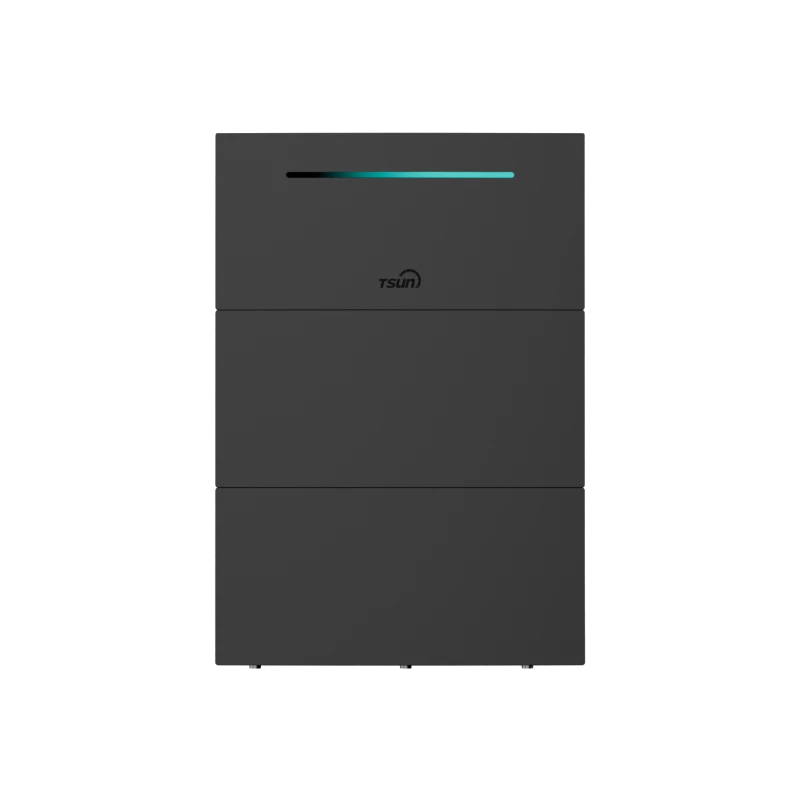
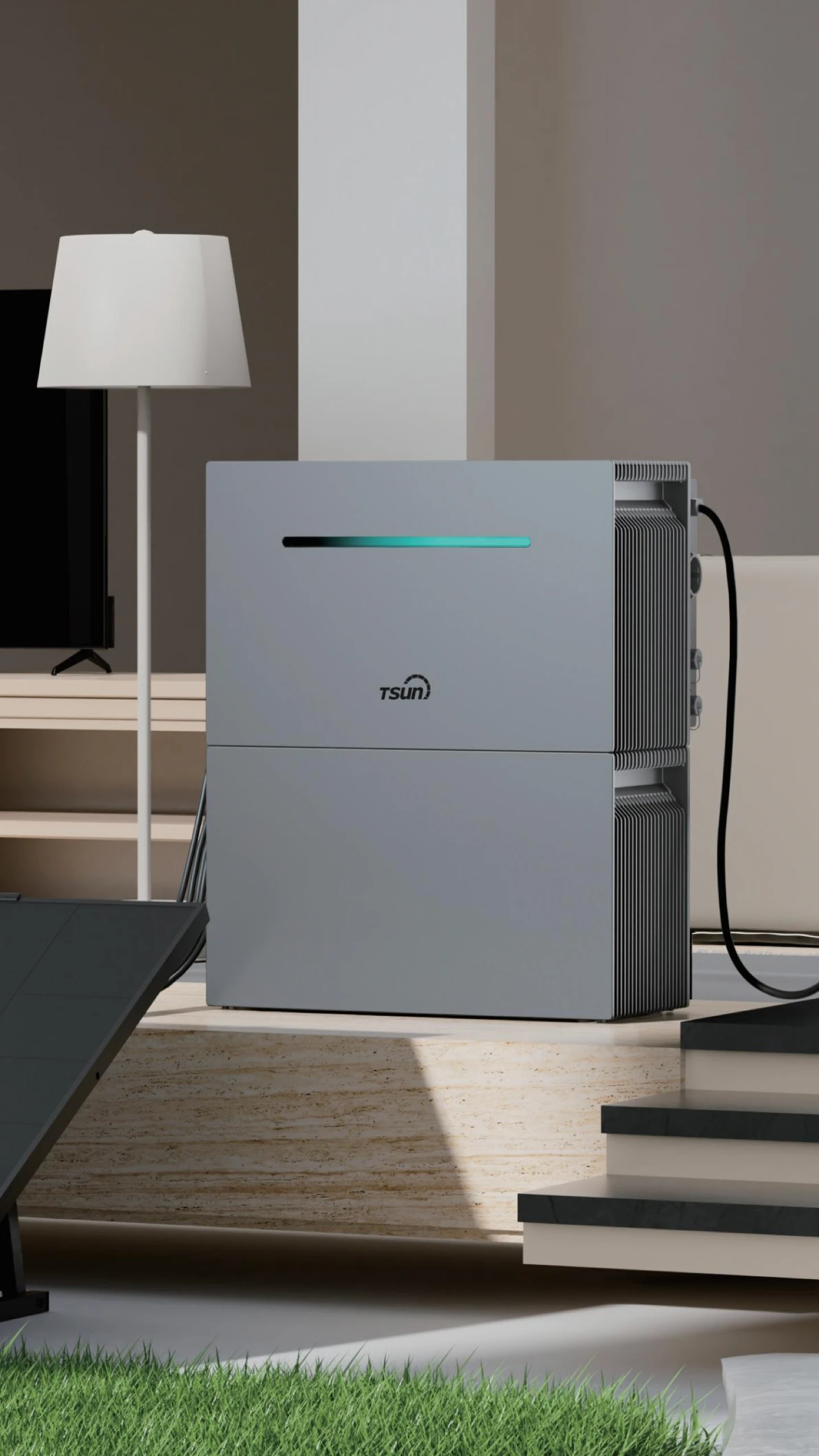
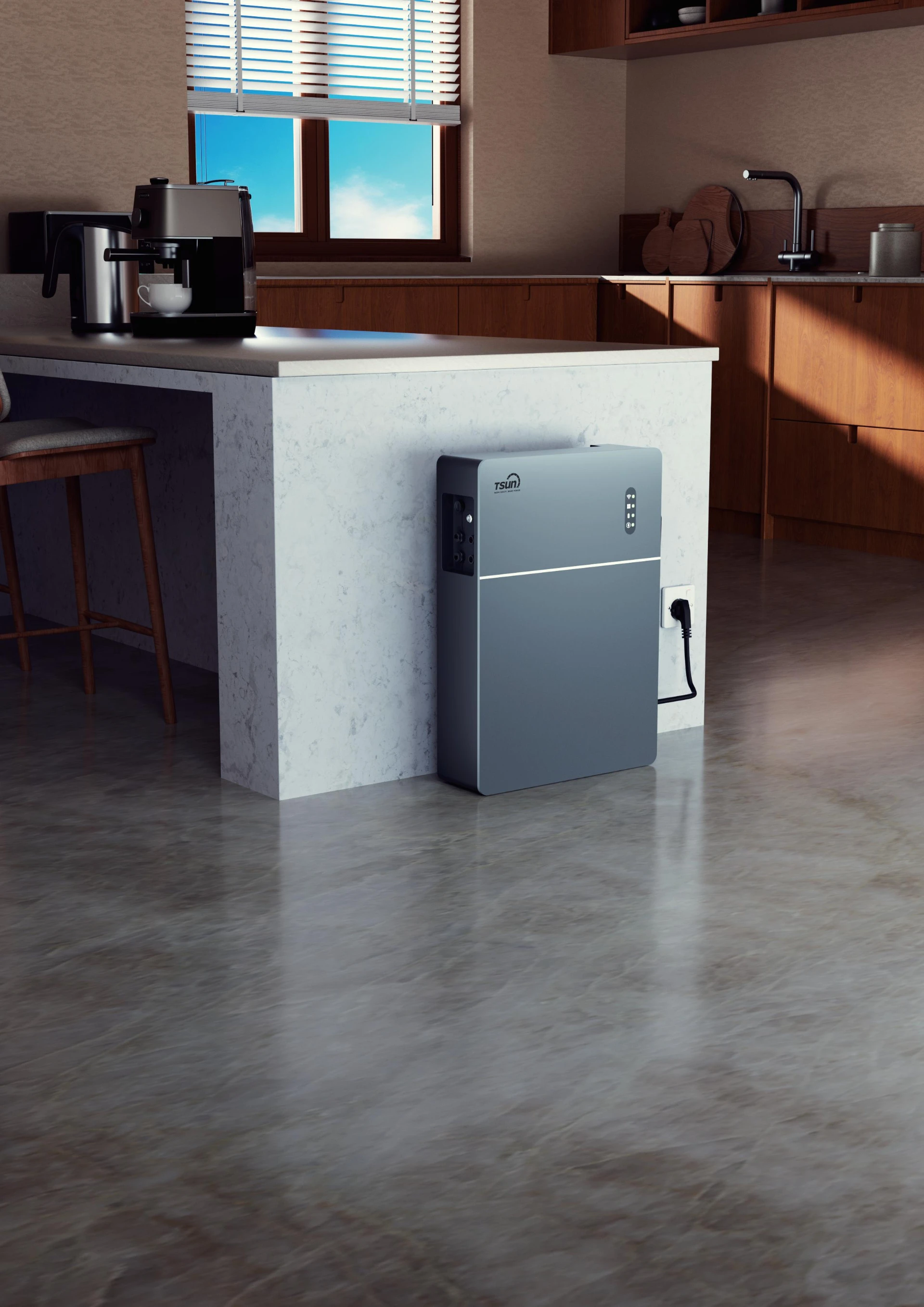
Oddly enough, it’s the engineering behind TSUN-ESS’s products that really stands out. Through advanced lithium iron phosphate (LiFePO4) technology, they deliver high energy density, excellent thermal stability, and notably longer lifecycle compared to older chemistries. For instance, their flagship battery modules typically feature a capacity range from 48 kWh up to 240 kWh with scalable options that can be tailored to specific projects. That means, whether it’s a telecom tower perched on a hill or a remote microgrid powering an industrial plant, these systems flex to match the demand.
| Specification |
TSUN-ESS Off Grid System |
| Battery Chemistry |
Lithium Iron Phosphate (LiFePO4) |
| Capacity Range |
48 kWh – 240 kWh (Scalable) |
| Cycle Life |
>6000 cycles @ 80% DoD |
| Operating Temperature |
-20°C to 60°C |
| Communication Protocols |
Modbus, CAN, TCP/IP |
So, where do these systems truly shine? Well, frankly, in places where the grid is unreliable or non-existent—think offsite construction projects, mining operations, rural healthcare facilities, or telecom infrastructure in remote regions. TSUN-ESS’s solutions exemplify this versatility, offering plug-and-play battery modules that can integrate with solar PV, generators, or wind turbines, creating resilient power islands.
And it’s not just about keeping the lights on; these systems deliver tangible competitive advantages. For example, fast response times and modular design make scaling capacity seamless. Remote monitoring with intelligent software empowers operations teams to optimize usage and predict maintenance needs before issues arise. Plus, the safety advantages of LiFePO4 chemistry reduce thermal runaway risks, which I noticed many engineers find reassuring for hazardous environments.
| Feature |
TSUN-ESS |
Typical Competitor |
| Battery Chemistry |
LiFePO4 |
Nickel Cadmium / Lead Acid |
| Modularity |
High; scalable in 4 kWh increments |
Low; fixed sizes |
| Cycle Life |
>6000 cycles |
~2000–3000 cycles |
| Remote Monitoring |
Standard |
Optional / Limited |
Cost, Maintenance & User Experience
You might wonder: “How do these systems work out cost-wise?” Honestly, upfront investment can seem hefty, but—here’s the thing—they tend to pay off fast. The long lifecycle, low maintenance, and minimal downtime add up to a compelling return on investment (ROI). TSUN-ESS units are engineered for rugged environments with minimal upkeep; frequent users say this reliability helps avoid unexpected expenses and operational headaches.
A particular mining project in Australia reported that integrating TSUN-ESS Off Grid Power Storage cut their diesel generator run-time by 40%, saving both costs and carbon footprint. It feels like a win-win, and in my chats with industry managers, the low failure rates and intuitive system interfaces rank high in satisfaction. User experience isn’t just about tech specs but how the system fits into daily operations—and in that regard, the remote diagnostics and support systems are a big bonus.
Sustainability & Market Trends
The sustainability angle is probably the most exciting—and urgent—part about off grid systems right now. Governments and industry regulators increasingly demand cleaner energy use and carbon reductions, nudging the market toward smarter storage paired with renewables. TSUN-ESS is aligned with this trajectory, offering products designed for circularity, high recyclability, and reduced environmental impact.
Market research forecasts a steady compound annual growth rate (CAGR) for off grid storage in industrial sectors well into the next decade. What’s driving that? Energy resilience and sustainability are top priorities, especially in emerging markets where grid infrastructure is patchy. Not to mention, hybrid power systems combining solar PV with battery storage are becoming the norm—not just a trend.
Frequently Asked Questions about Off Grid Power Storage Systems
- What is Off Grid Power Storage Systems and how does it work?
-
These systems store electrical energy independently of the main grid, usually via advanced batteries. They collect energy from renewables or generators and supply power when needed, ensuring continuous electricity even in isolated or unstable environments.
- What are the main benefits of using Off Grid Power Storage Systems in industrial applications?
-
Benefits include improved reliability, energy cost savings, reduced emissions, and enhanced operational flexibility. These systems often reduce dependence on expensive and polluting diesel generators.
- How does Off Grid Power Storage Systems compare to traditional alternatives?
-
Unlike lead-acid or nickel-cadmium batteries, advanced lithium iron phosphate systems have longer cycles, better safety, and faster response. Traditional generators rely on fuel and need constant maintenance, while off-grid storage offers cleaner, quieter performance.
- What industries can benefit most from Off Grid Power Storage Systems implementation?
-
Mining, telecom, healthcare, emergency services, and remote manufacturing are primary sectors. Anywhere power reliability is critical and grid access limited, these systems add significant value.
Conclusion on Off Grid Power Storage Systems from china
Wrapping things up: Off Grid Power Storage Systems represent a compelling, flexible solution for businesses demanding reliable energy independence and sustainability. TSUN-ESS’s technology stands out with its durability, scalability, and user-friendly design, making it a trusted choice for complex industrial applications.
- Off Grid Power Storage Systems offer a smart way to future-proof your energy needs.
- Want to learn more? Visit our website: https://www.tsun-ess.com
In the end, embracing off grid power storage feels less like an option and more like a necessity for industry leaders aiming to balance performance with sustainability.
References:
1. International Energy Agency (IEA), Energy Storage Outlook
2. TSUN-ESS Official Product Data
3. Industry Case Study: Remote Mining Operations Energy Optimization






 LEARN DETAILS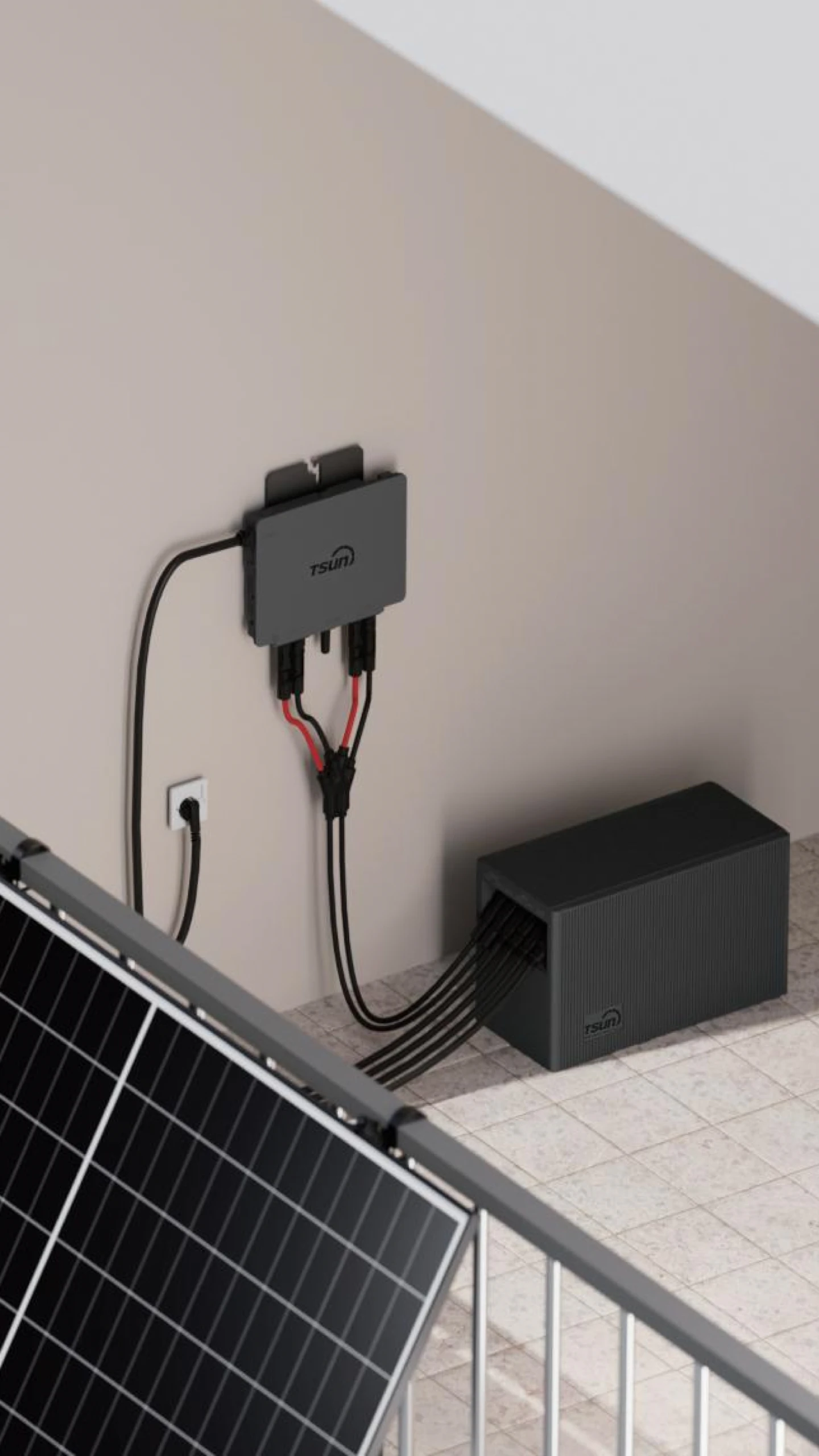
 Downloads
 Video Center
 Report Fault for Repair
 FAQS
FAQS Service Network
 Privacy Policy
 Contact Us
 Monitoring


 LEARN MORE