Understanding Photovoltaic Grid Connected Microinverters: Why It Matters
In an age when renewable energy is increasingly vital, the photovoltaic grid connected microinverter emerges as a quietly revolutionary piece of technology. But what exactly is it, and why should anyone care beyond the solar industry insiders? Simply put, it’s a device that makes solar power systems more efficient, safer, and more adaptable — qualities critical for our global energy future.
With the world racing to lower carbon footprints and increase energy access, especially in developing nations, understanding microinverters can unlock smarter solar installations everywhere. Whether it’s for reducing urban electricity bills or powering remote off-grid communities, these little gadgets pack a punch.
Mini takeaway: Photovoltaic grid connected microinverters enhance solar energy use, shaping a greener, more reliable energy grid worldwide.
Global Context: Solar’s Role and the Grid Connected Microinverter’s Place
Solar energy capacity worldwide exceeded 1 terawatt in 2023, buoyed by policies from the International Energy Agency (IEA) and investments driven by the United Nations Sustainable Energy for All (SE4ALL) initiative. Yet, traditional grid-tied solar systems, while popular, struggle with shading, panel mismatch, and less-than-ideal power optimization.
This is where photovoltaic grid connected microinverters address a whopping challenge. Unlike central inverters that process power from multiple panels, microinverters handle one panel each. This modularity means shading on one panel no longer drags down the performance of the entire array — a game changer in urban or unevenly sunny environments.
Mini takeaway: Microinverters are an essential innovation bridging solar growth, helping tackle key challenges like power loss and reliability on a global scale.
What Is a Photovoltaic Grid Connected Microinverter?
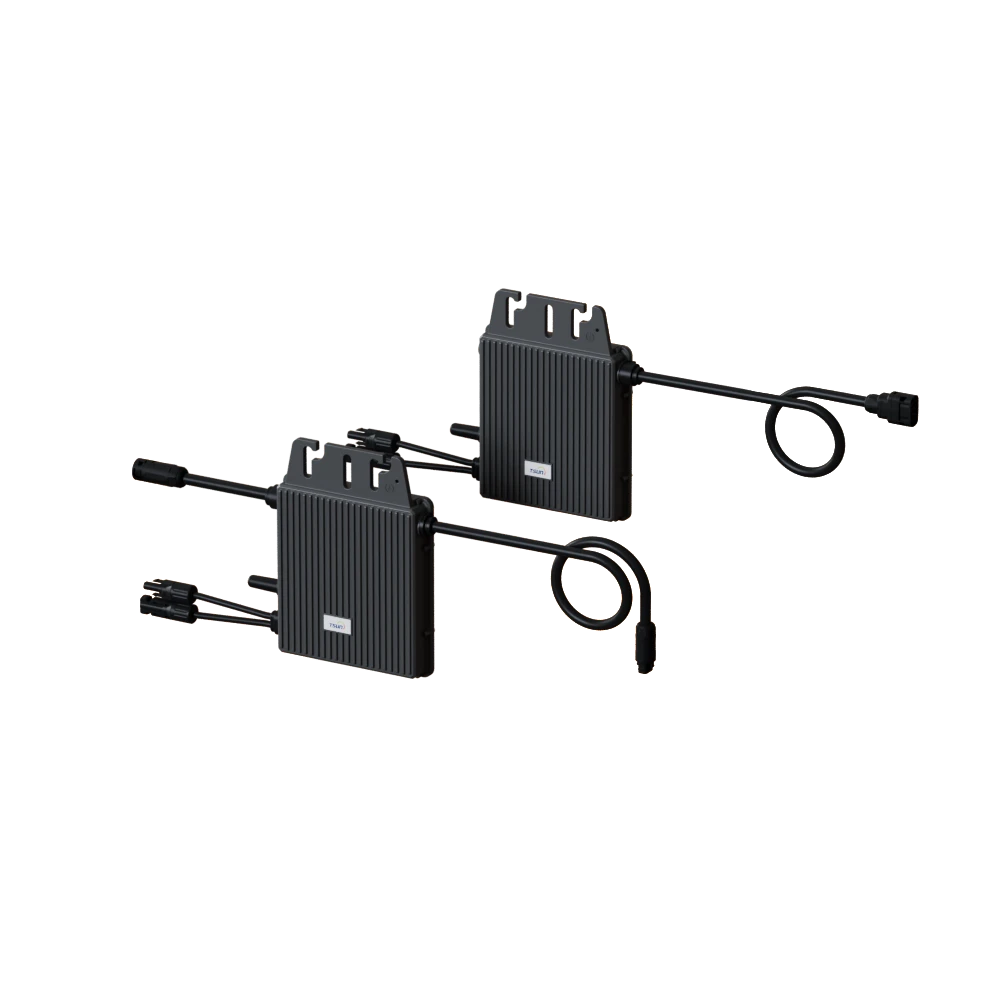
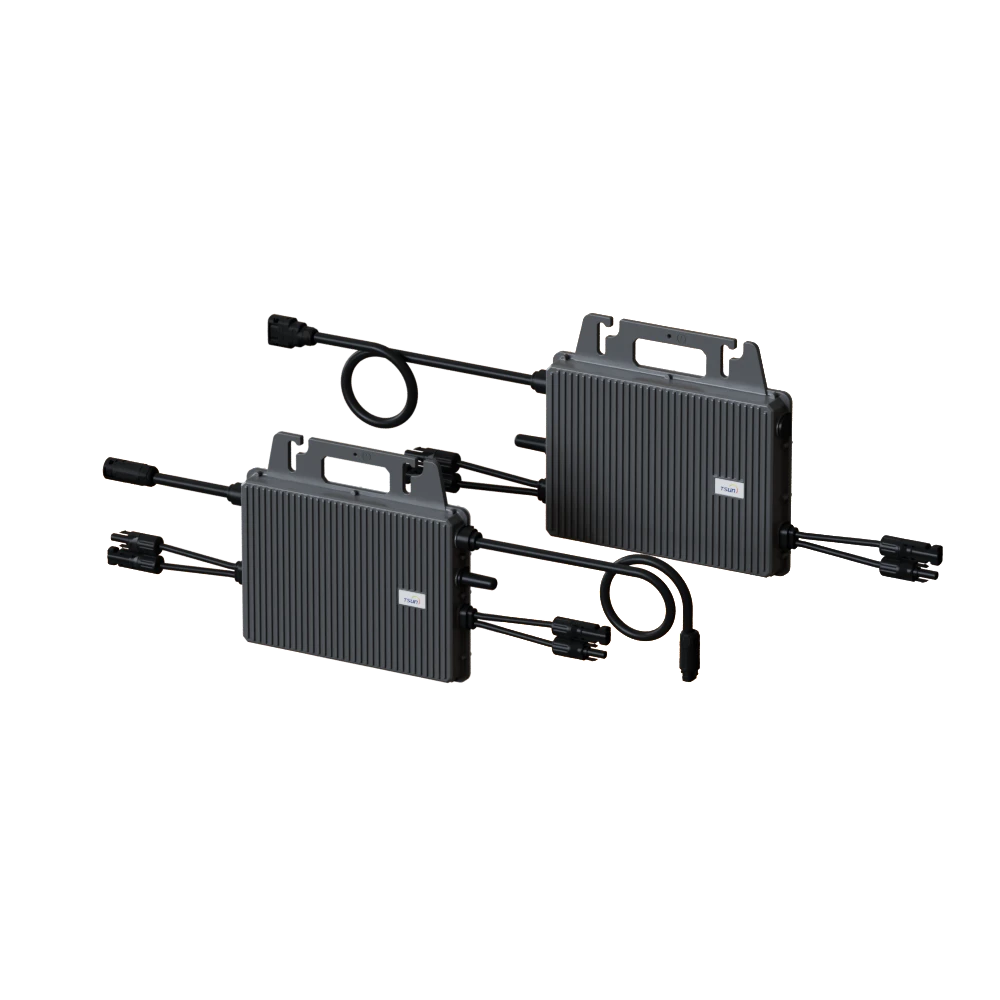
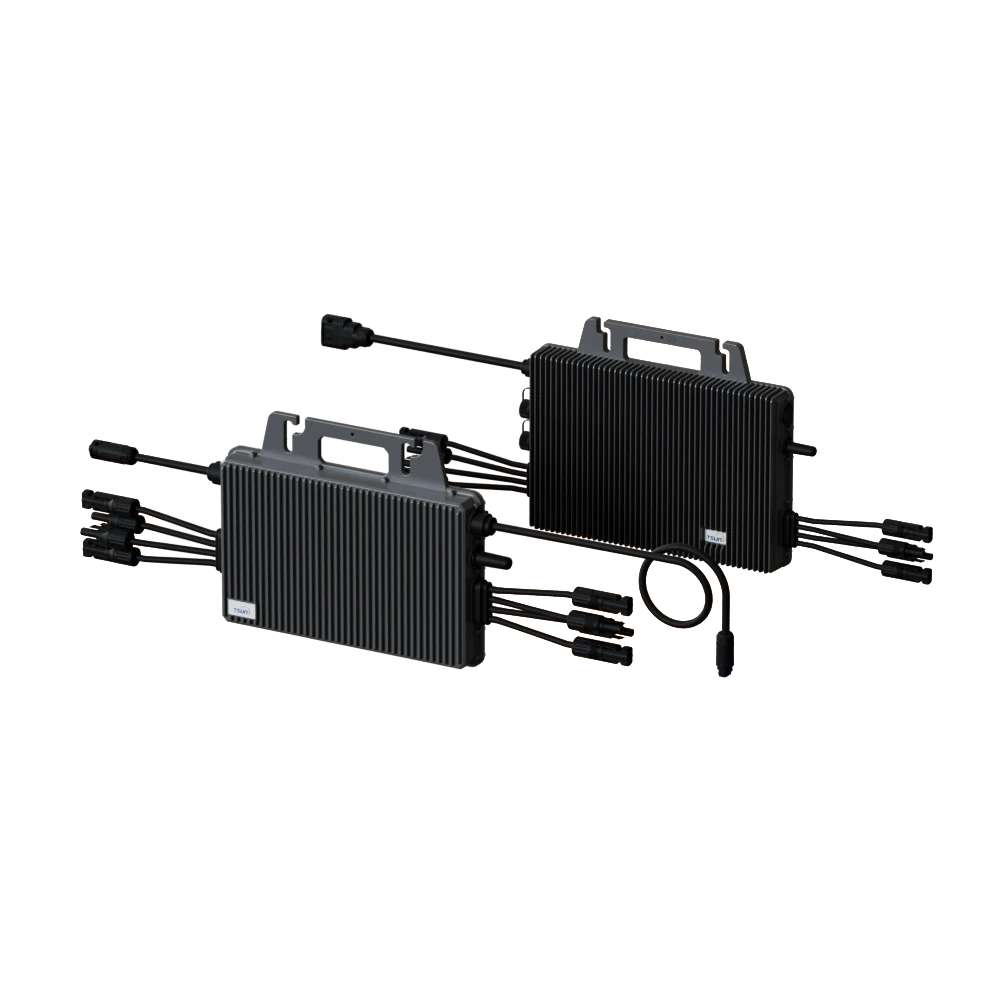
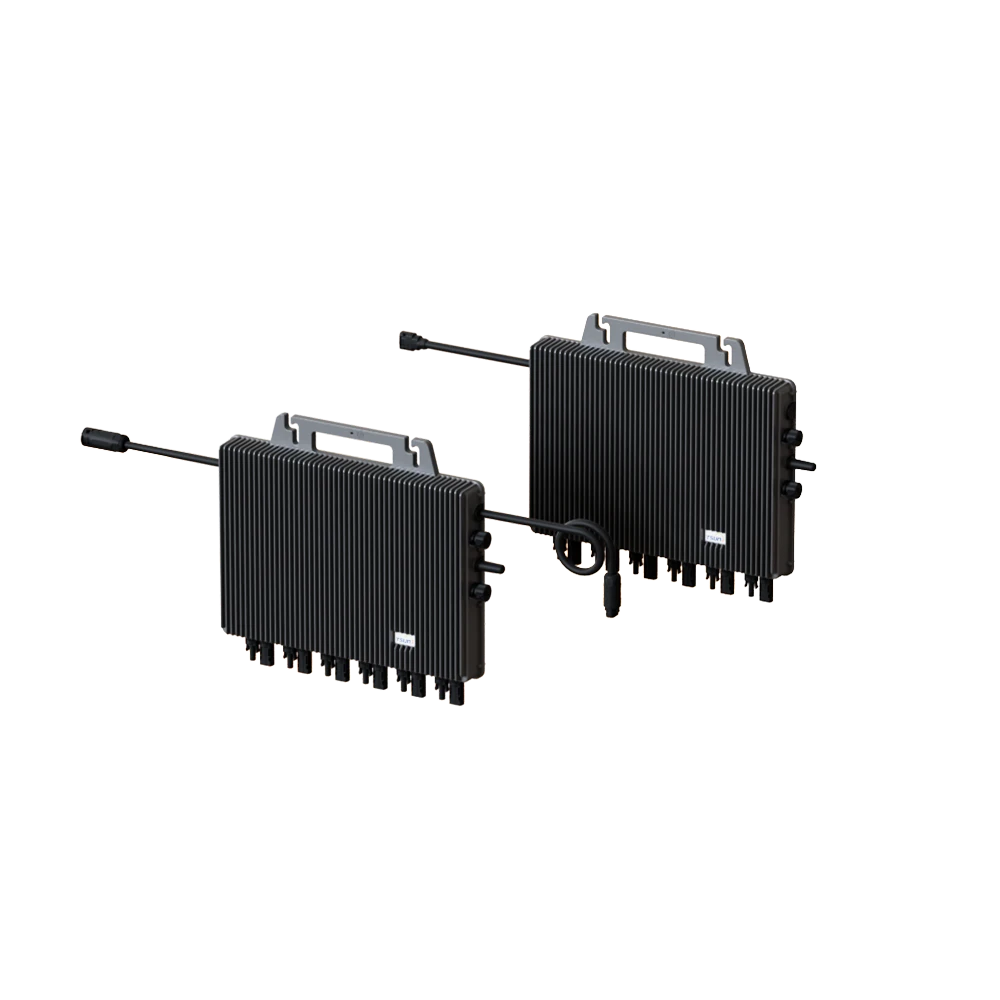
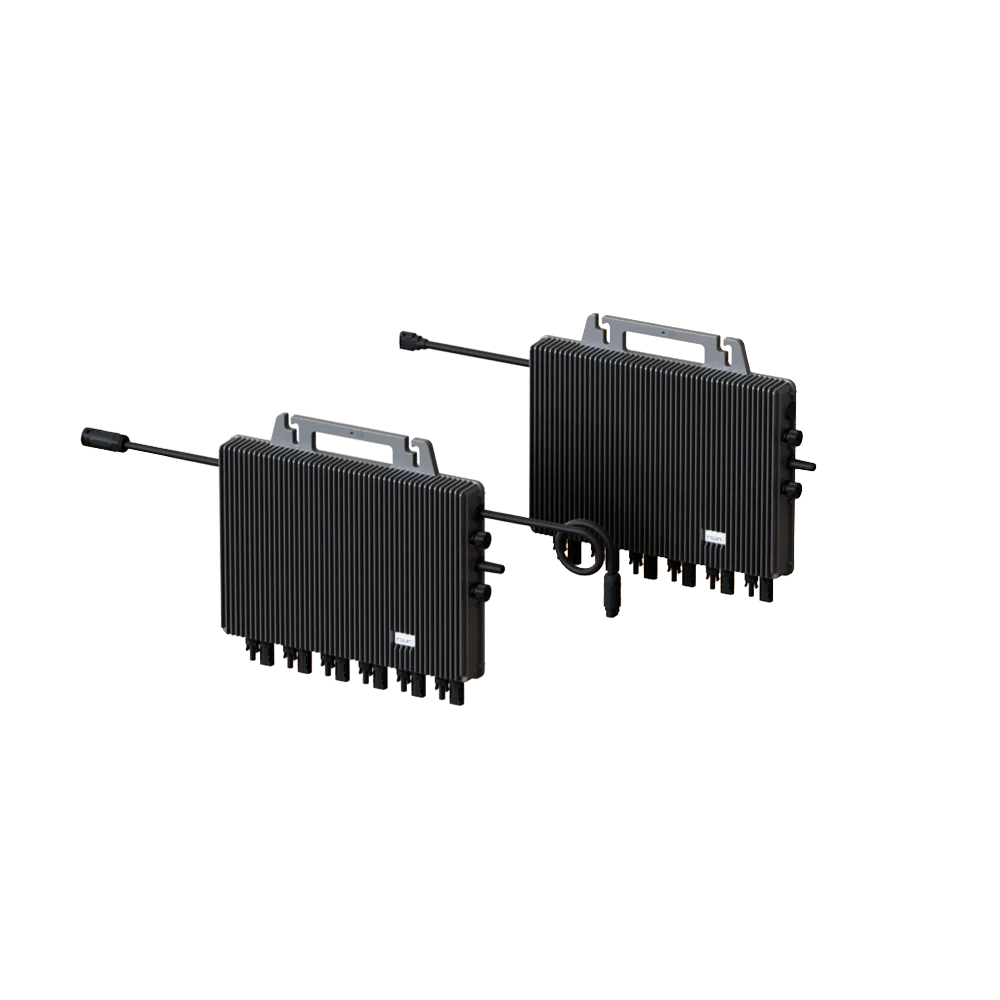
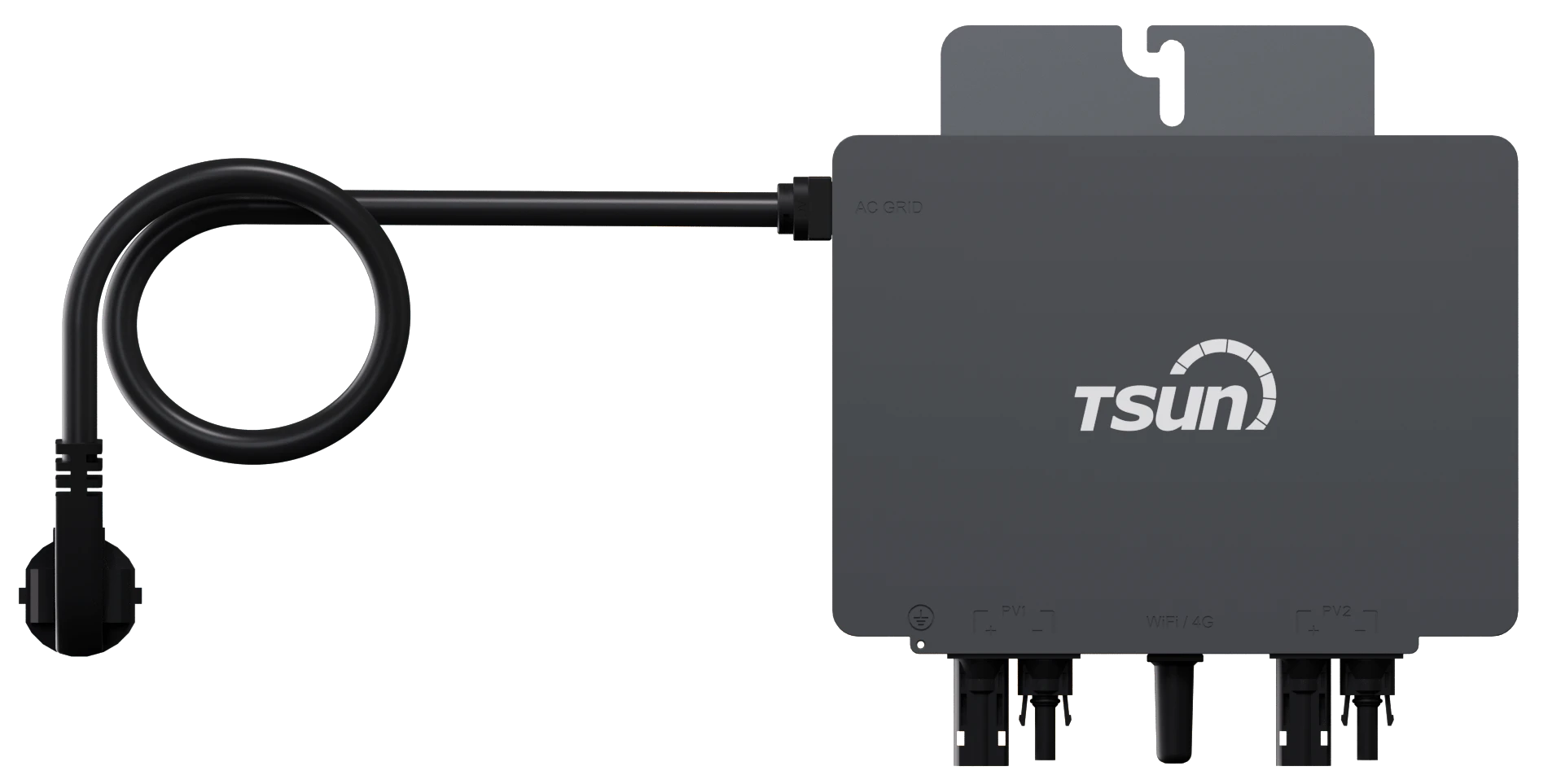
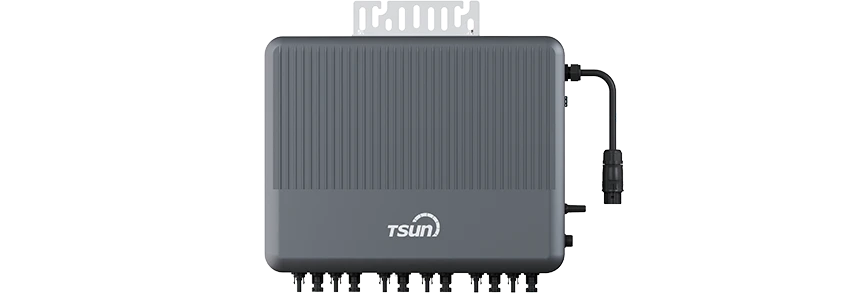
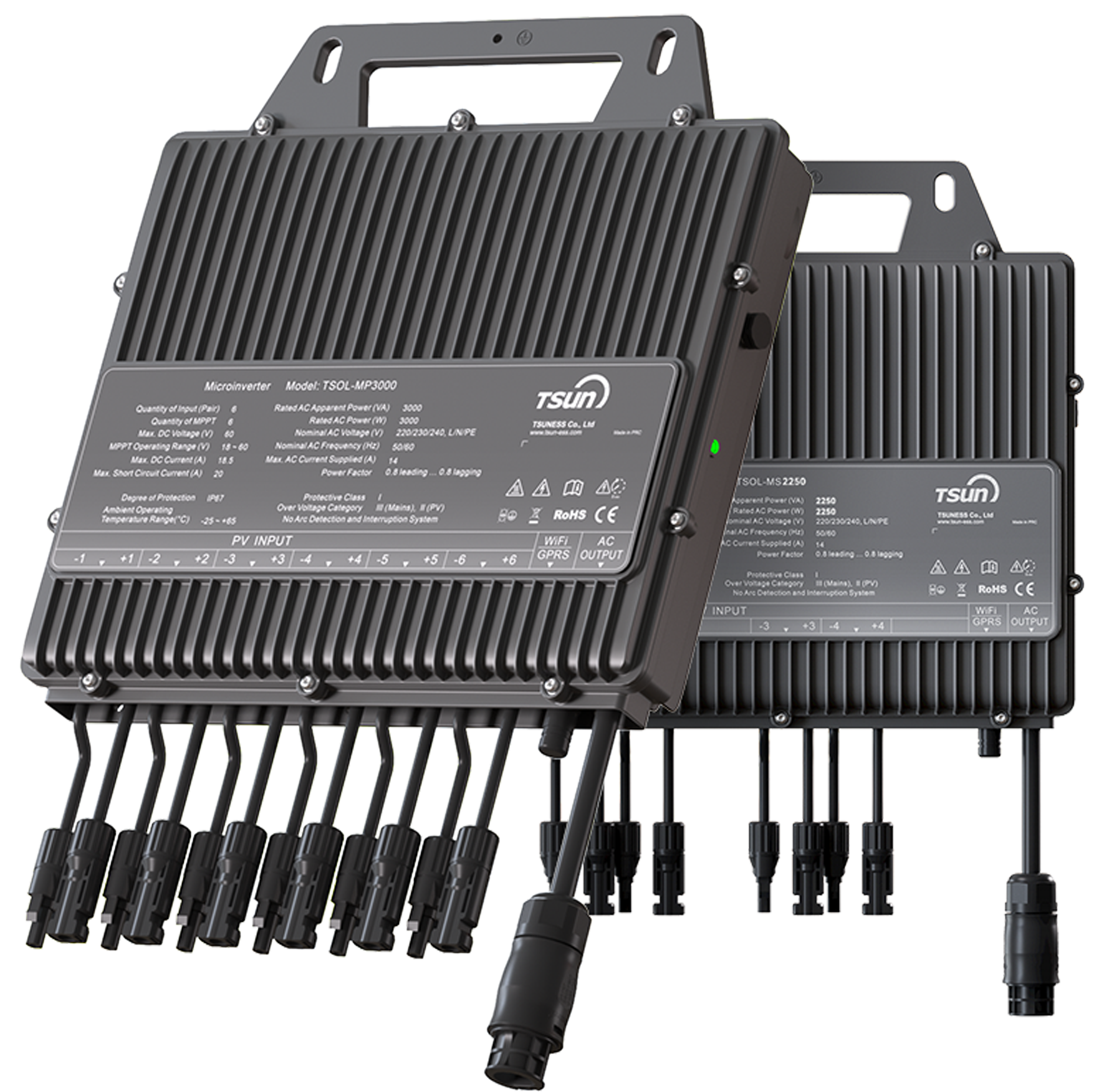
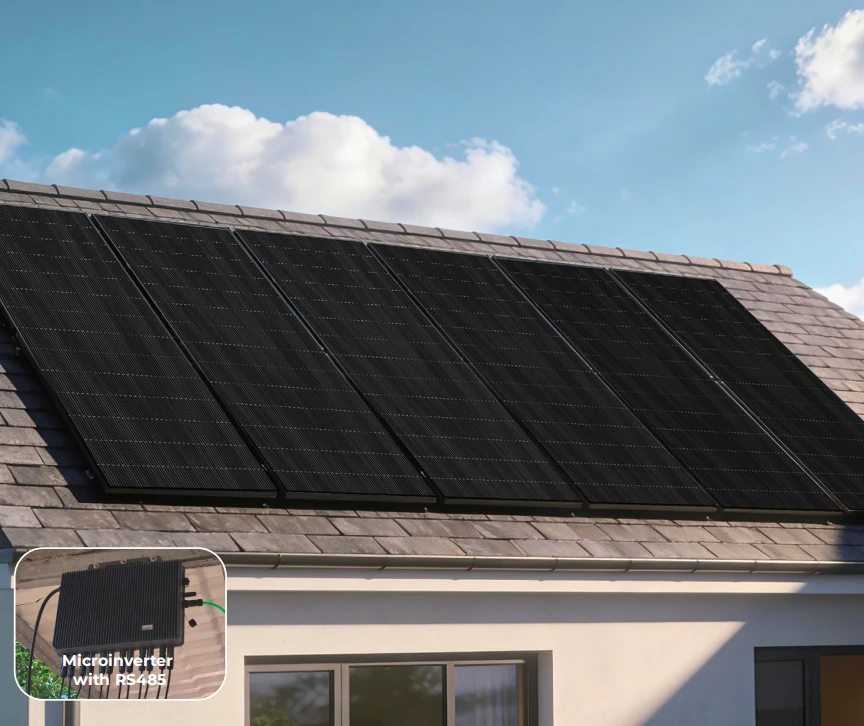
At its simplest, a photovoltaic grid connected microinverter is an electronic device that converts the direct current (DC) electricity from a single solar panel into alternating current (AC) electricity compatible with the public grid. Unlike traditional string inverters that convert DC from many panels at once, microinverters work on each panel independently.
This independence boosts system resilience and allows for granular monitoring, which benefits homeowners, utilities, and grid managers alike. In crisis contexts (like natural disasters or humanitarian aid deployments), this flexibility isn’t just convenient — it’s critical, as solar microinverters enable quick installation with minimal fuss.
Mini takeaway: Microinverters make solar panels smarter and grid-friendly, empowering better energy management and emergency readiness.
Key Features of Photovoltaic Grid Connected Microinverters
1. Durability and Weather Resistance
These devices sit outside, often on rooftops, exposed to sun, rain, and temperature swings. Manufacturers design them to meet strict IP65 or higher ratings to ensure water and dust sealing, plus extended warranties to prove confidence. It’s not unusual for them to last 20 years or more with minimal degradation.
2. Scalability and Modularity
Each microinverter connects to a single solar panel, which means solar arrays can start small and grow fluidly. This avoids large upfront costs and allows customizing system size to changing energy needs — ideal for expanding businesses or communities.
3. Enhanced Energy Harvest
Because each panel operates independently, shading, dirt, or panel orientation problems don’t cascade to the entire system. Many installers report up to 10–15% more energy capture in heterogeneous conditions than with traditional setups.
4. Safety Features
Microinverters convert DC to AC right on the panel, significantly lowering dangerous high voltage DC running through an entire home or site. This greatly reduces fire risks, an important consideration especially in residential environments.
5. Real-Time Performance Monitoring
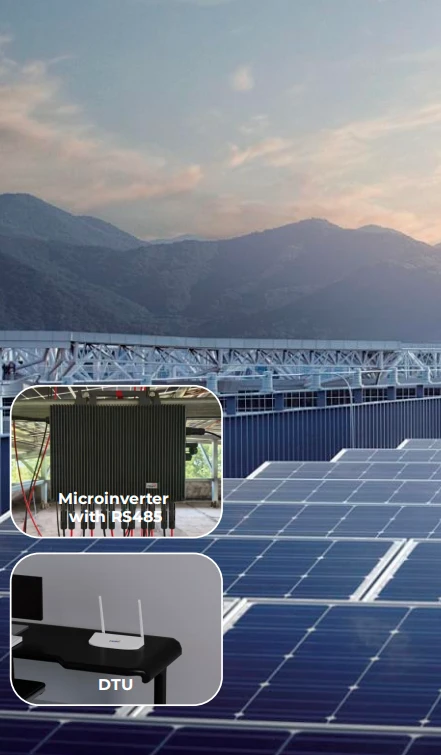
Most microinverters include communication modules allowing users and technicians to track each panel’s output via smartphone or PC apps. This granularity helps spot faults early and optimize maintenance.
6. Cost Efficiency Over Time
While initially costlier than central inverters, microinverters reduce hidden costs: fewer repairs, better energy returns, and increased system lifespans often offset higher purchase prices after a few years.
Mini takeaway: Microinverters bring a bundle of practical benefits from resilience and efficiency to safer installations — perfect for a broad range of solar users.
Global Applications and Real-World Use Cases
Photovoltaic grid connected microinverters see extensive use across many sectors and regions:
- Urban residential rooftops: In cities like San Francisco or Berlin, where buildings cast shadows randomly, microinverters maximize output and space use.
- Rural electrification: In remote areas of Sub-Saharan Africa and Southeast Asia, microinverters paired with solar panels provide reliable power, boosting schools or clinics without access to centralized grids.
- Commercial and industrial farms: Large agricultural setups in Australia and Spain deploy microinverters for flexible solar integration with irrigation and processing equipment.
- Disaster relief and humanitarian projects: NGOs use microinverter-based solar kits to quickly restore energy in quake or hurricane-stricken zones, supporting communication and refrigeration needs.
For example, post-typhoon relief operations in the Philippines benefited hugely from microinverter systems that locals could install quickly to power essential services despite damaged grids.
Mini takeaway: Their flexibility makes photovoltaic grid connected microinverters invaluable from dense cities to the world’s most challenging environments.
Advantages and Long-Term Value of Microinverters
Let’s be frank: aside from technical specs, what’s the real emotional and societal value here? For one, families get trustworthy, predictable power, often with self-consumption that lowers bills. For communities, it means more sustainable energy independence and a step away from unreliable fossil fuels.
Innovators and investors alike note that microinverters reduce maintenance headaches, create jobs in green tech, and help meet energy equity goals fairly. The safety improvements also mean homeowners sleep easier, especially in wildfire-susceptible areas.
Product Specification Table
| Parameter |
Value |
| Max Power Output | 350W per panel |
| Efficiency | 96.5% |
| Input Voltage Range | 22 V – 60 V DC |
| Output Voltage | 230V / 120V AC |
| Operating Temperature | -40°C to +65°C |
| IP Rating | IP65 (weatherproof) |
| Communication | Wi-Fi / ZigBee / PLC |
| Warranty | 25 years |
Vendor Comparison: Top Microinverter Providers
| Brand |
Key Features |
Price Range per Unit |
Warranty |
Typical Use |
| SolarEdge |
High efficiency, module-level monitoring |
$150–$200 |
25 years |
Residential and commercial |
| Enphase Energy |
Integrated communications, easy installation |
$180–$230 |
25 years |
Residential |
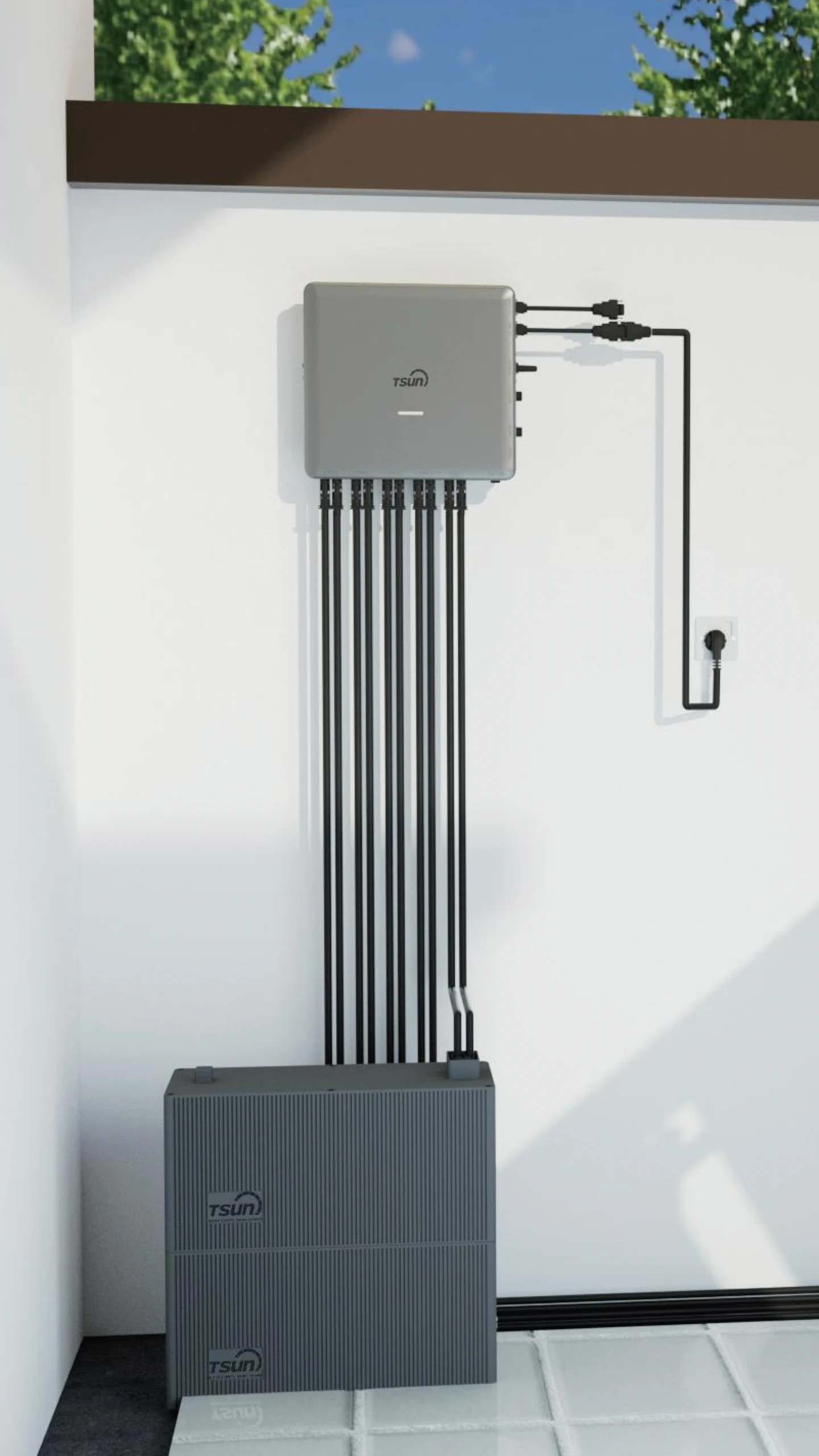
| Tsun ESS |
Robust build, multi-protocol support, competitive pricing |
$130–$170 |
25 years |
Residential, commercial, and humanitarian projects |
Future Trends & Innovations in Microinverters
Looking ahead, microinverters are no longer “just” DC-AC converters. The future points towards smart energy management integration with IoT, allowing systems to adjust dynamically to grid conditions and customer demand. We’re also seeing advances in wide-bandgap semiconductors like gallium nitride (GaN), which promise higher efficiency and smaller, lighter devices.
Government incentives and stricter sustainability guidelines worldwide also encourage wider adoption of microinverters, as they align perfectly with the green energy transformation and decentralization of power production.
Mini takeaway: Photovoltaic grid connected microinverters are evolving into intelligent nodes of tomorrow’s smart grids, increasing resilience and flexibility.
Challenges & Practical Solutions
Of course, it’s not all smooth sailing. Initial costs still deter some buyers, and the complexity of managing many microinverters can tax installers or require software savvy. Additionally, microinverters historically carried a slightly higher failure rate, although modern designs and rigorous testing have narrowed this gap.
Experts recommend:
- Choosing trusted vendors with strong product warranties
- Integrating user-friendly monitoring software like photovoltaic grid connected microinverter platforms for ease of use
- Ensuring installers have experience with modular solar systems for optimal performance
FAQ: Common Questions About Photovoltaic Grid Connected Microinverters
- What is the main advantage of microinverters over traditional string inverters?
- Microinverters optimize energy from each solar panel independently. This reduces losses due to shading or panel mismatch, increasing overall system efficiency by 10–15% in many cases.
- Are photovoltaic grid connected microinverters suitable for DIY solar projects?
- While easier to install than string inverter systems because of modular design, some electrical knowledge is recommended for safe and code-compliant installations. Professional guidance is often best.
- How long do microinverters typically last?
- Modern microinverters come with warranties up to 25 years and are designed to last that long under normal environmental conditions, matching the lifespan of solar panels.
- Can microinverters work with battery storage systems?
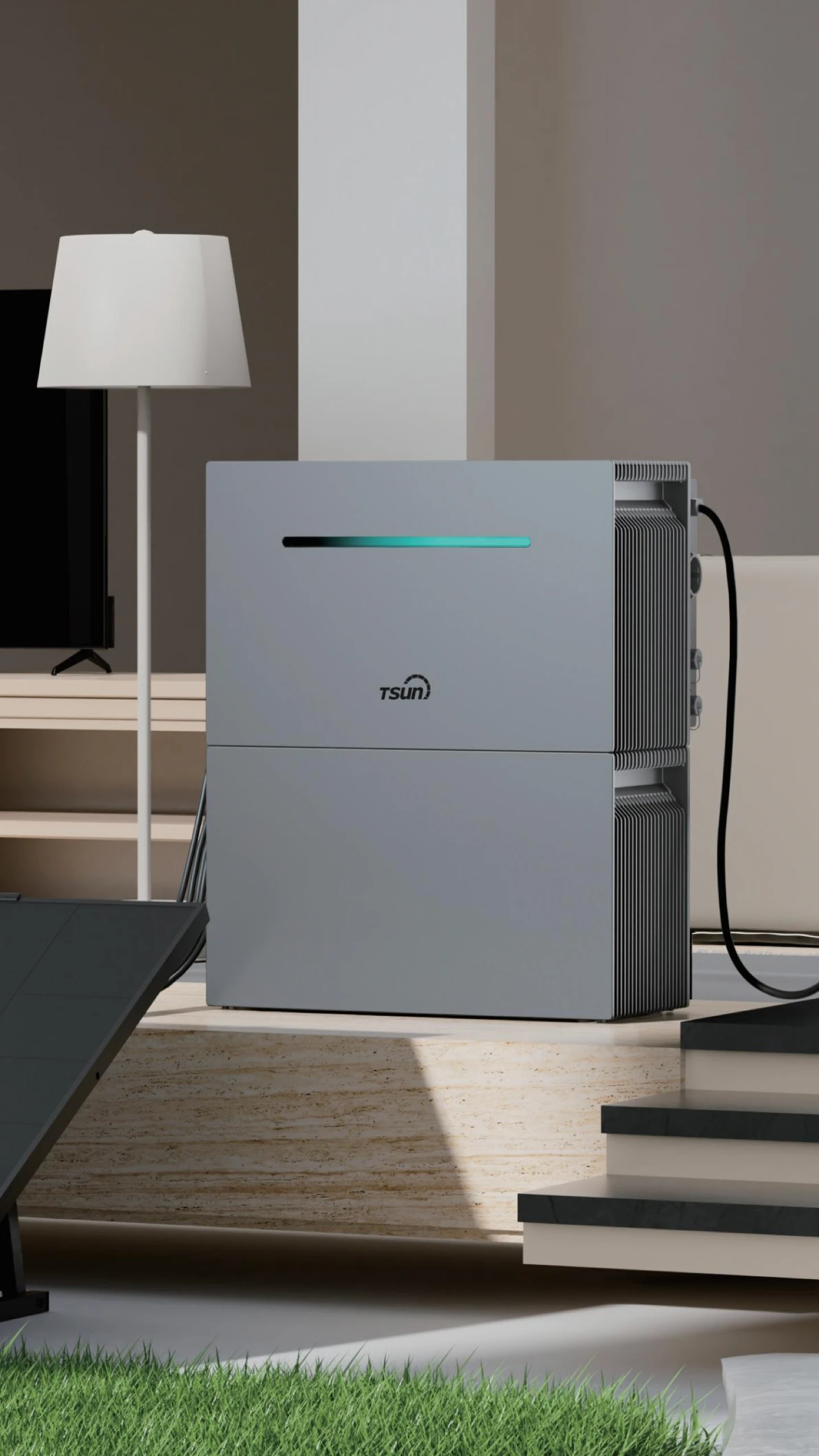
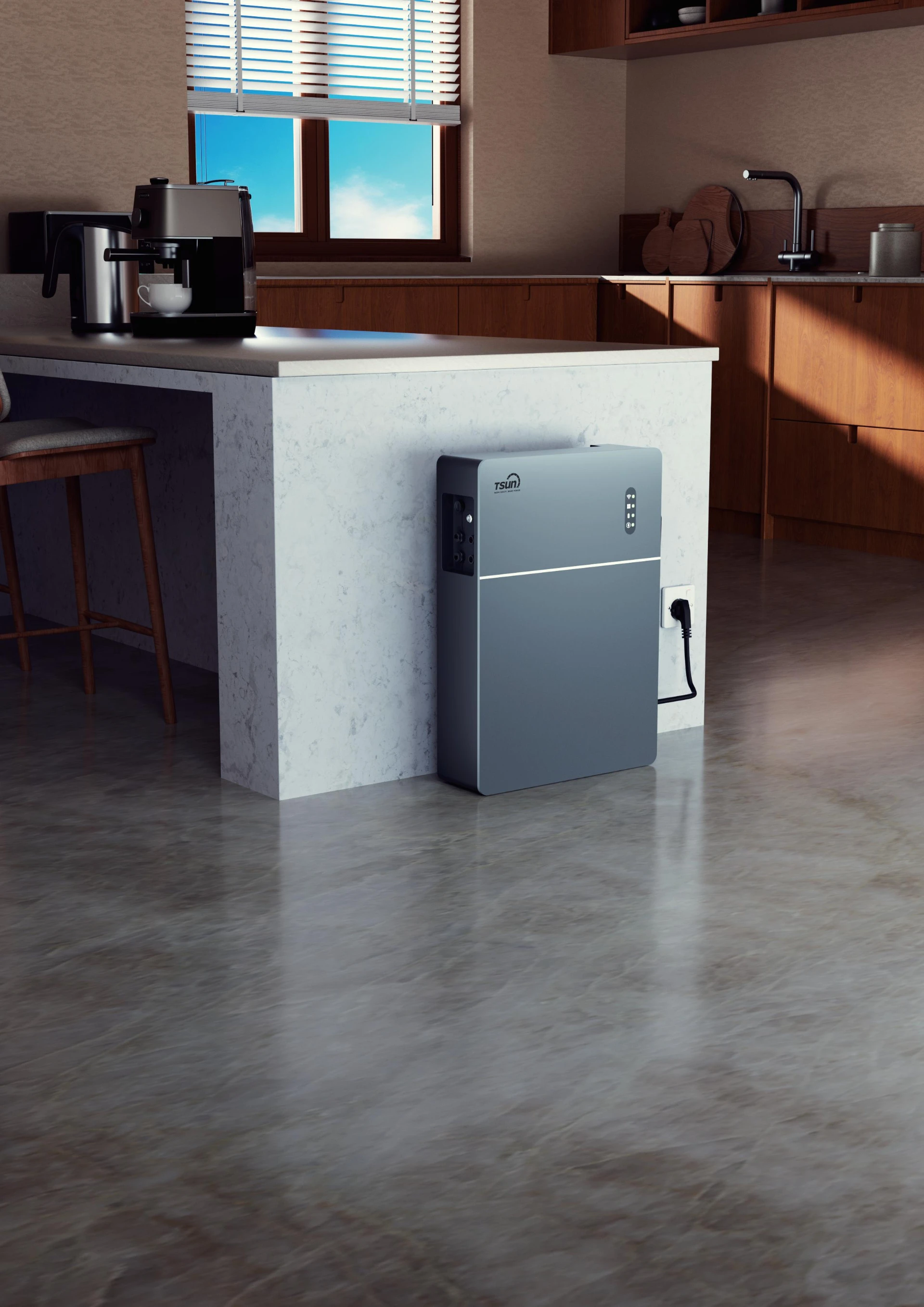
- Yes, many microinverters can be integrated with battery systems, especially where energy storage and backup power are desired alongside grid interaction.
- How do microinverters improve safety on a solar installation?
- By converting DC power to AC at the panel level, microinverters minimize high voltage DC wiring, which reduces risk of electrical arcs and fires in residential and commercial installations.
Conclusion
Whether you’re a homeowner considering solar, a business leader exploring sustainable energy, or a humanitarian agency deploying reliable power solutions, photovoltaic grid connected microinverters offer compelling benefits: improved efficiency, enhanced safety, and flexible scalability. Their role in shaping a decentralized, renewable-powered world can’t be overstated — and frankly, the future looks bright (no pun intended).
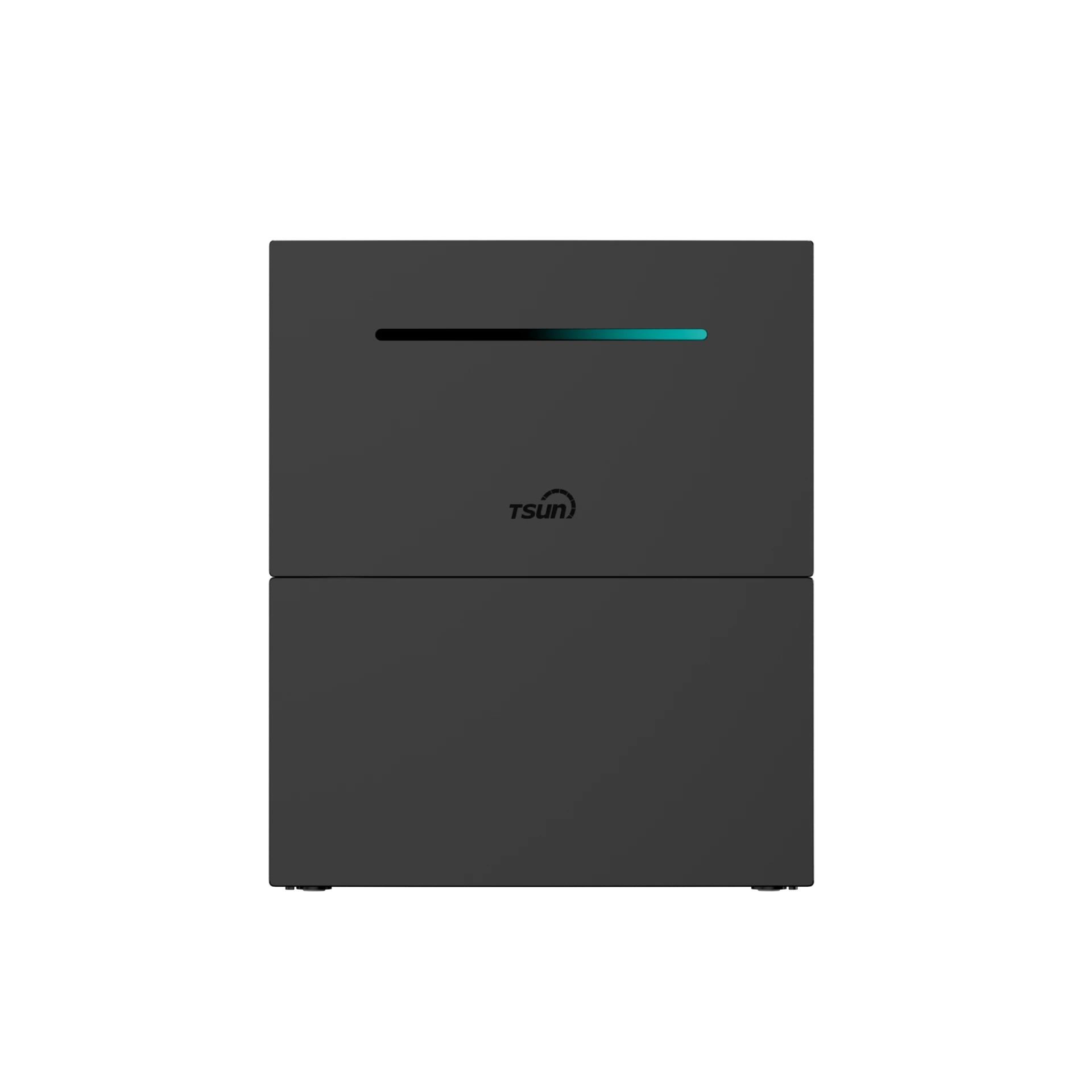
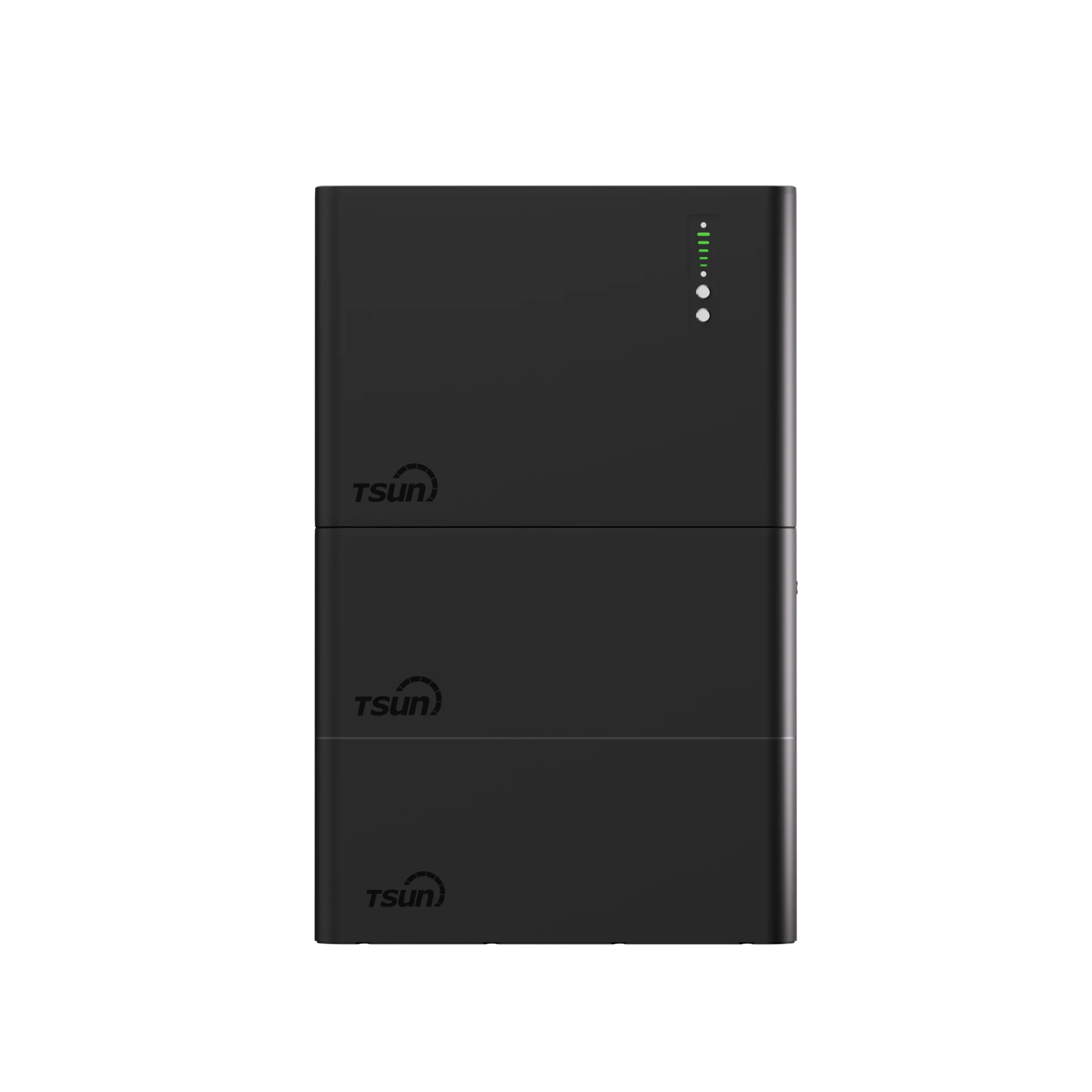
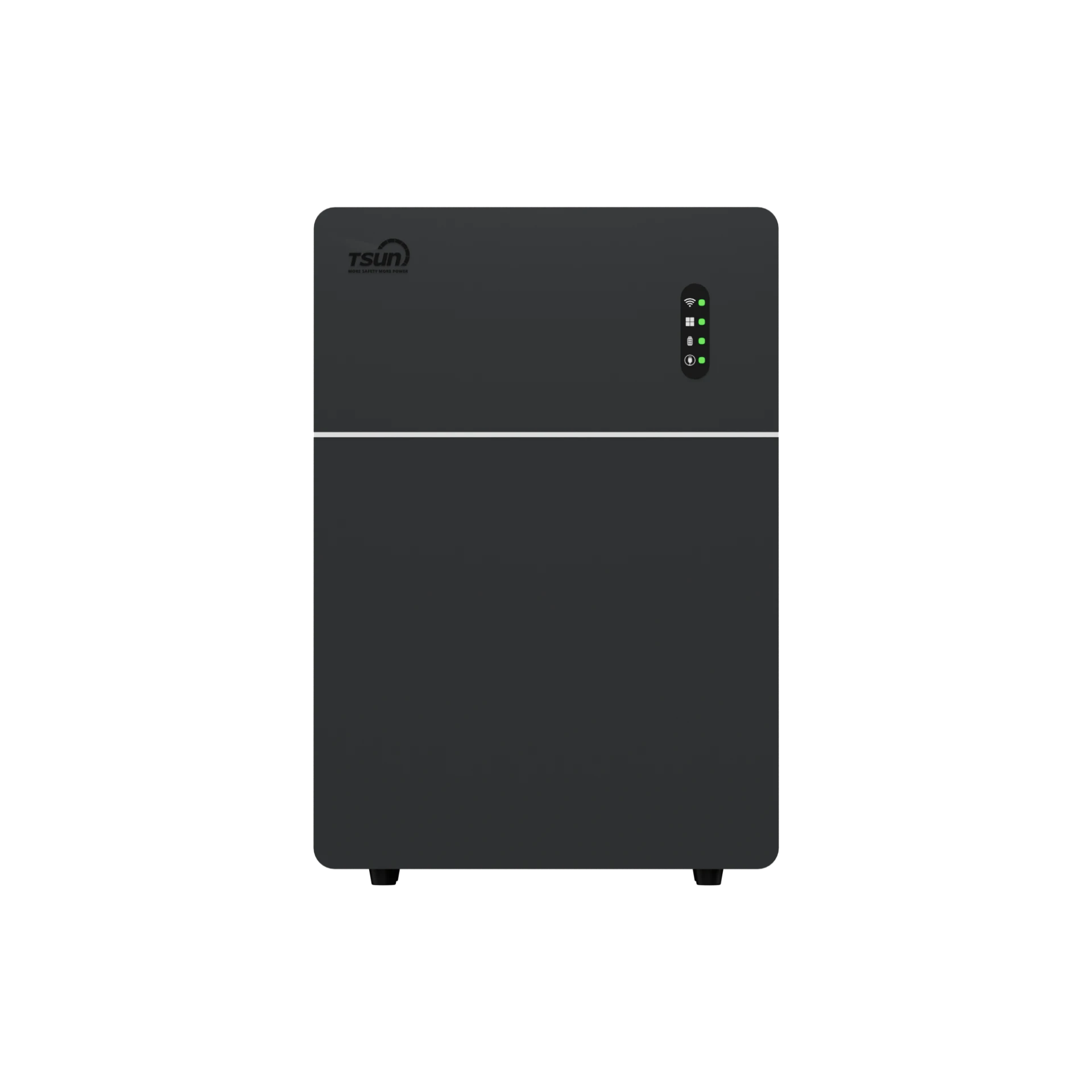
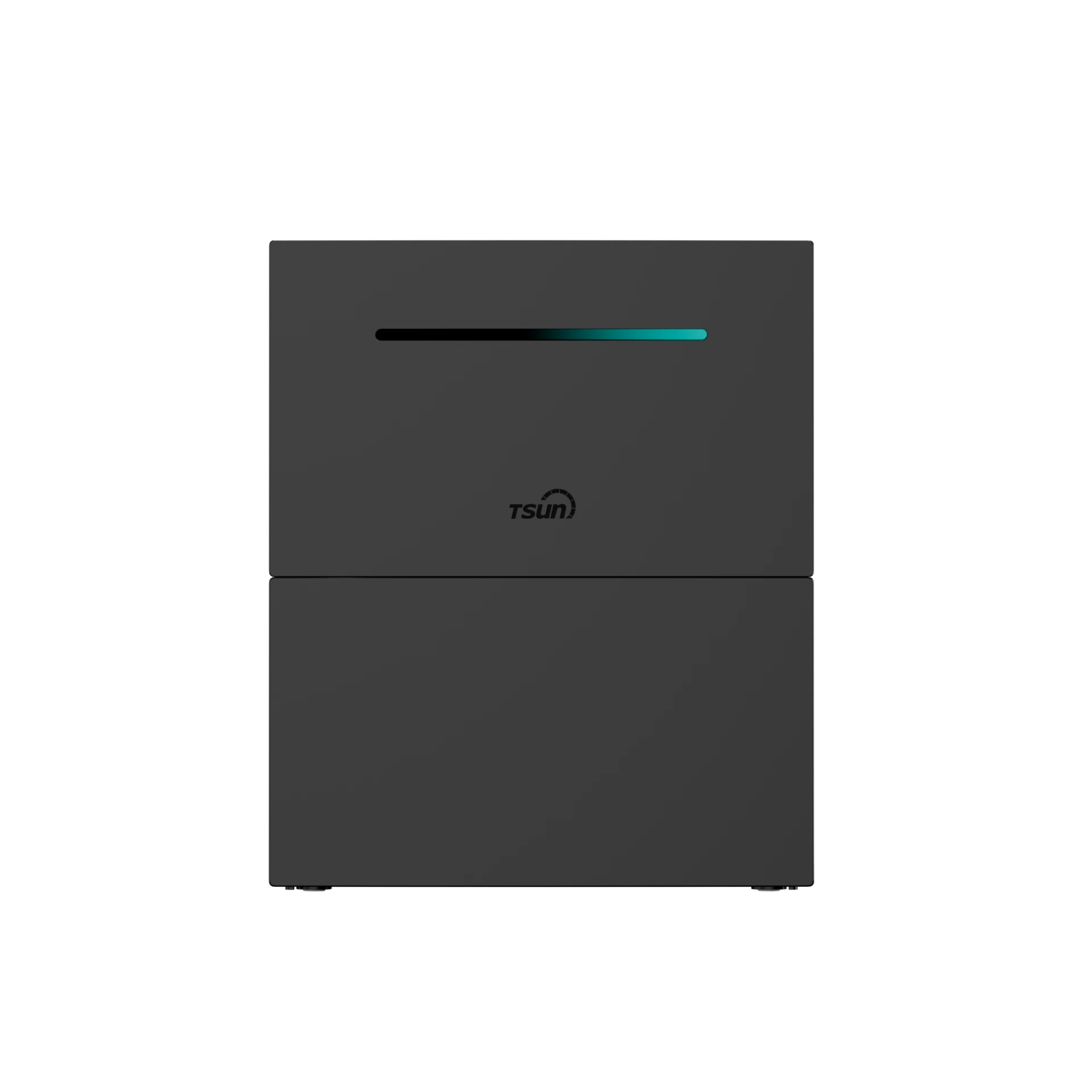
For more detailed solutions and to explore cutting-edge products, I encourage you to visit Tsun ESS’s photovoltaic grid connected microinverter product showcase.
References:
- Wikipedia - Photovoltaic system
- International Energy Agency - Solar PV
- United Nations SDG7 - Affordable and Clean Energy



 LEARN DETAILS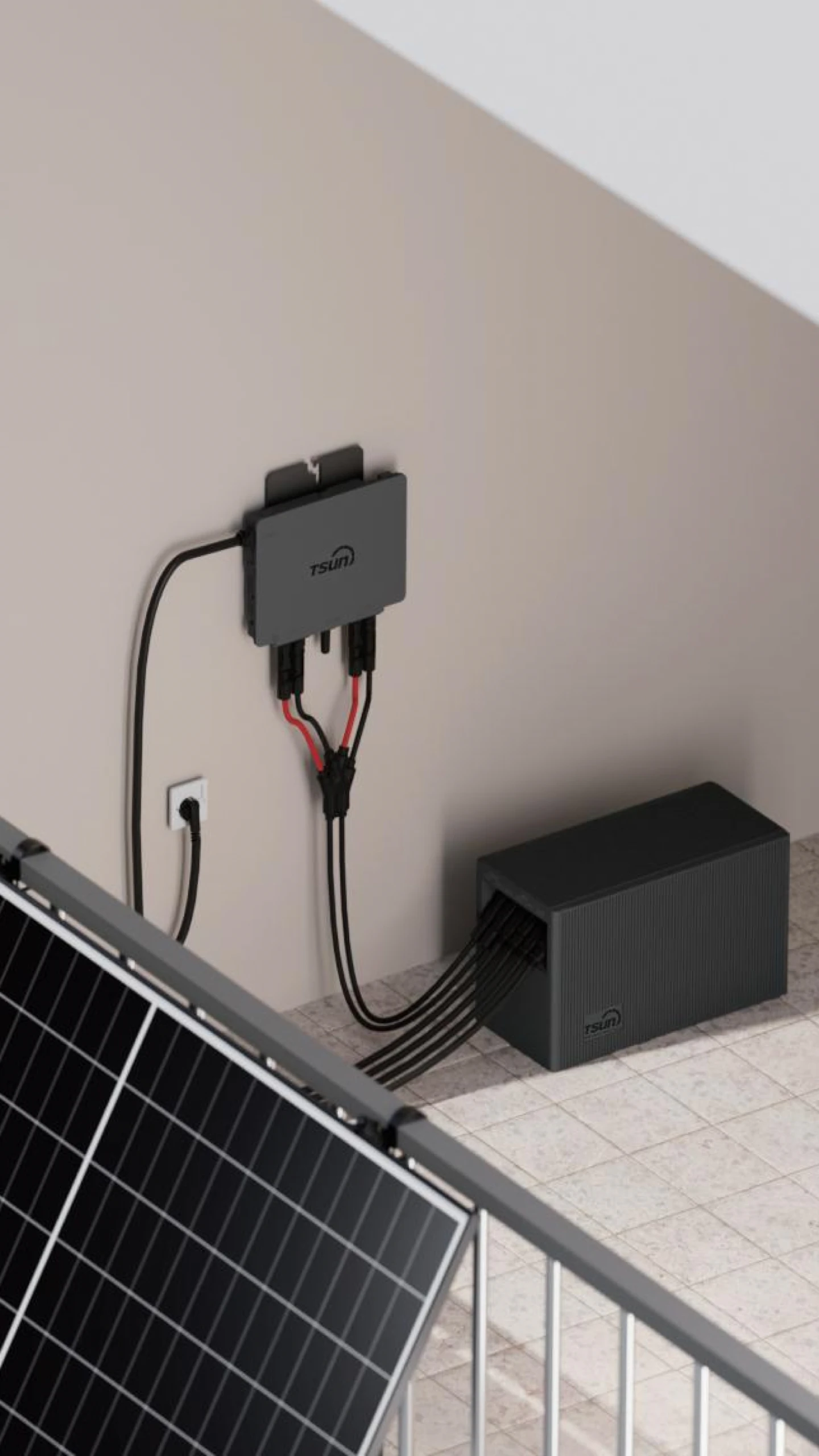
 Downloads
 Video Center
 Report Fault for Repair
 FAQS
FAQS Service Network
 Privacy Policy
 Contact Us
 Monitoring


 LEARN MORE