Understanding the microinverter 250w: A Practical Perspective
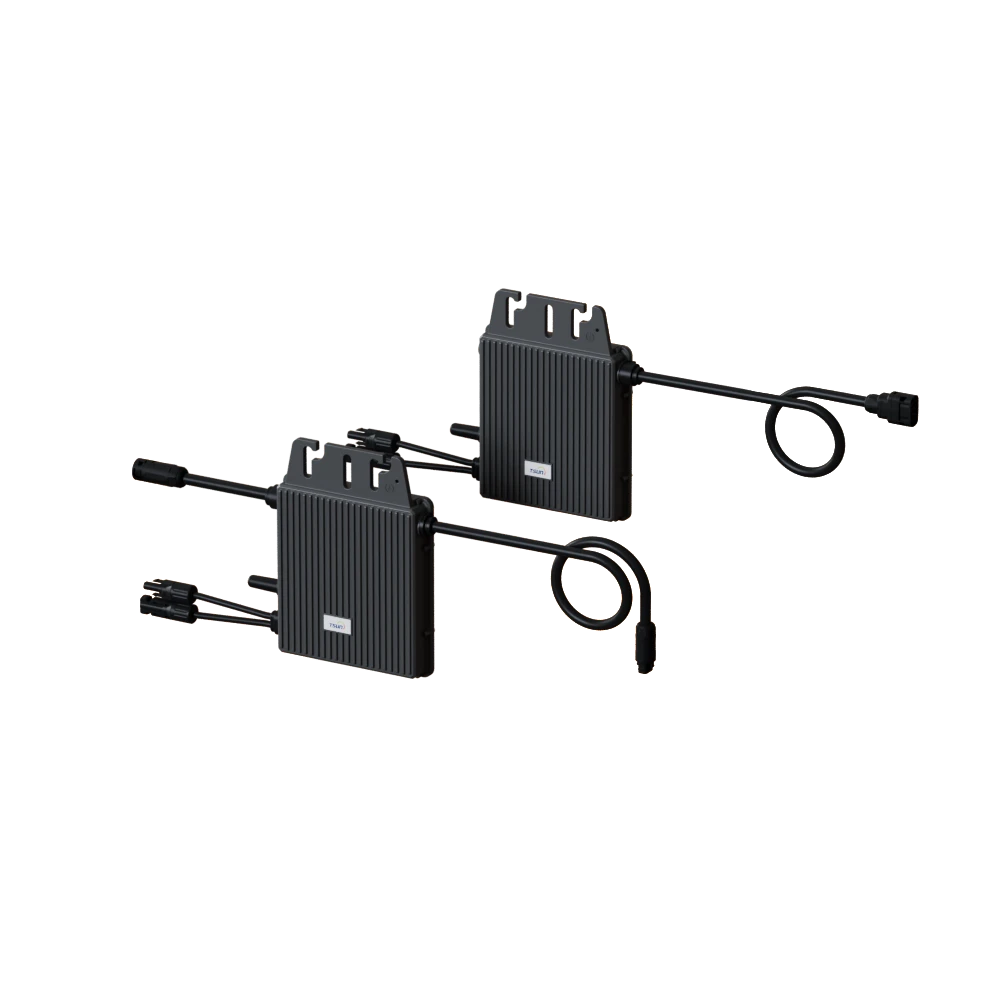
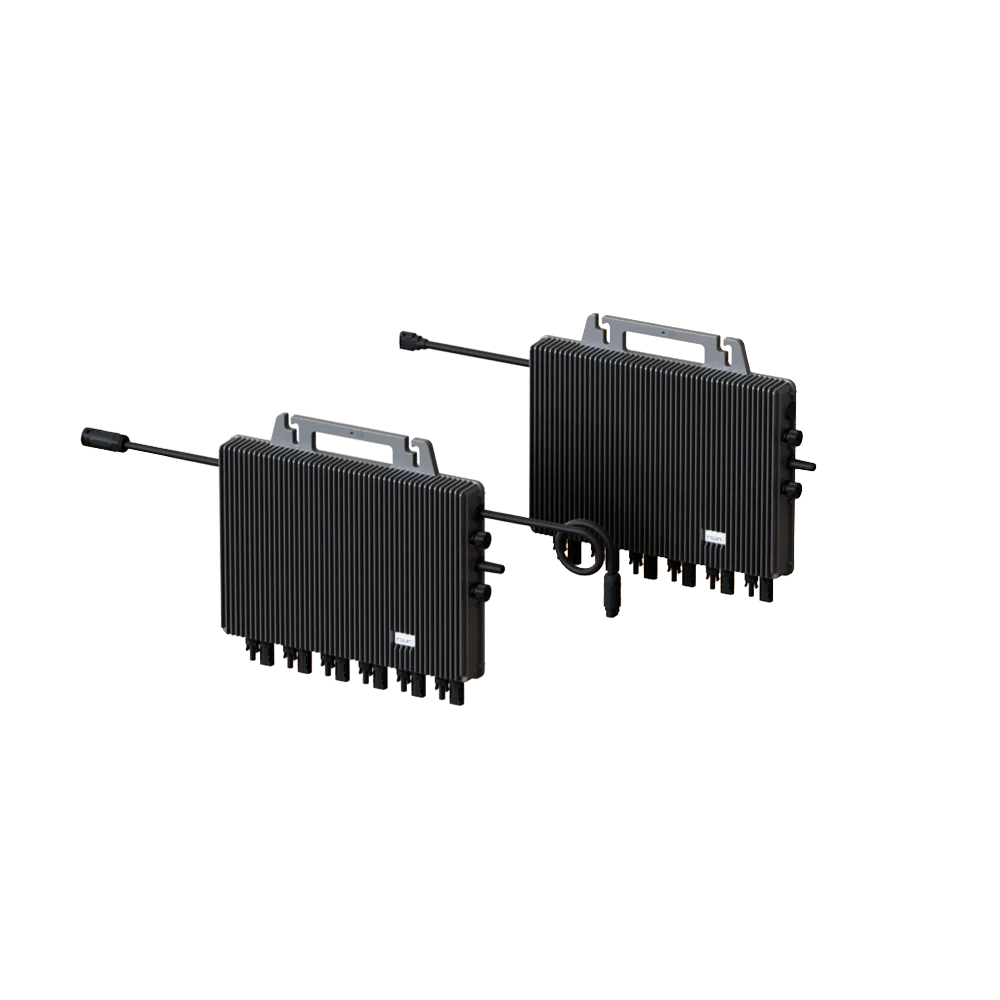
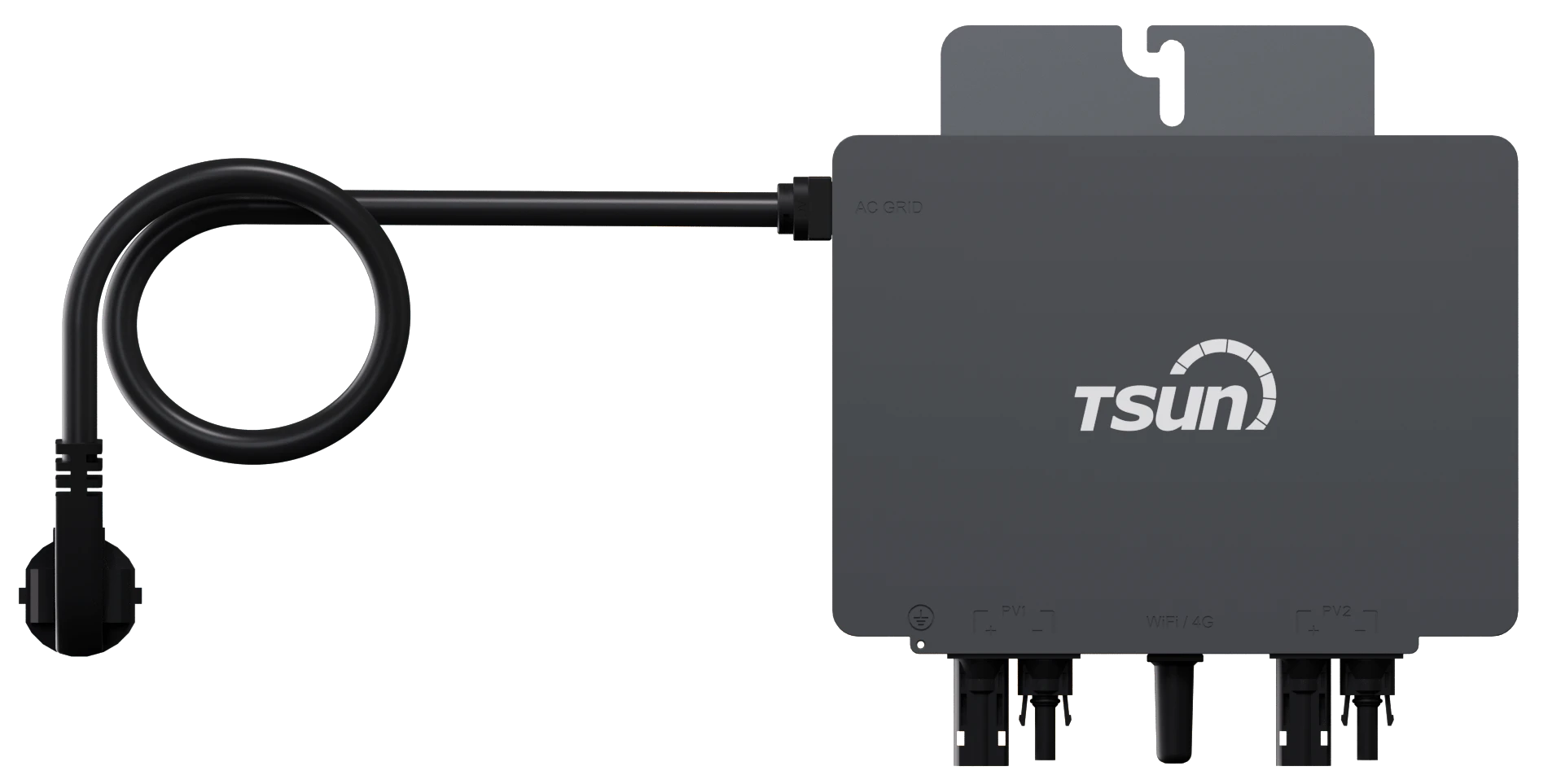
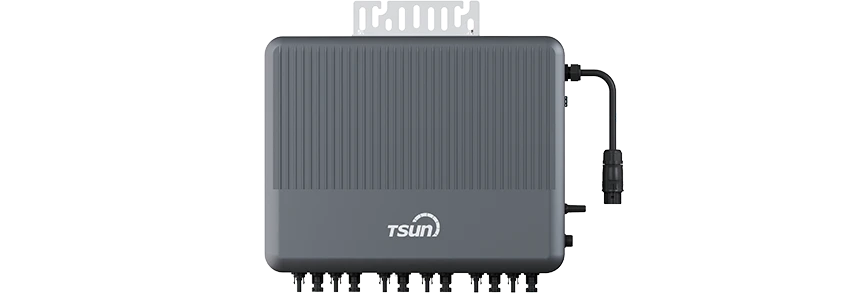
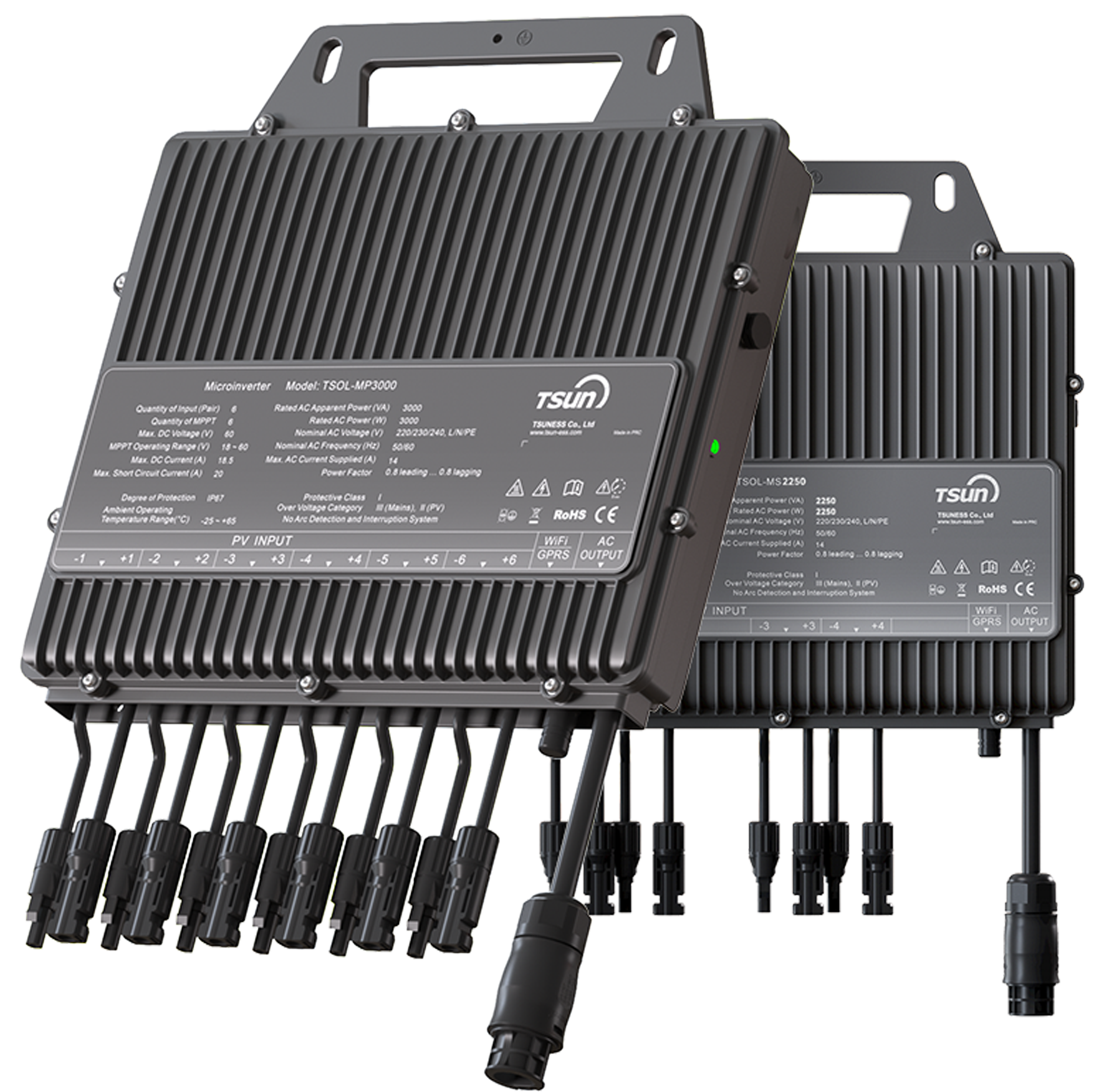
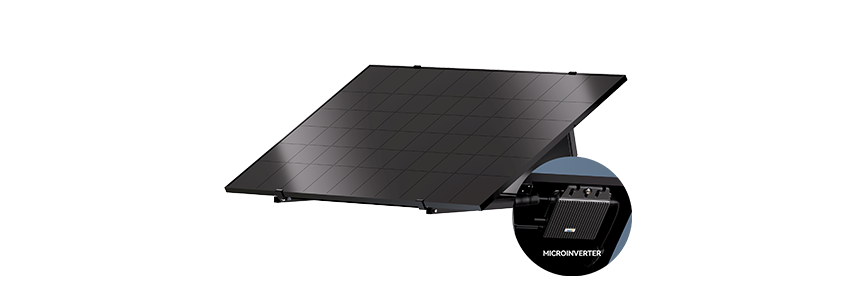
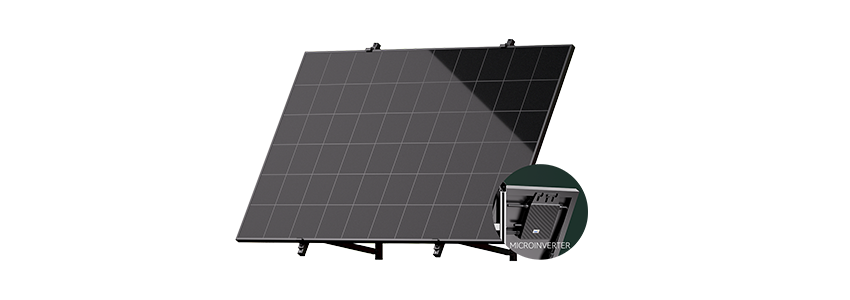
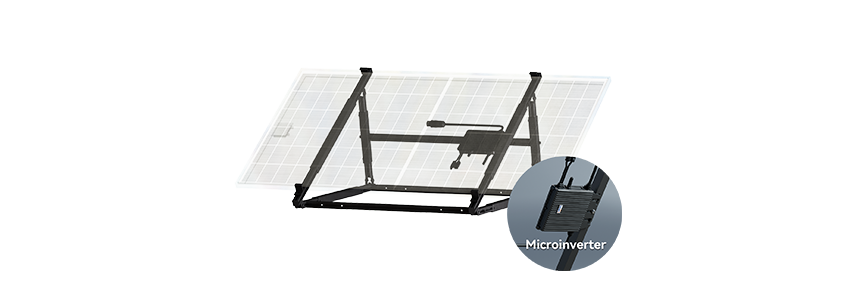
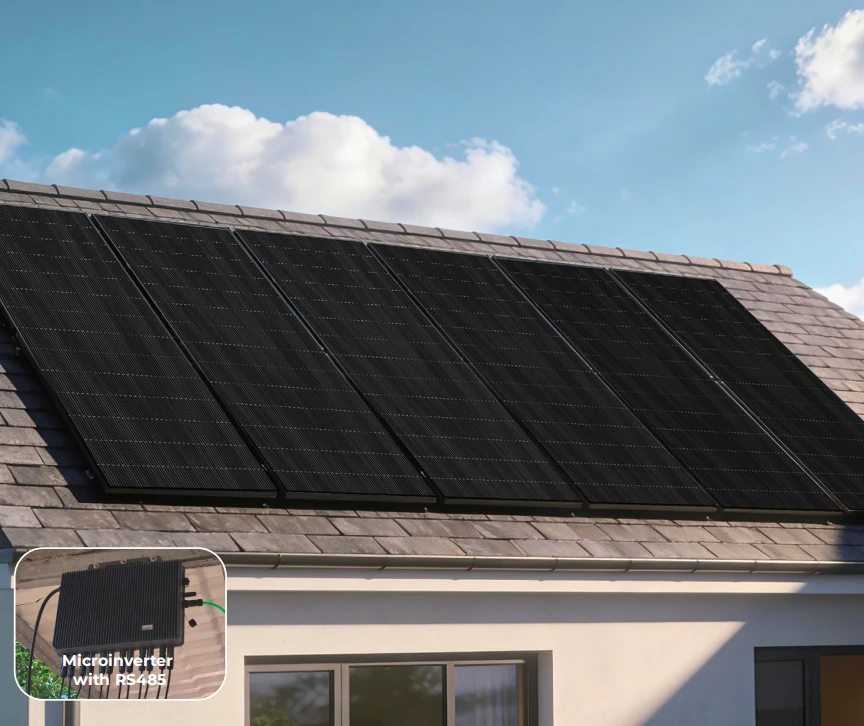
Having worked in the industrial equipment sector for quite some time, I can say microinverters have quietly transformed solar energy installations without much fanfare. The microinverter 250w particularly stands out as a compact, robust little device that punches well above its weight. It’s often overlooked by newcomers, but from my experience, its role is pivotal—especially in residential or small commercial PV setups.
Oddly enough, when I first encountered microinverters, I thought they’d be finicky or prone to failure like some other electronics I've seen. Instead, these units offer remarkable reliability and adaptability. Unlike the centralized string inverter systems, the 250-watt microinverter provides module-level power conversion — that means each solar panel functions independently, which is pretty great when shading or panel mismatch situations arise.
Product Specifications
| Specification |
Details |
| Rated Power Output |
250 Watts |
| Input Voltage Range |
22 V – 50 V DC |
| Maximum Efficiency |
96.5% |
| Dimensions (L x W x H) |
140 mm × 115 mm × 30 mm |
| Operating Temperature |
-40°C to +85°C |
| Weight |
~1.1 kg |
In real terms, the device’s compact size combined with a broad temperature operating window means it fits well in tough environments. I recall a project along the coast, where salty air wrecked simpler inverters — but the 250w microinverters handled it gracefully.
Vendor Comparison: Picking the Right Microinverter 250w
| Feature / Vendor |
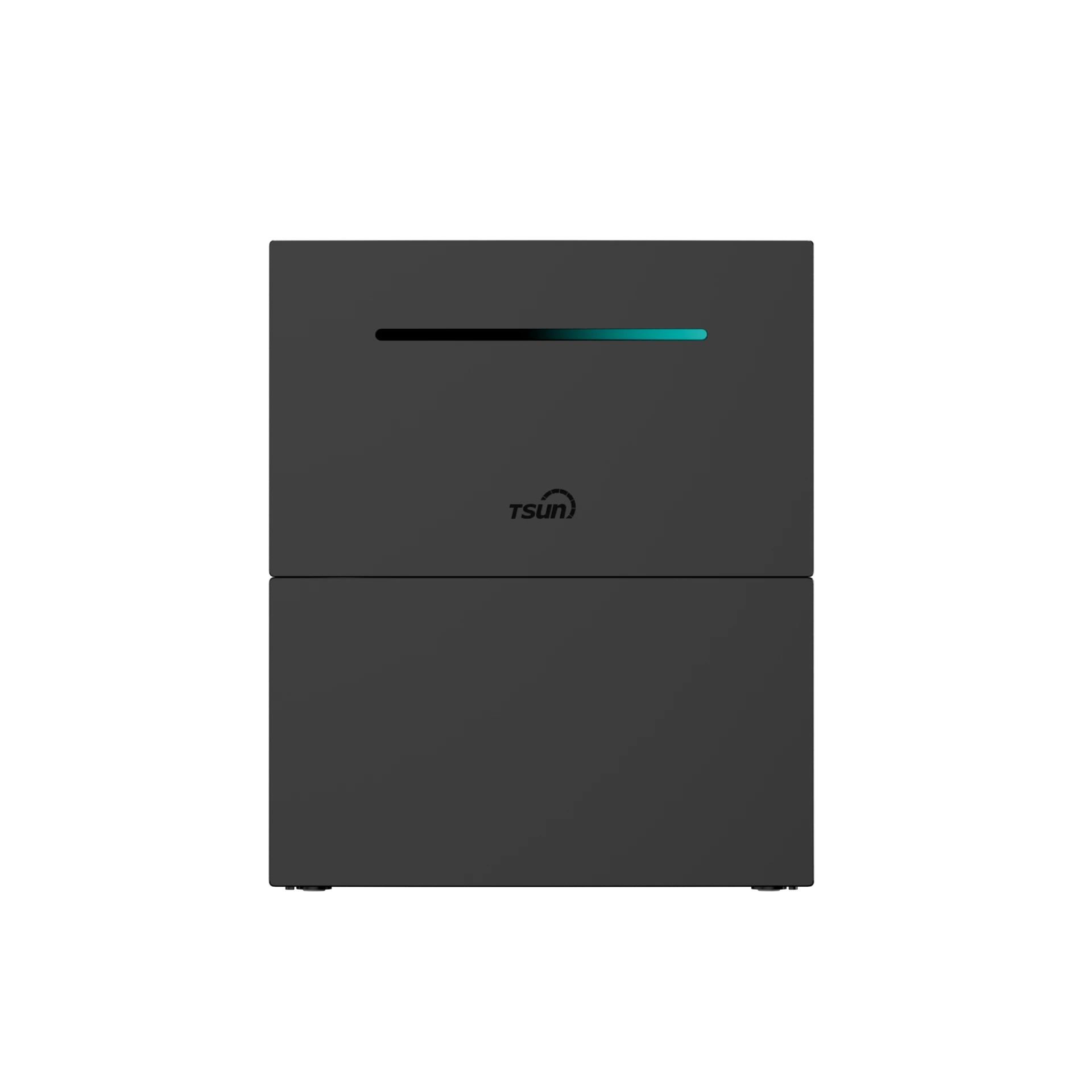
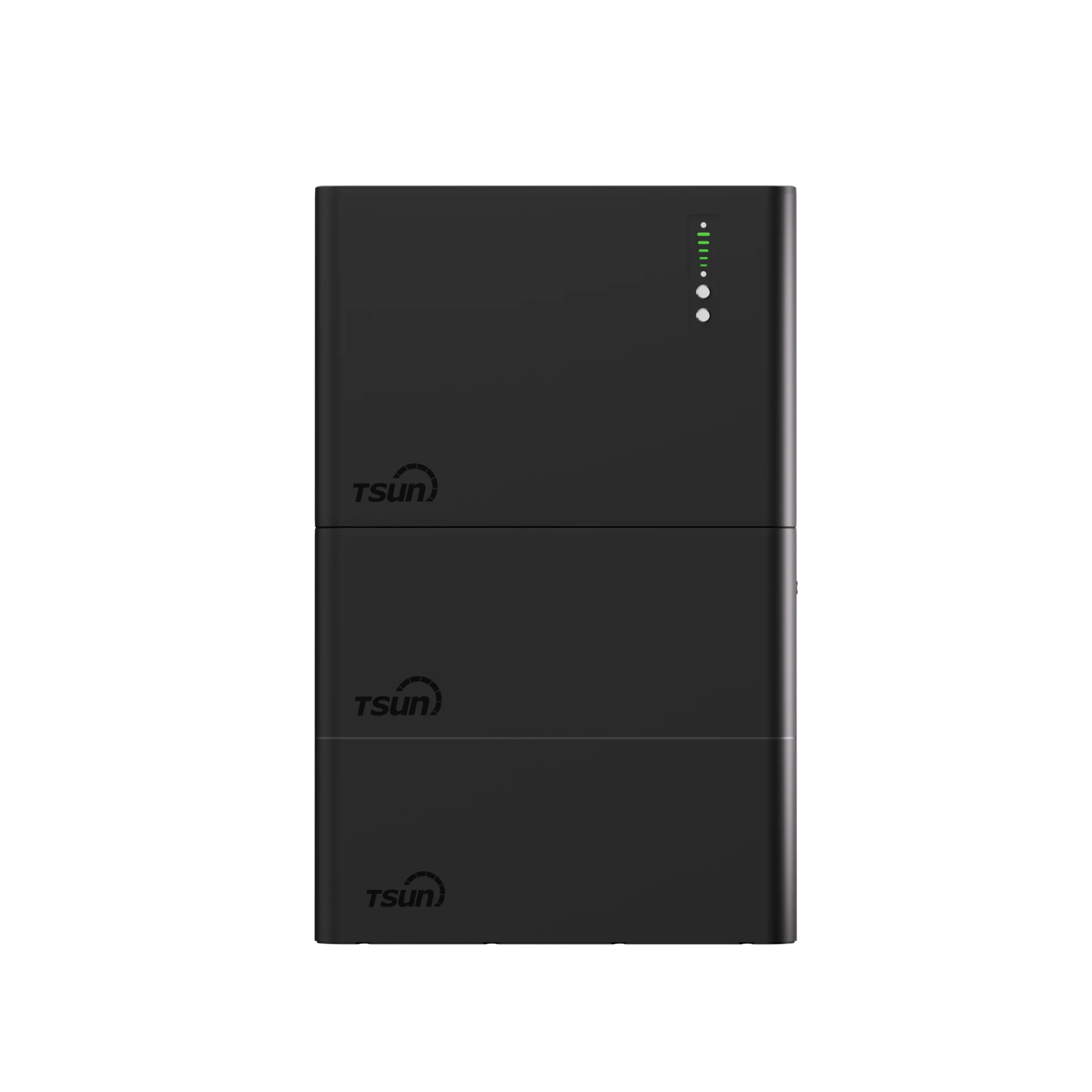
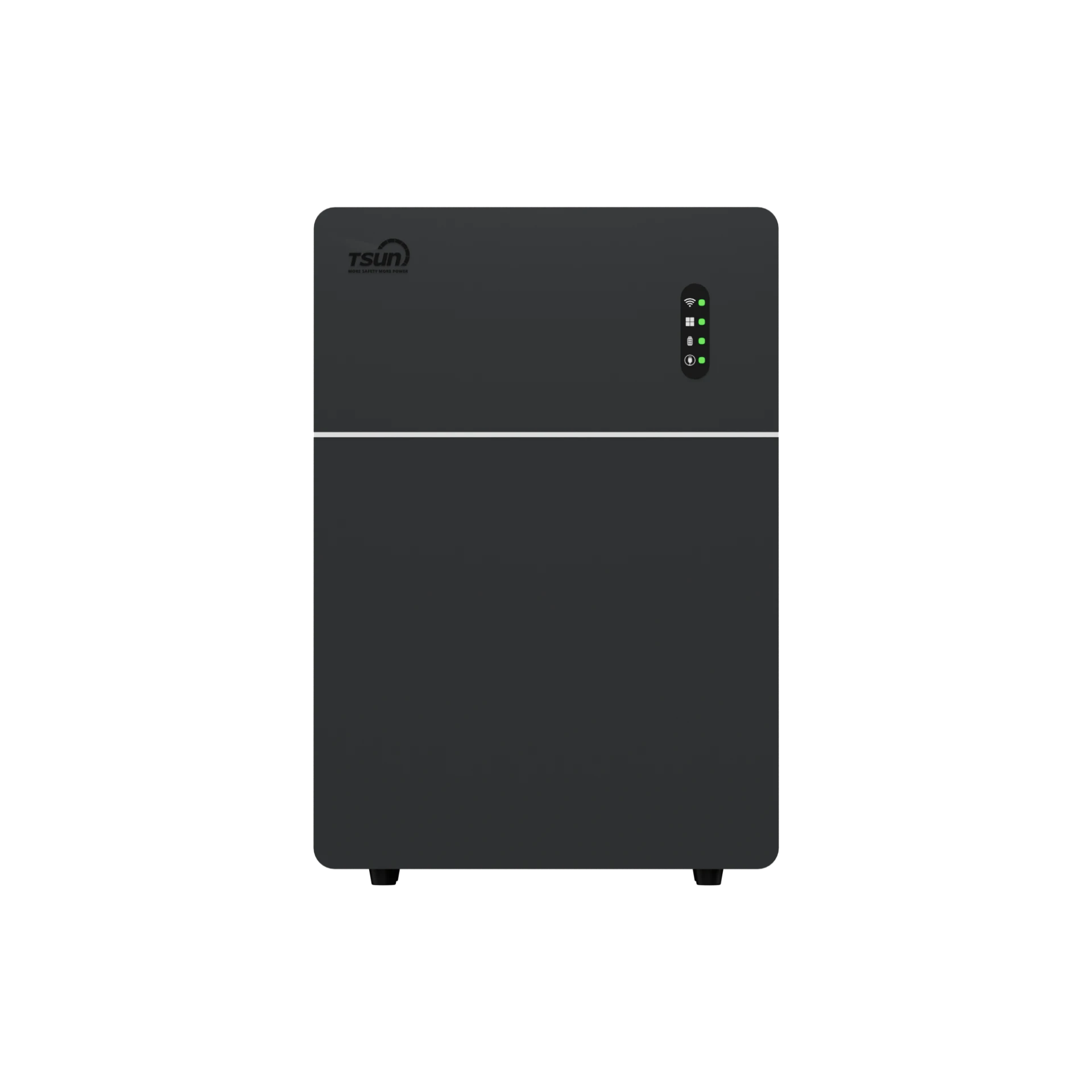
Tsun ESS |
Vendor B |
Vendor C |
| Peak Efficiency |
96.5% |
95.8% |
95.0% |
| Warranty Length |
15 years |
10 years |
12 years |
| Weight |
1.1 kg |
1.3 kg |
1.4 kg |
| Communication Protocol |
PLC (Power Line Communication) |
Wireless Zigbee |
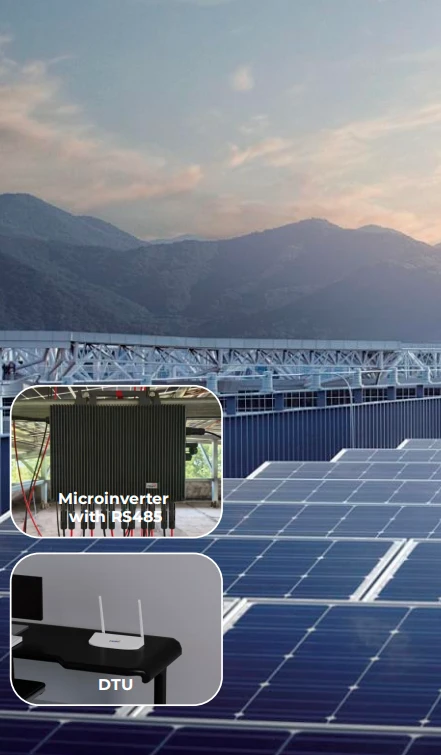
Wired RS485 |
| Price per Unit (approx.) |
$150 |
$140 |
$160 |
From several projects, I've noticed Tsun ESS microinverters to be a favorite, probably because of their mix of efficiency and reliability coupled with a long warranty. One project owner in Arizona once shared how his system kept outperforming expectations through Arizona’s brutal summers — which is no small feat.
Many engineers I worked with say that the biggest advantage of microinverters like the 250w ones is the granular monitoring and fault isolation they enable. Instead of losing power from an entire string because of one shaded or dirty panel, you’re just affected by that panel’s microinverter. It’s sort of a “divide and conquer” approach to solar power optimization.
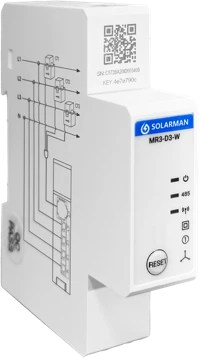
Also worth noting: customization options are limited but adequate. You can often configure communication settings or monitor dash features, but don’t expect heavy firmware tinkering — and frankly, you usually don’t want to. Stability over bells and whistles, you know?
To wrap my two cents up: if you’re considering a reliable microinverter 250w for challenging installations, this class of product really fits the bill without headaches. It balances quality, durability, and price nicely—something anyone in our field appreciates deeply.
-- Experience counts. Sometimes, the simplest component can make all the difference in system longevity and performance.
References
- Industry reports on microinverter adoption trends, Solar Power World, 2023.
- Technical specifications from Tsun ESS product documentation.
- Field case studies from industrial solar installers, 2021 to 2023.



 LEARN DETAILS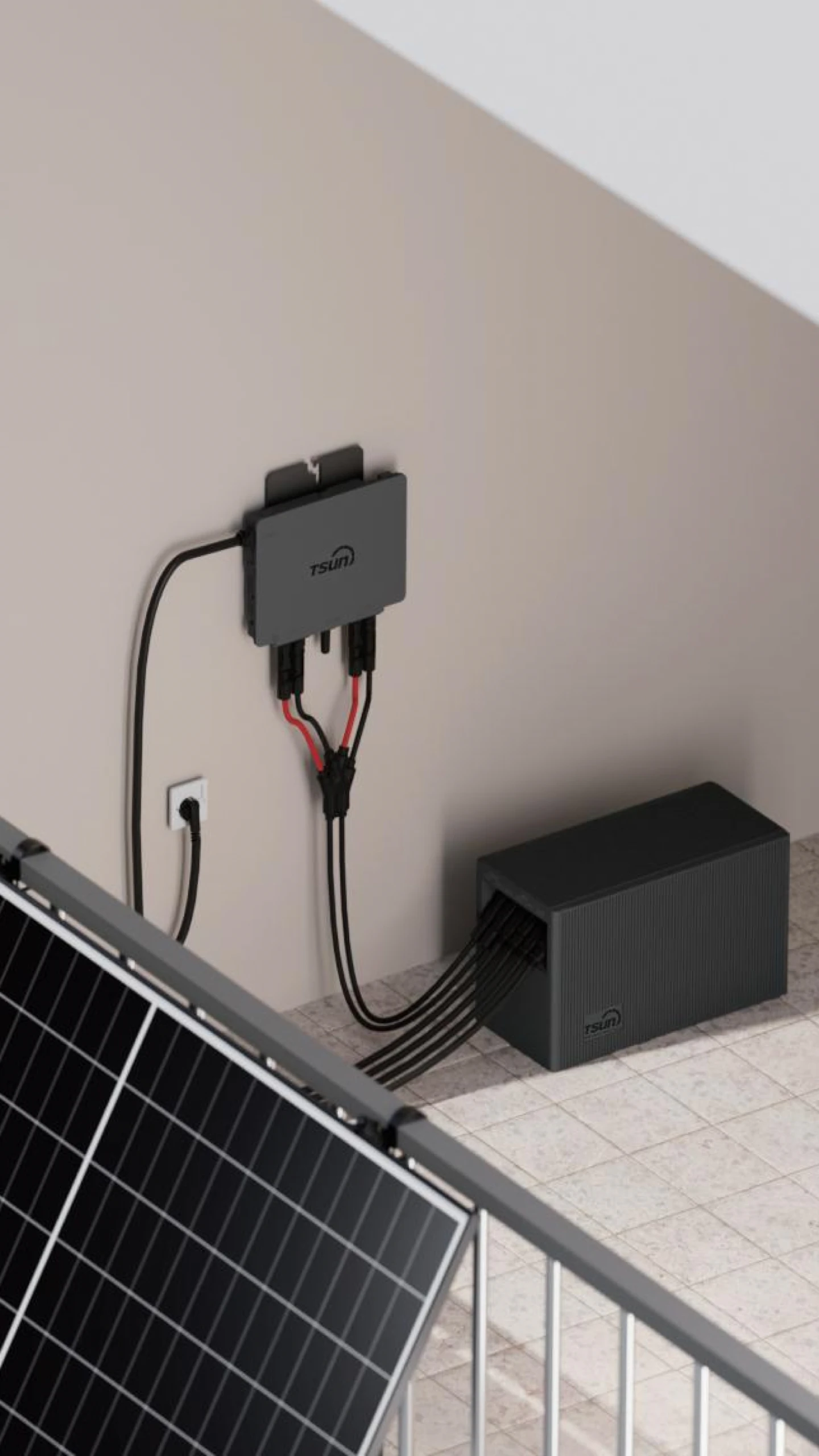
 Downloads
 Video Center
 Report Fault for Repair
 FAQS
FAQS Service Network
 Privacy Policy
 Contact Us
 Monitoring


 LEARN MORE