Dc To Ac Microinverter is a key solution in the industry, specifically within solar energy integration and power conversion sectors. This article explores how https://www.tsun-ess.com supports professionals with durable, high-performance products, and explains why this product is an ideal choice for businesses in these sectors.
Table of Contents
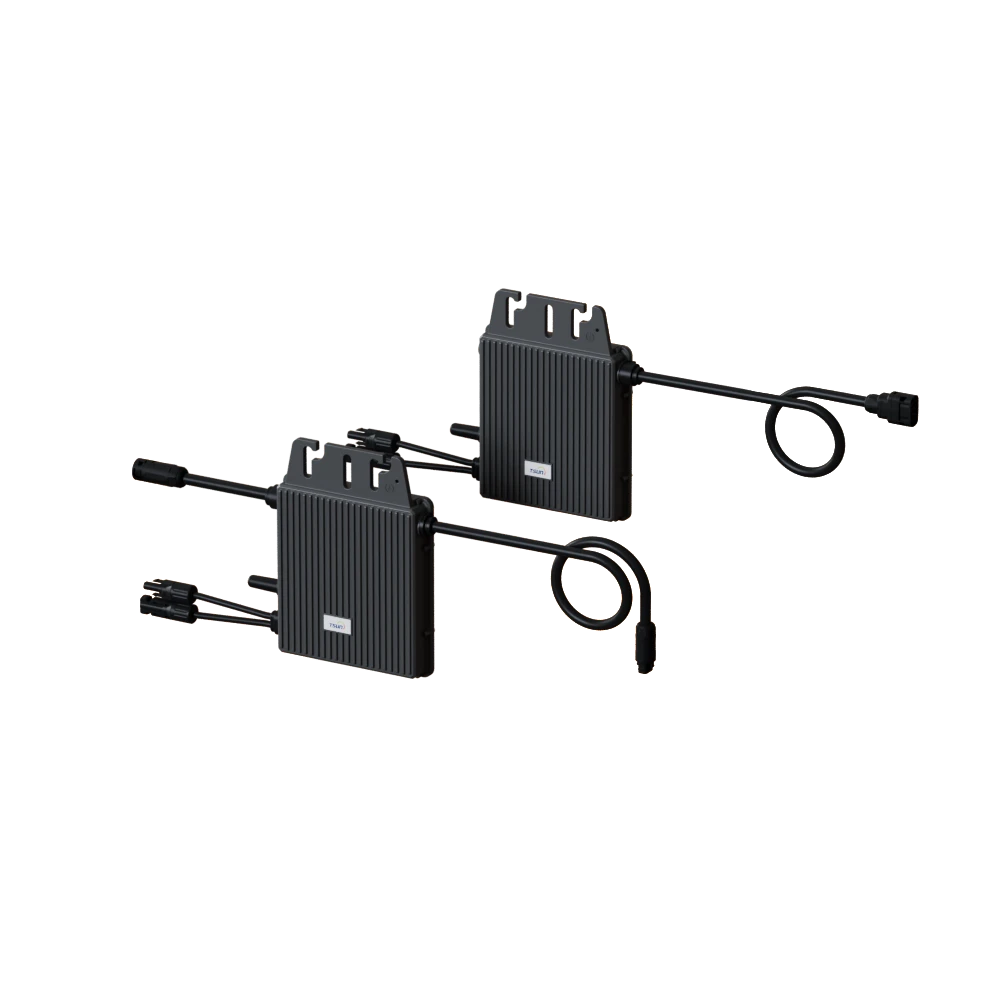
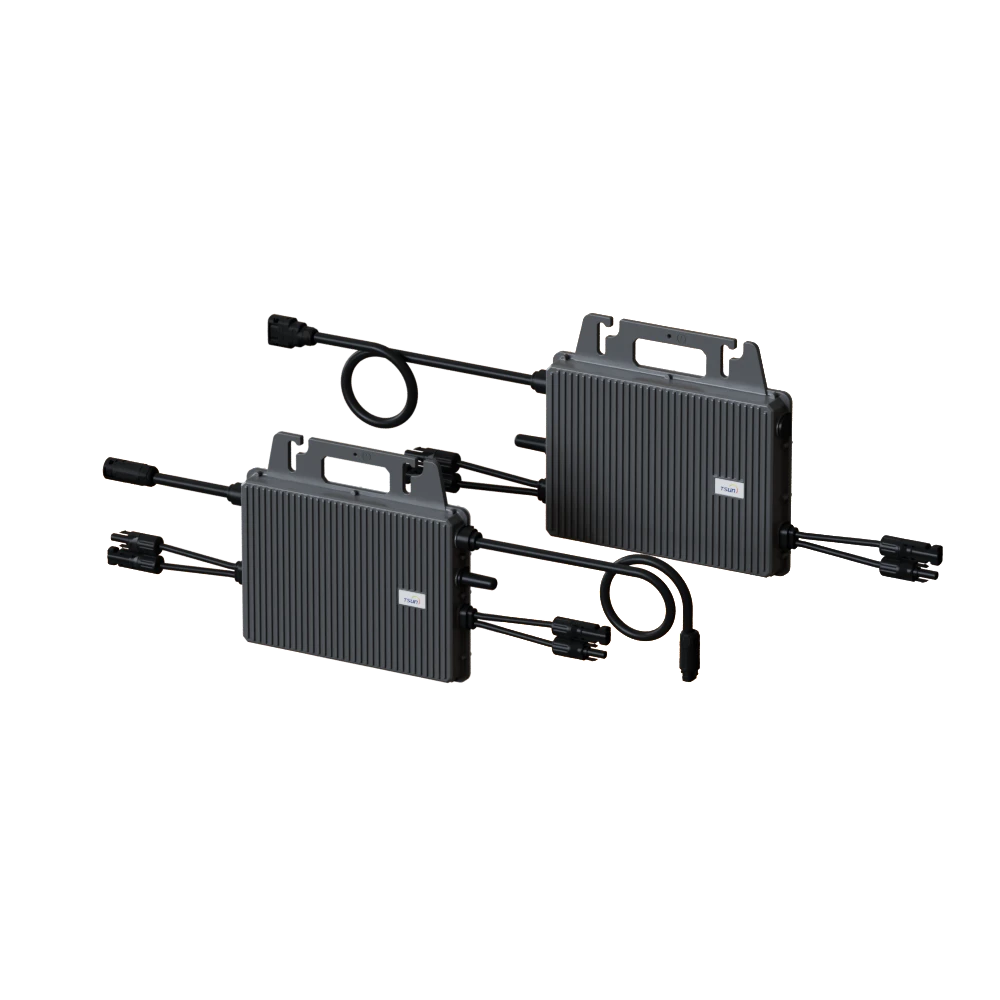
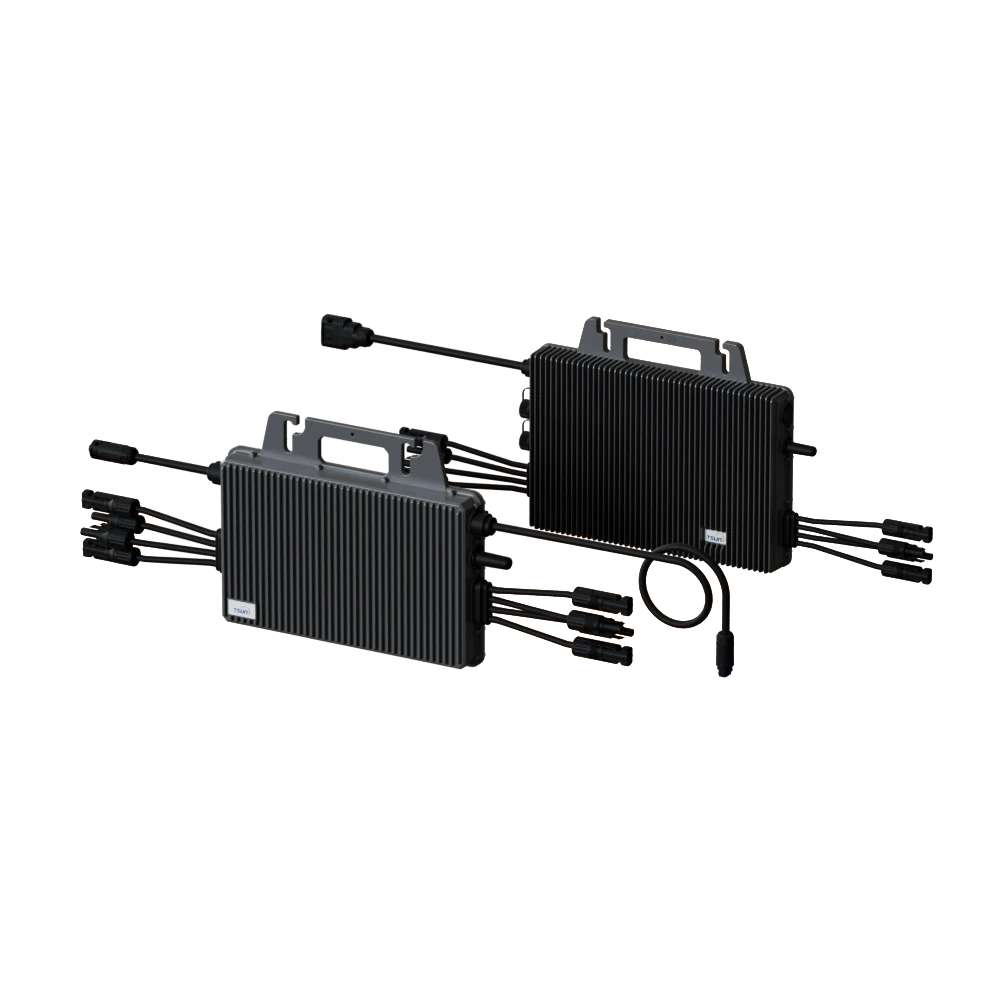
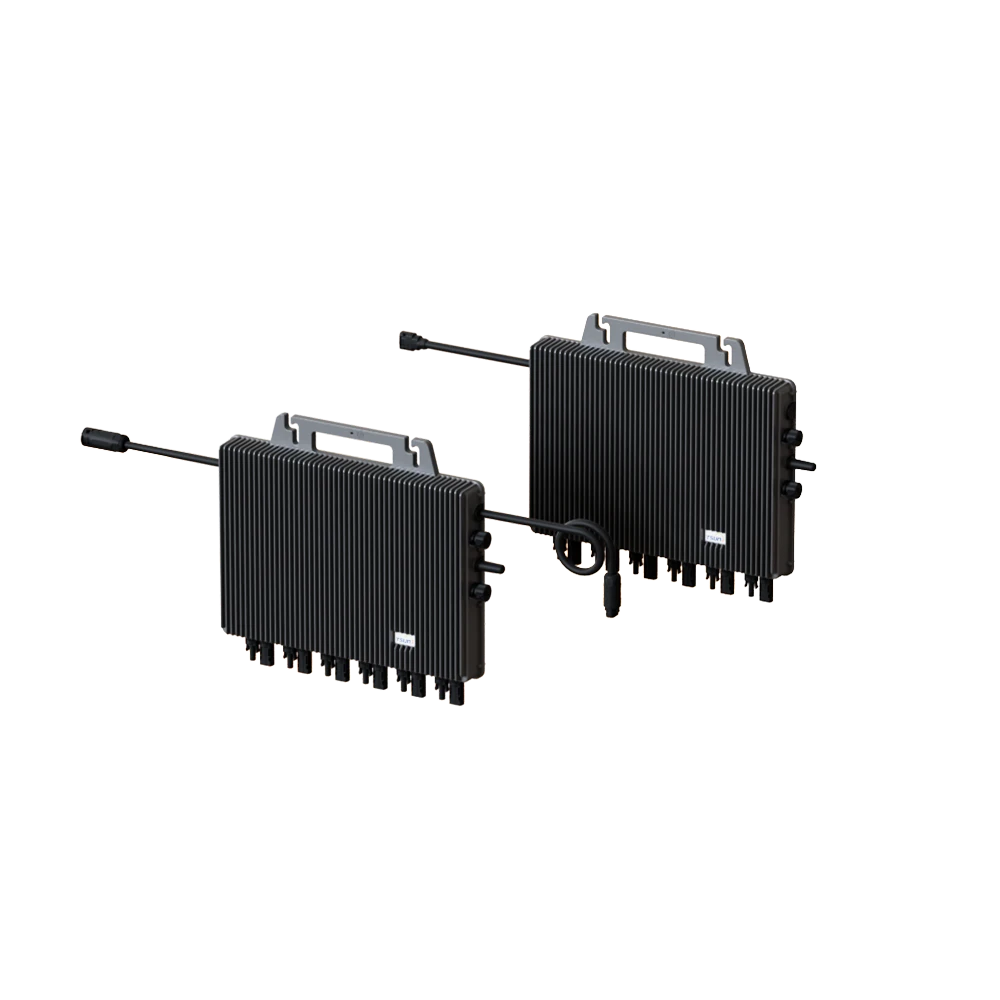
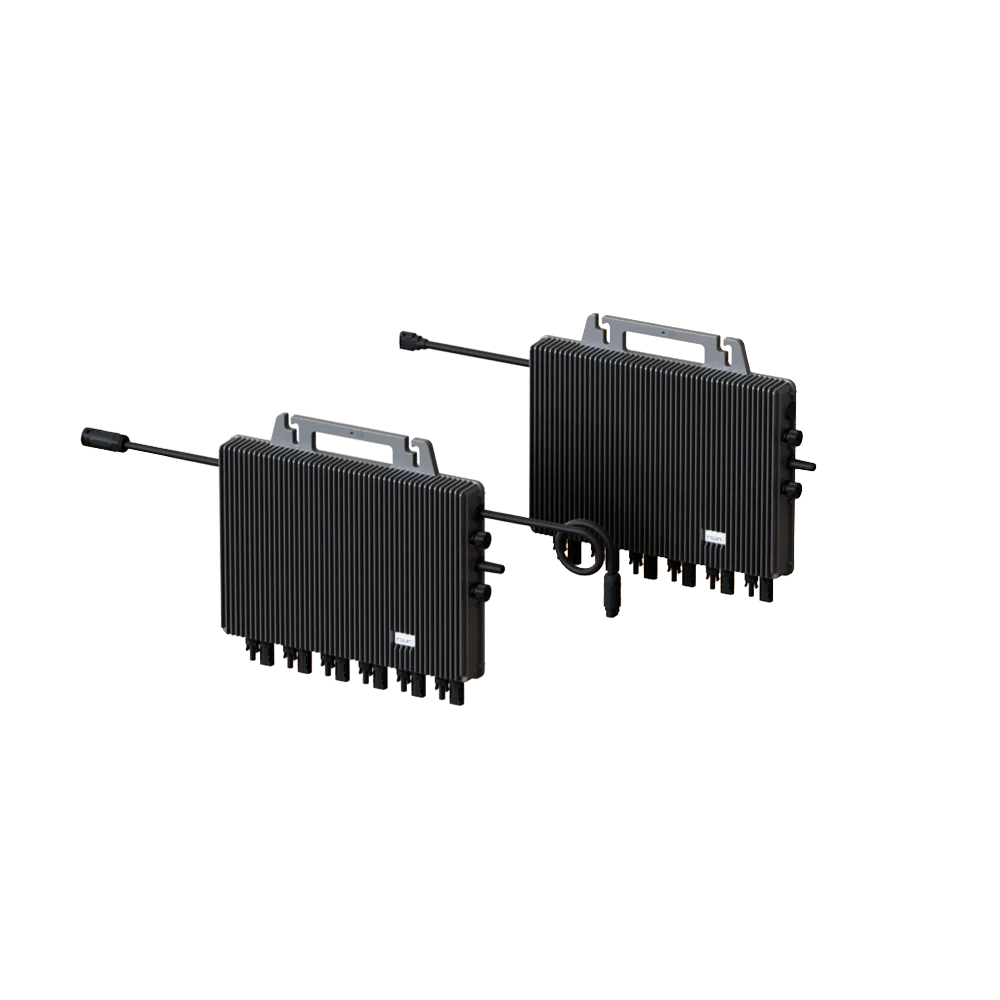
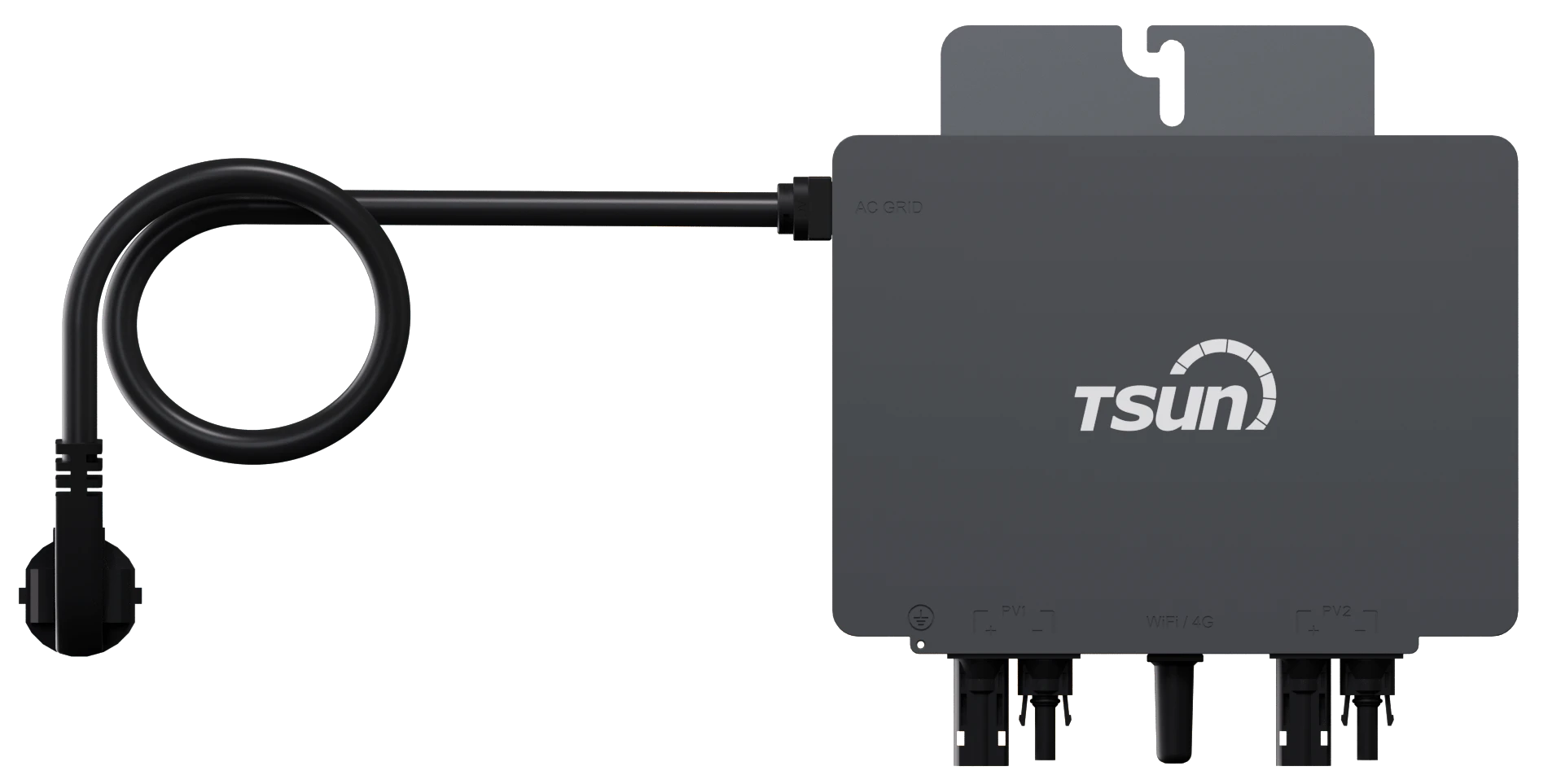
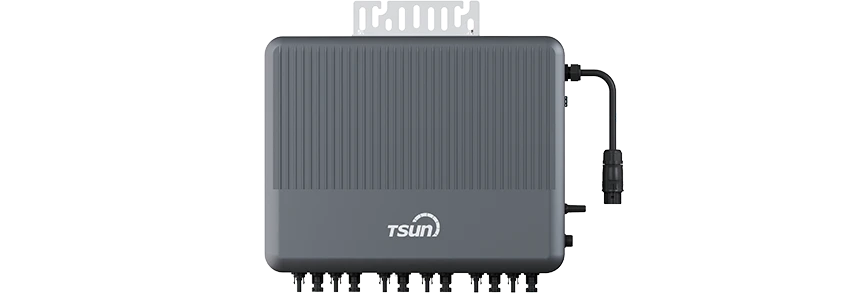
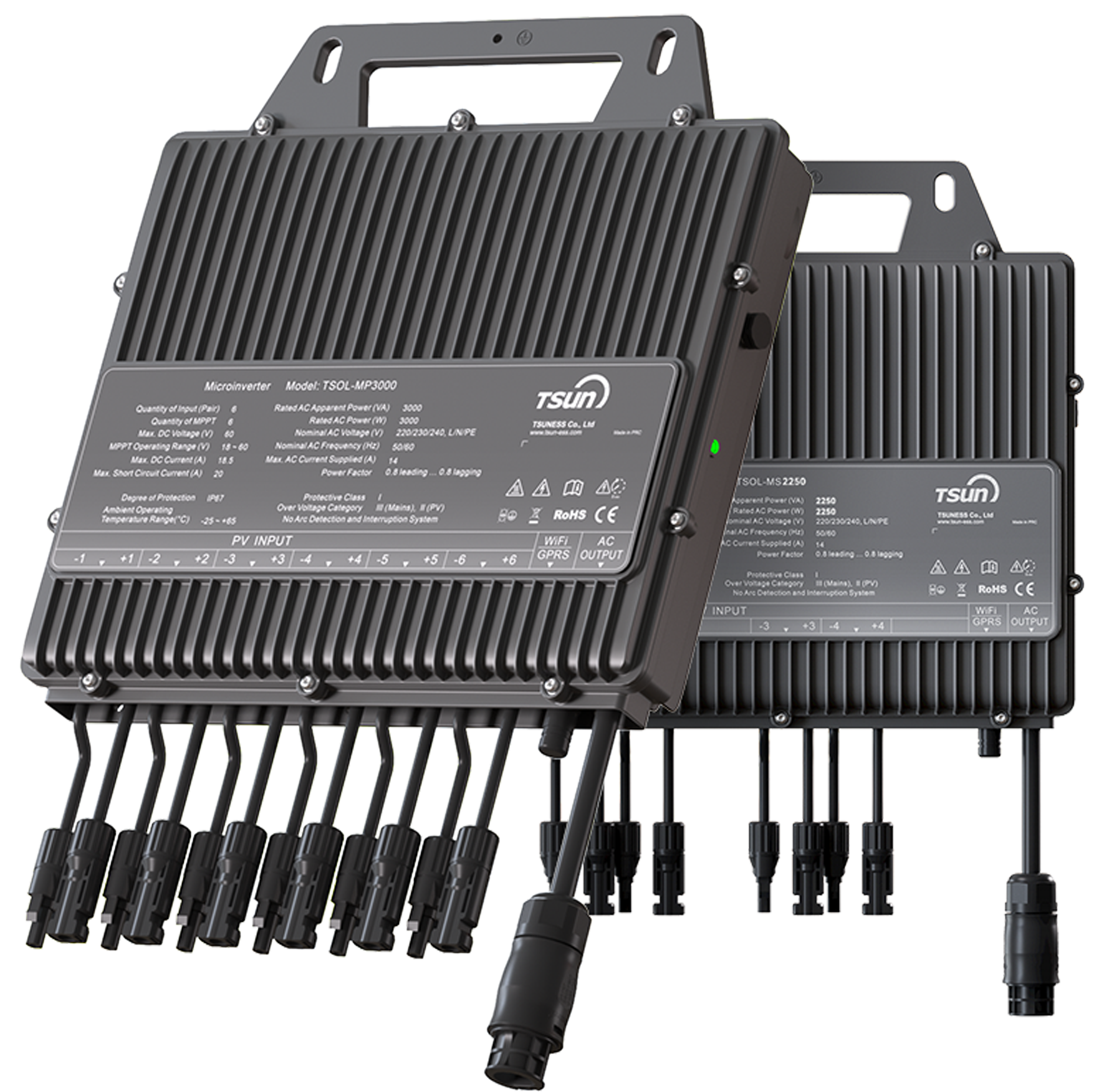
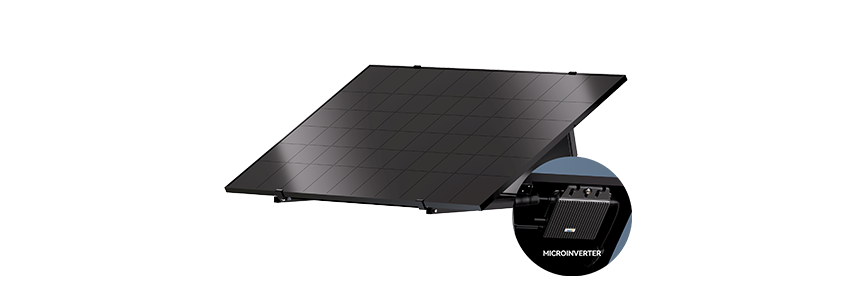
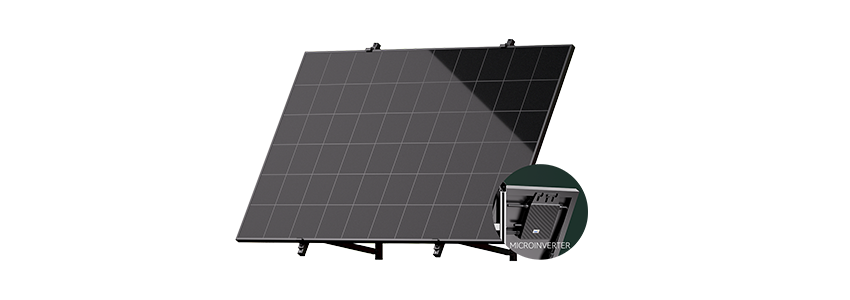
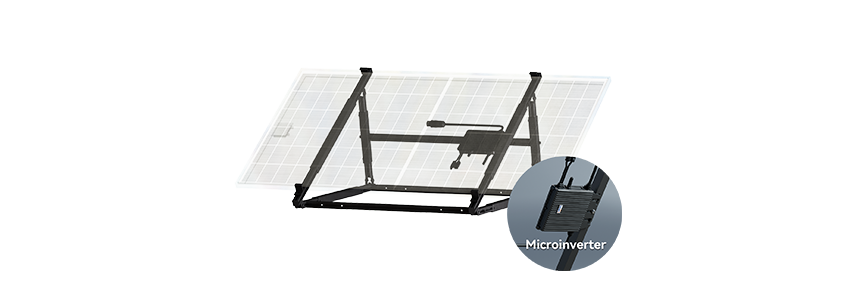
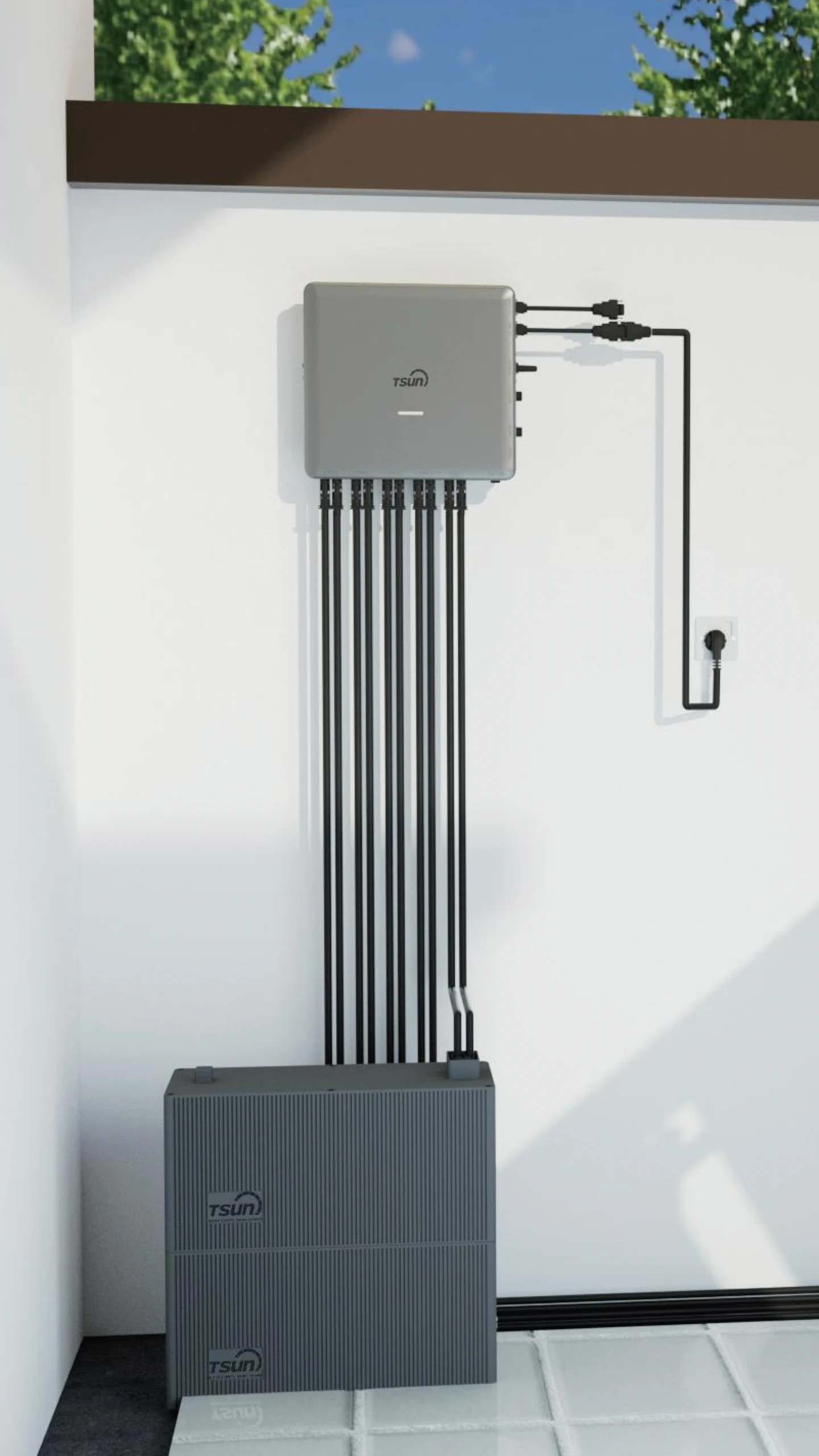
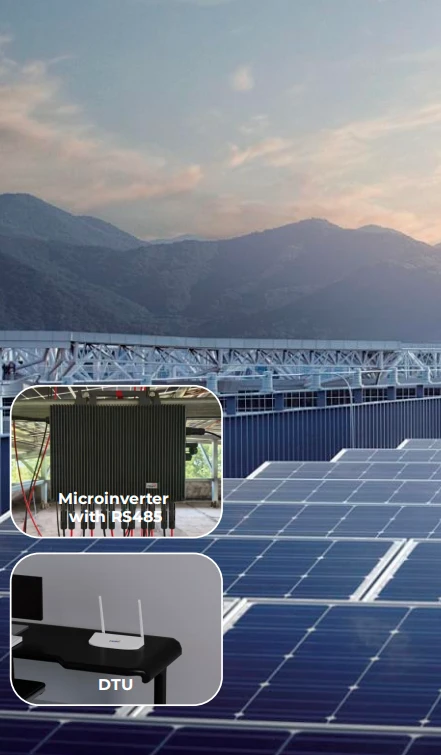
If you’re navigating the world of solar power systems, you’ve probably come across the Dc To Ac Microinverter—a small but mighty device that transforms direct current (DC) generated by solar panels into alternating current (AC), which is what homes and businesses actually use. Frankly, it’s a fundamental piece of the puzzle when integrating renewable energy at scale.
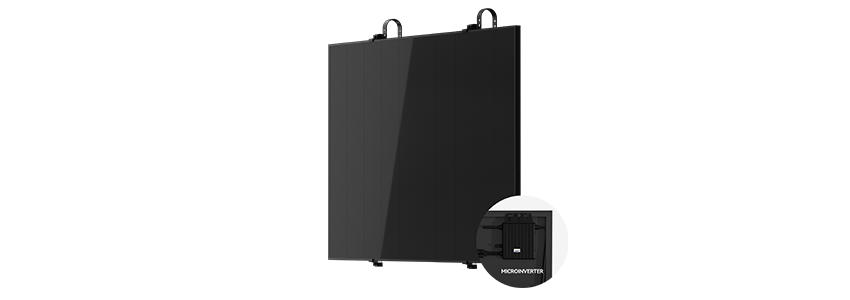
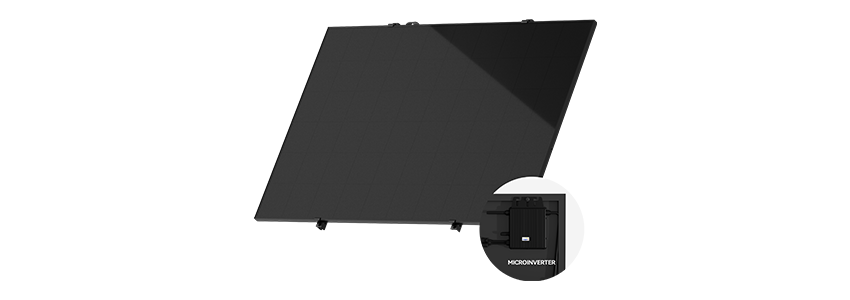
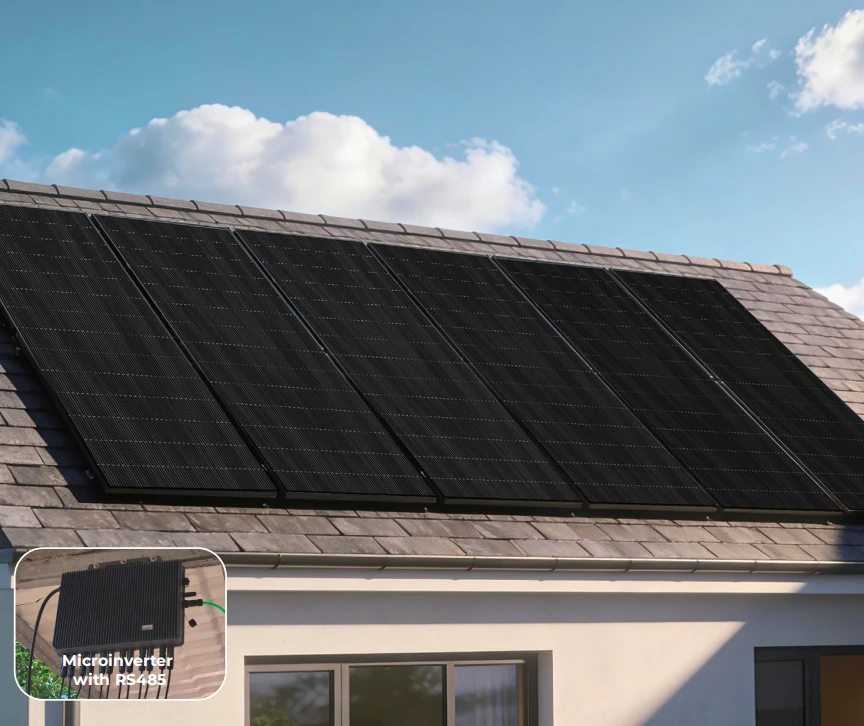
- At its core, a microinverter operates right at the solar panel level, converting power individually rather than collectively. This optimizes efficiency and limits the “weakest link” problem found in traditional string inverter systems.
- Typical specs for units from TSUN include input voltages around 22-60 V DC, with output AC rated at 220/230 V and power ratings commonly between 250W to 350W per unit—enough for commercial-scale projects without compromise.
TSUN Dc To Ac Microinverter Technical Specifications
| Parameter |
Specification |
| Input Voltage Range |
22V to 60V DC |
| Max Output Power |
300W - 350W AC |
| Operating Temperature |
-40°C to +65°C |
| Efficiency |
Up to 96.5% |
| Dimensions (LxWxH) |
150 x 120 x 30 mm |
| Warranty |
10 years |
Now, what’s truly interesting is how these microinverters find use beyond the obvious residential solar rooftop. In industries where reliability and modularity are prized—like commercial real estate, agriculture, and remote telecom installations—they really shine. I’ve often heard engineers say it’s like giving each panel its own little brain, making the whole system fault-tolerant.
- In commercial solar, microinverters allow for easy system expansion without overhaul and handle shading or panel orientation issues better than string inverters.
- Compared to traditional setups, their inherent MPPT (Maximum Power Point Tracking) per panel enhances energy yield in variable conditions—a pretty compelling competitive edge.
Vendor Comparison: Dc To Ac Microinverter Solutions
| Feature |
TSUN |
Competitor A |
Competitor B |
| Max Output Power |
350W |
300W |
320W |
| Efficiency |
96.5% |
95% |
95.5% |
| Warranty |
10 years |
8 years |
7 years |
| Ease of Installation |
High |
Medium |
Medium |
Cost, Maintenance & User Experience
In business, everything comes down to cost-effectiveness and ease of use. That’s true for choosing any hardware, and Dc To Ac Microinverters are no exception. The upfront investment may be a little higher than string inverter systems, no doubt about it. However, the durability, simplified troubleshooting, and modular repair mean long-term maintenance costs often come out lower.
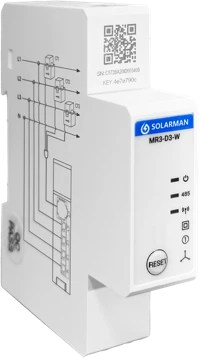
- Many operators report that the smart diagnostics and online monitoring capabilities reduce downtime—a big win for commercial applications.
- Overall, the ROI timeline tightens considerably because lost energy harvest from shading or faults is minimized through panel-level optimization.
Sustainability & Market Trends
Sustainability targets and green regulations are steering more companies toward renewables, and Dc To Ac Microinverters are perfectly poised to ride this wave. They fit neatly within decarbonization strategies by maximizing clean energy usage and enabling smarter grid management overall.
- With rising demand for distributed generation and IoT-enabled monitoring, microinverters are trending upward globally, especially in markets with strong support incentives.
Frequently Asked Questions about Dc To Ac Microinverter
- What is Dc To Ac Microinverter and how does it work?
- Simply put, a Dc To Ac Microinverter converts direct current electricity from solar panels into alternating current electricity that the grid or building can use. It’s installed right under each solar panel, giving independent power conversion and optimization.
- What are the main benefits of using Dc To Ac Microinverter in industrial applications?
- Key benefits include improved efficiency with panel-level maximum power point tracking, reduced system downtime thanks to modularity, better resilience against shading or panel mismatch, and simplified maintenance.
- How does Dc To Ac Microinverter compare to traditional alternatives?
- Unlike string inverters that handle multiple panels together, microinverters operate per panel. This limits the effects of underperforming panels dragging down the system and offers greater flexibility in system design.
- What industries can benefit most from Dc To Ac Microinverter implementation?
- Industries like commercial property management, agriculture tech, telecommunications, and even electric vehicle infrastructure are increasingly leveraging microinverters for their flexible and scalable power needs.
Conclusion on Dc To Ac Microinverter from china
In summary, the Dc To Ac Microinverter represents a significant step forward for businesses aiming to harness solar power efficiently and sustainably. Their resilience, adaptability, and sleek tech specs make them a worthwhile investment, especially when sourced from reliable providers like TSUN. If your company is probing scalable renewable solutions, giving these microinverters a closer look might just be the smartest move.
Just a little reflection: In real terms, the future of solar isn’t just about bigger panels or batteries, but smarter integration—and microinverters are quietly powering that shift.
- International Renewable Energy Agency (IRENA) - Solar Technology Trends, 2023
- TSUN ESS Official Product Documentation and Whitepapers, 2024
- Solar Energy Industries Association (SEIA) Market Reports, 2023 Q4



 LEARN DETAILS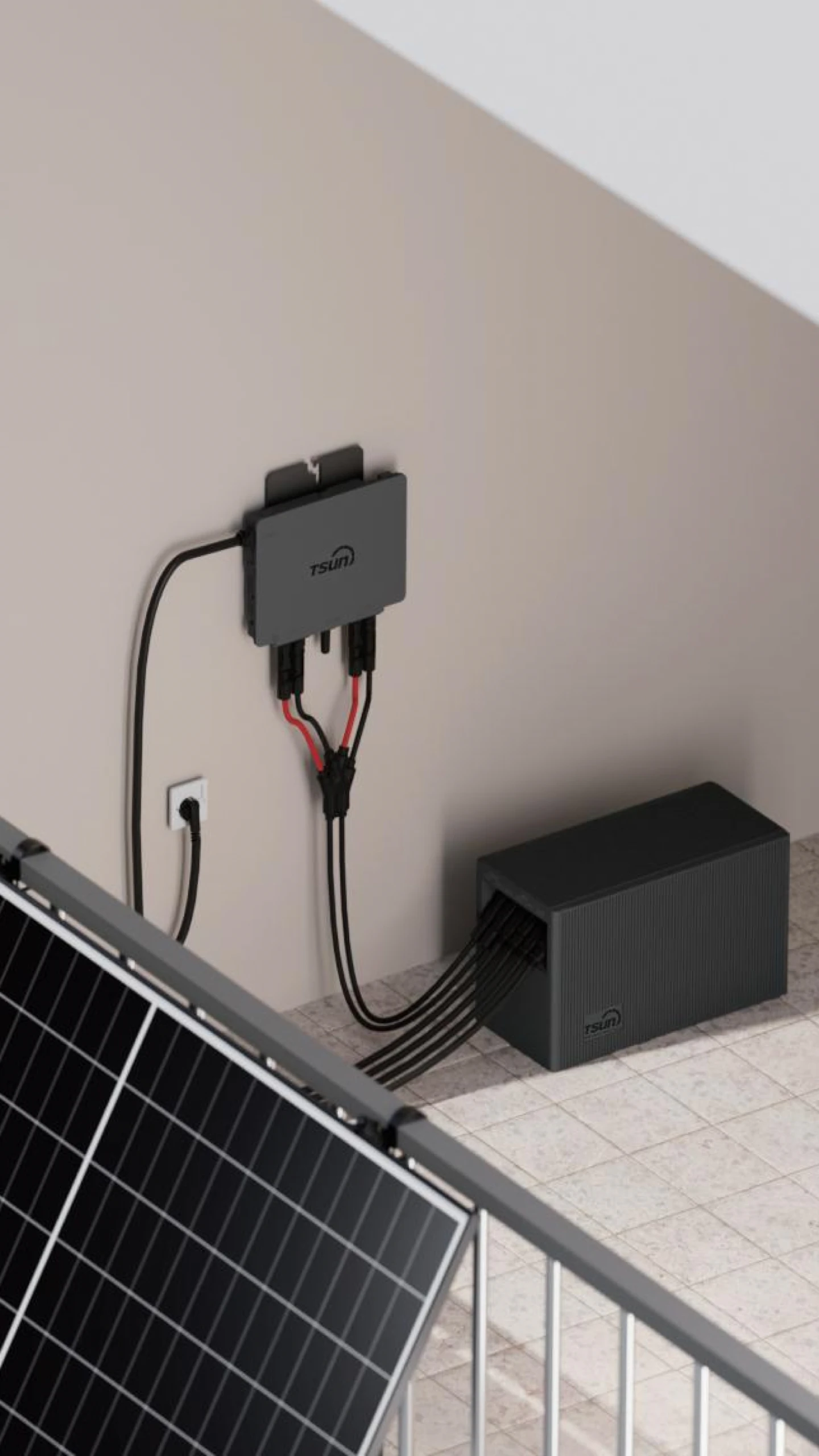
 Downloads
 Video Center
 Report Fault for Repair
 FAQS
FAQS Service Network
 Privacy Policy
 Contact Us
 Monitoring


 LEARN MORE