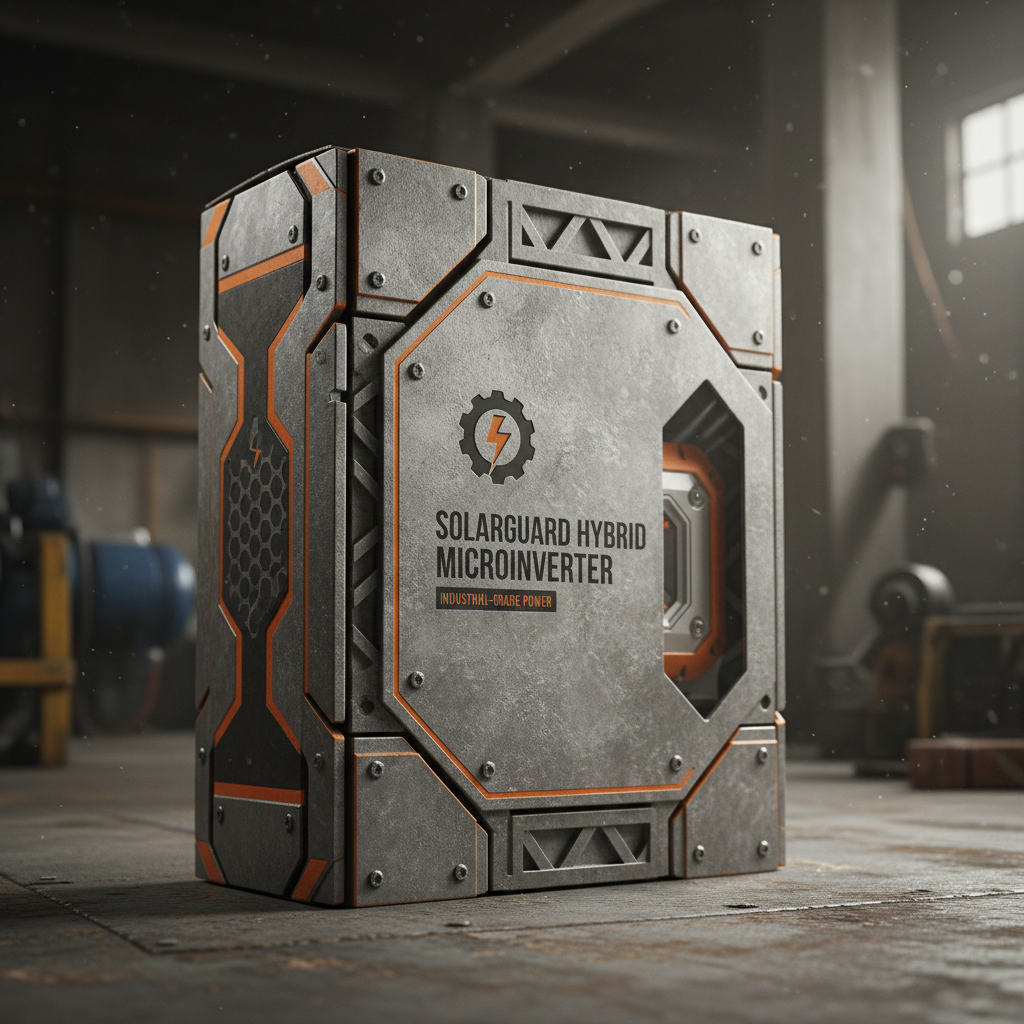
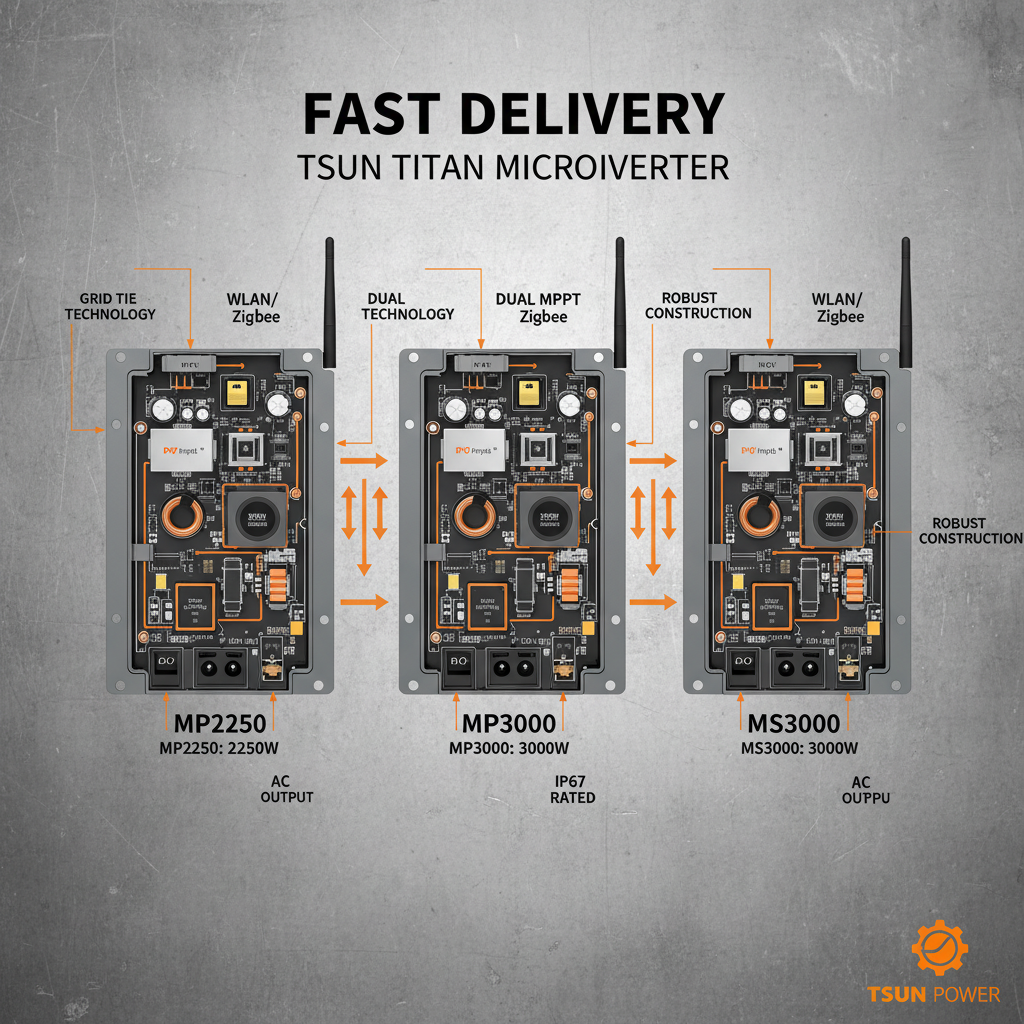
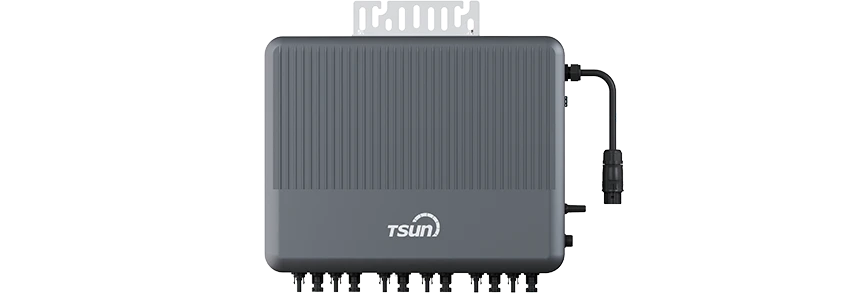
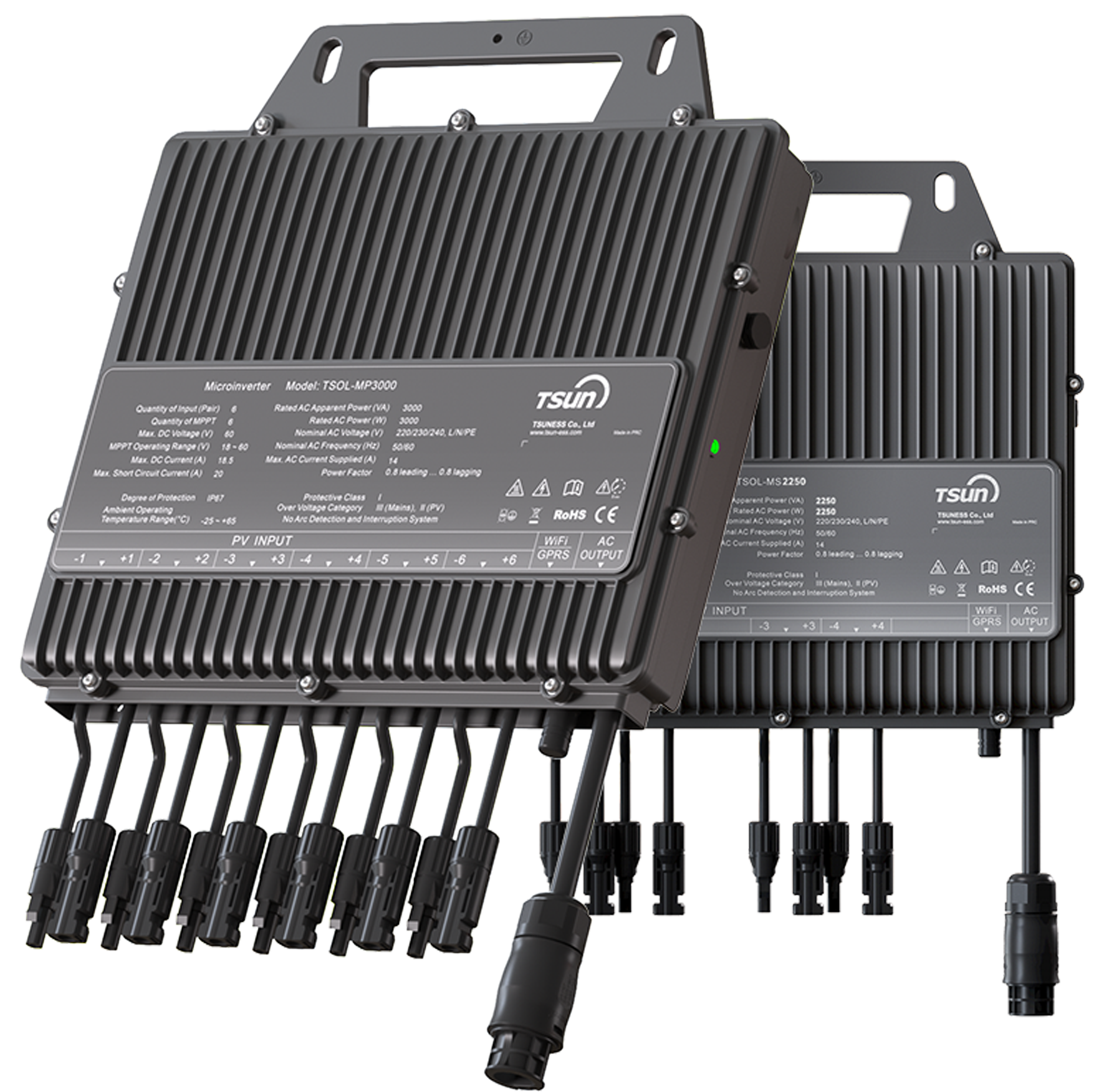
To be honest, the whole industry’s been buzzing about these micro inverters lately. Everyone’s chasing higher densities, more efficiency, and, you know, squeezing every last watt out of the sun. It's not just about getting bigger numbers on a spec sheet anymore, though. I’ve spent the last year crawling around construction sites, and what I'm seeing is people wanting simpler systems, easier installs, and something that actually lasts. Forget all the fancy AI-powered optimization, if it breaks in year two, nobody cares.
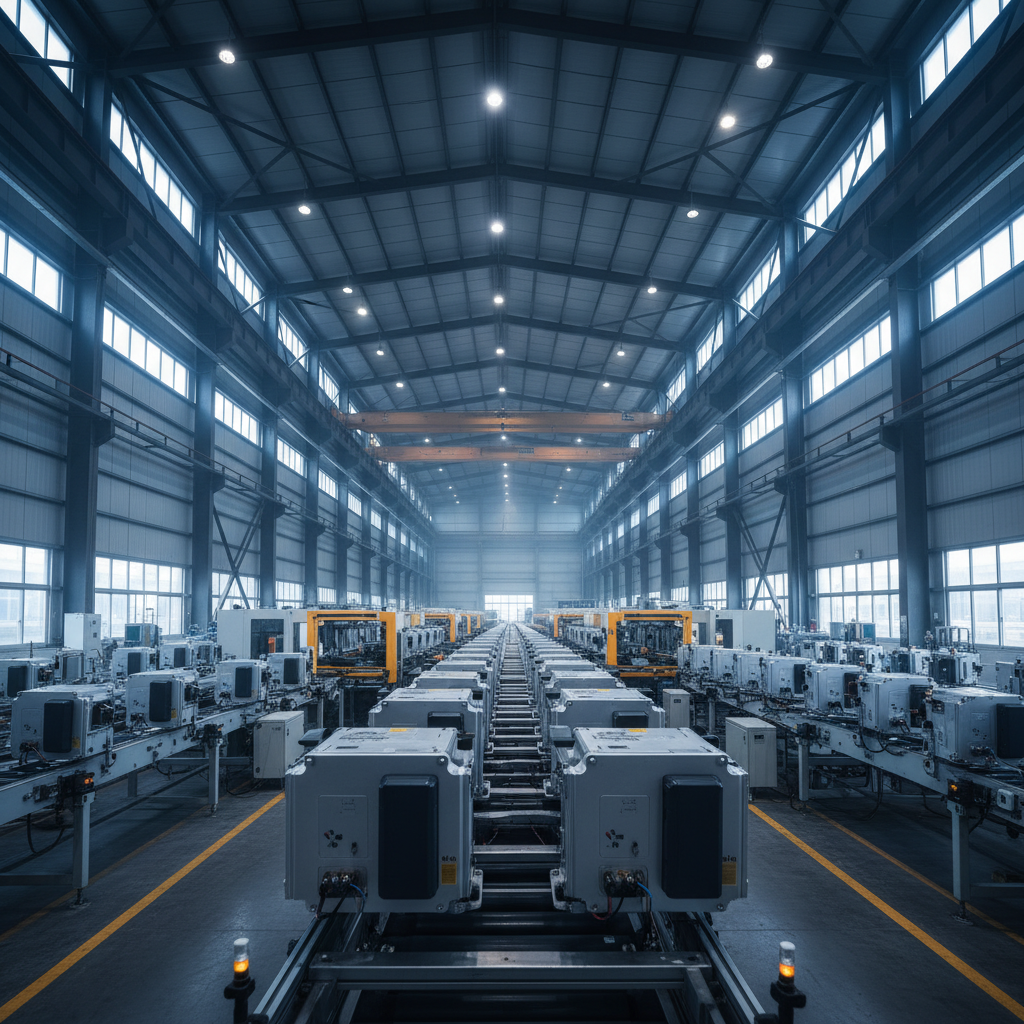
Have you noticed how many manufacturers are jumping on the micro inverter bandwagon? Seems like every other factory I visit is trying to get in on the action. It's good for competition, sure, but it also means a lot of… let's just say, ‘optimistic’ specs out there. You really gotta dig into the details.
It's funny, the biggest problems aren’t usually the big, obvious things. It's the small details that’ll bite you. Like, I’ve seen so many designs that look great on paper, but completely ignore how an electrician is actually going to work with it on a hot rooftop. Later... Forget it, I won't mention it.
What’s Trending in Micro Inverter Manufacturing
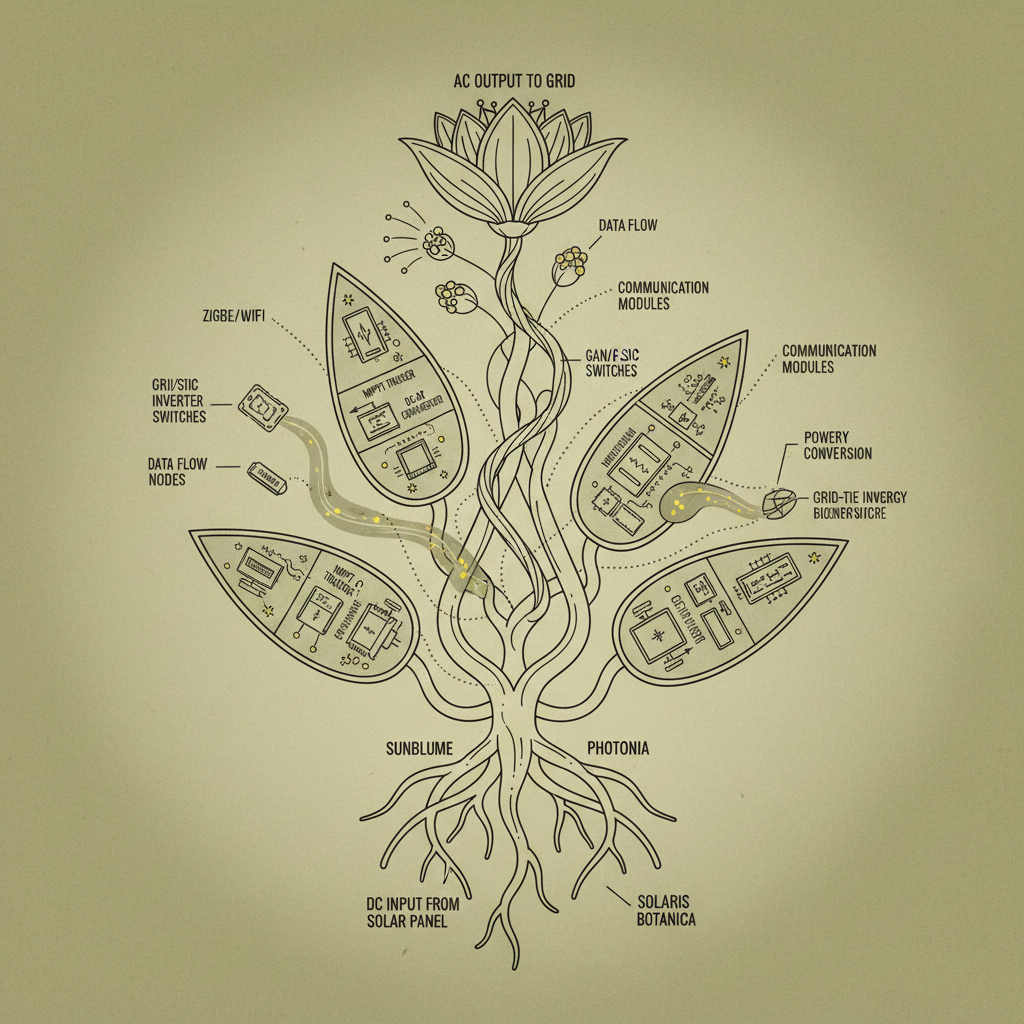
Strangely enough, everyone’s obsessed with silicon carbide (SiC) and gallium nitride (GaN). Apparently, they can handle higher temperatures and voltages, which means more efficiency. Sounds great in theory, but the cost… oof. It drives up the price something fierce. Most of the volume stuff is still on good old silicon, honestly. I encountered this at a factory in Jiangsu province last time, they were bragging about their SiC modules, but their prices were astronomical.
Another big trend is communication protocols. Everything needs to be connected, right? Modbus, CAN bus, Wi-Fi, Bluetooth… it's a mess. The manufacturers are trying to standardize things, but it’s slow going. And don’t even get me started on cybersecurity. Nobody wants a hacked solar system.
Design Pitfalls: Where Things Go Wrong
The biggest mistake I see is over-engineering. These engineers, they love to add features, add complexity. But a simpler design is usually a more reliable design. And reliable is what matters. Anyway, I think a lot of these micro inverters are designed by people who’ve never actually installed one. Things like wire gauge, connector types, mounting hardware… these are all critical details that often get overlooked.
Another issue is thermal management. These things get hot, especially in the summer. If you don’t design the heatsink properly, or if you don’t have enough ventilation, they’ll overheat and fail. I’ve seen it happen. The smell of burnt electronics is… memorable.
And don't even get me started on the DC-DC converters. Getting the topology right, minimizing losses… it's a whole science. Too many manufacturers are cutting corners here, and it shows.
The Materials Matter: A Hands-On Perspective
The enclosures are a big deal. You need something that can withstand UV radiation, rain, snow, and the occasional hailstorm. Polycarbonate is popular, but the quality varies. Cheap polycarbonate gets brittle and cracks over time. I prefer the stuff with UV stabilizers and a thicker wall. It feels more solid.
Then there’s the potting compound. This stuff fills all the gaps inside the inverter, protecting the electronics from moisture and vibration. It’s gotta be the right consistency – not too hard, not too soft. The cheap stuff smells awful, by the way. Like burning plastic. I’ve learned to recognize the scent.
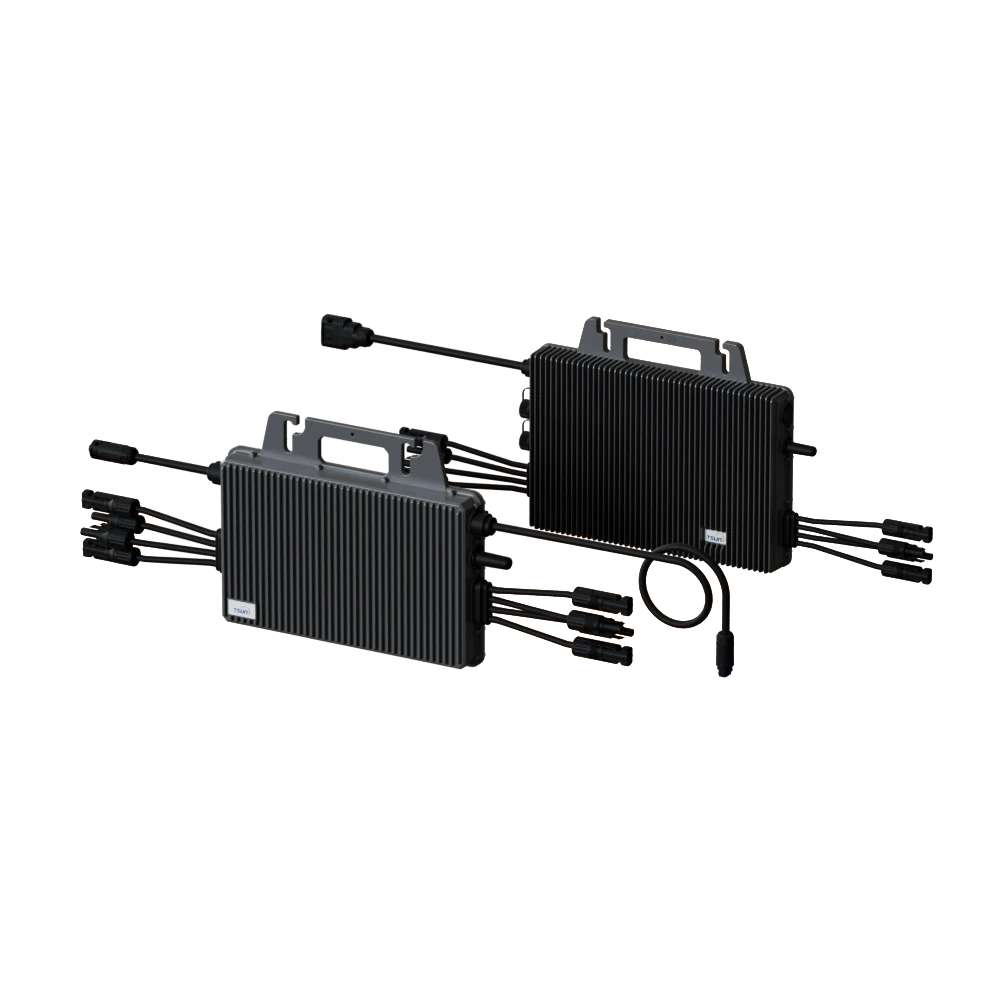
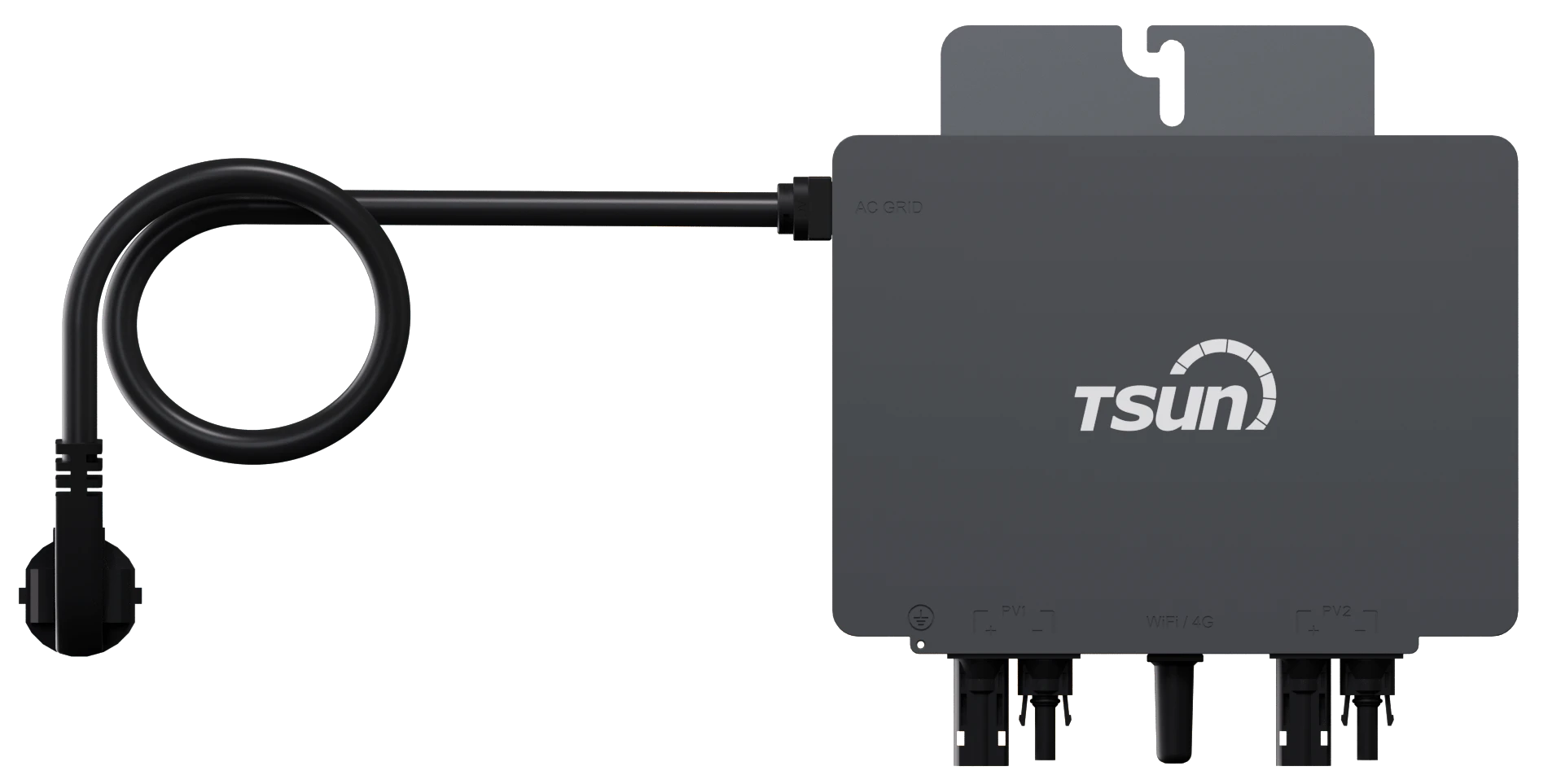
And the connectors! Oh, the connectors. They need to be waterproof, corrosion-resistant, and easy to connect and disconnect. MC4 connectors are the standard, but even those can be problematic if they’re poorly made. You need to give them a good, firm squeeze to make sure they’re locked in place.
Real-World Testing: Beyond the Lab
Lab testing is important, sure. But it doesn’t tell you everything. You need to test these things in real-world conditions. I'm talking about putting them on rooftops in Arizona, in the Canadian Rockies, in the Florida Keys… everywhere.
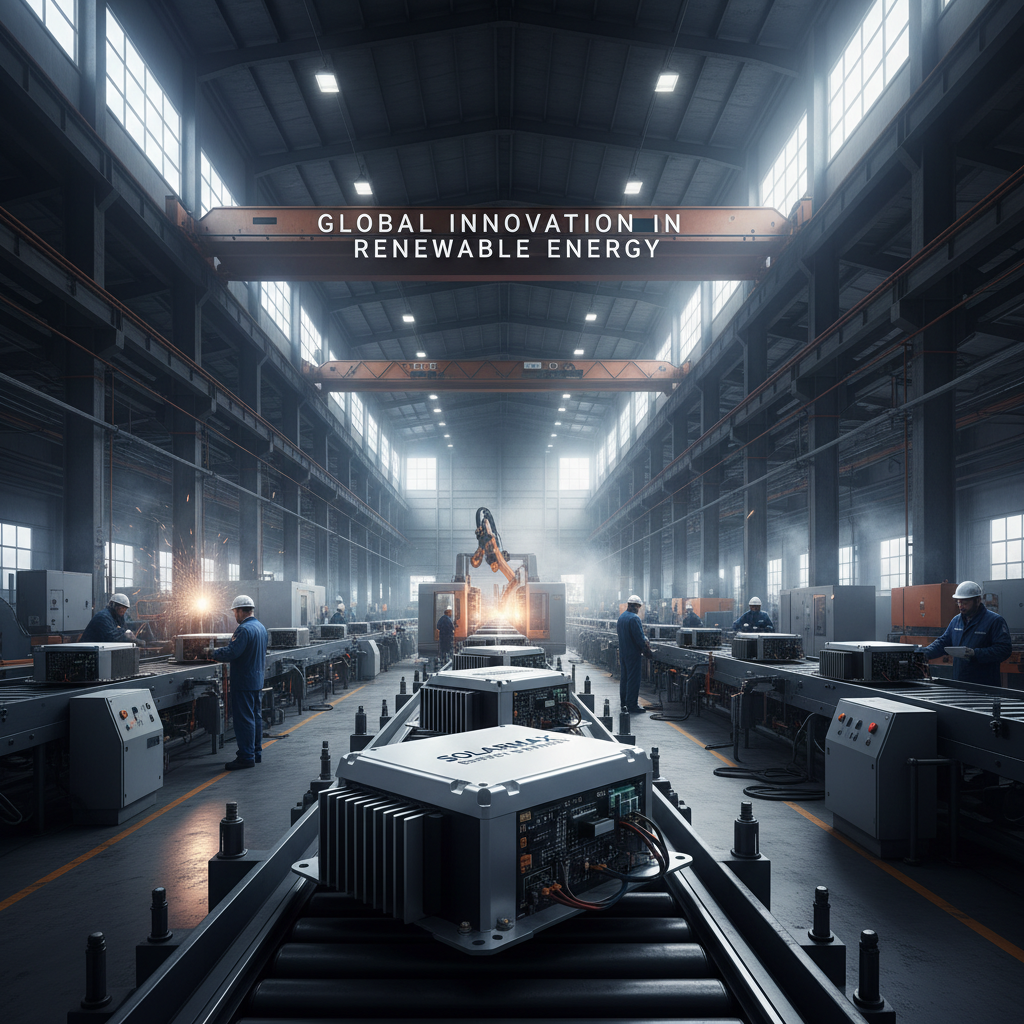
We’ve got a test rig at our facility where we simulate extreme temperatures, humidity, and vibration. We also do salt spray testing to see how well the components hold up to corrosion. But the most valuable testing is the stuff we do on-site, with actual installers and customers.
Micro Inverter Failure Rate by Component
How Users Actually Use Them (It's Not Always What You Think)
You know, we design these things for a specific application, but people always find a way to use them differently. I've seen guys using micro inverters to power remote monitoring stations, off-grid cabins, even electric fences! It's amazing what people come up with.
The biggest surprise for me was how many people are using them for battery charging. They’ll connect a charge controller to the micro inverter output and charge a battery bank. It’s not necessarily the most efficient way to do it, but it works.
Advantages, Disadvantages, and Customization Options
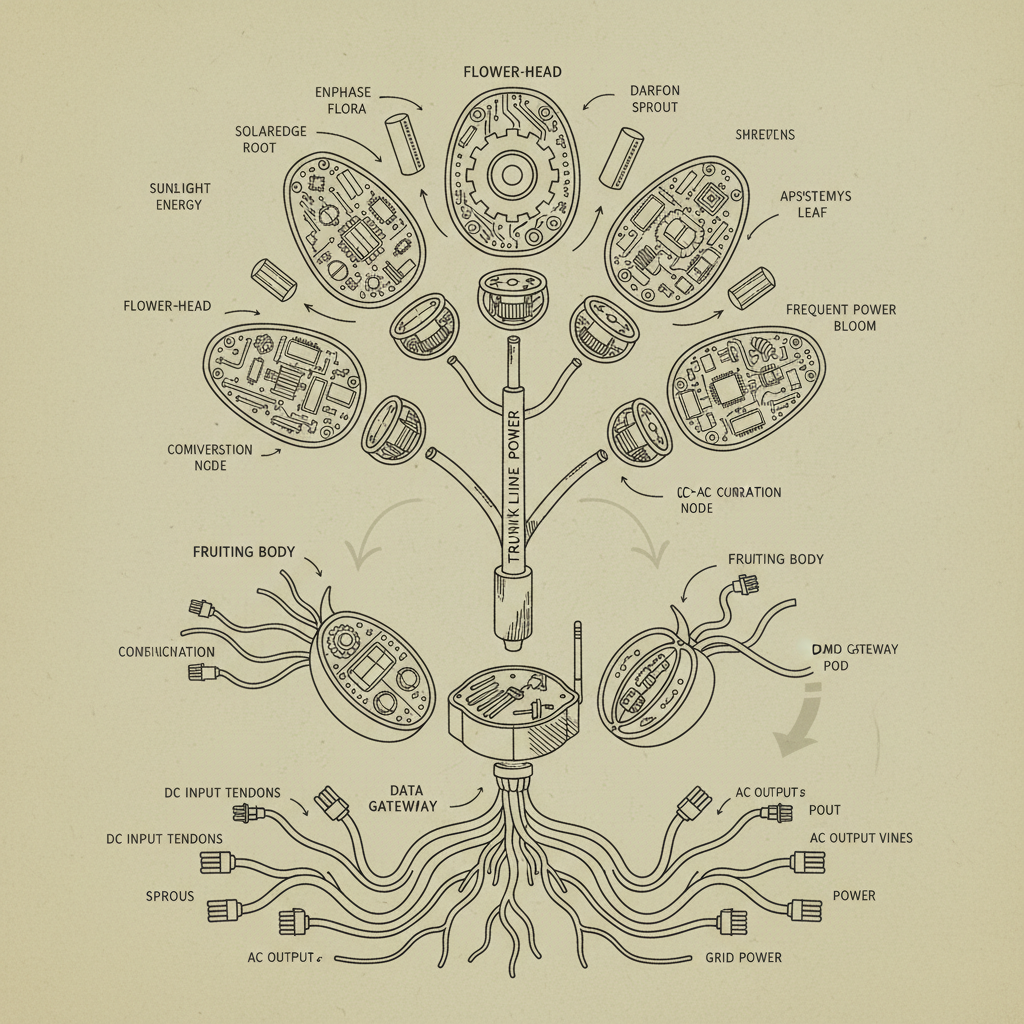
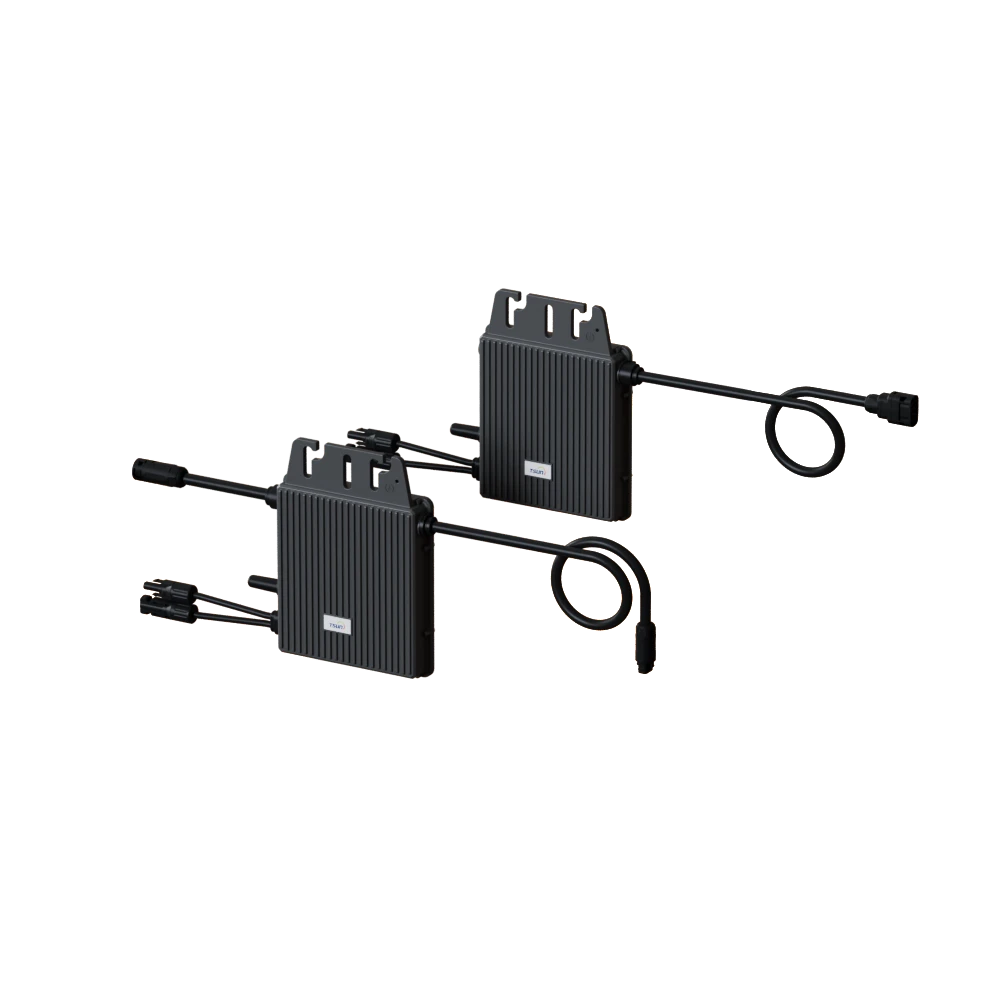
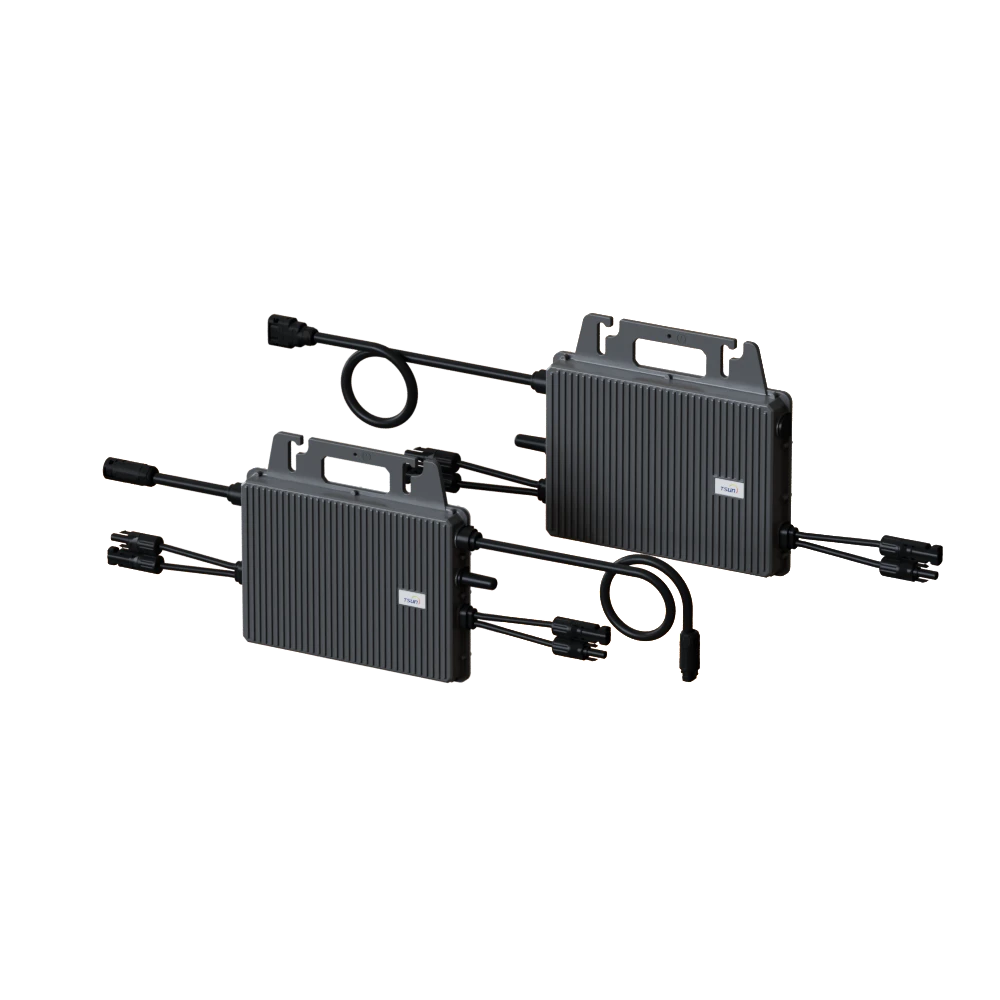
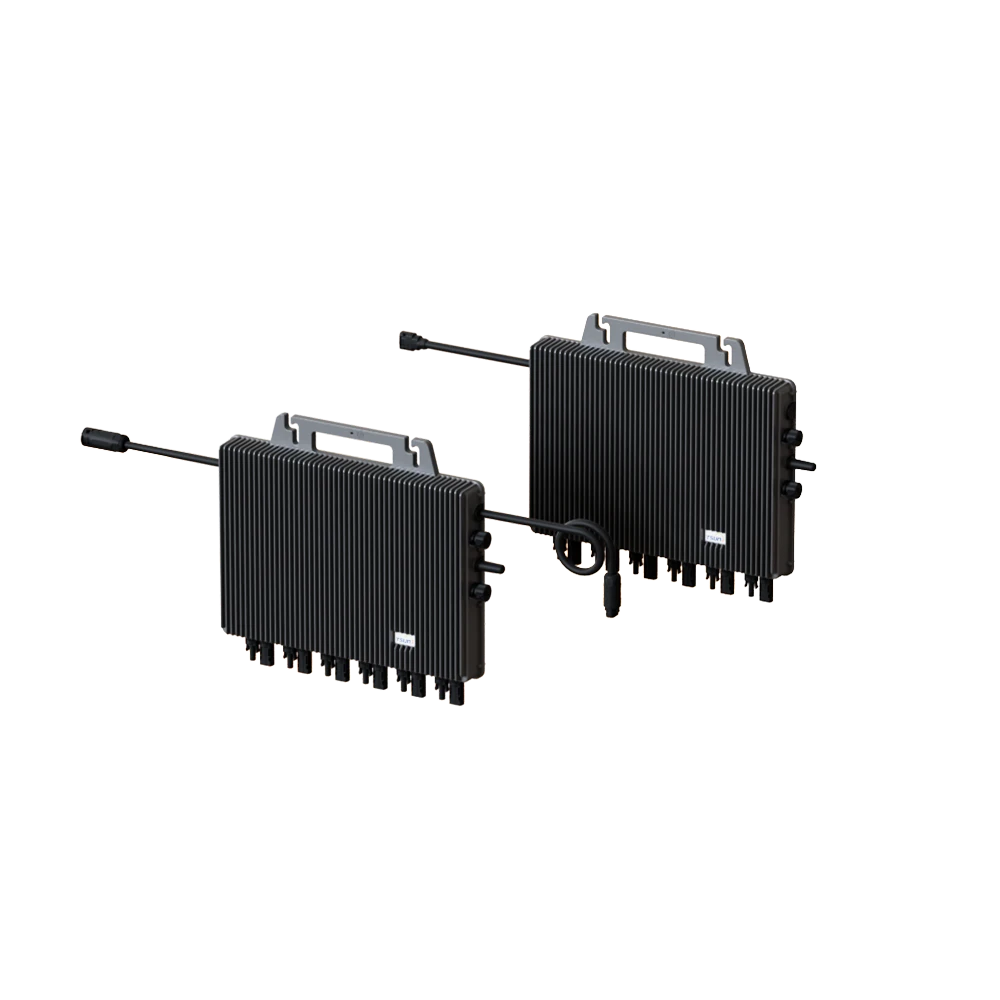
The biggest advantage of micro inverters is, obviously, the module-level power electronics. If one panel gets shaded, it doesn’t bring down the whole string. That's huge. And they're easier to expand. Need more power? Just add another panel and another micro inverter. Simple.
But they’re also more expensive upfront, and they’re more complex to troubleshoot. If a string inverter goes down, you can usually figure it out pretty quickly. With micro inverters, you have to check each individual inverter. Pain in the neck.
Customization? We can do a few things. We can change the connector types, the enclosure color, even the firmware. Last month, that small boss in Shenzhen who makes smart home devices insisted on changing the interface to , and the result was a three-week delay and a whole lot of headaches. He said it was for “future-proofing.” Honestly.
A Customer Story: The Shenzhen Smart Home Boss
So, this guy, Mr. Li, runs a small factory making smart home gadgets. Super demanding, always wants things yesterday. He needed a batch of micro inverters for his new solar-powered security camera system. He was convinced was the future, despite me explaining that MC4 is the standard for a reason.
He insisted on it, even though it meant we had to redesign the whole enclosure and source a new connector. We delivered them late, and of course, he complained. But then, two weeks later, he called me back and said his sales had tripled because the connector was a “selling point.” I still don't understand it.
It just goes to show you, sometimes you have to give the customer what they want, even if it doesn’t make a lot of sense.
A Summary of Key Micro Inverter Characteristics
| Component |
Typical Lifespan |
Environmental Resistance |
Maintenance Requirements |
| DC-DC Converter |
8-10 years |
Moderate – Sensitive to high temperatures |
Regular inspection for overheating |
| Enclosure |
15-20 years |
High – UV and water resistant |
Minimal - Occasional cleaning |
| Connectors |
5-7 years |
Moderate – Prone to corrosion |
Regular tightening and inspection |
| Capacitors |
5-8 years |
Low – Sensitive to temperature fluctuations |
None - typically fail catastrophically |
| Cooling Fan (if applicable) |
3-5 years |
Low – Dust and moisture ingress |
Regular cleaning and replacement |
| Potting Compound |
20+ years |
High – Protects against vibration and moisture |
None |
FAQS
The main difference lies in how they handle power conversion. String inverters convert DC power from multiple panels at once, while micro inverters convert DC to AC at each individual panel. This means micro inverters offer module-level monitoring and optimization, reducing the impact of shading or panel mismatch. It also adds complexity and cost. Ultimately, it’s about balancing performance and reliability.
Micro inverters excel in partial shading. Because each panel has its own inverter, a shaded panel won't drag down the performance of the entire system. The other panels continue to operate at their maximum power point, maximizing energy harvest. It’s a big advantage in situations where shading is unavoidable. Don’t get me wrong, avoiding shade is always the best solution, but micro inverters mitigate the problem when you can’t.
Yes, typically micro inverters have a higher upfront cost per watt compared to string inverters. This is due to the increased component count and the module-level power electronics. However, the increased energy harvest and reduced maintenance costs over the lifespan of the system can sometimes offset the higher initial investment. It depends on the specific application and the long-term goals of the project.
Most reputable manufacturers offer a 25-year warranty on their micro inverters, which is a good indication of their expected lifespan. However, the actual lifespan can vary depending on the operating conditions and the quality of the components. Things like temperature, humidity, and surge protection all play a role. I've seen some fail prematurely, but most last a good long time.
Generally, no. Mixing micro inverters from different manufacturers is not recommended. They often have different communication protocols and monitoring systems, and they may not work together properly. It’s best to stick with a single manufacturer for the entire system to ensure compatibility and optimal performance. Trust me, it saves headaches down the road.
Micro inverters are generally easier to install than string inverters, especially on complex roofs with multiple orientations or shading issues. They're smaller and lighter, and they eliminate the need for DC wiring runs. However, you still need a qualified electrician to handle the AC wiring and ensure everything is installed safely and correctly. Don't cut corners on the electrical work.
Conclusion
So, where does all this leave us? Micro inverters are a solid technology, especially for challenging installations and situations where maximizing energy harvest is critical. They’re not a magic bullet, and they’re not always the cheapest option, but they offer a lot of advantages in the right application. It's not about the specs on the datasheet; it's about real-world performance, durability, and ease of installation.
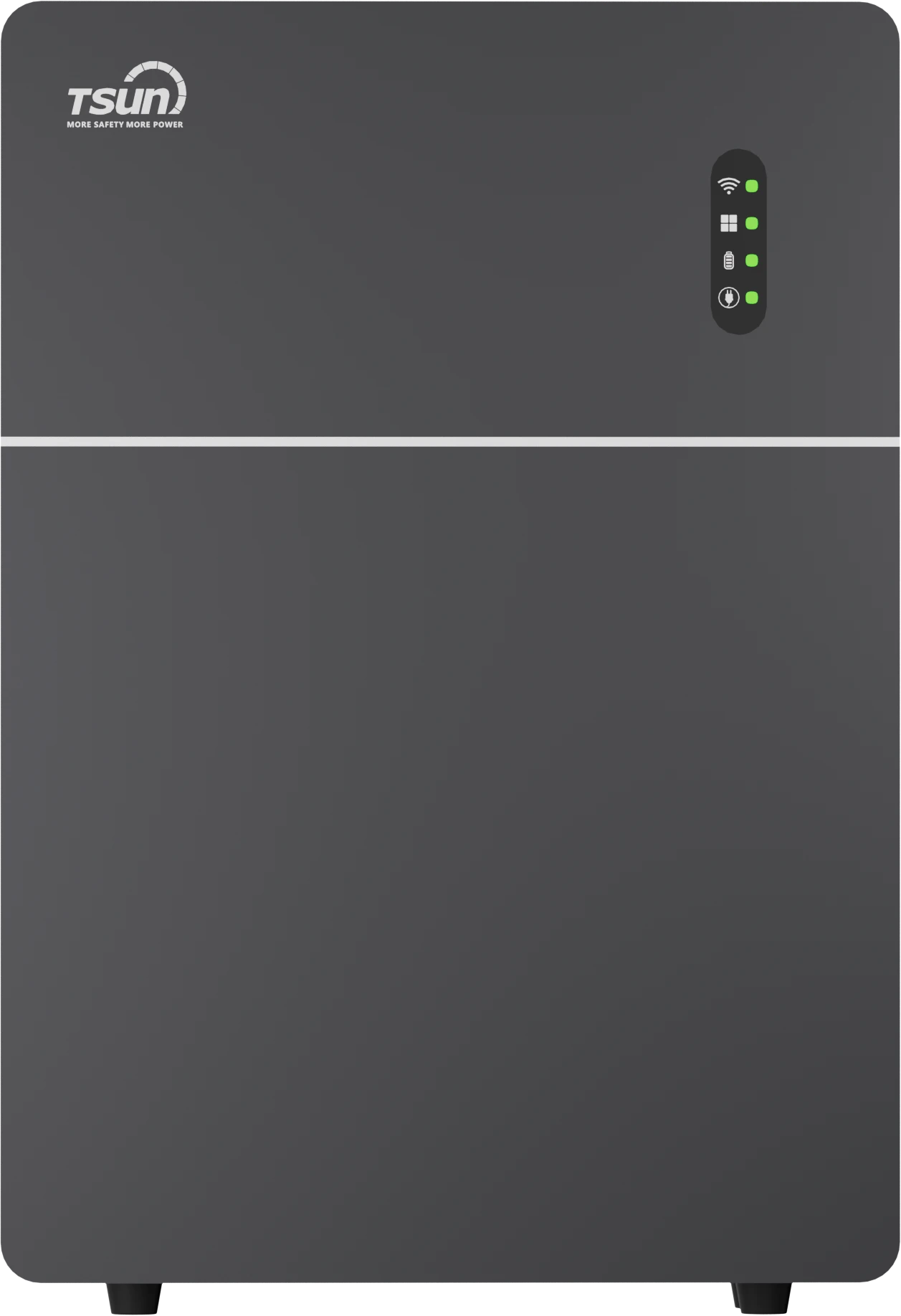
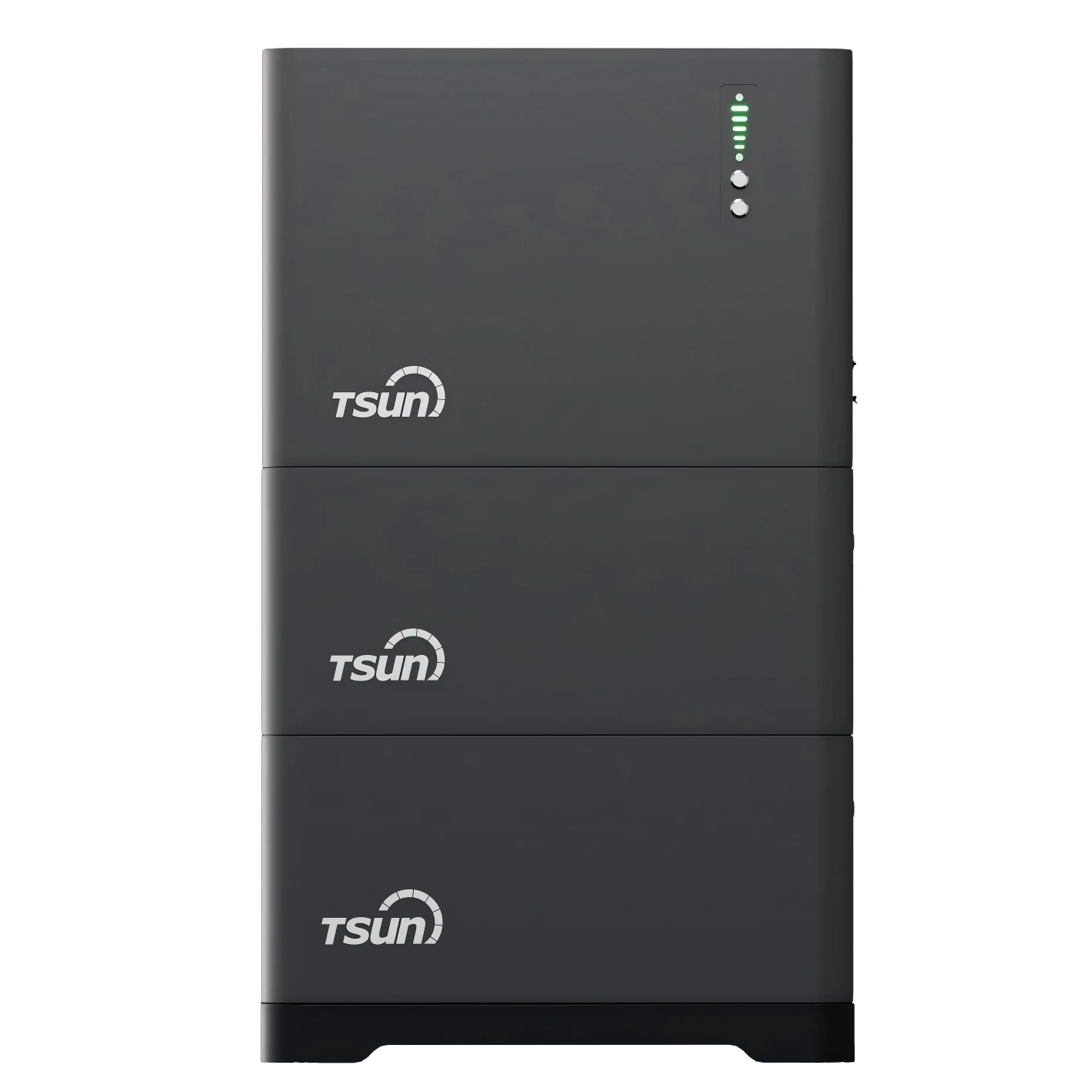
Ultimately, whether this thing works or not, the worker will know the moment he tightens the screw. It's about getting the right tools in the hands of skilled installers and providing them with reliable products that they can trust. Check out our range of micro inverters at tsun-ess.com.




 LEARN DETAILS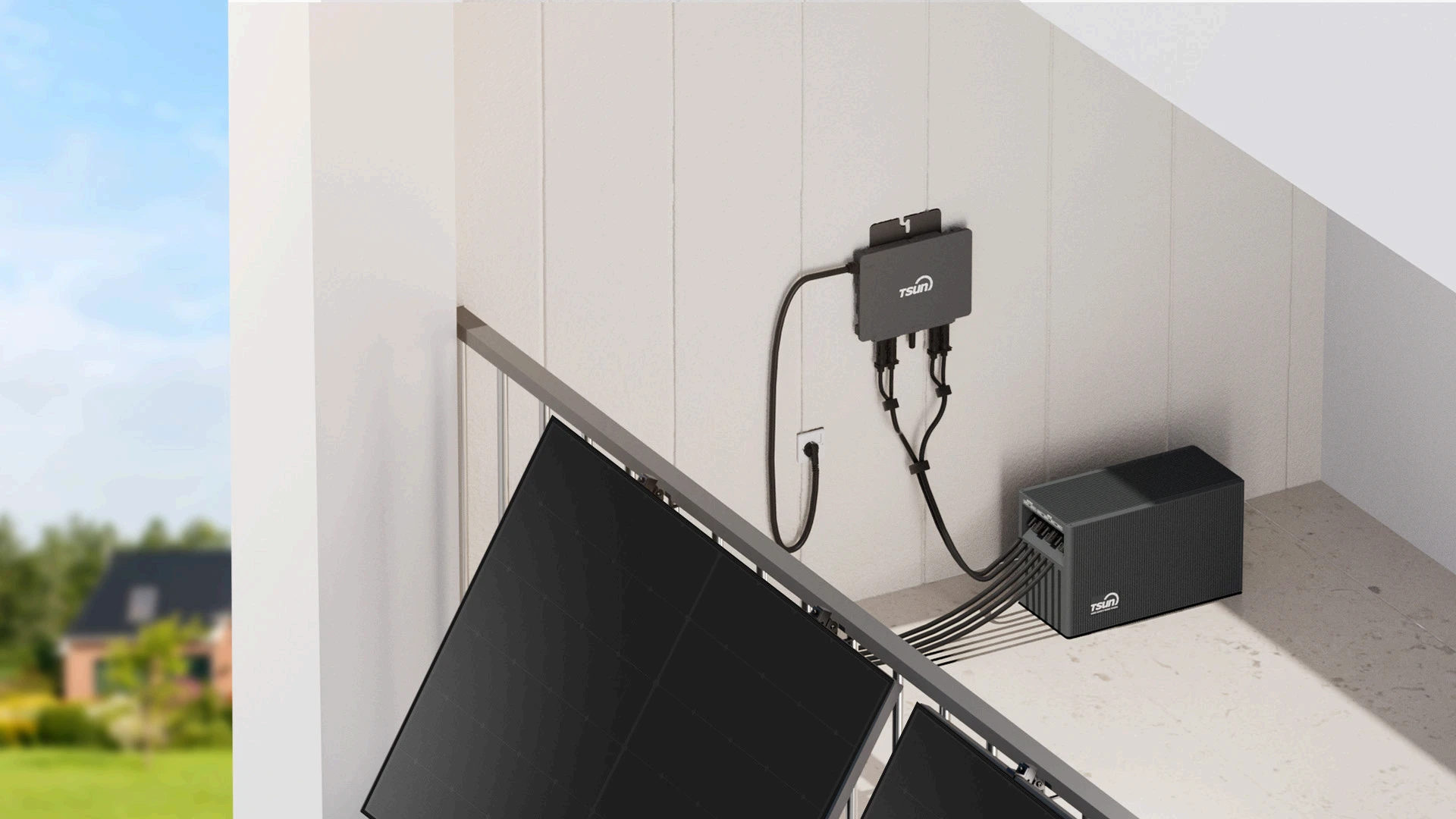
 Downloads
 Video Center
 Report Fault for Repair
 FAQS
FAQS Service Network
 Privacy Policy
 Contact Us
 Monitoring