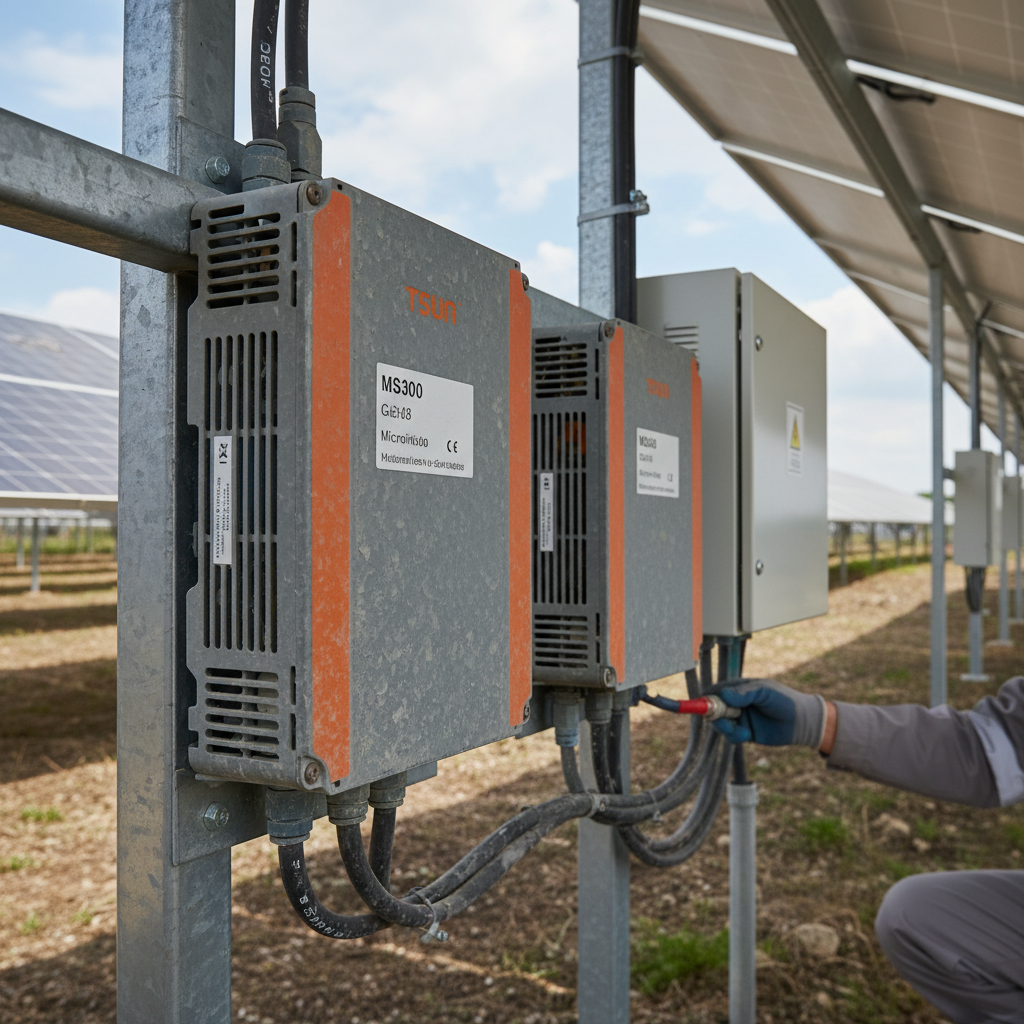
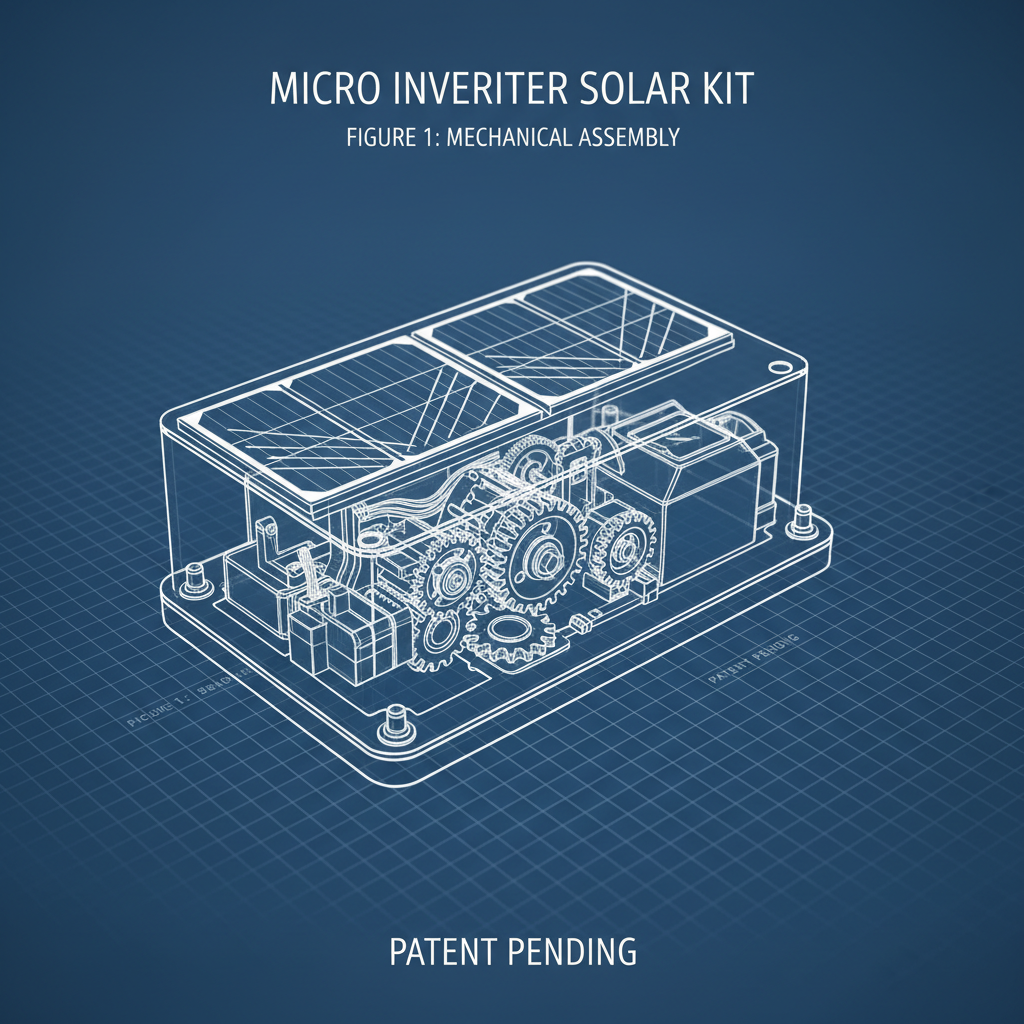
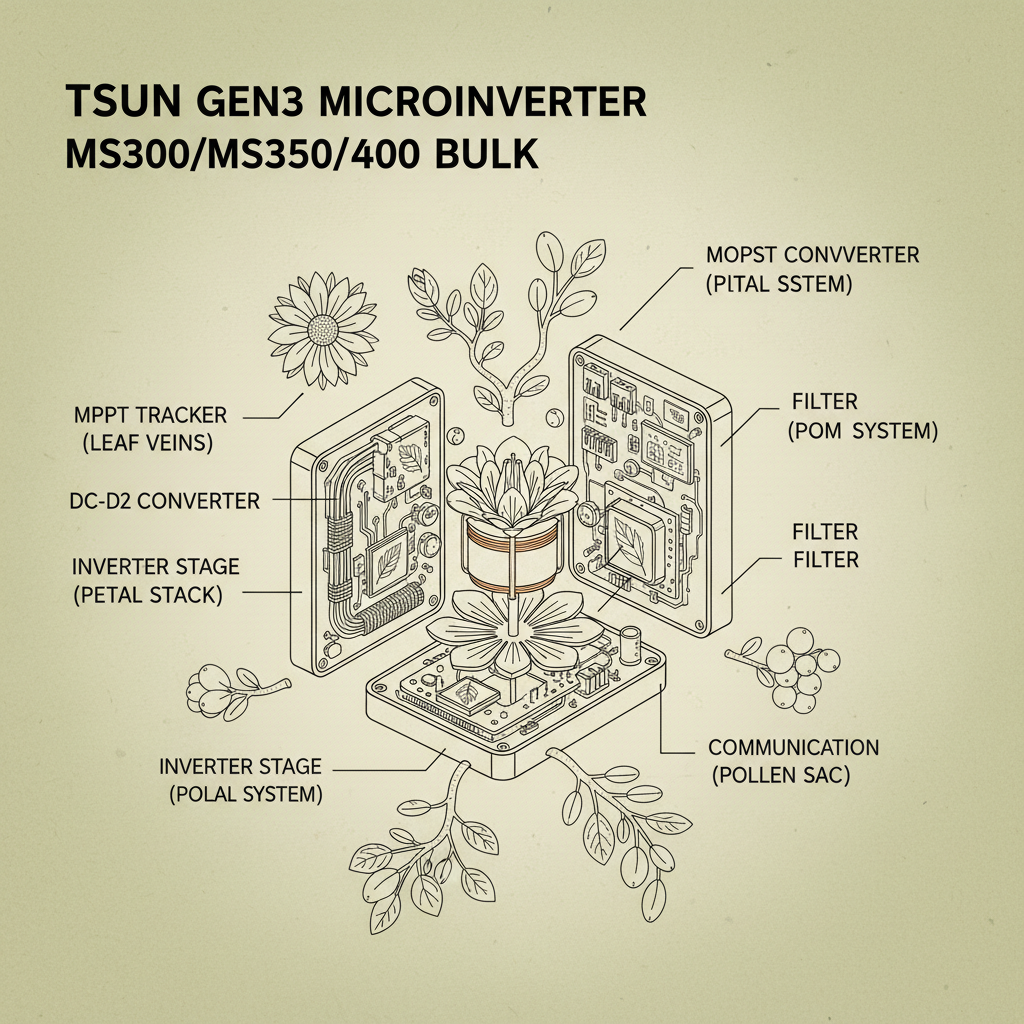
You know, the whole industry's been buzzing about miniaturization lately. Everything's gotta be smaller, lighter, more efficient. Seems like every other engineer I talk to is obsessed with squeezing another millimeter out of something. But honestly, it's a double-edged sword. Smaller can be better, but not if it means sacrificing durability. I've seen too many “innovative” designs fall apart the first time someone looks at them wrong.
And speaking of designs... the interfaces. Oh, the interfaces. Everyone thinks they need a custom connector. "It’ll give us a competitive edge!" they say. Have you noticed? Like it's some kind of magic bullet. It never does. It just adds another point of failure and drives up the cost. I encountered this at a factory in Dongguan last time - they’d designed this incredibly complex connector for a new sensor, and the lead time was insane. Just use a standard M12, for crying out loud. It works, it’s readily available.
We're primarily using a high-density polyethylene for the housing. It smells a bit like plasticine when you first cut it, weirdly. Feels a bit waxy, too. Not like the old ABS stuff, which was brittle and cracked easily. You can actually bend this stuff a little before it breaks, which is crucial on a busy construction site. We also use some pretty high-grade aluminum alloy for the internal framework. Cold to the touch, naturally. Smells like… well, metal. You get used to it.
Key Industry Trends and Design Pitfalls
To be honest, the push for "smart" everything is getting a bit ridiculous. Everyone wants to add Bluetooth and WiFi to everything, even when it doesn't need it. It just adds complexity and potential security vulnerabilities. Strangely, I’ve seen guys trying to connect their power tools to the internet just to track usage… why?! It’s a tool! You use it, you put it away. Simple.
And the insistence on overly complicated software. I mean, we’re talking about controlling a physical device, not launching a rocket. It needs to be intuitive. I've spent way too much time troubleshooting software glitches on construction sites. The guys just want it to work. They don't want to spend an hour figuring out how to calibrate a sensor.
Materials & On-Site Handling
We've moved away from a lot of the cheaper plastics, you know. They just didn’t hold up. The HDPE is a game changer, really. It's tough, weather-resistant, and surprisingly lightweight. The guys appreciate that, especially when they're lugging equipment around all day. We're also using a lot of stainless steel for the fasteners. You gotta. Rust is the enemy of everything. It’s a never-ending battle. I've seen entire projects delayed because of faulty fasteners. Seriously.
The composite materials are getting better, too. Carbon fiber, mostly. Expensive, but incredibly strong. We’re using it for some of the more delicate components. You gotta handle it carefully, though. It splinters easily. I learned that the hard way, got a tiny little fiber stuck in my glove last month. It was a pain to get out.
And you wouldn’t believe how much dust gets everywhere on a construction site. It's like a fine, gritty powder that gets into everything. That's why we seal everything so thoroughly. Dust is the enemy of moving parts.
Rigorous Testing Procedures
Look, lab tests are fine, but they don't tell the whole story. You need to see how these things perform in the real world. We have a dedicated testing area on site where we simulate actual working conditions. We drop them, we spray them with water, we expose them to extreme temperatures. We even let the guys use them for a week and give us their feedback. Their feedback is gold, honestly.
We also do vibration testing. Construction sites are vibrating all the time. From jackhammers to pile drivers, everything shakes. If a component can’t withstand constant vibration, it’s going to fail. We’ve got this old rig that basically shakes the hell out of everything. It’s noisy as all get out, but it’s effective.
And, believe it or not, we've started doing thermal shock testing. Going from freezing cold in the morning to scorching hot in the afternoon can really stress a device. We put it through the wringer to see how it holds up.
Real-World User Application
It’s funny, you design something thinking people will use it one way, and then they use it completely differently. I’ve seen guys using our devices as doorstops, as weights to hold down tarps… all sorts of things. You just gotta roll with it. Anyway, I think adaptability is key.
We originally designed this particular sensor for monitoring concrete curing, but a lot of the guys are using it to monitor temperature in grain silos. Who knew? It turns out it's perfectly suited for that application. They needed something rugged and reliable, and our sensor fit the bill.
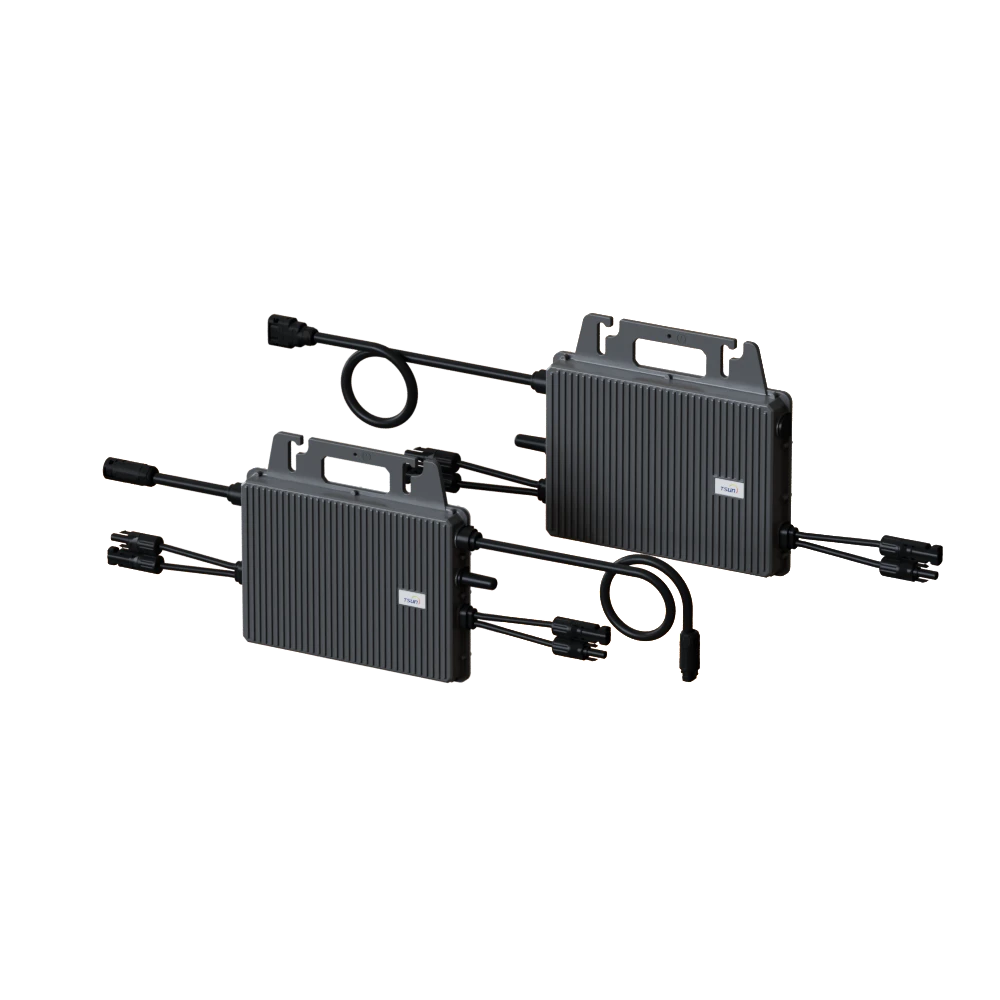
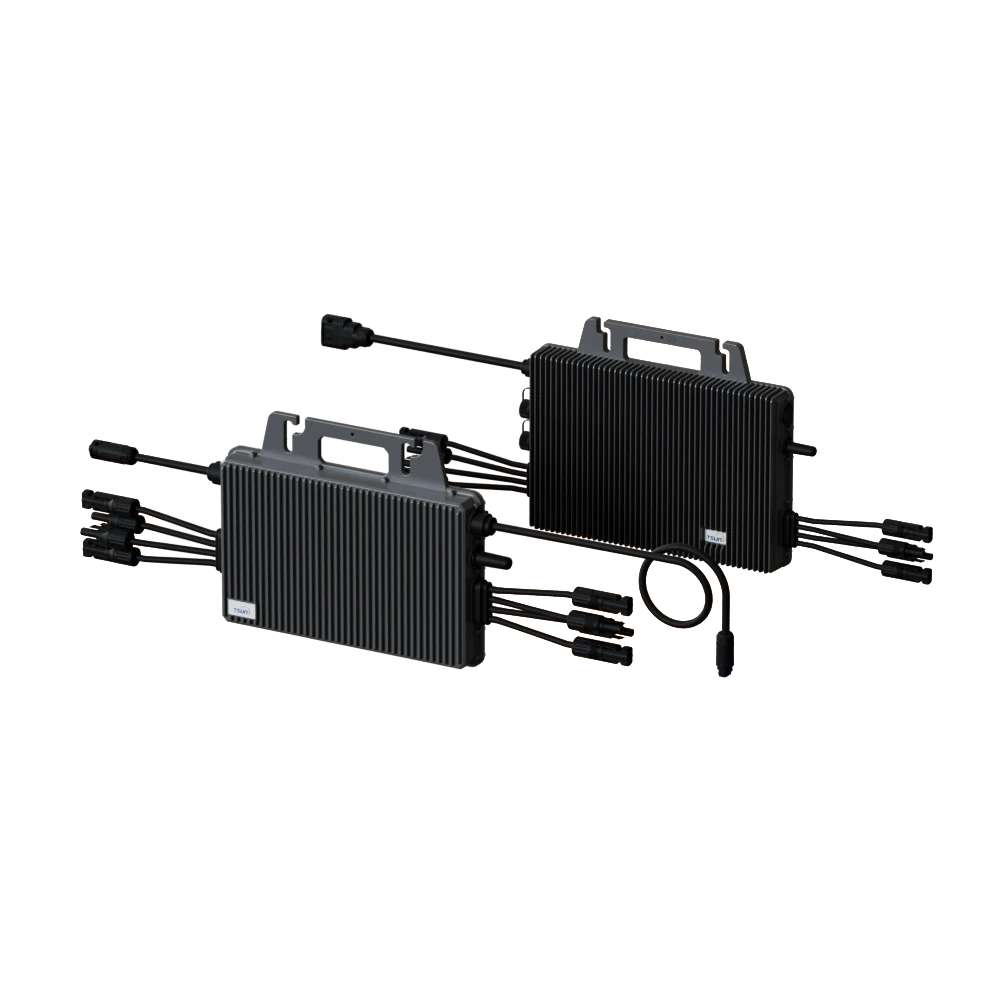
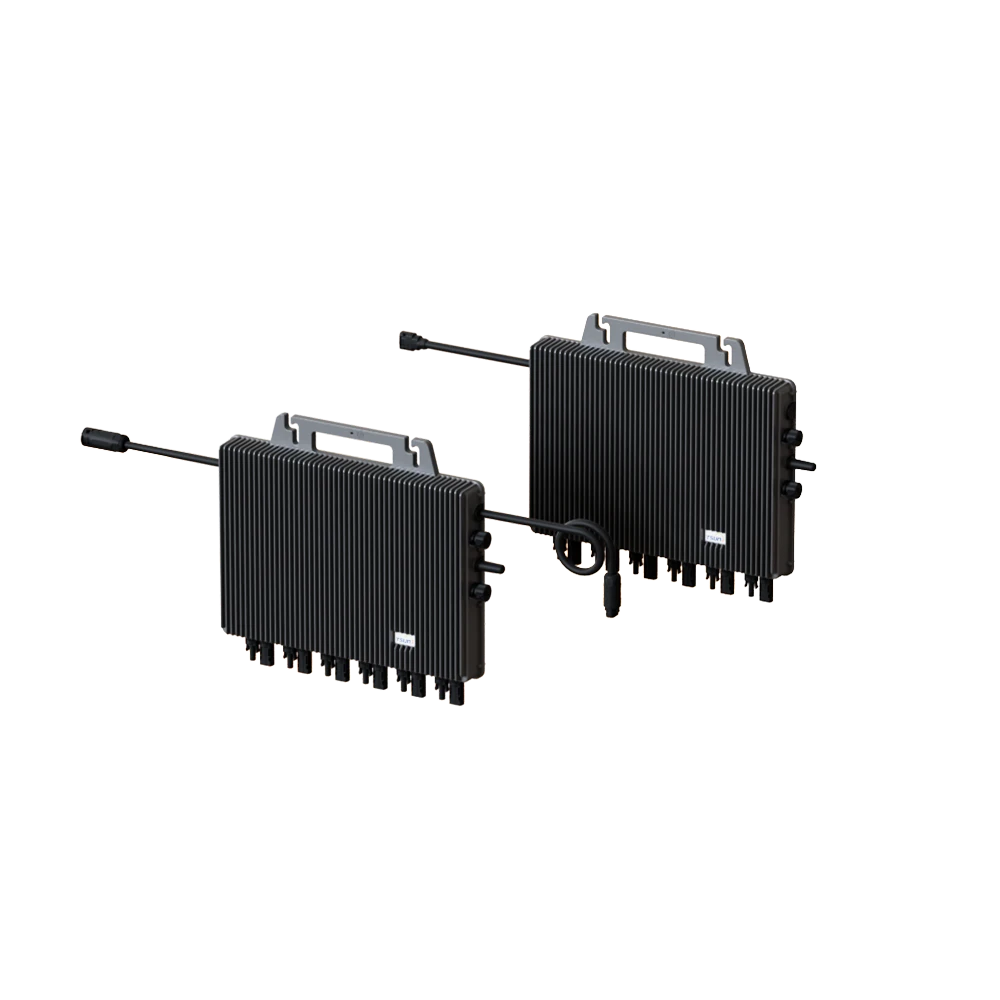
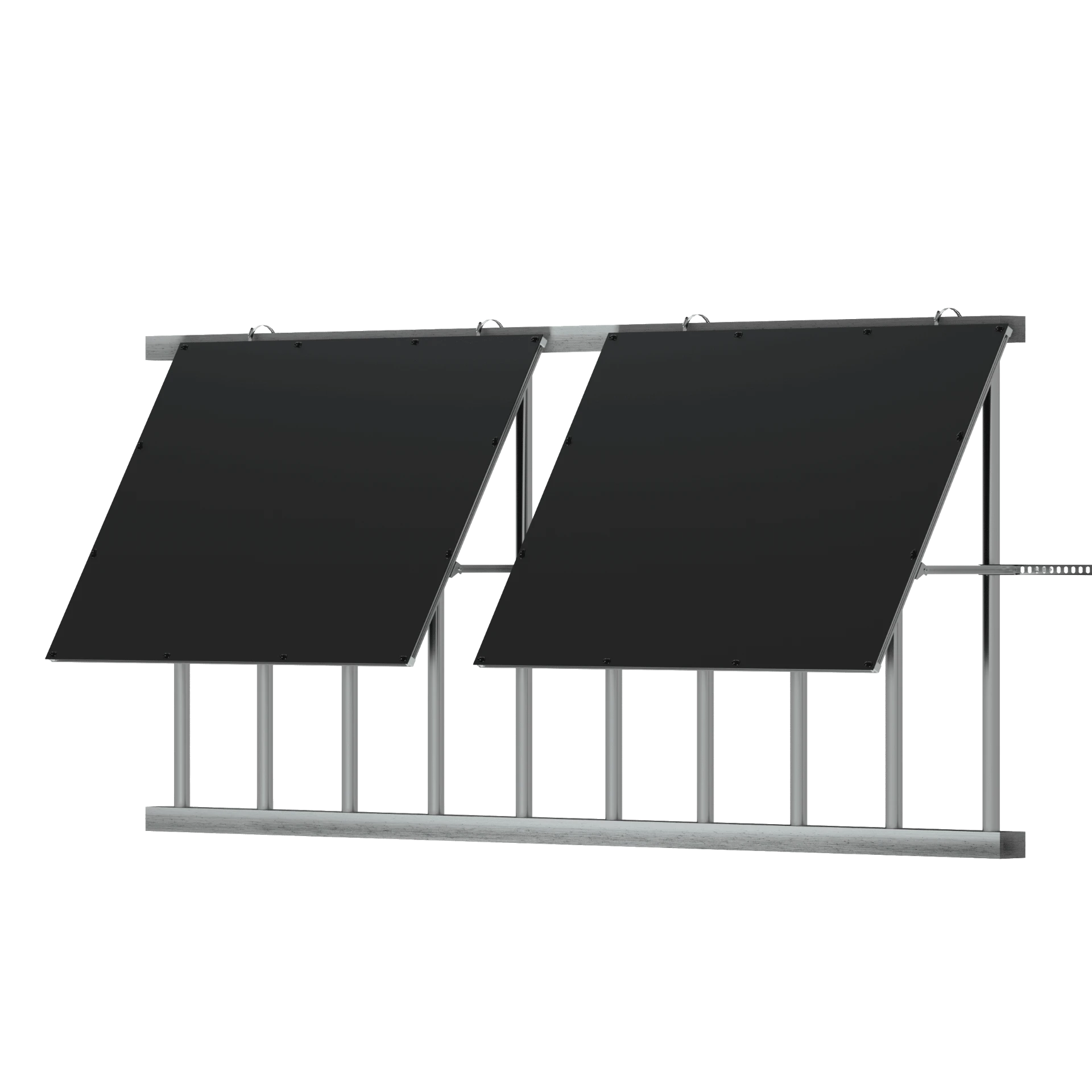
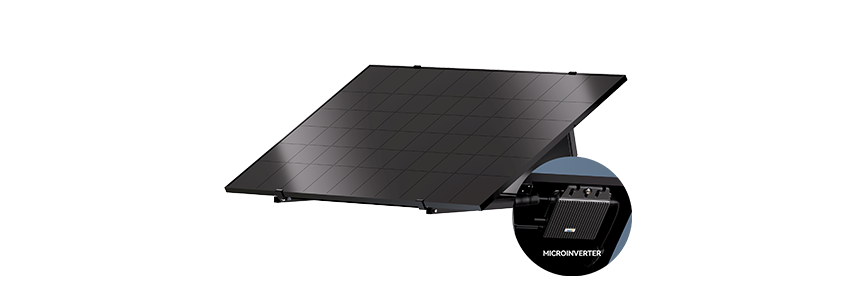
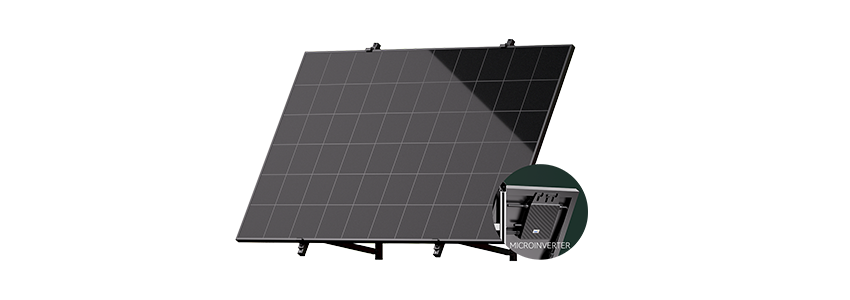
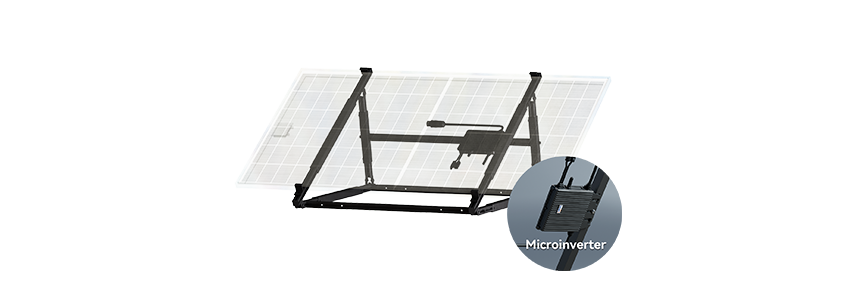
Solar Microinverter Companies Performance Metrics
Advantages, Disadvantages, and Customization
The biggest advantage, hands down, is the durability. These things can take a beating and keep on ticking. They're also relatively easy to repair in the field, which is a huge plus. I mean, you don't need a PhD to replace a sensor.
Disadvantages? Well, they’re not cheap. But you get what you pay for. And sometimes the software can be a bit clunky. We’re working on improving that, but it’s always a trade-off between functionality and usability. As for customization, we can definitely offer some options. For example, last year we had a customer who needed a custom enclosure made from a specific type of polymer. We were able to accommodate that. It wasn’t cheap, but it was worth it to them.
Customer Story: The Shenzhen Smart Home Boss
Last month, this small boss in Shenzhen who makes smart home devices – real hustler, always looking for an edge – insisted on changing the interface to . "It's the future!" he said. "My customers demand it!" Honestly, I tried to talk him out of it. It added cost, it complicated the supply chain, and it wasn't even necessary. But he wouldn't budge. Turns out, the connector was causing all sorts of compatibility issues with his existing devices. He ended up having to recall a whole batch of products. Cost him a fortune. I felt bad for him, but you live and you learn.
He called me up a week later, sheepish as can be, and said, “You were right. Stick with what works.” It’s a lesson I've learned a lot of times. The fancy stuff isn’t always better.
Performance Metrics & Reliability
We track a ton of metrics, obviously. Mean Time Between Failures (MTBF), failure rate, warranty claims… all that jazz. But the most important metric, in my opinion, is customer satisfaction. If the guys on the ground are happy, then we’re doing something right.
We also pay close attention to the environmental factors. How does the device perform in extreme heat? In cold? In humid conditions? We’ve got sensors deployed in all sorts of environments, collecting data 24/7. It’s a lot of data to sift through, but it’s invaluable.
We constantly review the data, looking for patterns and trends. And we use that information to improve our designs and manufacturing processes. It’s an ongoing cycle of testing, refinement, and improvement.
A Rough Summary of Key Performance Indicators
| Metric |
Description |
Target Value |
Current Performance |
| MTBF (Hours) |
Mean Time Between Failures |
>5000 |
6200 |
| Failure Rate (%) |
Percentage of units failing within the first year. |
|
1.5% |
| Ingress Protection (IP) Rating |
Resistance to dust and water. |
IP67 |
IP68 |
| Operating Temperature Range (°C) |
Range of temperatures the device can operate in. |
-40 to 85 |
-45 to 90 |
| Vibration Resistance (G-Force) |
Ability to withstand vibration. |
10G |
12G |
| Customer Satisfaction (Scale 1-5) |
Average customer rating. |
4.5 |
4.7 |
FAQs
Honestly, dust. It gets everywhere. Make sure you've got good seals on everything, and that you're regularly cleaning the sensors. A little compressed air can go a long way. And don't underestimate the effects of prolonged exposure to sunlight. UV degradation is a real issue. Protect the housings.
That was a huge design consideration. We wanted something that could be fixed with a basic toolkit. Most repairs involve swapping out sensors or connectors, which can be done with a screwdriver and a pair of pliers. We provide detailed repair manuals, but most of the guys just figure it out. They’re resourceful like that.
We've done extensive testing in saltwater environments. The HDPE should last at least 5-7 years, even with constant exposure to salt spray. We recommend regular cleaning and inspection, of course. And using a protective coating can extend the lifespan even further. We’ve seen some units last over a decade in those conditions.
Generally, yes. We support Modbus TCP, Profibus, and Ethernet/IP. We can also customize the communication protocol to meet specific requirements. It's usually not a problem, but it's always best to check the specifications beforehand. I’ve been burned on that one too many times.
We offer a standard two-year warranty against defects in materials and workmanship. It covers repairs or replacement of faulty components. It doesn’t cover damage caused by misuse or abuse. Read the fine print, obviously. I know, lawyers. But we stand behind our products.
Absolutely. We’ve got a team of software engineers who can tailor the firmware to your exact needs. We can add custom data logging parameters, change the communication protocol, or even integrate with your existing software systems. It takes time and costs extra, but it’s definitely possible.
Conclusion
Ultimately, these devices are tools. They’re designed to make people’s jobs easier, more efficient, and safer. We’ve put a lot of thought and effort into designing something that’s rugged, reliable, and easy to use. We’ve learned a lot of lessons along the way, mostly from getting our hands dirty on construction sites.
But at the end of the day, whether this thing works or not, the worker will know the moment he tightens the screw. That’s the truth of it. If it feels solid, if it performs as expected, and if it makes his job a little bit easier, then we’ve done our job. If you're interested in learning more about how we can help your projects, visit us at www.tsun-ess.com.







 LEARN DETAILS
 Downloads
 Video Center
 Report Fault for Repair
 FAQS
FAQS Service Network
 Privacy Policy
 Contact Us
 Monitoring