Solar Power Microinverter is a key solution in the industry, specifically within commercial and industrial-scale solar installations. This article explores how https://www.tsun-ess.com supports professionals with durable, high-performance products, and explains why this product is an ideal choice for businesses in these sectors.
Table of Contents
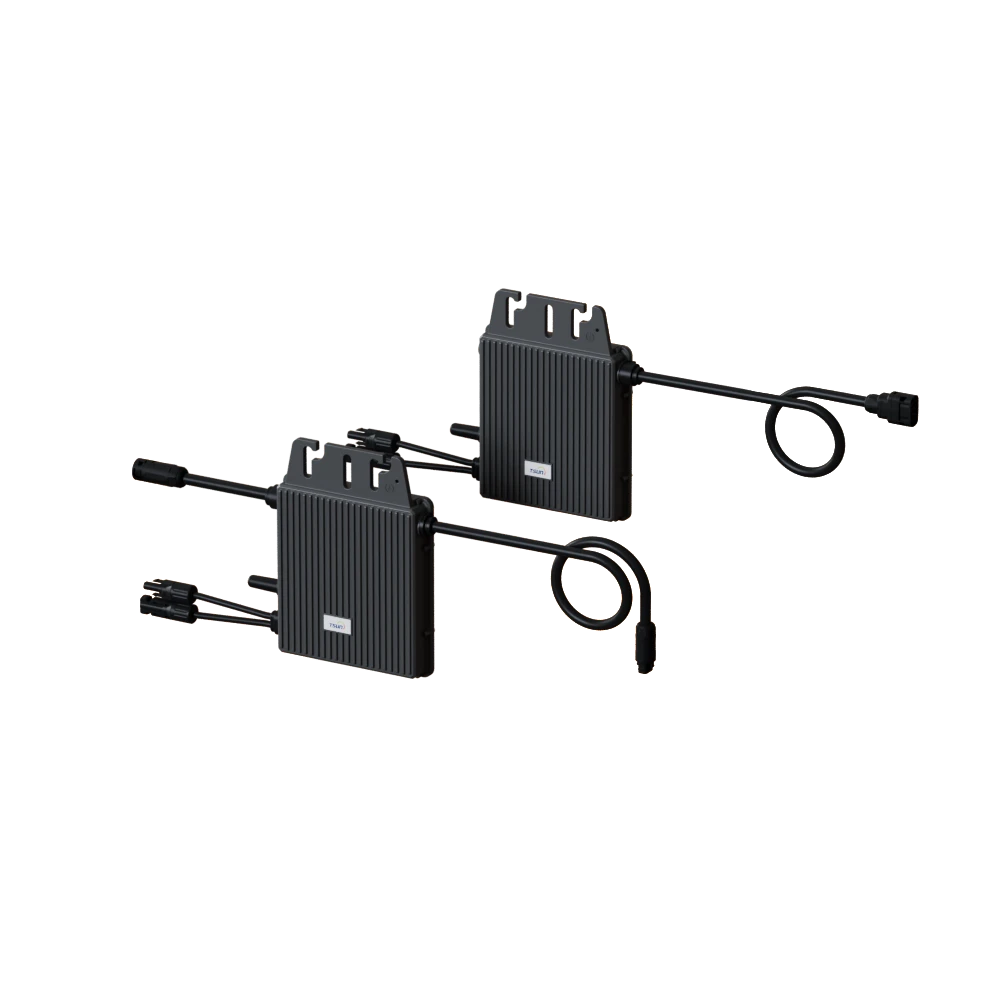
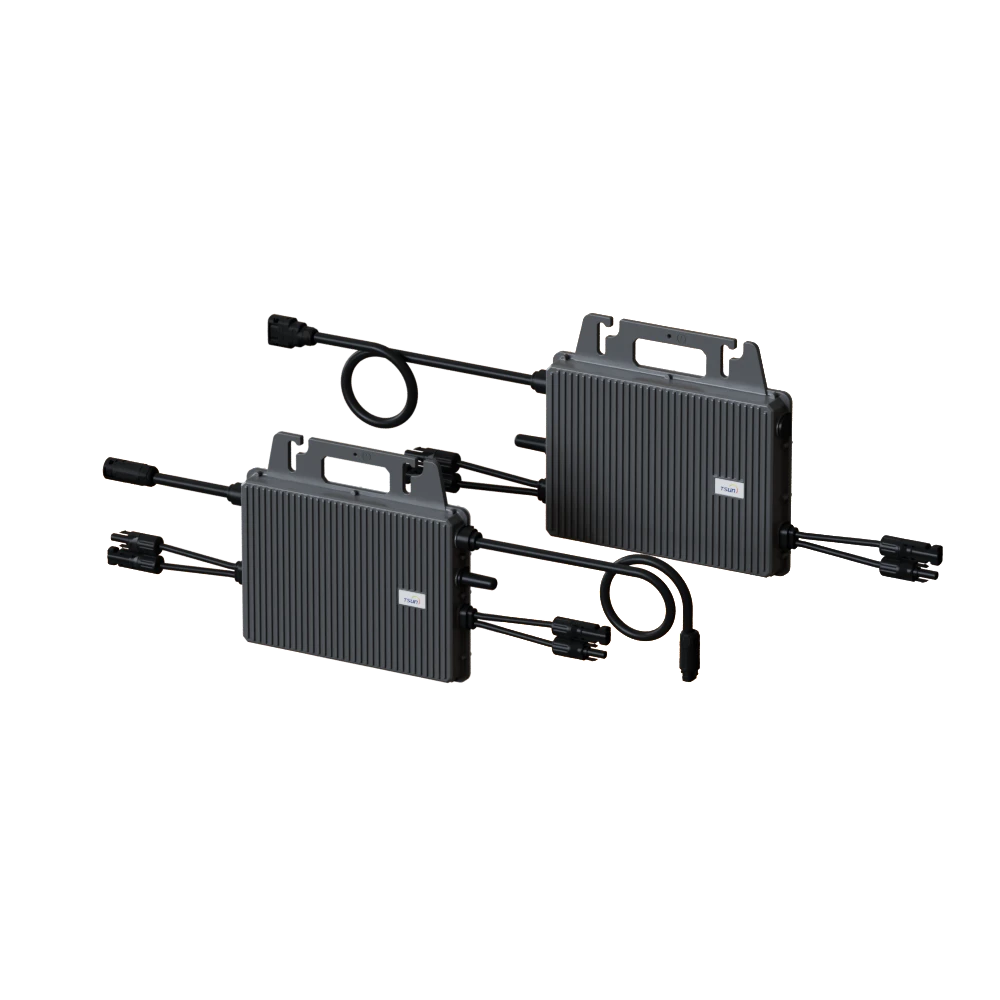
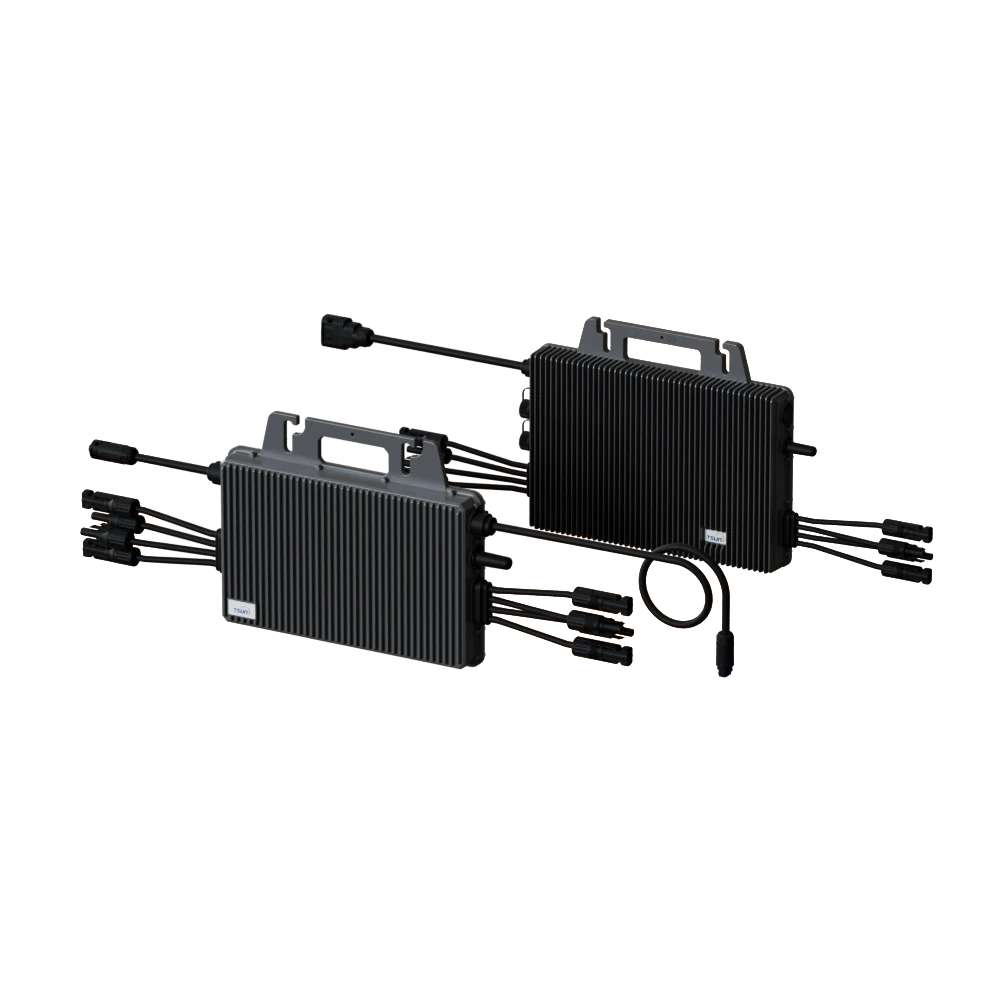
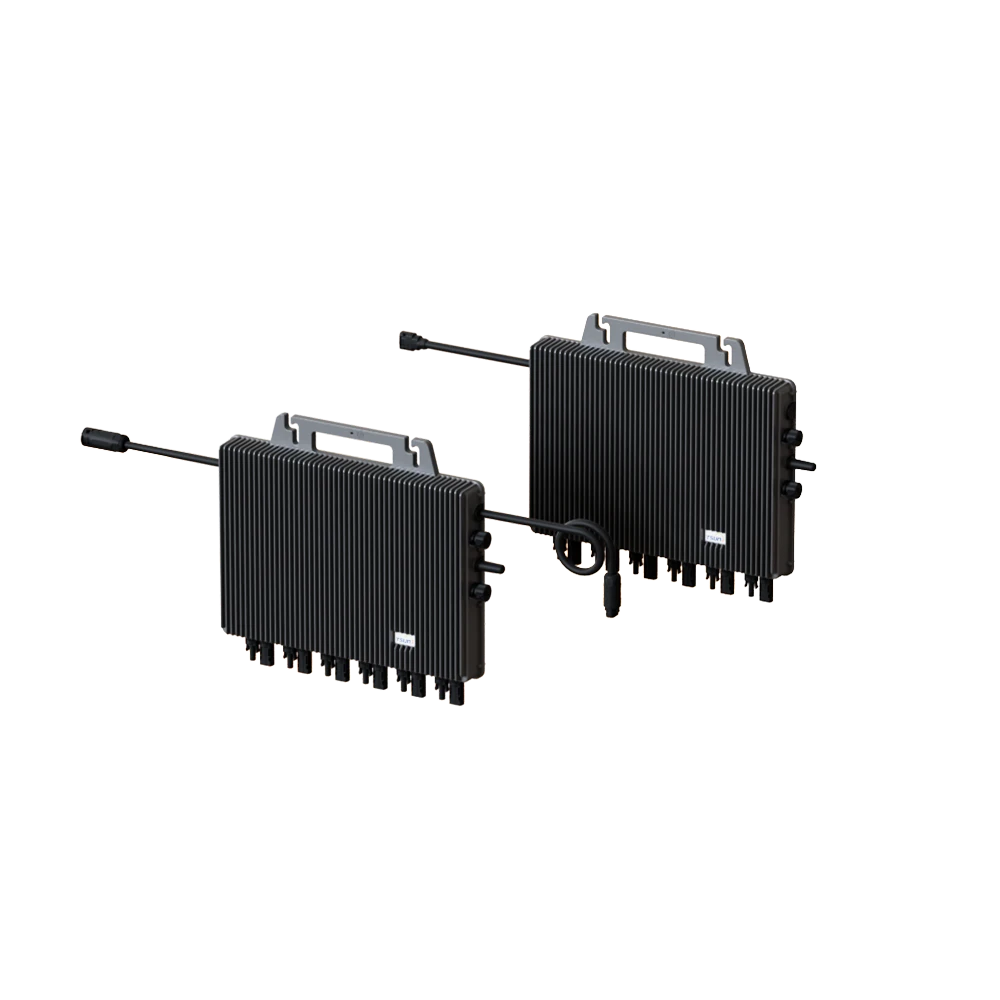
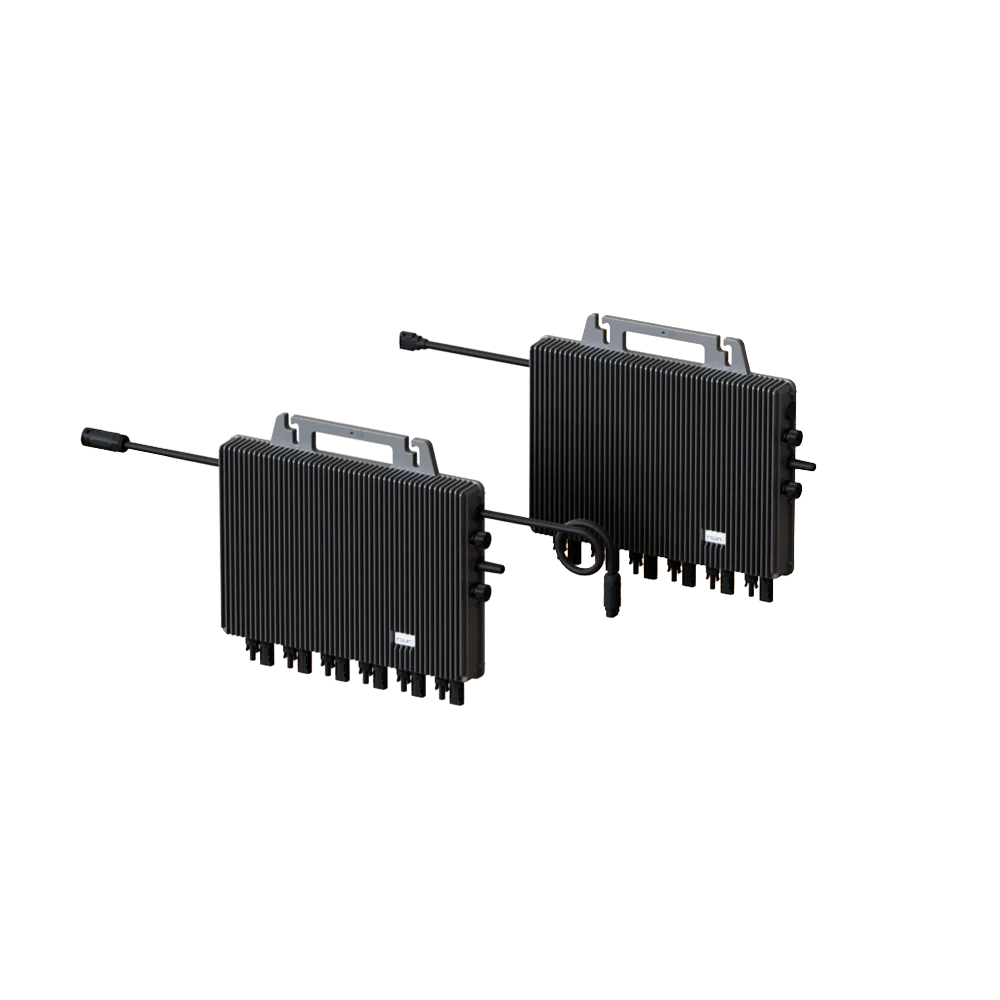
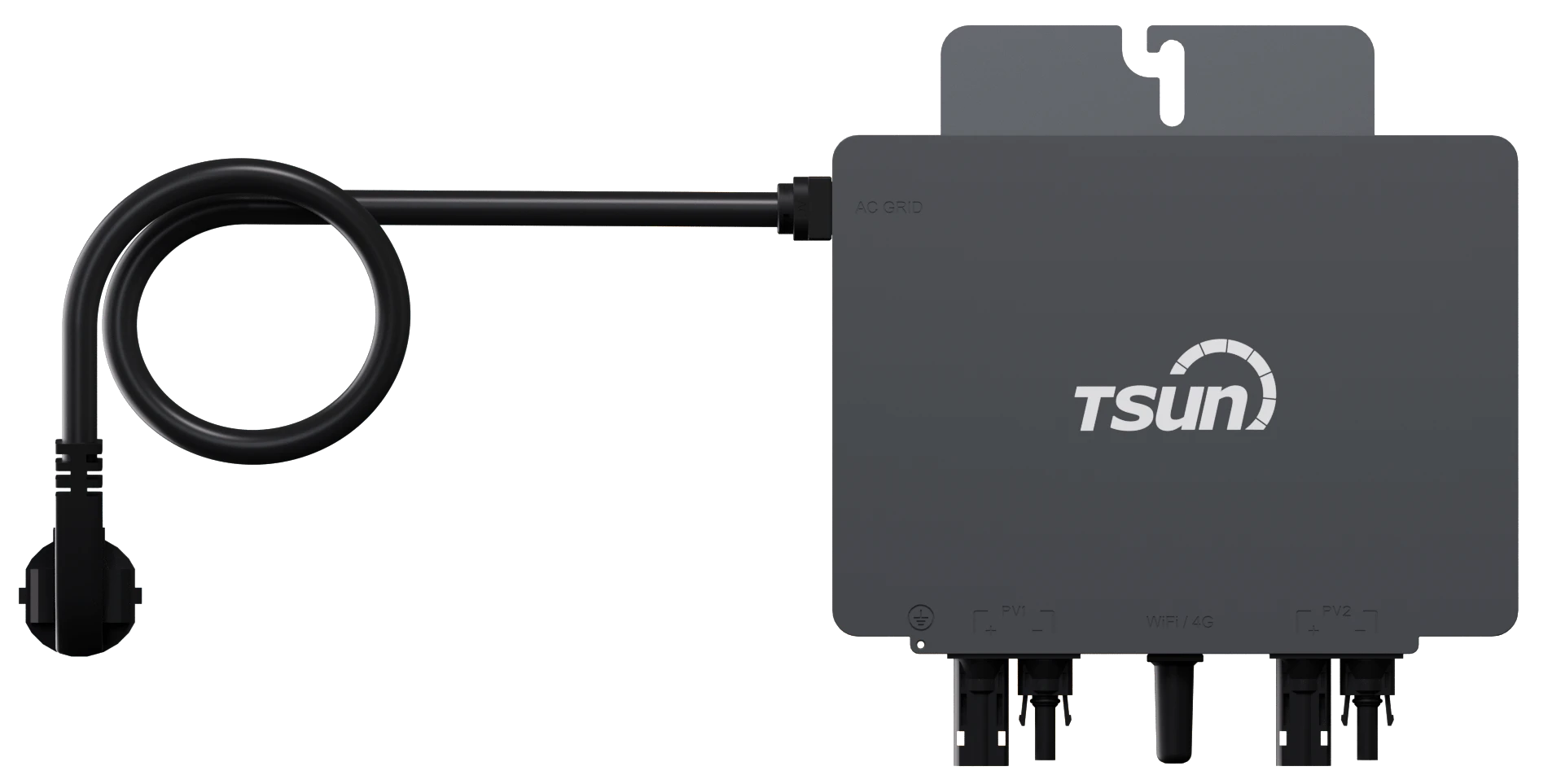
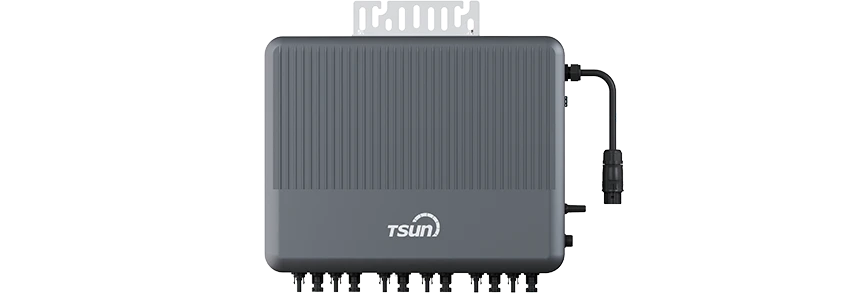
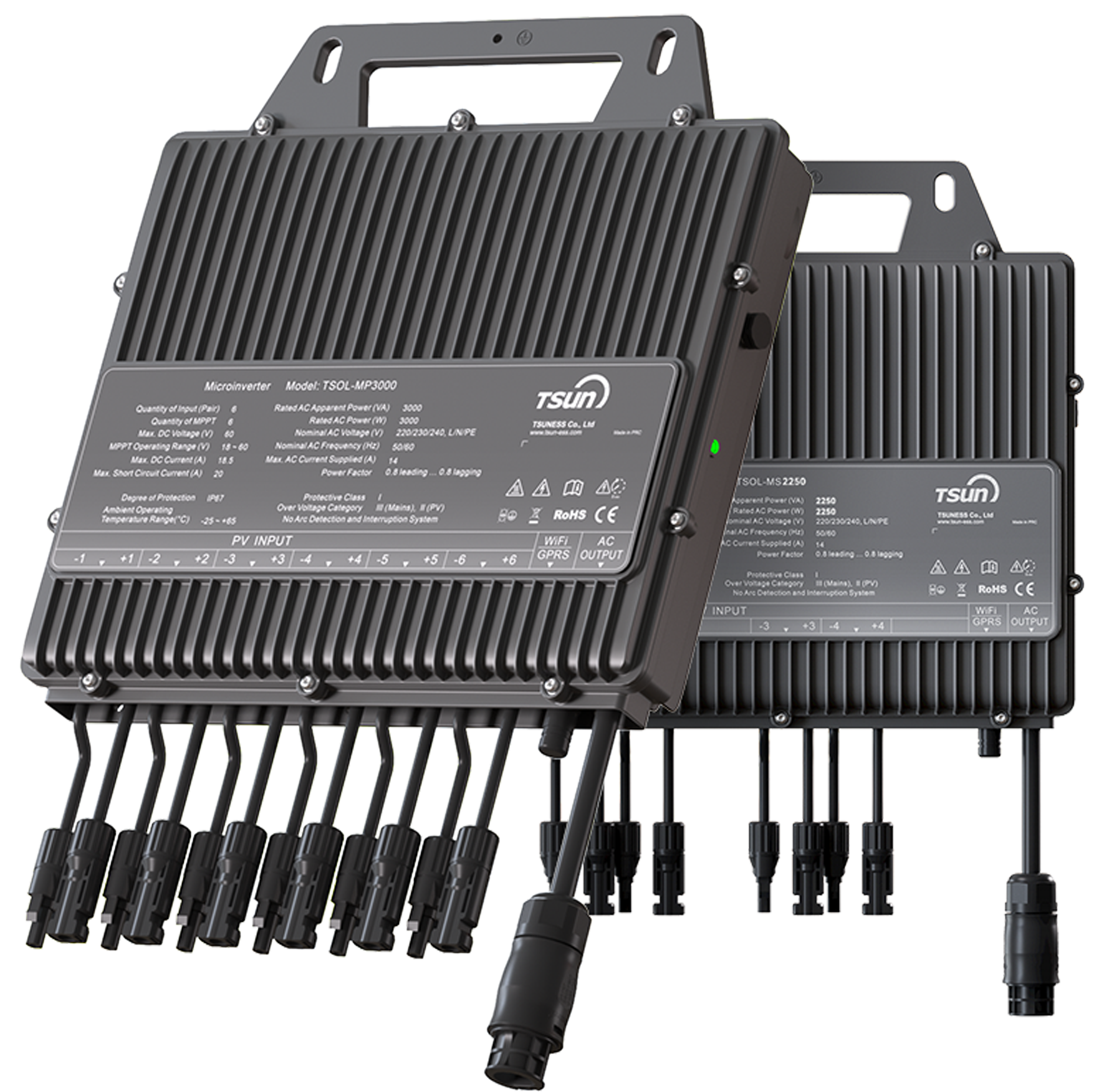
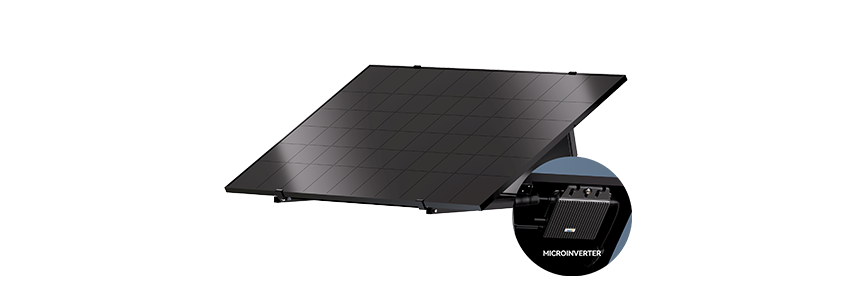
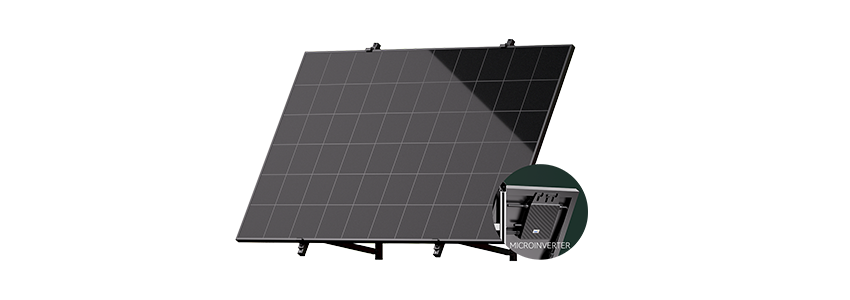
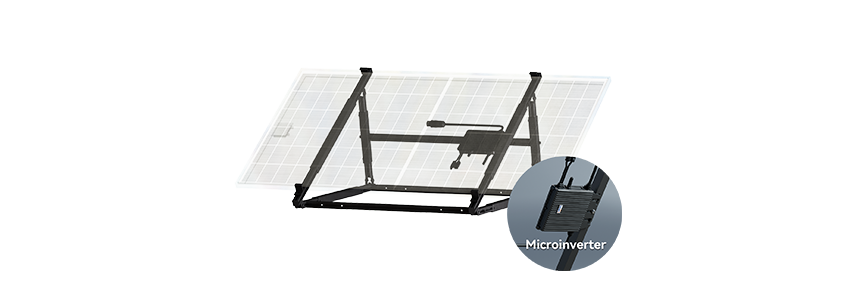
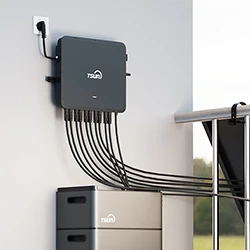
At its core, a solar power microinverter is a device that converts direct current (DC) produced by solar panels into alternating current (AC) that businesses can actually use or feed back to the grid. Unlike traditional string inverters that handle many panels at once, microinverters install on each individual panel, optimizing power output at a granular level.
Technically speaking, these microinverters significantly reduce issues such as shading or panel mismatch that can drag down an entire string's performance. Tsun ESS, known for their robust engineering, offers microinverters designed to deliver steady, high efficiency outputs — often hitting around 96–97% conversion efficiency. Their products typically support input voltages between 18–60 V DC and output power ratings around 250–300 W AC per unit, aligning perfectly with modern solar arrays.
| Specification |
Tsun ESS Microinverter |
| Nominal AC Power | 270 W |
| Max DC Voltage | 60 V |
| Efficiency (CEC) | 96.5% |
| Operating Temp Range | -40°C to 65°C |
| Warranty | 25 years |
For businesses eyeing long-term investment and flexibility, this modular approach lets you scale installations panel-by-panel rather than all at once. It’s kind of like getting a bespoke energy system tailored to site conditions—a particularly smart move in commercial real estate or distributed generation projects.
Oddly enough, many decision makers underestimate how much operational nuance a microinverter can offer. Industrial sectors where shading, rooftop obstructions, or irregular angles affect panel placement — think warehouses, commercial rooftops, and solar carports — particularly benefit. Unlike the conventional approach, a microinverter ensures each panel works at its best even if its neighbors are compromised.
Another edge is fault tolerance. Say one microinverter fails; it only affects a single panel instead of the whole string. Tsun ESS’s microinverters leverage robust electronics and passive cooling to minimize failure rates, making system uptime a lot more dependable — a critical factor for businesses that simply can’t afford energy downtime.
- Ideal for retrofit projects where panel layouts are less uniform.
- Supports monitoring at the module level — meaning businesses can troubleshoot or optimize specific panels remotely.
- Lightweight and compact design simplifies installation and maintenance.
| Feature |
Tsun ESS |
Competitor A |
Competitor B |
| Conversion Efficiency | 96.5% | 95.0% | 94.5% |
| Warranty (Years) | 25 | 20 | 15 |
| Monitoring Capability | Module-Level Remote | String-Level | Module-Level (Limited) |
| Temperature Range | -40°C to 65°C | -20°C to 60°C | -30°C to 55°C |
| Installation Ease | Plug & Play | Complex Wiring | Moderate |
Cost, Maintenance & User Experience
Let’s be frank: the initial price tag for microinverters might look higher compared to string inverters on paper. But in real terms, the total cost of ownership often swings in the microinverter's favor, especially with Tsun ESS’s 25-year warranty and durable design mitigating long-term risks. The modular system reduces downtime and lowers maintenance hassle — two big ticks for busy operations.
Customer feedback across solar installers and B2B clients often highlights how microinverters, particularly from Tsun ESS, simplify troubleshooting. Because power is optimized panel-by-panel, patches or replacements are localized — no need to shut down whole arrays or undergo costly string-level diagnostics. This saves not just money, but also precious operational hours.
Overall, the ROI tends to come through in improved energy yield and reduced servicing costs. One client, a large storage facility, reported a 12% performance boost over their previous string inverter system, alongside zero unplanned outages in 18 months — a reassuring figure when uptime is non-negotiable.
Sustainability & Market Trends
Industry dynamics clearly favor microinverters as sustainability takes center stage across sectors. Governments worldwide increasingly incentivize clean, efficient solar installations, modestly but surely nudging businesses toward smarter systems. The flexibility and efficiency gains offered by microinverters like those at Tsun ESS deliver carbon reductions not just in operations, but also in manufacturing and logistics by enabling smaller, more modular arrays.
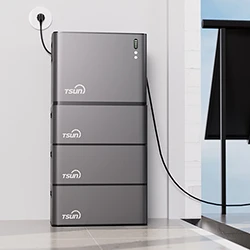
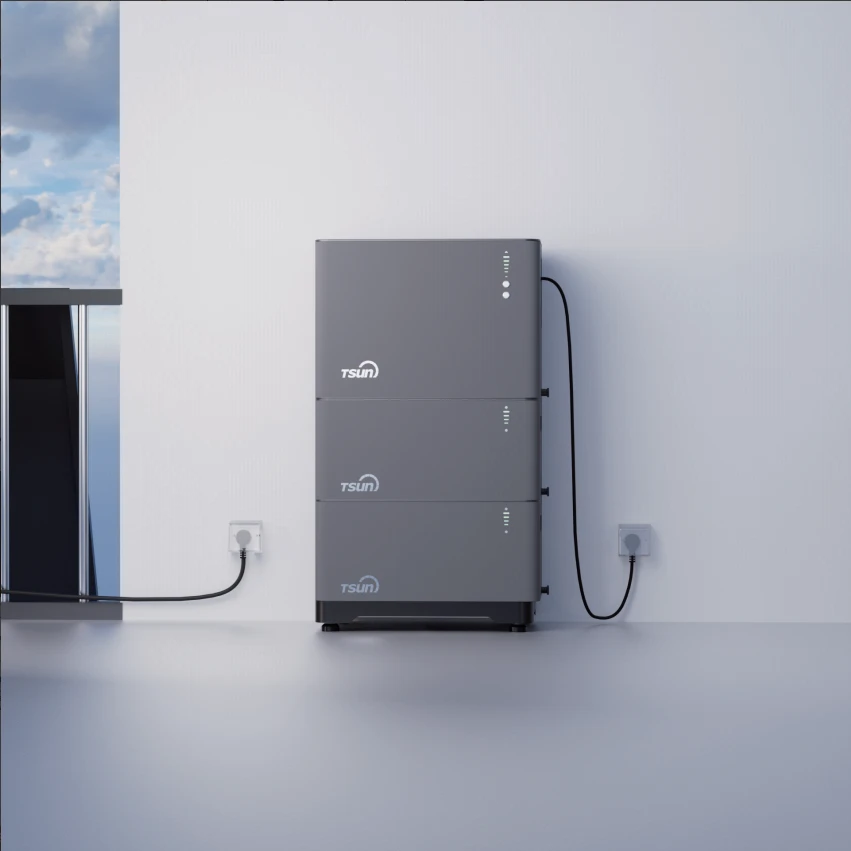
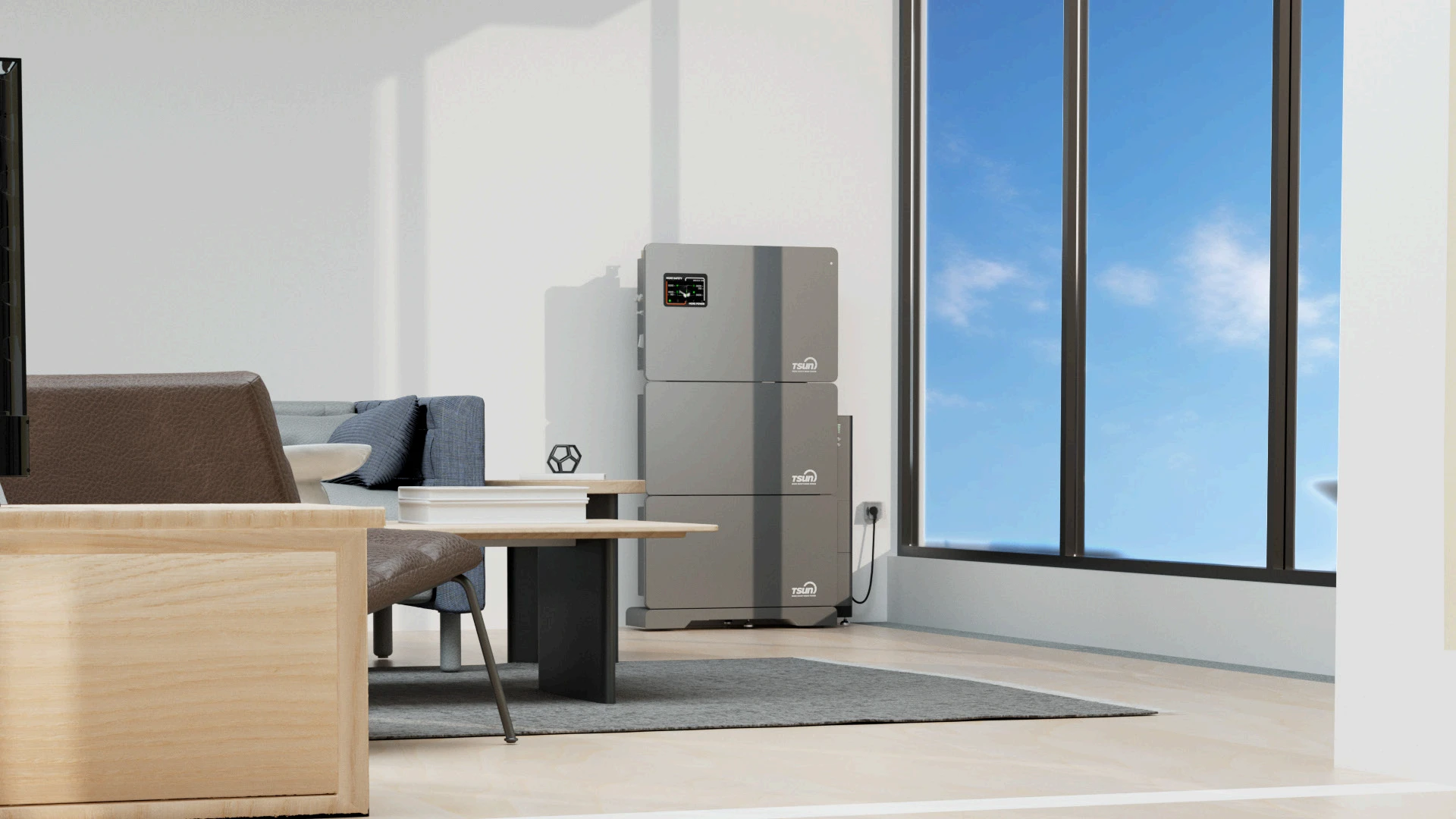
Moreover, as energy markets decentralize, businesses seek systems that can integrate easily with battery storage and smart grids – another area where microinverters shine by design. You could say market analysts often view them as a pivotal component of the future-proof energy ecosystem. So, while still a fraction of total solar installations globally, their share is growing fast.
Frequently Asked Questions about Solar Power Microinverter
- What is Solar Power Microinverter and how does it work?
-
A solar power microinverter is a small device attached to each solar panel that converts direct current (DC) into alternating current (AC), which is usable by businesses or fed back to the grid. Unlike traditional string inverters handling many panels, microinverters optimize each panel’s output individually for better efficiency.
- What are the main benefits of using Solar Power Microinverter in industrial applications?
-
The key benefits include enhanced energy harvest due to panel-level optimization, improved system reliability by isolating faults, and easier maintenance given module-level monitoring and control. Durability and long warranties add to cost-effectiveness.
- How does Solar Power Microinverter compare to traditional alternatives?
-
Compared with string inverters, microinverters offer better individual panel management, minimize impacts of shading and mismatches, and improve uptime. While initially more expensive, they reduce maintenance and deliver greater operational resilience.
- What industries can benefit most from Solar Power Microinverter implementation?
-
Industries with complex rooftops or shading challenges — commercial real estate, logistics, solar carports, and manufacturing facilities — can greatly benefit. Many organizations deploying solar in these segments have realized improved energy harvest and maintenance savings with microinverters.
Conclusion on Solar Power Microinverter from China
To wrap up, solar power microinverters clearly bring a strong mix of efficiency, flexibility, and reliability to the table — all which are crucial for today’s demanding industrial applications. Tsun ESS stands out in this field, combining proven technology with durability and comprehensive warranties that business buyers appreciate. For organizations planning solar projects serious about ROI and operational uptime, these microinverters deserve a close look.
Oddly enough, solar tech innovations keep getting smarter — and microinverters are quietly leading the charge on making solar accessible and efficient at scale.
- Tsun ESS Product Documentation, 2024
- International Renewable Energy Agency (IRENA) Reports on Solar Market Trends, 2023
- Industry Feedback: Solar Installers and B2B Solar Decision Makers, 2023 Survey



 LEARN DETAILS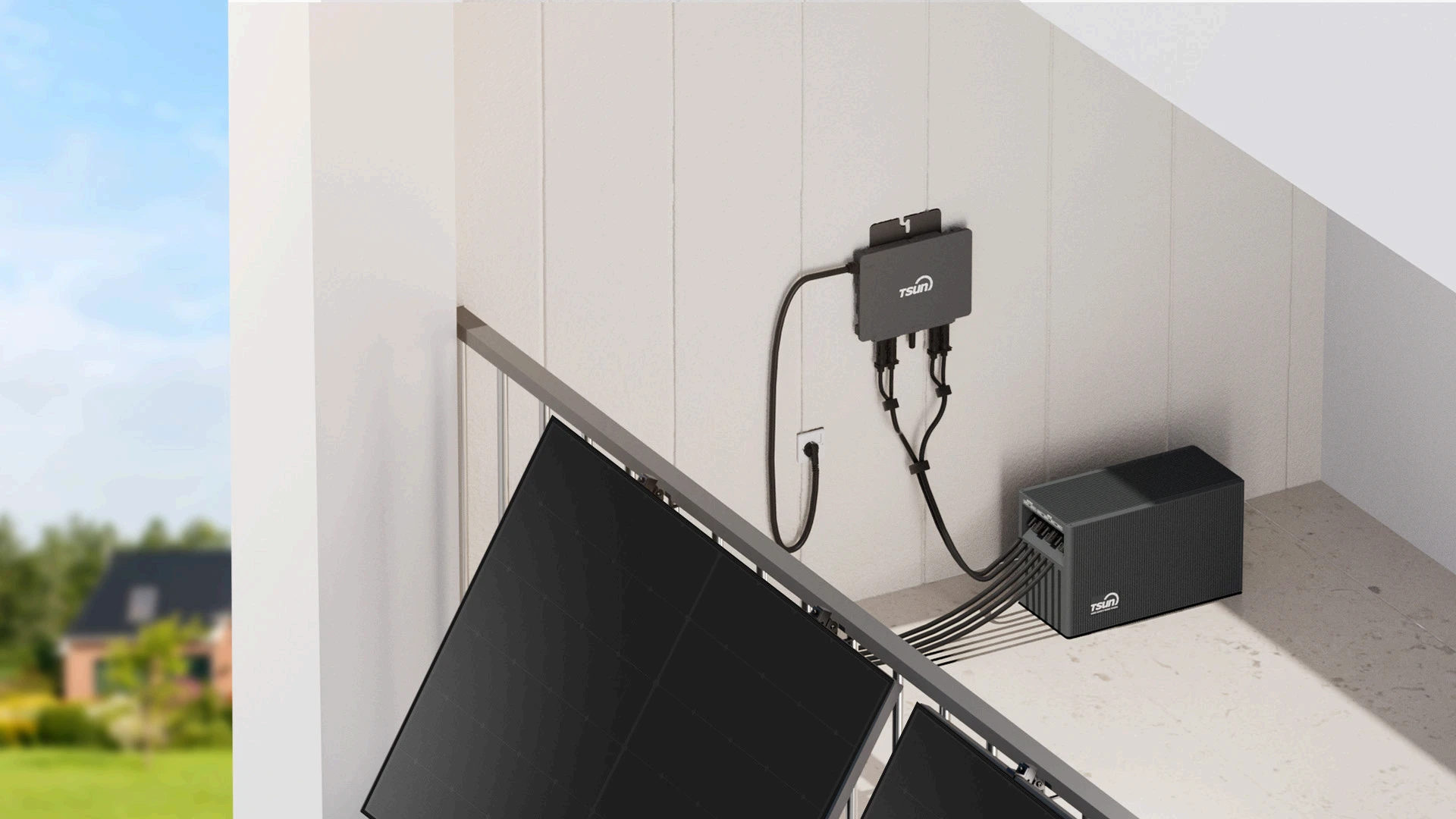
 Downloads
 Video Center
 Report Fault for Repair
 FAQS
FAQS Service Network
 Privacy Policy
 Contact Us
 Monitoring


 LEARN MORE