Solar Cell Microinverter: Why It’s a Game-Changer in Industrial Solar Solutions
Having spent well over a decade dabbling in industrial equipment—especially within the solar energy sector—I’ve seen firsthand how small innovations quietly reshape the whole field. The solar cell microinverter is one of those innovations. It’s not flashy, but it’s efficient, reliable, and frankly, kind of elegant in design. I remember when string inverters were the only game in town; today, microinverters have steadily carved out their niche, and for good reason.
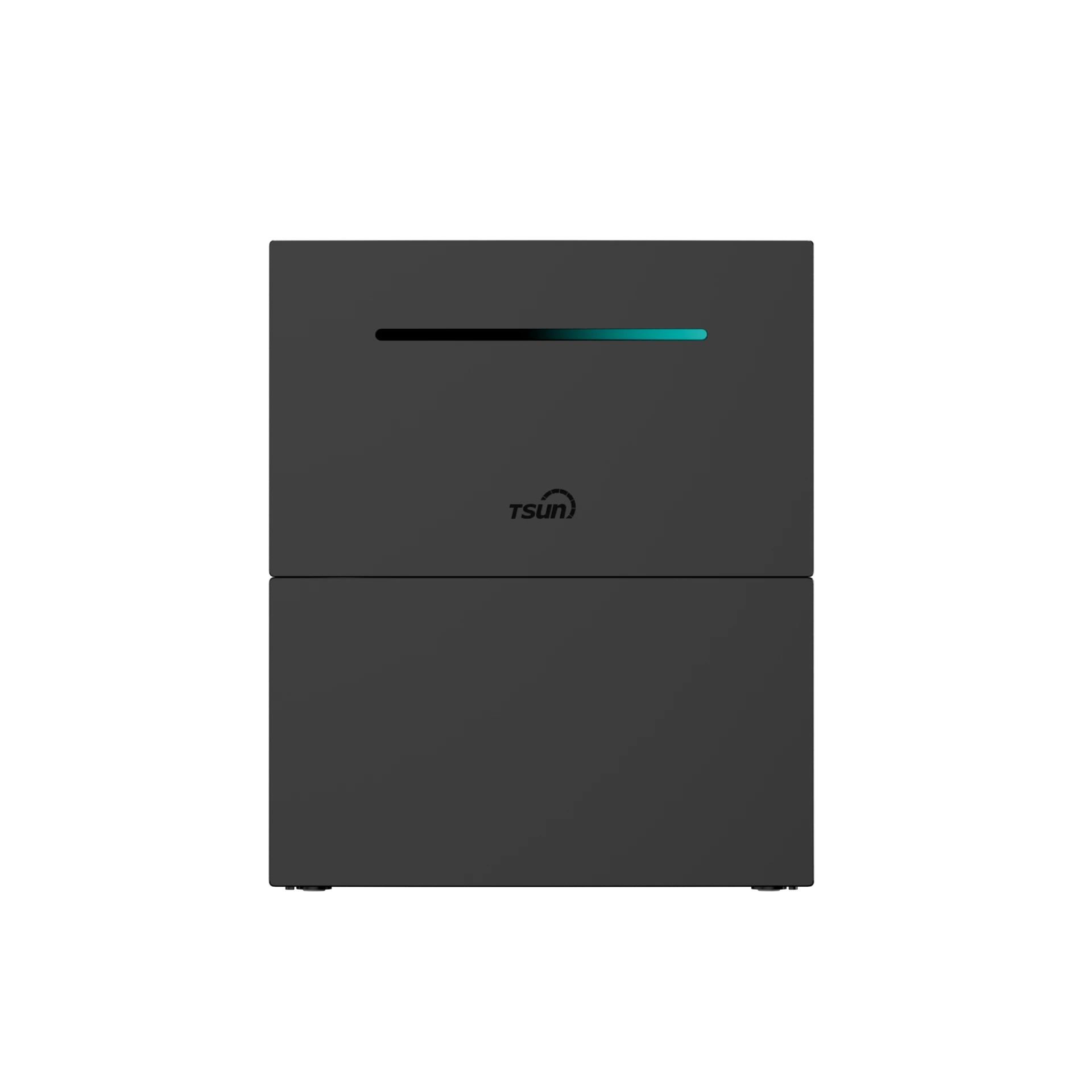
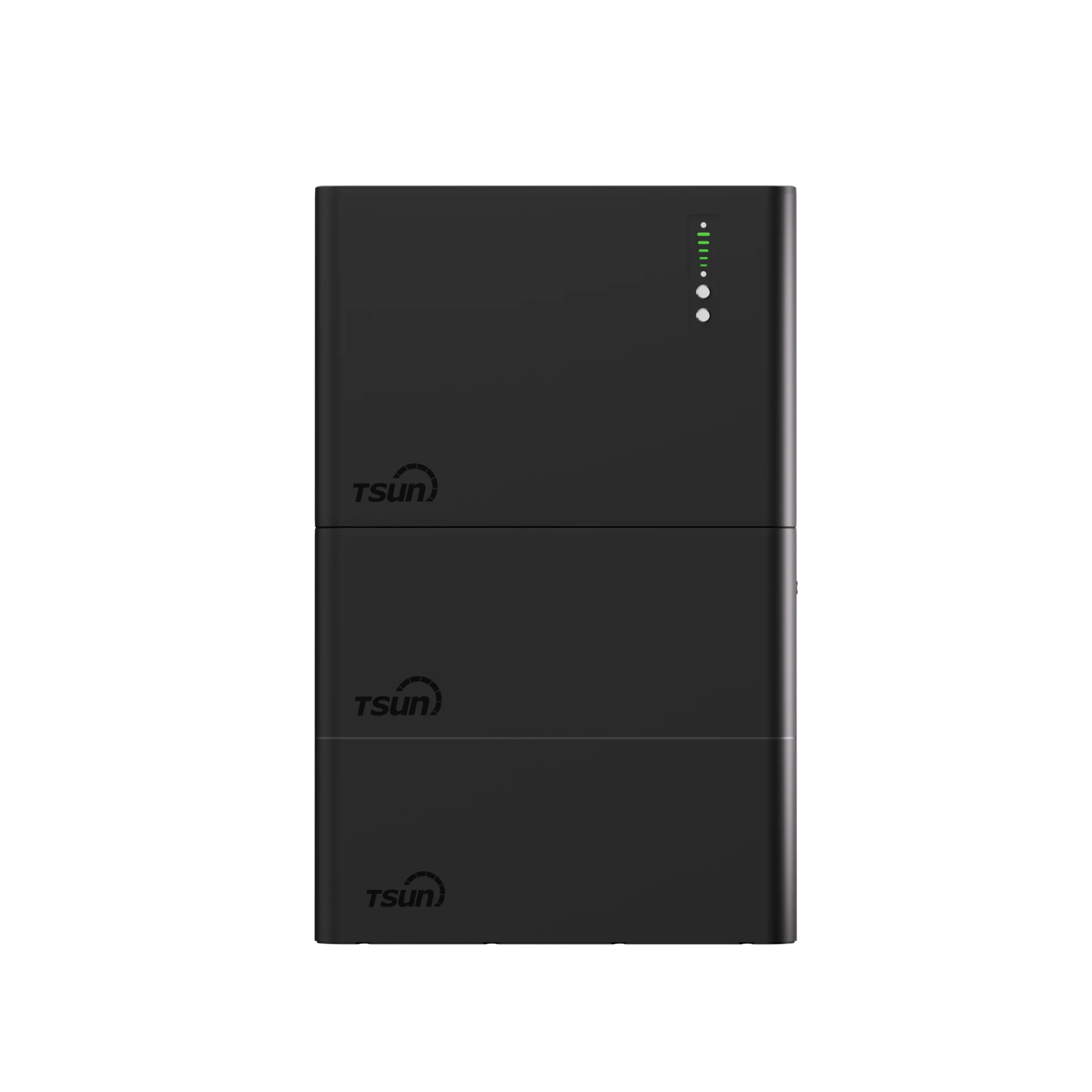
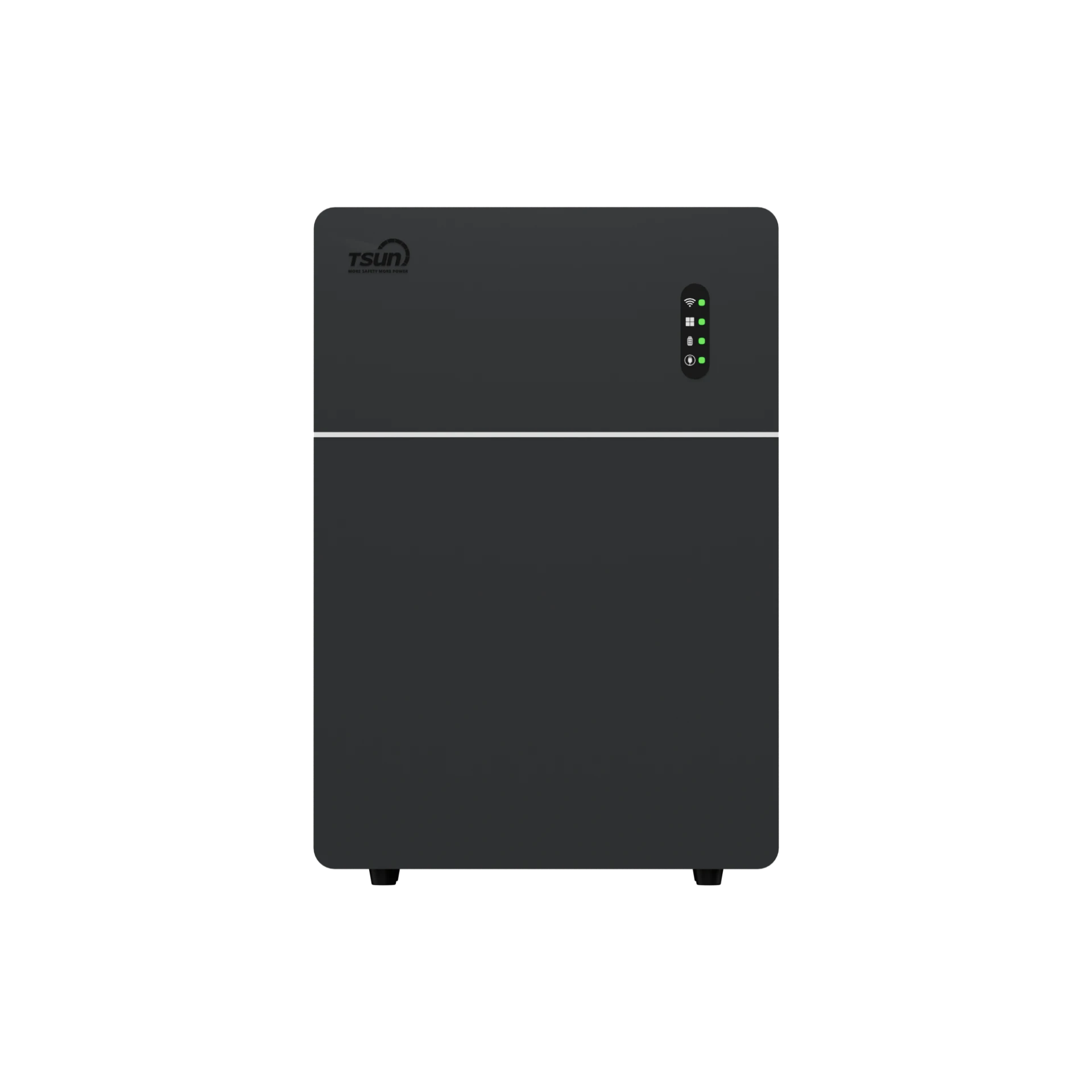
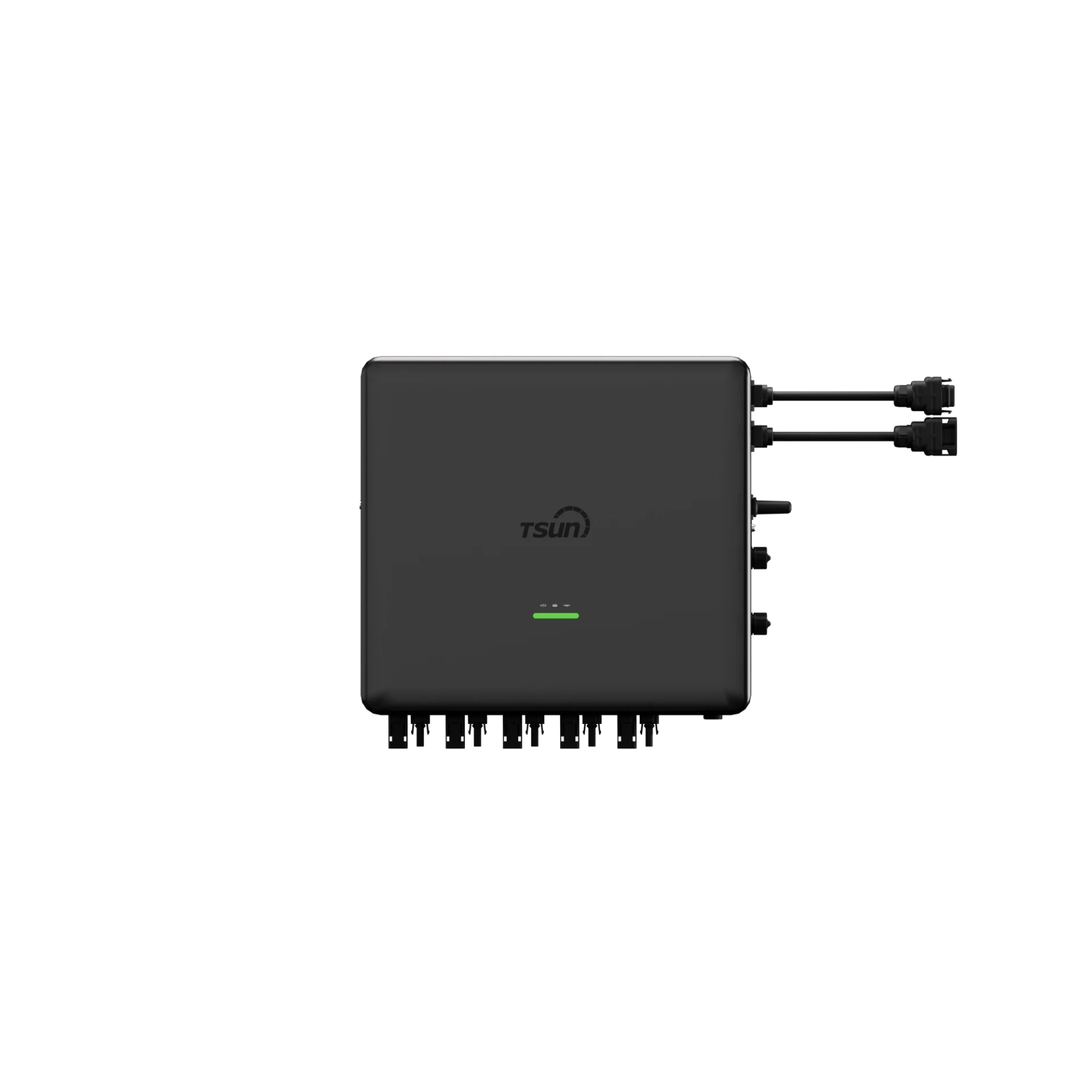
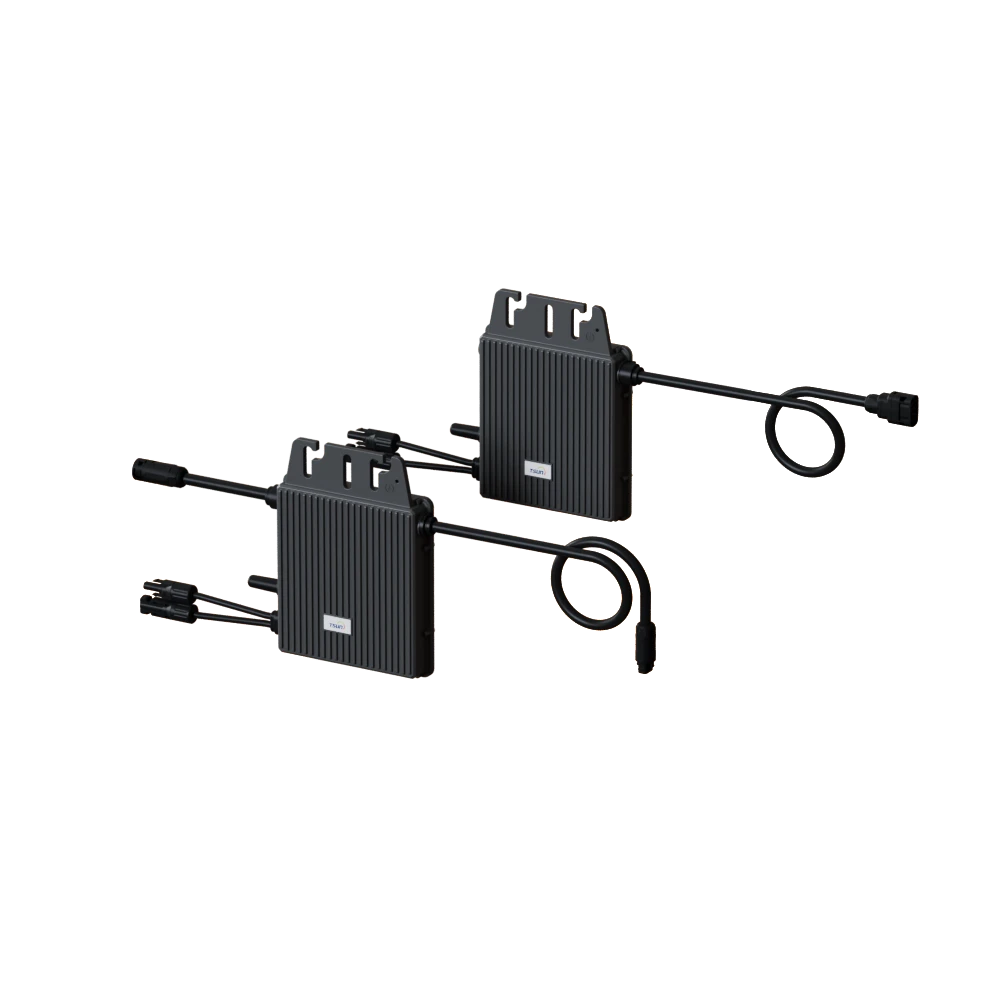
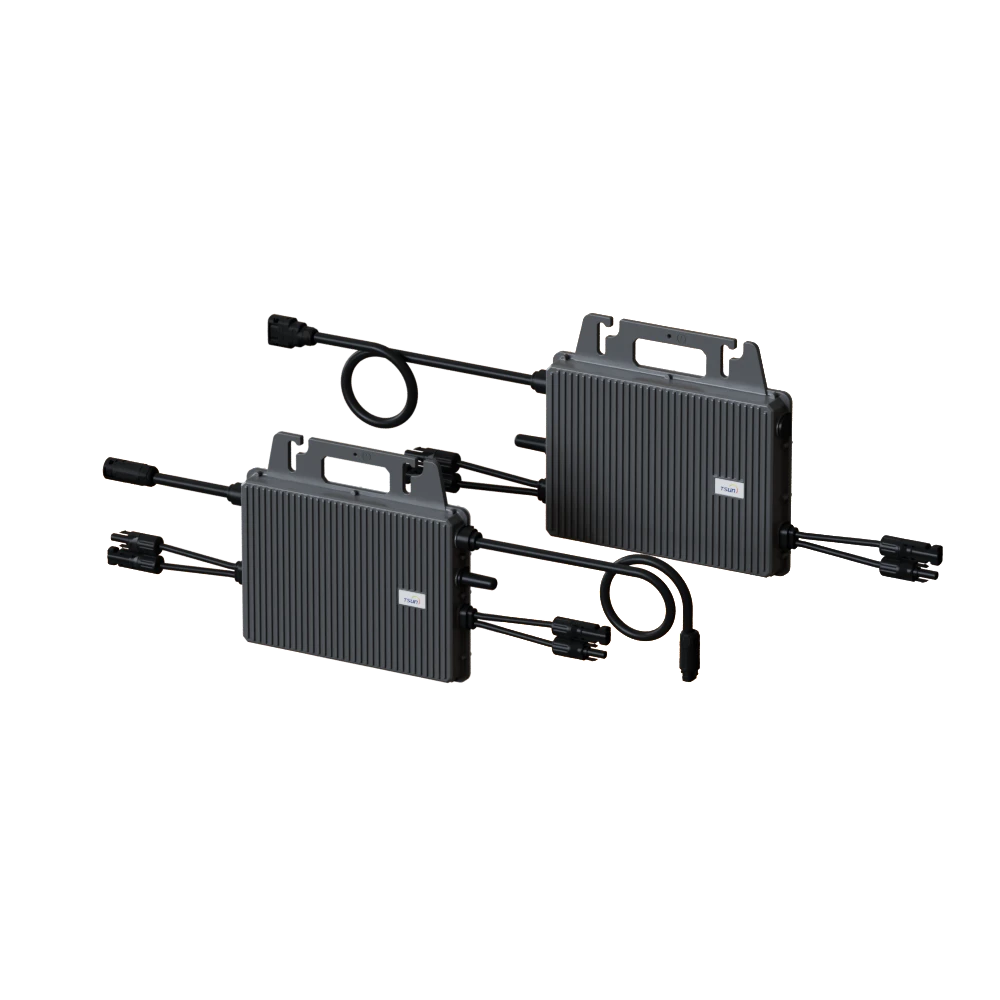
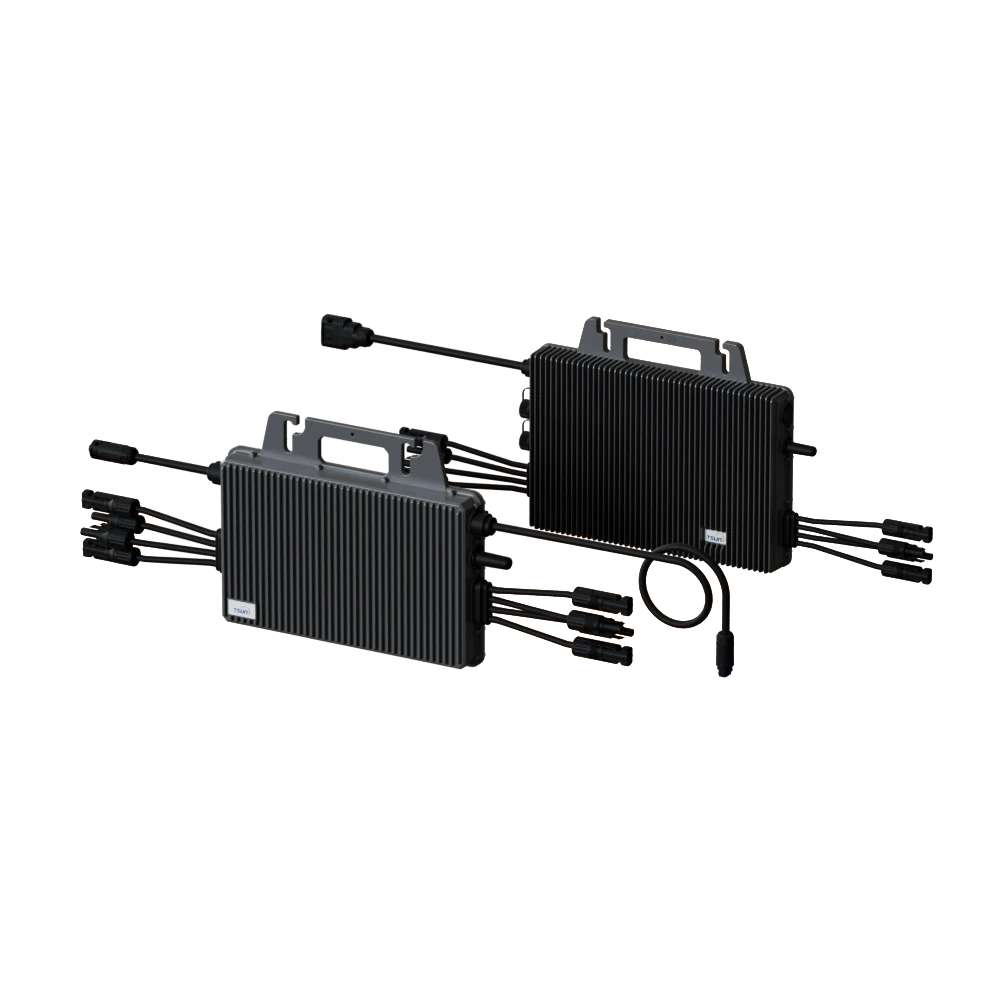
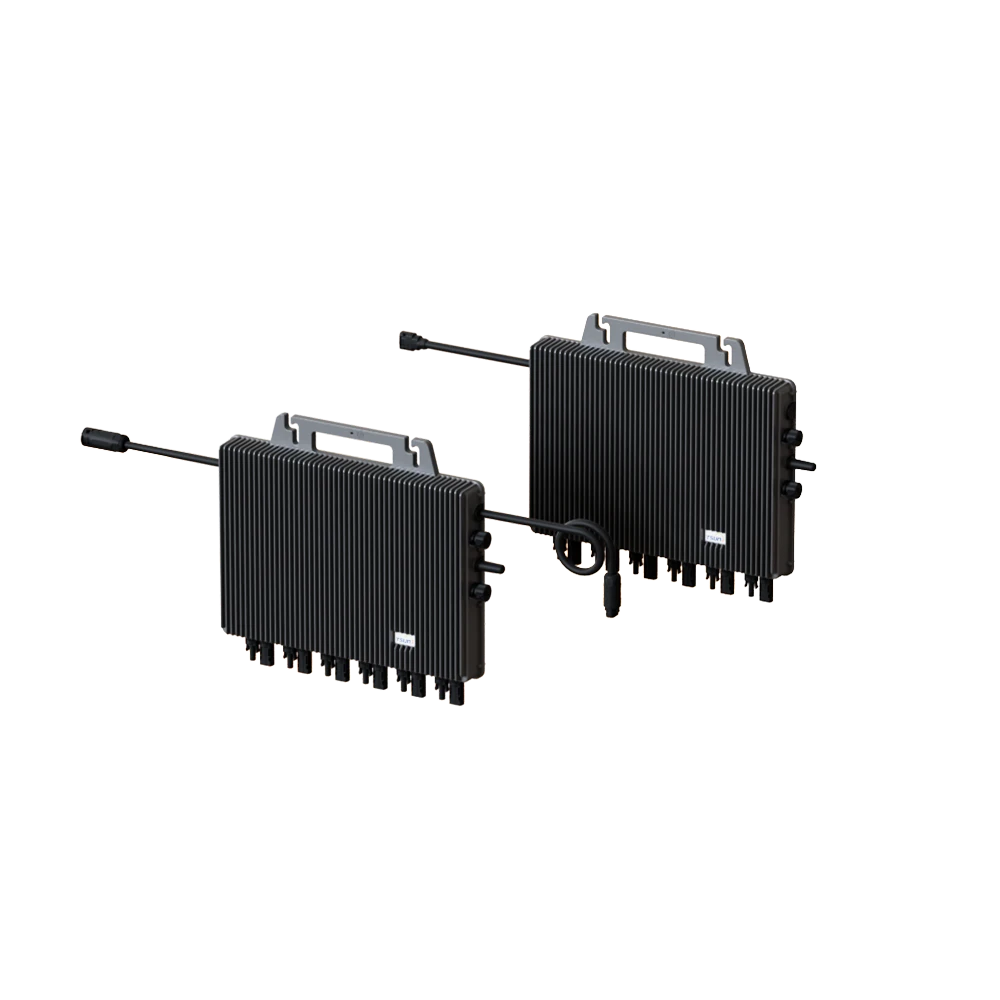
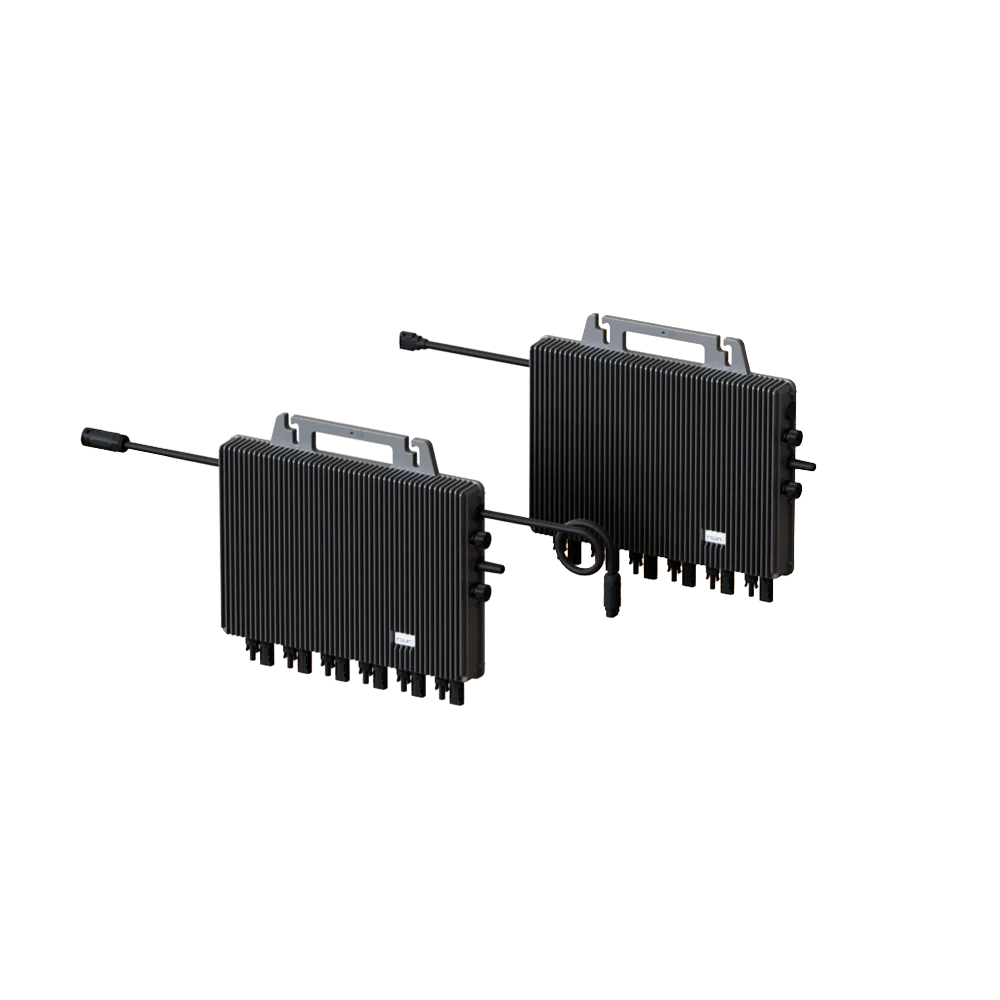
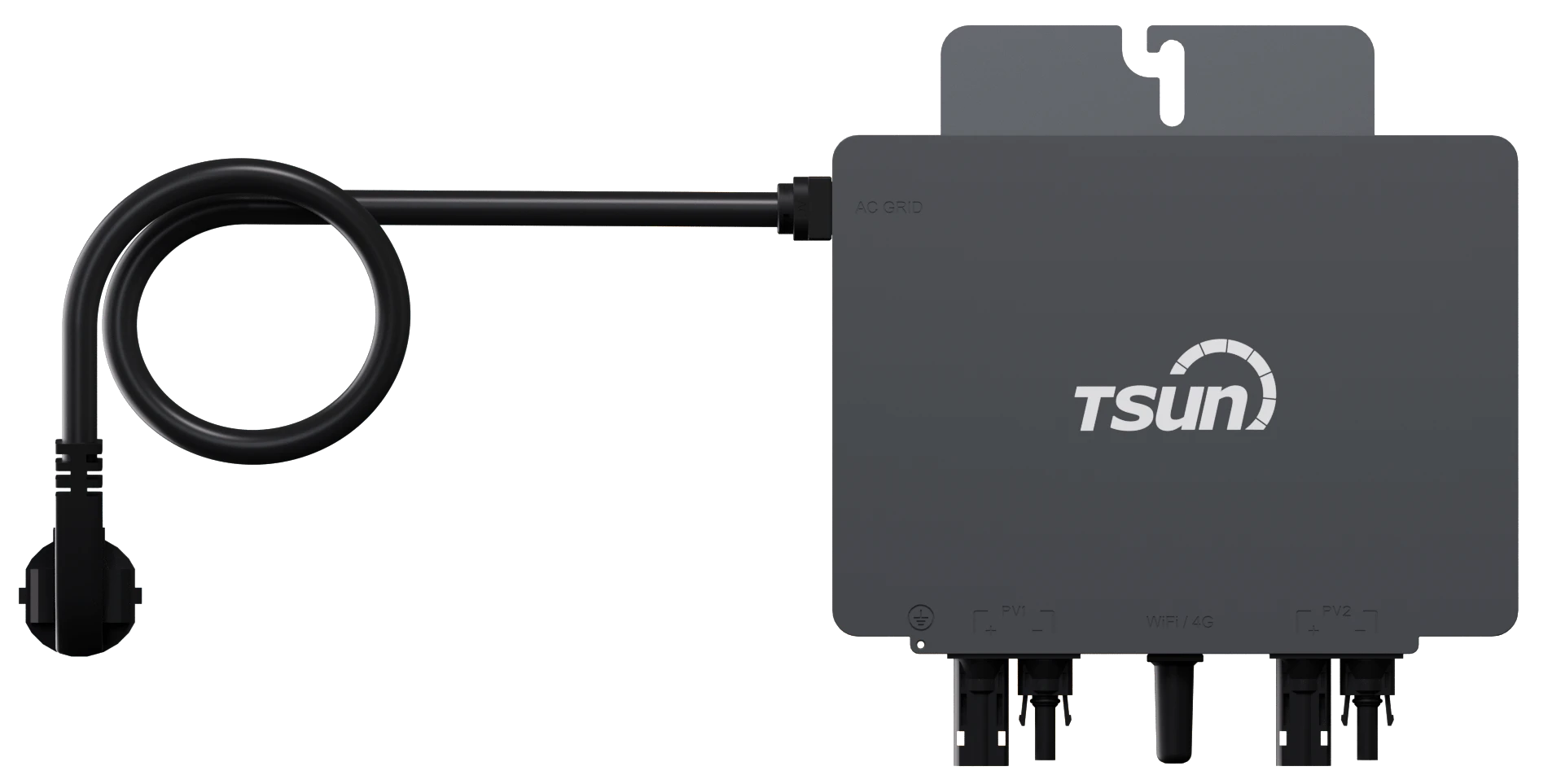
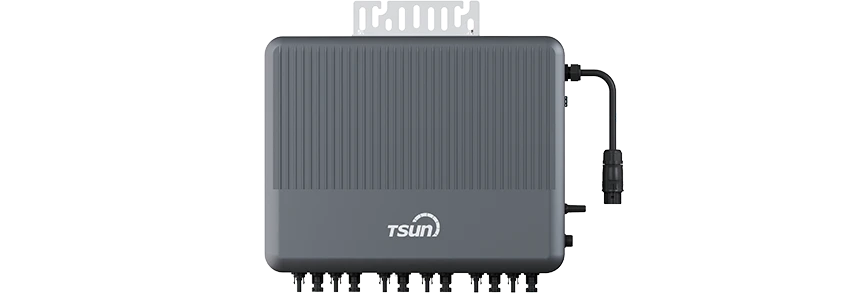
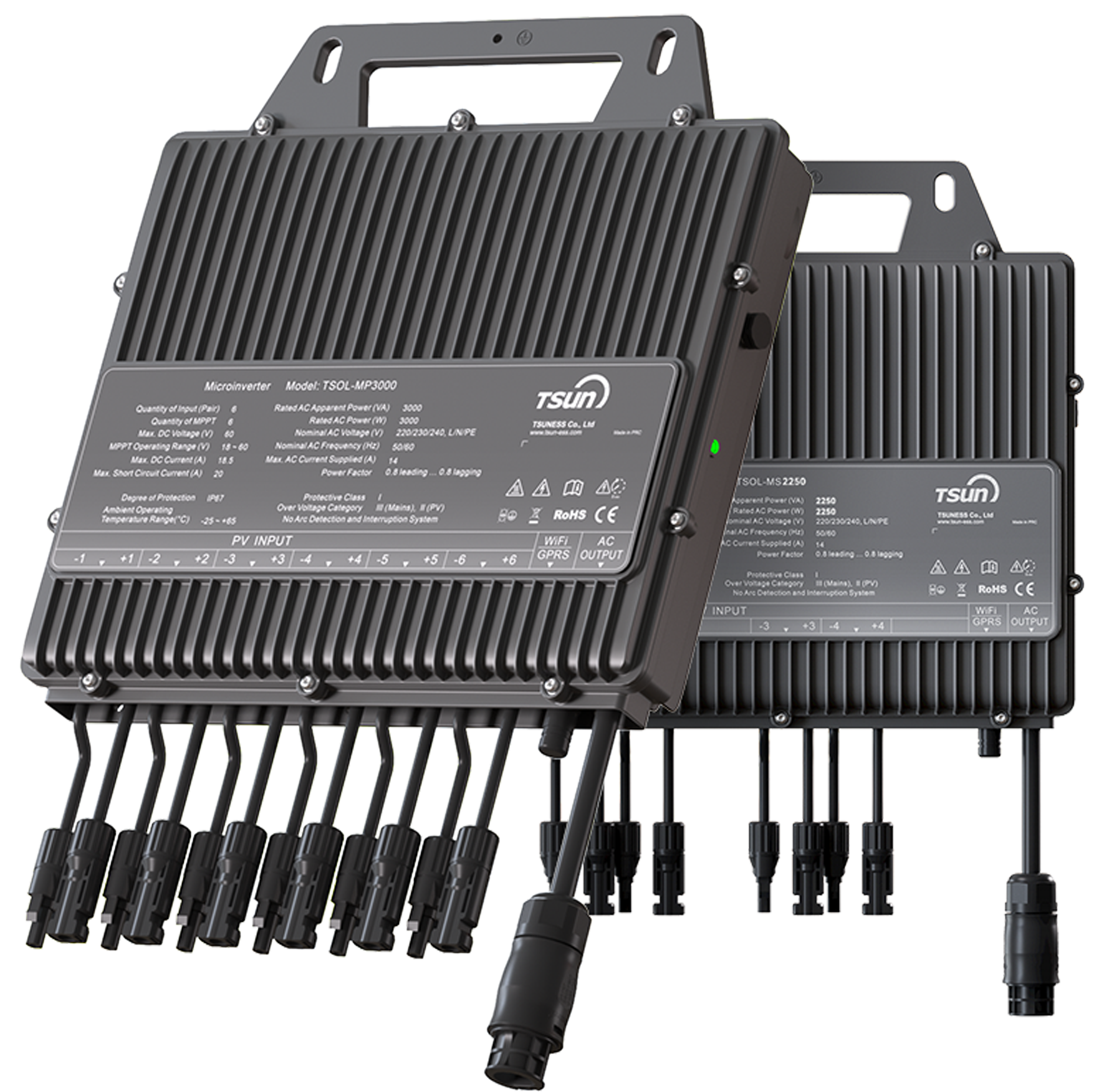
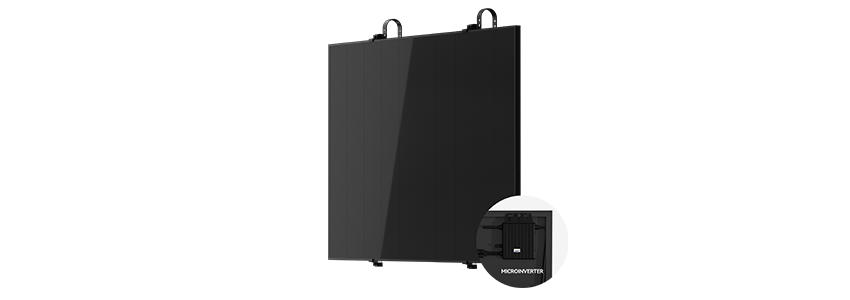
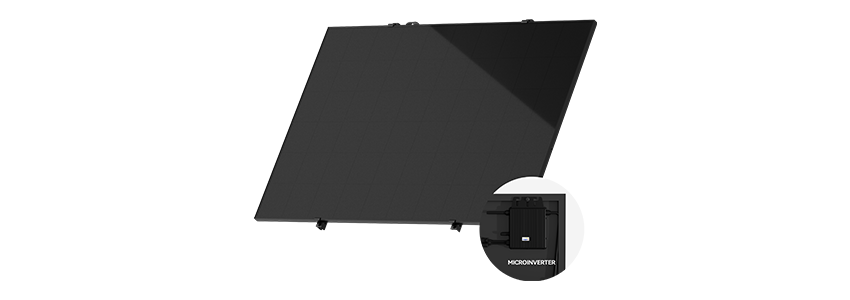
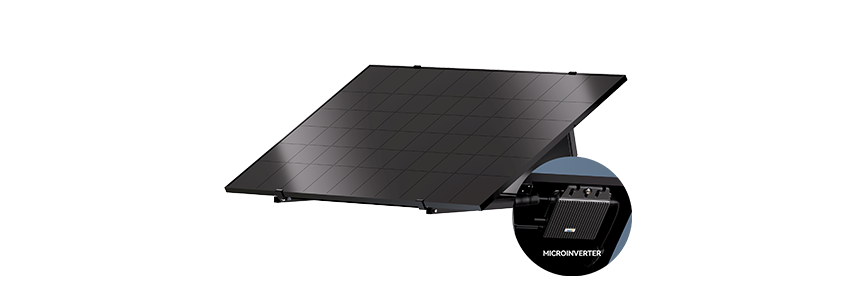
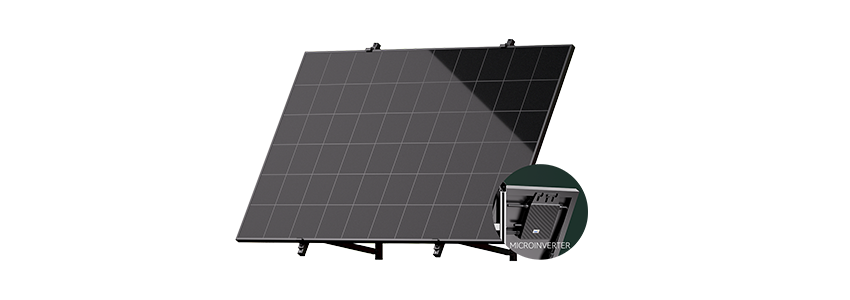
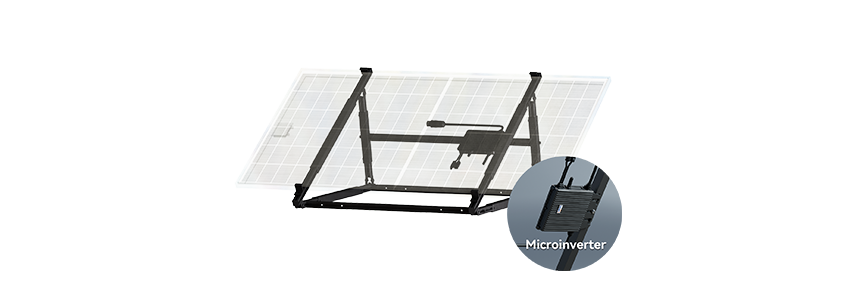
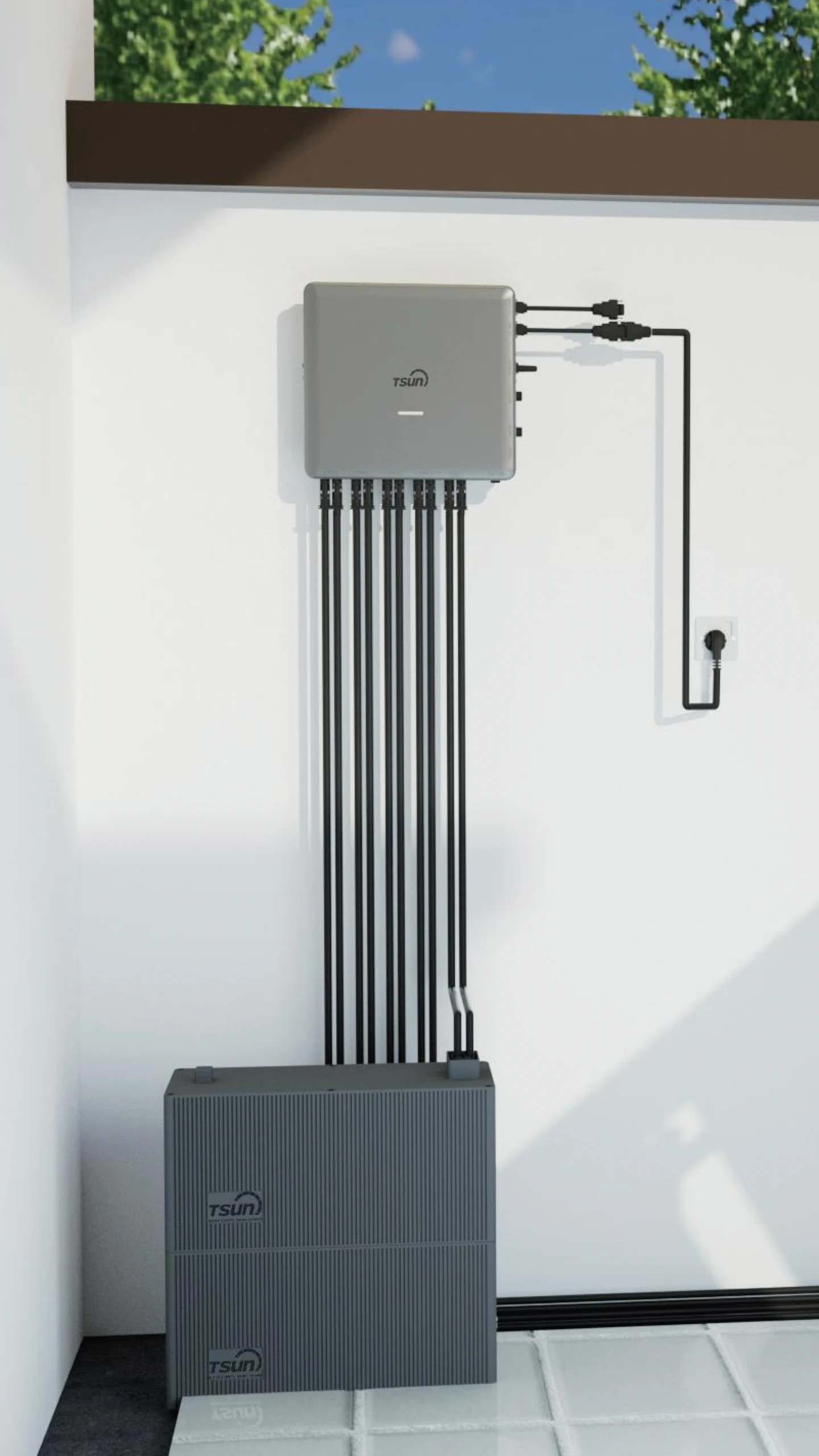
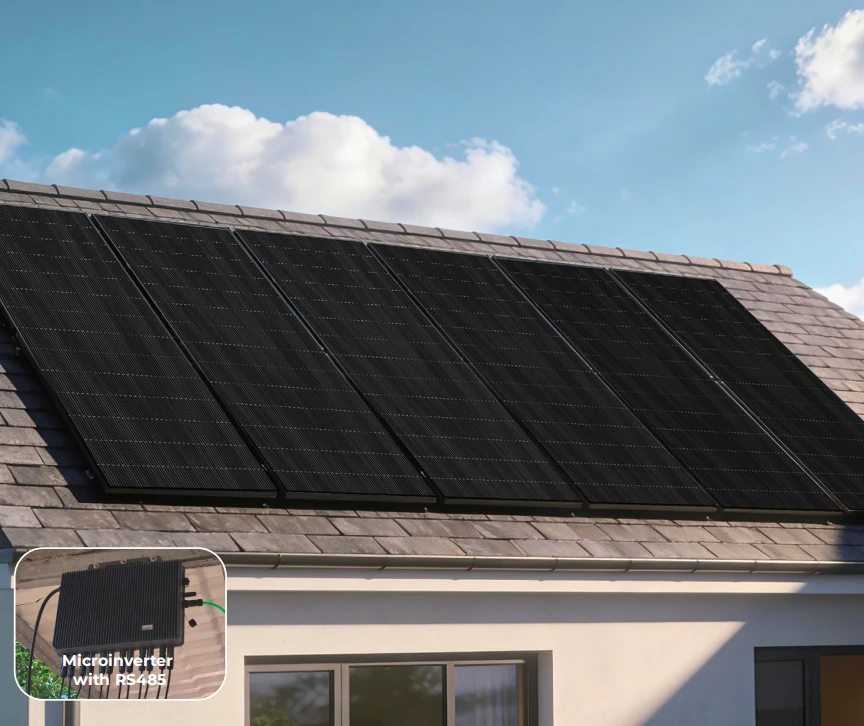
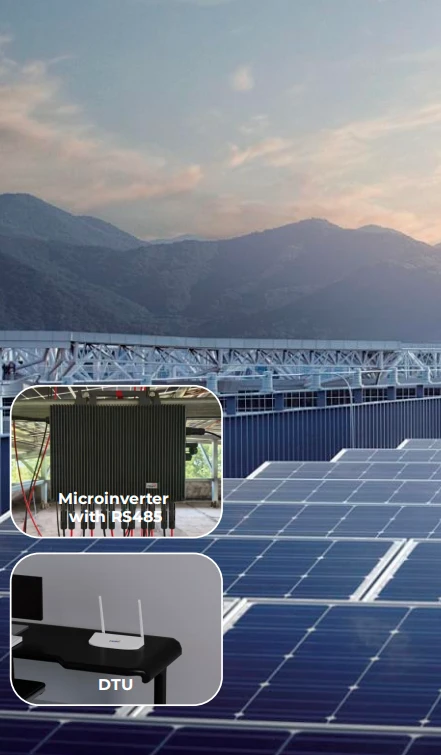
For those new to the concept, microinverters are compact electronic devices that convert the DC power generated by a single solar panel into AC power—right at the panel itself. This decentralized approach contrasts with traditional string inverters that handle large strings of panels together. The practical upside is pretty straightforward: increased energy harvest, better panel monitoring, and enhanced safety.
What surprises many first-timers is how these microinverters handle fluctuations better, especially under partial shading or panel mismatch—common issues in industrial and commercial arrays. Also, they’re built tough. Most models have anodized aluminum housing with weatherproof ratings like IP65 or better, standing up to the blazing sun, rain, and even frost. I once tested a batch installed on a coastal facility, and despite salty air and windy storms, they performed flawlessly. That durability really assures clients.
Typical Solar Cell Microinverter Specifications
| Spec |
Details |
| Input DC Voltage Range |
18 V - 60 V |
| Output AC Voltage |
208 V / 240 V (Grid dependent) |
| Maximum Output Power |
250 W – 300 W |
| Efficiency |
~96% - 97% |
| Operating Temperature Range |
-40°C to +65°C |
| IP Rating |
IP65 or better |
| Communication |
Wireless / Powerline |
Now, odd as it sounds, what really wins me over with certain microinverters is their scalability and modularity. In an industrial setting, when you're dealing with hundreds or thousands of panels, the ability to replace, upgrade, or troubleshoot one panel’s inverter without shutting down the entire string is a huge operational plus. It cuts downtime and keeps the production line humming—a detail many engineers swear by.
But let’s be honest, not all microinverters are created equal. So I’ll share a simple, no-nonsense vendor comparison I've gathered from multiple projects to help figure out who’s got the real deal. This might save you a few headaches down the line:
Microinverter Vendor Comparison
| Vendor |
Typical Efficiency |
Warranty |
Communication |
Price Range (per unit) |
| Vendor A |
96.5% |
12 years |
Wireless (Wi-Fi) |
$75 – $90 |
| Vendor B |
97% |
15 years |
Powerline |
$85 – $100 |
| Vendor C |
95.8% |
10 years |
Wired Ethernet |
$70 – $80 |
One thing I’ve noticed while working directly with installers is that the ease of setup and integration with monitoring software often tips the balance. For instance, Vendor B’s powerline communication system can be a lifesaver when you’re on a noisy industrial site, and their longer warranty tends to reflect actual product confidence. That said, price-sensitive projects might lean toward Vendor A or C, depending on overall system complexity.
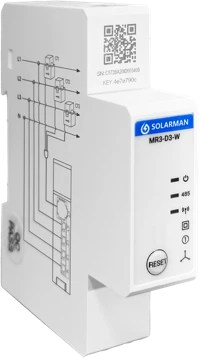
From a customization standpoint, microinverters give engineers and system designers a lot of breathing room. Adjusting power limits, setting safety cutoffs remotely, and individual panel analytics all feed into smarter maintenance cycles. I remember a client with a complex rooftop array delightedly telling me how their annual downtime dropped by nearly 30% post microinverter retrofit. That kind of real-world impact is what matters most.
Of course, no tech is perfect. Microinverters add complexity and cost upfront compared to string inverters, and installation requires more work detail. But the long-term gains—especially for industrial sites aiming for tight uptime and maximum ROI—often outweigh those considerations. Many engineers I talk to assure me that microinverters will become standard in large-scale solar arrays sooner than later.
In real terms, if your facility is wrestling with partial shading, complex panel layouts, or plans phased expansions, looking into a solid solar cell microinverter solution might just be the best technical move you make this year. Plus, it feels like investing in a bit of future-proofing—something I always encourage.
Before I sign off, remember that product specs and vendor capabilities are evolving quickly, so keep an eye out for new innovations and always validate specifics with suppliers. And if you get to see one up close, I highly recommend it—the tech truly is fascinating when you consider how much power and control they pack into a small box.
Bottom line: the microinverter isn’t just a component, it’s a smart upgrade that’s quietly transforming industrial solar installations every day.
References:
- International Renewable Energy Agency (IRENA) reports on solar PV technology trends.
- Vendor datasheets & whitepapers (Vendor A, B, C official sites).
- Industry workshops and conversations with solar field engineers (2015–2023).



 LEARN DETAILS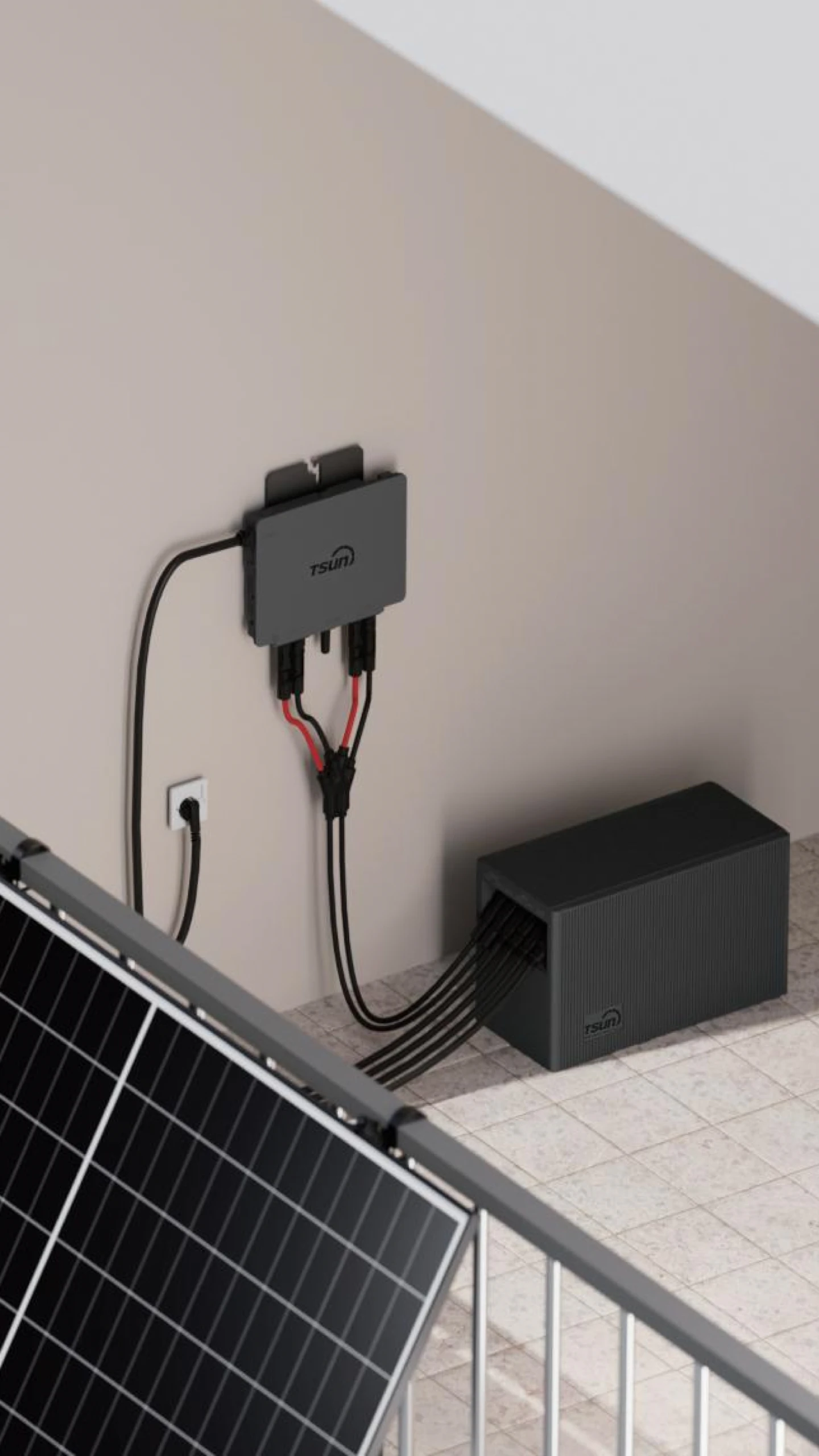
 Downloads
 Video Center
 Report Fault for Repair
 FAQS
FAQS Service Network
 Privacy Policy
 Contact Us
 Monitoring


 LEARN MORE