Exploring Solar Systems With Microinverters: Real-World Insights
Having spent a fair amount of time in the industrial equipment sector, I've come to appreciate how subtle innovations can reshape entire fields — the solar power industry being no exception.
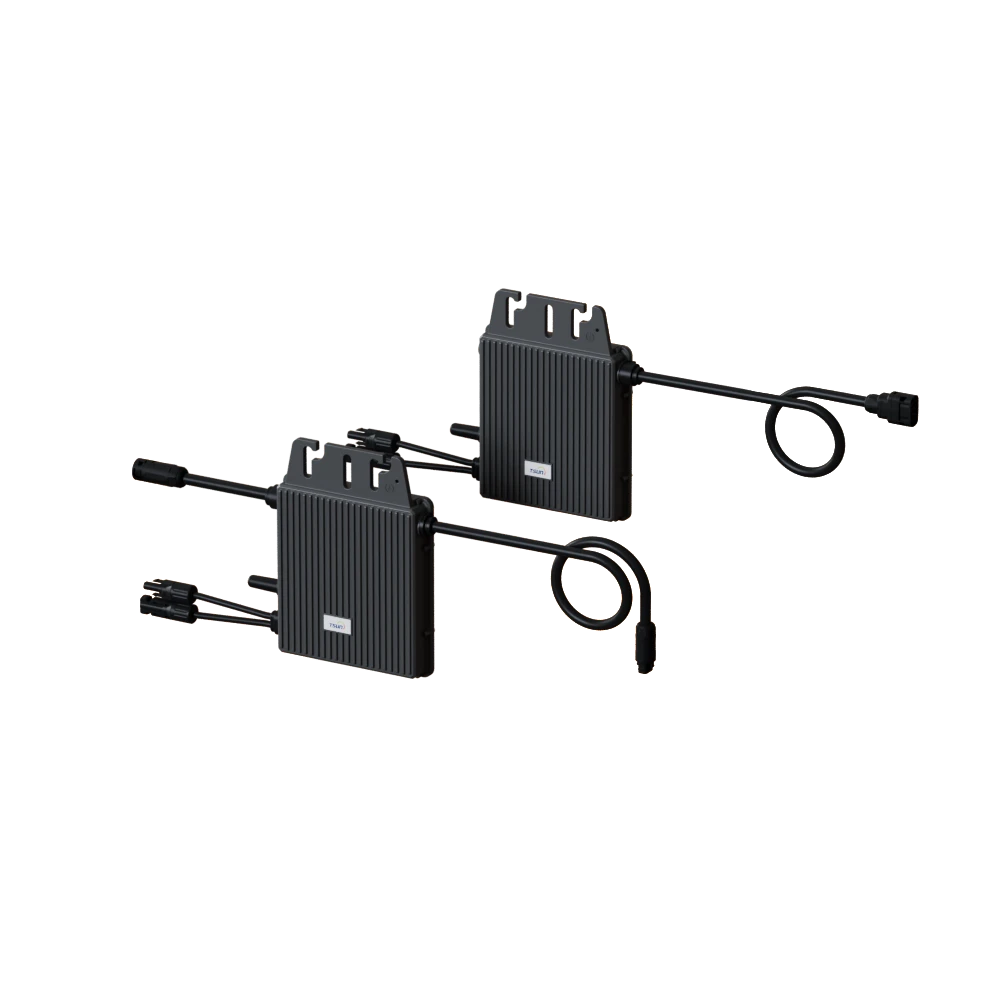
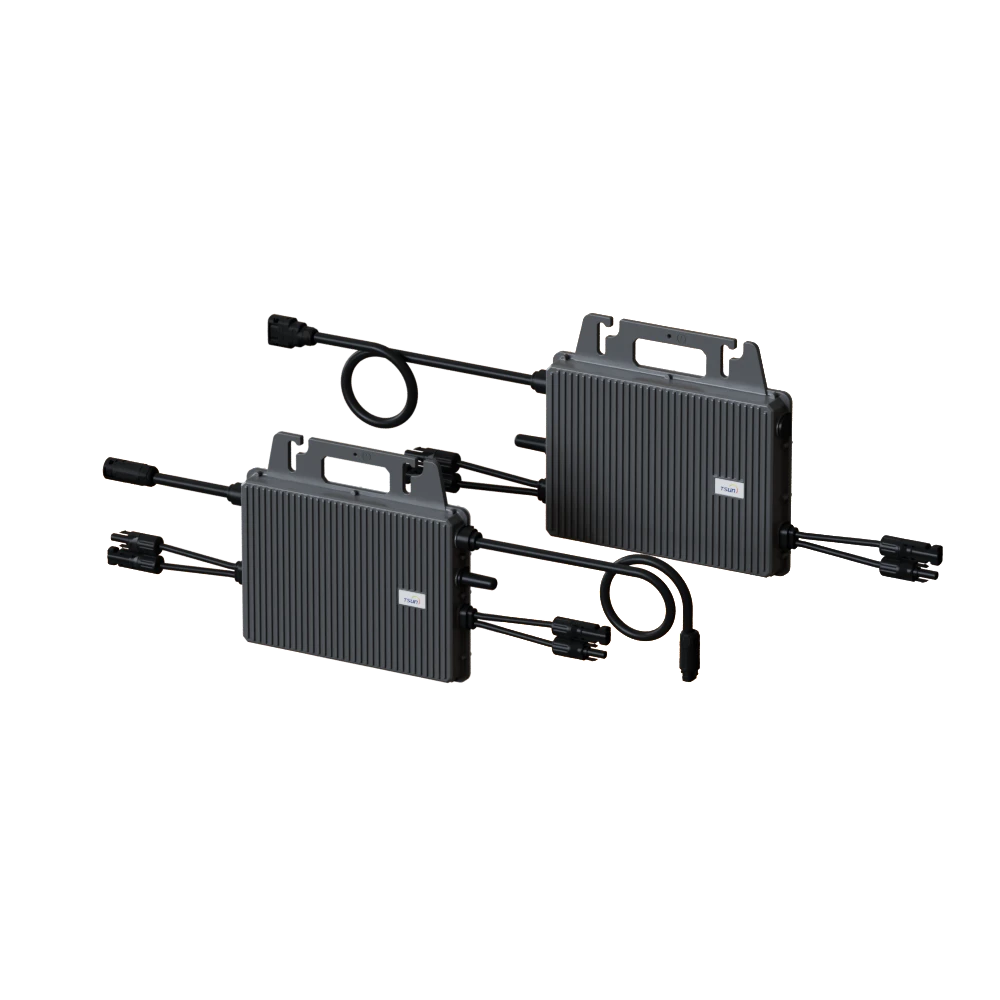
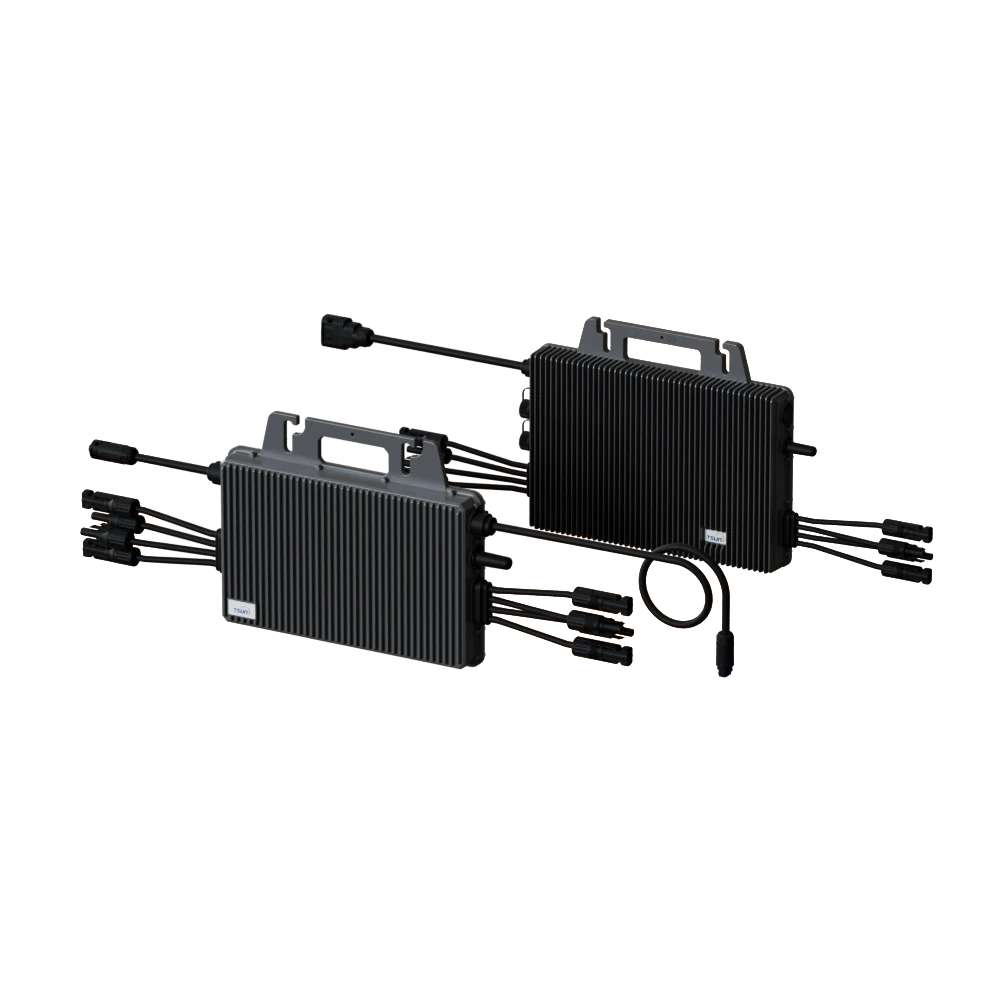
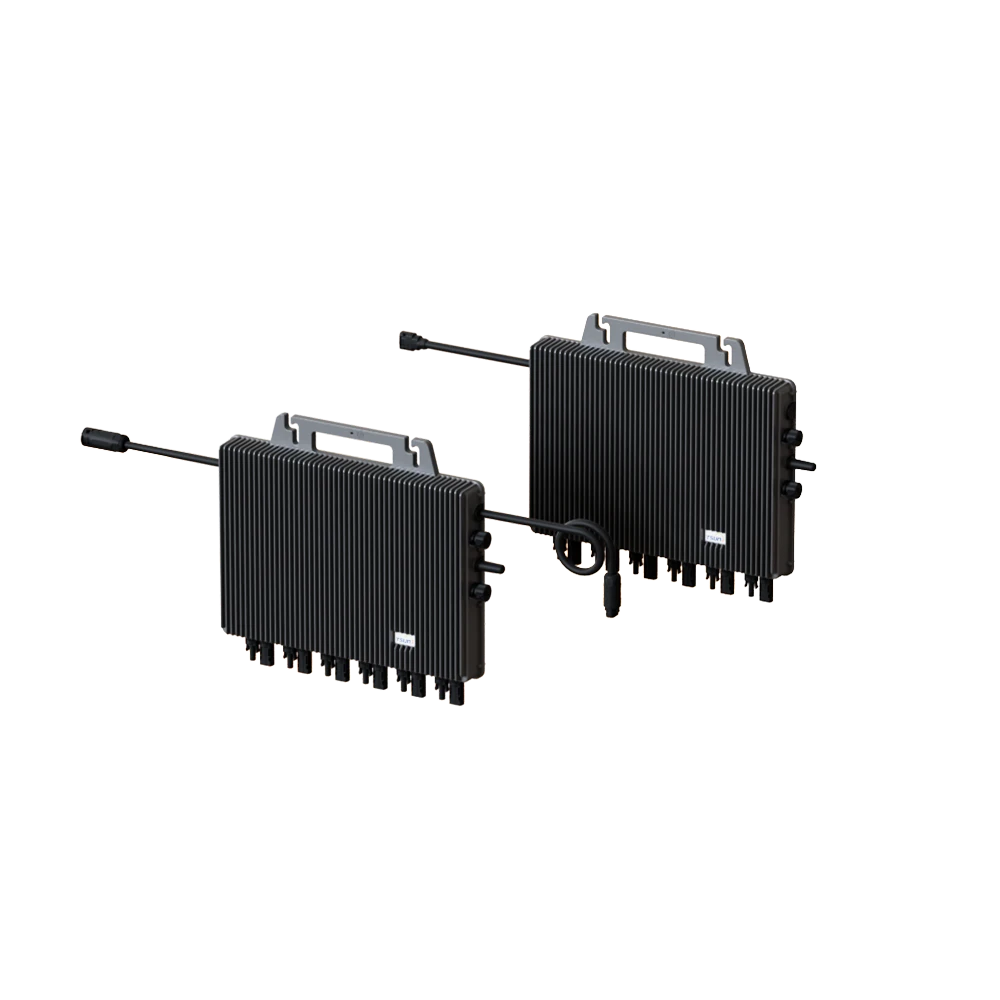
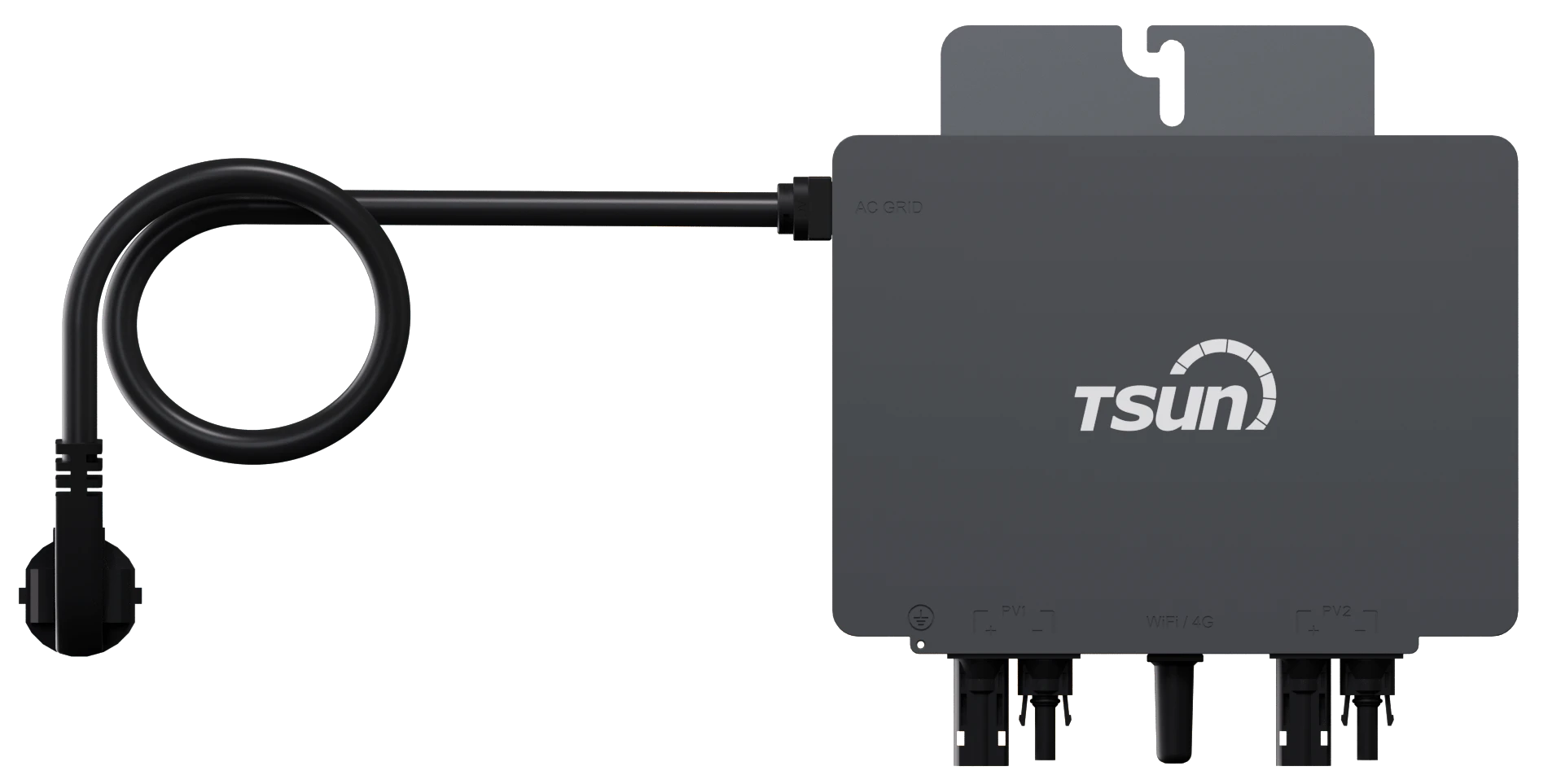
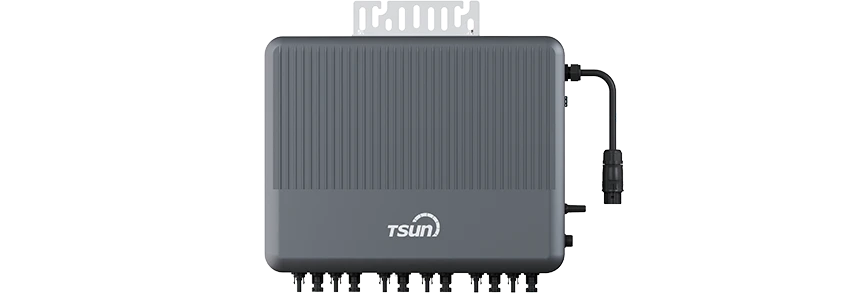
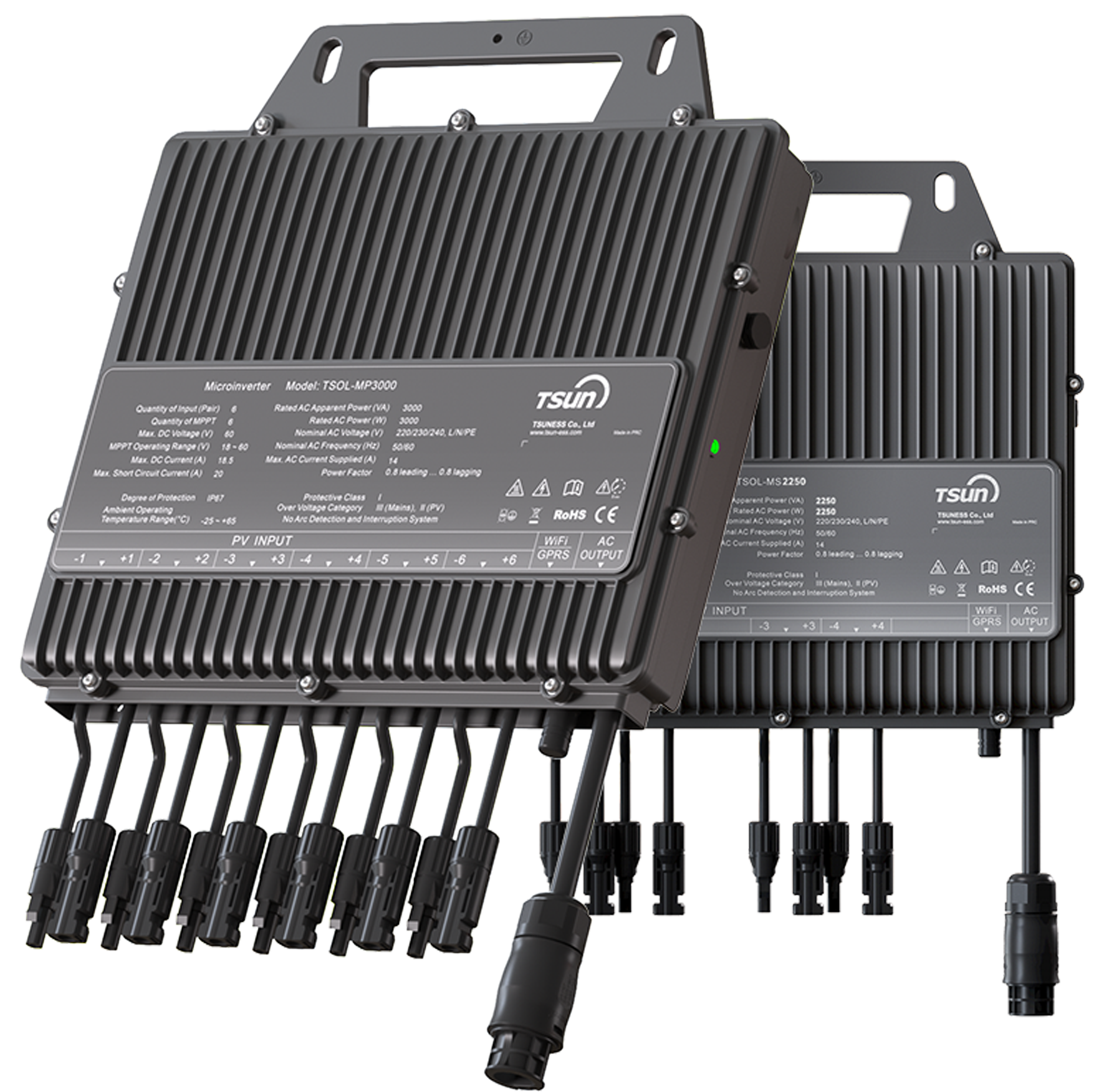
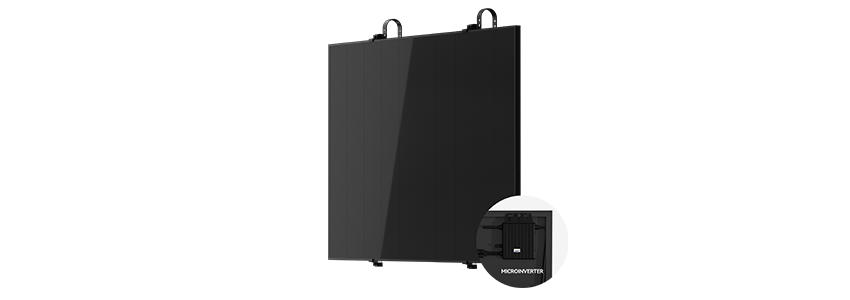
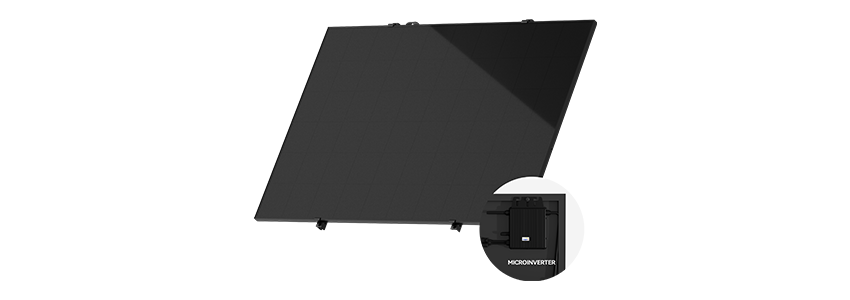
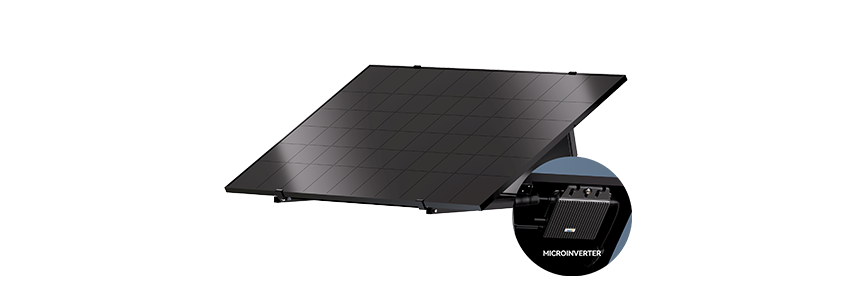
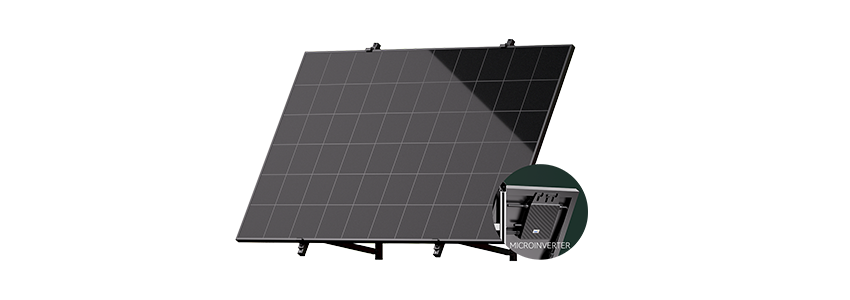
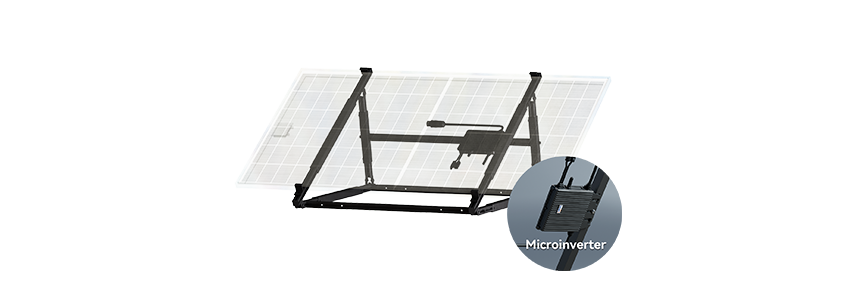
One such innovation that caught my attention over the years is the solar system equipped with microinverters. Frankly, it feels like the “quiet revolution” in photovoltaic technology. For those unfamiliar, microinverters are small devices attached to individual solar panels, converting direct current (DC) generated by the panel into alternating current (AC) right at the source, unlike traditional setups that use one big inverter for the entire system.
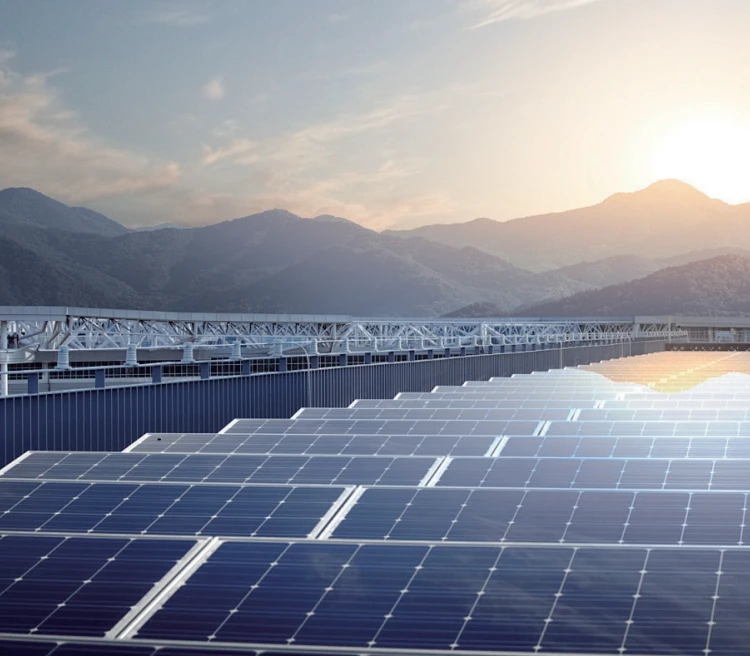
Oddly enough, this seemingly small change has real impacts on system performance, safety, and monitoring flexibility. I recall working on an industrial site where shading from nearby trees crippled the efficiency of conventional string inverter systems — some panels dragged the whole string down. But once the client switched to a microinverter setup, power output stabilized, and performance monitoring was granular enough to pinpoint issues fast.
Why Microinverters Matter: Advantages & Design Insights
In real terms, microinverters improve resilience. If one panel encounters shading or a fault, it no longer throttles the entire array — a game changer, especially with partially shaded rooftops or irregular panel orientations. Many engineers say this feature is a must-have in industrial and commercial applications where maximizing uptime = maximizing revenue.
The hardware itself tends to be compact but rugged, often built with durable materials to withstand harsh weather and thermal stresses. Manufacturers have upped their testing regimes, including thermal cycling, humidity freeze tests, and surge protection — reflecting the critical role these microinverters play in the system's overall longevity.
Typical Microinverter Model Specs
| Specification |
Value |
| Rated Power |
250–350 W per panel |
| Efficiency |
95% – 97% |
| Input Voltage Range |
15 V – 60 V DC |
| Output Voltage |
120 V / 240 V AC |
| Communication |
Wi-Fi/PLC monitoring |
| Dimensions |
Approx. 165 x 130 x 30 mm |
Customization is also a key point here. I remember a client who wanted to integrate solar on their industrial rooftop but had varying panel sizes and orientations — microinverters made that manageable without complicated string sizing or massive energy losses.
Comparing Microinverter Vendors: What to Look For
Not all microinverters are created equal, of course. In the years I’ve talked with installers and buyers, they often need to balance cost, reliability, and tech support. Here's a quick vendor comparison that might steer your decision:
Microinverter Vendor Comparison
| Vendor |
Warranty |
Monitoring Features |
Typical Cost per Unit |
| SunPower |
25 years |
Panel-level remote monitoring |
High |
| Enphase |
25 years |
Advanced cloud monitoring platform |
Medium-High |
| Tsun ESS |
10 years |
Robust data logging & custom alerts |
Competitive |
| APSystems |
10 years |
Panel-level real-time monitoring |
Medium |
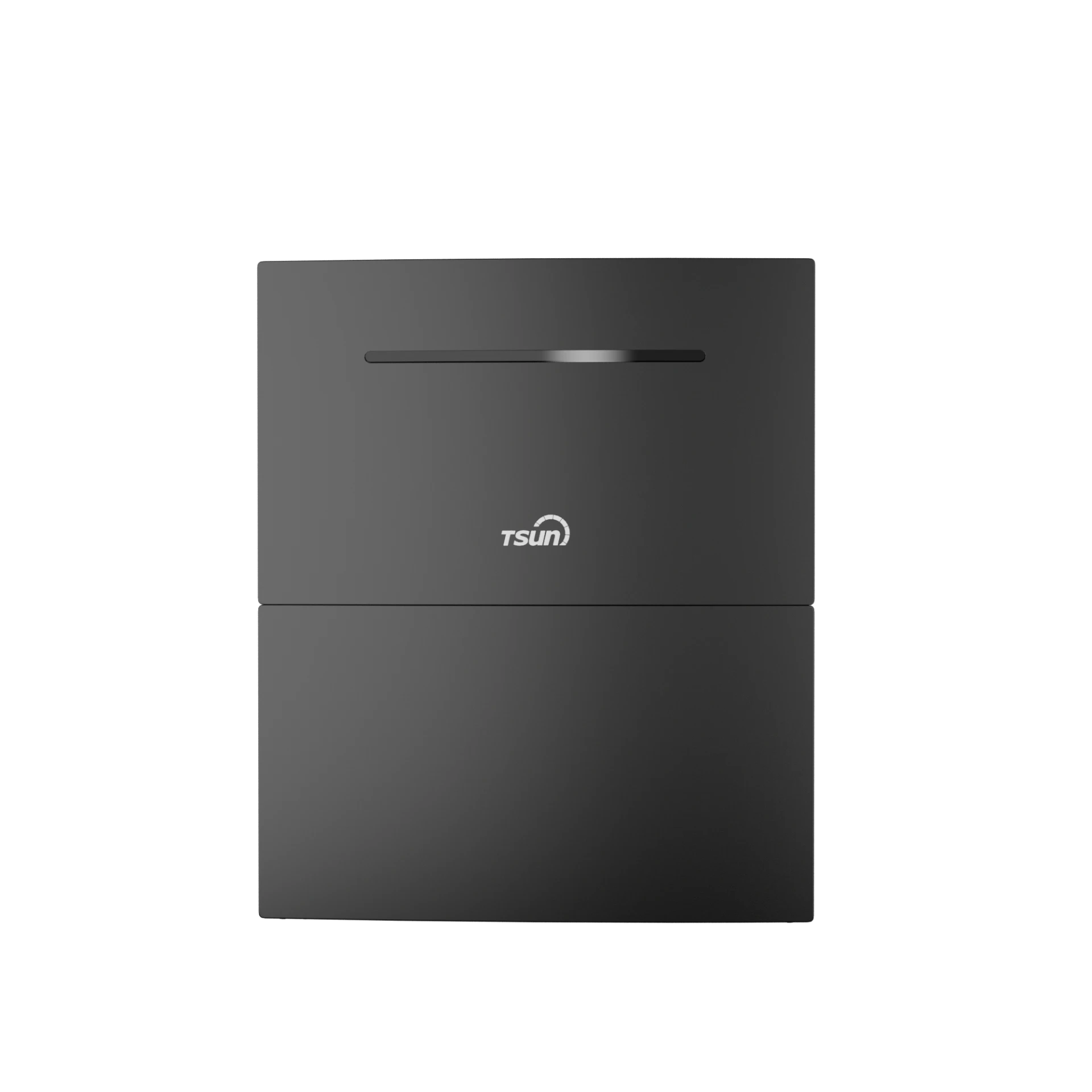
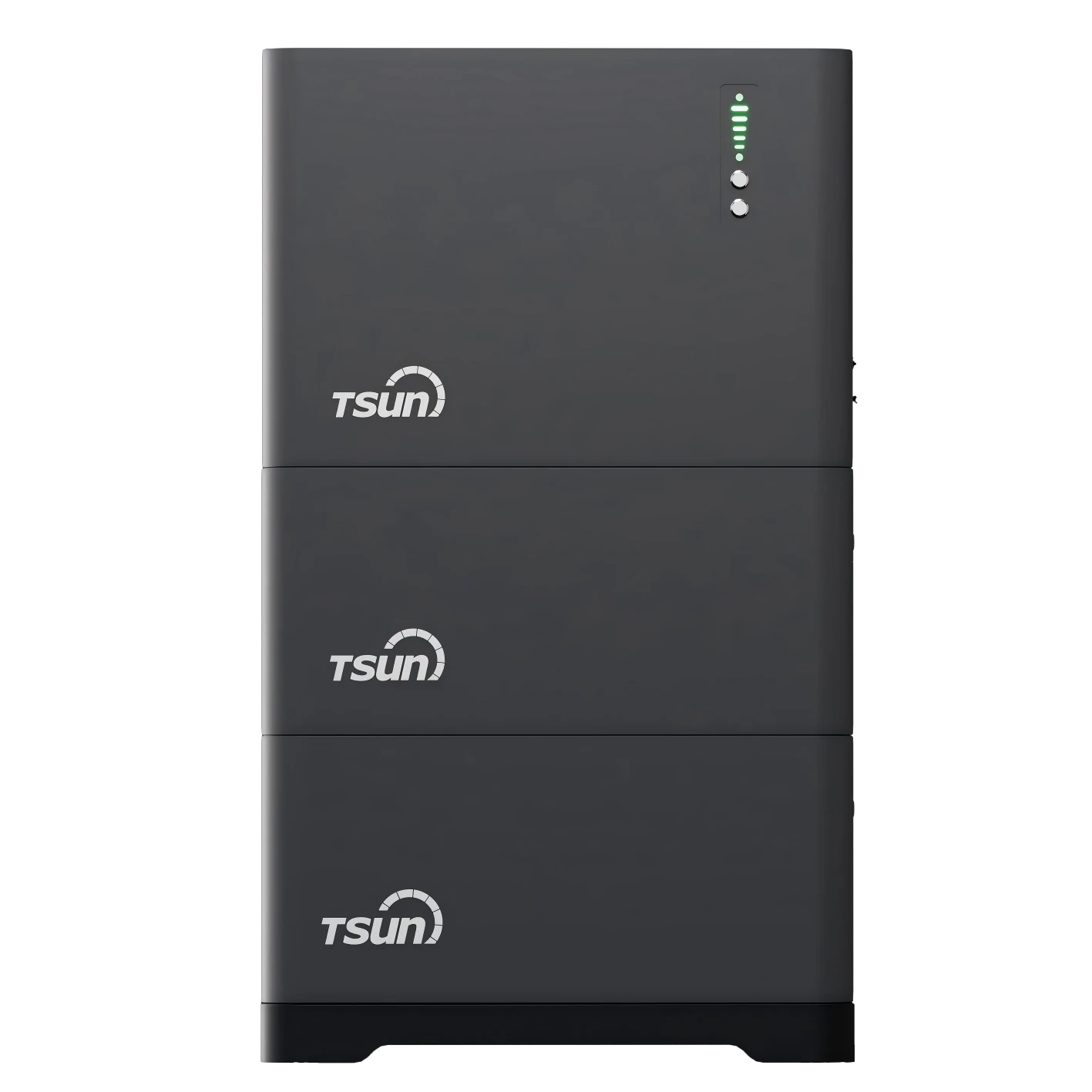
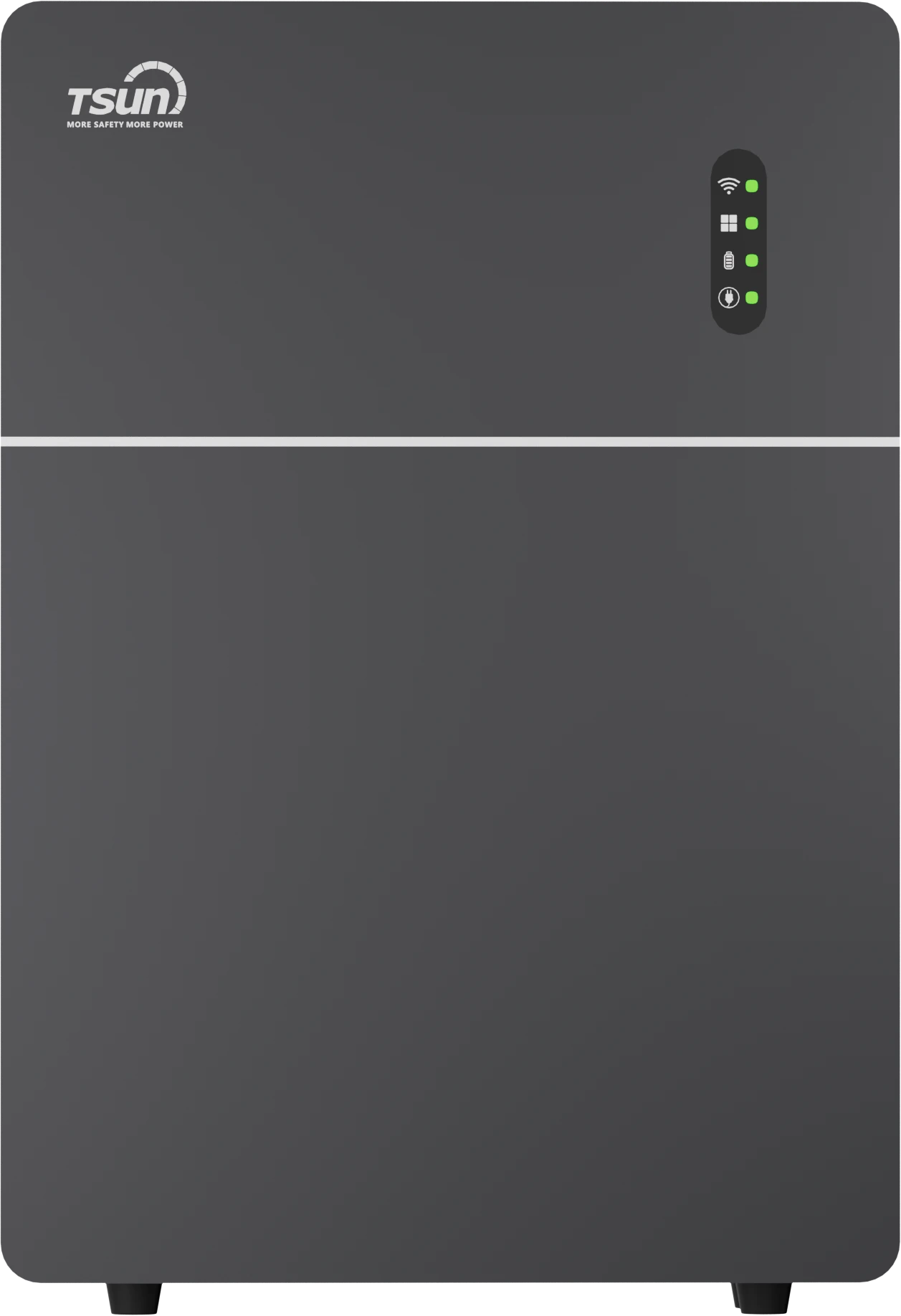
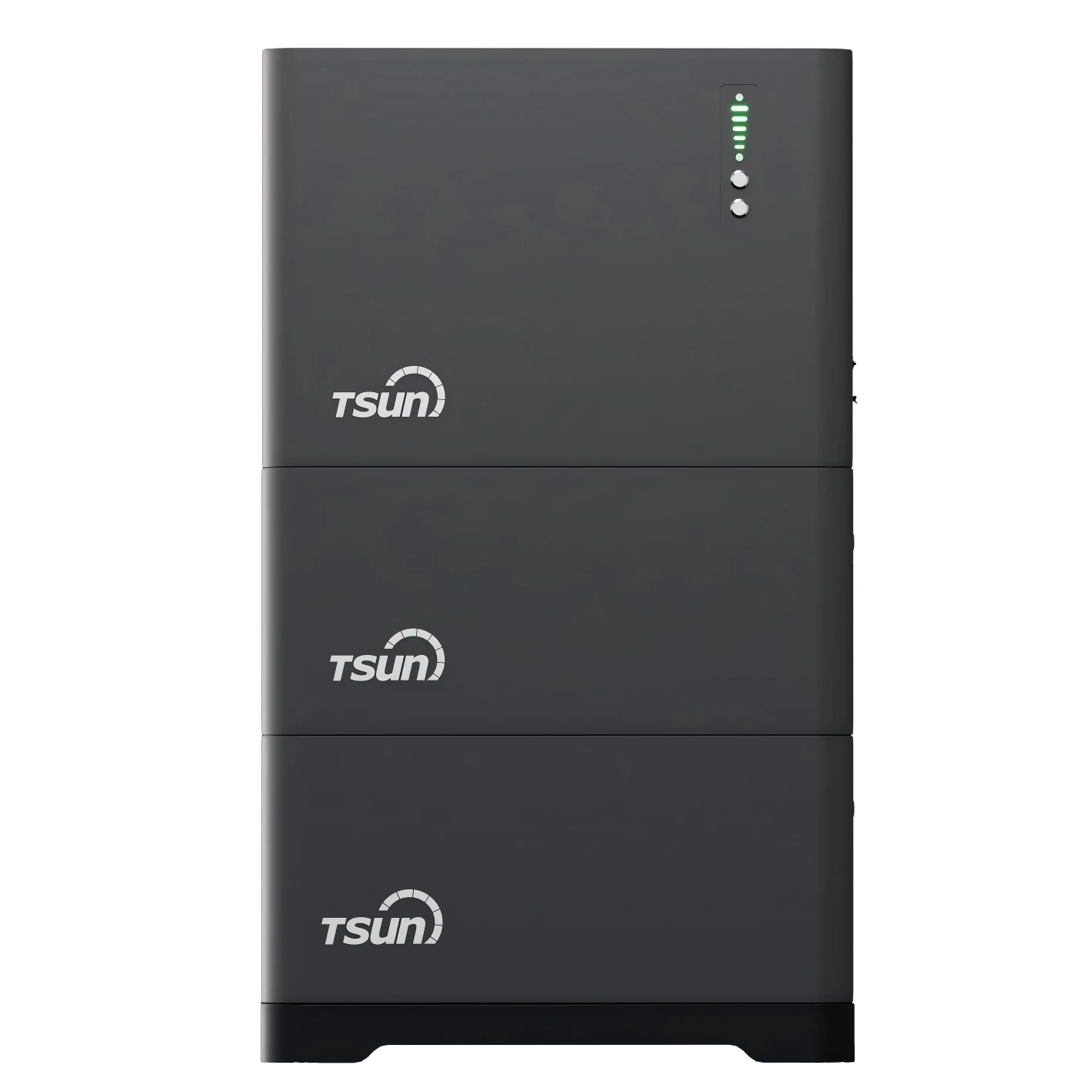
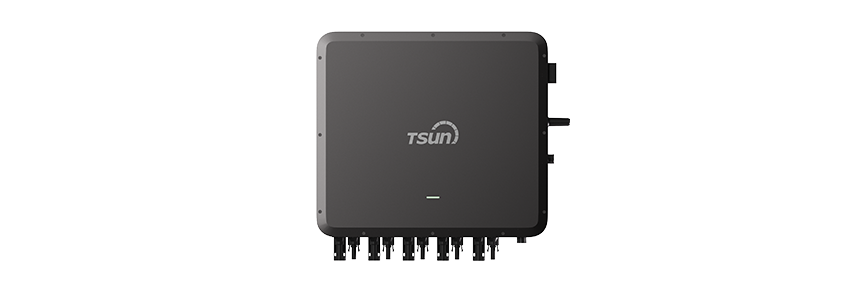
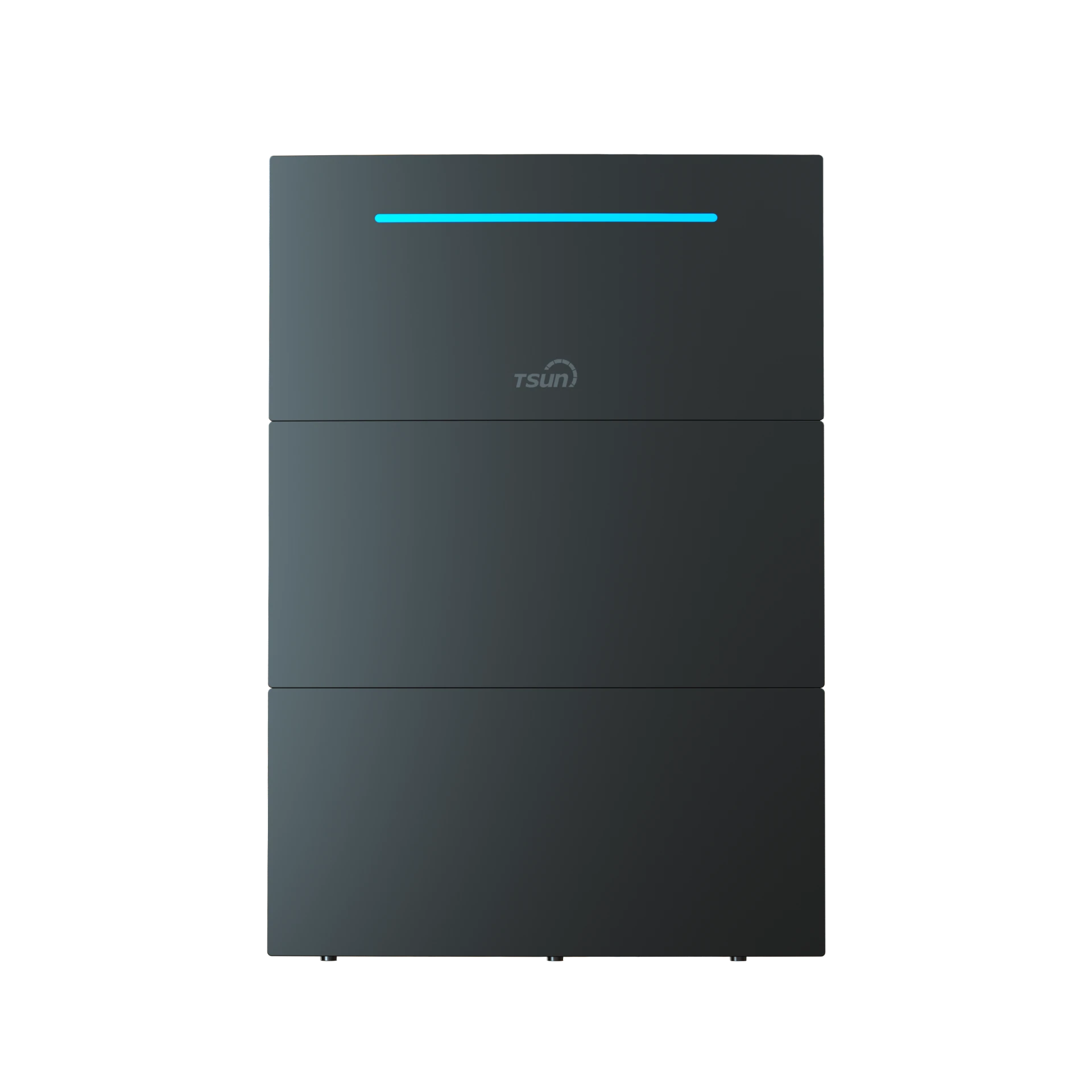
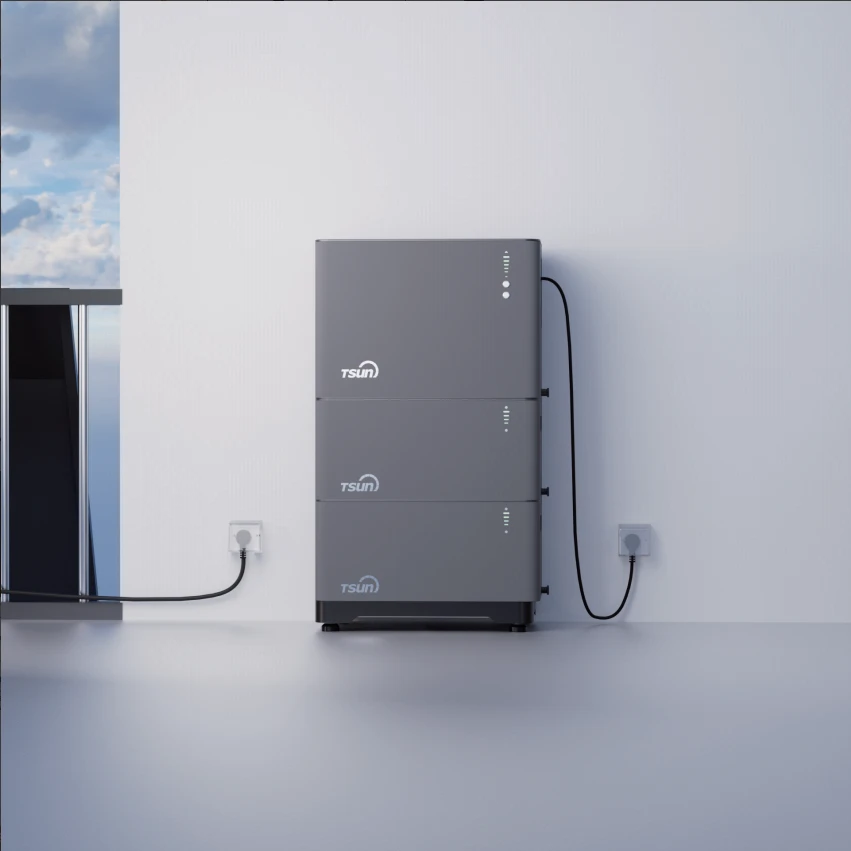
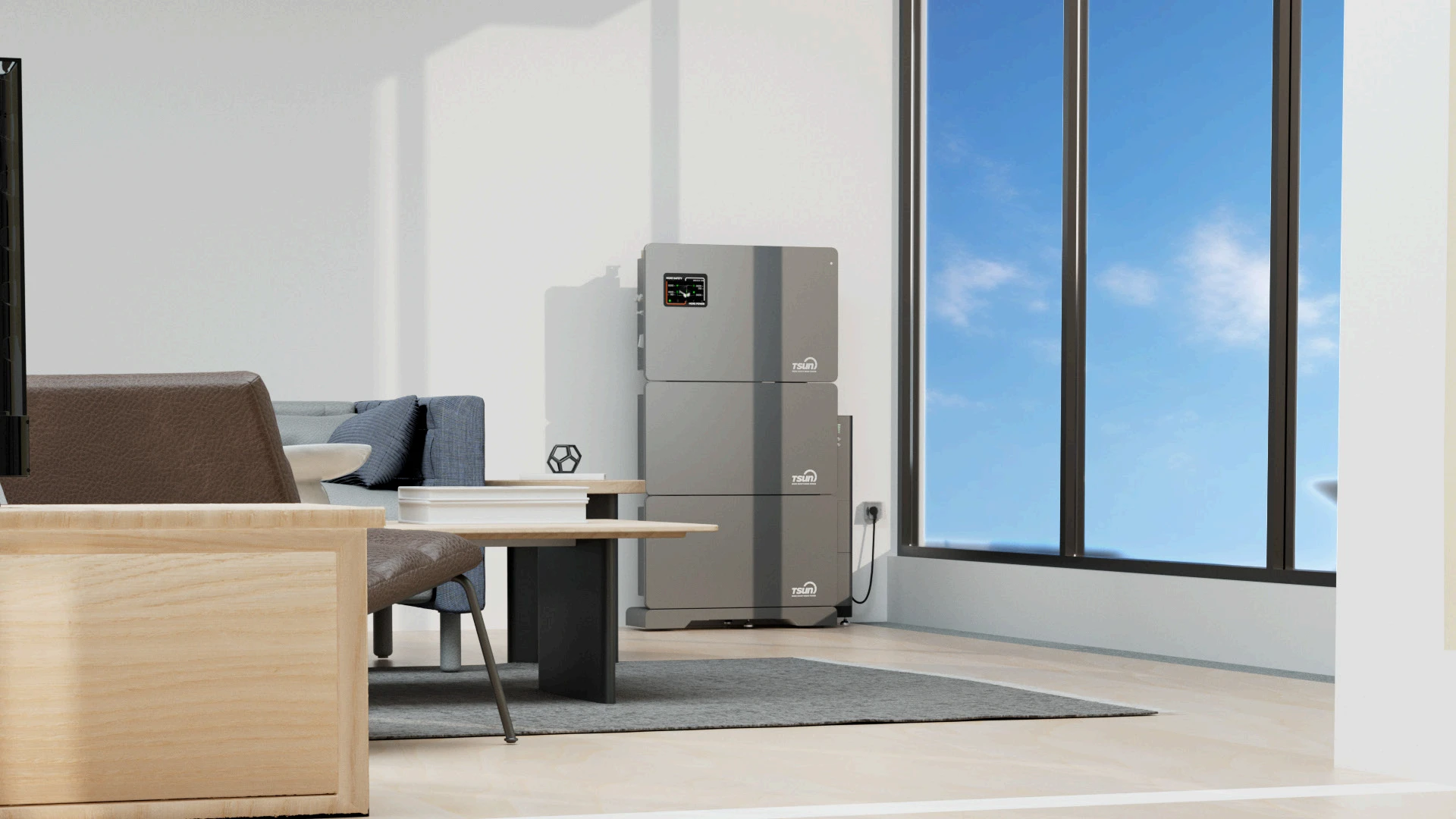
From my direct observations, Tsun ESS provides an appealing balance of cost and features, especially for industrial projects where solid monitoring and local support matter. I’ve had clients note that the custom alert settings helped them catch potential issues before they ballooned into downtime — a detail that often gets overlooked in larger projects.
One quick anecdote: A small manufacturing firm I worked with emphasized how switching to a microinverter-based solar system simplified their maintenance drastically. Instead of guessing which panel or string was underperforming, they got precise alerts through their monitoring app — transforming their routine checks into targeted actions. This kind of insight saves time and money, frankly.
Overall, solar systems with microinverters represent a maturing technology that, while a bit pricier up front, tend to pay off in flexibility, safety, and long-term reliability. The industrial space, with its varied rooftop profiles and mission-critical uptime demands, can particularly benefit.
If you’re considering solar upgrades or new installations at your site, do explore the microinverter approach. And if you want to dive deeper into trusted options, Tsun ESS is a vendor that’s been earning good word-of-mouth from industry professionals lately.
In the end, it’s often about marrying technology with practical realities, and microinverters fit the bill quite well in my experience.
Takeaway: A solar system with microinverters isn't just an upgrade — it's an investment in smarter, safer, and more adaptable solar energy.
- IEA Photovoltaic Power Systems Programme, 2021 Report
- Industry interviews and product manuals, 2019–2023
- Tsun ESS official product data and case studies



 LEARN DETAILS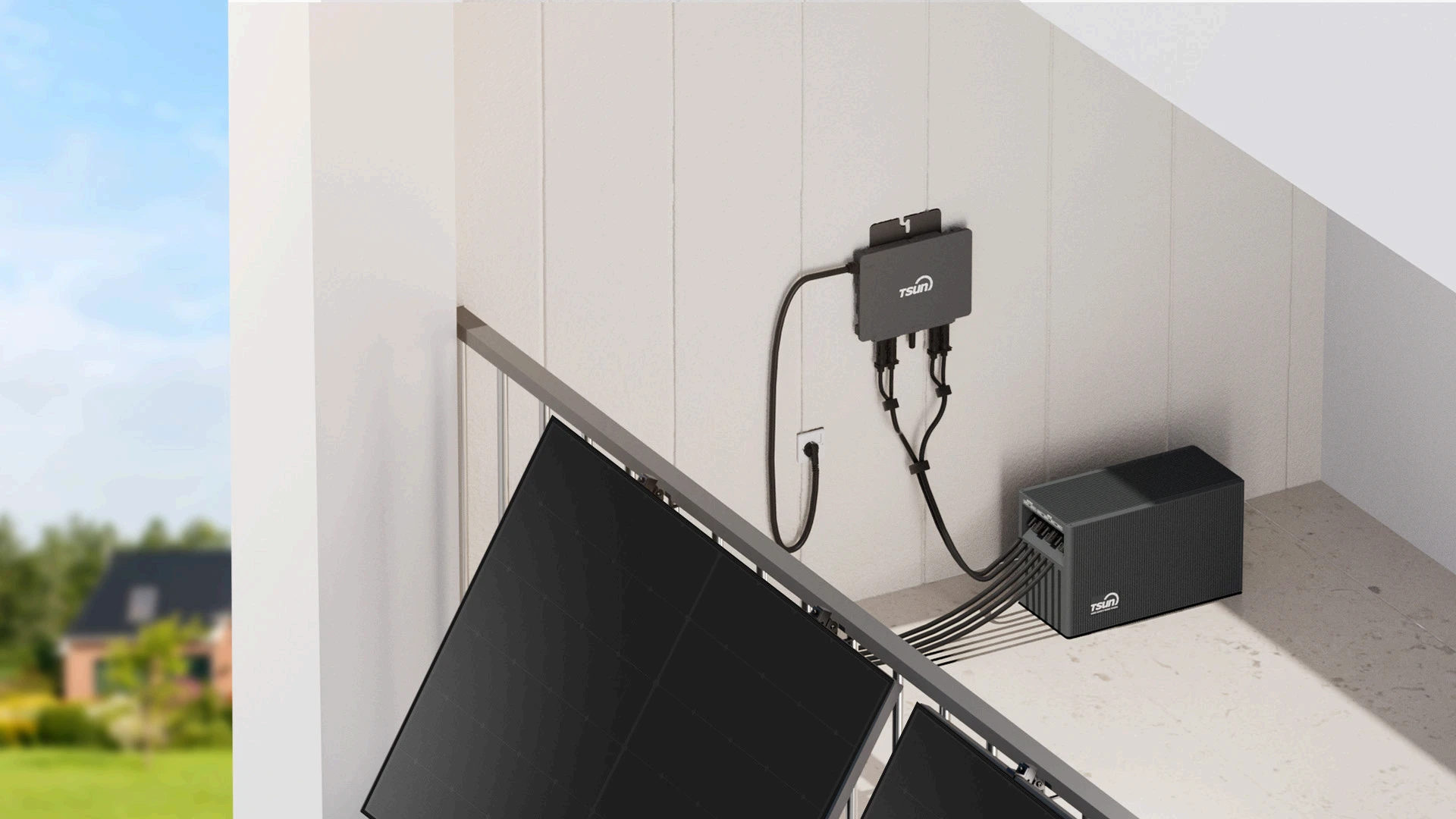
 Downloads
 Video Center
 Report Fault for Repair
 FAQS
FAQS Service Network
 Privacy Policy
 Contact Us
 Monitoring


 LEARN MORE