Understanding the PV Microinverter: Small but Mighty
Having spent years in the industrial equipment sector, I’ve seen all sorts of solar power technologies come and go. But oddly enough, the PV microinverter still holds a special place for me. It’s sort of the quiet hero in the solar energy world—small, unassuming, but packing quite a punch when it comes to optimizing energy harvesting.
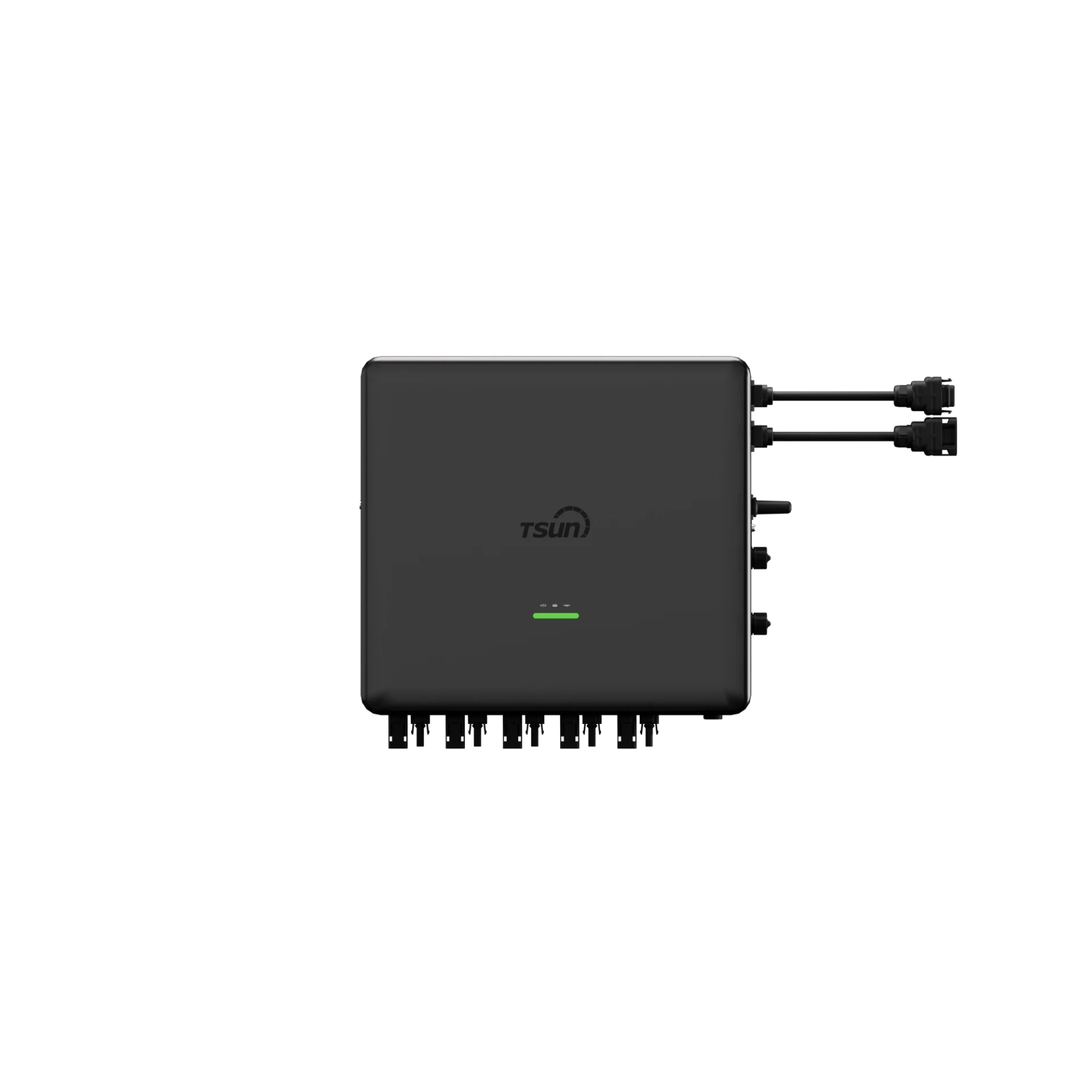
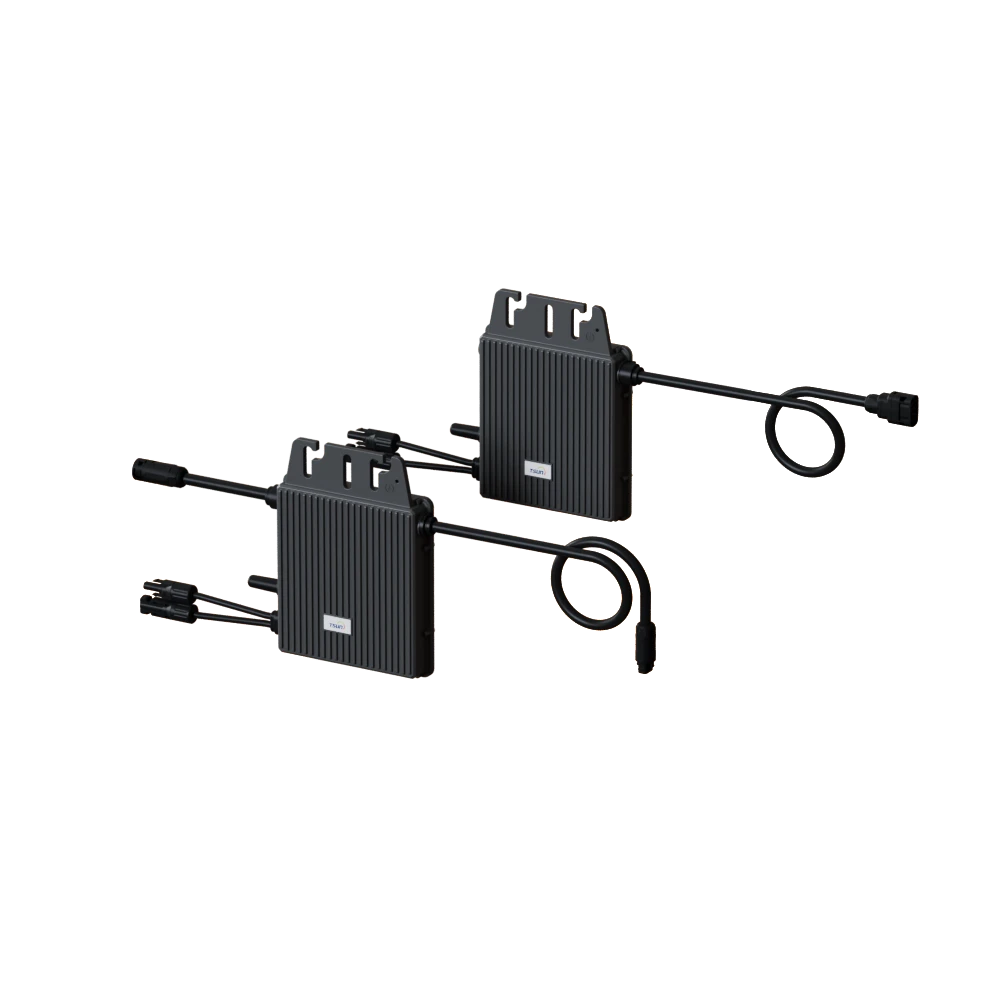
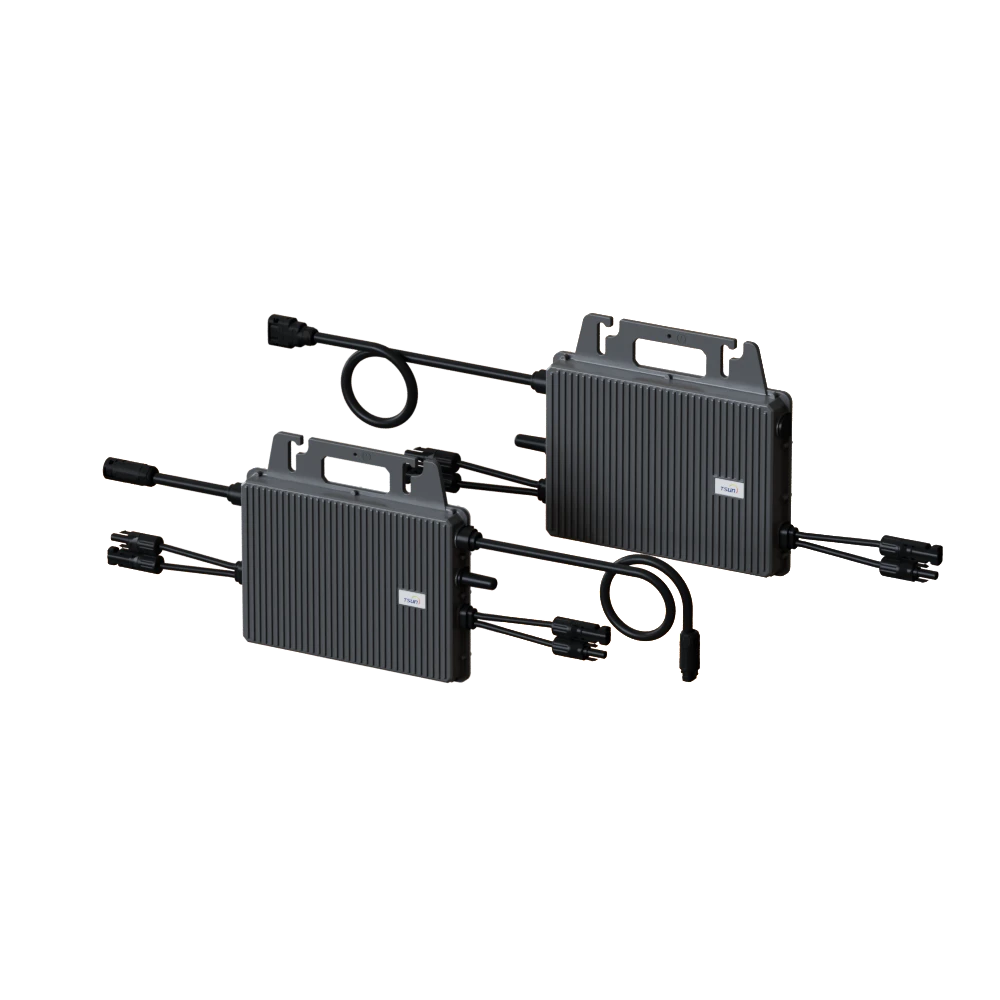
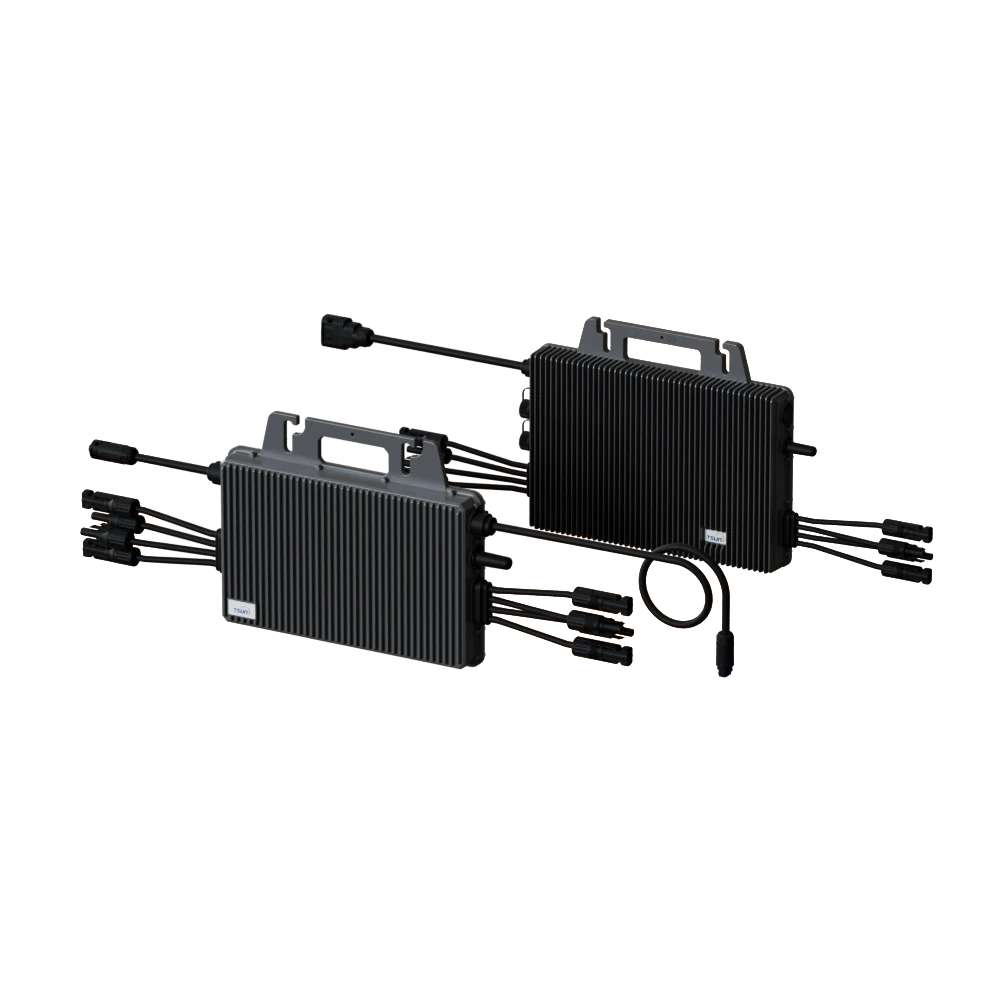
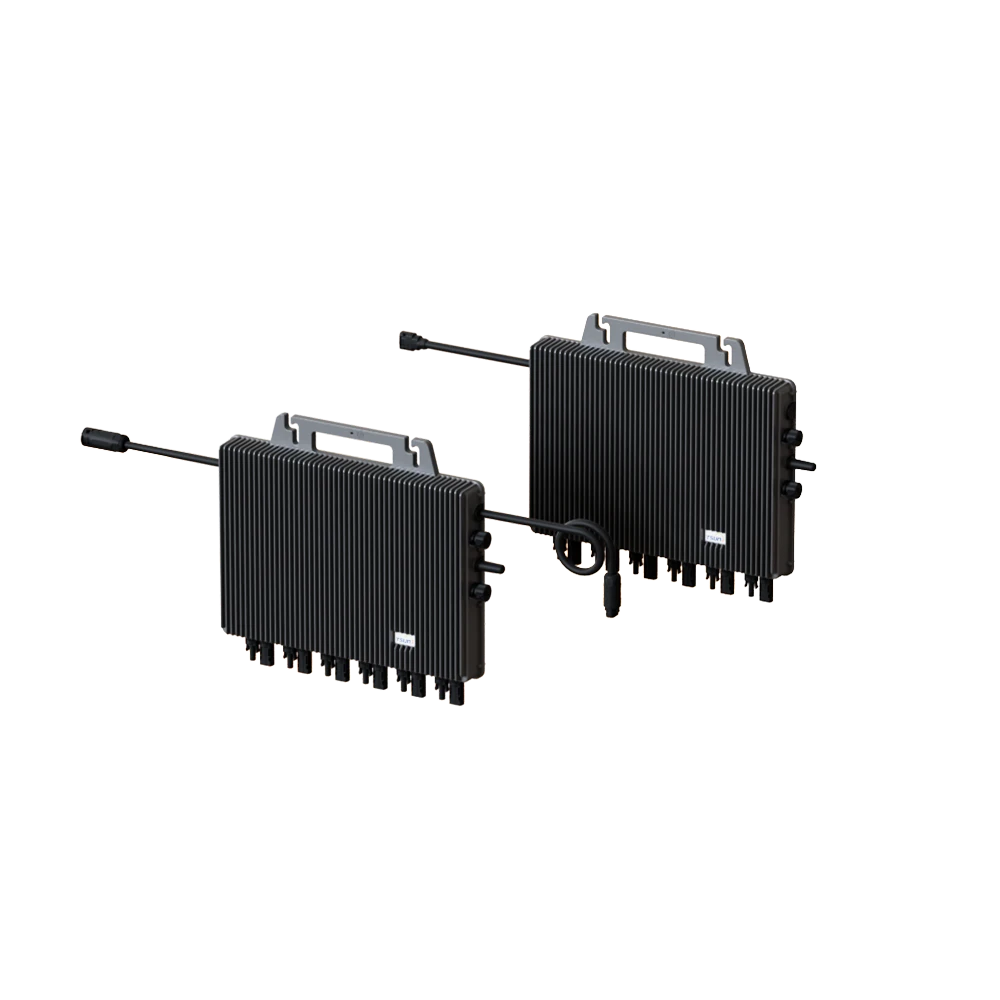
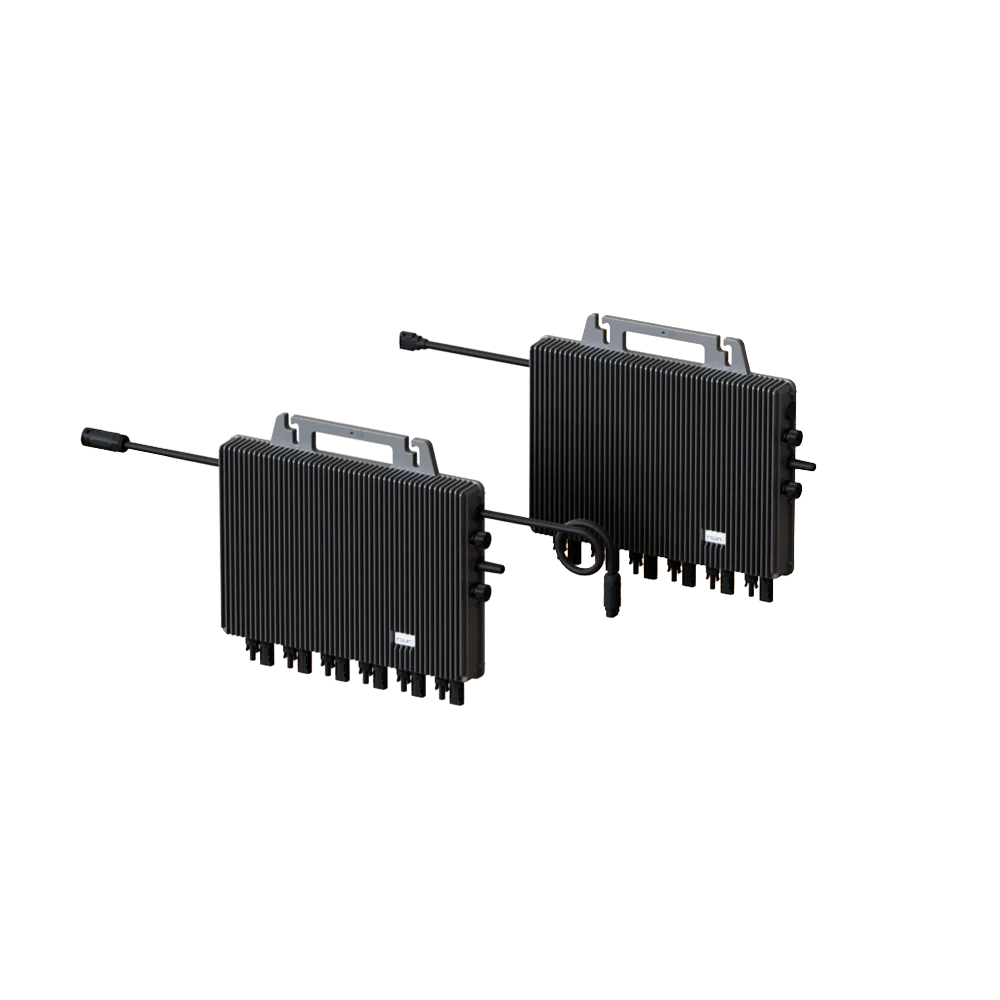
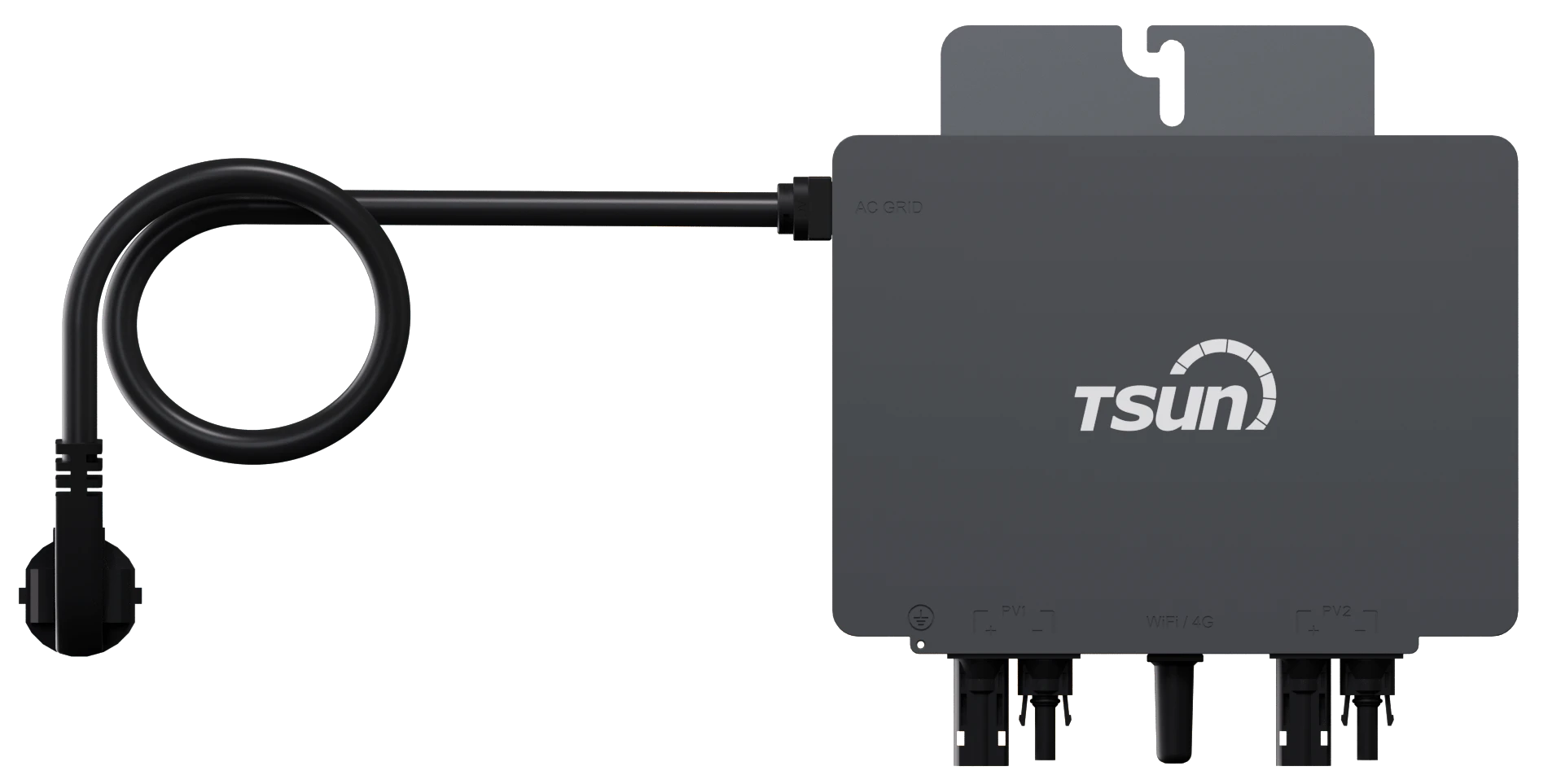
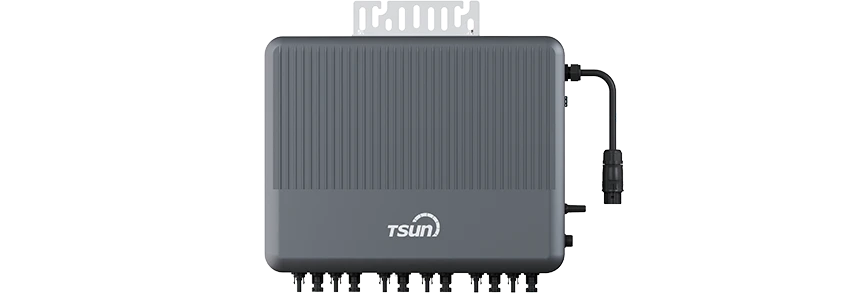
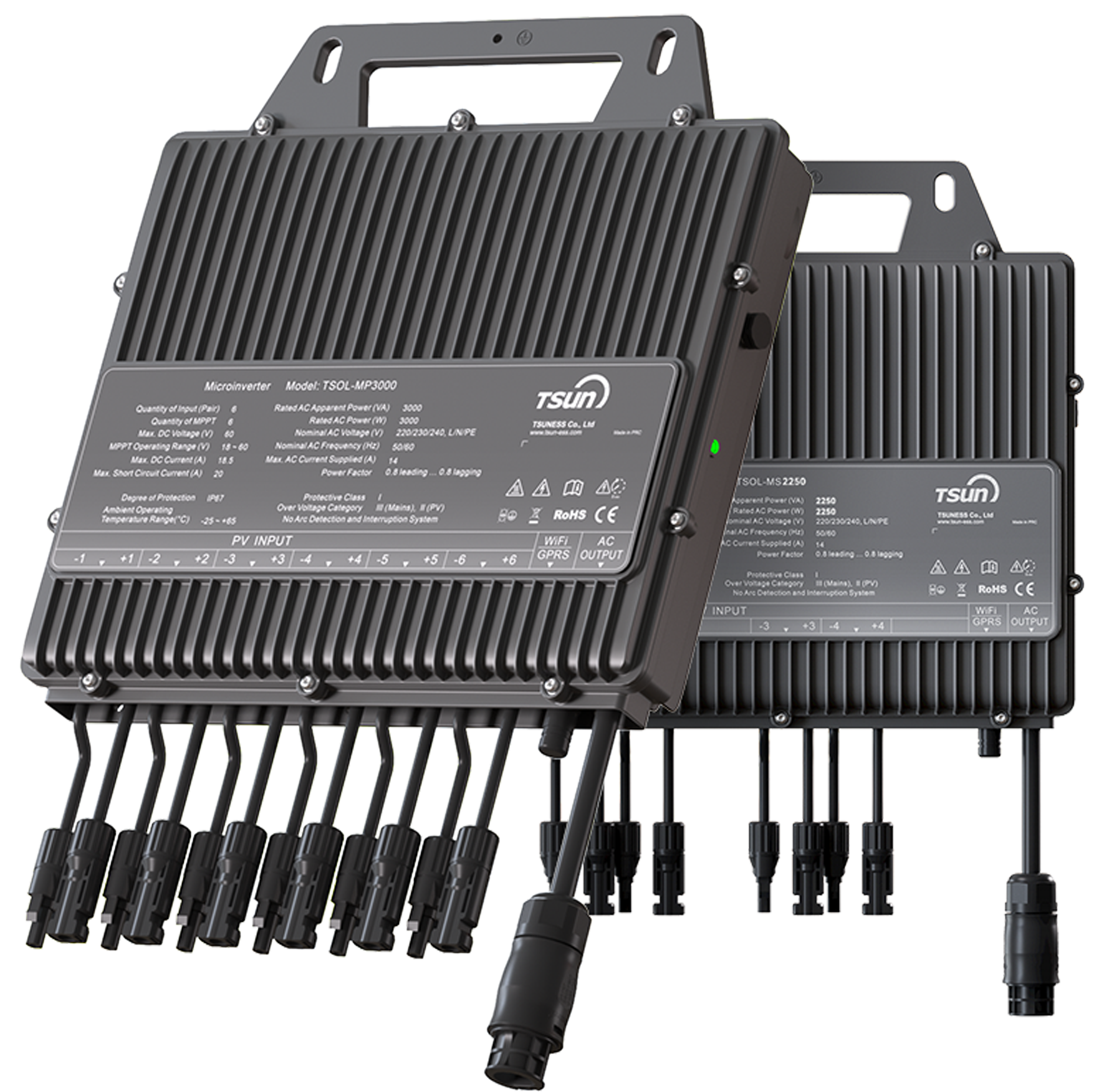
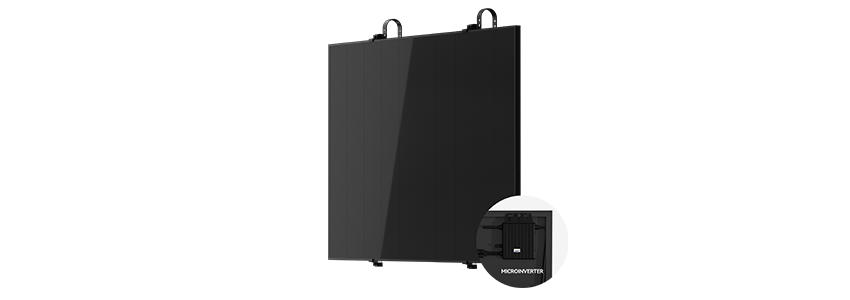
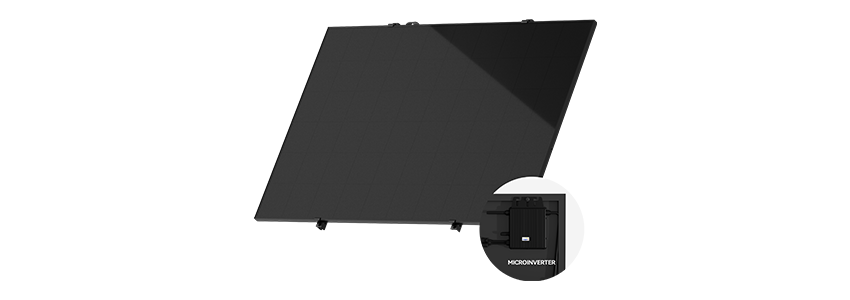
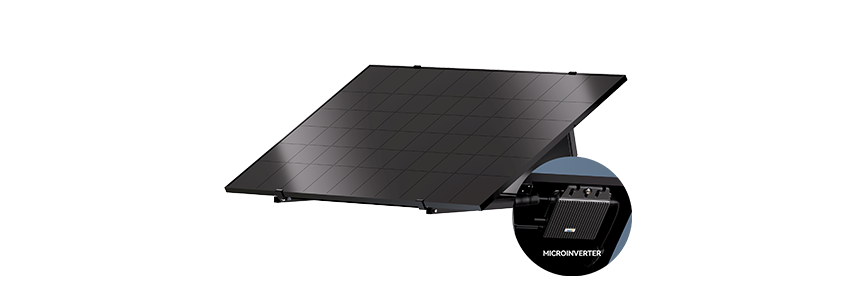
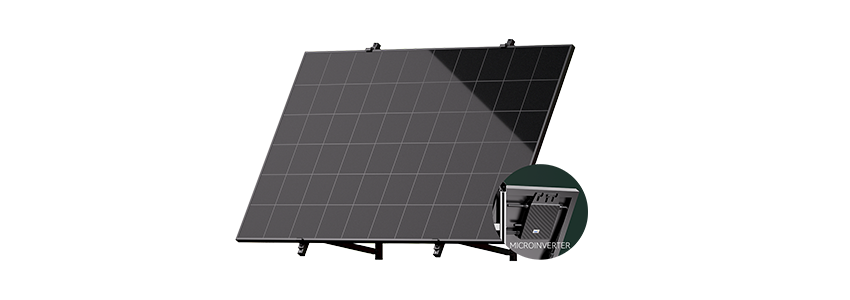
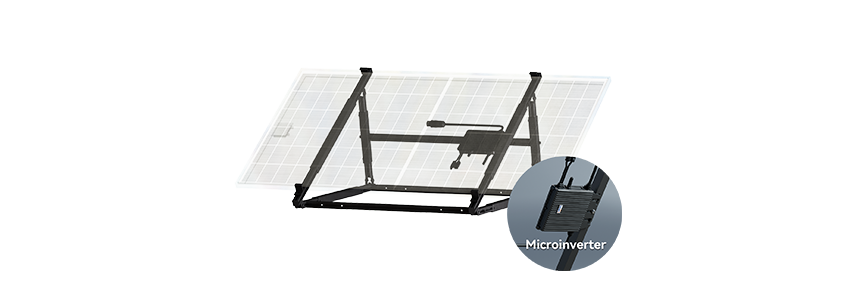
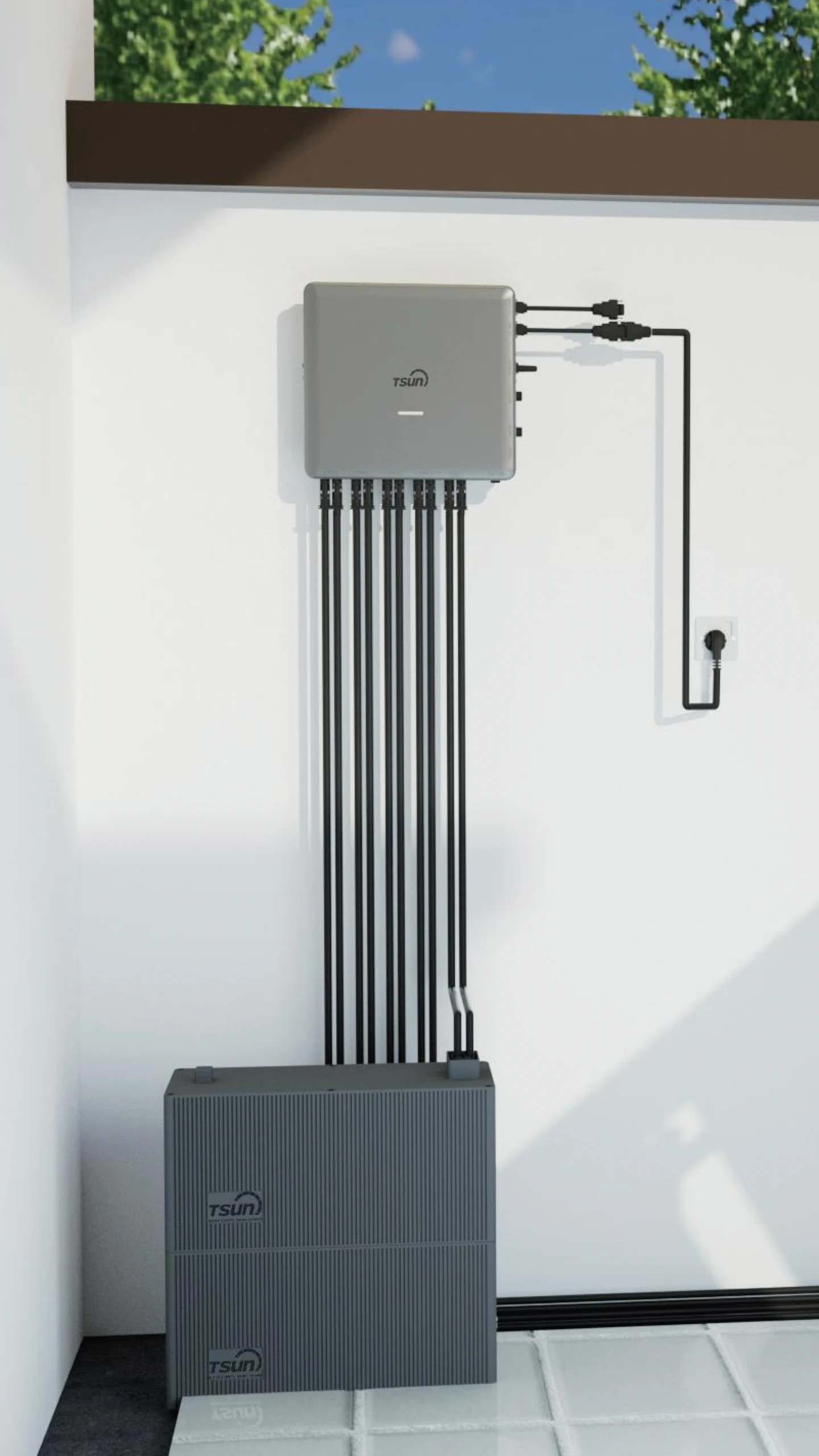
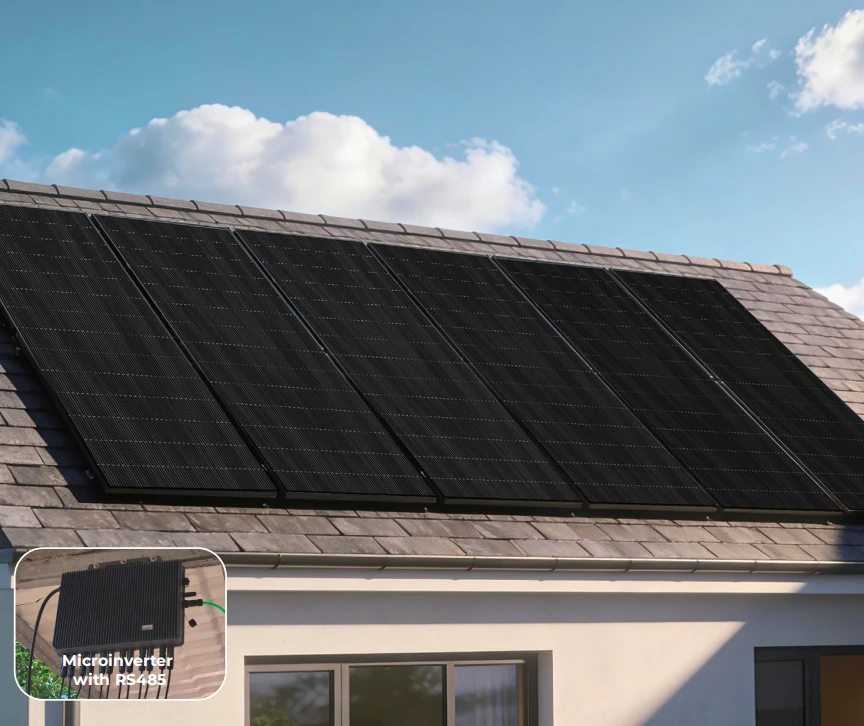
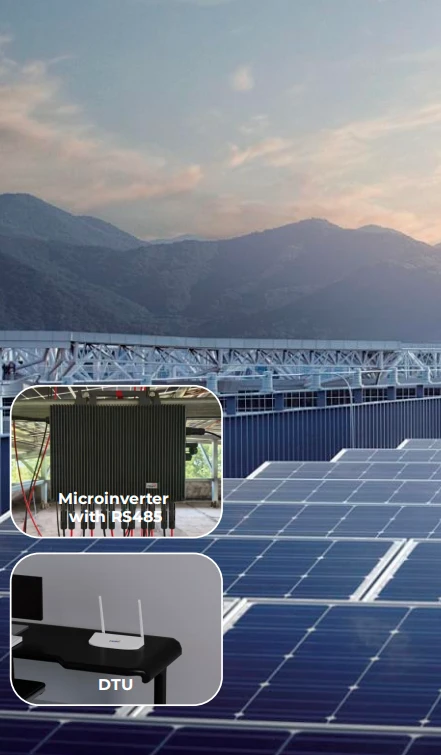
So, what’s a PV microinverter anyway? Well, in real terms, it’s a device that converts the direct current (DC) generated by individual solar panels to alternating current (AC), which your home or the grid uses. Unlike traditional string inverters that handle multiple panels, microinverters work on a per-panel basis—meaning each panel has its own small inverter. This can significantly improve energy efficiency, especially if some panels are shaded or dirty.
One thing I often notice in field installations is how microinverters reduce the “weakest link” effect common in string inverters. If one panel underperforms, it doesn’t drag down the entire array’s output. That granularity is invaluable in less-than-ideal environments. Plus, from a maintenance perspective, you can often pinpoint issues at the panel level, which frankly saves time and headaches.
Product Specifications at a Glance
| Specification |
Details |
| Input Voltage Range |
18 V – 60 V |
| Max Output Power |
300 W |
| Peak Efficiency |
96.5% |
| Operating Temperature |
-40°C to +65°C |
| Communication |
WiFi / Power Line Communication |
| Warranty |
10 years |
Now, if you’re thinking about vendors, I’m sure you’ve noticed there’s a jungle of options out there. It’s kind of like shopping for a car: specs look good on paper, but how about reliability, support, and integration? Here’s a quick vendor comparison table I’ve put together based on years of working closely with various suppliers:
| Vendor |
Efficiency |
Customer Support |
Ease of Installation |
Cost |
| SunBright |
96.5% |
Excellent |
Moderate |
Mid-range |
| GridMax |
95.8% |
Good |
Easy |
High |
| EcoPulse |
97.0% |
Average |
Challenging |
Low |
Oddly enough, I once helped retrofit a system at a rural farm where shading was a real pain. Using microinverters made a world of difference – a few were slightly shaded by trees, but the system’s overall output barely dipped. The farmer was thrilled, saying it “paid for itself within a couple of years.” Funny how small tech can make such a big impact.
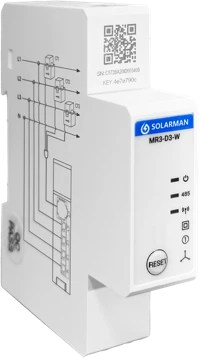
Looking ahead, the trend is definitely toward smarter, modular energy solutions. Customization is key here—you want microinverters that can mesh with monitoring software, provide real-time diagnostics, and adapt to your specific setup. Frankly, PV microinverters that support these features make maintenance less of a chore and system uptime more reliable.
To wrap it up, while traditional inverters still have their place for large, uniform arrays, microinverters shine where flexibility, monitoring, and resilience matter. I suppose for anyone serious about solar power—whether a homeowner or installer—it’s worth giving microinverters a good look.
In the end, innovation in solar is a blend of smart tech and practical experience. And I think microinverters embody that nicely.
References:
1. NREL Report on PV System Performance, 2023
2. International Journal of Renewable Energy, 2022
3. Installer’s Manual & Field Notes, Tsun Energy Solutions



 LEARN DETAILS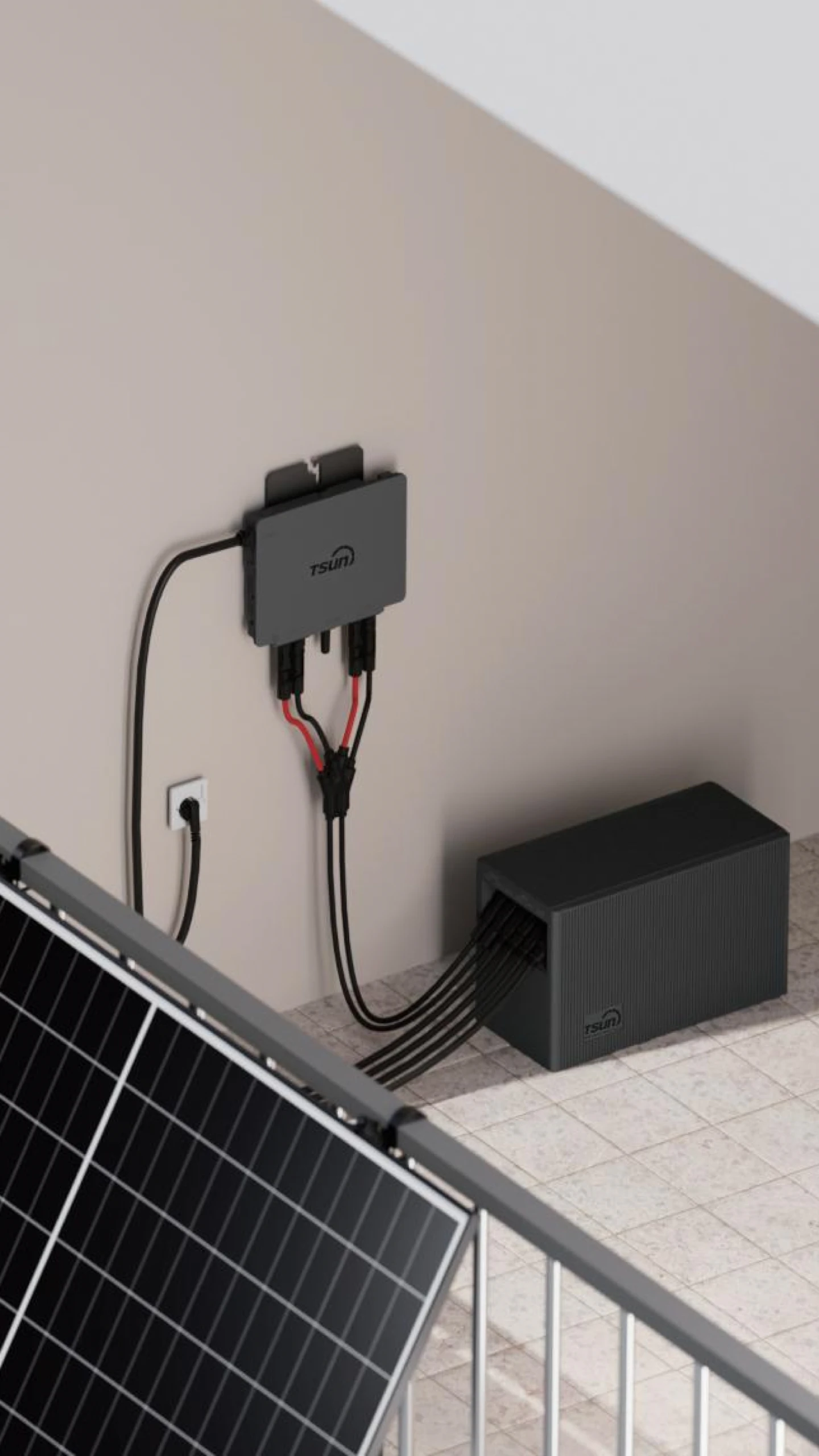
 Downloads
 Video Center
 Report Fault for Repair
 FAQS
FAQS Service Network
 Privacy Policy
 Contact Us
 Monitoring


 LEARN MORE