Outages happen. It is just reality now. Instead of sitting in the dark waiting for utility trucks, think of stationary energy storage like a household water tower. It soaks up cheap power, saving it for when you actually need it.
Due to demand, the global market for energy storage is surging. A recent report from Insight ACE Analytic predicts that the global market will reach USD 549 billion by 2035.
Ultimately, stationary energy storage offers true independence. Whether you are running vital home infrastructure or slashing bills by 80%, this technology is your ultimate safety net.
What is a Stationary Energy Storage System
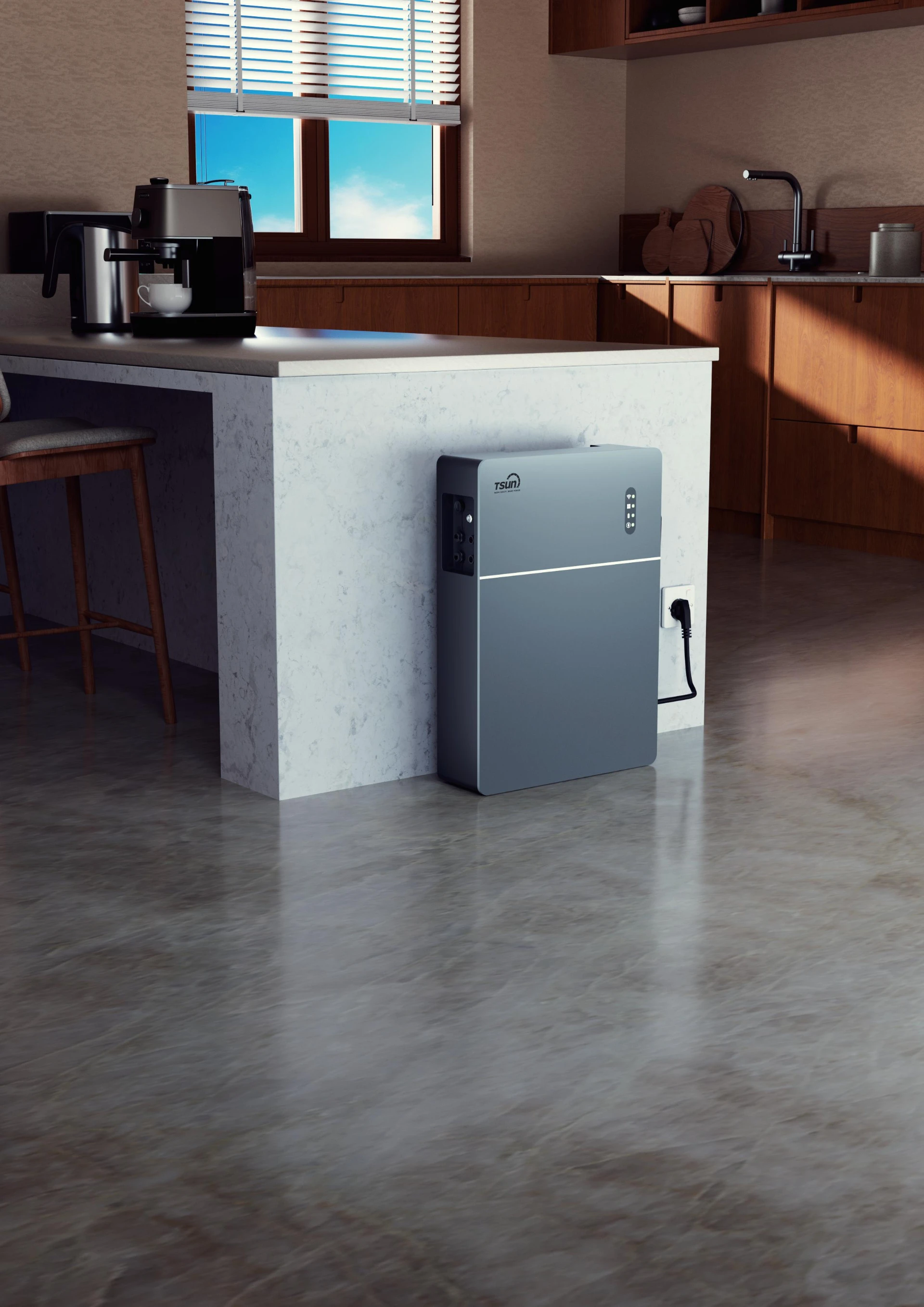
Imagine a water tank for electricity. That is a stationary energy storage system. It bolts to your wall and never moves. It just waits. While pocket-sized batteries drain constantly, this heavy-duty hardware sits squarely between your power source and your main electrical panel, acting as a physical buffer against grid chaos.
It operates on a simple rhythm:
- Absorbs the excess: It banks cheap daytime power or excess solar energy.
- Deploys on demand: The second a storm knocks out the neighborhood lines, or peak rates kick in, it takes over.
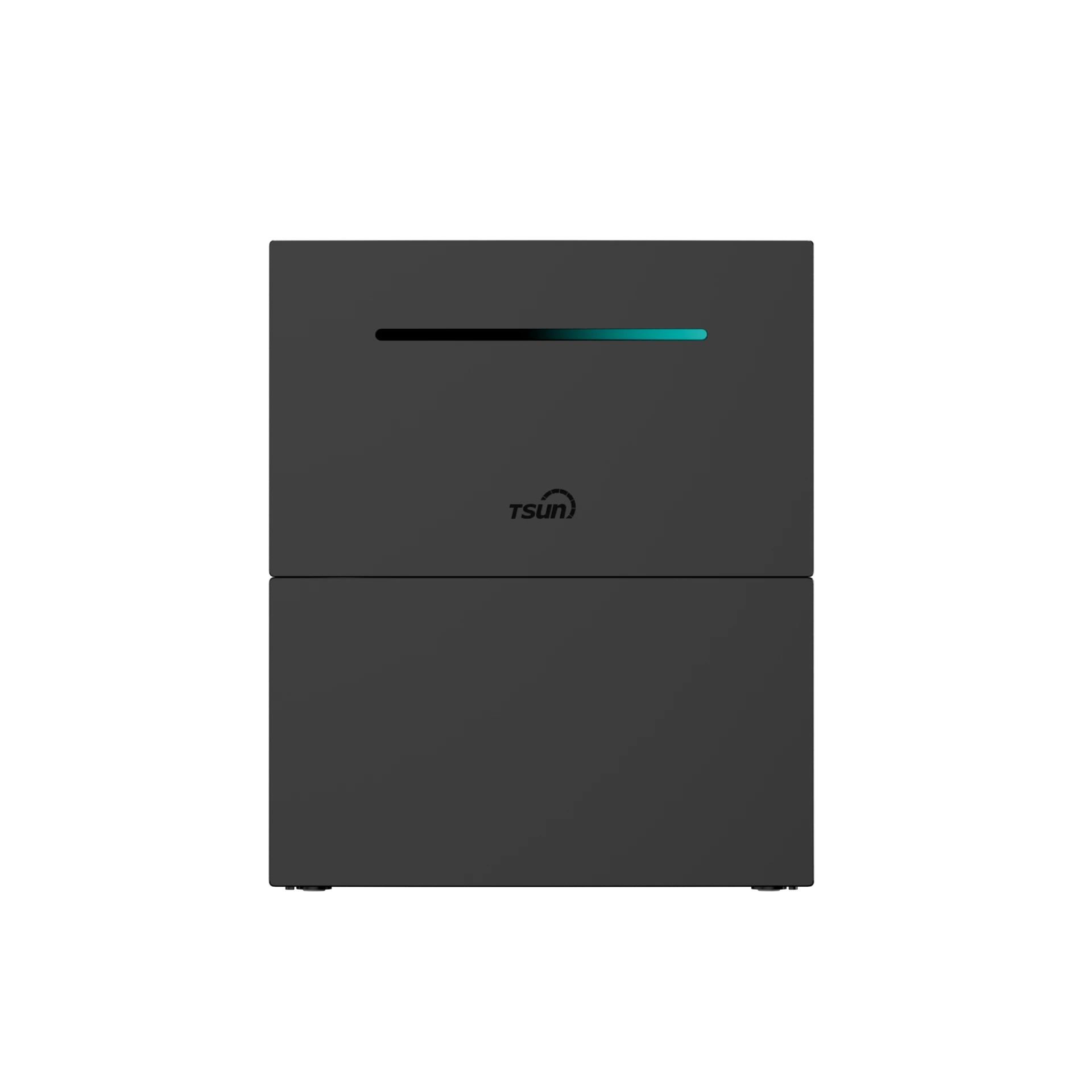
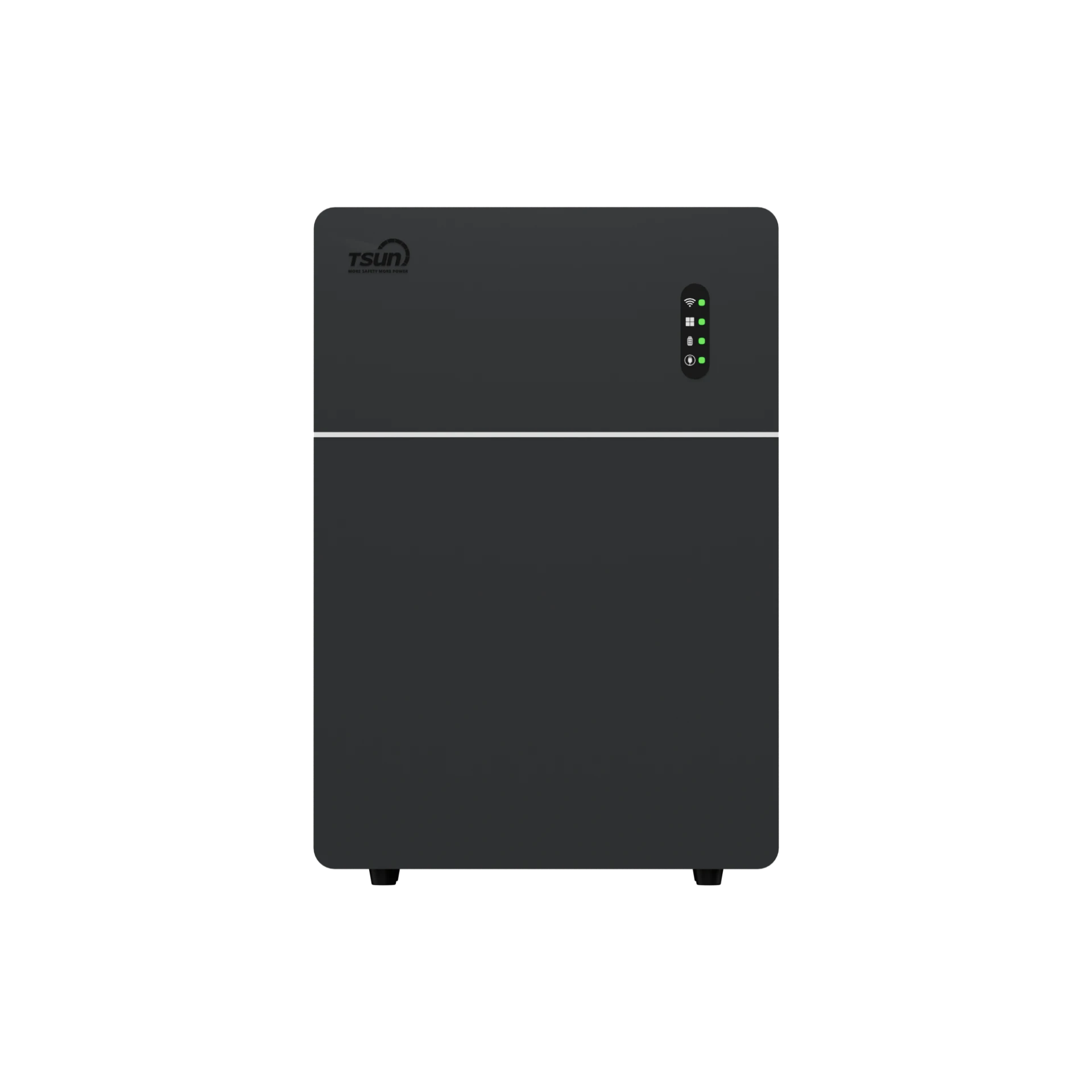
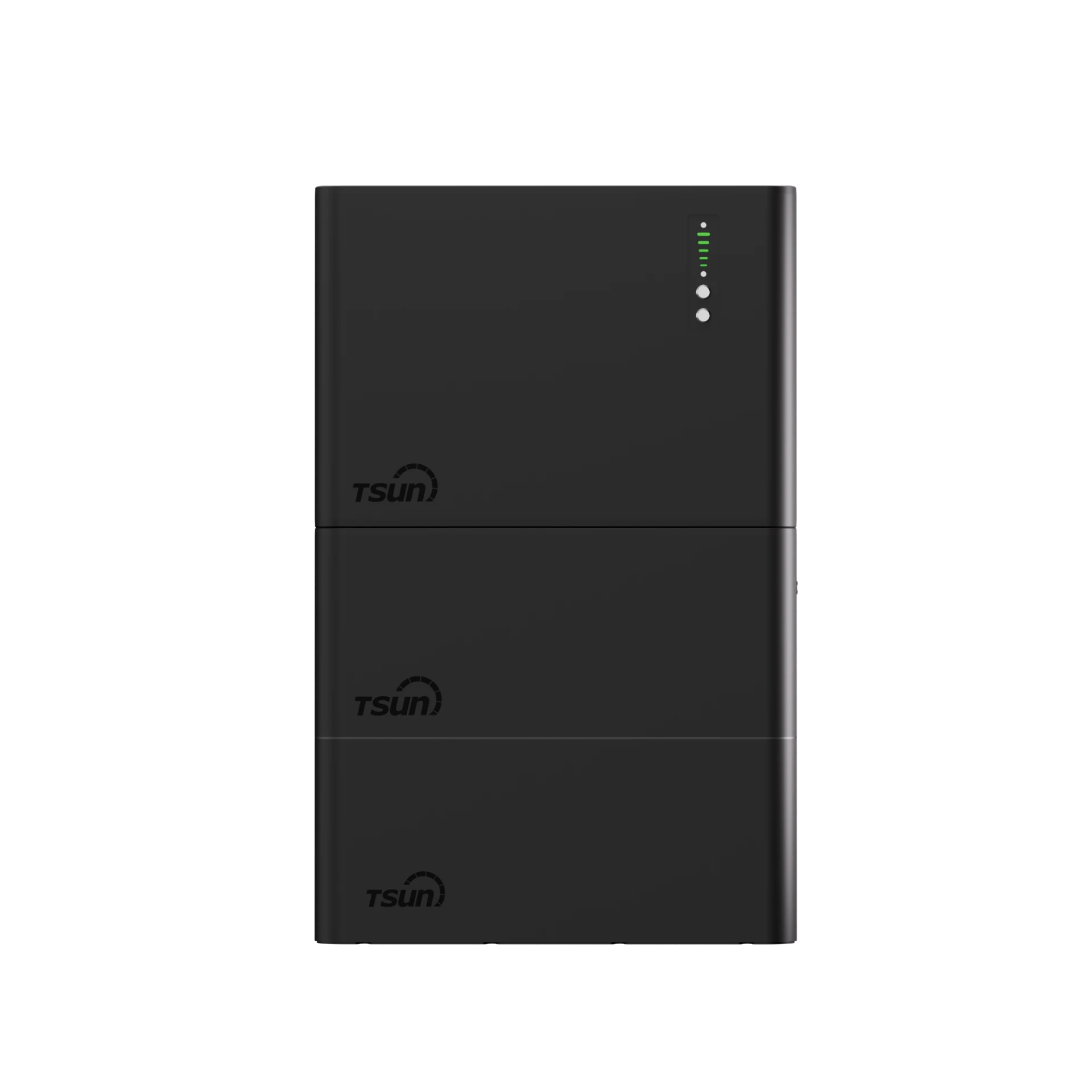
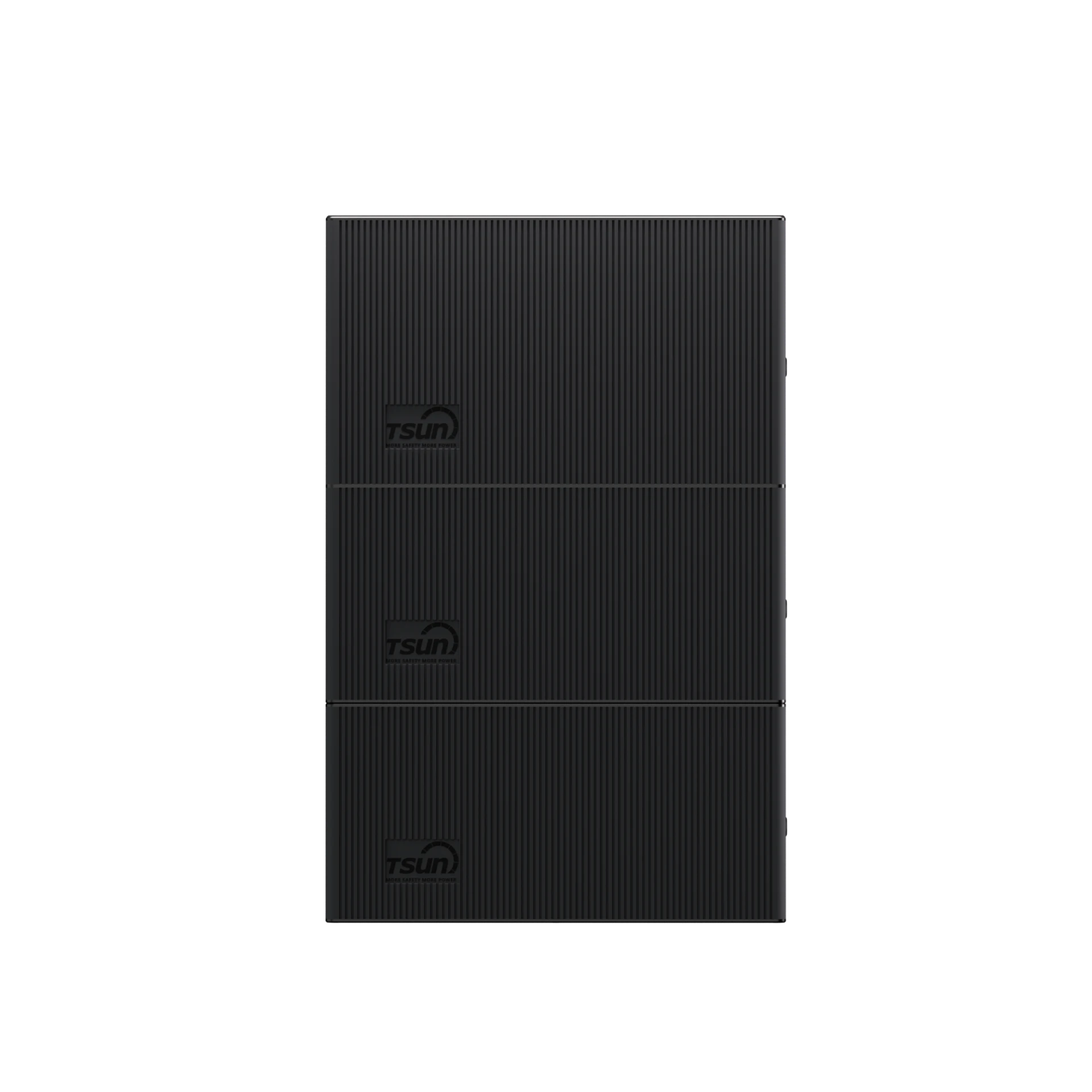
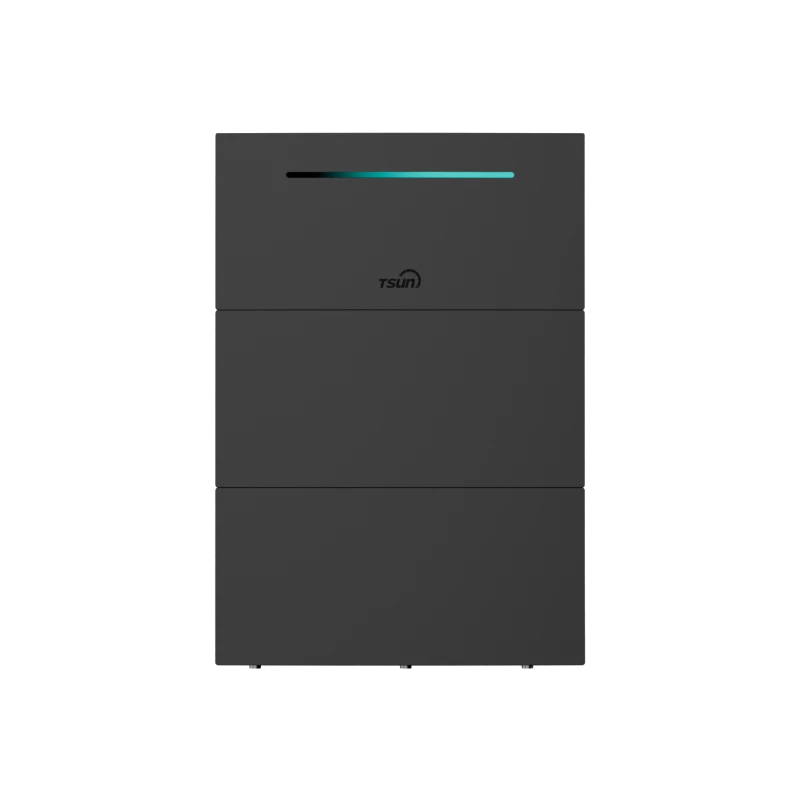
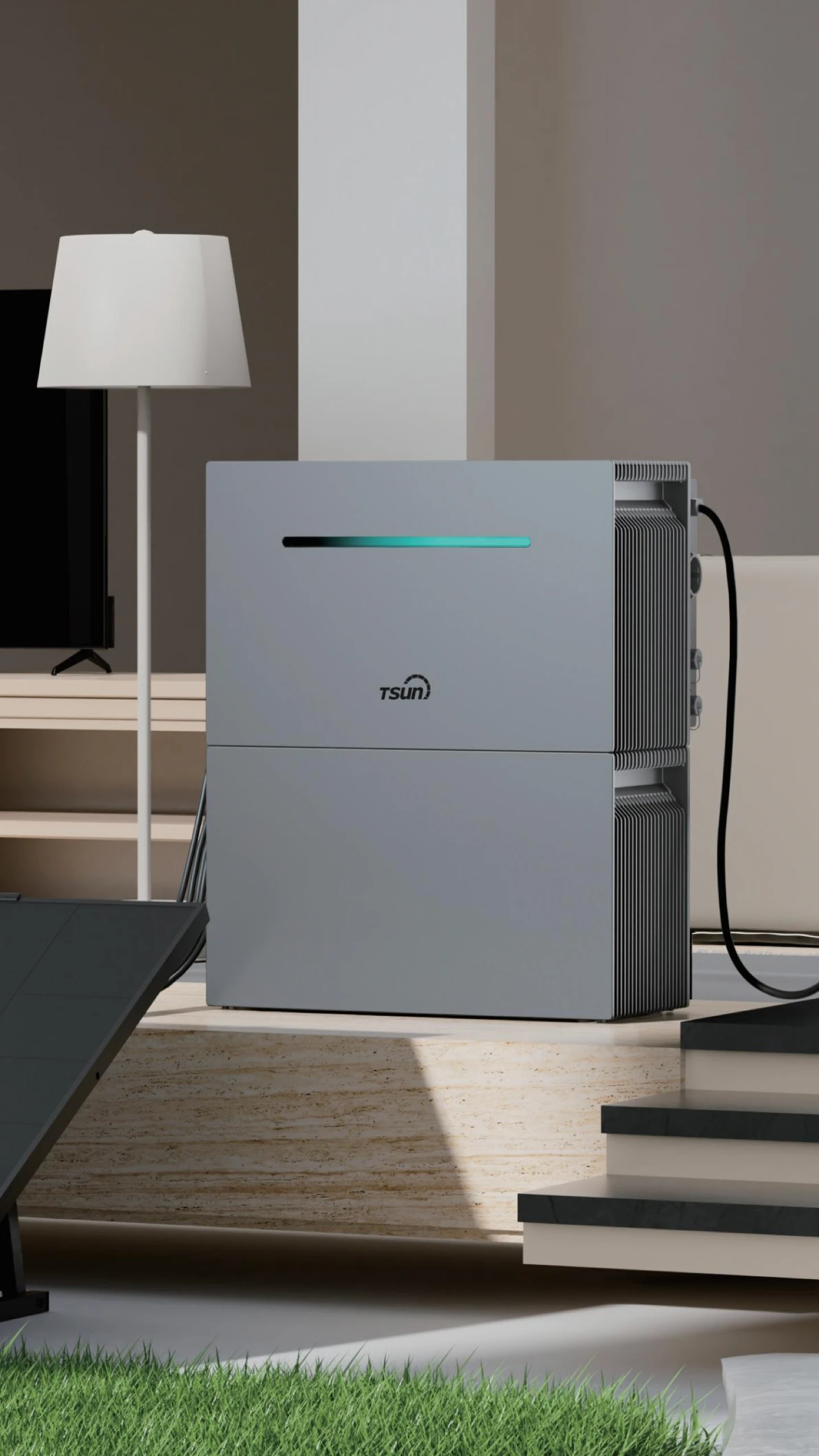
A modern micro AC-coupled energy storage system creates a localized microgrid right in your home. Hardware like the TSUN PowerTrunk MAU5000 wraps battery cells, advanced inverters, and cooling mechanisms into a single scalable cabinet. The fridge stays cold. Essential systems keep running. You achieve ultimate energy resilience effortlessly.
Why Do We Need Energy Stationary Storage Technologies
We ask too much of an old grid. Utility poles and aging transformers buckle under extreme weather. Meanwhile, renewable energy fluctuates. The sun sets. The wind dies down. Energy storage technologies bridge the physical gap between when power is generated and when you actually turn on the stove. Without a way to catch that clean power, it just vanishes into thin air.
Here is why having a solid stationary energy storage system matters so much right now:
- Beating harsh weather: Fierce storms frequently knock down power lines. A smart grid-forming backup system kicks on seamlessly.
- Dodging high bills: Electricity costs spike during busy evening hours. You can pull cheap power at night, then use it when utility prices shoot up.
- Supporting green energy: Storage is the true backbone of clean energy reliability, making your solar panels truly effective 24/7.
- Protecting lifelines: Vital things like refrigerated medicines or home medical equipment cannot wait for the power company. Batteries offer quiet, instant safety.
Ultimately, you gain total energy independence. You control your own power instead of crossing your fingers. Because of this, stationary energy storage technologies are an absolute must-have for any safe, modern home.
How Do Stationary Energy Storage Systems Work
Understanding the chemistry inside the box prevents expensive mistakes. Different materials trap and release electricity differently. Think of battery cells like water buckets. Some buckets are cheap but wear out fast. Others cost more upfront but last longer.
- LFP (Lithium Iron Phosphate): The current standard for residential use. It runs cool and is chemically stable. Systems powered by LFP can be drained and recharged thousands of times before losing capacity.
- NMC (Lithium-Ion): Squeezes a lot of power into a tight space, but uses expensive metals and runs much hotter.
- Flow Batteries: Massive vats of liquid chemicals that are great for city grids, but too massive for residential use.
- Lead-Acid: The old standard. Cheap initially, but dies quickly if drained too far.
For a house, you want reliable, everyday performance. LFP hits that mark. It handles daily solar charging and shifting loads seamlessly without breaking a sweat, which is exactly why modern high-end units rely on it.
Strategies to Choose the Best Stationary Energy Storage Solutions
Buying a massive battery is not like picking out a kitchen appliance. You are essentially building a private utility company in your garage. Stop looking at generic spec sheets first—look at your life.
- Demand stable chemistry: You want Lithium Iron Phosphate (LFP) for residential peace of mind. It handles thermal stress beautifully.
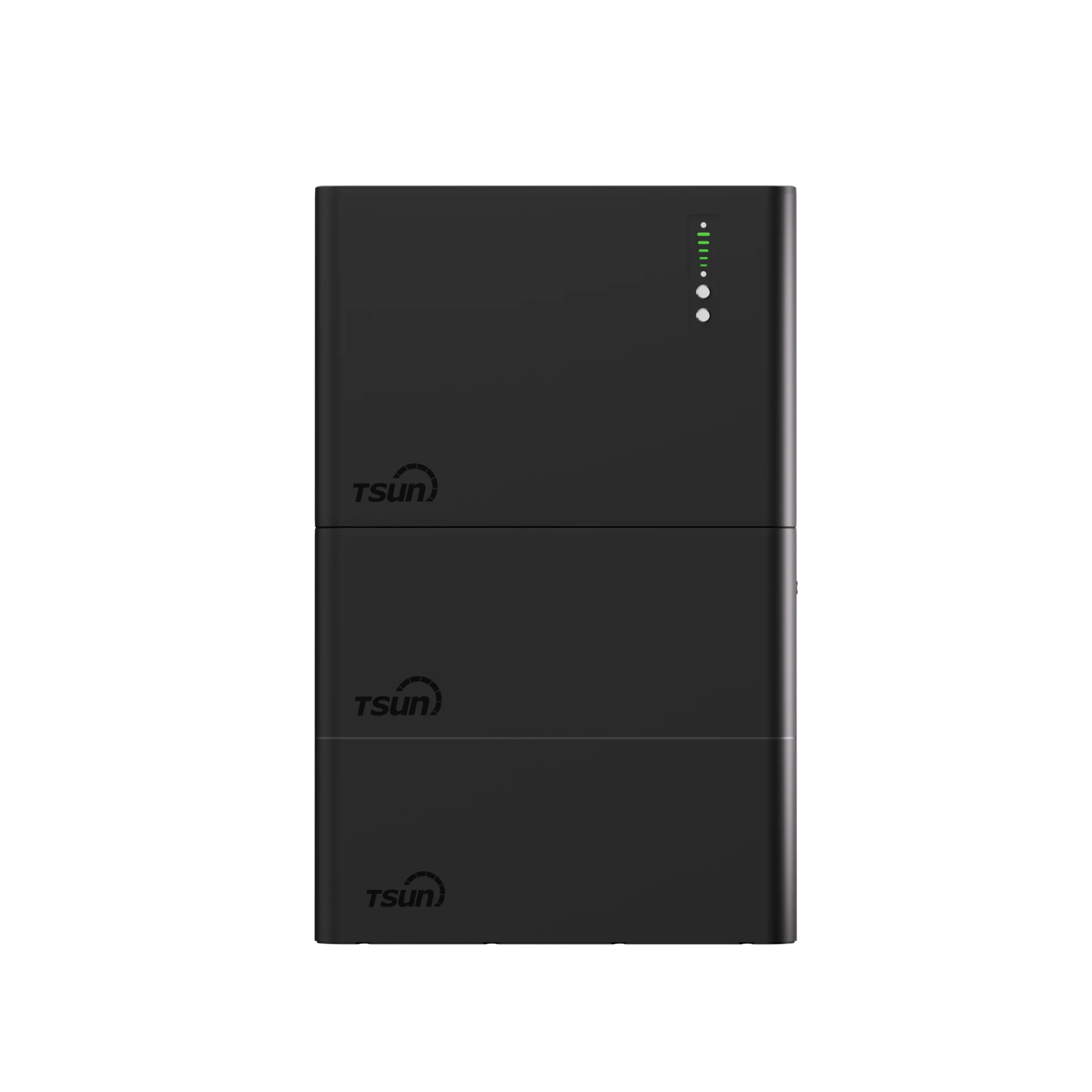
- Plan for tomorrow: Family needs evolve. Choose hardware that scales. You might need 5kWh today, but 25kWh tomorrow.
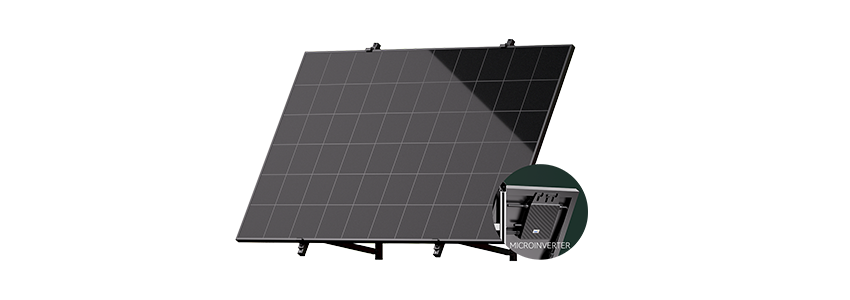
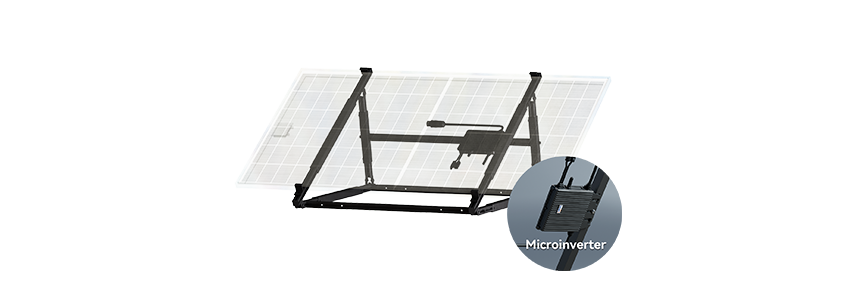
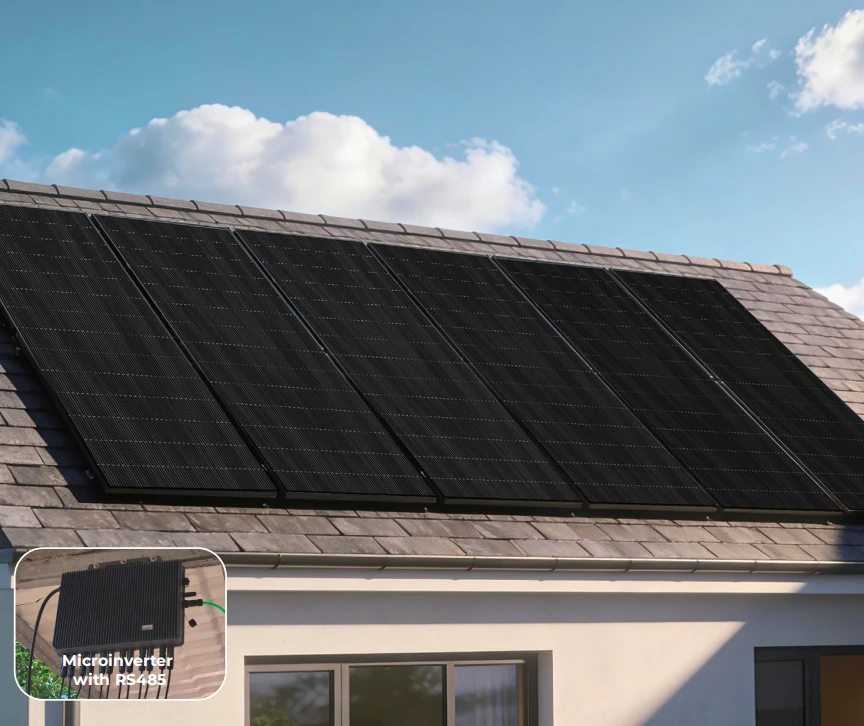
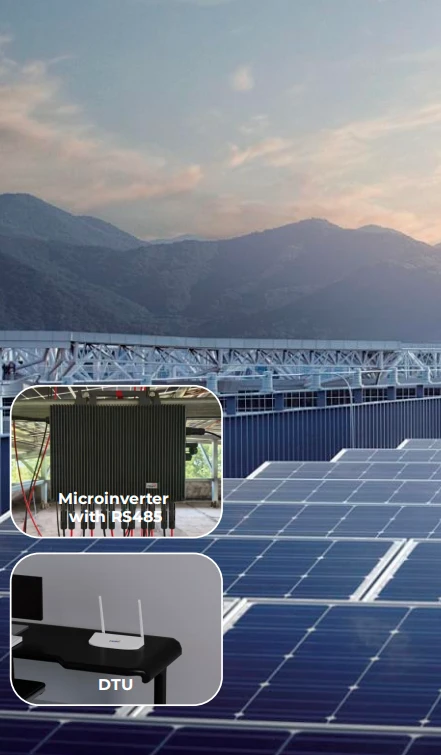
- Focus on Integration: If you already have a PV setup or microinverters, look for AC-coupled units that effortlessly bridge the gap without forcing a total system overhaul.
- Software dictates the experience: You should be able to track Time-of-Use (TOU) tariffs and execute intelligent self-consumption right from an app.
Top Tier Contender: The TSUN PowerTrunk (Micro AC Coupled Unit)
When evaluating strategies to choose the best stationary energy storage, the TSUN PowerTrunk MAU5000 emerges as a premier solution.
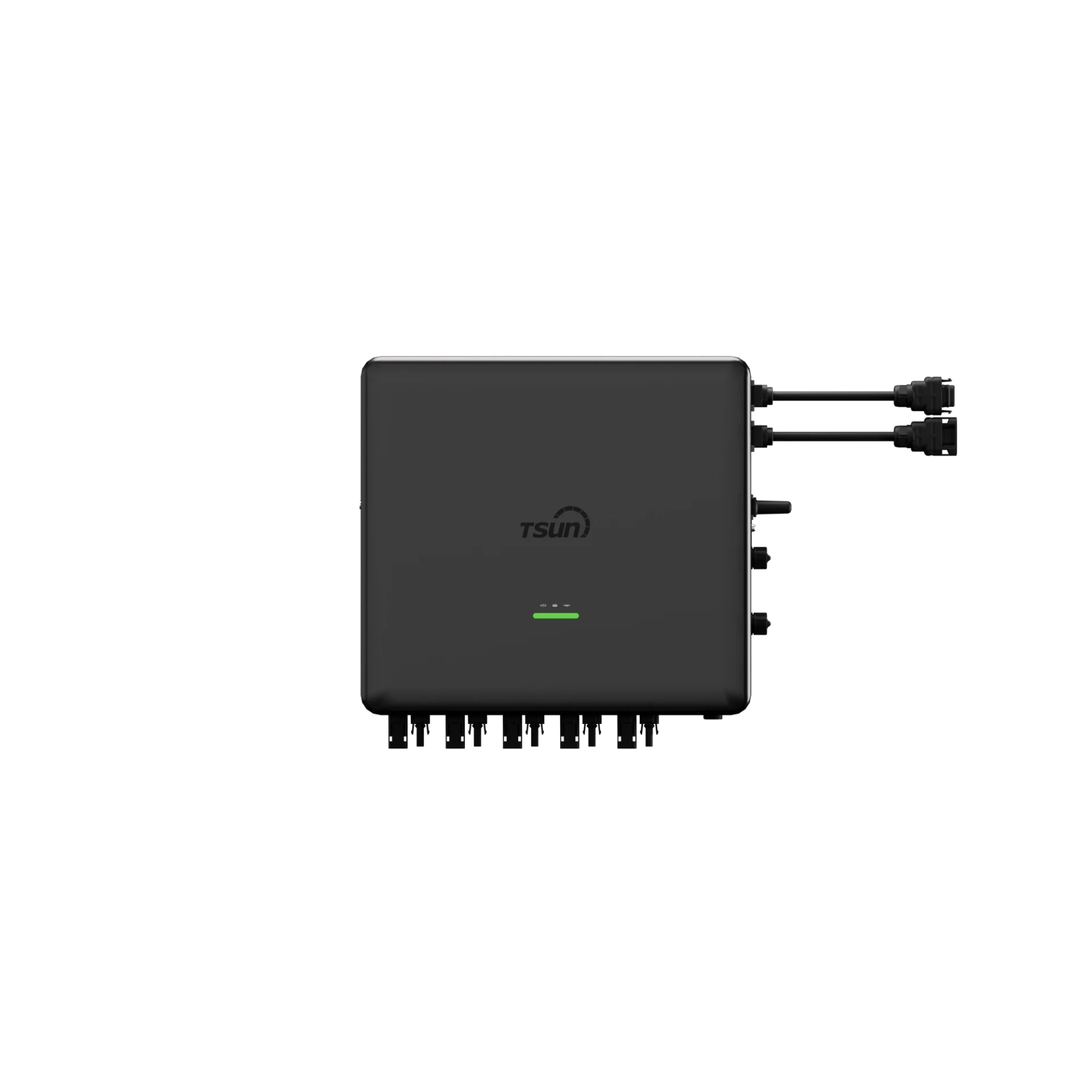
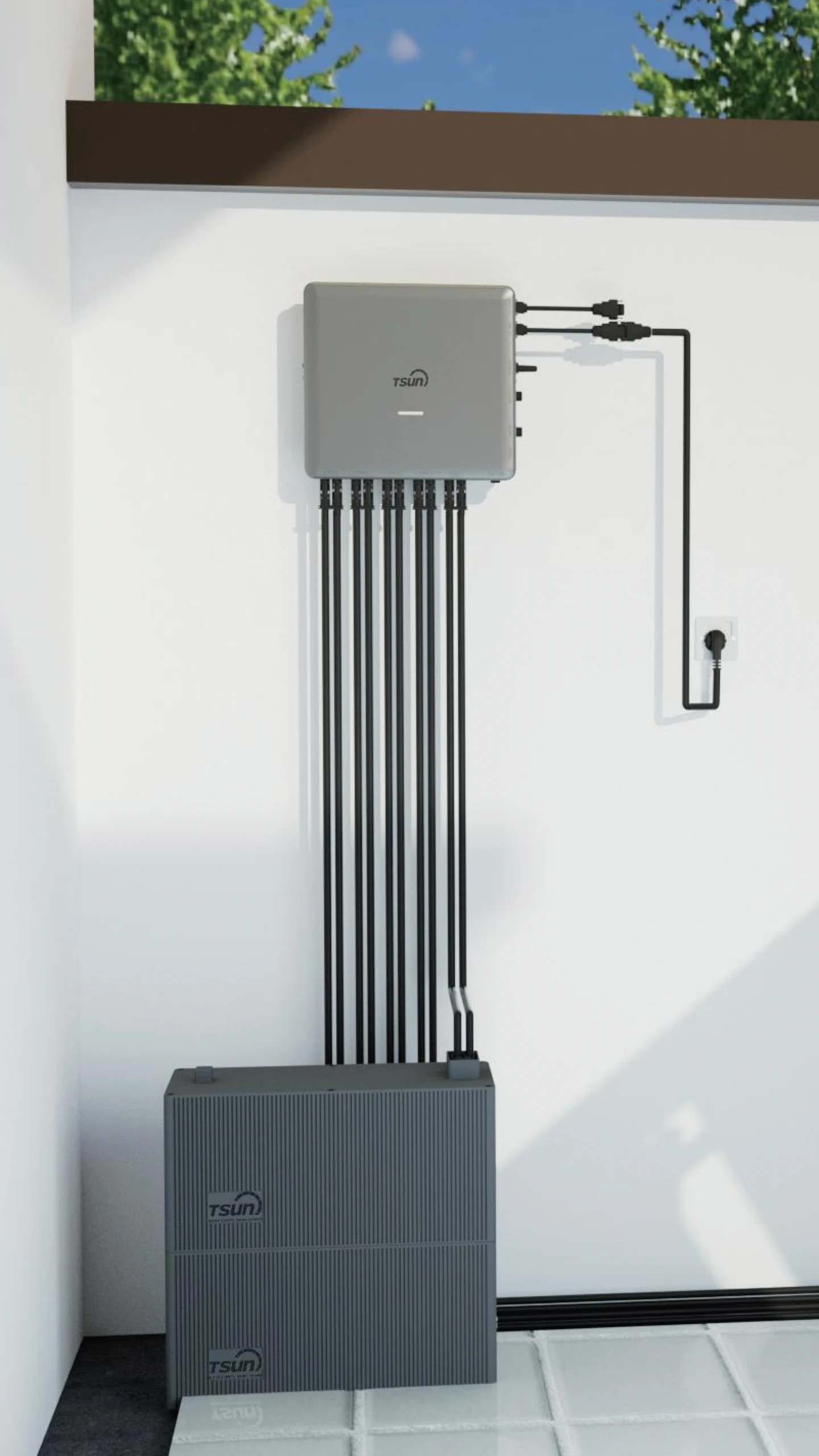
The MAU5000 is an AC-coupled energy storage system designed to effortlessly upgrade existing grid-tied PV setups or power new solar installations in seamless combination with microinverters. It empowers homeowners to maximize energy efficiency and reduce electricity bills through intelligent self-consumption, Time-of-Use (TOU) shifting, and dynamic tariff response.
Built for flexibility, multiple units can operate in parallel to easily scale capacity from 5 kWh up to 25 kWh for larger single-phase or three-phase applications. The system also features a grid-forming off-grid port that creates a robust backup power supply, providing ultimate energy independence.
Discover the PowerTrunk MAU5000Global Stationary Energy Storage Market: Growth Drivers and Challenges
The global stationary energy storage market is expanding rapidly as countries, utilities, and businesses seek more reliable, flexible, and low-carbon power systems. Key growth drivers include the rising adoption of renewable energy, increasing grid instability, growing demand for backup power, and the need to manage peak electricity costs. Advances in battery technology, falling component prices, and supportive government policies are accelerating deployment.
Despite this momentum, challenges remain. Complex permitting, integration barriers, and raw material price volatility can slow adoption. As the market matures, success will depend on strengthening safety standards, offering plug-and-play scalable solutions like the AC-coupled units, and building more resilient service networks.
Conclusion
Stationary energy storage is no longer a sci-fi dream. It is a proven shield that protects your home and slashes high electric bills. Because technology is now smarter and safer, you have great options for achieving true home energy resilience.
If you crave energy freedom, act now. The TSUN PowerTrunk packs scalable capacity, intelligent dynamic tariff response, and robust backup power into an elegant setup. Stop dreading the next blackout—take control of your power today!
FAQs about Stationary Energy Storage
Q1: What is stationary energy storage, and how is it different from portable energy storage?Portable batteries charge phones at a campsite. Stationary energy storage is heavy, integrated infrastructure. Think of it as a localized power plant. While a camping battery runs a small fan, hardware like the TSUN PowerTrunk handles the robust electrical needs of a modern household, offering scalable capacity from 5kWh to 25kWh.
Q2: How large is the global stationary energy storage market?The financial footprint is massive. Analysts expect the global stationary energy storage market to eclipse USD 549 billion by 2035. The sudden leap is driven by grid anxiety. People want physical control over their daily electricity.
Q3: What battery technology is best for home stationary energy storage?Lithium Iron Phosphate (LFP) wins the residential category entirely. Older lithium chemistries run hot, whereas LFP uses abundant iron and stays thermally stable. Manufacturers building premium gear rely on LFP cells because they handle heavy household loads safely over thousands of cycles.
Q4: Can stationary energy storage really cut my electricity bill?Yes. It plays the utility pricing game for you. A smart system banks power when it is cheap (like off-peak night hours or excess solar generation). When evening rates spike, the house runs on battery power. Running this Time-of-Use (TOU) shifting cycle with the TSUN PowerTrunk ensures every kilowatt-hour is used when it’s most cost-effective.
Q5: How does a home battery system provide power during an outage?Modern advanced systems bypass the agonizing startup time of traditional gas generators. The TSUN PowerTrunk, for instance, features a grid-forming off-grid port that creates a robust backup power supply. The grid dies, but the system transitions to support your critical loads, ensuring you remain powered when it matters most.






 LEARN DETAILS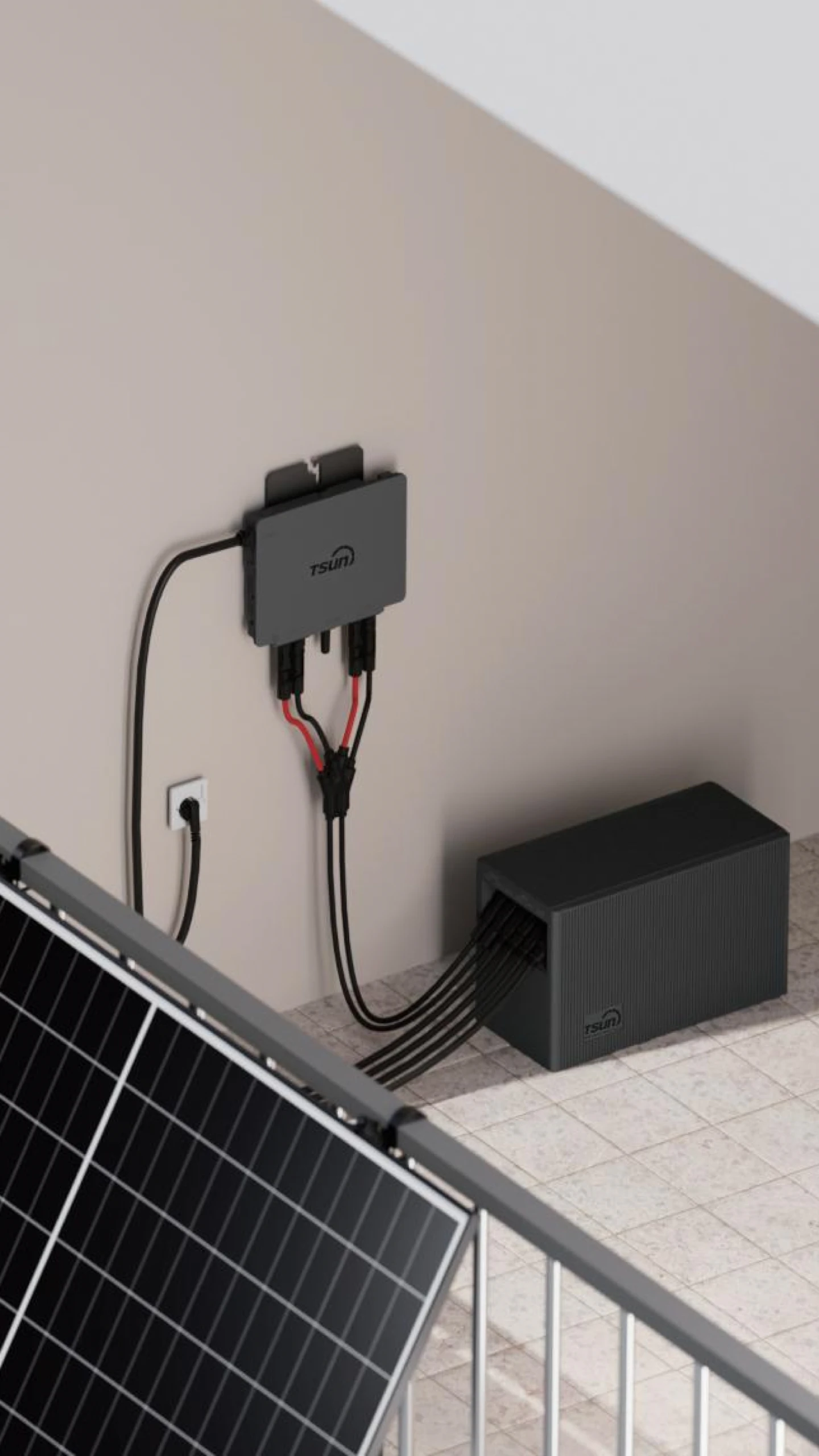
 Downloads
 Video Center
 Report Fault for Repair
 FAQS
FAQS Service Network
 Privacy Policy
 Contact Us
 Monitoring


 LEARN MORE