Storing Solar Energy Without Batteries: A Practical Look
Having spent years around industrial equipment and energy solutions, I’ve seen firsthand how energy storage technologies evolve. Storing solar energy without batteries is one of those areas that’s gathering momentum—frankly because batteries, despite all their improvements, still pose limitations like cost, lifespan, and environmental concerns.
Now, when people mention "energy storage," batteries are the default image. But in real industrial scale setups, there’s an increasing turn toward alternatives like thermal energy storage, pumped hydro, and compressed air. Oddly enough, these methods often get overshadowed but can be incredibly effective, especially when paired with solar generation.
Take thermal storage, for example. You capture the sun’s heat, store it in materials such as molten salts or special ceramics, and then use that heat to generate electricity or process heat later. I recently saw a setup where molten salt tanks were integrated with solar fields to provide power even after sunset. It felt pretty elegant—no chemical batteries to degrade, just physics doing its thing.
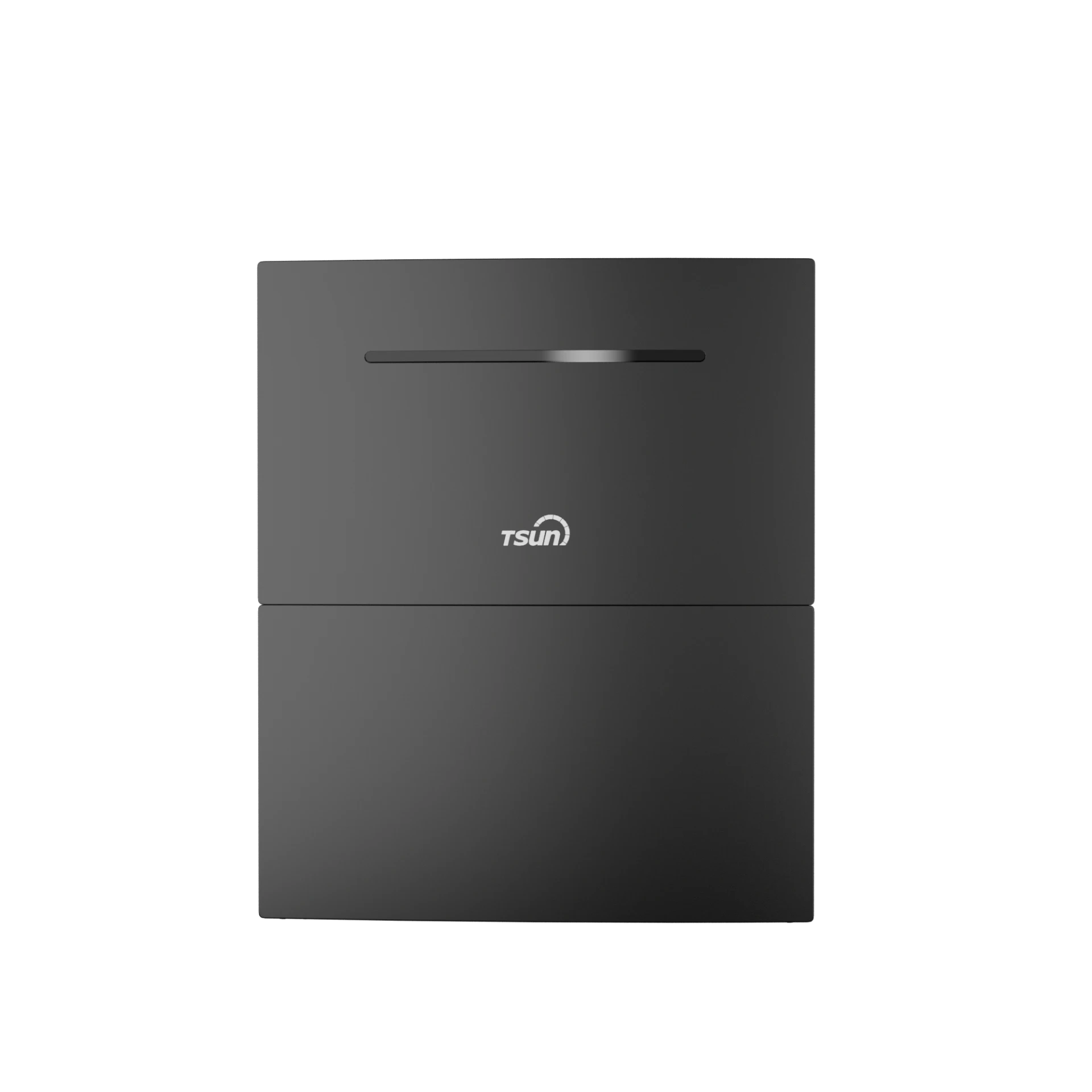
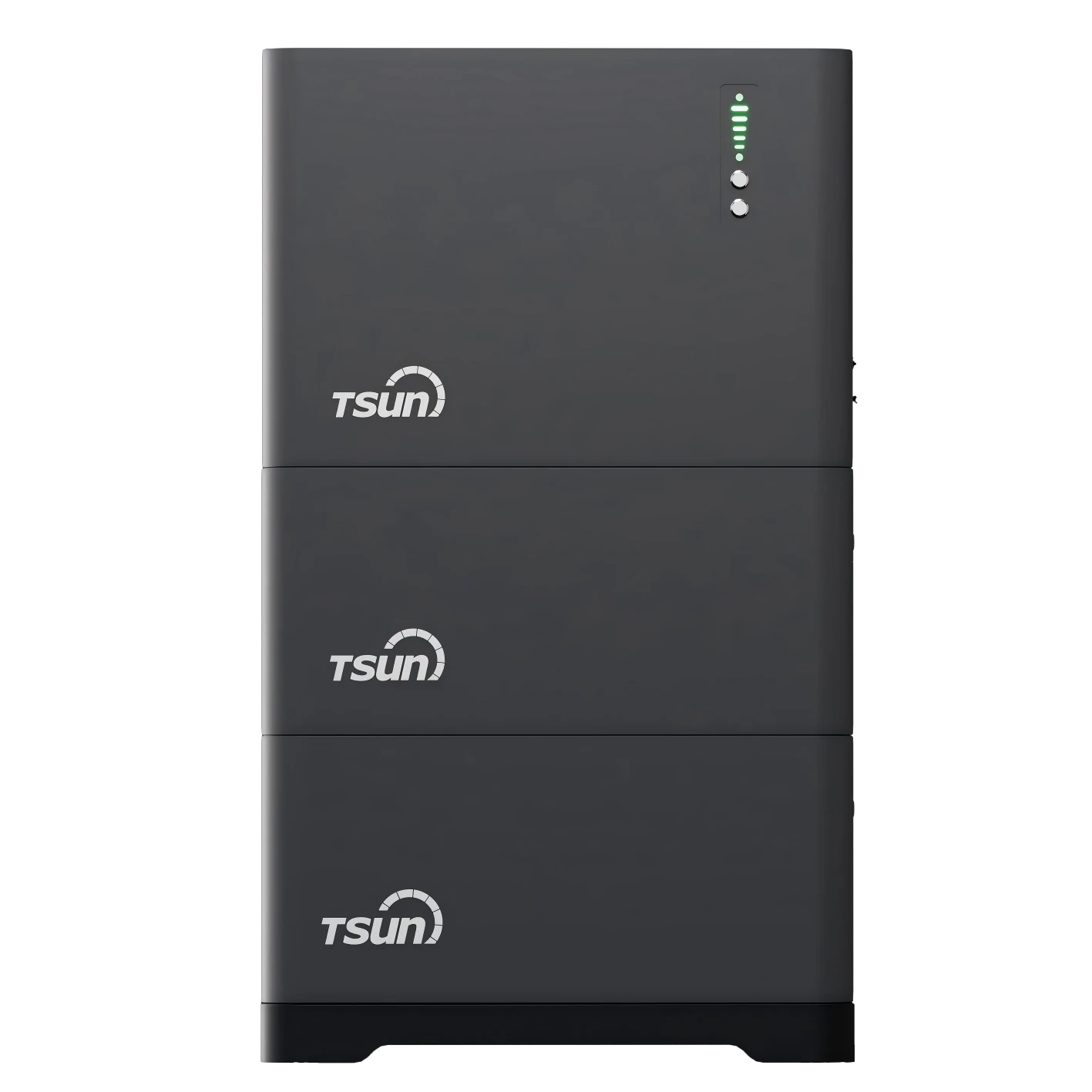
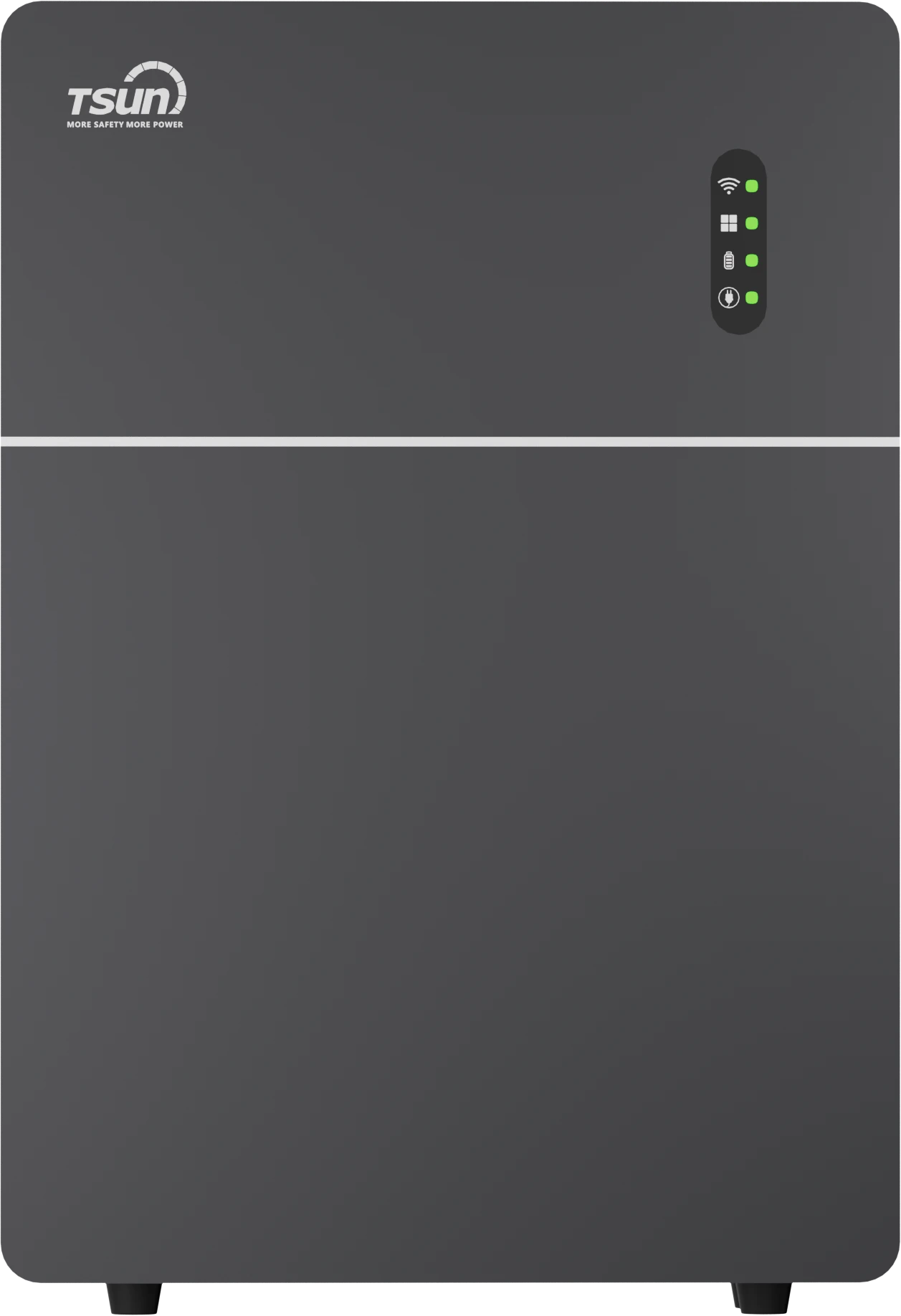
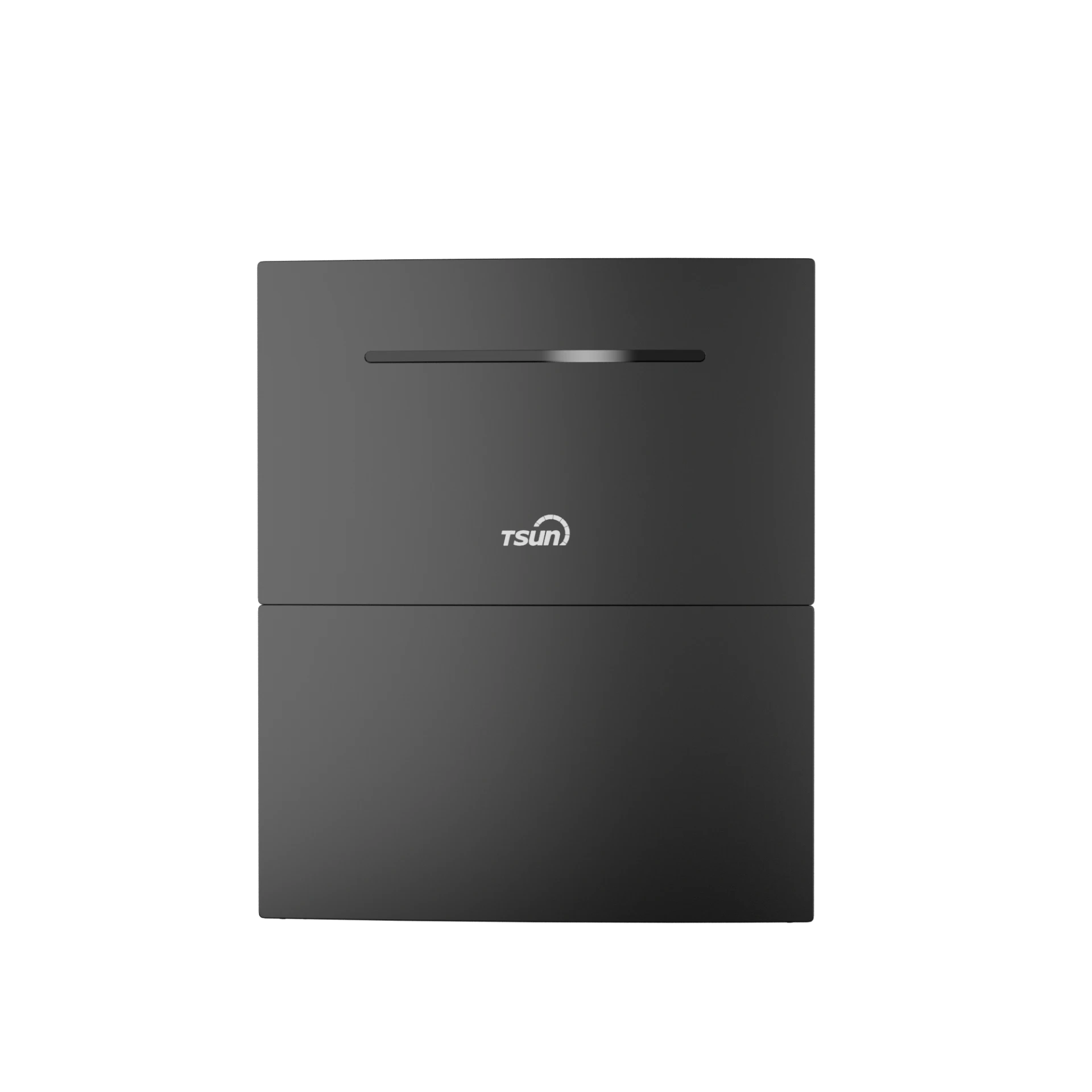
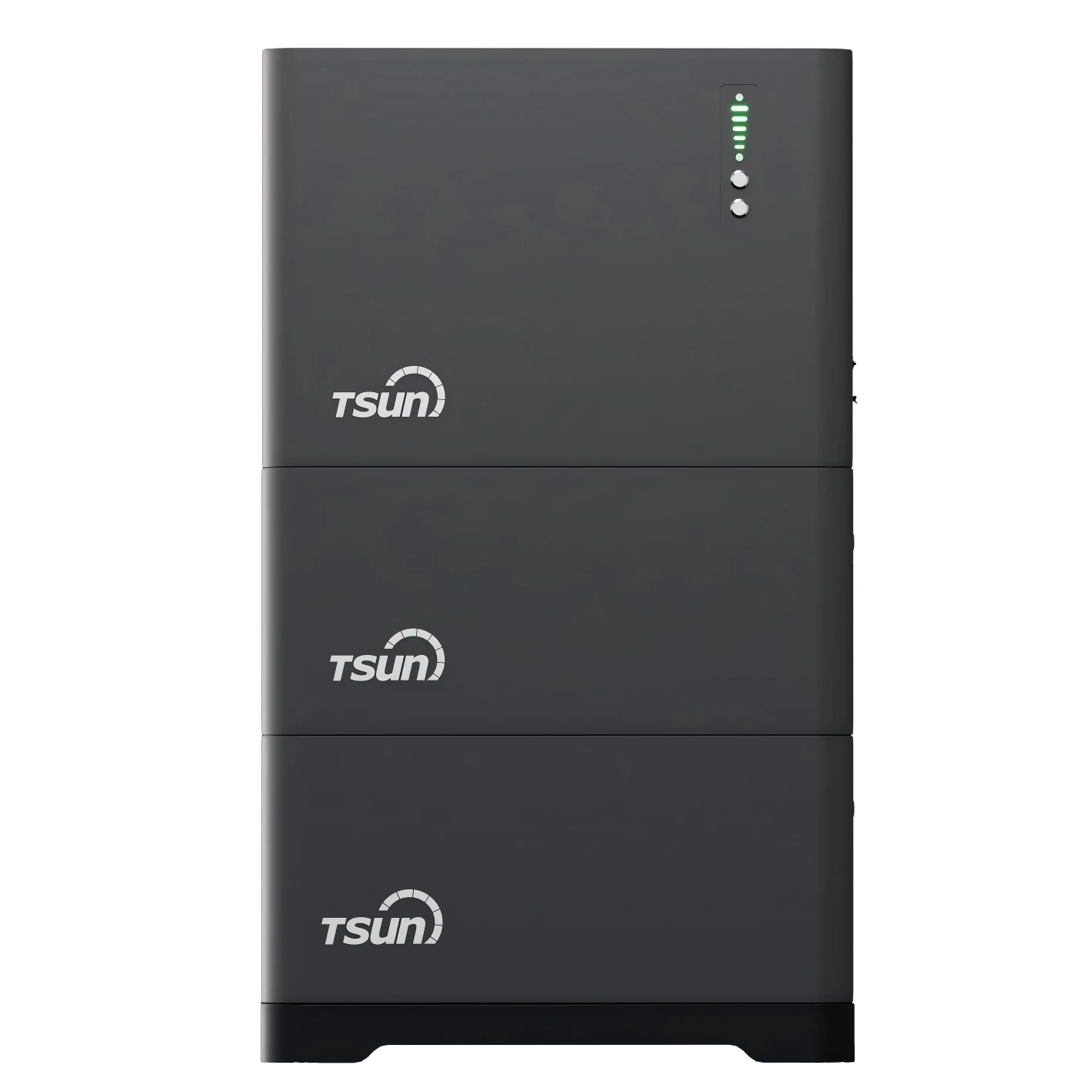
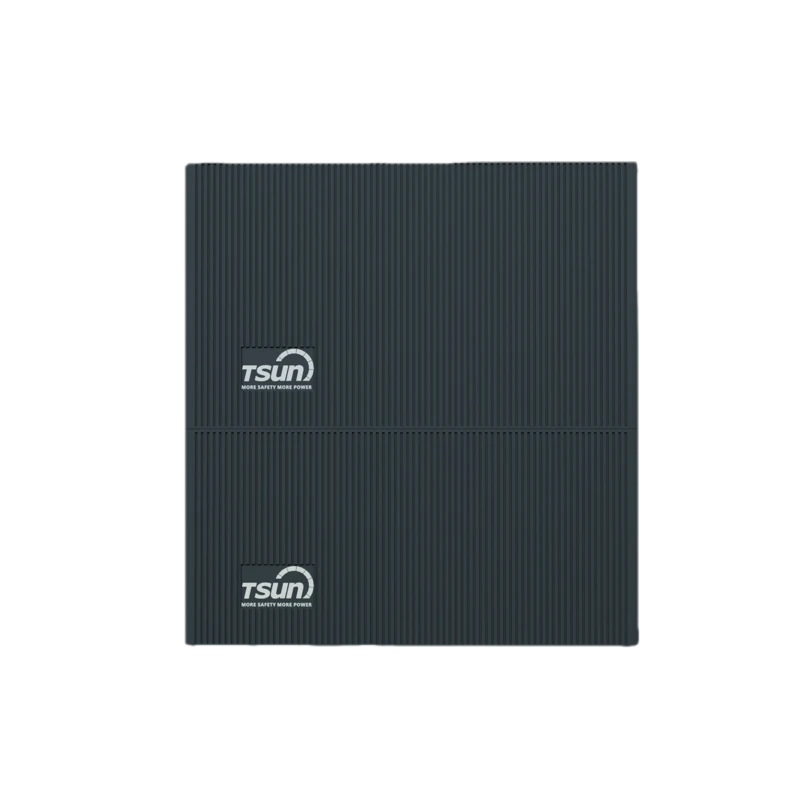
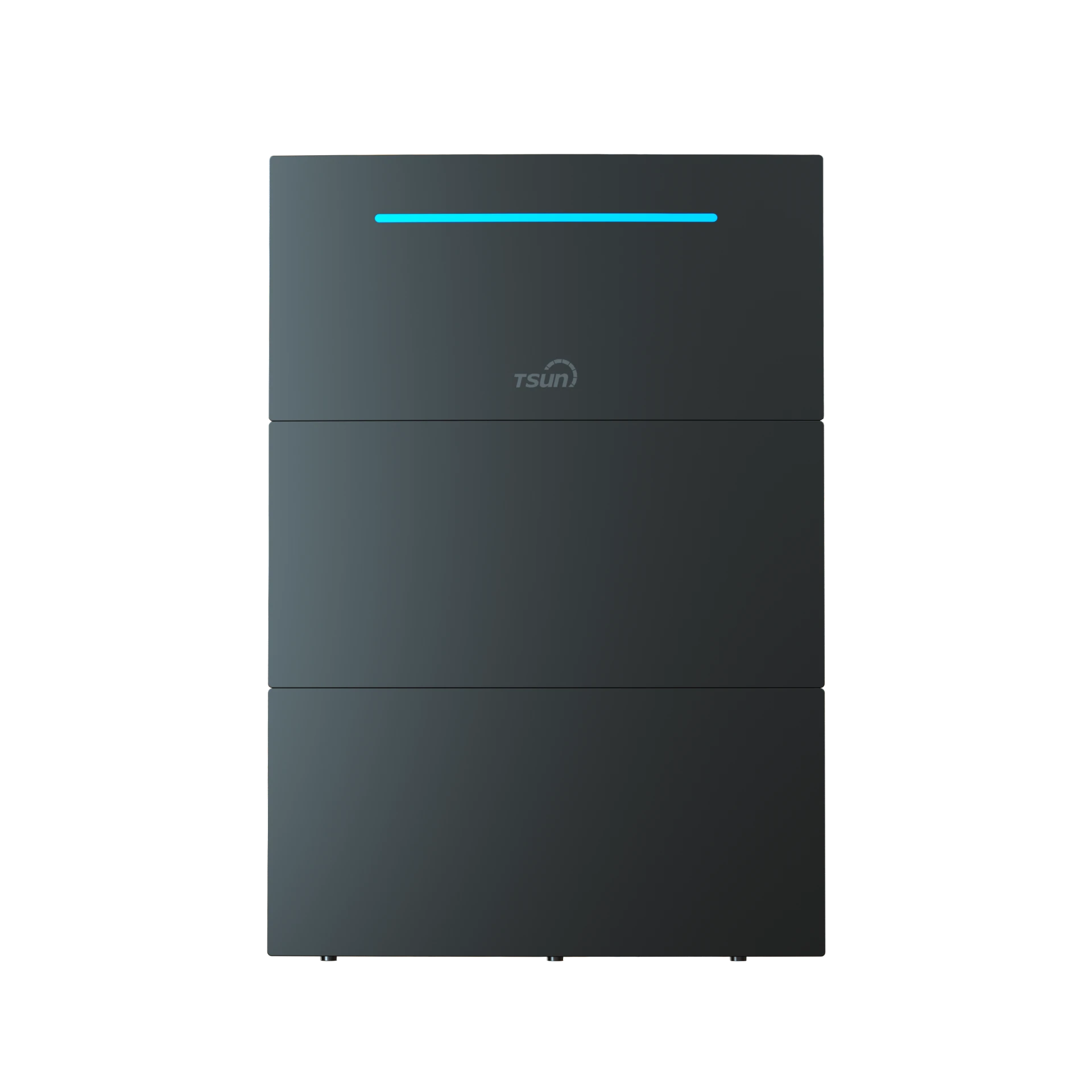
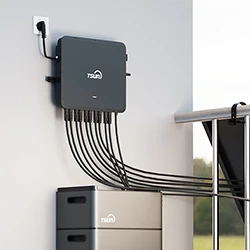
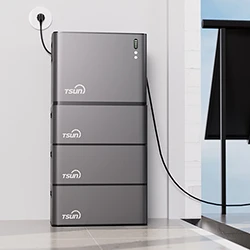
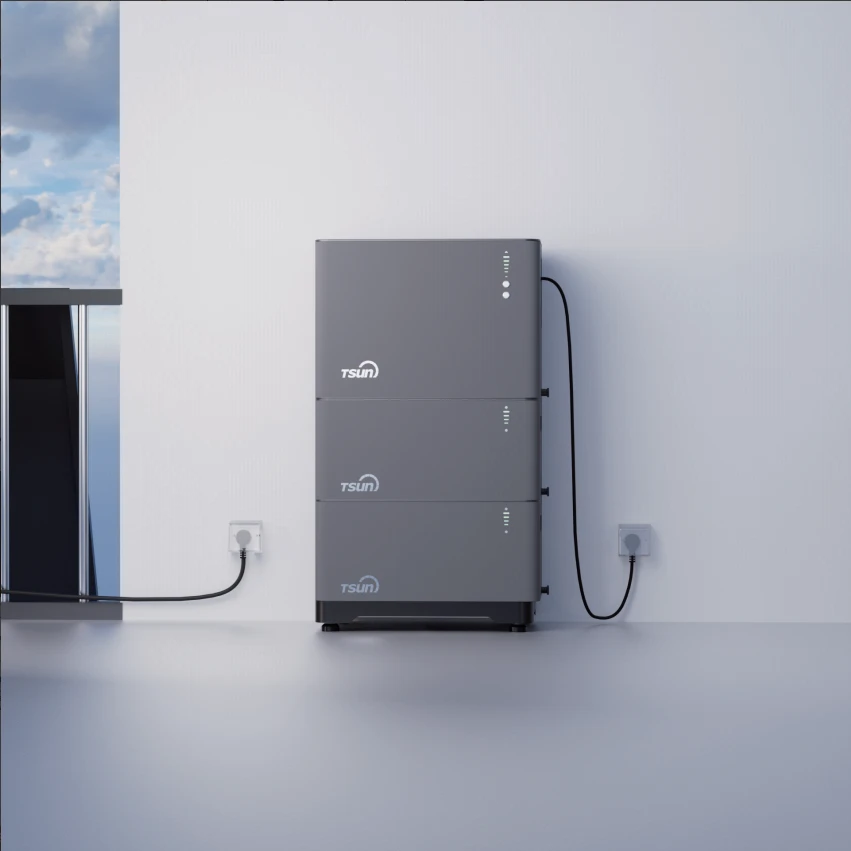
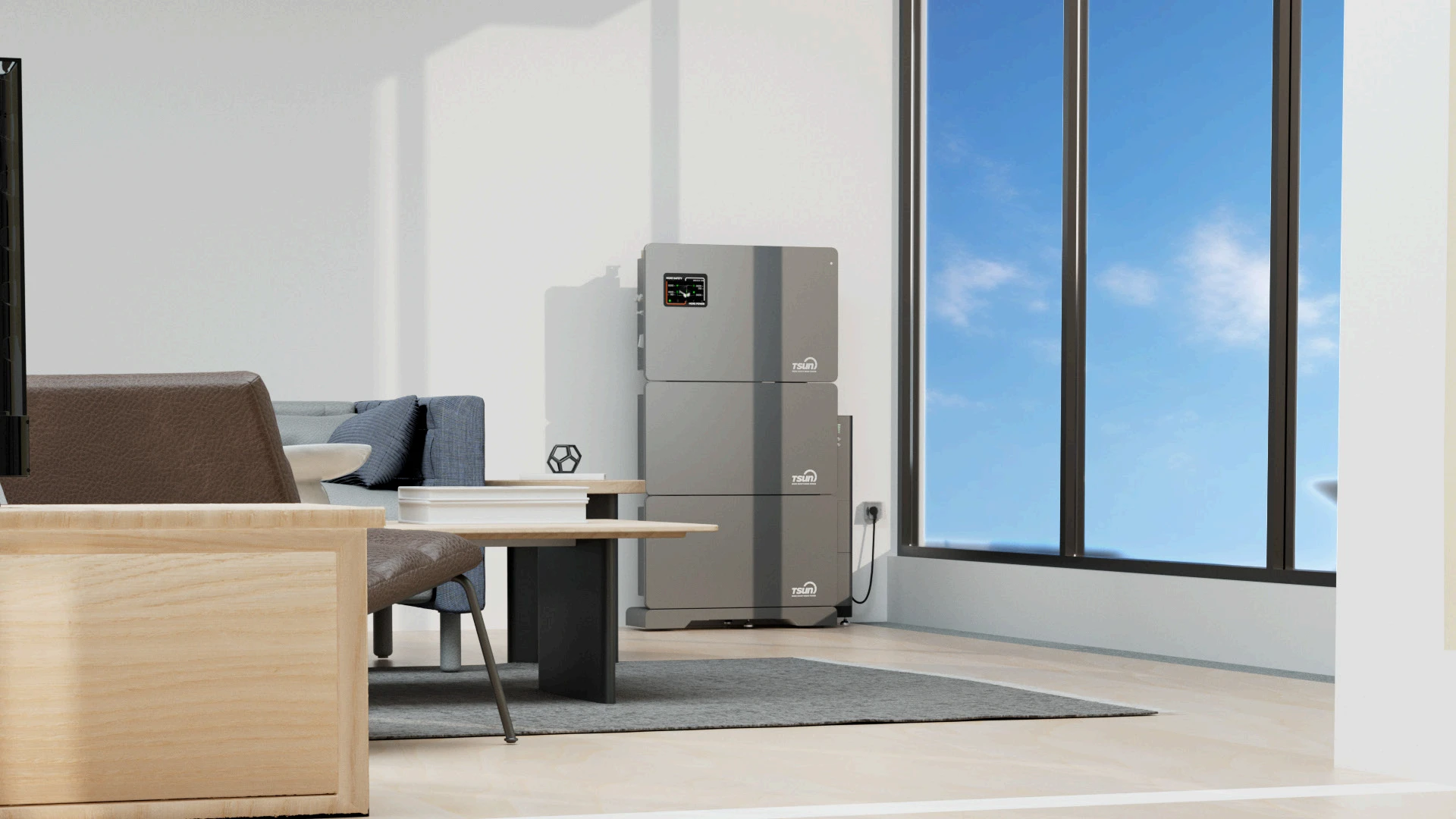
In terms of design, thermal storage systems like the ones TSUN Energy Storage Solutions offer combine robust materials that can withstand extreme temperatures for thousands of cycles. This kind of durability is crucial; after all, you want a system that doesn’t demand constant maintenance or replacement.
Here’s a quick rundown of some key specs from a representative industrial-scale thermal storage product:
| Feature |
Specification |
| Storage Medium |
Molten salt (60% sodium nitrate, 40% potassium nitrate) |
| Operating Temperature |
250°C – 565°C |
| Storage Capacity |
Up to 200 MWh thermal |
| Cycle Life |
10,000+ cycles |
| Efficiency |
~90% thermal retention |
| Typical Applications |
Industrial heat, grid load balancing, power generation |
Now, comparing vendors in this field is a bit tricky because each company’s approach comes with trade-offs. Here’s a snapshot comparison that I’ve put together based on specs and market presence:
| Vendor |
Storage Type |
Key Strength |
Notable Limitations |
| TSUN Energy Storage |
Molten Salt Thermal |
High thermal efficiency & long cycle life |
High upfront capital cost |
| EnergyNest |
Concrete Thermal Storage |
Lower cost materials |
Lower energy density |
| Hydrostor |
Compressed Air Energy Storage |
Long-duration storage suitable for grids |
Site-specific geography requirements |
On a more practical note, I once visited a solar thermal plant that used molten salt storage to power an industrial process well into the night. It was impressive how quiet it was—no battery hum or inverter noise. I’ve also noticed many engineers favor these thermal systems for their predictability and stability, though they do require skilled integration with other plant systems.
Customization is also key. Systems like those from TSUN Energy Storage often tailor design parameters to exactly match a facility’s load profile or site conditions. That level of precision matters because you’re not just storing heat — you’re storing operational resilience and energy reliability, which frankly feels huge given today’s unpredictable markets.
So, while batteries continue to improve and probably remain the top choice for smaller-scale or residential solar setups, I firmly believe alternative solutions like thermal storage deserve a bigger share of the spotlight in industrial solar energy storage discussions.
In the end, successful energy storage is about fitting the technology to the purpose rather than shoehorning one solution for all. The growing interest in storing solar energy without batteries signals a maturing market that’s getting smarter about how best to harness the sun.
For anyone in the industrial field curious about such systems, I recommend a deep dive into material properties, site integration, and long-term maintenance profiles before jumping on a tech. Those details, you know, really make the difference between an investment that pays off and one that just ends up on the scrap heap.
And it’s always worth remembering: no storage solution is perfect, but the more options you know, the better your chance of hitting that sweet spot.
Takeaway: Exploring battery-free solar storage is not just feasible—it’s increasingly practical and mature for heavy-duty industrial use.
References:
1. International Renewable Energy Agency (IRENA) - Thermal Energy Storage Report, 2023
2. TSUN Energy Storage Solutions official documentation
3. "Industrial-scale energy storage: alternatives to batteries," Energy Industry Review, 2022







 LEARN DETAILS
 Downloads
 Video Center
 Report Fault for Repair
 FAQS
FAQS Service Network
 Privacy Policy
 Contact Us
 Monitoring


 LEARN MORE