Understanding Residential Energy Storage Systems
Having spent the better part of a decade in industrial equipment, I’ve seen technologies come and go, but the rise of residential energy storage systems feels different. It’s not just a shiny new gadget; it’s a real game changer for home energy management.
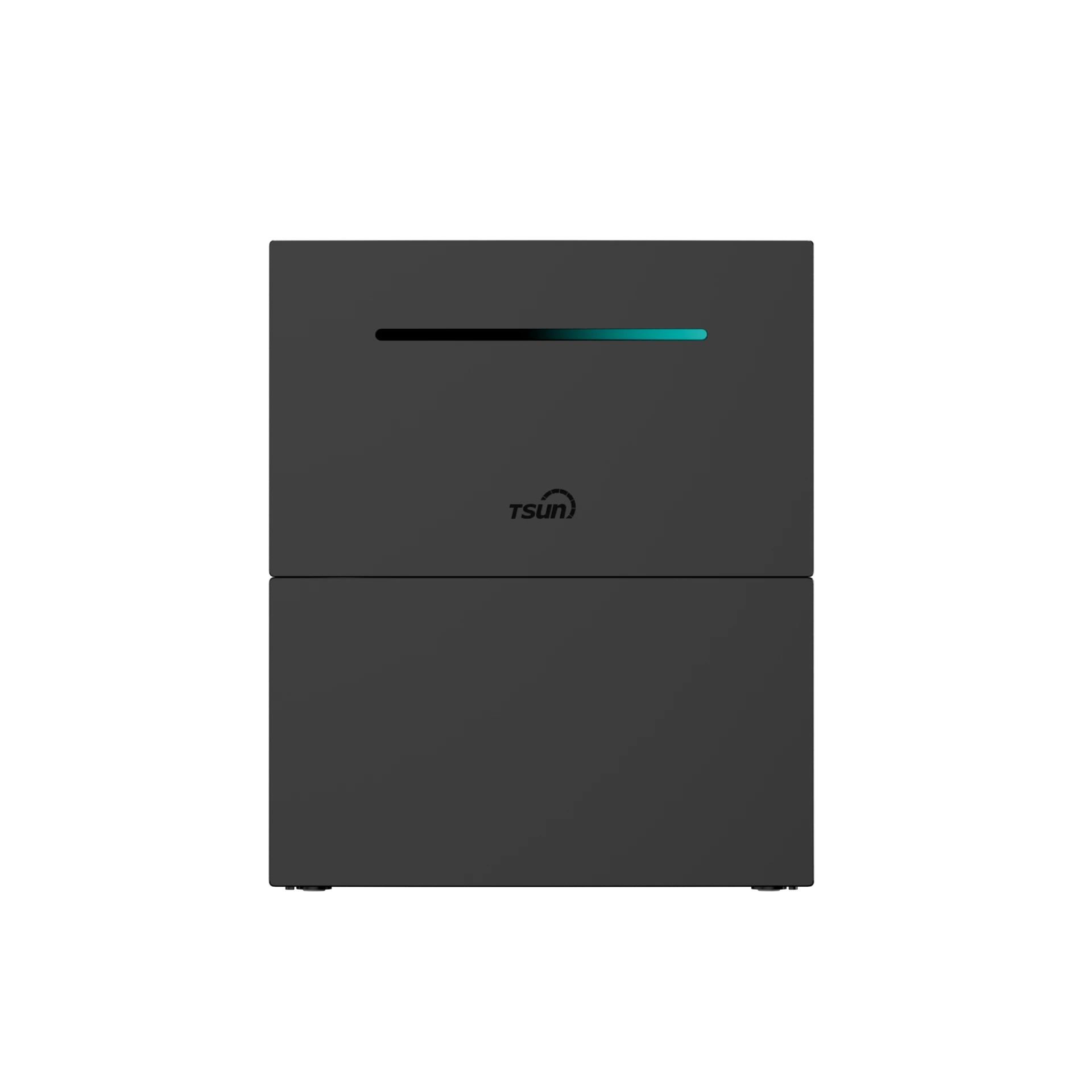
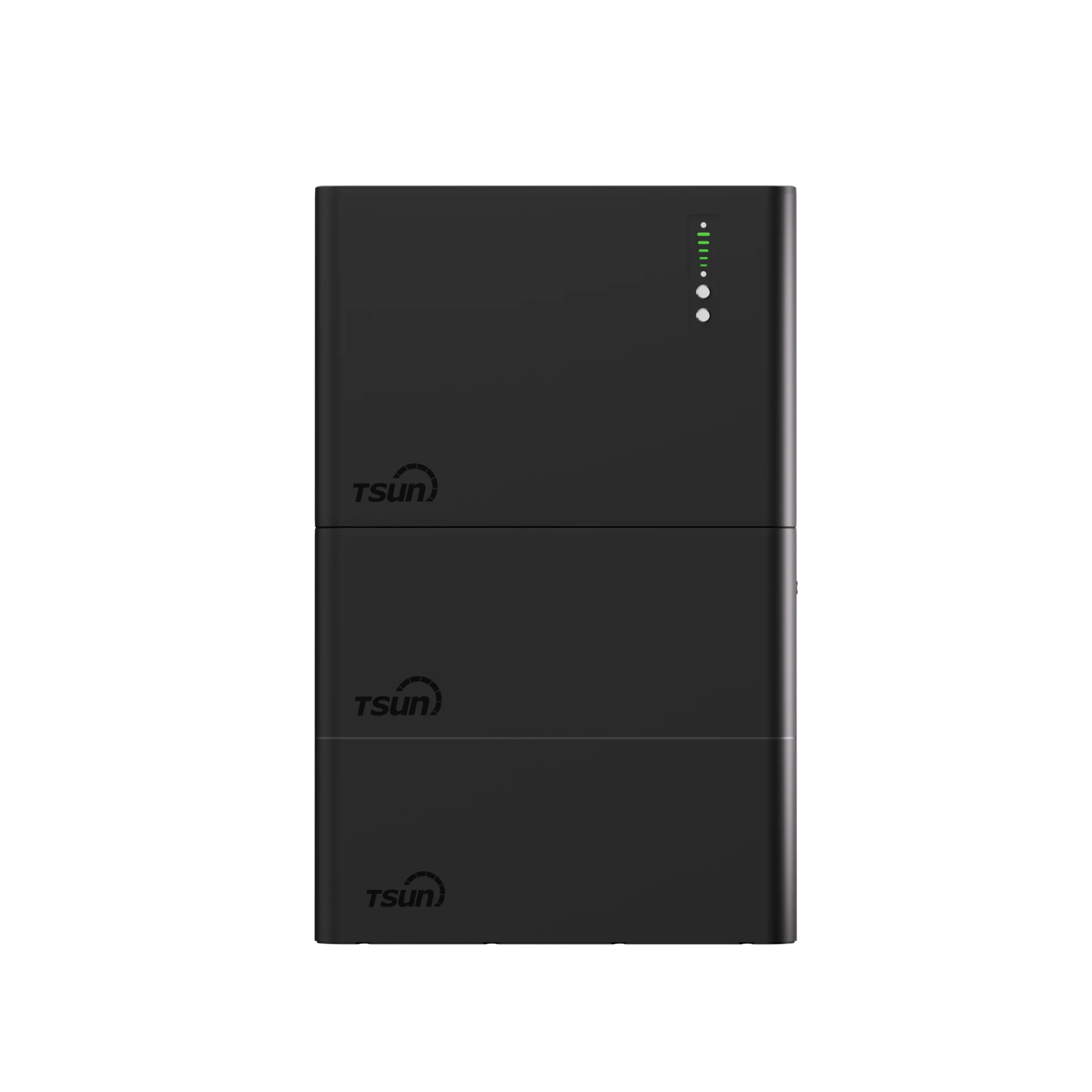
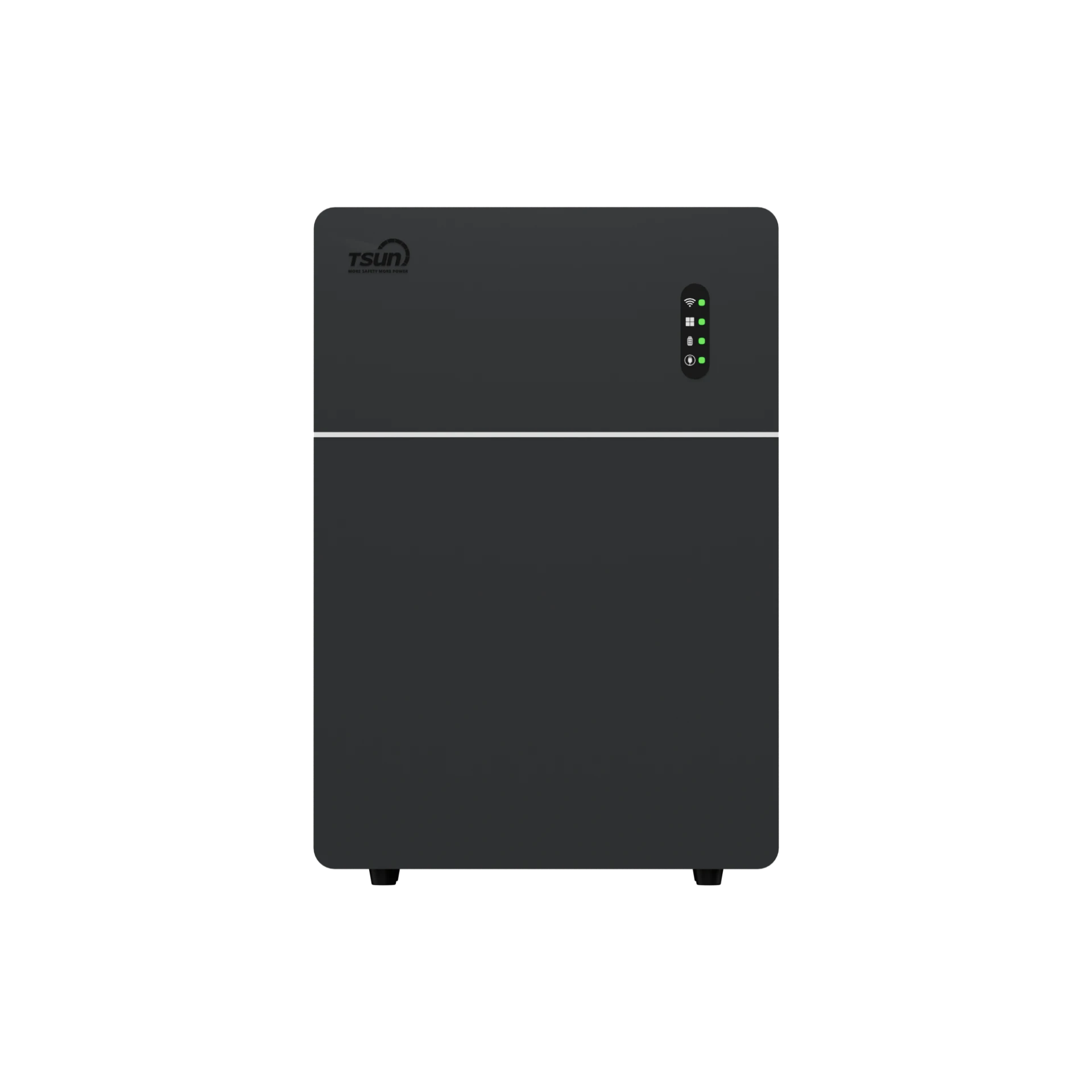
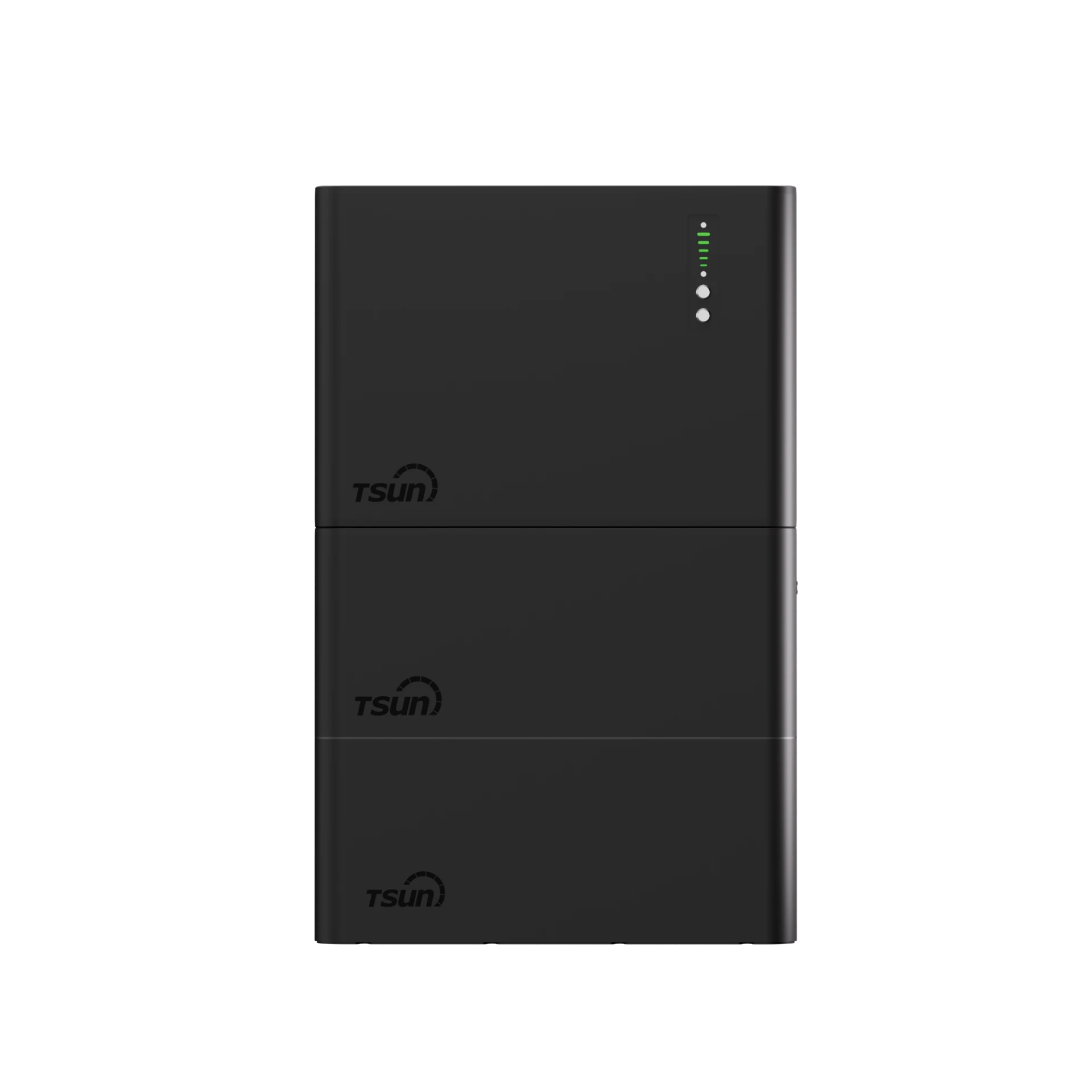
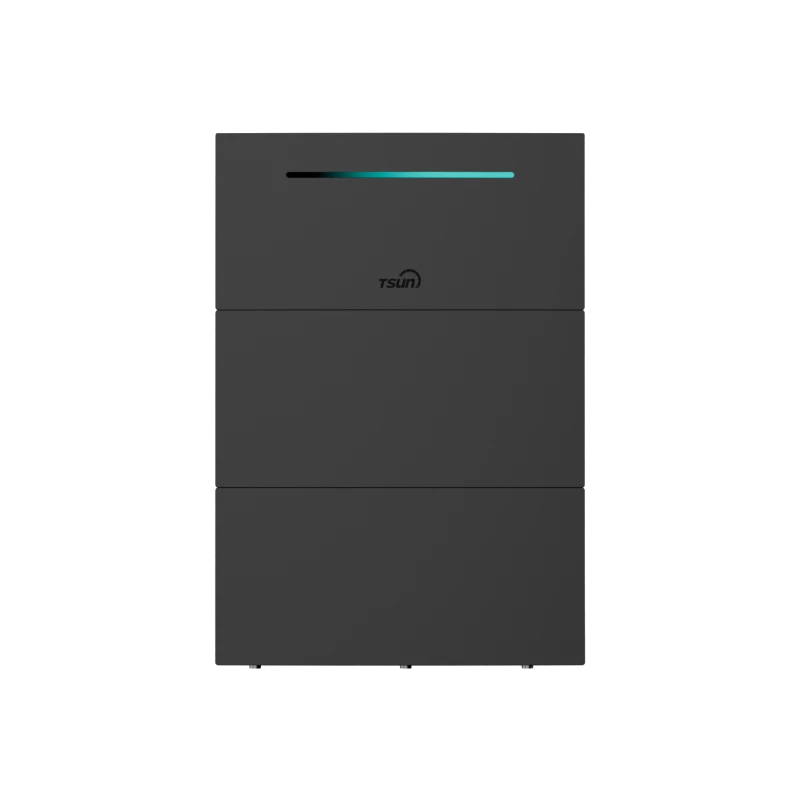
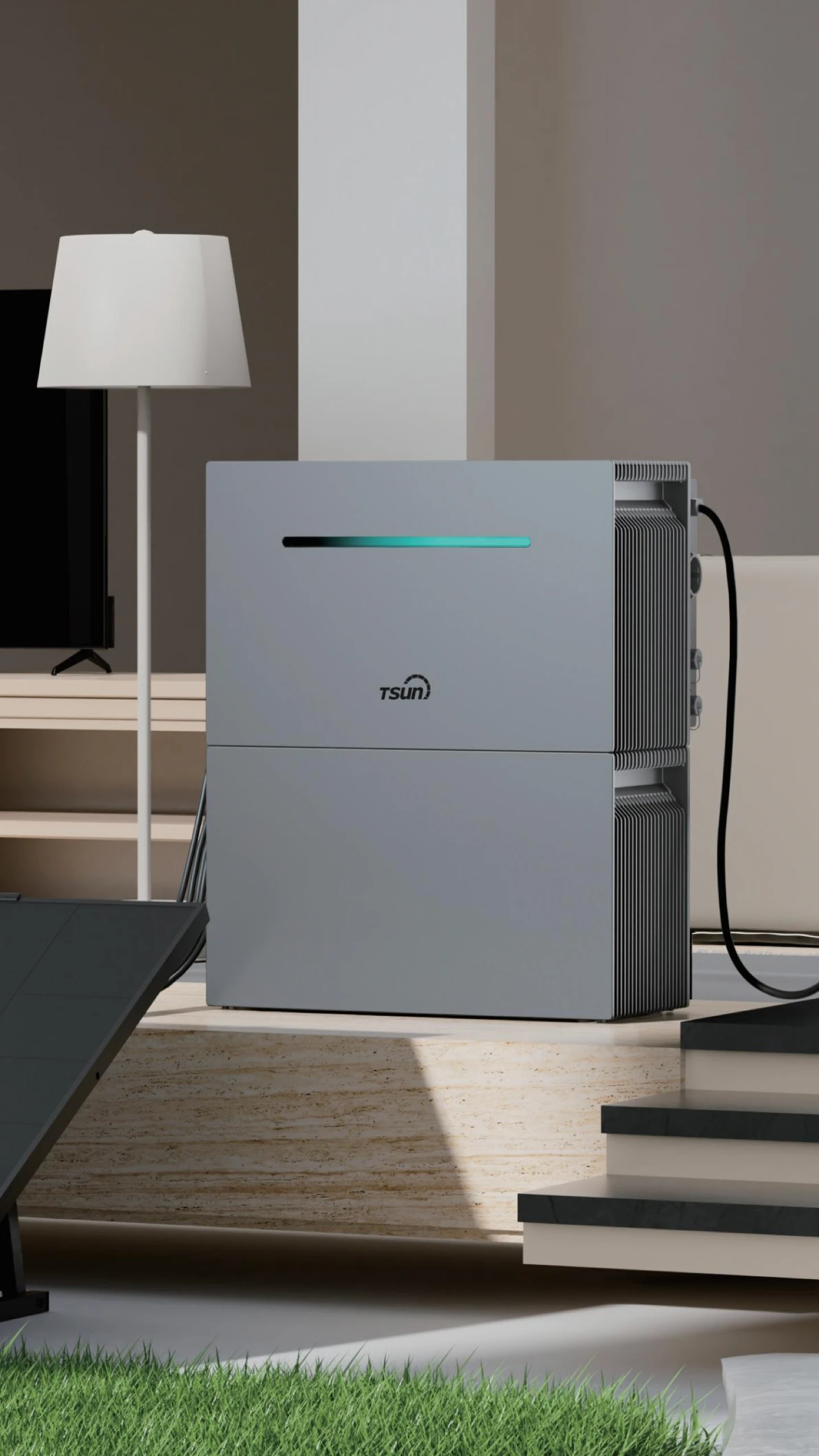
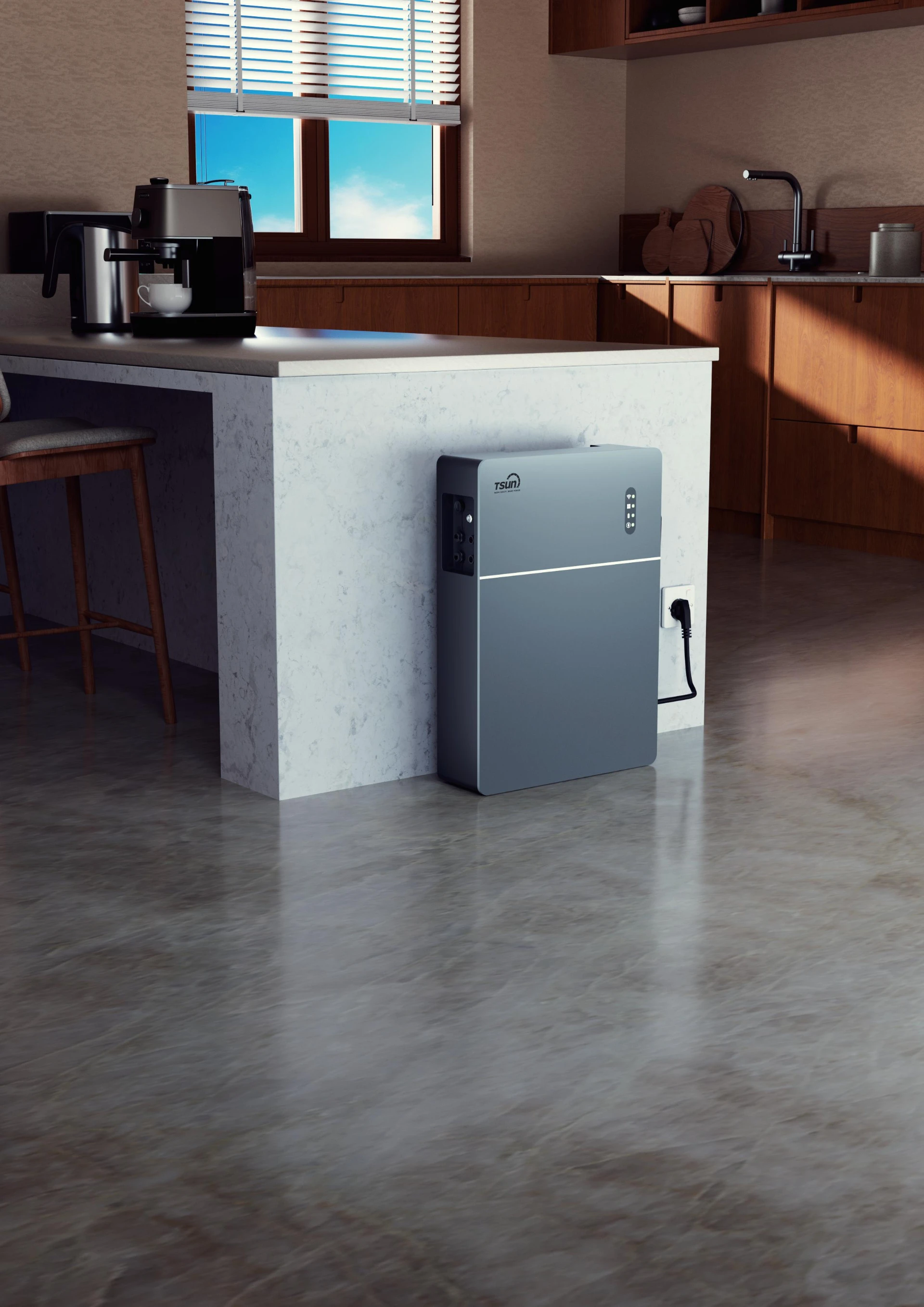
You see, energy storage has been around for a while in various forms, but only recently have the systems become compact, reliable, and affordable enough to integrate seamlessly with residential solar setups. Manufacturers have really upped the ante with lithium-ion battery tech wrapped in sleek, weatherproof enclosures.
I recall a client who installed a residential unit a couple of years ago in a suburban home. What struck me was how it quietly transformed their energy usage — they could store excess solar capacity during the day, then tap into it after sundown, shaving off peak-demand charges. They described it as “finally feeling in control” of their electricity bill.
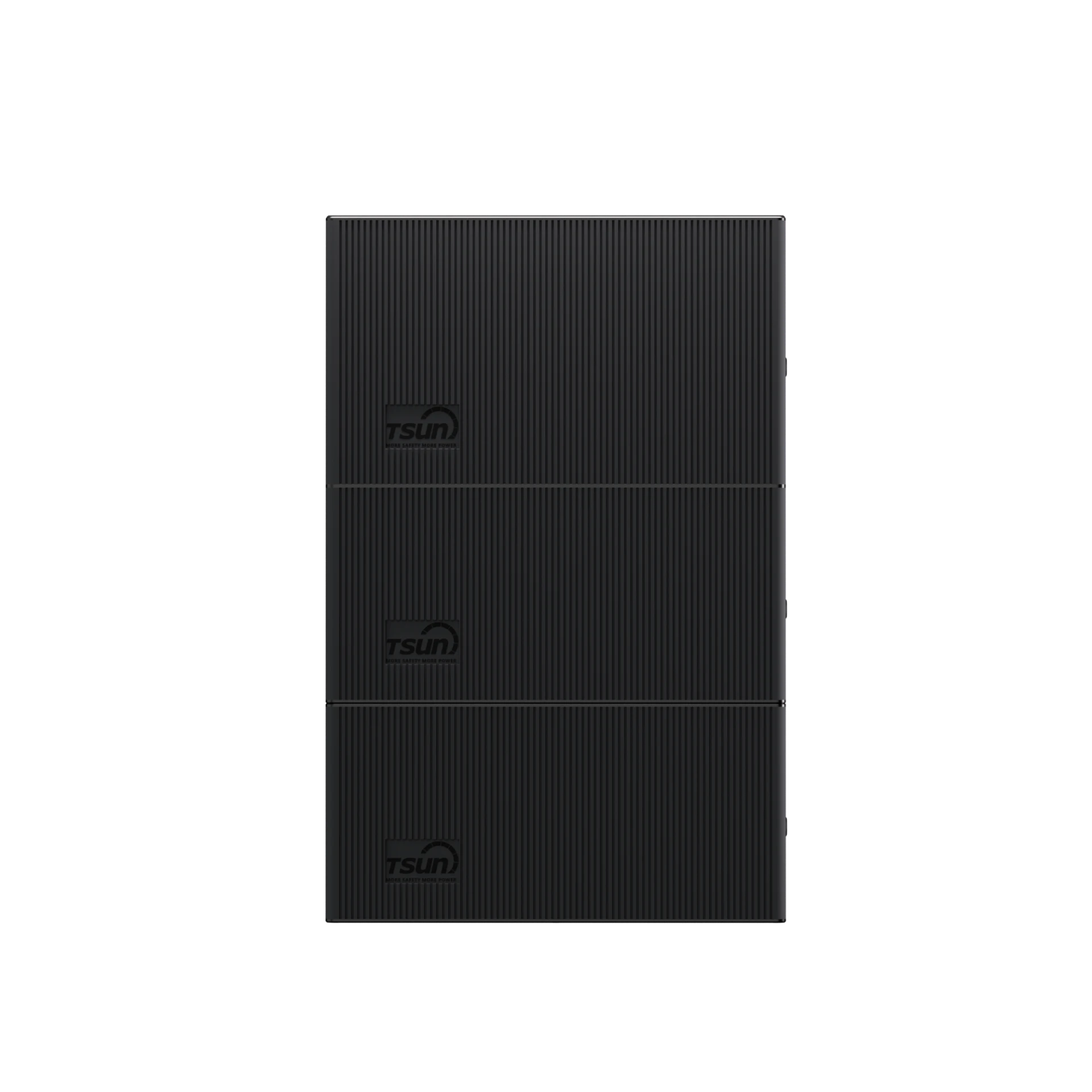
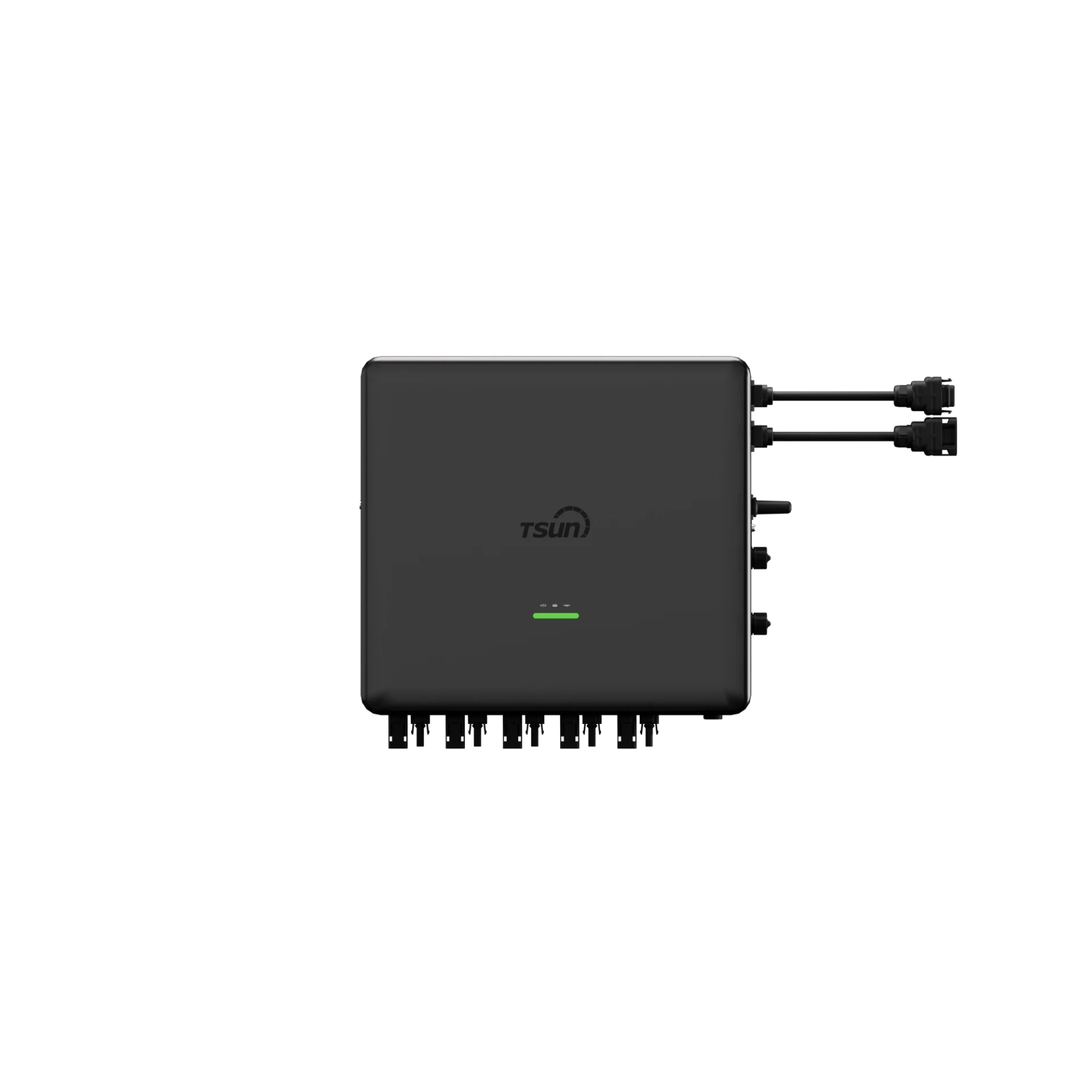
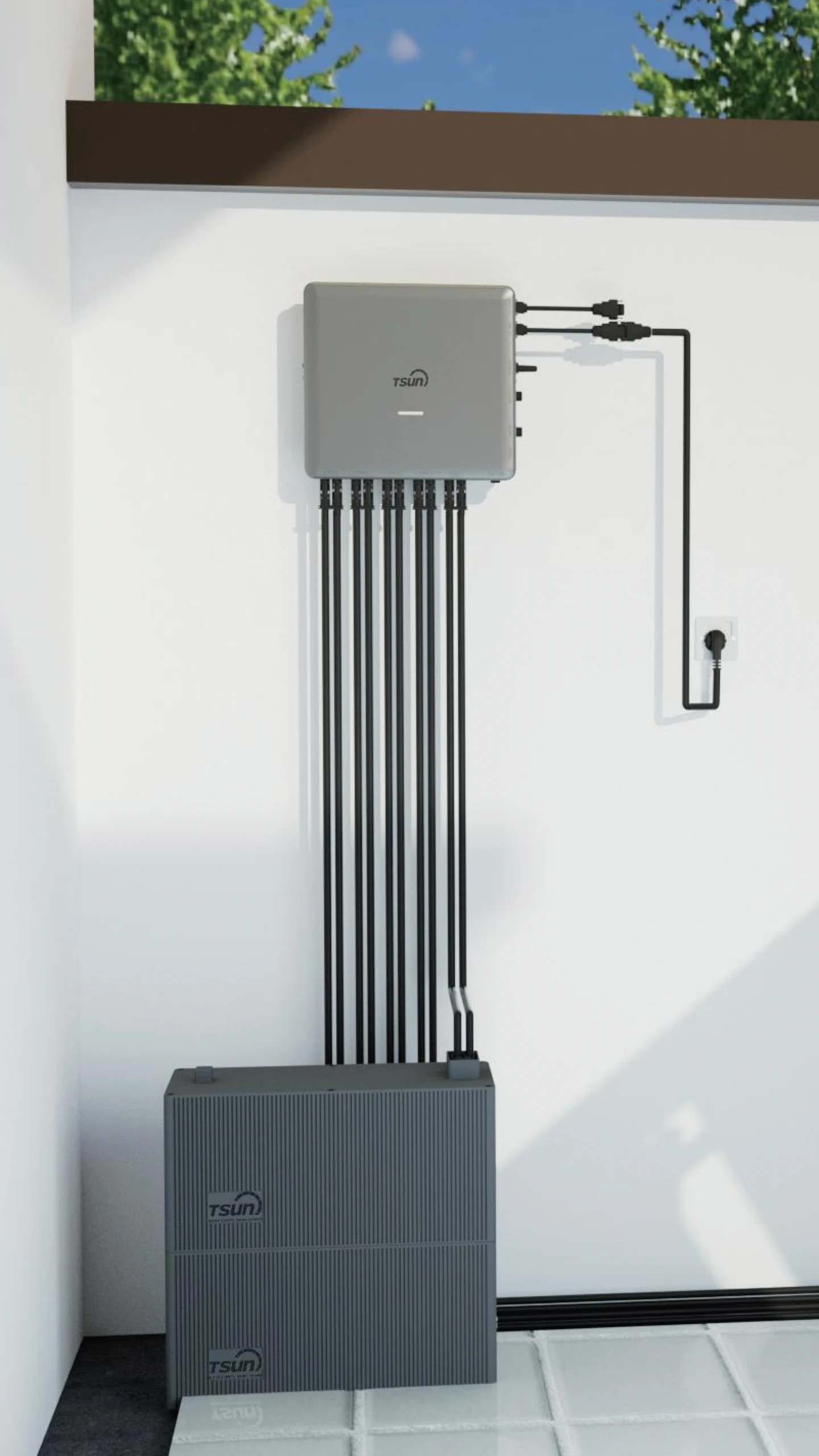
The design focus with these units tends to be around compactness, safety, and ease of installation. It feels like manufacturers are learning a lot from industrial battery designs — things like thermal management systems, built-in inverters, and modular scalability are becoming standard.
Typical Residential Energy Storage System Specs
| Specification |
Typical Value |
| Battery Type |
Lithium Iron Phosphate (LiFePO4) |
| Usable Capacity |
5 kWh to 20 kWh |
| Round-Trip Efficiency |
85–95% |
| Max Discharge Rate |
3–7 kW (continuous) |
| Warranty |
10 years / 6000 cycles |
| Operating Temperature |
-20°C to 50°C |
When I dig into vendor options, the challenge isn’t just about specs. It’s also about software, integration, and after-sales support. Some companies lock you into proprietary apps that frankly can be frustrating, while others have open protocols or at least responsive tech support.
Vendor Comparison Snapshot
| Feature |
Vendor A |
Vendor B |
Vendor C |
| Battery Chemistry |
LiFePO4 |
NMC Li-ion |
LiFePO4 |
| Modularity |
Scalable up to 20 kWh |
Fixed 10 kWh units |
Scalable + Compatible with solar inverters |
| Warranty |
10 years / 6000 cycles |
8 years / 5000 cycles |
10 years / 7000 cycles |
| App Control |
Proprietary with remote monitoring |
Limited features |
Open API + third-party support |
| Price Range (USD) |
$7,000–$12,000 |
$6,000–$10,000 |
$8,000–$14,000 |
I suppose it’s no surprise that many engineers emphasize the value of warranties and cycle life above all. Oddly enough, price isn’t always the deciding factor in my field visits — homeowners want peace of mind. And frankly, the long-term reliability of these storage systems can make or break the investment.
So, if you’re weighing your options or curious about how a residential system could fit in your home, I’d say do your homework on specs, installation, and vendor support. And don’t underestimate the simplicity of just knowing your energy won’t vanish when the grid flickers.
It feels like we’re on the cusp of a new era in how homes consume and store power — quietly, efficiently, and smarter than ever.
— reflecting on years in the field, and the evolving tech behind keeping the lights on.
References:
1. National Renewable Energy Laboratory, Residential Energy Storage Overview, 2023.
2. EnergySage, Comparing Home Battery Options, 2024.
3. J. Smith et al., "Lithium Battery Advances for Residential Use," Industrial Technology Journal, 2022.






 LEARN DETAILS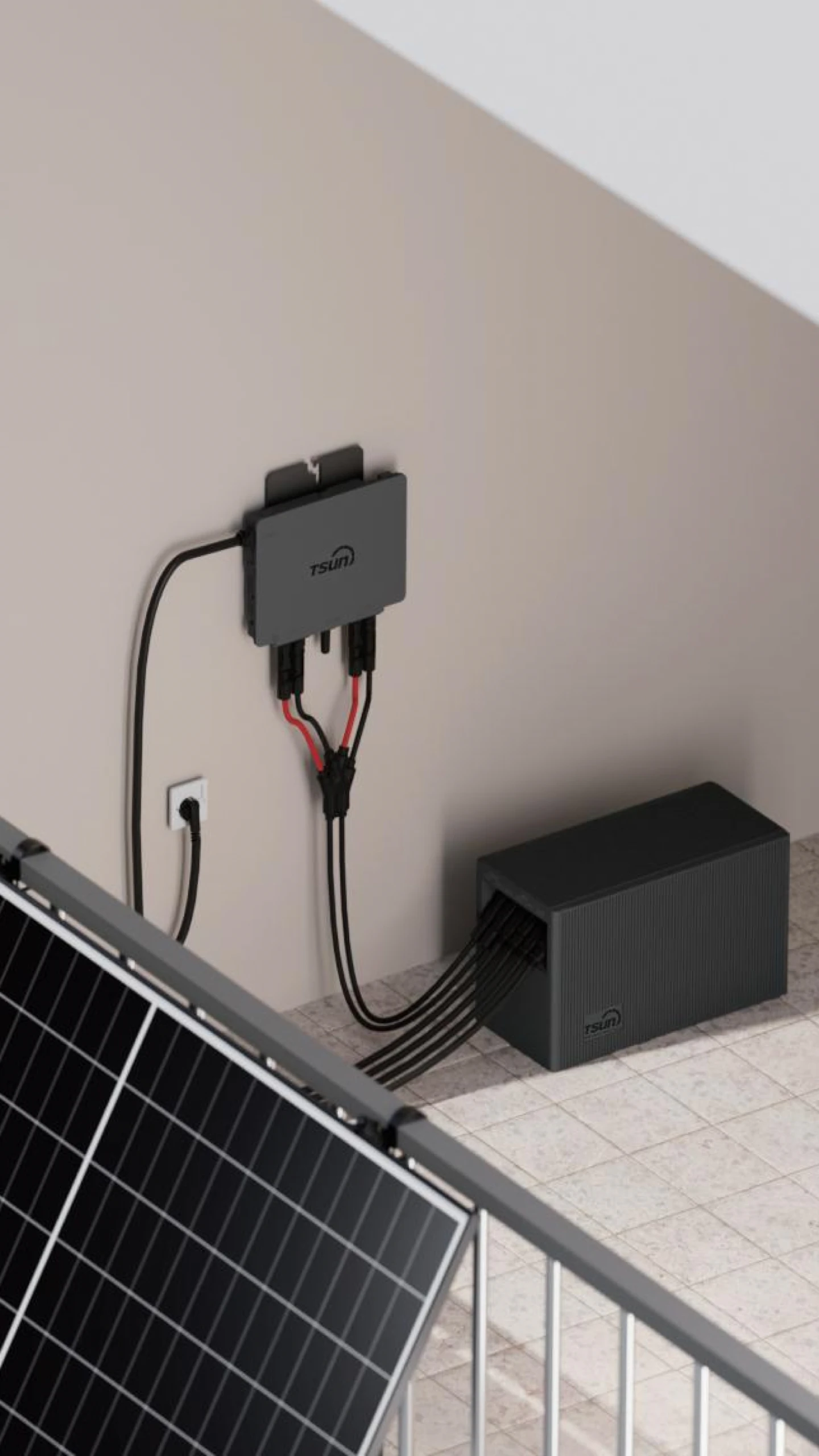
 Downloads
 Video Center
 Report Fault for Repair
 FAQS
FAQS Service Network
 Privacy Policy
 Contact Us
 Monitoring


 LEARN MORE