Understanding the Power of a 300W Solar Panel with Microinverter
In a world pushing relentlessly toward renewable energy and self-sustainability, the 300w solar panel with microinverter has quietly become a popular choice. Why? Frankly, it offers a neat balance of power output, flexibility, and ease of installation that suits a wide range of applications — from rooftops in suburban neighborhoods to remote off-grid industrial sites. Grasping its benefits not only helps consumers and industry professionals tap into cleaner energy but also shapes how communities and businesses adapt to an inevitably greener future.
The Global Energy Context and Why It Matters
Renewable energy accounts for a growing piece of the global energy pie, with the United Nations reporting that solar capacity has seen a compound annual growth rate near 25% over the past decade1. Yet, integrating solar power isn’t without challenges: energy reliability, scalability, and efficiency often trip up large systems. This is precisely where something like a 300w solar panel paired with microinverters comes in — it tackles these challenges with a modular, efficient design that optimizes output even if one panel is shaded or malfunctioning.
In many emerging economies and disaster-prone regions, traditional grid infrastructure may be unreliable or nonexistent, making these systems not just a convenience, but an essential lifeline.
Defining a 300W Solar Panel with Microinverter
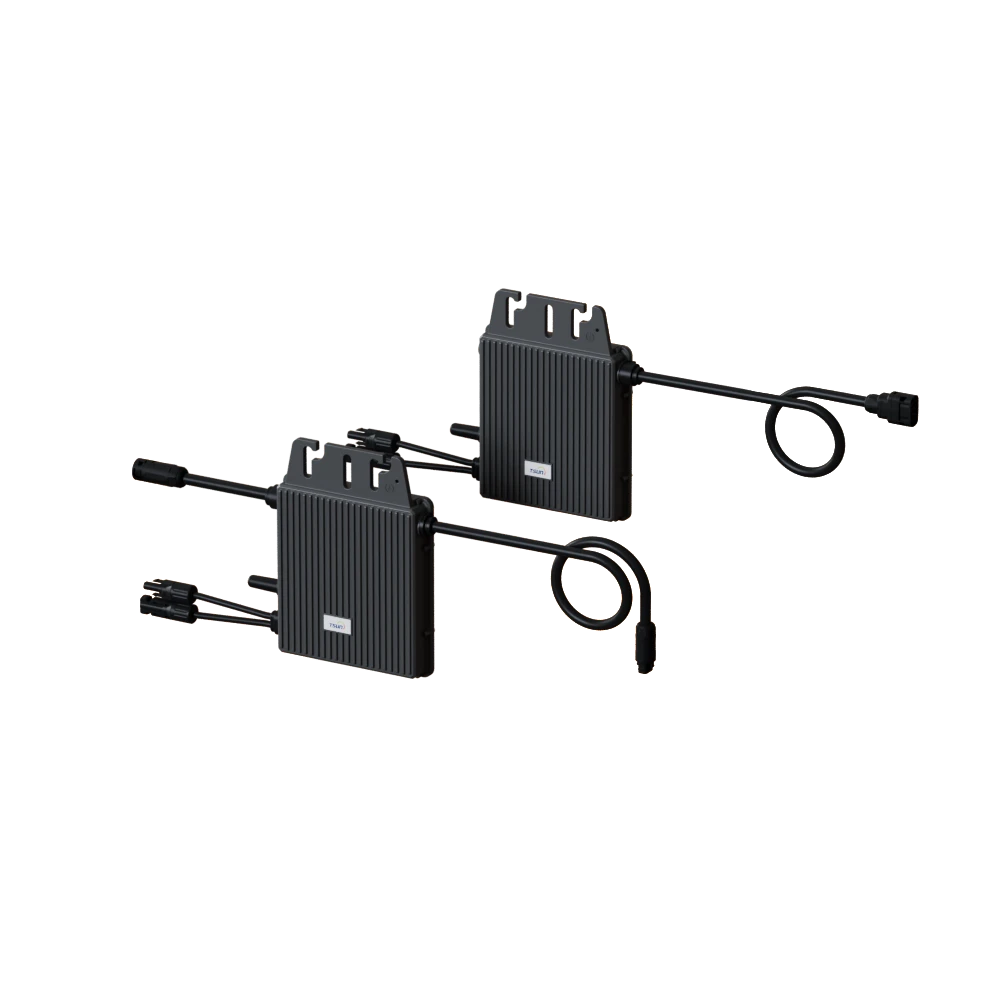
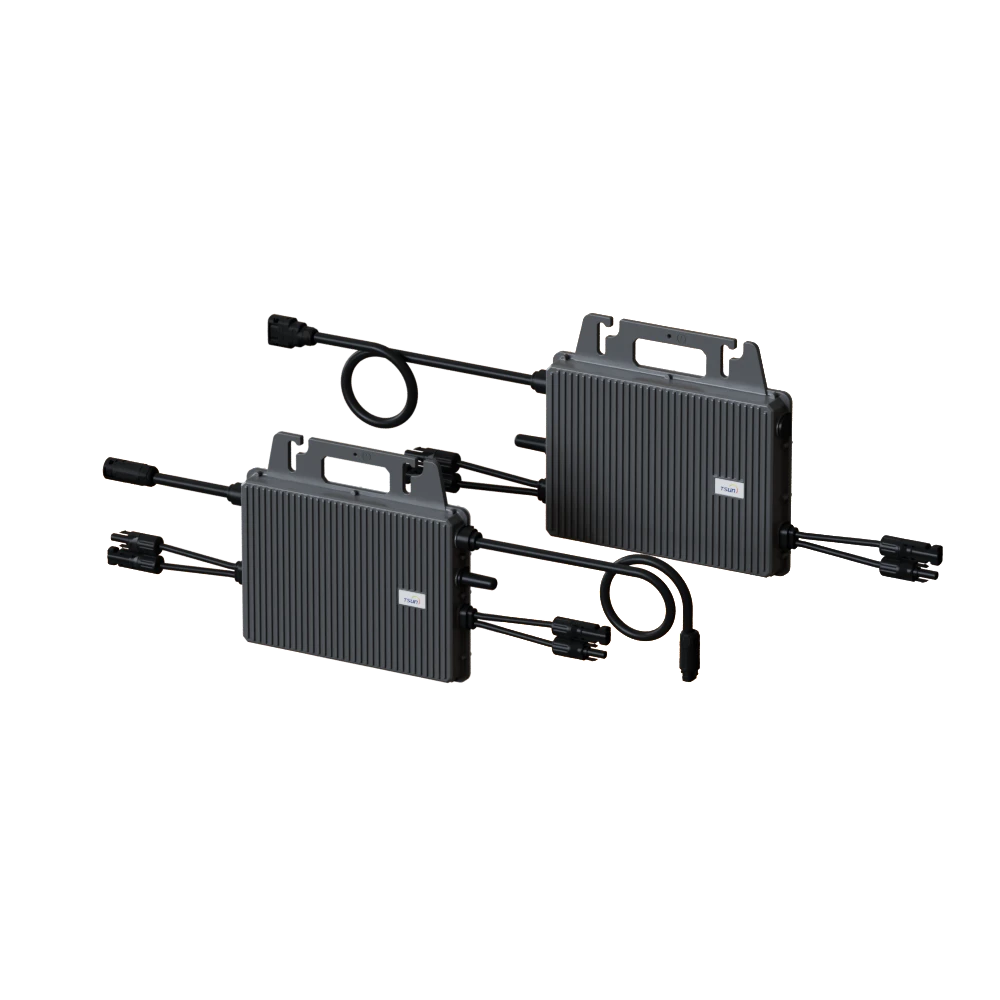
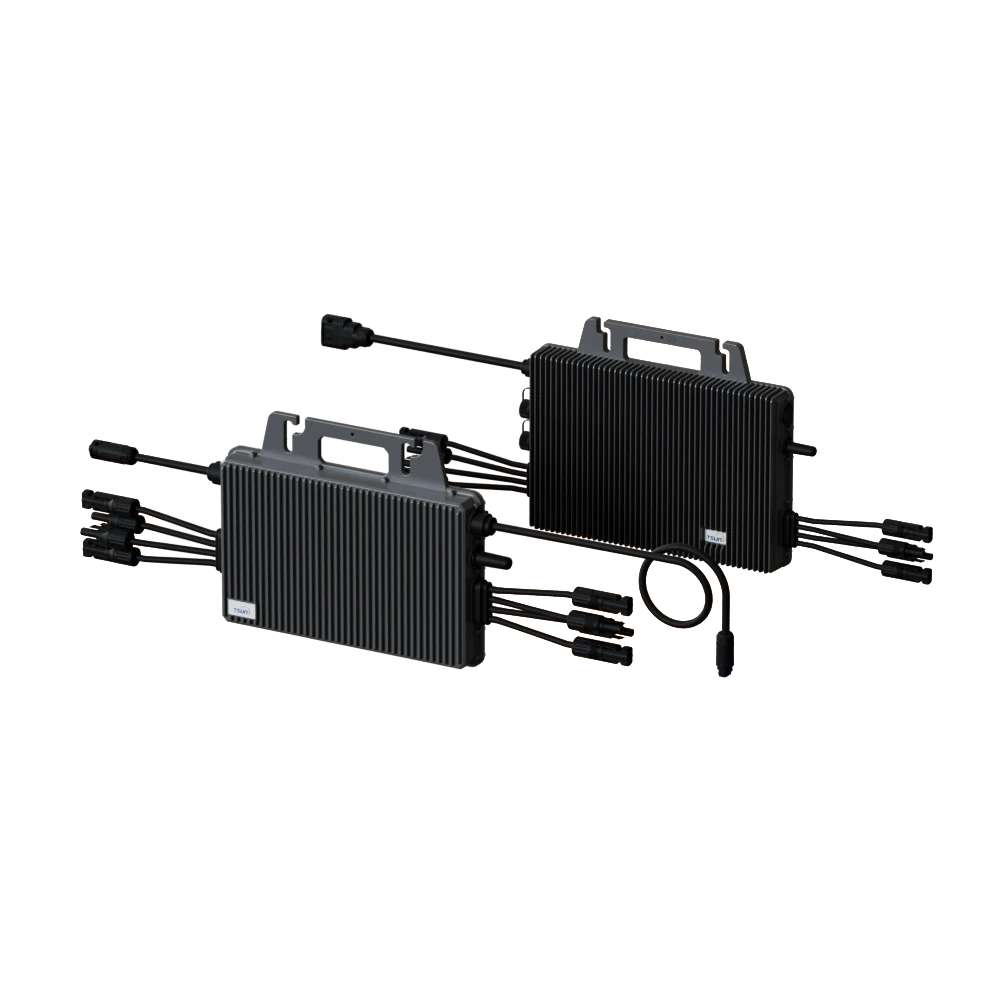
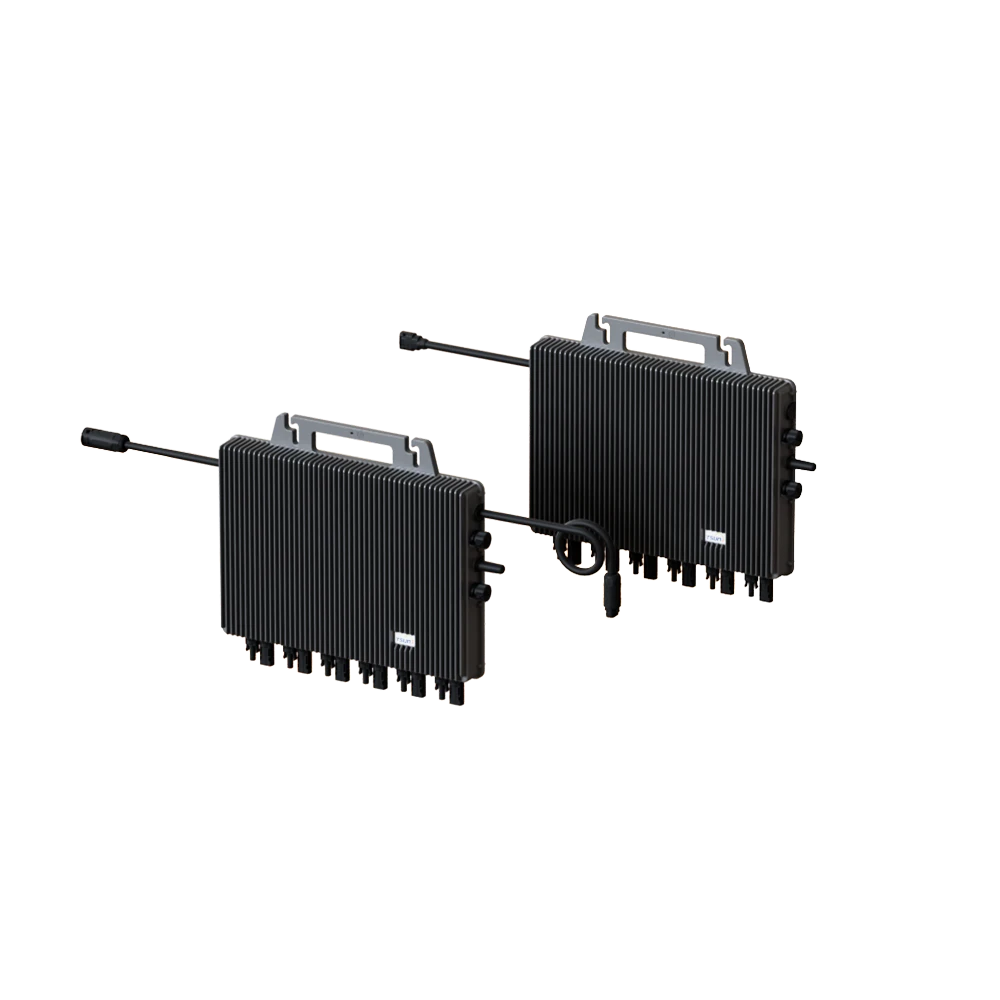
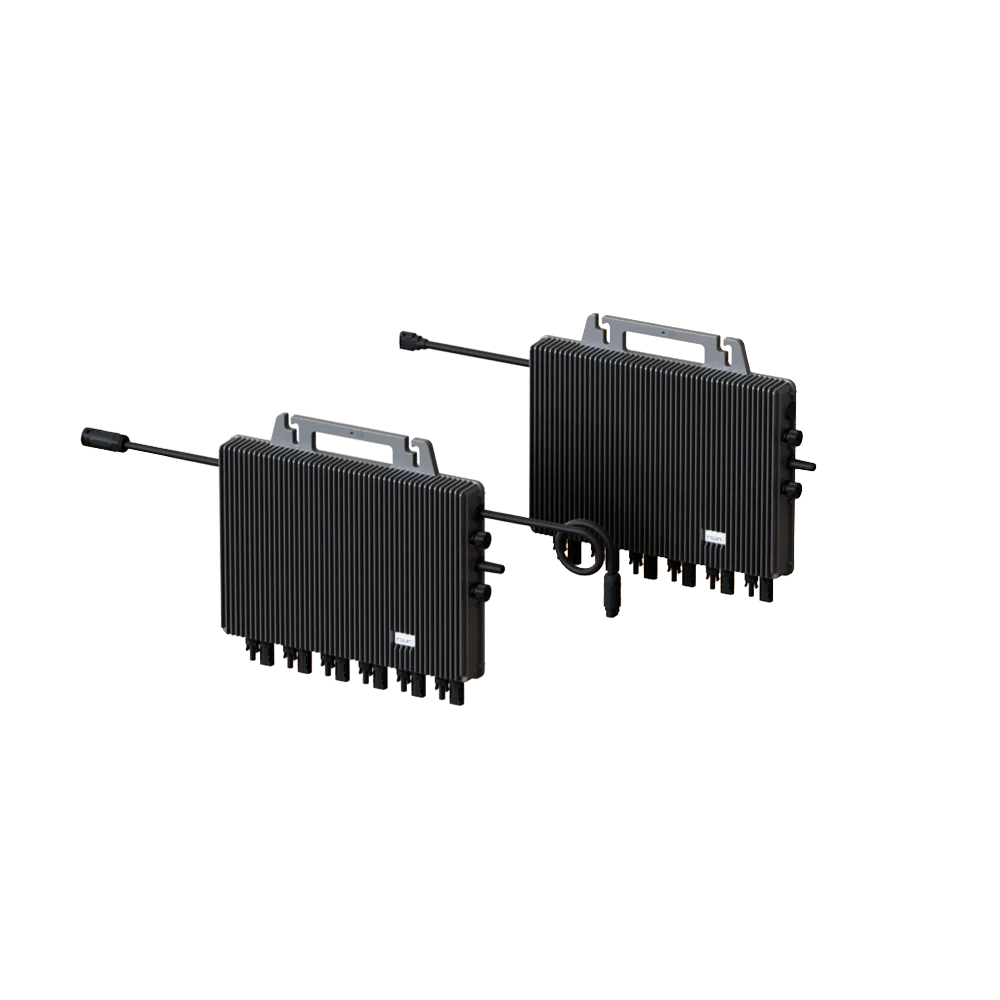
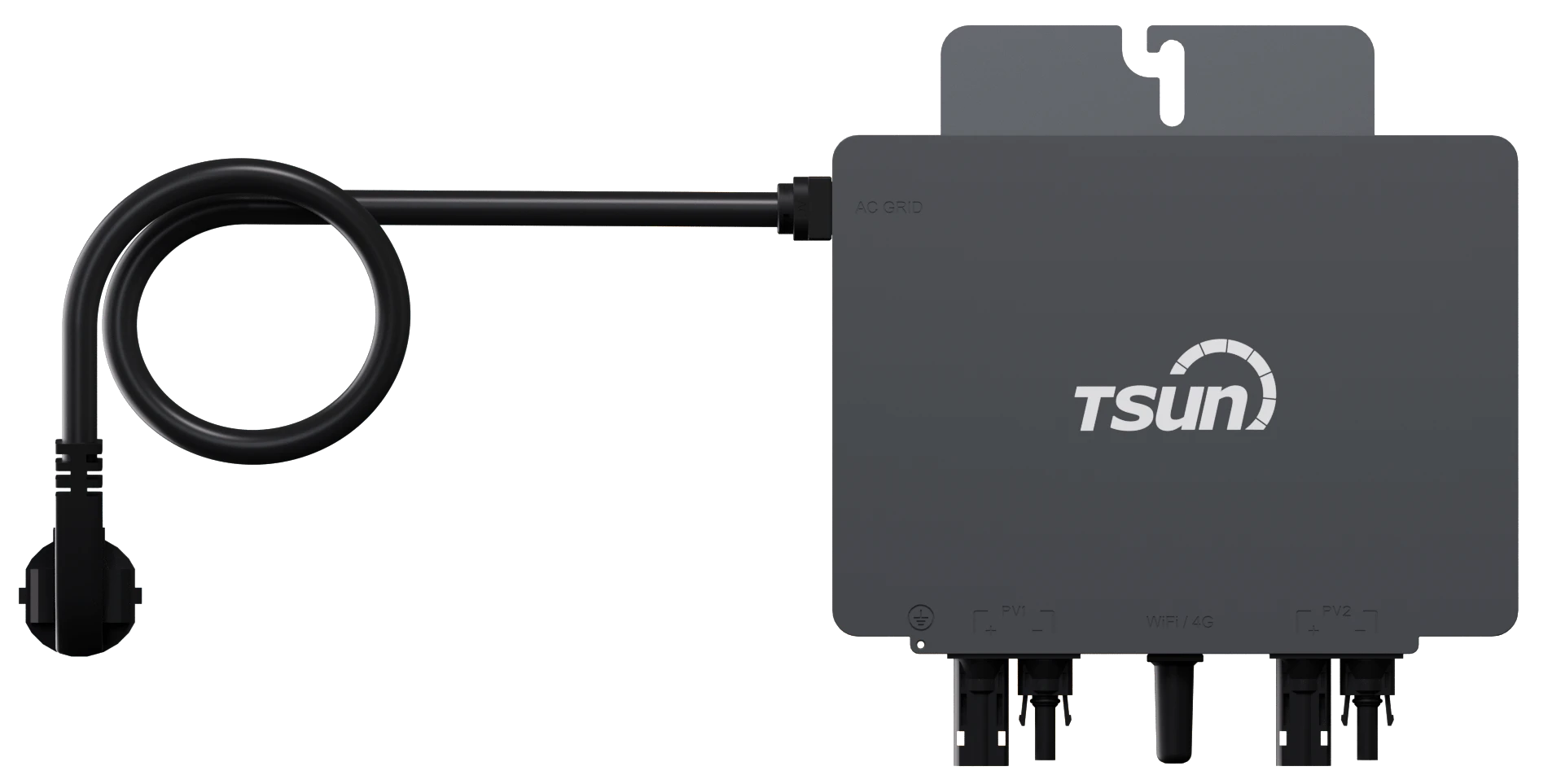
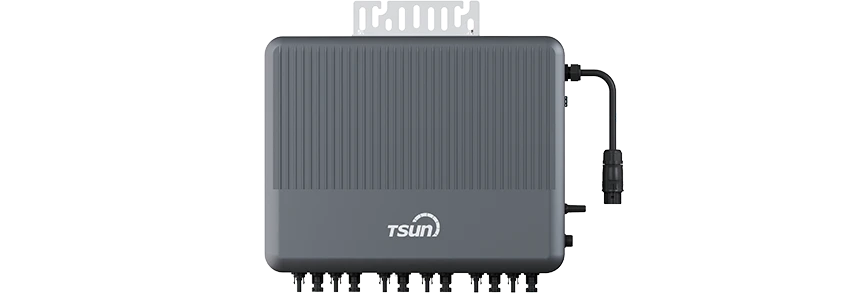
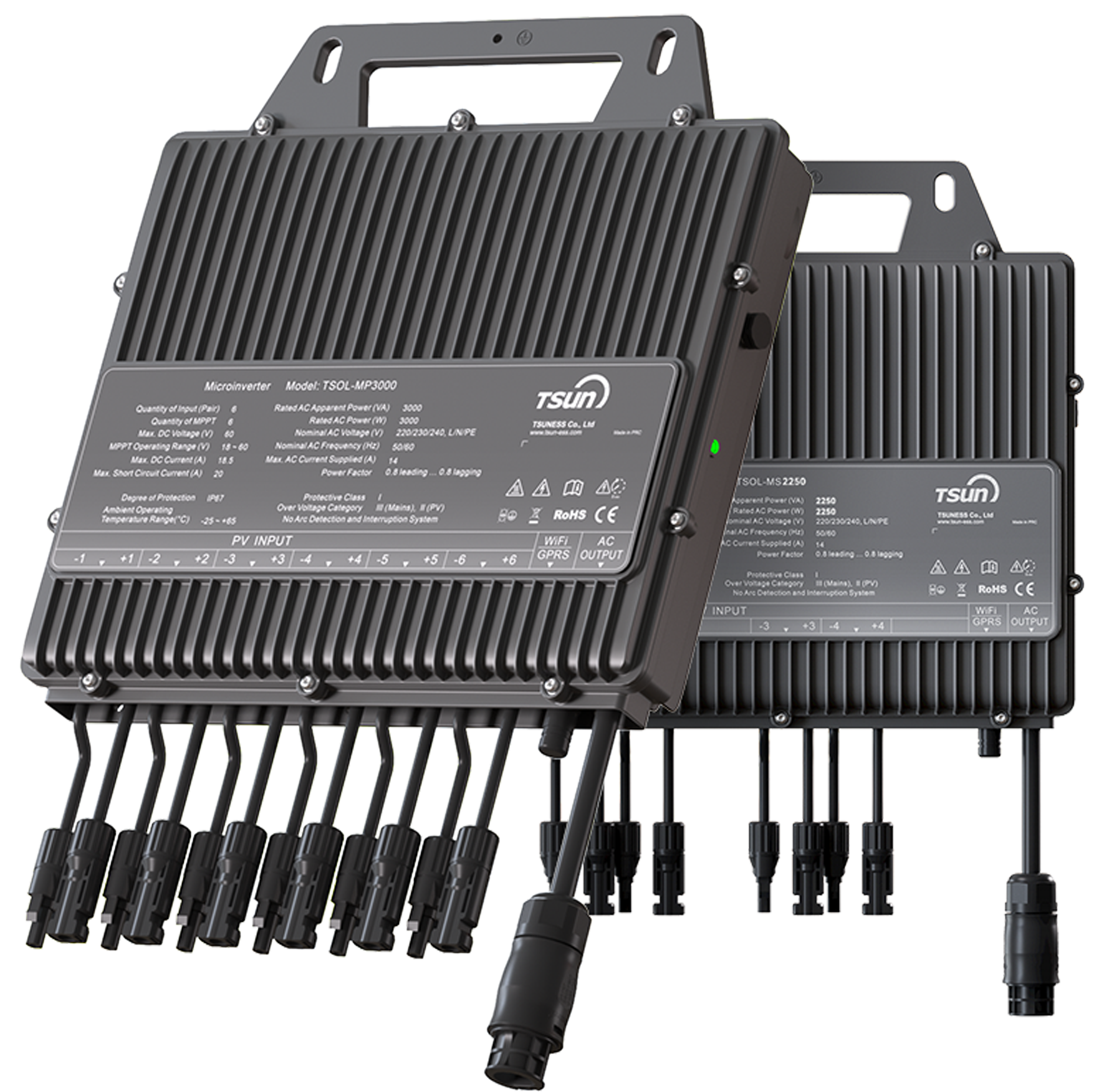
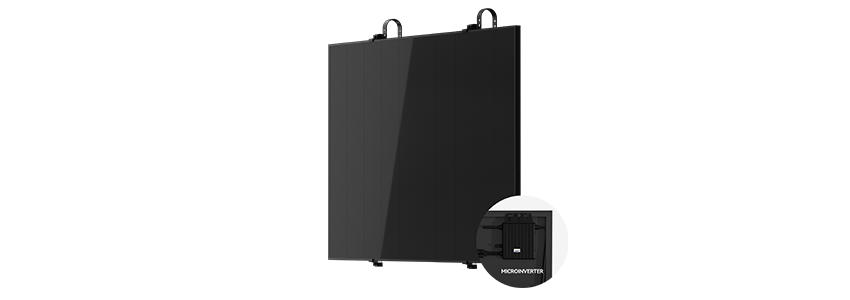
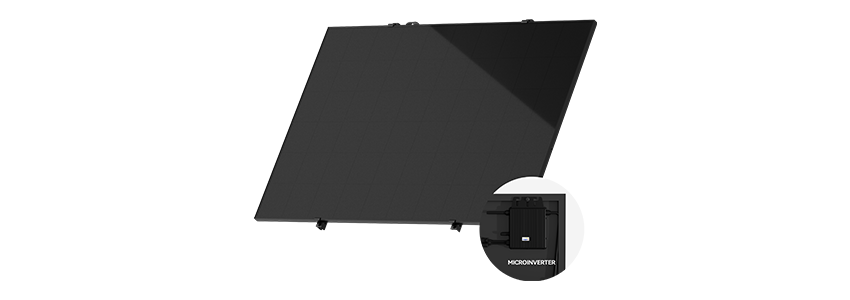
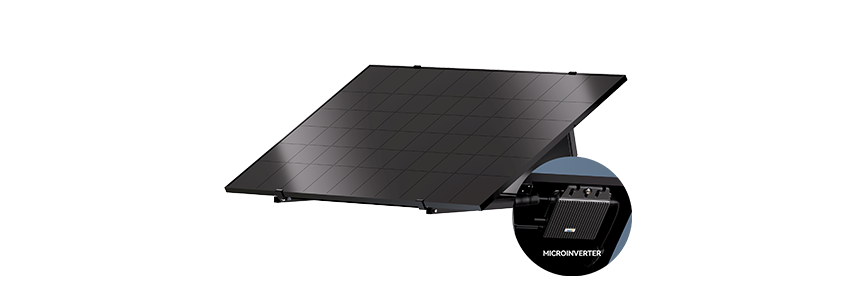
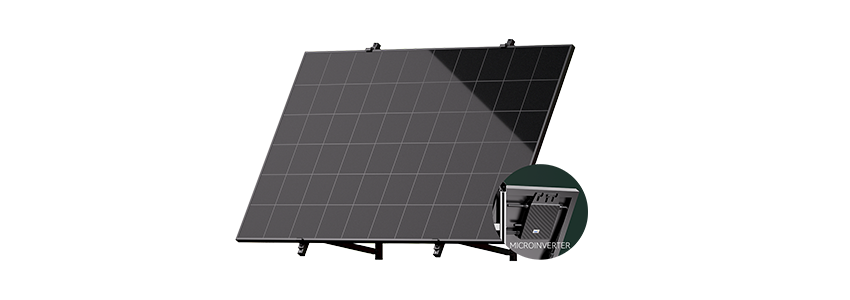
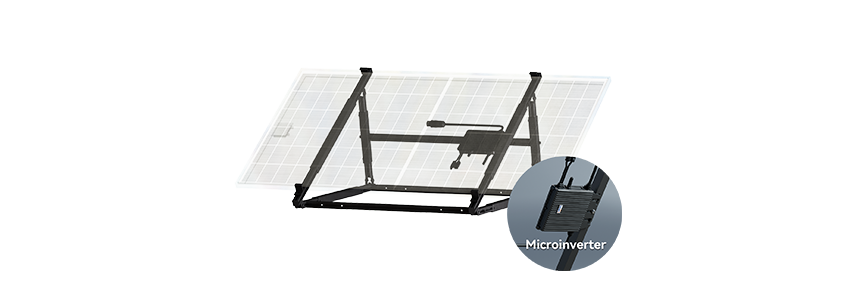
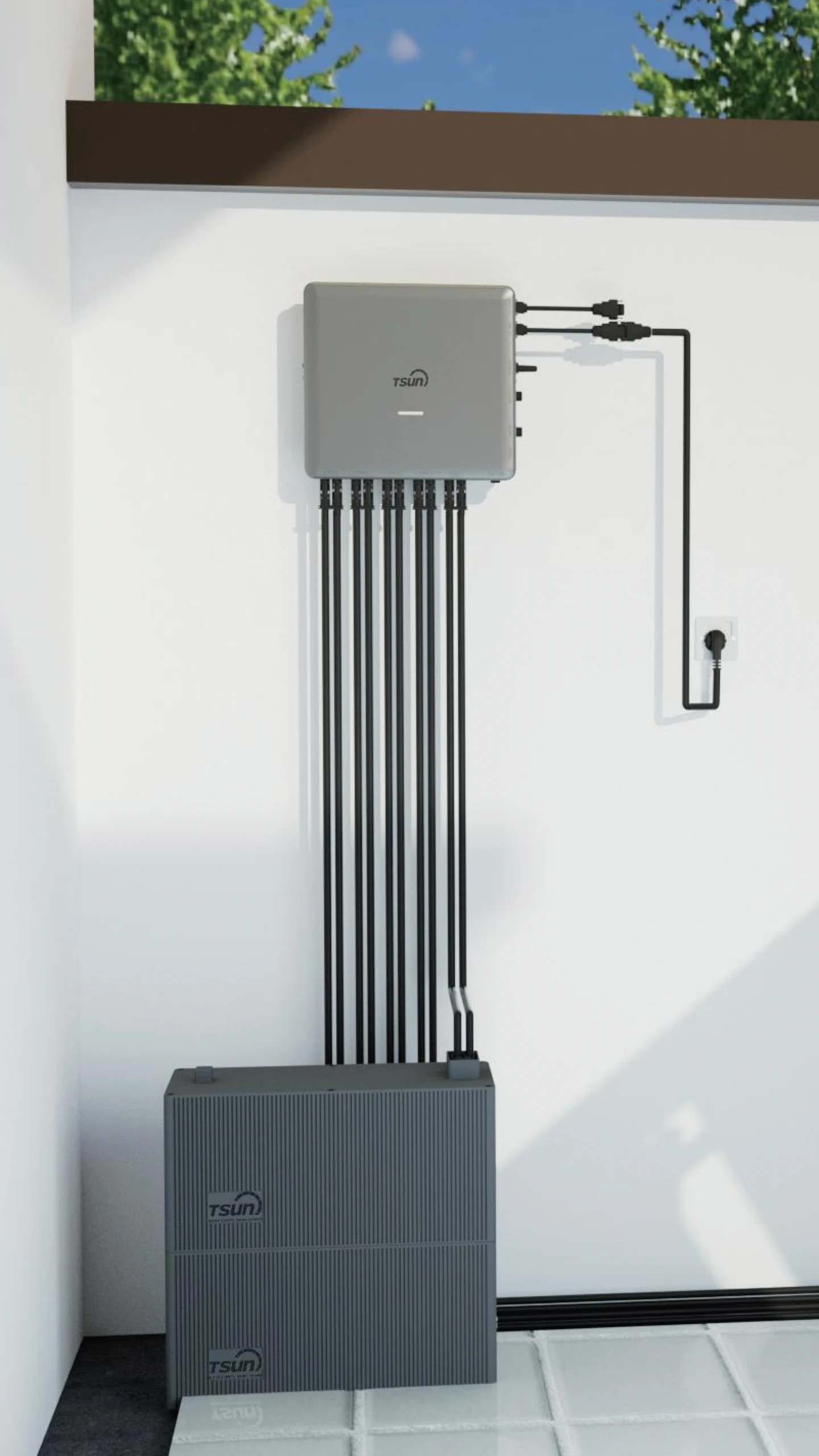
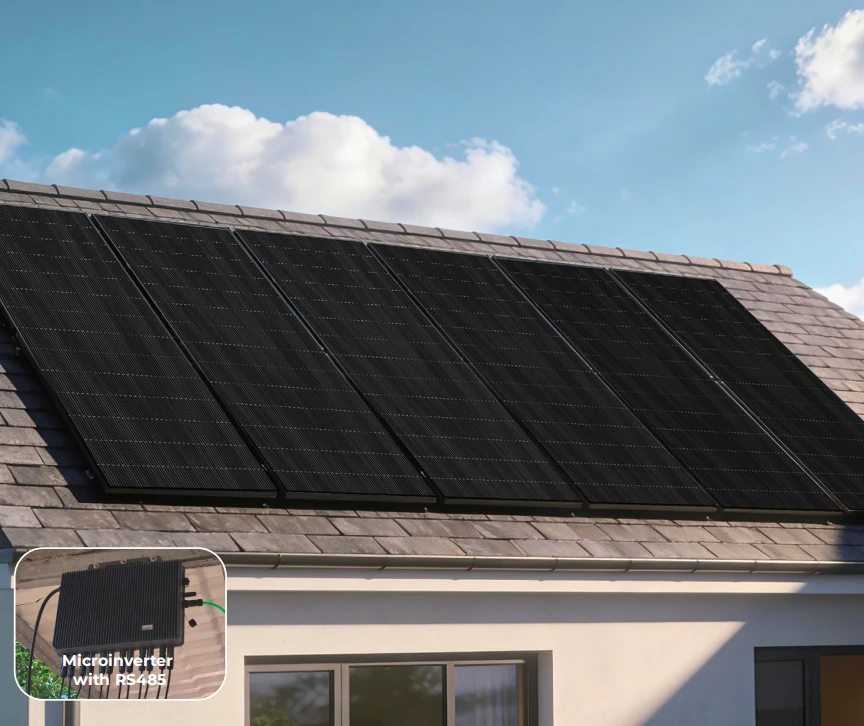
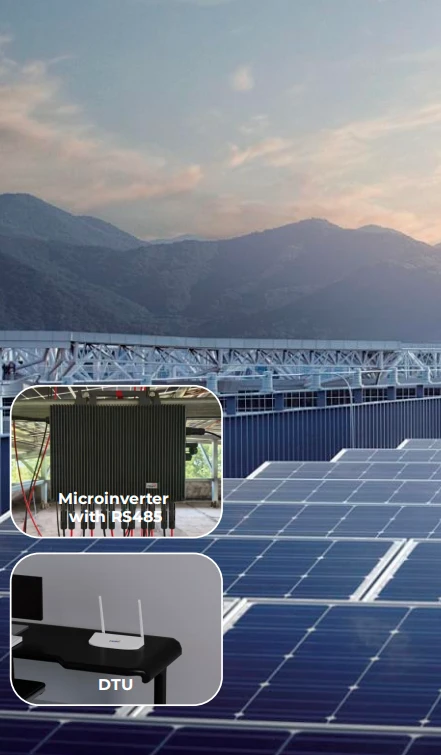
Simply put, a 300W solar panel converts sunlight into roughly 300 watts of electric power under standard conditions. When coupled with a microinverter — a tiny device attached to each panel — the direct current (DC) electricity generated is converted into alternating current (AC), which is what homes and businesses use. Unlike older setups that used a single inverter for many panels, this microinverter approach improves efficiency and reliability on a per-panel basis.
This connection finds relevance not only in industrial solar farms but also humanitarian contexts, where reliable, scalable power solutions are key to everything from healthcare to communications.
Key Components and Core Factors
1. Efficiency and Performance Optimization
Microinverters allow each 300W panel to operate independently. So if one panel is shaded or dirty, others still perform at peak capacity. This means higher overall energy harvest — a neat boost especially in variable environmental conditions.
2. Durability and Weather Resistance
Panels designed to withstand harsh weather ensure long-term operation. The 300W models often come with tempered glass, anodized aluminum frames, and robust encapsulation to protect against moisture and temperature swings.
3. Scalability and Modularity
Because each panel has its own microinverter, you can add or remove panels without shutting down the whole system. This flexibility is a major advantage for expanding energy needs or phased installations.
4. Cost Efficiency Over Time
Although initial costs for microinverter-equipped panels can be higher than traditional string inverter systems, the maintenance savings and improved energy yield typically make up for it, especially in the medium to long term.
5. Safety and Monitoring
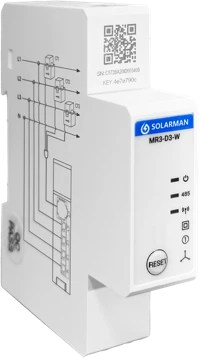
Microinverters improve system safety by reducing high voltage DC lines which pose fire risks. Plus, many come with monitoring software for real-time performance tracking, important for proactive maintenance.
Product Specifications at a Glance
| Feature |
Specification |
| Power Output |
300 Watts |
| Panel Type |
Monocrystalline Silicon |
| Microinverter Output |
240VAC, 60Hz |
| Dimensions |
1.6m x 1m x 4cm |
| Weight |
18 kg |
| Warranty |
25 years (panel), 10 years (microinverter) |
Mini takeaway: The combined strengths of a 300W solar panel with an integrated microinverter revolve around reliability, independent operation, and manageable growth — making it a solid pick for diverse applications.
Global Applications & Use Cases
- Remote Industrial Sites: Mining operations in Australia use modular solar systems with microinverters to reduce fuel consumption from diesel generators.
- Post-Disaster Relief: NGOs deploy portable 300W solar kits with microinverters in hurricane-ravaged Caribbean islands to power medical tents and communication hubs.
- Residential Installations: Urban homeowners in Europe increasingly adopt this modular system for both energy savings and grid independence.
- Off-Grid Communities: African villages benefit from microinverter-based systems for powering schools and water pumps where grid access is scant.
Mini takeaway: These solutions find their sweet spot where reliability, modularity, and independence from unstable grids are top priorities.
Advantages & Long-Term Value
Looking beyond the technical specs, these solar panels with microinverters foster trust in a technology that feels personal and manageable. They support sustainability by cutting carbon footprints, reduce energy costs in the medium term, and increase energy democracy — because each panel owner can precisely monitor and maximize output.
The emotional peace of mind gained from knowing your system won’t fail entirely due to one faulty panel cannot be overstated.
Future Trends & Innovations
We’re seeing pushes toward integrating smart IoT sensors with microinverters for predictive maintenance and grid responsiveness. Materials science progress may soon yield thinner, more flexible 300W panels, while policy incentives worldwide promise subsidies and tax breaks that make installation more attractive.
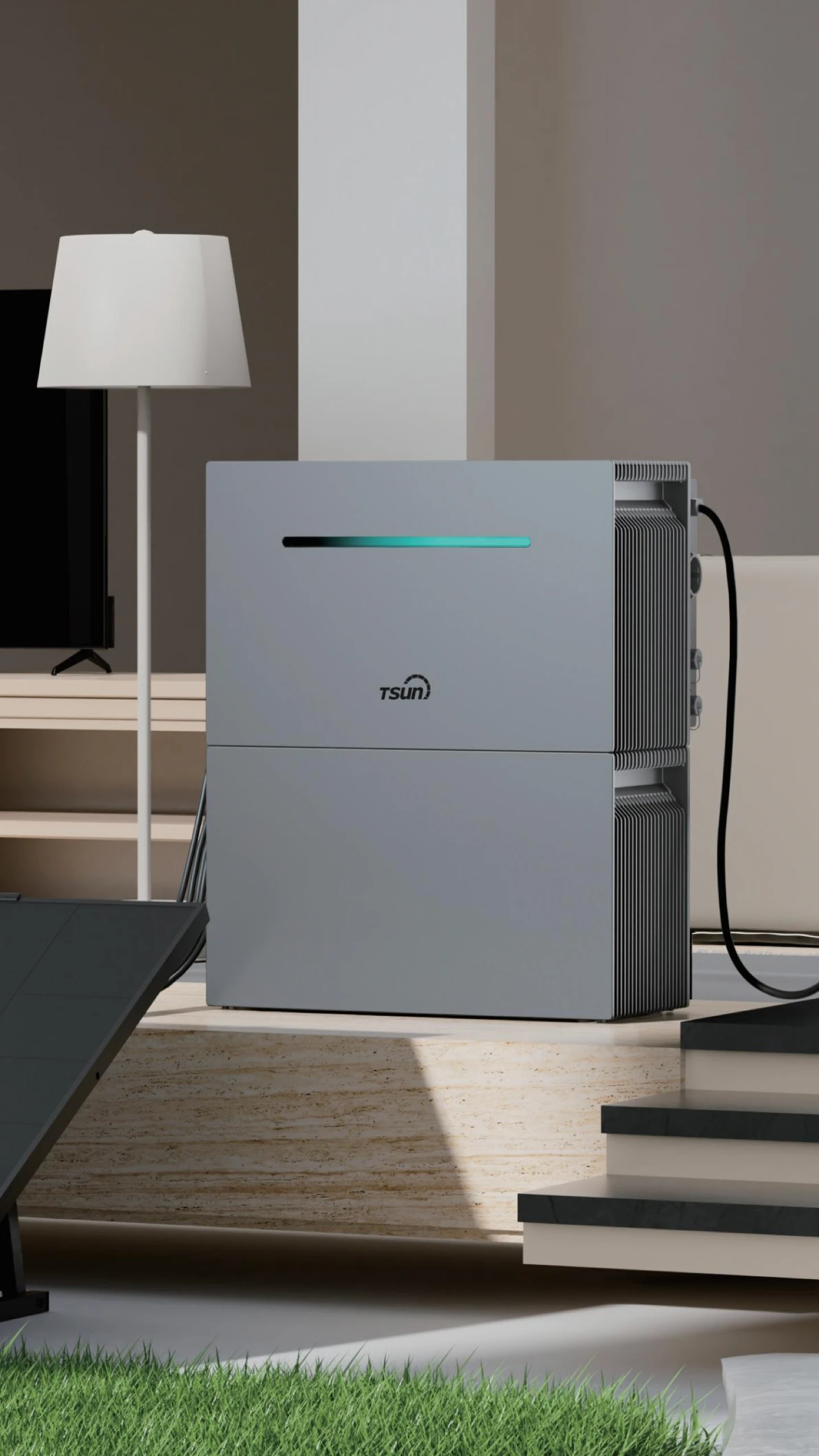
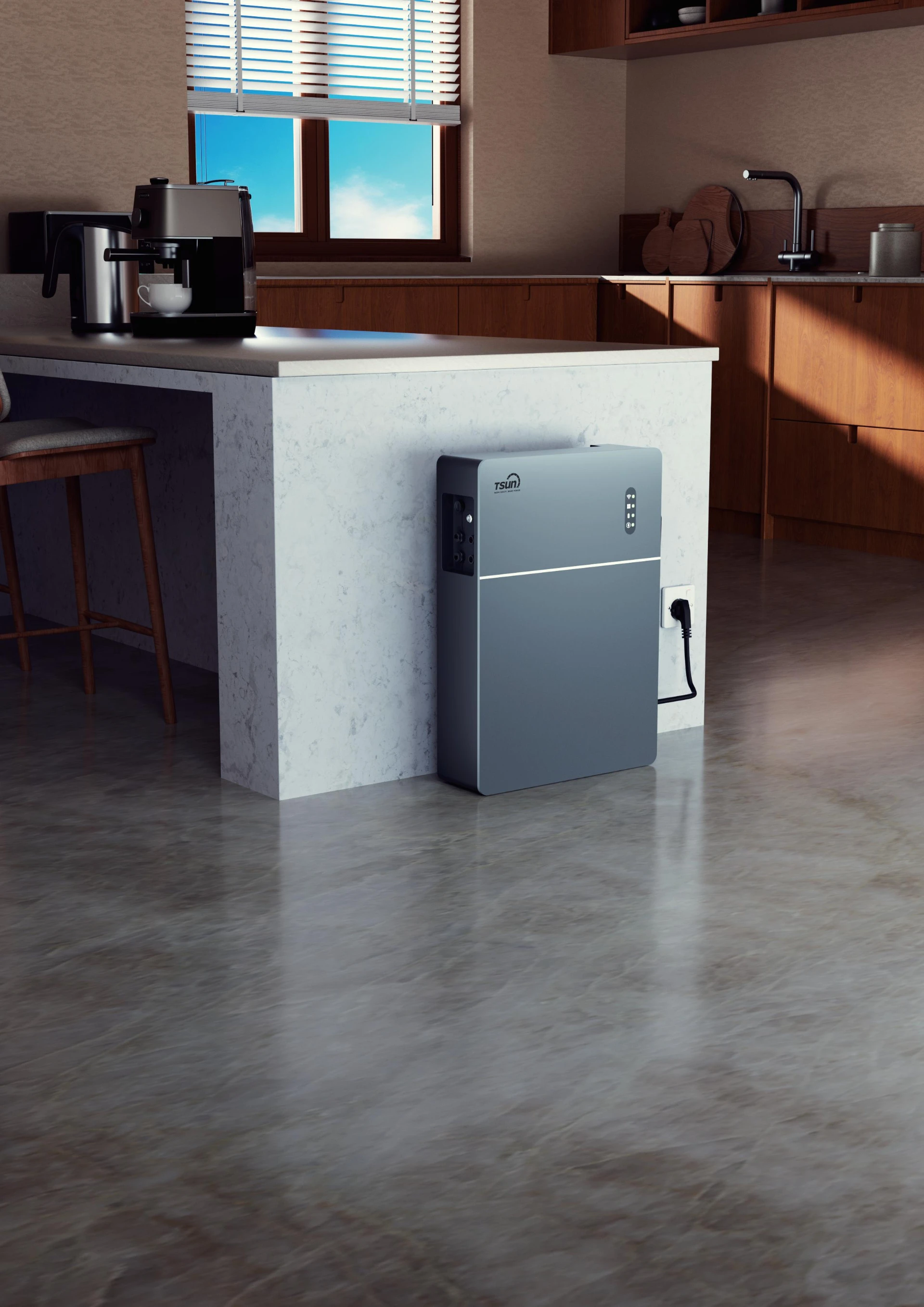
Oh, and oddly enough, storage technology improvements (like better batteries) are related because they complement solar power, making energy use feasible 24/7.
Challenges & Solutions
Despite the perks, these systems face hurdles: higher upfront cost, delicate electronics exposed outdoors, and sometimes complex installation for novices. However, vendors have responded with plug-and-play kits, remote monitoring, and enhanced warranty packages to mitigate these concerns.
Vendor Comparison of Popular 300W Solar Panels with Microinverters
| Brand |
Warranty (Panel / Microinverter) |
Efficiency (%) |
Price per Panel (USD) |
Features |
| SunTech Plus |
25 / 10 years |
20.3% |
$280 |
Remote monitoring, weatherproof |
| EcoVolt Solutions |
20 / 12 years |
19.8% |
$265 |
Plug & play, lightweight |
| BrightWay Tech |
25 / 8 years |
20.0% |
$290 |
AI-based performance boost |
FAQs: What People Commonly Ask About 300W Solar Panels with Microinverters
- Q: How does a microinverter improve the efficiency of a 300W solar panel system?
A: Microinverters optimize output by converting each panel's DC to AC separately, avoiding energy loss due to shading or panel mismatch. This results in a higher net energy harvest compared to traditional systems using string inverters.
- Q: Are 300W solar panels with microinverters cost-effective for residential homes?
A: While initial costs may be slightly higher, these systems reduce maintenance and increase energy yield, making them cost-effective over the system's lifecycle. They also enhance safety and provide convenient monitoring.
- Q: Can these panels work in cloudy or partially shaded environments?
A: Yes. Because microinverters allow each panel to function independently, shading on one panel won't drastically reduce system output, unlike with string inverter systems.
- Q: How long do these solar panels and microinverters typically last?
A: 300W panels usually come with warranties of 25 years, reflecting their lifespan, while microinverters are generally warranted for 10–15 years. With proper care, both can last even longer.
Conclusion: The Bright Future of 300W Solar Panels with Microinverters
To sum things up, embracing 300w solar panel with microinverter technology means stepping into a sustainable, reliable energy ecosystem. Whether you’re powering a remote clinic, upgrading a home’s power infrastructure, or running an industrial site far from the grid, this modular, efficient, and scalable tech helps keep the lights on and the planet green.
Curious to know more or ready to equip your facility? Visit https://www.tsun-ess.com and explore solutions that fit your unique needs.
Oddly enough, it feels like the future’s already here — just in pieces, ready to snap together seamlessly.
- Solar panel - Wikipedia
- United Nations report on renewable energy growth
- ISO 50001 Energy Management Standard



 LEARN DETAILS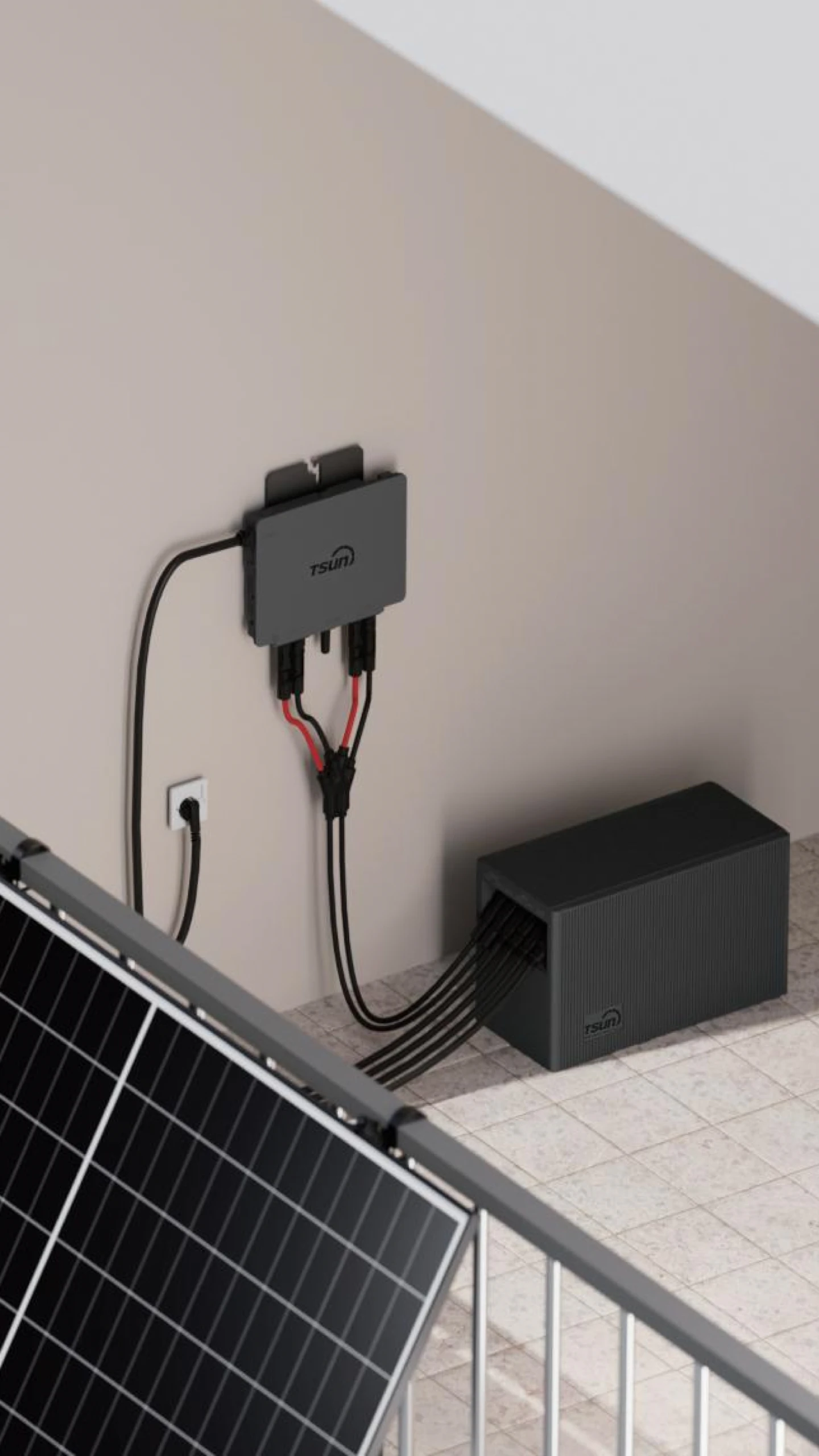
 Downloads
 Video Center
 Report Fault for Repair
 FAQS
FAQS Service Network
 Privacy Policy
 Contact Us
 Monitoring


 LEARN MORE