Why the Microinverter Off Grid System Is Shaping the Future of Power
Global demand for reliable, sustainable energy has never been more urgent. Around the world, especially in remote areas, disaster-prone zones, and developing regions, a microinverter off grid system is proving to be a game-changer. But why is this technology suddenly grabbing so much attention? Simply put, it solves a tricky problem: how to generate, convert, and manage electricity efficiently without dependence on traditional grids.
With nearly 800 million people globally still lacking electricity (according to the International Energy Agency), finding flexible, scalable solutions like microinverter off grid systems unlocks opportunity and resilience. These systems work quietly behind the scenes to empower homes, medical centers, and entire communities — all while reducing carbon footprints. If you're curious about the nuts and bolts or are scouting options for an off-grid project, this deep dive will illuminate the ins and outs.
Setting the Stage: The Global Energy Puzzle and Where Microinverters Fit
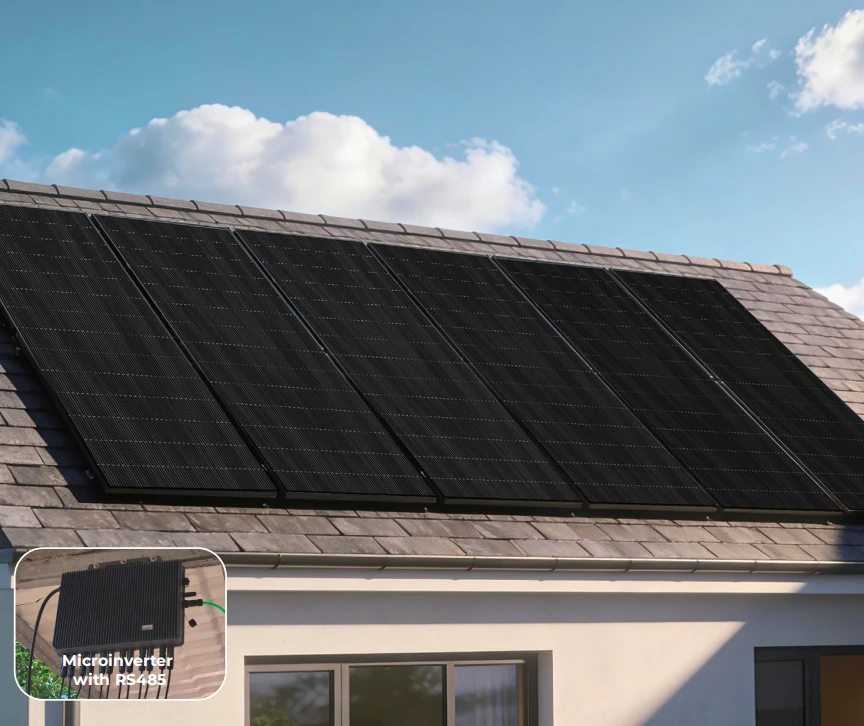
Energy accessibility is a massive challenge. The UN-style Sustainable Development Goal 7 (affordable and clean energy) emphasizes electrical access as key to social and economic growth. Interestingly, microinverter off grid systems play a subtle but critical role here. Unlike traditional central inverter setups, microinverters convert DC power from solar panels directly at the panel level, boosting efficiency and reliability.
Globally, renewable energy capacity has doubled in the last decade, driven by both policy and plunging technology costs (World Bank, 2023). Still, the “last mile” — off-grid and mini-grid power — remains tricky to electrify. Losses, maintenance complexity, and scalability plague many standard off-grid designs. Enter the microinverter approach, which cleverly tackles these hurdles by decentralizing power conversion and enhancing system uptime.
Think of it as giving every solar panel a brain of its own, rather than forcing all the power to funnel through one large, vulnerable choke point. This decentralized intelligence isn't just smart tech hype; it’s a technical necessity that’s quickly becoming best practice.
What Exactly Is a Microinverter Off Grid System?
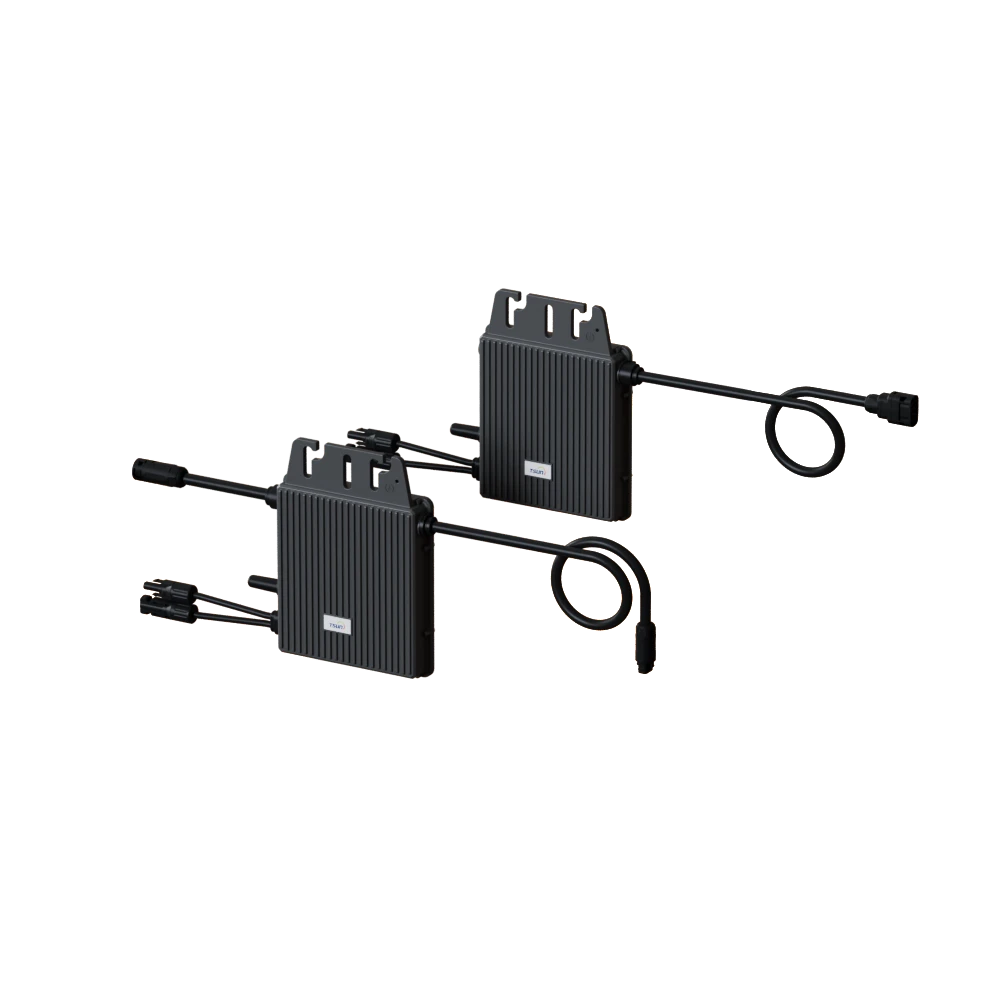
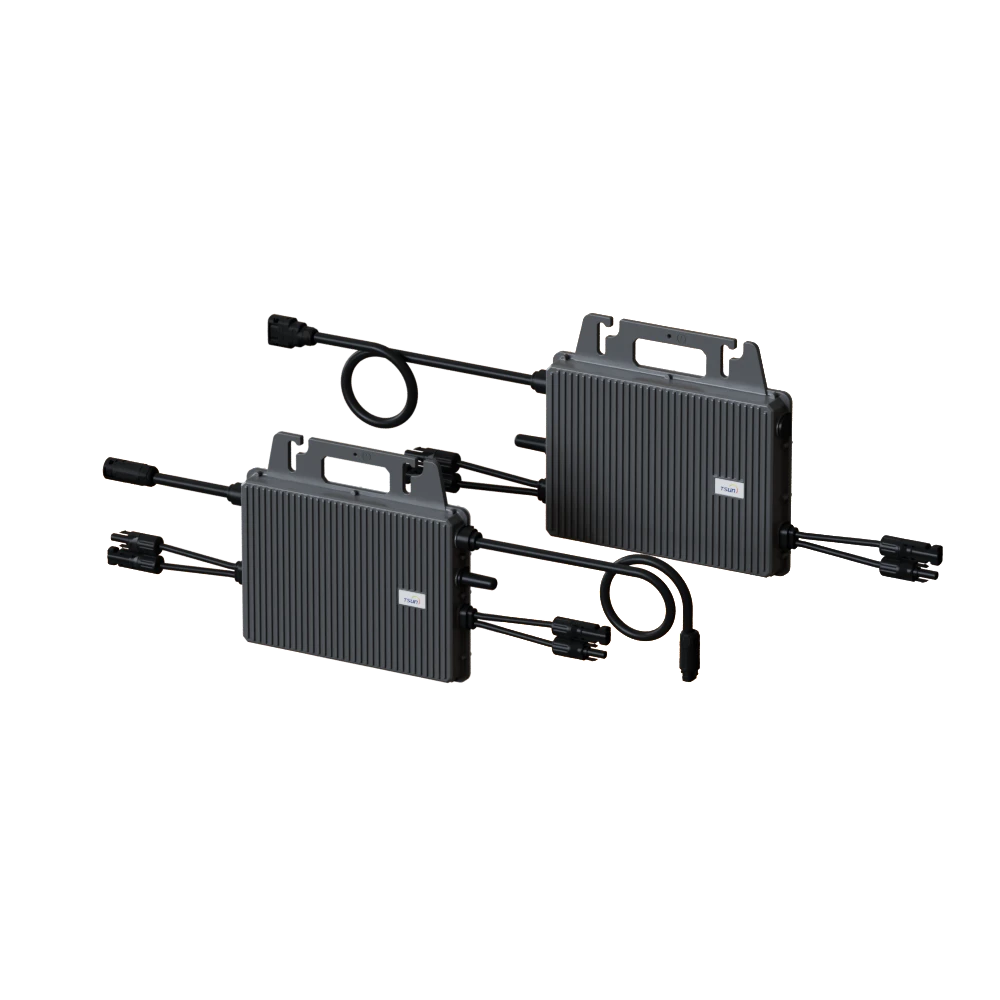
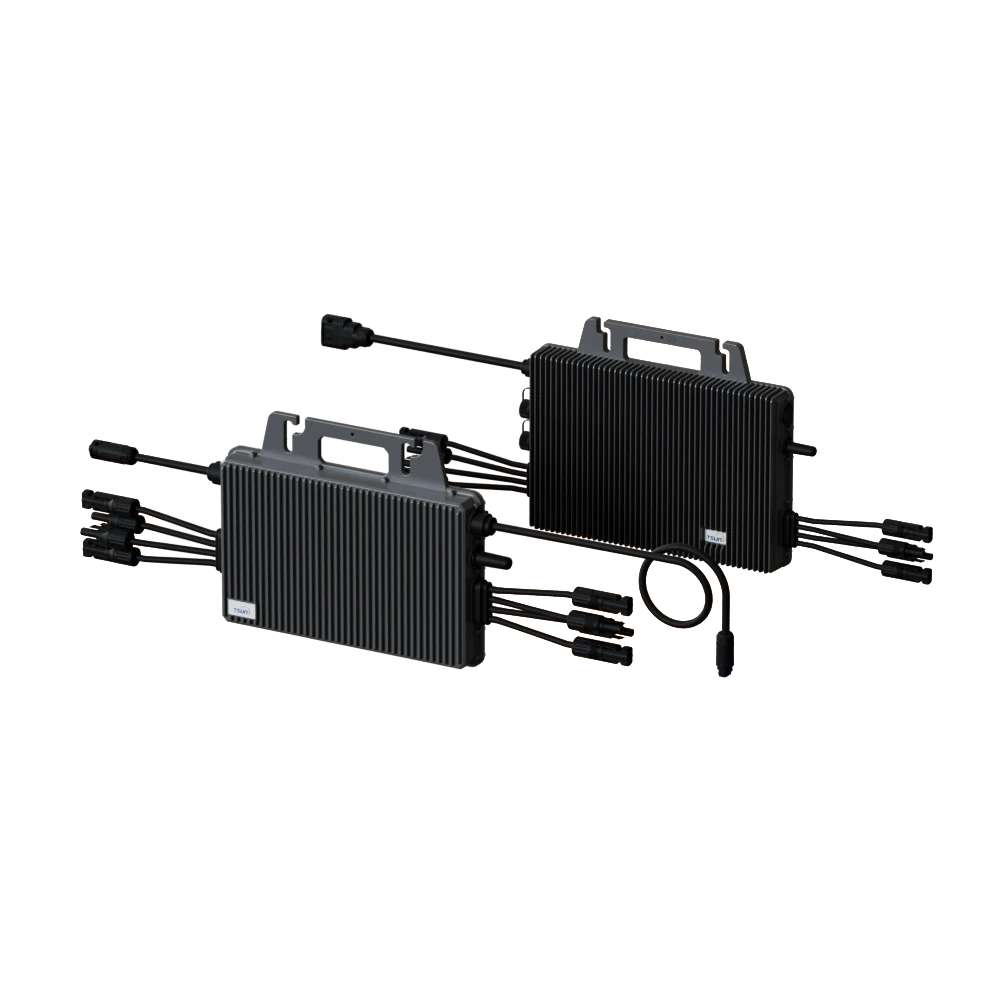
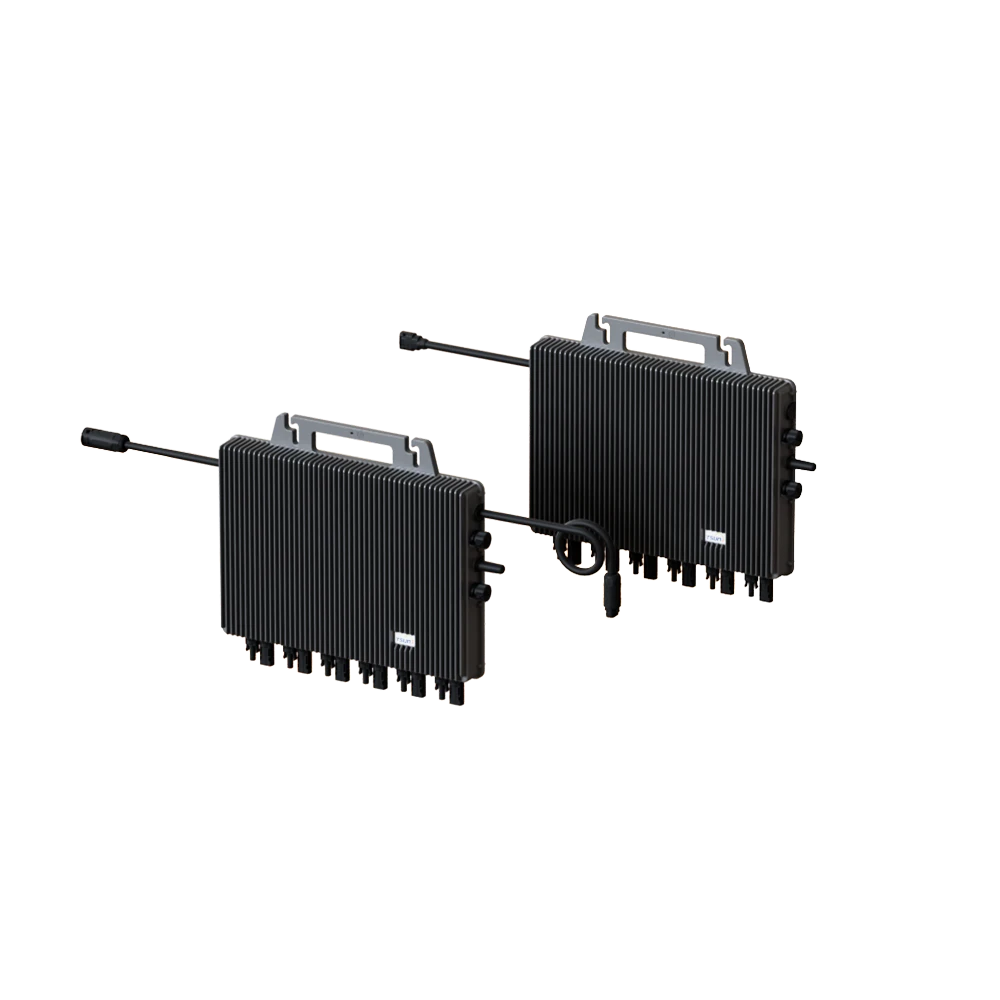
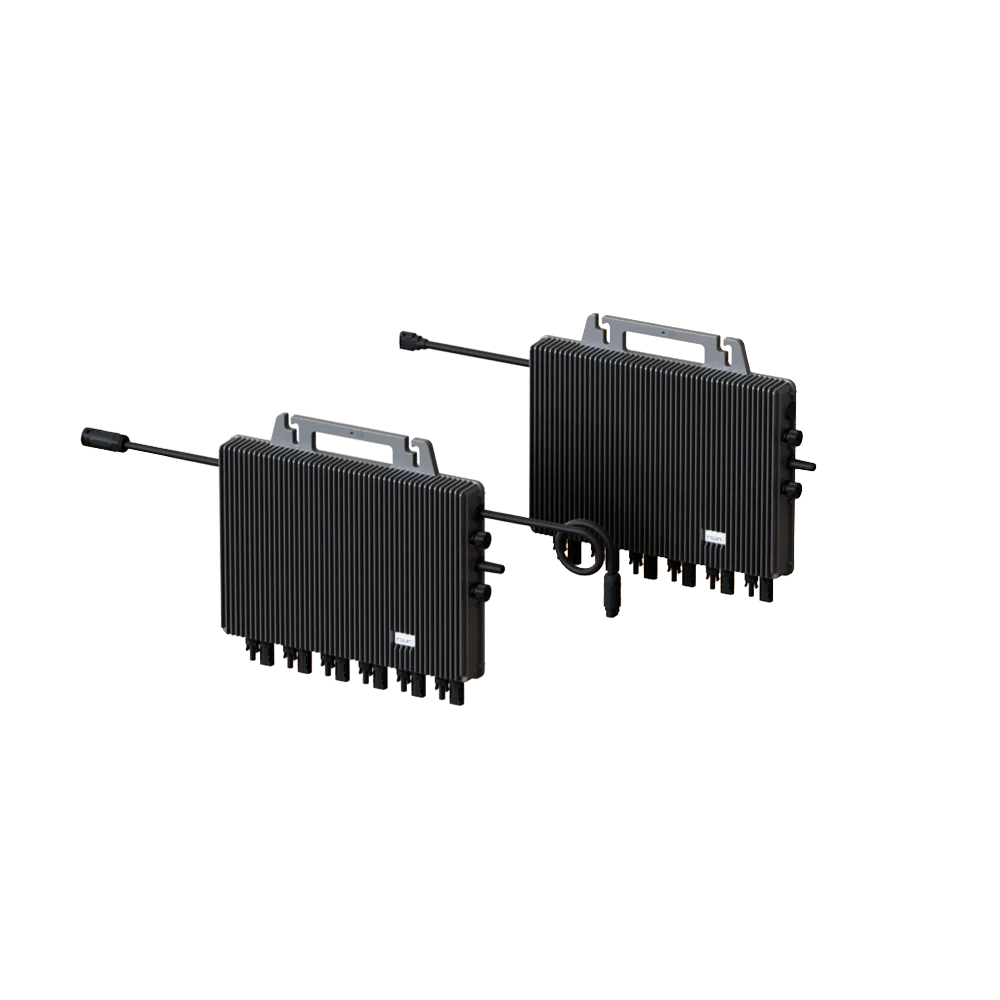
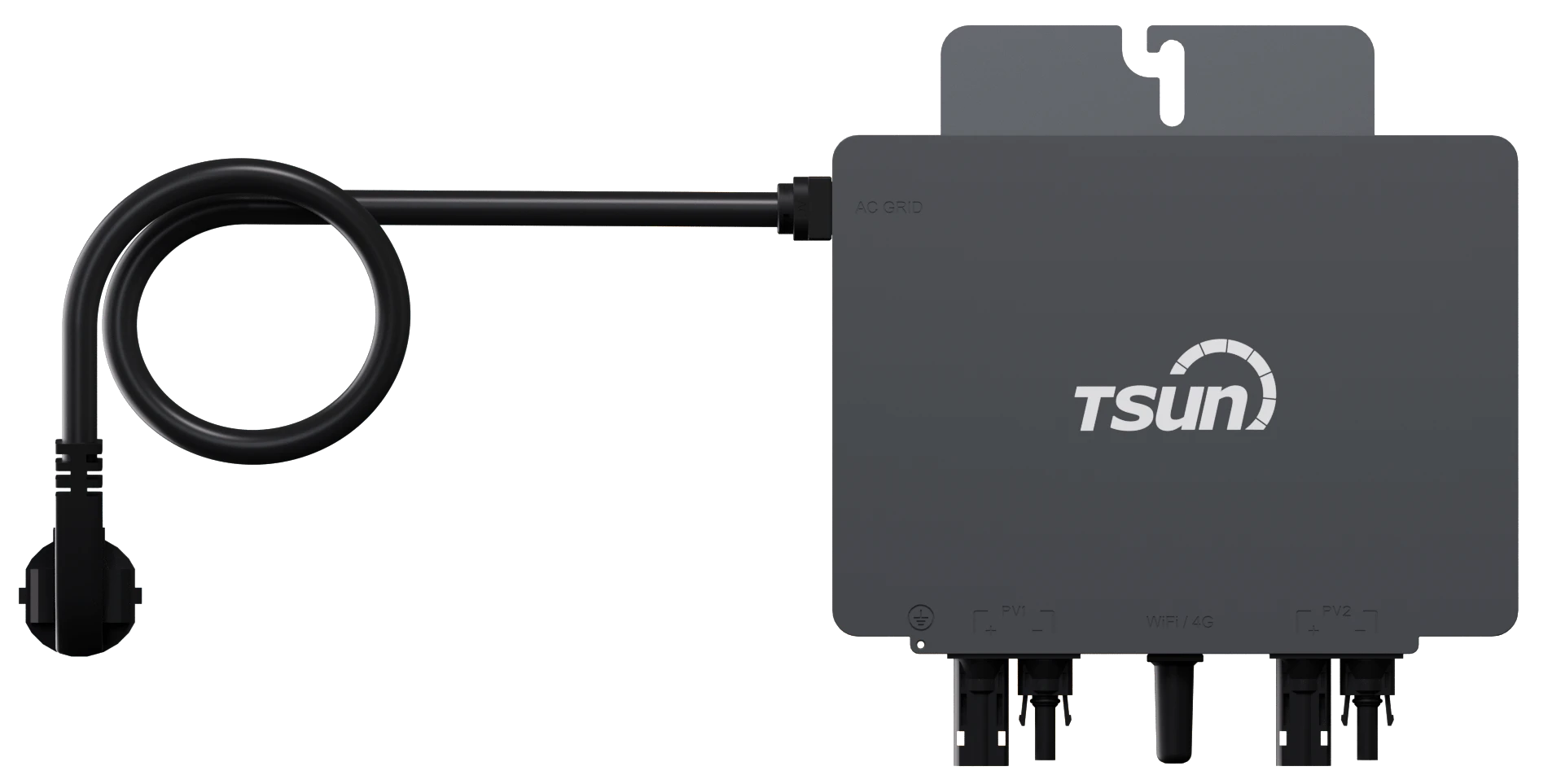
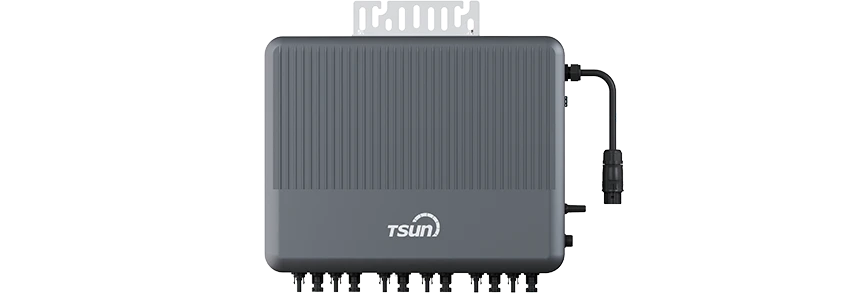
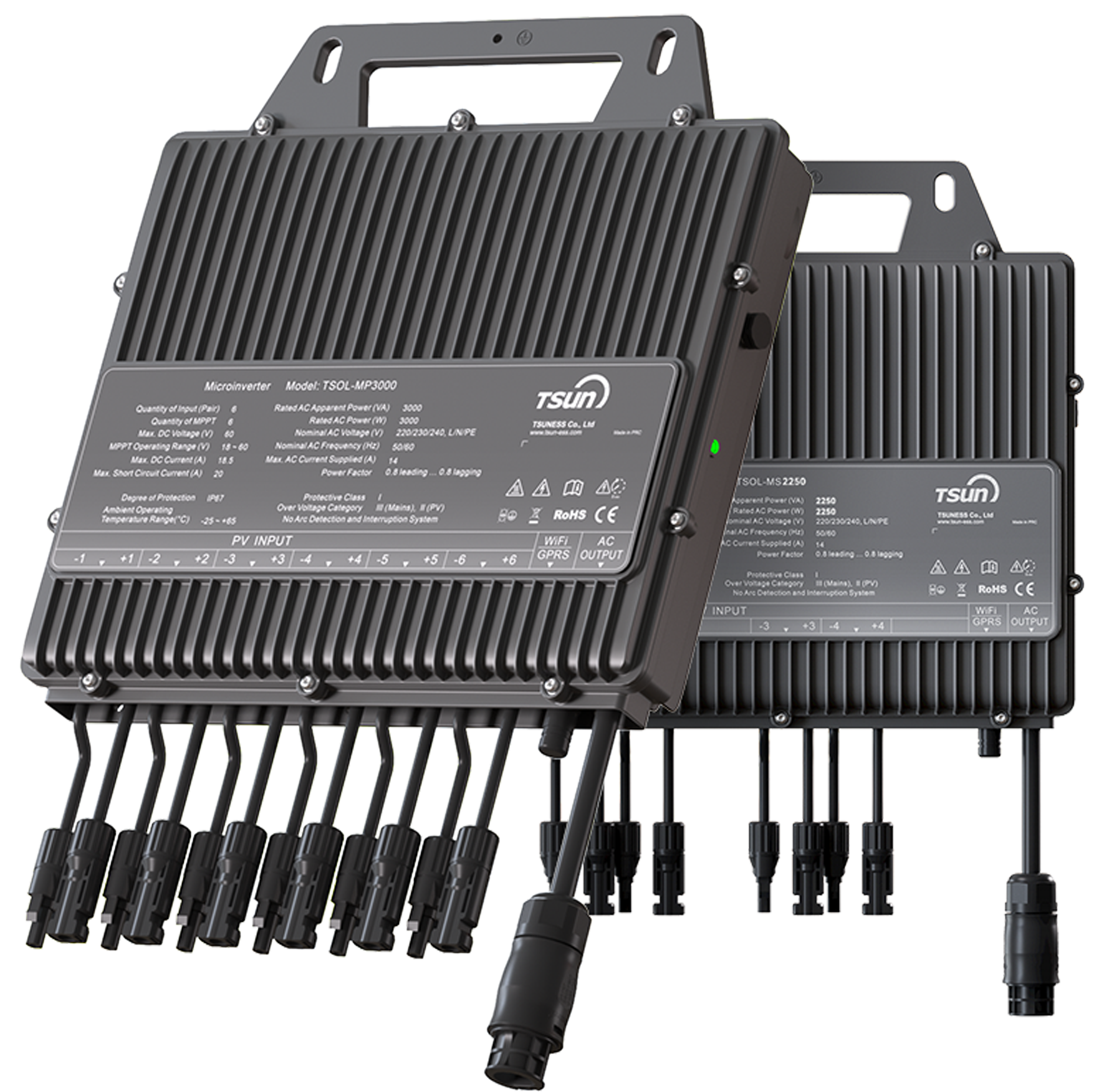
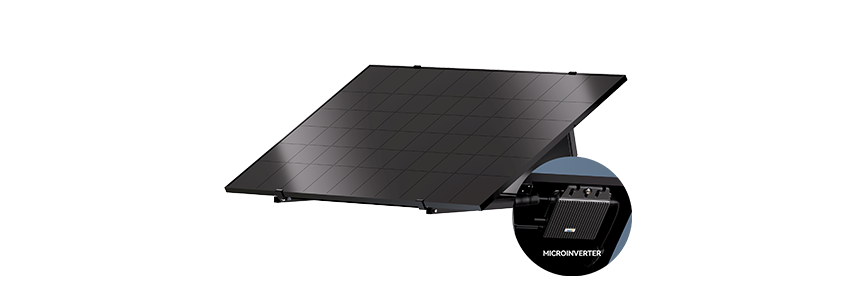
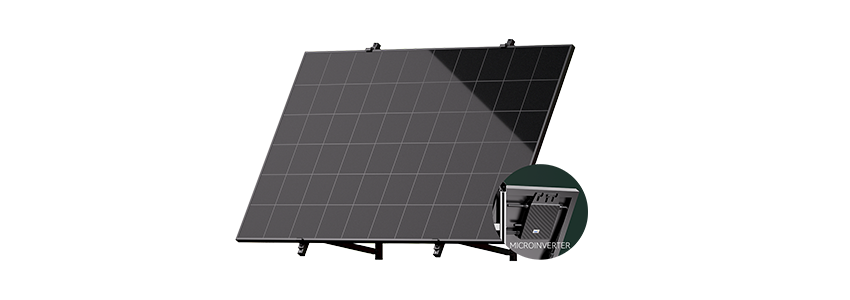
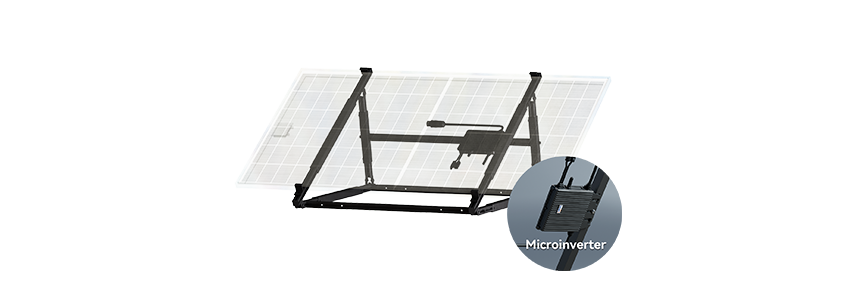
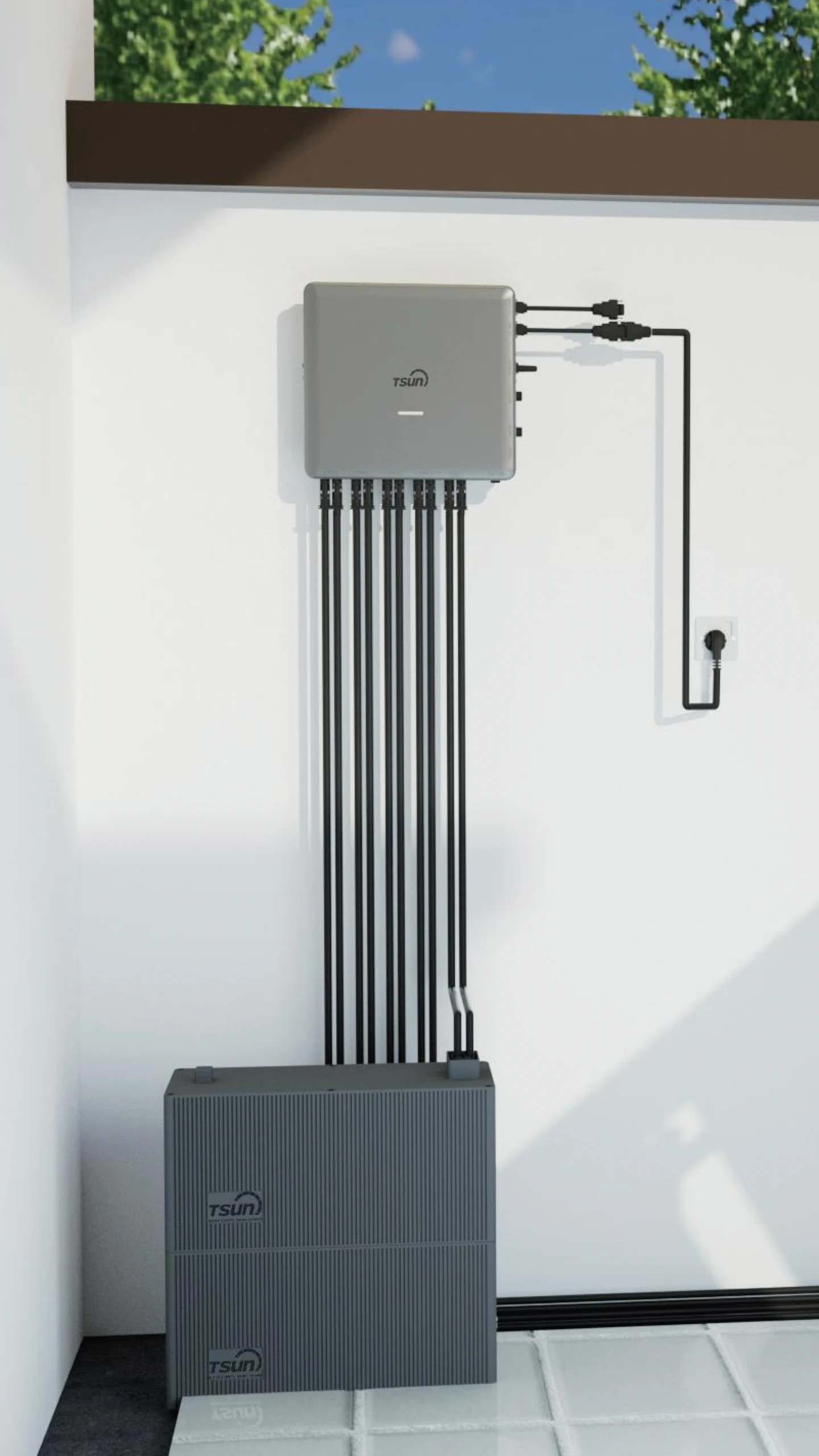
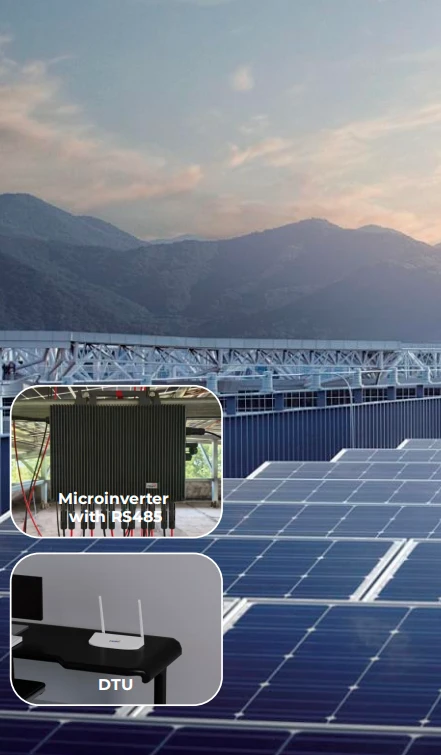
Put simply, a microinverter off grid system is a solar power setup where each photovoltaic panel is paired with its own microinverter. This microinverter changes DC (direct current) to AC (alternating current) right at the source. Unlike traditional setups where one centralized inverter manages multiple panels, microinverters operate independently, optimizing power output on a per-panel basis.
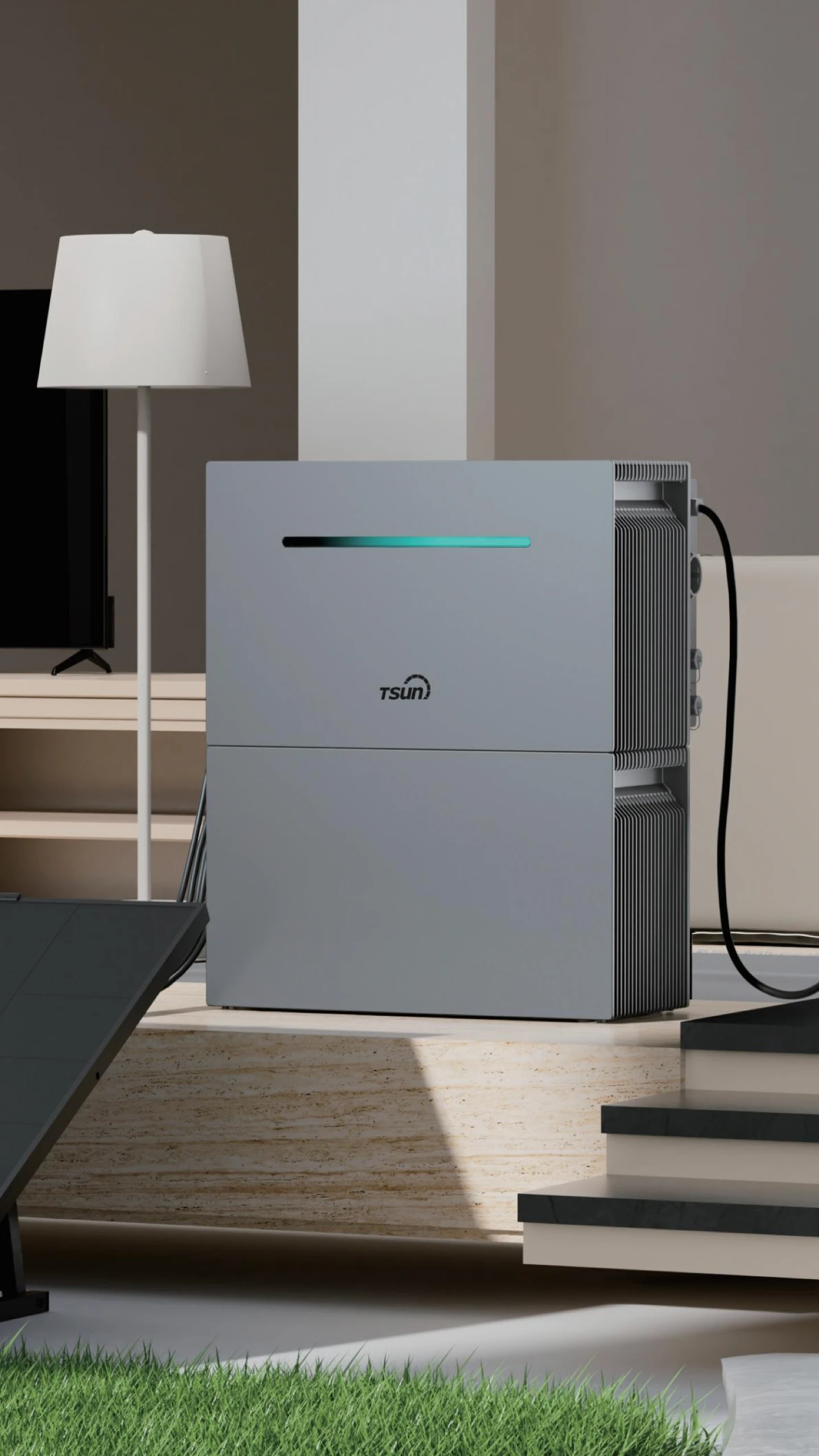
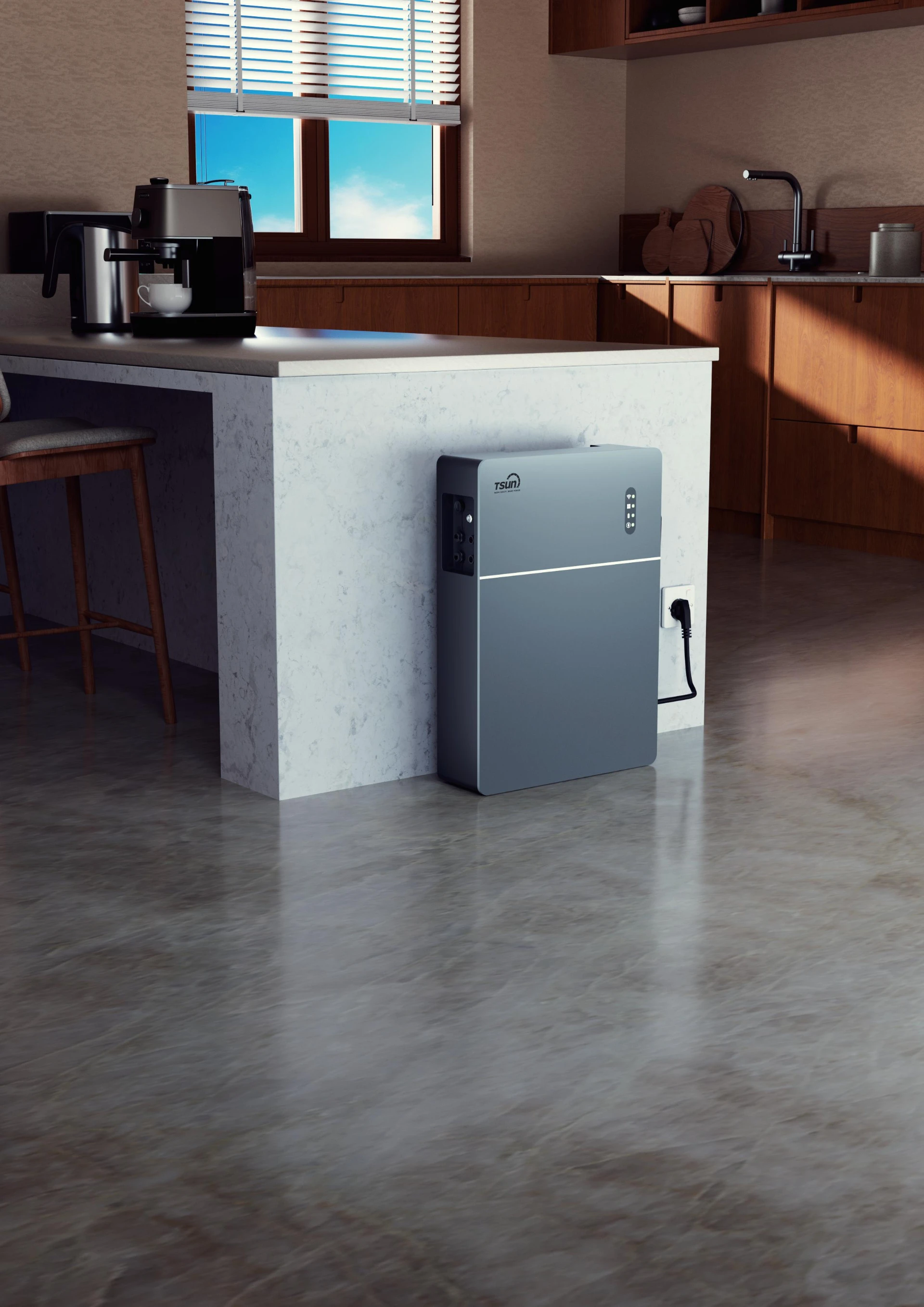
In an off-grid context, this means a system can run smoothly without relying on a utility grid connection—perfect for remote cabins, emergency shelters, or isolated industrial sites. They often incorporate batteries or energy storage to provide power 24/7.
These systems are not only a boon for clean energy advocates but have found important humanitarian applications, powering clinics or communication nodes in disaster zones, where robustness is non-negotiable.
Mini takeaway:
- Microinverters reduce single points of failure in off-grid solar systems.
- They optimize panel-level performance to maximize energy yield under shading or panel mismatch.
- Ideal for remote or mobile energy needs where grid access is impractical or impossible.
Core Components and Key Factors in Microinverter Off Grid Systems
1. Durability & Reliability
One of the first things engineers eyeball is how these microinverters handle harsh environments. Solar panels sit exposed to weather extremes, so the microinverters need protection against heat, moisture, and dust. Many feature ruggedized builds with IP65 or higher ratings, meaning they can weather storms and dust alike. Oddly enough, this boost in durability reduces maintenance costs — a huge plus in remote deployments.
2. Scalability and Modularity
Microinverter systems scale beautifully. Adding another panel with its own microinverter is a simple plug-and-play affair. This is especially handy for communities or businesses that want to grow capacity gradually without overhauling their entire system. It’s like Lego for solar energy, really.
3. Enhanced Energy Harvesting
Because each panel operates independently, shading or partial faults affect only that panel, rather than the whole string. This improves overall energy yield, which can translate to real savings or critical additional hours of power.
4. Cost Considerations
Microinverters have historically commanded a price premium compared to string inverters. Still, prices have dropped steadily in recent years — and the reduced maintenance, loss prevention, and scalability pay off over time. When paired with battery storage and proper system design, the total cost of ownership becomes very attractive.
Product Specification Table: Example Microinverter Off Grid System Model
| Specification |
Model X1000 |
| Max Power Output per Microinverter |
300 W |
| Input Voltage Range |
22 V - 60 V DC |
| Output Voltage |
120 V / 240 V AC |
| Efficiency |
96.5% |
| Operating Temperature |
-40°C to 65°C |
| Ingress Protection |
IP67 |
| Warranty |
10 years |
Comparing Vendors: What to Look for When Choosing a Microinverter Off Grid System Provider
|
SolarCo |
EcoPower |
GridFreeTech |
| Product Range |
Standard & High Output Microinverters |
Compact Systems, Battery-integrated |
Customized Off-Grid Kits |
| Service & Support |
24/7 Phone & Chat Support |
On-site Installation Assistance |
Remote Troubleshooting |
| Warranty Period |
10 years |
12 years |
10 years |
| Pricing |
Mid-range |
Premium |
Budget-friendly |
Real-World Applications That Show Off Grid Microinverters at Their Best
In remote villages in sub-Saharan Africa, where extending a power grid costs thousands per kilometer, microinverter off grid systems enable homes to run LED lighting, charge phones, and power small appliances reliably. Likewise, disaster relief agencies depend on these modular systems after hurricanes or earthquakes. In Puerto Rico’s 2017 aftermath, responders rapidly deployed solar microinverter arrays to keep communications and water purification systems running when the grid was down.
On a different note, offshore research stations and mining camps also benefit. They can scale generation capacity as operations grow and, importantly, avoid costly outages that would halt critical work.
If you’re curious, there’s also an exciting intersection with microinverter off grid system providers offering hybrid storage that pairs neatly with these technologies for round-the-clock power.
A quick synopsis:
- Microinverter off grid systems excel in off-grid electrification for remote or unstable grid zones.
- They empower critical infrastructure in emergencies, showing real humanitarian value.
- Modularity enables gradual scaling of energy needs, a great fit for seasonal or growing projects.
Why Should You Consider Microinverter Off Grid Systems? The Long-Term Benefits
Beyond the technical virtues, these systems deliver peace of mind. The reliability ensures no sudden blackout — which in a hospital or school can mean life or death. The environmental benefits are tangible too: less wasted energy, no diesel generators belching fumes, and a lasting reduction in carbon emissions.
Financially? The upfront cost might seem steep, but when you factor in energy maximization, easier maintenance, and the flexibility of expanding at your own pace, it’s an investment that pays dividends over time. Plus, the sense of energy independence brings a confidence that’s tough to put a price on.
Emerging Trends & Innovations in Microinverter Off Grid Technologies
Looking ahead, the horizon is bright. Manufacturers are integrating AI-driven energy management to optimize panel output dynamically and predict maintenance needs before failures occur. There’s also growing use of advanced materials to further extend lifespan and performance in extreme environments.
Policy-wise, incentives for renewable energy solutions and microgrid-friendly legislation are spreading globally, accelerating adoption. Meanwhile, pairings with energy storage advancements and smart home integrations mean microinverter off grid systems will become even more user-friendly and efficient.
Overcoming Challenges: What’s Holding Back Wide Adoption & How to Fix It
Despite the promise, challenges persist. Higher initial capital costs, limited consumer awareness, and technical installation requirements remain rate-limiting steps. But the industry is quick to respond. Training programs for local technicians and financial models like leasing are breaking down these barriers.
Also, ongoing standardization efforts by bodies like ISO are making systems safer and more interoperable. There's no silver bullet, but a clever mix of education, financing, and tech improvements is nudging microinverter off grid systems into mainstream use.
FAQ: What People Commonly Ask About Microinverter Off Grid Systems
- Q: Can I add more solar panels to my existing microinverter off grid system easily?
- A: Absolutely. One big advantage of microinverters is their modularity. You can connect additional panels without rewiring or replacing your inverter setup, making system expansion straightforward.
- Q: How do microinverters perform in shaded environments?
- Because microinverters operate panel-by-panel, shading on one panel doesn’t drag down the whole system’s performance. This is a major benefit if your installation faces trees or partial obstruction.
- Q: Are microinverter-based off grid systems compatible with battery storage?
- Yes, many systems are designed to integrate seamlessly with battery solutions, enabling round-the-clock power even when the sun isn’t shining.
- Q: Is installation complicated for these systems?
- Compared to traditional string inverter systems, microinverters can simplify installation, but professional expertise is still recommended to ensure safety and compliance.
- Q: How long do microinverters typically last?
- Most come with warranties between 10-15 years, and actual lifespan can be longer with good maintenance and environmental conditions.
Wrapping It Up: The Bright Outlook for Microinverter Off Grid Systems
When you add all this up — efficiency, scalability, resilience, and sustainability — microinverter off grid systems stand out as a proven and growing solution in the energy ecosystem. Whether you’re an entrepreneur planning a solar farm, an NGO delivering power to remote clinics, or a homeowner wanting energy independence, this technology is worth a second look.
In real terms, it’s about empowering human potential with cleaner, smarter, and more dependable power. To explore solutions tailored to your unique needs, feel free to visit our website and discover how a microinverter off grid system might be your next smart leap forward.
References & Further Reading
- Wikipedia: Microinverter
- International Energy Agency: Access to Electricity
- United Nations SDG7 — Affordable and Clean Energy



 LEARN DETAILS
 Downloads
 Video Center
 Report Fault for Repair
 FAQS
FAQS Service Network
 Privacy Policy
 Contact Us
 Monitoring


 LEARN MORE