Home Solar Energy Storage: Powering Your Future
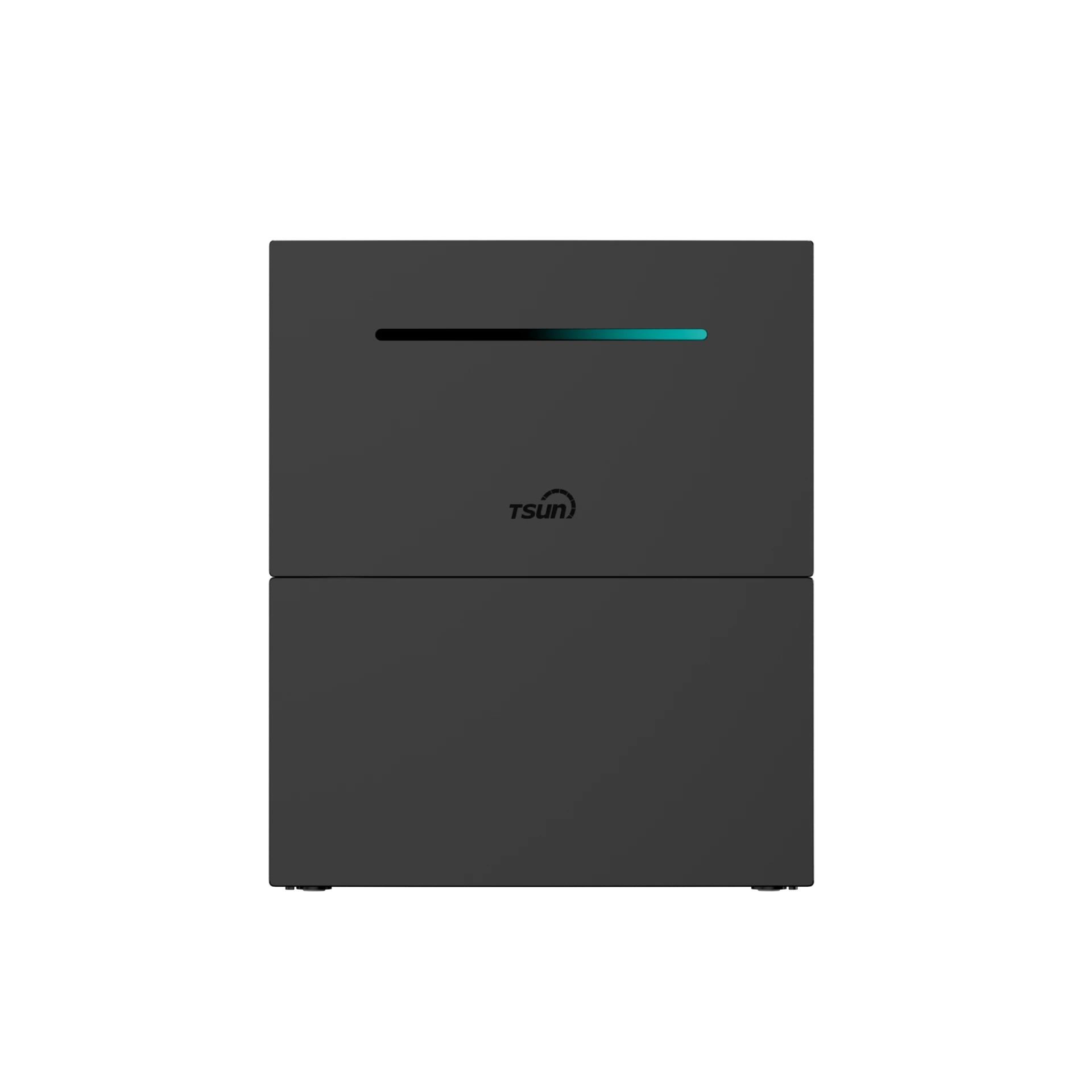
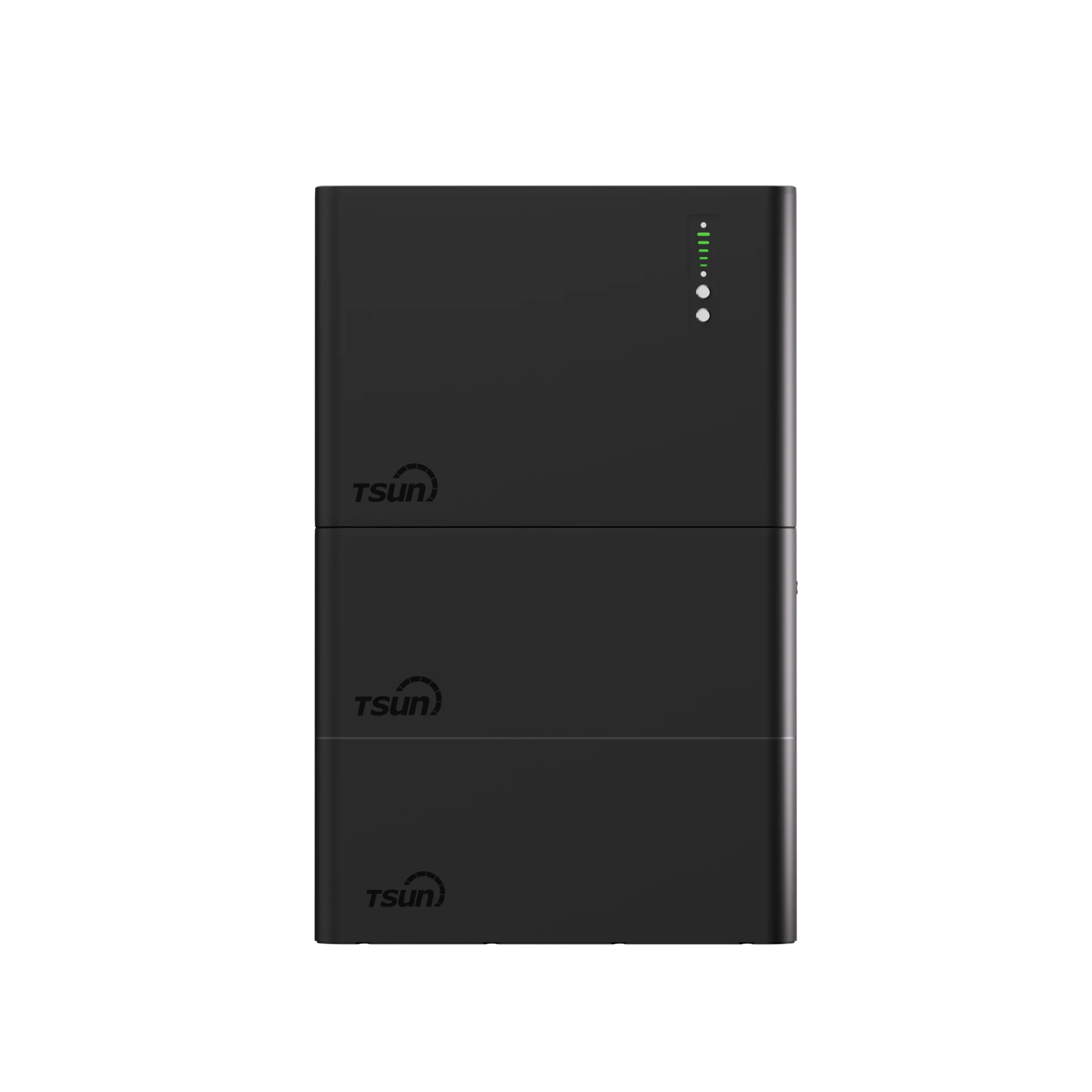
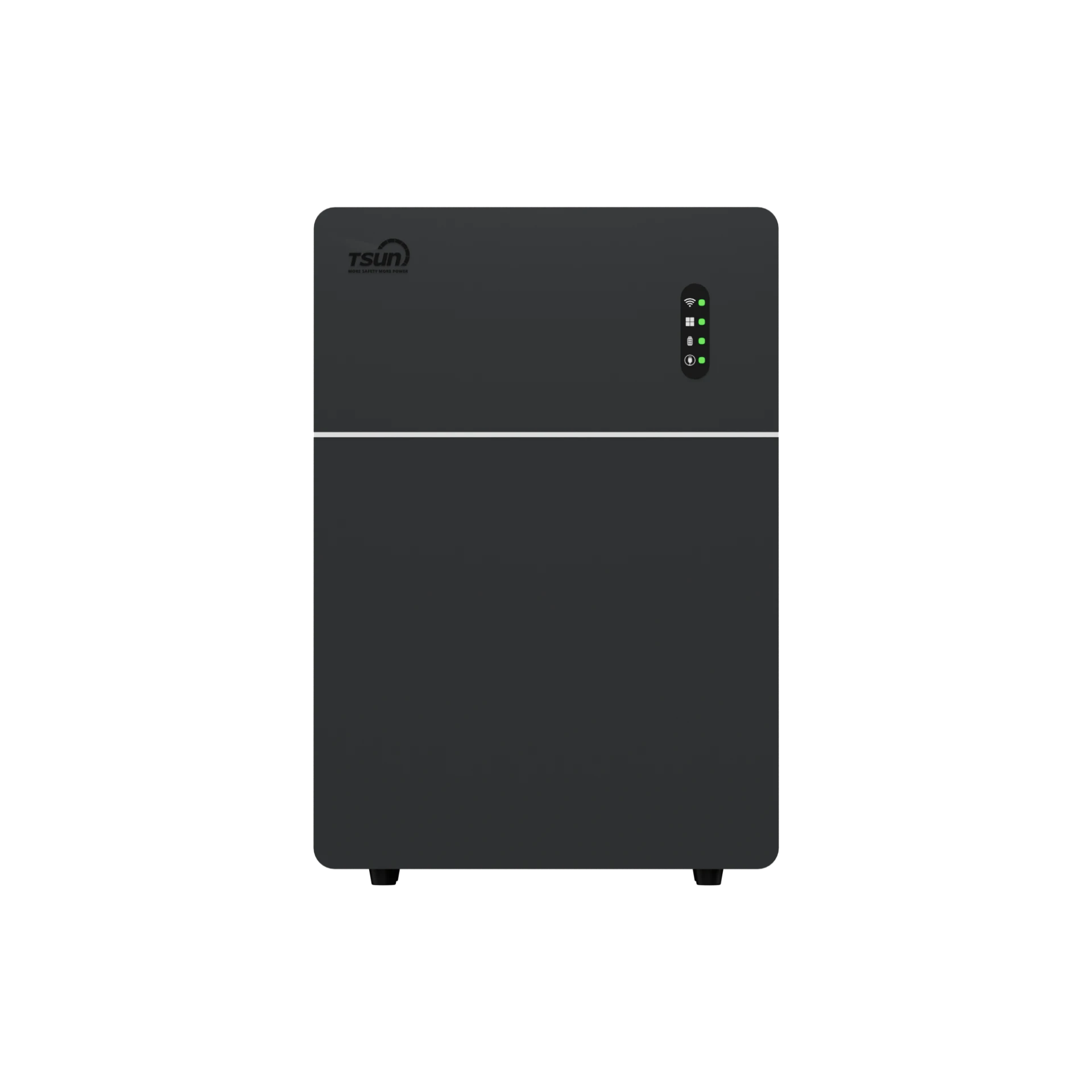
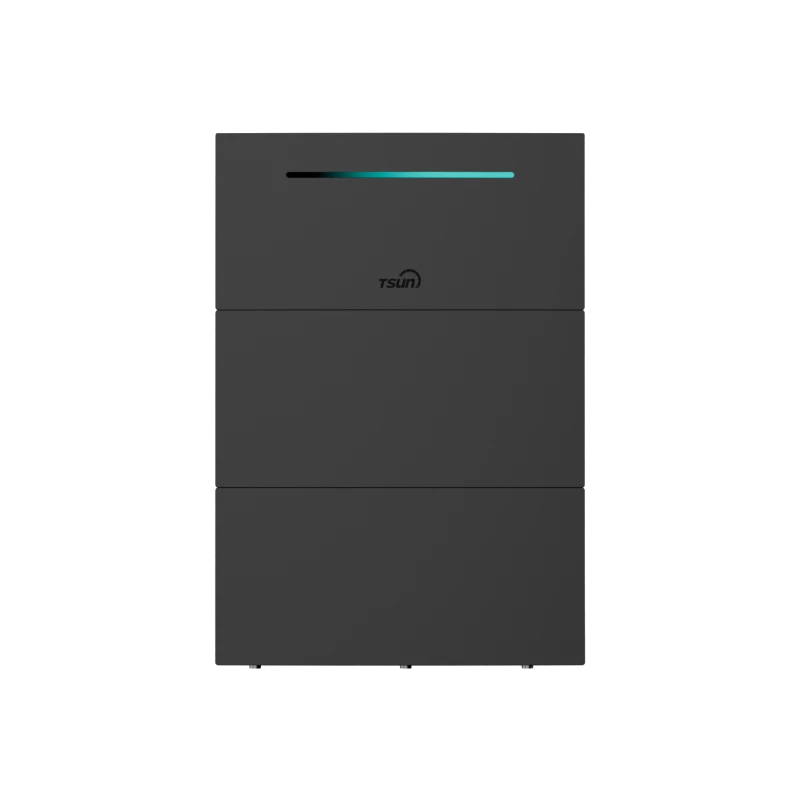
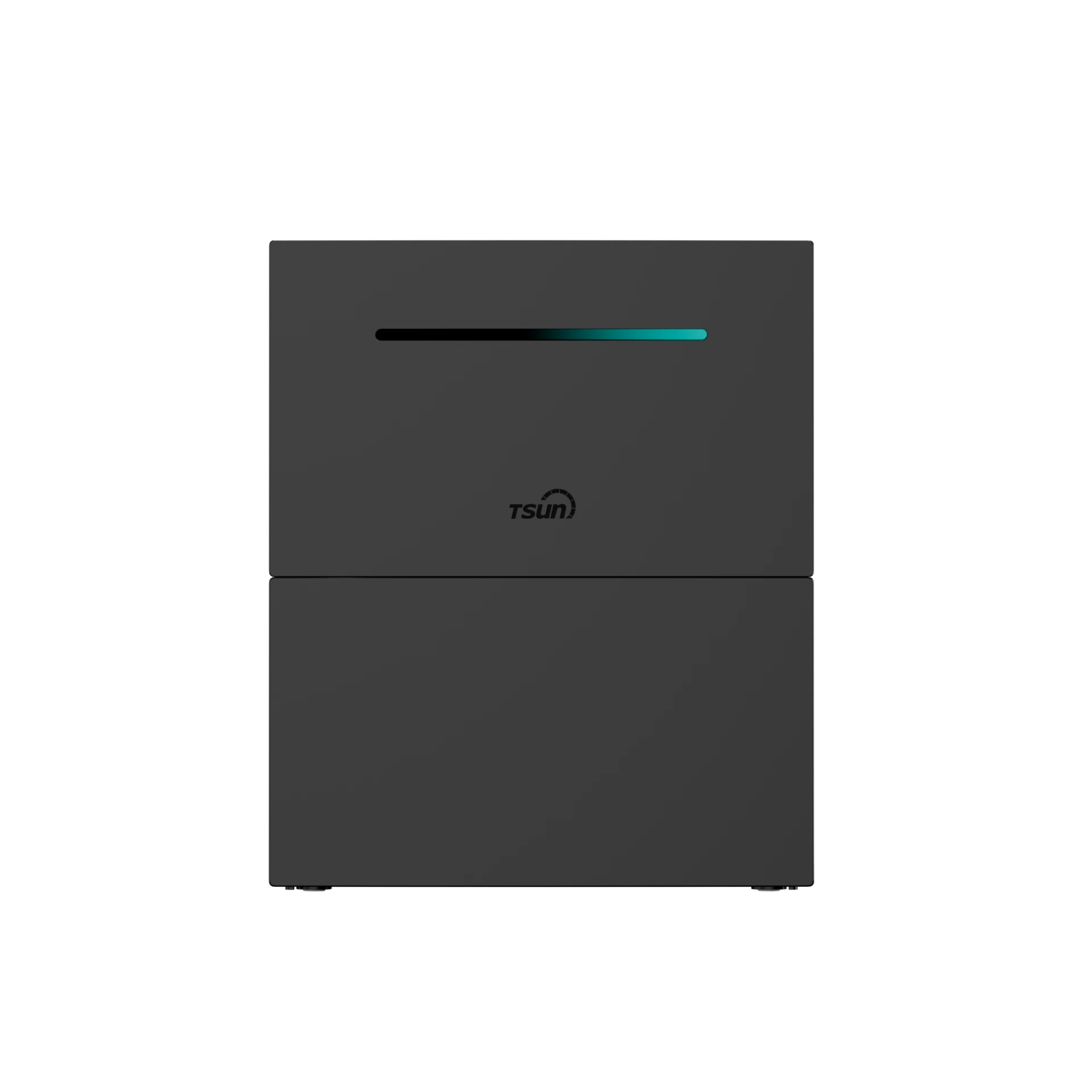
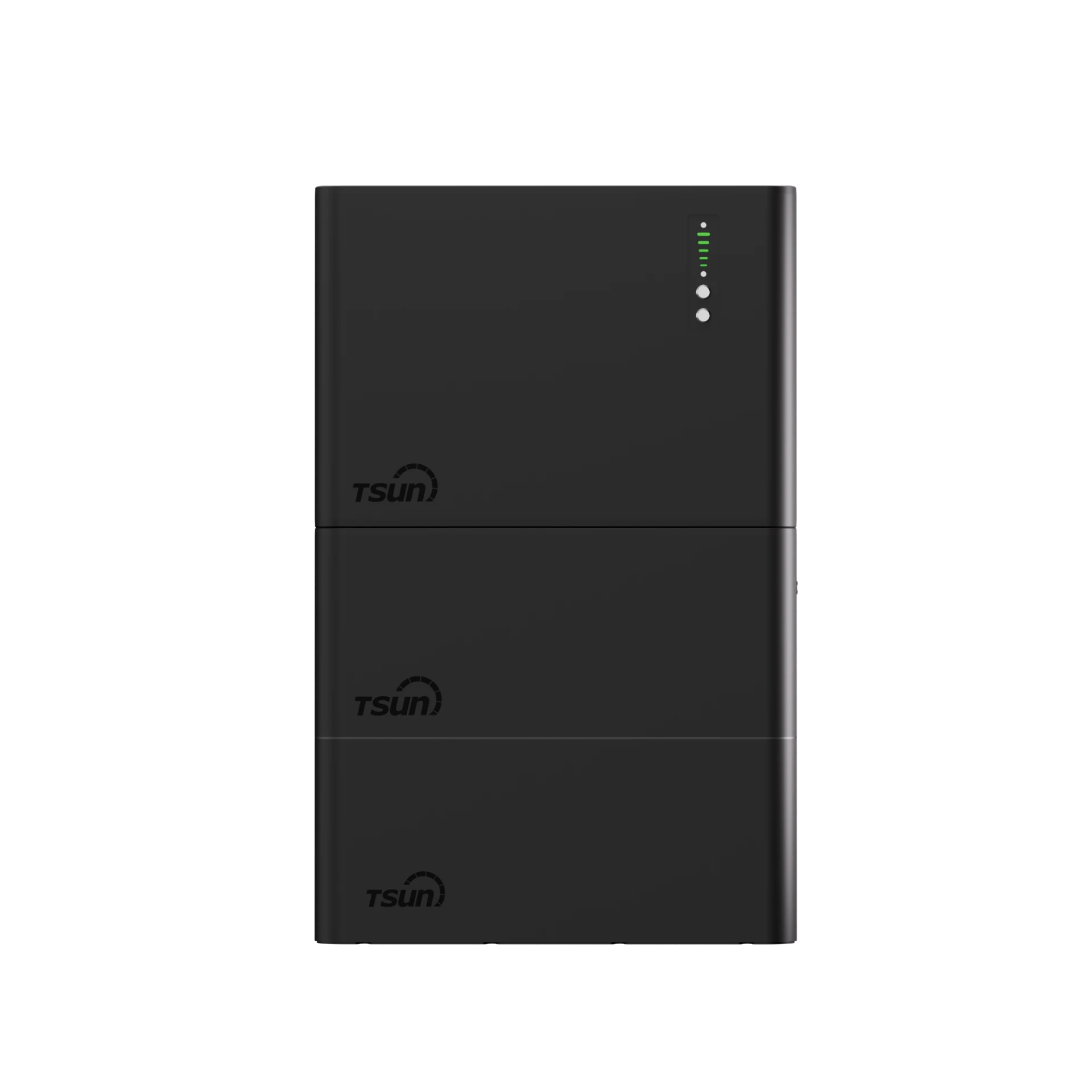
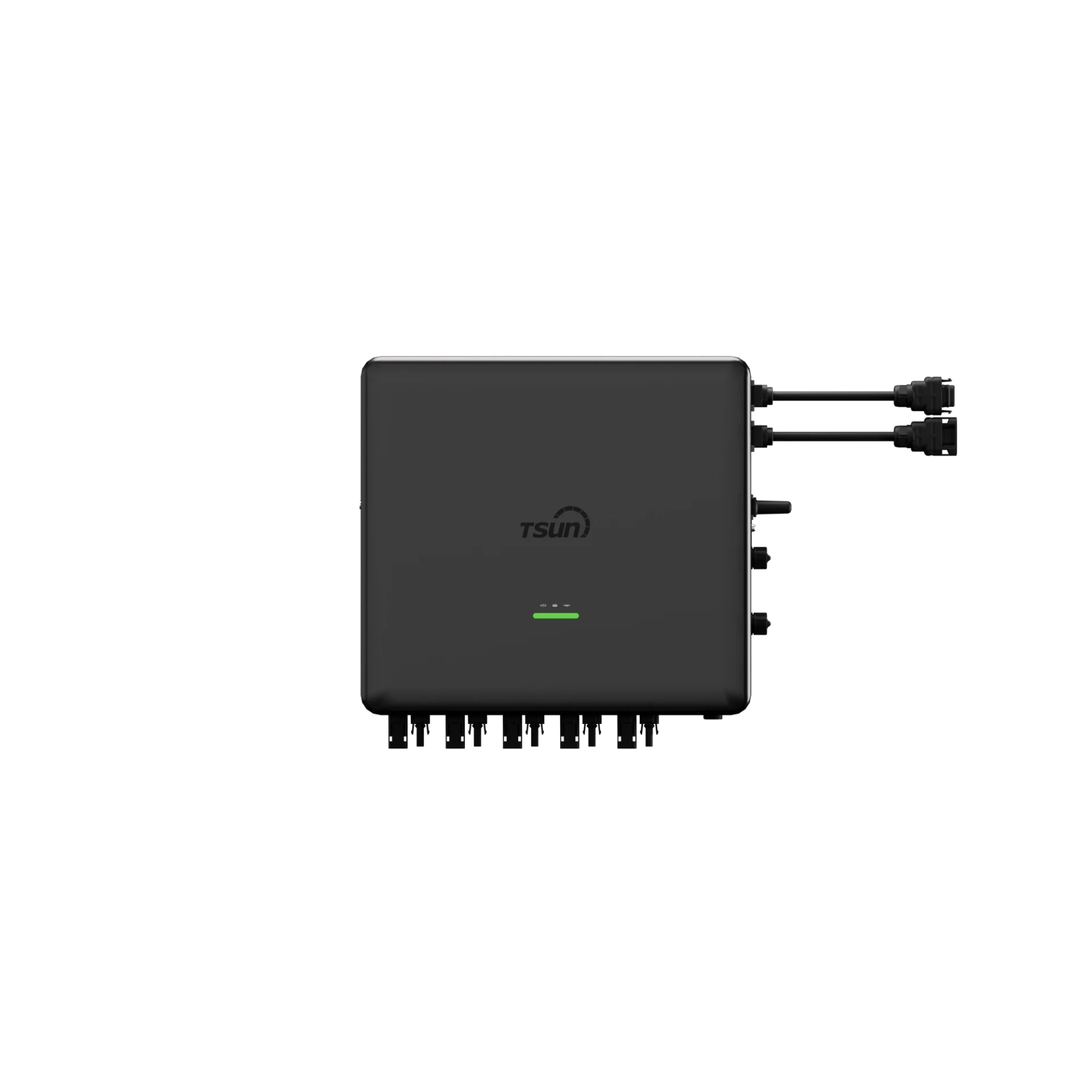
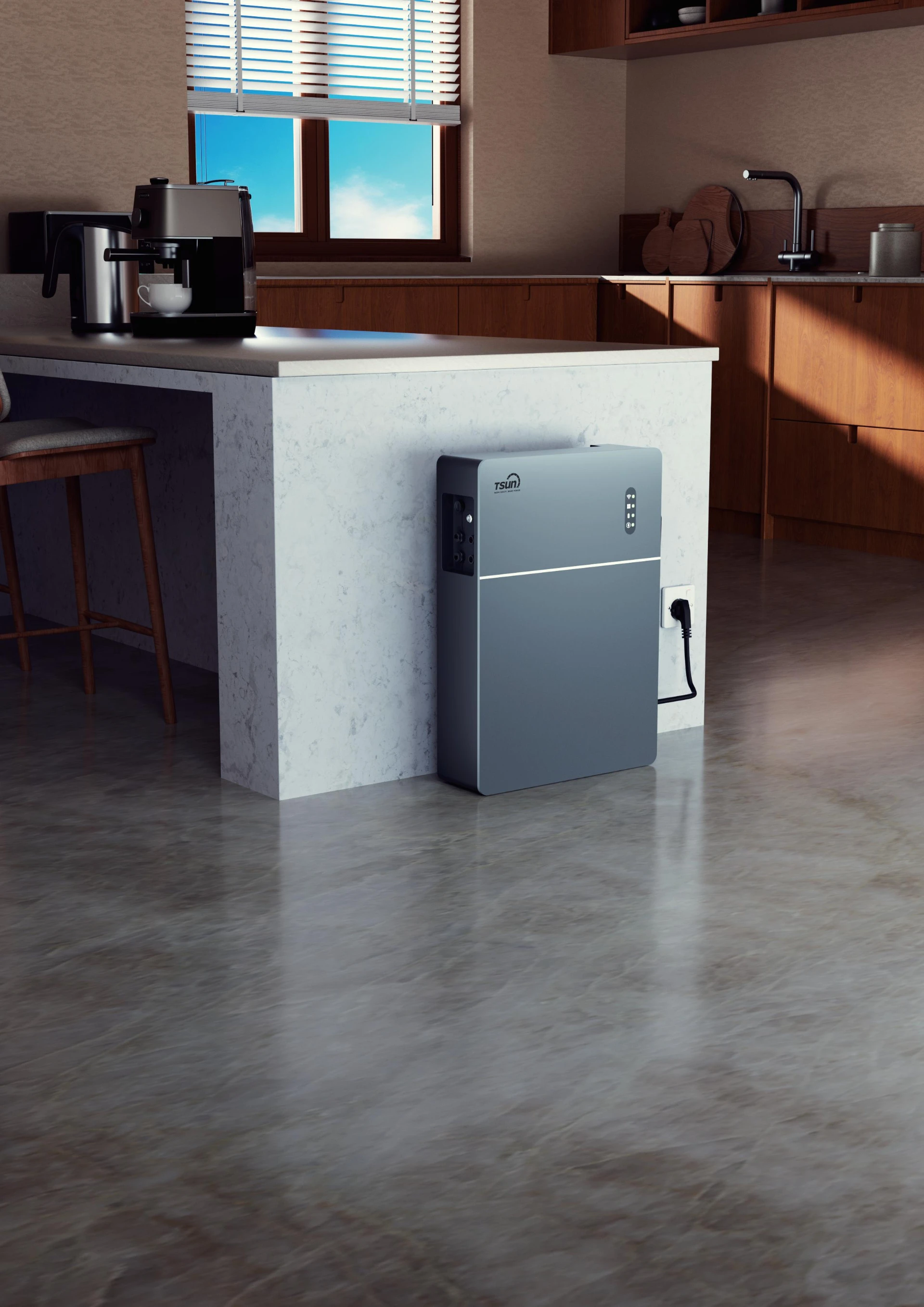
In an era increasingly focused on sustainability and energy independence, home solar energy storage has become a game-changer. Combining the benefits of solar power with reliable battery storage allows homeowners to maximize their energy savings, reduce their carbon footprint, and gain resilience against power outages. This article will delve into the world of home solar energy storage, exploring its benefits, different types of storage systems, key considerations for choosing the right system, and how it's shaping the future of home energy. TSUN ESS offers cutting-edge solutions to help you harness the power of the sun, even when the sun isn’t shining.
The Benefits of Home Solar Energy Storage
The advantages of integrating energy storage with your solar panel system are numerous. Firstly, it increases self-consumption of solar energy. Instead of sending excess energy back to the grid (and potentially receiving a lower rate), you can store it for later use, maximizing your savings. Secondly, it provides backup power during grid outages, ensuring essential appliances continue to operate. Thirdly, it contributes to grid stabilization by balancing supply and demand. Finally, it reduces reliance on fossil fuels, promoting a cleaner environment. Investing in solar energy storage is a smart financial and environmental decision.
Key Highlights: Maximizes savings, provides backup power, stabilizes the grid, and reduces reliance on fossil fuels.
Types of Home Solar Energy Storage Systems
Several types of battery technologies are available for home energy storage. Lithium-ion batteries are the most common due to their high energy density, long lifespan, and relatively low maintenance. Lead-acid batteries are a more affordable option but have a shorter lifespan and lower energy density. Flow batteries are a newer technology offering long lifespan and scalability but are currently more expensive. The choice depends on your budget, energy needs, and desired lifespan. TSUN ESS specializes in advanced lithium-ion battery storage solutions.
Battery Technology Comparison:
• Lithium-ion: High energy density, long lifespan, low maintenance.
• Lead-acid: Affordable, shorter lifespan, lower energy density.
• Flow batteries: Long lifespan, scalable, higher cost.
Home Solar Energy Storage Capacity: Sizing Your System
Determining the appropriate storage capacity is crucial for maximizing the benefits of your system. This depends on your energy consumption patterns, the size of your solar panel system, and your backup power needs. A general rule of thumb is to assess your daily energy usage and determine how much of that you want to be able to cover during a grid outage. Consider peak demand times and critical loads (refrigerator, medical equipment) when calculating your backup requirements. A professional energy assessment is highly recommended.
| Household Size |
Average Daily Energy Use (kWh) |
Recommended Battery Capacity (kWh) |
| 1-2 People |
10-20 kWh |
5-10 kWh |
| 3-4 People |
20-30 kWh |
10-15 kWh |
| 5+ People |
30+ kWh |
15+ kWh |
Choosing the Right Home Solar Energy Storage System
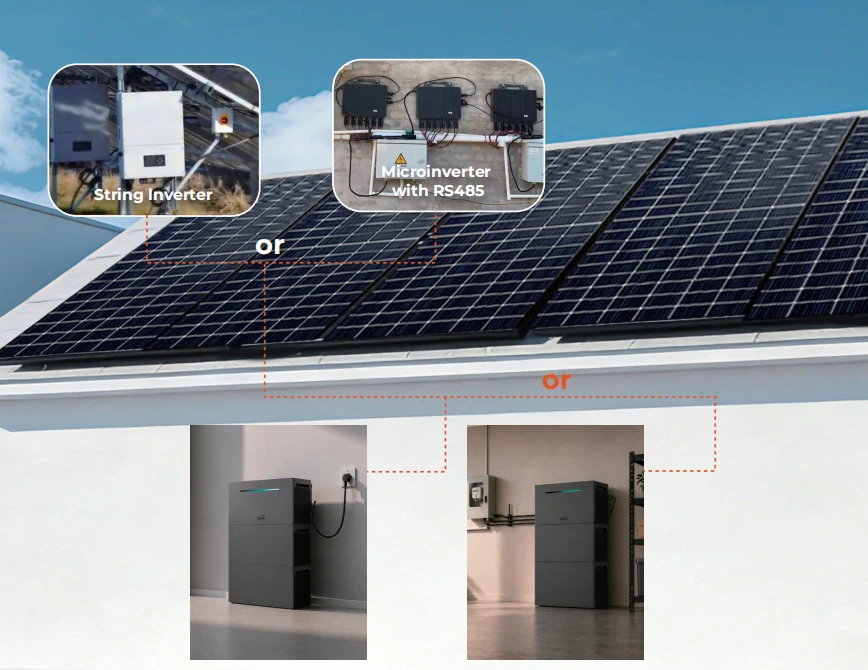
Selecting the best system involves considering several factors. Budget is a key consideration, as prices vary significantly depending on battery technology and capacity. System efficiency, lifespan, and warranty are also important. Ensure the system is compatible with your existing solar panels and electrical infrastructure. Finally, work with a reputable installer who can provide expert guidance and ensure a safe and efficient installation. TSUN ESS provides customized solutions tailored to your specific needs.
TSUN ESS: Your Partner in Home Solar Energy Storage
At TSUN ESS, we are dedicated to providing innovative and reliable home solar energy storage solutions. Our systems are designed for optimal performance, longevity, and safety. We offer a range of lithium-ion battery options to meet diverse energy needs and budgets. Our team of experts will guide you through every step of the process, from system design to installation and ongoing support. We empower you to take control of your energy future and enjoy the benefits of clean, sustainable power.
Conclusion: Embrace Energy Independence with TSUN ESS
Investing in home solar energy storage is an investment in your future. It’s a step towards energy independence, environmental responsibility, and financial savings. TSUN ESS is committed to delivering high-quality, reliable, and cost-effective solutions that empower you to harness the power of the sun.
Frequently Asked Questions (FAQs)
What is the typical payback period for a home solar energy storage system?
The payback period varies depending on several factors, including the cost of the system, your electricity rates, your solar panel production, and any available incentives or rebates. Generally, homeowners can expect a payback period of 7-15 years. However, with increasing electricity prices and declining battery costs, the payback period is becoming shorter. The long-term benefits of energy independence, reduced carbon footprint, and potential grid services revenue can further enhance the overall return on investment. Contact TSUN ESS for a personalized payback analysis.
Does home solar energy storage increase my home’s value?
Yes, studies have shown that homes with solar energy systems, especially those with battery storage, tend to have higher resale values. Buyers are increasingly seeking sustainable and energy-efficient homes, and solar energy storage is a significant selling point. It demonstrates a commitment to environmental responsibility and offers potential cost savings, making the property more attractive to prospective buyers. The increased home value can often offset a significant portion of the system’s initial cost.
What maintenance is required for a home solar energy storage system?
Home solar energy storage systems generally require minimal maintenance. Lithium-ion batteries, in particular, have a long lifespan and require very little upkeep. Regular monitoring of the system's performance is recommended, which can often be done remotely through a mobile app. Periodic inspections by a qualified technician are also advisable to ensure optimal operation and identify any potential issues. TSUN ESS offers comprehensive maintenance and support services.
Are there any incentives or rebates available for home solar energy storage?
Yes, many governments and utility companies offer incentives and rebates to encourage the adoption of solar energy storage. These can include tax credits, grants, and net metering programs. The availability and amount of these incentives vary depending on your location. TSUN ESS can help you navigate the available incentives in your area and maximize your savings.






 LEARN DETAILS
 Downloads
 Video Center
 Report Fault for Repair
 FAQS
FAQS Service Network
 Privacy Policy
 Contact Us
 Monitoring


 LEARN MORE