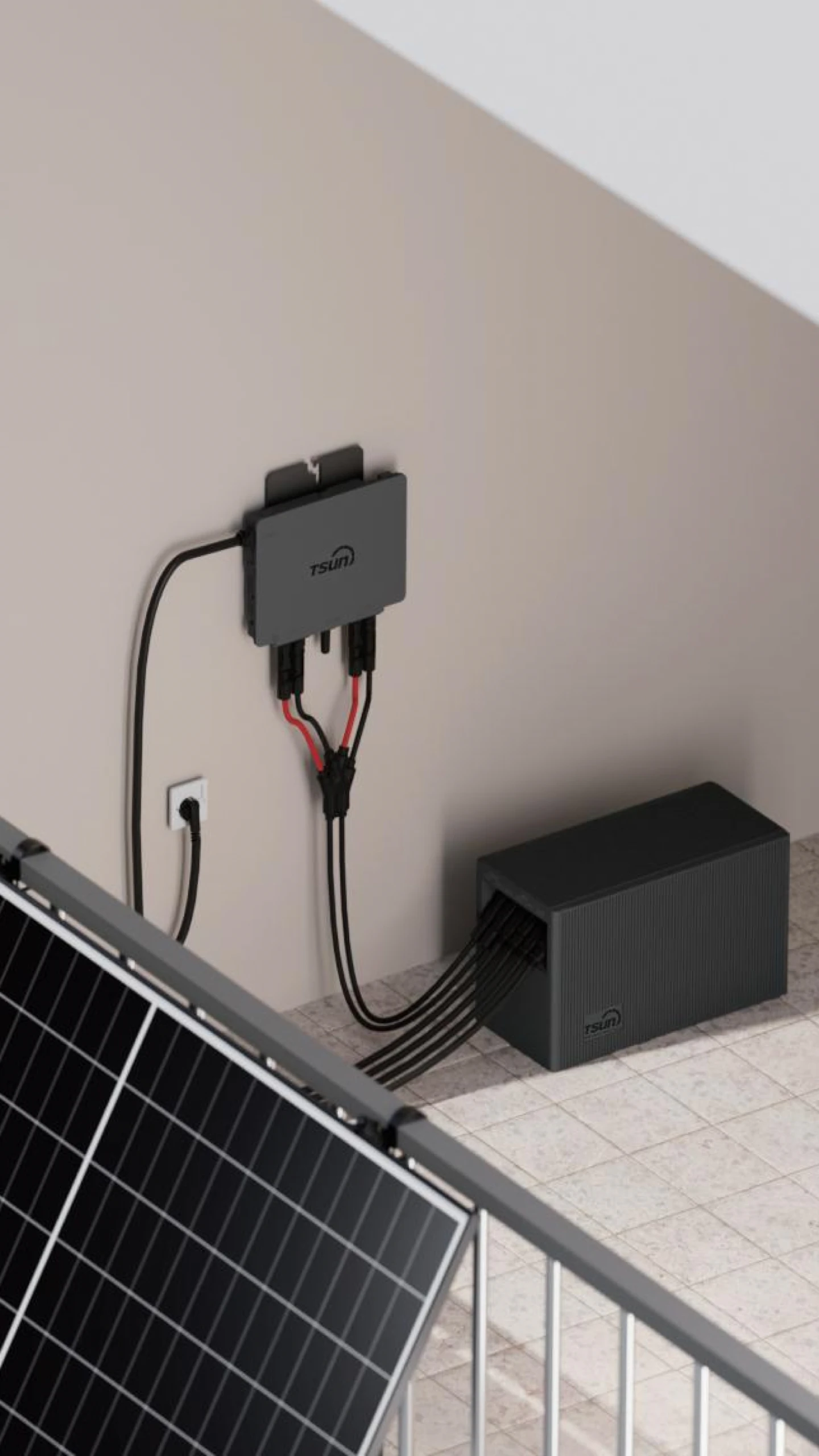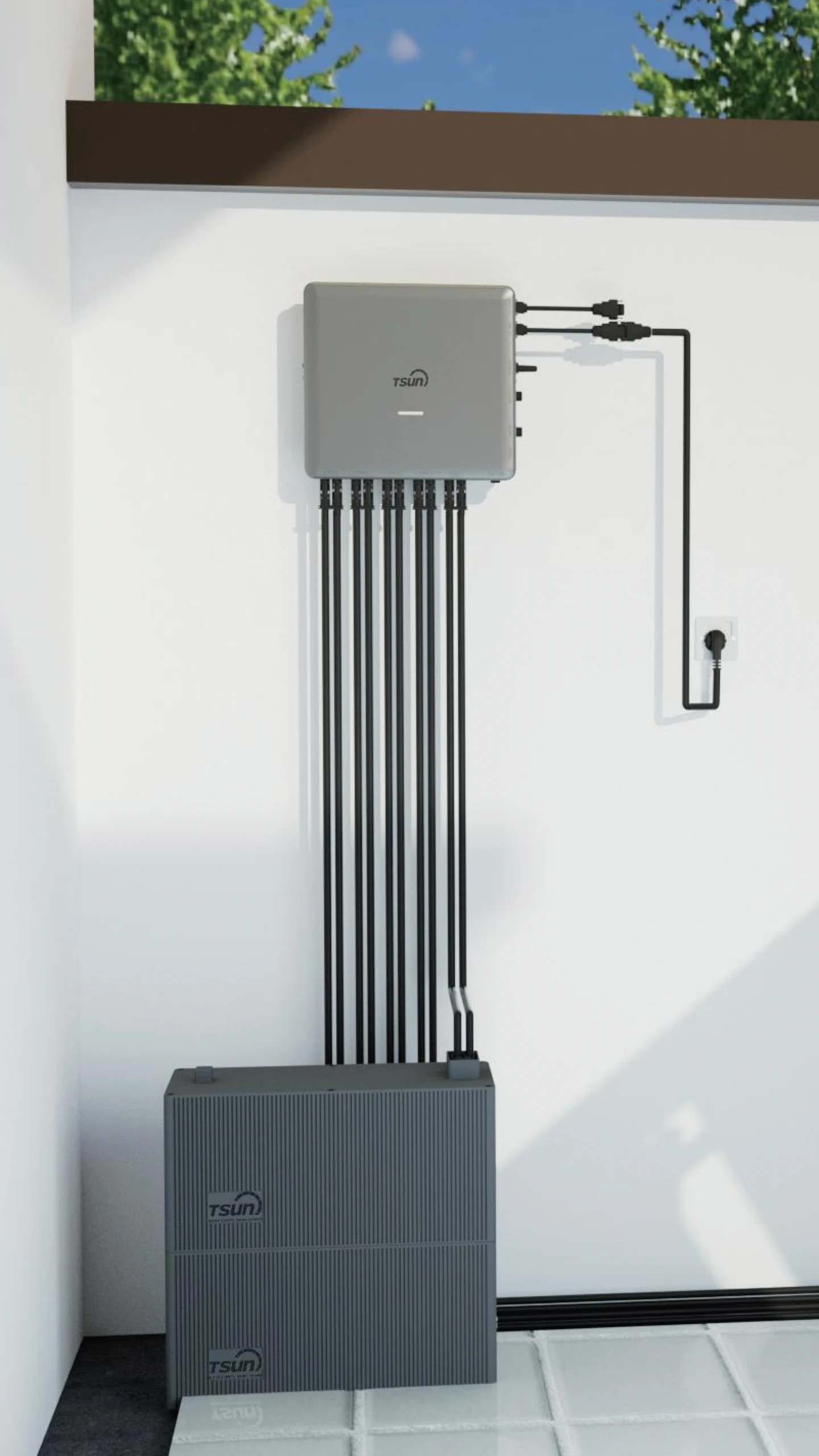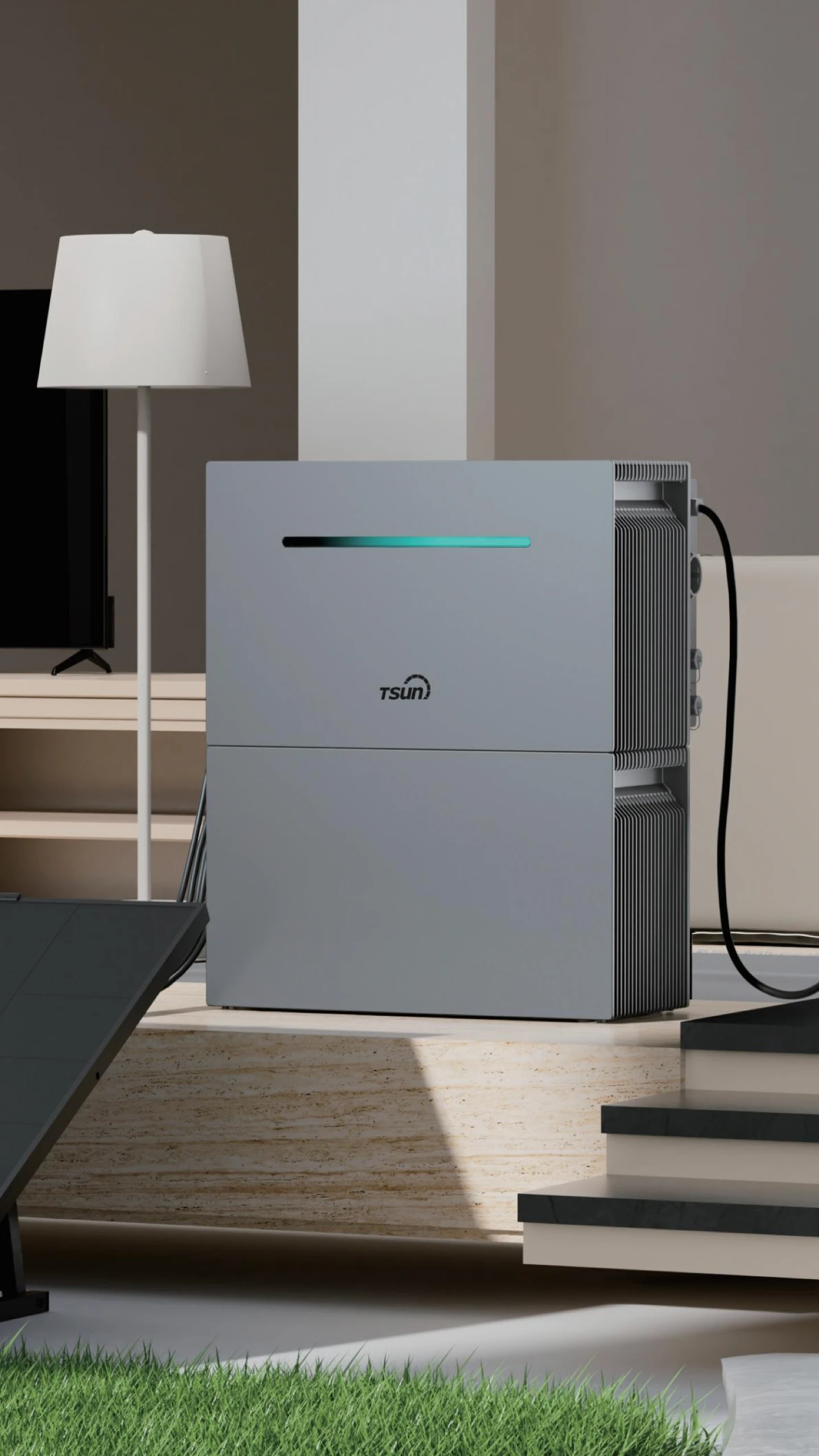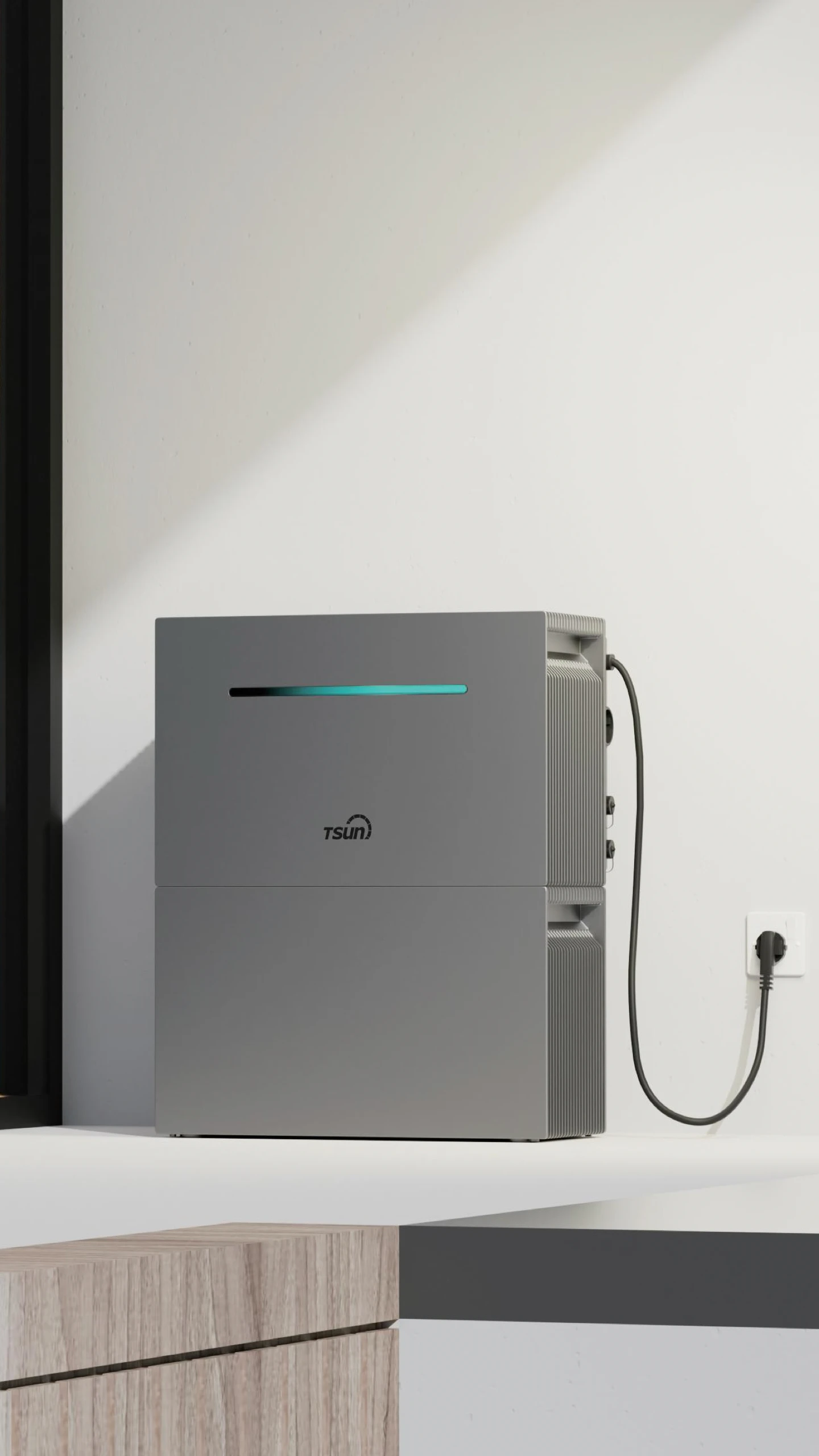

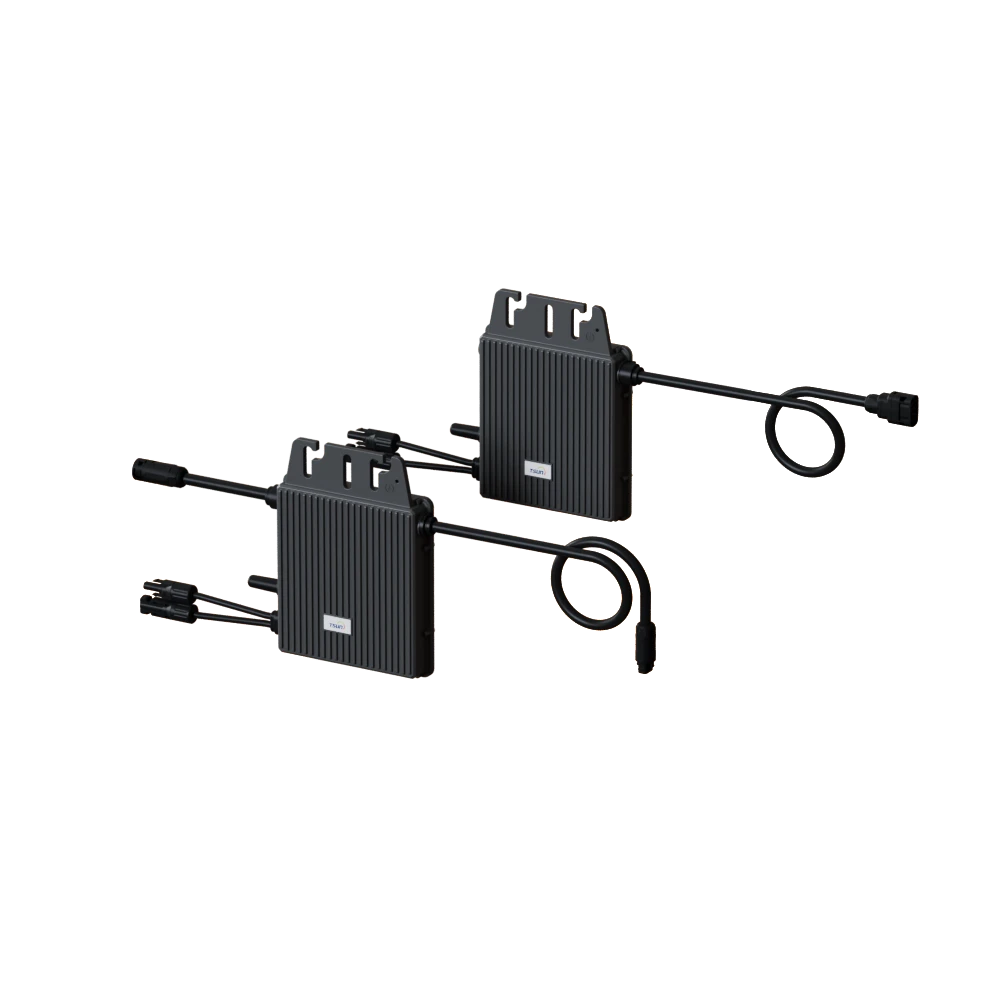
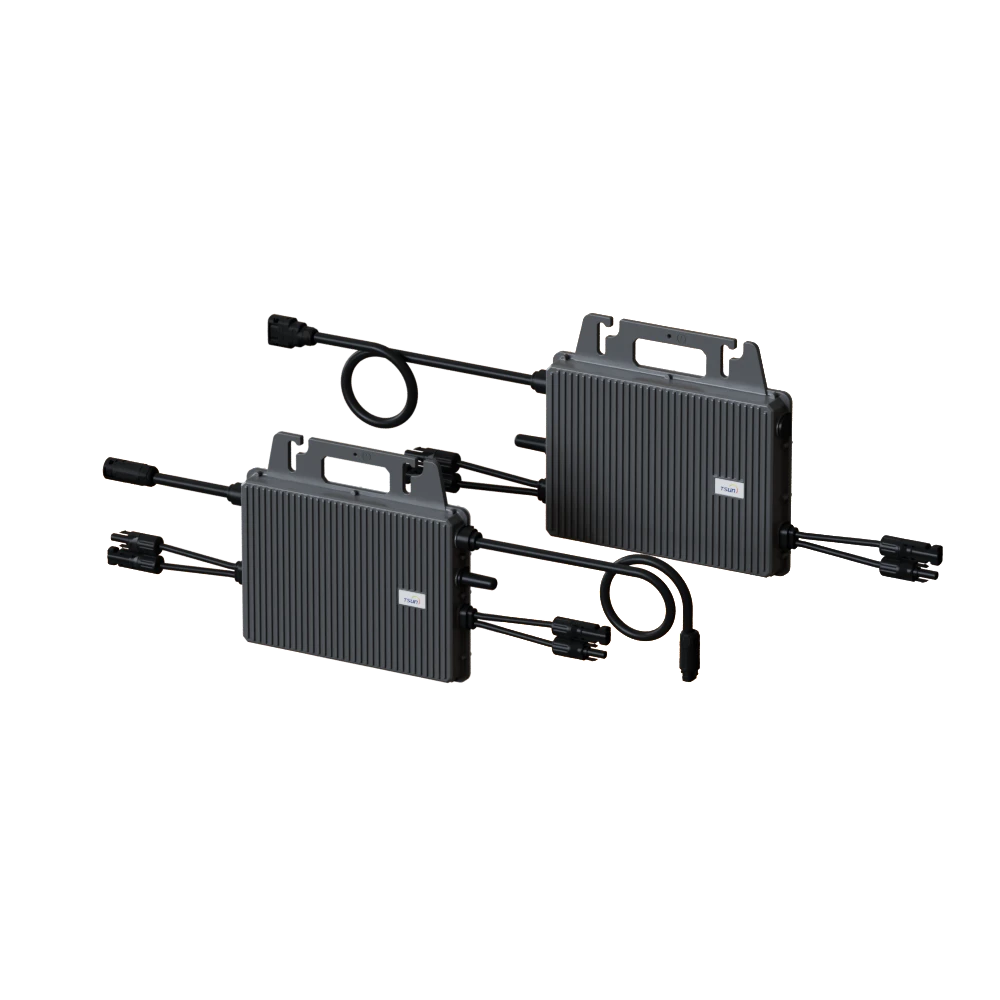
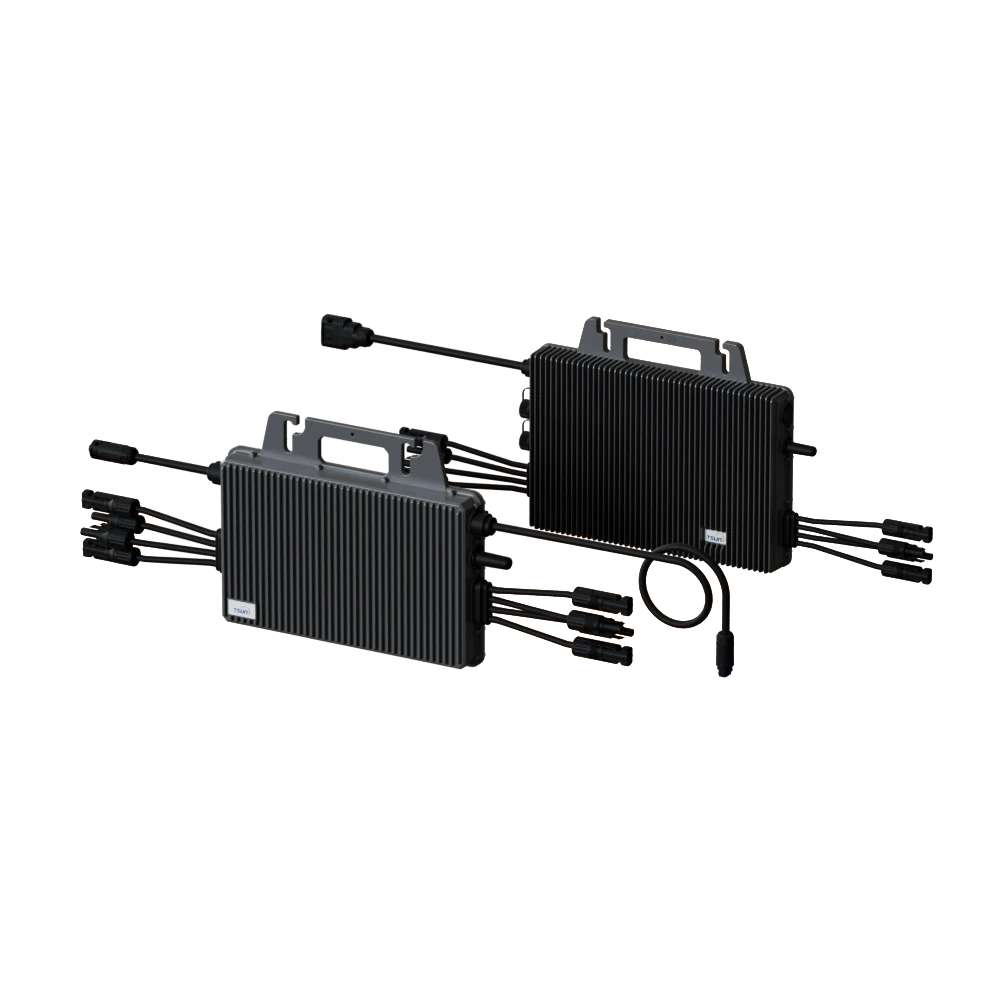
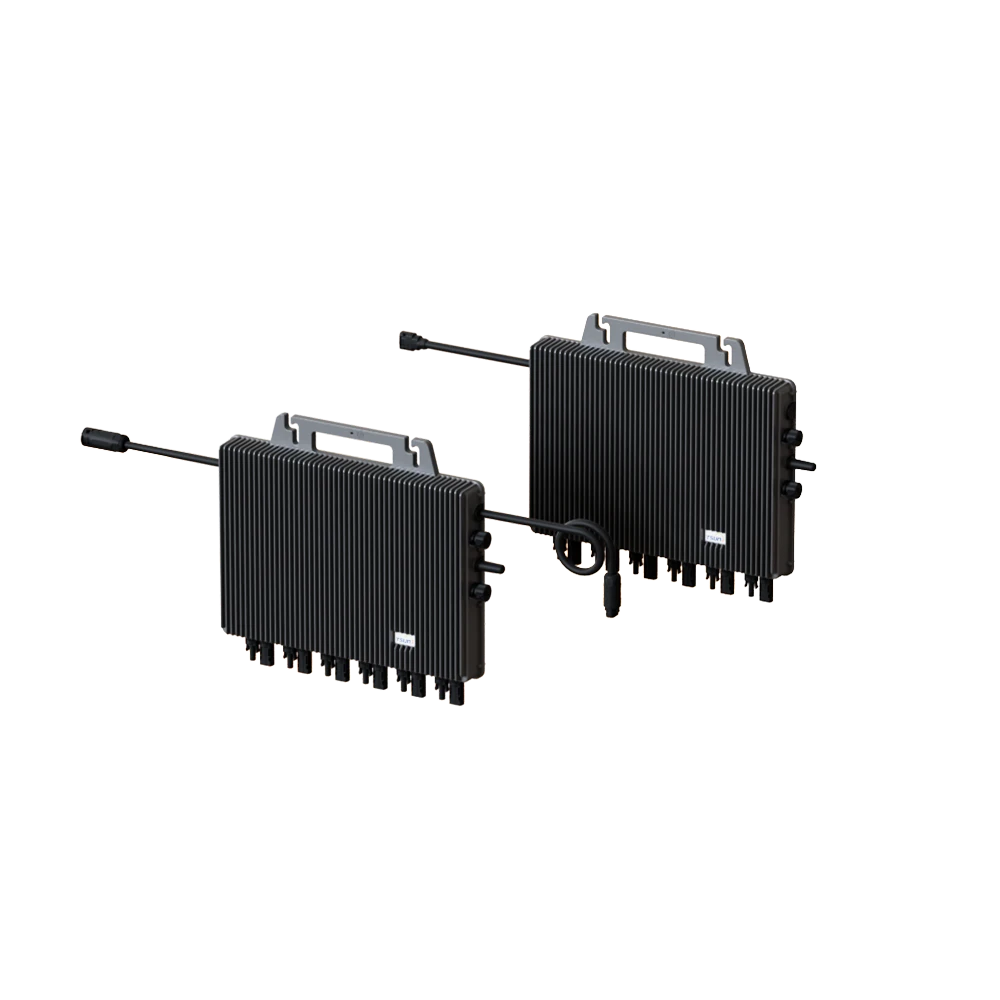
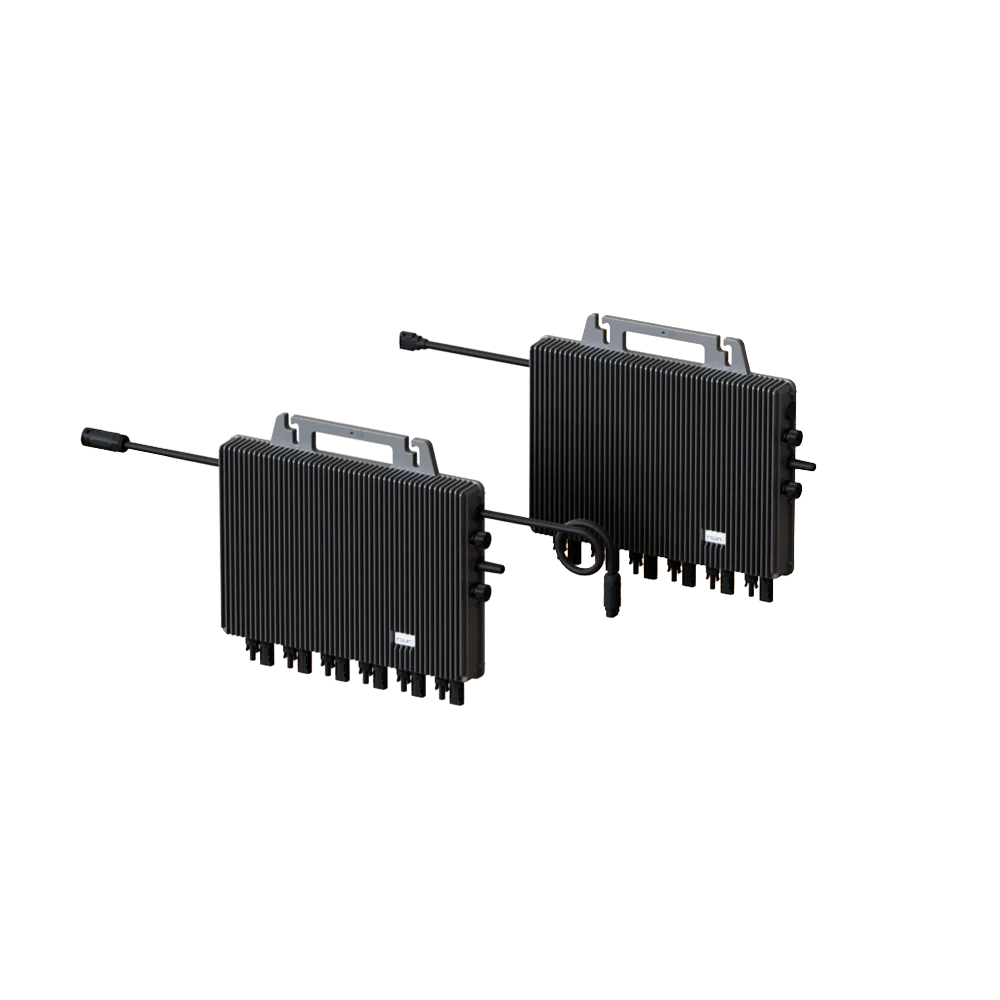
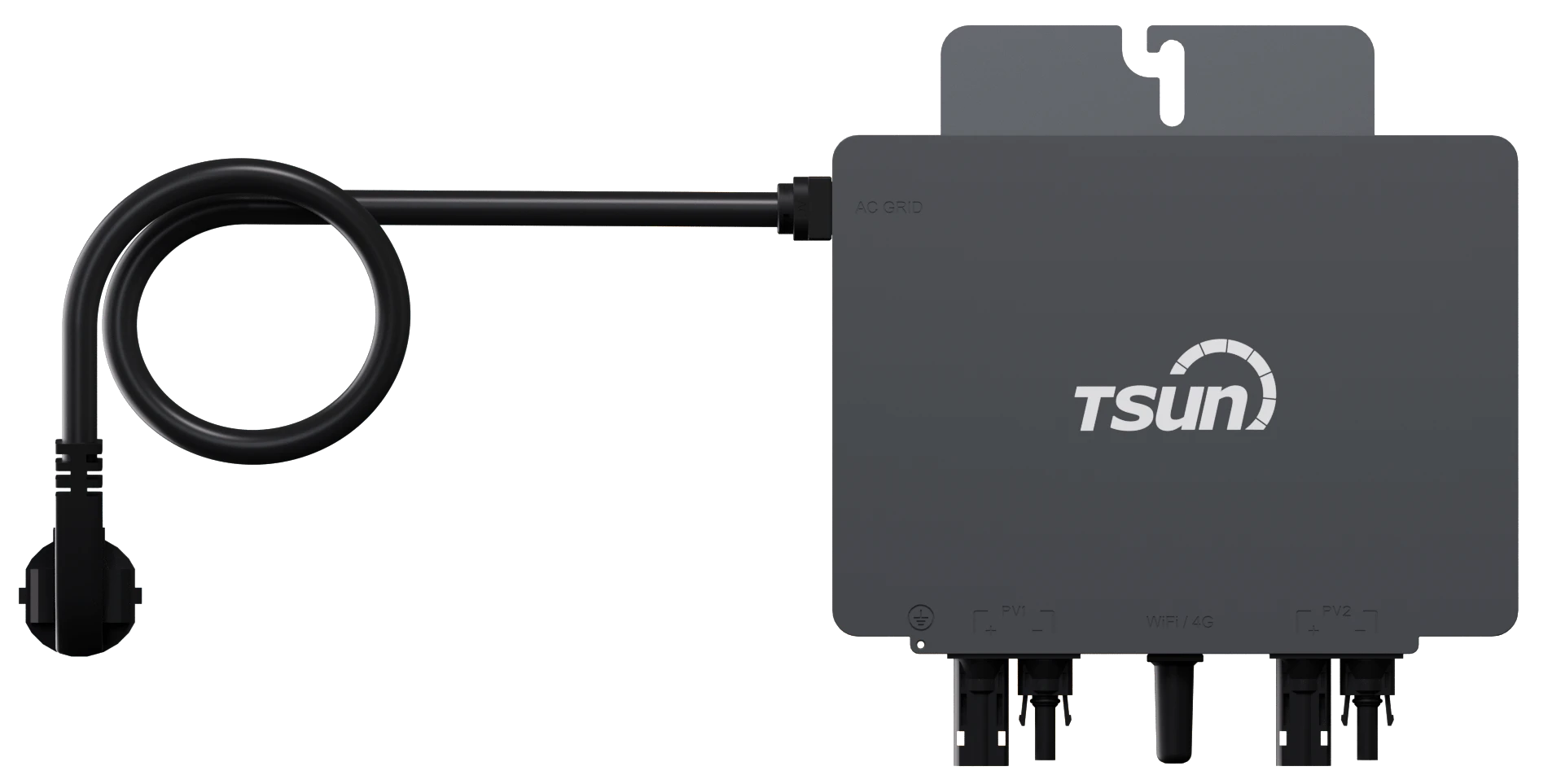
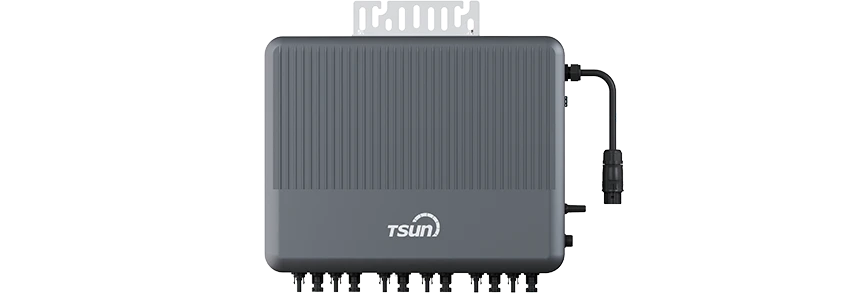
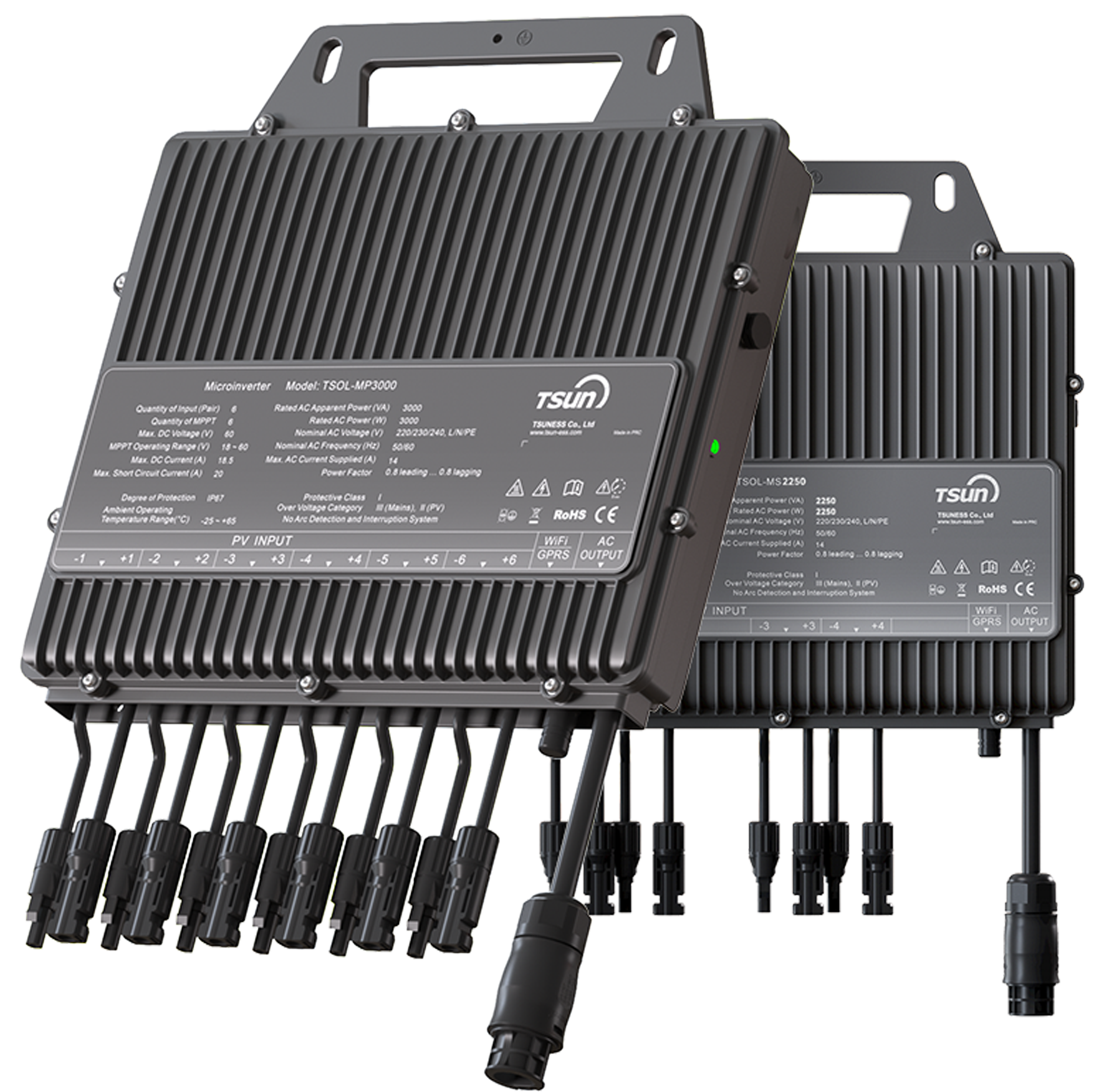
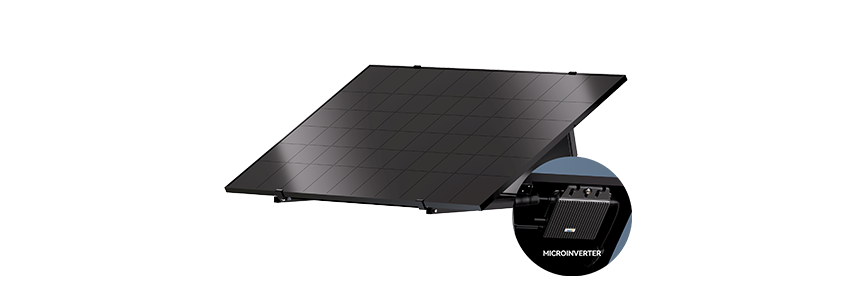
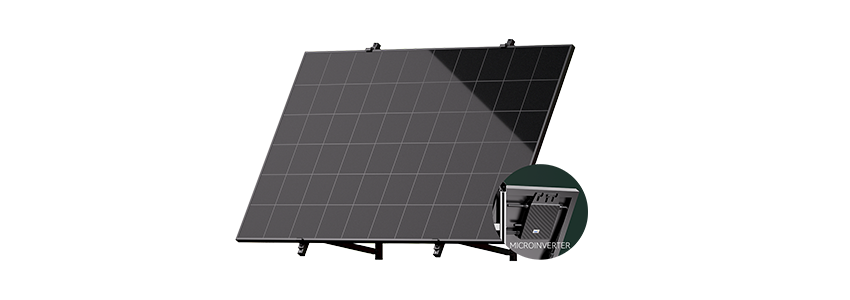
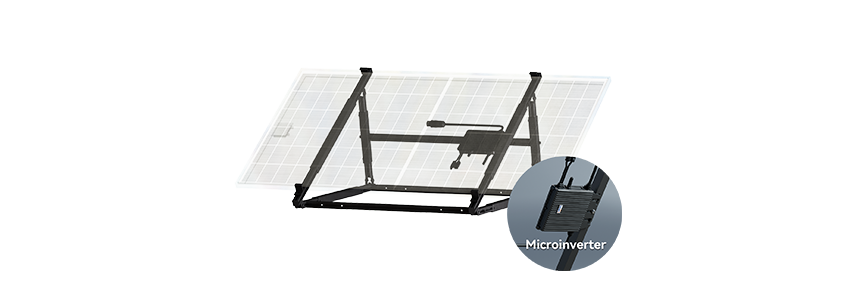
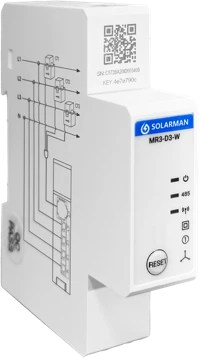


Uruguay High-Efficiency Energy Solution with smart micro inverter

Optimizing photovoltaic power production in Uruguay through advanced MLPE technology to ensure maximum yield and grid stability.

Uruguay High-Efficiency Energy Solution with smart micro inverter

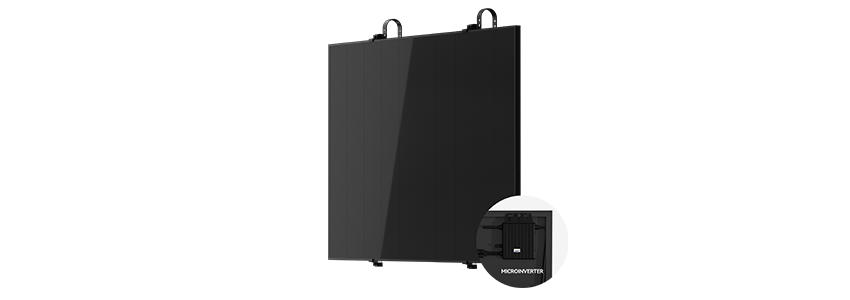
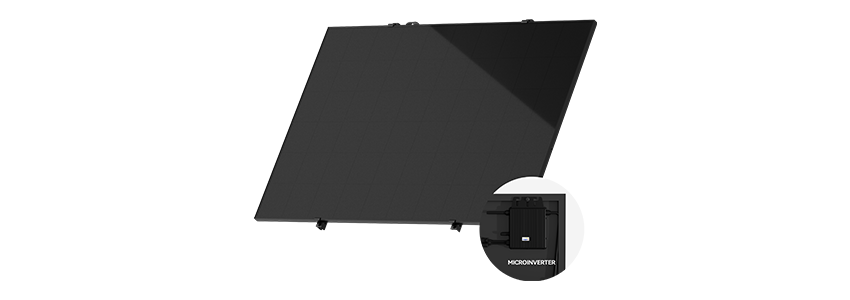
Providing cutting-edge technical services for the power generation industry in Uruguay, focusing on the deployment of intelligent micro-inverter systems to maximize energy harvesting from every solar cell.

The Current State of PV Technical Services in Uruguay

Analyzing the integration of microinverters for solar panels within the Uruguayan energy landscape.

Uruguay has emerged as a global leader in renewable energy transition, with a power grid heavily reliant on wind and hydroelectricity. However, the distributed solar sector is now pivoting towards higher granularity. The adoption of microinverters for solar panels is increasing as commercial and industrial operators seek to mitigate the impact of partial shading caused by diverse urban architectural layouts in Montevideo and surrounding areas.

Despite the favorable solar irradiance, the local industry faces challenges regarding grid synchronization and efficiency loss in traditional string inverters. There is a growing demand for technical services that can implement solar cell micro inverter technology to ensure that each panel operates at its Maximum Power Point (MPP) independently, reducing system-wide energy losses.

Economically, Uruguay's stable regulatory framework for "distributed generation" has encouraged the shift toward modularity. The market is moving away from monolithic installations toward flexible, scalable systems, where the precision of a smart micro inverter allows for real-time monitoring and easier maintenance for remote rural power supplies.


Evolution and Trajectory of Micro-Inverter Technology

From centralized conversion to the era of the hybrid micro inverter.

Market Development History

Between 2010 and 2015, the Uruguayan solar market was dominated by large-scale centralized string inverters. These systems were efficient for open fields but suffered significant losses in complex environments due to the "Christmas light effect," where one underperforming panel dragged down the entire string.

From 2016 to 2020, the introduction of the first-generation solar cell micro inverter began to change the paradigm. Technical services shifted toward "Module-Level Power Electronics" (MLPE), allowing for individual panel optimization and significantly enhancing safety by reducing high-voltage DC runs on rooftops.

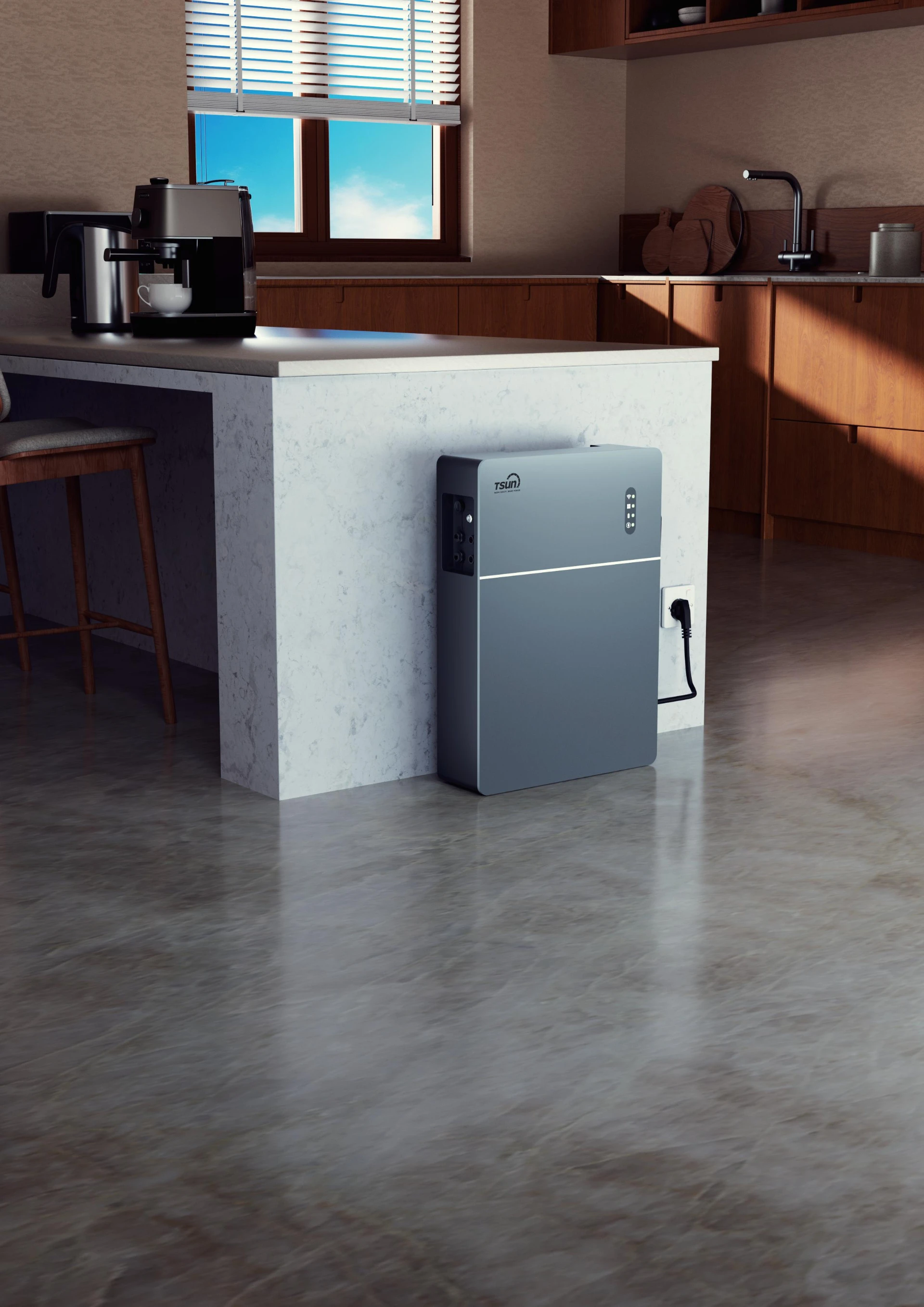
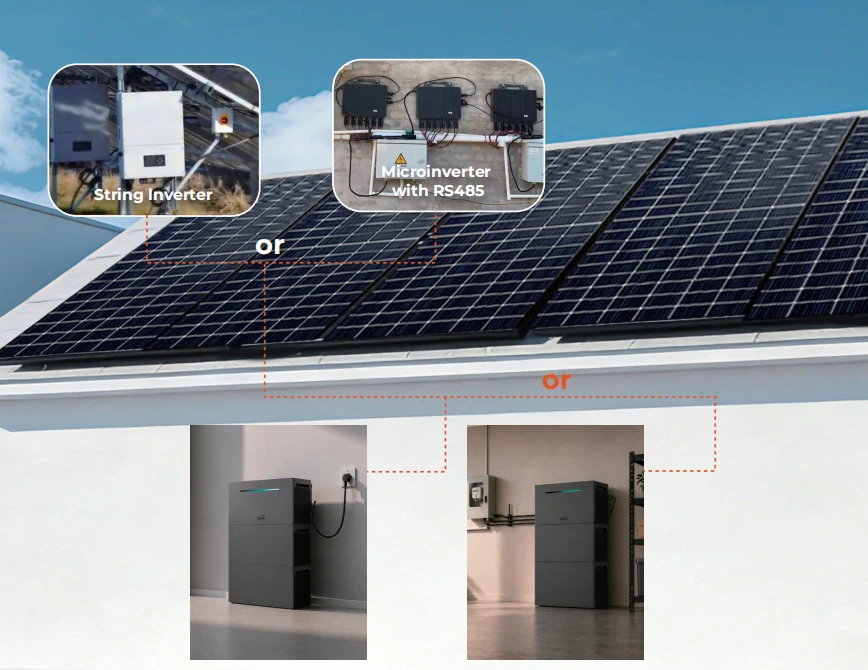
Since 2021, the trajectory has shifted toward integration and intelligence. The emergence of the hybrid micro inverter has allowed users to combine seamless grid-tie functionality with battery storage capabilities, providing the energy resilience required for Uruguay's agricultural hubs.

Future Development Trends

AI-Driven Energy Forecasting

Integration of machine learning into the smart micro inverter will enable predictive maintenance, identifying degradation patterns in solar cells before they lead to system failure.

Plug-and-Play Modularization

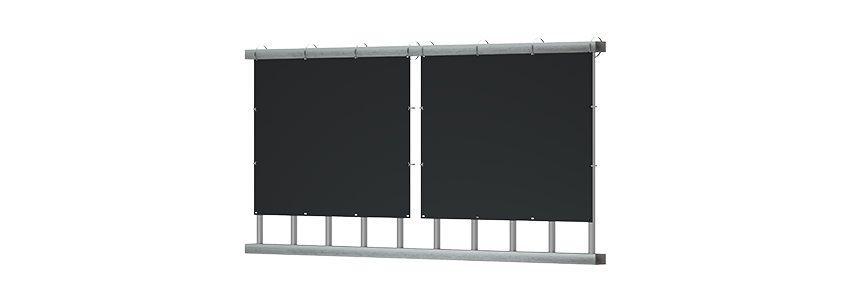
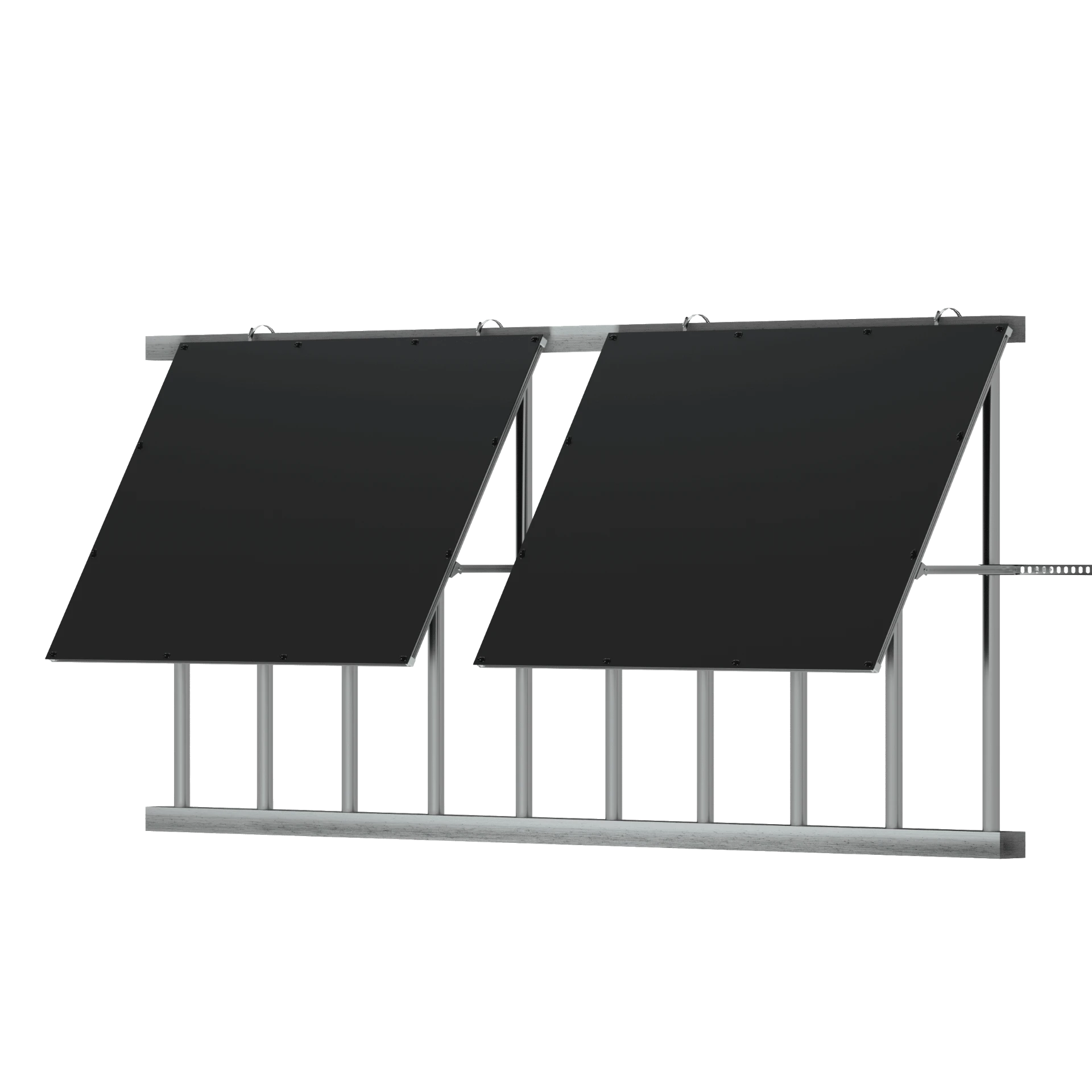
The rise of the micro inverter solar kit will democratize solar access for small businesses, allowing rapid deployment without extensive electrical restructuring.

V2G and Bi-Directional Flow

Future iterations will likely support vehicle-to-grid (V2G) protocols, transforming solar-equipped homes in Uruguay into active nodes of the national energy network.

Industry Trends and Future Outlook

Strategic forecasting for photovoltaic technical services in the South American region.

Decentralized Grid Architecture
Transitioning from central plants to distributed micro-grids powered by intelligent conversion nodes.
Energy Storage Fusion
Integrating high-density storage with micro-inverters to eliminate power intermittency.
Rapid Deployment Kits
Increasing demand for pre-configured solar kits for immediate energy independence.
Digital Twin Monitoring
Using cloud-based twins to simulate and optimize energy flow in real-time.

Industry Outlook

Over the next 3-5 years, the Uruguayan market will likely see a convergence of residential and industrial energy standards. As Google search trends show an increase in "energy independence" and "smart grid" queries in South America, we expect a surge in the installation of micro inverter solar kit solutions that allow for modular expansion.

The ultimate goal will be the total digitalization of the energy chain. By leveraging the capabilities of micro-inverters, technical service providers will transition from mere installers to "Energy Asset Managers," optimizing the ROI of photovoltaic assets through data-driven insights.

Localized Application Scenarios in Uruguay

Real-world implementations of advanced micro-inverter technology across various sectors.

01. Montevideo Urban Rooftop Optimization

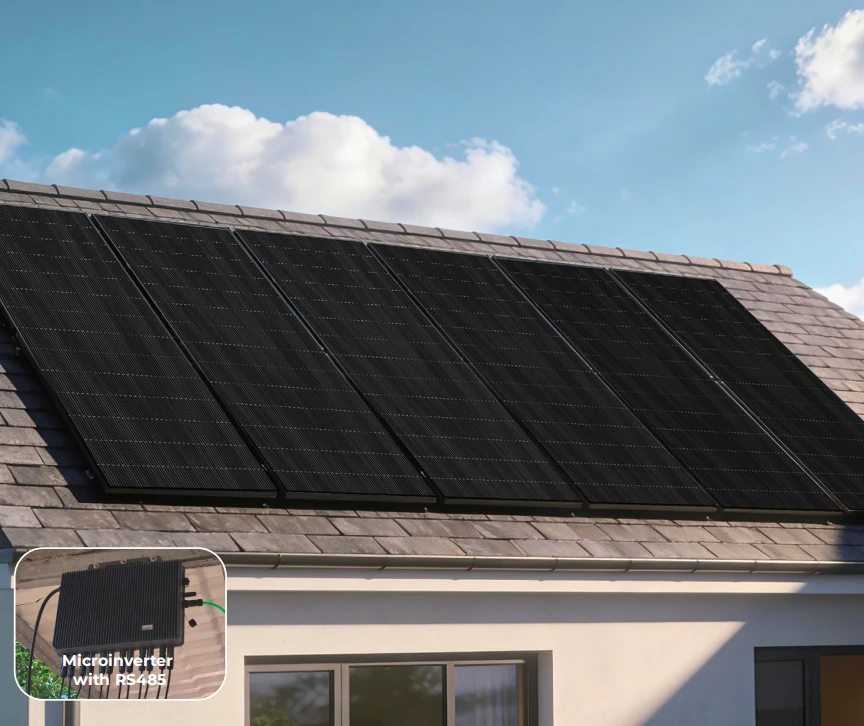
In the densely packed areas of the capital, shading from adjacent buildings is a major issue. Deploying microinverters for solar panels allows each module to produce energy independently, ensuring that a single shadow doesn't compromise the entire roof's output.

02. Agro-Industrial Cold Chain Support

Uruguay's dairy and beef exporters require uninterrupted power for cold storage. Using a hybrid micro inverter combined with battery storage ensures a seamless transition during grid flickers, protecting high-value perishables.

03. Remote Vineyard Energy Autonomy

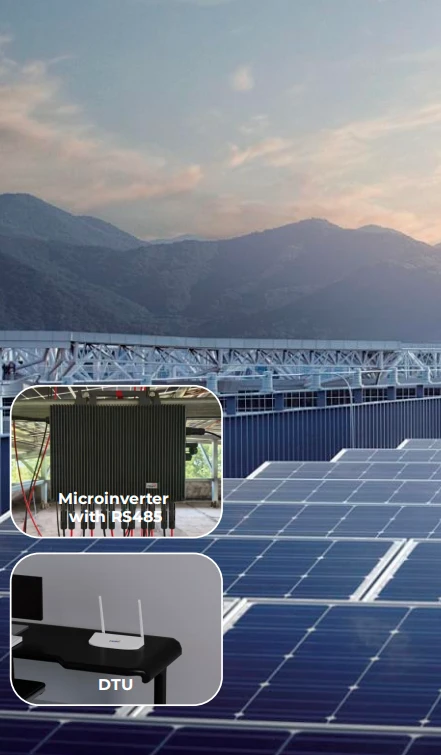
Vineyards in the interior often have unstable grid connections. The implementation of a micro inverter solar kit provides a scalable way to power irrigation systems and sensor networks without expensive cabling.

04. Government Building Sustainability Projects

Public infrastructure upgrades in Uruguay are prioritizing "Smart City" metrics. Installing smart micro inverter systems enables precise energy auditing and reporting for municipal sustainability targets.

05. Coastal Tourism Eco-Resorts

Resorts in Punta del Este are adopting solar cell micro inverter technology to integrate PV panels into aesthetic architectural elements like pergolas and carports without sacrificing efficiency.

Brand Story

Global Development Journey of Suzhou TSUN Technology Co., Ltd.

Foundational Innovation

Established with a vision to solve the efficiency bottlenecks of traditional PV systems, TSUN began by perfecting the core circuitry of high-frequency energy conversion.

MLPE Specialization

Recognizing the global shift toward distributed energy, we pivoted our R&D to focus exclusively on Module-Level Power Electronics, ensuring safety and precision.

Global Market Expansion

Extending our footprint to South America, specifically Uruguay, we adapted our products to withstand diverse climatic conditions and meet strict local grid codes.

The Intelligence Leap

We integrated IoT and cloud analytics into our inverters, transforming hardware into a smart energy management ecosystem for industrial users.

Sustainable Future Vision

Today, TSUN is dedicated to empowering every solar cell on the planet, driving the global transition toward a carbon-neutral industrial future.

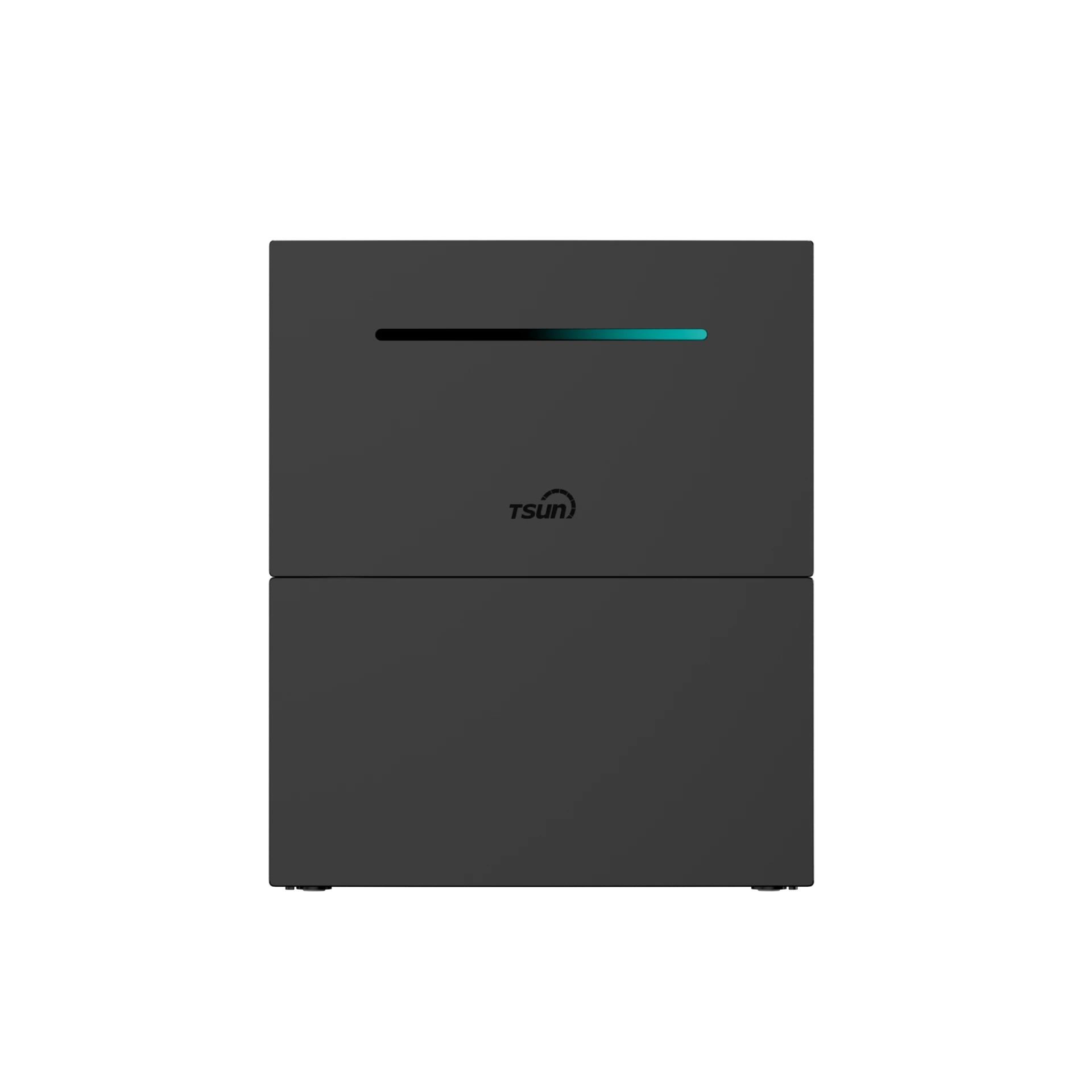
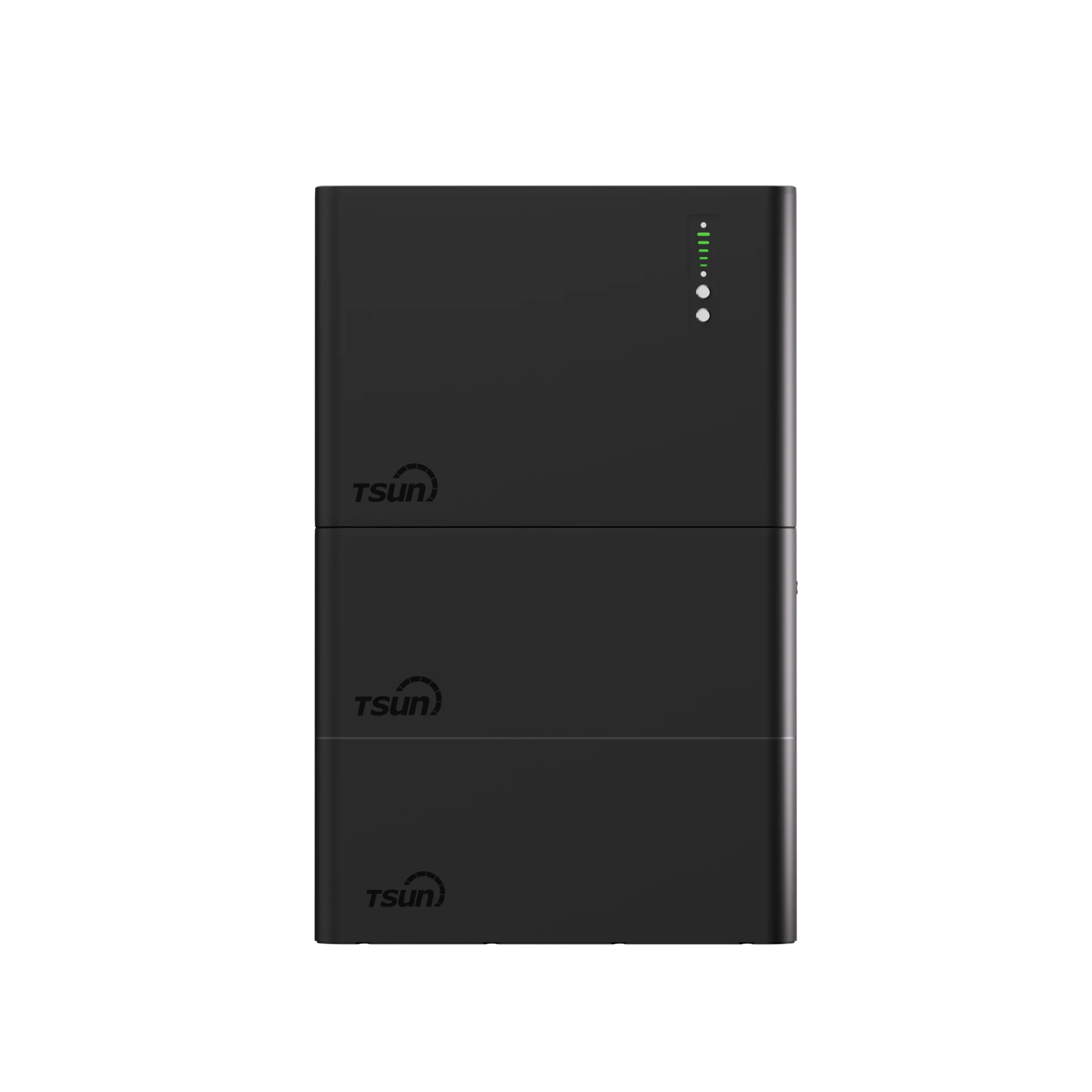
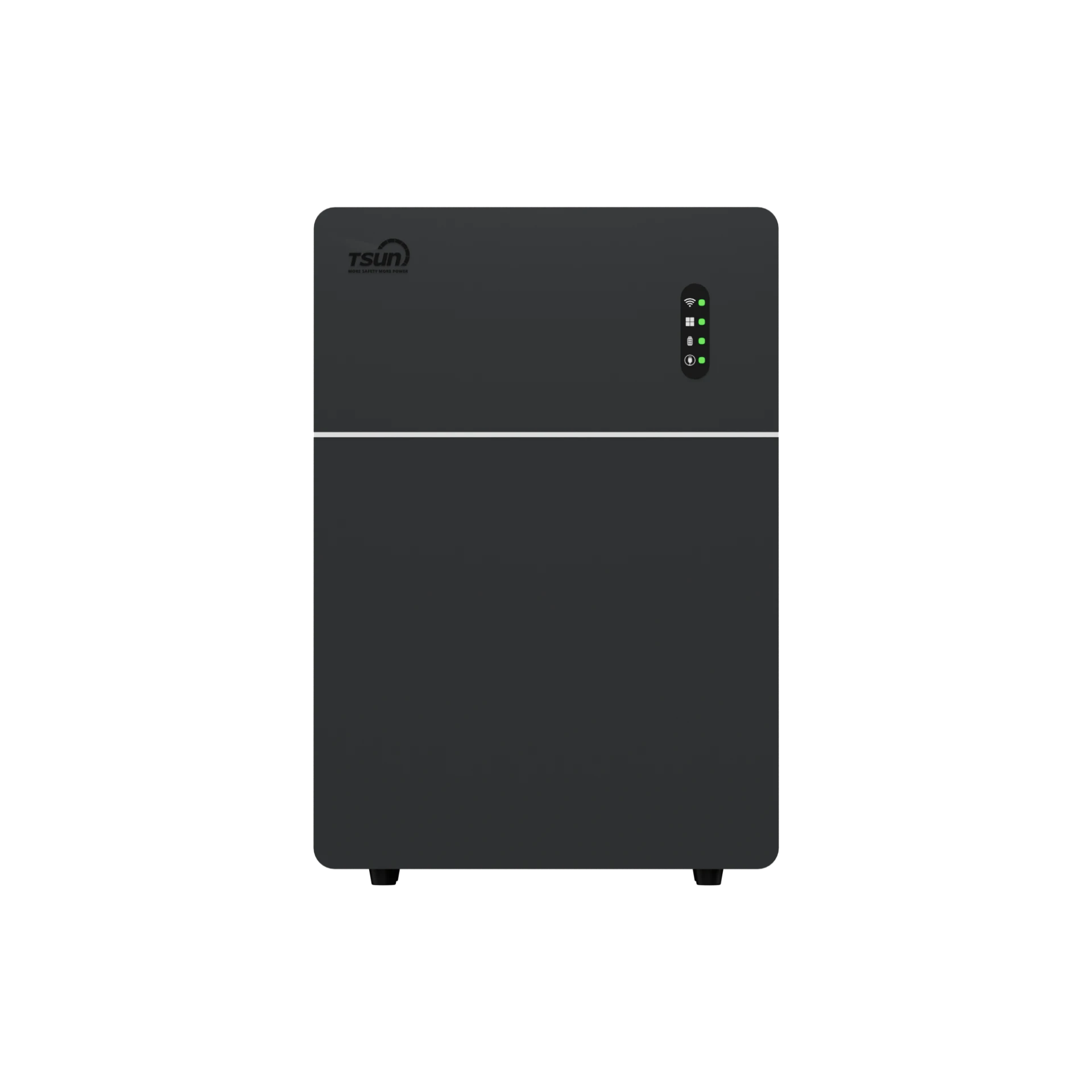
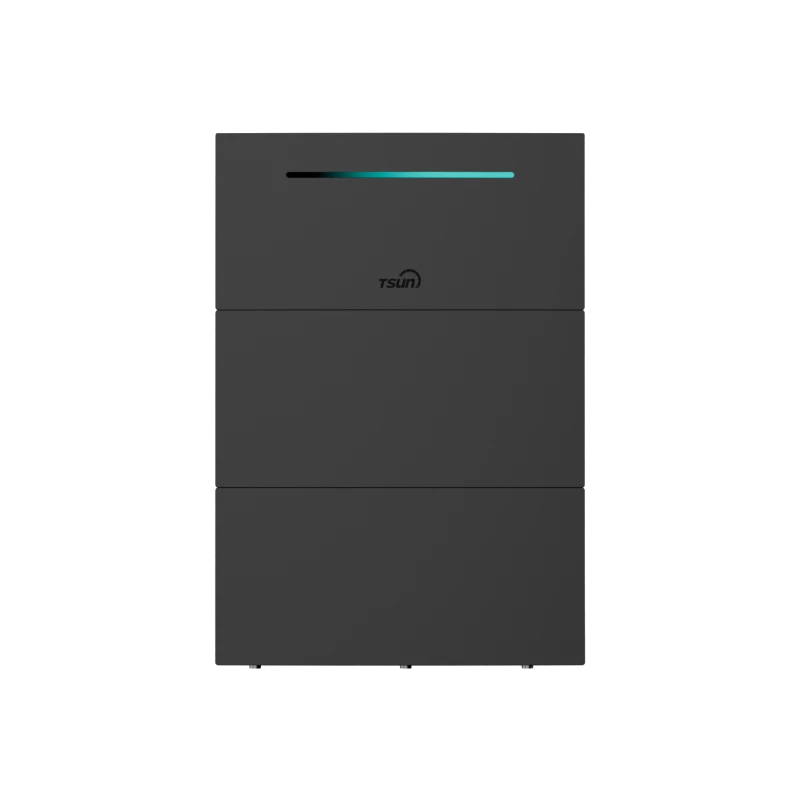
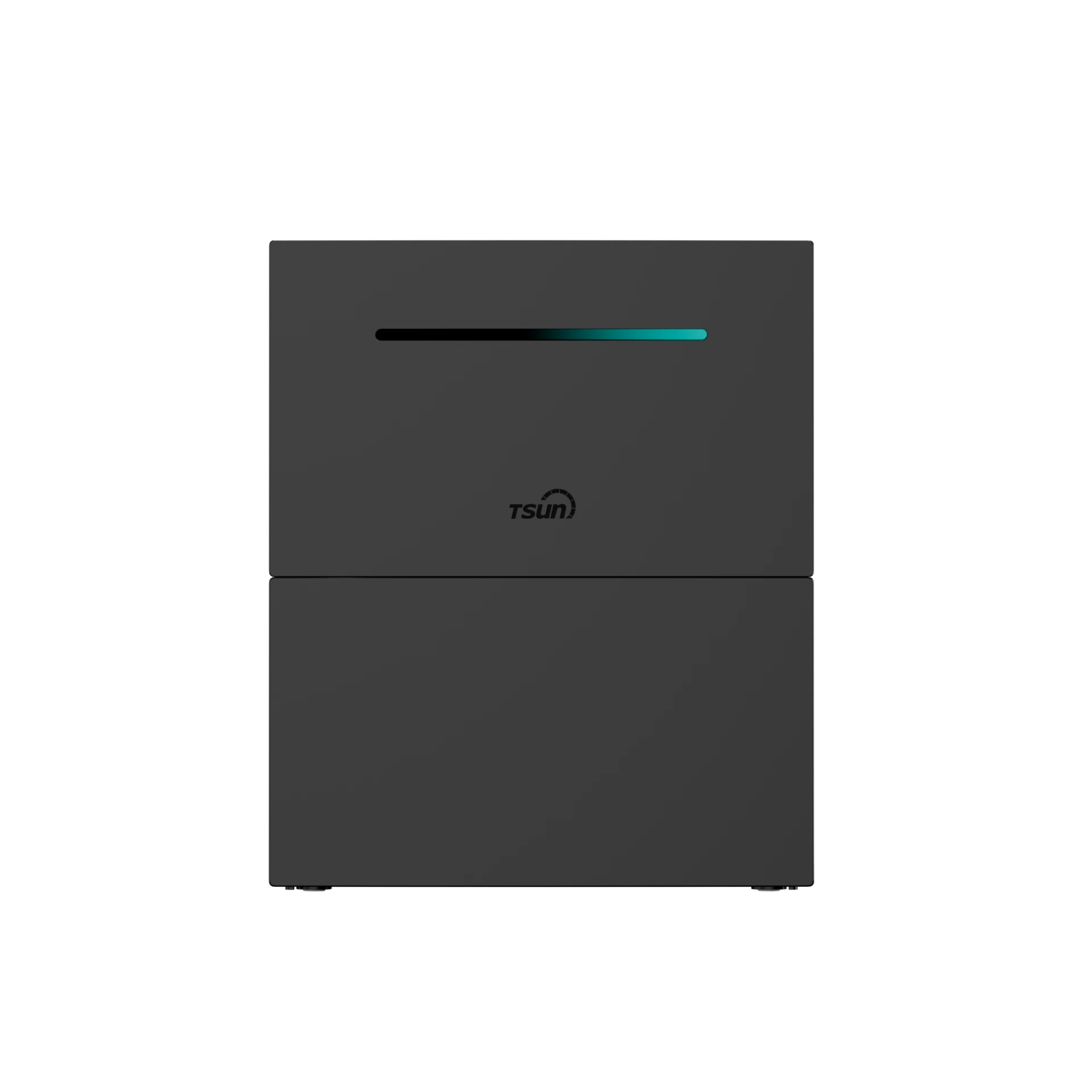
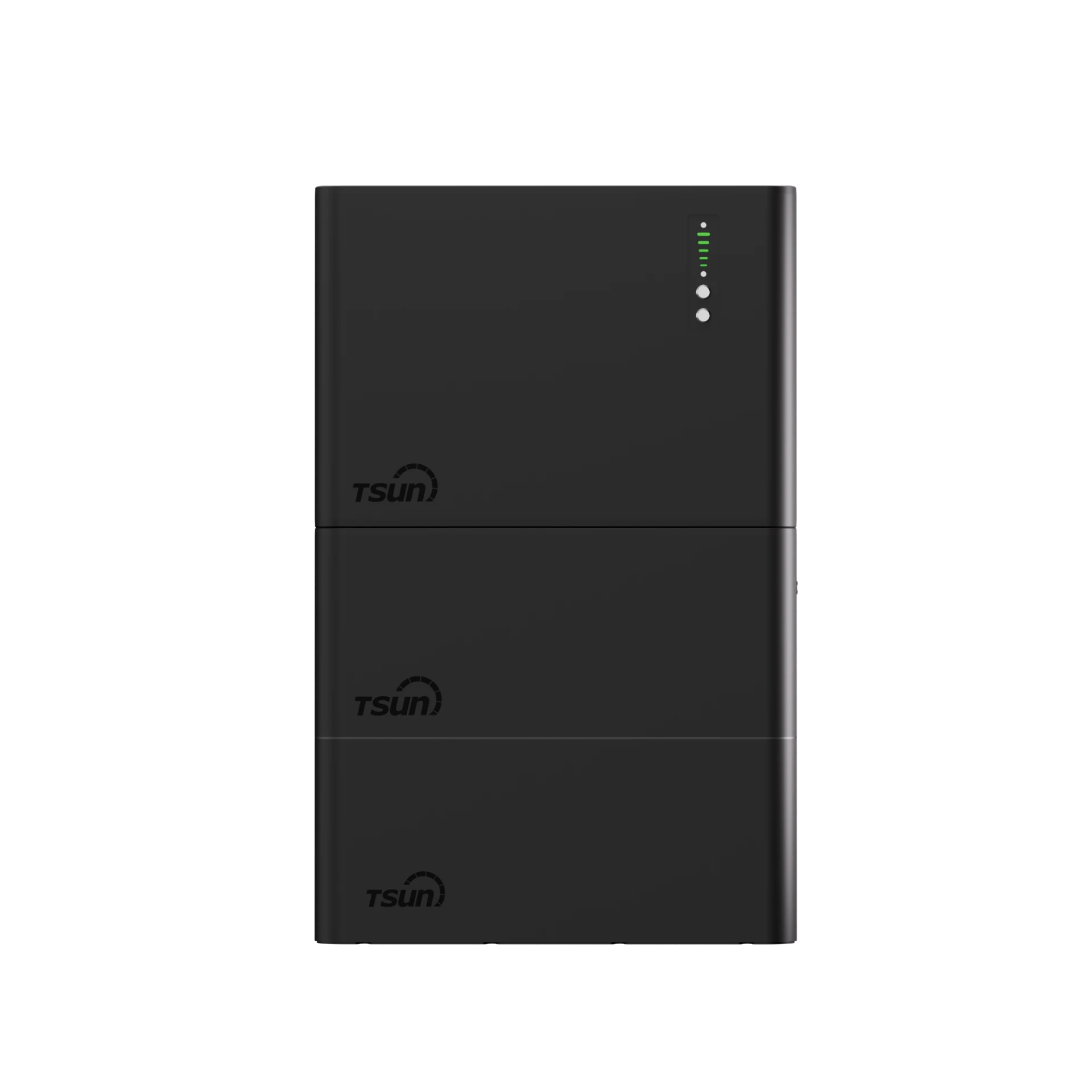
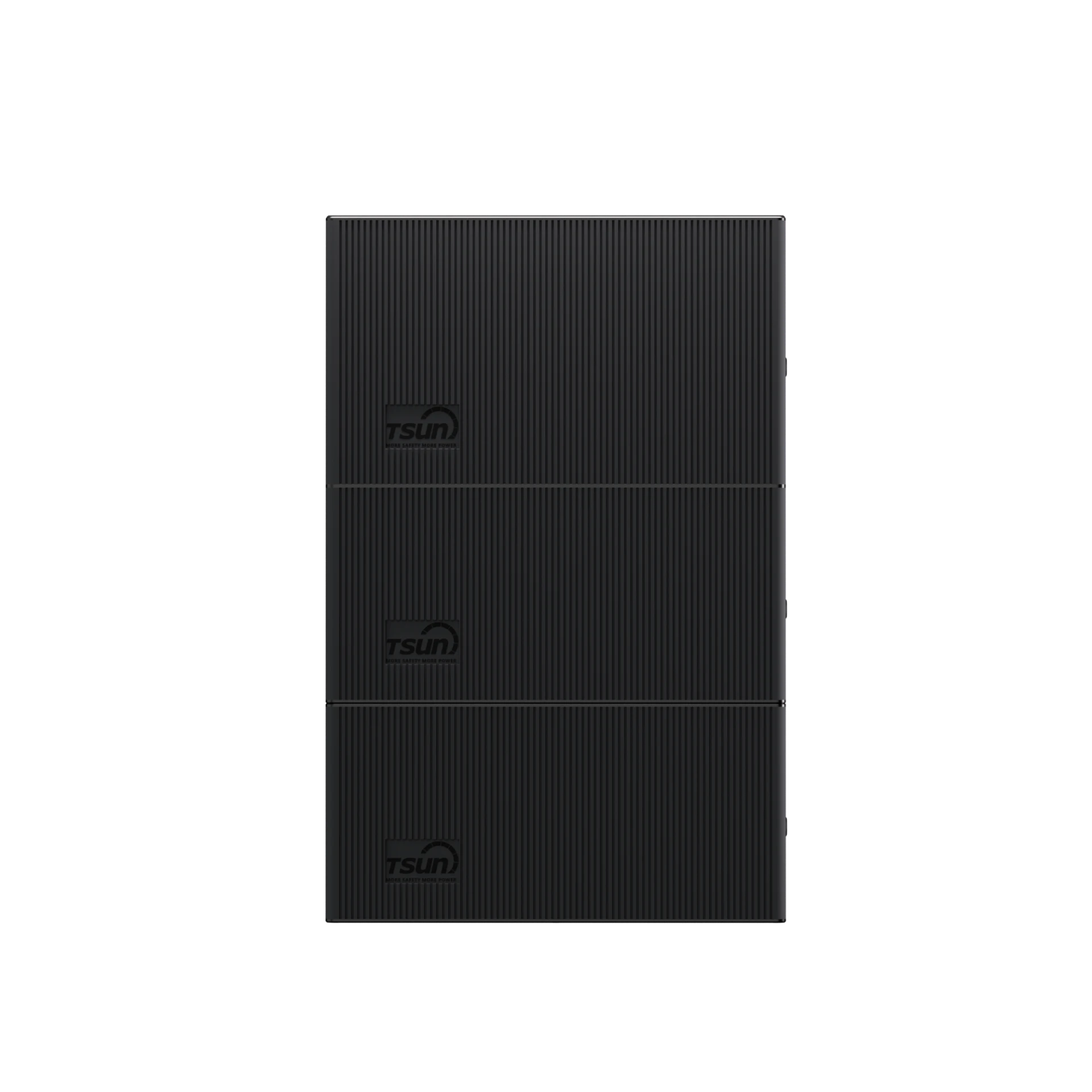
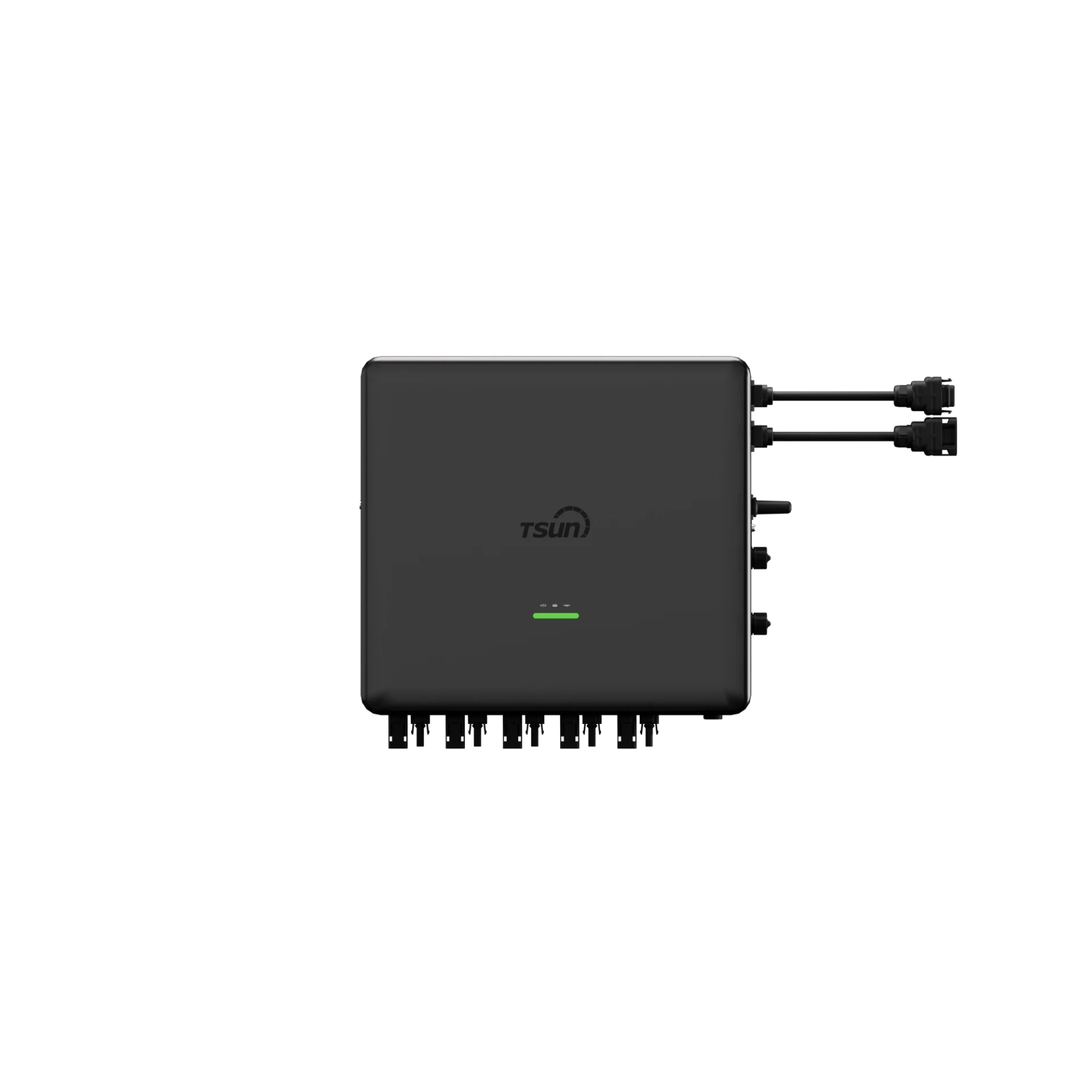
Complete PV Product Portfolio for Uruguay

Comprehensive hardware and technical services tailored for the Uruguayan power generation sector.

Common Questions for Solar Tech in Uruguay

Expert answers regarding the deployment of micro-inverter systems.

Why should I choose a hybrid micro inverter for my Uruguayan business?

A hybrid system allows you to manage both grid-tie and battery storage in one unit, which is critical for maintaining operational continuity during potential grid instability in rural Uruguay.

How does a solar cell micro inverter improve energy yield in shaded areas?

Unlike string inverters, a solar cell micro inverter optimizes each panel individually. If one panel is shaded, the others continue to produce at full capacity, maximizing total daily yield.

Is a micro inverter solar kit easy to scale for growing industries?

Yes, these kits are modular. You can start with a small number of panels and add more as your energy needs grow without needing to replace the main inverter.

What makes a smart micro inverter "smart" in terms of maintenance?

The "smart" aspect refers to the panel-level monitoring. You can identify exactly which panel is underperforming via a mobile app, reducing troubleshooting time from hours to seconds.

Are microinverters for solar panels safe for residential rooftops in Montevideo?

They are significantly safer because they convert DC to AC at the panel level, eliminating the risk of high-voltage DC arcs on the roof.

What is the typical lifespan of these micro-inverter systems in South America?

Our industrial-grade micro-inverters are designed for longevity, typically offering warranties and lifespans that match or exceed those of the solar panels themselves.

Ready to Optimize Your Energy?

Our technical experts are available to design the perfect solar solution for your facility in Uruguay.

Contact Us Now
footer footer

If you are interested in our products, you can choose to leave your information here, and we will be in touch with you shortly.