





 LEARN DETAILS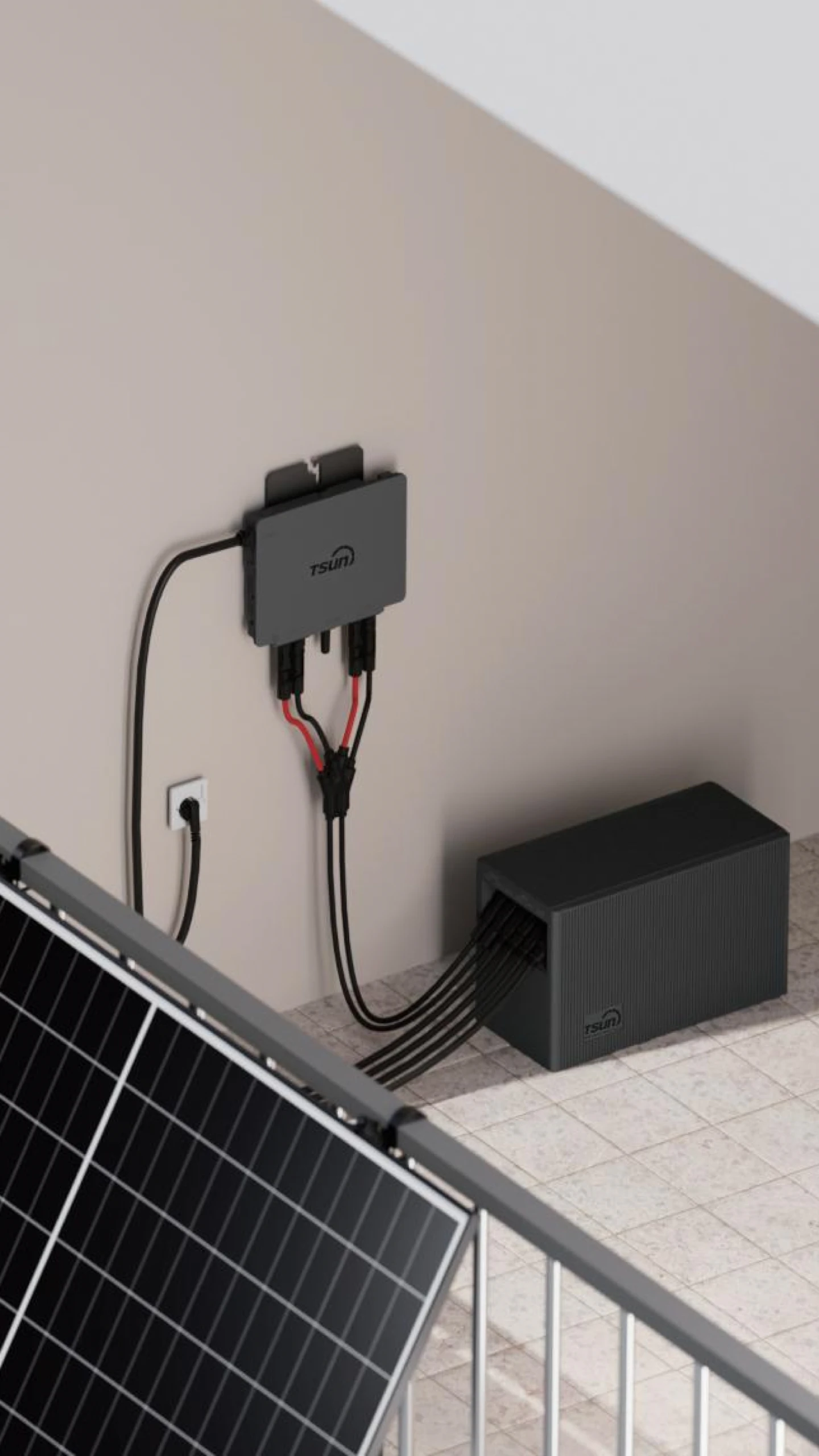
 Downloads
 Video Center
 Report Fault for Repair
 FAQS
FAQS Service Network
 Privacy Policy
 Contact Us
 Monitoring

Why is Solar Energy Storage Expensive? Simple Ways to Cut Costs
Wondering why solar energy storage is so expensive? Simply put, the heavy, advanced batteries, smart power electronics, and strict municipal permits stack up fast. Yet, there is incredible news on the horizon. Hardware prices are dropping, and local utility incentives can easily shrink your final bill.
Industry experts predict that the global energy storage market will hit massive numbers by 2034 as adoption accelerates. Still, high upfront sticker shock keeps many families from making the leap. Here, we will break down the true cost of solar energy storage, explain why it is ultimately worth the investment, and show you smart, actionable ways to save cash today.
1. The True Breakdown: Why is Solar Energy Storage Expensive?
To understand the high price tag, you have to look at the whole journey. It takes a massive engineering effort to transform raw materials from deep inside the earth into that sleek, highly intelligent box hanging on your garage wall. If you catch yourself wondering why solar energy storage is expensive, the secret lies in its complex moving parts.
Here is a detailed breakdown of what actually creates the high solar energy storage cost:
- Rare Earth Metals & Premium Chemistry: The heart of a modern system relies on refined metals like lithium. Today's premium systems utilize LiFePO4 (Lithium Iron Phosphate) cells. While slightly more expensive to manufacture than standard lithium-ion, they are significantly safer and last much longer. The battery hardware alone makes up roughly 60% of your final bill.
- Smart Brains and Power Bridges: Your solar panels catch DC power, but your house runs on AC power. An "inverter" acts as a heavy-duty bridge between the two. Furthermore, every battery pack requires a highly complex Battery Management System (BMS) to monitor individual cell temperatures, balance charging loads, and prevent overheating. These essential, high-tech safety features easily add hundreds of dollars to the manufacturing cost.
- Hidden "Soft" Costs: You are never just buying a plastic box. You are paying for safe, compliant integration. This includes hiring a licensed electrician to wire your home safely, paying local city halls for building permits, and the logistics of shipping extremely heavy, hazardous-rated materials.
2. Is Solar Energy Storage Cost Worth the Investment?
Writing that big check inevitably stings. But look at our aging power grid. It groans under pressure during extreme weather like an old, over-packed highway. For many families, swallowing that initial price tag makes profound practical and financial sense when you look at the long game.
Here is the everyday reality of living with a smart home battery:
- Beating the Blackouts: Extreme weather is the new normal. When neighborhood lights flicker and die, your house stays alive. Your fridge keeps humming, your medical devices stay powered, and your Wi-Fi stays connected.
- Dodging Peak Rates: Utility companies hike prices when everyone gets home from work. It is basically rush hour for electricity. A smart battery lets you bypass this trap with Time-of-Use (TOU) scheduling. You soak up free daylight from your panels, then spend that stored sunshine after dinner when grid prices peak.
- The Payback Period: Quality hardware utilizing high-cycle cells (like those offering 10,000+ cycles) pays for itself over its lifetime through daily energy arbitrage. Eventually, you cross the break-even point into pure profit.
- A Cleaner Grid: Every drop of stored solar power means less dirty fossil fuel burned at a distant peaker plant. You actively clean up the grid from your couch.
3. Hidden Factors That Affect Your Solar Energy Storage Costs
Nobody pays the exact same price. The final bill is a moving target shaped by the unique quirks of your property and your energy consumption habits.
- Capacity Limits vs. Whole-Home Backup: Buying a massive battery array to run every single lightbulb and dual AC units gets expensive fast. Stacking modular batteries to cover just your essential loads is much more cost-effective.
- The Inside Chemistry: Premium cells, like high-cycle 314Ah LiFePO4 cells, cost a bit more out of the gate, but their ultra-long service life means your cost-per-cycle is actually drastically lower over a decade.
- Starting Point (Retrofitting vs. New Install): Tacking a battery onto existing grid-tied panels is significantly cheaper than a brand-new setup—if you choose the right architecture. Choosing an AC-coupled storage solution avoids the massive expense of ripping out your old grid-tied inverters and rewiring the roof.
The Ultimate Retrofit: Upgrading Smartly with TSUN MAU5000Elite
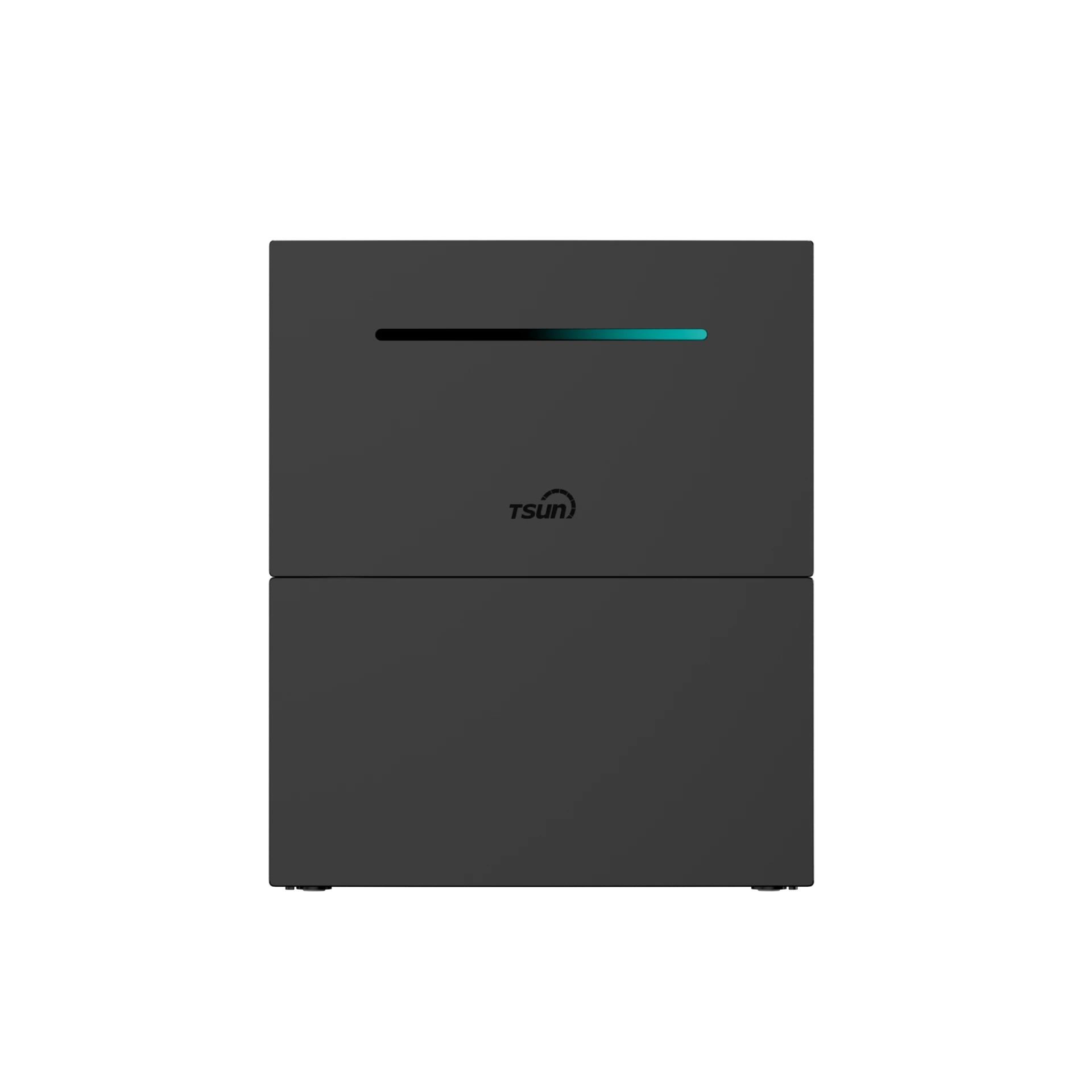
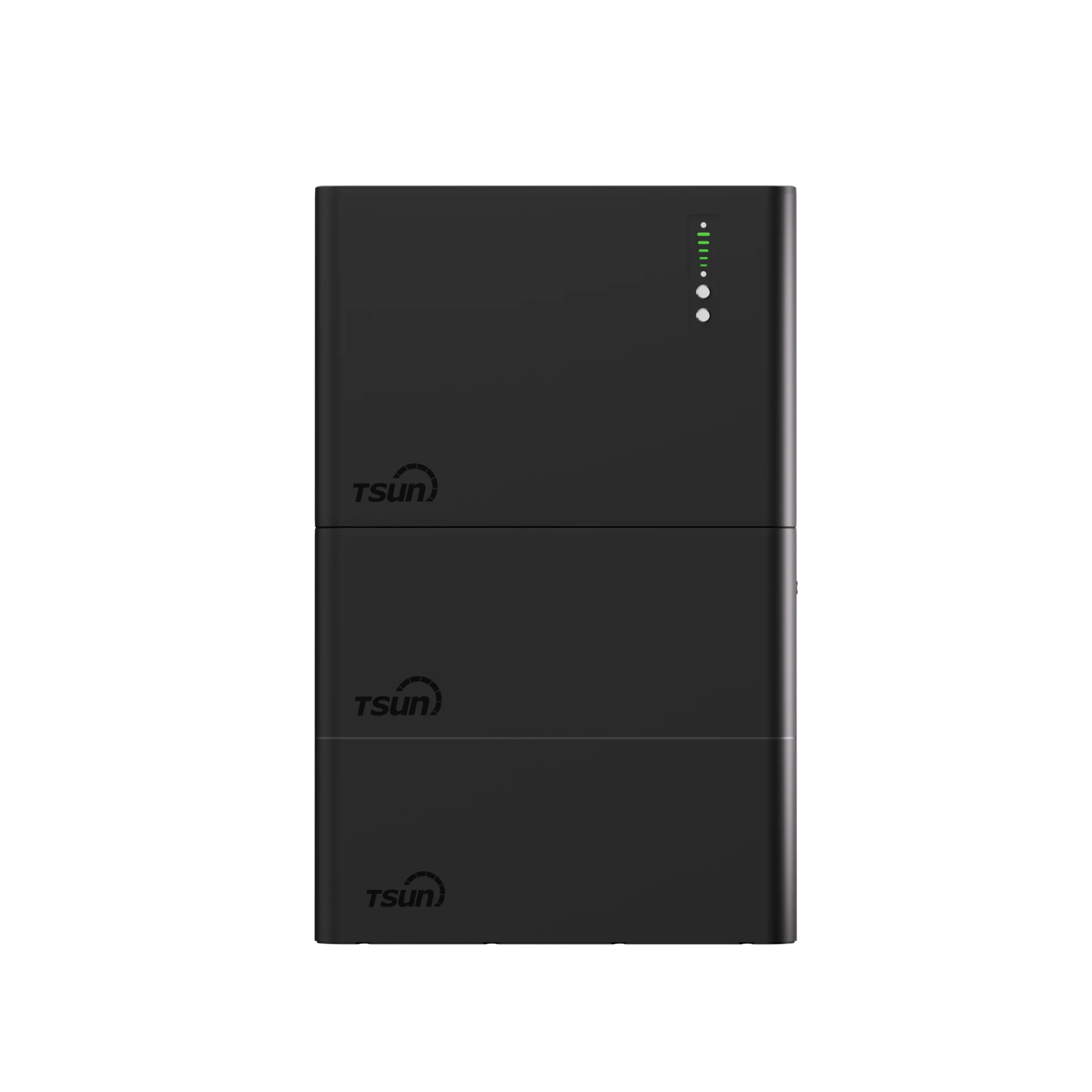
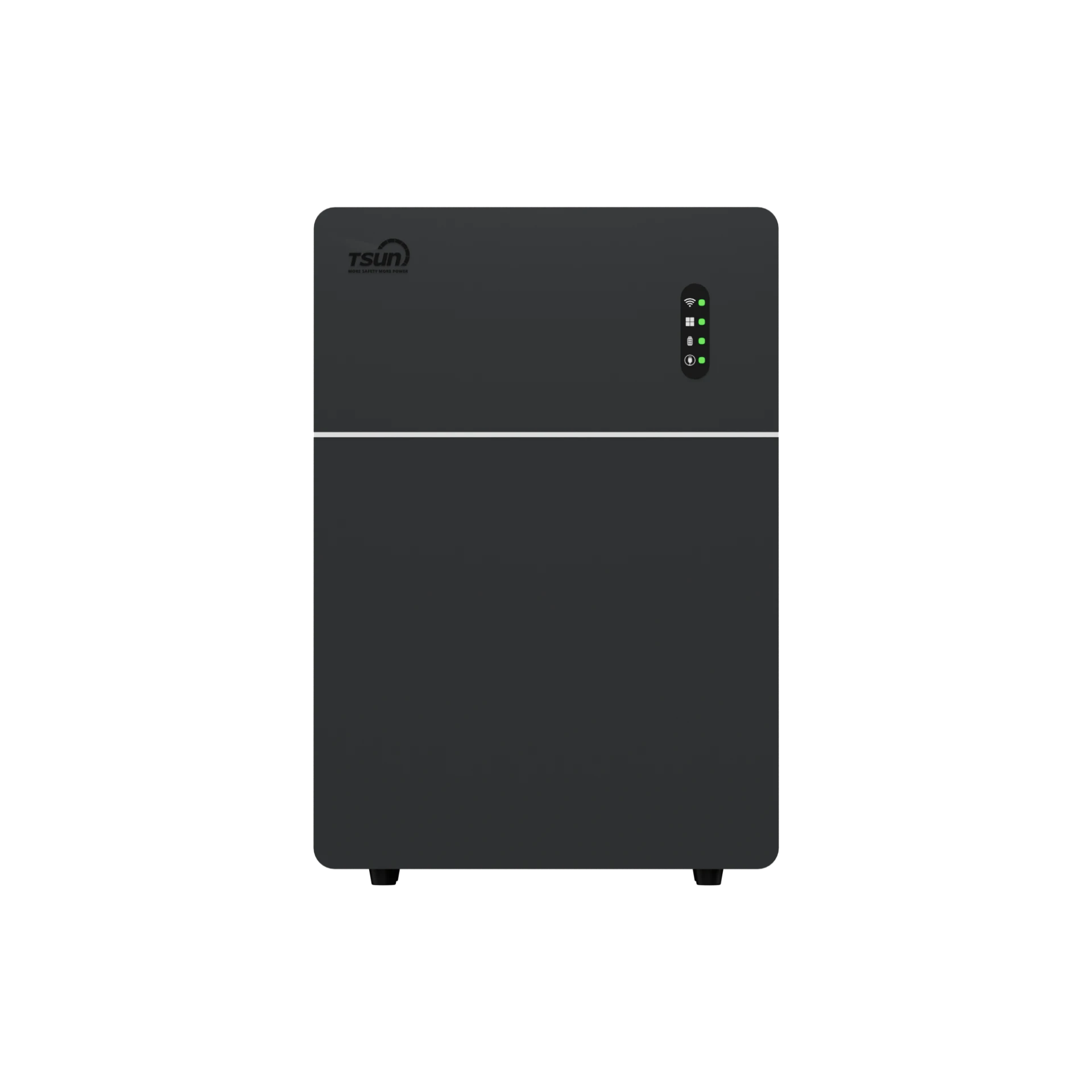
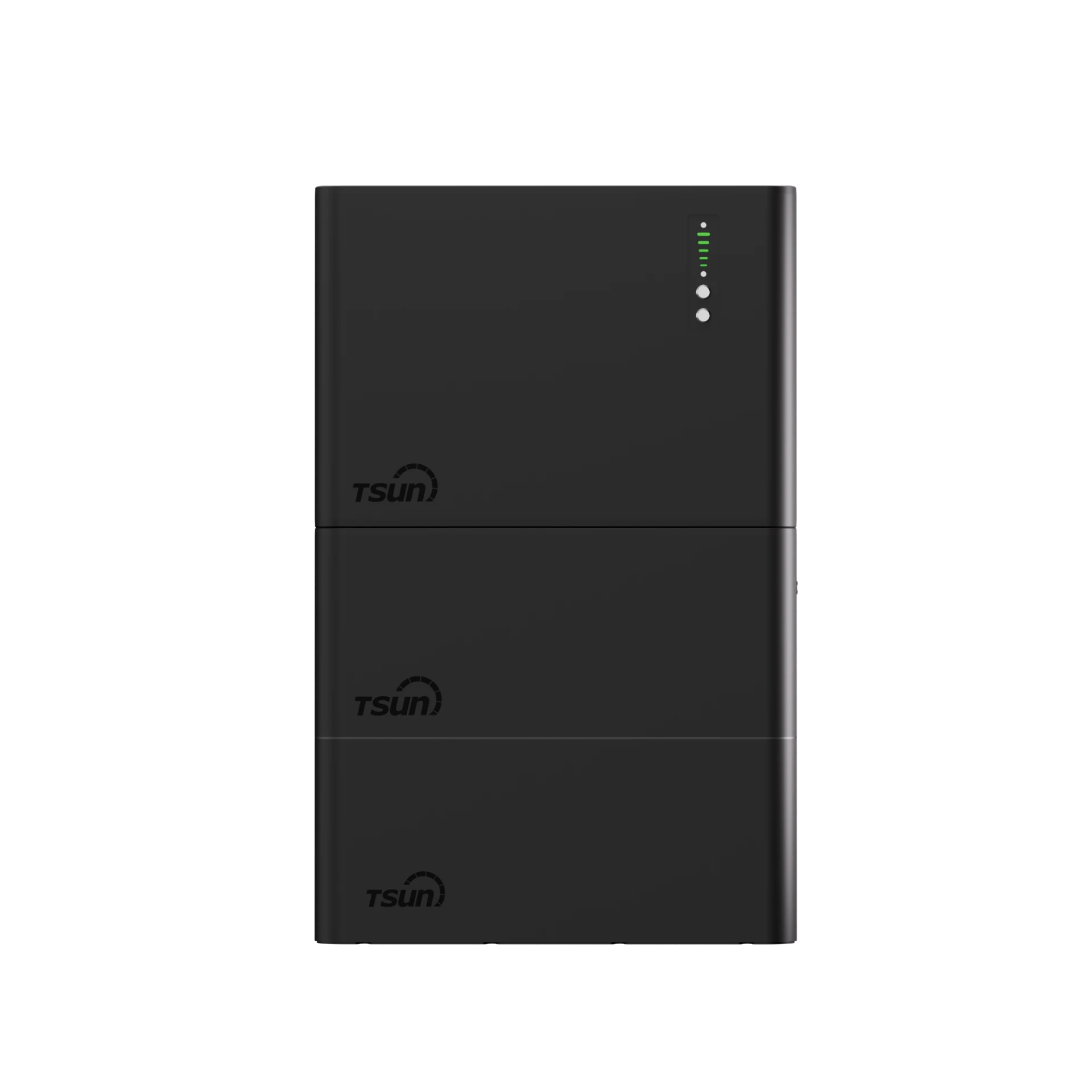
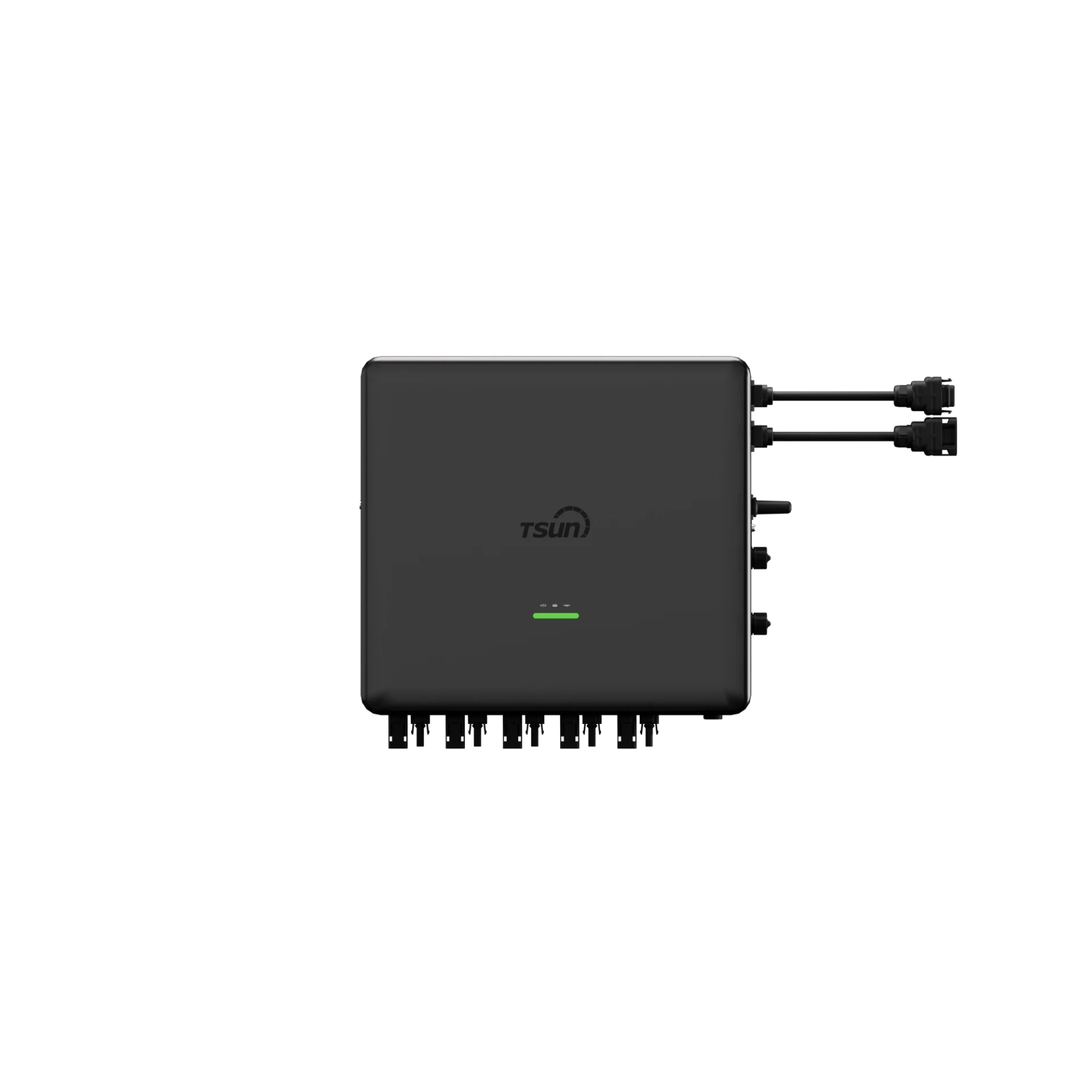
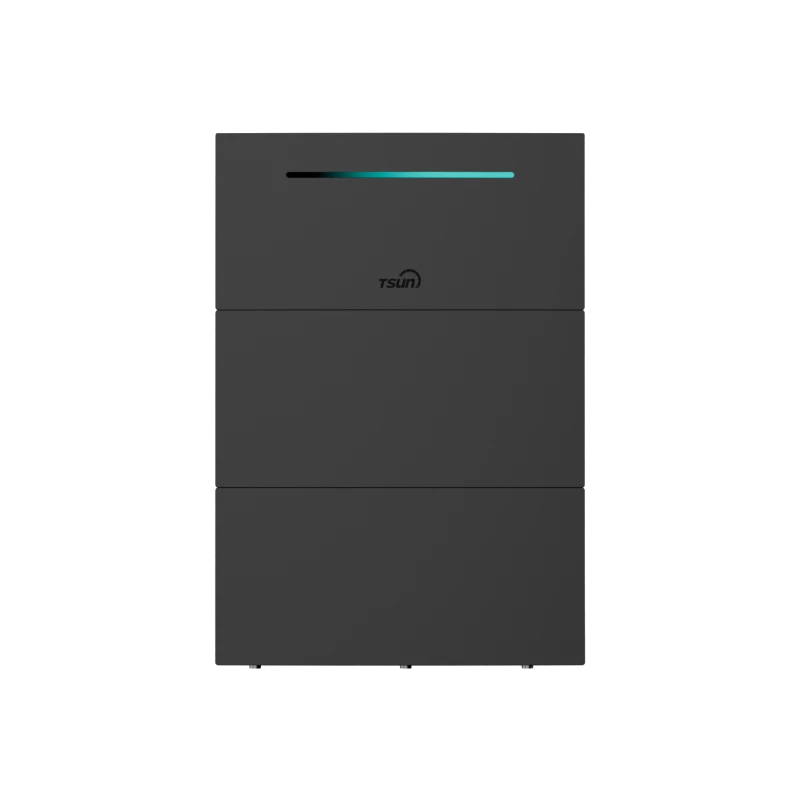
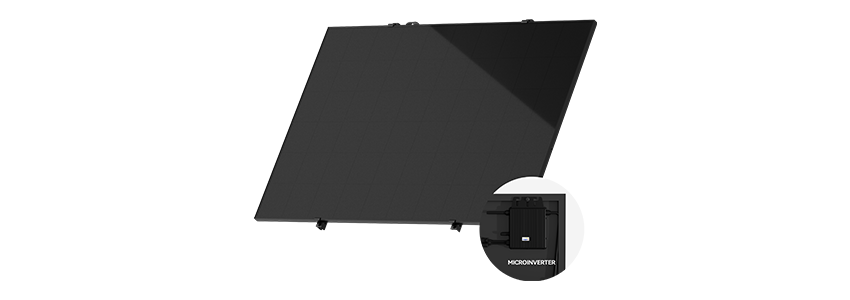
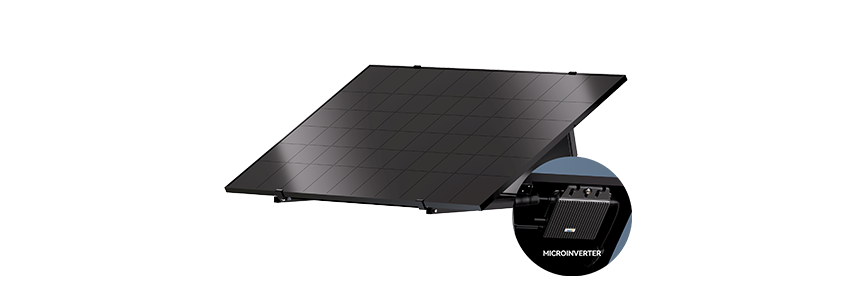
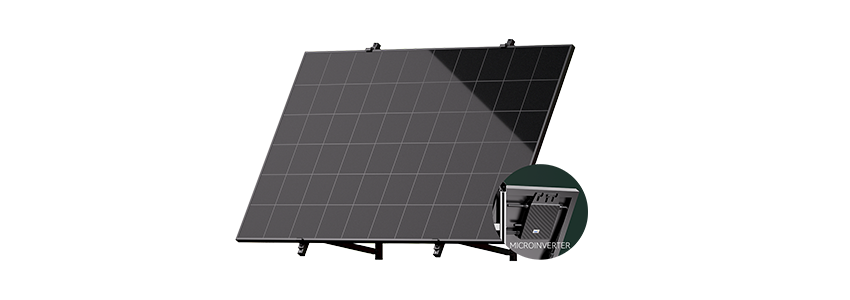
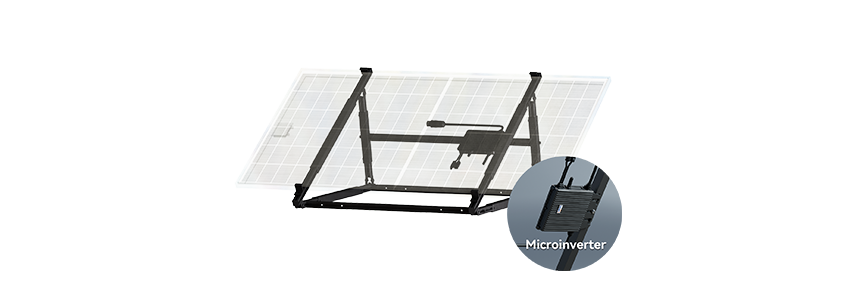
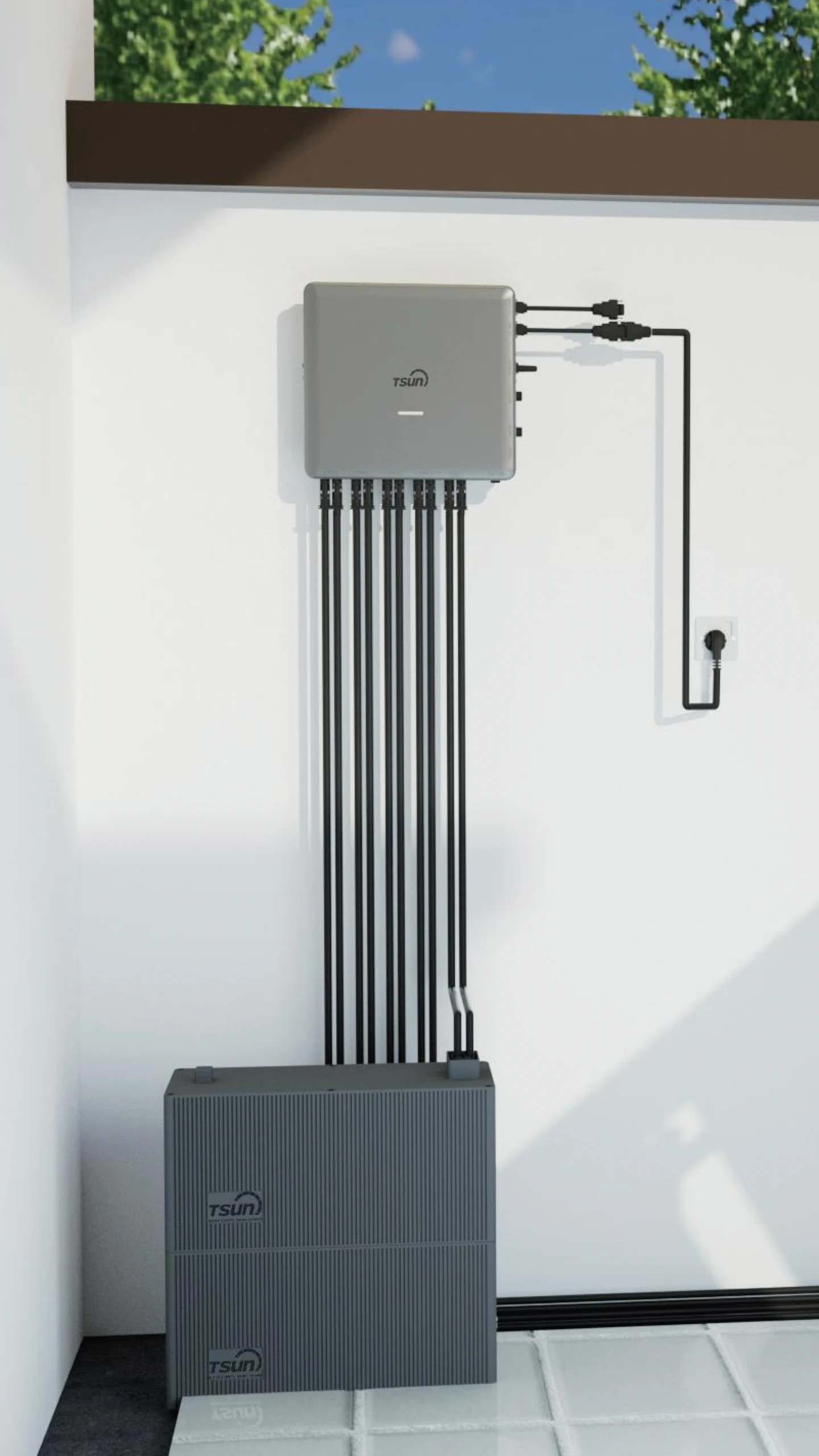
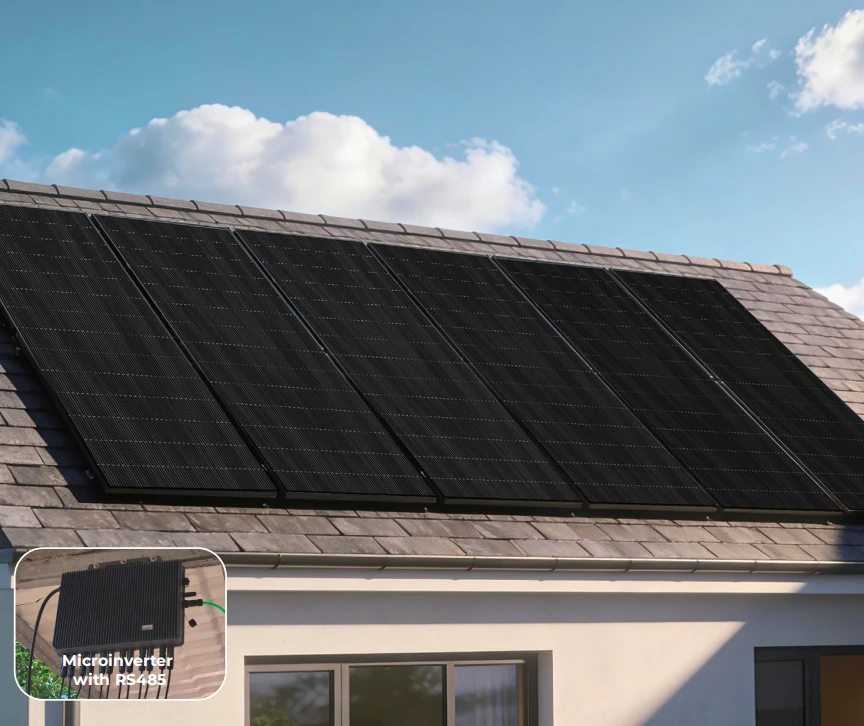
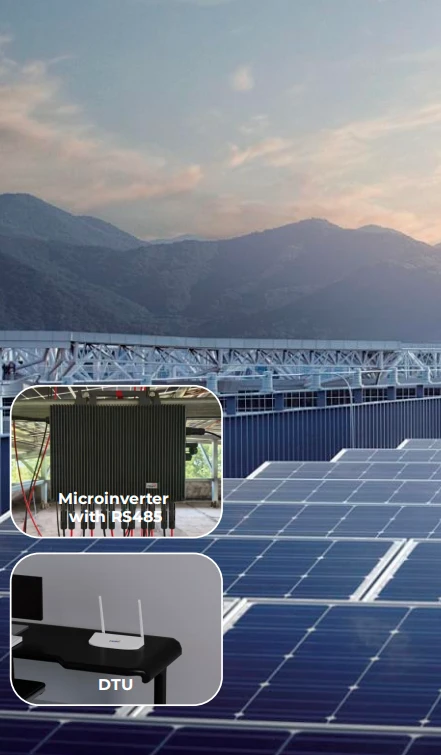
Trading grid-dependency for a smart, reliable backup doesn't mean you have to start from scratch or overpay for a complete system overhaul. The TSUN MAU5000Elite AC Coupled Unit is specifically optimized for upgrading existing grid-tied PV systems and integrating seamlessly with microinverters.
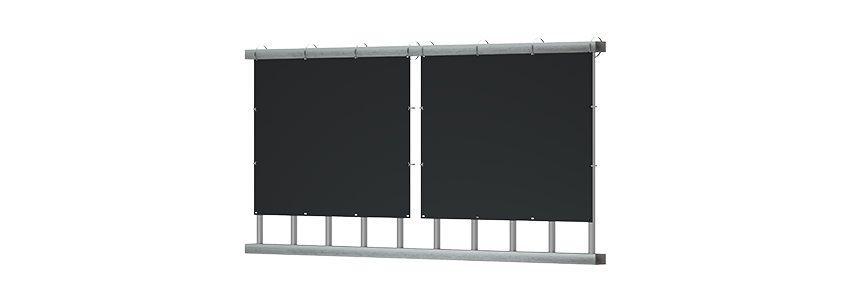
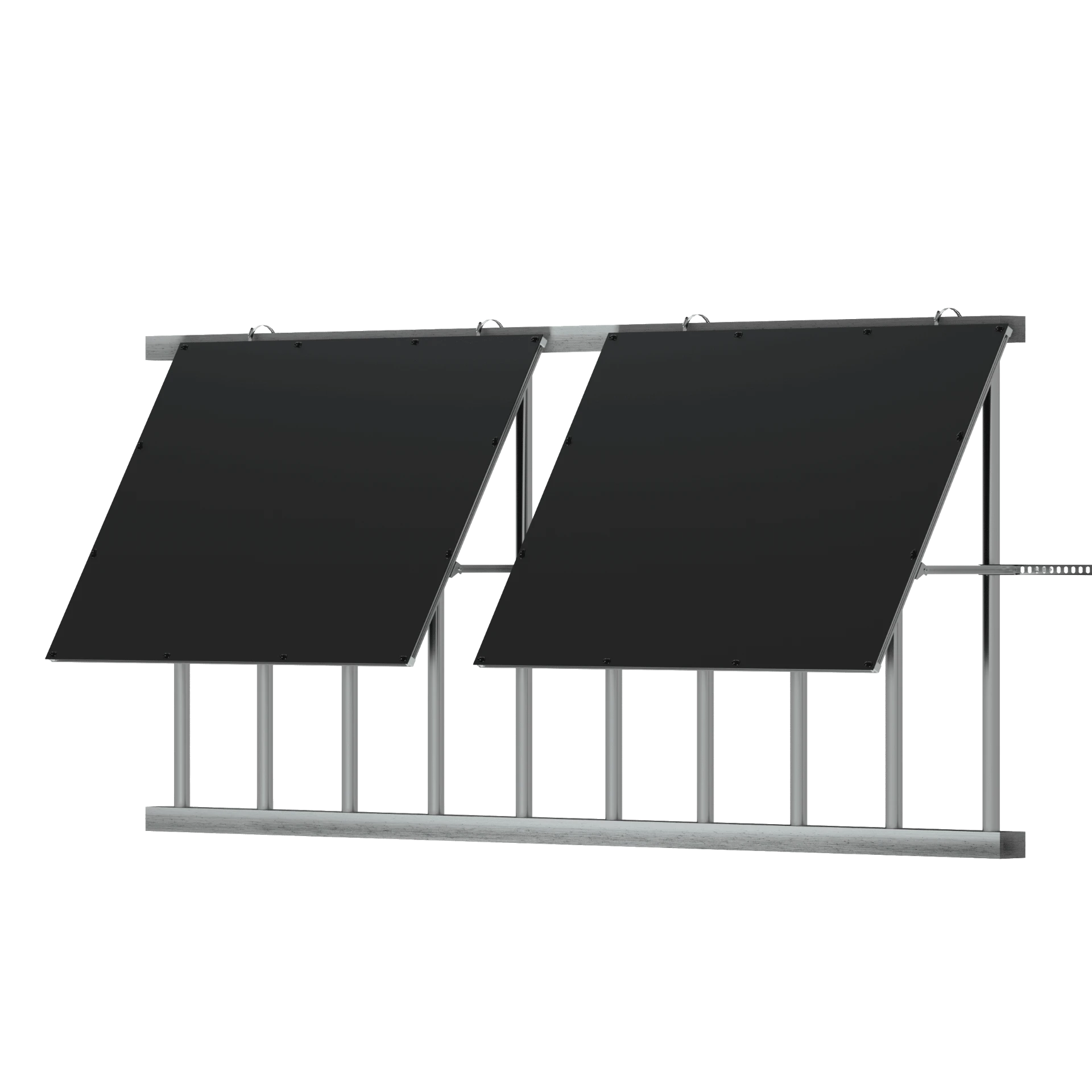
It is designed to empower the balcony PV and balcony energy storage markets, while adapting perfectly to distributed small-capacity residential scenarios.
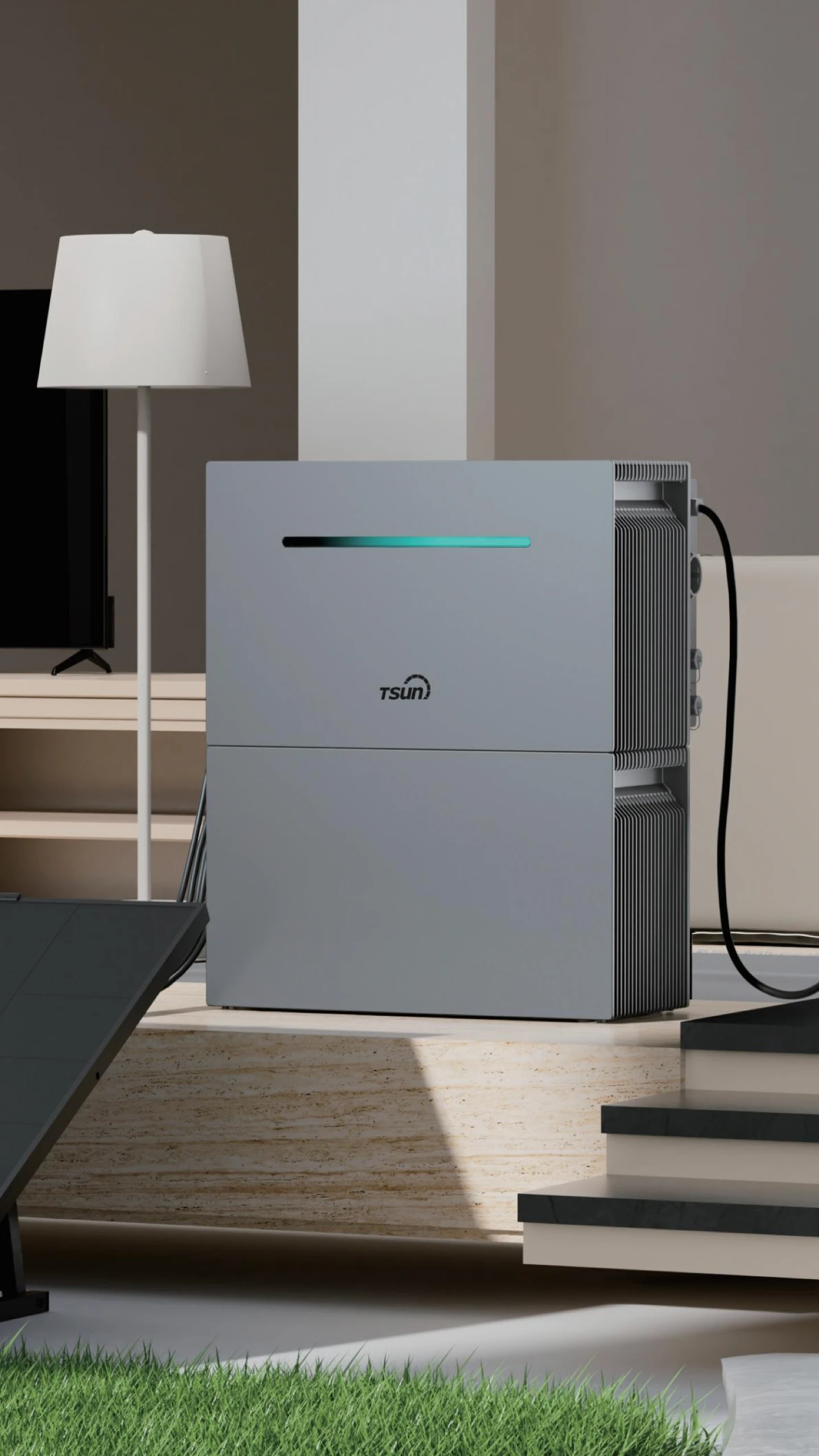
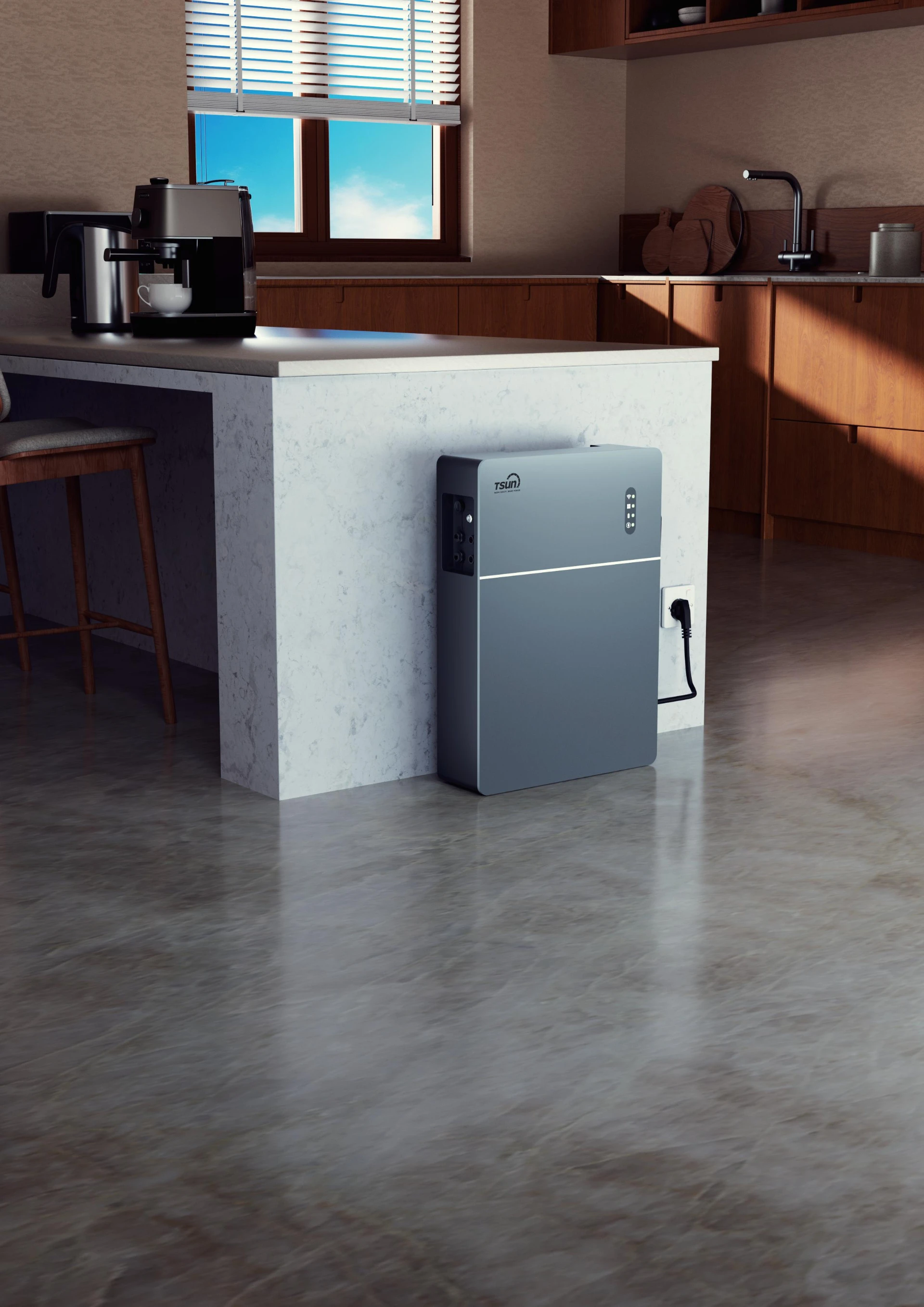
Available in a 3.6kW Plug & Play Version for easy DIY installation, and a 6kW Pro Version for high-power whole-home integration. Starting at a 5kWh modular capacity, its architecture scales effortlessly up to 25kWh—or can parallel up to 150kWh for massive commercial energy demands.
5. Strategic Ways to Reduce Solar Energy Storage Costs
You actually have real options to shrink that giant sticker price. Slashing these expenses requires a bit of upfront strategy.
- Rent Your Battery Out (VPP Energy Dispatch): Did you know utility companies will actually pay you? When the neighborhood grid struggles on a hot afternoon, they buy your extra battery juice. Participating in Virtual Power Plant (VPP) programs is like renting out a spare room. Systems equipped with built-in interfaces for VPP energy dispatch (like the TSUN MAU Series) allow for rapid, highly efficient external dispatch response, turning your battery into an active income stream.
- Hunt for Local Money: Call your local electric company. Many states, provinces, and municipalities offer huge cash rebates for families installing batteries, especially in grid-strained or high-fire-risk zones. Uncovering a hidden state rebate melts your final bill down fast.
- Pack Light (Right-Sizing): You do not need to power your entire house for three days. Think of it as packing for a short weekend trip—just back up the heavy hitters. Keep your fridge cold, your internet router blinking, and a few essential lights on. Buying a modular system (like a 5kWh base unit) saves a mountain of money, and you can always stack more later.
- Compare Multiple Bids: Never settle for the first price tag. Always grab at least three quotes from certified local installers. A few hours of bid comparison can effortlessly save you thousands on labor and markup.

 LEARN MORE