Solar Grid Tie Microinverter is a key solution in the industry, specifically within commercial solar energy integration and smart grid applications. This article explores how https://www.tsun-ess.com supports professionals with durable, high-performance products, and explains why this product is an ideal choice for businesses in these sectors.
Table of Contents
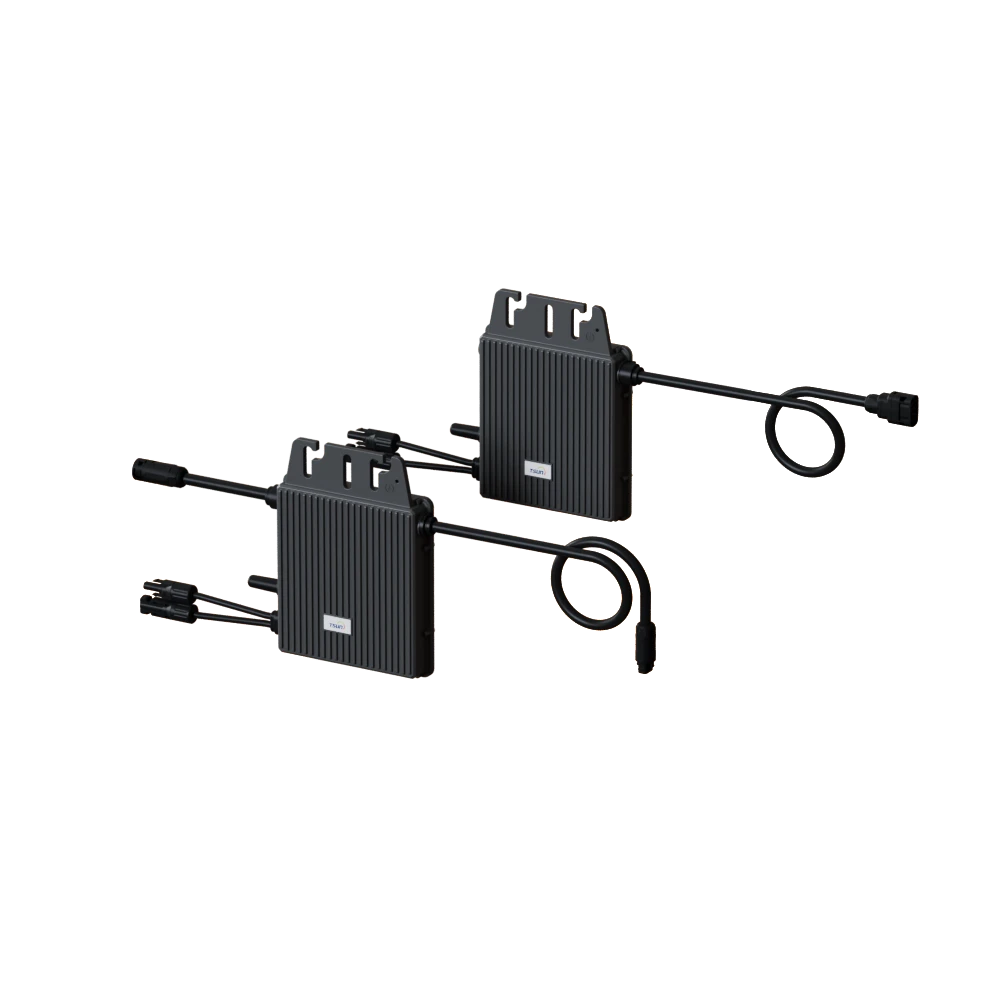
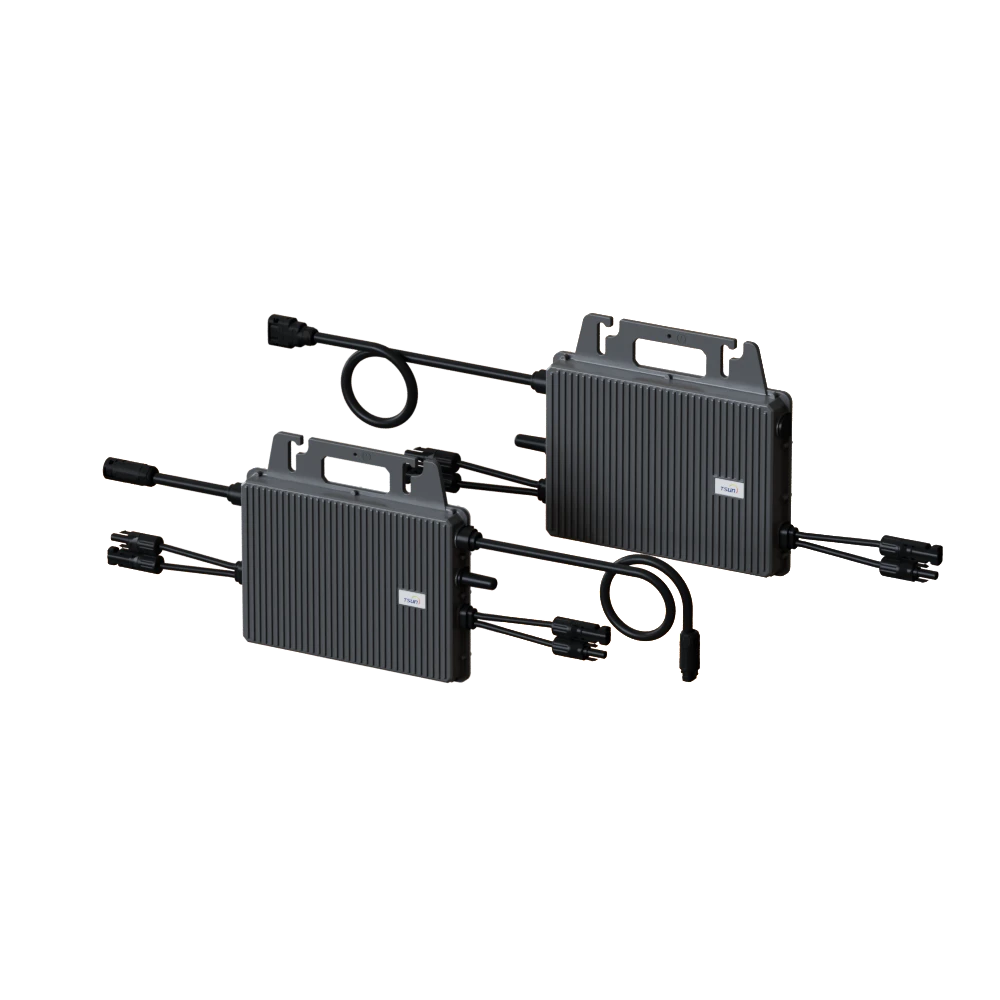
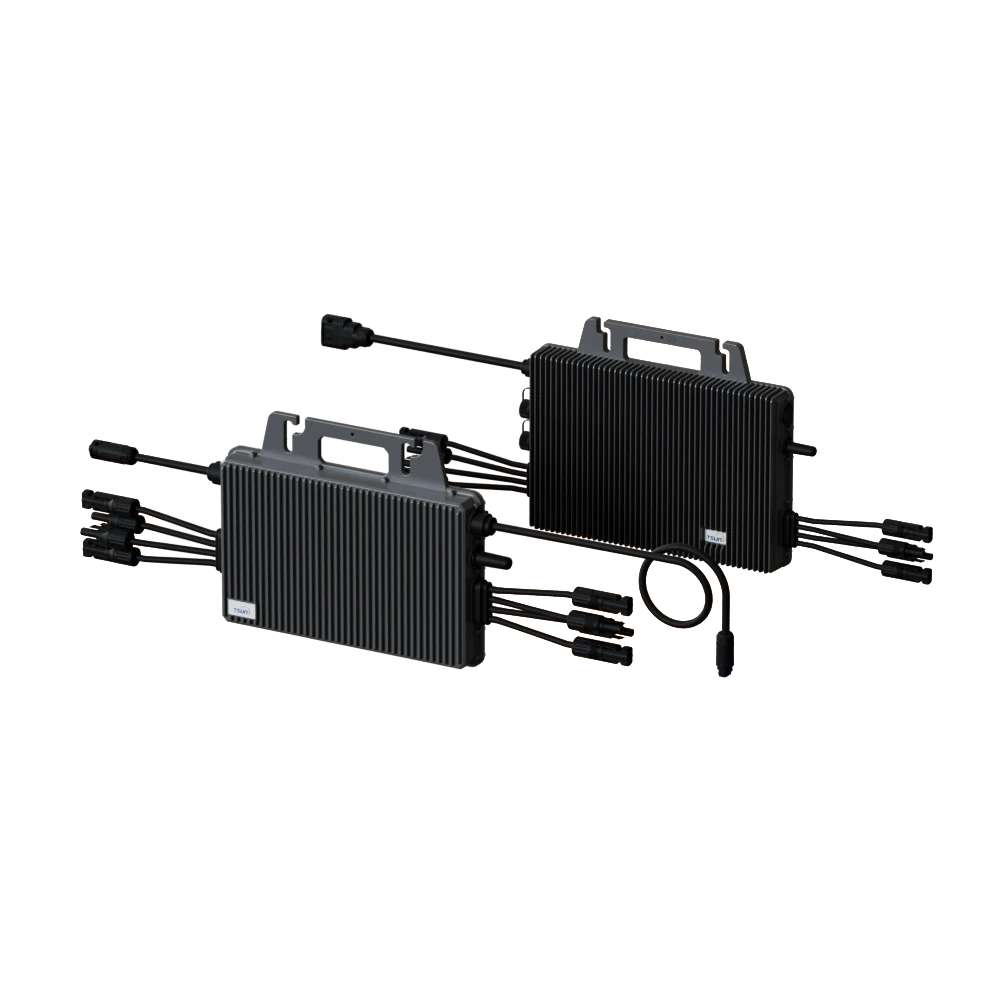
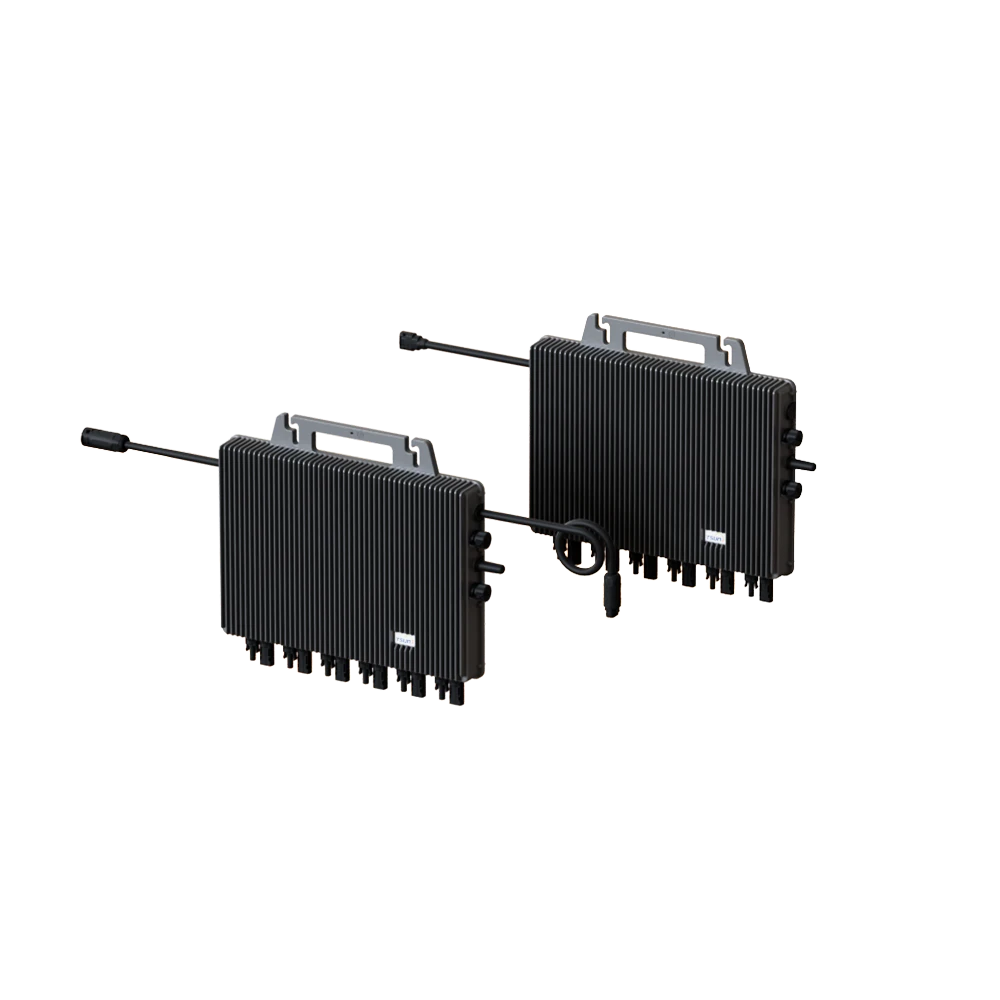
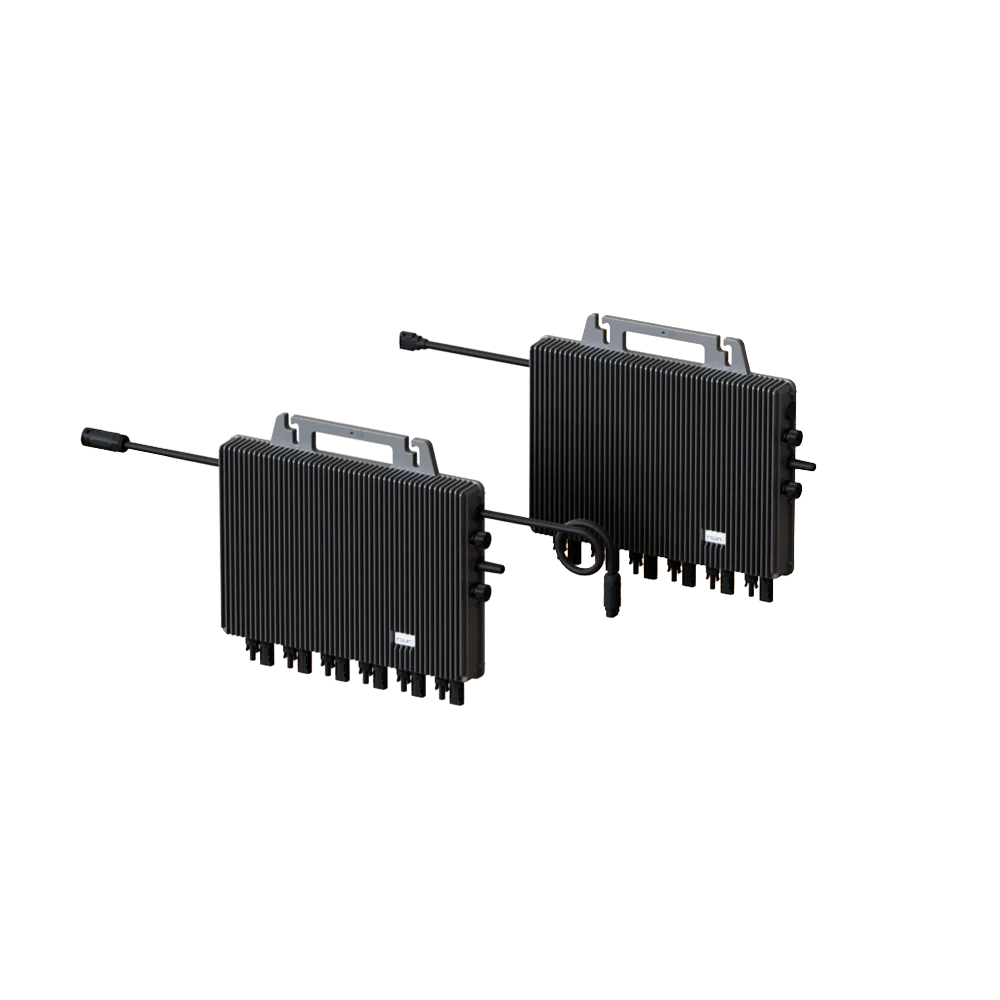
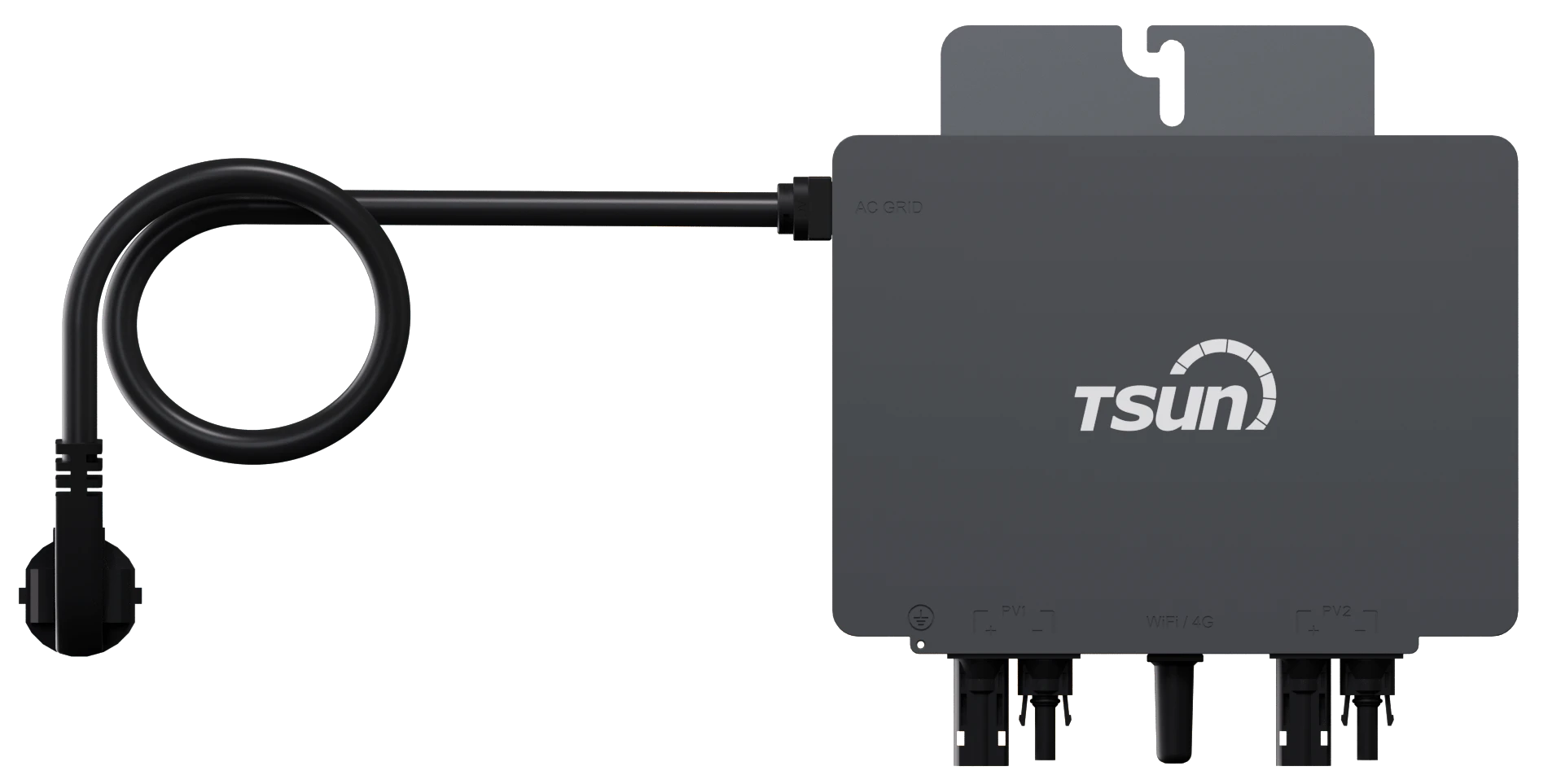
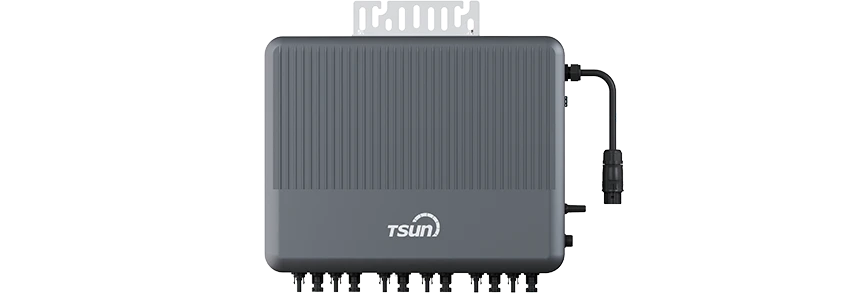
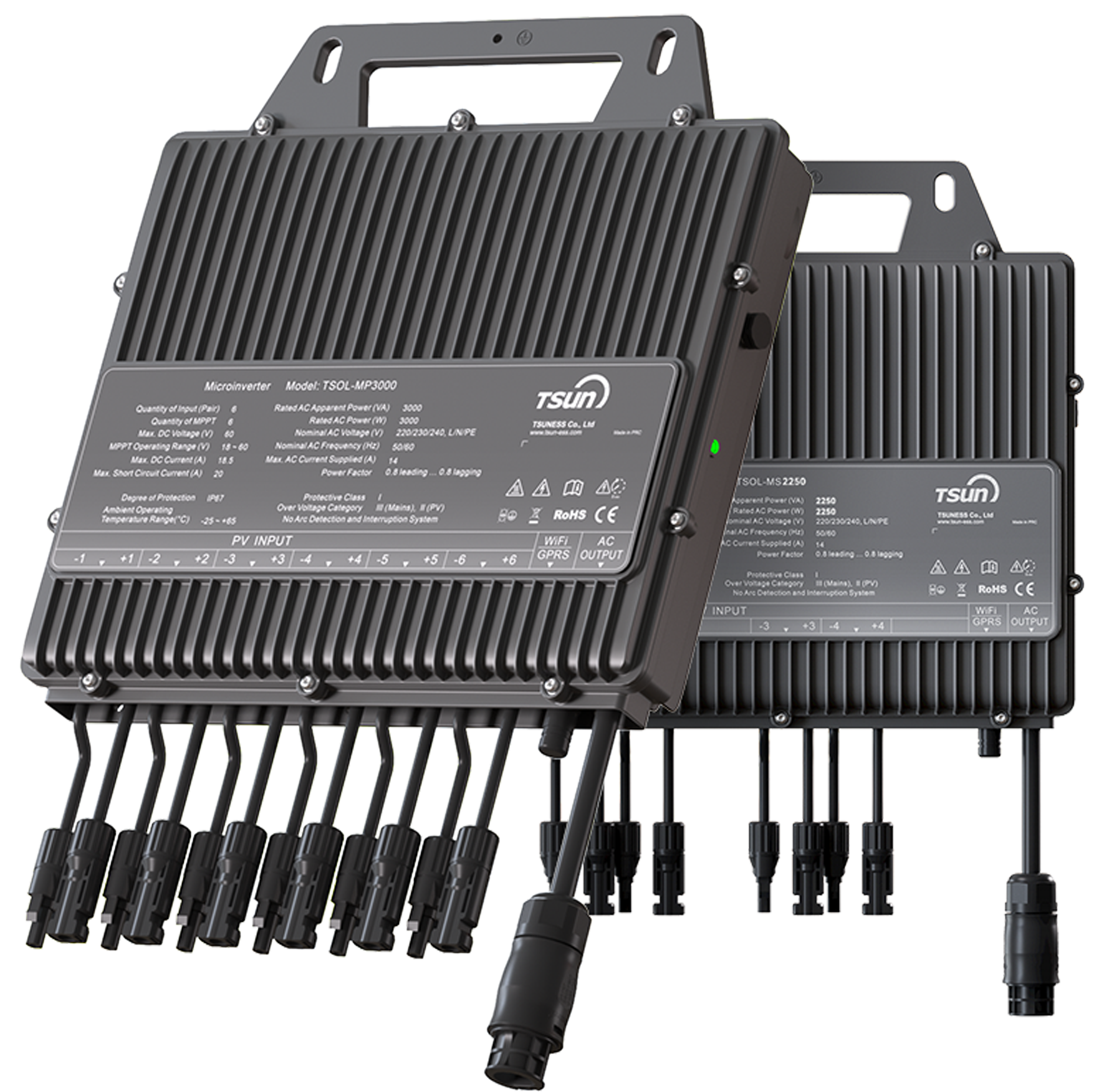
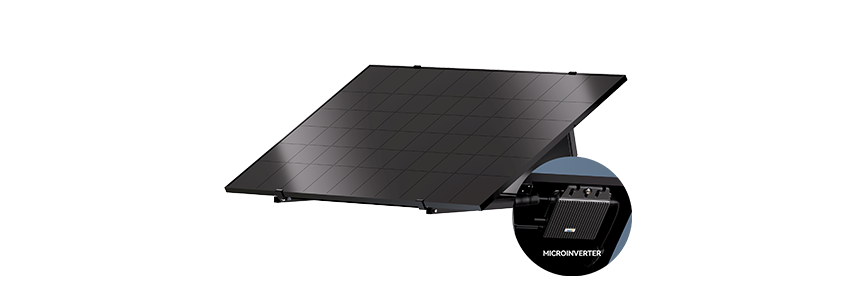
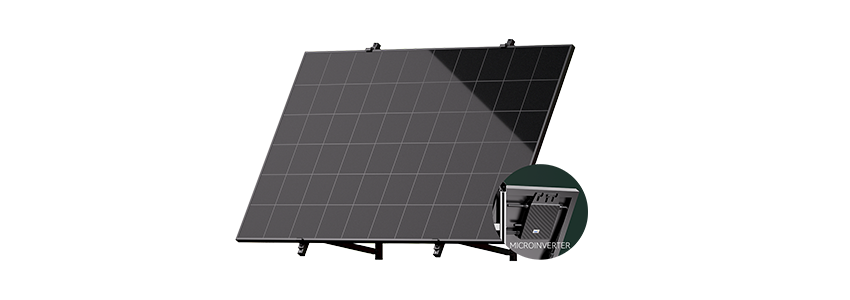
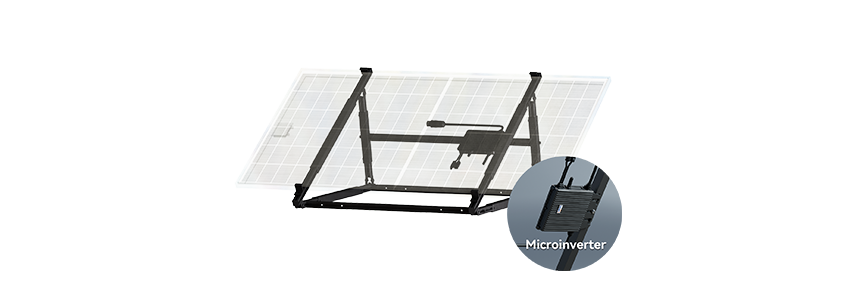
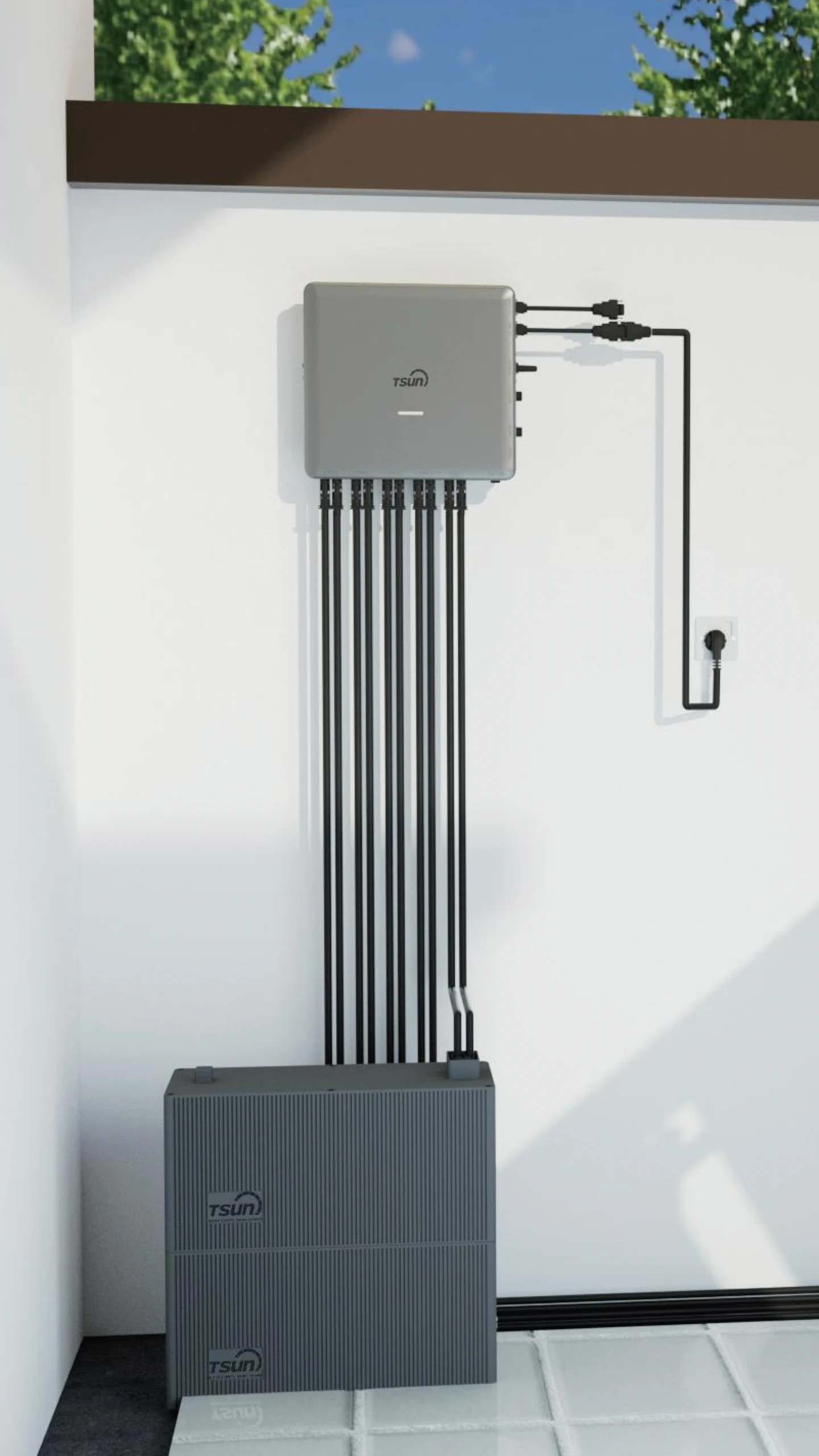
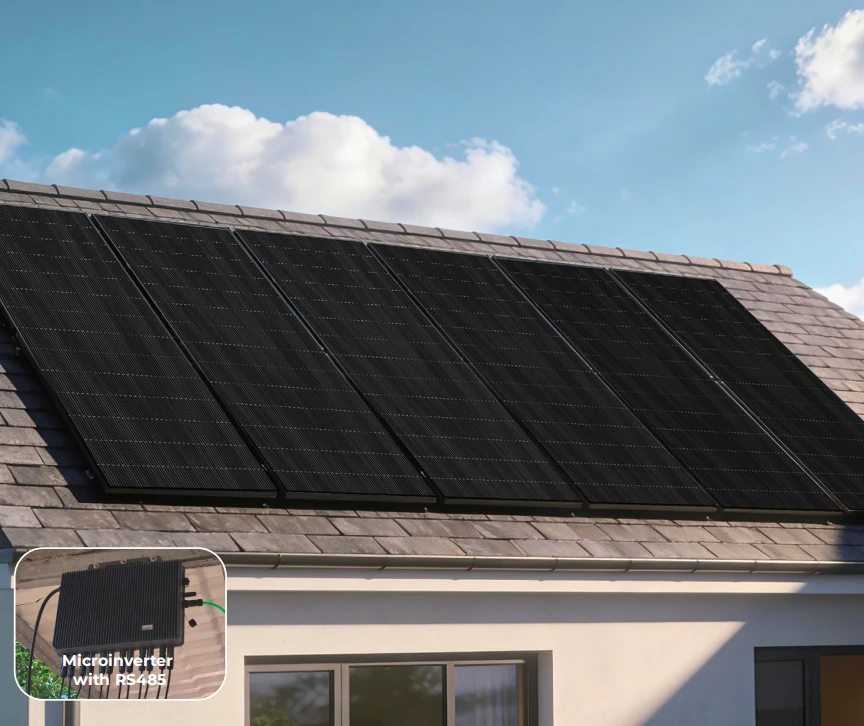
Let’s start at the beginning — what exactly is a Solar Grid Tie Microinverter? In real terms, it’s a device that converts the DC electricity generated by solar panels into AC electricity that can be fed directly into the grid. But unlike traditional string inverters, these microinverters work on a per-panel basis, which frankly makes a big difference in performance optimization and system reliability.
- Essentially, it maximizes solar output by tracking the maximum power point of individual modules rather than entire arrays.
- Typical specs from TSUN ESS include an output power range of 200-400W per unit, anti-islanding protection, IP65 weather rating, and up to 96% efficiency.
- A recent case study revealed that installations in commercial buildings using these microinverters saw up to a 15% increase in energy harvest compared to string inverter setups.
| Specification |
Typical Value |
| Nominal Output Power |
250W - 400W |
| Efficiency |
Up to 96% |
| Input Voltage Range |
22V - 48V DC |
| Operating Temperature |
-40°C to +65°C |
| Ingress Protection |
IP65 (Weatherproof) |
Okay, so why should businesses care? Well, the modular nature of Solar Grid Tie Microinverters means that shading, soiling, or even failure of a single panel doesn't drag down the entire system's output. It’s a kind of intelligent local optimization, which frankly is a game-changer in many industrial settings, especially where rooftop space varies or panels face different directions.
- Specific applications range from commercial rooftop arrays to utility-scale solar farms and even residential microgrids connected to larger energy infrastructures.
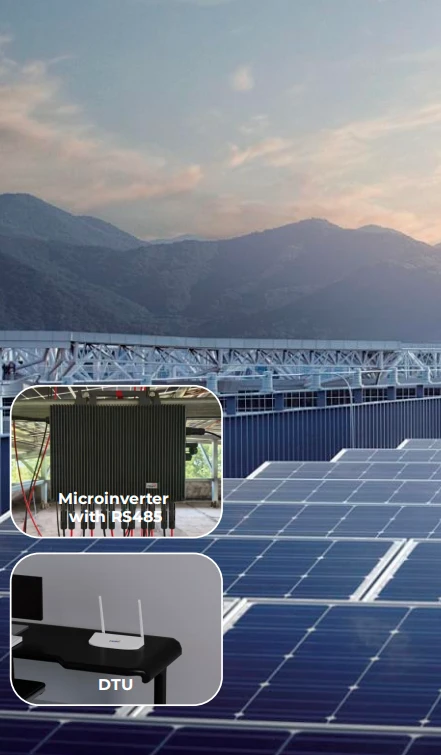
- Features like built-in monitoring allow operators to pinpoint panel-level issues remotely, improving maintenance efficiency and uptime.
- Compared to standard string inverters, microinverters mean easier expansion – just add panels with matching units, no rewiring headaches.
- TSUN ESS’s microinverters also emphasize robust build quality – IP65 rating ensures they’re fine even in more challenging environments, which many engineers I spoke with appreciate a lot.
Cost, Maintenance & User Experience
In the B2B world, cost and ROI are king. Although Solar Grid Tie Microinverters have a higher upfront price compared to traditional systems, the total cost of ownership often balances out nicely over time. Durability and modularity reduce downtime and maintenance labor costs — key for busy operators who can’t afford interruptions.
- Feedback from TSUN ESS commercial clients highlights fewer failures and quicker troubleshooting.
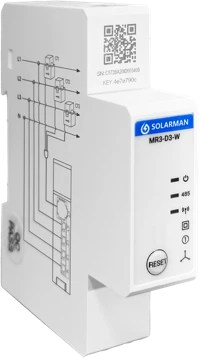
- The smart monitoring ecosystem integrated into most microinverters enhances user experience by offering real-time diagnostics and performance data at panel level.
- One company in logistics reported a measurable 10% lift in energy output year-over-year after switching to microinverter-based systems, which is not trivial.
| Vendor |
Product Efficiency |
Warranty |
Cost Range (USD) |
| TSUN ESS |
Up to 96% |
10 years |
$120 - $180/unit |
| Competitor A |
Up to 94% |
8 years |
$100 - $165/unit |
| Competitor B |
Up to 95% |
12 years |
$130 - $200/unit |
Sustainability & Market Trends
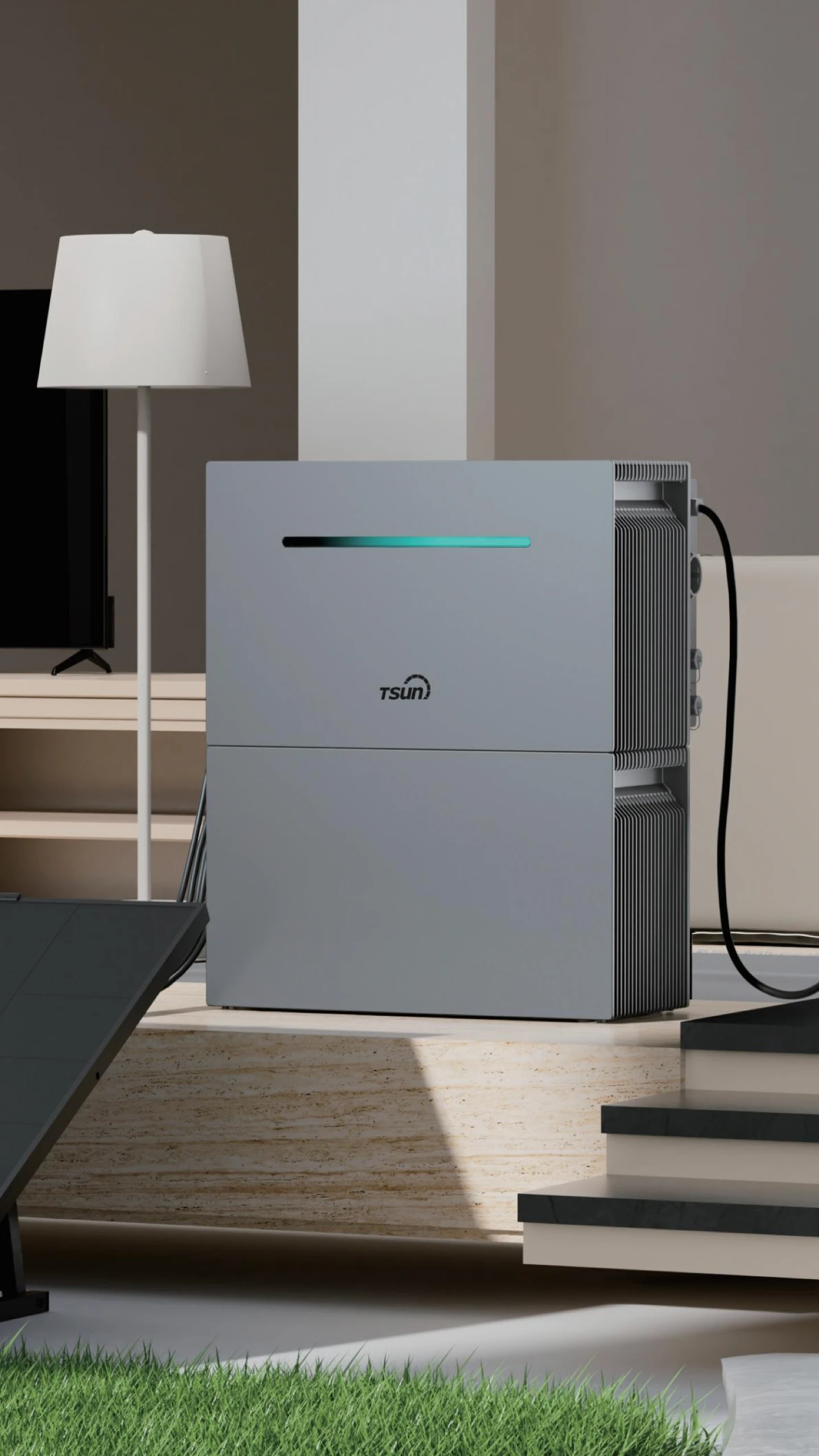
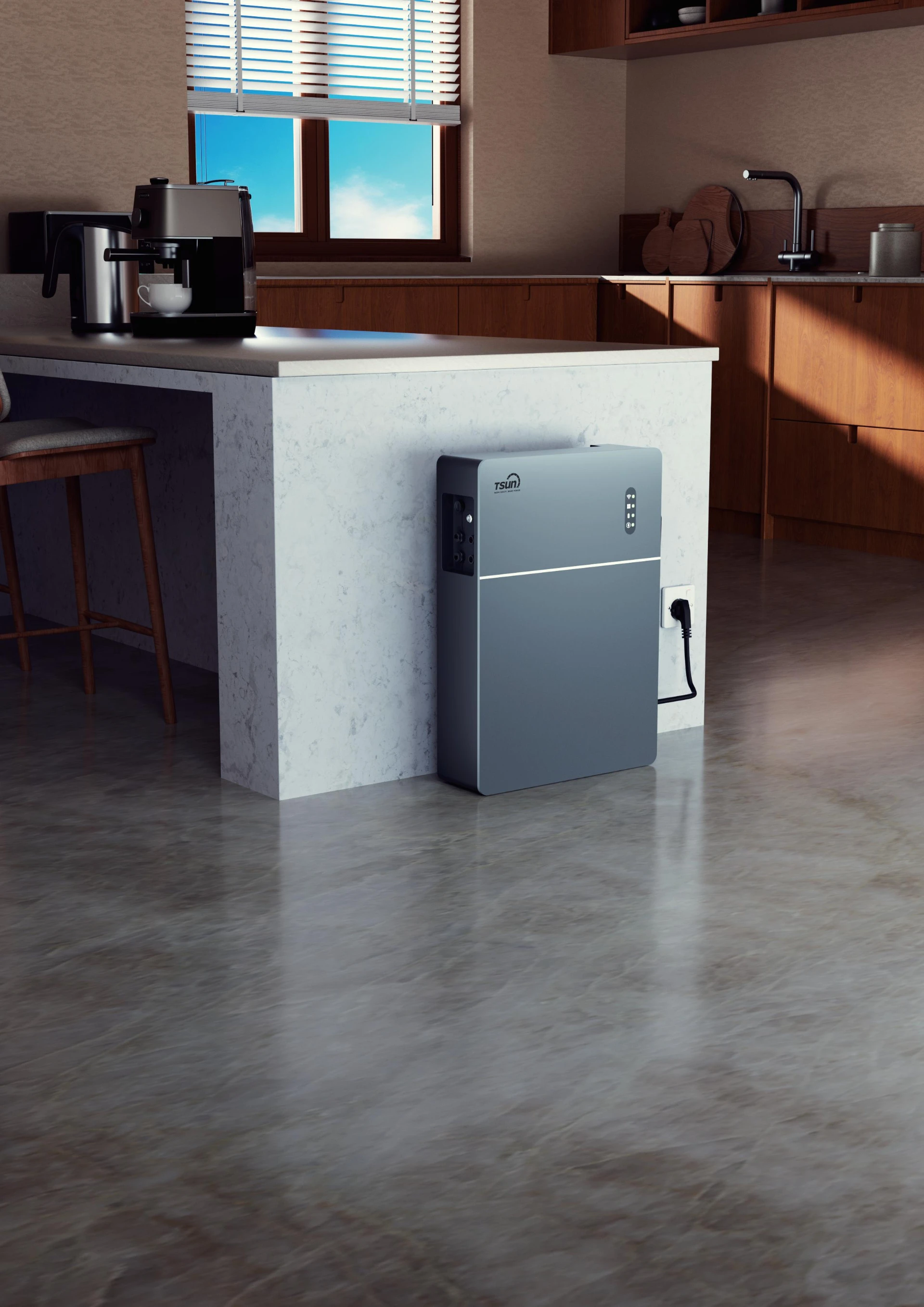
The push for sustainability in energy has driven microinverter adoption upward. Regulations increasingly favor grid-tied solar solutions with high safety and monitoring standards — and microinverters fit that mold perfectly. Oddly enough, these devices also enable more granular grid management and integration of energy storage, critical as grids become smarter.
- Industry analysts predict growth at about 12% CAGR in microinverter shipments through 2030, reflecting their expanding role.
- Furthermore, their modular design means less waste if a unit fails; only the affected module needs replacement, supporting circular economy goals.
- Manufacturers like TSUN ESS are investing in R&D for higher efficiency and smarter communication protocols, keeping ahead of the market curve.
Frequently Asked Questions about Solar Grid Tie Microinverter
- What is Solar Grid Tie Microinverter and how does it work?
-
It’s a small inverter attached to each solar panel that converts DC power into grid-compatible AC power individually. This allows for panel-level optimization and reduces system-wide losses.
- What are the main benefits of using Solar Grid Tie Microinverter in industrial applications?
-
Key advantages include maximized energy harvest, improved reliability, simplified system expansion, and enhanced troubleshooting through panel-level monitoring.
- How does Solar Grid Tie Microinverter compare to traditional alternatives?
-
Unlike string inverters, microinverters allow each panel to operate independently, reducing impact from shading or failures and boosting overall system efficiency.
- What industries can benefit most from Solar Grid Tie Microinverter implementation?
-
Commercial real estate, manufacturing facilities, hospitality, and utility-scale solar farms are primary beneficiaries. Anywhere panel conditions vary, microinverters shine.
Conclusion on Solar Grid Tie Microinverter from china
In summary, the Solar Grid Tie Microinverter offered by TSUN ESS represents a sound investment for businesses aiming to enhance solar system efficiency, reliability, and ease of use. The modular architecture, combined with robust construction and clear monitoring benefits, underscores why many B2B decision makers now favor these microinverters over traditional options. For those seriously considering next-gen solar infrastructure, visiting the TSUN ESS site is a practical first step.
Ultimately, harnessing microinverter technology feels like steering solar adoption into a smarter, more resilient future.
- International Renewable Energy Agency (IRENA), Solar Technology Trends Report, 2023.
- TSUN ESS Customer Performance Reviews, Q1 2024.
- EnergySage Comparative Analysis: Inverter Technologies, 2023.



 LEARN DETAILS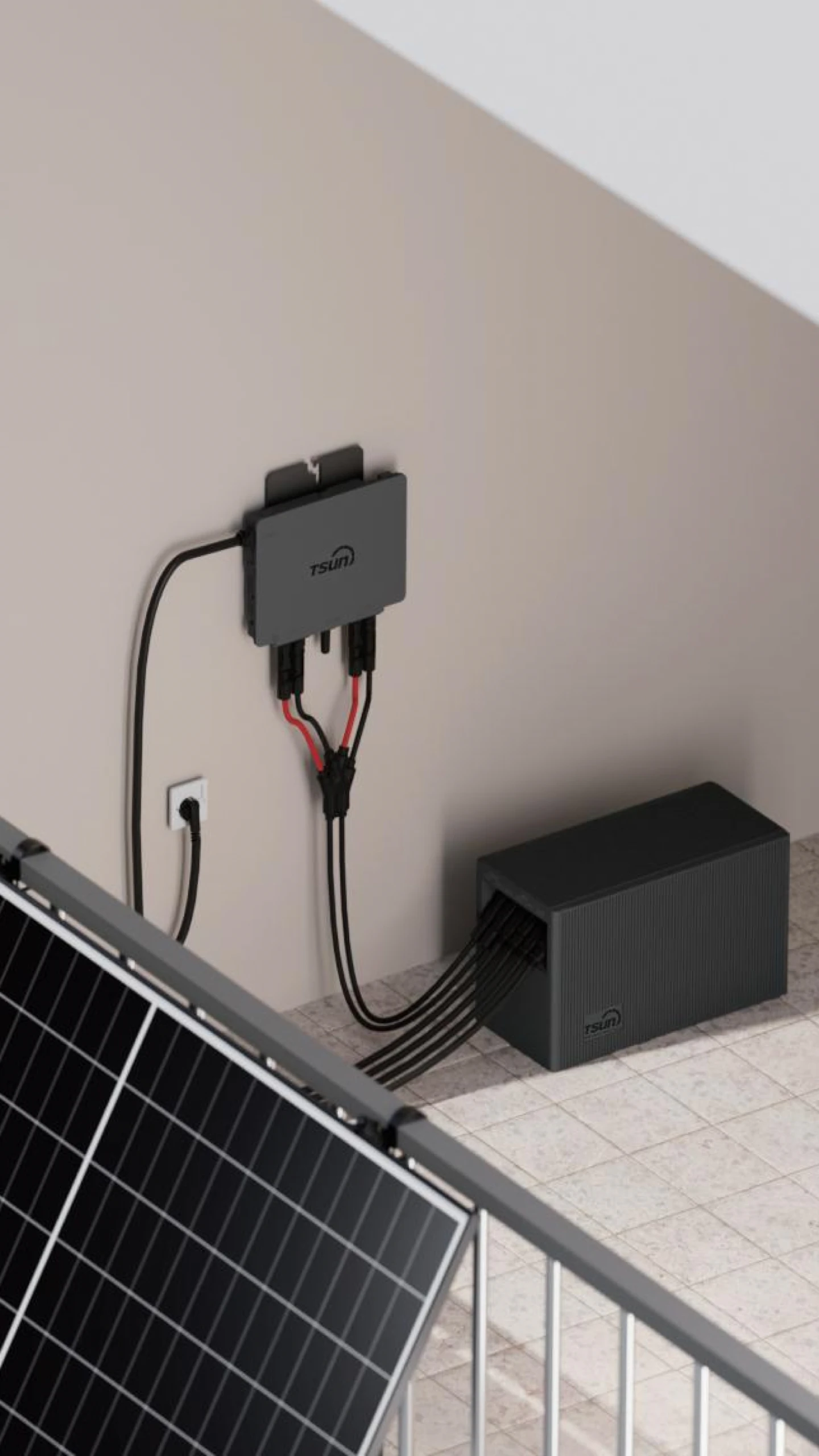
 Downloads
 Video Center
 Report Fault for Repair
 FAQS
FAQS Service Network
 Privacy Policy
 Contact Us
 Monitoring


 LEARN MORE